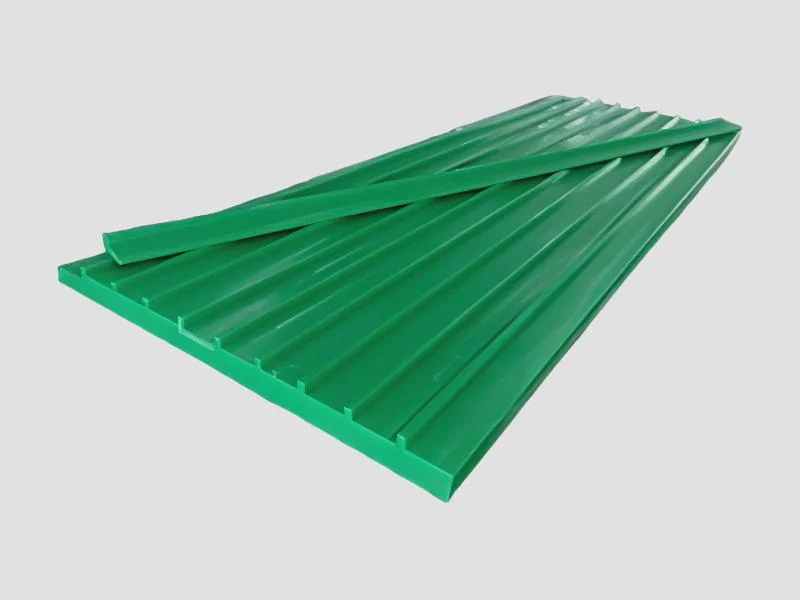
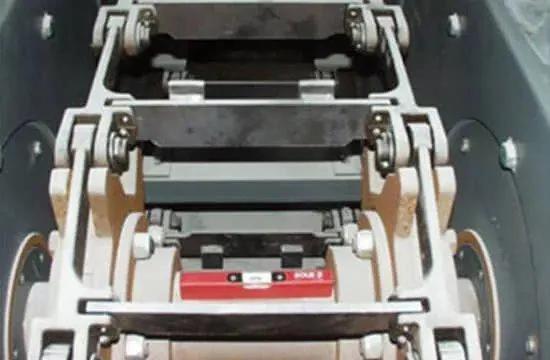
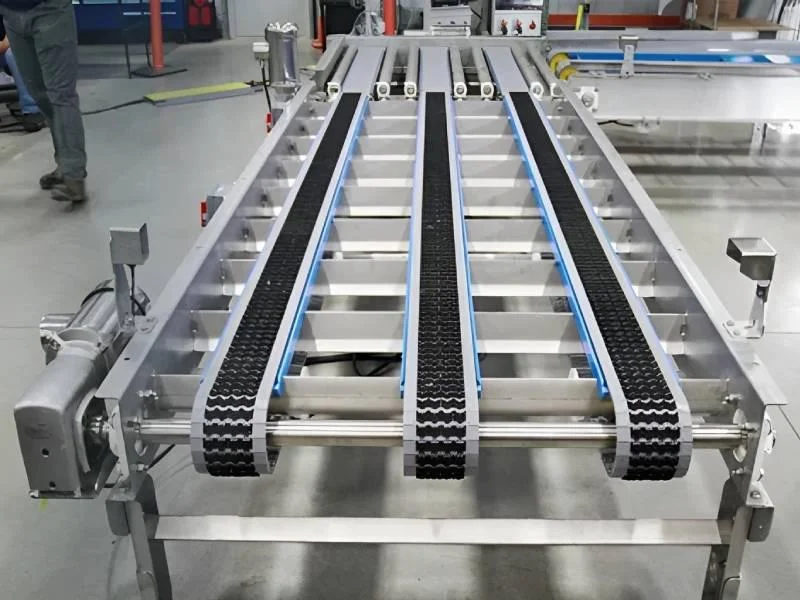
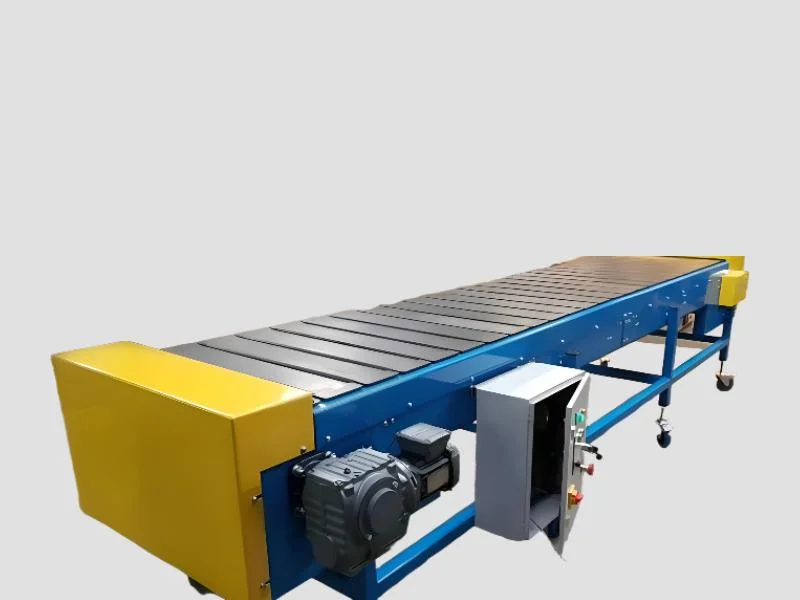
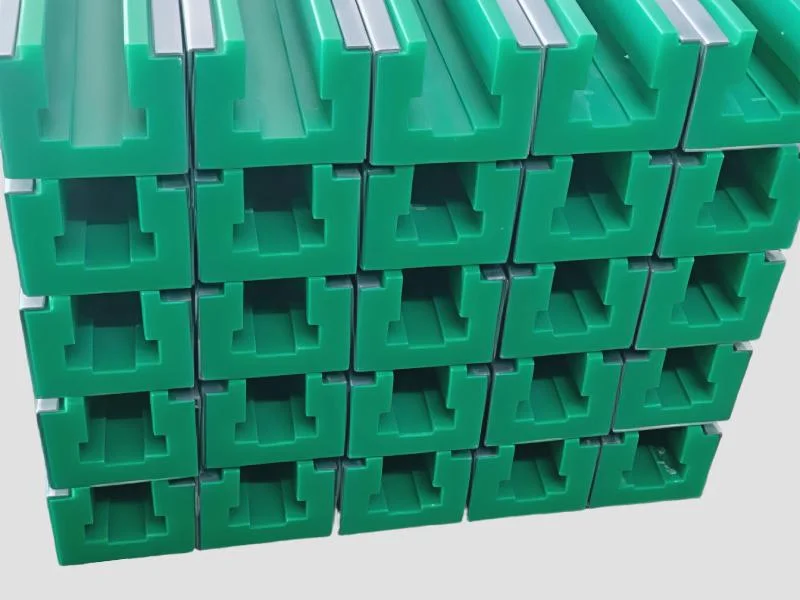
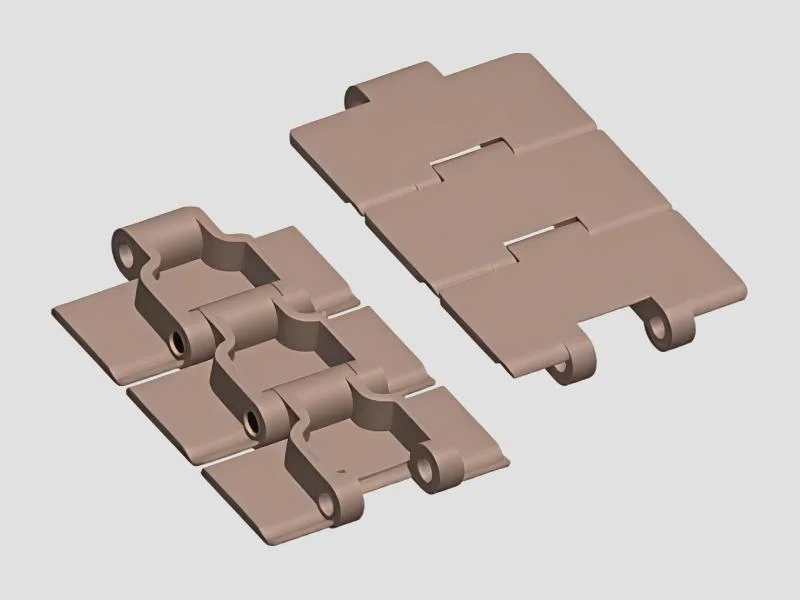
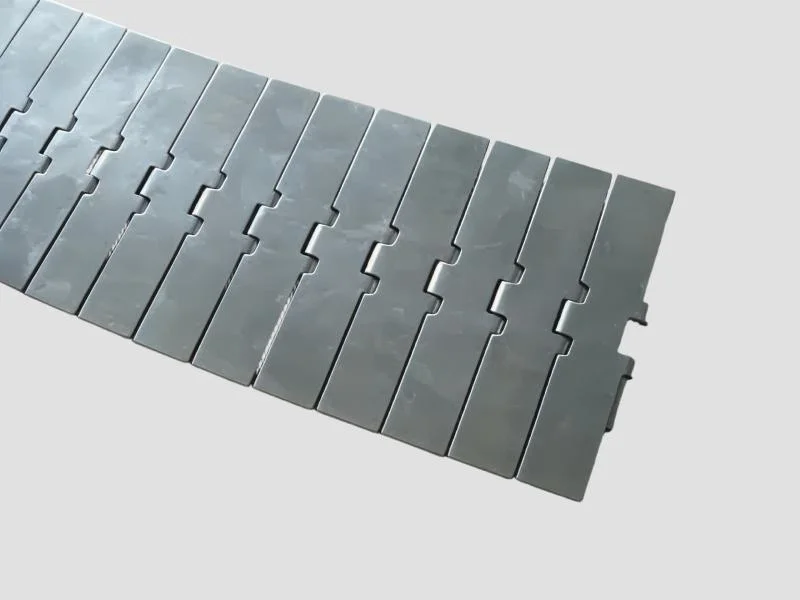
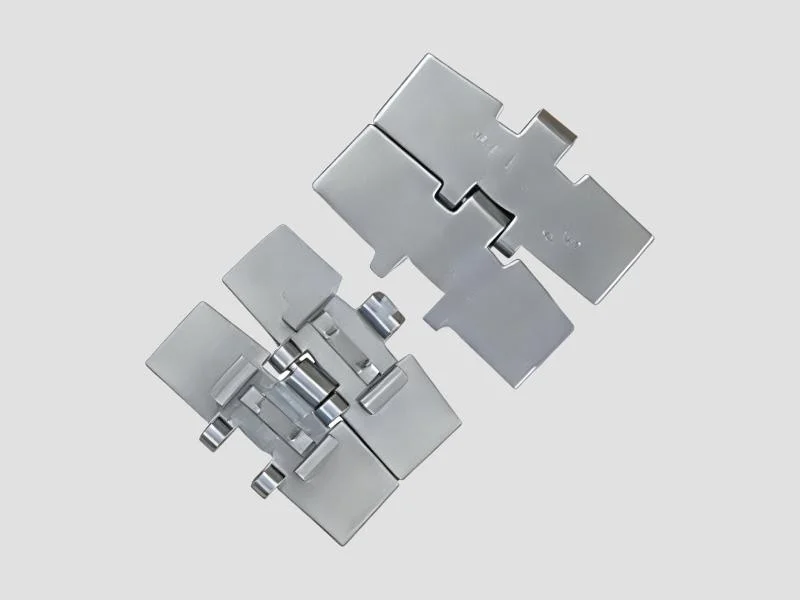
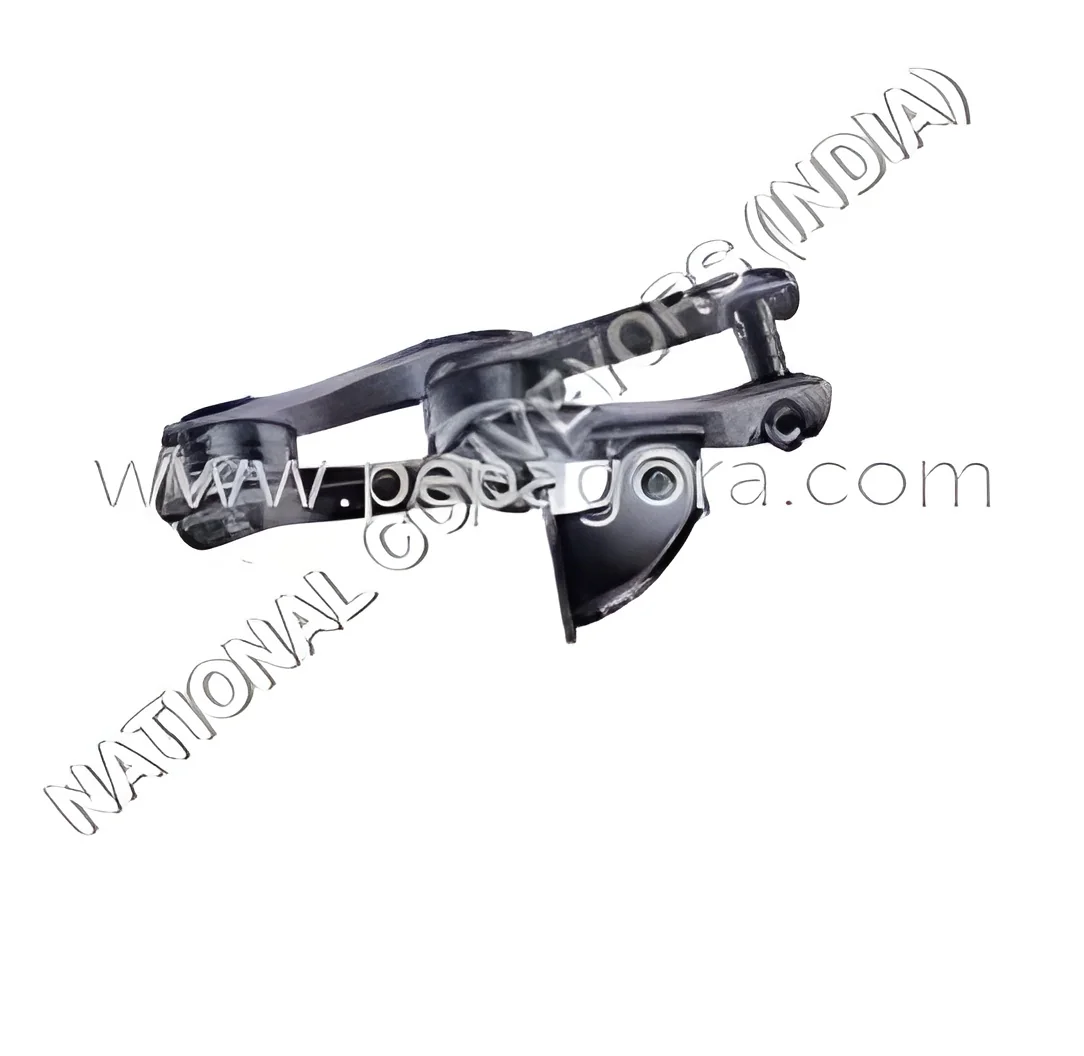
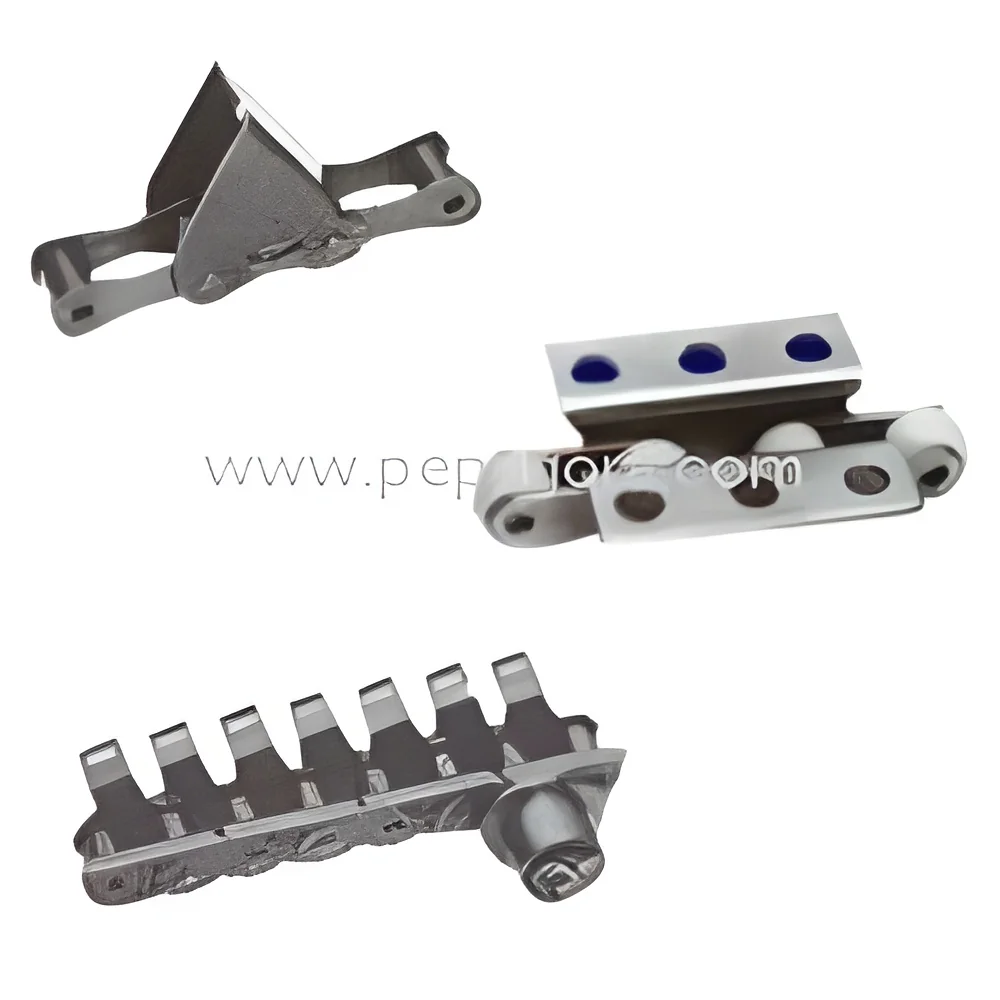
What are Chain Conveyors?
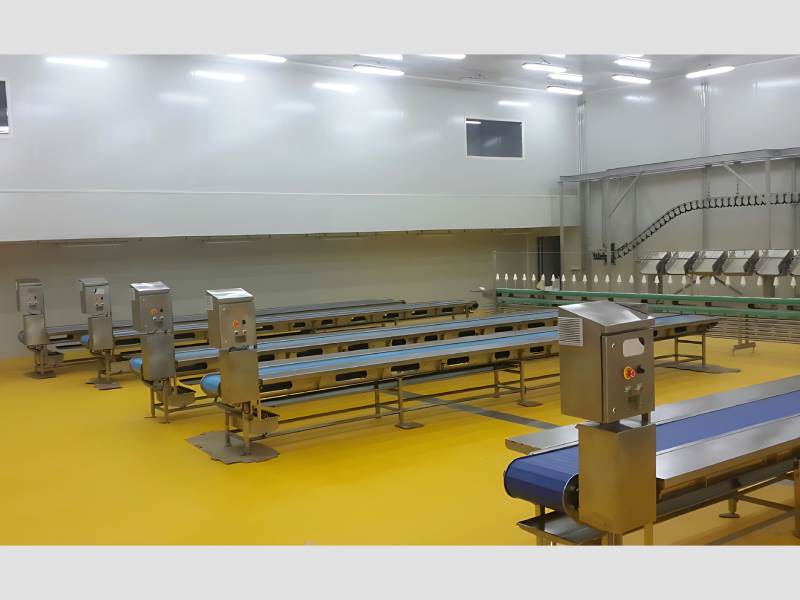
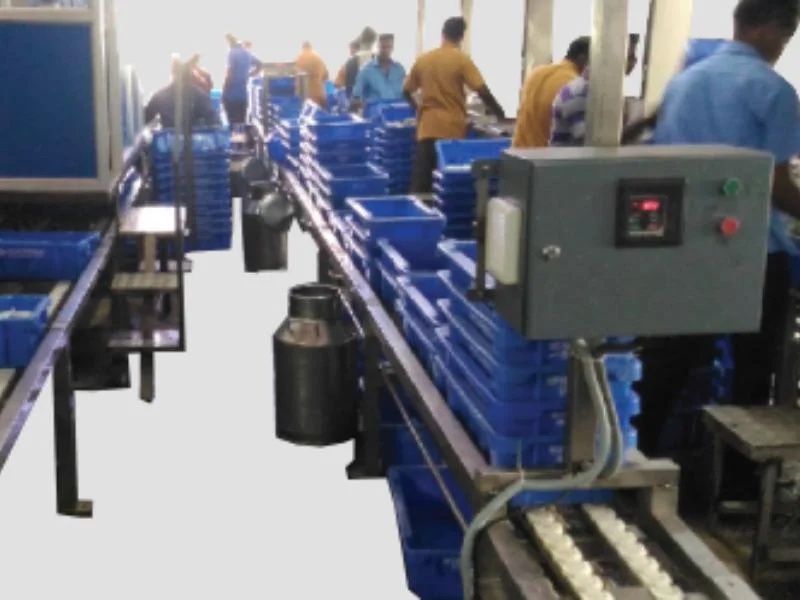
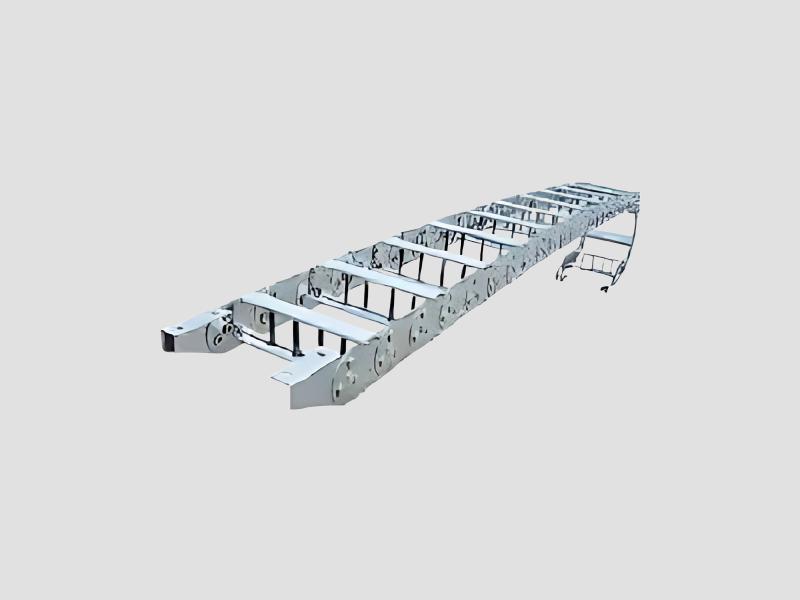
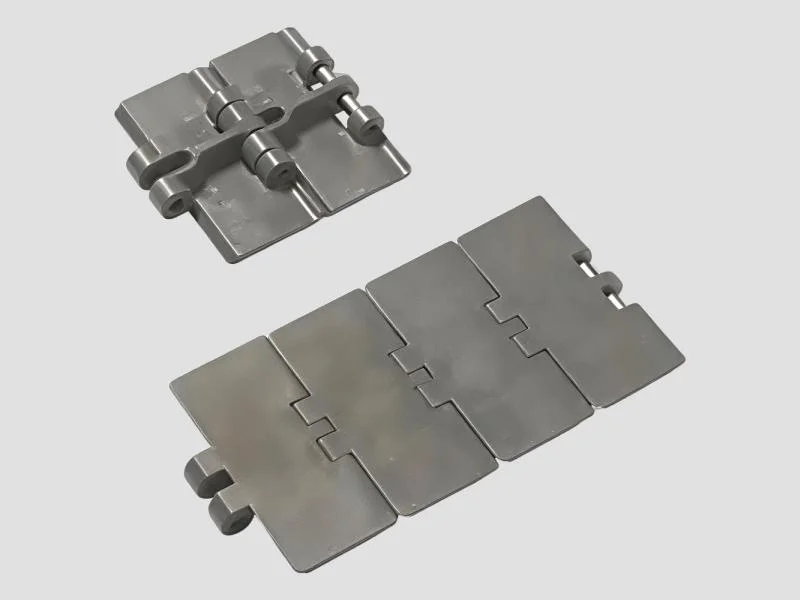
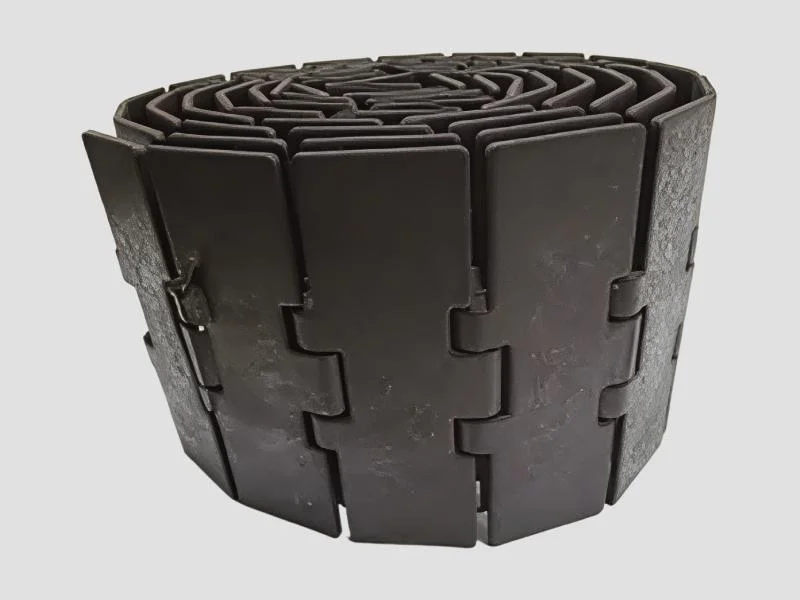
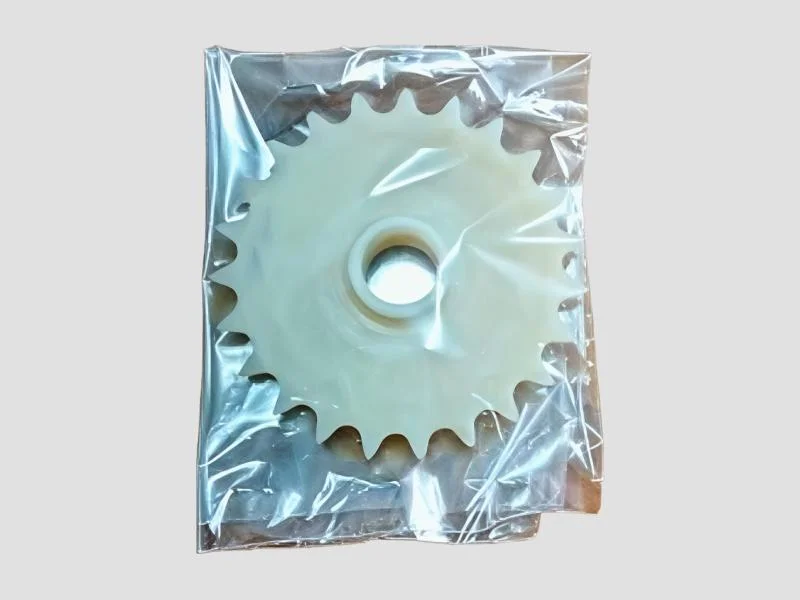
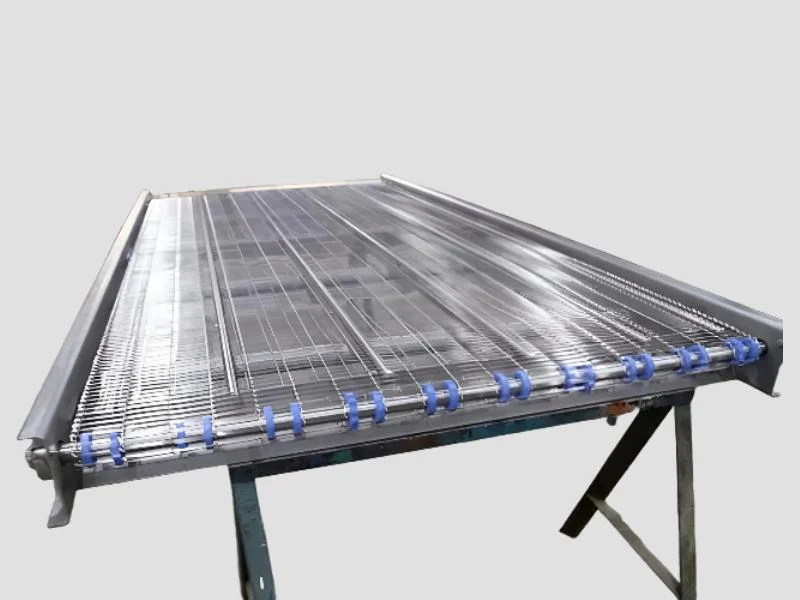
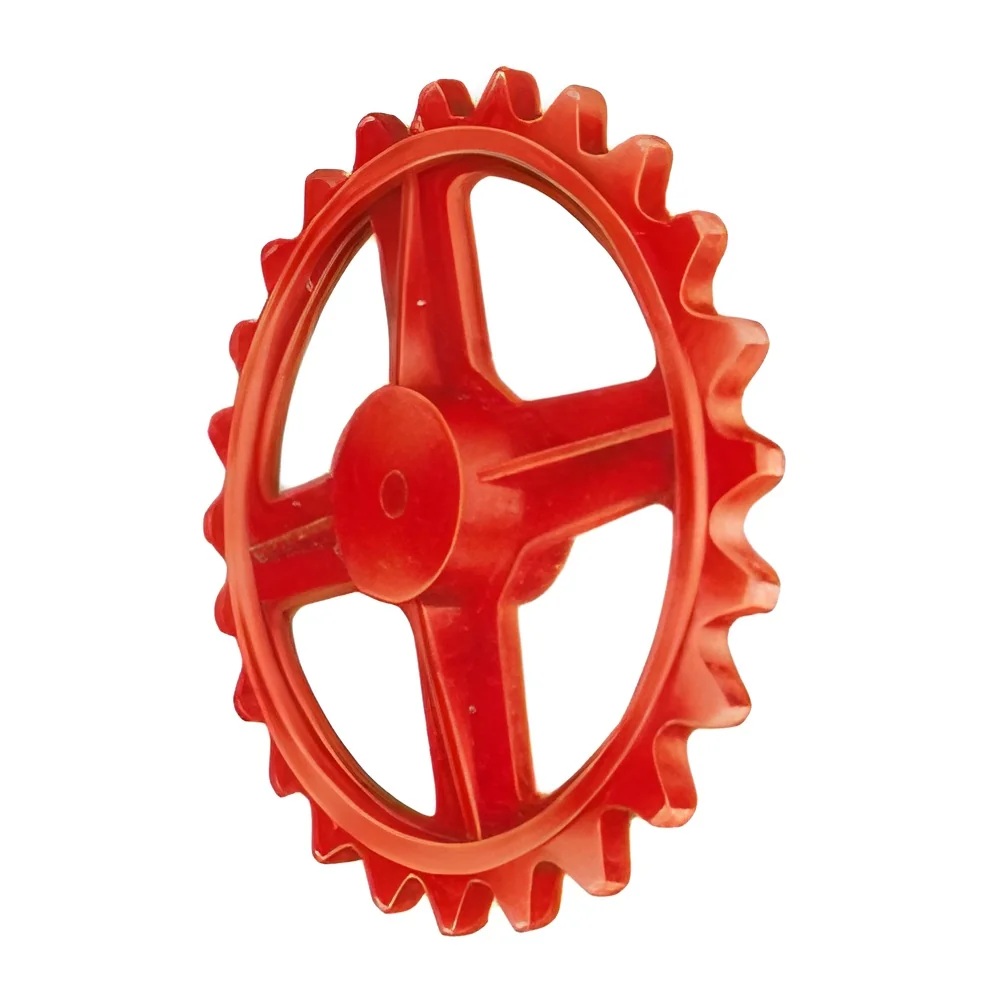
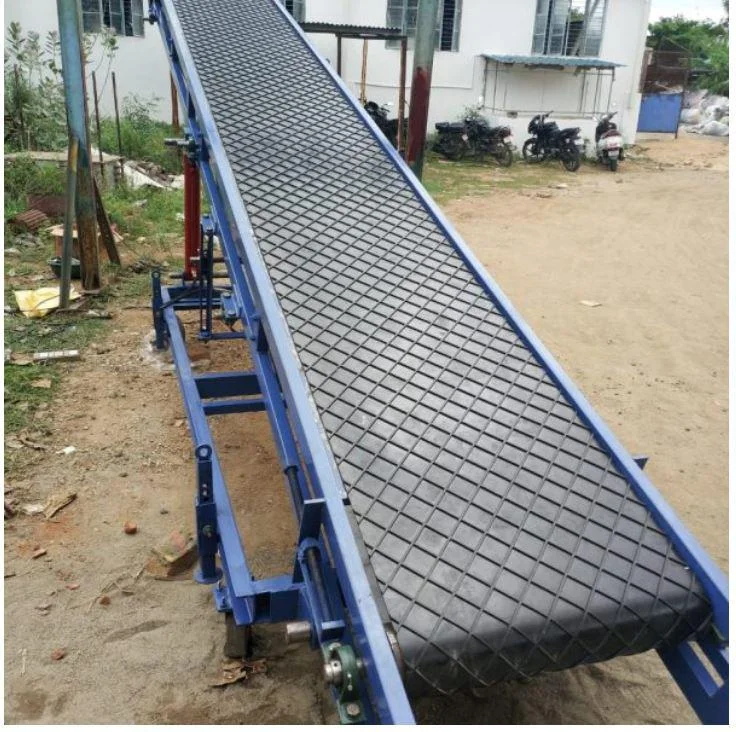
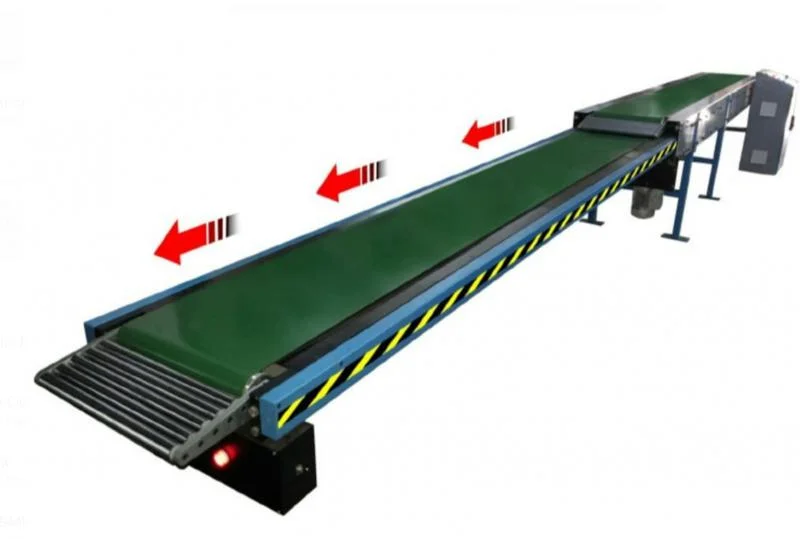
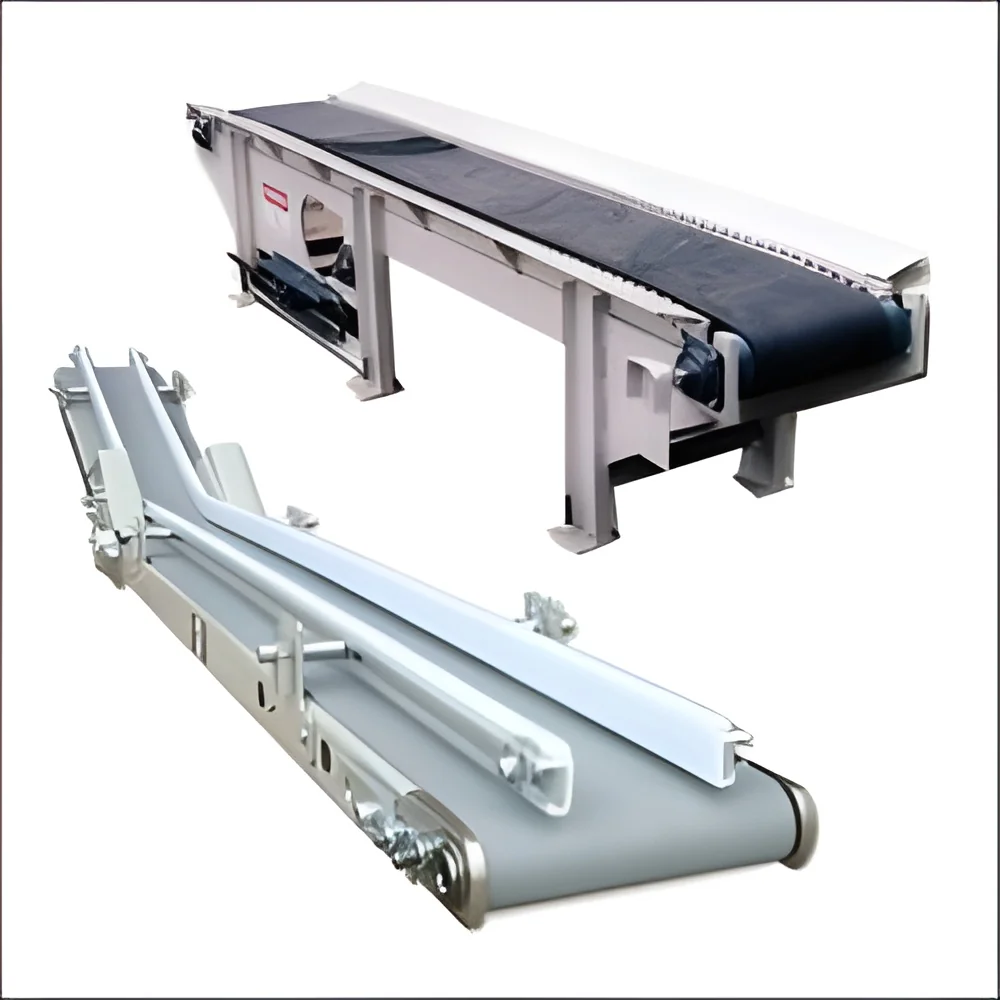
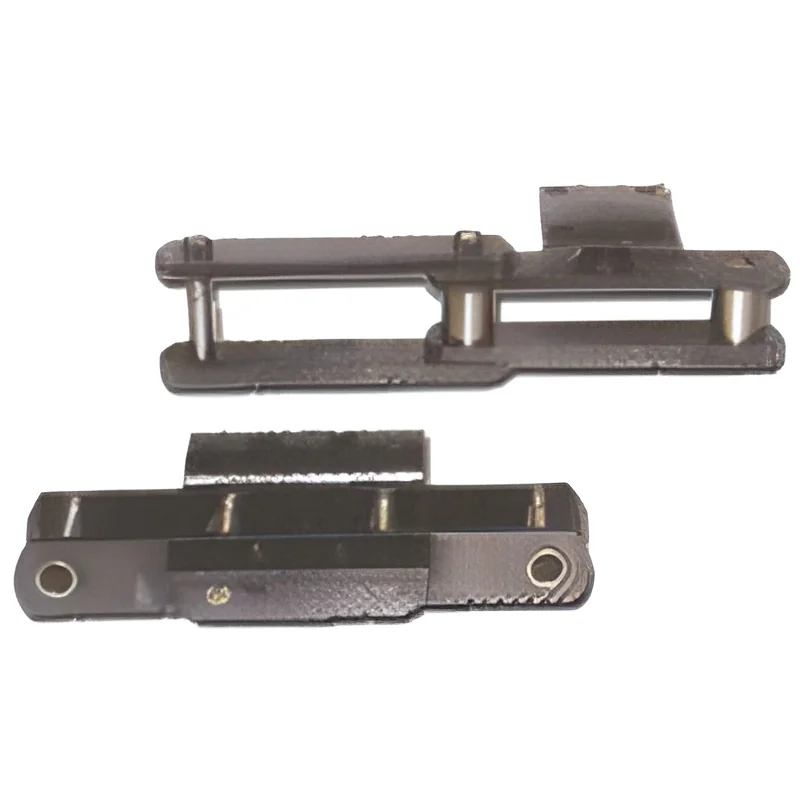
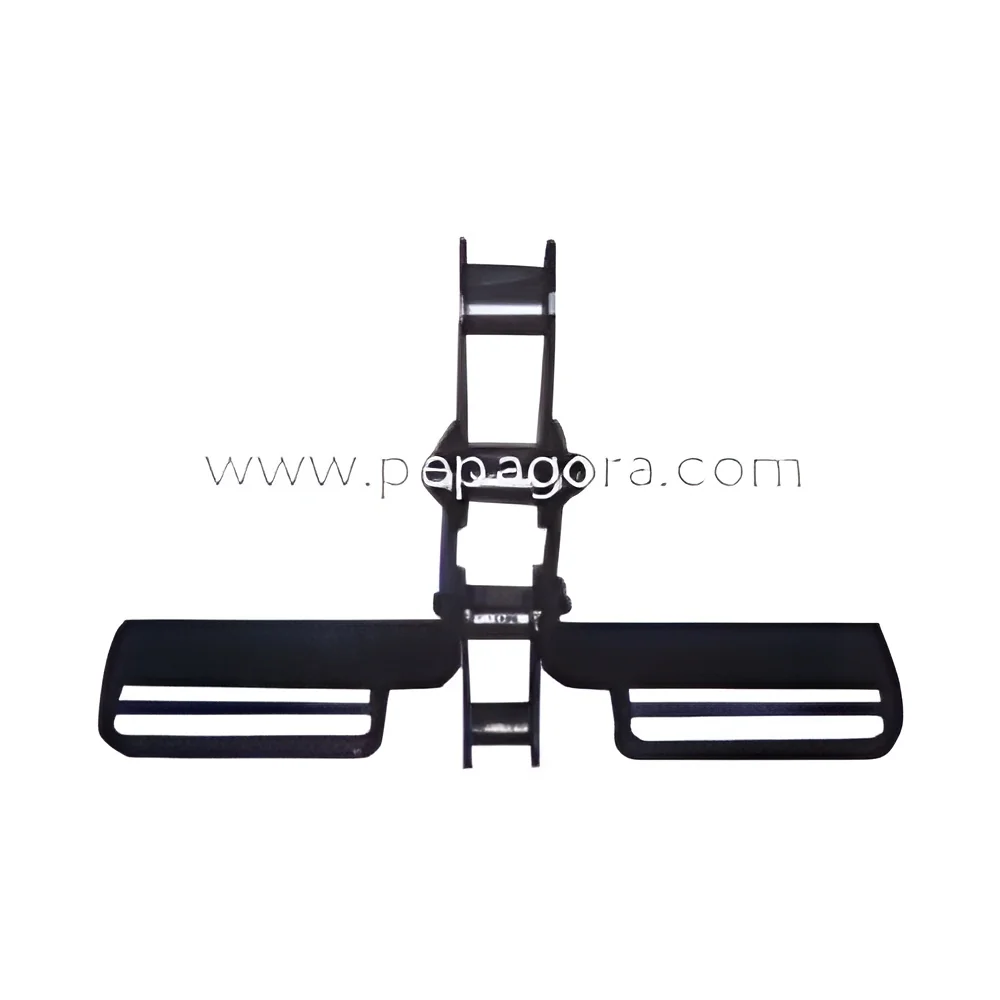
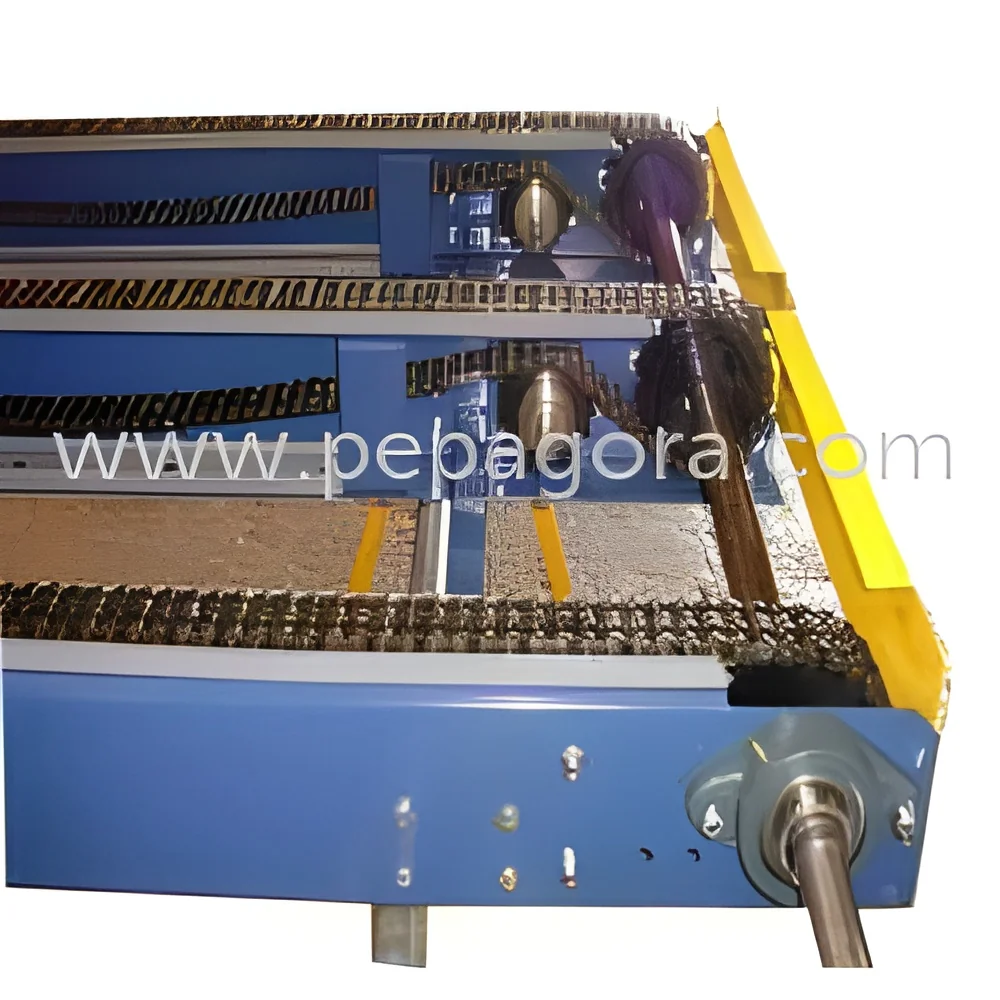
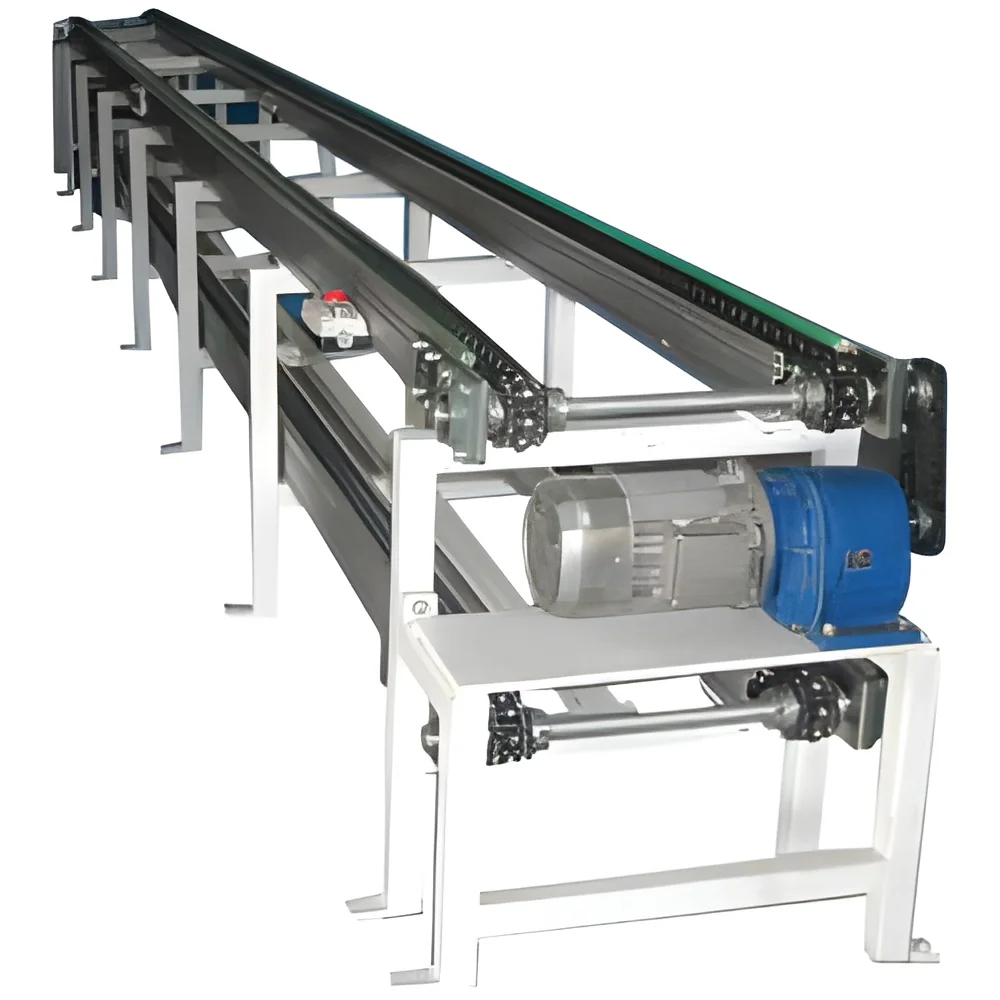
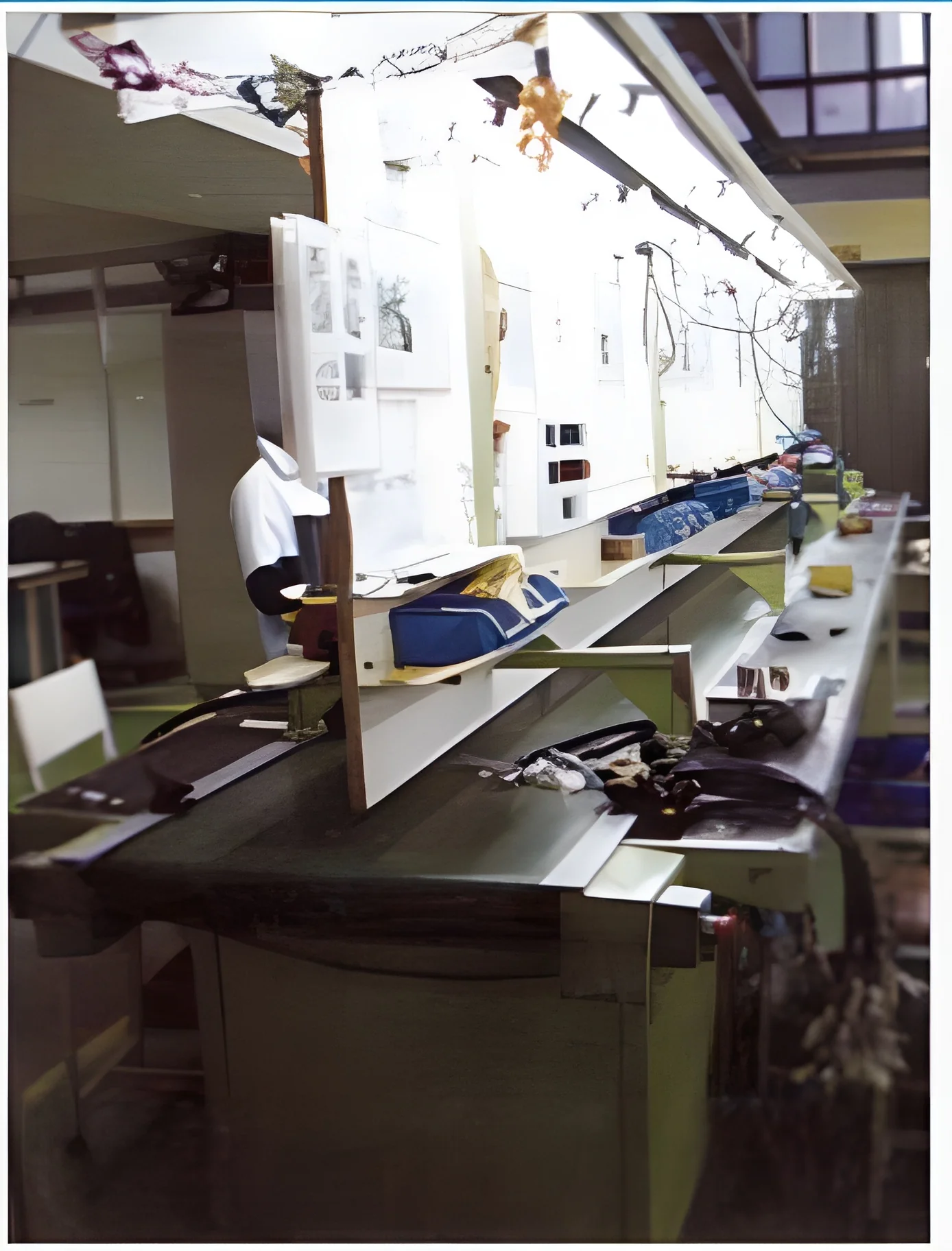
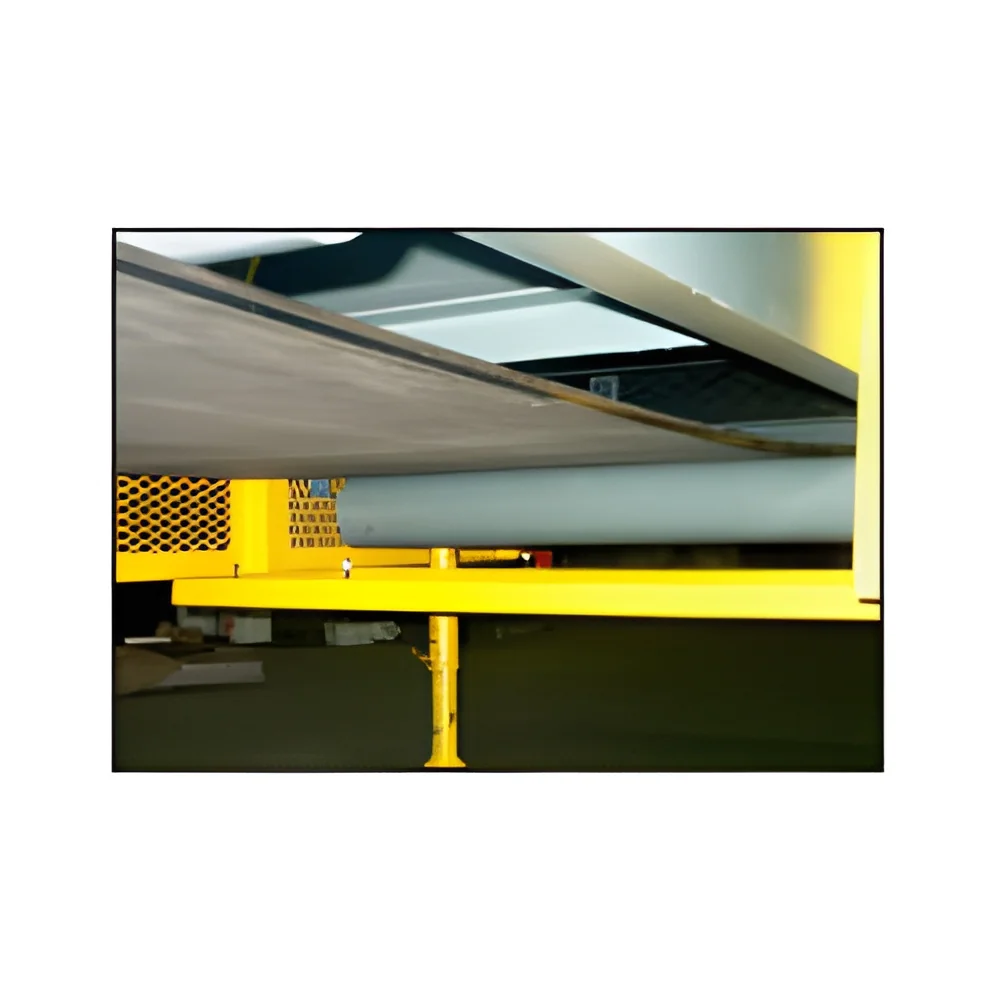
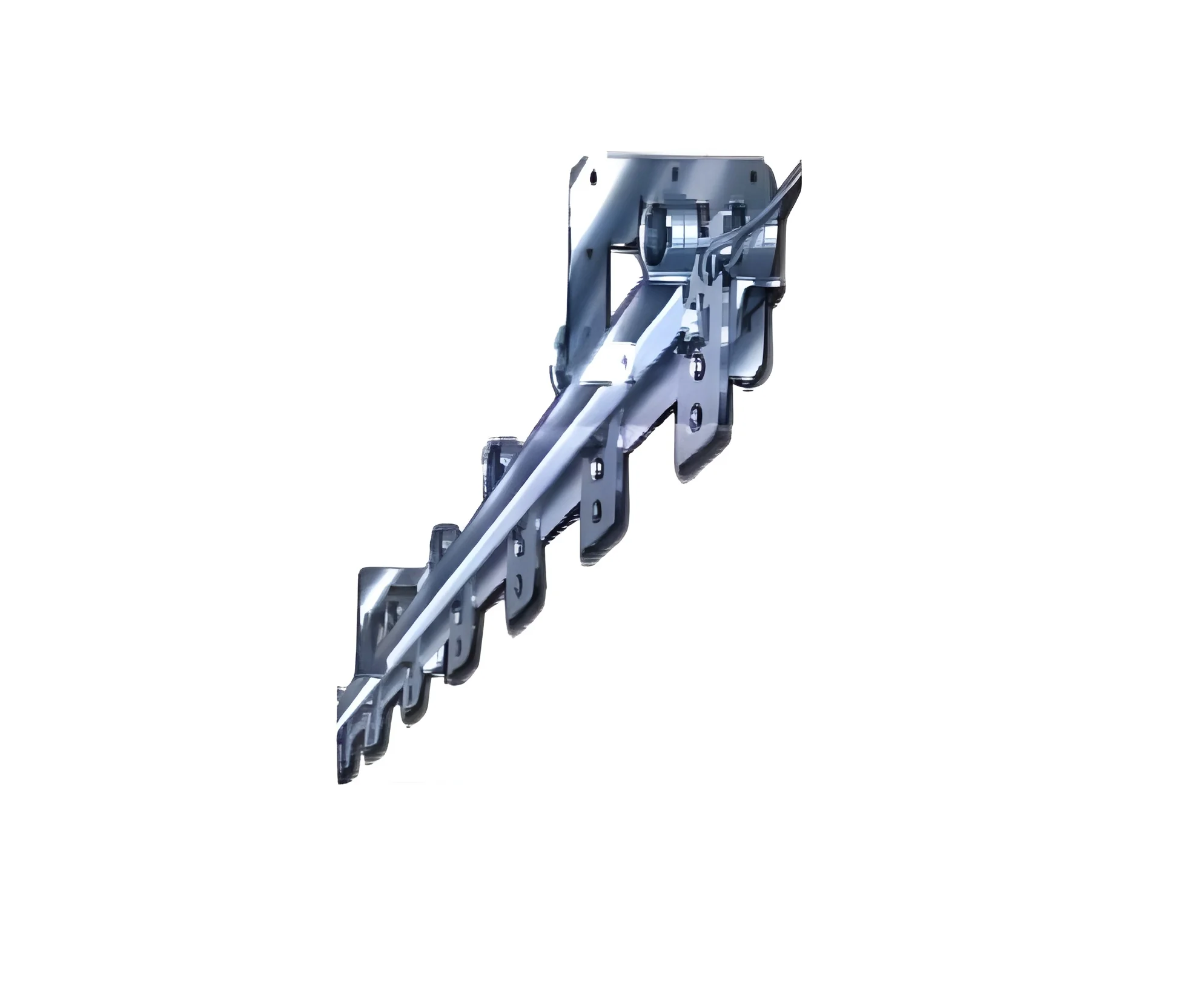
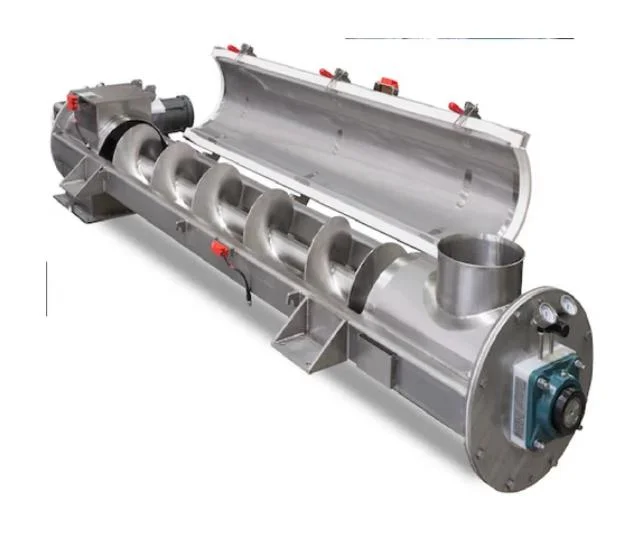
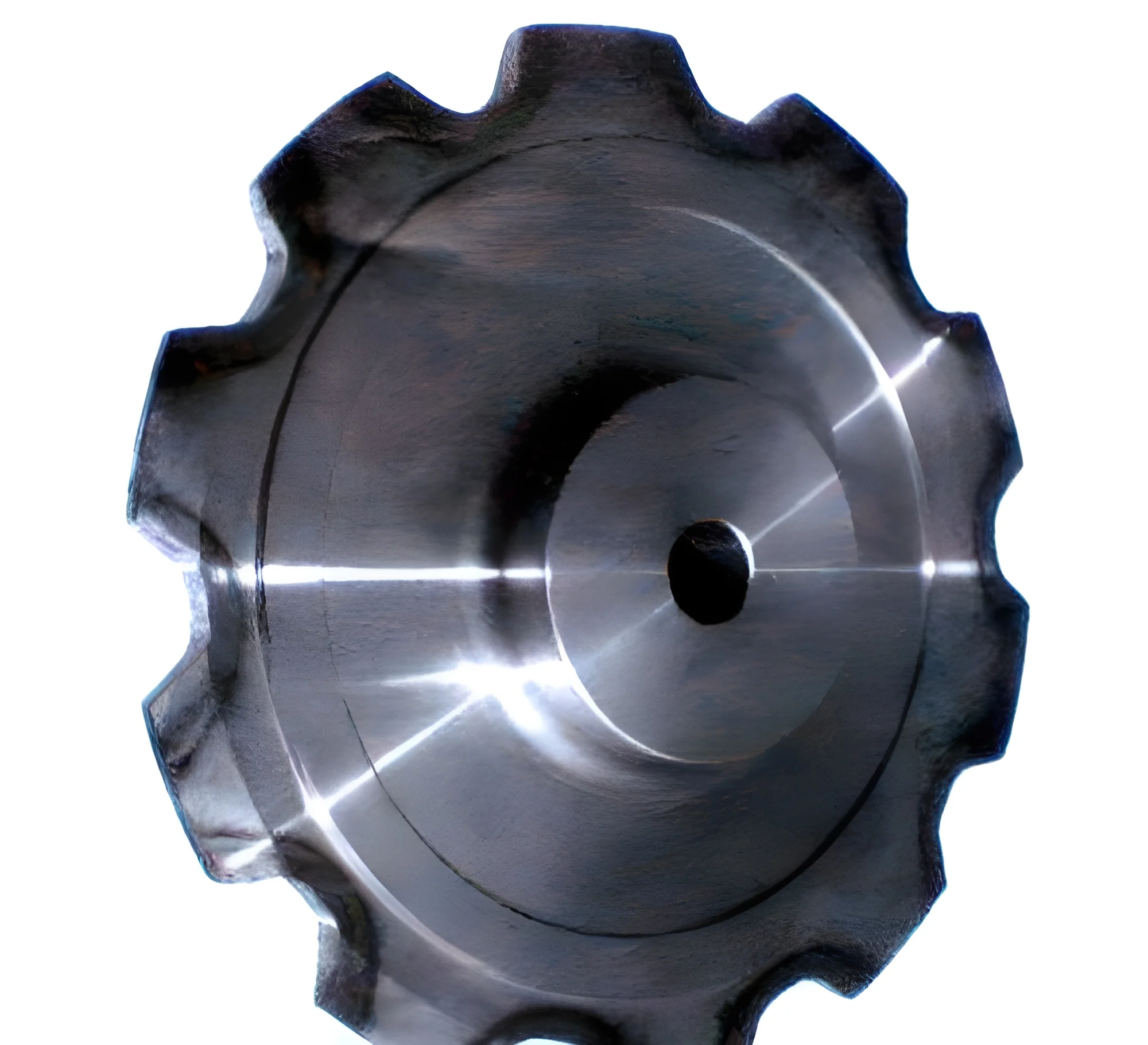
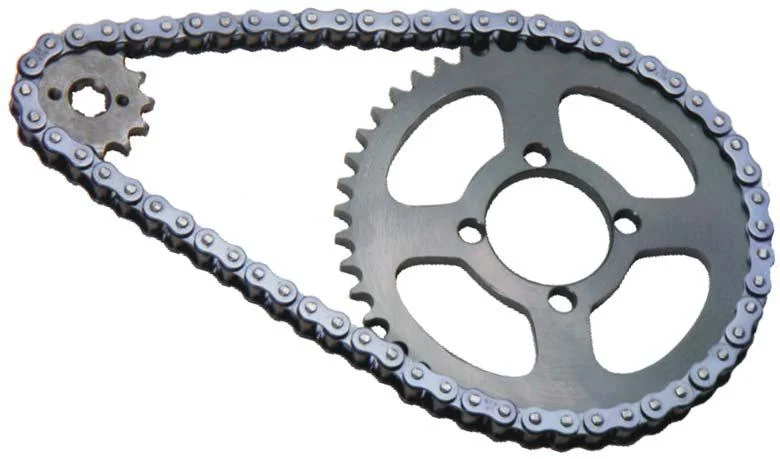
Chain conveyors are mechanical systems designed to move materials or products along a predetermined path using a series of chains. These conveyors consist of a series of linked chains that are driven by a motorized system, allowing for efficient transportation of goods in various industrial settings. The design of chain conveyors makes them suitable for handling heavy loads and materials that require stable transport, such as pallets, containers, and bulk materials.
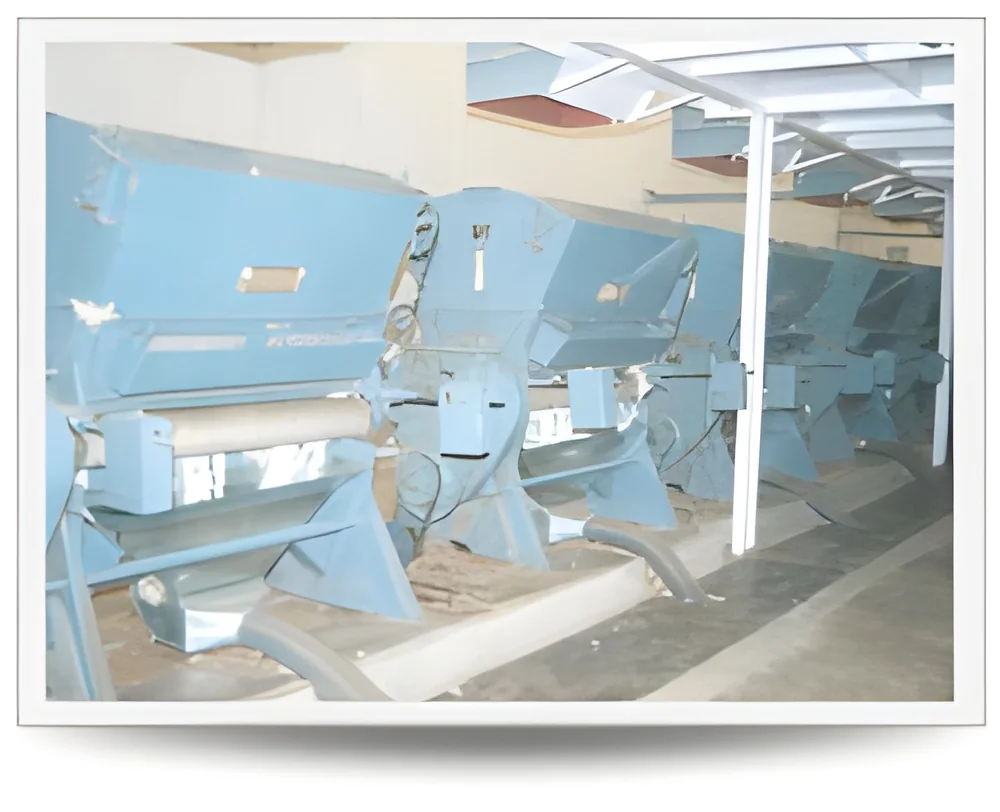
Chain conveyors find extensive applications across several industries, including manufacturing, warehousing, and logistics. They are often used in assembly lines, packaging operations, and distribution centers, where reliable material handling is crucial. The ability to customize chain conveyors to suit specific operational needs enhances their versatility. Given the growing demand for automation and efficiency in production processes, the market for chain conveyors is expanding, with numerous manufacturers offering advanced solutions.
Key Features and Specifications
Chain conveyors come with a variety of features that enhance their performance and adaptability. Understanding these specifications is crucial for businesses looking to implement this technology.
Key specifications include:
1. Load Capacity
- This specification determines the maximum weight a chain conveyor can handle.
- Typical load capacities can range from a few hundred kilograms to several tons, depending on the model.
2. Chain Material
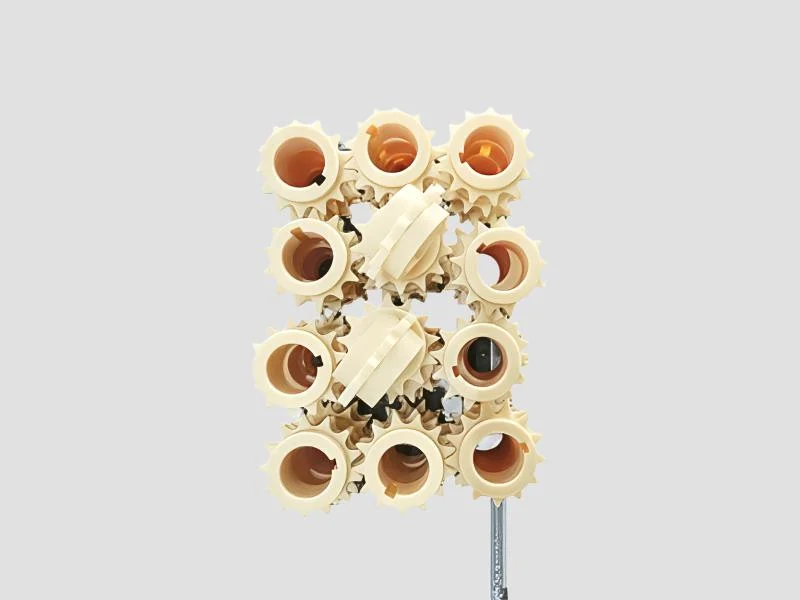
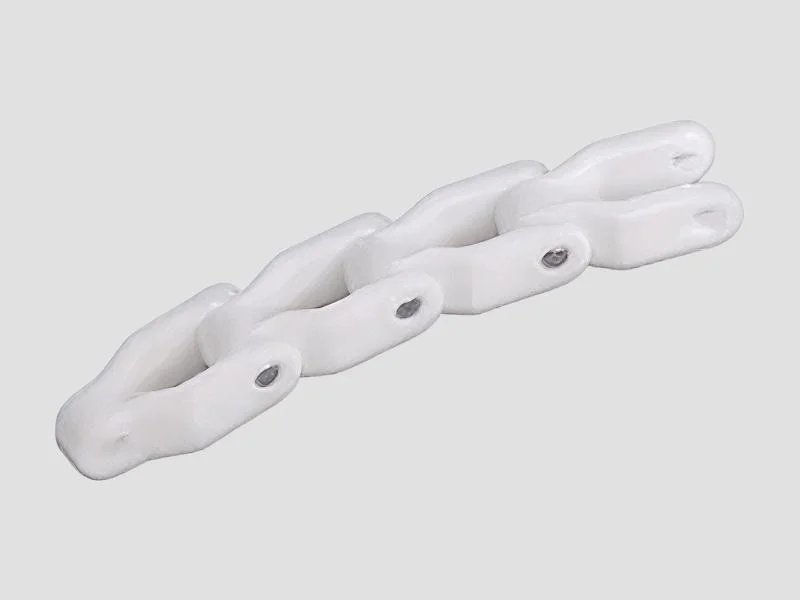
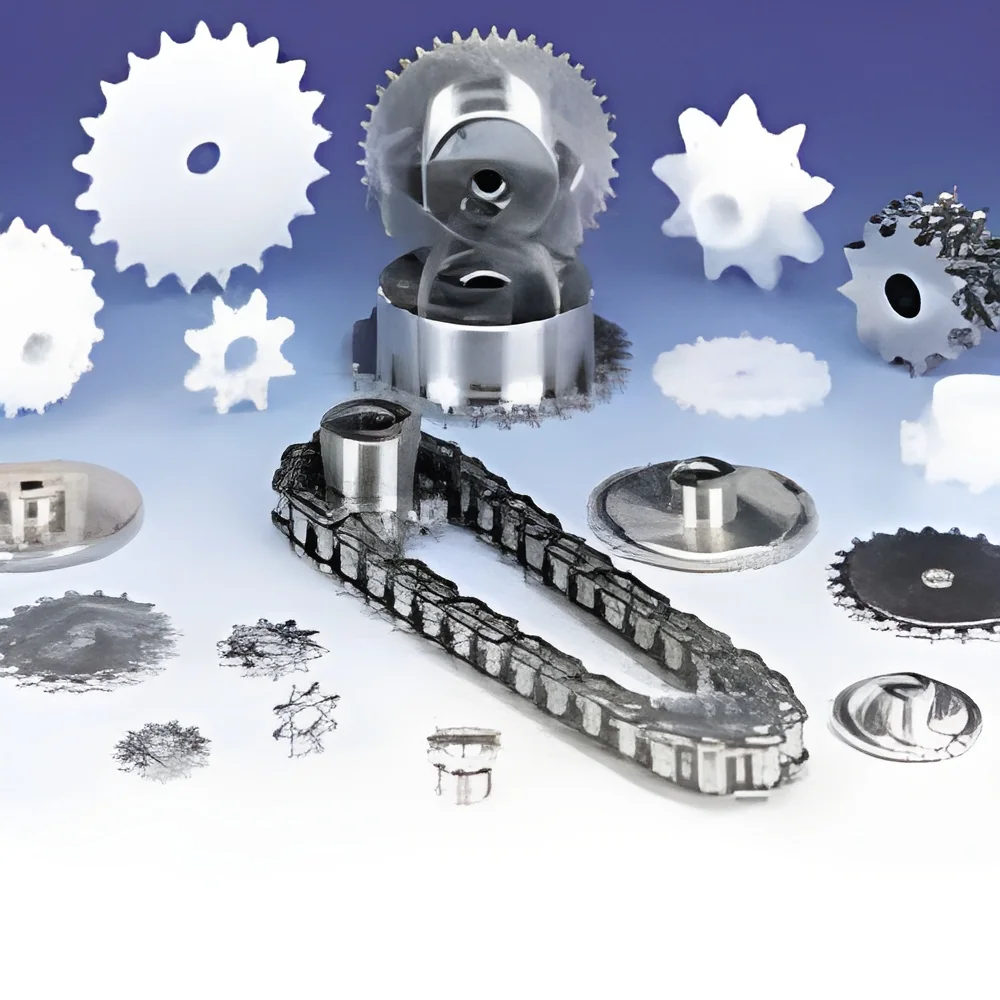
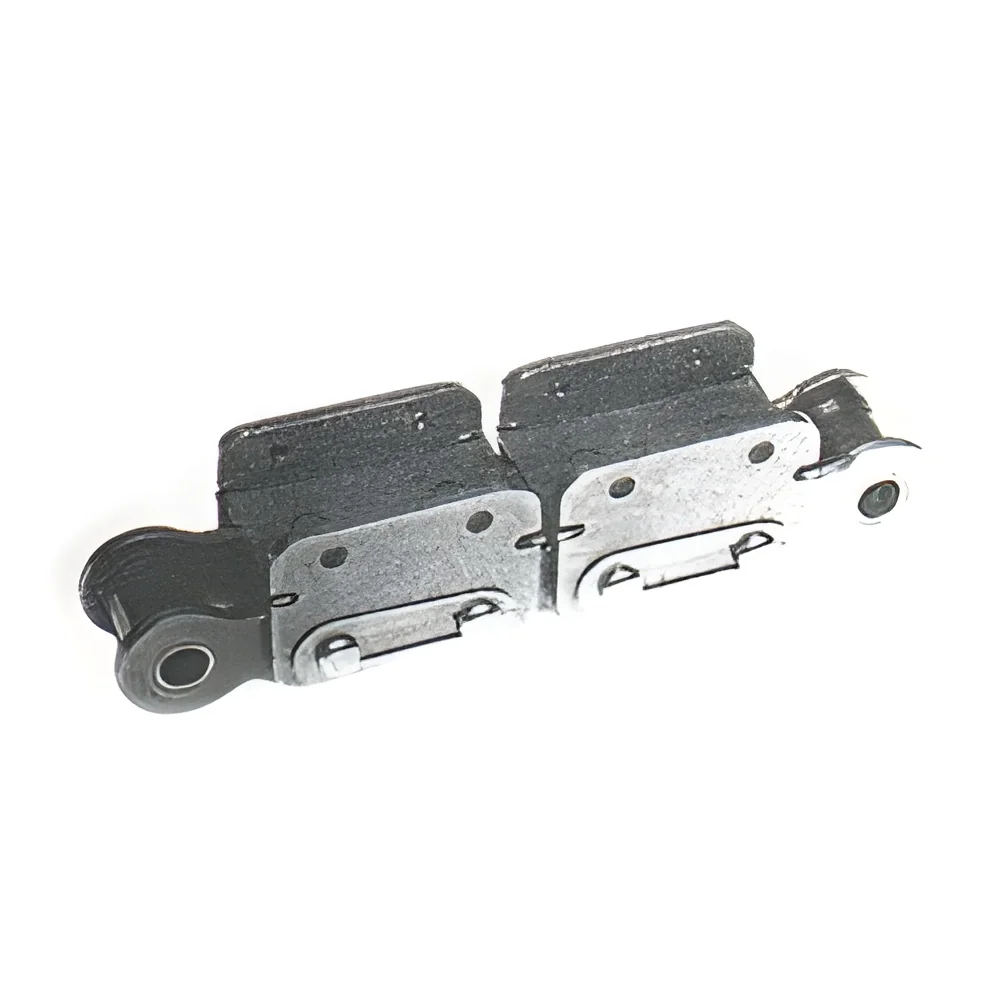
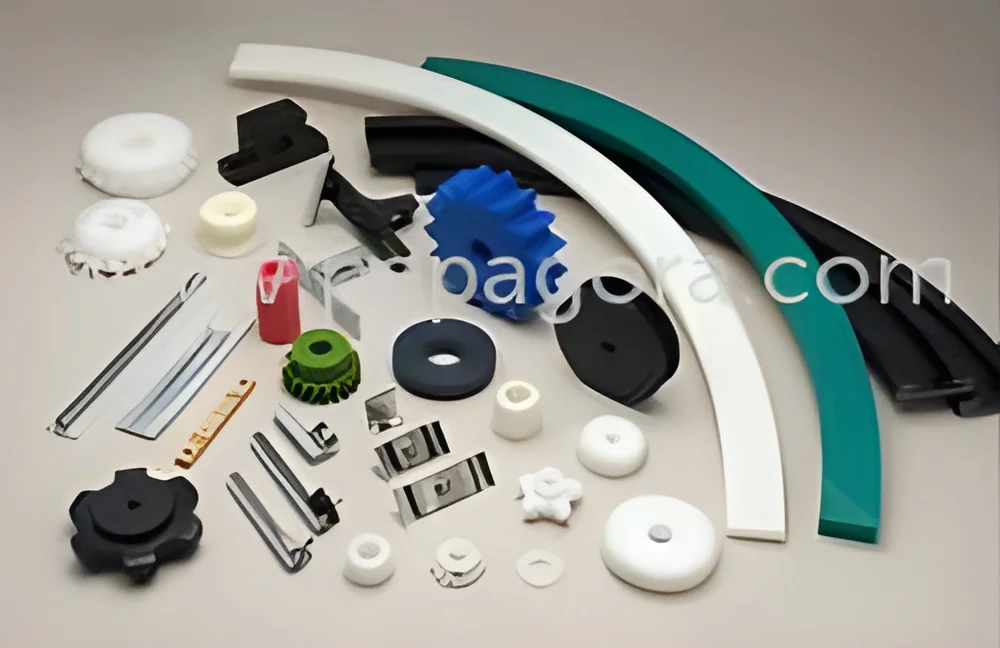
- Chains are made from various materials, including steel, plastic, and stainless steel.
- The choice of material affects durability, corrosion resistance, and suitability for specific environments.
3. Drive Type
- Chain conveyors can be driven by electric motors, hydraulic systems, or pneumatic drives.
- Each drive type offers different advantages in terms of power and application.
4. Speed Range
- The speed at which the conveyor operates can significantly impact efficiency.
- Speeds typically range from 0.1 meters per second to 2 meters per second, depending on the application.
5. Configuration
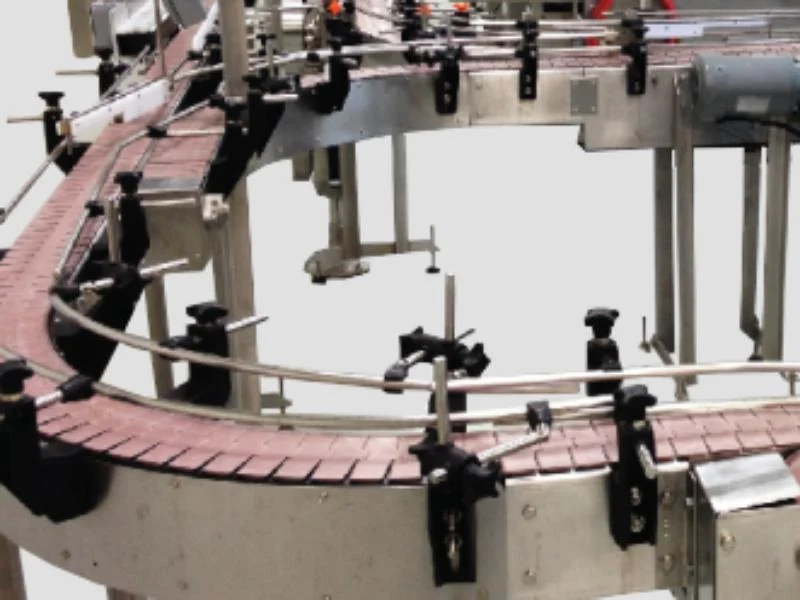
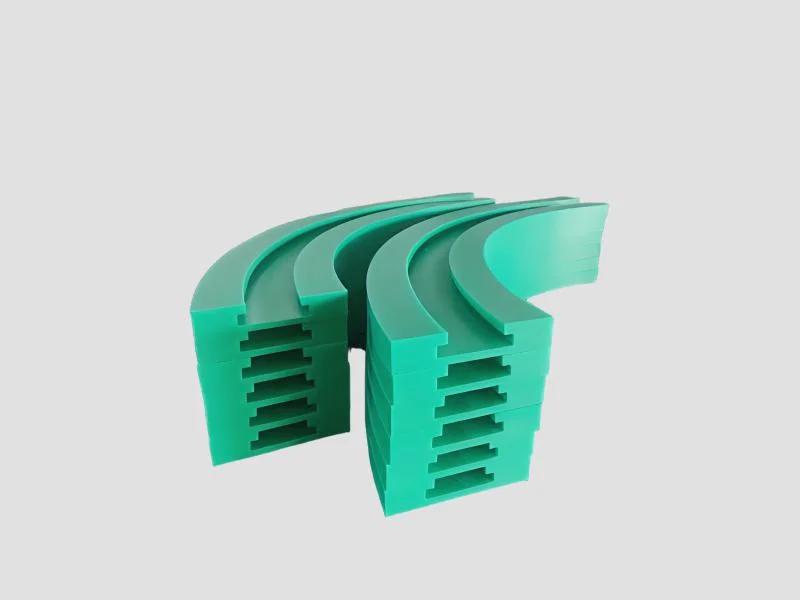
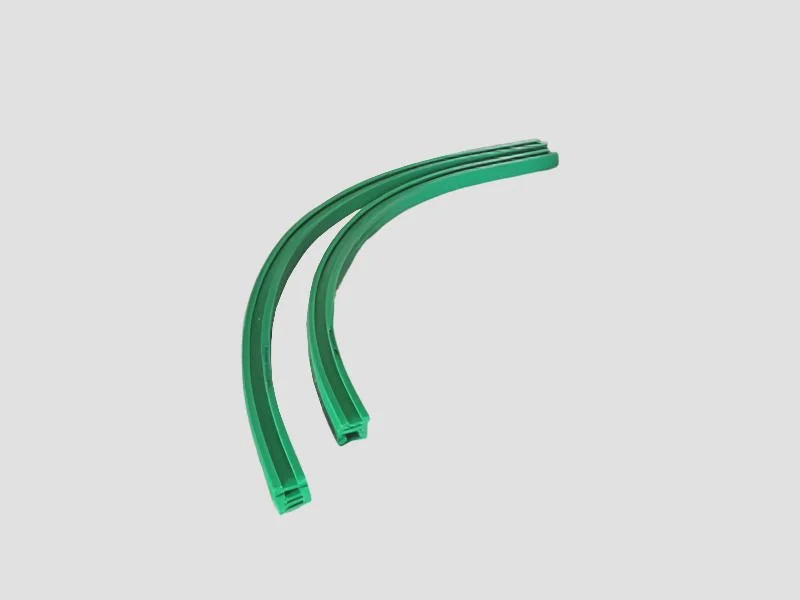
- Chain conveyors can be configured in straight, curved, or spiral arrangements.
- The configuration affects the layout of the production line and material flow.
6. Customization Options
- Many manufacturers offer customized solutions to meet specific operational needs.
- Custom features may include adjustable heights, widths, and specialized attachments.
7. Maintenance Requirements
- Chain conveyors require regular maintenance for optimal performance.
- Maintenance intervals and procedures should be considered when selecting a system.
8. Safety Features
- Safety mechanisms such as emergency stops and guards are vital for operation.
- Compliance with safety standards is essential for workplace safety.
In summary, understanding these specifications allows businesses to select the right chain conveyor that meets their operational needs while ensuring safety and efficiency.
Common Applications and Use Cases
Chain conveyors are utilized across various industries, showcasing their versatility and effectiveness in different environments.
1. Manufacturing: In manufacturing facilities, chain conveyors are essential for transporting components along assembly lines. They enhance workflow and enable efficient product assembly.
2. Warehousing: Chain conveyors are widely used in warehouses for sorting and transferring goods. They help streamline logistics operations, reducing handling times and increasing productivity.
3. Food and Beverage: In the food industry, chain conveyors are employed for moving packaged goods through processing lines. Their robust design ensures safe and sanitary handling of products.
4. Automotive: Automotive manufacturing relies on chain conveyors for transporting parts and assemblies during production. They support high-volume production while maintaining precision.
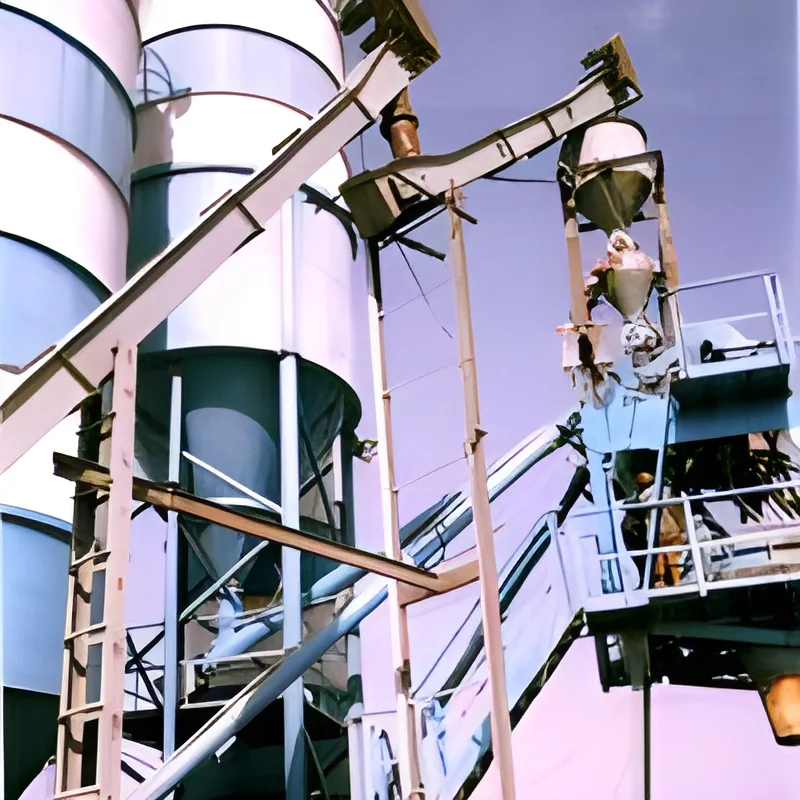
5. Mining and Aggregates: Chain conveyors are utilized in the mining industry for transporting heavy materials over long distances. Their durability and load capacity make them ideal for harsh environments.
6. Recycling: In recycling plants, chain conveyors facilitate the movement of materials through various processing stages. They help improve efficiency in waste management operations.
7. Pharmaceutical: The pharmaceutical industry uses chain conveyors for transporting products in controlled environments. They ensure consistent and reliable handling of sensitive materials.
Product Variants and Subcategories
Chain conveyors are diverse and tailored to meet specific industrial needs. The range of variants allows businesses to select the most suitable option for their operations.
Standard Chain Conveyors
These conveyors are designed for general material handling applications. They provide reliable transportation for a variety of goods, ensuring consistent workflow in manufacturing and logistics.
Heavy-Duty Chain Conveyors
Heavy-duty models are built to handle larger loads and more demanding environments. They are ideal for industries such as mining and automotive, where robustness is crucial.
Modular Chain Conveyors
Modular designs offer flexibility in configuration and layout. These conveyors can be easily modified to adapt to changing operational requirements, making them suitable for dynamic production environments.
Benefits and Advantages
Utilizing chain conveyors presents several key benefits that enhance operational efficiency and productivity.
1. High Load Capacity: Chain conveyors can handle heavy and bulky materials, making them ideal for various industries.
2. Durability: Built to last, chain conveyors are resistant to wear and tear, ensuring long-term reliability.
3. Customization: The ability to tailor chain conveyors to specific needs allows businesses to optimize their material handling processes.
4. Efficiency: These conveyors streamline operations, reducing manual handling and increasing throughput.
5. Safety: Equipped with safety features, chain conveyors help minimize workplace hazards, ensuring a secure working environment.
6. Cost-Effectiveness: Investing in chain conveyors can lead to lower operational costs due to reduced labor and increased efficiency.
Buying Guide for B2B Buyers
When sourcing chain conveyors, it is crucial for B2B buyers to carefully evaluate their options to ensure they make informed decisions.
1. Quality Assessment: Look for manufacturers that adhere to industry standards and demonstrate a commitment to quality. Reviewing certifications and customer feedback can provide insights into the reliability of the equipment.
2. Supplier Verification: Vet potential suppliers by checking their reputation and track record. Engaging with established suppliers often ensures better support and service.
3. Pricing and MOQ: Consider the pricing structure and minimum order quantities when making purchases. Understanding these factors can help in budgeting and meeting operational needs.
4. Delivery and Lead Times: Evaluate suppliers based on their ability to deliver products on time. Reliable logistics are essential for maintaining production schedules.
5. Compliance Requirements: Ensure that the chain conveyors meet relevant industry regulations and safety standards. Compliance with certifications like CE is important for operational legality and safety.
Compliance and Certifications
Compliance with quality standards and certifications is vital for chain conveyors. Key standards include ISO 9001, which addresses quality management systems, ensuring that products meet customer and regulatory requirements.
Additionally, the HACCP (Hazard Analysis Critical Control Point) standard is significant for industries like food and beverage, where safety and hygiene are paramount. Chain conveyors used in these sectors must comply with HACCP guidelines.
CE certification indicates that a product meets European safety and environmental standards. This certification is crucial for businesses looking to operate in or export to European markets.
Moreover, safety and testing requirements must be adhered to, ensuring that chain conveyors function safely in various operational environments. Regional compliance may also vary, necessitating awareness of specific regulations in different areas.
Why Source Chain Conveyors from Pepagora?
Pepagora offers a reliable platform for sourcing chain conveyors, providing several key advantages to businesses.
Verified Supplier Network: Pepagora maintains a network of verified suppliers, ensuring that buyers have access to reputable manufacturers. This verification process enhances confidence in the quality of products offered.
Streamlined RFQ Process: The Request for Quotation (RFQ) process is designed to be efficient and user-friendly. Buyers can quickly get quotes from multiple suppliers, allowing for informed comparisons.
Trade Assurance and Support: Pepagora provides trade assurance, offering buyer protection throughout the purchasing process. This support helps mitigate risks associated with sourcing industrial equipment.
Regional Coverage: With a strong presence in India, the GCC, and Southeast Asia, Pepagora caters to a wide geographic reach. This extensive coverage allows businesses to find suitable suppliers tailored to their regional needs.

 IN
IN