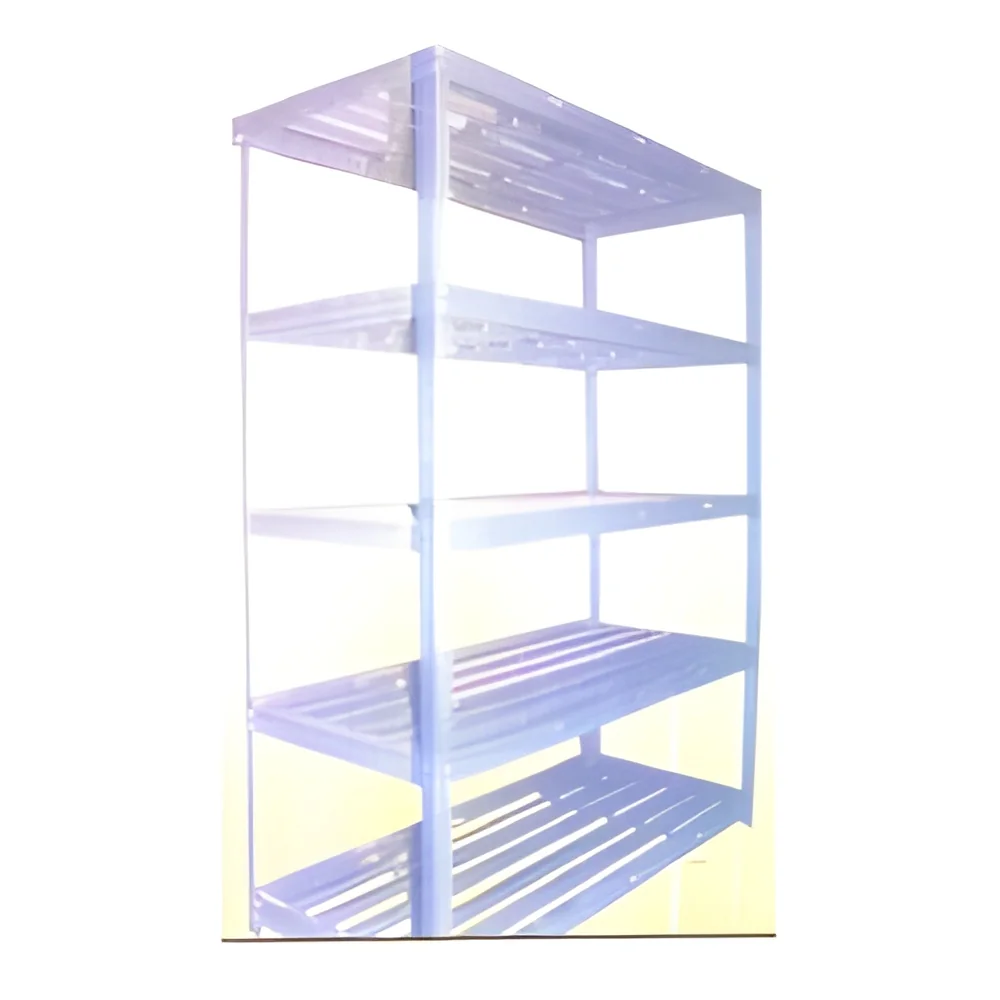
What are Cantilever Racks?
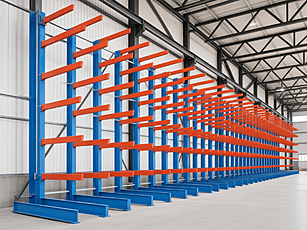
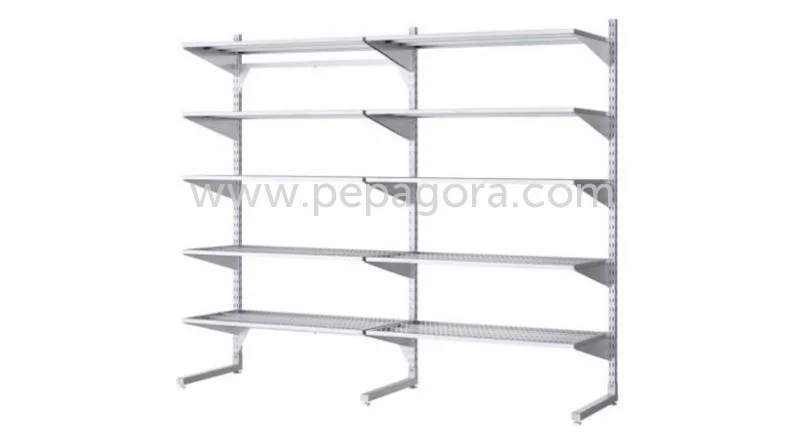
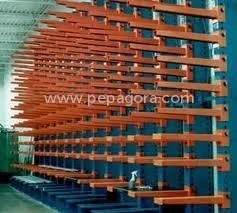
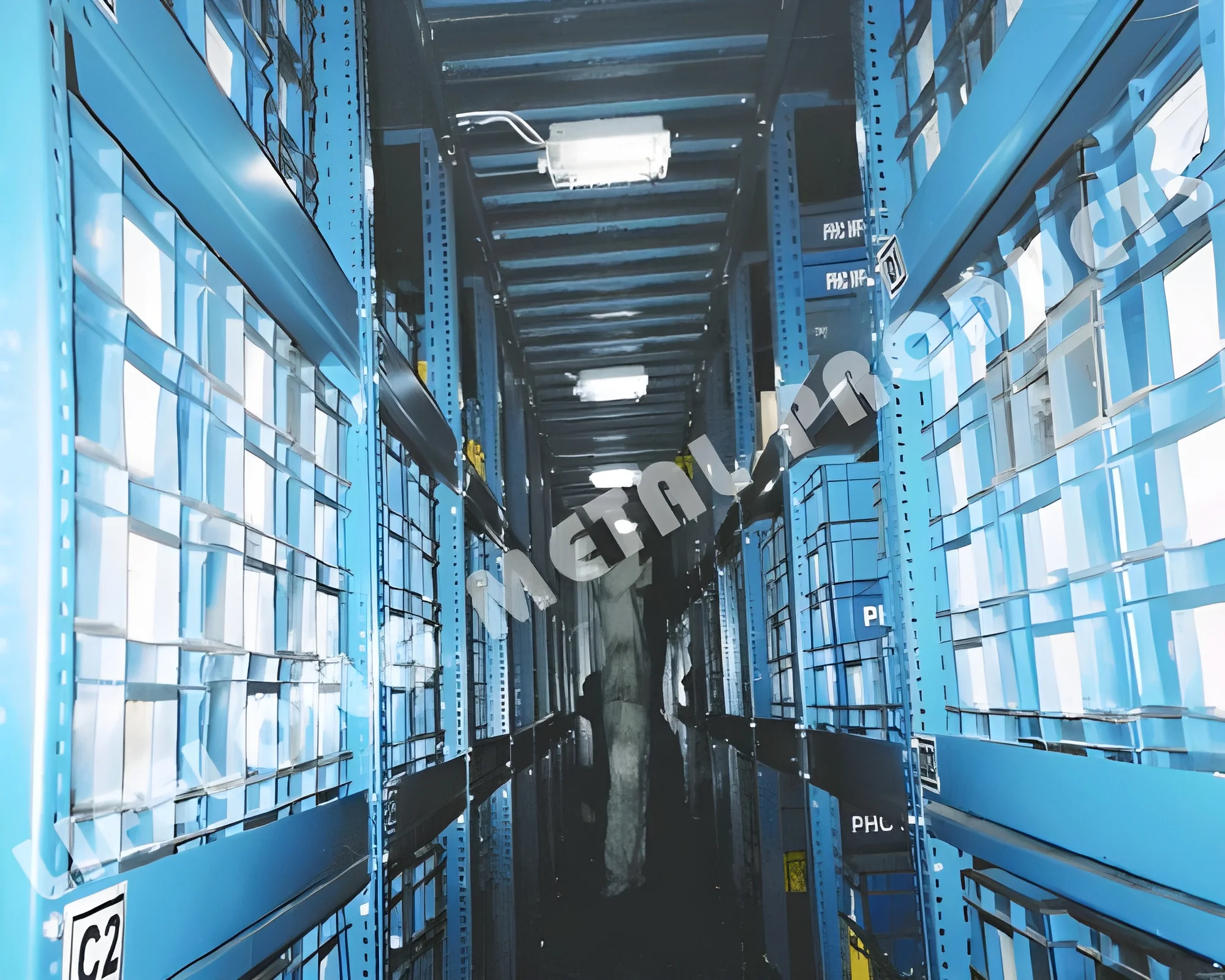
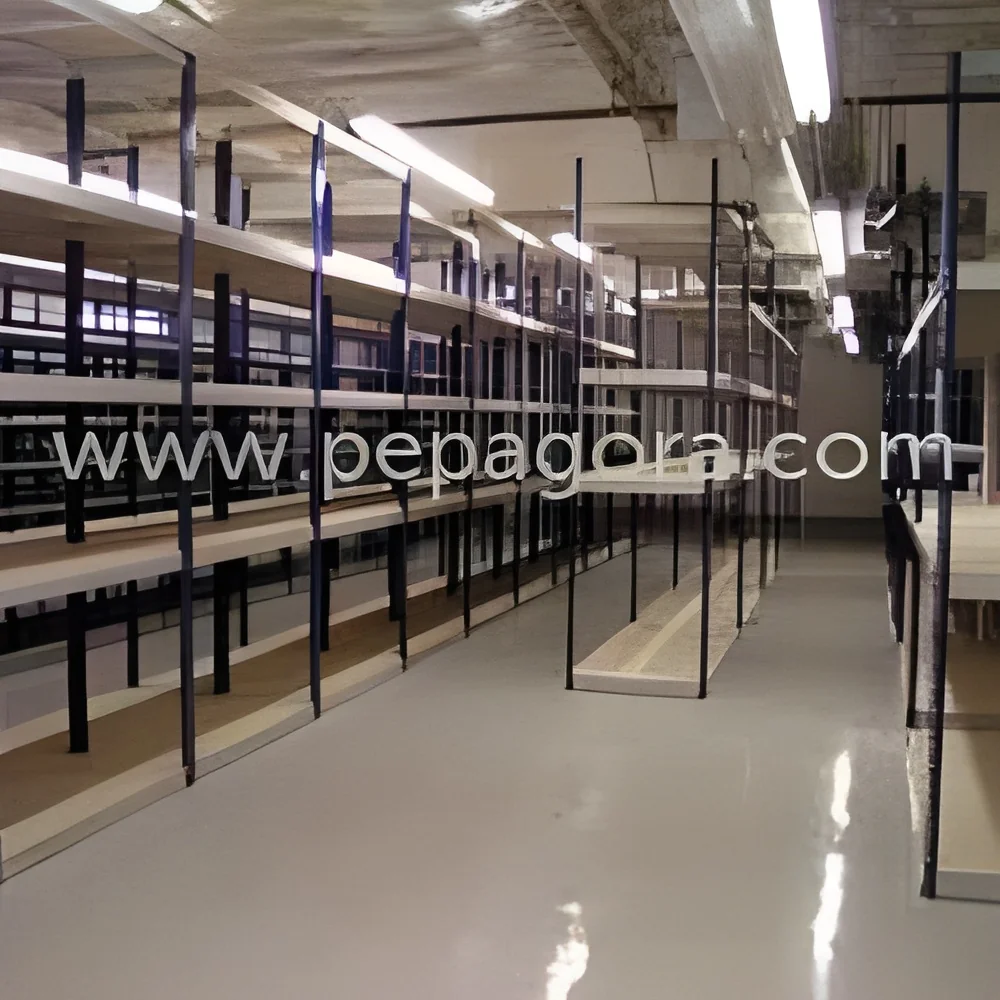
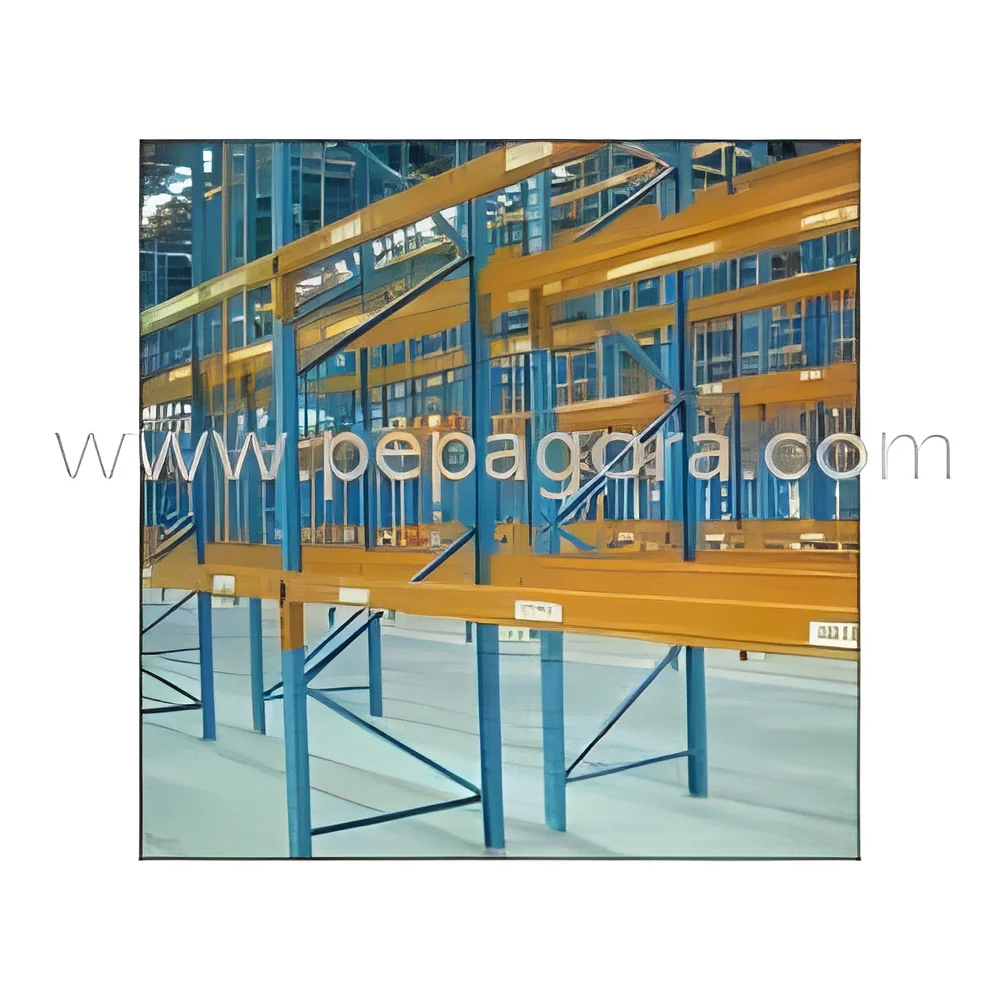
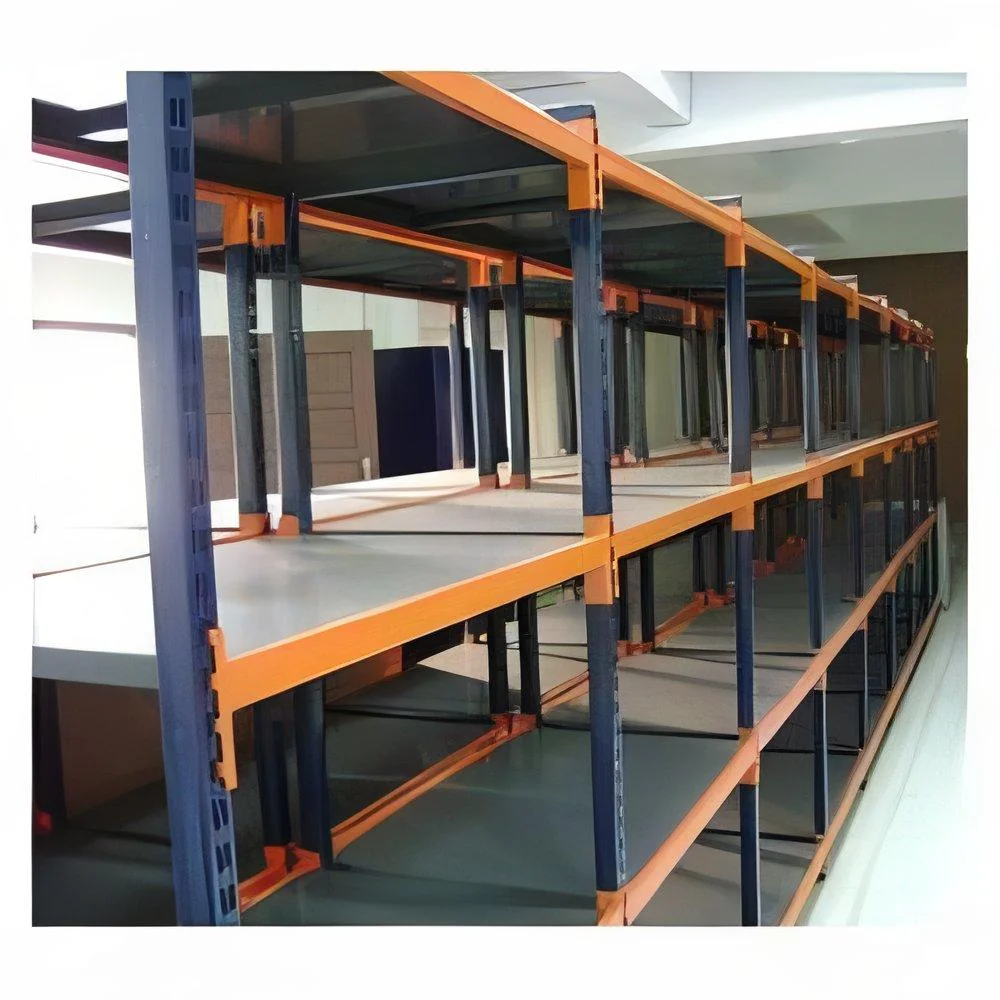
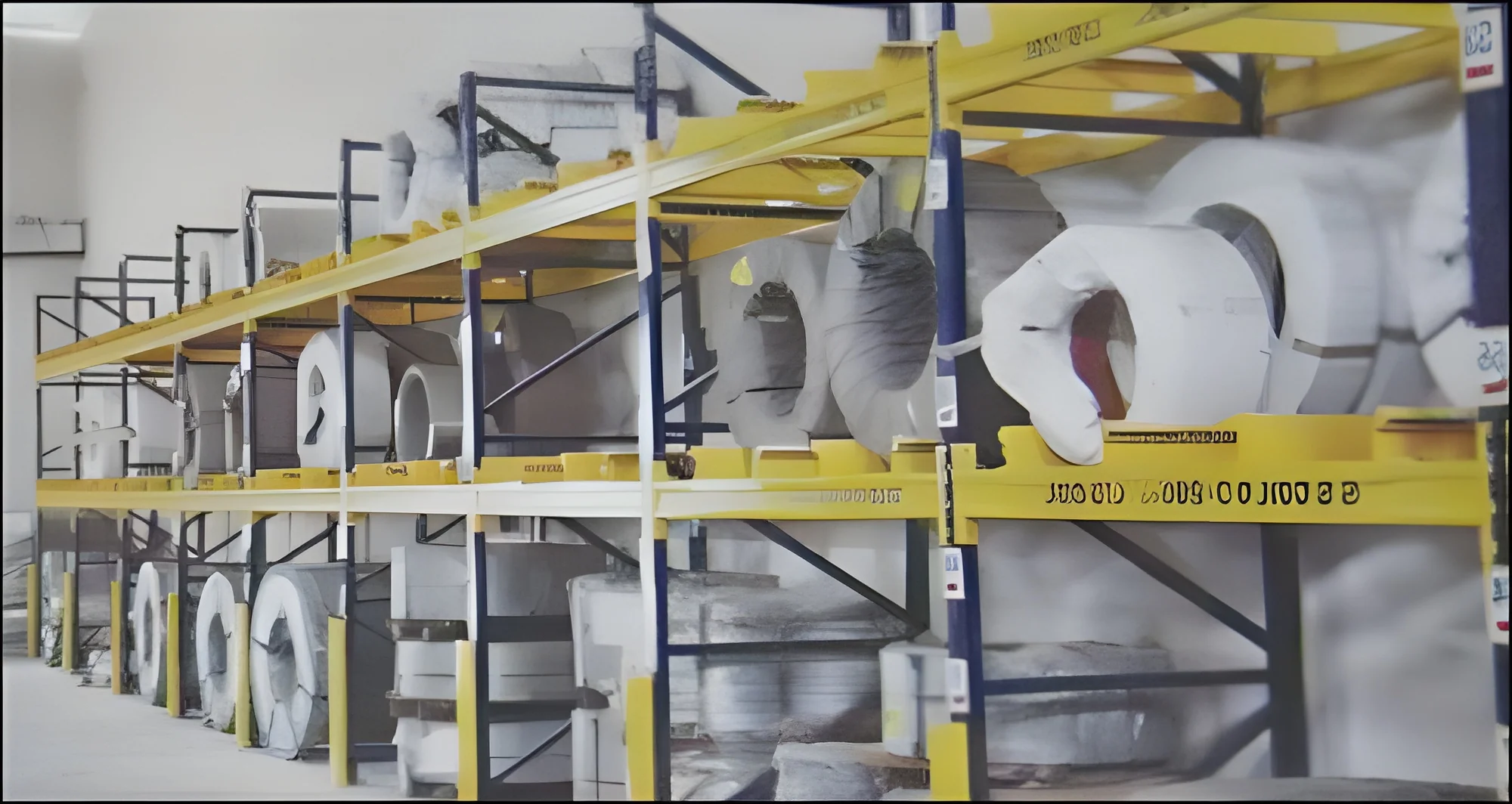
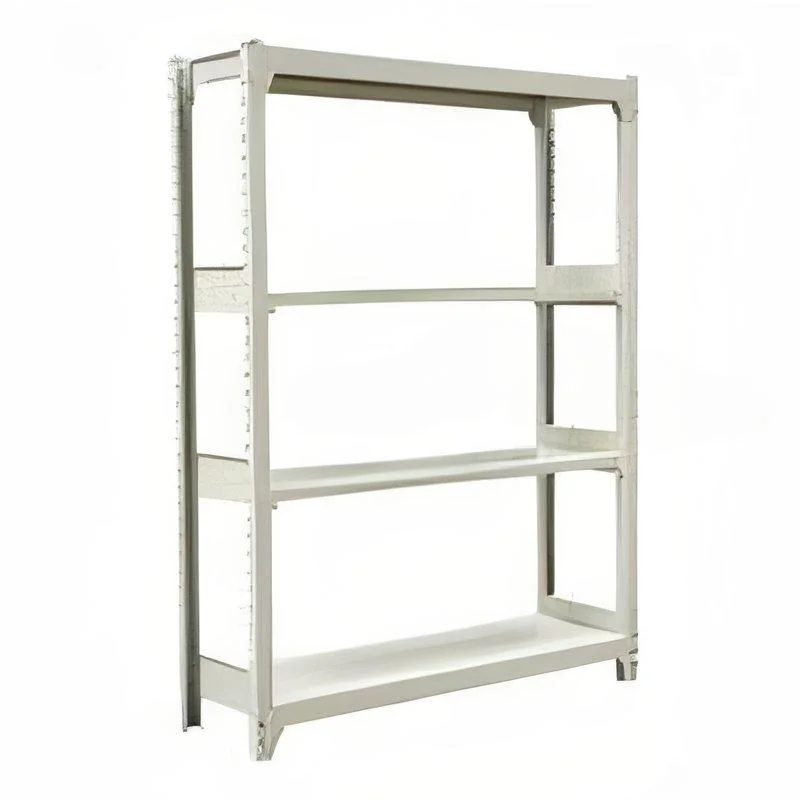
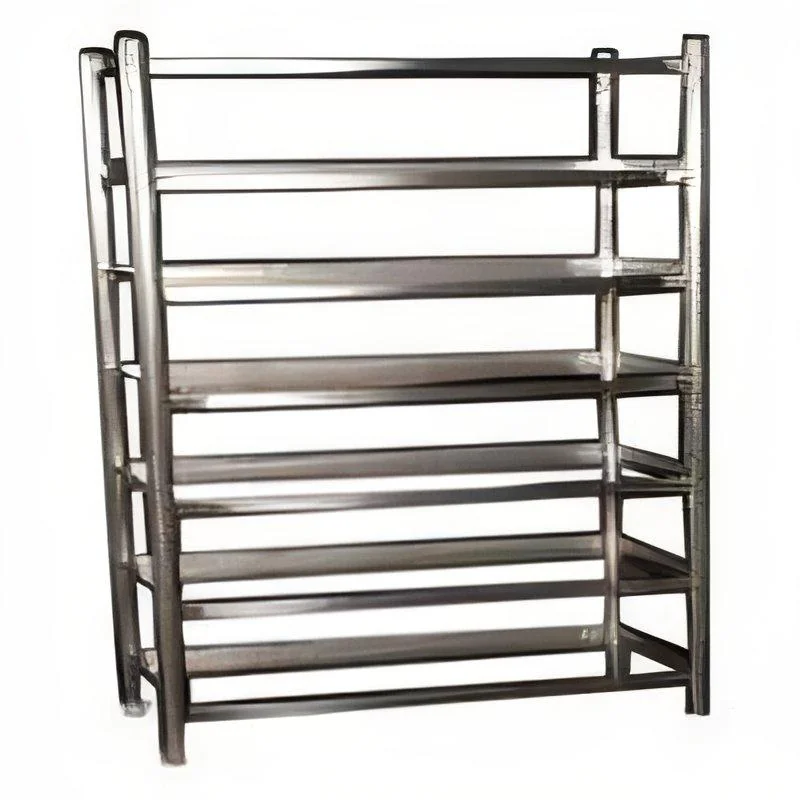
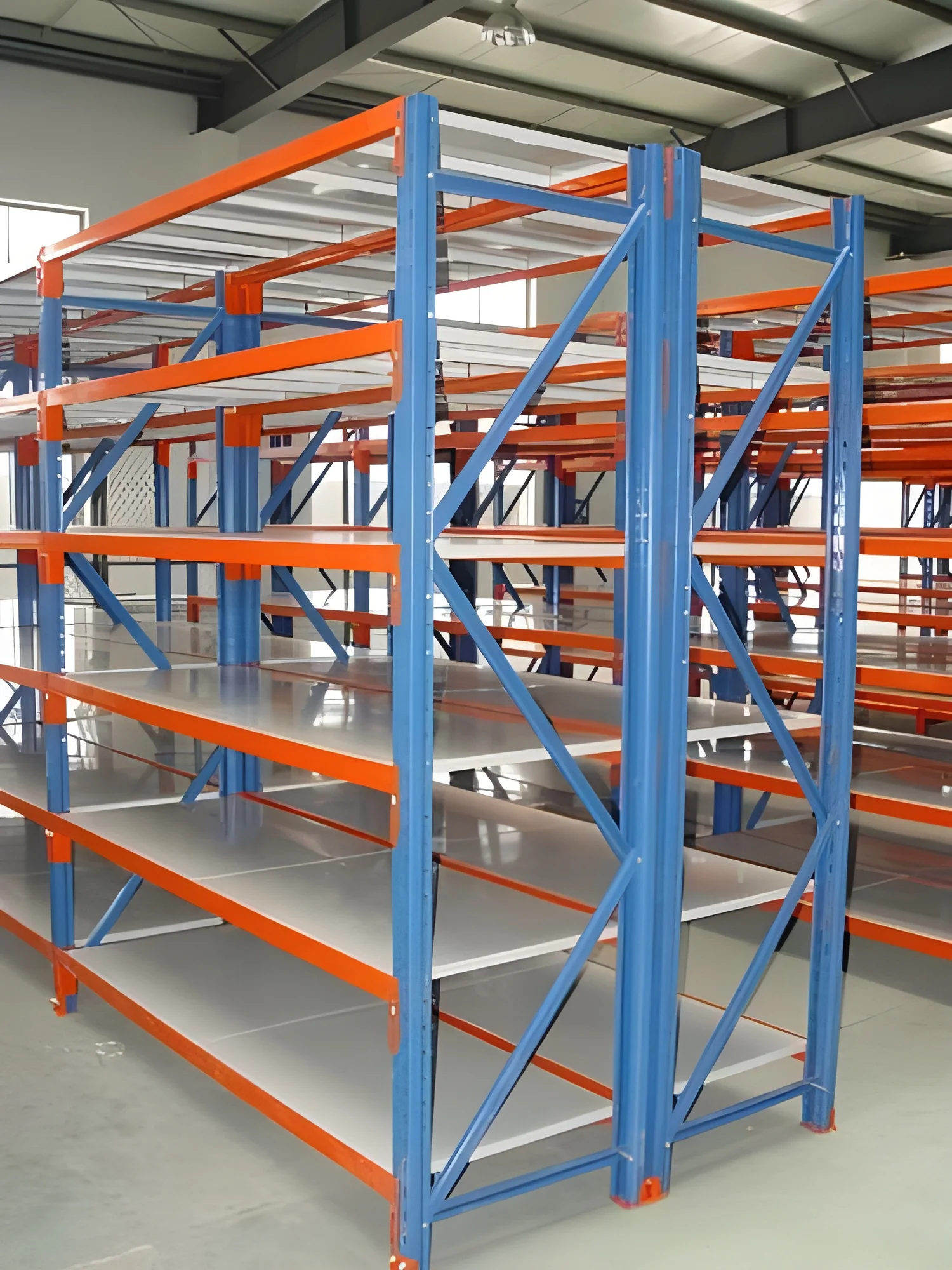
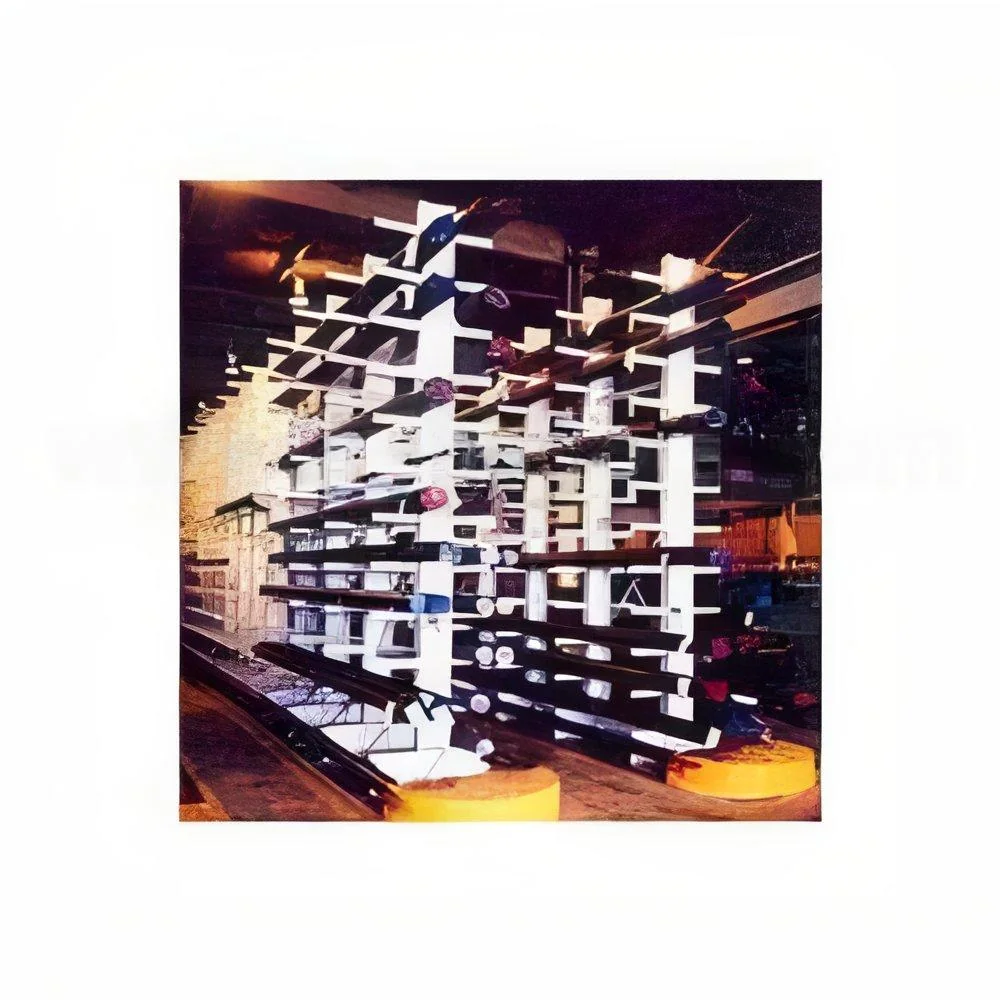
Cantilever racks are specialized storage systems designed to support long, bulky, or irregularly shaped items. These racks consist of vertical columns with horizontal arms that extend outward, allowing for easy access and storage of materials without obstructions. The design is characterized by its open structure, making it ideal for storing items such as lumber, piping, and furniture.
Cantilever racks are commonly utilized in various business applications, including warehouses, manufacturing facilities, and distribution centers. They are effective for organizing and maximizing space, particularly when dealing with products that cannot be easily stacked or are too heavy for traditional shelving. As industries continue to seek efficient storage solutions, cantilever racks have gained prominence in sectors such as construction, retail, and logistics.
In the current market context, the demand for cantilever racks is on the rise due to the need for optimized storage solutions that increase operational efficiency. Companies are recognizing the value of customizable and robust storage systems that can adapt to their specific requirements. This relevance underscores the importance of investing in quality cantilever racks to enhance productivity and streamline material handling processes.
Key Features and Specifications
Cantilever racks come with a range of features tailored to meet diverse storage needs. Their design allows for flexibility, making them suitable for different types of materials and industries. The following specifications highlight the key aspects of cantilever racks that buyers should consider.
Key specifications include:
1. Load Capacity
- Cantilever racks are available in various load capacities, typically ranging from 1,000 to 10,000 pounds per arm, depending on the design and materials used.
2. Arm Length
- The arms of cantilever racks can vary in length, with sizes often ranging from 24 inches to 96 inches to accommodate different item dimensions.
3. Height Options
- Racks come in various height options, generally from 8 feet to 20 feet, allowing users to optimize vertical space in warehouses.
4. Material Construction
- Cantilever racks are commonly made from steel, providing durability and strength, with options for powder-coated finishes to enhance resistance to wear.
5. Adjustable Features
- Many cantilever racks offer adjustable arm placements, allowing users to customize the height and spacing based on their storage needs.
6. Base Stability
- Racks are designed with a robust base for stability, with options for bolting to the floor or using additional support for heavy loads.
7. Safety Features
- Some models include safety features such as arm stops to prevent items from falling off during loading and unloading.
8. Customization
- Cantilever racks can be customized in terms of sizing, color, and additional accessories like shelving or dividers to fit specific applications.
Overall, the variety of features ensures that cantilever racks can be tailored to meet unique storage requirements while maintaining safety and efficiency.
Common Applications and Use Cases
Cantilever racks serve a wide range of industries, making them versatile storage solutions.
1. Construction: In the construction industry, cantilever racks are used to store lumber, piping, and other long materials, facilitating easy access and efficient organization on job sites.
2. Retail: Retailers utilize cantilever racks to display large items such as furniture or appliances, enhancing visual merchandising while optimizing floor space.
3. Manufacturing: In manufacturing facilities, these racks are essential for storing raw materials or finished goods, allowing for streamlined operations and improved inventory management.
4. Warehousing: Warehouses benefit from cantilever racks by maximizing vertical storage space for oversized items, improving overall efficiency and order fulfillment processes.
5. Metalworking: Metalworking shops use cantilever racks to store steel sheets, pipes, and other heavy materials, ensuring safety and ease of access during production.
6. Automotive: Automotive parts suppliers rely on cantilever racks to organize bulky components such as tires and engines, promoting better inventory visibility and management.
7. Logistics: Logistics companies adopt cantilever racks to accommodate varied cargo sizes, enhancing distribution efficiency and space utilization.
Product Variants and Subcategories
Cantilever racks exhibit a diversity of designs tailored for specific applications. While there are no defined subcategories, various configurations can be customized to meet particular needs.
Heavy-Duty Cantilever Racks
These racks are designed for rigorous storage requirements, supporting heavier loads with robust construction. They are ideal for industries that handle substantial materials, such as steel and lumber.
Light-Duty Cantilever Racks
Light-duty variants cater to businesses that require storage for lighter items. These racks are suitable for retail environments or warehouses storing smaller components.
Adjustable Cantilever Racks
Adjustable cantilever racks allow users to modify arm heights and spacing according to changing inventory needs, providing flexibility in storage solutions.
Portable Cantilever Racks
Portable cantilever racks are designed for mobility, making them suitable for temporary setups or sites where storage needs may change frequently.
Benefits and Advantages
Cantilever racks offer several advantages that make them a valuable addition to any storage environment.
Key benefits include:
1. Space Optimization: Cantilever racks maximize vertical space, allowing for efficient storage of long and bulky items while minimizing floor space usage.
2. Easy Access: The open design of cantilever racks enables quick and easy access to items, improving productivity in loading and unloading operations.
3. Customizability: The ability to adjust arm lengths and configurations ensures that these racks can be tailored to fit specific storage needs.
4. Durability: Constructed from robust materials, cantilever racks provide long-lasting performance, reducing the need for frequent replacements.
5. Enhanced Safety: Safety features such as arm stops and stable bases minimize the risk of accidents, ensuring a safer working environment.
6. Versatility: Cantilever racks can accommodate a wide range of materials, making them suitable for various industries and applications.
Buying Guide for B2B Buyers
When sourcing cantilever racks, several factors should be taken into account to ensure a successful purchase.
1. Quality Assessment: Evaluate the quality of materials and construction. Look for racks that meet industry standards and have a solid reputation for durability.
2. Supplier Verification: It is crucial to vet suppliers to ensure they have a proven track record and can provide reliable support and service.
3. Pricing and MOQ: Understand the pricing structure and minimum order quantities. Compare costs from different suppliers to ensure competitive pricing.
4. Delivery and Lead Times: Consider logistics and delivery schedules. Timely delivery is essential for maintaining workflow and production schedules.
5. Compliance Requirements: Be aware of regulatory needs and industry certifications. Ensure that the cantilever racks comply with safety and quality standards relevant to your industry.
Compliance and Certifications
Cantilever racks must adhere to various quality and safety standards to ensure they are effective and safe for use in different environments. Relevant standards include ISO 9001, which emphasizes quality management systems, helping to ensure consistency in production processes.
Industry certifications such as CE indicate that the racks meet essential safety and health requirements. Compliance with these standards not only enhances the credibility of the products but also assures buyers of their safety and reliability.
Moreover, safety and testing requirements play a critical role in the manufacturing of cantilever racks. Regular inspections and adherence to guidelines help prevent accidents and ensure that racks perform as intended. Buyers should also consider regional compliance needs that may vary based on local regulations.
Why Source Cantilever Racks from Pepagora?
Pepagora provides a trusted platform for sourcing cantilever racks, offering several key advantages to B2B buyers.
Verified Supplier Network: Pepagora ensures that all suppliers are thoroughly vetted, providing buyers with access to reliable and reputable manufacturers. This network helps buyers to find quality products with confidence.
Streamlined RFQ Process: The platform offers an efficient request for quotation process, allowing buyers to quickly and easily obtain quotes from multiple suppliers. This saves time and simplifies the procurement process.
Trade Assurance and Support: Pepagora provides protection for buyers through trade assurance mechanisms, ensuring that transactions are secure and that support is available throughout the purchasing journey.
Regional Coverage: With a focus on regions like India, the GCC, and Southeast Asia, Pepagora's geographical reach allows buyers to source cantilever racks locally, enhancing logistics and reducing costs associated with shipping.

 IN
IN