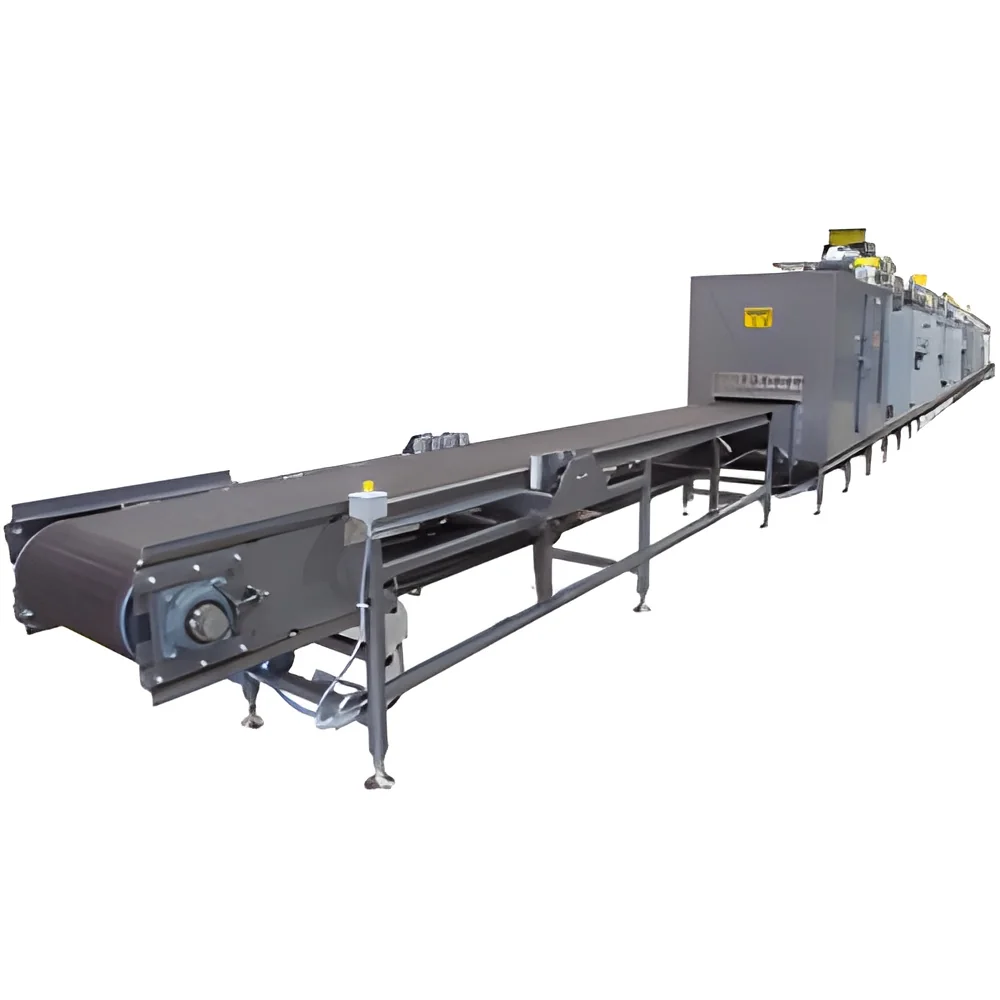
What are Roller Conveyors (Gravity, Powered)?
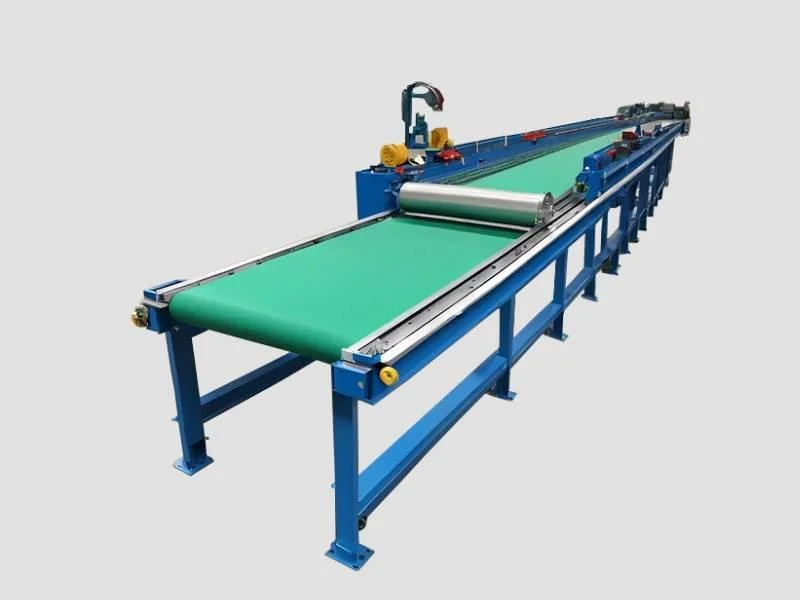
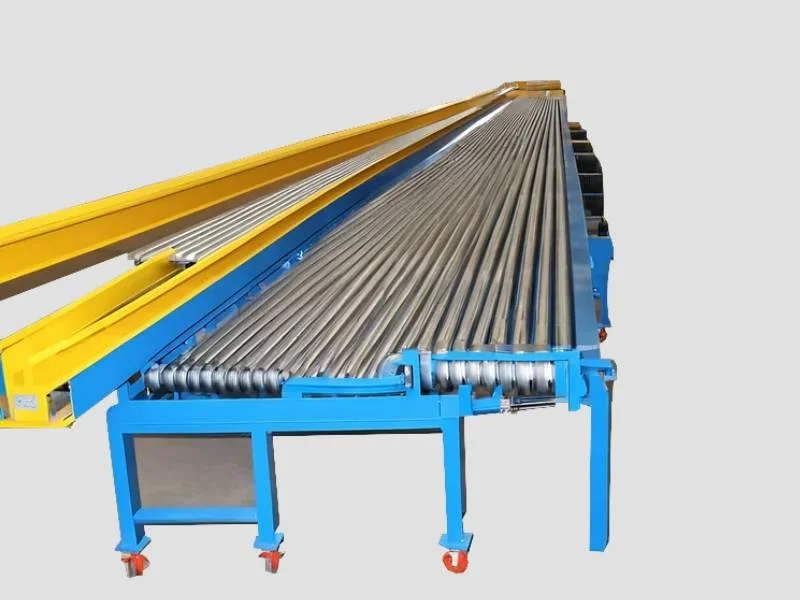
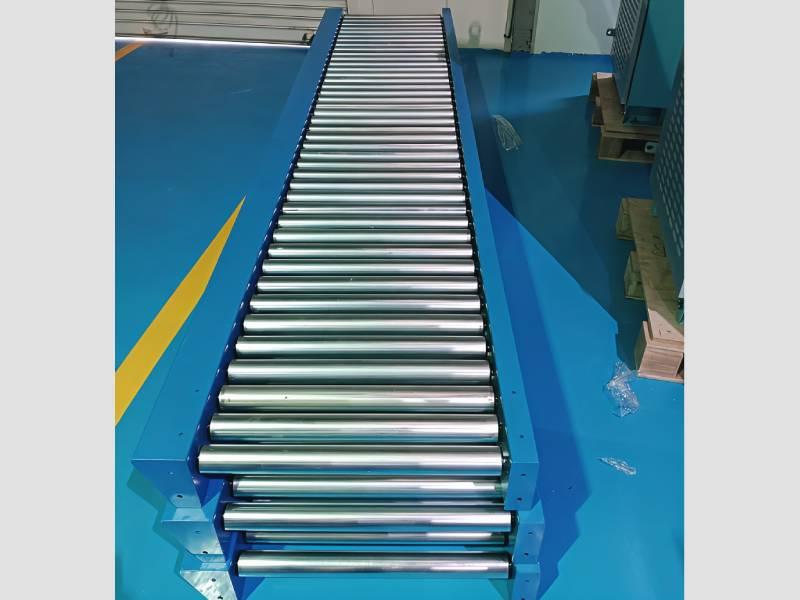
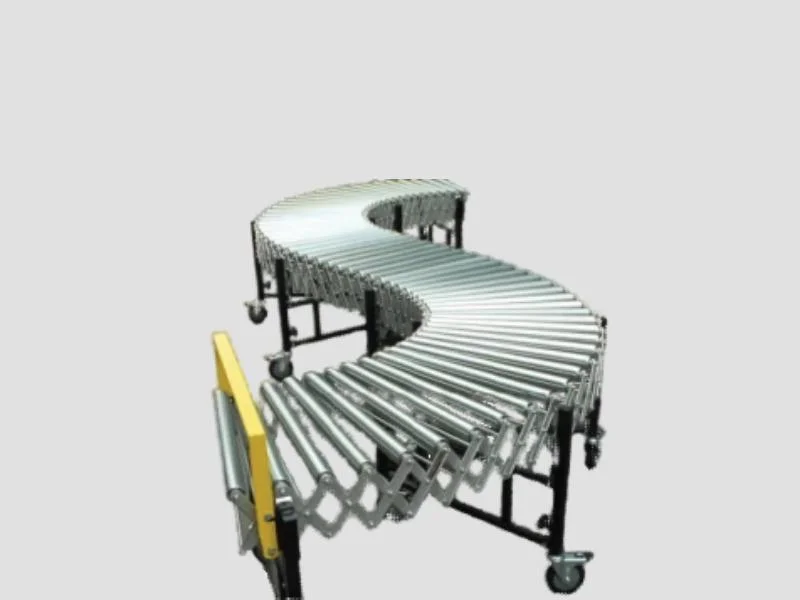
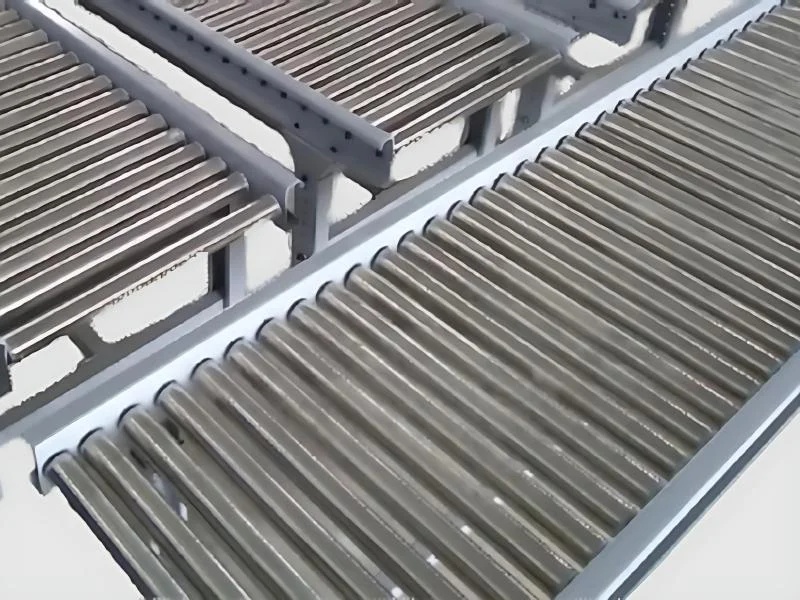
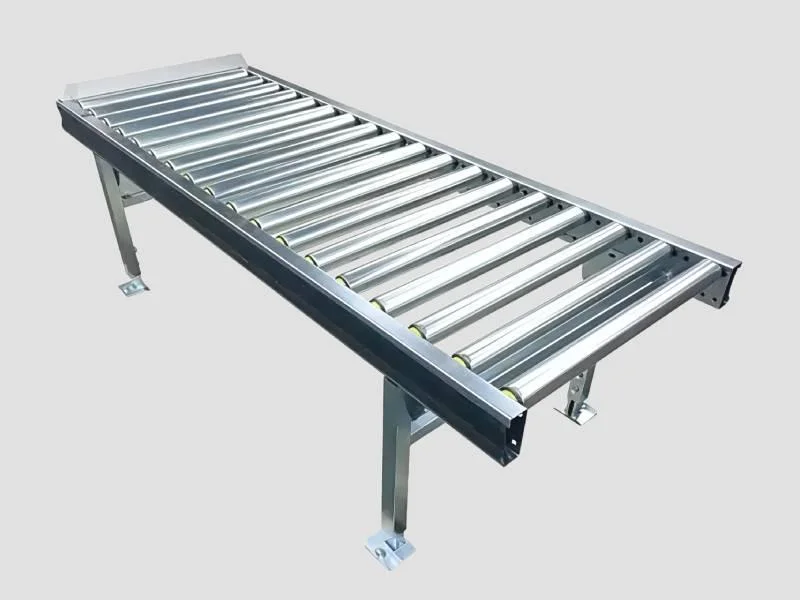
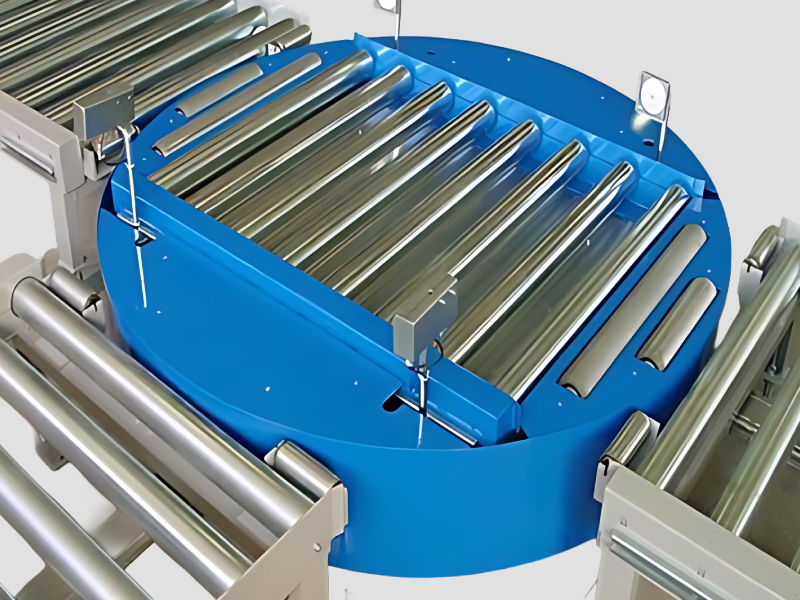
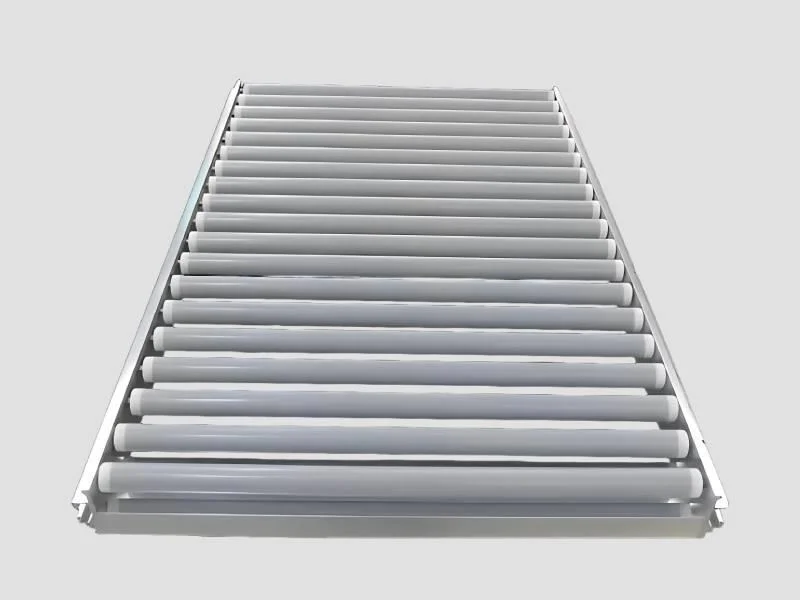
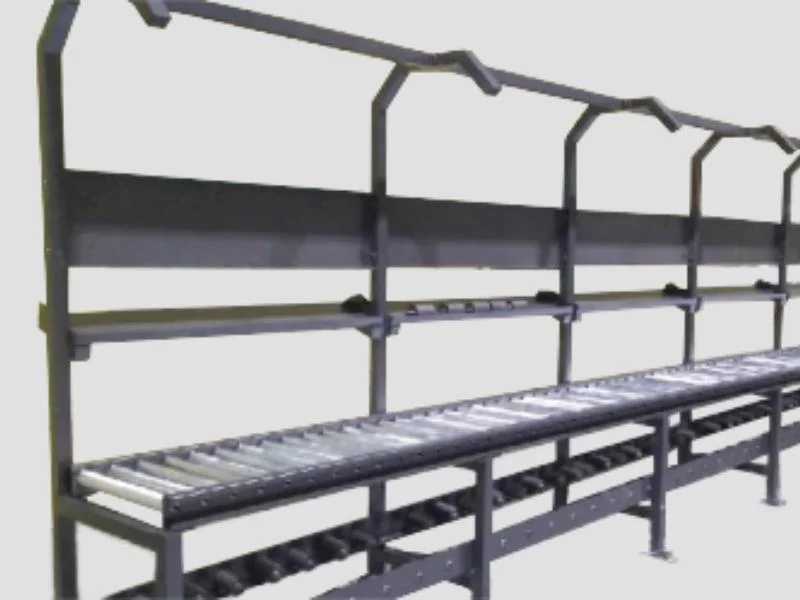
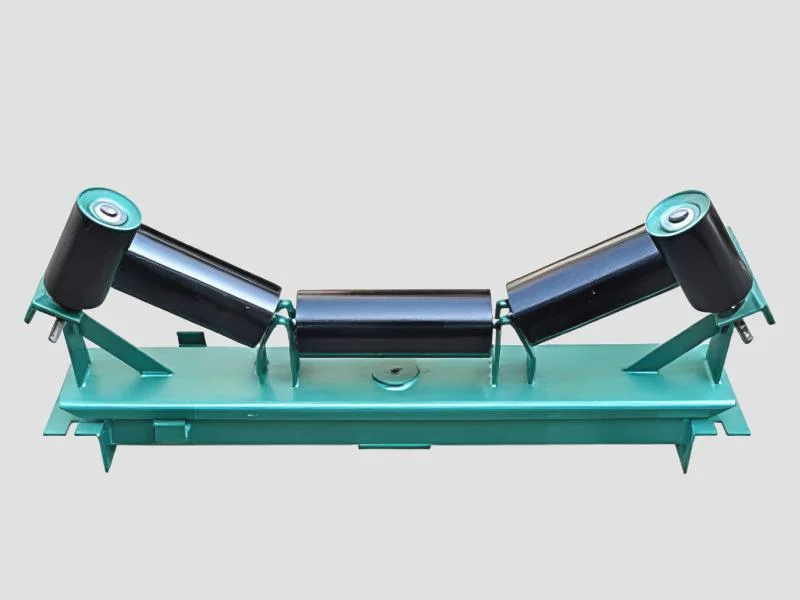
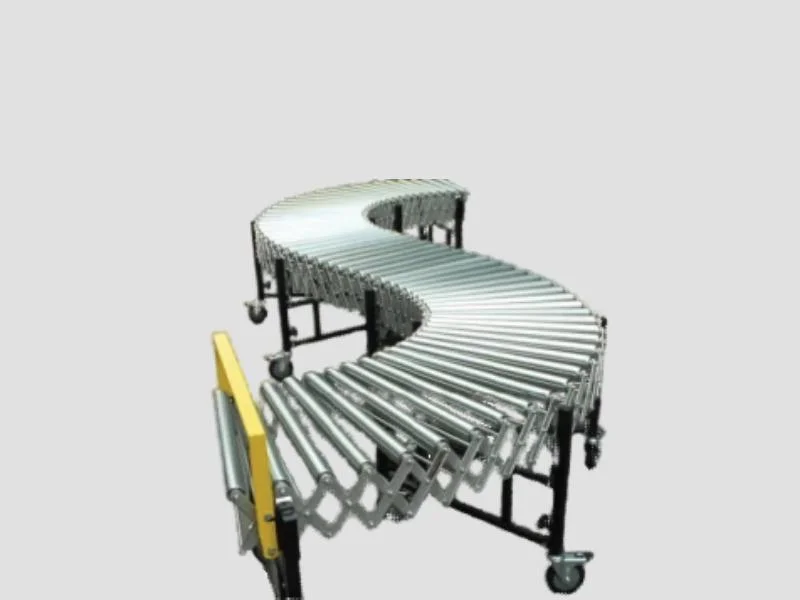
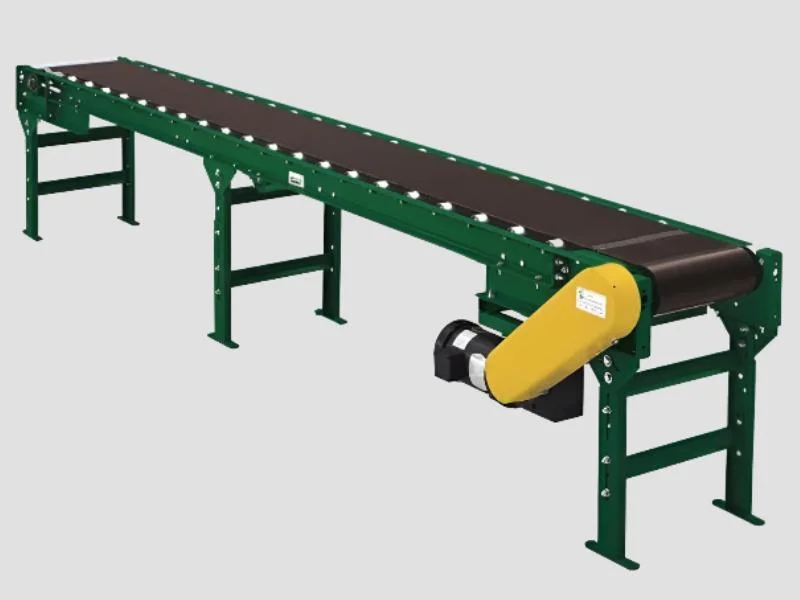
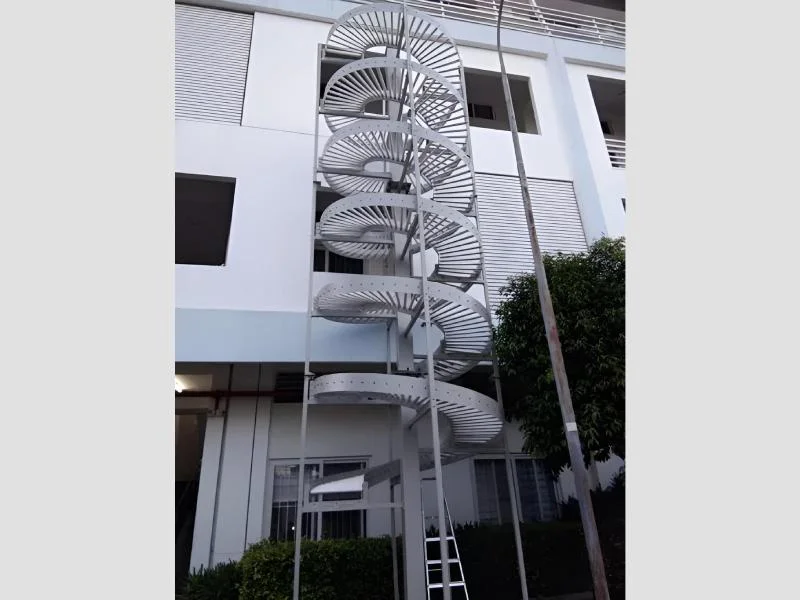
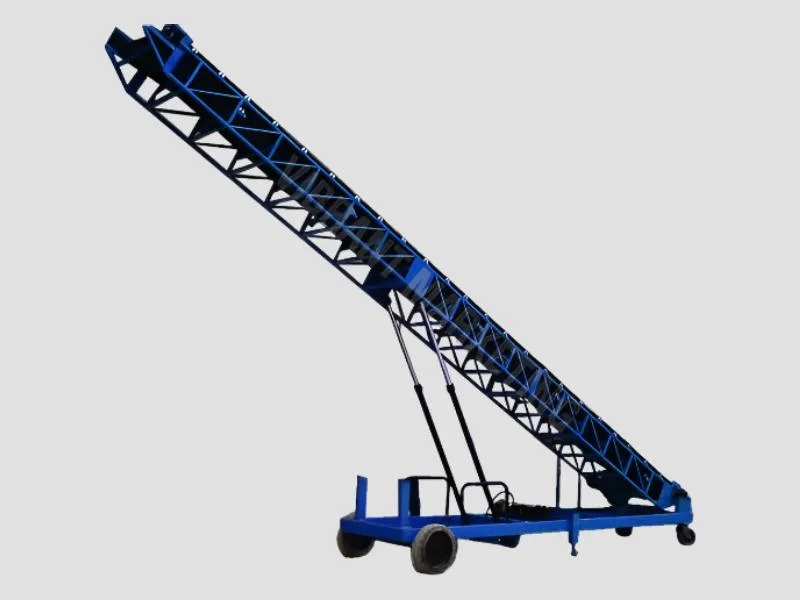
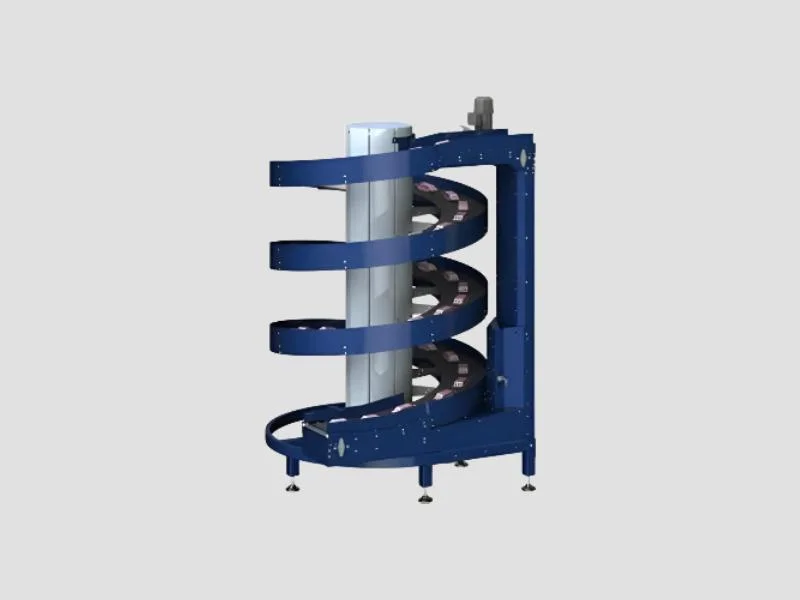
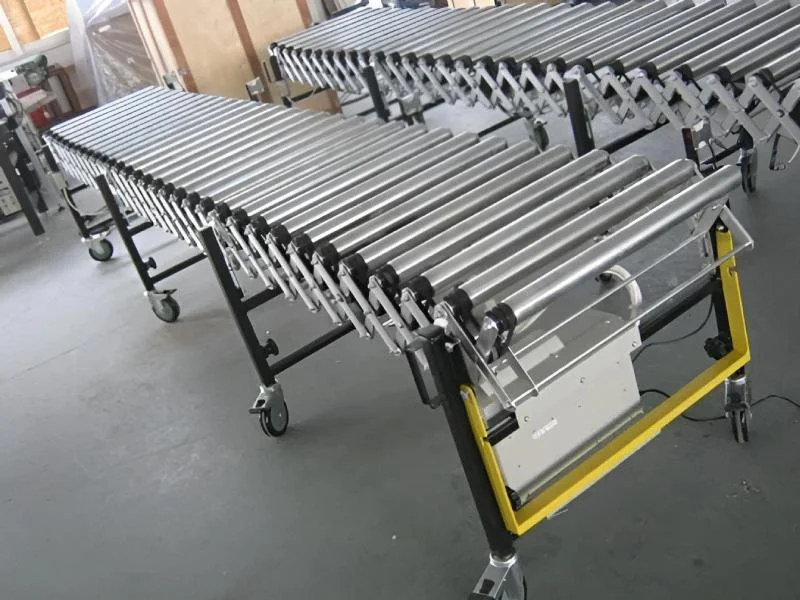
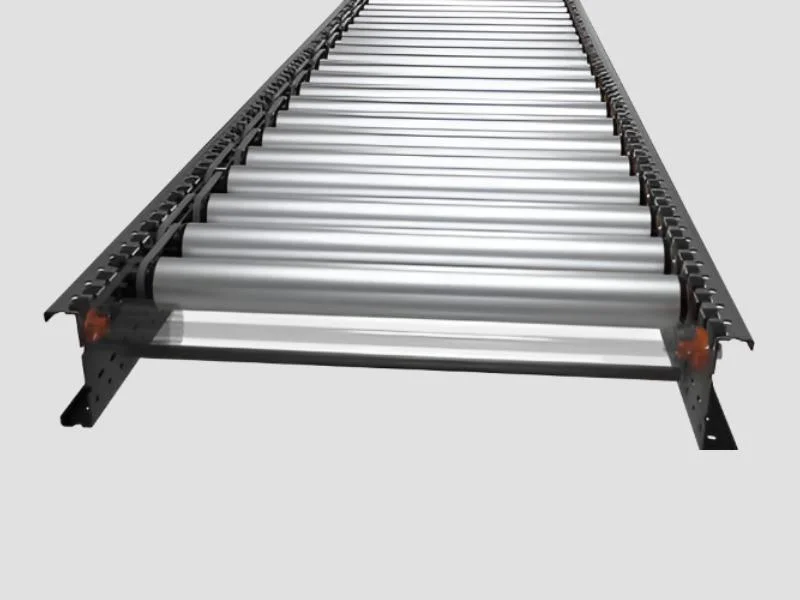
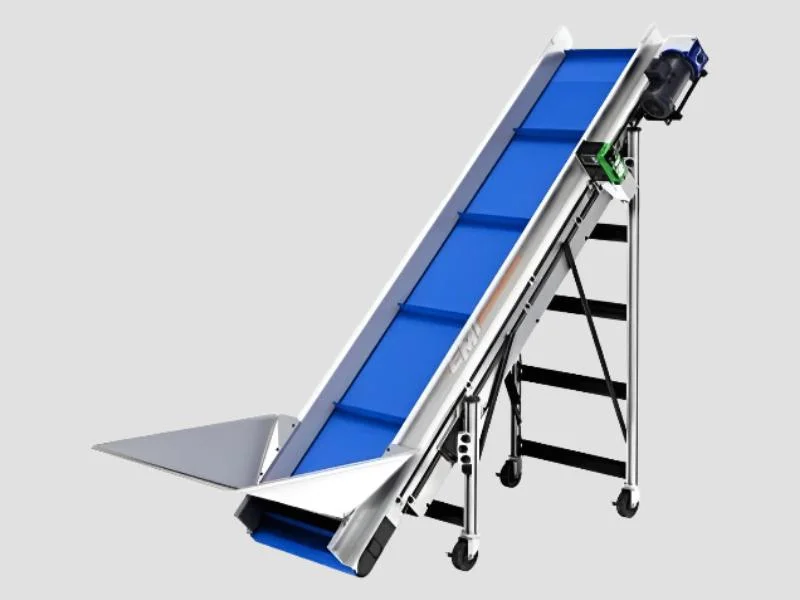
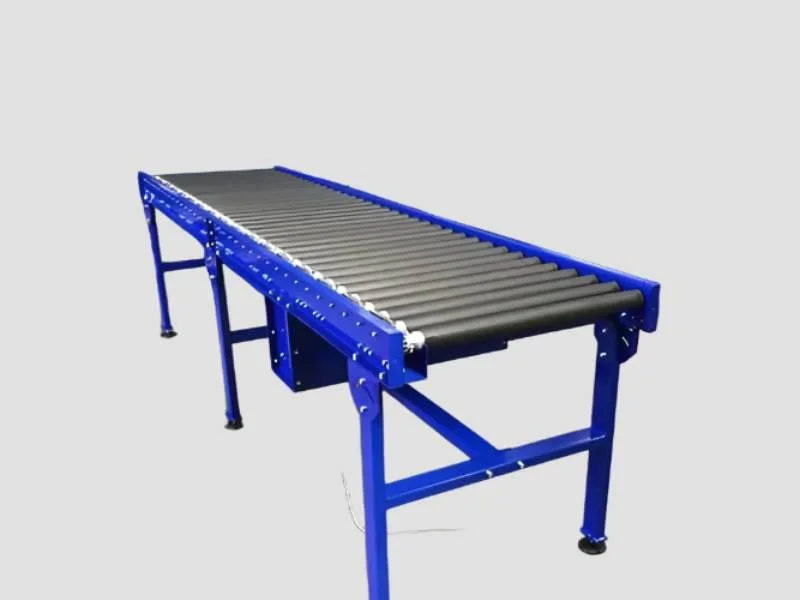
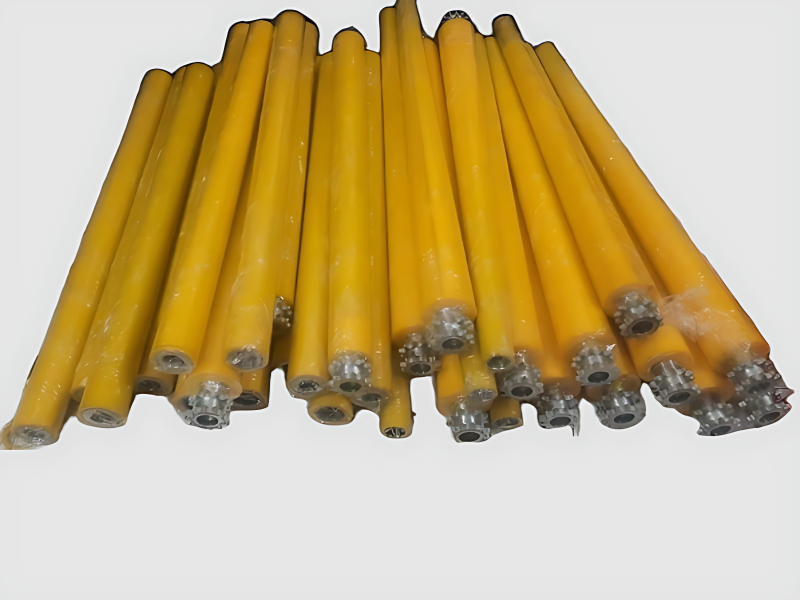
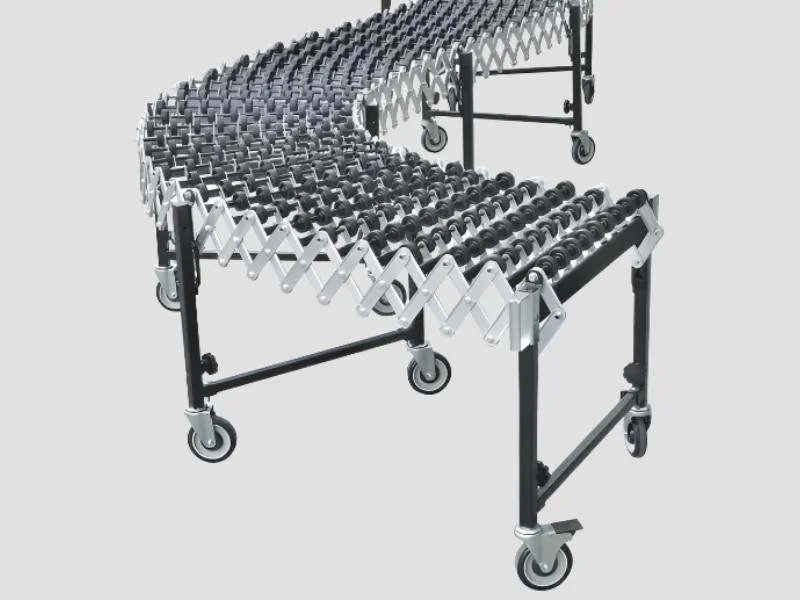
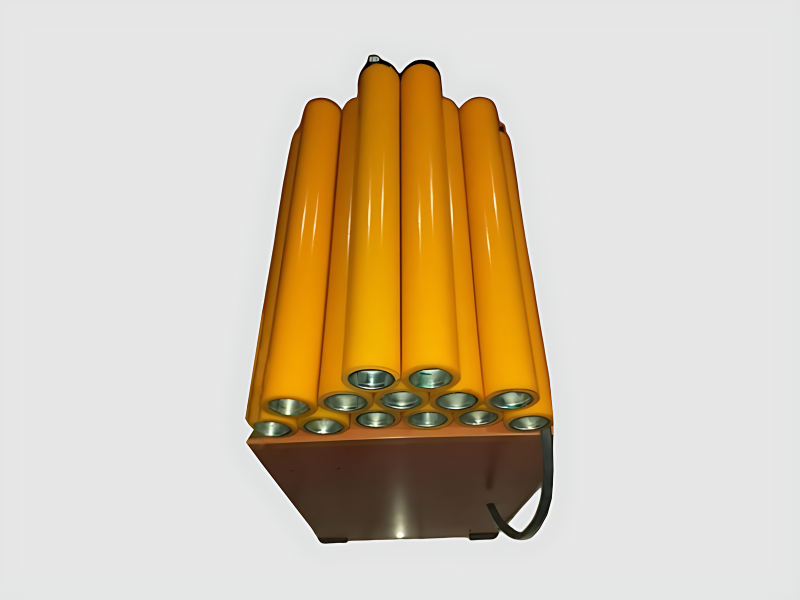
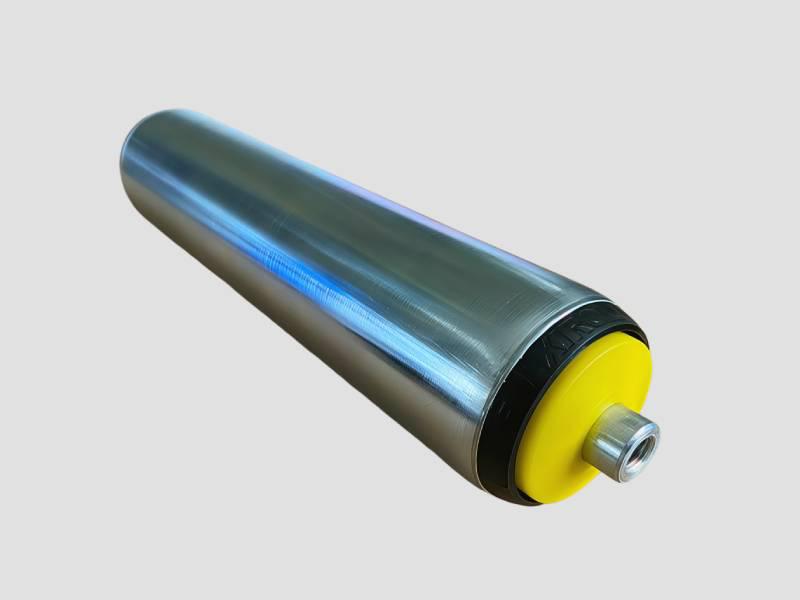
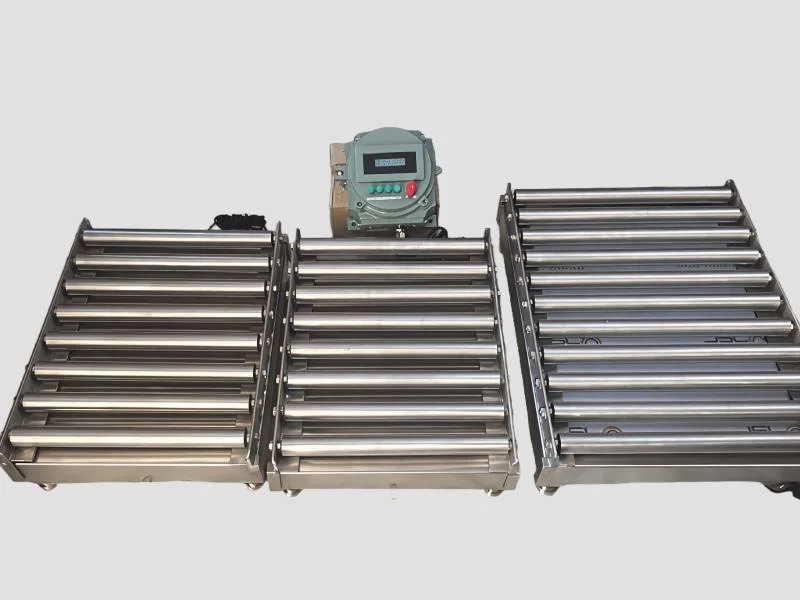
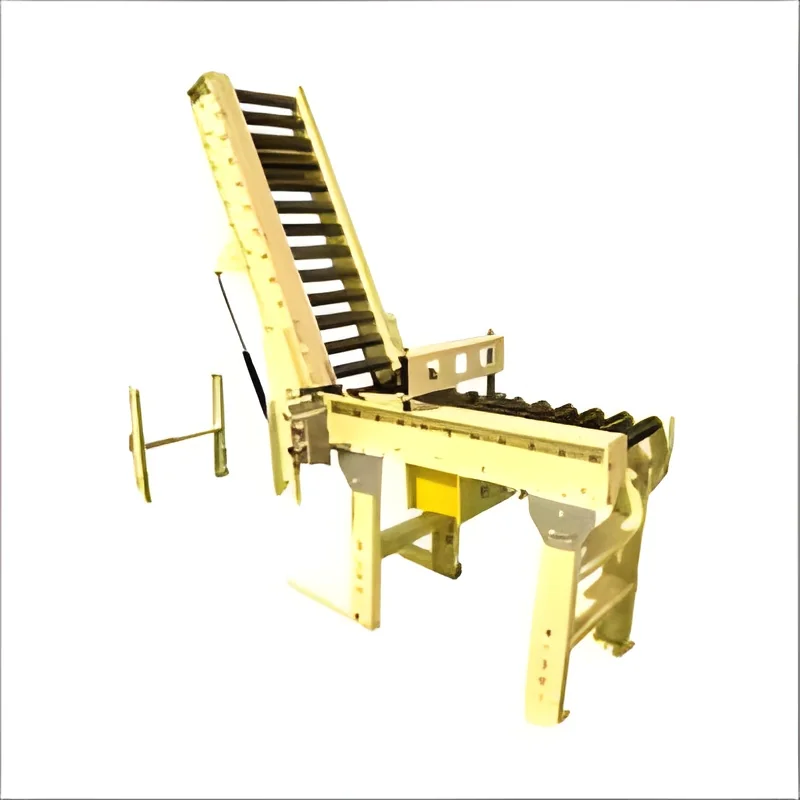
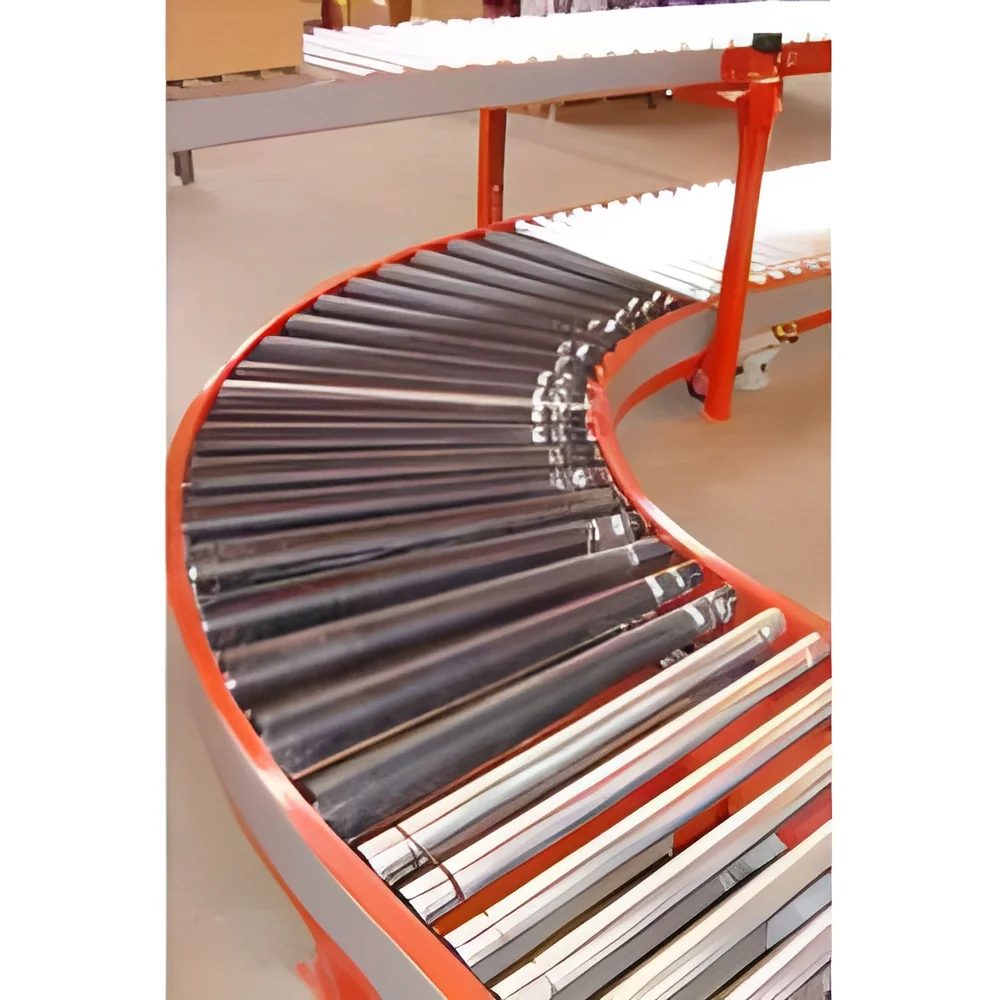
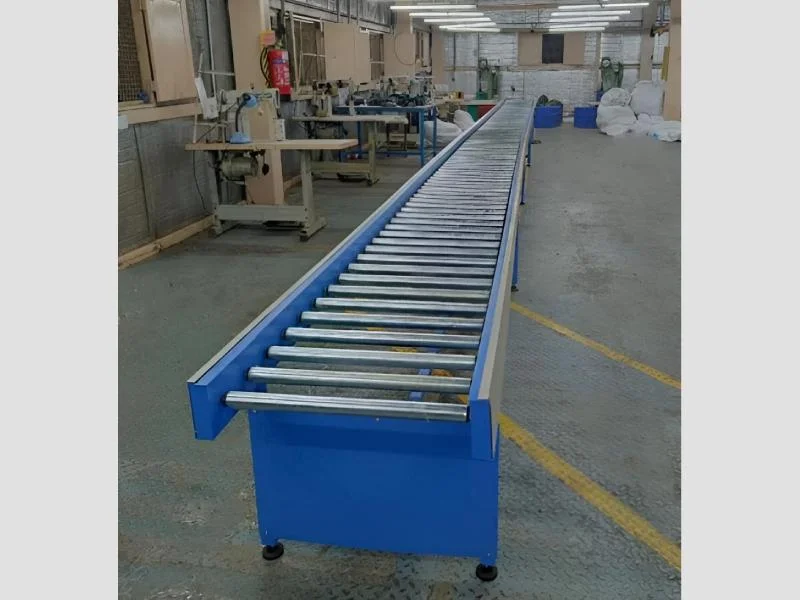
Roller conveyors are essential material handling systems that facilitate the movement of goods and products within various industrial settings. They come in two primary types: gravity roller conveyors and powered roller conveyors. Gravity roller conveyors rely on the natural force of gravity to move items along the conveyor line, making them ideal for applications where items need to be transported downhill or manually pushed. Powered roller conveyors, on the other hand, utilize motors to drive rollers, allowing for controlled movement of materials in both horizontal and inclined configurations.
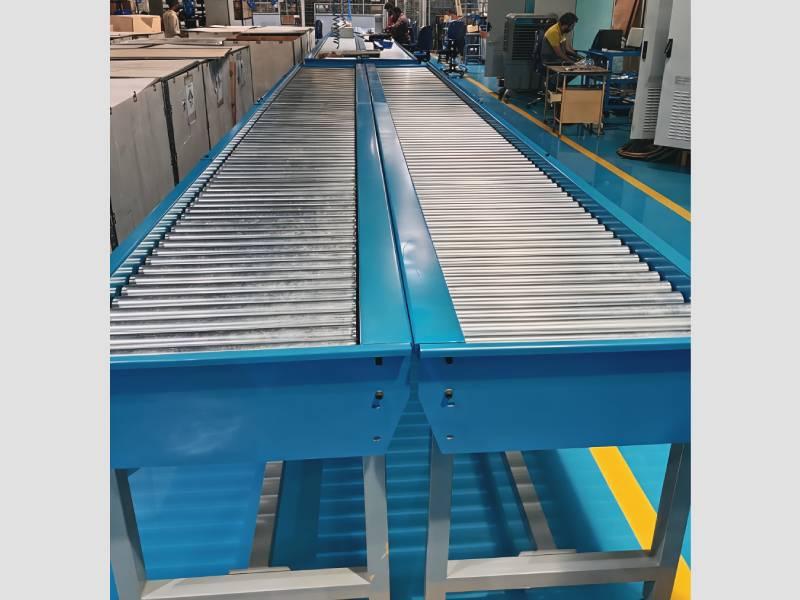
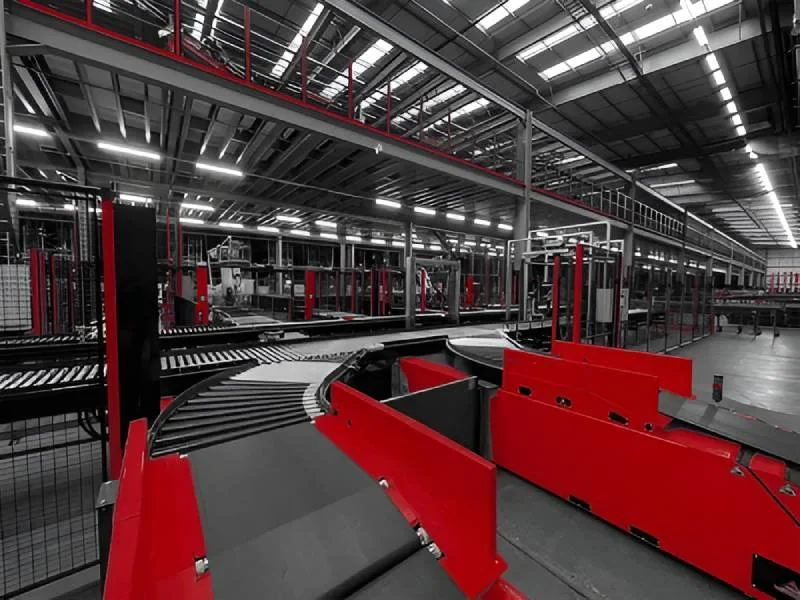
These conveyors are widely used in manufacturing, warehousing, and distribution centers. They enable efficient transportation of items ranging from small packages to heavy loads. Businesses often implement roller conveyors to streamline their operations, reduce labor costs, and improve workflow efficiency. By integrating these systems, companies can enhance their productivity while minimizing the risk of damage to products during handling. The growing demand for automation in industries further emphasizes the relevance of roller conveyors in today’s market.
𝗞𝗲𝘆 𝗙𝗲𝗮𝘁𝘂𝗿𝗲𝘀 𝗮𝗻𝗱 𝗦𝗽𝗲𝗰𝗶𝗳𝗶𝗰𝗮𝘁𝗶𝗼𝗻𝘀
Roller conveyors are designed with multiple features to enhance their performance and versatility in various applications. Their specifications are critical for ensuring they meet the specific needs of businesses.
Key specifications include:
1. Load Capacity
- The maximum weight each roller can support.
- Typically ranges from 50 kg to over 500 kg per roller.
2. Roller Diameter
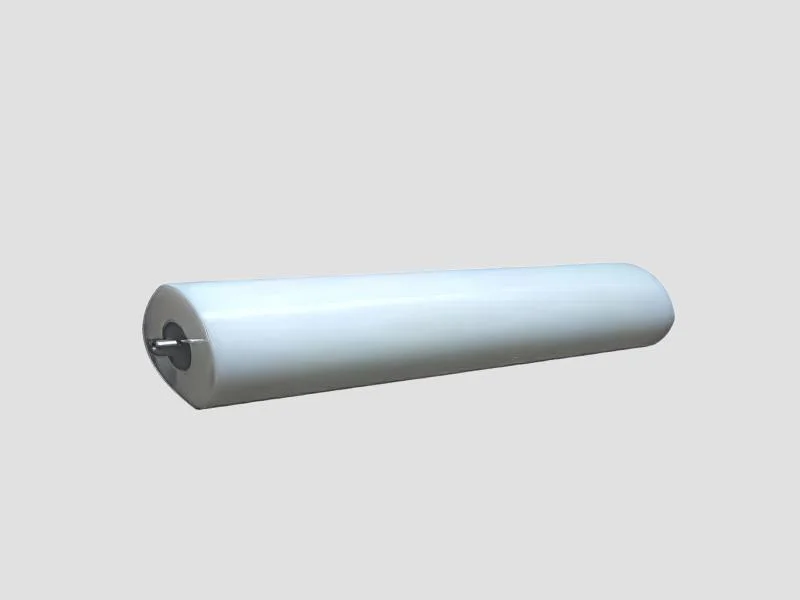
- The width of the rollers used in the conveyor system.
- Common diameters include 50 mm, 76 mm, and 89 mm.
3. Length Options
- The available lengths of the conveyor systems.
- Standard lengths range from 1 meter to 6 meters.
4. Speed
- The operational speed of powered roller conveyors.
- Can vary from 5 meters per minute to 30 meters per minute.
5. Material Construction
- The materials used for rollers and frames.
- Options include steel, aluminum, and plastic.
6. Drive Type
- The mechanism used to power the rollers.
- Options include belt-driven, chain-driven, and direct drive.
7. Alignment
- The configuration of rollers.
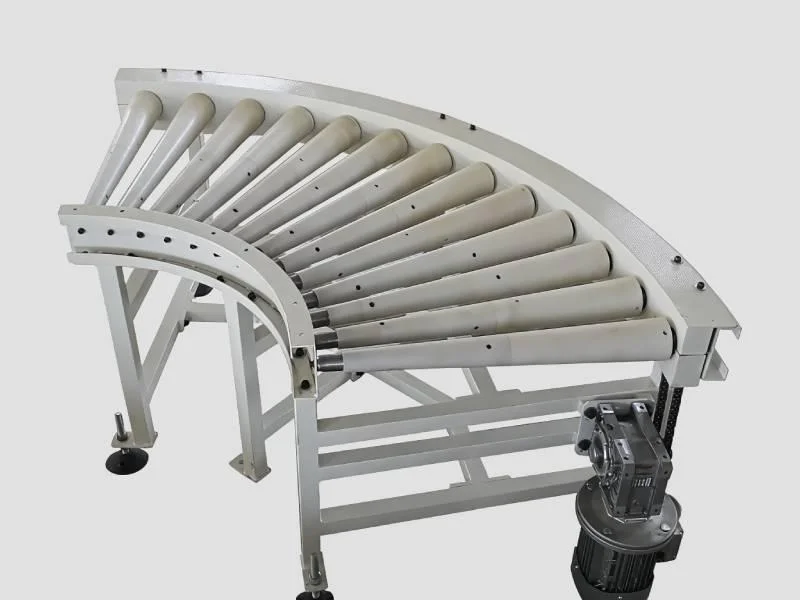
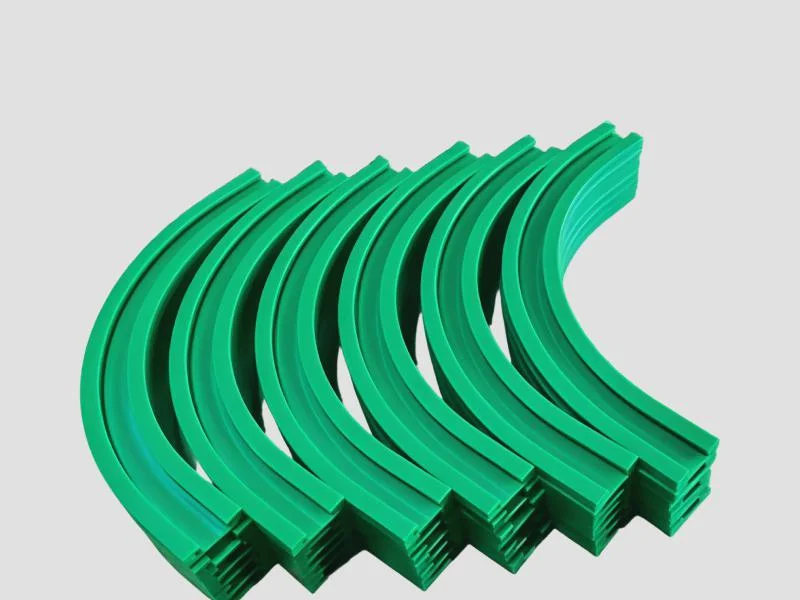
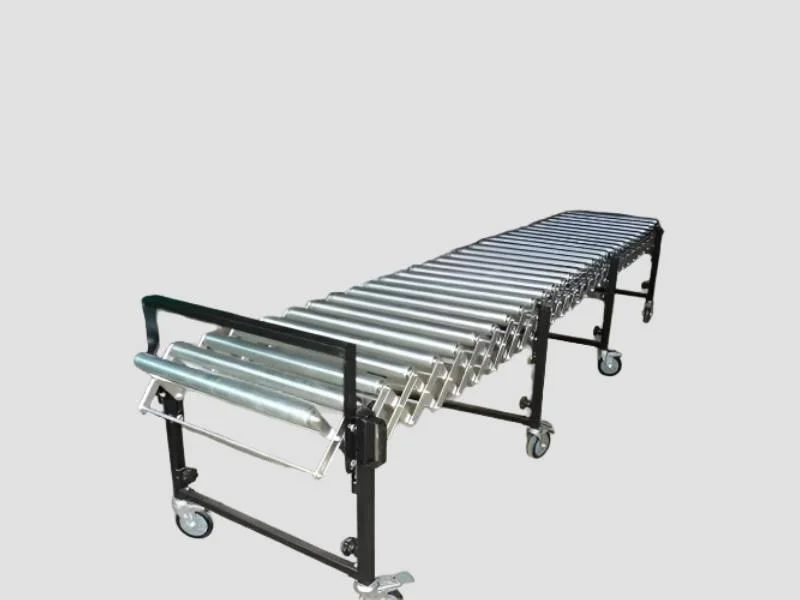
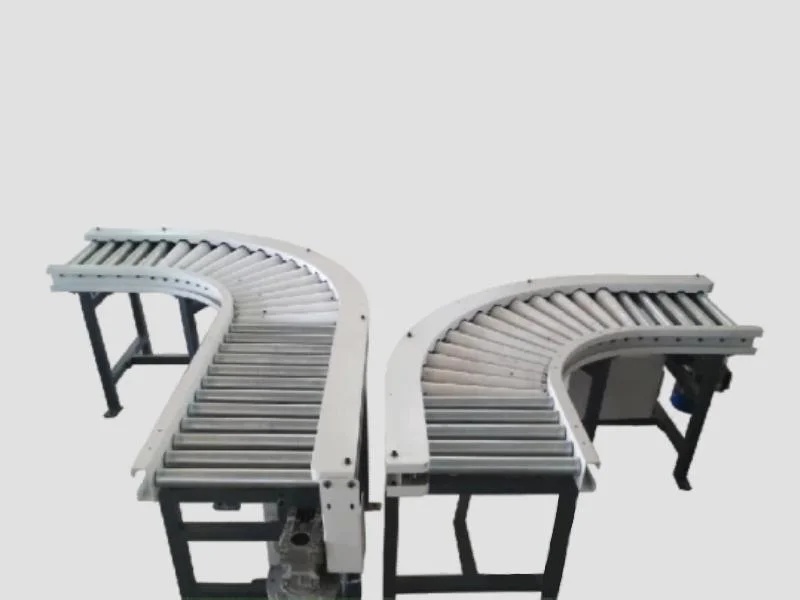
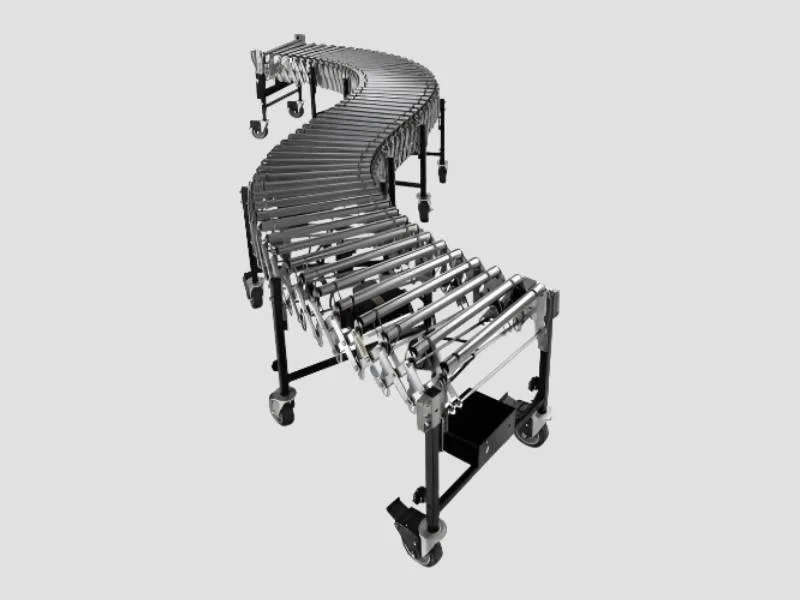
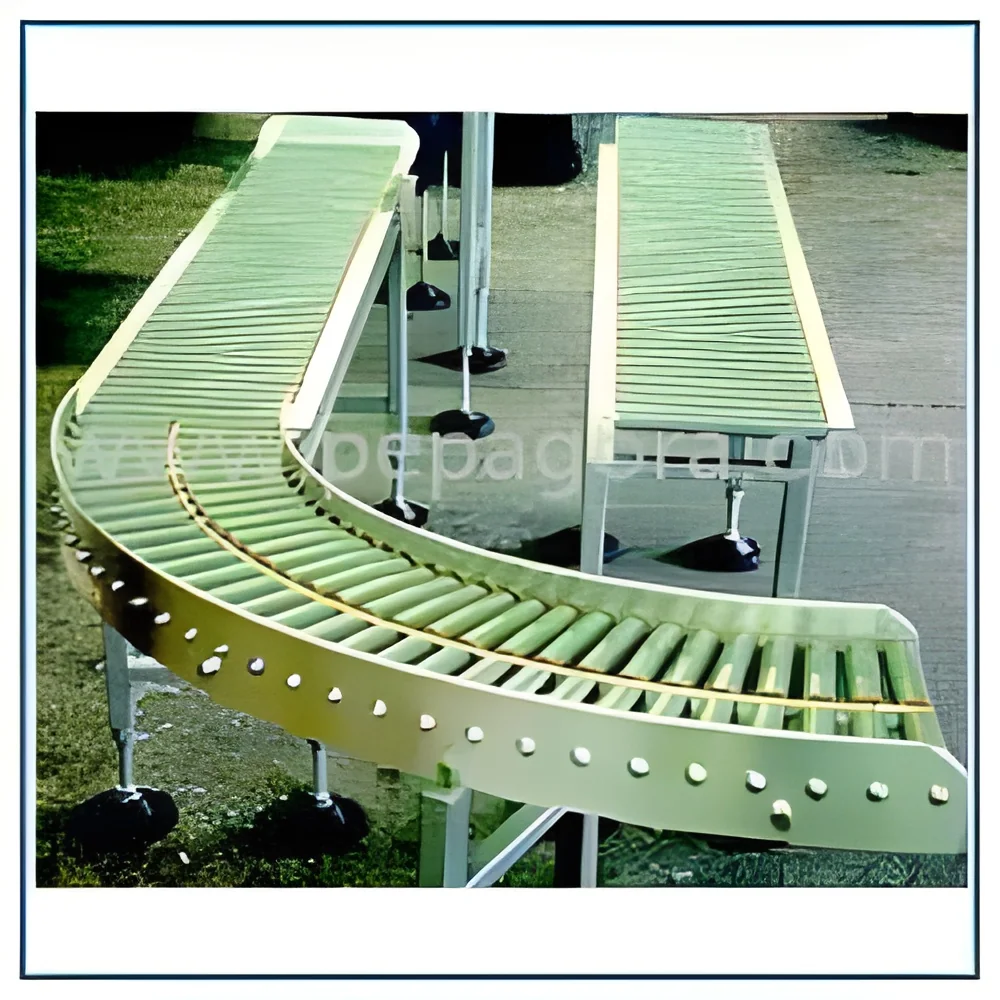
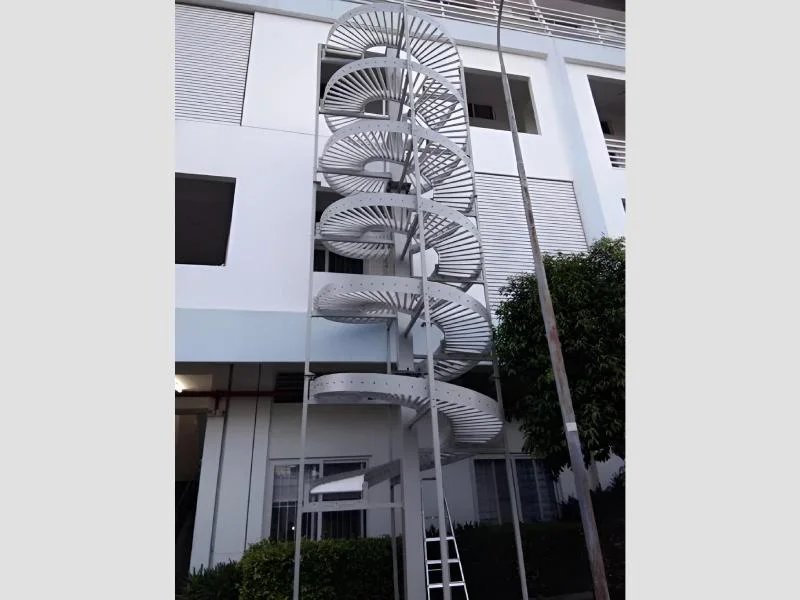
- Can be straight, curved, or adjustable to fit various layouts.
8. Safety Features
- Additional mechanisms to enhance safety during operations.
- Includes guards, emergency stops, and sensors.
In summary, understanding the specifications of roller conveyors is crucial for selecting the right system for your business needs. These features play a significant role in determining the effectiveness and efficiency of material handling processes.
𝗖𝗼𝗺𝗺𝗼𝗻 𝗔𝗽𝗽𝗹𝗶𝗰𝗮𝘁𝗶𝗼𝗻𝘀 𝗮𝗻𝗱 𝗨𝘀𝗲 𝗖𝗮𝘀𝗲𝘀
Roller conveyors find applications across various industries due to their adaptability and efficiency.
1. Manufacturing: In manufacturing environments, roller conveyors facilitate the movement of parts along assembly lines, improving production speed and reducing manual handling.
2. Warehousing: Warehouses utilize roller conveyors for sorting and transporting goods, enhancing inventory management and order fulfillment processes.
3. Distribution: In distribution centers, these conveyors aid in the quick movement of products for shipping, ensuring timely delivery and reducing bottlenecks.
4. Food Processing: Roller conveyors are used in food processing plants for the safe transport of packaged goods, adhering to hygiene standards.
5. Automotive: The automotive industry employs roller conveyors to move components during assembly and testing processes, optimizing workflow efficiency.
6. Retail: Retail environments use roller conveyors for stock replenishment and organization, allowing for seamless integration of products onto sales floors.
7. Pharmaceuticals: In pharmaceutical manufacturing, roller conveyors ensure the safe and efficient transport of sensitive materials, adhering to strict regulatory requirements.
𝗣𝗿𝗼𝗱𝘂𝗰𝘁 𝗩𝗮𝗿𝗶𝗮𝗻𝘁𝘀 𝗮𝗻𝗱 𝗦𝘂𝗯𝗰𝗮𝘁𝗲𝗴𝗼𝗿𝗶𝗲𝘀
Roller conveyors come in various configurations and designs to meet specific industry needs. This diversity allows businesses to select systems that best fit their operational requirements.
Gravity Roller Conveyors
These conveyors rely on gravity to transport items without the need for power. They are cost-effective and ideal for applications where manual handling is feasible.
Powered Roller Conveyors
Powered systems use an electric motor to drive rollers, offering controlled movement and the ability to handle heavier loads. They are suitable for complex layouts and automation.
𝗕𝗲𝗻𝗲𝗳𝗶𝘁𝘀 𝗮𝗻𝗱 𝗔𝗱𝘃𝗮𝗻𝘁𝗮𝗴𝗲𝘀
Investing in roller conveyors provides numerous advantages that enhance operational efficiency.
1. Increased Efficiency: Roller conveyors streamline the movement of goods, reducing the time and effort required for material handling.
2. Cost Reduction: By automating transportation processes, businesses can lower labor costs and minimize the risk of product damage.
3. Space Optimization: Roller conveyors can be designed to fit specific layouts, maximizing the use of available space in warehouses and production areas.
4. Flexibility: Various configurations and designs allow for customization based on the unique needs of different industries.
5. Improved Safety: With built-in safety features, roller conveyors reduce the risk of accidents and injuries during material handling.
6. Enhanced Productivity: By simplifying the transportation of goods, roller conveyors enable employees to focus on higher-value tasks, boosting overall productivity.
𝗕𝘂𝘆𝗶𝗻𝗴 𝗚𝘂𝗶𝗱𝗲 𝗳𝗼𝗿 𝗕𝟮𝗕 𝗕𝘂𝘆𝗲𝗿𝘀
When sourcing roller conveyors, several factors should be taken into consideration to ensure the right fit for your operations.
1. Quality Assessment: Evaluate the materials and construction quality to ensure durability and reliability. Look for suppliers that adhere to industry standards.
2. Supplier Verification: Conduct research to verify the credibility and reputation of suppliers. Consider their experience, customer feedback, and certifications.
3. Pricing and MOQ: Analyze pricing structures and minimum order quantities. Ensure that costs align with your budget and operational needs.
4. Delivery and Lead Times: Discuss logistics and delivery timelines with suppliers to prevent delays in your operations.
5. Compliance Requirements: Check for compliance with relevant industry regulations and safety standards to avoid legal issues.
𝗖𝗼𝗺𝗽𝗹𝗶𝗮𝗻𝗰𝗲 𝗮𝗻𝗱 𝗖𝗲𝗿𝘁𝗶𝗳𝗶𝗰𝗮𝘁𝗶𝗼𝗻𝘀
Compliance with industry standards and certifications is essential for ensuring the quality and safety of roller conveyors.
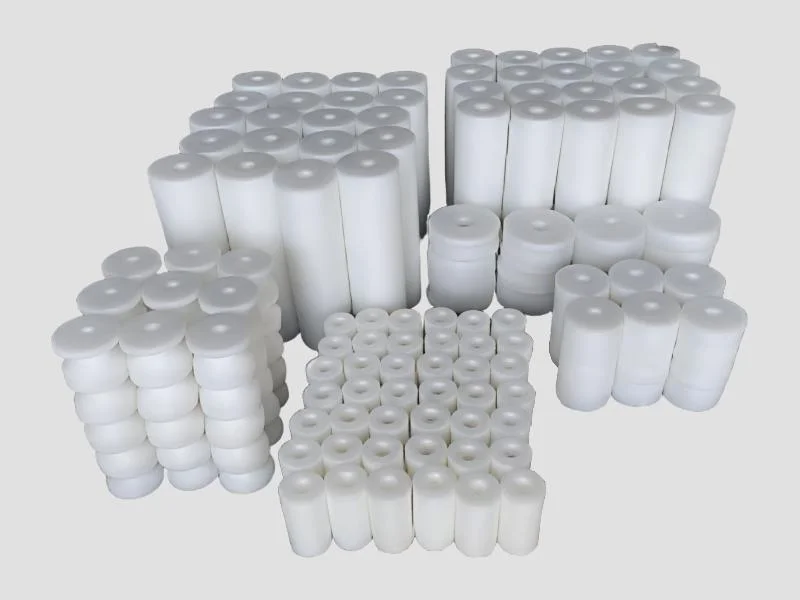
Quality standards such as ISO 9001 guarantee that manufacturers follow rigorous quality management principles. This ensures that products meet customer and regulatory requirements consistently.
Industry certifications like CE demonstrate compliance with European safety standards, affirming that products adhere to essential health and safety requirements.
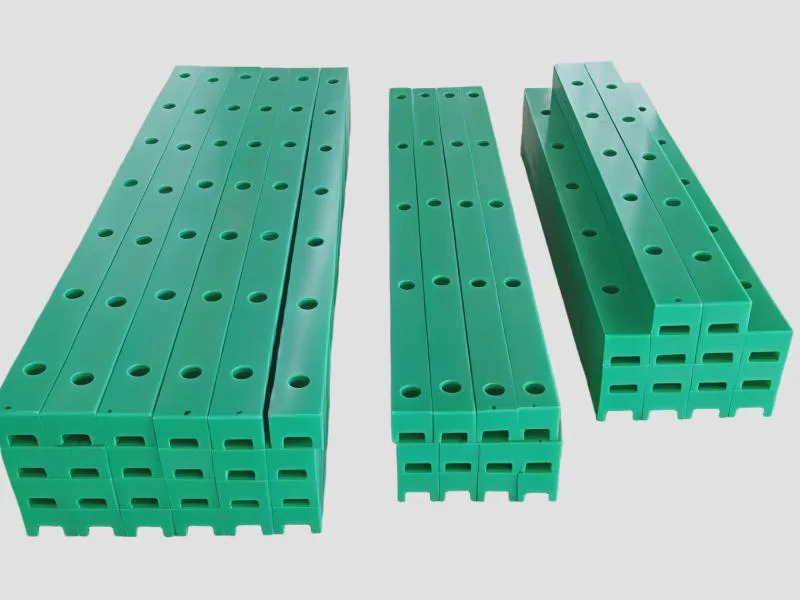
Additionally, safety and testing requirements must be met to ensure the reliable operation of roller conveyors in various environments. Manufacturers should conduct thorough testing to confirm that their products can withstand the demands of industrial usage.
Regional compliance considerations may vary, so it is crucial to stay informed about local regulations that apply to your specific area of operation.
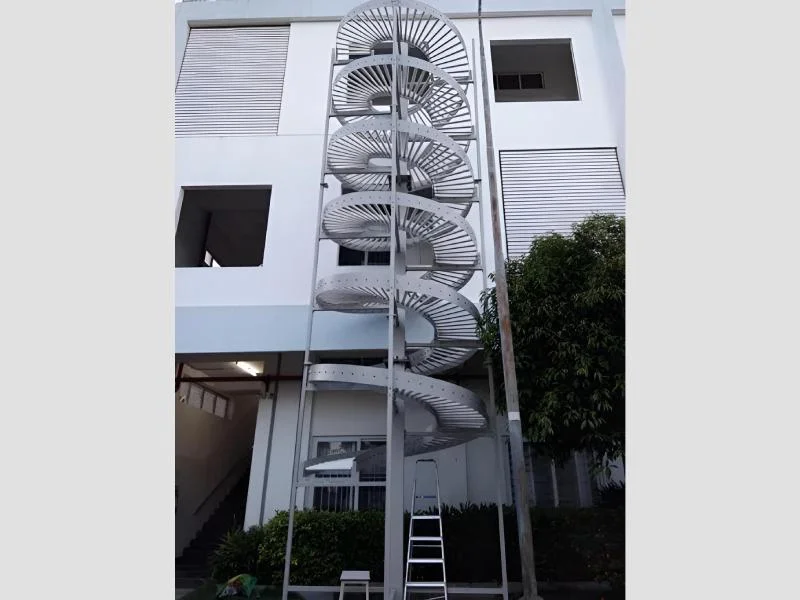
Why Source Roller Conveyors (Gravity, Powered) from Pepagora?
Pepagora provides a trusted platform for sourcing roller conveyors with several key advantages that benefit B2B buyers.
Verified Supplier Network: Pepagora has established a network of verified suppliers, ensuring that buyers can connect with reputable manufacturers who meet high-quality standards.
Streamlined RFQ Process: The platform offers an efficient request for quotation (RFQ) process, enabling buyers to receive competitive quotes from multiple suppliers quickly.
Trade Assurance and Support: Pepagora prioritizes buyer protection through trade assurance, offering support and guidance throughout the purchasing process.
Regional Coverage: With a strong presence in India, the GCC, and Southeast Asia, Pepagora connects buyers with suppliers across these regions, facilitating access to diverse roller conveyor solutions.
By choosing Pepagora, businesses can enhance their procurement process and ensure they find the right roller conveyors to meet their operational needs.