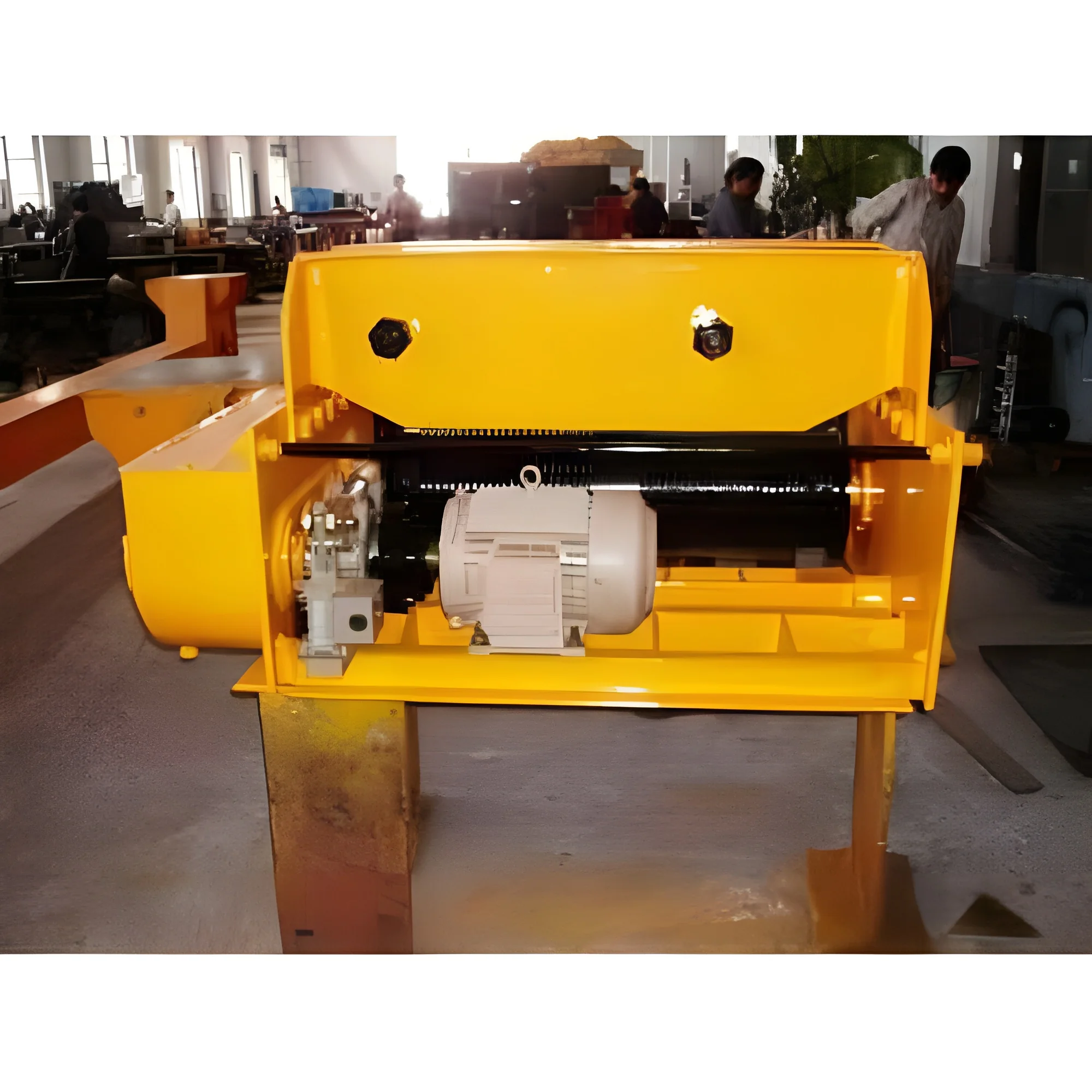
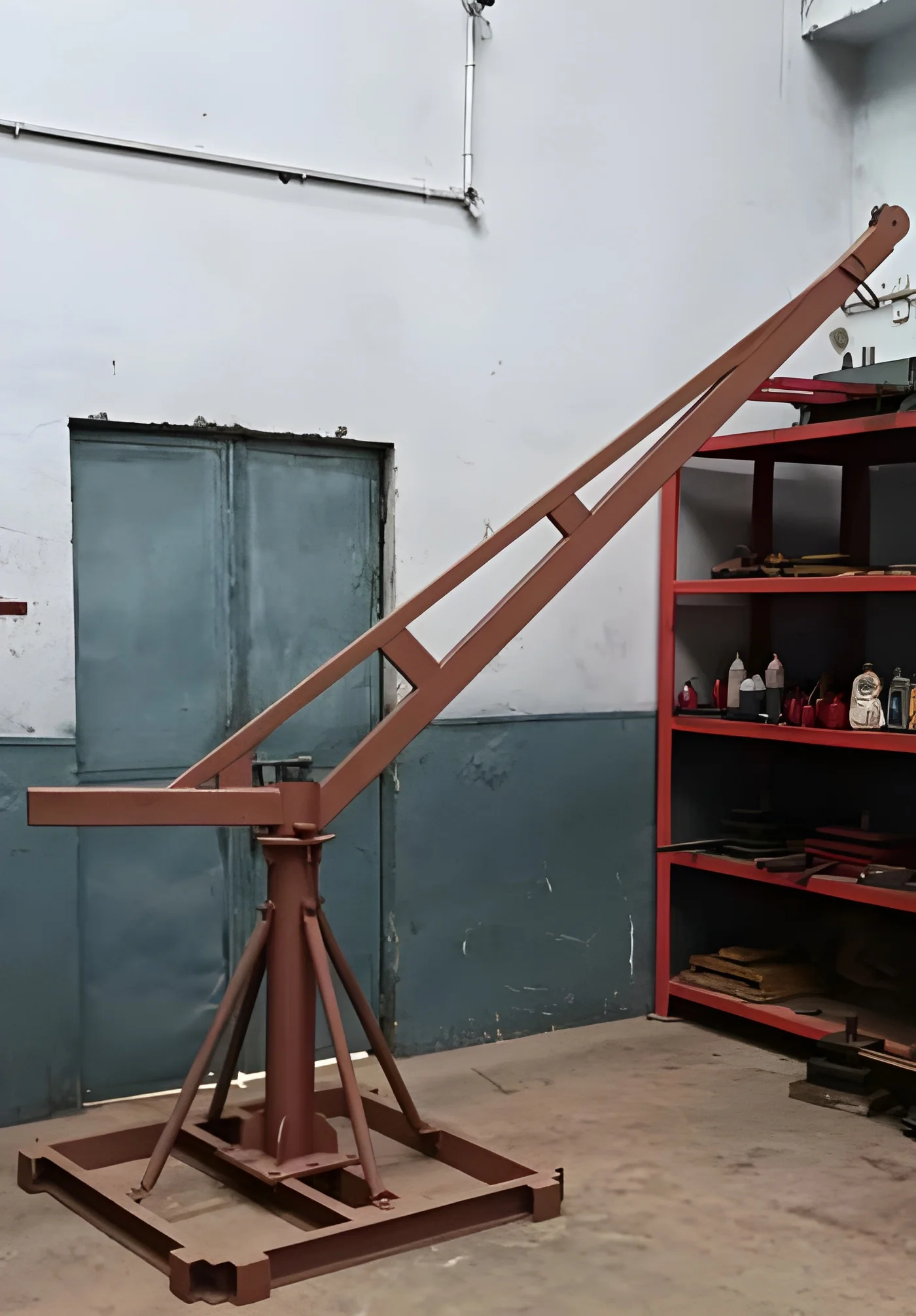
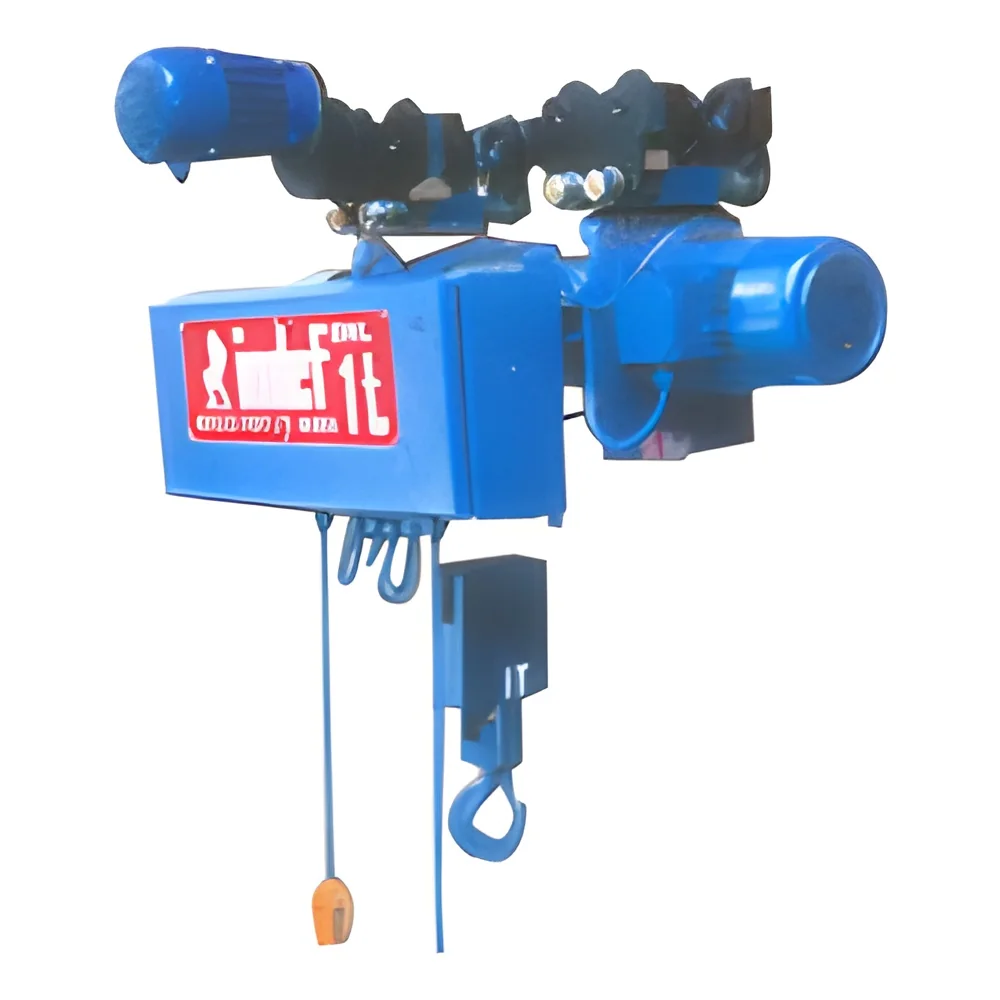
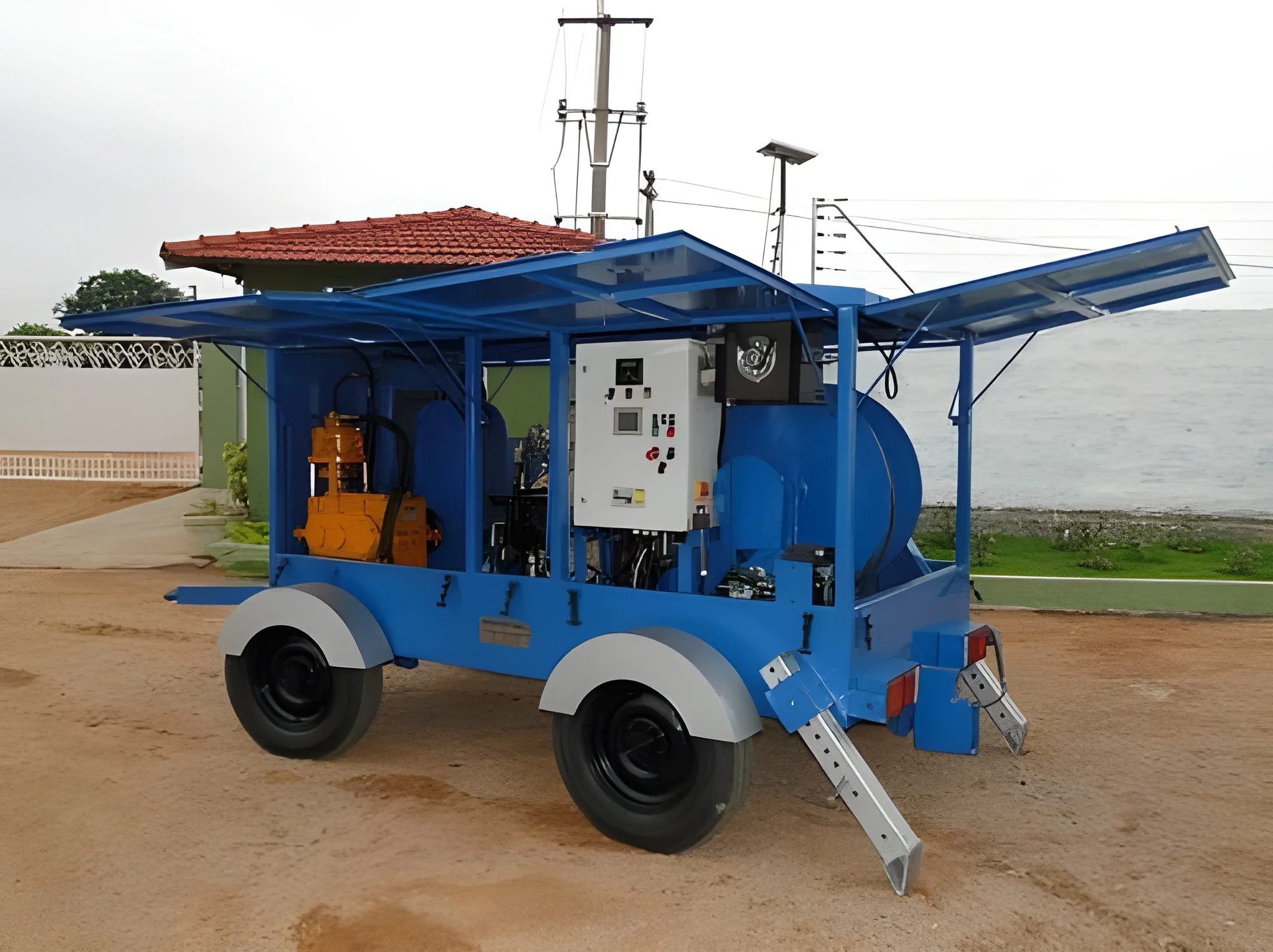
What are Wire Rope Hoists?
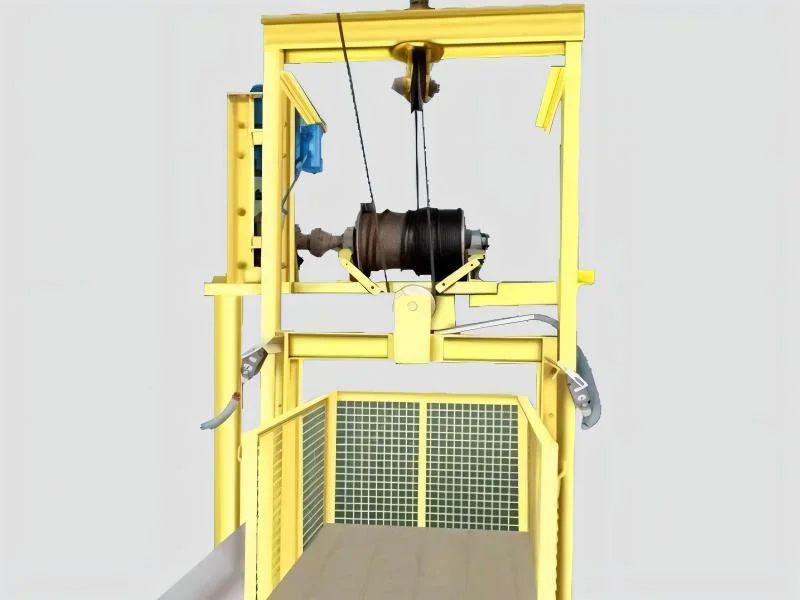
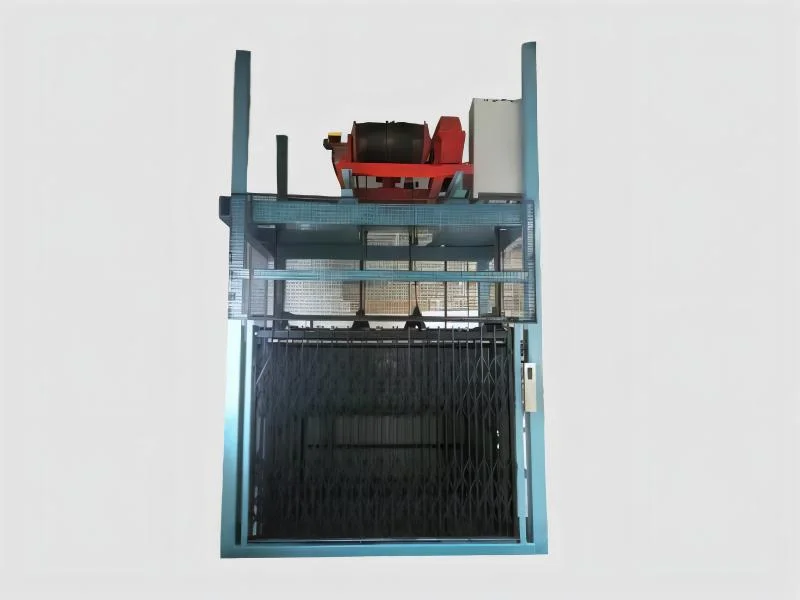
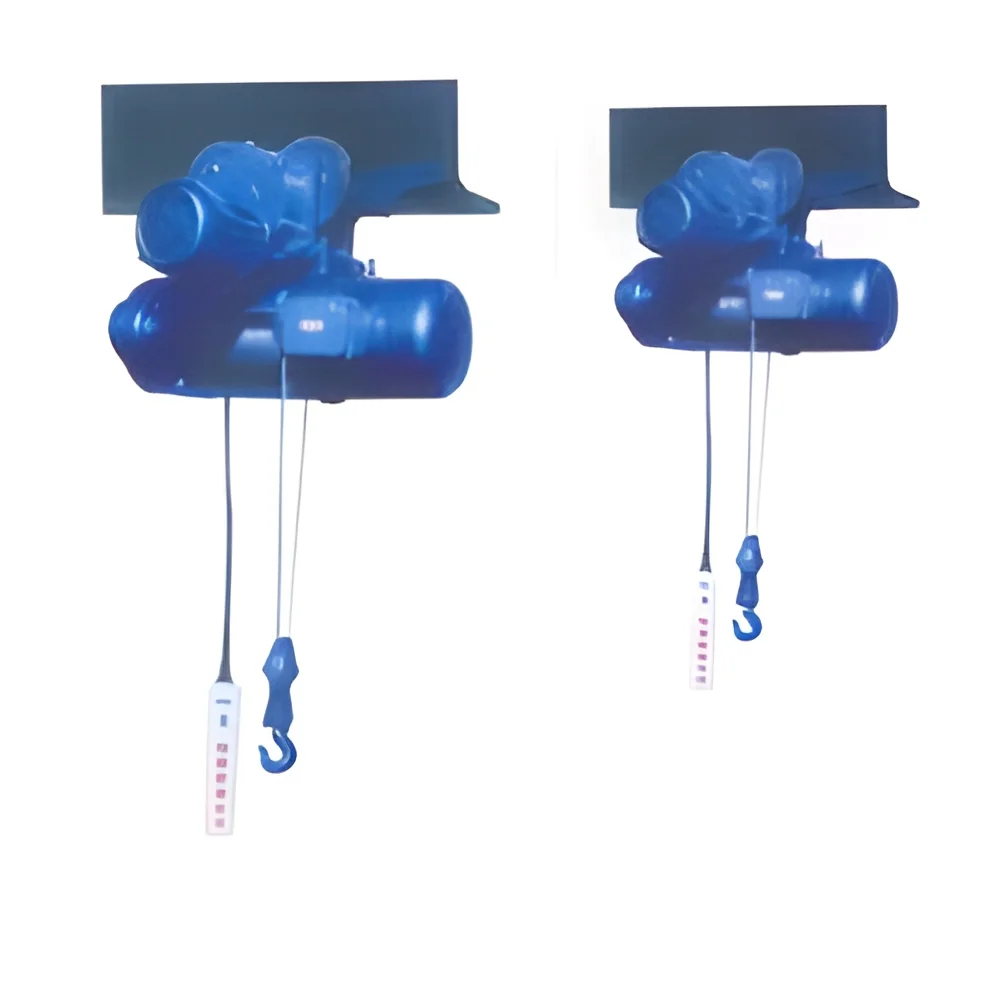
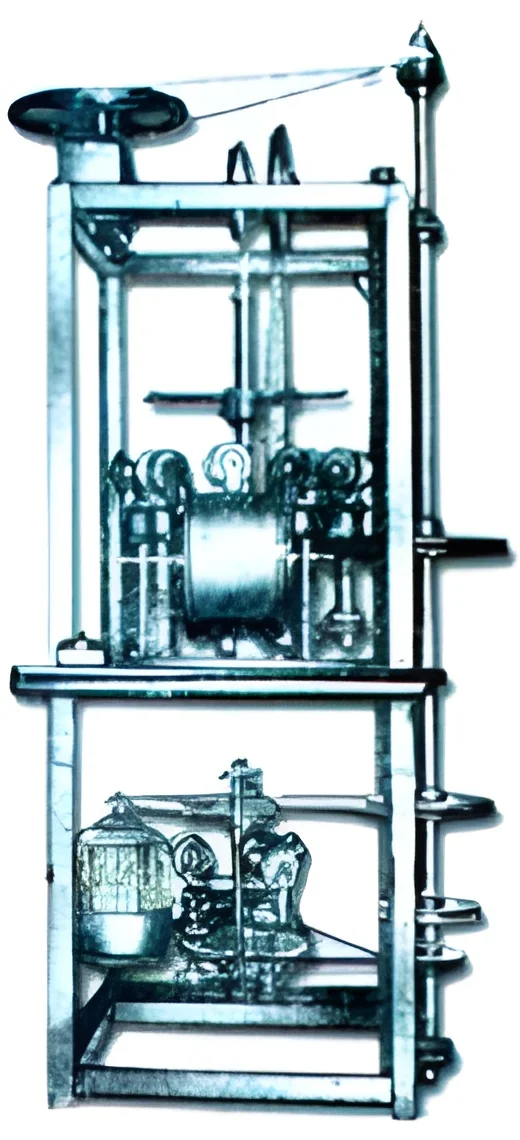
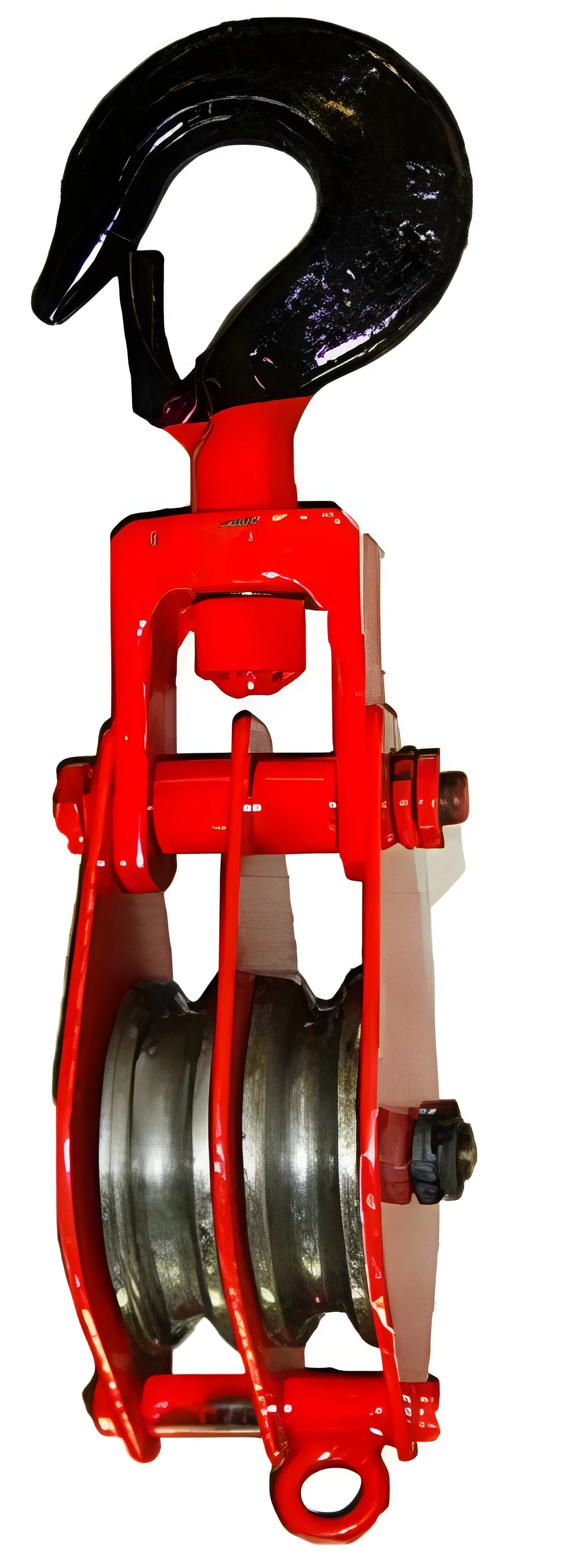
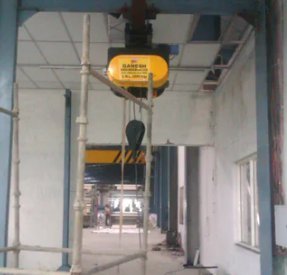
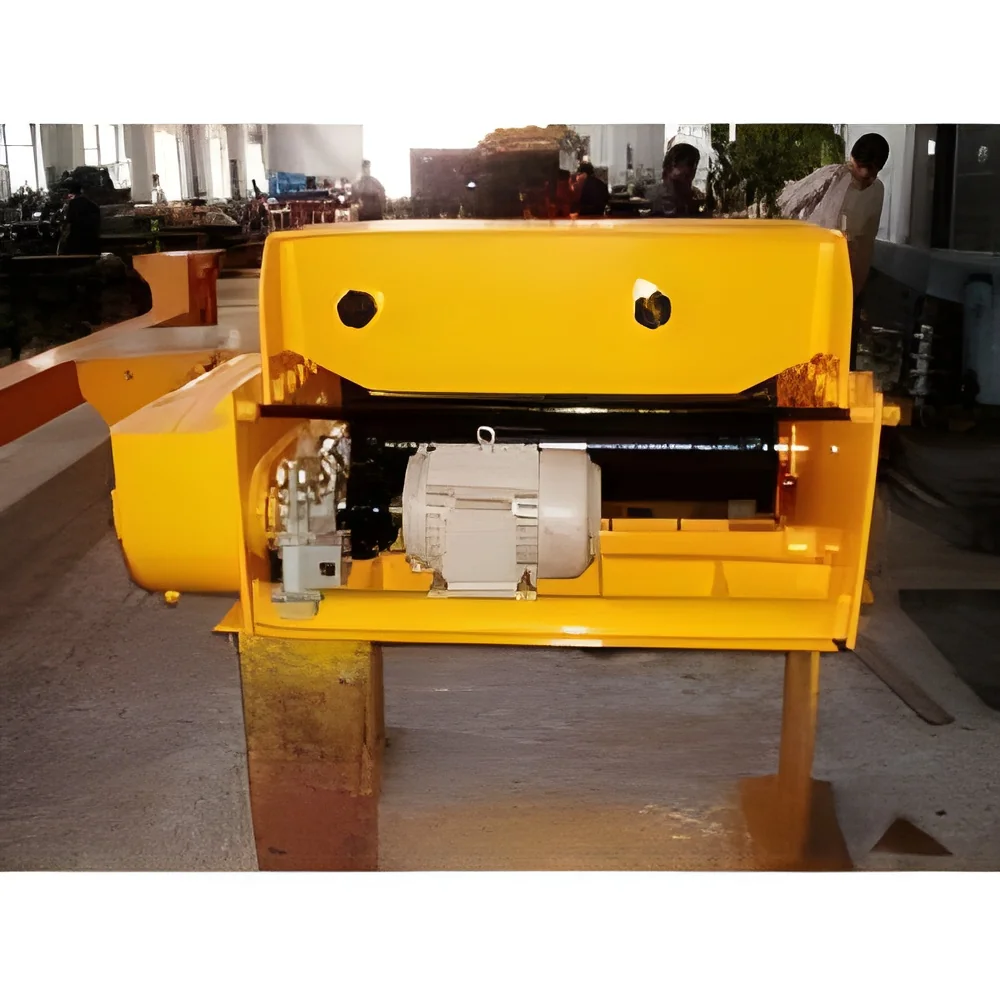
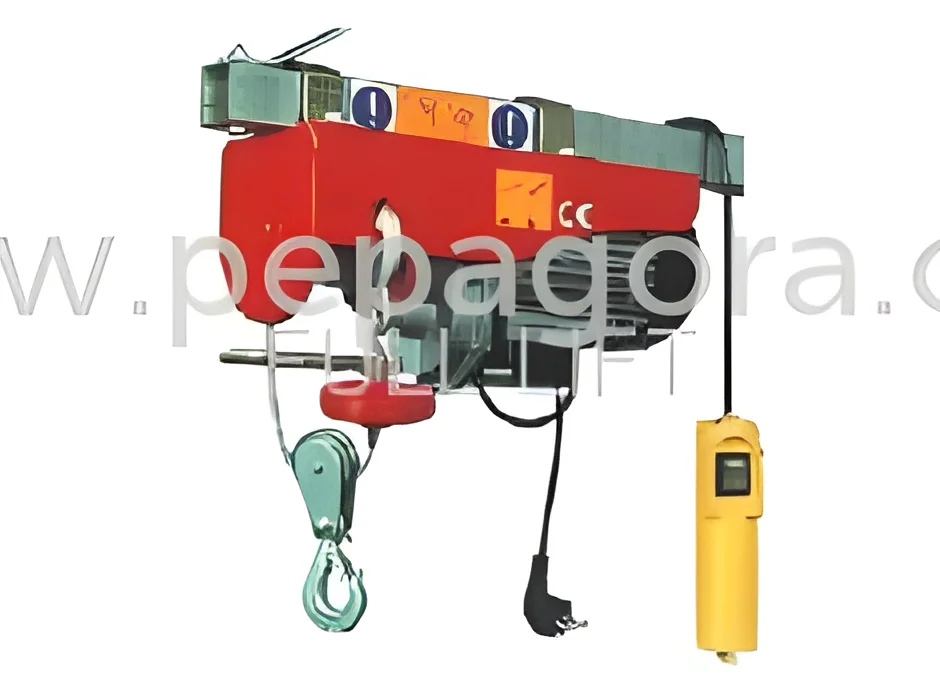
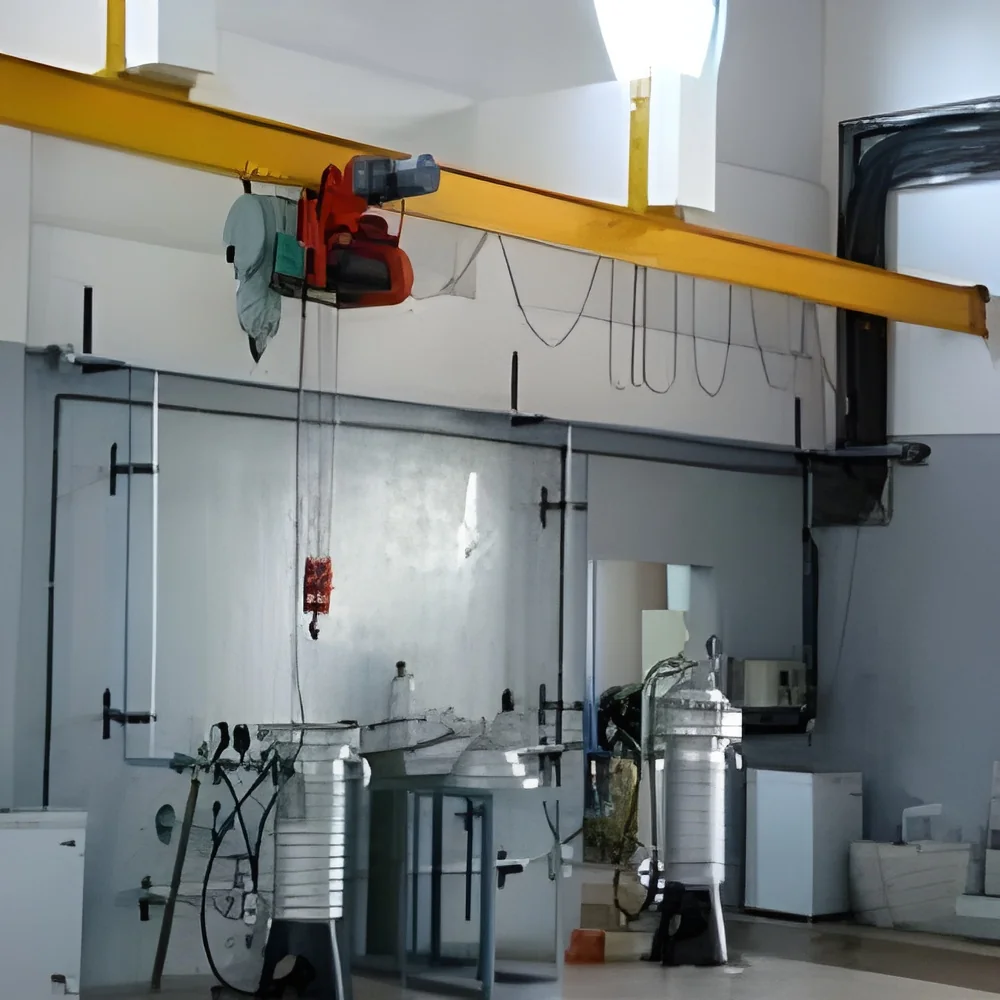
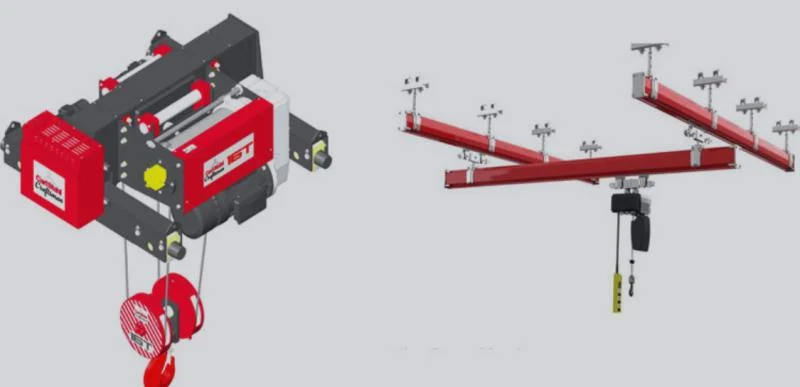
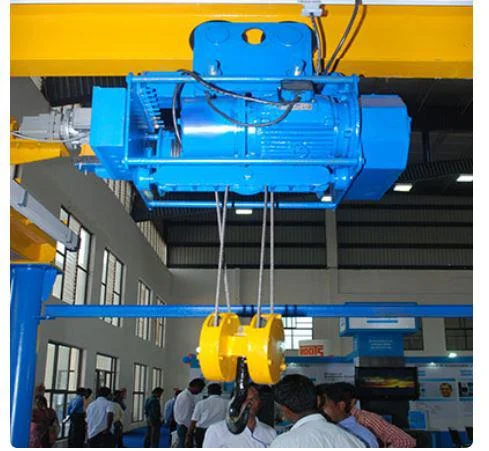
Wire rope hoists are industrial lifting devices that utilize wire ropes to lift, lower, and move heavy loads. These hoists are designed for heavy-duty applications, offering reliable performance in various settings. They are typically powered by electric or manual mechanisms and are essential for material handling in warehouses, construction sites, and manufacturing facilities.
The primary uses of wire rope hoists extend across numerous industries, including construction, mining, and logistics. They are commonly employed to lift heavy equipment, materials, and finished products. Businesses rely on these hoists to enhance productivity and ensure safe handling of loads. The demand for efficient lifting solutions makes wire rope hoists a critical component in operations requiring heavy lifting.
In today’s competitive market, wire rope hoists are increasingly recognized for their importance in operational efficiency and safety. With advancements in technology, these hoists now offer enhanced features that improve ease of use and reliability. Businesses are turning to high-quality wire rope hoists to meet their lifting needs while adhering to safety standards and optimizing workflow.
Key Features and Specifications
Wire rope hoists come with several key features that enhance their functionality and performance. Understanding these specifications helps buyers make informed decisions when selecting the right product for their needs.
Key specifications include:
1. Lifting Capacity
- The maximum weight the hoist can safely lift, typically ranging from 1 ton to over 100 tons, depending on the model.
2. Lifting Speed
- The speed at which the hoist can lift or lower loads, usually measured in meters per minute.
3. Power Supply
- The type of motor used, which can be electric or manual, with electric models often available in single or three-phase options.
4. Rope Length
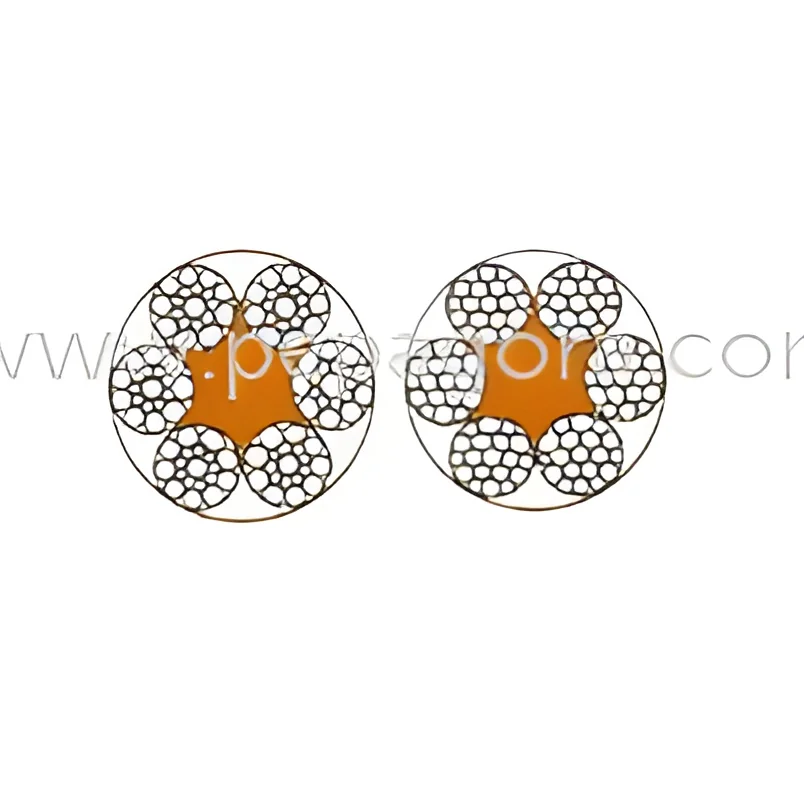
- The length of the wire rope, which varies based on the application and can be customized for specific needs.
5. Control Mechanism
- The type of control used, such as pendant control or remote control, allowing for greater flexibility in operation.
6. Safety Features
- Built-in safety mechanisms, including overload protection and emergency stop functions, ensuring safe operation.
7. Construction Material
- The materials used for the hoist body and components, which can affect durability and suitability for various environments.
8. Compliance Standards
- Adherence to industry standards and certifications, such as CE marking, ensuring safety and reliability.
In summary, wire rope hoists are equipped with a range of features that cater to diverse industrial applications. Understanding these specifications helps businesses choose the right hoist that meets their operational requirements.
Common Applications and Use Cases
Wire rope hoists are versatile tools that serve a variety of industries and applications.
1. Construction: Wire rope hoists are widely used on construction sites to lift heavy materials such as steel beams, concrete slabs, and machinery. Their ability to handle significant weights makes them indispensable for building projects.
2. Manufacturing: In manufacturing facilities, these hoists assist in moving heavy components along assembly lines. They improve productivity by facilitating the efficient handling of materials and finished products.
3. Warehousing: Warehouses utilize wire rope hoists for loading and unloading goods from trucks and for organizing inventory. Their strength and reliability enhance operational efficiency in storage environments.
4. Mining: In the mining industry, wire rope hoists are essential for transporting heavy equipment and extracted materials. They ensure safe and effective movement in challenging conditions.
5. Shipping and Logistics: Logistics companies rely on wire rope hoists for managing heavy cargo during shipping processes. They streamline operations, ensuring timely delivery of goods.
6. Oil and Gas: In the oil and gas sector, these hoists are utilized for lifting equipment and materials in offshore and onshore operations, contributing to safety and efficiency in hazardous environments.
7. Aerospace: Wire rope hoists are also employed in aerospace manufacturing for lifting heavy aircraft components. Their precision and reliability are crucial in this highly regulated industry.
Product Variants and Subcategories
Wire rope hoists come in various configurations to meet specific lifting needs.
Electric Wire Rope Hoists
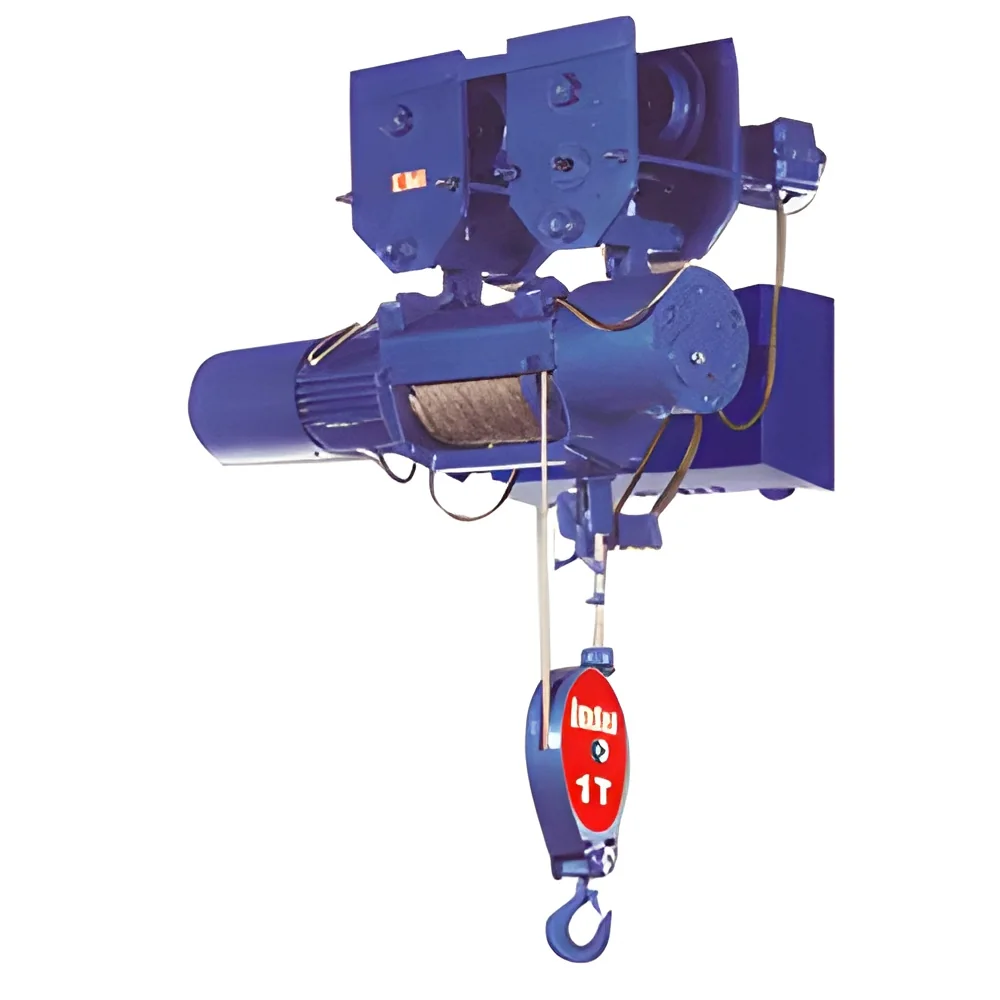
These hoists are powered by electric motors, providing efficient lifting capabilities. They are ideal for continuous use in industrial settings, offering high lifting speeds and capacities.
Manual Wire Rope Hoists
These hoists rely on manual operation, making them suitable for lighter loads and environments where electric power is not available. They are user-friendly and cost-effective for smaller operations.
Winch-Type Wire Rope Hoists
Winch-type models are designed for pulling rather than lifting. They are often used in construction and rigging applications, providing versatility in various tasks.
Pneumatic Wire Rope Hoists
These hoists operate using compressed air, making them suitable for environments where electric sparks can pose a risk. They are commonly used in the chemical and pharmaceutical industries.
Hydraulic Wire Rope Hoists
Hydraulic models utilize hydraulic power for lifting, offering great strength and control. They are particularly useful in applications requiring precise load handling.
Benefits and Advantages
Wire rope hoists offer a range of benefits that enhance operational efficiency and safety.
1. High Lifting Capacity: Wire rope hoists are capable of lifting heavy loads, making them suitable for industrial applications where strength is essential.
2. Versatility: These hoists can be adapted for various tasks across different industries, providing flexibility in material handling.
3. Enhanced Safety: With built-in safety features, wire rope hoists minimize the risk of accidents and ensure safe operation in demanding environments.
4. Improved Efficiency: By enabling quick and reliable lifting, these hoists help streamline operations and optimize productivity in workplaces.
5. Durability: Wire rope hoists are constructed from robust materials, ensuring long-lasting performance even under harsh conditions.
6. Easy Operation: Many models come with user-friendly controls, making them accessible for operators with varying levels of experience.
Buying Guide for B2B Buyers
When sourcing wire rope hoists, it is crucial for B2B buyers to consider several key factors to ensure they make the right selection.
1. Quality Assessment: Buyers should evaluate the quality of the hoists based on manufacturer reputation, material selection, and adherence to industry standards. High-quality hoists are essential for safety and reliability.
2. Supplier Verification: It is important to vet suppliers by checking their credentials, certifications, and customer reviews. A trusted supplier will provide assurance about the product's quality and performance.
3. Pricing and MOQ: Understanding the pricing structure and minimum order quantities (MOQ) is vital for budgeting. Buyers should compare prices from multiple suppliers to ensure they receive competitive offers.
4. Delivery and Lead Times: Buyers must consider logistics, including delivery schedules and lead times, to ensure timely receipt of the hoists for their operations.
5. Compliance Requirements: Ensuring that the wire rope hoists meet regulatory and safety standards is essential. Buyers should inquire about compliance certifications and testing procedures.
Compliance and Certifications
Wire rope hoists must adhere to various quality standards and certifications to ensure safety and reliability in industrial applications. Key standards include ISO 9001, which sets the framework for quality management systems, ensuring consistent quality in manufacturing processes.
Additionally, wire rope hoists should comply with CE certification, which indicates that the product meets European safety, health, and environmental protection standards. This certification is essential for products sold within the European market.
Safety and testing requirements play a crucial role in the manufacturing of wire rope hoists. These products often undergo rigorous testing to ensure they can withstand the demands of heavy lifting. Buyers should also be aware of regional compliance considerations, as different countries may have specific regulations governing the use and safety of lifting equipment.
Why Source Wire Rope Hoists from Pepagora?
Pepagora provides a trusted platform for sourcing wire rope hoists, offering several key advantages for B2B buyers.
The verified supplier network ensures that buyers have access to reputable manufacturers and suppliers. This verification process helps guarantee that the products meet quality and safety standards.
The streamlined RFQ process allows buyers to easily request quotes from multiple suppliers, facilitating a competitive bidding environment. This process saves time and enables buyers to make informed decisions based on pricing and specifications.
Trade assurance and support are integral to Pepagora's offerings. Buyers can benefit from protection against discrepancies in product quality and delivery, ensuring peace of mind with their purchases.
Finally, Pepagora's regional coverage extends across India, the GCC, and Southeast Asia, providing buyers with a broad selection of suppliers and products tailored to their regional needs. This geographic reach makes it easier for businesses to find suitable wire rope hoists regardless of their location.

 IN
IN