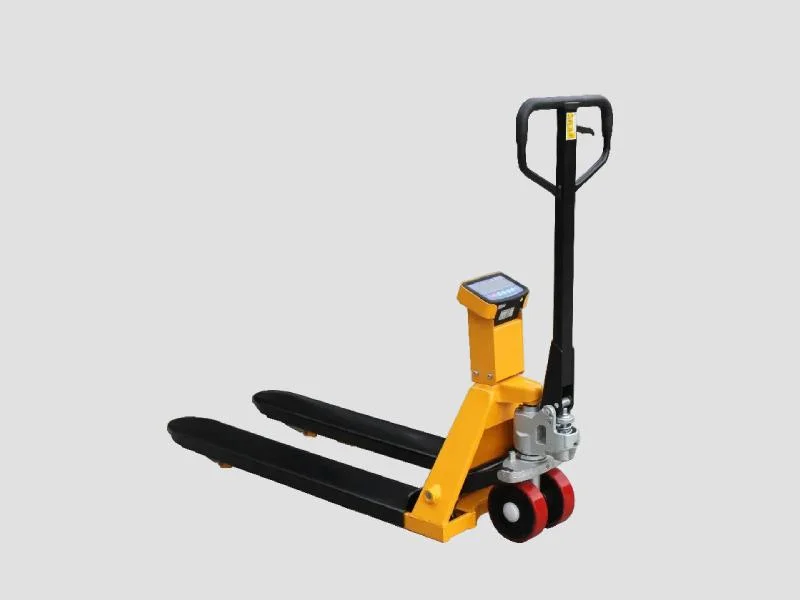
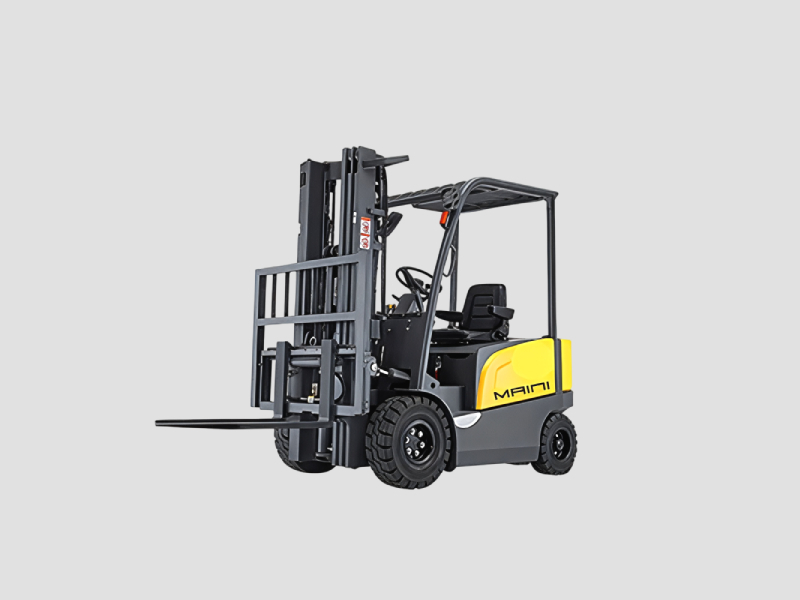
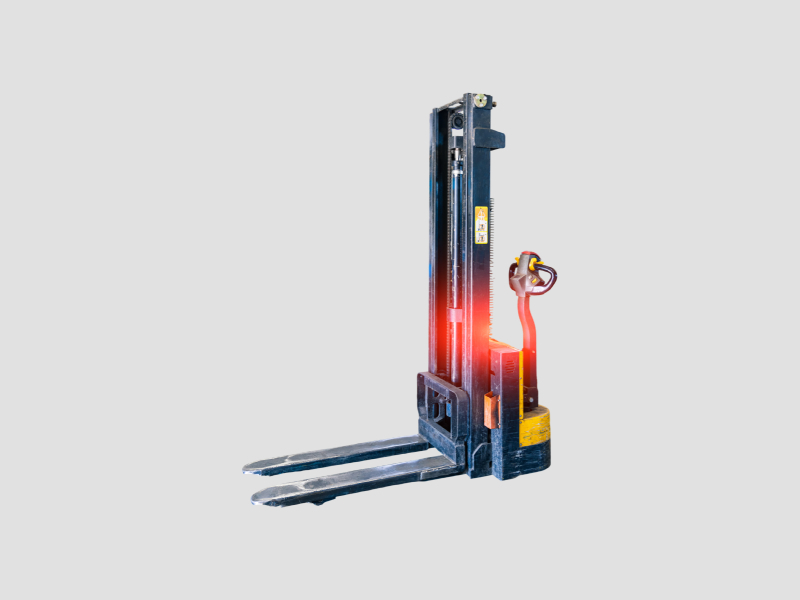
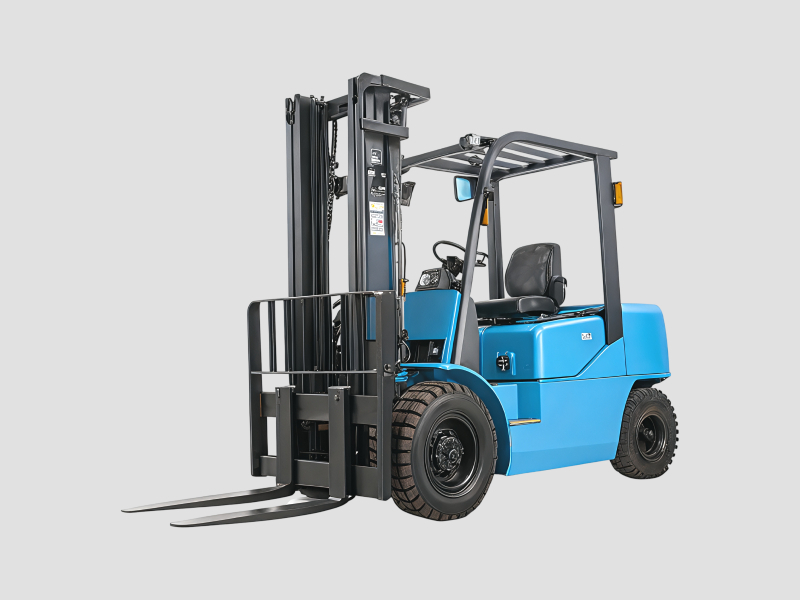
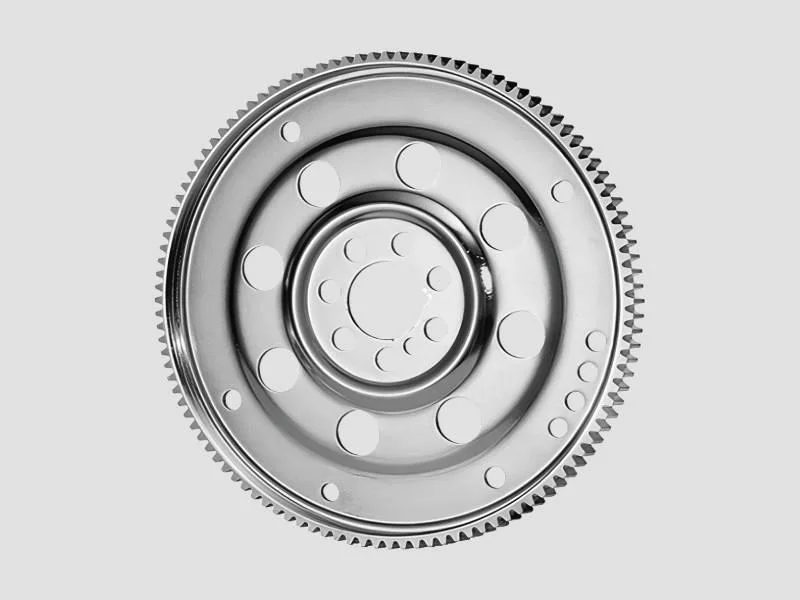
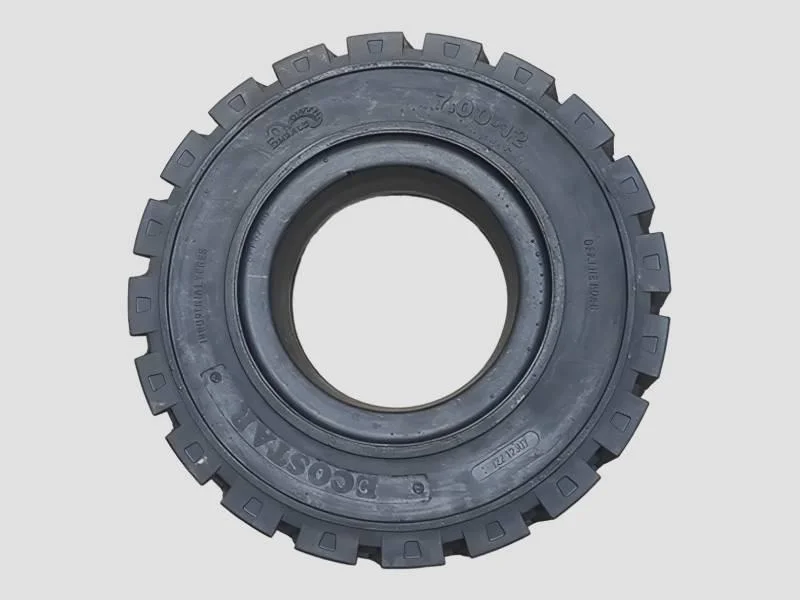
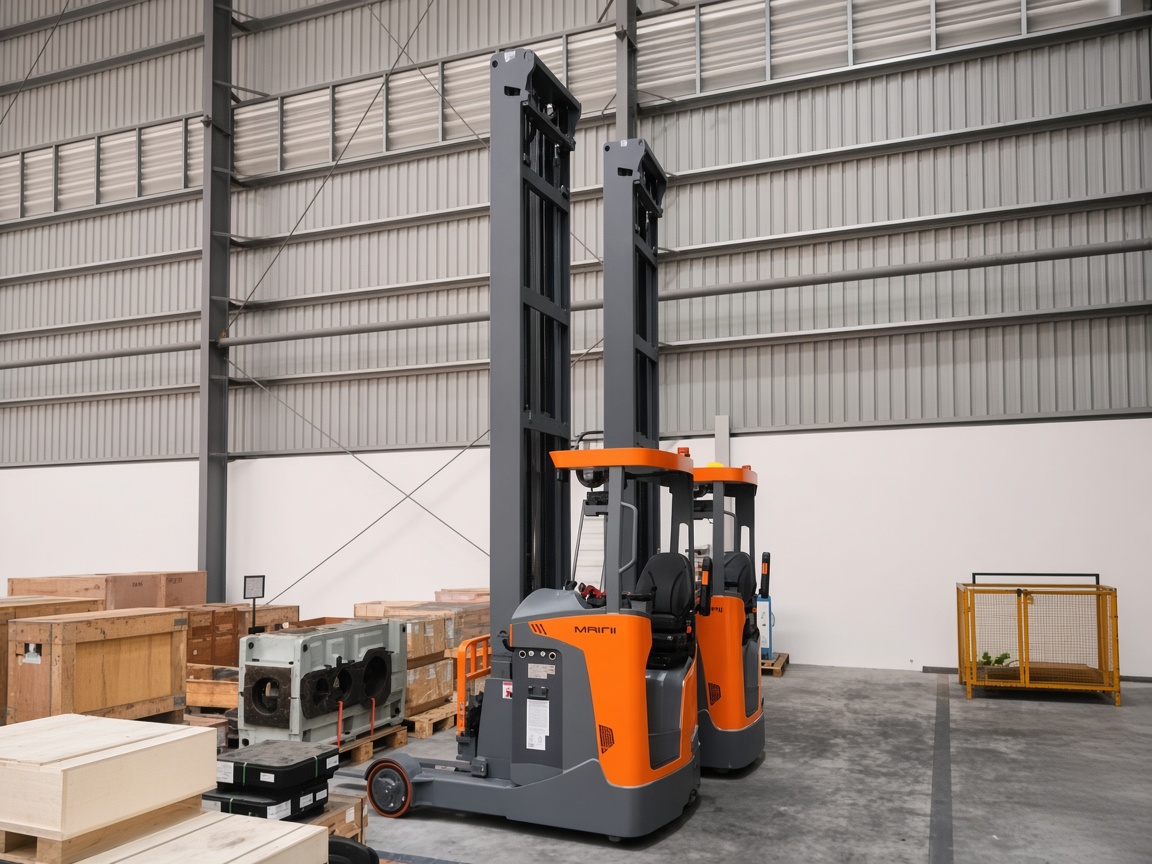
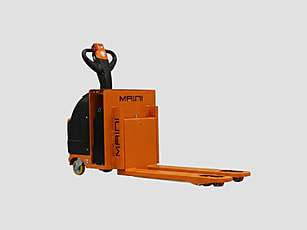
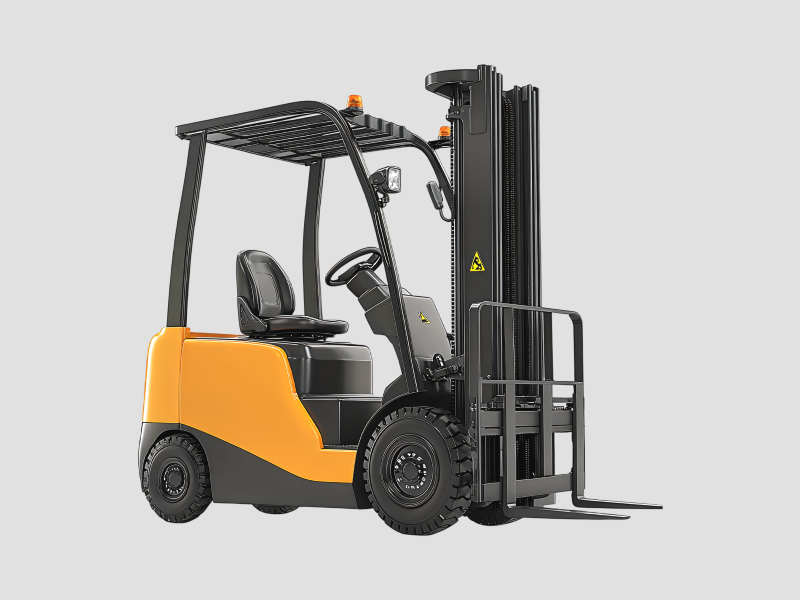
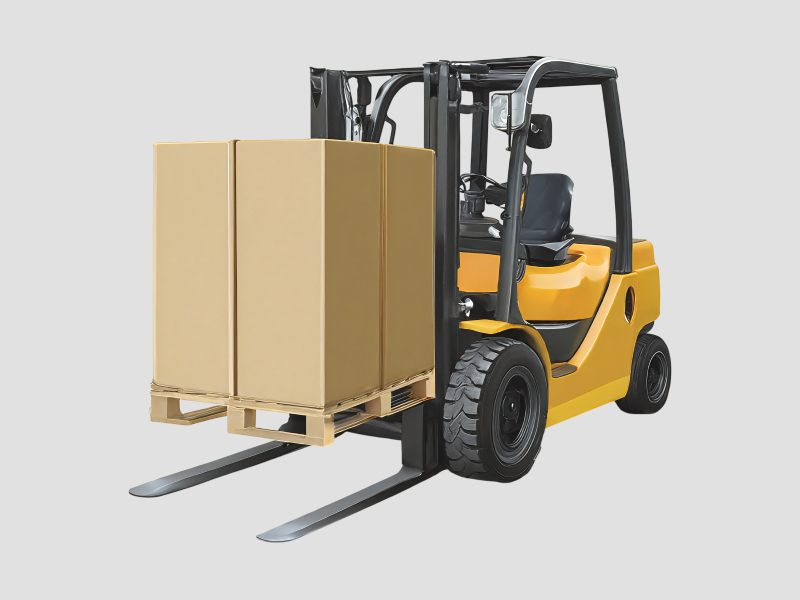
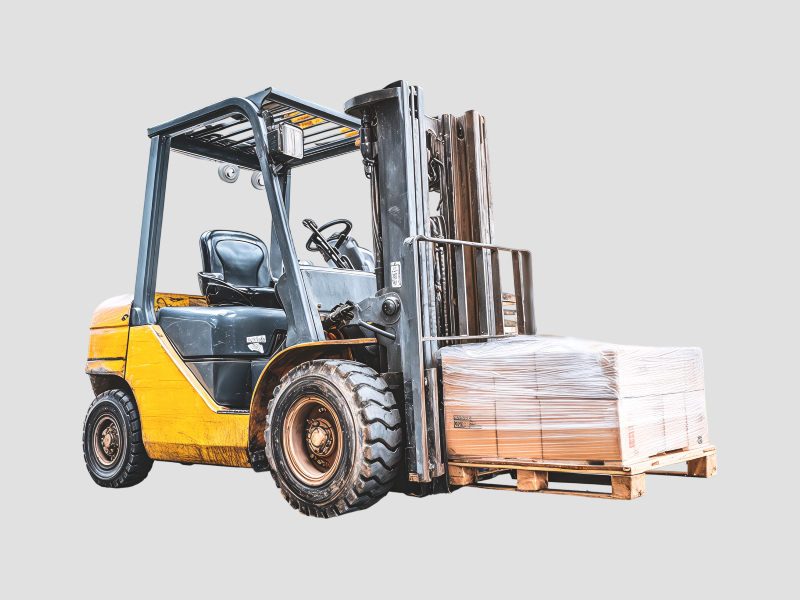
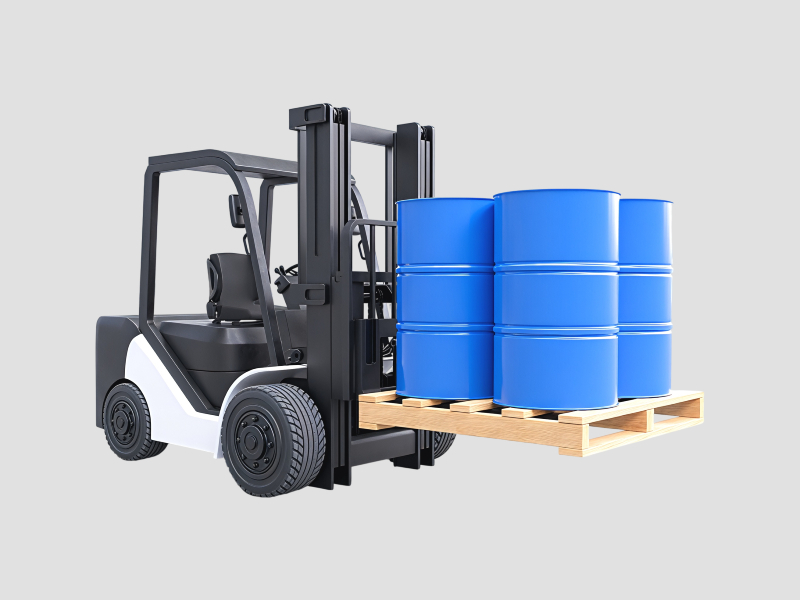
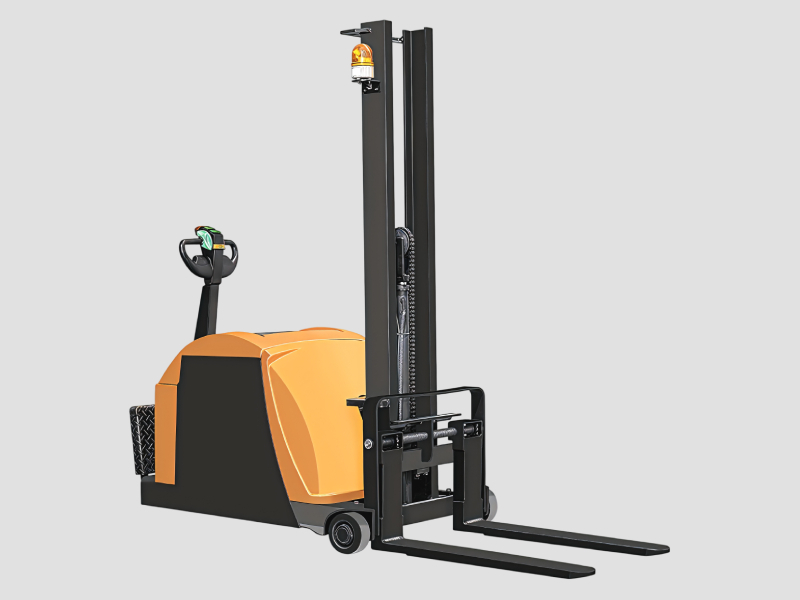
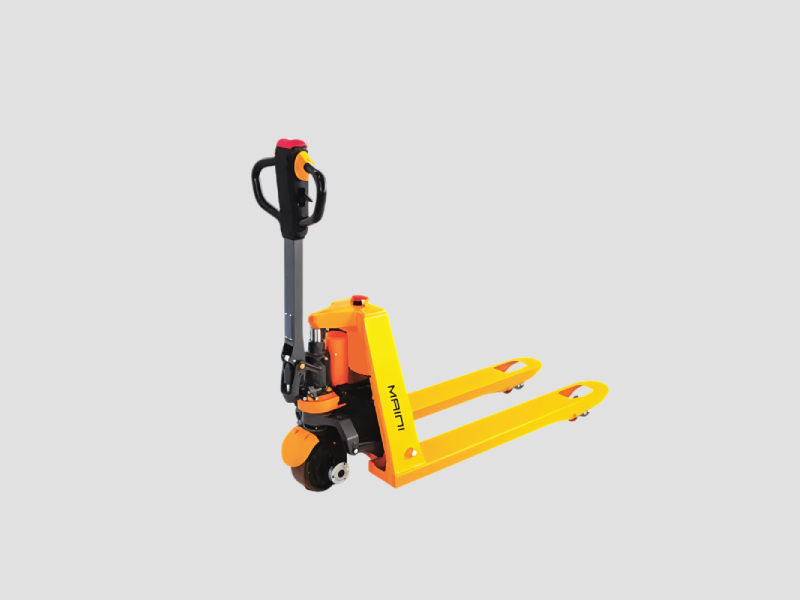
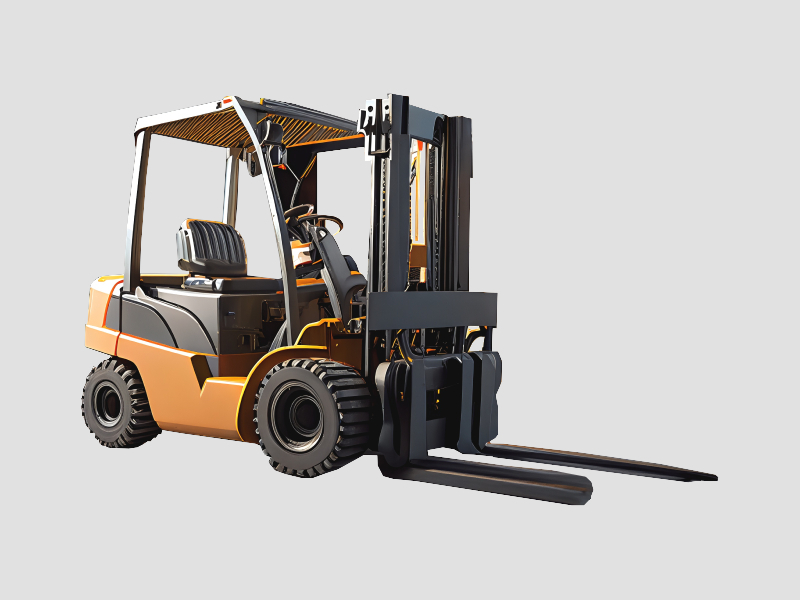
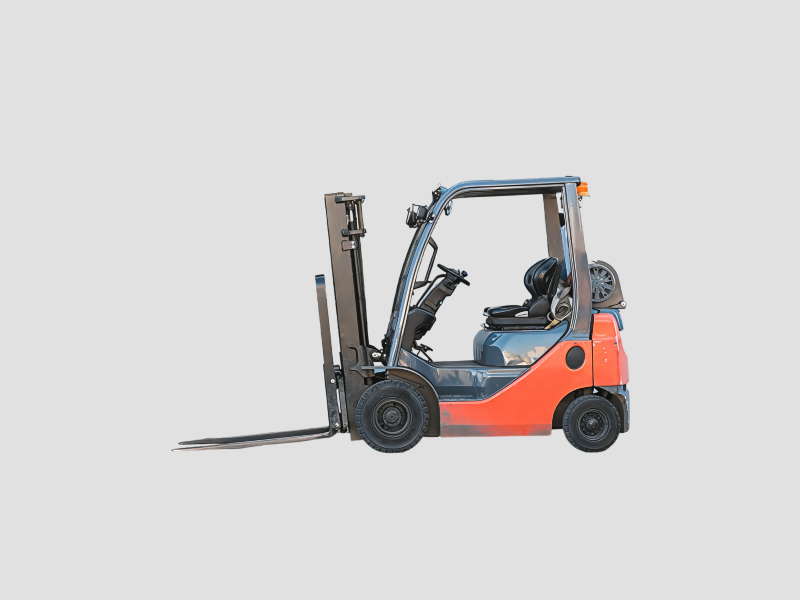
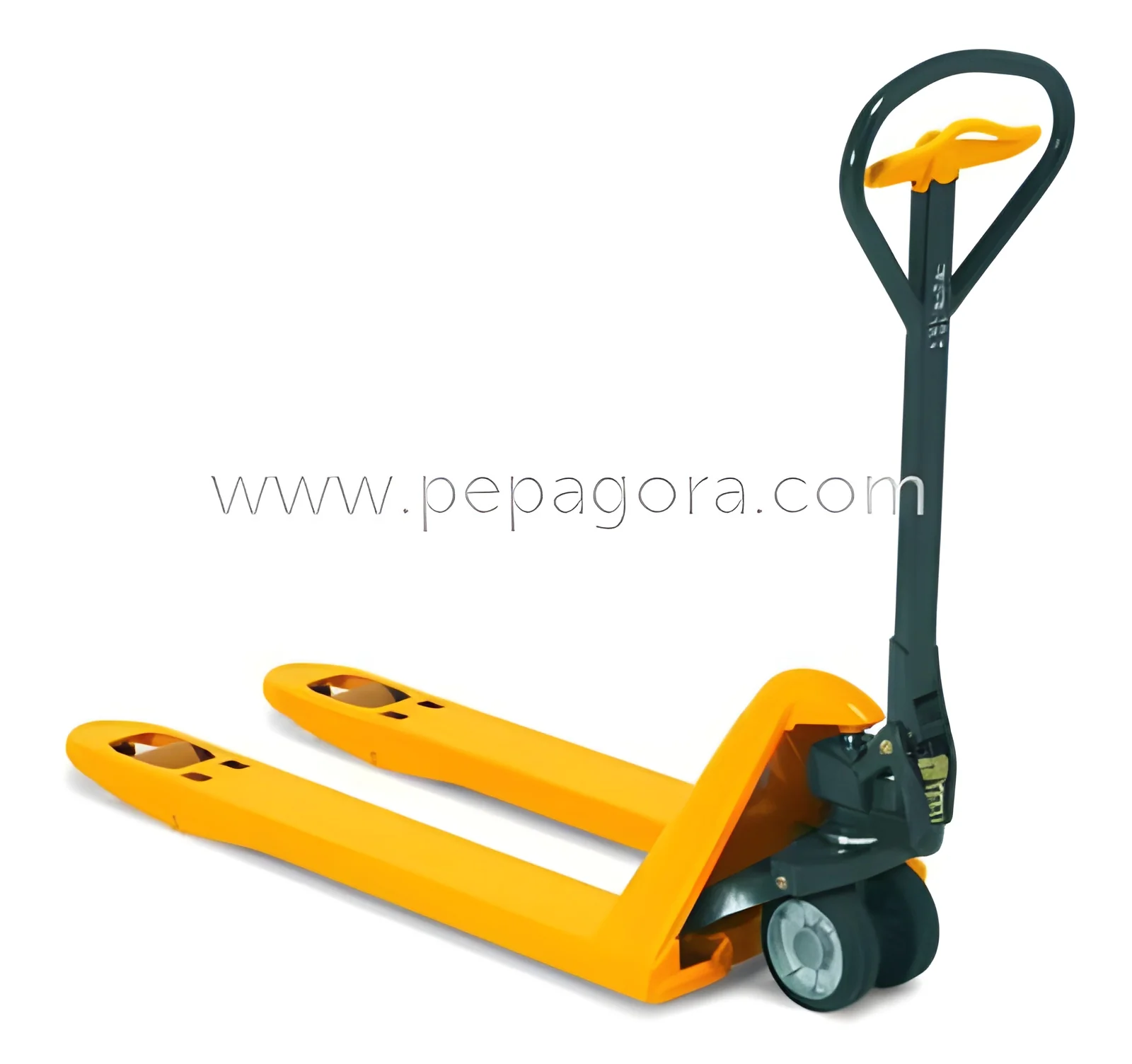
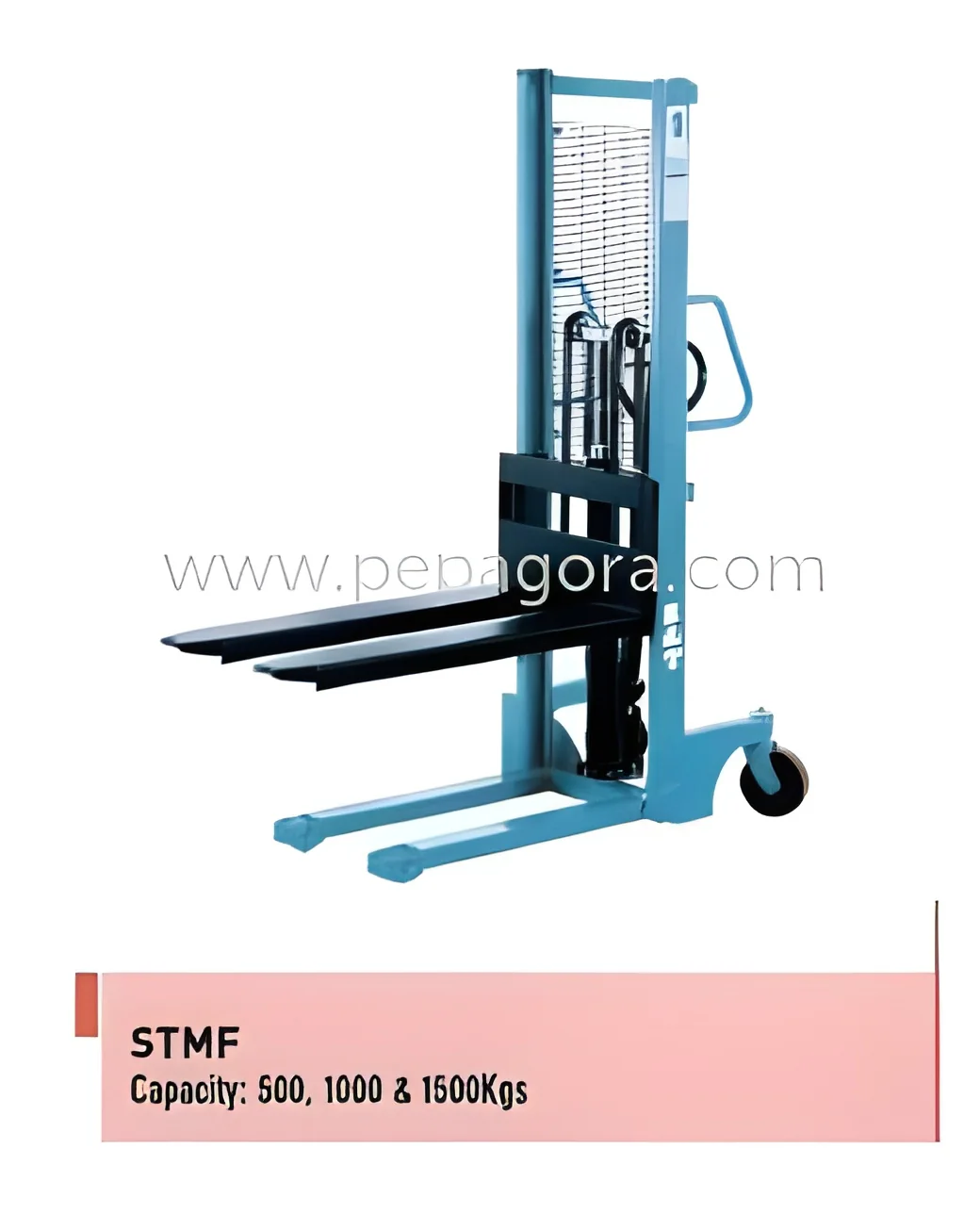
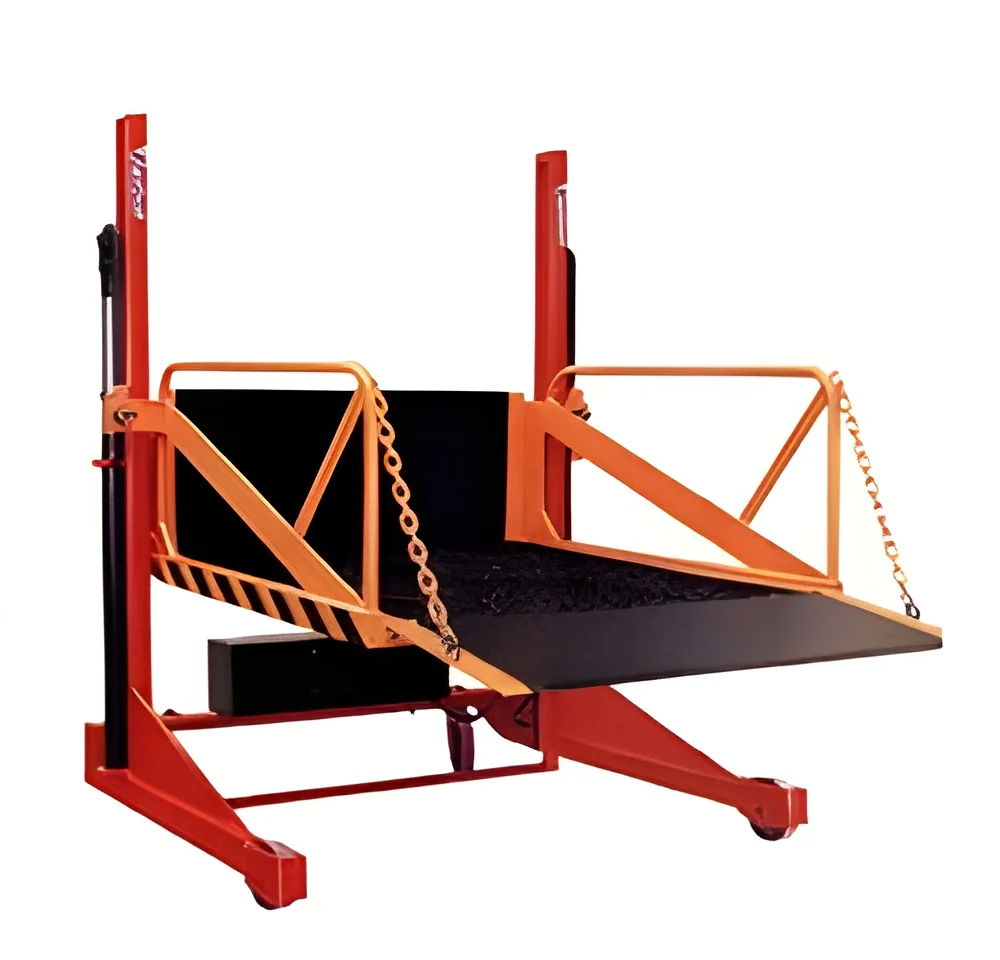
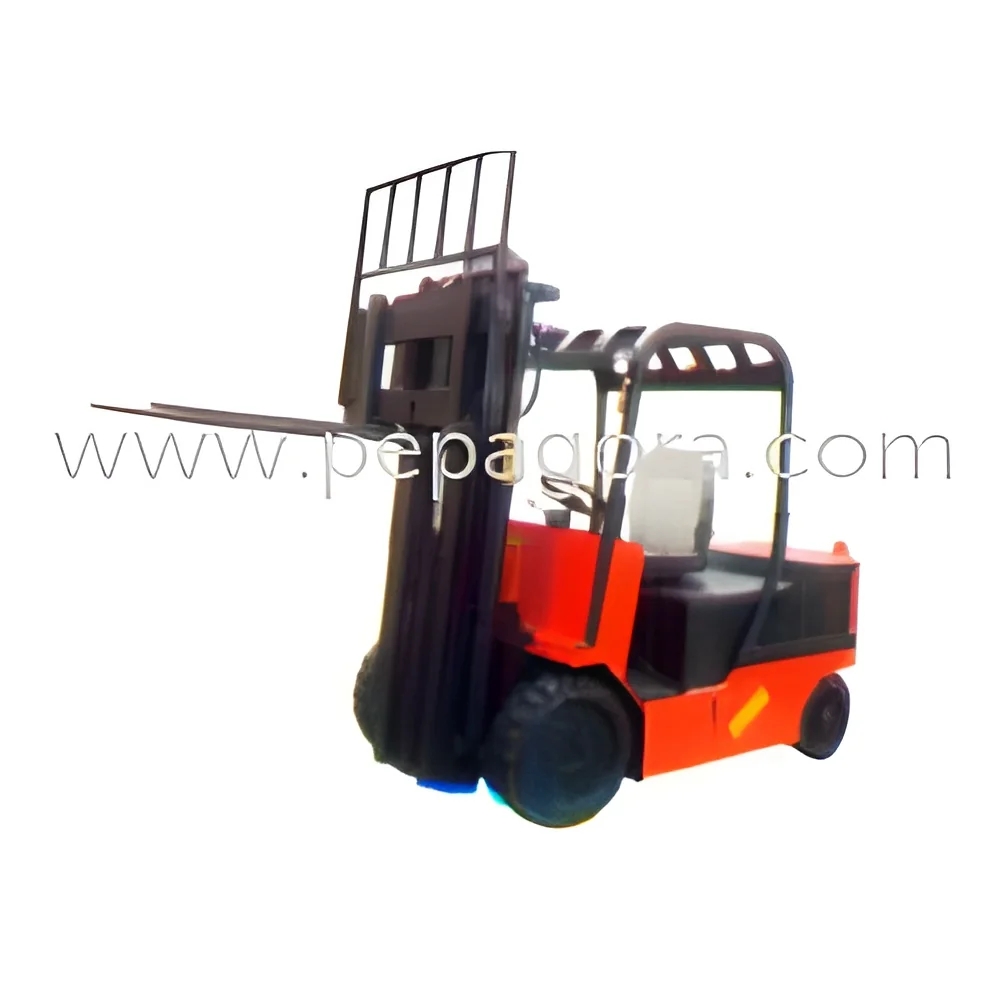
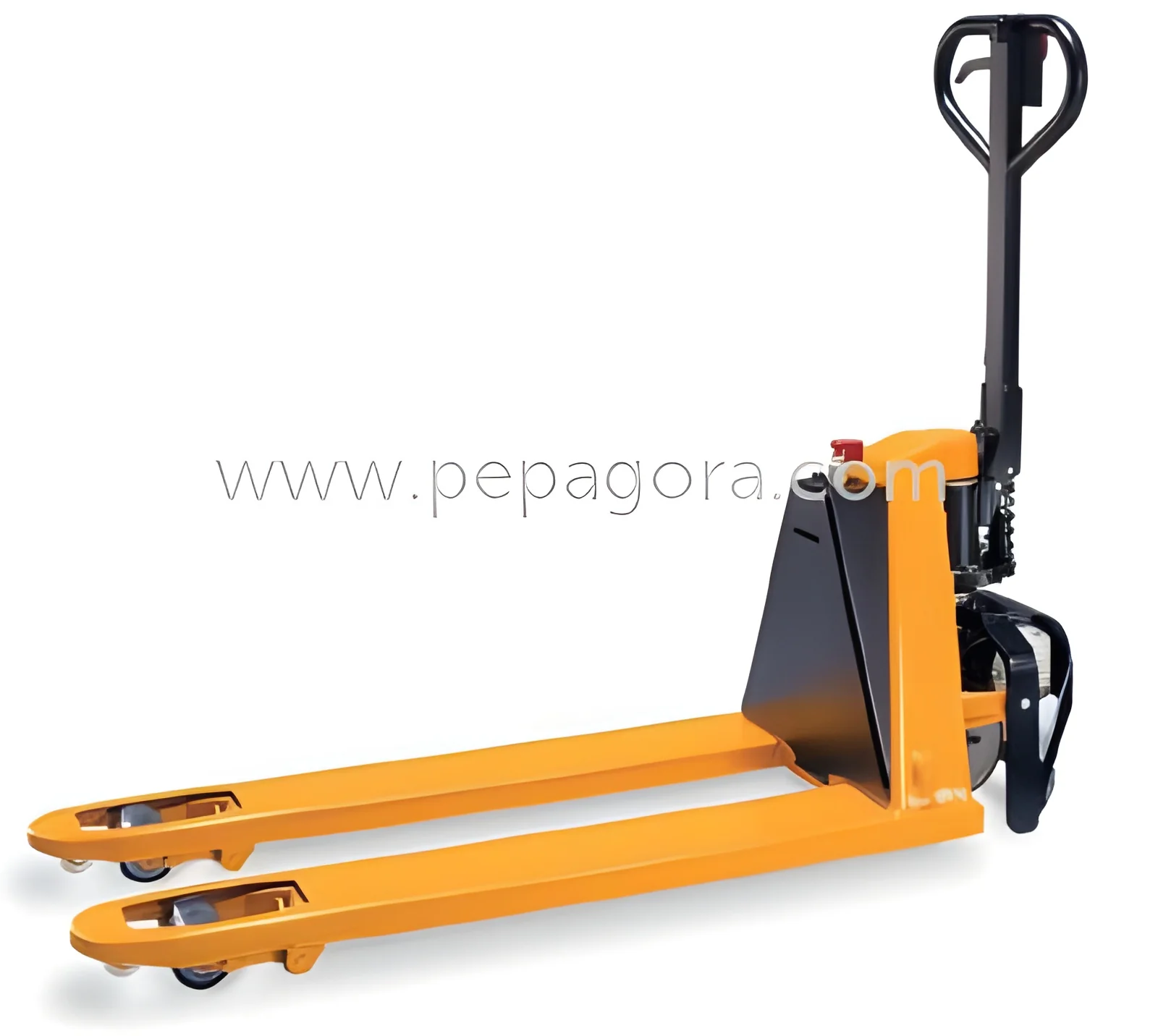
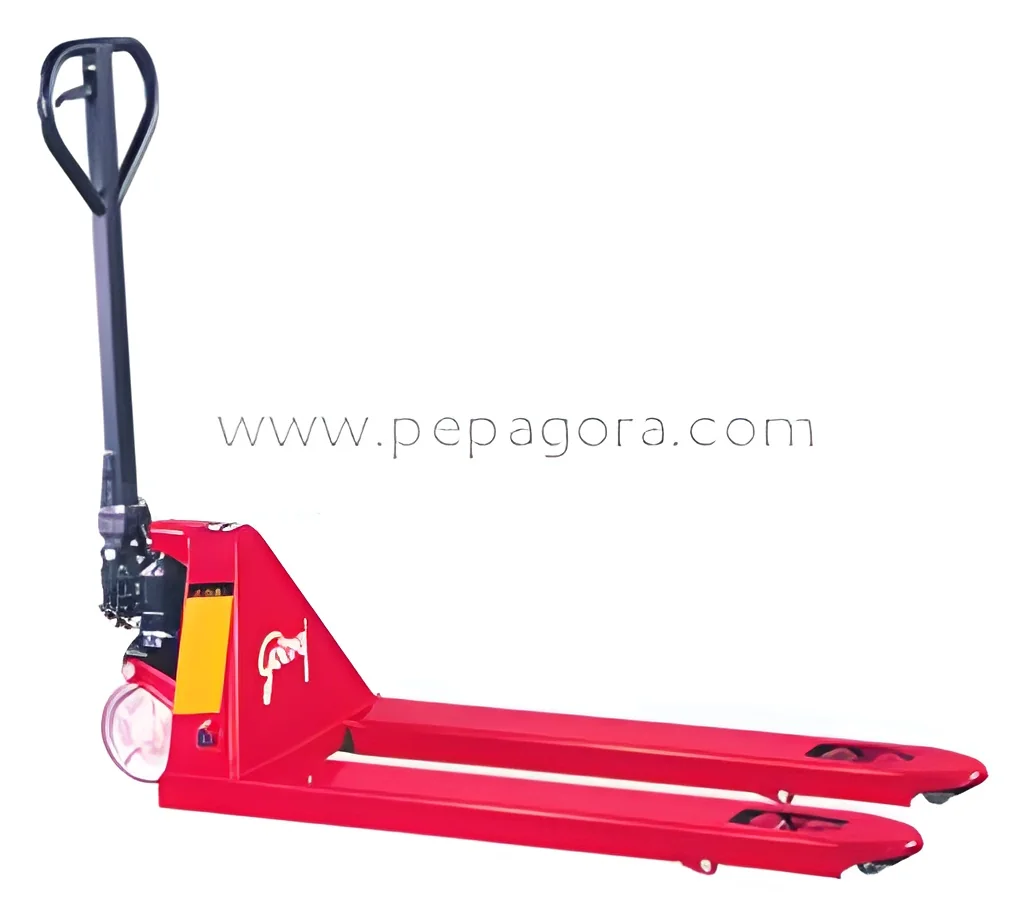
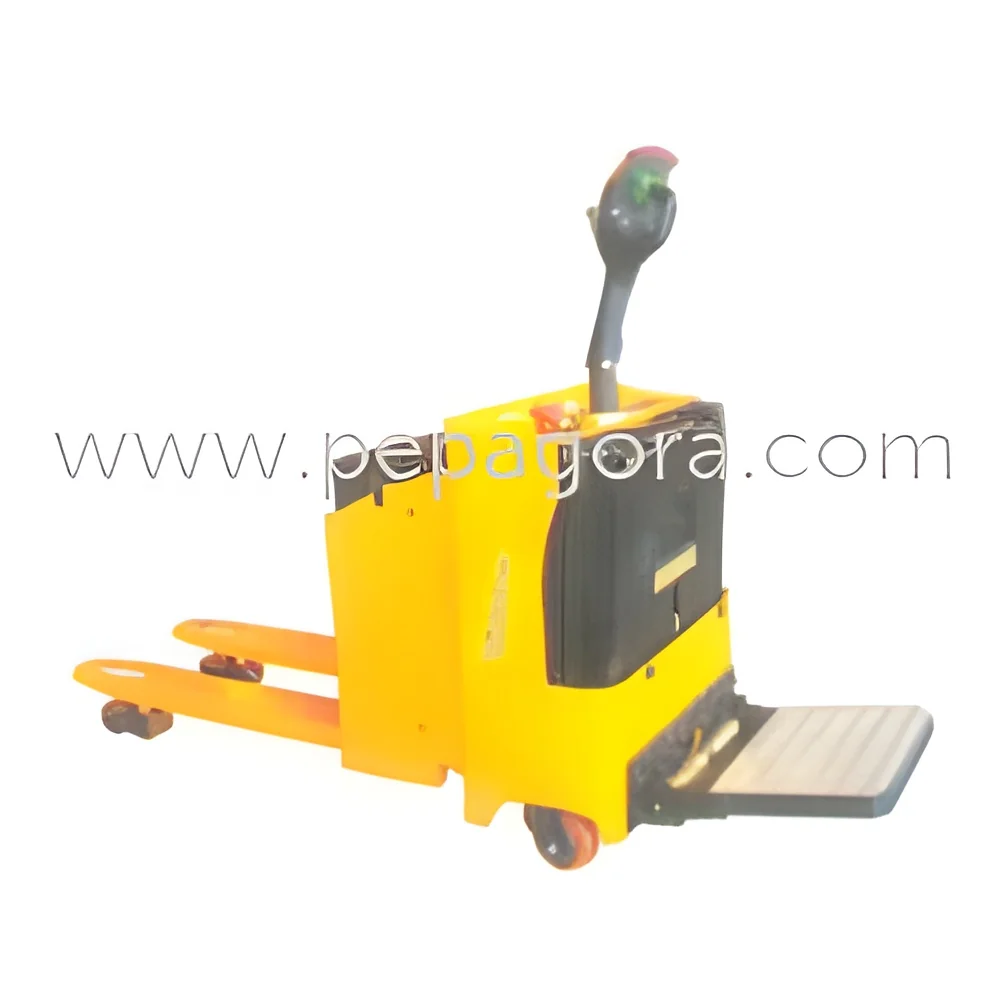
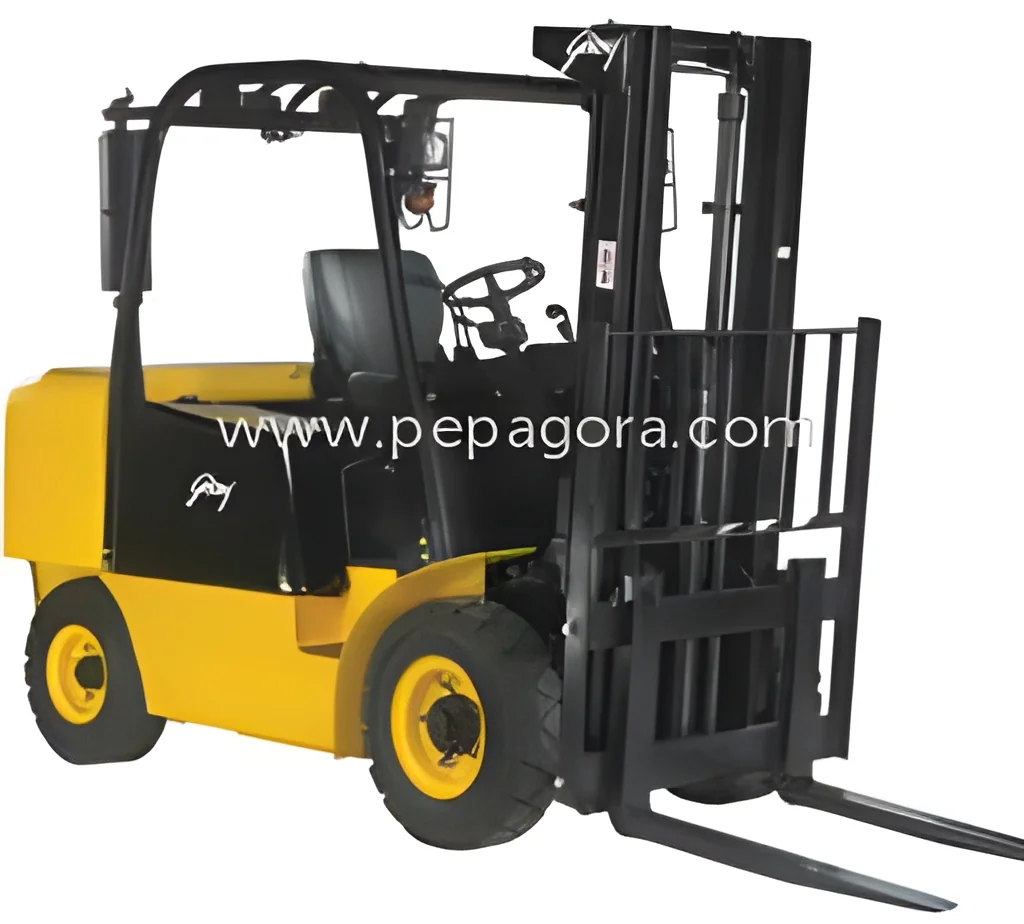
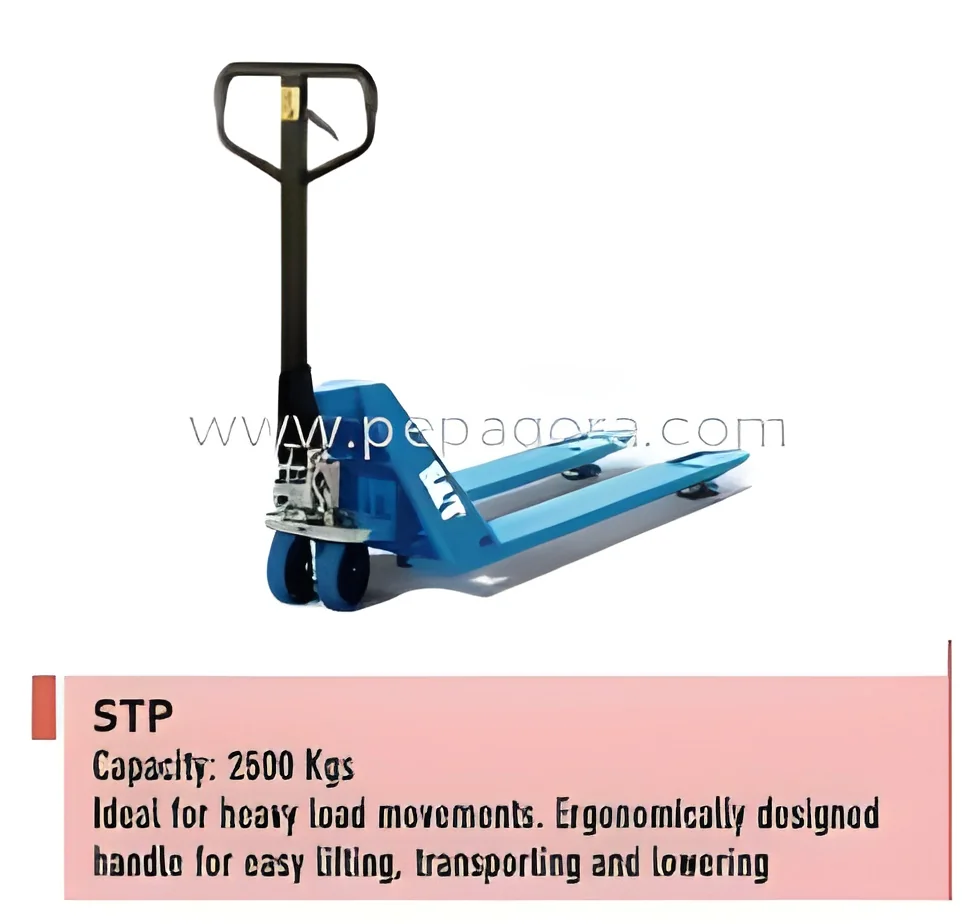
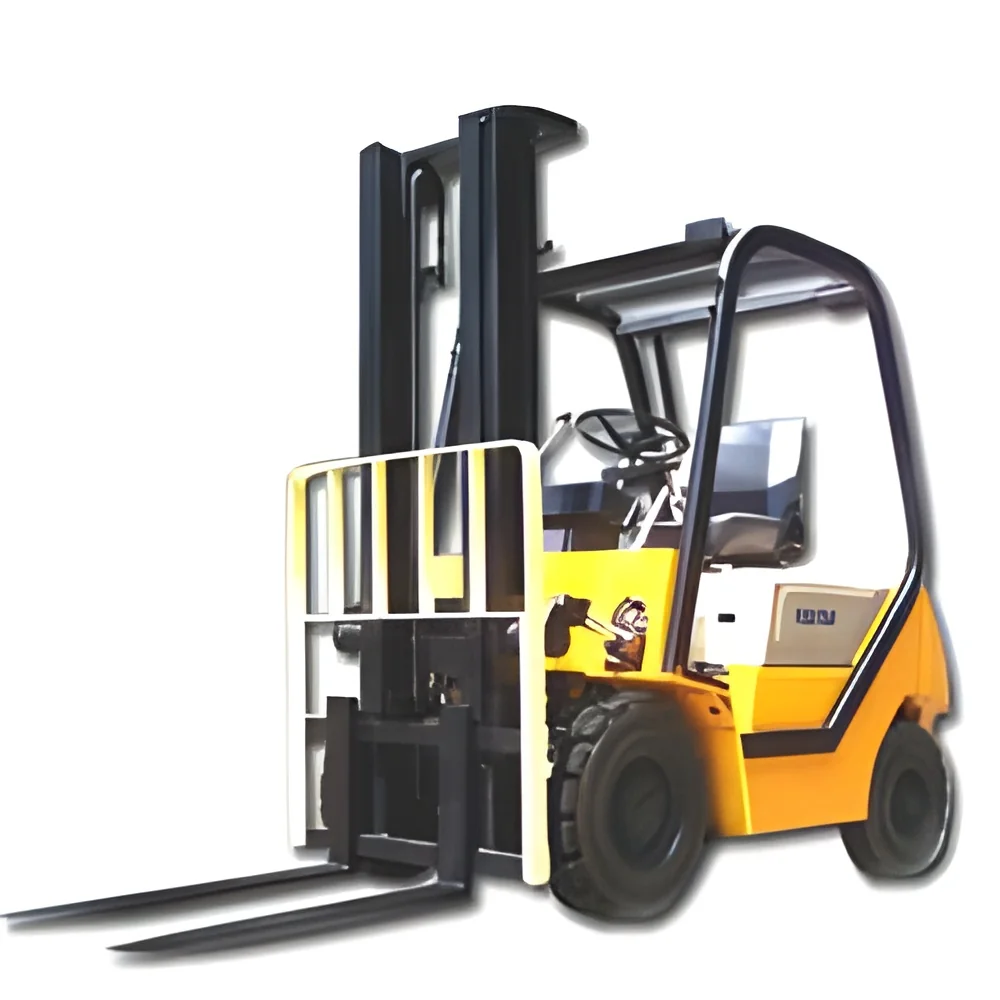
What are Forklift Trucks?
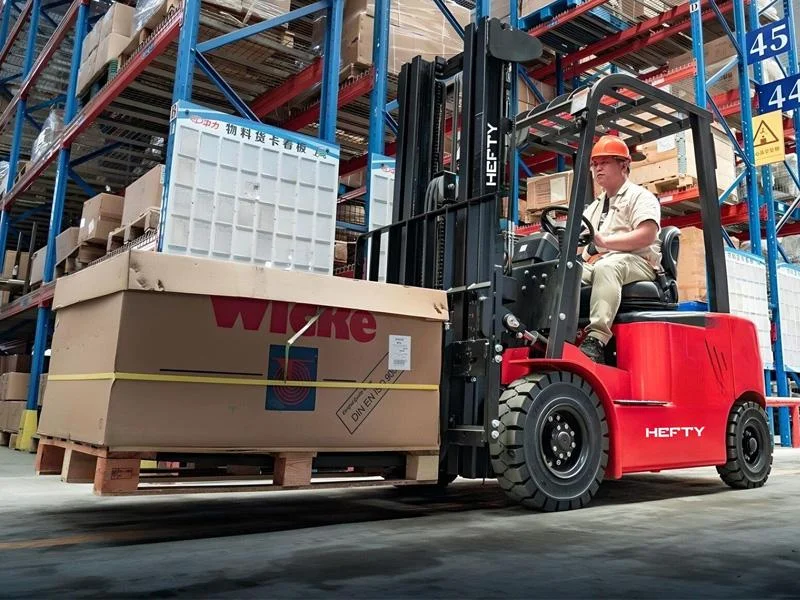
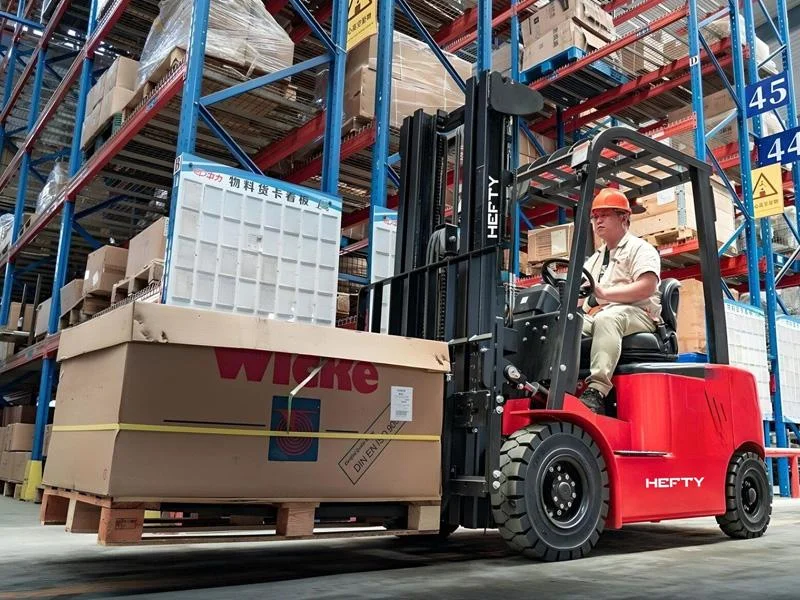
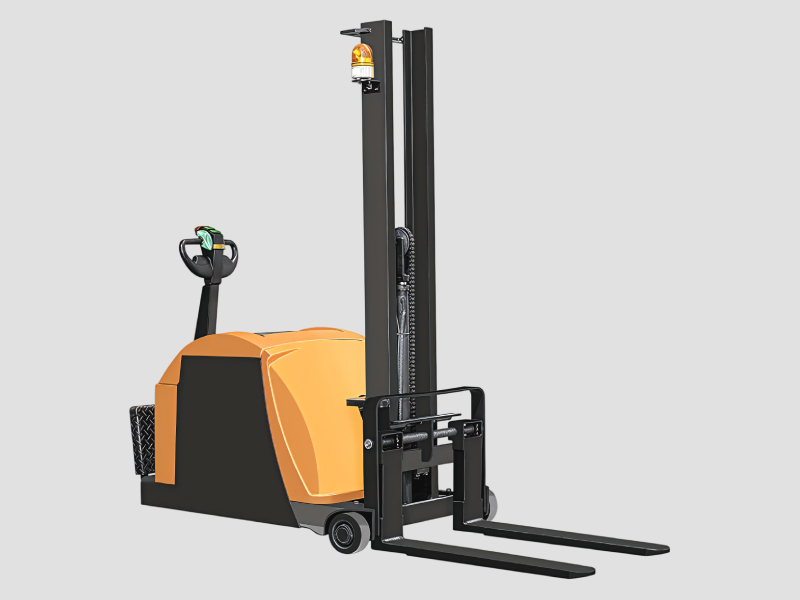
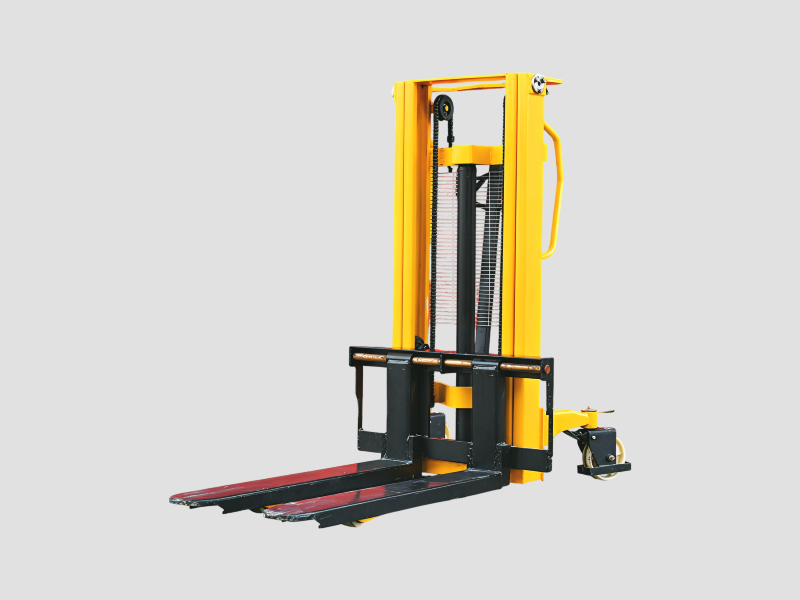
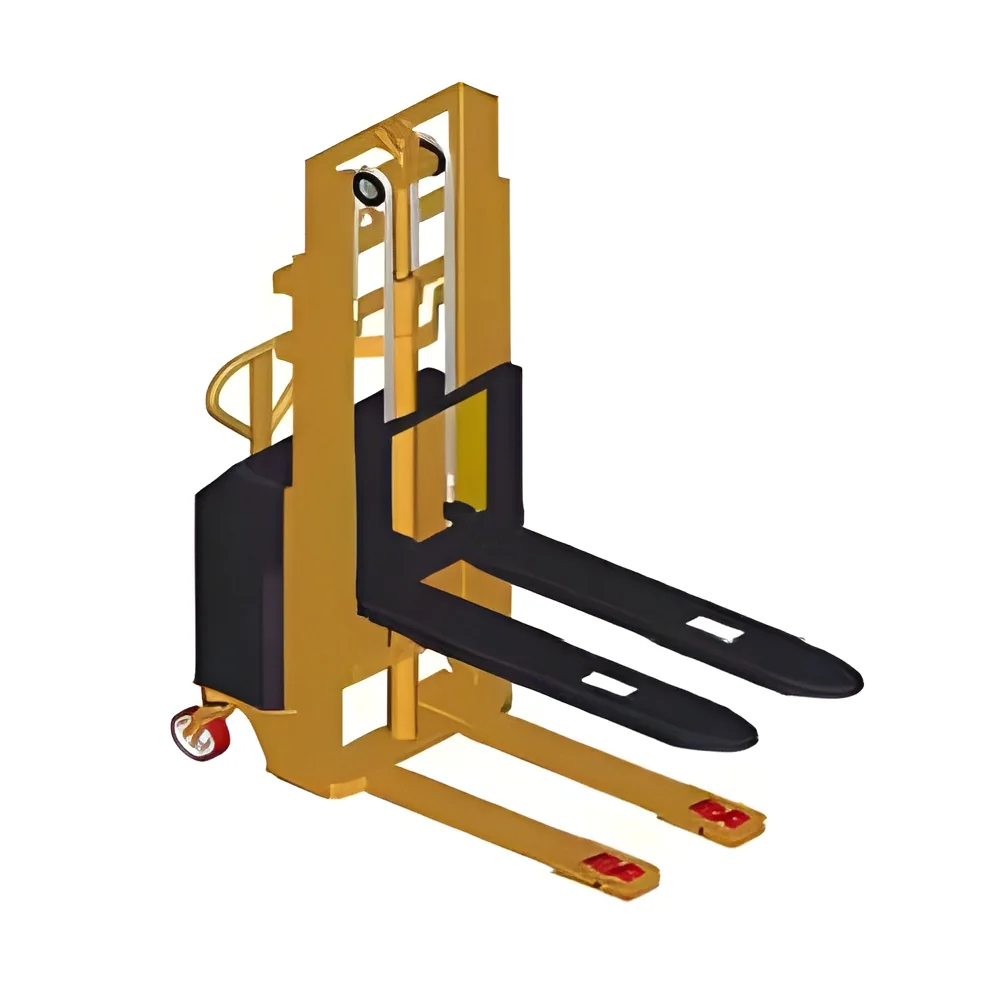
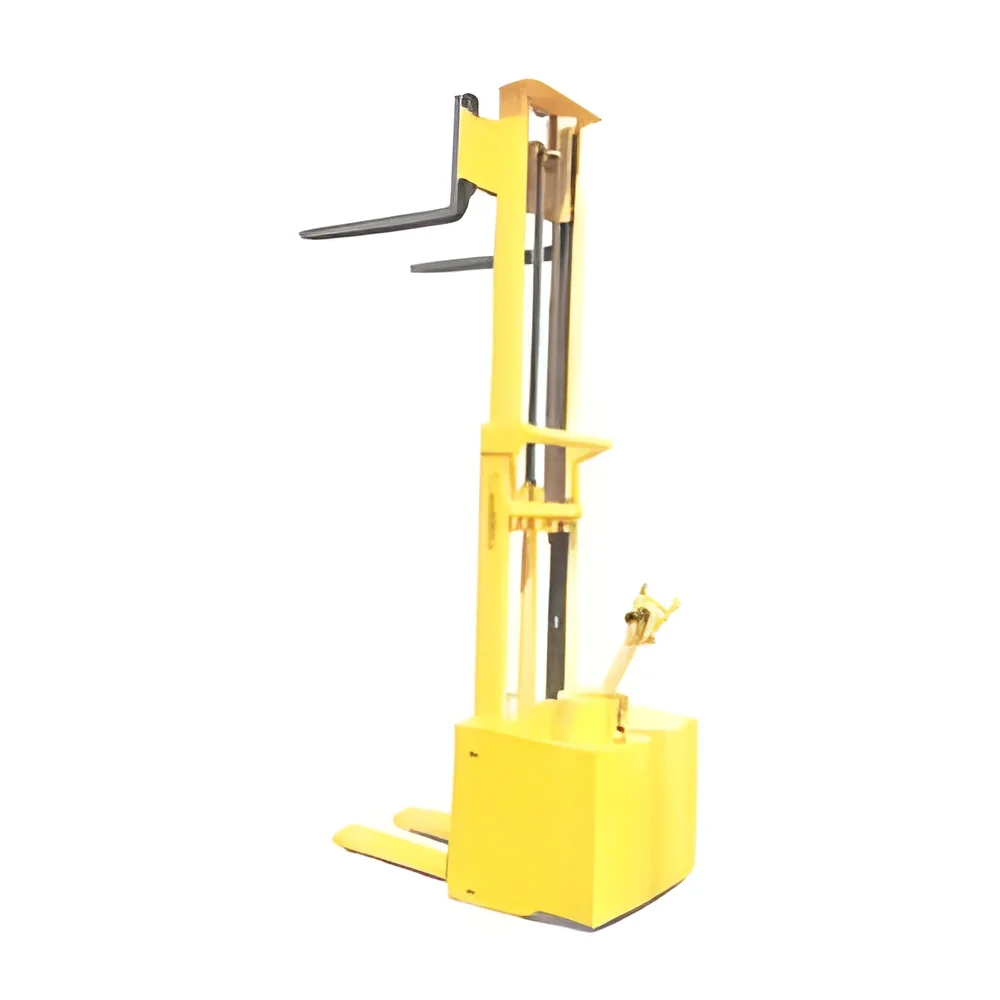
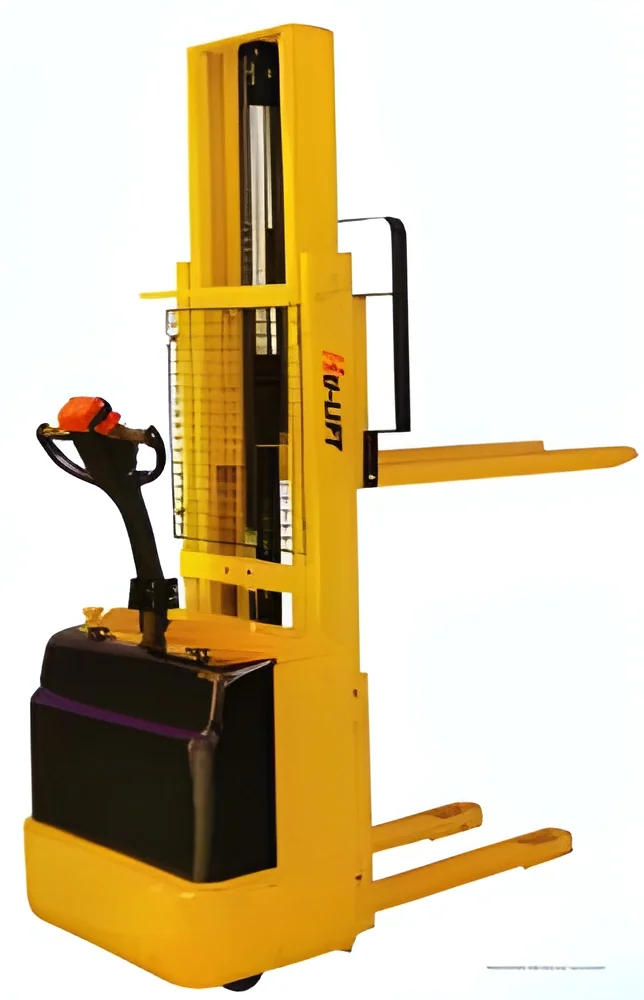
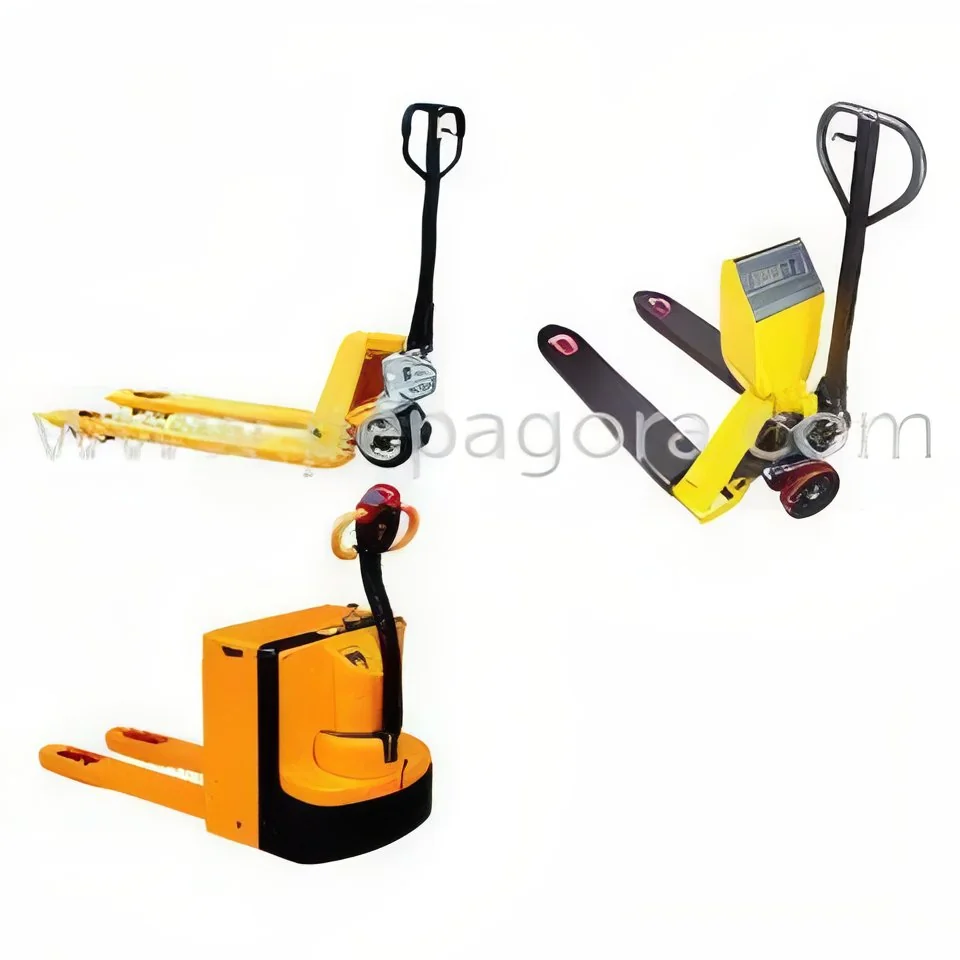
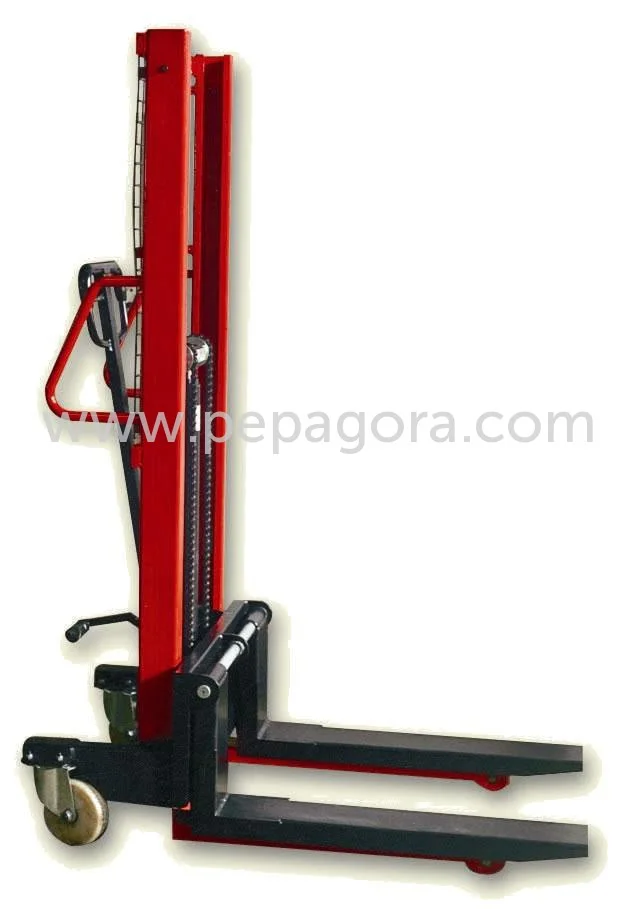
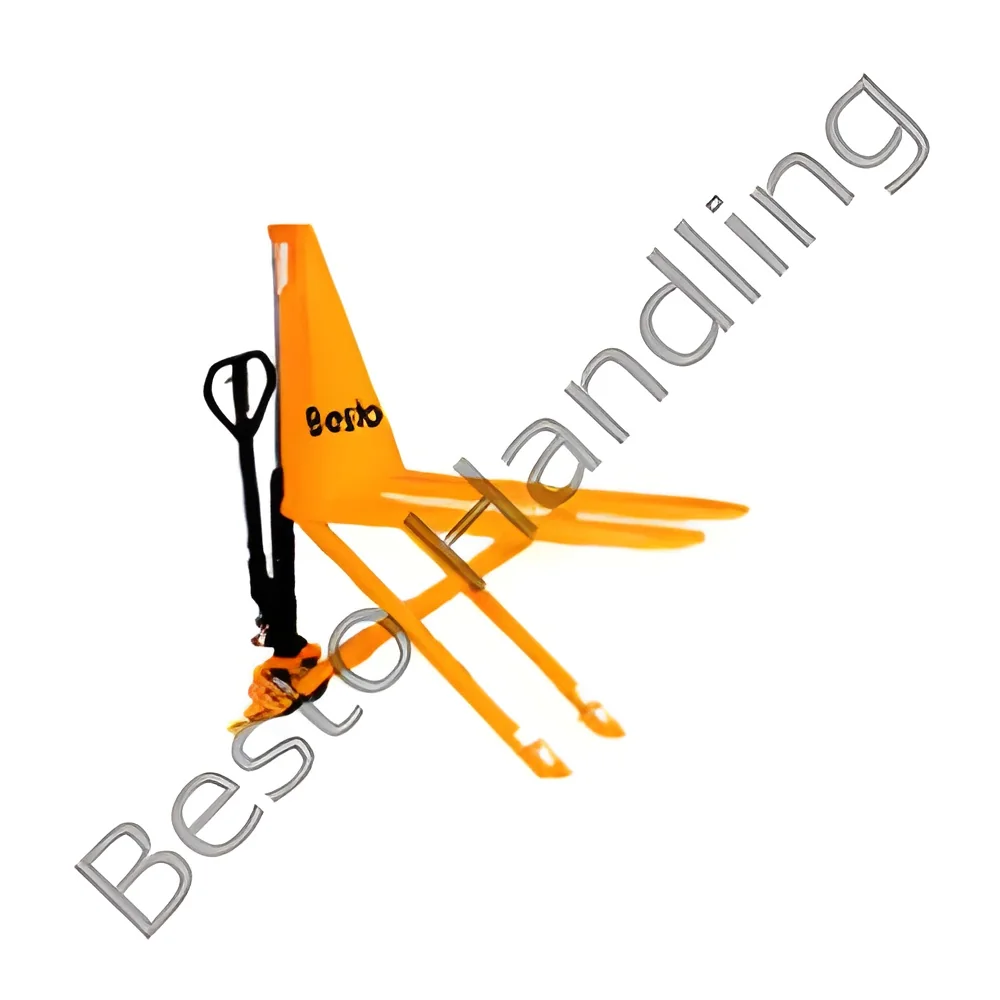
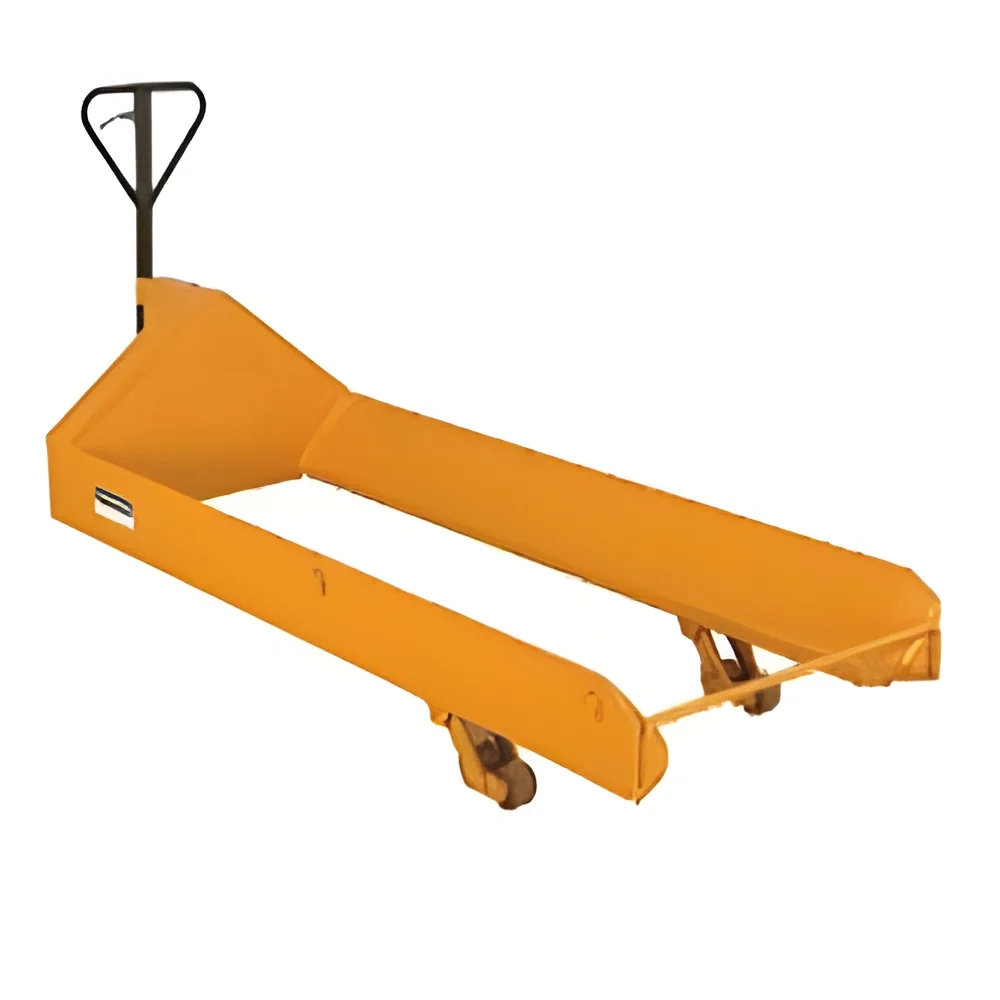
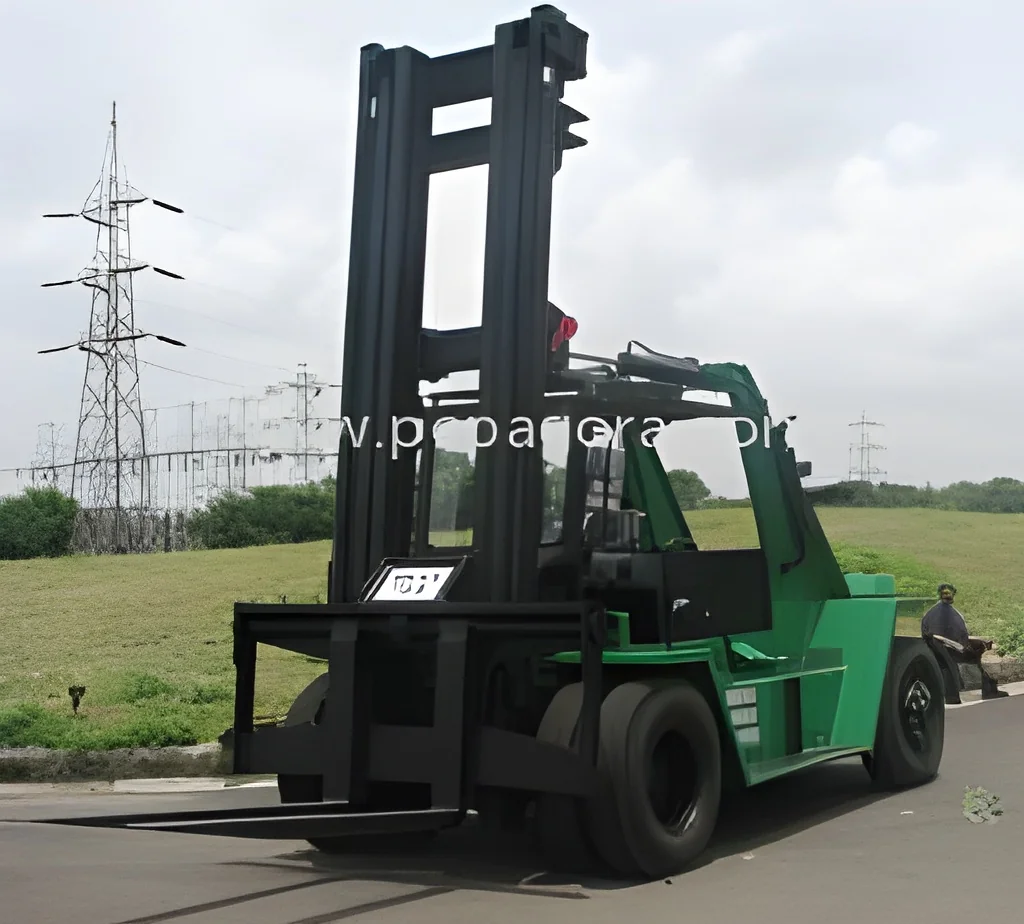
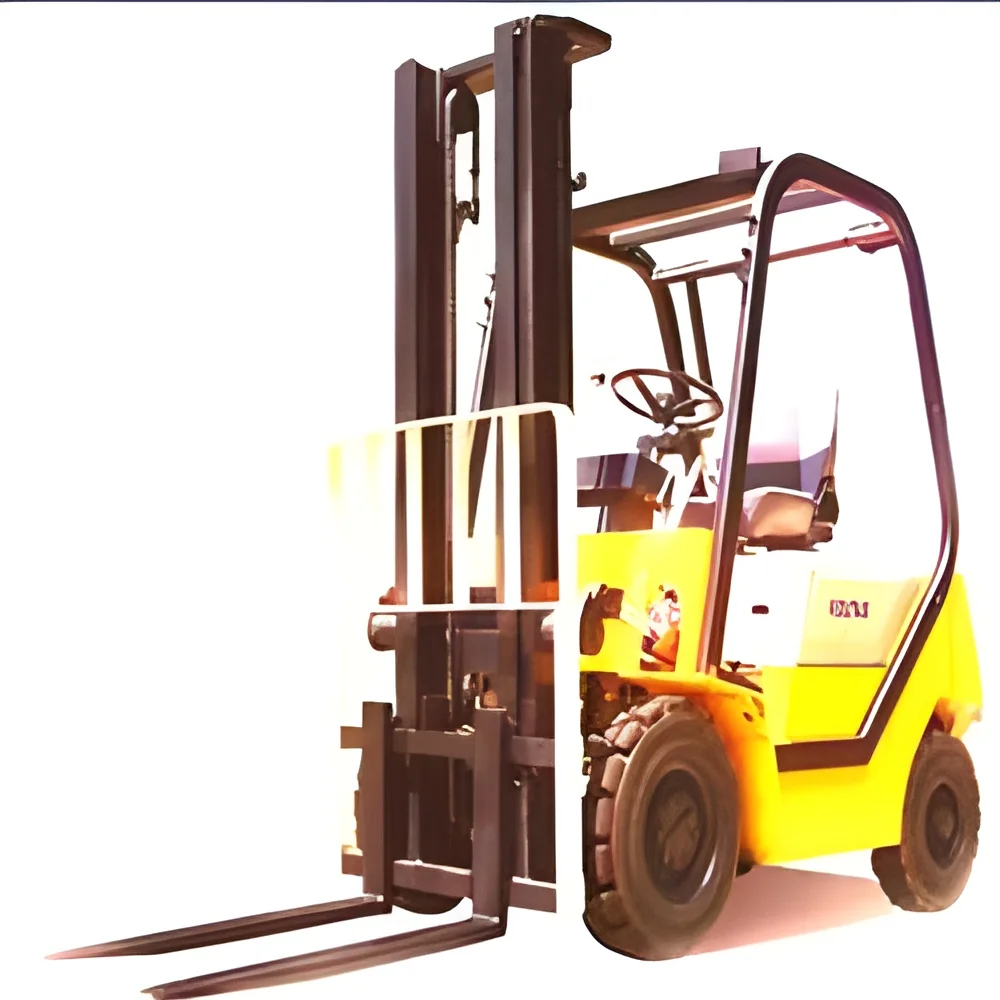
Forklift trucks are essential industrial vehicles designed for lifting and transporting materials over short distances. They are equipped with a pronged platform, known as forks, which can be raised or lowered to move heavy items efficiently. These trucks can be powered by electric, diesel, or propane engines, making them versatile for various operational settings.
In business environments, forklift trucks are primarily used in warehouses, distribution centers, and manufacturing facilities. Their ability to handle heavy loads and navigate narrow aisles makes them indispensable for inventory management and logistical operations. Industries such as construction, retail, and agriculture also rely on forklift trucks to facilitate the movement of goods.
The global demand for forklift trucks continues to grow as businesses seek to optimize their supply chains and improve operational efficiency. Market trends indicate a shift towards electric models due to environmental concerns and advancements in battery technology. This evolution reflects the industry's commitment to sustainability and innovation.
Key Features and Specifications
Forklift trucks come with various features and specifications that cater to the diverse needs of businesses. Understanding these specifications is crucial for selecting the right model for your operational requirements.
Key specifications include:
1. Load Capacity
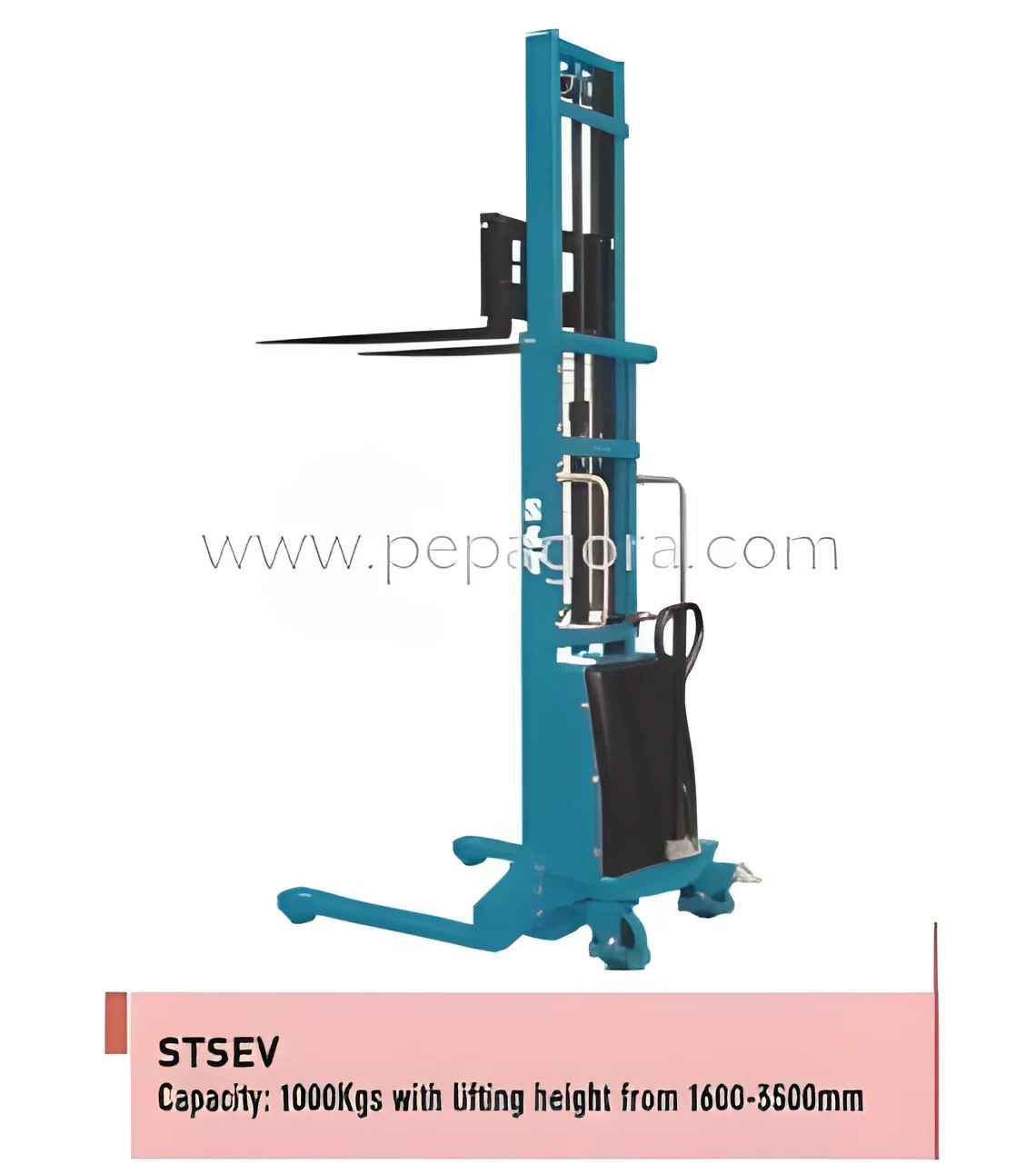
- The maximum weight the forklift can lift, typically ranging from 1,500 kg to over 10,000 kg.
2. Lift Height
- The maximum height to which the forks can elevate, usually between 3 meters and 6 meters.
3. Power Source
- Options include electric, diesel, and propane, each suited for different operational environments.
4. Turning Radius
- The minimum space required to make a complete turn, affecting maneuverability in tight spaces.
5. Mast Type
- Variants such as standard, duplex, and triplex masts, which influence lift height and visibility.
6. Weight
- The overall weight of the forklift, which affects stability and load capacity.
7. Fork Length
- Standard lengths range from 1 meter to 2.5 meters, depending on the application.
8. Operator Comfort Features
- Ergonomic designs, adjustable seats, and intuitive controls enhance operator efficiency and safety.
These specifications help businesses identify the right forklift truck to meet their unique operational demands.
Common Applications and Use Cases
Forklift trucks serve a wide range of industries, each with specific applications that enhance operational efficiency.
1. Warehousing: Forklifts are crucial for moving pallets of goods, stacking inventory, and managing stock levels in large warehouses.
2. Manufacturing: In production facilities, forklifts transport raw materials and finished products between different stages of manufacturing.
3. Retail: Forklifts are used in retail environments for managing stock in backrooms and loading/unloading deliveries.
4. Construction: They assist in moving heavy equipment and materials around construction sites, improving workflow.
5. Agriculture: Forklifts help in transporting bales, crates, and equipment, making farm operations more efficient.
6. Logistics: In distribution centers, forklifts are essential for handling shipments and organizing inventory for outbound delivery.
7. Automotive: Forklifts are used to transport auto parts and vehicles within manufacturing plants and distribution centers.
These applications highlight the versatility and importance of forklift trucks across various sectors.
Product Variants and Subcategories
Forklift trucks come in various designs, each tailored to specific operational needs.
Electric Forklift Trucks
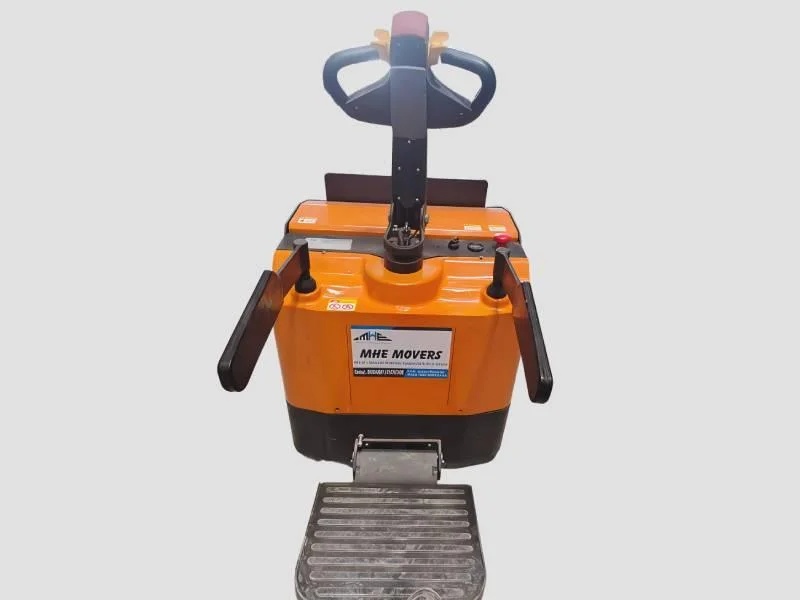
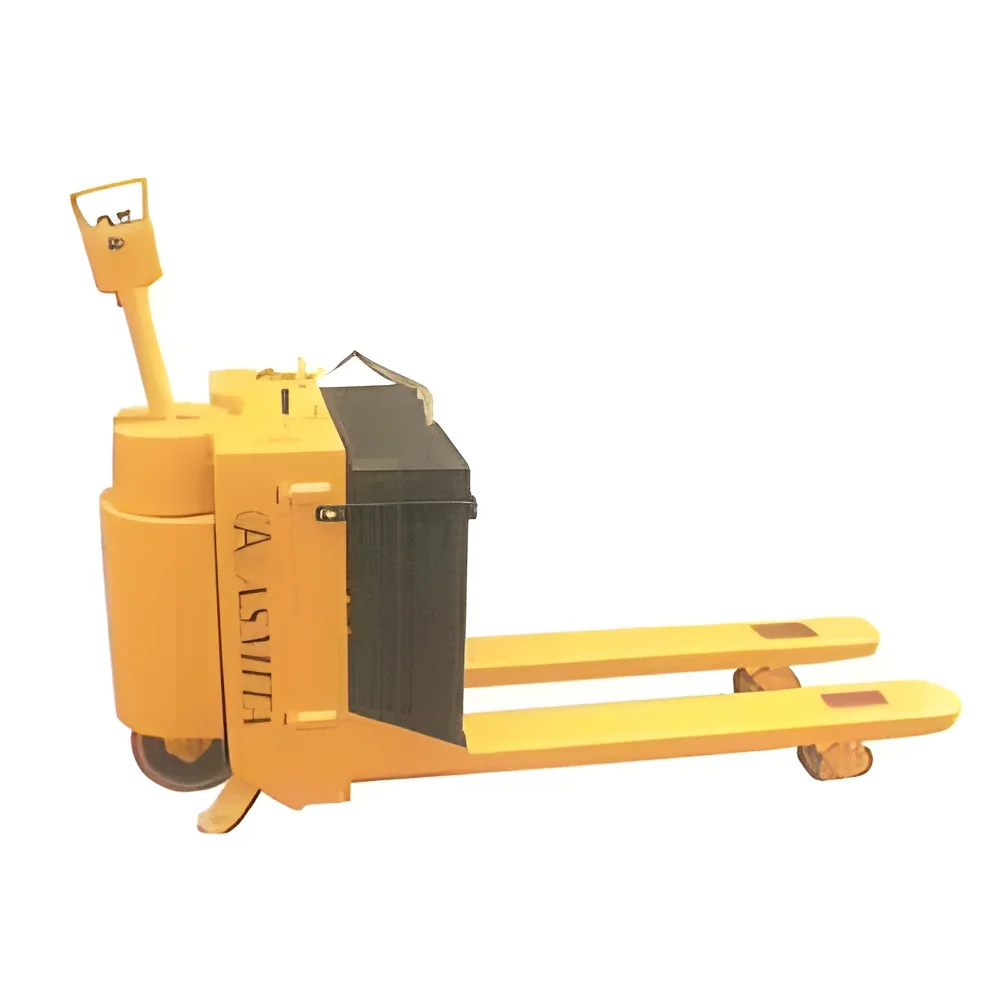
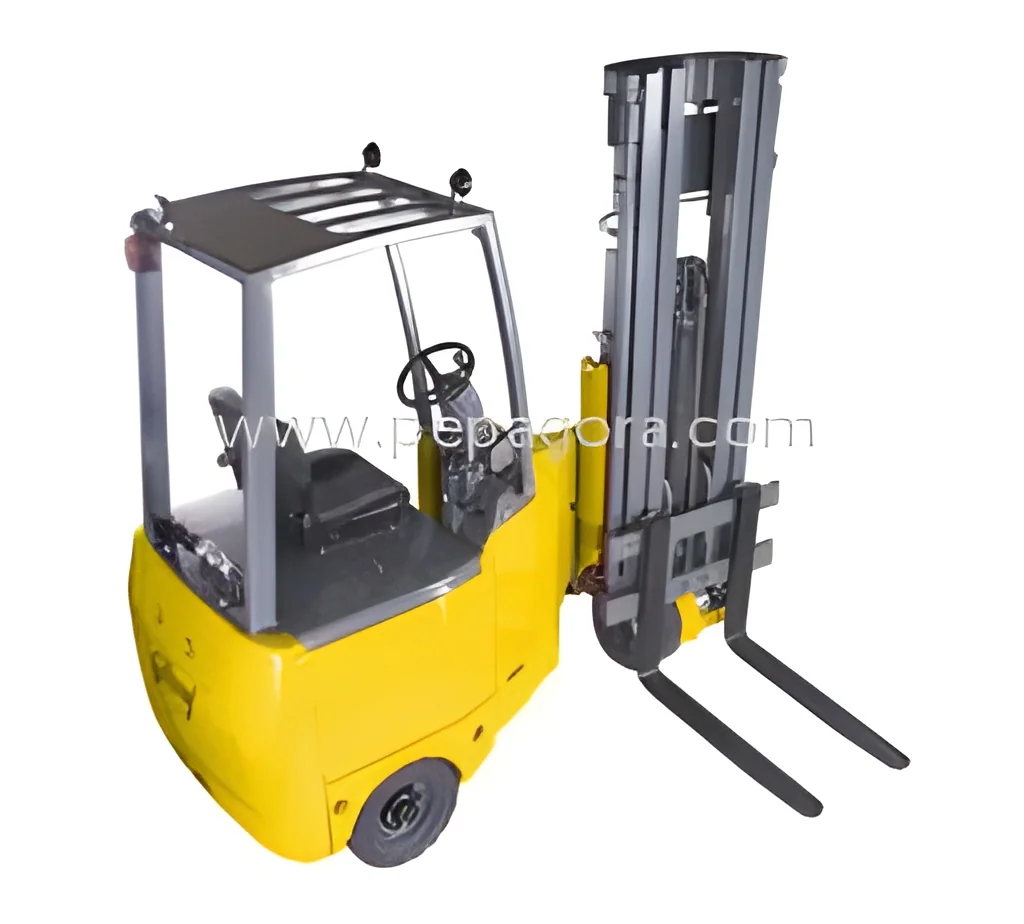
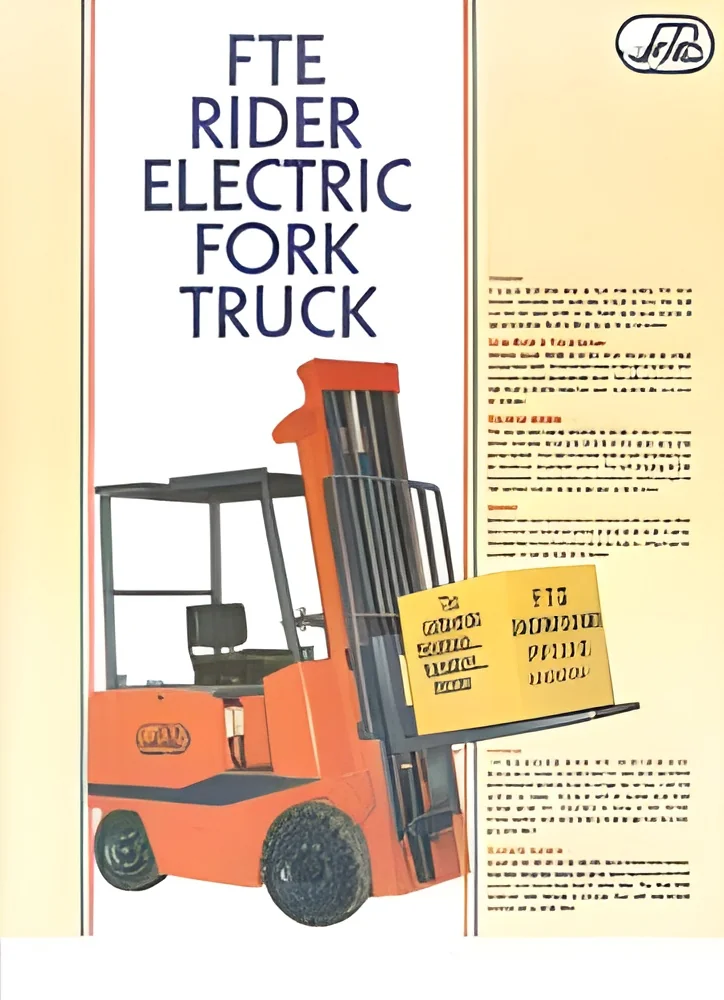
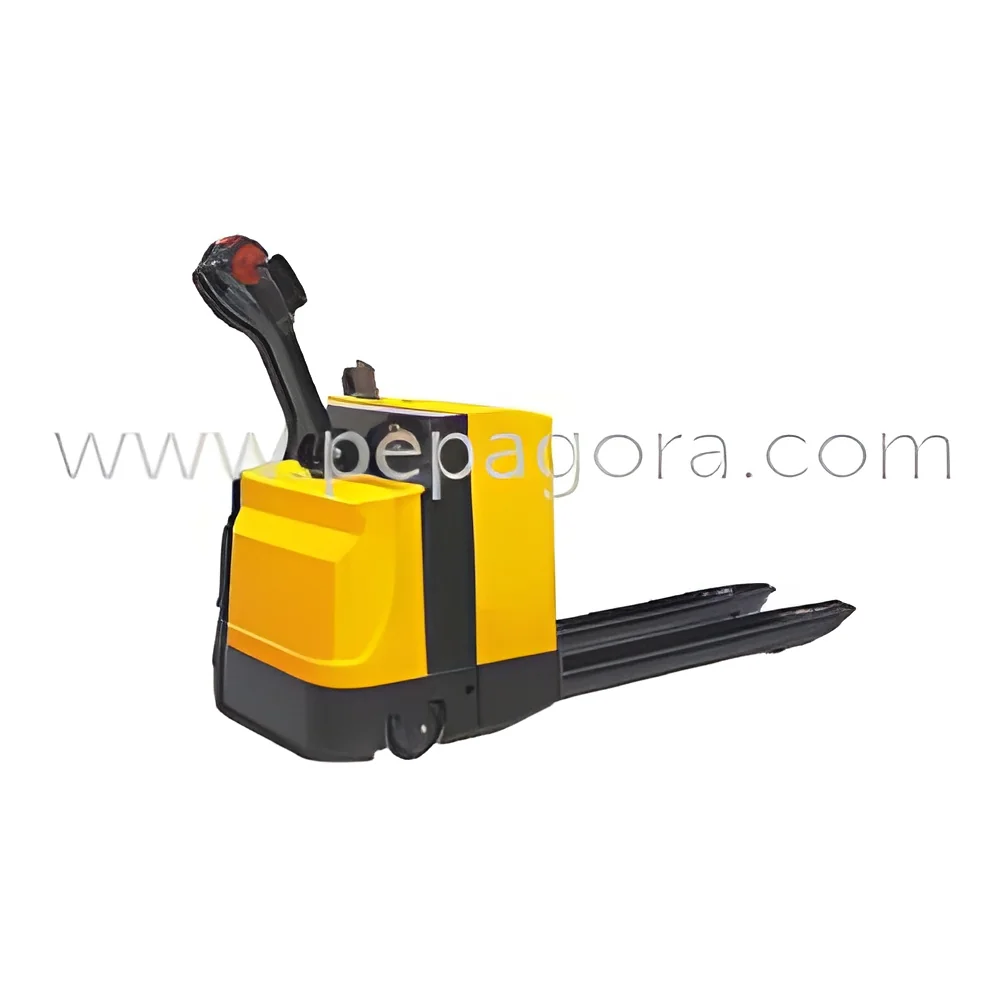
These models are powered by electric batteries, offering a cleaner alternative for indoor use. They are quieter and produce zero emissions, making them ideal for warehouses and distribution centers.
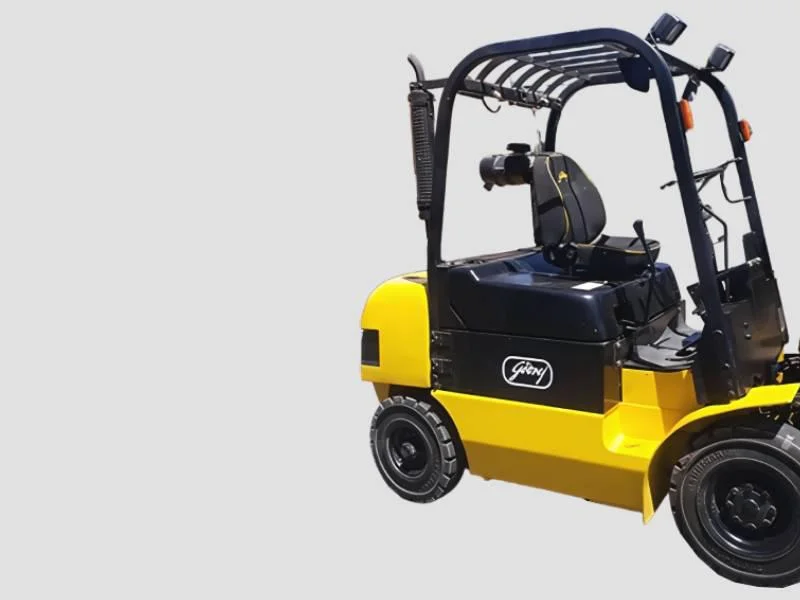
Internal Combustion Forklift Trucks
Powered by diesel or propane, these forklifts are suited for outdoor use and heavy-duty applications. They provide robust power and are effective in construction and large-scale warehouse settings.
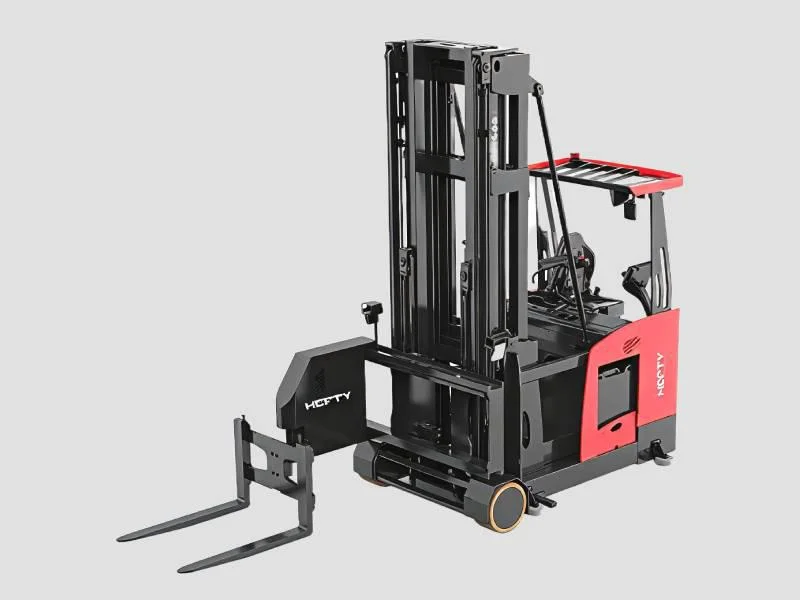
Narrow Aisle Forklift Trucks
Designed for tight spaces, these forklifts have a compact design allowing them to operate in narrow aisles. They are ideal for maximizing storage space in warehouses.
Reach Trucks
These specialized forklifts are designed to extend their forks forward, allowing them to handle loads at height and reach into racks without needing to reposition.
Benefits and Advantages
Investing in forklift trucks provides businesses with several advantages.
1. Increased Efficiency: Forklift trucks significantly reduce the time and labor required to move heavy materials, enhancing overall productivity.
2. Enhanced Safety: Equipped with safety features, modern forklift trucks minimize the risk of accidents, protecting both operators and inventory.
3. Versatility: With various models available, forklift trucks can be adapted to a wide range of applications, making them suitable for various industries.
4. Cost-Effectiveness: By streamlining operations and reducing labor costs, forklift trucks provide a strong return on investment.
5. Improved Inventory Management: Forklifts facilitate better organization of stock, allowing for quicker access and improved inventory control.
6. Operator Comfort: Many forklift models focus on ergonomic designs, improving operator comfort and reducing fatigue during long shifts.
Buying Guide for B2B Buyers
When sourcing forklift trucks, several factors should be considered to ensure the best decision for business needs.
1. Quality Assessment: Evaluate the build quality and durability of the forklift models. Look for reputable manufacturers known for their reliability.
2. Supplier Verification: Vet suppliers to ensure they provide high-quality equipment and have a good track record in the industry.
3. Pricing and MOQ: Understand the pricing structures and minimum order quantities (MOQ) from suppliers to align with your budget and operational requirements.
4. Delivery and Lead Times: Review logistics and expected delivery times to ensure that your operations are not disrupted.
5. Compliance Requirements: Ensure that the forklift trucks meet relevant safety and regulatory standards in your region, including certifications such as CE.
Compliance and Certifications
Forklift trucks must adhere to various quality standards and certifications to ensure safety and reliability in operations.
ISO 9001 is a standard that outlines quality management systems, ensuring that manufacturers maintain consistent quality in their products. Adherence to this standard indicates a commitment to quality and customer satisfaction.
CE certification is essential for forklift trucks sold in Europe, demonstrating compliance with health, safety, and environmental protection standards. This certification assures buyers that the equipment meets rigorous safety requirements.
Safety and testing requirements vary by region but typically include assessments for stability, load capacity, and operational safety. It is crucial for businesses to ensure that any forklift truck they purchase meets these regulatory needs to avoid potential liabilities.
Why Source Forklift Trucks from Pepagora?
Pepagora offers a reliable platform for sourcing forklift trucks, providing several key advantages for B2B buyers.
Verified Supplier Network: Pepagora connects buyers with verified suppliers, ensuring that each vendor meets strict quality standards. This minimizes the risk of subpar equipment and enhances buyer confidence.
Streamlined RFQ Process: The platform simplifies the request for quotation (RFQ) process, allowing buyers to receive multiple competitive quotes from suppliers quickly. This efficiency helps businesses make informed purchasing decisions.
Trade Assurance and Support: Pepagora provides buyer protection through trade assurance, ensuring that transactions are secure and that buyers receive the equipment as promised.
Regional Coverage: With a focus on markets in India, the GCC, and Southeast Asia, Pepagora offers extensive regional coverage, making it easier for businesses to find local suppliers and services that meet their needs.
By choosing Pepagora, businesses can streamline their procurement process and gain access to quality forklift trucks that meet their operational requirements.

 IN
IN