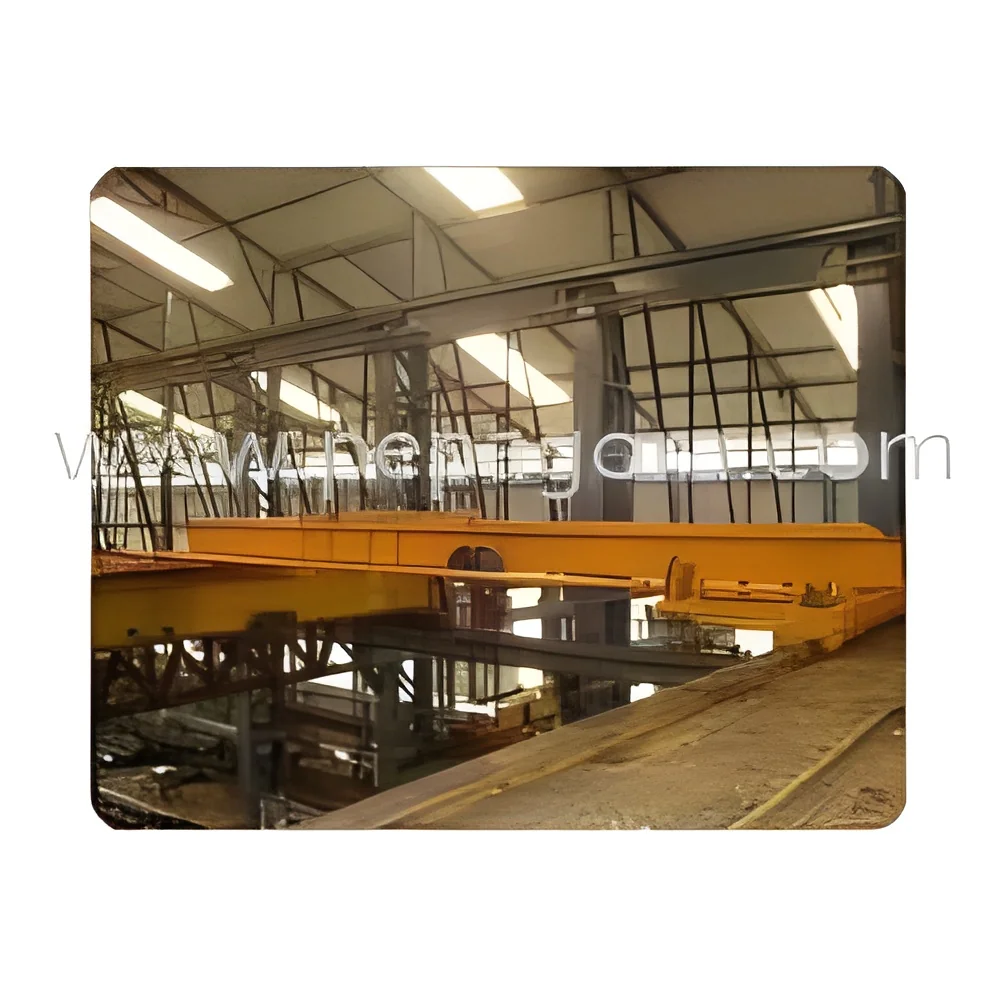
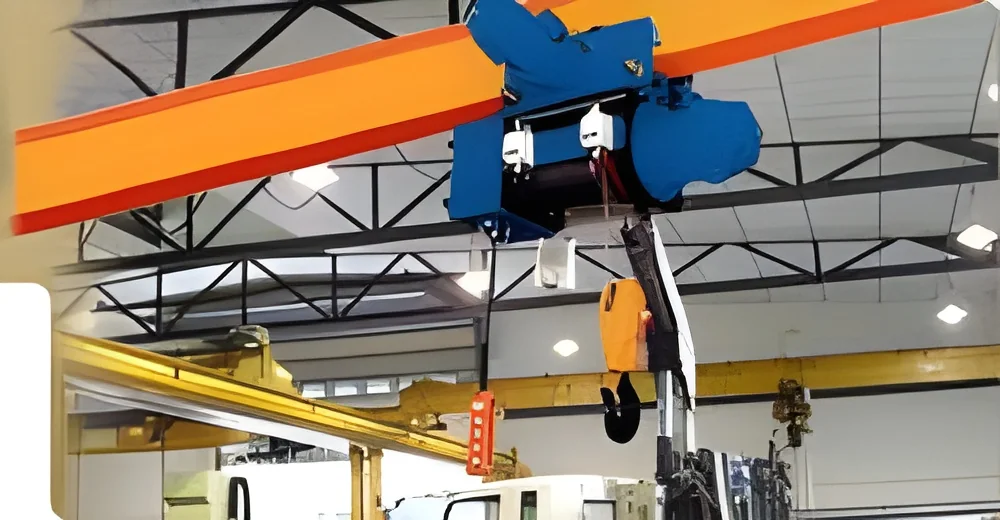
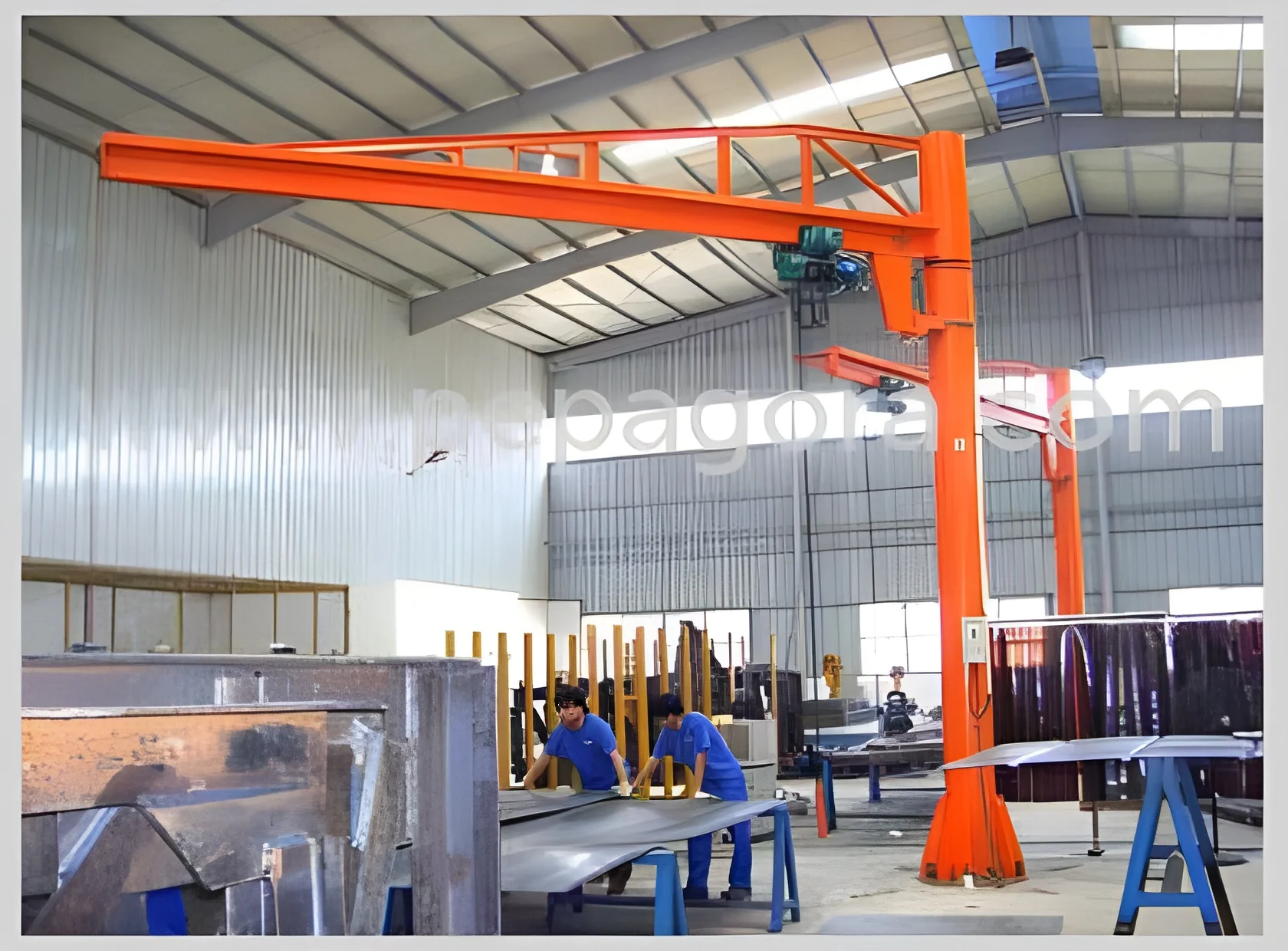
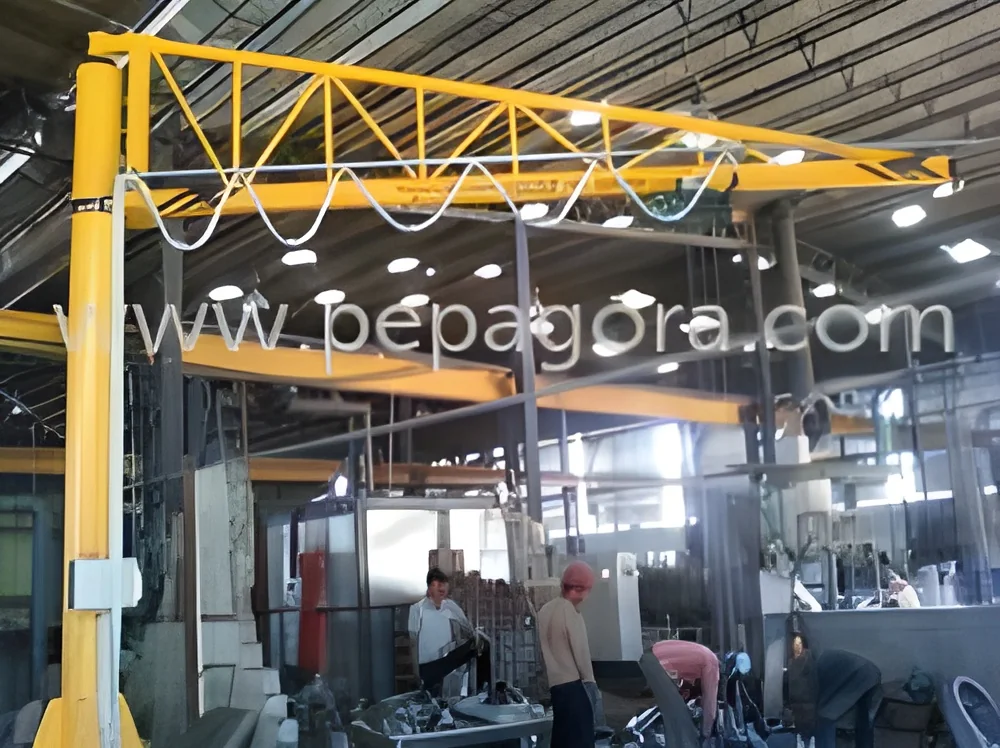
What are Jib Cranes?
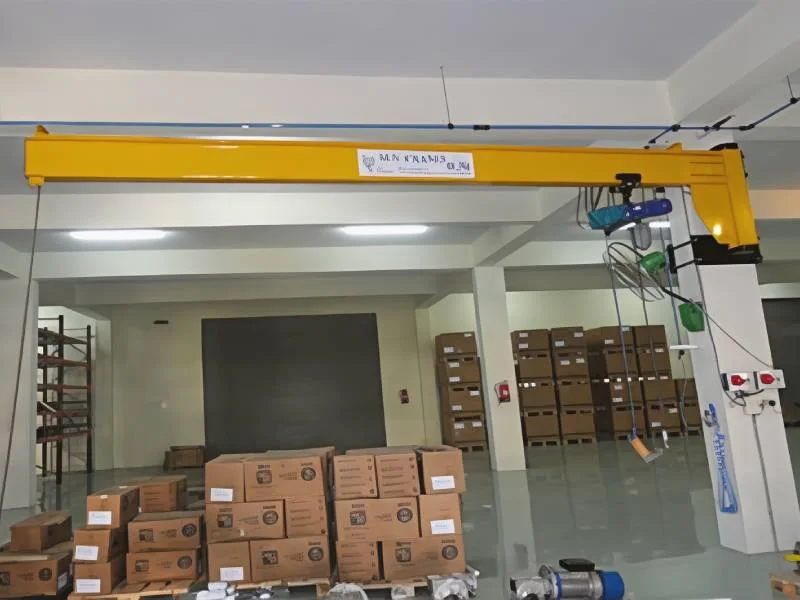
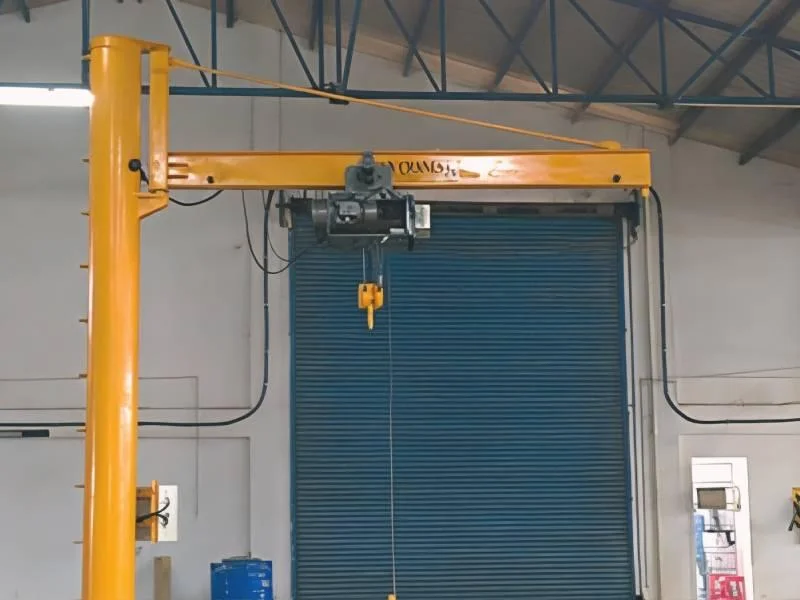
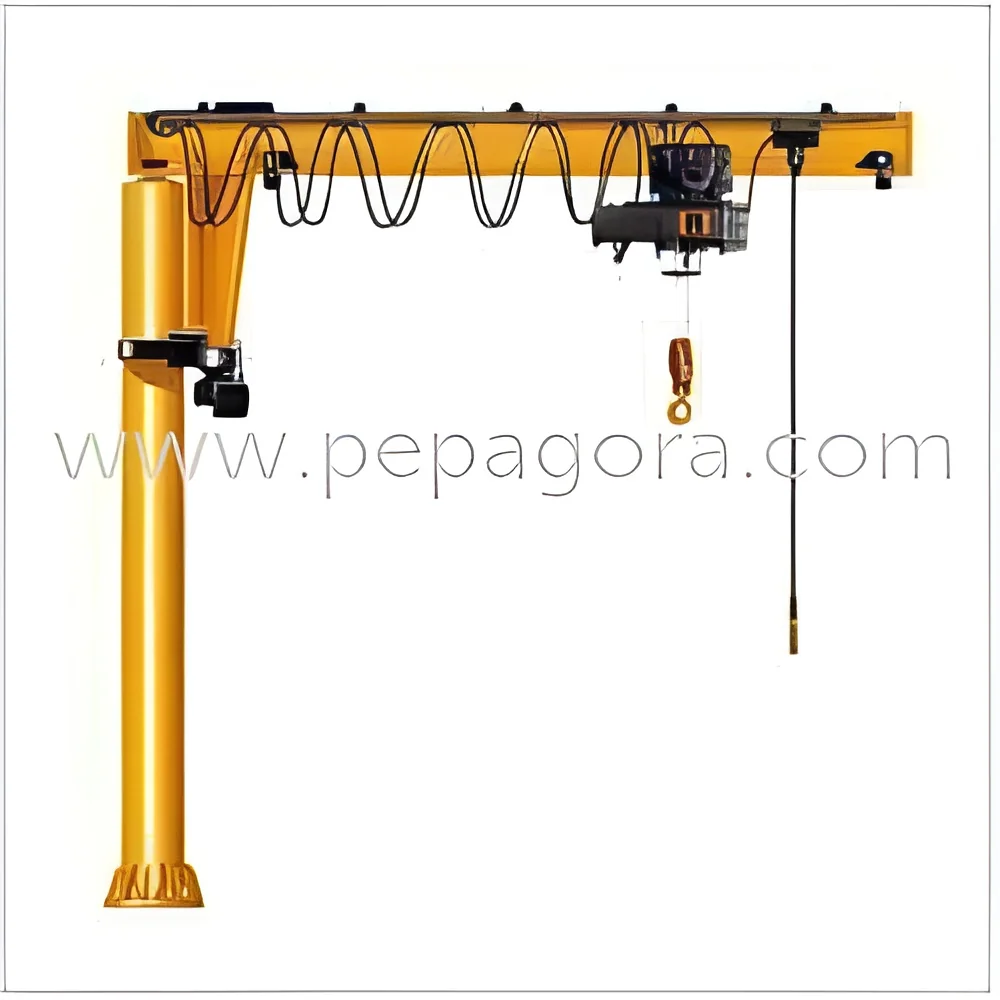
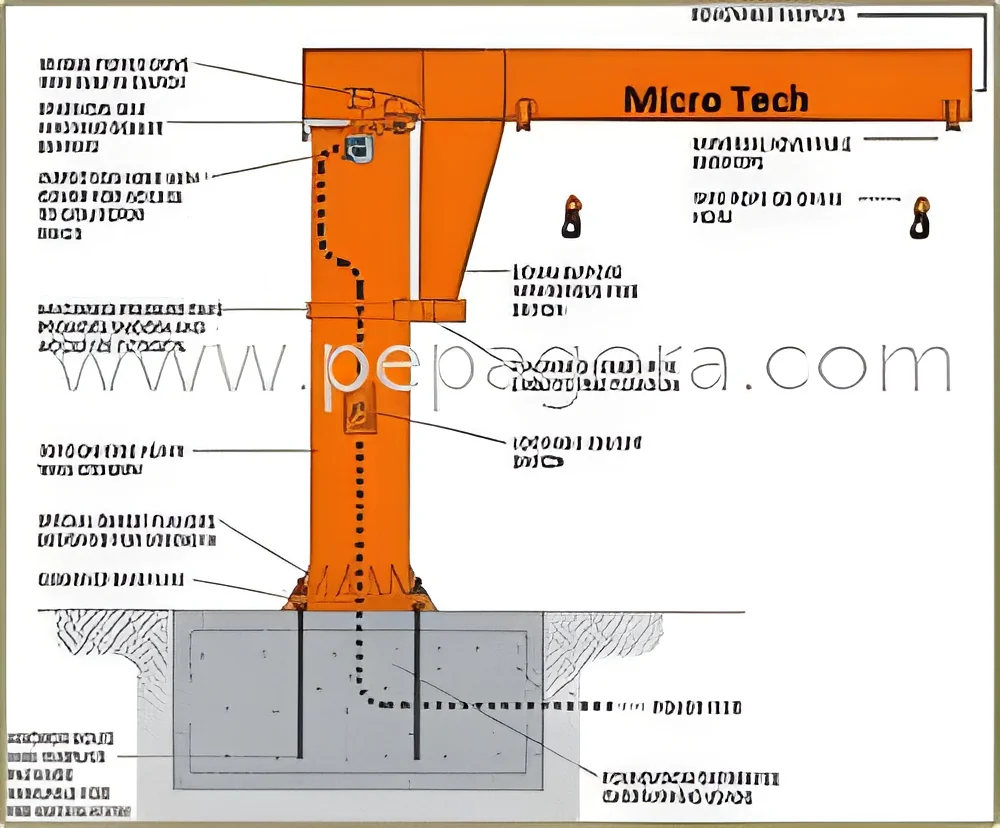
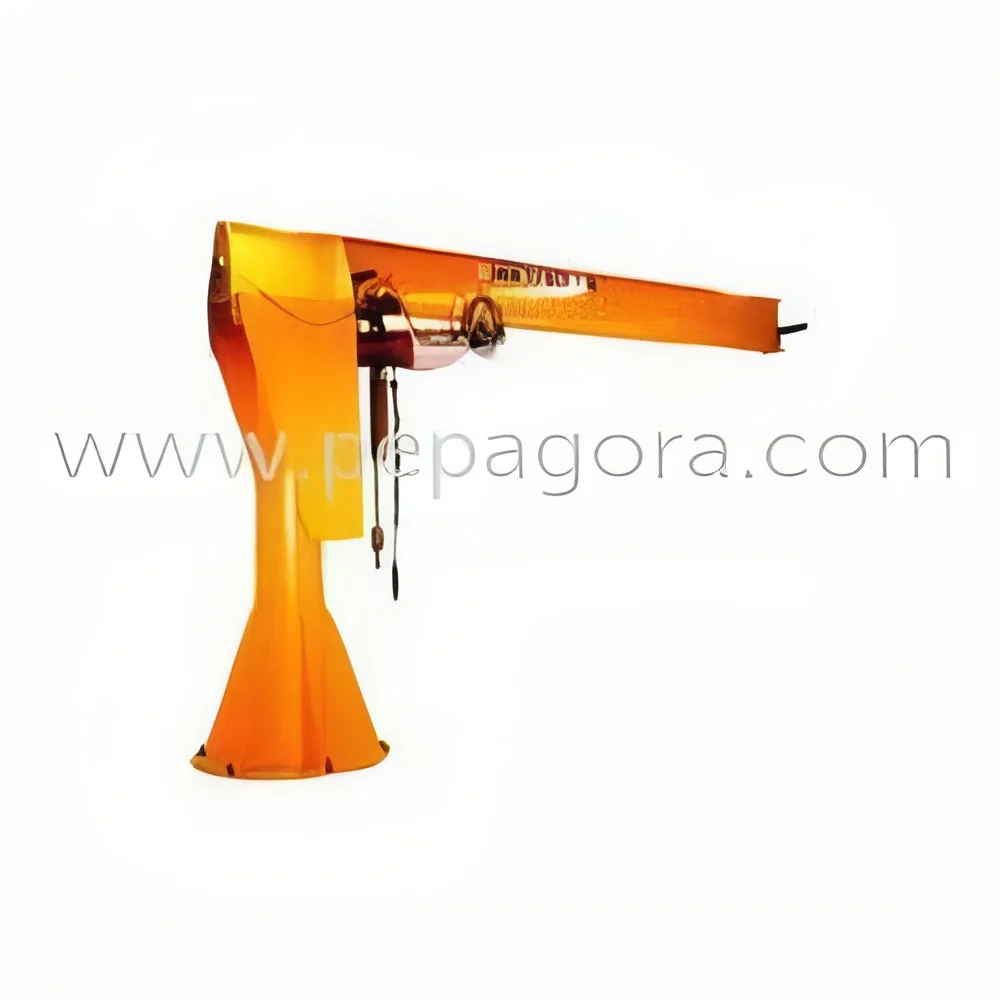
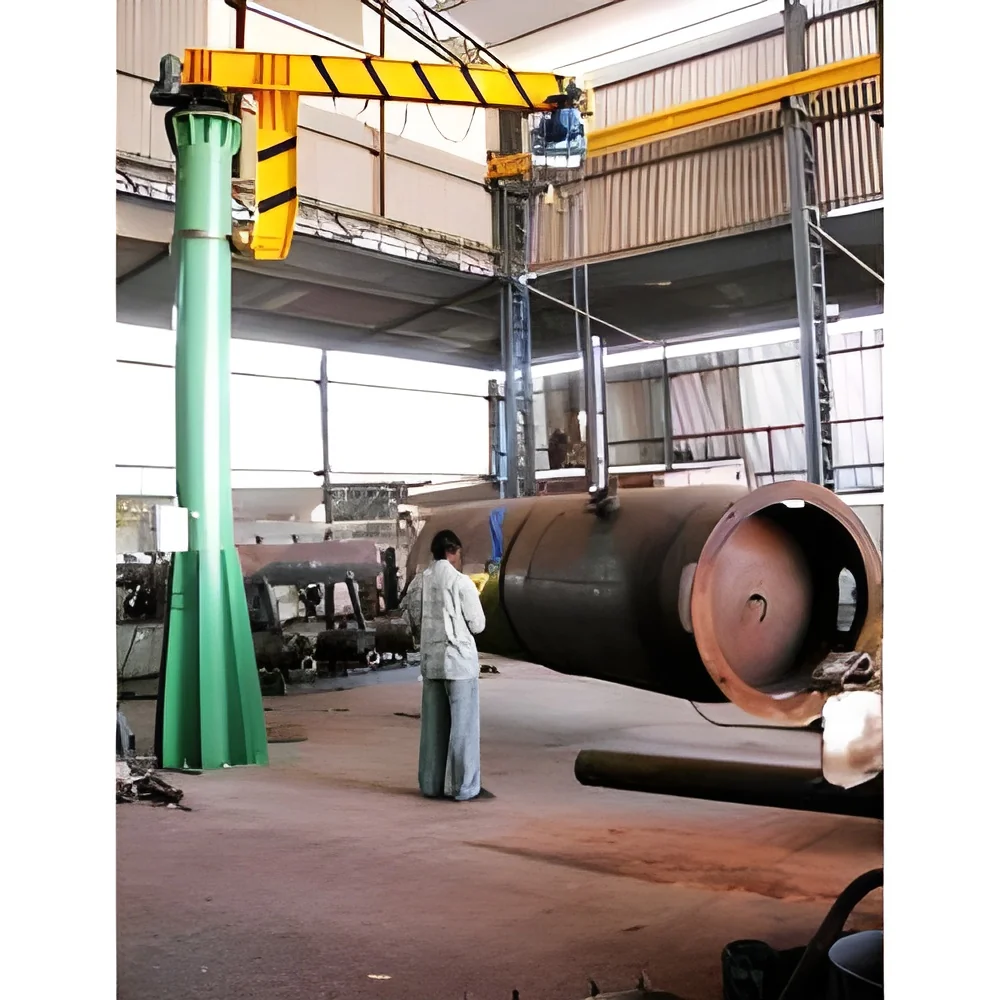
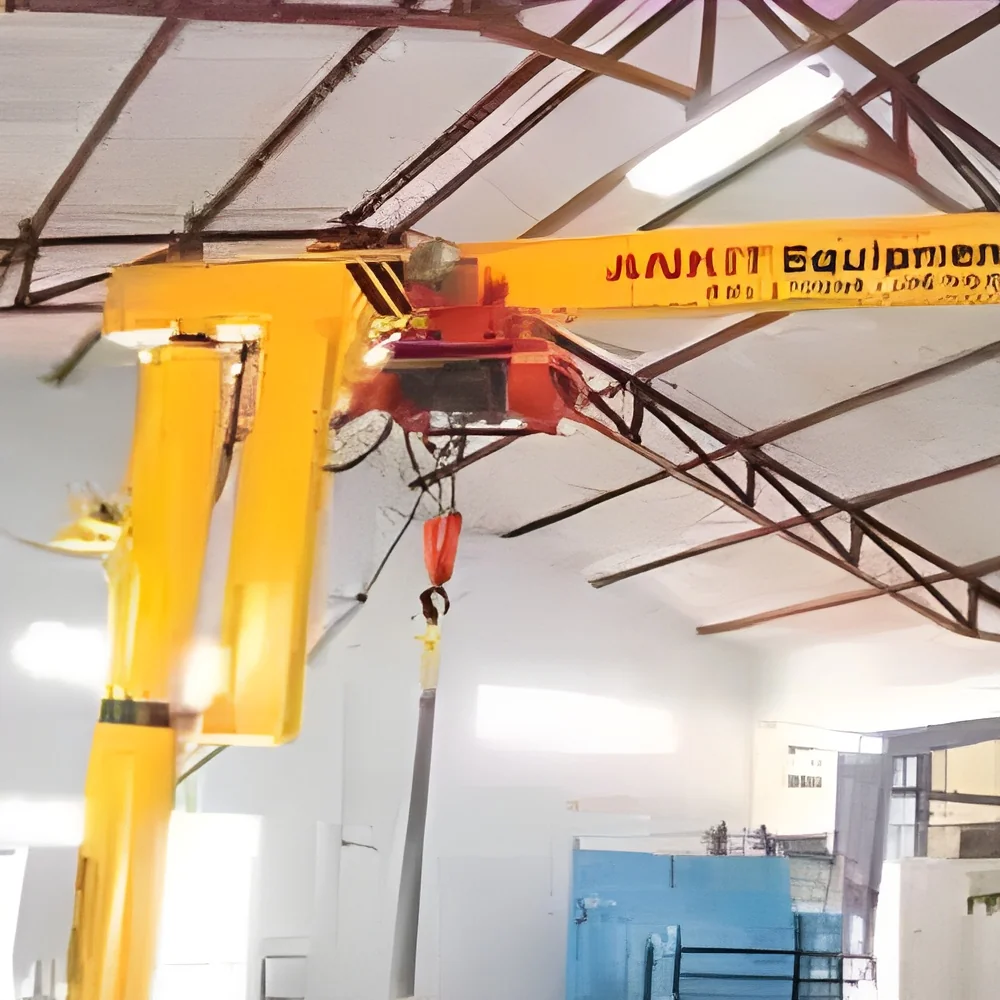
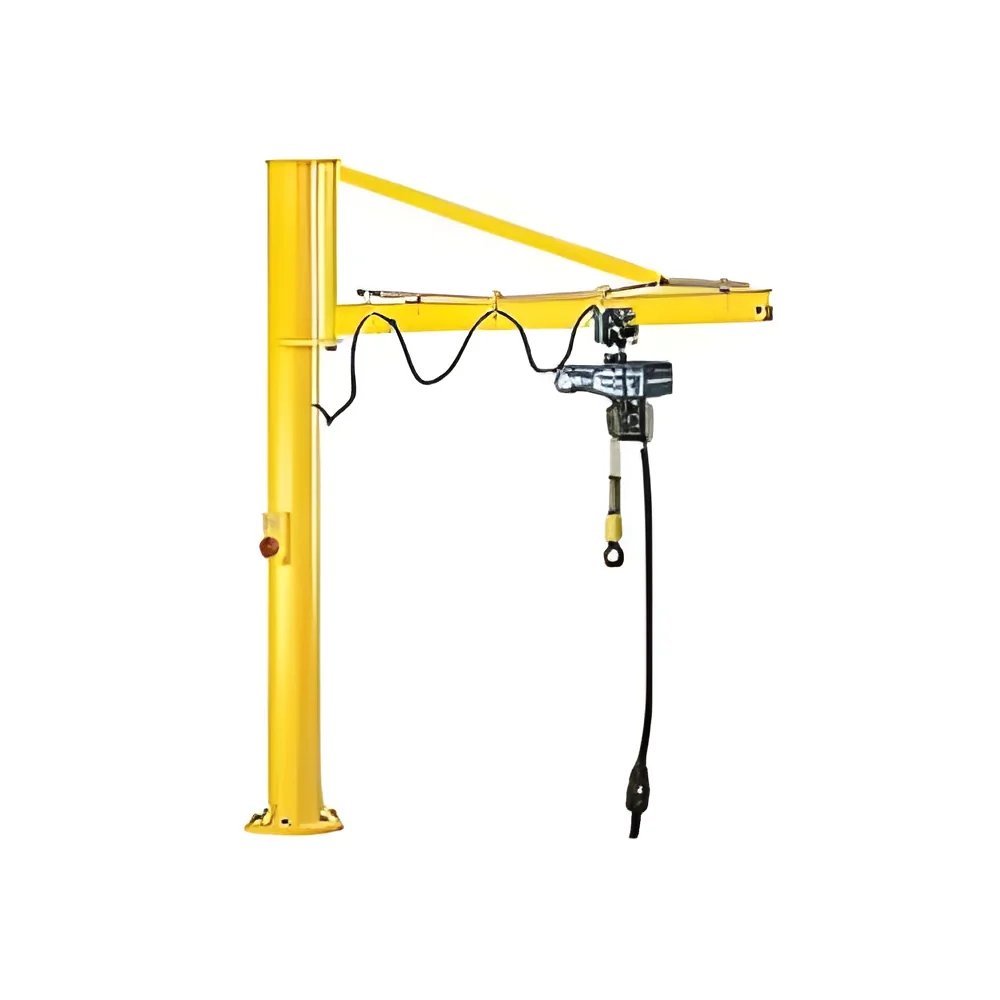
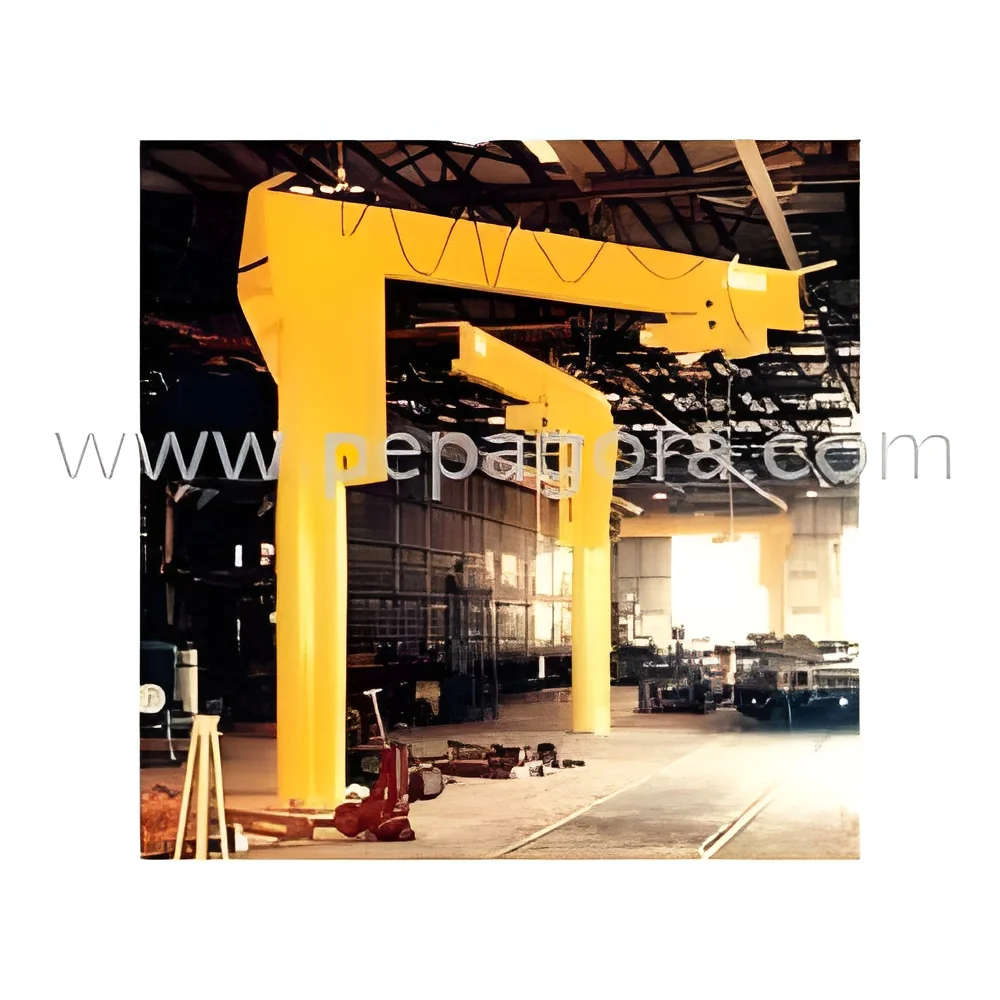
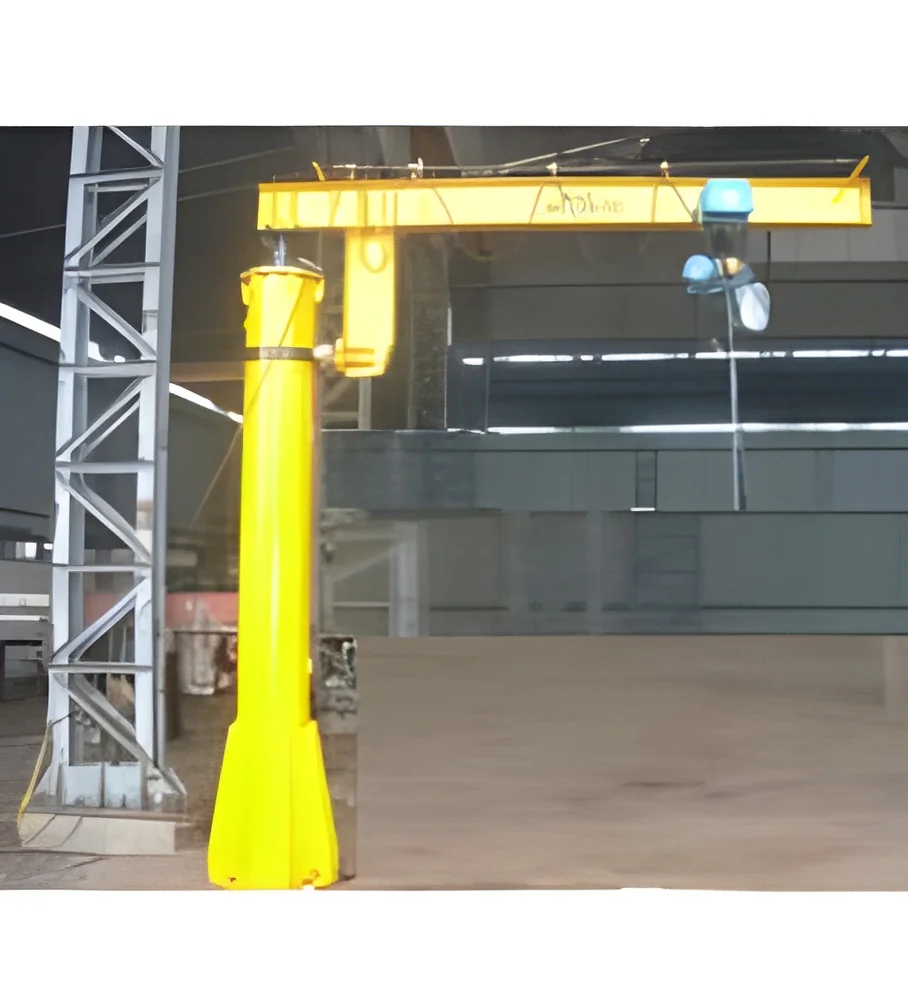
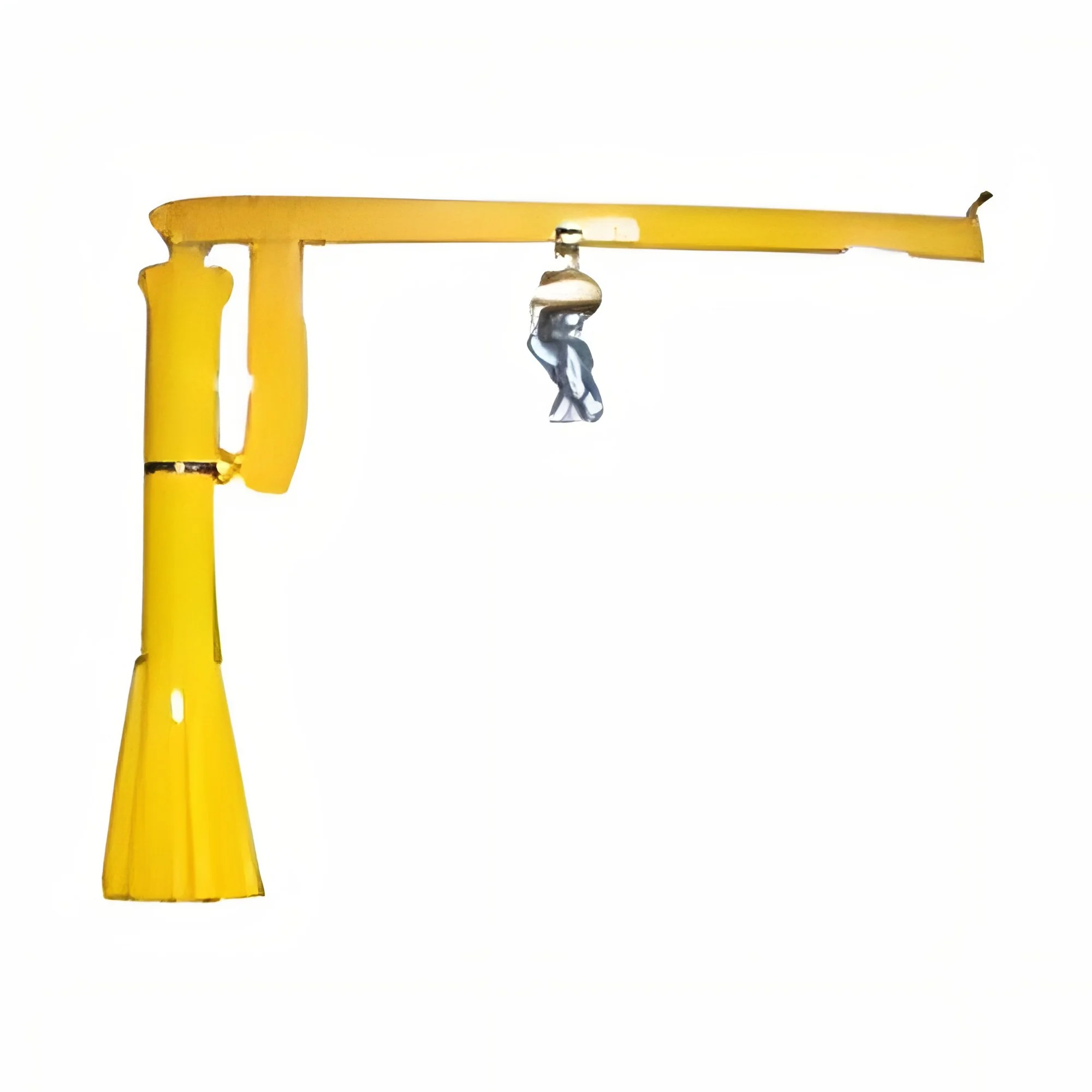
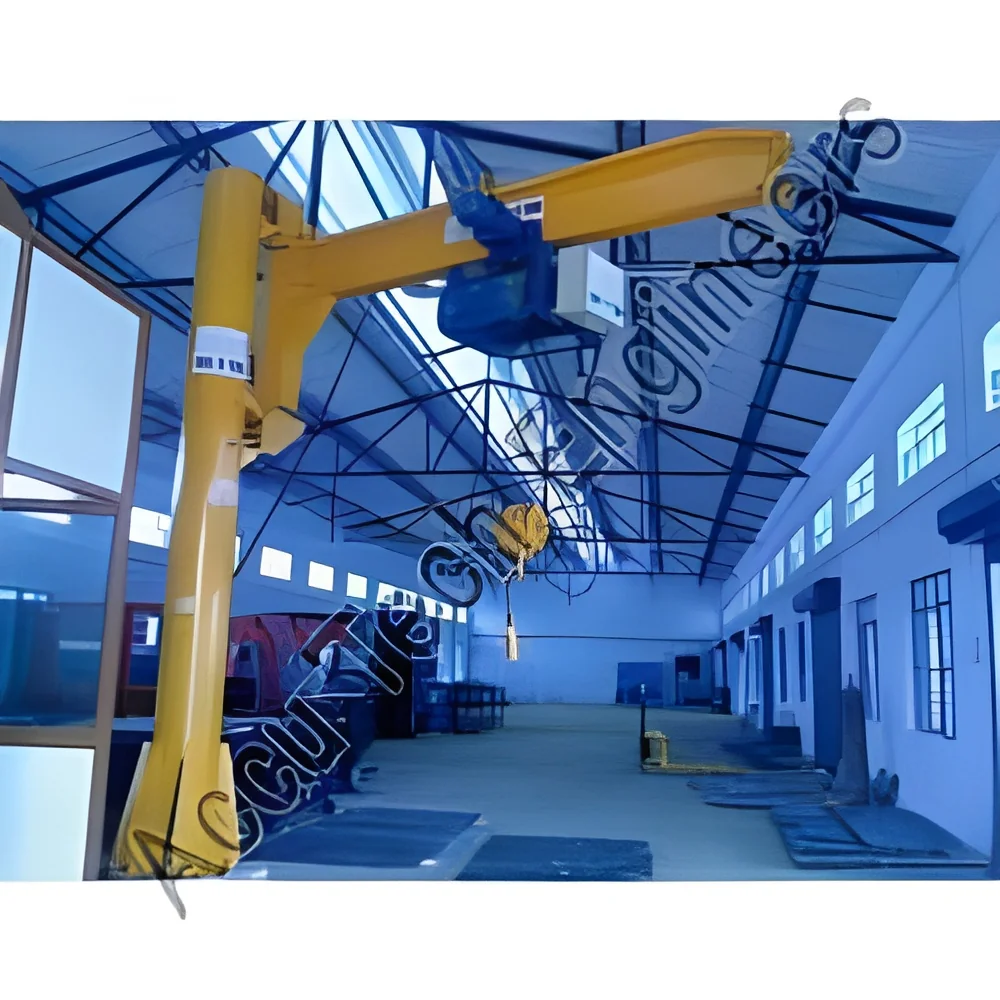
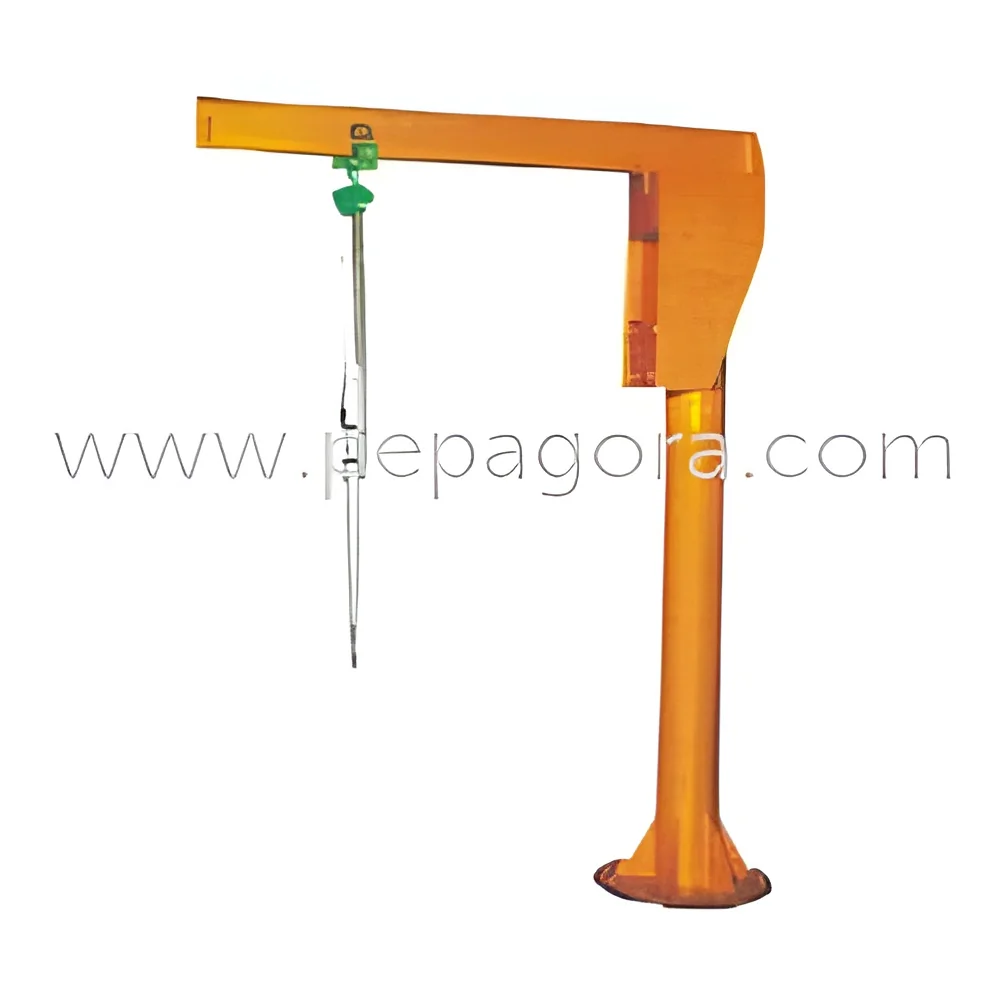
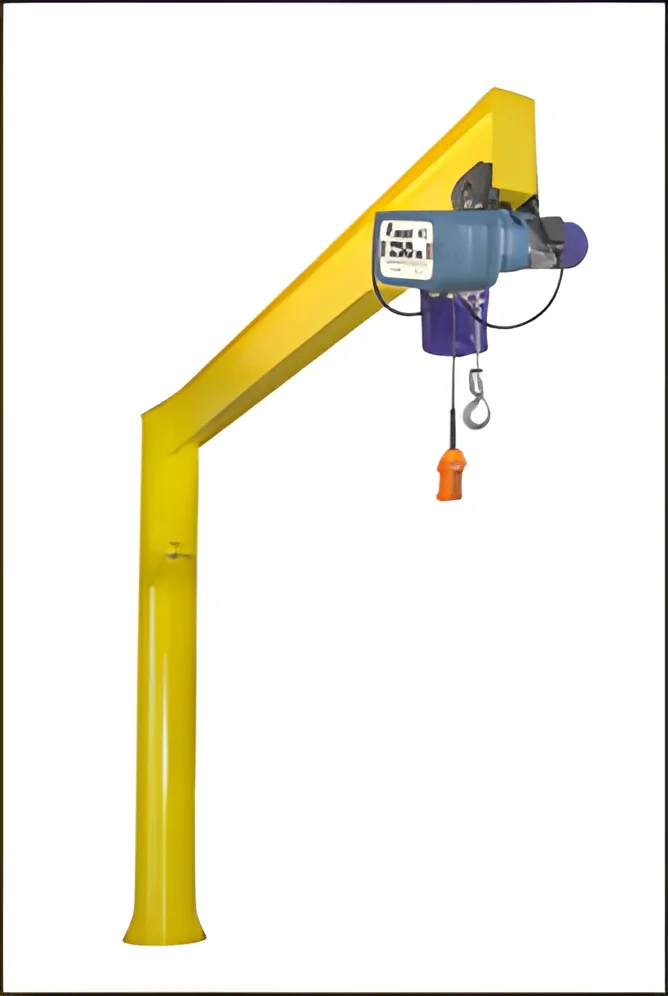
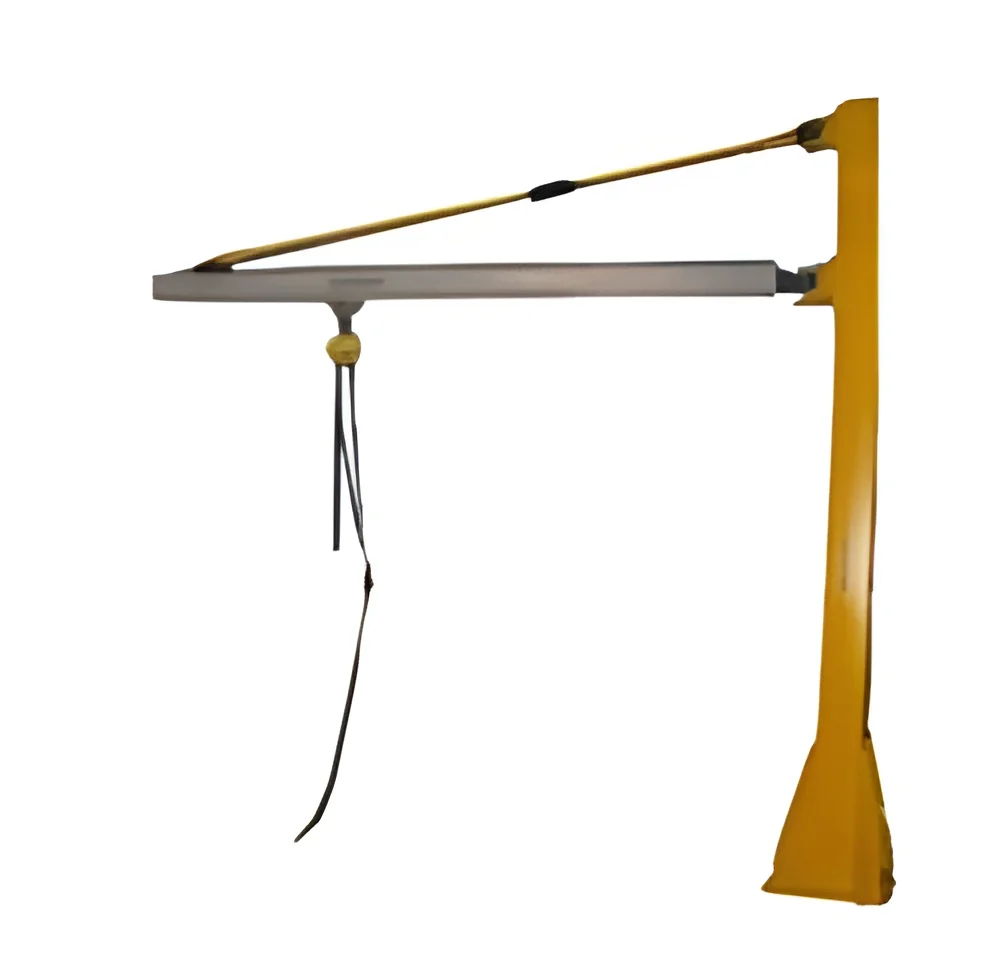
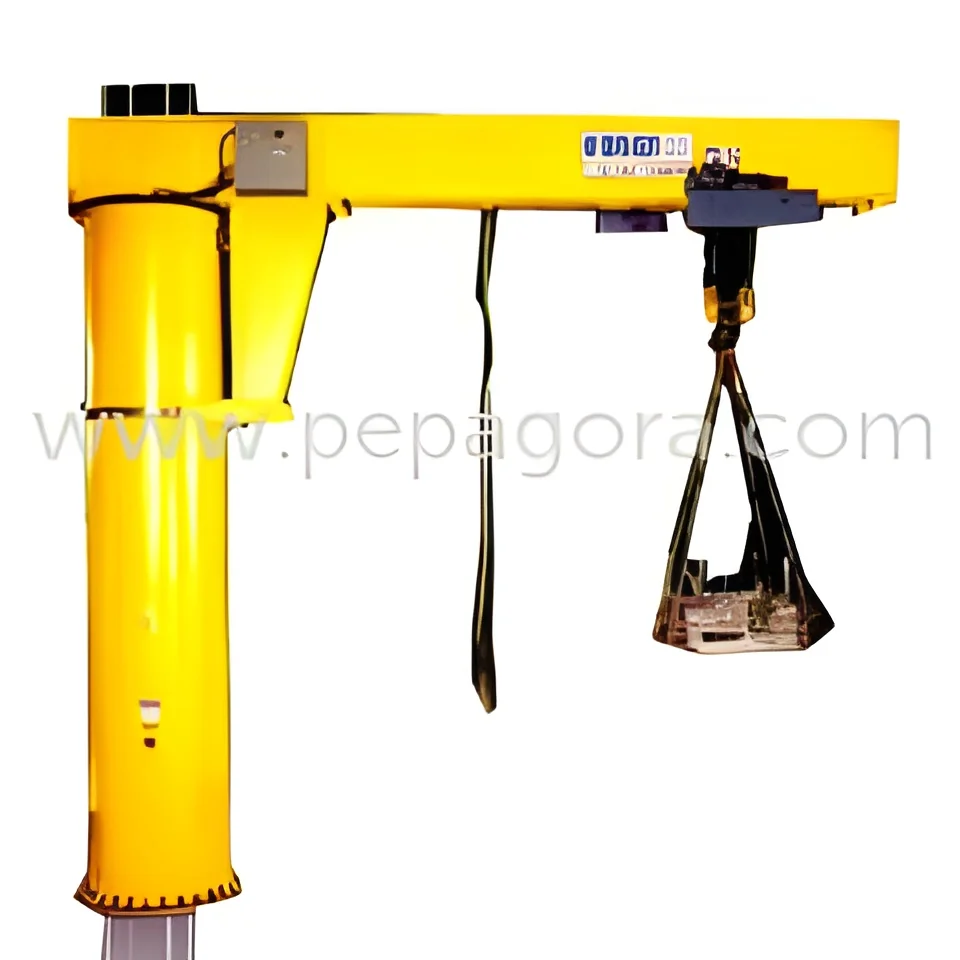
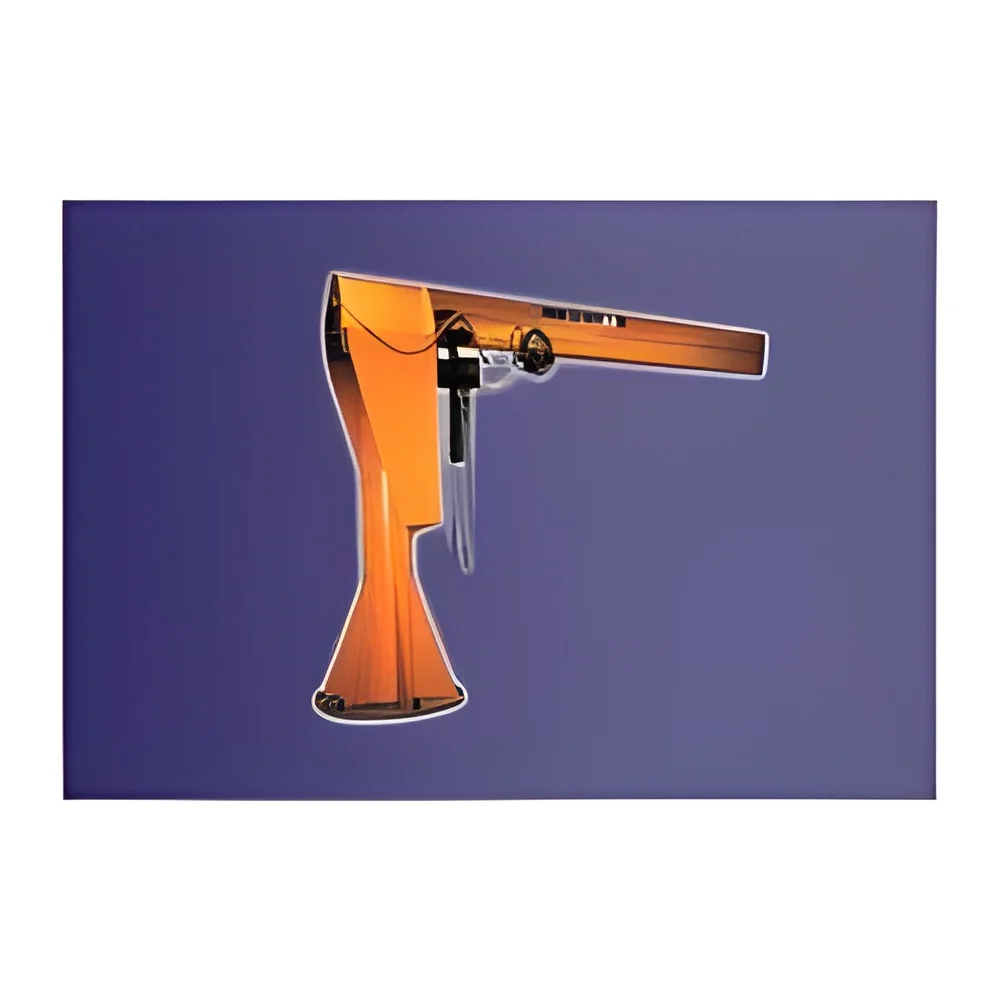
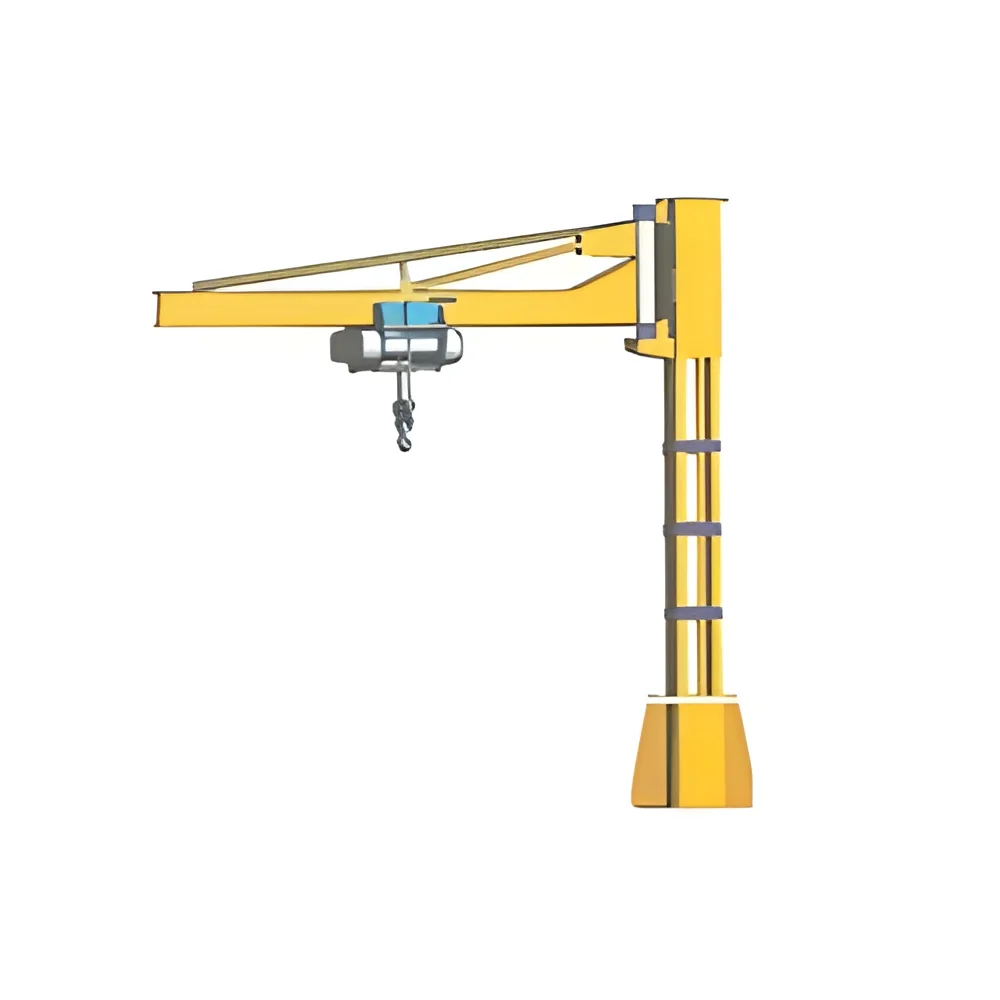
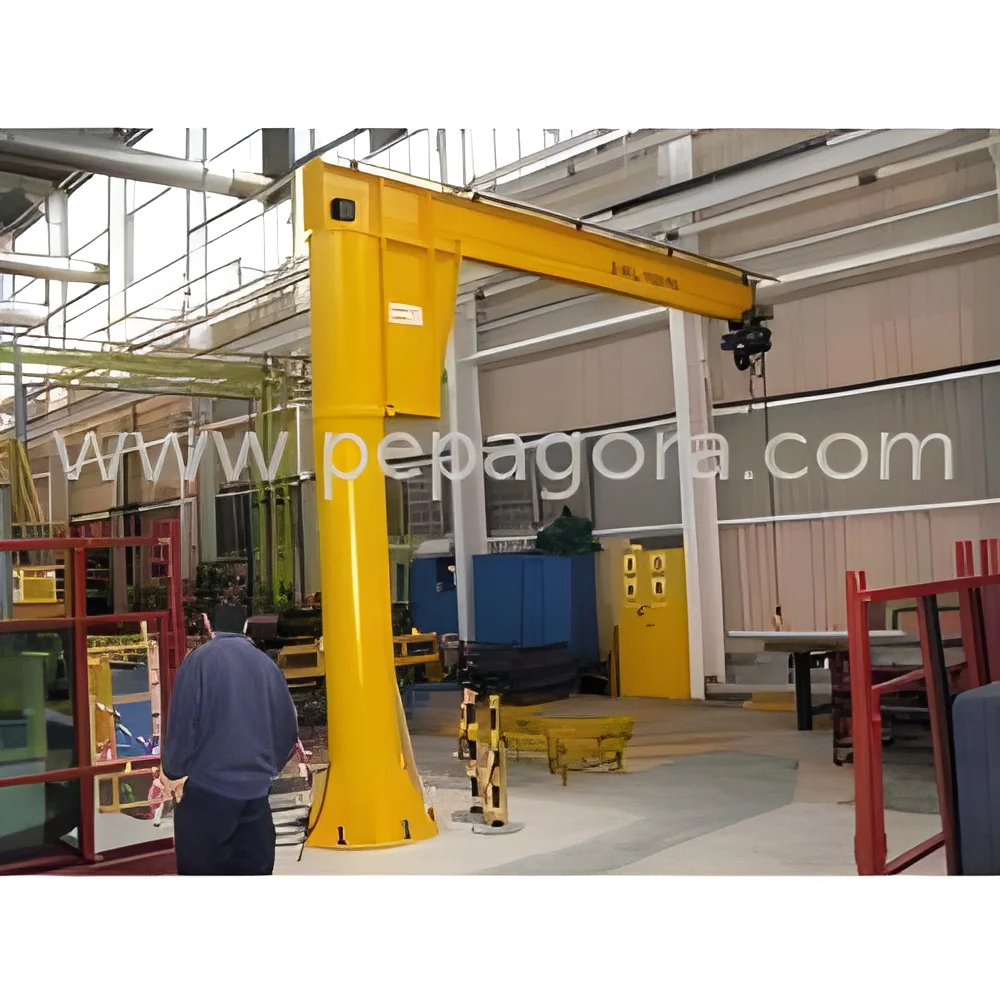
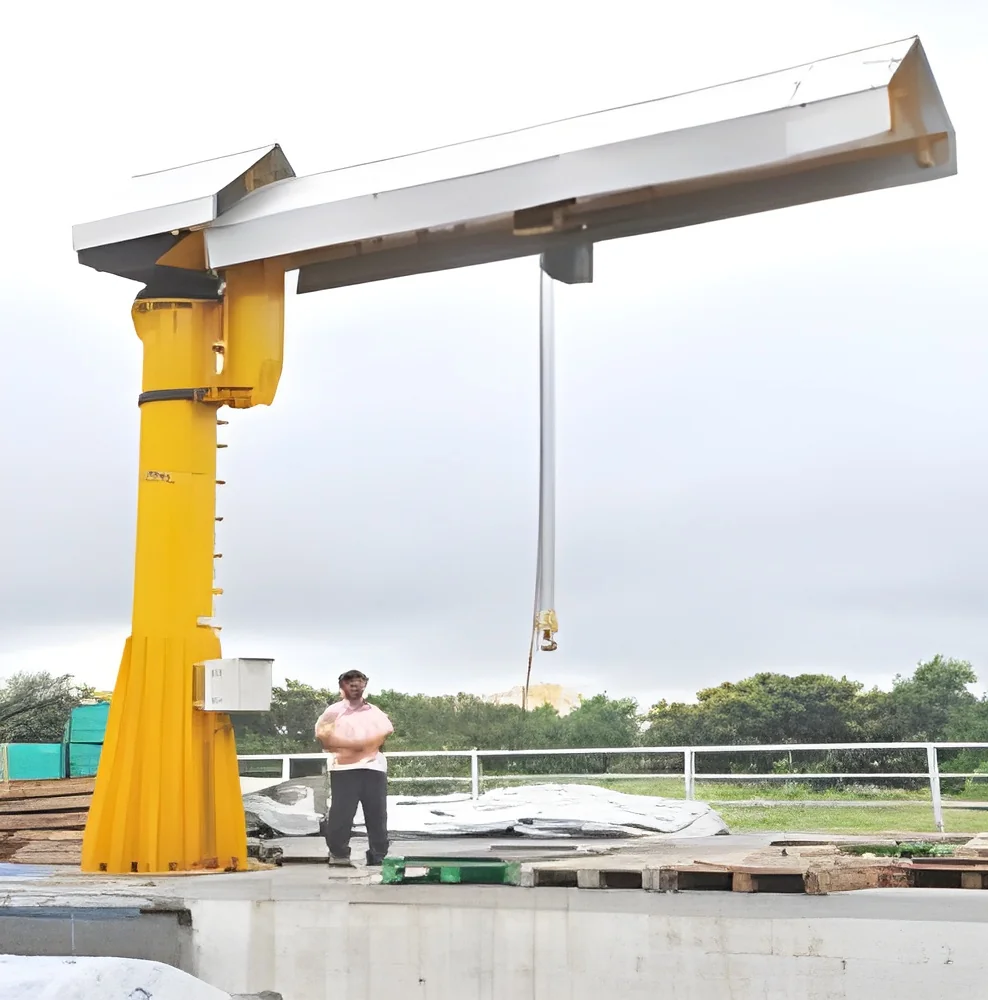
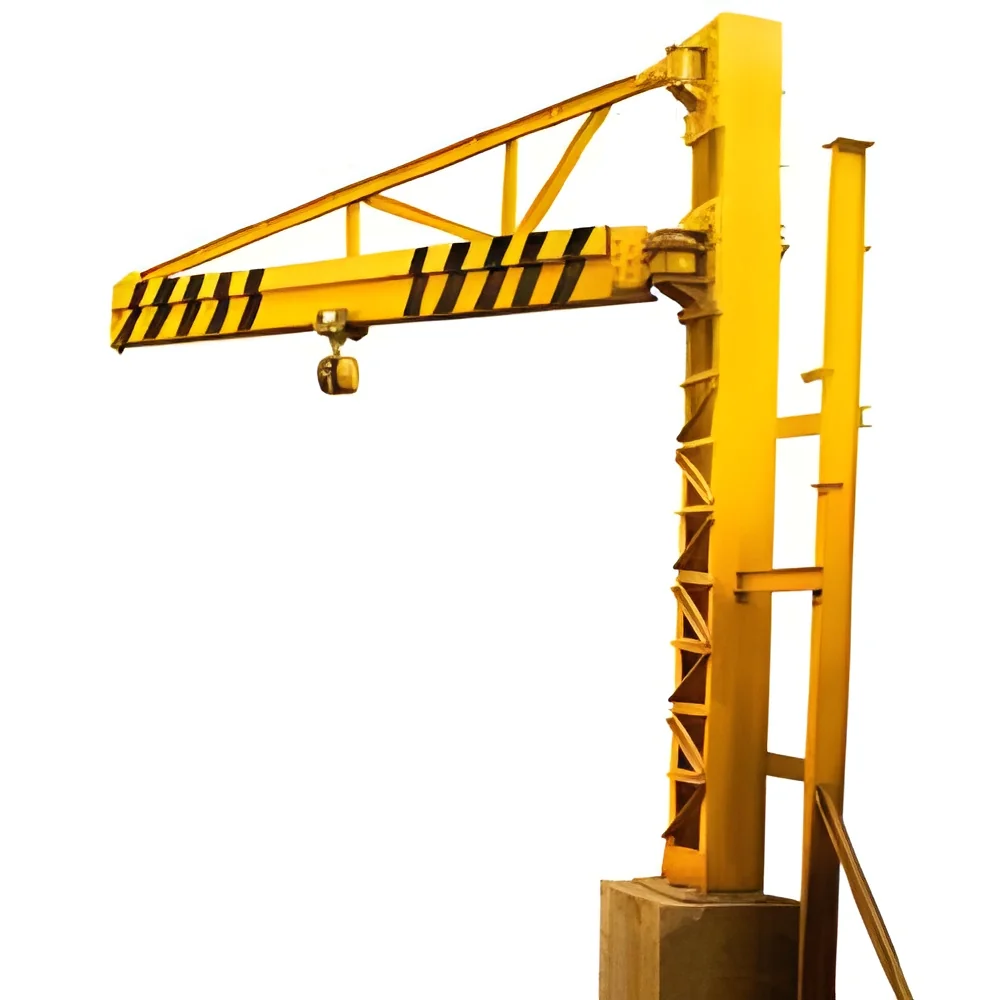
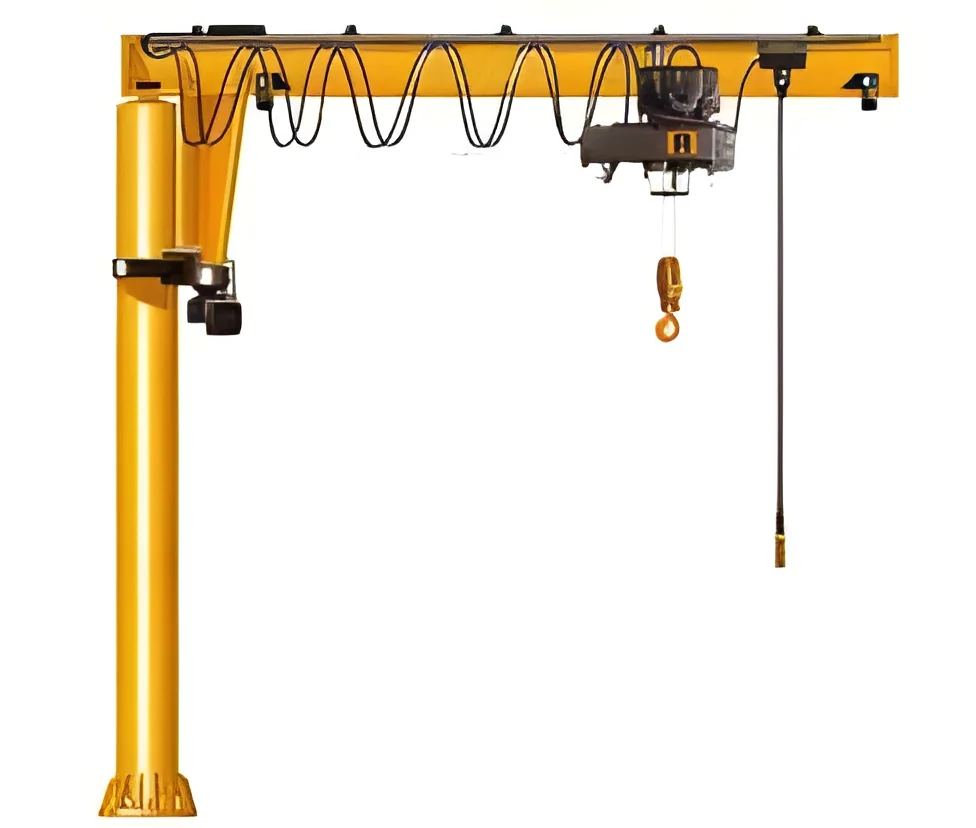
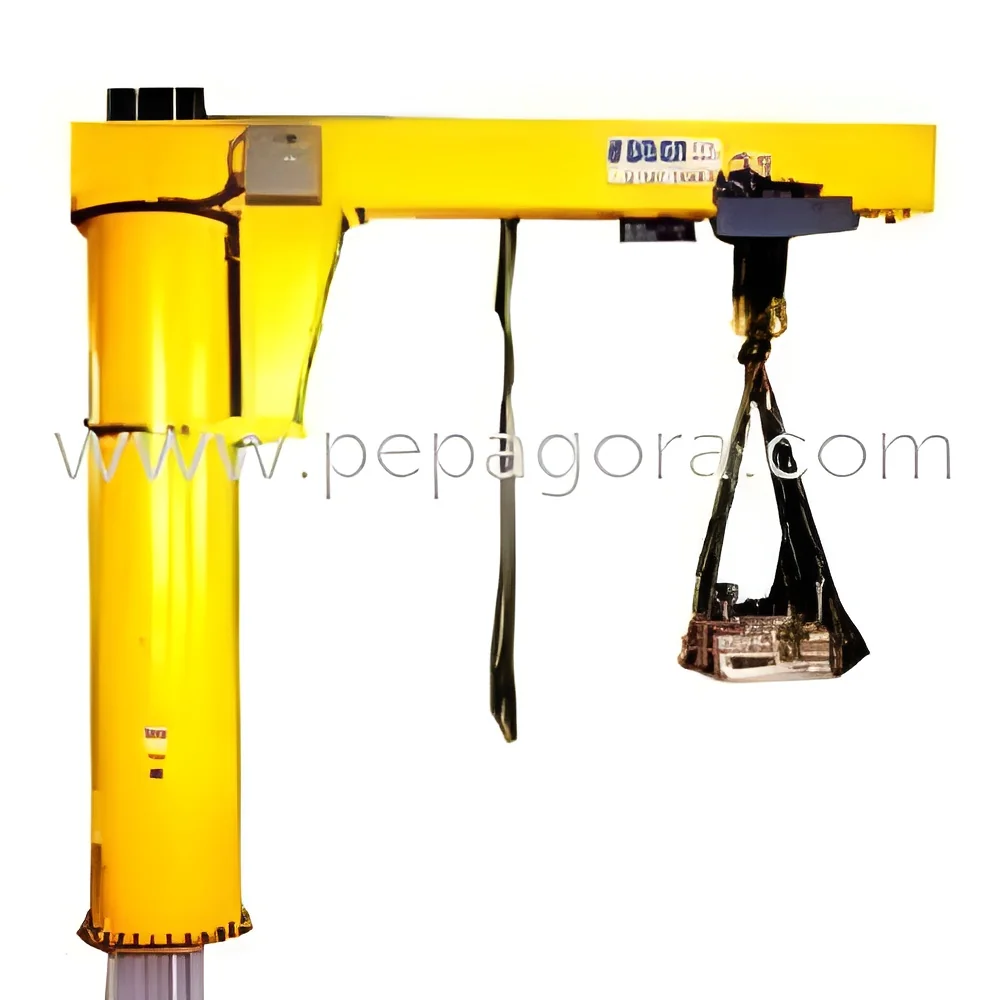
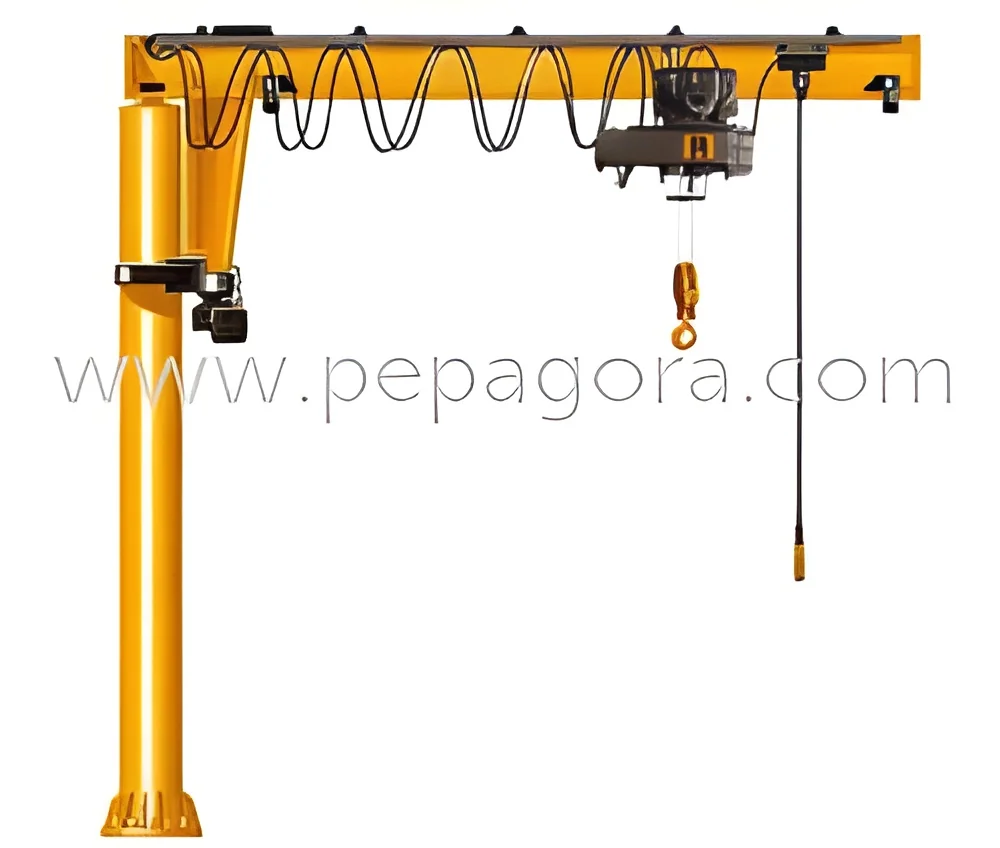
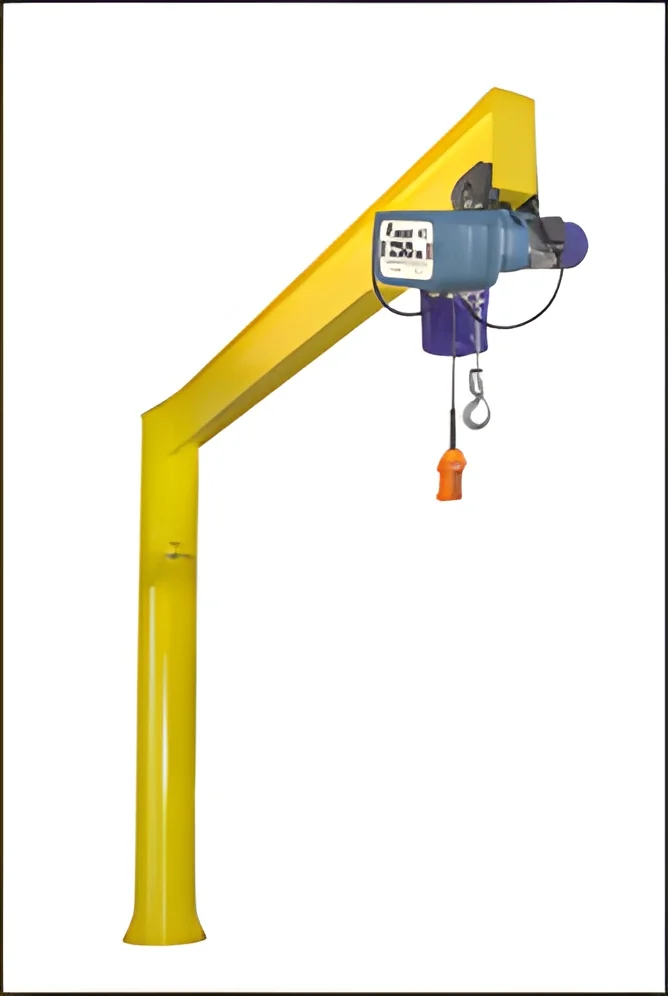
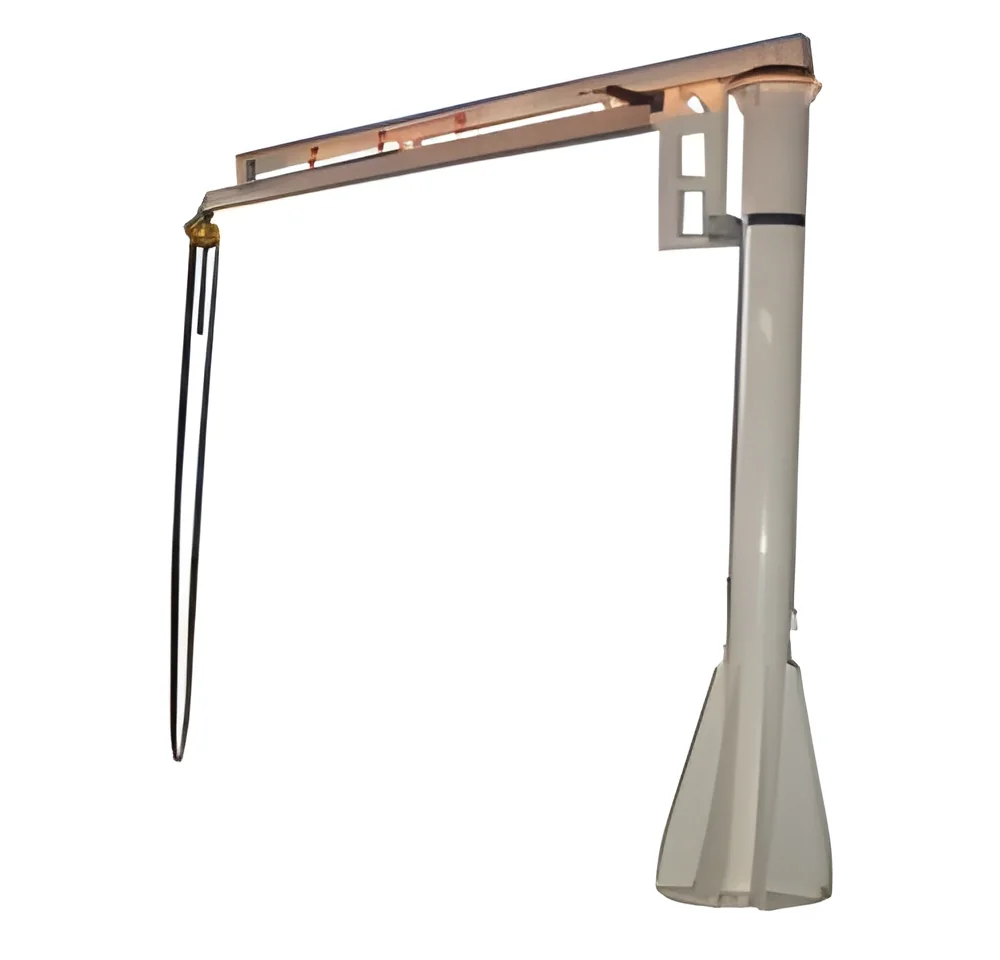
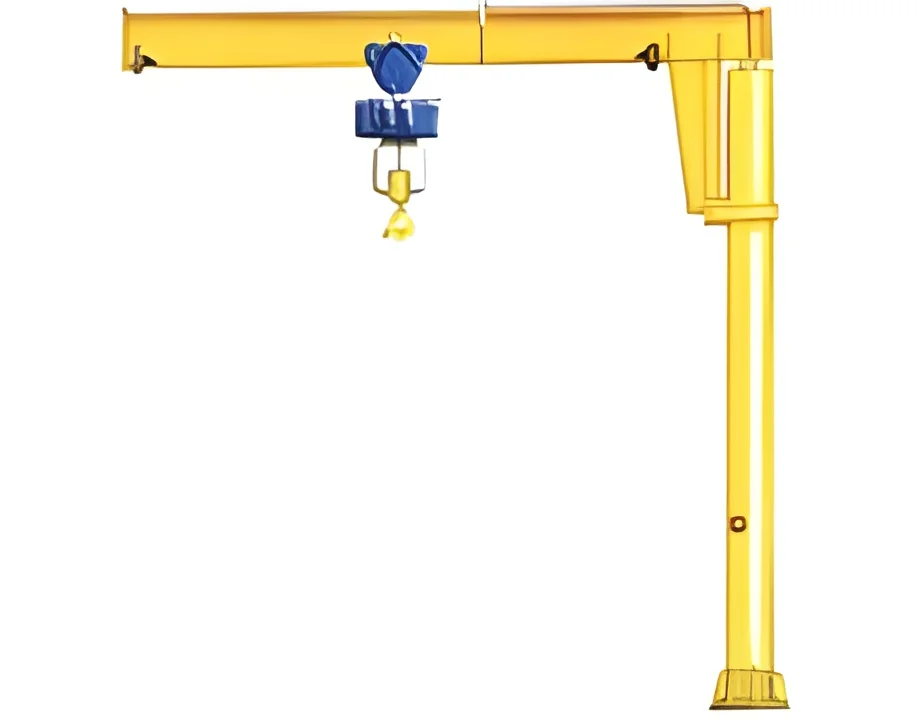
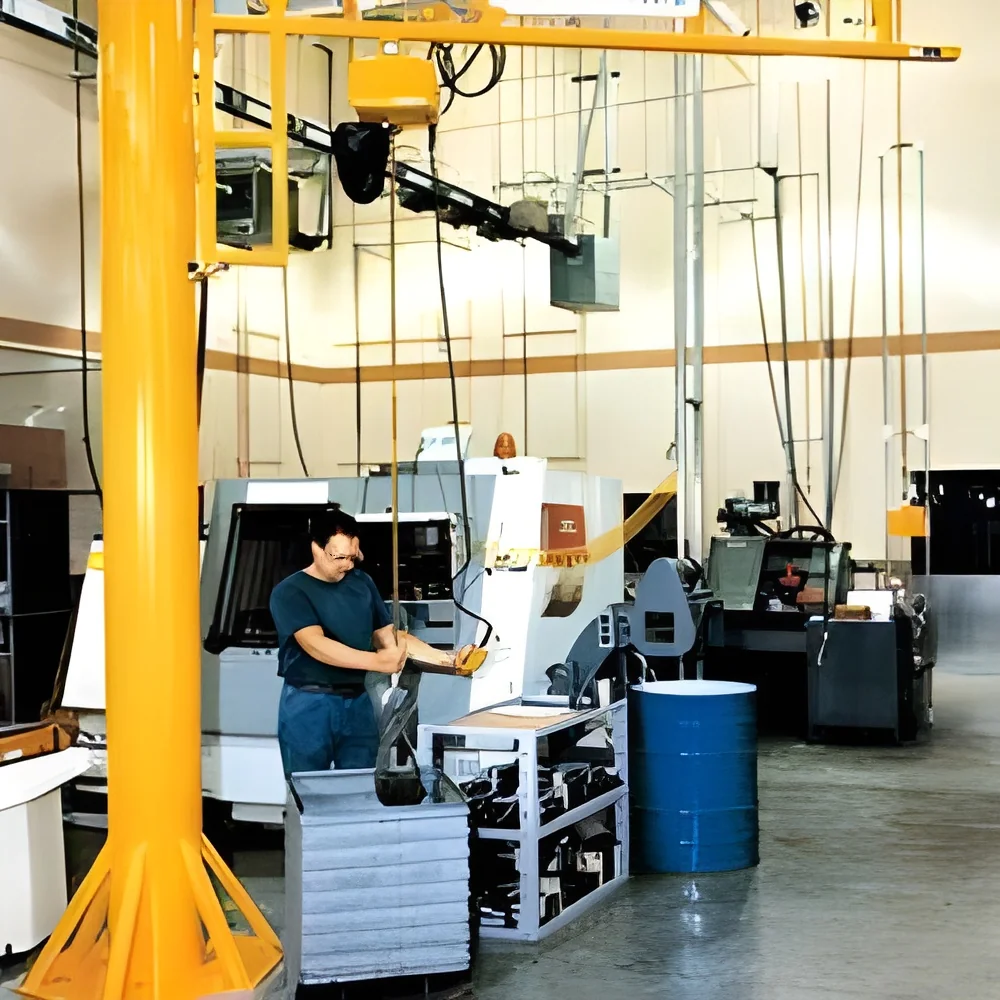
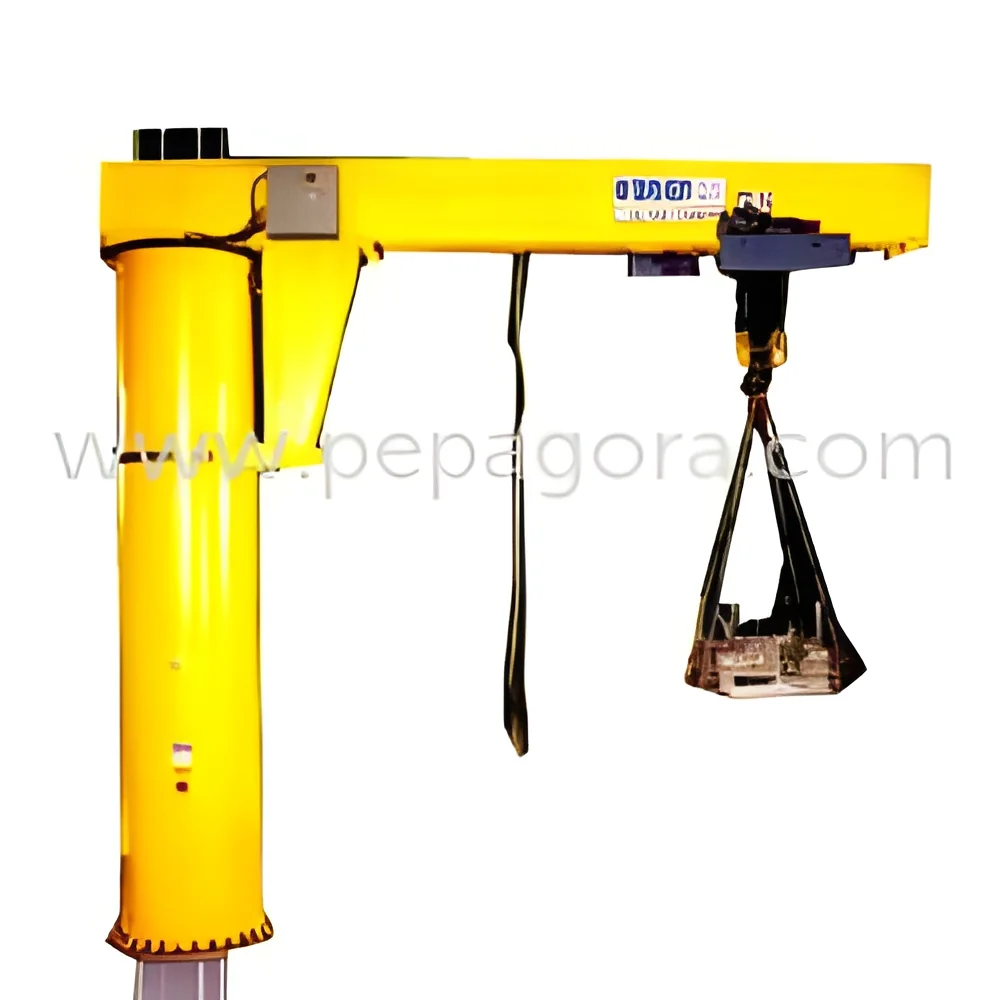
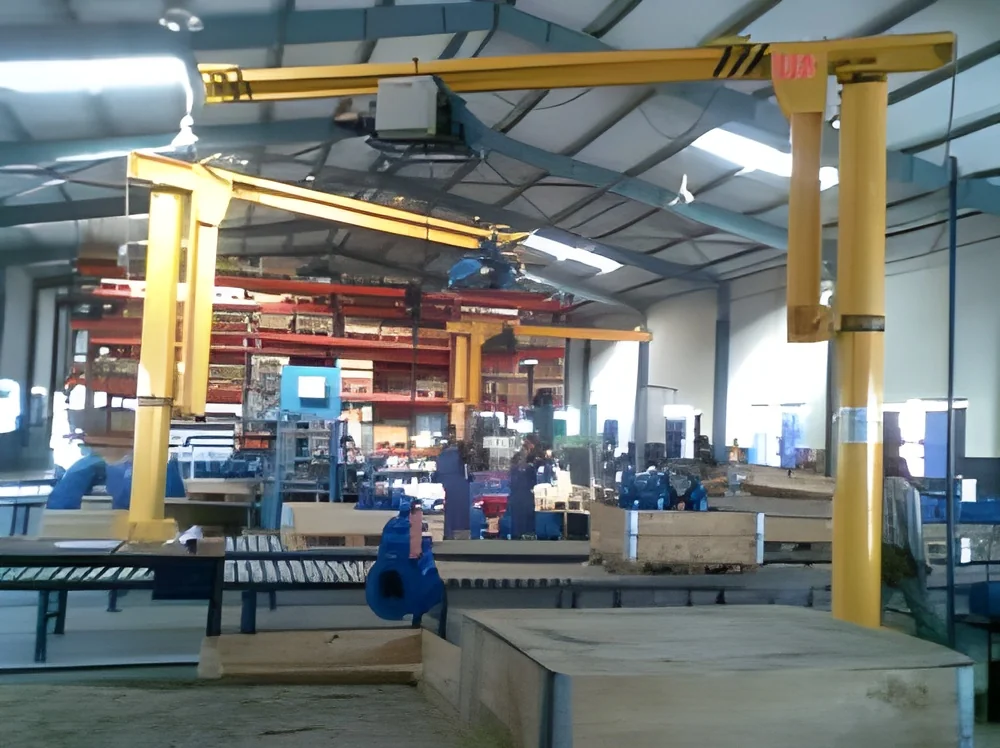
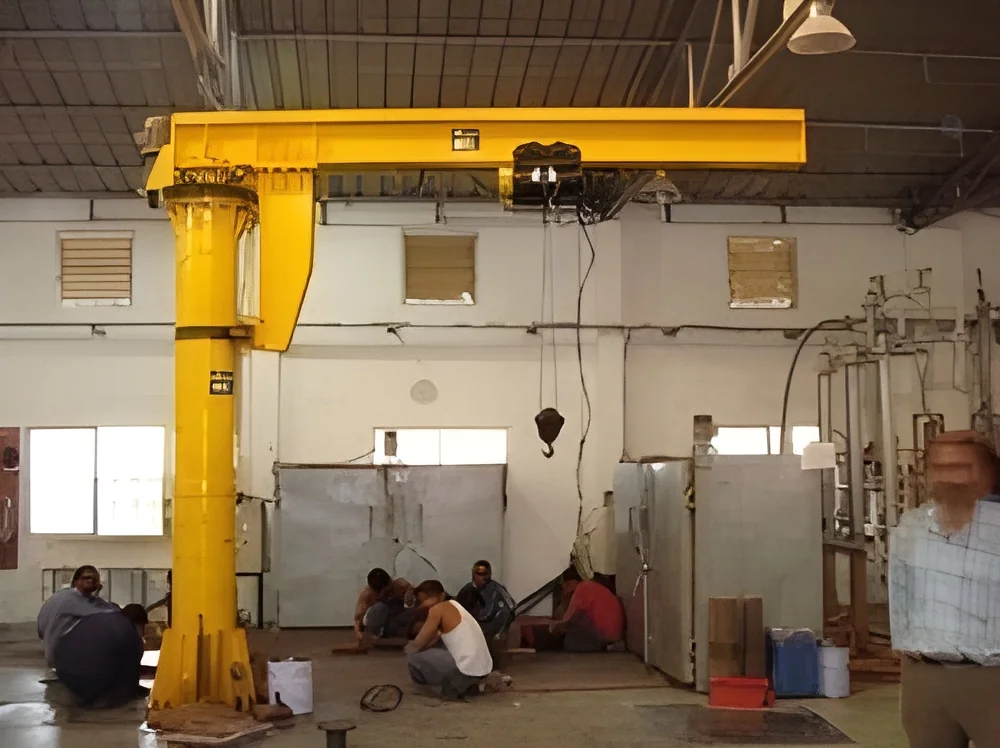
Jib cranes are versatile lifting devices designed to move heavy loads with precision and efficiency. They consist of a horizontal arm, or jib, that is mounted on a vertical support. This arm can pivot, allowing for a wide range of motion. Jib cranes are typically used in manufacturing, warehouses, and construction sites for tasks that require lifting and positioning materials or equipment.
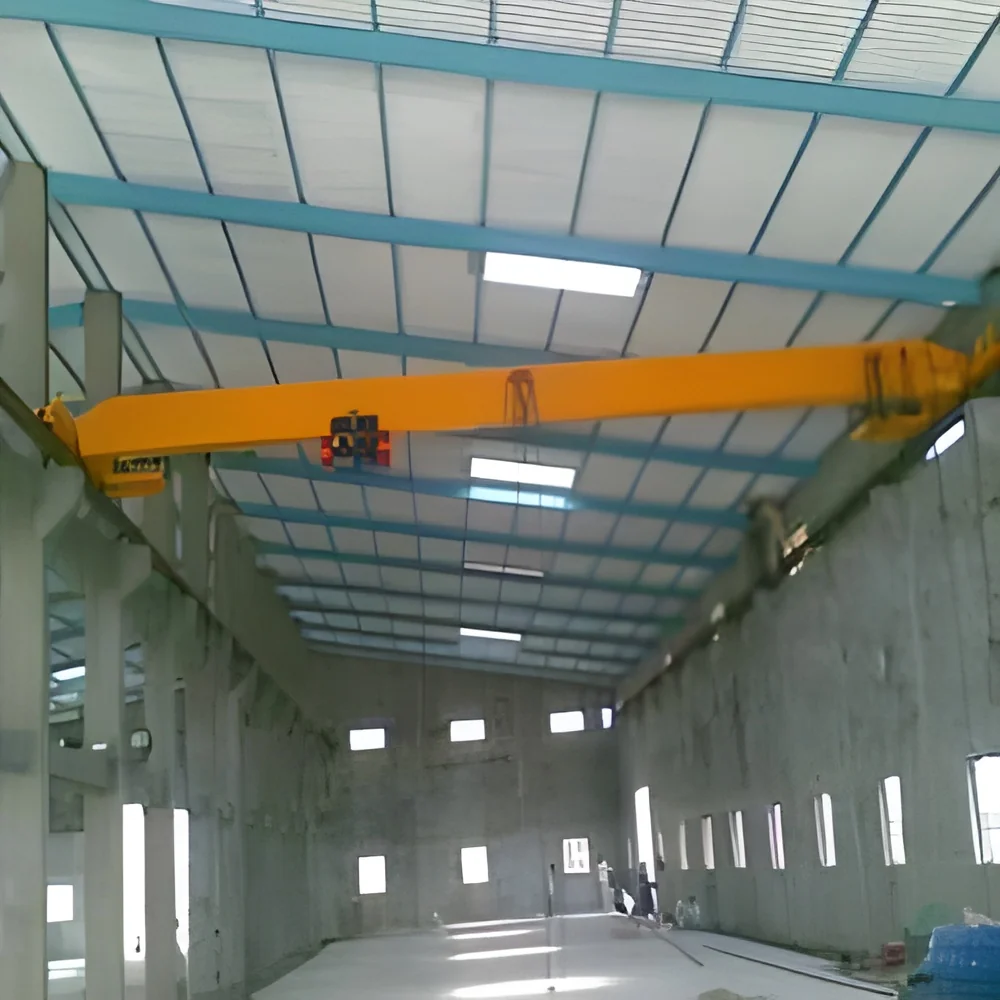
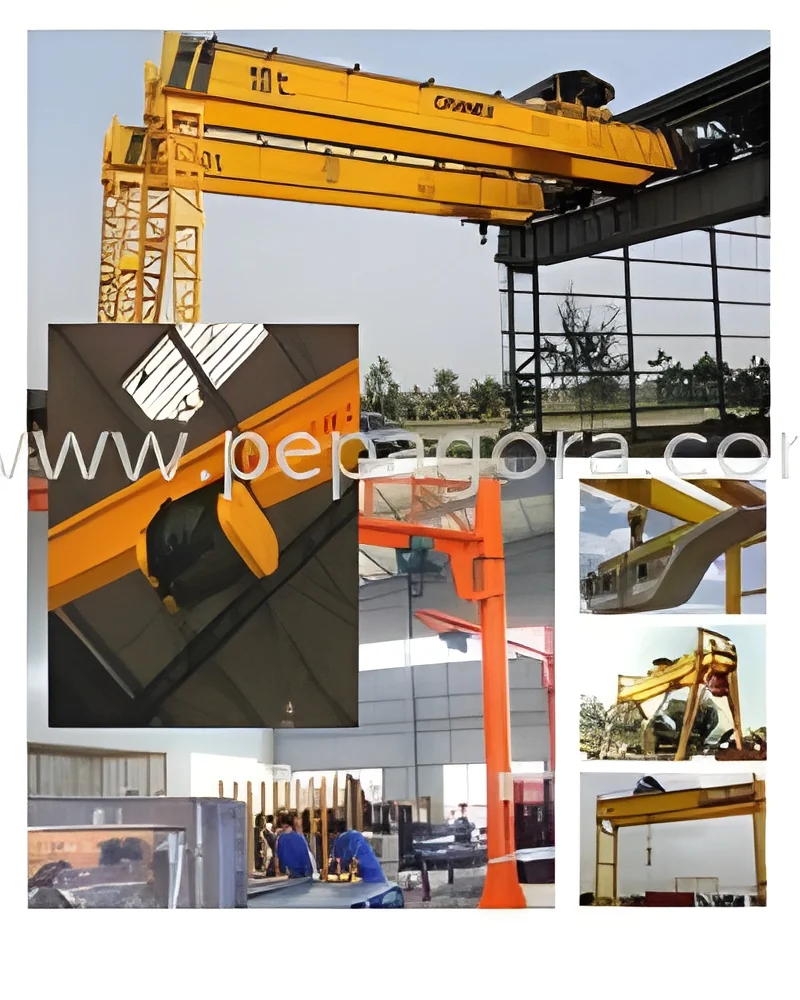
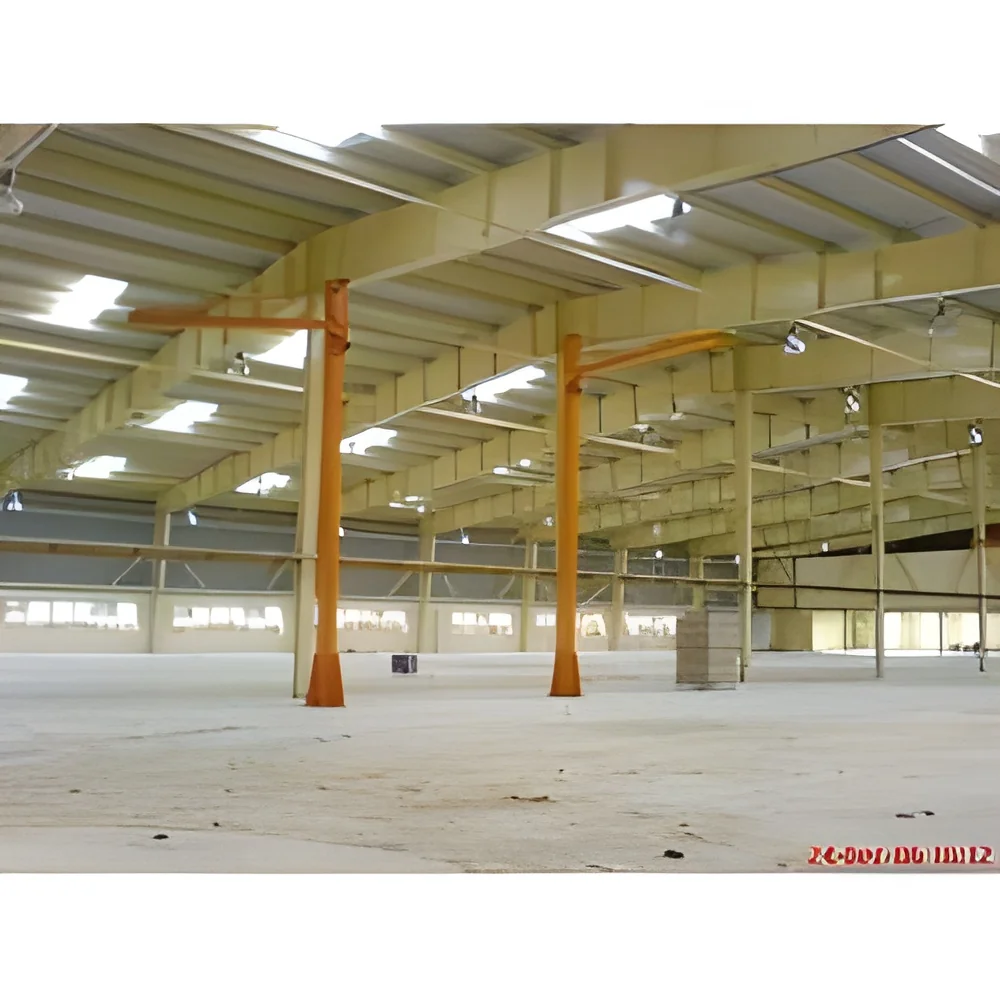
These cranes are primarily utilized in situations where space is limited or where a fixed overhead crane is impractical. They can be found in various configurations, including floor-mounted, wall-mounted, and portable options. Their ability to handle loads in confined spaces makes them invaluable for companies looking to optimize their operations. The global market for jib cranes continues to grow, driven by increasing demands in industries such as manufacturing, construction, and logistics.
Key Features and Specifications
Jib cranes come with several key features that enhance their functionality and performance. Understanding these specifications is essential for selecting the right jib crane for specific applications.
Key specifications include:
1. Load Capacity
- The maximum weight the crane can lift, typically ranging from 500 pounds to several tons.
2. Arm Length
- The distance from the pivot point to the end of the jib, usually available in lengths from 8 to 20 feet.
3. Height of Lift
- The vertical distance the crane can lift, which can vary based on the design, often between 8 to 16 feet.
4. Rotation Angle
- The degree of rotation the jib can achieve, commonly ranging from 180 to 360 degrees.
5. Mounting Options
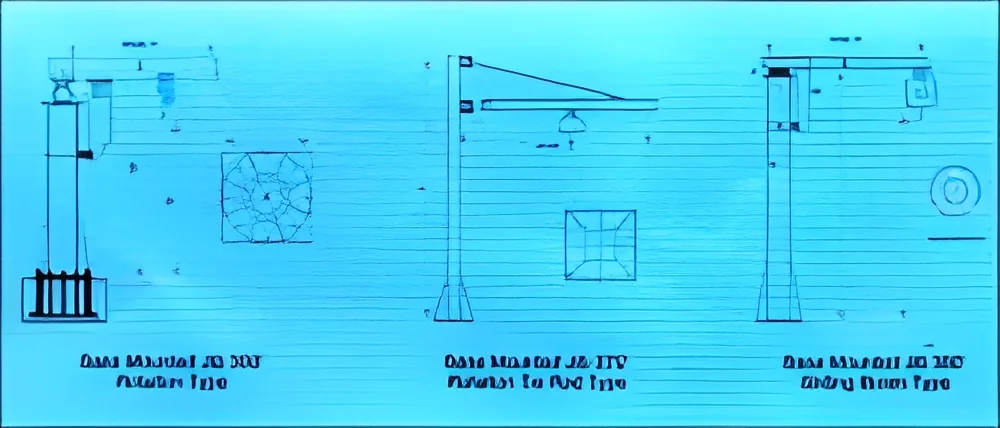
- Different installation types such as floor-mounted, wall-mounted, or adjustable bases.
6. Material Construction
- Typically made from steel or aluminum, providing strength and durability.
7. Mobility Options
- Availability of fixed or mobile designs for enhanced flexibility in operations.
8. Safety Features
- Includes overload protection, limit switches, and emergency stop options.
In summary, understanding these specifications can help businesses make informed decisions regarding jib crane selection for their operational needs.
Common Applications and Use Cases
Jib cranes are used across various industries due to their adaptability and efficiency in lifting operations.
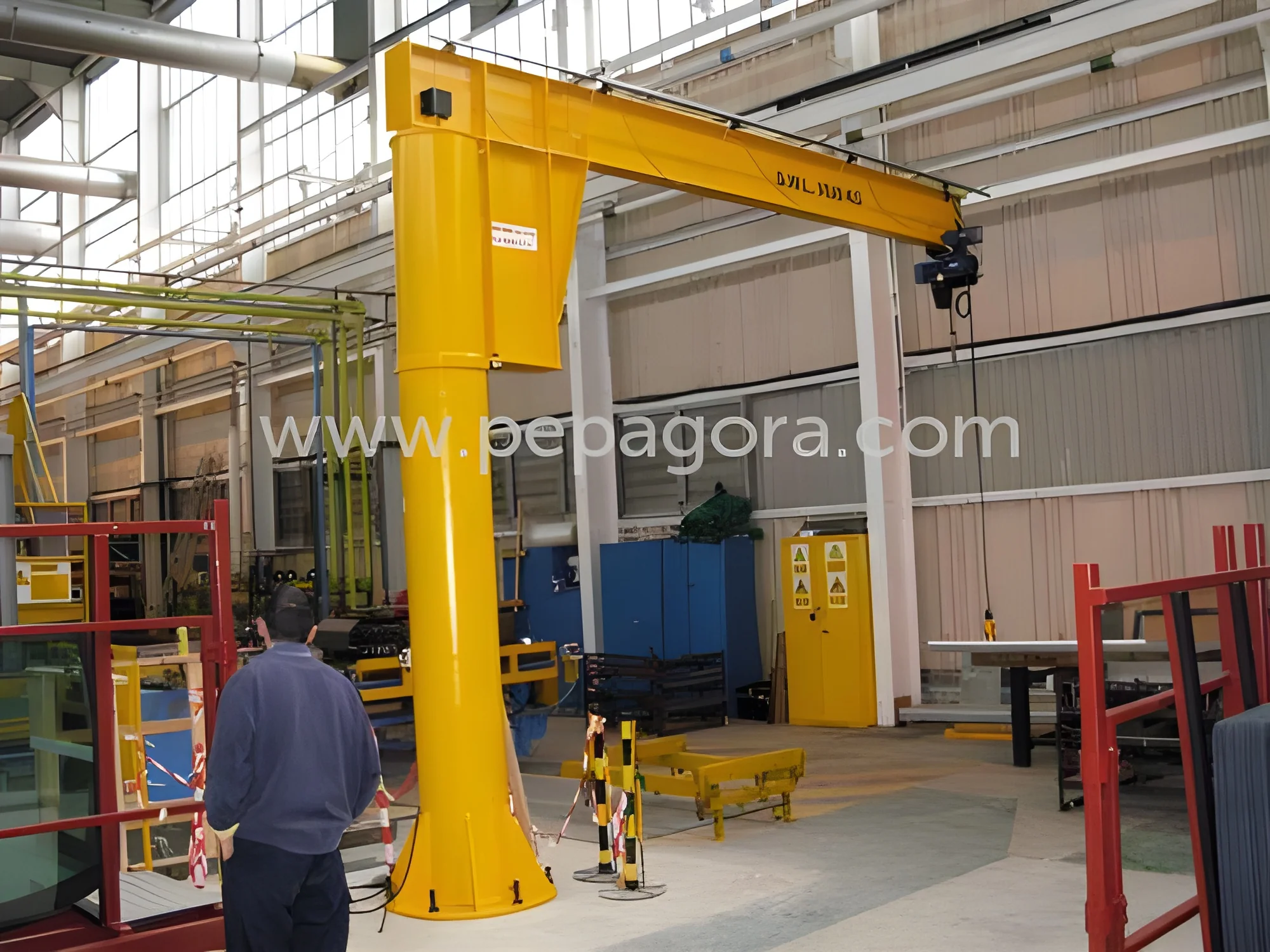
1. Manufacturing: Jib cranes are commonly used on assembly lines to move components and materials, improving workflow and productivity.
2. Warehousing: In warehouses, jib cranes assist in loading and unloading goods, allowing for quick access to high shelves.
3. Construction: They are essential in construction sites for lifting heavy materials and tools, enhancing safety and efficiency.
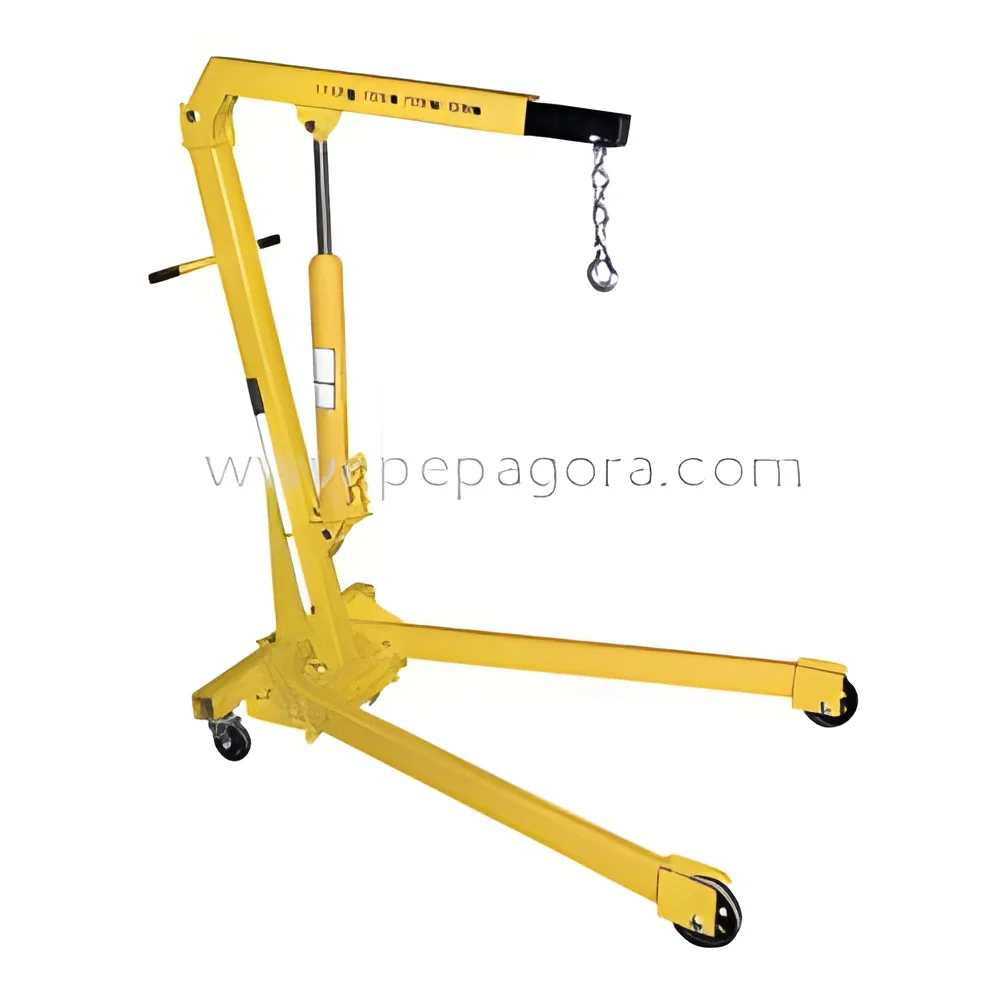
4. Automotive: In automotive repair facilities, jib cranes are utilized to lift engines and heavy parts for servicing.
5. Aerospace: Jib cranes facilitate the movement of large aircraft components, ensuring precision handling during assembly and maintenance.
6. Shipping: In shipping docks, jib cranes help manage cargo, enhancing logistics efficiency.
7. Robotics: Jib cranes are employed in robotic applications for precise positioning of equipment and materials.
Product Variants and Subcategories
Jib cranes come in various types, catering to different lifting needs and environments.
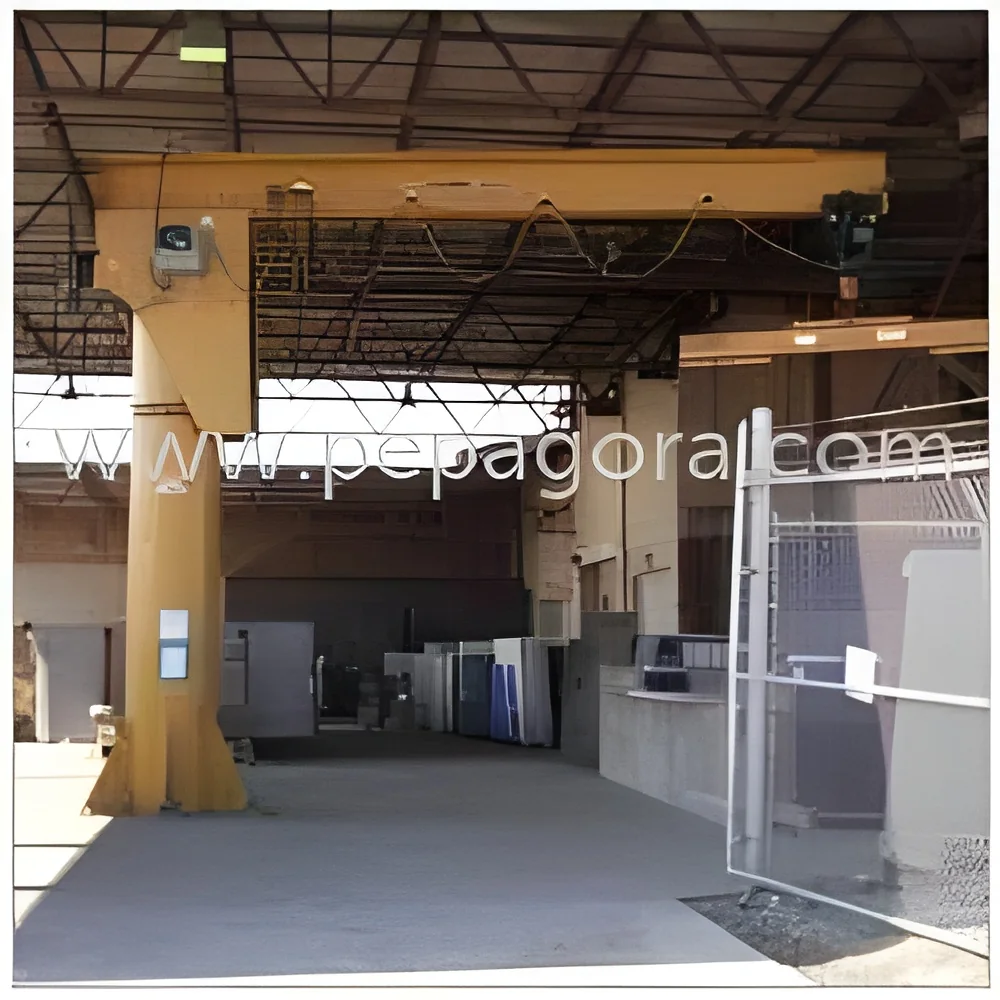
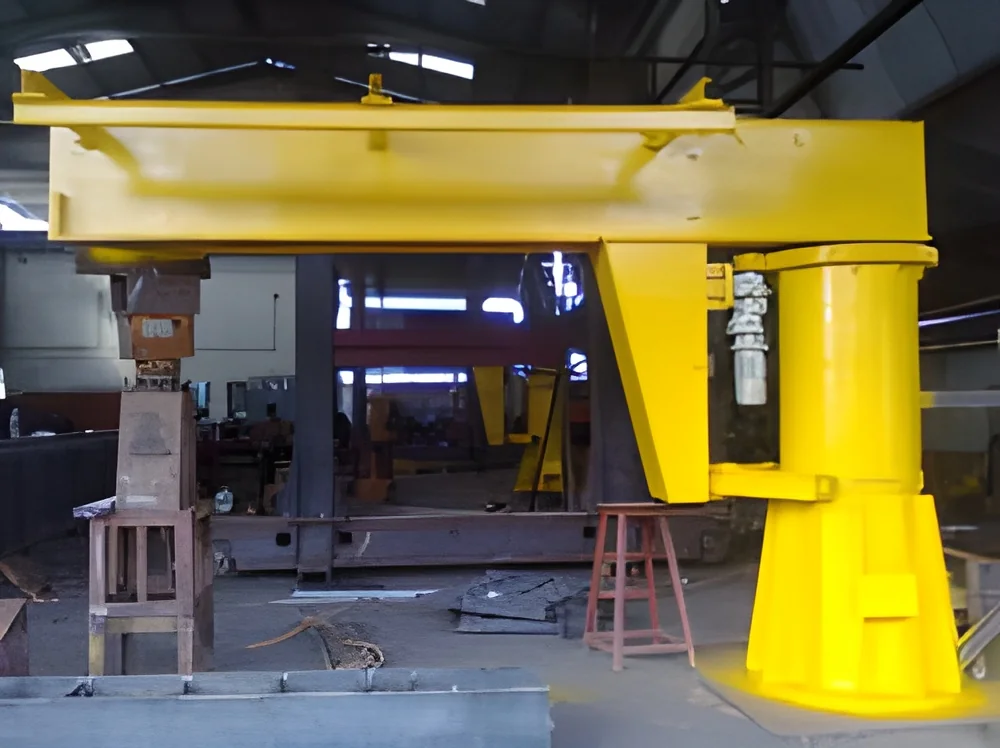
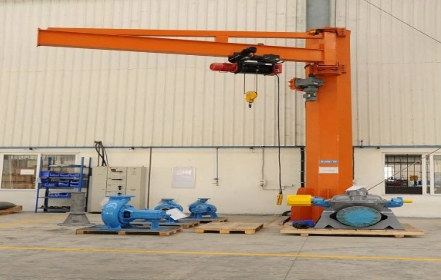
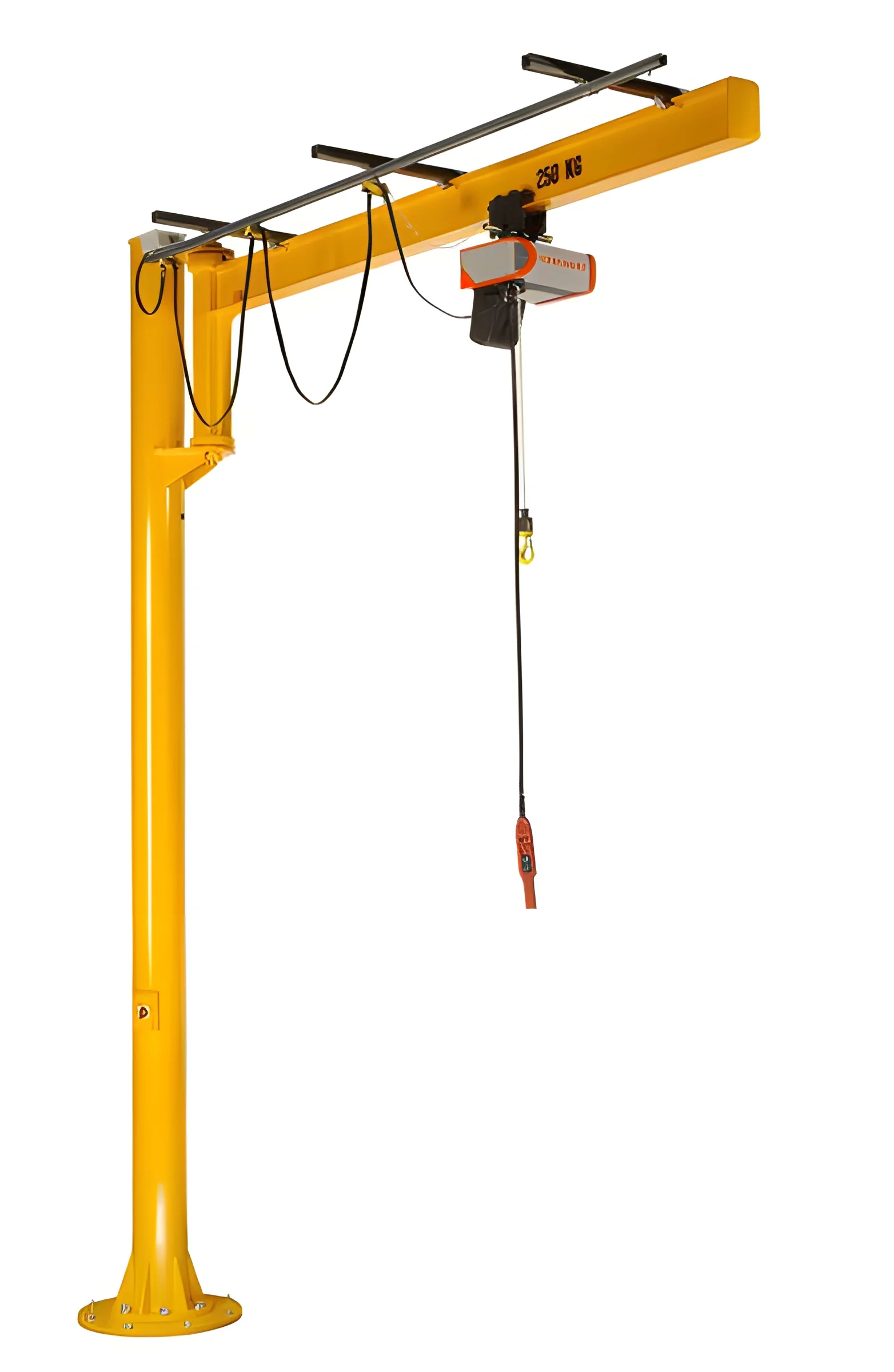
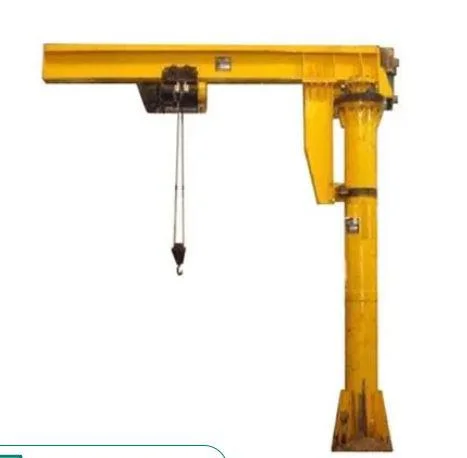
Floor-Mounted Jib Cranes: These cranes are permanently installed on the floor and provide a stable and robust lifting solution. They are ideal for heavy-duty applications and can handle significant loads.
Wall-Mounted Jib Cranes: Designed to be mounted against a wall, these cranes save valuable floor space while providing a high lifting capacity. They are suitable for facilities where space is at a premium.
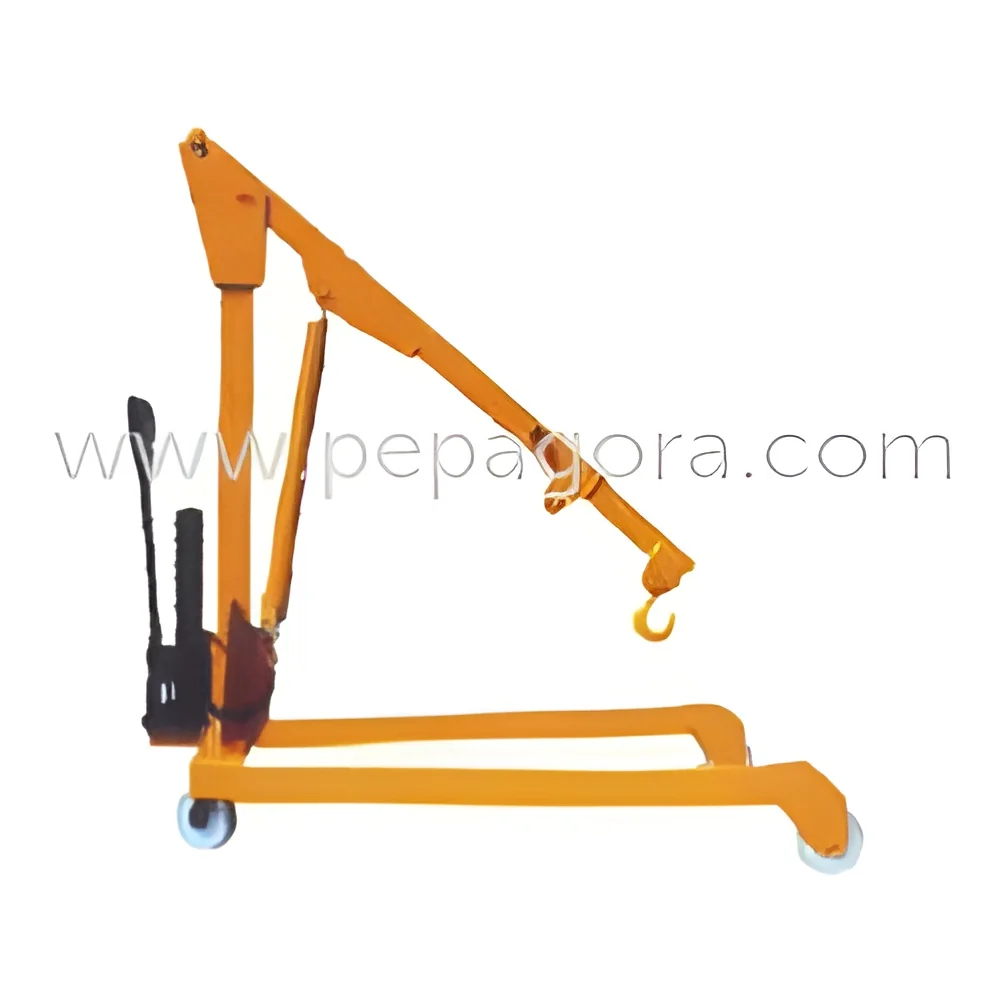
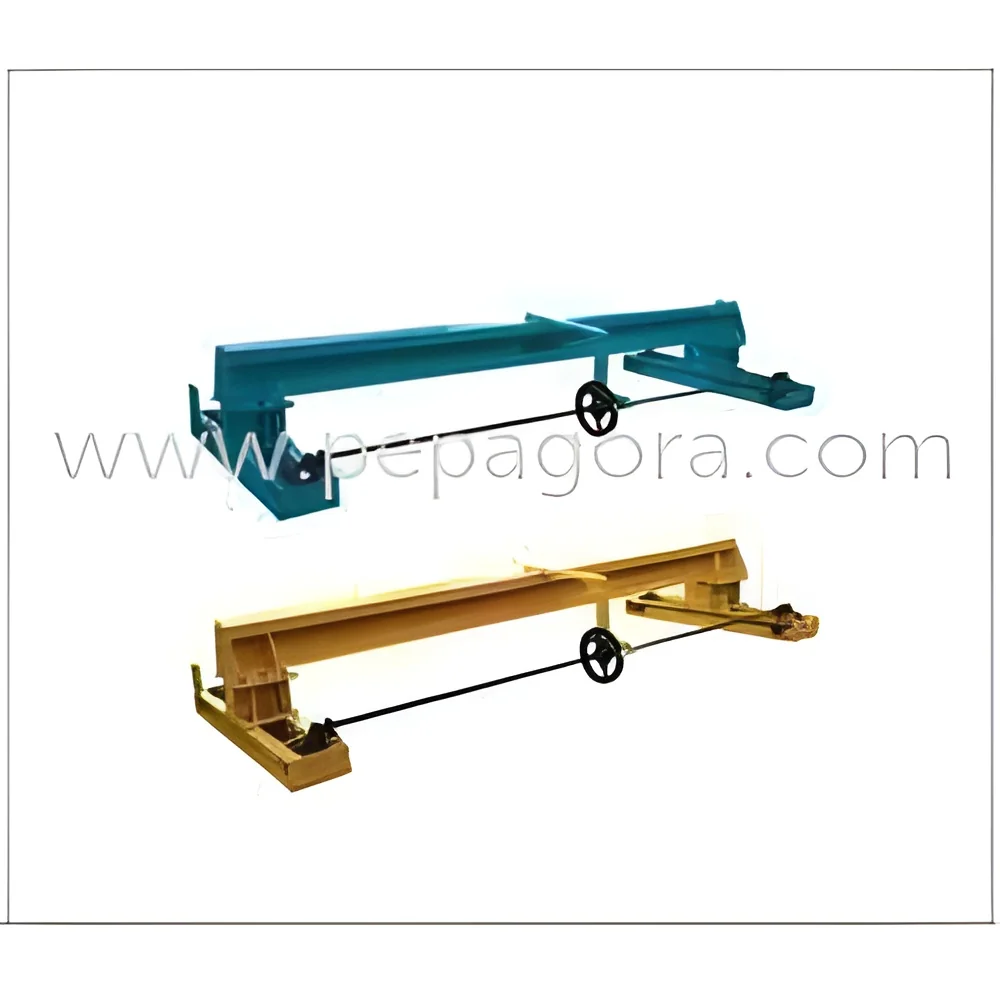
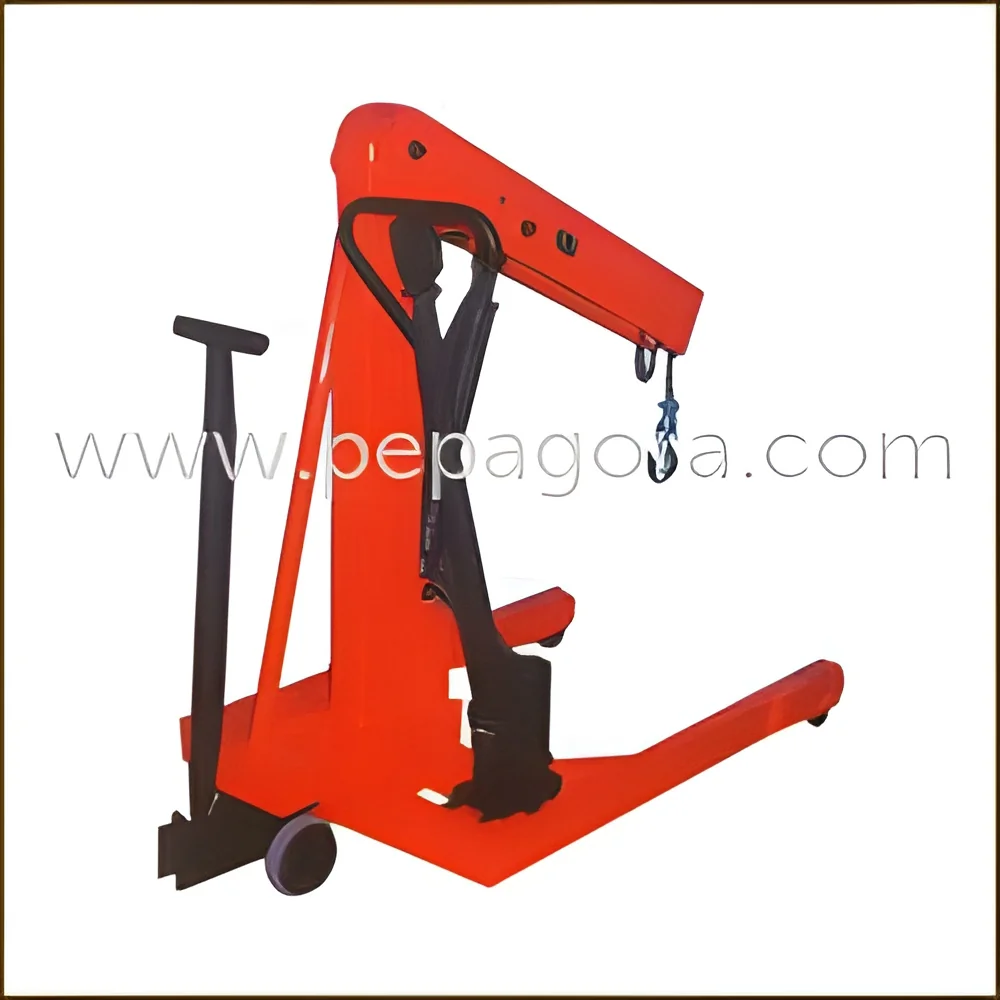
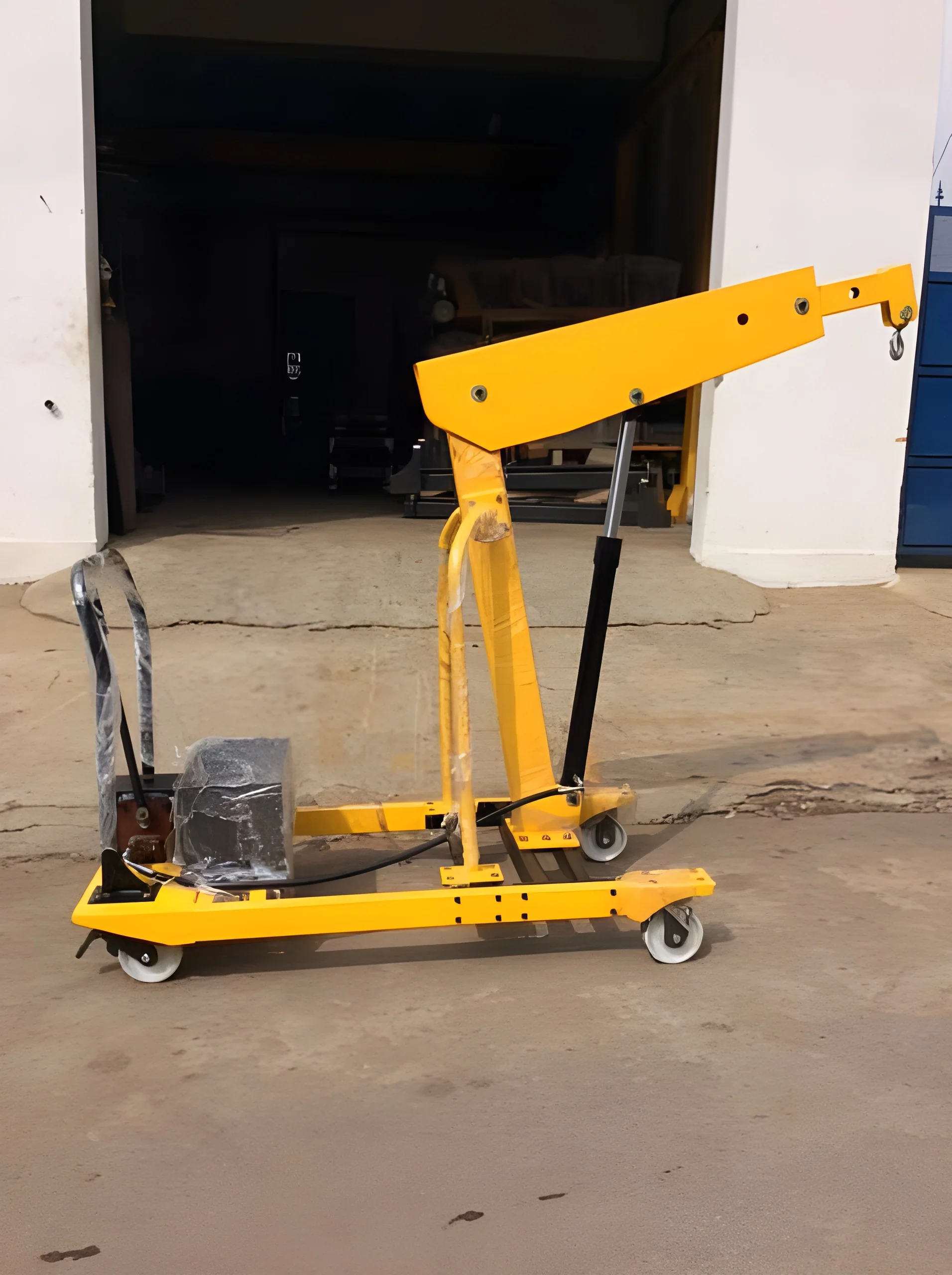
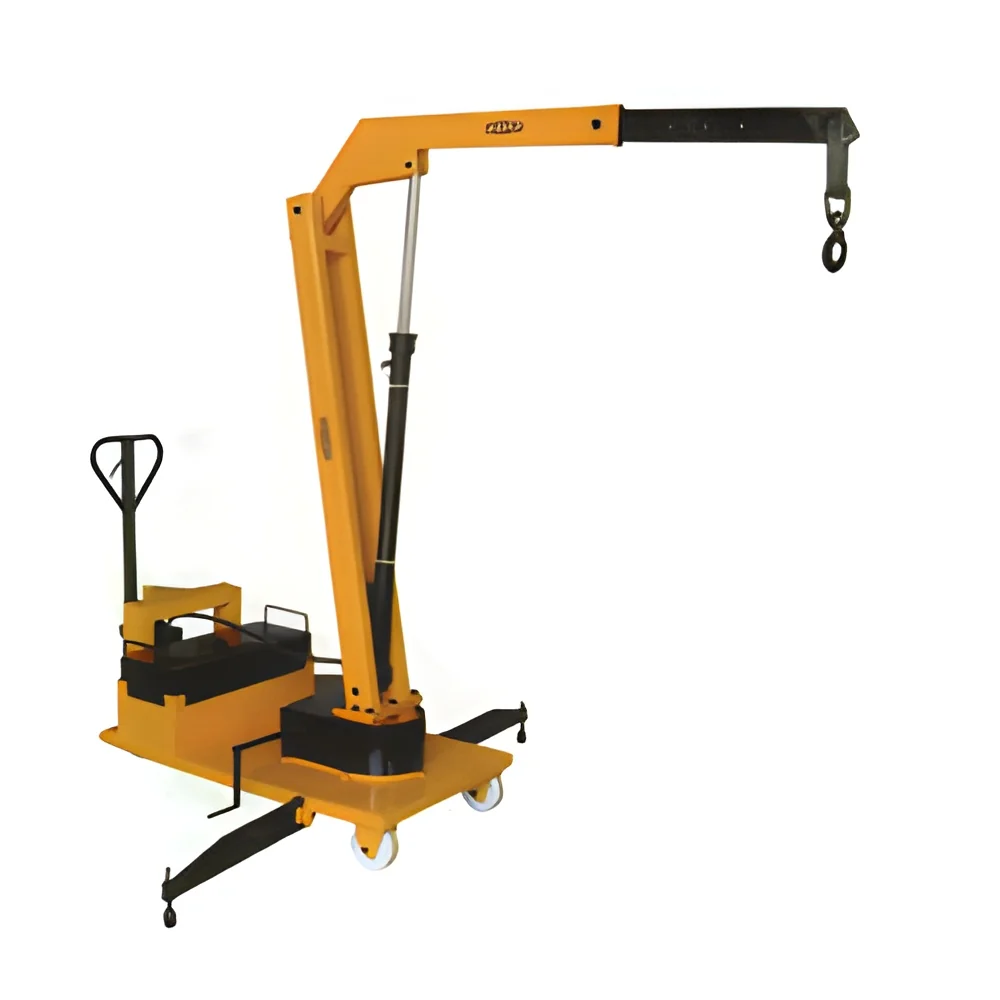
Portable Jib Cranes: These are lightweight and designed for mobility, allowing users to position them as needed. They are particularly useful for temporary lifting tasks or in smaller workshops.
Benefits and Advantages
Jib cranes offer several advantages that make them an attractive choice for businesses.
1. Increased Efficiency: Jib cranes enable quick and easy lifting, reducing the time needed to move materials and enhancing overall productivity.
2. Space Optimization: Their compact design allows them to fit into tight spaces, making them ideal for facilities with limited floor area.
3. Enhanced Safety: With features like overload protection and emergency stops, jib cranes promote safer lifting operations.
4. Versatility: They can be used in various applications across multiple industries, making them a versatile addition to lifting equipment.
5. Cost-Effective: Investing in jib cranes can lead to long-term savings by improving operational efficiency and reducing labor costs.
6. Easy Installation: Many jib cranes can be installed with minimal disruption to existing workflows, allowing for quicker deployment.
Buying Guide for B2B Buyers
When considering the purchase of jib cranes, it is crucial to evaluate several factors to ensure the right selection.
1. Quality Assessment: Look for cranes that meet high manufacturing standards, ensuring durability and reliability. Check for certifications and reviews from other users.
2. Supplier Verification: Vet suppliers to confirm their credibility and reputation in the industry. Engaging with trusted suppliers reduces the risk associated with procurement.
3. Pricing and MOQ: Understand the pricing structures and minimum order quantities (MOQ) to align with your budget and operational needs.
4. Delivery and Lead Times: Inquire about delivery schedules and lead times to ensure that the cranes are available when needed for your projects.
5. Compliance Requirements: Be aware of any regulatory compliance standards applicable to jib cranes in your region, ensuring that the chosen equipment meets necessary safety and operational guidelines.
Compliance and Certifications
Jib cranes must adhere to specific quality standards and certifications to ensure safety and reliability in their operation. Key standards include ISO 9001, which outlines quality management systems, ensuring that manufacturers maintain consistent quality in their products.
Many jib cranes also carry the CE marking, indicating compliance with European safety standards. This certification is essential for businesses operating in or exporting to European markets.
Safety and testing requirements are critical in the manufacturing and operation of jib cranes. Regular inspections and maintenance are necessary to ensure that the cranes perform safely and effectively. Additionally, regional compliance considerations may vary, so it is important to understand the specific regulations applicable to your area.
Why Source Jib Cranes from Pepagora?
Pepagora offers a reliable platform for sourcing jib cranes, characterized by several key advantages.
Verified Supplier Network: Pepagora connects buyers with a network of verified suppliers, ensuring that you have access to high-quality products from trusted manufacturers.
Streamlined RFQ Process: The request for quotation (RFQ) process is simplified on Pepagora, allowing businesses to receive competitive quotes quickly and efficiently.
Trade Assurance and Support: Buyers benefit from trade assurance programs that protect their purchases, providing peace of mind throughout the procurement process.
Regional Coverage: Pepagora has a broad geographic reach, covering regions such as India, the GCC, and Southeast Asia, making it easier for businesses to source jib cranes suited to their specific needs and locations.

 IN
IN