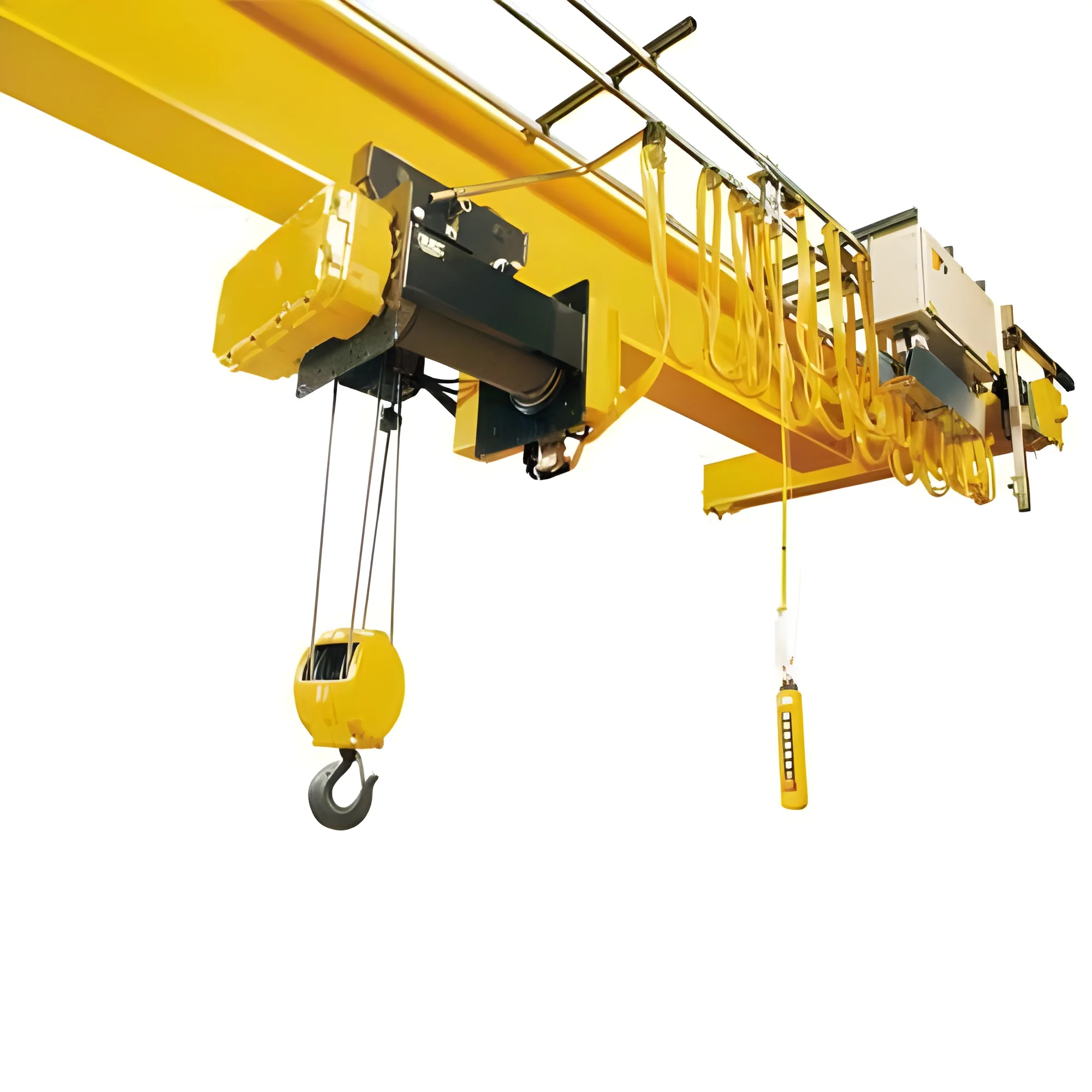
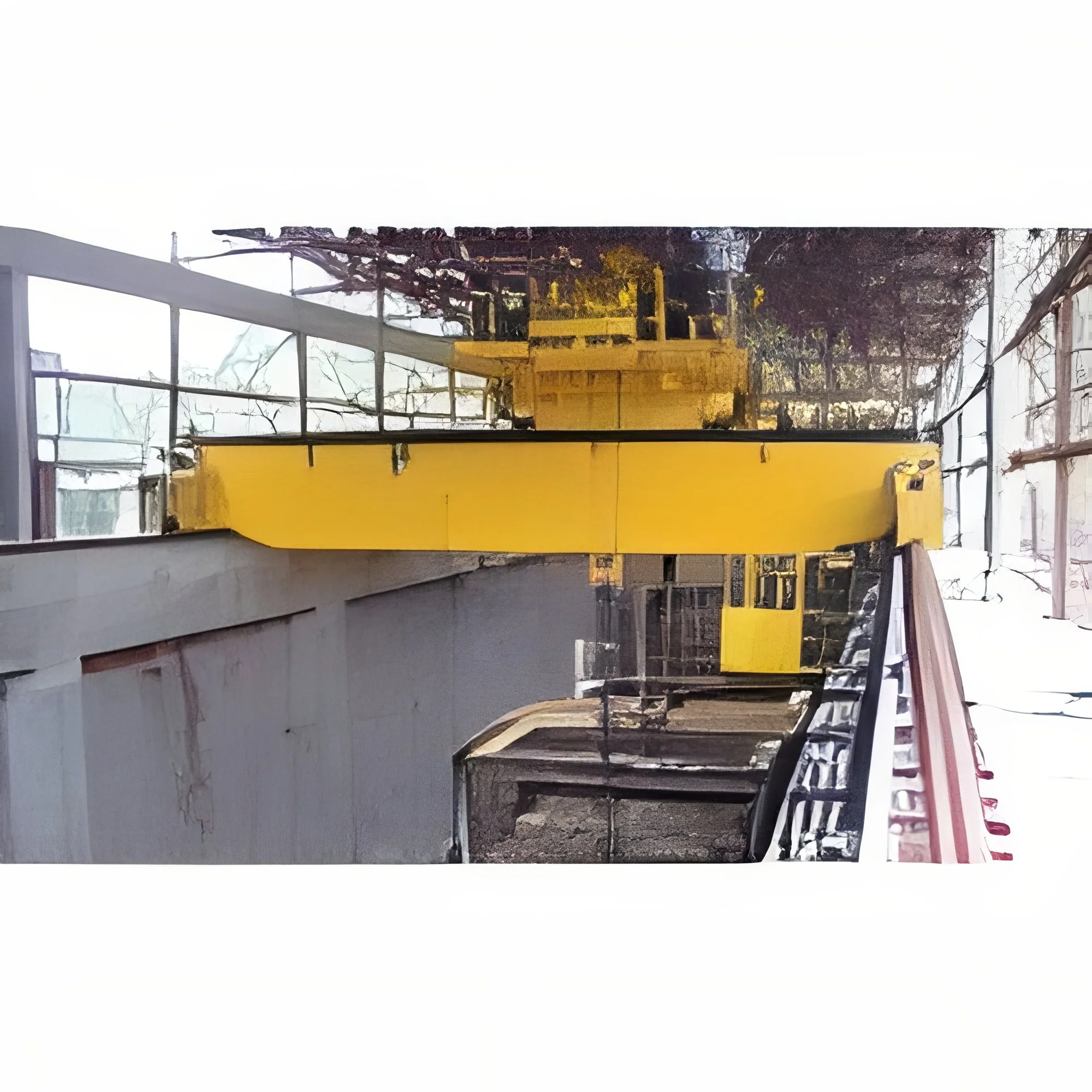
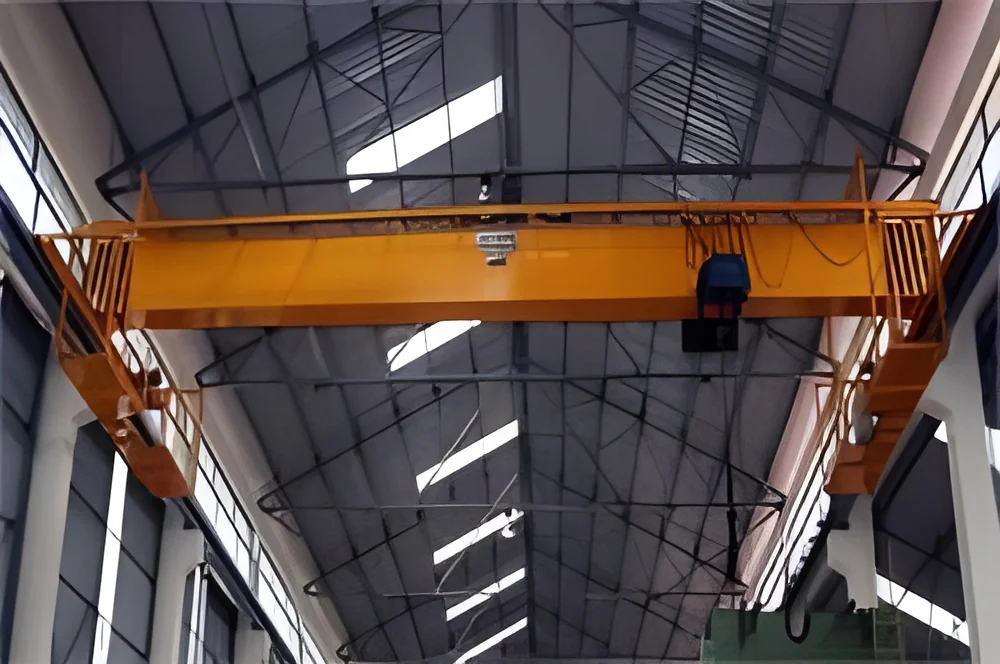
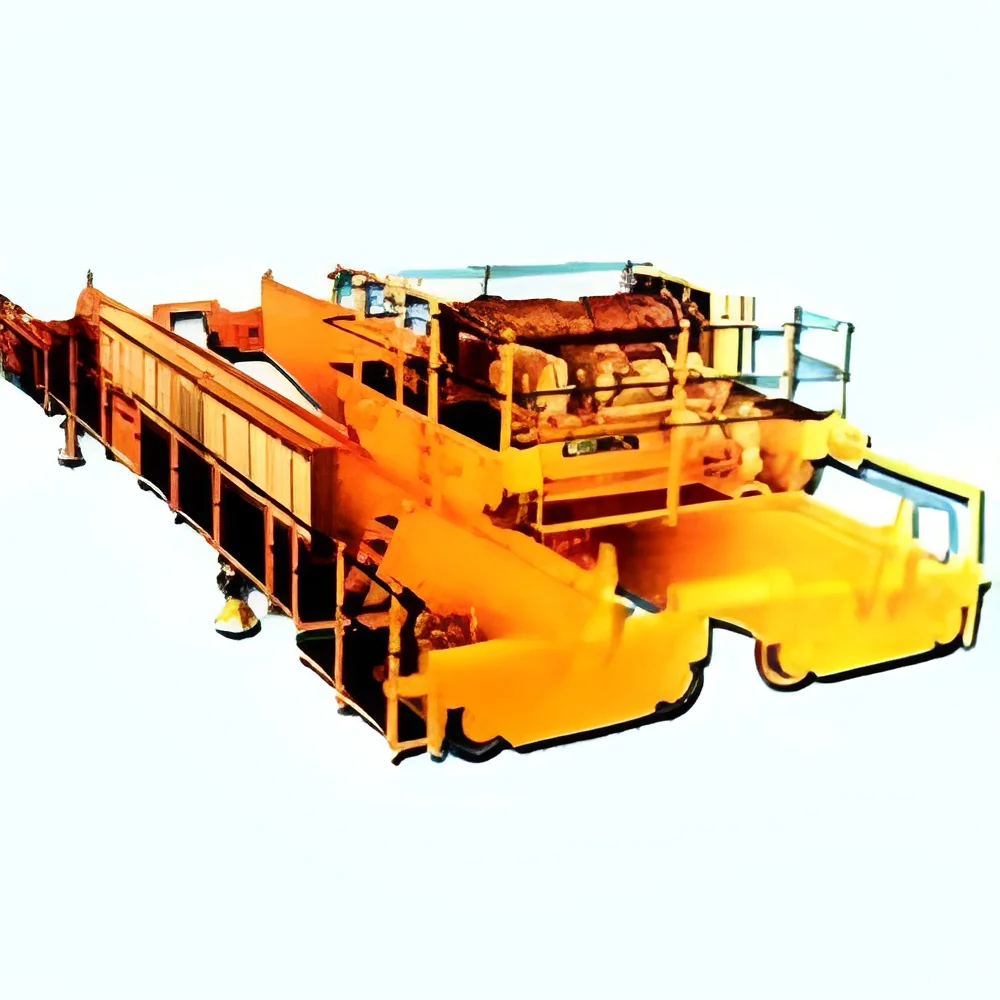
What are Overhead EOT Cranes?
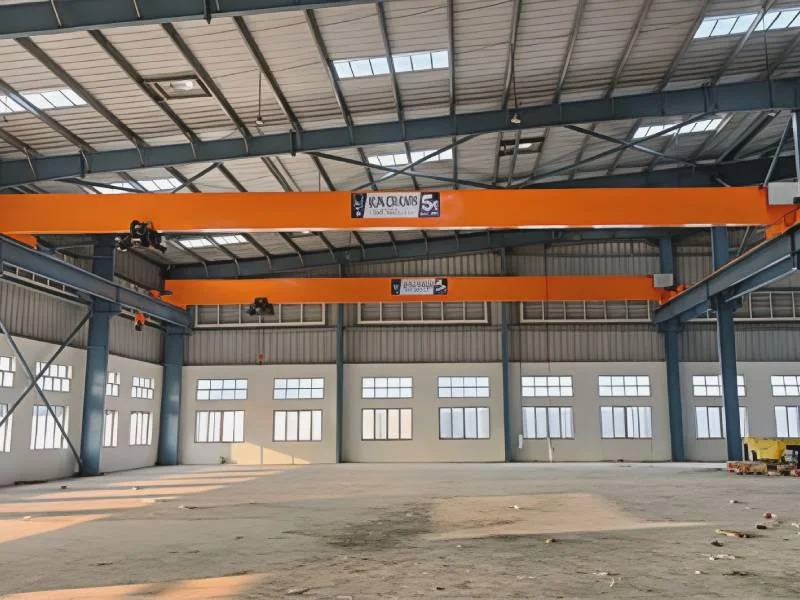
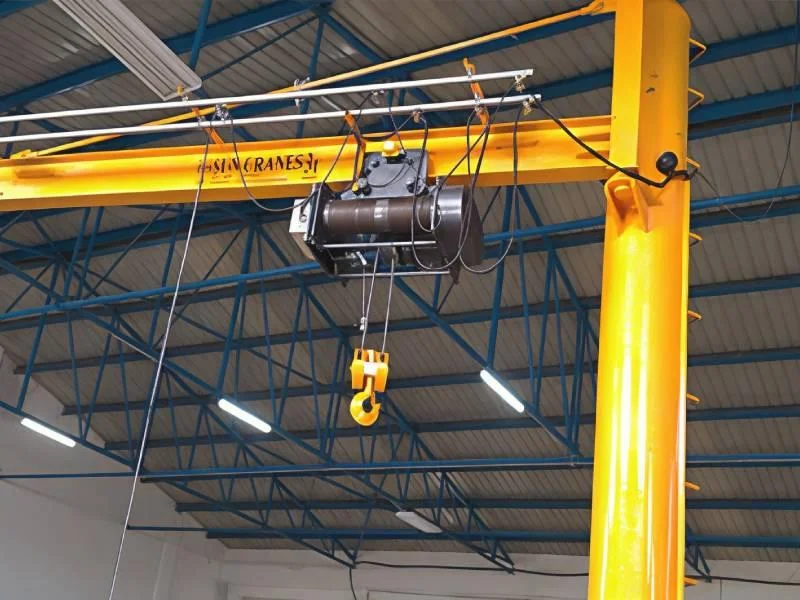
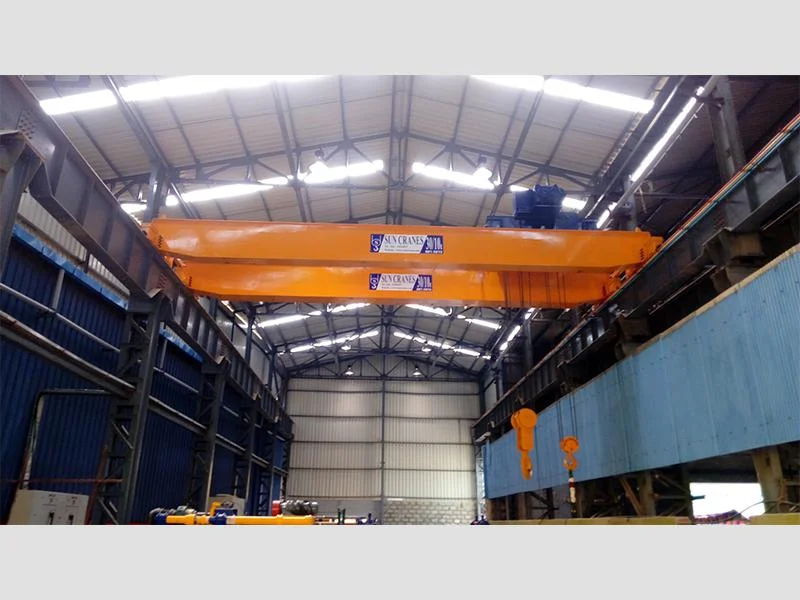
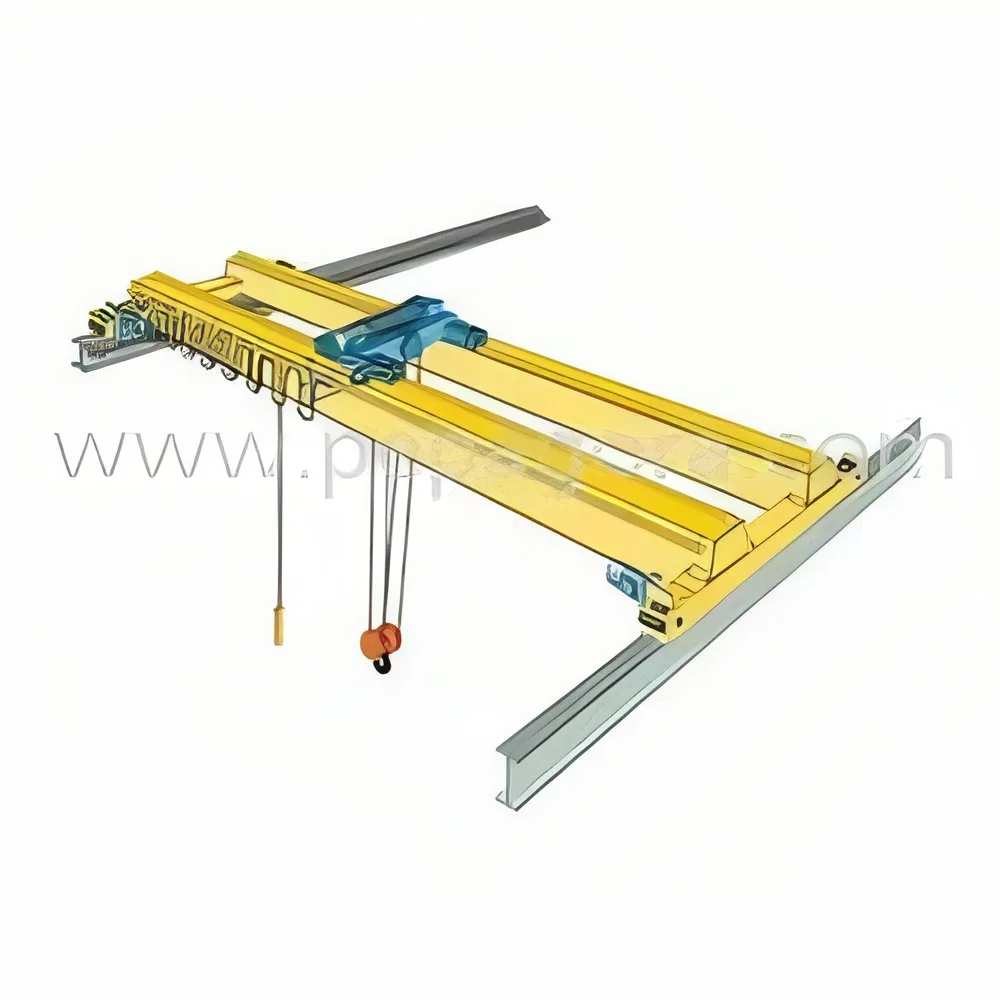
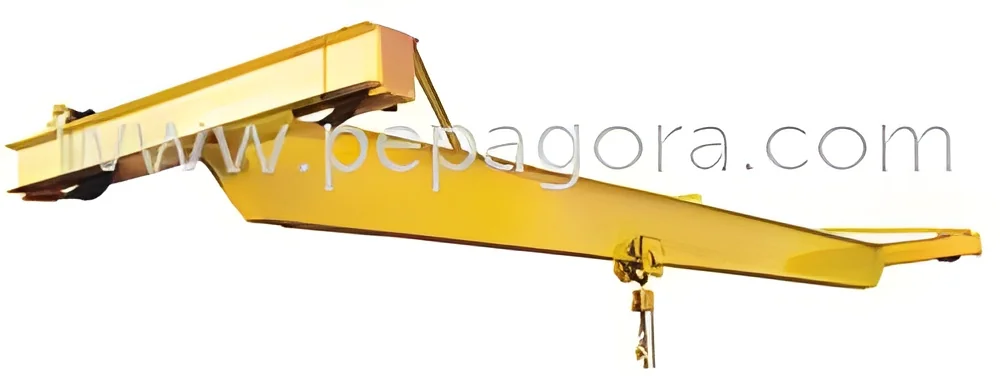
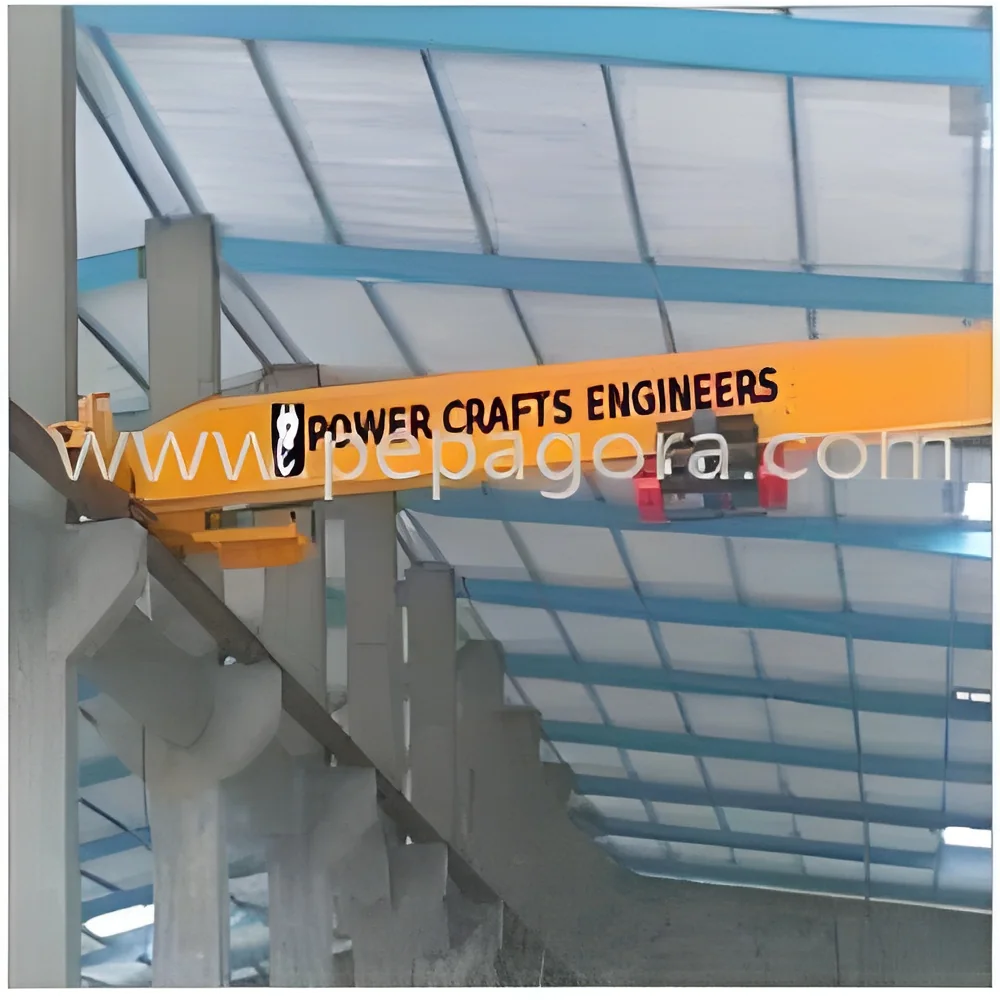
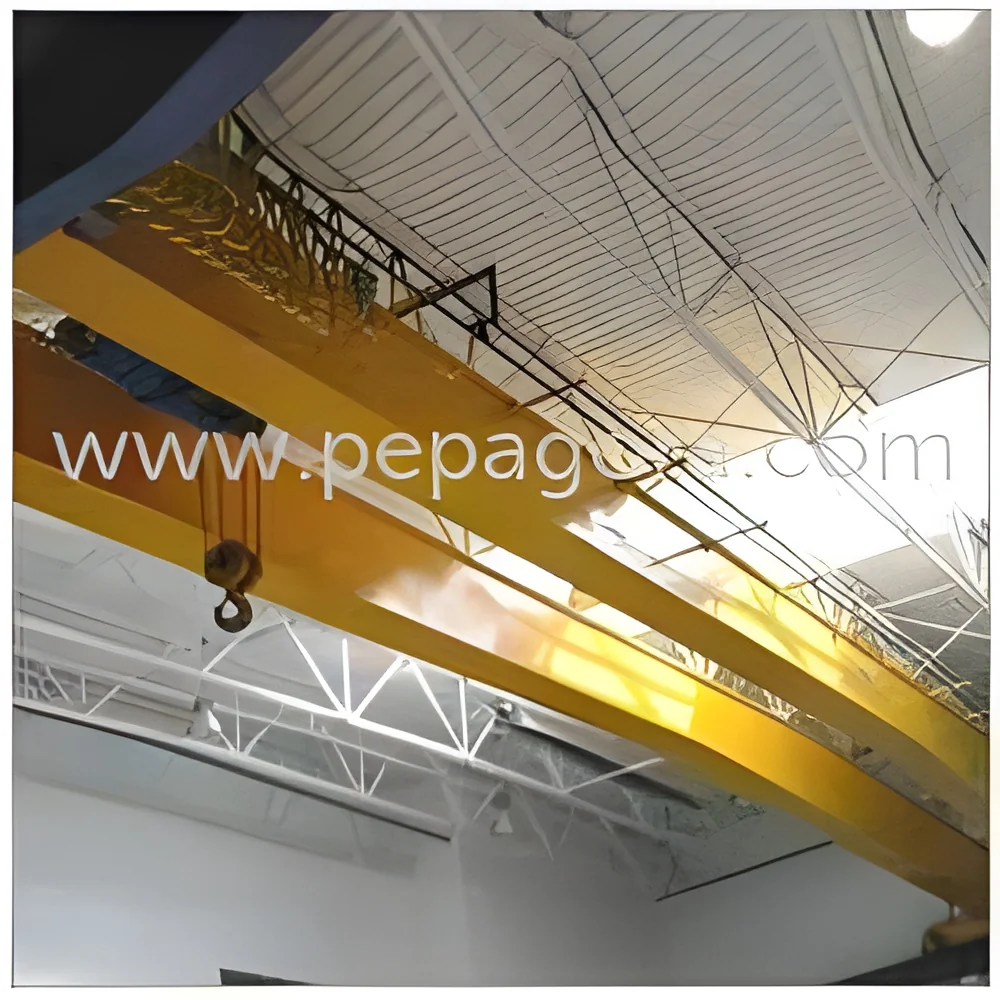
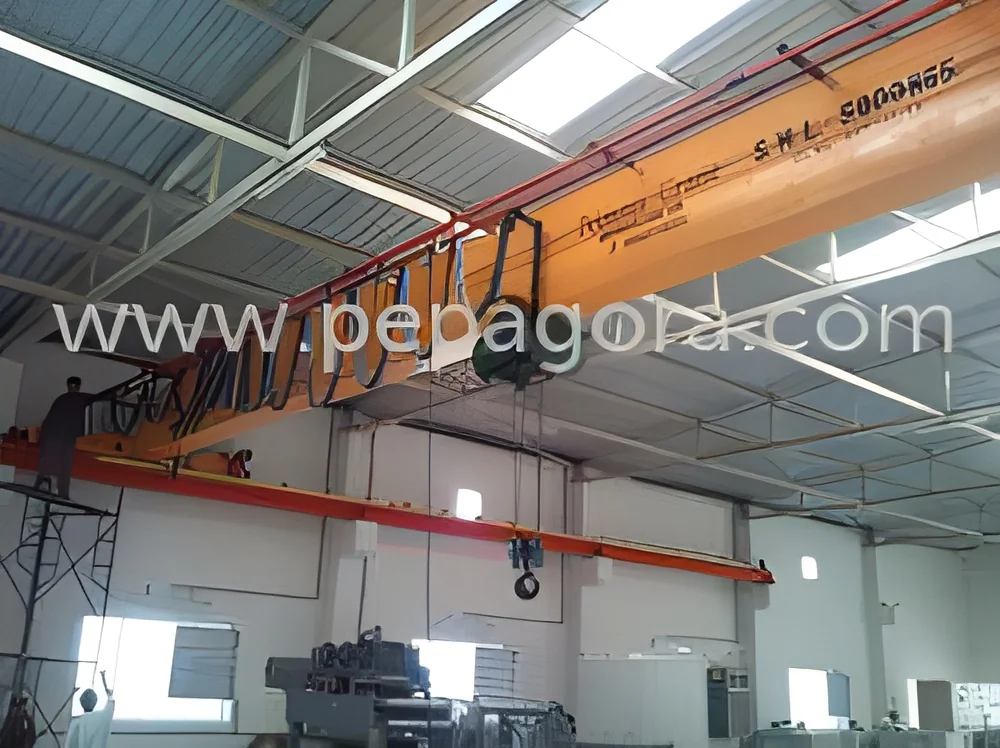
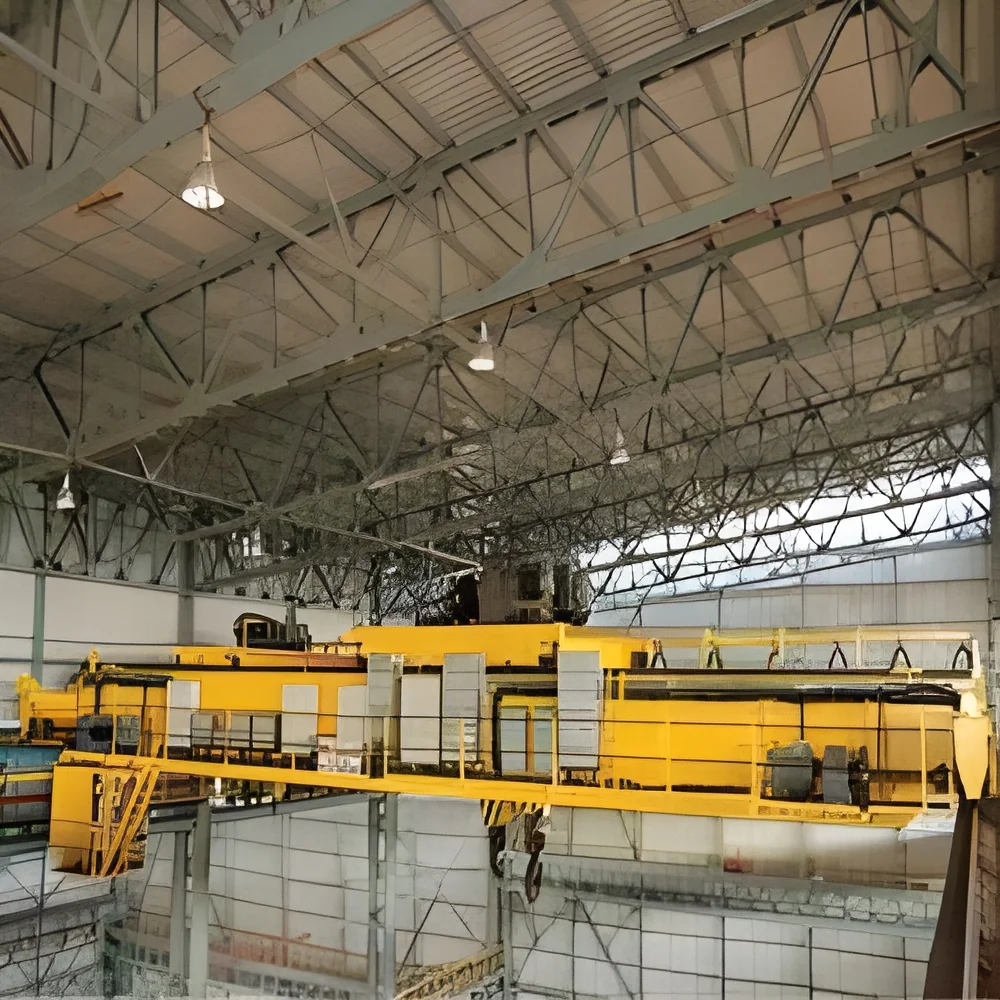
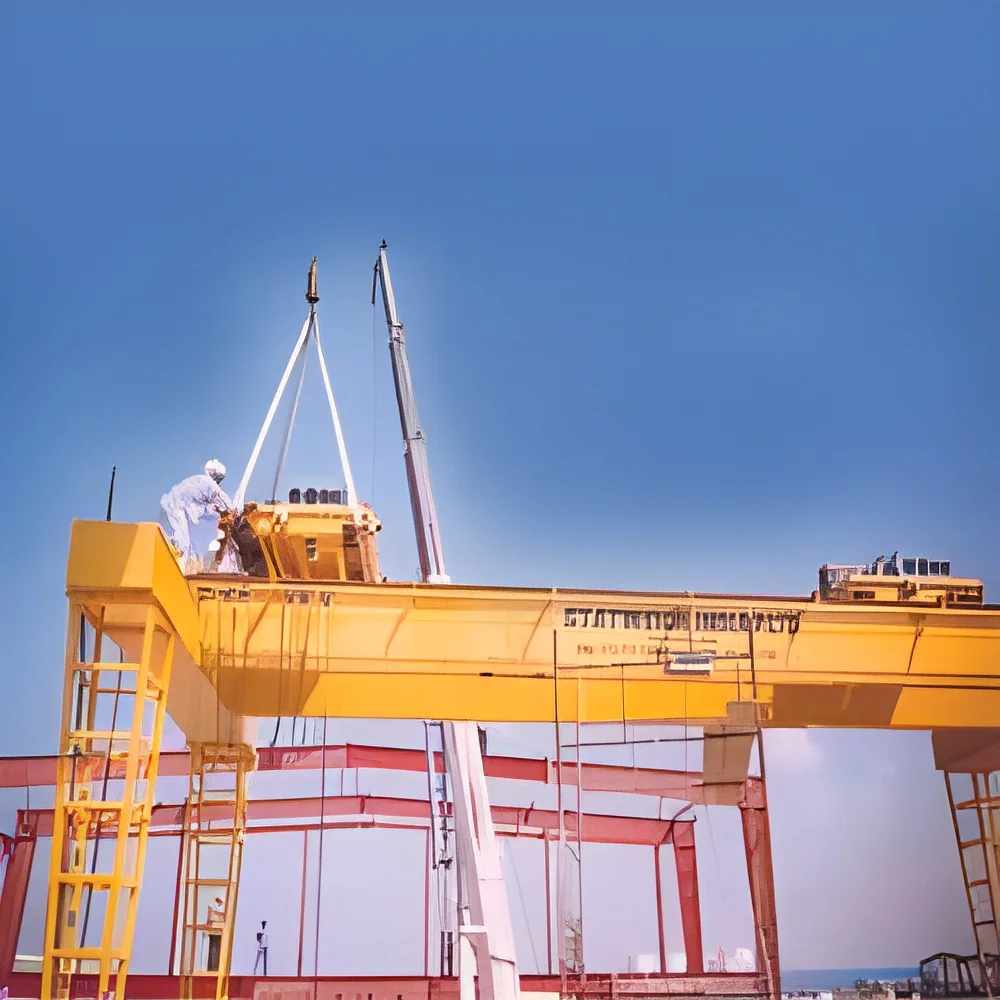
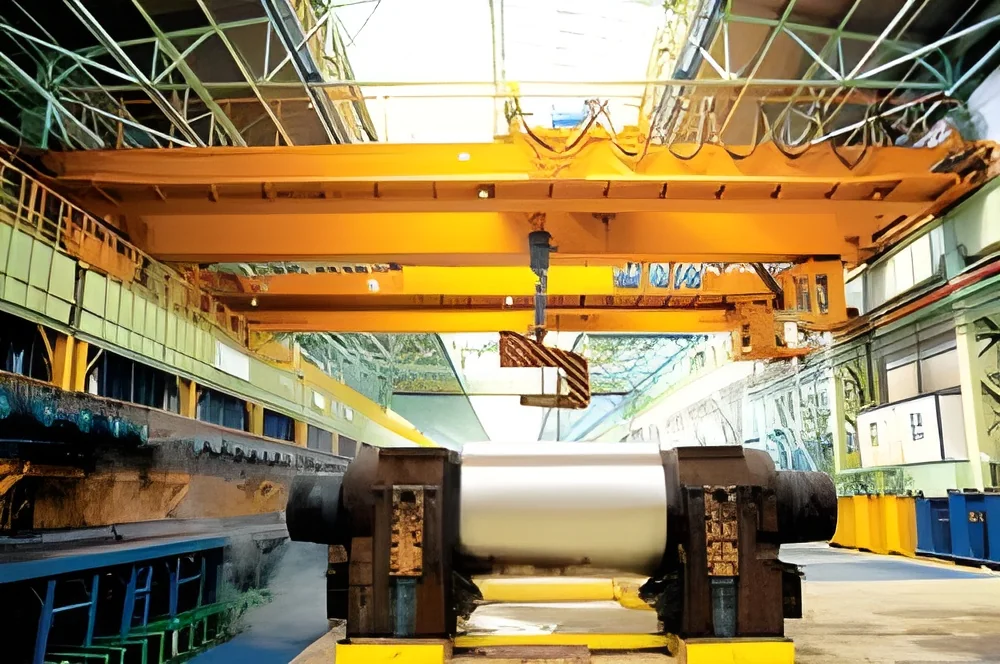
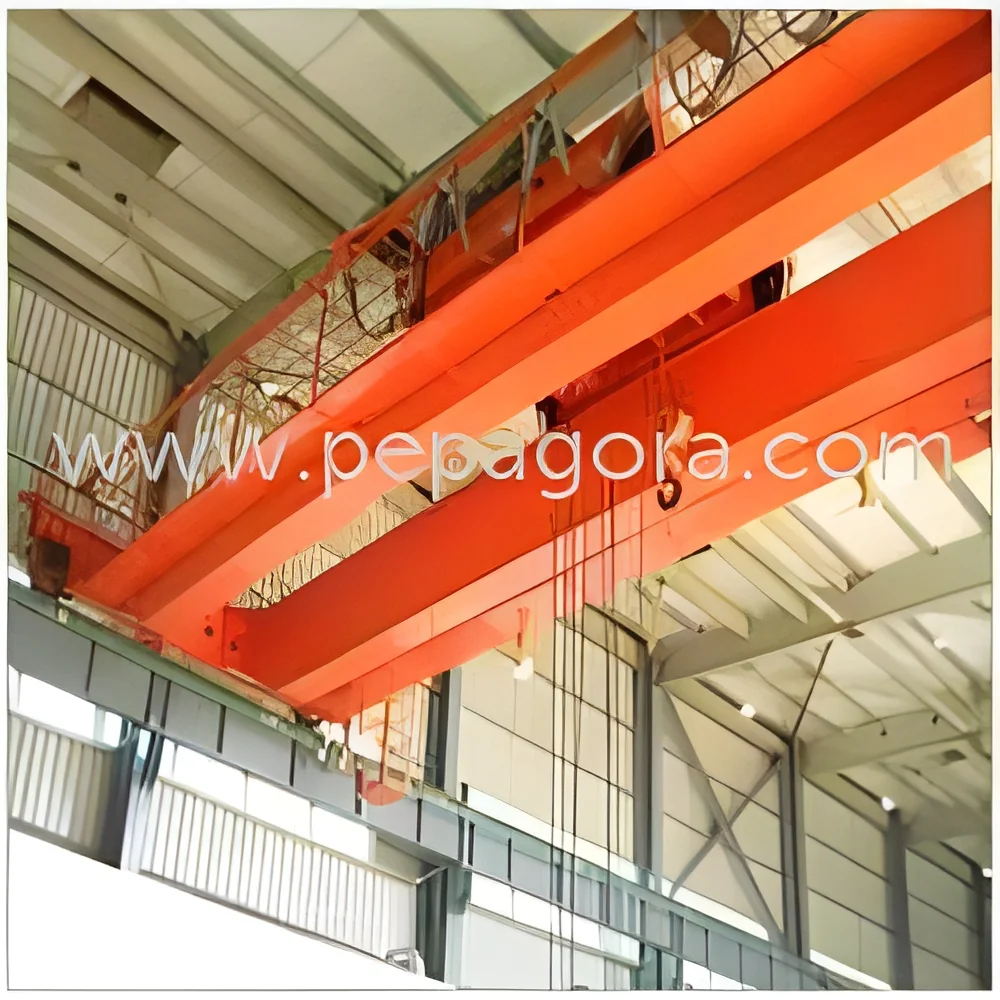
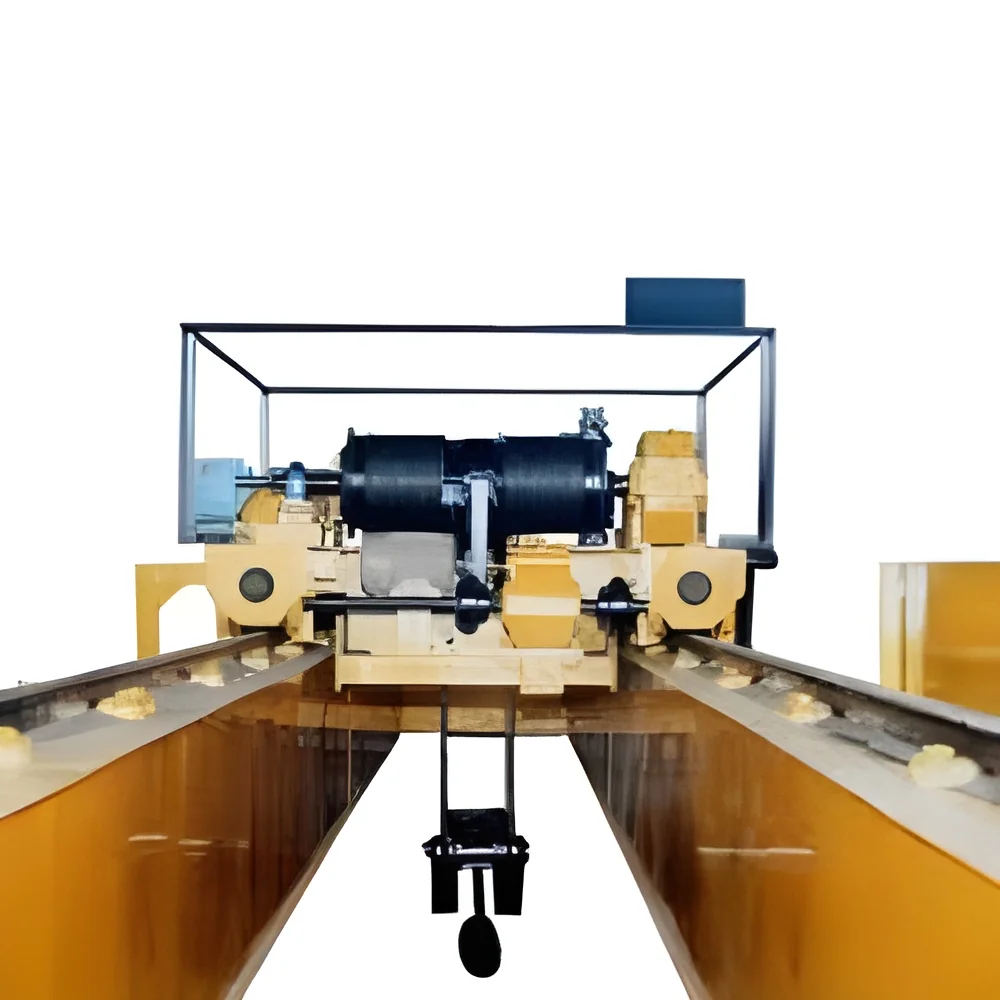
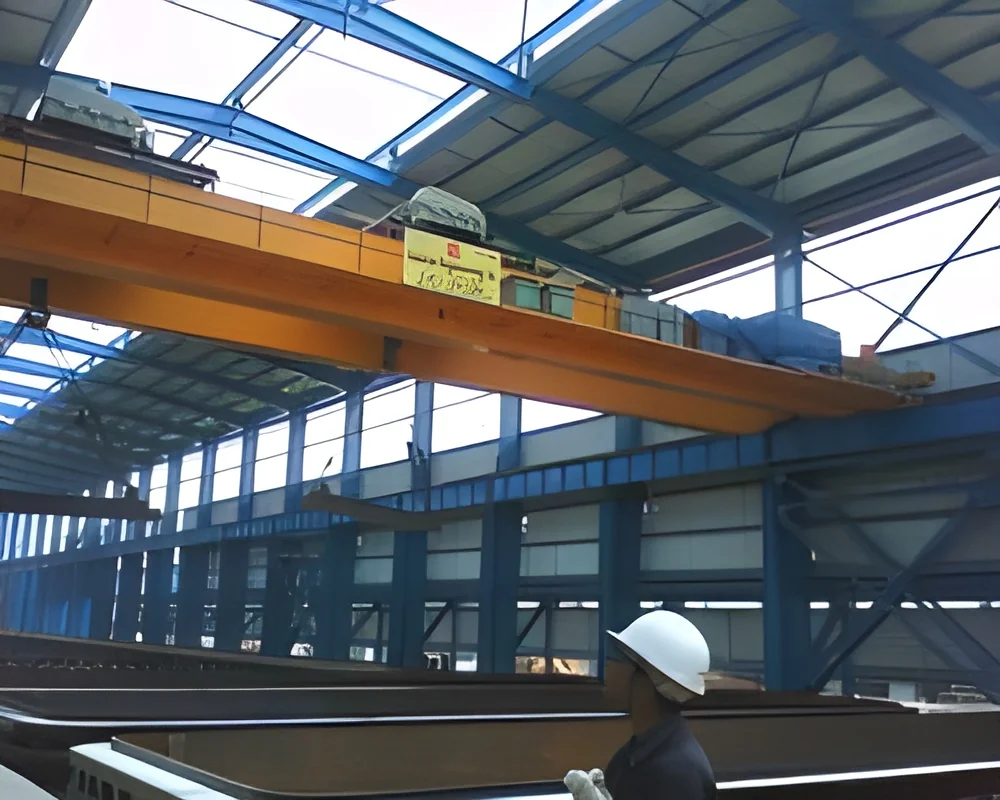
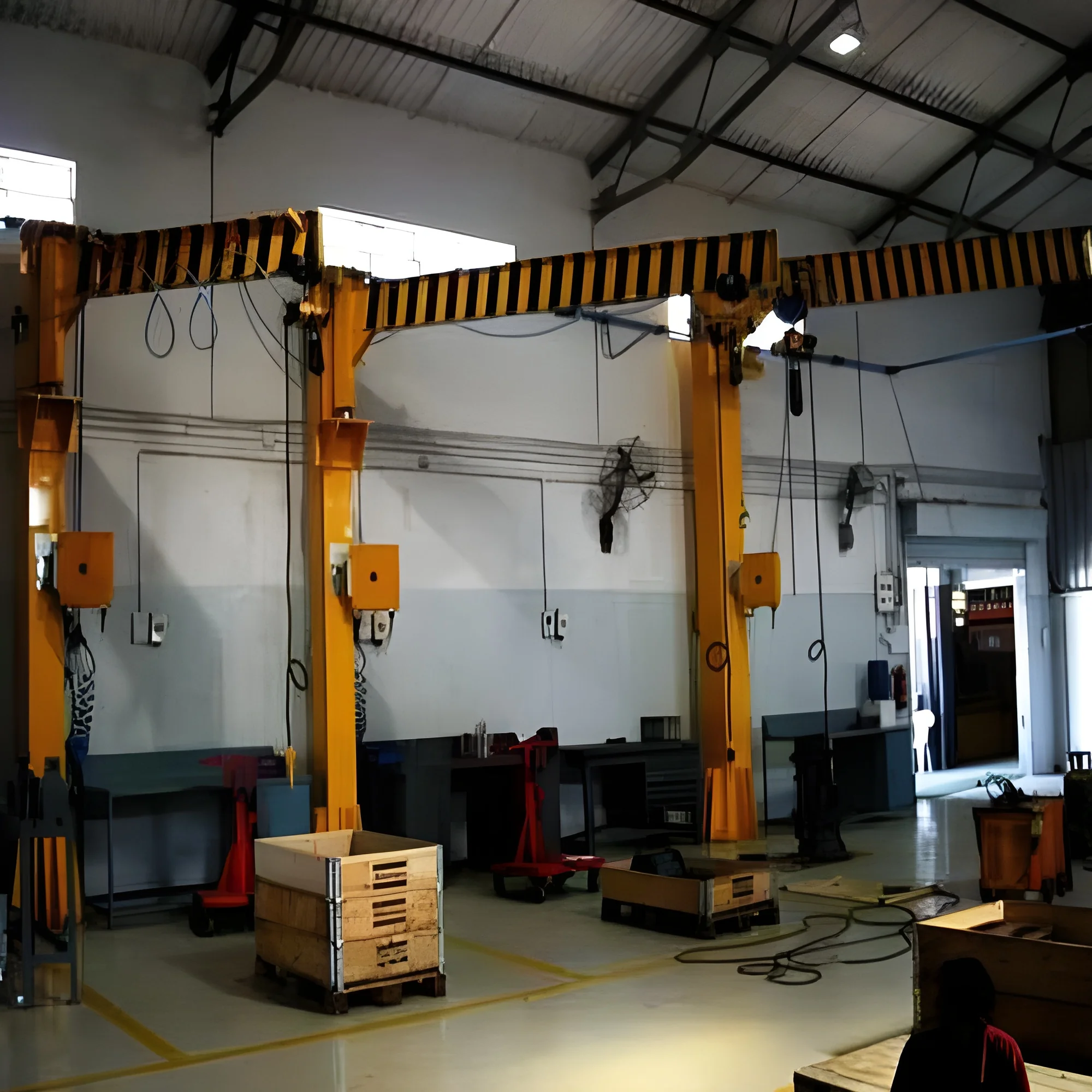
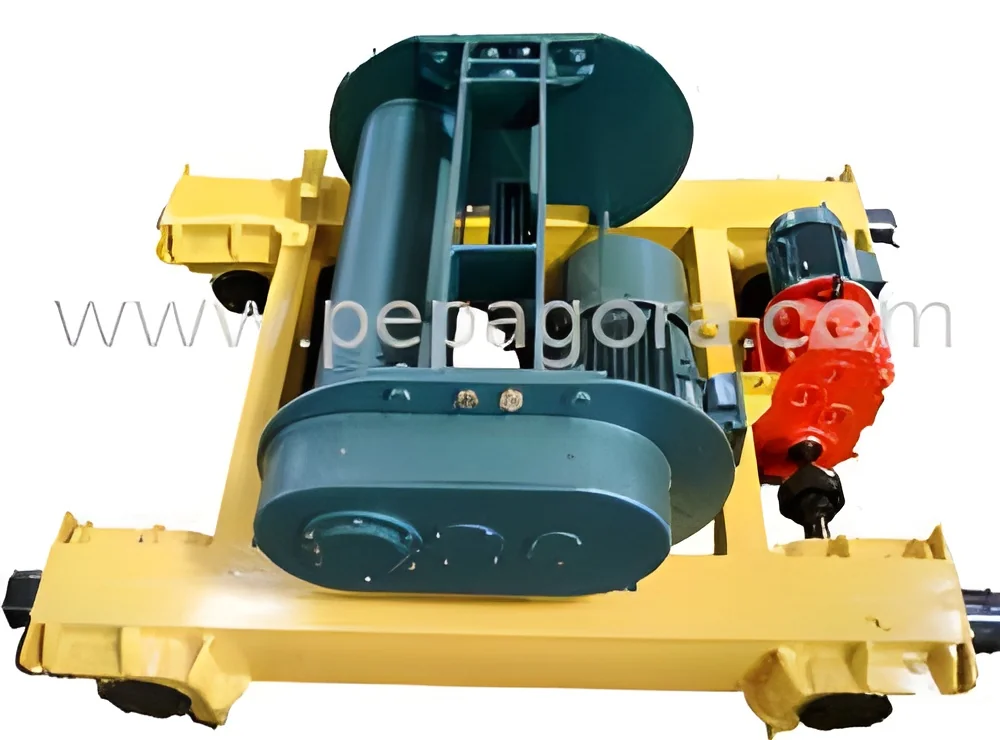
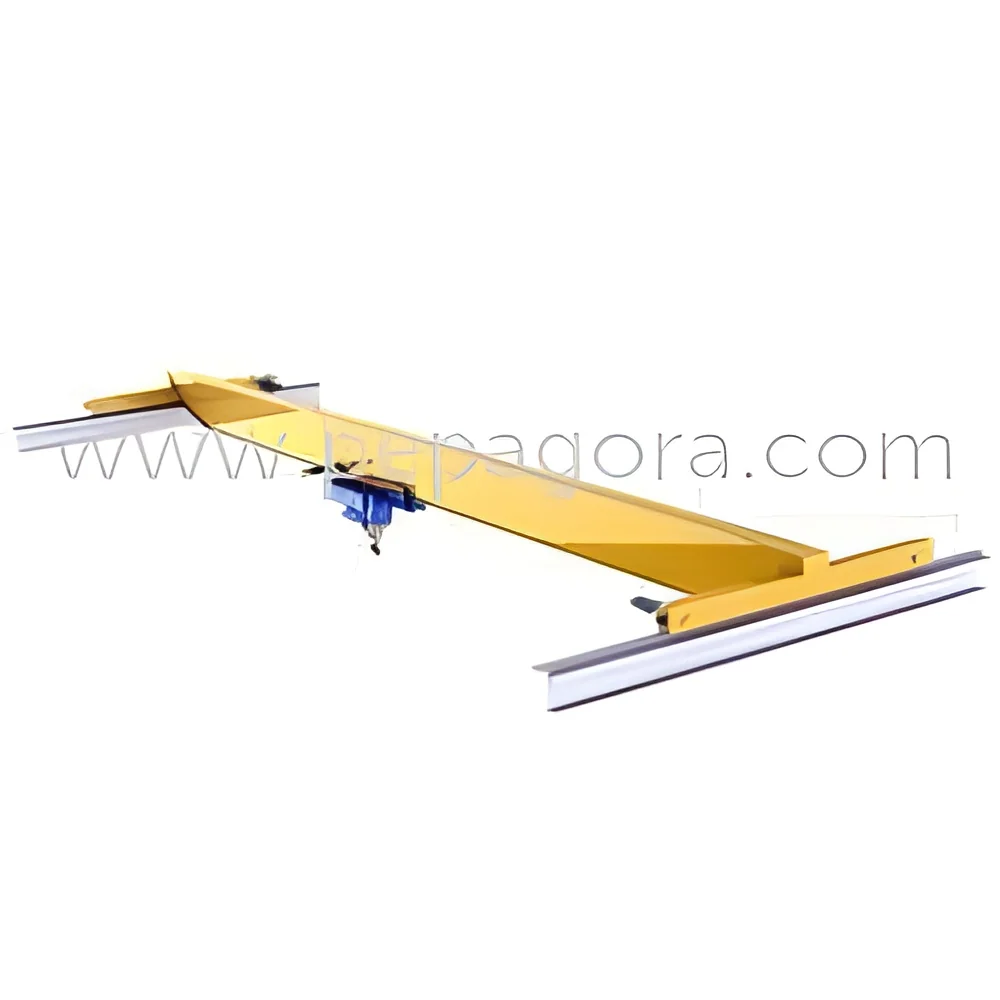
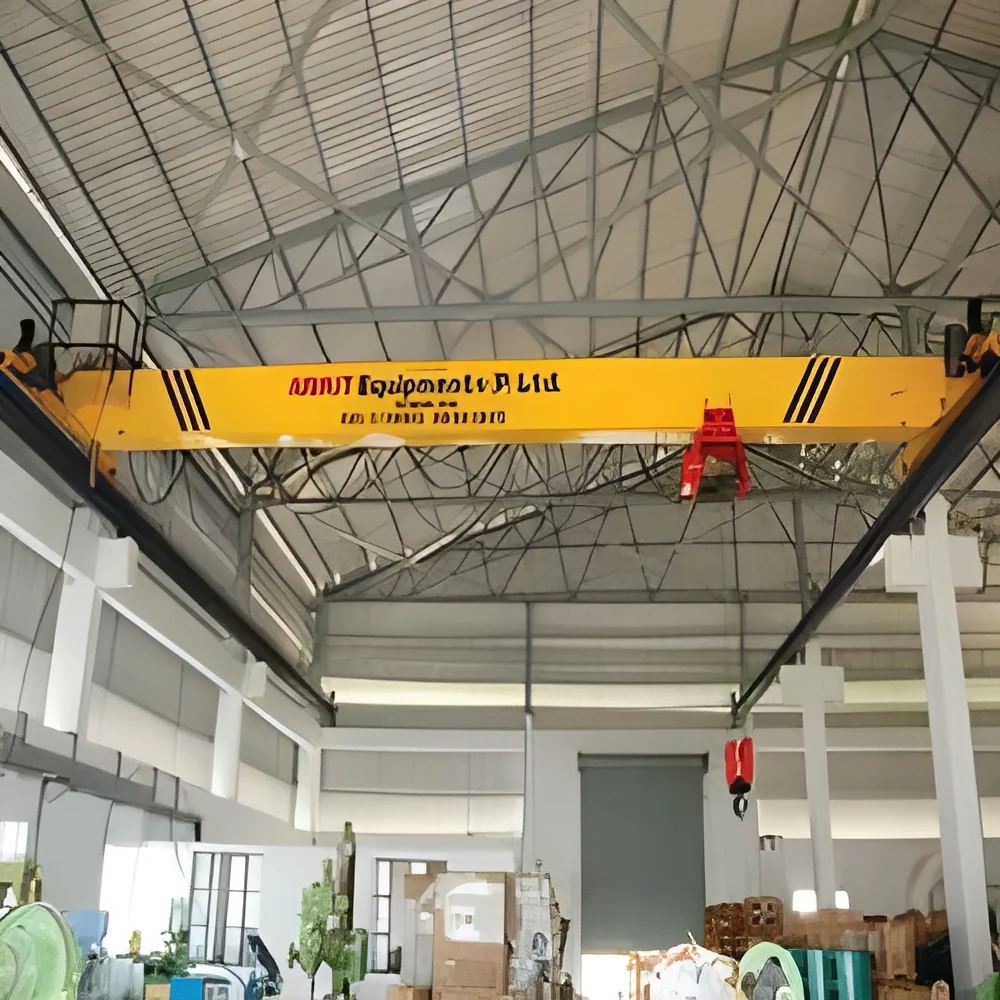
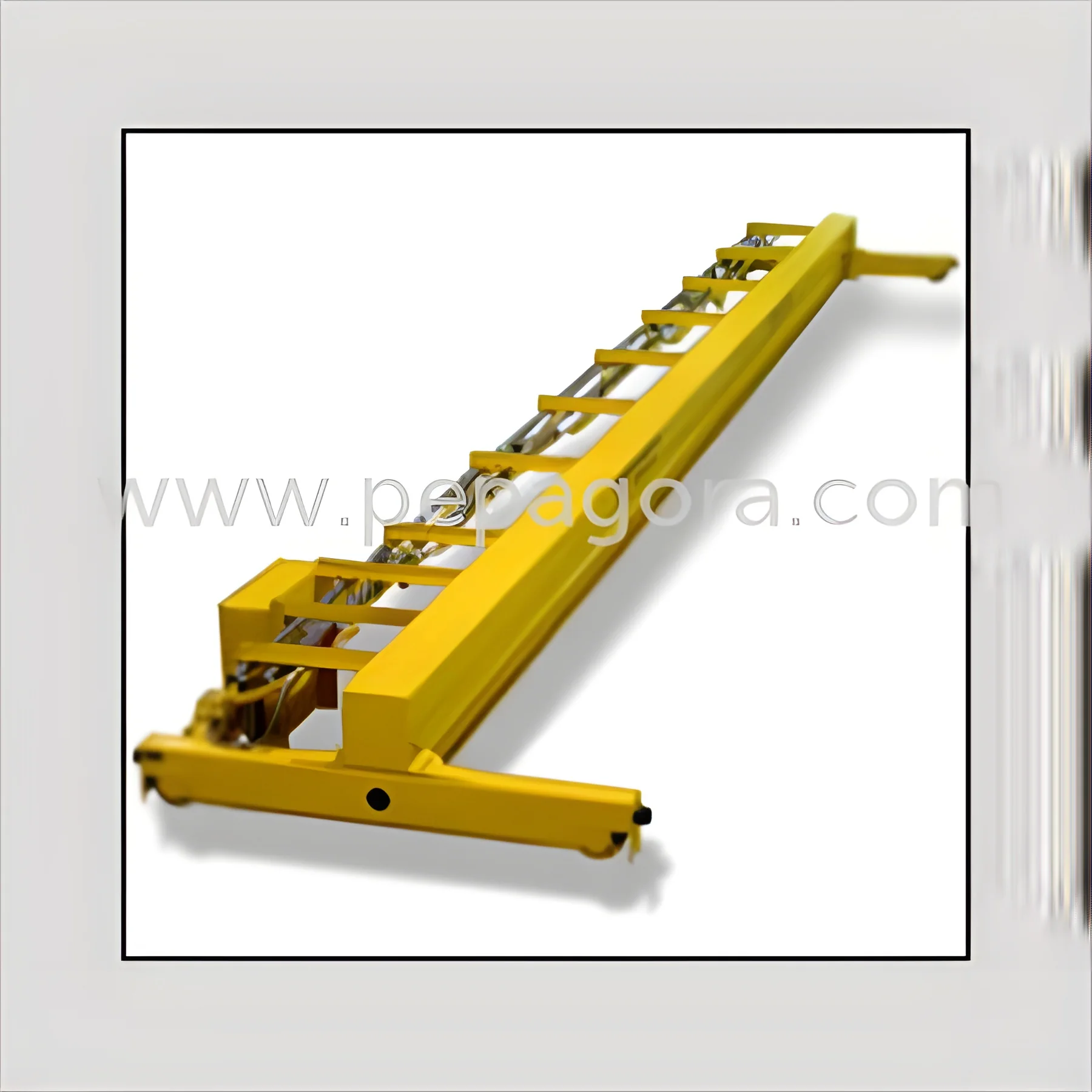
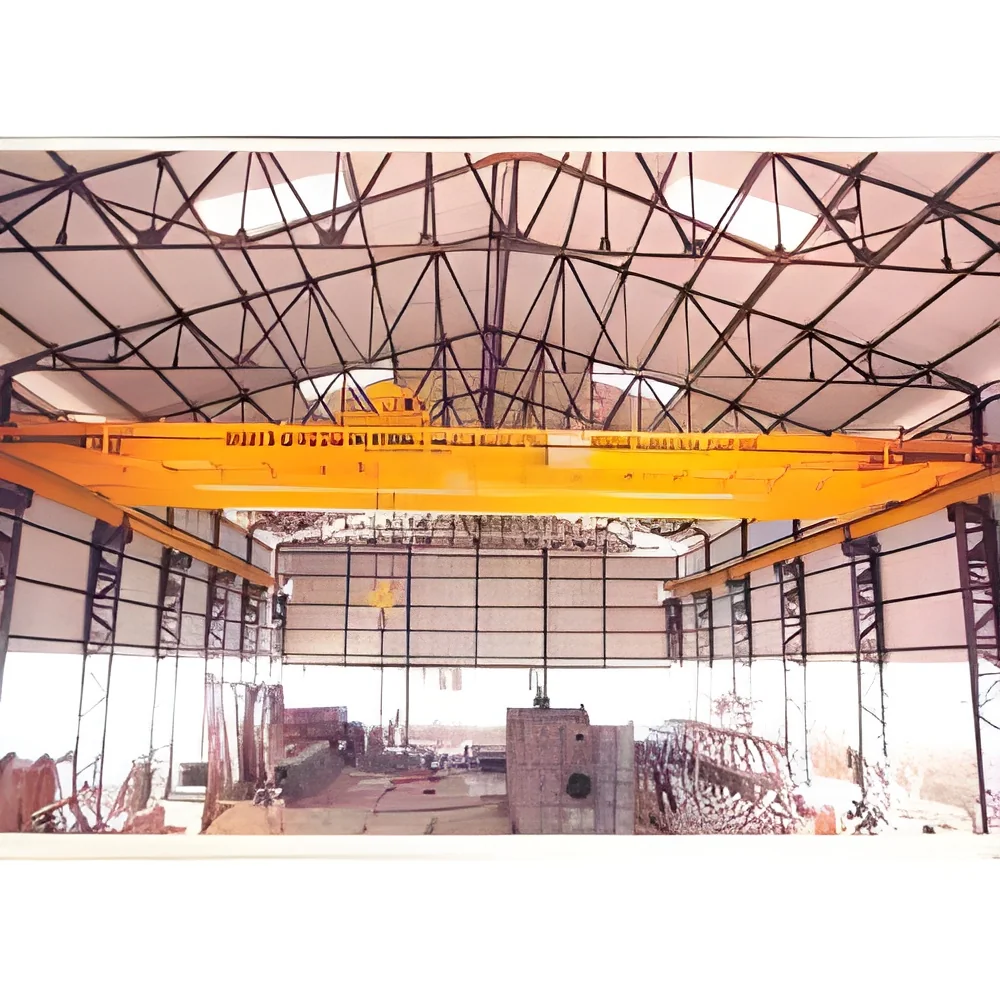
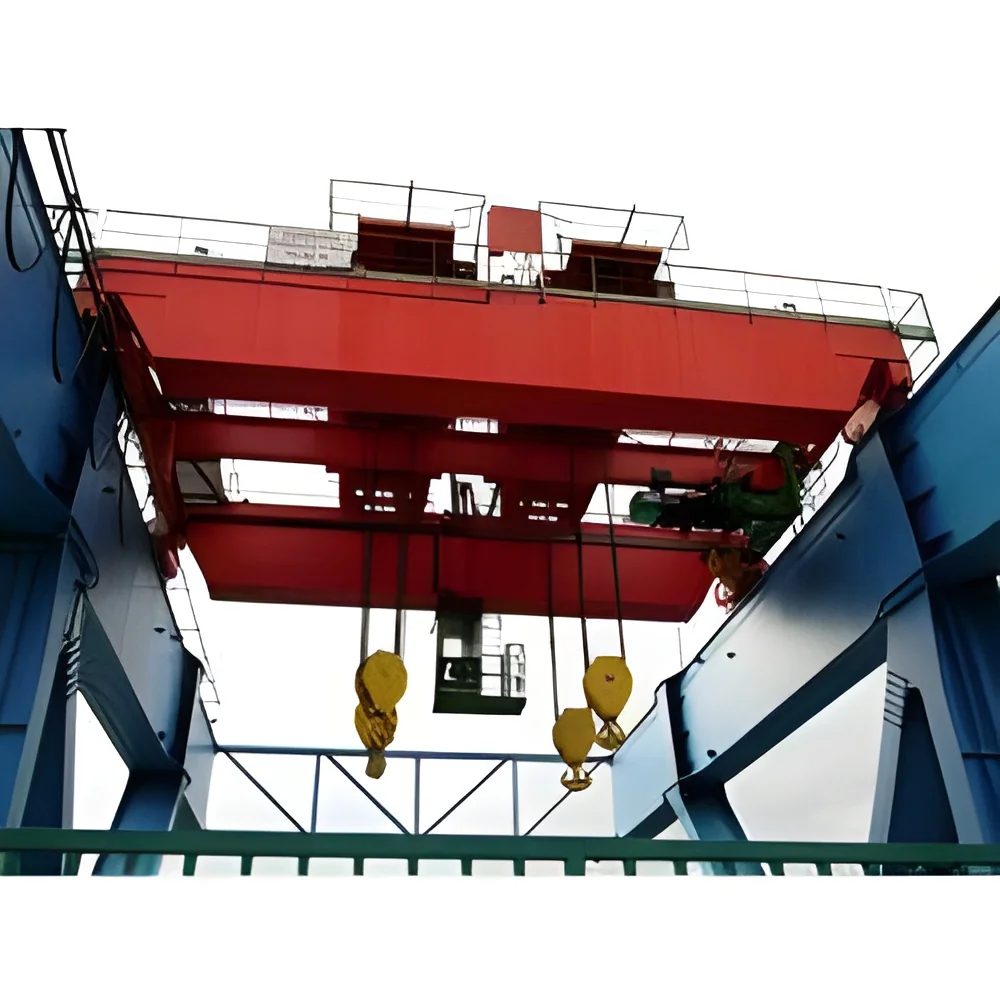
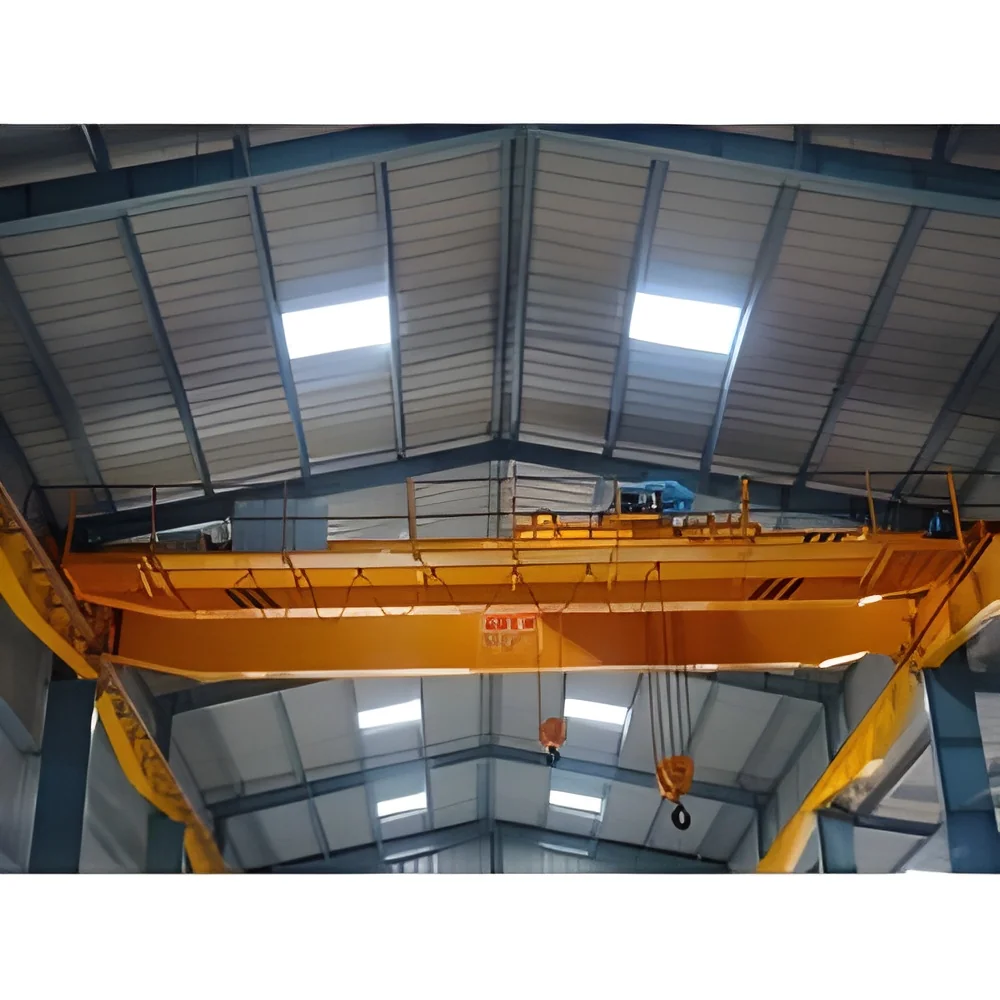
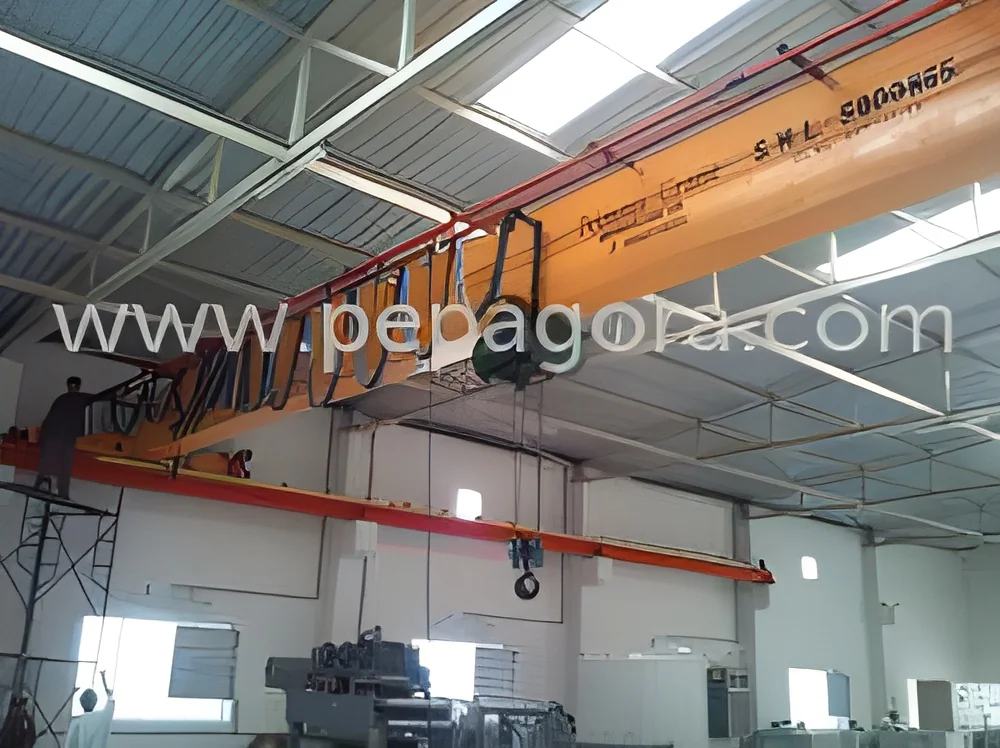
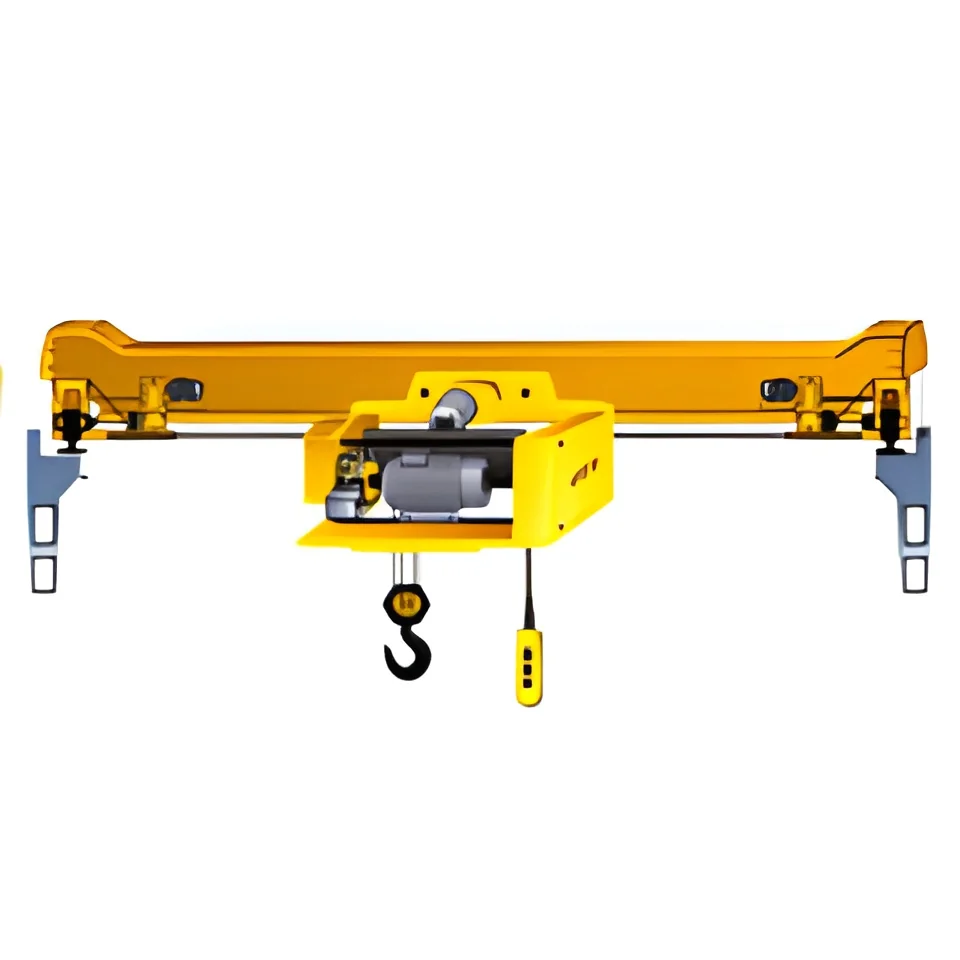
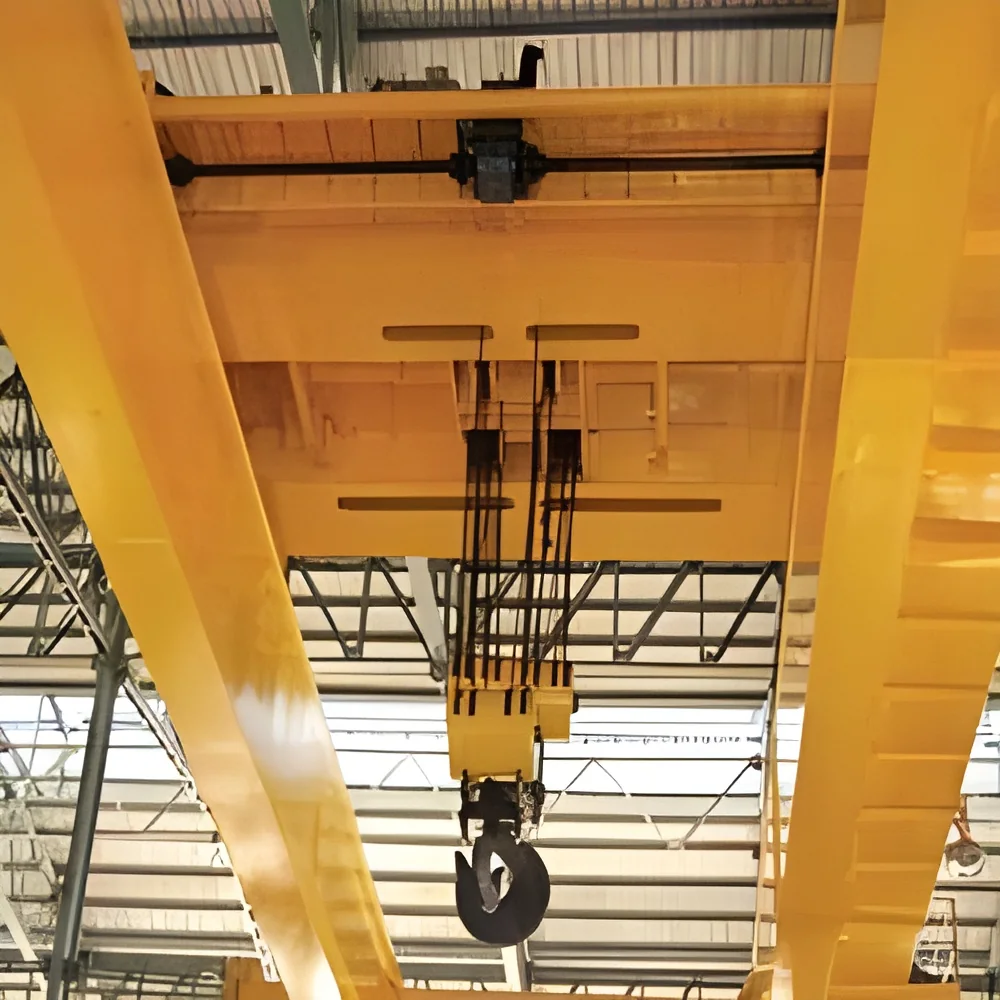
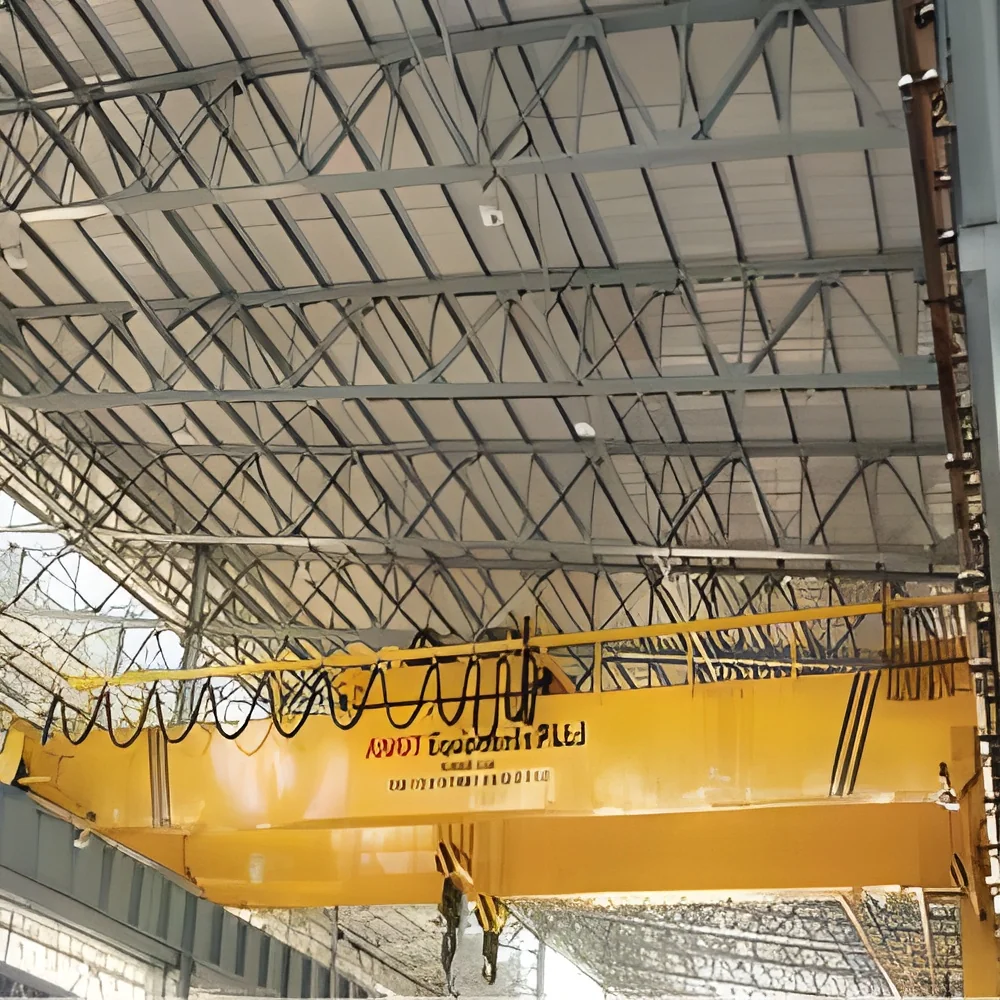
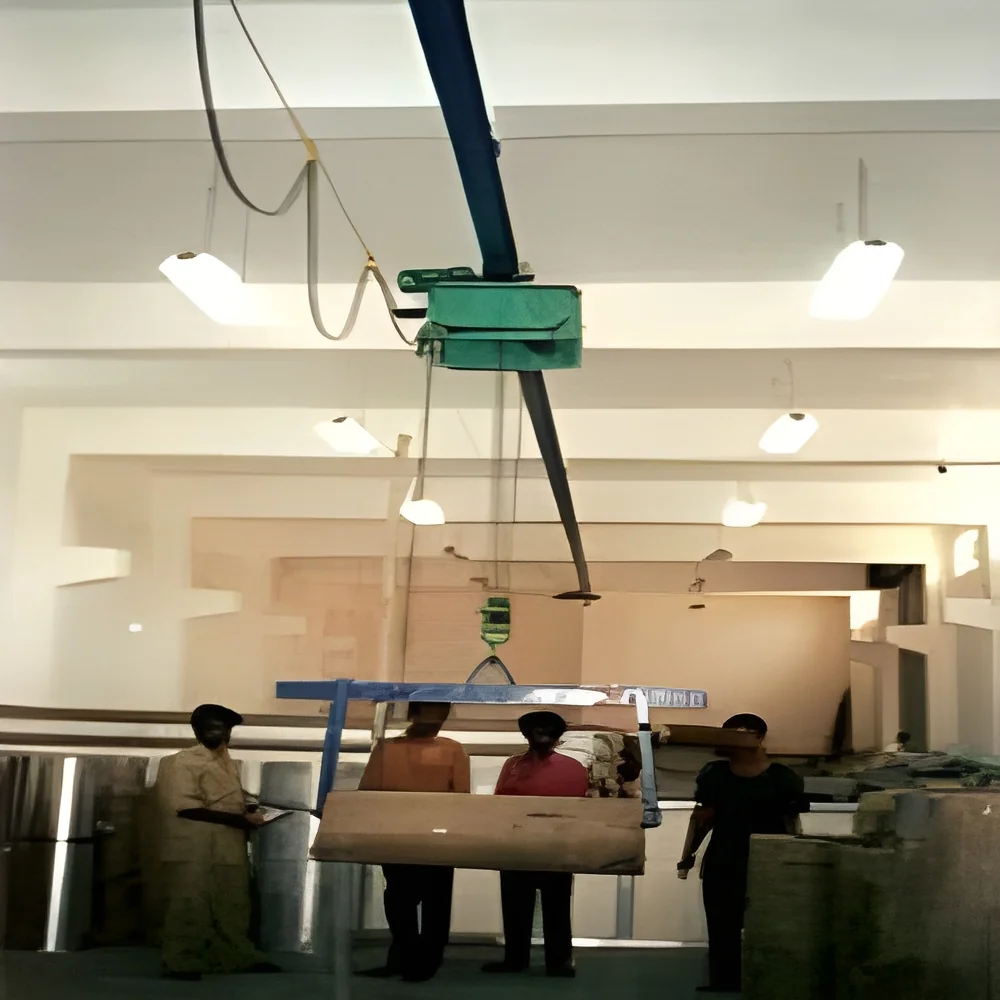
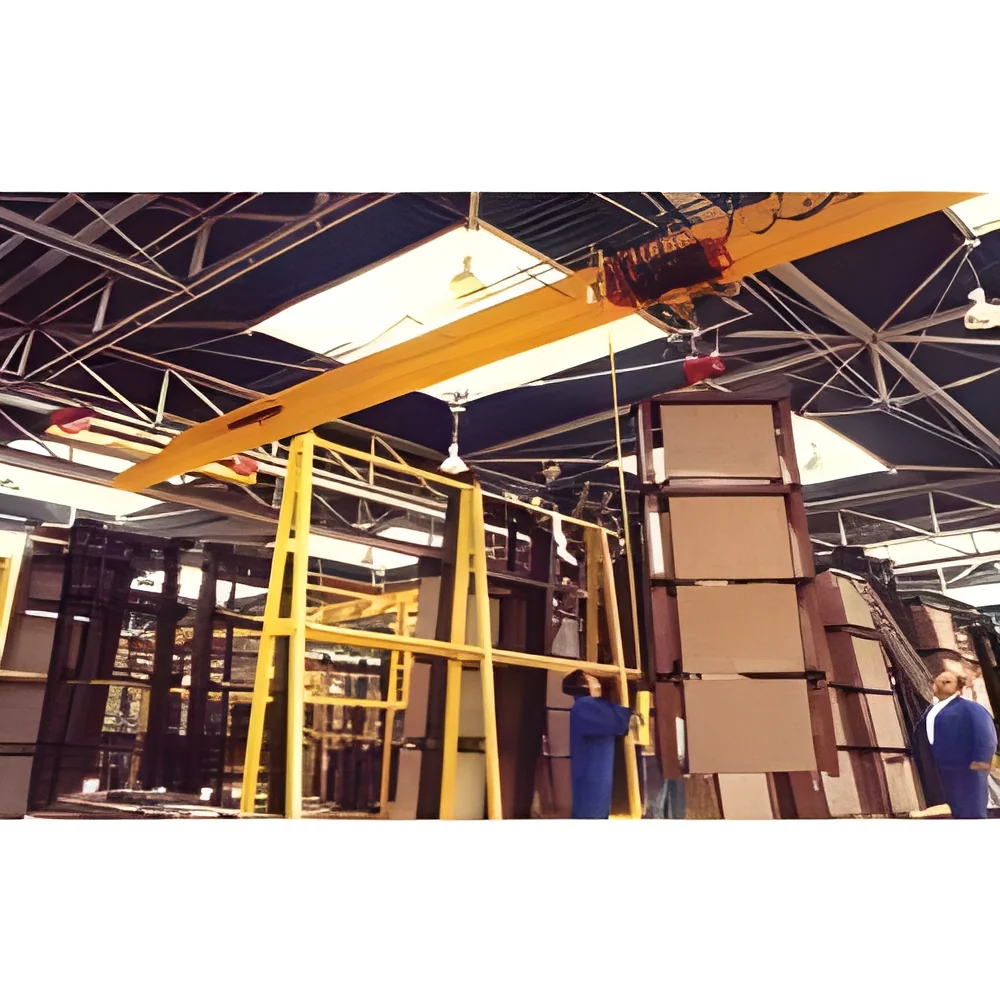
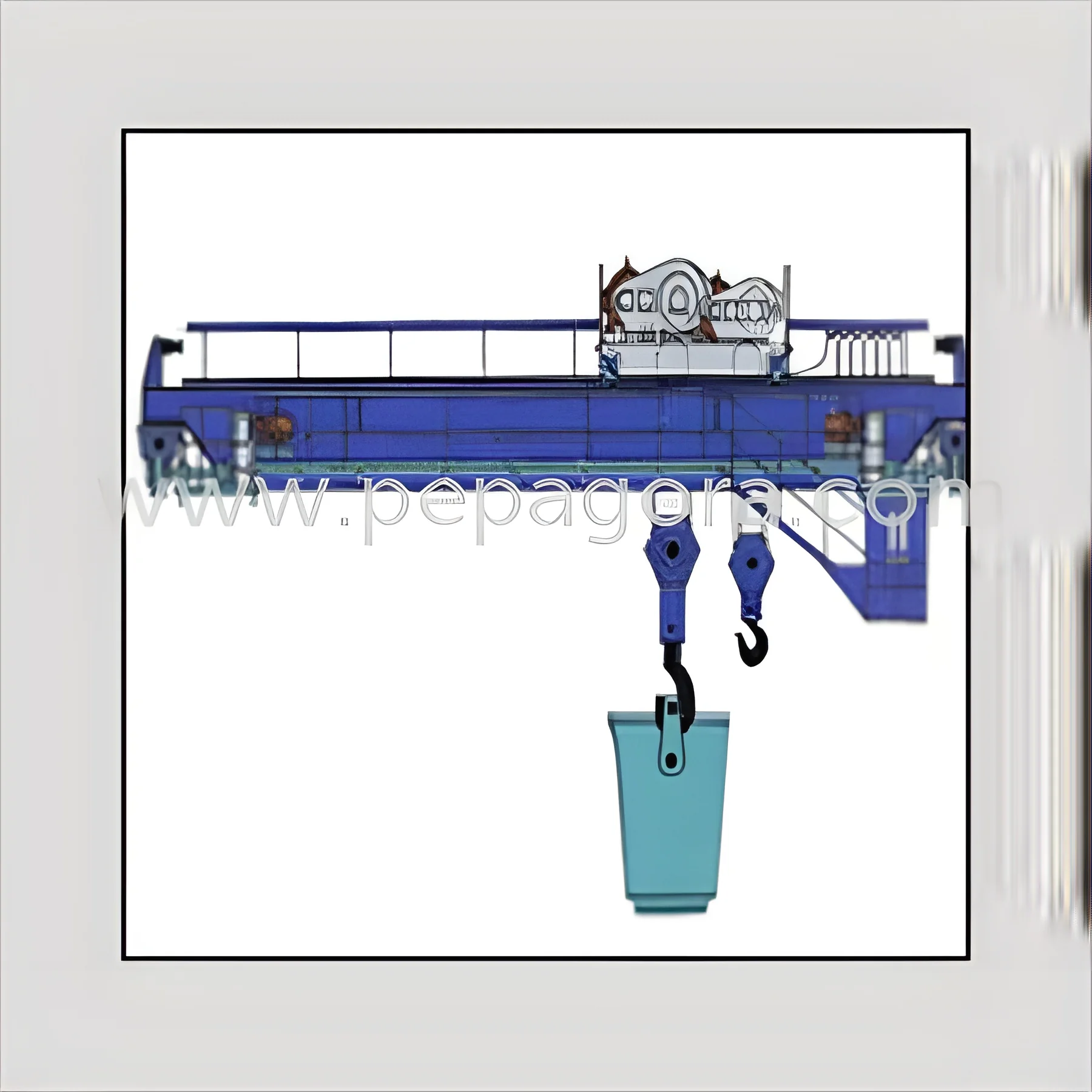
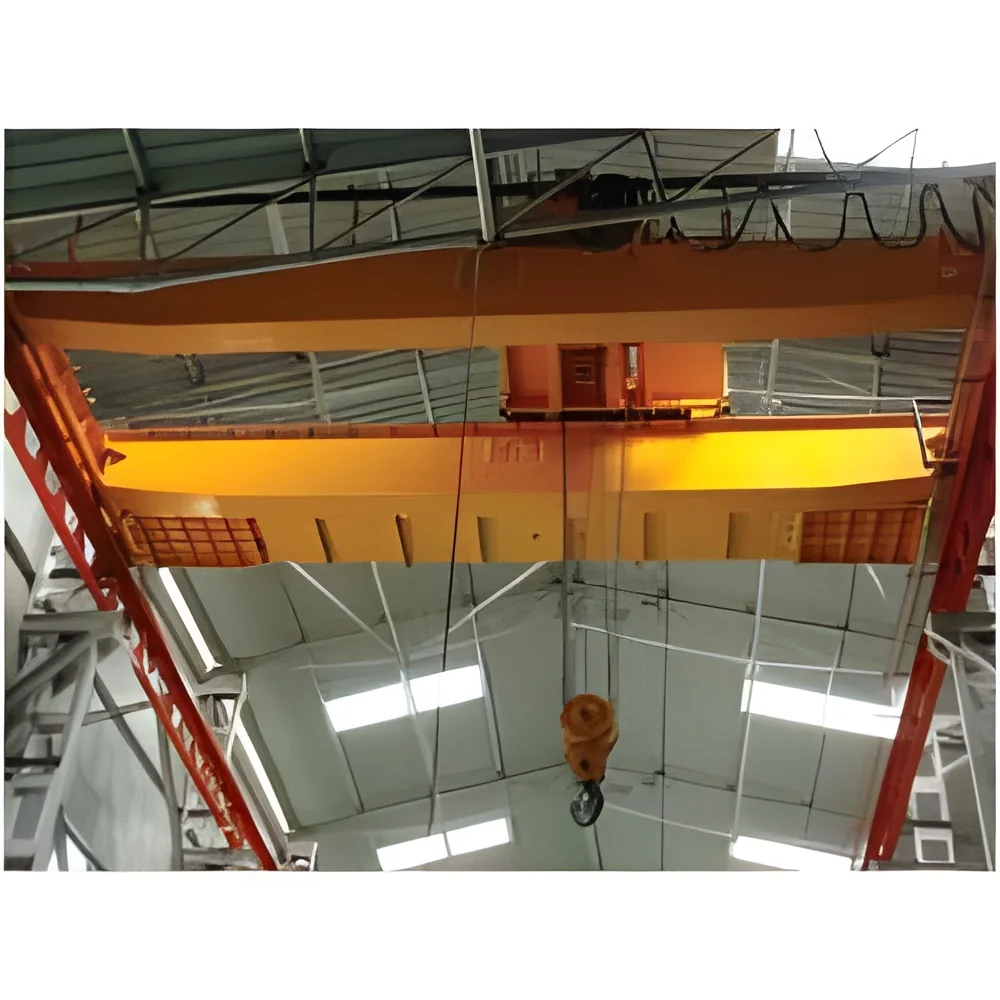
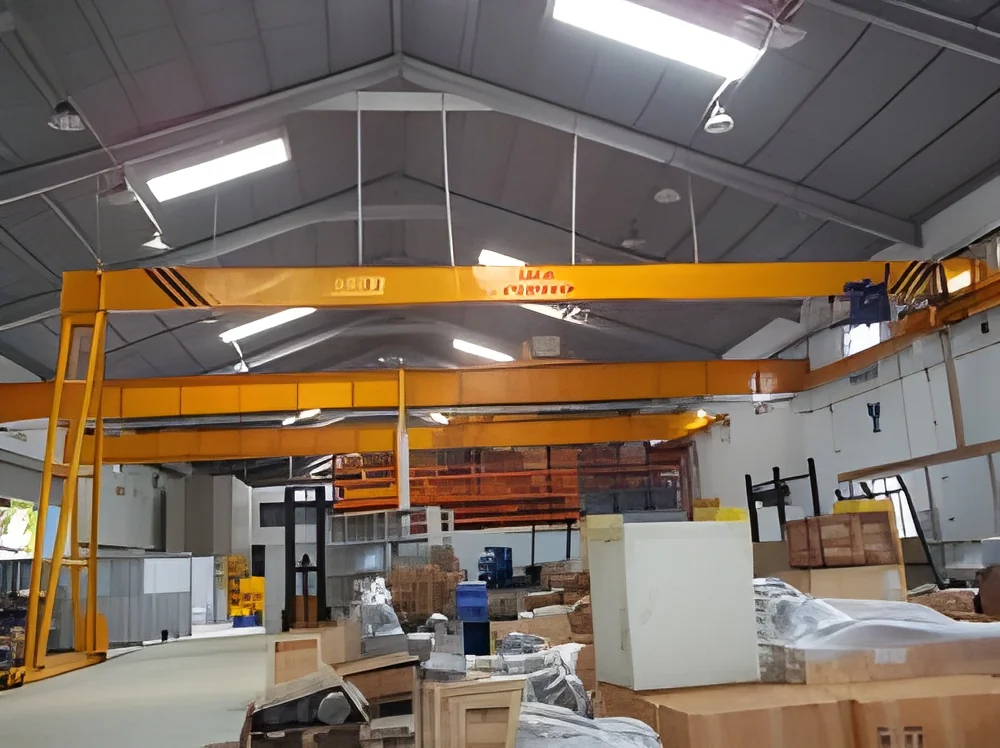
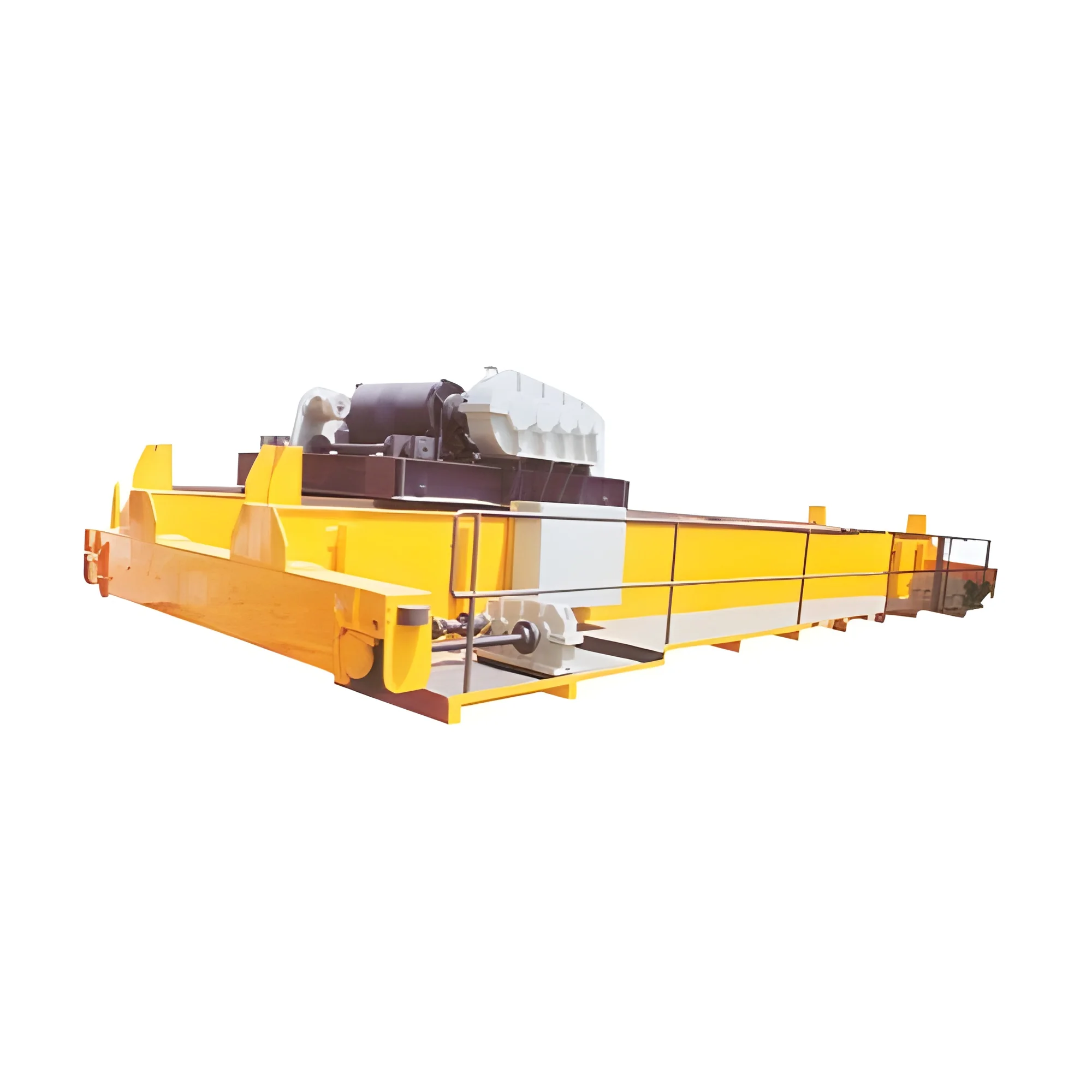
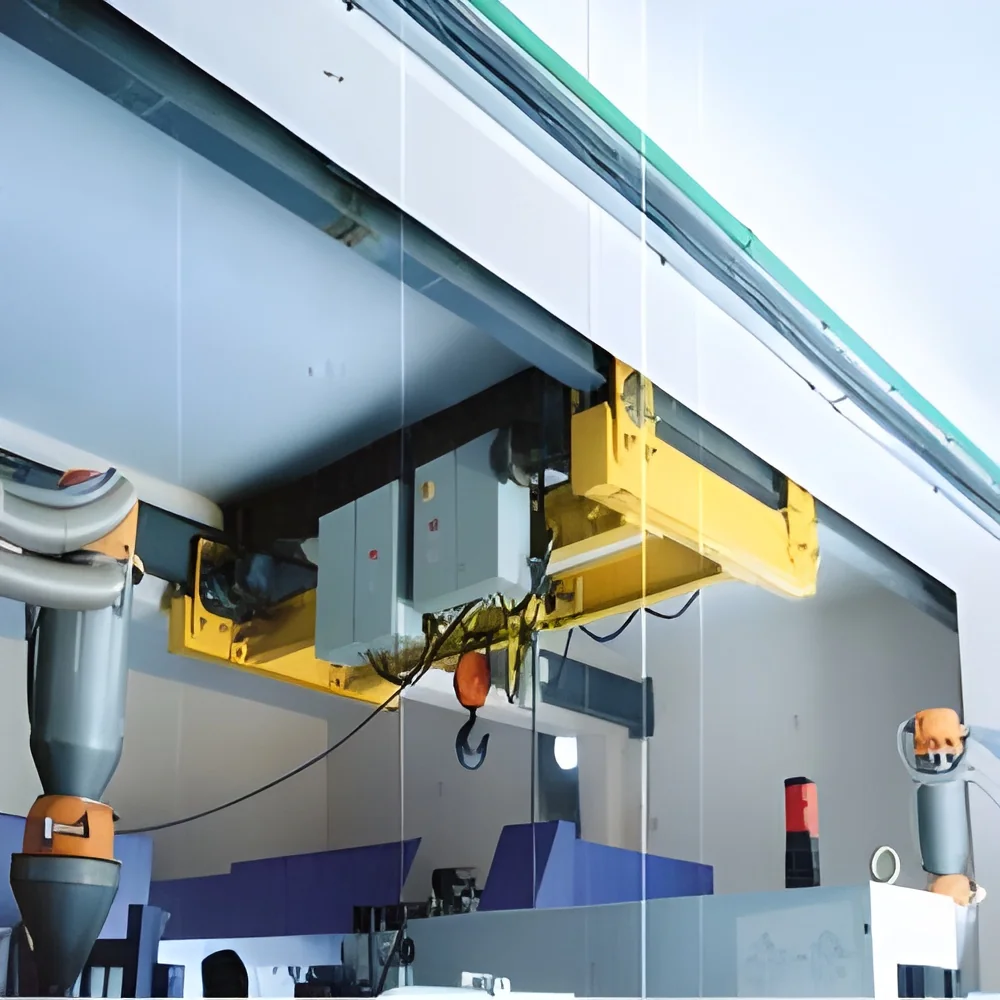
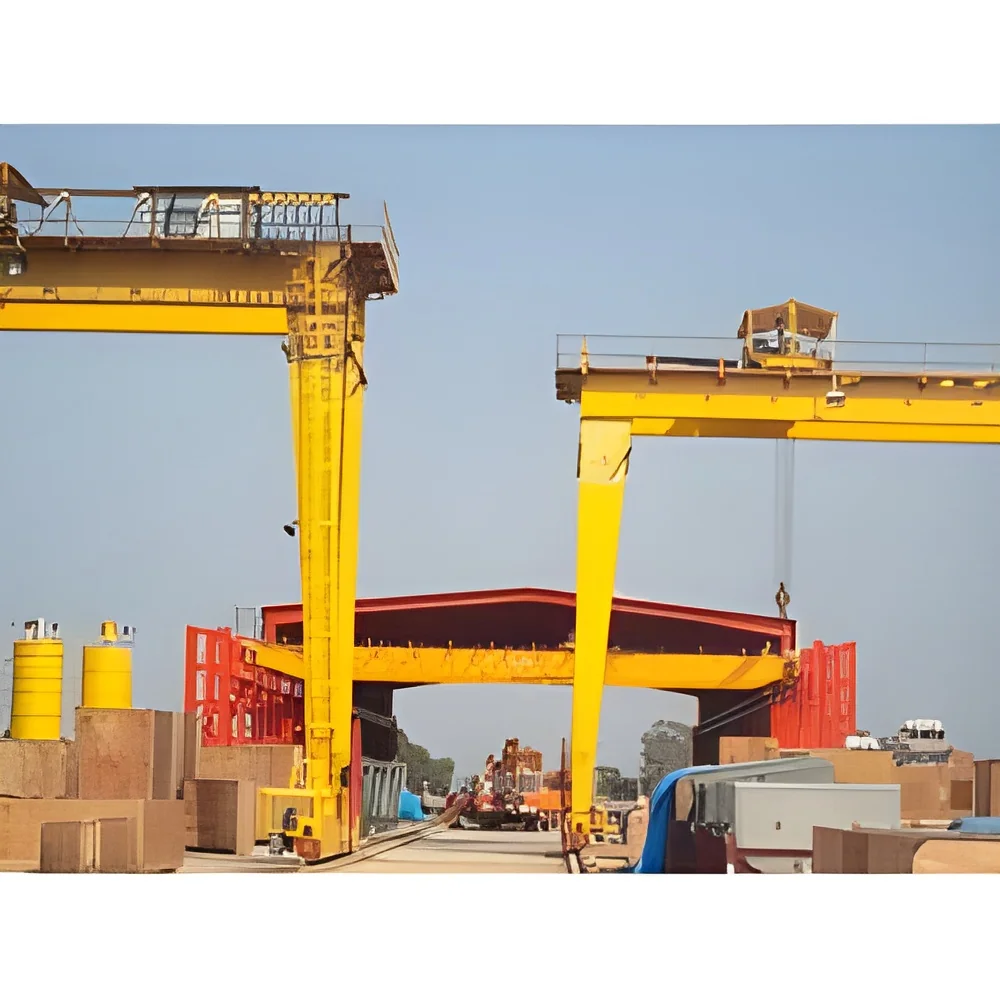
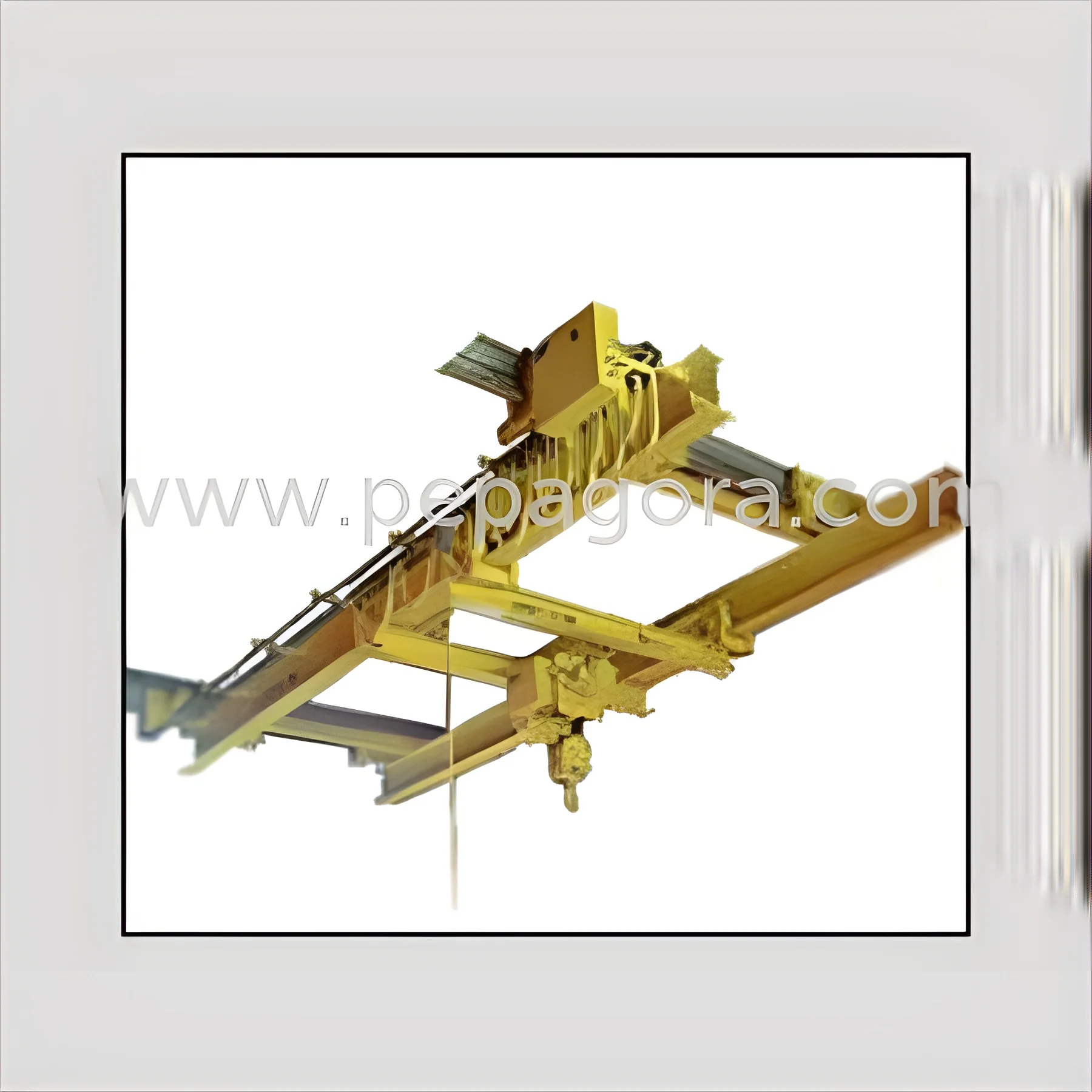
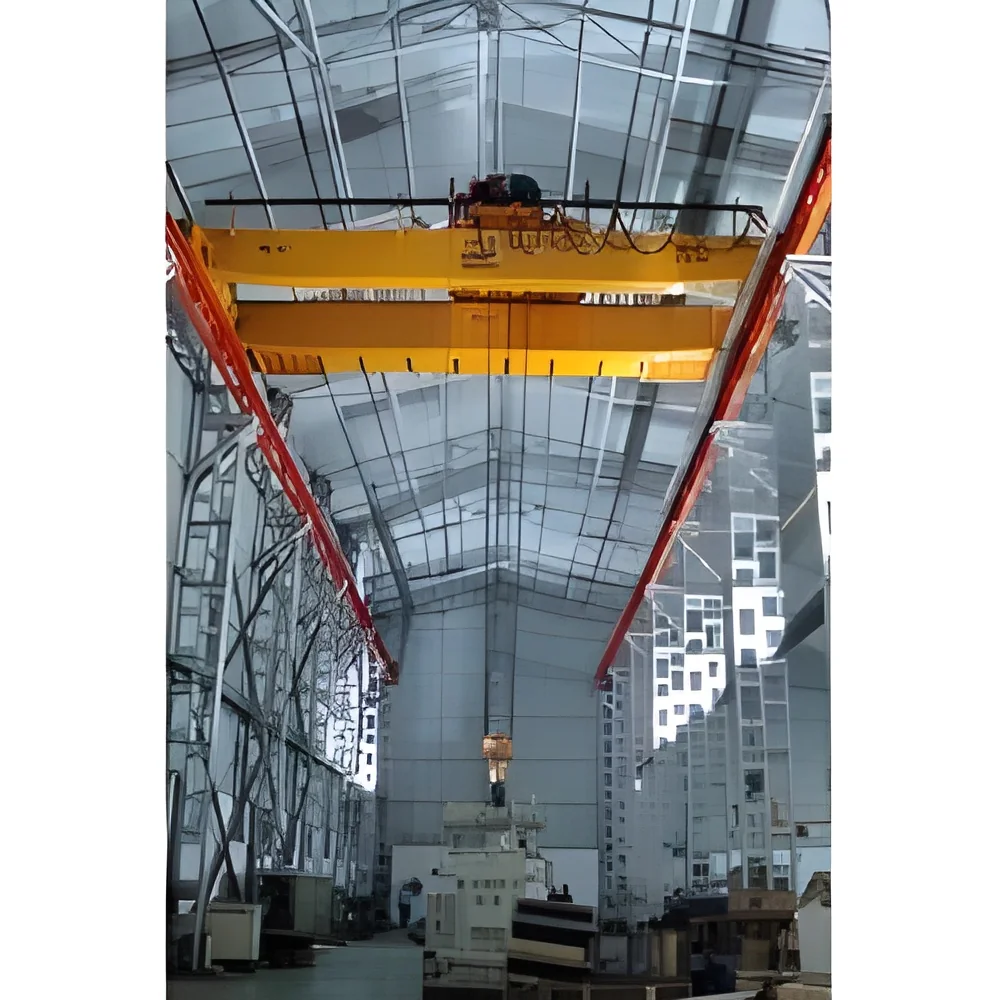
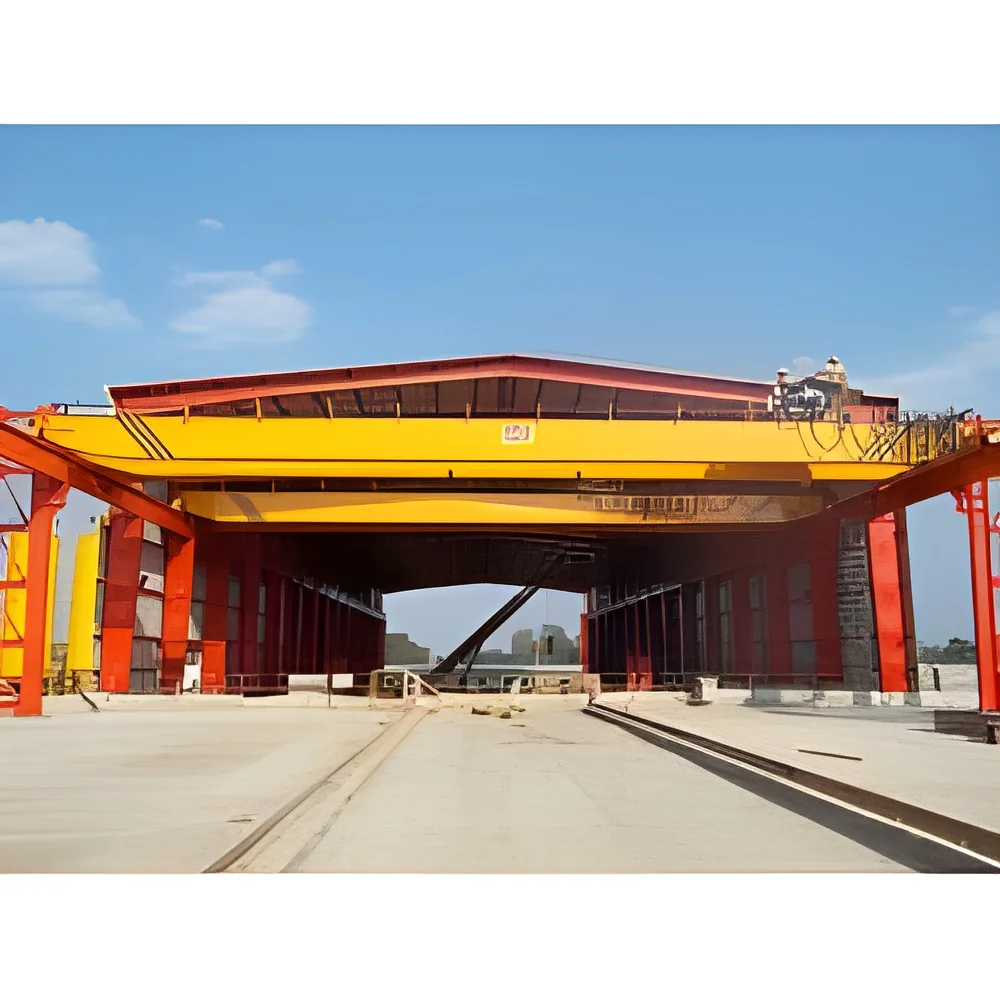
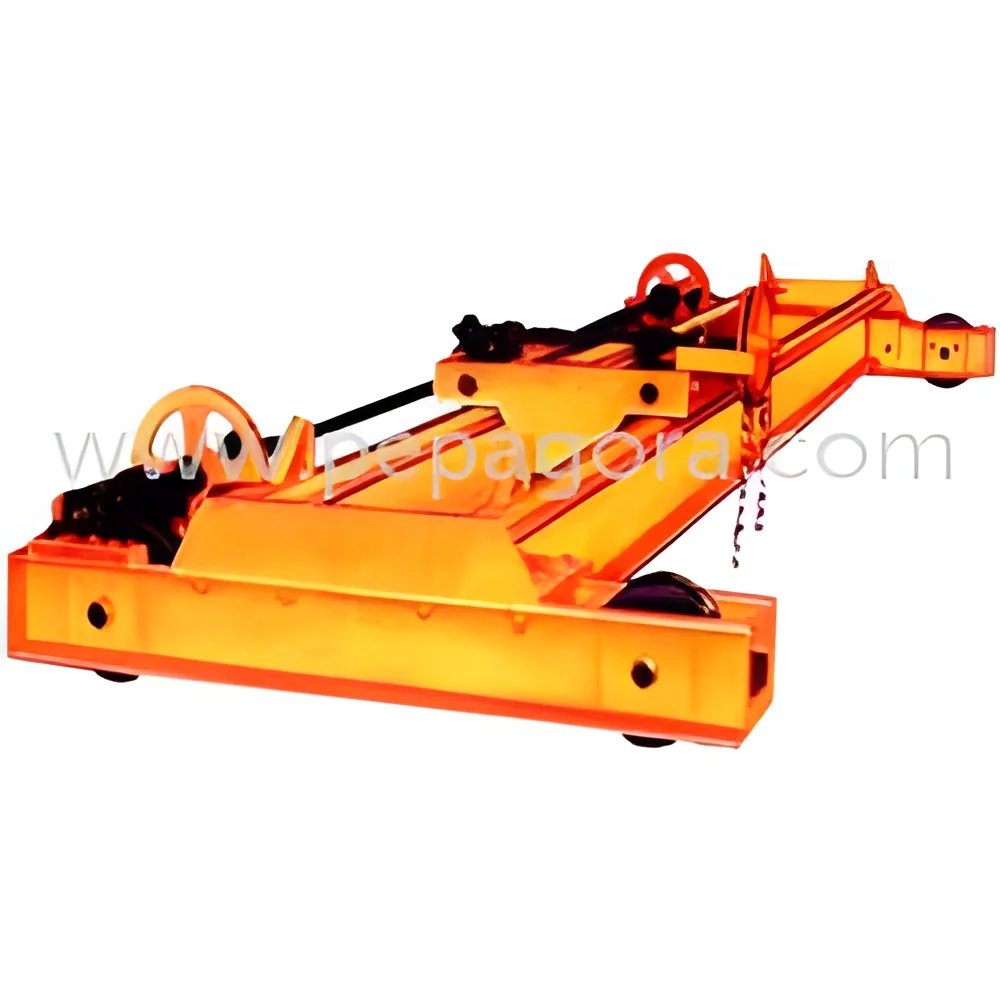
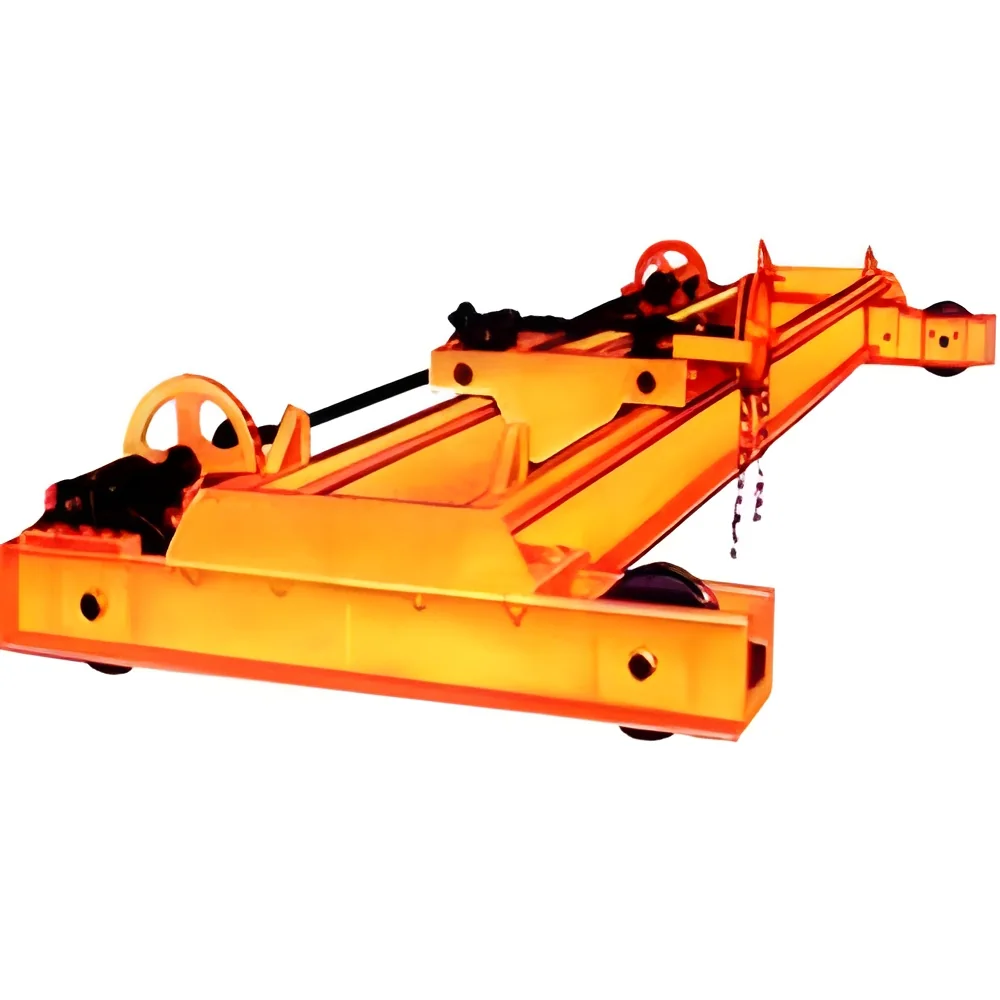
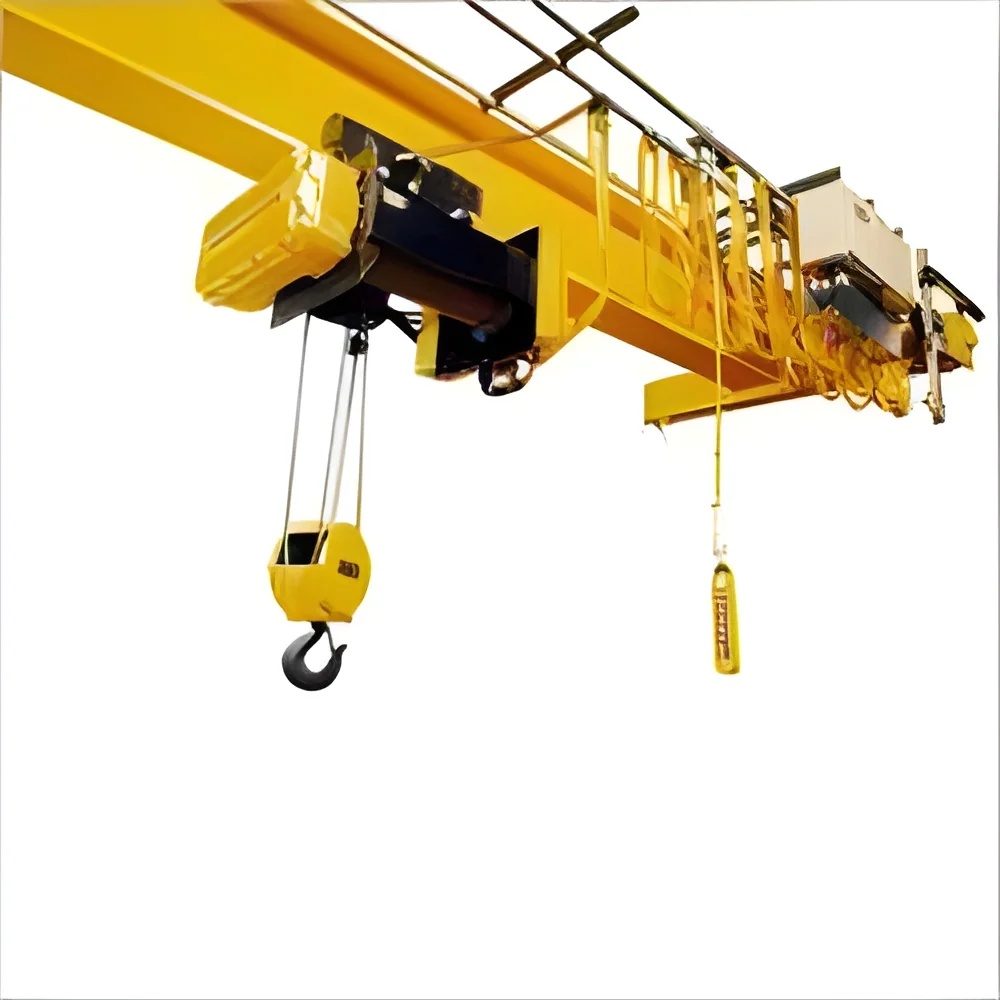
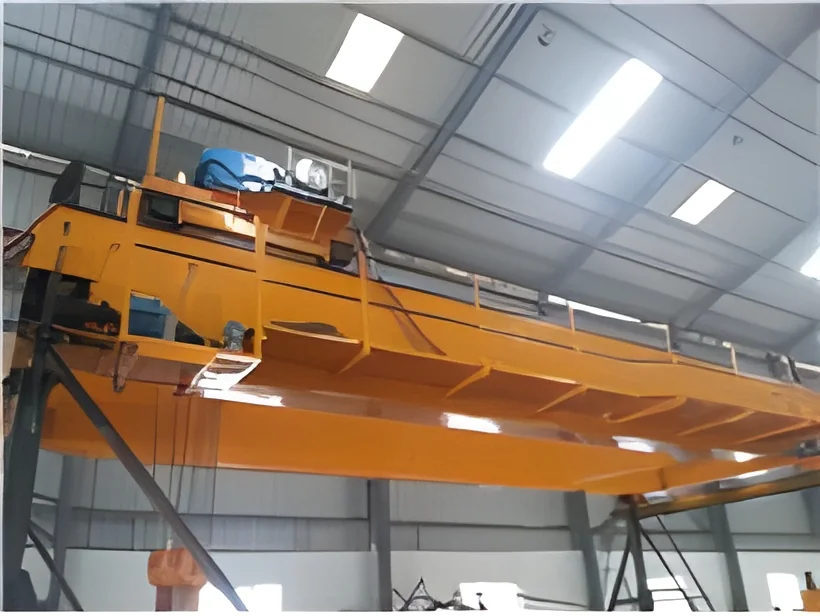
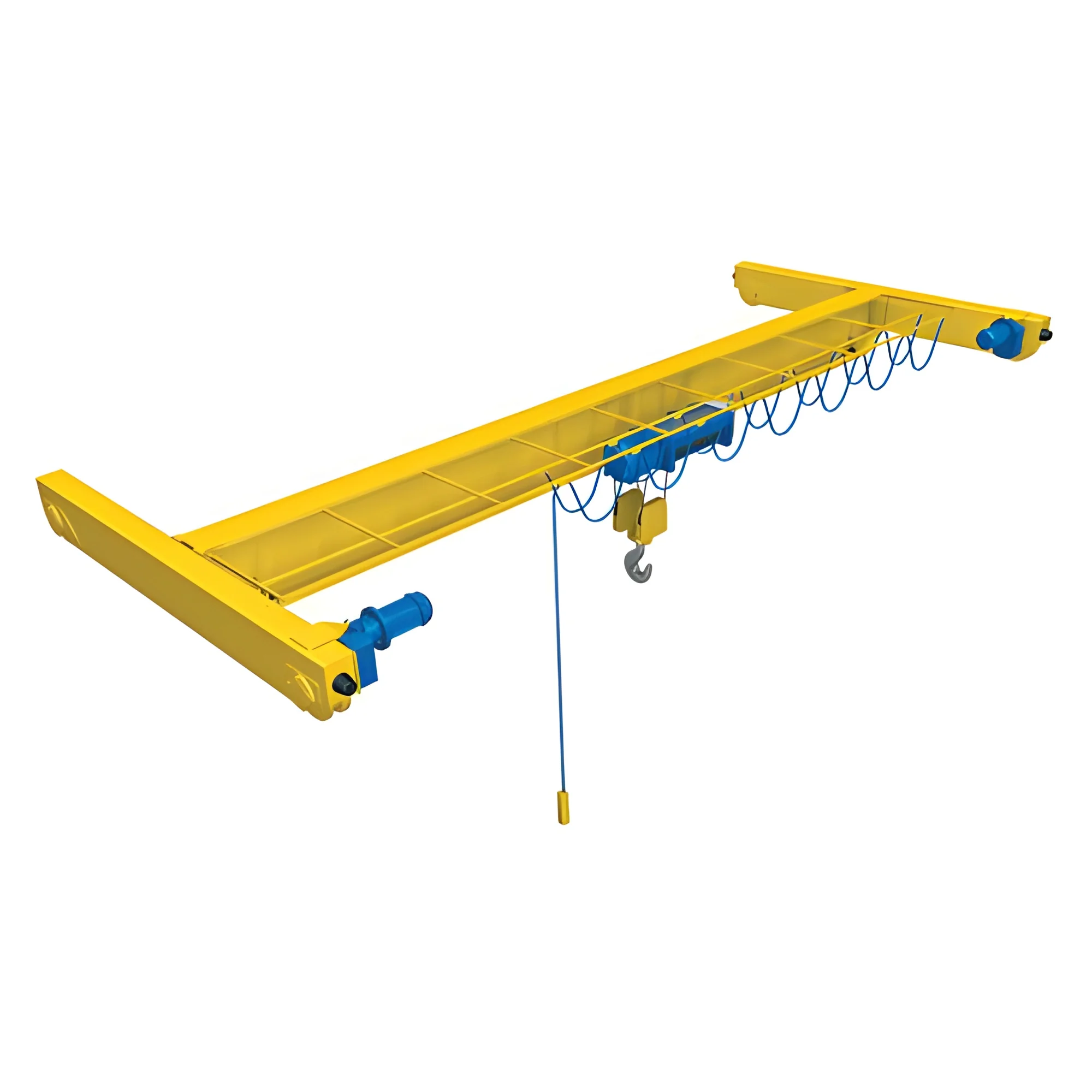
Overhead EOT (Electric Overhead Traveling) Cranes are vital pieces of equipment used in various industrial settings for lifting and moving heavy loads. These cranes operate on a horizontal bridge that runs along elevated tracks, allowing for efficient material handling across a defined workspace. Equipped with a hoisting mechanism, they can easily lift, lower, and transport items, making them indispensable in manufacturing, warehousing, and construction.
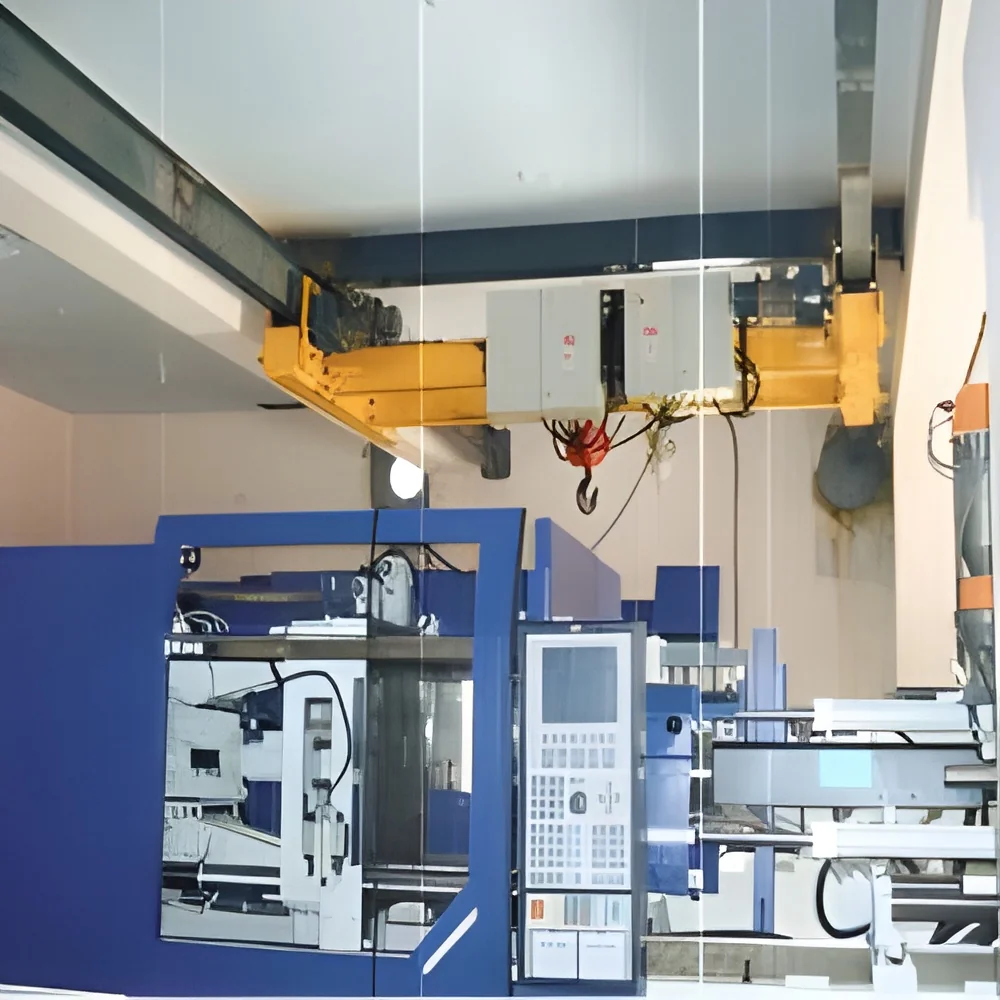
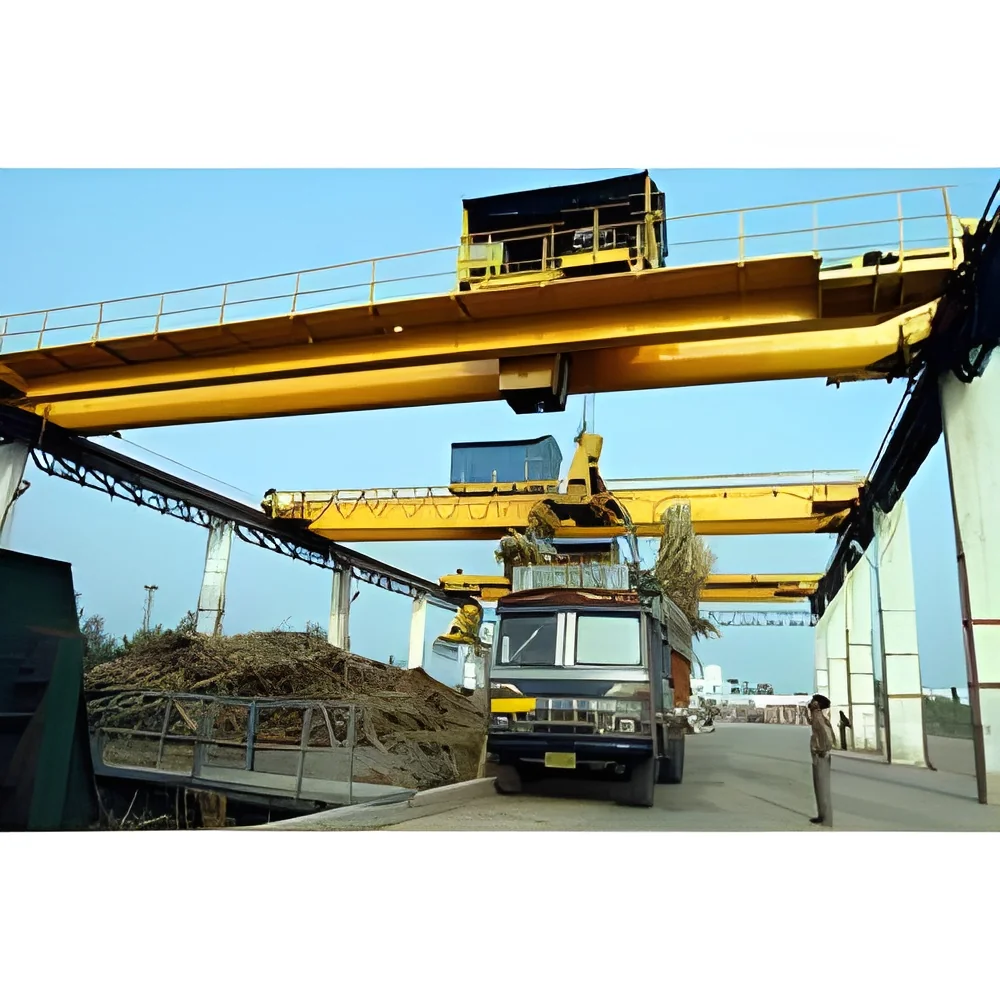
The primary applications of EOT cranes include moving heavy machinery, handling raw materials, and facilitating assembly line processes. They are commonly found in manufacturing plants, shipping yards, and construction sites where the movement of heavy items is essential. These cranes enhance operational efficiency by reducing manual handling and increasing safety during load transportation. The industrial relevance of EOT cranes is significant, as they support various sectors and contribute to streamlined operations and productivity.
Key Features and Specifications
Overhead EOT Cranes are engineered with several specifications to meet diverse industrial needs. Their design and functionality are tailored to ensure safety, efficiency, and reliability in heavy lifting operations.
Key specifications include:
1. Load Capacity
- Typically ranges from 1 ton to over 100 tons.
- Custom solutions available for specific lifting needs.
2. Span Length
- Standard spans range from 10 to 50 feet.
- Custom spans can be designed based on facility dimensions.
3. Lifting Height
- Lifting heights vary according to application, commonly up to 30 feet.
- Options available for higher lifting needs.
4. Speed of Operation
- Hoisting speeds usually range from 5 to 20 meters per minute.
- Adjustable speed options for precise control.
5. Power Supply
- Operated by electric motors, typically 3-phase.
- Voltage options include 230V, 400V, and others based on regional standards.
6. Control System
- Can feature wired or wireless remote controls.
- Advanced options include programmable logic controllers (PLC).
7. Safety Features
- Equipped with emergency stop buttons and overload protection.
- Safety brakes and limit switches included for enhanced security.
8. Construction Material
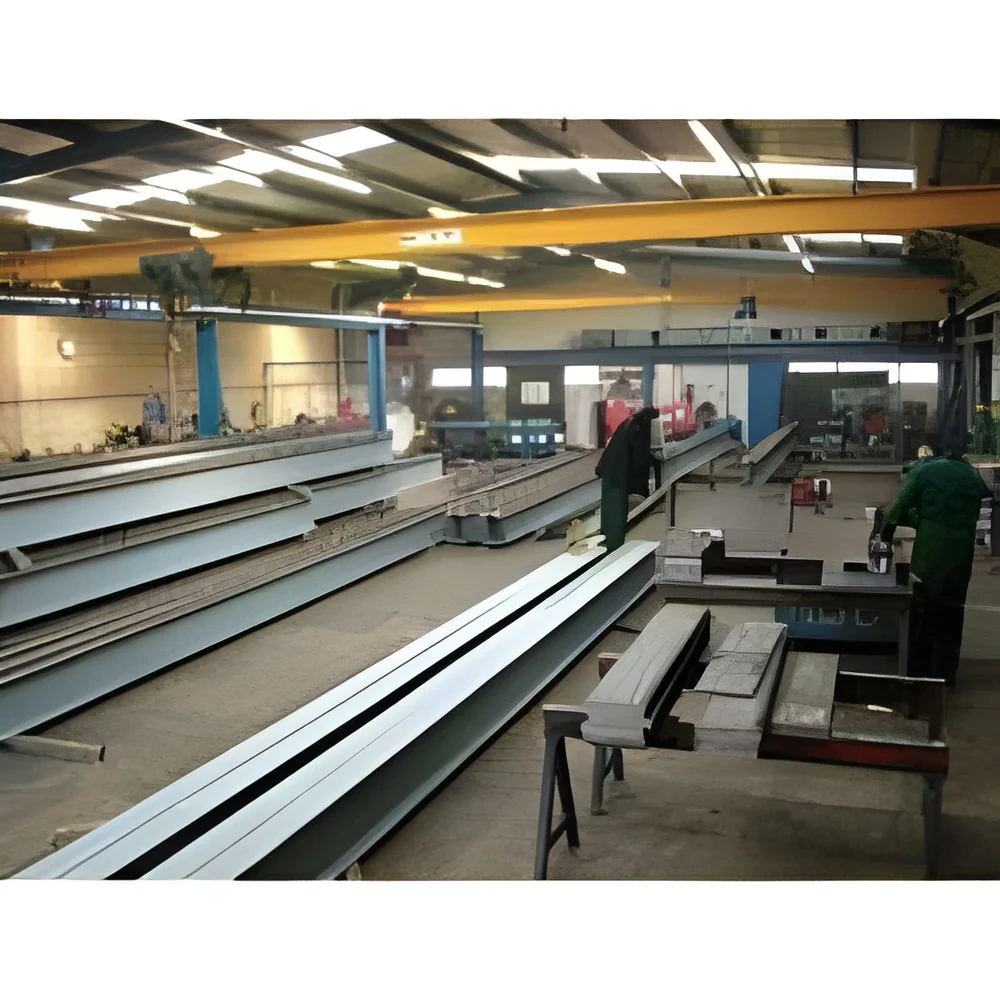
- Usually made from high-strength steel for durability.
- Corrosion-resistant coatings available for harsh environments.
In summary, the specifications of Overhead EOT Cranes are designed to cater to a variety of lifting tasks while ensuring safety and operational efficiency.
Common Applications and Use Cases
Overhead EOT Cranes are versatile machines that serve multiple industries effectively.
1. Manufacturing: Used for lifting and moving heavy machinery and parts in assembly lines, improving workflow efficiency.
2. Construction: Essential for transporting construction materials and equipment on-site, minimizing the risk of manual handling injuries.
3. Warehousing: Facilitates the stacking and retrieval of goods in high-storage environments, optimizing space utilization.
4. Shipbuilding: Plays a critical role in moving large components and materials during the construction and repair of vessels.
5. Automotive: Used in automotive manufacturing plants for handling parts and assembling vehicles, enhancing production speed.
6. Mining: Assists in the transportation of heavy loads and materials, ensuring safer operations in rugged environments.
7. Aerospace: Supports the assembly and maintenance of aircraft by providing precise lifting capabilities for large components.
Product Variants and Subcategories
Overhead EOT Cranes come in various forms to meet specific operational needs.
Heavy-Duty EOT Cranes
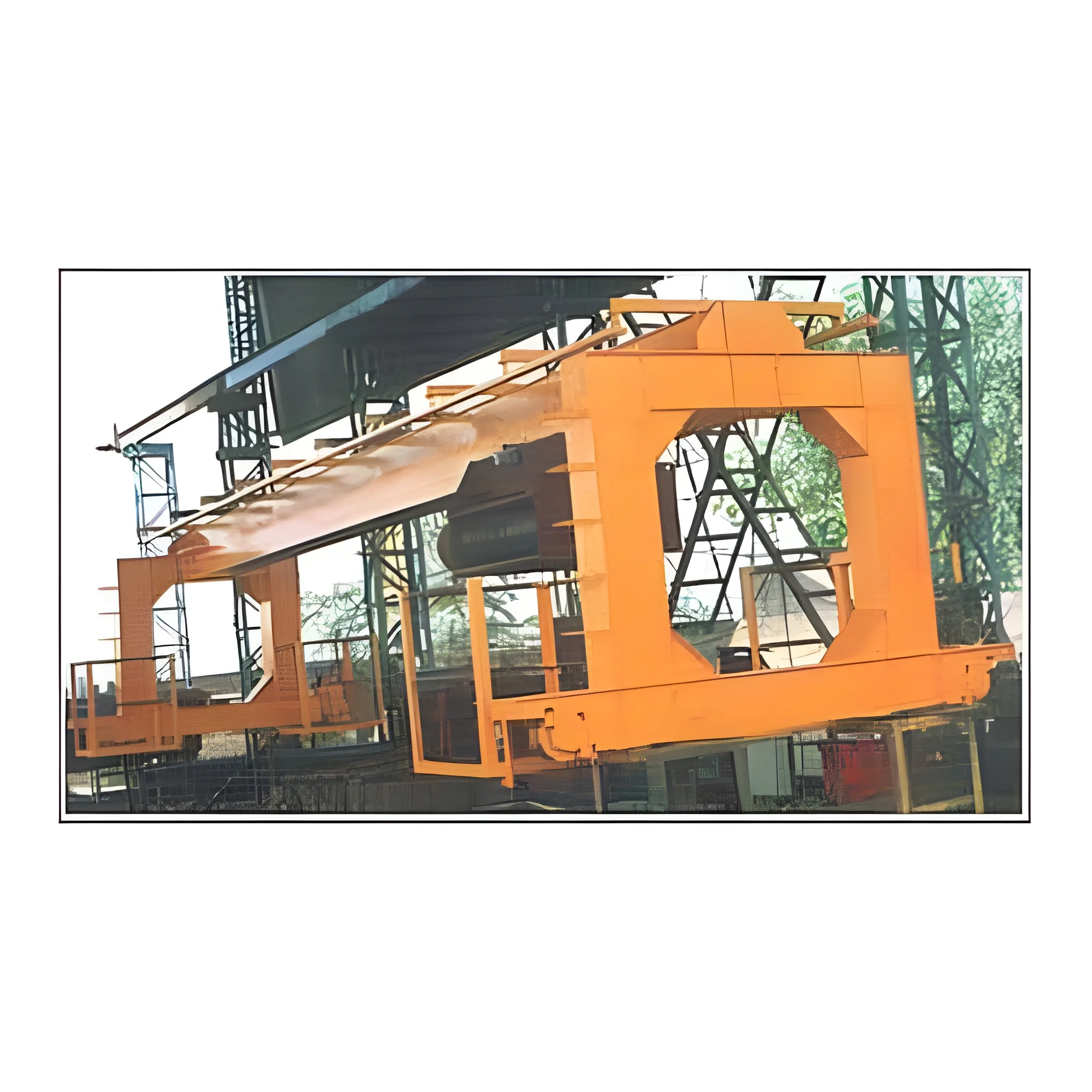
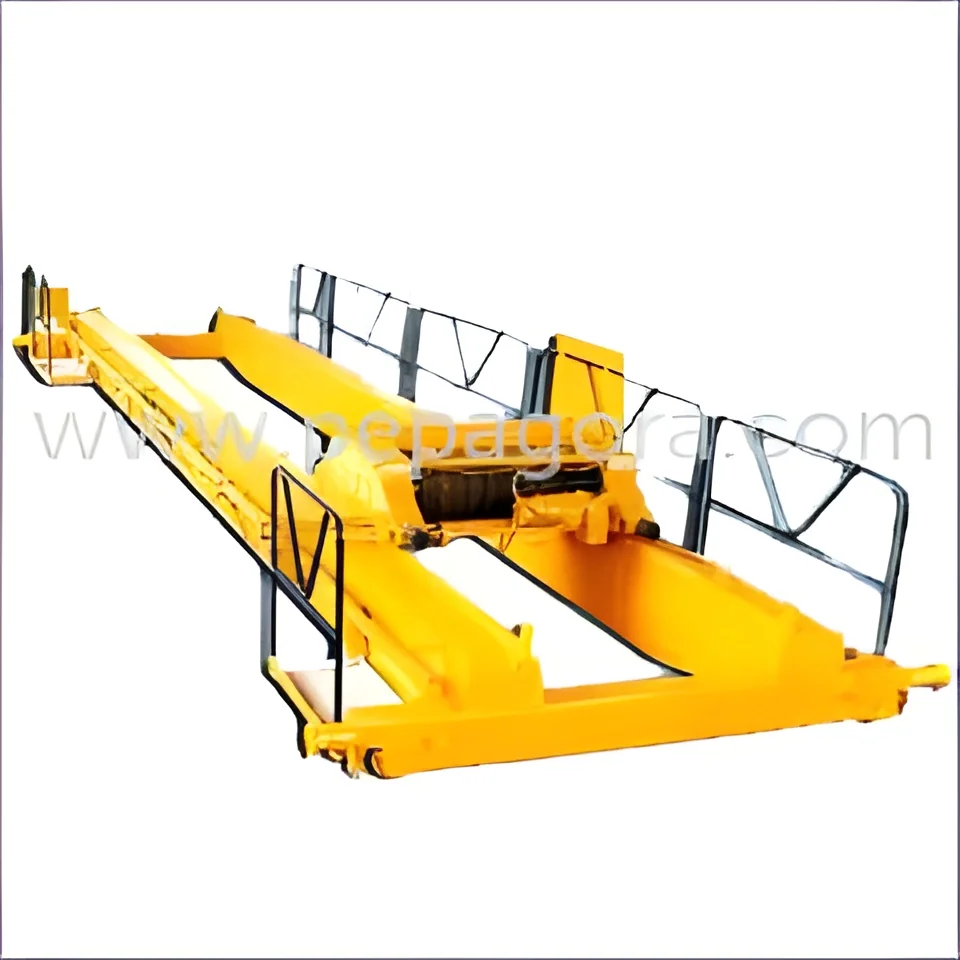
These cranes are designed for high-capacity lifting, often exceeding 50 tons. They are used in heavy industrial applications, such as steel mills and large manufacturing facilities.
Indoor EOT Cranes
Optimized for indoor use, these cranes are typically designed for limited space and lower load capacities. They are ideal for manufacturing floors and warehouses.
Explosion-Proof EOT Cranes
Specially designed for hazardous environments, these cranes are built to prevent explosions and are often used in chemical plants and oil refineries.
Benefits and Advantages
Overhead EOT Cranes offer numerous advantages that enhance operational efficiency and safety.
1. Increased Productivity: Automating the lifting process reduces time spent on manual handling, significantly speeding up operations.
2. Improved Safety: Equipped with advanced safety features, these cranes minimize the risk of accidents and injuries in the workplace.
3. Space Optimization: By operating overhead, these cranes free up ground space for other operations, maximizing facility layout efficiency.
4. Versatility: Suitable for various industries and applications, EOT cranes can handle a wide range of loads and materials.
5. Cost Efficiency: Investing in EOT cranes can lead to long-term savings by reducing labor costs and enhancing operational efficiency.
6. Customization: Many cranes can be tailored to meet specific industry requirements, ensuring they fit the unique needs of each operation.
Buying Guide for B2B Buyers
When sourcing Overhead EOT Cranes, businesses should consider several important factors to ensure they select the right equipment.
1. Quality Assessment: Evaluate the quality of materials and construction. Look for cranes that meet industry standards for safety and performance.
2. Supplier Verification: Ensure you are working with reputable suppliers. Request references and certifications to confirm their reliability.
3. Pricing and MOQ: Understand the cost implications, including the minimum order quantity, to ensure it fits within your budget.
4. Delivery and Lead Times: Discuss logistics with suppliers to confirm delivery schedules and lead times, ensuring timely installation and operation.
5. Compliance Requirements: Be aware of regulatory standards applicable to your region and ensure the cranes meet necessary compliance certifications.
Compliance and Certifications
Overhead EOT Cranes must adhere to various quality standards and certifications to ensure safety and reliability.
ISO 9001 is a recognized global standard that focuses on quality management systems, helping ensure that manufacturing processes meet consistent quality criteria.
CE certification indicates that the cranes comply with European health, safety, and environmental protection standards, which is vital for market acceptance in Europe.
Safety and testing requirements are essential for ensuring the cranes operate safely under load. Regular inspections and compliance with local safety regulations are necessary for continued operation.
Regional compliance considerations vary, with different countries having specific requirements for industrial equipment. It is crucial to understand these regulations to avoid penalties and ensure safe operation.
Why Source Overhead EOT Cranes from Pepagora?
Pepagora provides a trusted platform for sourcing Overhead EOT Cranes, offering multiple advantages for B2B buyers.
Verified Supplier Network: Pepagora connects buyers with a network of verified suppliers, ensuring that all vendors meet high-quality and safety standards. This reduces the risk of sourcing from unreliable manufacturers.
Streamlined RFQ Process: The request for quotation process is simplified on Pepagora, allowing buyers to receive competitive quotes quickly. This efficiency helps companies make informed purchasing decisions.
Trade Assurance and Support: Buyers benefit from trade assurance policies that protect their investments. Pepagora also offers customer support to assist with any queries throughout the purchasing process.
Regional Coverage: With a wide geographic reach, including India, the GCC, and Southeast Asia, Pepagora enables buyers from various regions to find locally relevant solutions for their EOT crane needs.

 IN
IN