IN
IN₹
Apparel & Fashion
Loading subcategories...
View More
Description
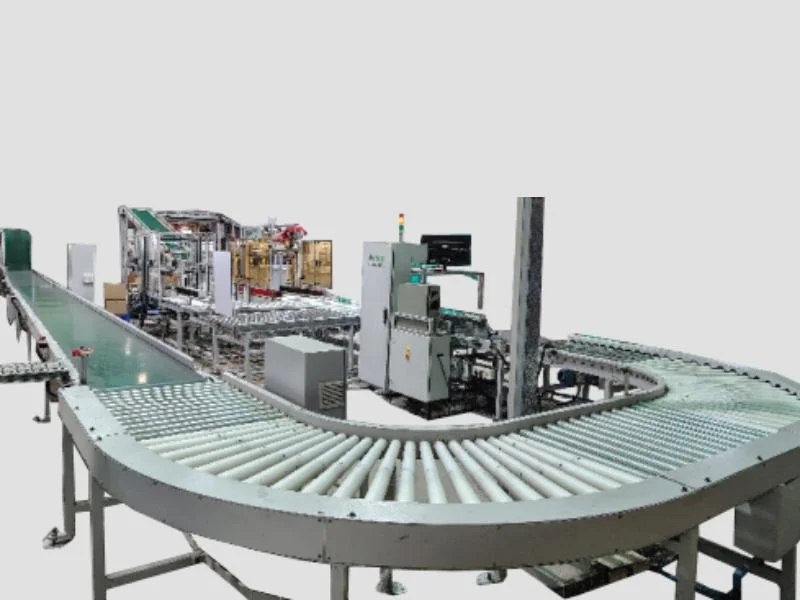
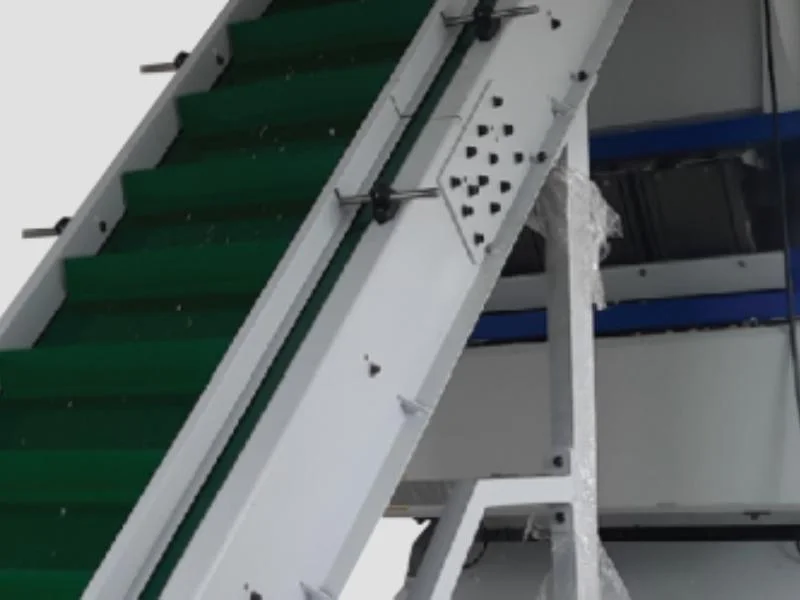
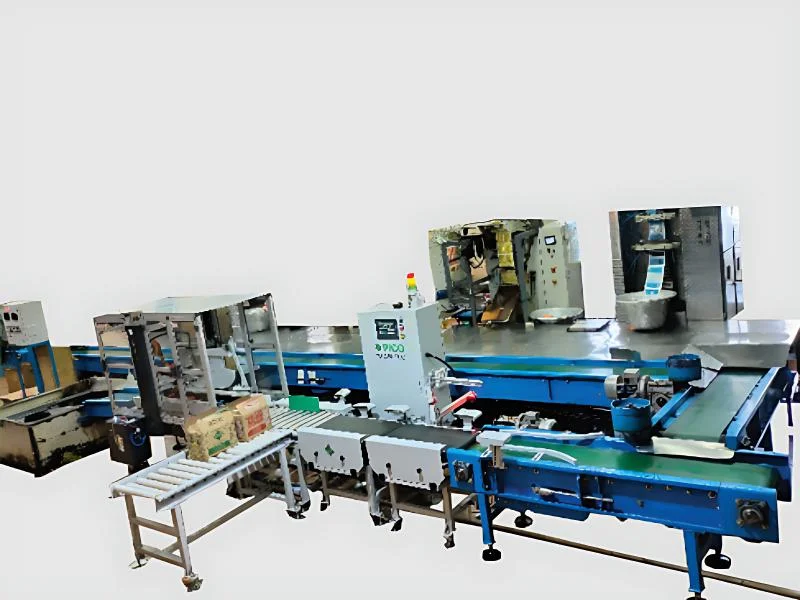
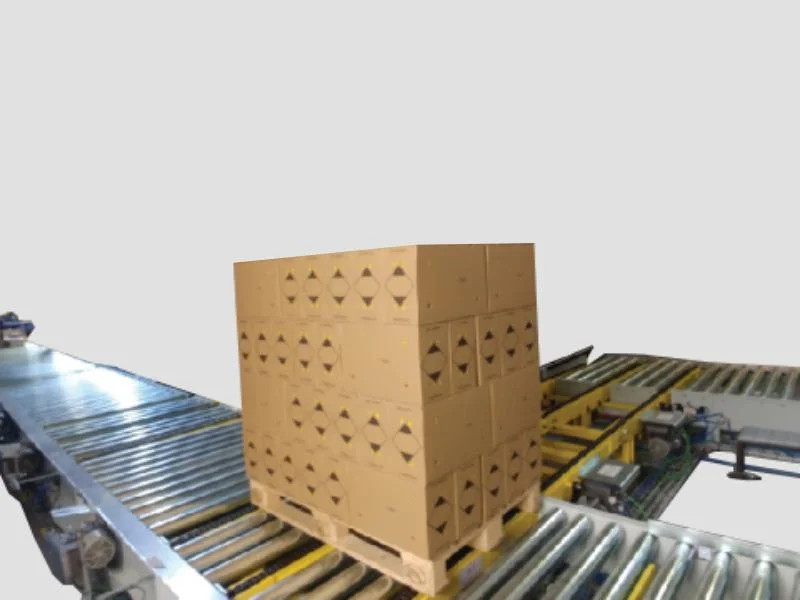
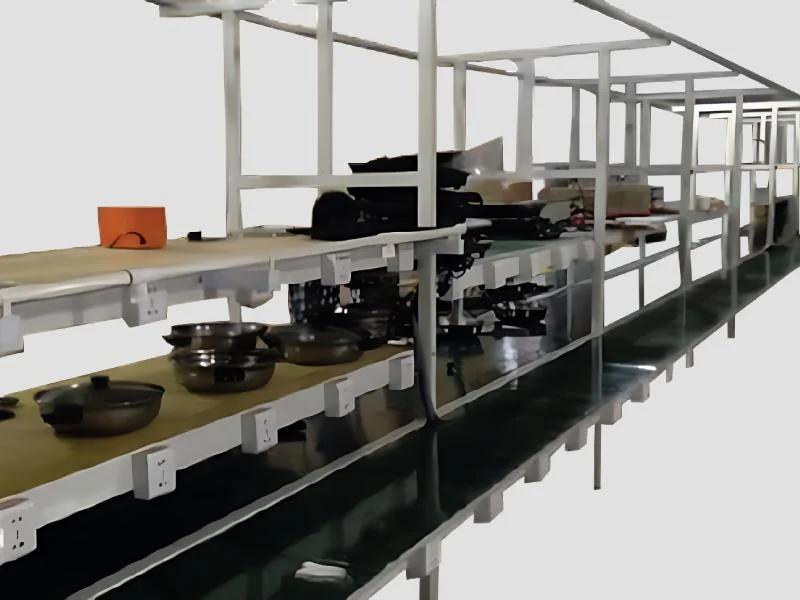
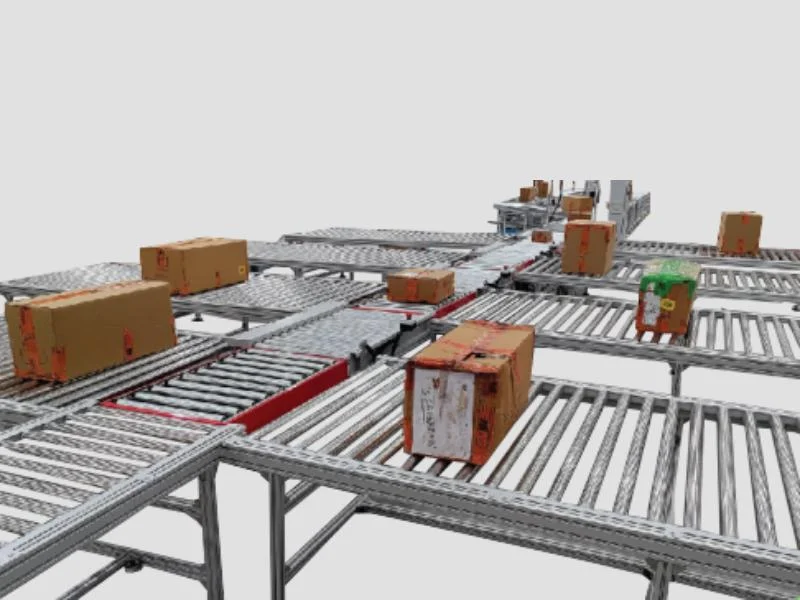
Apparel manufacturing conveyor layouts serve as the strategic foundation for modern production facilities, specifically engineered to optimize material movement throughout manufacturing operations. These specialized systems arrange conveyor pathways according to spatial limitations and operational needs, incorporating straight-line, U-shaped, S-shaped, or complex multi-path configurations. Each layout is precision-designed to handle loads from 50kg to 1000kg per meter while maintaining consistent product flow. The core purpose extends beyond basic transportation—these layouts integrate seamlessly with existing equipment to create cohesive production environments that minimize handling, reduce manual intervention, and maintain continuous workflow from raw material processing through finished garment dispatch.

The fashion industry particularly benefits from tailored conveyor solutions that address the specific requirements of textile handling. Manufacturing facilities utilize these syst...
Apparel manufacturing conveyor layouts serve as the strategic foundation for modern production facilities, specifically engineered to optimize material movement throughout manufacturing operations. These specialized systems arrange conveyor pathways according to spatial limitations and operational needs, incorporating straight-line, U-shaped, S-shaped, or complex multi-path configurations. Each layout is precision-designed to handle loads from 50kg to 1000kg per meter while maintaining consistent product flow. The core purpose extends beyond basic transportation—these layouts integrate seamlessly with existing equipment to create cohesive production environments that minimize handling, reduce manual intervention, and maintain continuous workflow from raw material processing through finished garment dispatch.

The fashion industry particularly benefits from tailored conveyor solutions that address the specific requirements of textile handling. Manufacturing facilities utilize these systems to move fabrics through cutting operations, transport partial assemblies between sewing stations, and guide finished garments through inspection and packaging processes. The configuration flexibility allows adaptation to various space constraints common in manufacturing facilities while maintaining efficient workflow patterns. Distribution centers specializing in fashion products implement these layouts to accelerate order fulfillment, sorting operations, and inventory management, handling everything from delicate garments to bulk shipments with consistent efficiency and care.

Operations investing in professional conveyor layouts gain significant advantages through reduced labor costs, minimized product damage, and increased throughput capacity. The reliability of these systems ensures consistent performance during continuous operation, reducing downtime and maintenance needs. The engineered configurations provide perfect alignment with existing workflows rather than forcing operational compromises. The scalability of these layouts offers future-proofing for business growth, enabling straightforward expansion or reconfiguration as production requirements evolve without complete system replacements or substantial additional investment.

Key Features:
- Multiple configuration options including straight-line, U-shaped, and S-shaped designs
- Load capacity ranging from 50kg to 1000kg per meter for various manufacturing needs
- Optimization for minimal product handling throughout production processes
- Engineered layouts designed for specific spatial constraints and workflow requirements
- Integration compatibility with existing production equipment and conveyor systems

Benefits:
- Increased production throughput through optimized material flow
- Reduced labor costs by minimizing manual handling requirements
- Decreased product damage during transportation between stations
- Enhanced workflow efficiency with strategically arranged pathways
- Scalable solutions that accommodate future operational expansion
Specifications
| Attribute | Value |
|---|---|
| Layout Type | Straight-line, U-shaped, S-shaped, or complex multi-path configurations. |
| Load Capacity | 50 kg to 1000 kg per meter) |
| Efficiency | Optimized for minimal product handling and maximum throughput |
| Additional Information | |
|---|---|
| Country of Origin | India |
| Customisable | No |
Application
These conveyor layouts transform apparel production by creating seamless material flow from cutting through assembly to finishing. The systems efficiently transport fabrics, partial garments, and finished products while reducing manual handling and maintaining consistent movement through sewing stations, quality checks, and packaging areas. Strategic configurations ensure workers have ergonomic material access without unnecessary movement or workflow bottlenecks.
Distribution and warehousing operations benefit from optimized conveyor arrangements that streamline sorting, storage retrieval, and order fulfillment processes. Fashion logistics facilities utilize these layouts to accelerate picking operations, reduce labor requirements, and minimize errors in high-volume environments. The flexibility of multiple pathway configurations enables simultaneous processing of different product lines while maintaining organizational efficiency throughout the facility.
- Garment assembly lines requiring smooth transitions between sequential workstations
- Sorting facilities managing bulk apparel shipments for retail distribution
- Packaging operations needing efficient movement to labeling and boxing stations
- Quality control checkpoints integrated directly into production flow
- Warehouse fulfillment centers handling high-volume fashion inventory with rapid turnover
Trade Details
| Available Stock | In Stock |
| Sample Availability | No |
Payment Terms
| Payment Terms |
|
Company Profile

Pico Automation, Tamil Nadu
 Tamil Nadu, India
Tamil Nadu, India18 yrs
Manufacturer
Turn Over
Below ₹25 Lakhs
Factory Details
Factory Size1000-5000 sqm
Main Markets
South Asia
Africa
Apparel Manufacturing Conveyor Layouts Straight Line U Shaped S Shaped 50 1000kg/m
Apparel manufacturing conveyor systems feature straight-line, U-shaped, and S-shaped layouts with 50-1000kg/m capacity for optimized production flow, minimal handling, and maximum throughput in garment facilities.
Min. Order Quantity: 1 piece
Shipping
Shipping fee and delivery date to be negotiated. Contact supplier now for more details.
Pico Automation Tamil Nadu, India
Tamil Nadu, IndiaManufacturer