
 IN
Truck Loaders
1 products available
What are Truck Loaders?
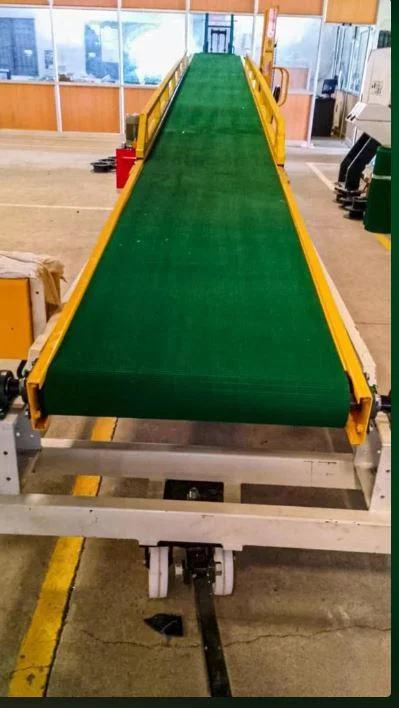
Truck loaders are specialized machines designed for loading materials onto trucks efficiently and quickly. These machines are equipped to handle a variety of materials, including bulk goods, aggregates, and industrial products. The primary function of a truck loader is to facilitate the transportation of materials from one location to another, significantly reducing loading times compared to manual processes.
In business applications, truck loaders are widely used in sectors such as construction, agriculture, and logistics. They play a crucial role in streamlining the supply chain by ensuring that materials are loaded and unloaded with minimal downtime. With the increasing demand for efficiency in logistics and material handling, truck loaders have become essential equipment for many industries, helping businesses operate more effectively and meet customer demands.
Key Features and Specifications
Truck loaders come with a range of features that enhance their functionality and efficiency. These specifications are vital for buyers to understand the machine's capabilities and to ensure they meet operational needs.
Key specifications include:
1. Load Capacity
- The maximum weight the loader can handle, typically ranging from 1 to 10 tons.
2. Engine Power
- The power output of the engine, usually between 50 to 200 horsepower, impacting performance.
3. Operating Weight
- The total weight of the truck loader, which can influence stability and maneuverability.
4. Loader Type
- Options include wheel loaders and track loaders, each suited for different terrains and applications.
5. Lift Height
- The maximum height to which the loader can raise materials, generally between 8 to 16 feet.
6. Bucket Volume
- The capacity of the bucket, which can vary from 0.5 to 4 cubic yards.
7. Travel Speed
- The maximum speed of the truck loader, often between 5 to 20 mph depending on the model.
8. Fuel Efficiency
- Consumption rates can vary, with advanced models providing better fuel savings.
In summary, understanding these specifications helps buyers select the right truck loader for their operational requirements.
Common Applications and Use Cases
Truck loaders are versatile machines used across various industries to improve productivity and efficiency.
1. Construction: Truck loaders are essential for moving heavy materials such as concrete, bricks, and soil on construction sites, significantly speeding up the loading process.
2. Agriculture: In agricultural settings, truck loaders are used to load fertilizers, grains, and other bulk materials onto transport vehicles, aiding in supply chain efficiency.
3. Mining: These machines assist in loading mined materials onto trucks for transport, crucial for maintaining production cycles in mining operations.
4. Waste Management: Truck loaders are utilized in waste management to load refuse and recyclables onto collection trucks, facilitating efficient waste disposal.
5. Logistics: In logistics and warehousing, truck loaders help in loading goods onto delivery trucks, streamlining the distribution process.
6. Manufacturing: Manufacturing facilities use truck loaders to move raw materials and finished products, enhancing operational flow.
7. Forestry: In the forestry industry, they assist in loading timber onto trucks for transport, ensuring timely delivery to processing plants.
Product Variants and Subcategories
Truck loaders come in various configurations to suit different operational needs and environments.
Compact Truck Loaders
These loaders are smaller in size, ideal for tight spaces and urban environments. They offer excellent maneuverability and are perfect for small to medium-sized projects.
Heavy-Duty Truck Loaders
Designed for rugged applications, these loaders can handle larger loads and are often used in construction and mining. They feature robust engines and reinforced structures.
Telehandler Loaders
These versatile machines combine the capabilities of a loader and a forklift. They are ideal for lifting and placing materials at height, commonly used in construction and agriculture.
Benefits and Advantages
Investing in truck loaders provides numerous benefits for businesses looking to enhance their operational efficiency.
1. Increased Productivity: Truck loaders significantly reduce loading times, allowing for faster turnaround in material handling processes.
2. Cost Efficiency: By automating the loading process, businesses can reduce labor costs and minimize the risk of material loss.
3. Versatility: These machines can handle a range of materials and applications, making them suitable for various industries.
4. Enhanced Safety: Truck loaders reduce the need for manual lifting, lowering the risk of workplace injuries associated with manual handling.
5. Improved Logistics: With faster loading times, truck loaders enhance overall logistics operations, ensuring timely deliveries.
6. Better Fuel Efficiency: Modern truck loaders are designed to be more fuel-efficient, helping businesses reduce operating costs over time.
Buying Guide for B2B Buyers
When sourcing truck loaders, B2B buyers should consider several key factors to ensure they make informed purchasing decisions.
1. Quality Assessment: Evaluate the build quality and performance specifications of the truck loader. Look for machines that meet industry standards and have a reputation for reliability.
2. Supplier Verification: Ensure that you vet suppliers thoroughly to confirm that they have a track record of delivering quality products and services.
3. Pricing and MOQ: Understand the pricing structure and minimum order quantities (MOQ) from suppliers. This will help you budget effectively and plan your inventory.
4. Delivery and Lead Times: Inquire about delivery schedules and lead times. Timely delivery is crucial for maintaining operational flow.
5. Compliance Requirements: Familiarize yourself with any regulatory compliance that may apply to truck loaders in your region, ensuring that the equipment meets local safety and operational standards.
Compliance and Certifications
Compliance with quality standards and certifications is critical in the truck loader industry. Many manufacturers adhere to ISO 9001 standards, which ensure quality management systems are in place. This certification guarantees that products meet customer and regulatory requirements.
In addition to quality standards, CE certification is essential for trucks and loaders marketed in the European Union, indicating compliance with health, safety, and environmental protection standards.
Safety and testing requirements are paramount in the production of truck loaders. Manufacturers must ensure their machines are rigorously tested for performance and safety before reaching the market. Buyers should also be aware of regional compliance considerations, as different areas may have specific regulations that impact operational use.
Why Source Truck Loaders from Pepagora?
Pepagora offers a reliable platform for sourcing truck loaders, providing several key advantages for B2B buyers.
Verified Supplier Network: Pepagora ensures that all suppliers on its platform are thoroughly vetted, assuring buyers of quality products and services.
Streamlined RFQ Process: The request for quotation (RFQ) process on Pepagora is designed to be user-friendly, allowing buyers to easily compare offers and make informed decisions.
Trade Assurance and Support: Pepagora provides trade assurance and support, ensuring buyers feel protected throughout the purchasing process, from inquiry to delivery.
Regional Coverage: With a strong presence in India, the GCC, and Southeast Asia, Pepagora connects buyers with suppliers in these regions, facilitating access to a wide range of truck loaders tailored to various needs.

Frequently Asked Questions
What are Truck Loaders?
Truck Loaders are heavy-duty machinery used for loading and unloading materials onto trucks. They are designed to handle various materials, such as soil, gravel, and construction debris, facilitating efficient transportation.
What are the different types of Truck Loaders?
There are several types of Truck Loaders, including wheel loaders, track loaders, and telescopic handlers. Each type is designed for specific applications, varying in size, capacity, and operational capabilities.
How do I choose the right Truck Loaders?
Selecting the right Truck Loader depends on factors such as the type of material to be handled, the load capacity needed, and the working environment. Consideration of brand reputation and after-sales service is also important.
What are the standard specifications for Truck Loaders?
Standard specifications for Truck Loaders typically include engine power, operating weight, bucket capacity, and lift height. It's essential to review these specifications based on your operational needs.
What is the price range for Truck Loaders?
The price range for Truck Loaders can vary widely based on brand, type, and features, generally starting from a few lakhs to several crores in Indian Rupees. It's advisable to compare prices from multiple suppliers for the best deal.
What quality standards apply to Truck Loaders?
Truck Loaders must adhere to various quality standards, including ISO certifications and safety regulations. Manufacturers often conduct tests to ensure durability, performance, and safety compliance.
Where can I find Truck Loaders suppliers in India?
You can find Truck Loaders suppliers in India through online B2B marketplaces like Pepagora, trade fairs, and industry-specific directories. Networking within the construction and logistics sectors can also yield reliable supplier contacts.
Can Truck Loaders be customized?
Yes, many manufacturers offer customization options for Truck Loaders to meet specific operational requirements. Customizations may include modifications to bucket size, attachments, or specialized features.
What is the typical minimum order quantity for Truck Loaders?
The minimum order quantity (MOQ) for Truck Loaders usually varies by manufacturer and can range from one unit to several. It's best to inquire directly with suppliers to understand their specific MOQ policies.
What is the typical lead time for Truck Loaders?
The typical lead time for Truck Loaders can range from a few weeks to several months, depending on the manufacturer's production capacity and customization requests. It's advisable to confirm lead times when placing an order.
Why Businesses Trust Pepagora
Thousands of companies trust Pepagora to source smarter and sell faster
Expand Your Sales Globally

Source Smarter,Grow Faster
