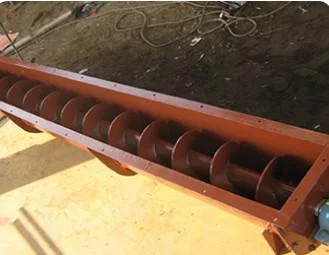
What are Screw Conveyors?
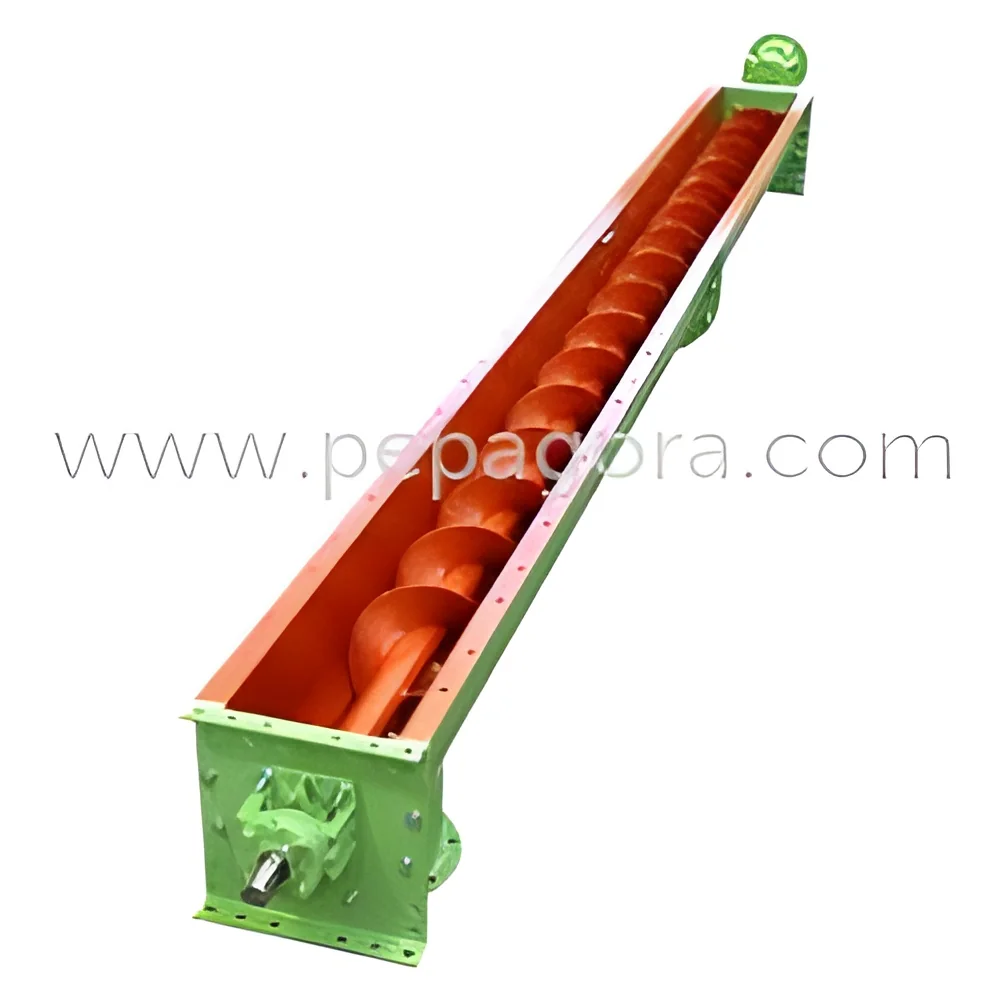
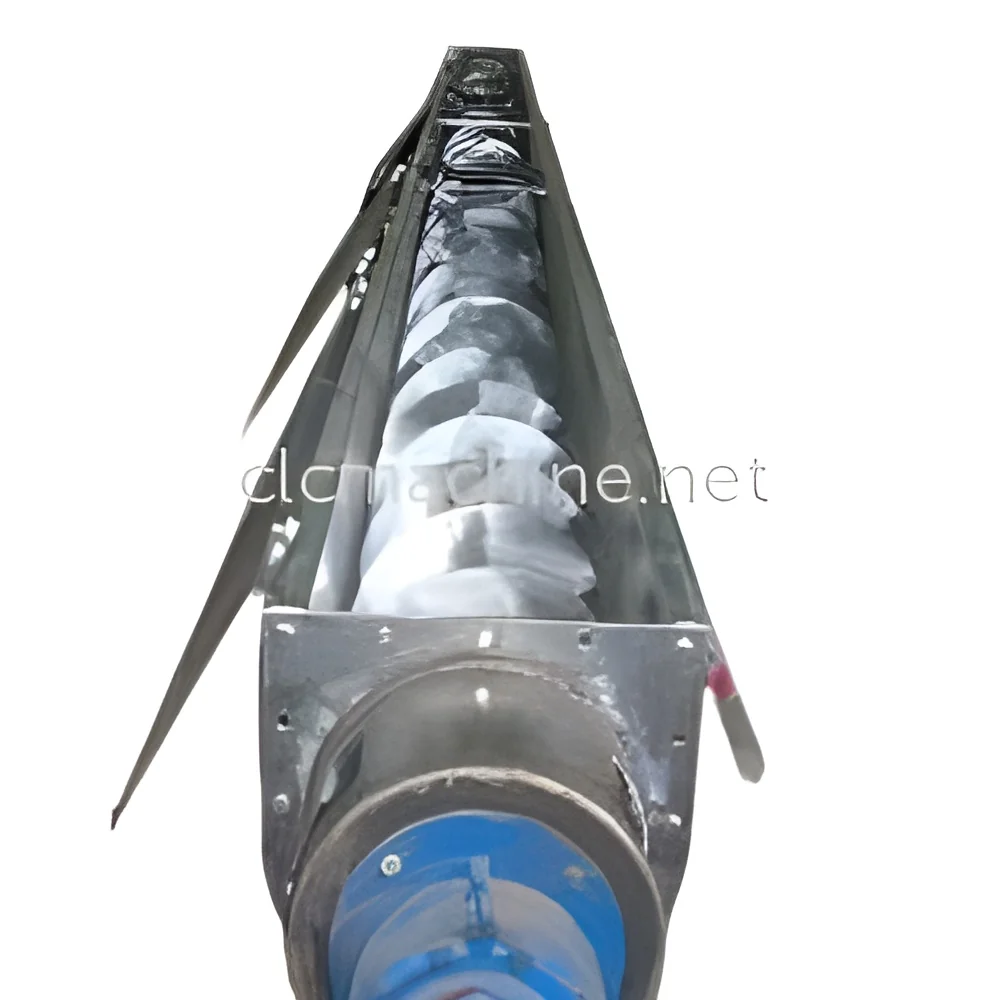
Screw conveyors are mechanical devices designed to transport bulk materials through a rotating helical screw blade, also known as a screw auger. These conveyors operate on the principle of moving materials along a trough or tube, using the rotary motion of the screw to push the material in the desired direction. Screw conveyors are versatile and can handle a variety of materials, including powders, granules, and even larger bulk items, making them essential components in many industrial processes.
These conveyors find primary applications in sectors such as agriculture, food processing, chemical manufacturing, and wastewater treatment. In agriculture, they are often used for moving grain, while in food processing, they help in transferring ingredients and finished products. Their efficiency and reliability make them a popular choice for companies looking to streamline their material handling operations. As industries continue to automate and improve productivity, the demand for screw conveyors is expected to grow in relevance and scope.
Key Features and Specifications
Screw conveyors come with several notable features and specifications that enhance their performance and adaptability. Understanding these factors is crucial for selecting the right model for specific industrial needs.
Key specifications include:
1. Capacity
- The amount of material a screw conveyor can handle, typically measured in tons per hour.
- Capacity varies based on the screw diameter, pitch, and speed.
2. Length
- The overall length of the conveyor can vary widely to accommodate different installation environments.
- Custom lengths can be manufactured as per requirement.
3. Material Construction
- Common materials include carbon steel, stainless steel, and specialized alloys for corrosion resistance.
- Material choice impacts durability and suitability for specific applications.
4. Diameter
- Standard screw diameters range from 4 inches to 24 inches, with custom sizes available.
- Diameter selection affects capacity and efficiency.
5. Drive Type
- Options include direct drive, belt drive, and chain drive configurations.
- Each drive type offers different efficiencies and maintenance needs.
6. Incline Angle
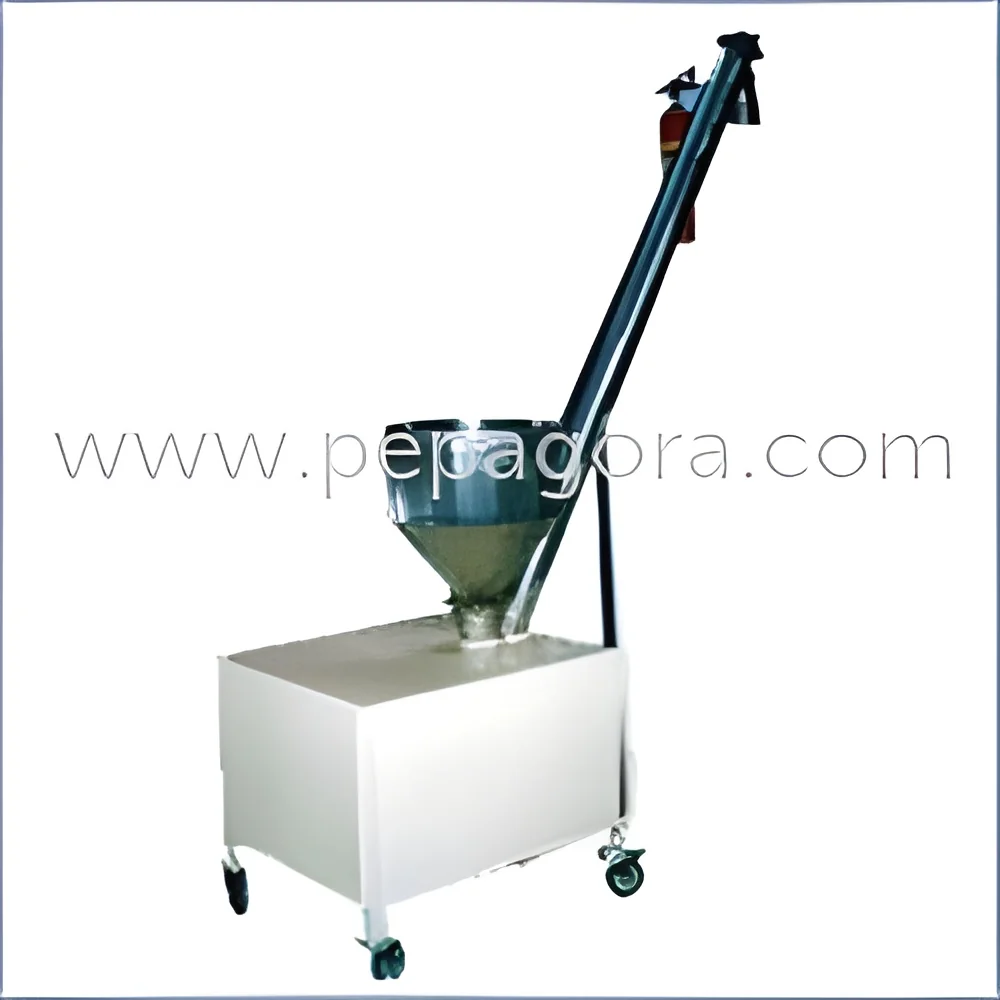
- Screw conveyors can operate horizontally or at varying incline angles, typically up to 45 degrees.
- The angle affects the efficiency of material transport.
7. Speed Control
- Many models feature adjustable speed controls for optimized material flow.
- Variable speed options can improve handling of different material types.
8. End Configuration
- Various end configurations such as open, closed, or custom ends can be selected.
- End configurations influence loading and unloading capabilities.
Screw conveyors are essential tools that improve material handling efficiency in various industries, making their specifications vital for optimal performance.
Common Applications and Use Cases
Screw conveyors are widely used across multiple industries due to their efficiency and versatility.
1. Agriculture: In the agricultural sector, screw conveyors are commonly used to transport grains, seeds, and fertilizers. Their ability to handle bulk materials makes them ideal for moving products from storage to processing areas.
2. Food Processing: In food processing facilities, these conveyors facilitate the movement of ingredients, such as flour and sugar, as well as finished products. Their design often meets strict hygiene standards to ensure food safety.
3. Chemical Manufacturing: Screw conveyors are employed to move powders and granules in chemical plants. They efficiently transfer materials during various stages of production and packaging.
4. Wastewater Treatment: In wastewater treatment plants, screw conveyors are used for transporting sludge and other waste materials. Their reliability is crucial for maintaining efficient operations.
5. Mining: The mining industry utilizes screw conveyors for transporting mined materials. They are particularly effective in moving heavy and abrasive materials.
6. Plastics and Polymers: In the plastics industry, screw conveyors help in the transfer of pellets and powders during manufacturing processes.
7. Cement and Aggregate: These conveyors are used in cement production to move raw materials and finished products. Their robust design handles heavy loads efficiently.
Product Variants and Subcategories
Screw conveyors come in various designs and configurations to meet the specific needs of different industries.
Twin Screw Conveyors: These conveyors feature two screws that work in tandem to provide greater material movement capacity and better mixing capabilities. They are ideal for handling viscous or high-density materials.
Vertical Screw Conveyors: Designed for vertical lifting, these conveyors utilize a vertical orientation to transport materials upwards. They are suitable for applications that require significant elevation changes.
Horizontal Screw Conveyors: This type operates on a horizontal plane, making them suitable for short-distance material handling. They are commonly used in processing and packaging lines.
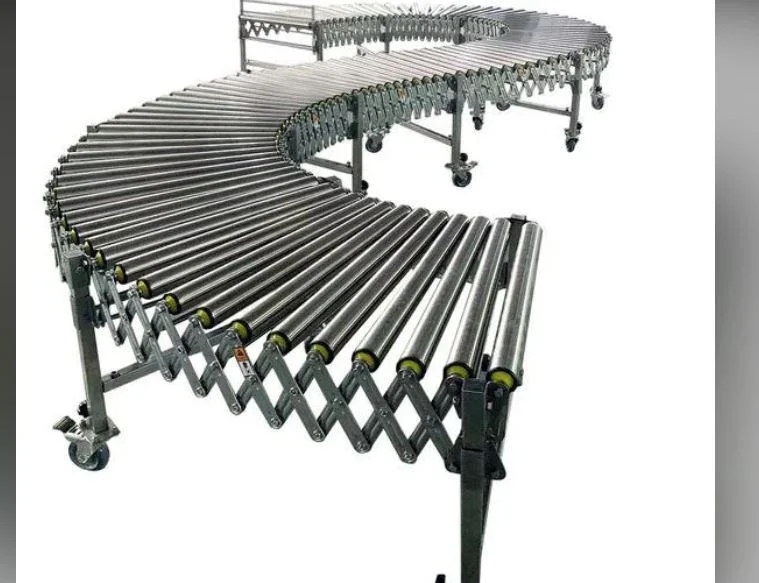
Flexible Screw Conveyors: These conveyors can bend and twist to navigate around obstacles. Their flexibility makes them suitable for complex layouts in processing plants.
Benefits and Advantages
Screw conveyors offer a range of benefits that contribute to their popularity in industrial settings.
Key benefits include:
1. Efficient Material Handling: They are capable of transporting various types of materials quickly and effectively, enhancing overall productivity.
2. Space Saving: Their compact design allows for installation in tight spaces, making them ideal for facilities with limited floor space.
3. Versatility: Screw conveyors can handle a wide range of materials, including liquids, powders, and granular substances, making them suitable for diverse applications.
4. Low Maintenance: With fewer moving parts compared to other conveyor types, screw conveyors require less maintenance, reducing operational downtime.
5. Customization: They can be tailored to meet specific requirements, including length, diameter, and material construction, allowing for optimal performance in unique environments.
6. Safety: Many screw conveyors come with safety features like covers and guards to protect operators from moving parts and materials.
Buying Guide for B2B Buyers
When sourcing screw conveyors, it is essential for buyers to consider several critical factors to ensure they select the right product for their needs.
1. Quality Assessment: Buyers should evaluate the quality of materials, construction, and design. High-quality components contribute to longer service life and reliability.
2. Supplier Verification: It is important to vet suppliers to ensure they have a proven track record and adhere to industry standards. This can include checking references and previous projects.
3. Pricing and MOQ: Understanding pricing structures and minimum order quantities (MOQ) is crucial for budgeting. Buyers should compare quotes from multiple suppliers to get the best deal.
4. Delivery and Lead Times: Buyers must consider logistics and lead times when planning their operations. Clear communication with suppliers regarding delivery schedules is essential.
5. Compliance Requirements: Ensure that the screw conveyors meet applicable safety and regulatory standards. Compliance with industry certifications can impact operational compliance.
Compliance and Certifications
Screw conveyors are subject to various standards and certifications that ensure their quality and safety.
Relevant quality standards include ISO 9001, which outlines requirements for a quality management system, ensuring consistent quality in manufacturing processes. HACCP principles may also apply in food processing applications, focusing on food safety.
Industry certifications, such as CE marking, indicate compliance with European safety standards, providing assurance to buyers regarding product safety and reliability.
Safety and testing requirements are critical, especially in industries handling hazardous materials. Regular testing and maintenance protocols should be in place to ensure continued compliance with safety regulations.
Regional compliance considerations may vary, and buyers should be aware of local regulations that may impact the installation and operation of screw conveyors in their specific geographic area.
Why Source Screw Conveyors from Pepagora?
Pepagora provides a trusted platform for sourcing screw conveyors, offering several key advantages for B2B buyers.
Verified Supplier Network: Pepagora ensures that all suppliers are thoroughly vetted, providing buyers with access to reliable manufacturers known for their quality products and customer service.
Streamlined RFQ Process: The platform simplifies the request for quotation process, enabling buyers to obtain multiple quotes quickly. This efficiency helps in making informed purchasing decisions.
Trade Assurance and Support: Pepagora offers trade assurance to protect buyers from potential risks associated with transactions. Their support team is available to assist with any queries or concerns during the sourcing process.
Regional Coverage: With a strong presence in India, the Gulf Cooperation Council (GCC), and Southeast Asia, Pepagora facilitates sourcing across diverse markets, ensuring that buyers can find suitable suppliers that meet their specific needs.

 IN
IN