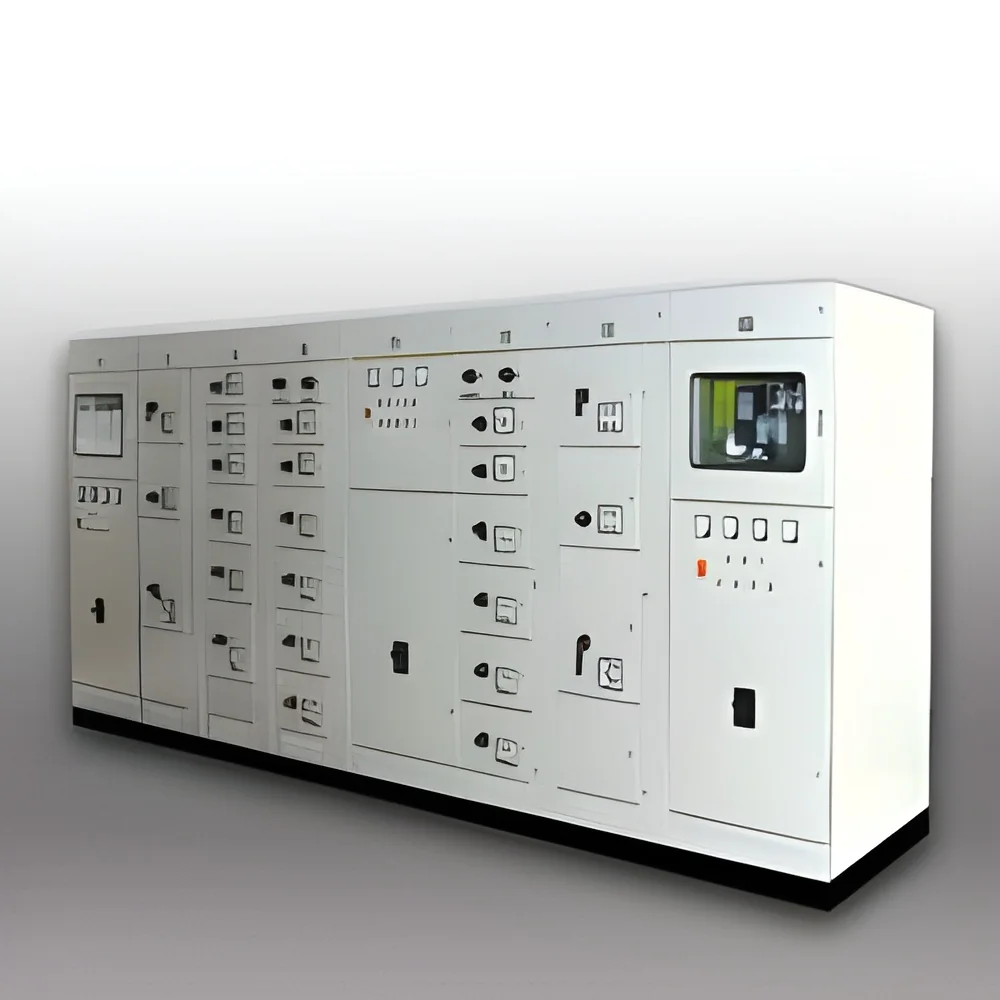
What are Work Positioners?
Work positioners are specialized equipment designed to support workers in maintaining optimal body positioning during various tasks. They enhance comfort and efficiency by allowing users to adjust their working height and angle, thereby reducing strain and fatigue. These tools are especially beneficial in environments where repetitive motions or awkward postures are common, such as manufacturing, assembly, and maintenance.
The primary uses of work positioners include assembly line tasks, machining, and other industrial applications where precision and ergonomics are paramount. By providing stability and support, work positioners help improve productivity and reduce the risk of injuries associated with poor posture. They are widely adopted in sectors ranging from automotive to electronics, illustrating their versatility and importance in modern manufacturing processes.
As industries increasingly prioritize employee well-being and productivity, the market for work positioners is growing. With the rise of ergonomic standards and safety regulations, businesses are investing in these tools to enhance workplace efficiency while ensuring compliance with health and safety guidelines.
Key Features and Specifications
Work positioners come equipped with a range of features designed to enhance functionality and user experience. Understanding these specifications is essential for selecting the right model for specific applications.
Key specifications include:
1. Height Adjustment Range
- Allows users to modify the working height to suit various tasks.
- Typically ranges from 30 inches to 48 inches.
2. Load Capacity
- Indicates the maximum weight the positioner can support safely.
- Commonly supports loads between 200 to 500 pounds.
3. Mobility
- Many work positioners feature wheels or casters for easy movement.
- Some models offer locking mechanisms to secure position once in place.
4. Base Stability
- A broad base ensures stability during use.
- Designed to prevent tipping or shifting while in operation.
5. Ergonomic Design
- Contoured surfaces and adjustable components improve user comfort.
- Aims to minimize physical strain during prolonged use.
6. Material Composition
- Constructed from durable materials such as steel or aluminum.
- Often includes non-slip surfaces for added safety.
7. Customization Options
- Some positioners can be tailored to meet specific user needs.
- Options may include adjustable armrests or footrests.
8. Compliance with Safety Standards
- Many models adhere to relevant safety regulations.
- Ensures they meet industry-specific requirements.
Overall, selecting a work positioner involves evaluating these features in relation to the intended applications and workplace requirements.
Common Applications and Use Cases
Work positioners find utility across various industries, enhancing productivity and safety in diverse tasks.
1. Manufacturing: In manufacturing environments, work positioners are used for assembly tasks, allowing workers to maintain proper ergonomics while performing repetitive motions.
2. Automotive: In the automotive industry, these tools are crucial for tasks like vehicle assembly and repair, enabling technicians to work comfortably at different heights.
3. Electronics: Work positioners assist in the assembly and testing of electronic components, providing a stable platform for precise work.
4. Healthcare: In medical settings, work positioners are used for patient care tasks, allowing staff to adjust heights for comfort and accessibility.
5. Aerospace: Aerospace manufacturing relies on work positioners to ensure technicians can work effectively on large components while minimizing strain.
6. Construction: In construction, these tools provide stability for workers when performing tasks at heights or awkward angles.
7. Warehousing: In warehousing operations, work positioners are used for packing and sorting tasks, helping to improve efficiency and reduce physical strain.
Product Variants and Subcategories
Work positioners come in various designs to cater to different workplace needs. The diversity in product offerings allows businesses to select models that best fit their operational requirements.
Height-Adjustable Work Positioners: These models feature pneumatic or manual height adjustments, allowing users to easily modify the working height based on task requirements. They are ideal for assembly lines where workers need to alternate between standing and sitting.
Mobile Work Positioners: Designed with wheels, these work positioners provide the flexibility to move between workstations easily. They are particularly useful in dynamic environments where tasks frequently change.
Static Work Positioners: These units are fixed in place and provide robust support for tasks that require stability. They are commonly used in manufacturing settings where precision is key.
Benefits and Advantages
Investing in work positioners offers numerous advantages that enhance operational efficiency and employee well-being.
1. Improved Ergonomics: Work positioners promote better posture, reducing the risk of musculoskeletal disorders among workers.
2. Enhanced Productivity: By allowing workers to adjust their working position, these tools can lead to increased output and efficiency in tasks.
3. Reduced Fatigue: Comfortable working conditions help minimize fatigue during long shifts, allowing employees to maintain focus.
4. Cost-Effective: By preventing workplace injuries, work positioners can reduce costs associated with worker compensation and lost productivity.
5. Versatile Applications: Their adaptability makes work positioners suitable for various tasks across multiple industries.
6. Safety Compliance: Many work positioners meet safety standards, helping businesses comply with health and safety regulations.
Buying Guide for B2B Buyers
When sourcing work positioners, it is essential to consider several key factors to ensure that the selected model meets operational needs.
1. Quality Assessment: Evaluate the construction materials and design of work positioners. Look for certifications that indicate adherence to quality standards.
2. Supplier Verification: Conduct thorough research on suppliers. Verify their reputation and track record in providing durable and reliable products.
3. Pricing and MOQ: Understand the pricing structure and minimum order quantities. This information is crucial for budgeting and inventory management.
4. Delivery and Lead Times: Assess the supplier's ability to meet delivery schedules. Ensure that lead times align with your operational timelines.
5. Compliance Requirements: Familiarize yourself with any regulatory requirements specific to your industry. Ensure the work positioners sourced comply with these standards.
Compliance and Certifications
Work positioners must adhere to various quality and safety standards to ensure they meet industry regulations. Common quality standards include ISO 9001, which emphasizes quality management systems, and HACCP for food safety compliance. CE marking indicates that a product meets EU safety, health, and environmental protection standards.
Safety testing requirements are also critical. Work positioners should undergo rigorous testing to verify their load capacity and stability features. Regional compliance is essential, as various countries may have specific regulations that impact the design and functionality of work positioners.
Maintaining compliance with these standards not only ensures worker safety but also enhances a company’s reputation and operational efficiency.
Why Source Work Positioners from Pepagora?
Pepagora provides a trusted platform for sourcing work positioners, offering several key advantages that set it apart from competitors.
Verified Supplier Network: Pepagora partners with reputable suppliers who are vetted for their quality and reliability. This ensures that buyers receive high-quality products that meet their specifications.
Streamlined RFQ Process: The platform simplifies the request for quotation process, enabling buyers to easily compare options and make informed decisions.
Trade Assurance and Support: Buyers benefit from trade assurance programs that protect their purchases and provide support throughout the sourcing process.
Regional Coverage: Pepagora has a wide geographic reach, serving clients in India, the GCC, and Southeast Asia. This regional expertise allows for tailored solutions that meet local market needs.
By choosing Pepagora for sourcing work positioners, businesses gain access to a robust network of suppliers and industry knowledge, facilitating informed purchasing decisions.

 IN
IN