What are Safety Guards & Emergency Stops?
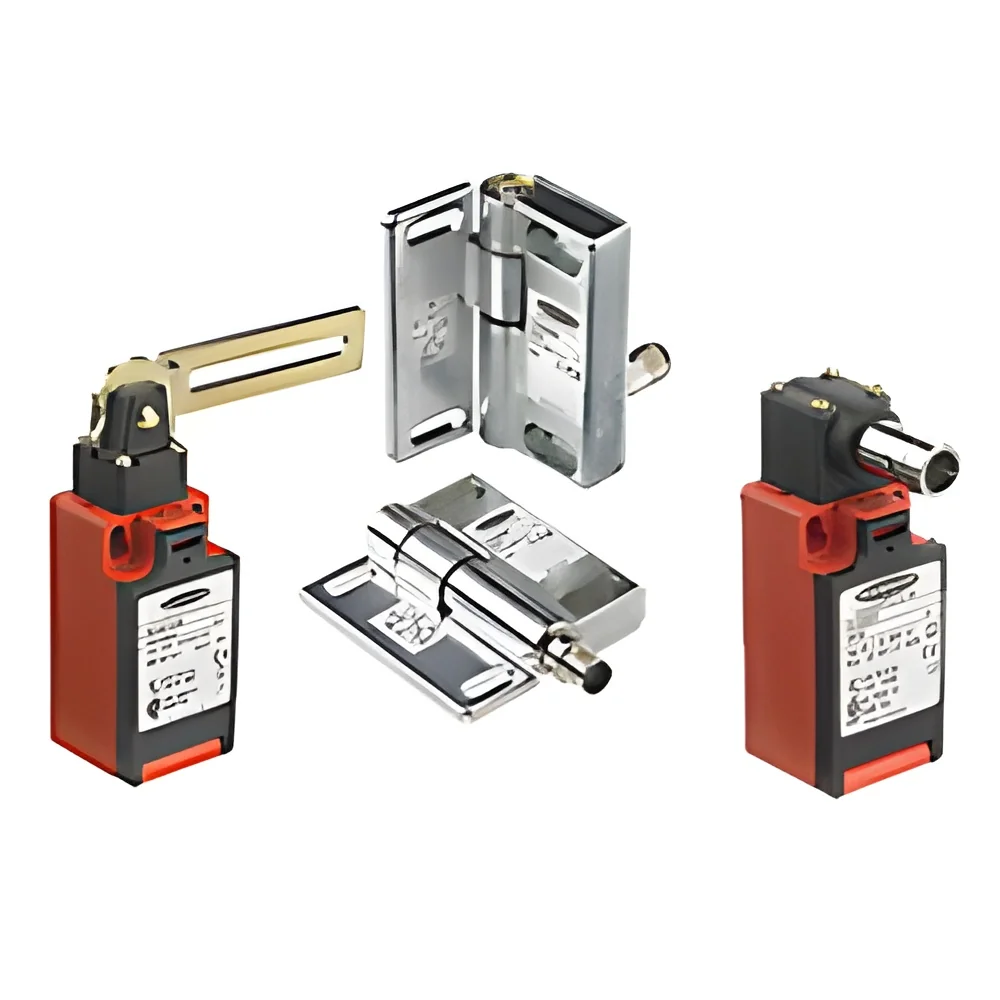
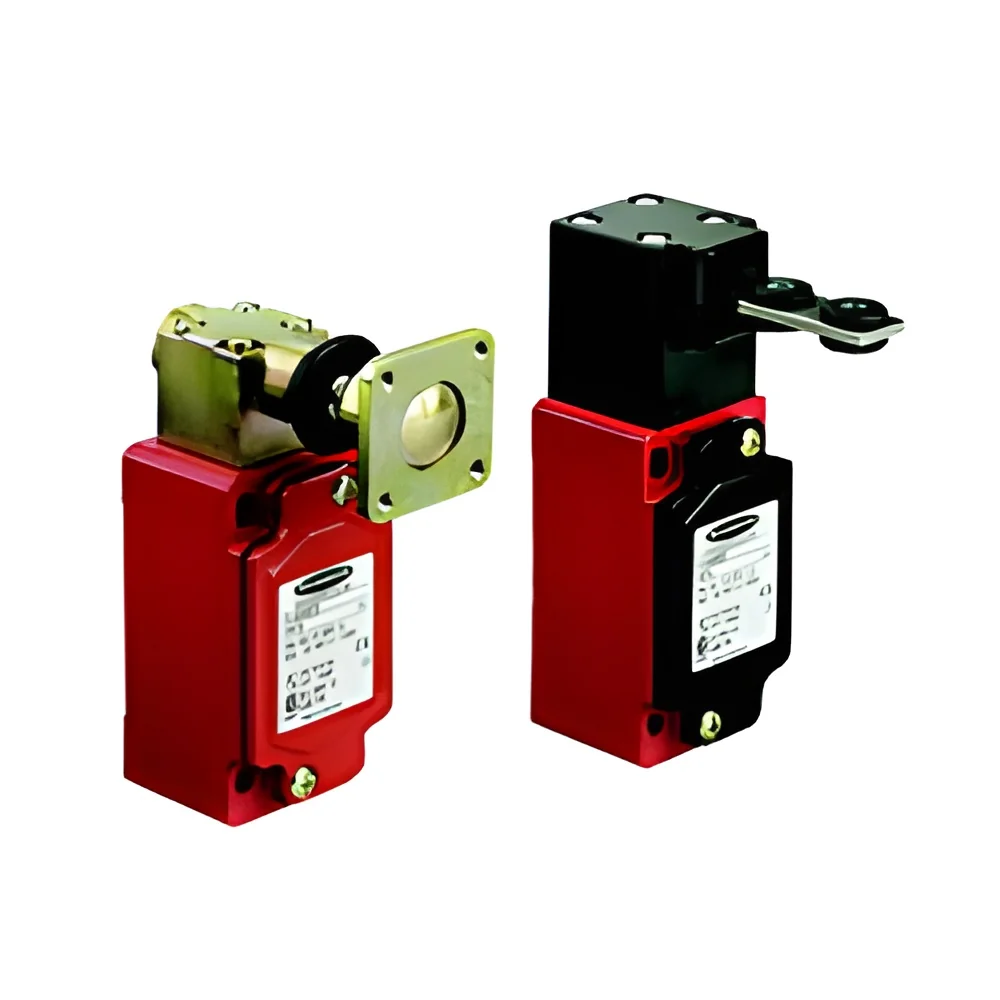
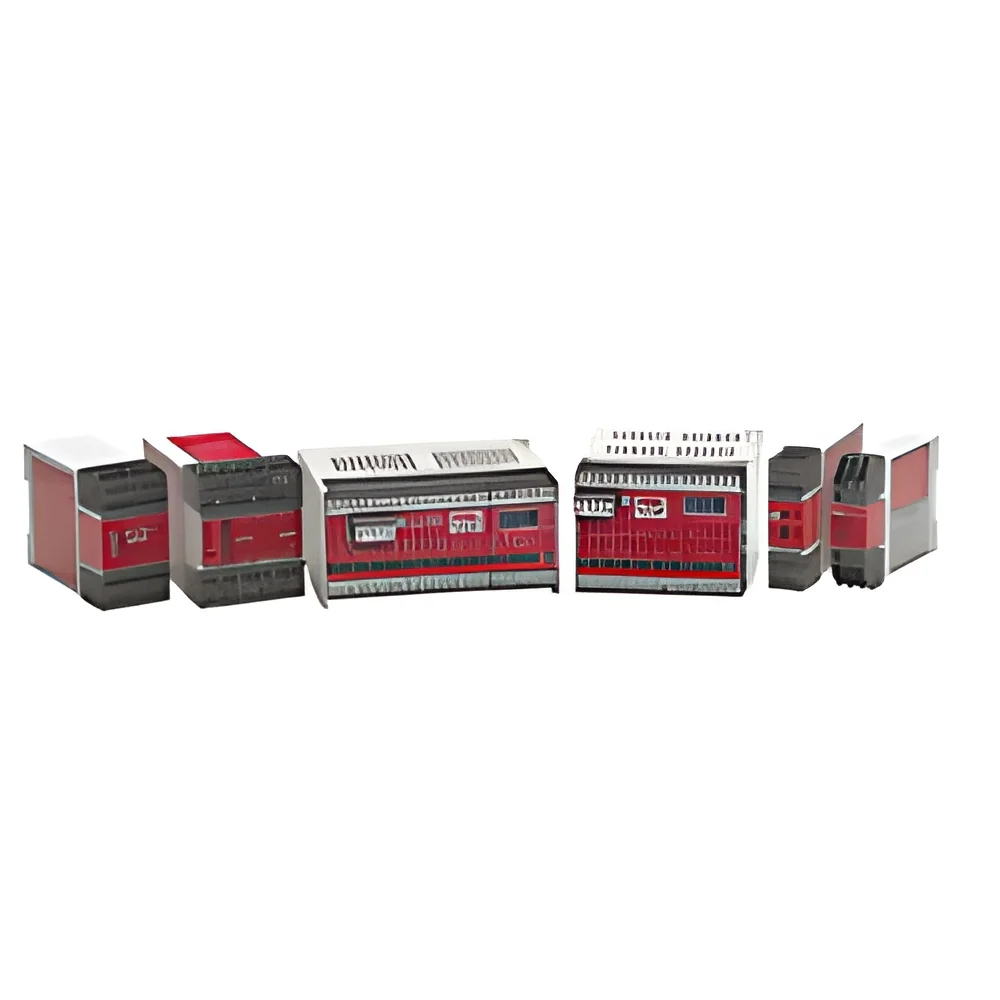
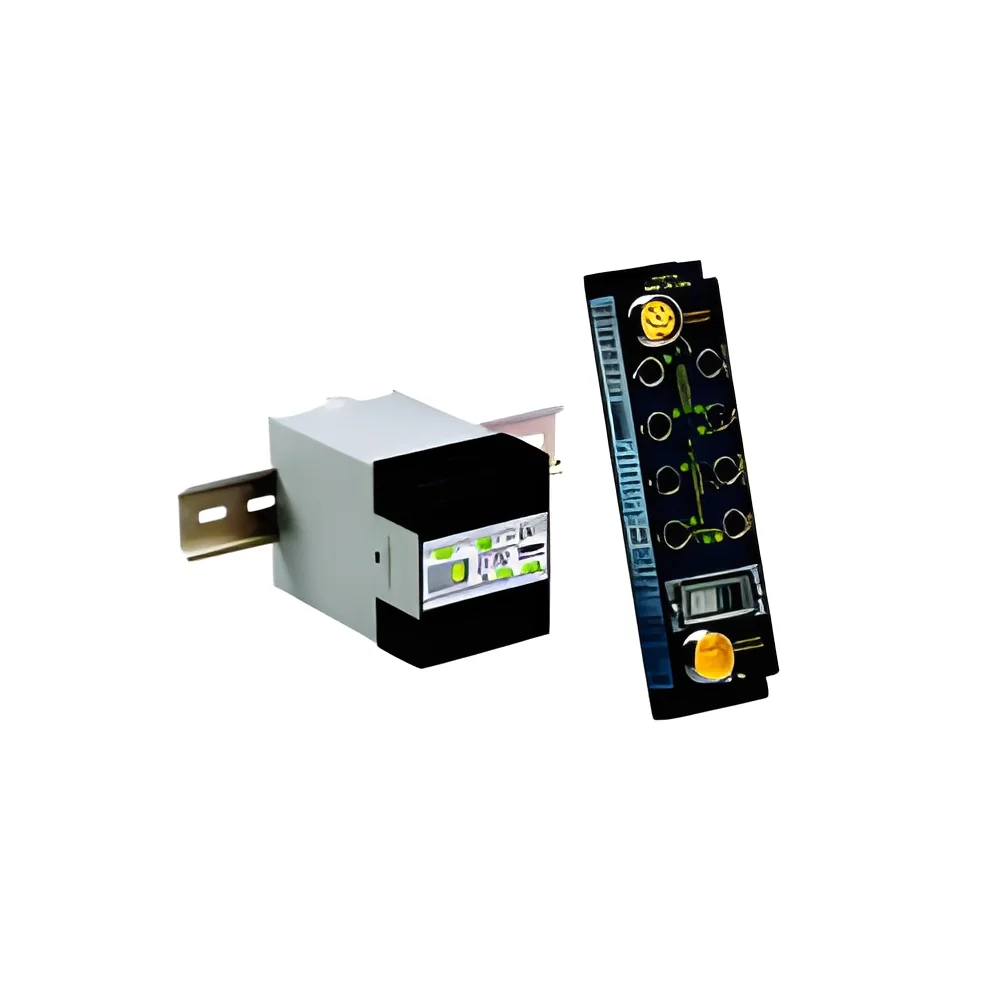
Safety guards and emergency stops are critical safety components used in industrial environments to protect workers and equipment. Safety guards are physical barriers that prevent accidental contact with moving machinery, while emergency stops are devices that allow operators to quickly halt machinery in case of an emergency. Together, these safety measures help minimize the risk of injury and equipment damage, ensuring a safer workplace.
The primary uses of safety guards and emergency stops are found in manufacturing, construction, and other industrial settings where machinery operates. They are essential for compliance with safety regulations and standards, helping organizations maintain a safe working environment. By implementing these safety features, businesses can reduce the likelihood of accidents, which can result in costly downtime and liability issues.
In today's market, safety guards and emergency stops are increasingly relevant due to the growing emphasis on workplace safety and regulatory compliance. Industries are adopting advanced safety technologies to meet these demands. As organizations strive for higher safety standards, the need for reliable safety guards and emergency stops continues to rise, making them indispensable in modern industrial operations.
Key Features and Specifications
Safety guards and emergency stops come with various features designed to enhance safety and usability. Understanding these specifications is crucial for selecting the right products for specific applications.
Key specifications include:
1. Material Type
- Often made from durable materials like steel or polycarbonate
- Ensures longevity and resistance to wear
2. Size and Dimensions
- Available in various sizes to fit different machinery
- Custom sizes may be available upon request
3. Activation Mechanism
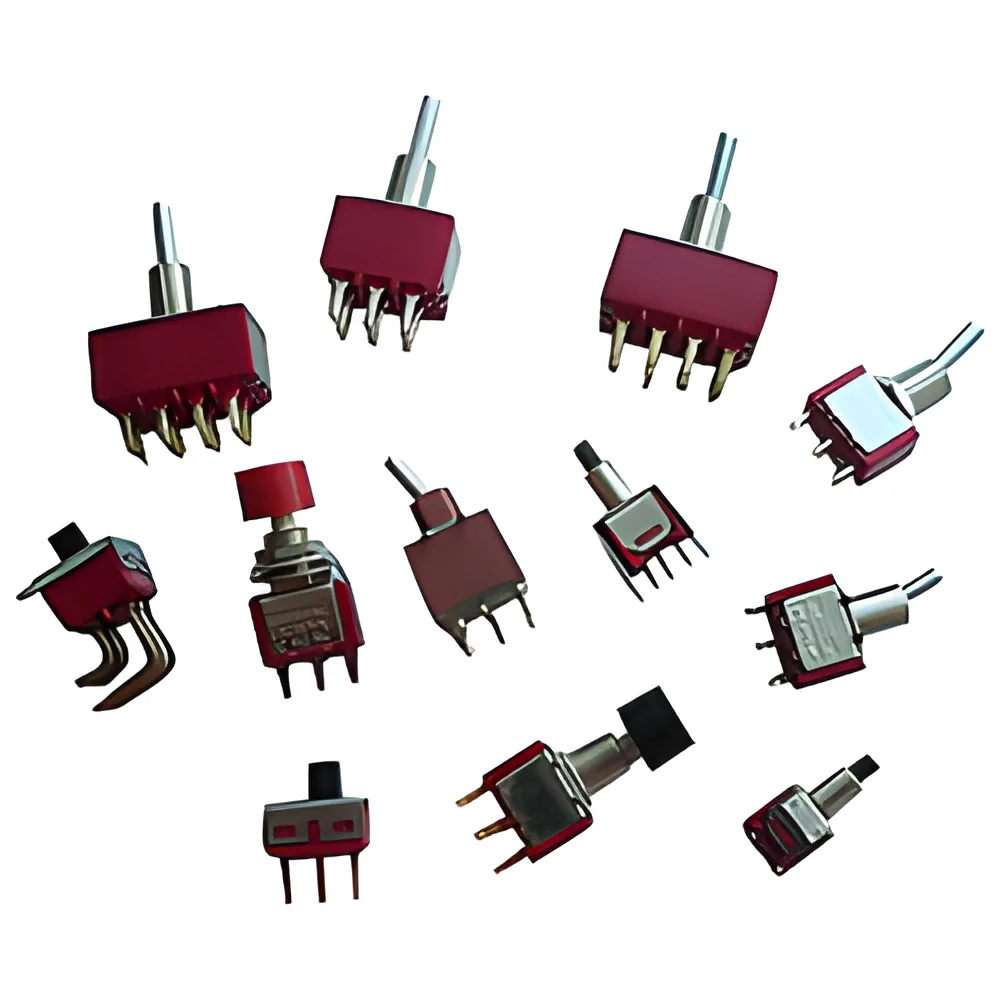
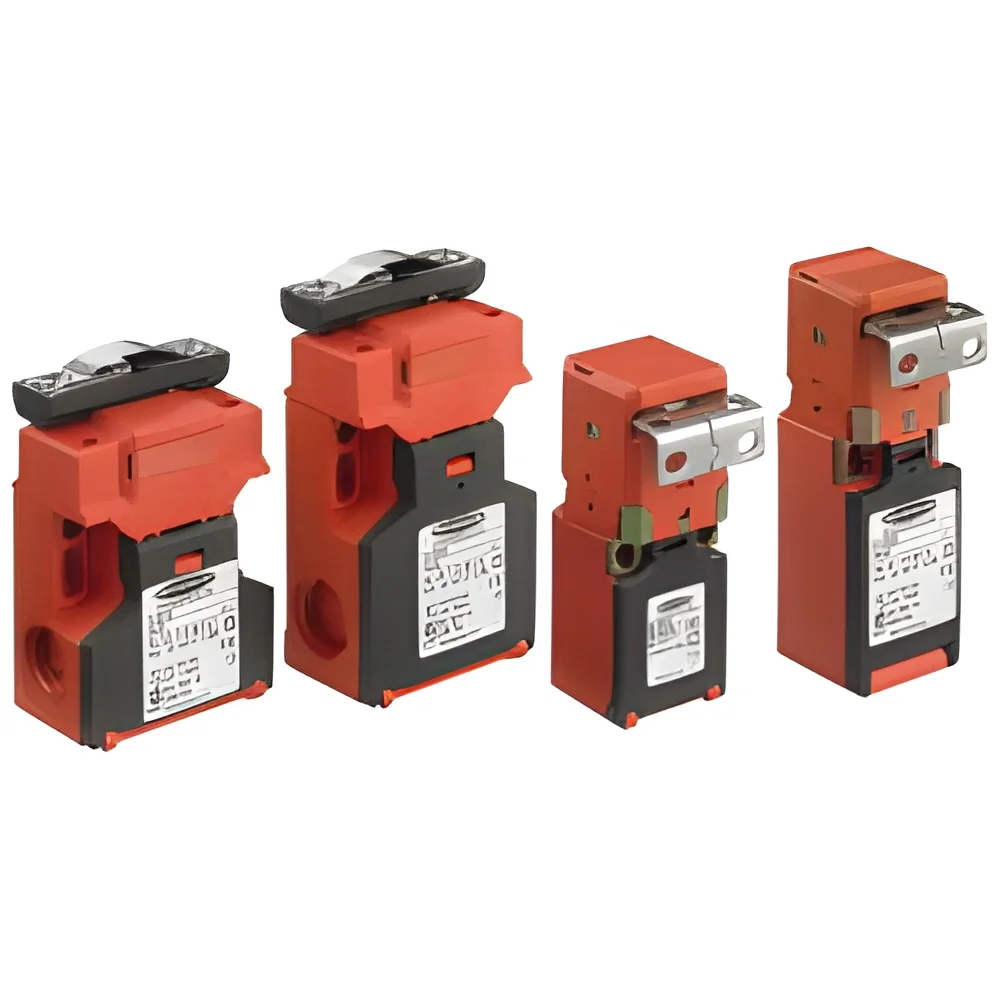
- Emergency stops can feature push-button, pull-cord, or foot-pedal activation
- Provides flexibility depending on operational needs
4. Response Time
- Emergency stops are designed for rapid activation
- Typically respond within milliseconds to halt machinery
5. Mounting Options
- Can be mounted on walls, machines, or as standalone units
- Offers versatility for different installation requirements
6. Compliance Ratings
- Must meet industry safety standards, including CE certification
- Ensures adherence to safety regulations
7. Operating Environment
- Designed to function in various temperature and humidity conditions
- Certain models may offer enhanced environmental protection
8. Visibility Features
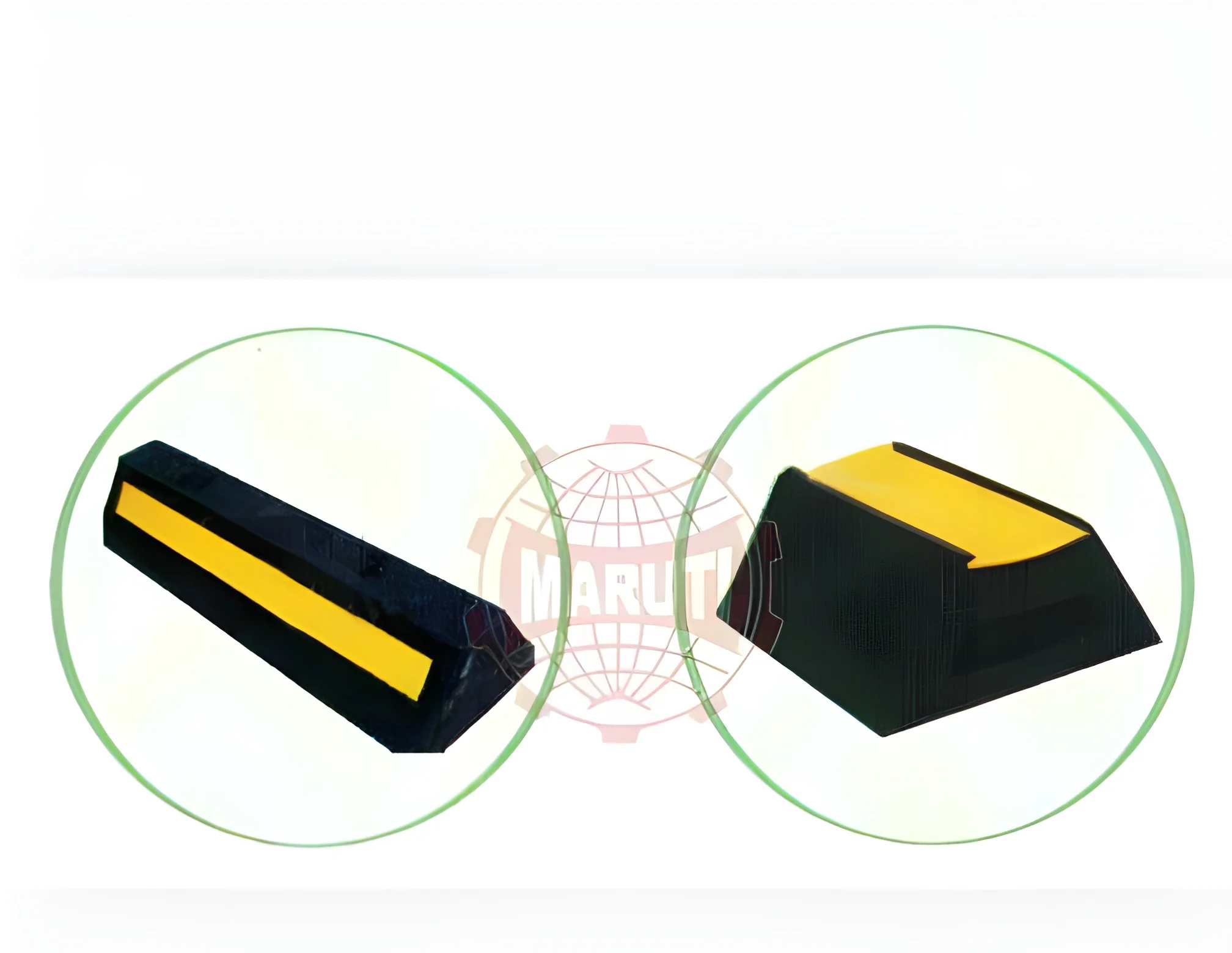
- Some safety guards include bright colors or reflective materials
- Improves visibility and awareness in the workplace
These specifications play a vital role in ensuring the effectiveness and reliability of safety guards and emergency stops in industrial applications.
Common Applications and Use Cases
Safety guards and emergency stops are utilized across a wide range of industries, reflecting their importance in enhancing workplace safety.
1. Manufacturing: In manufacturing plants, safety guards protect workers from machinery such as conveyor belts, presses, and lathes. Emergency stops are critical in quickly halting equipment to prevent accidents.
2. Construction: On construction sites, safety guards are used around heavy machinery and equipment. Emergency stop buttons are essential for ensuring immediate response in emergencies.
3. Food Processing: Safety guards help maintain hygiene and safety in food processing environments, while emergency stops protect workers around machinery like slicers and mixers.
4. Warehousing: In warehouses, safety guards are deployed around automated systems and storage areas. Emergency stops help prevent accidents during material handling operations.
5. Automotive: In automotive assembly lines, safety guards protect workers from moving parts, and emergency stops provide quick shutdown options to minimize risks.
Product Variants and Subcategories
Safety guards and emergency stops come in various forms to meet different operational needs. This diversity allows businesses to select the most suitable options for their specific applications.
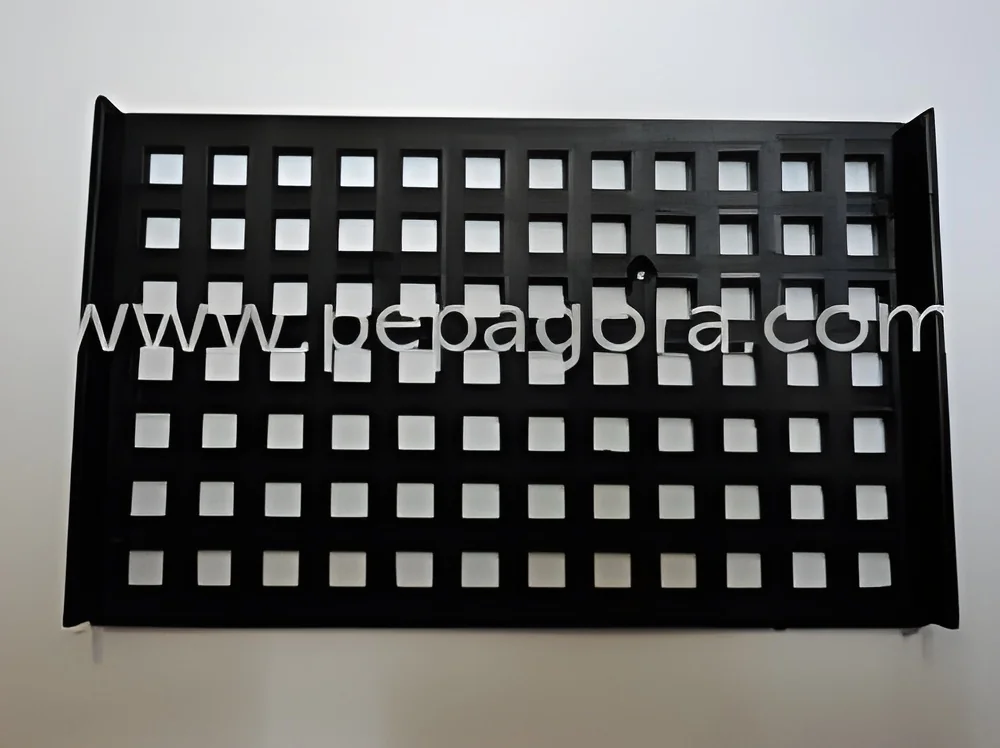
Standard Safety Guards
These guards are designed to fit standard machinery and equipment, providing essential protection against accidental contact. They are typically customizable in size and material.
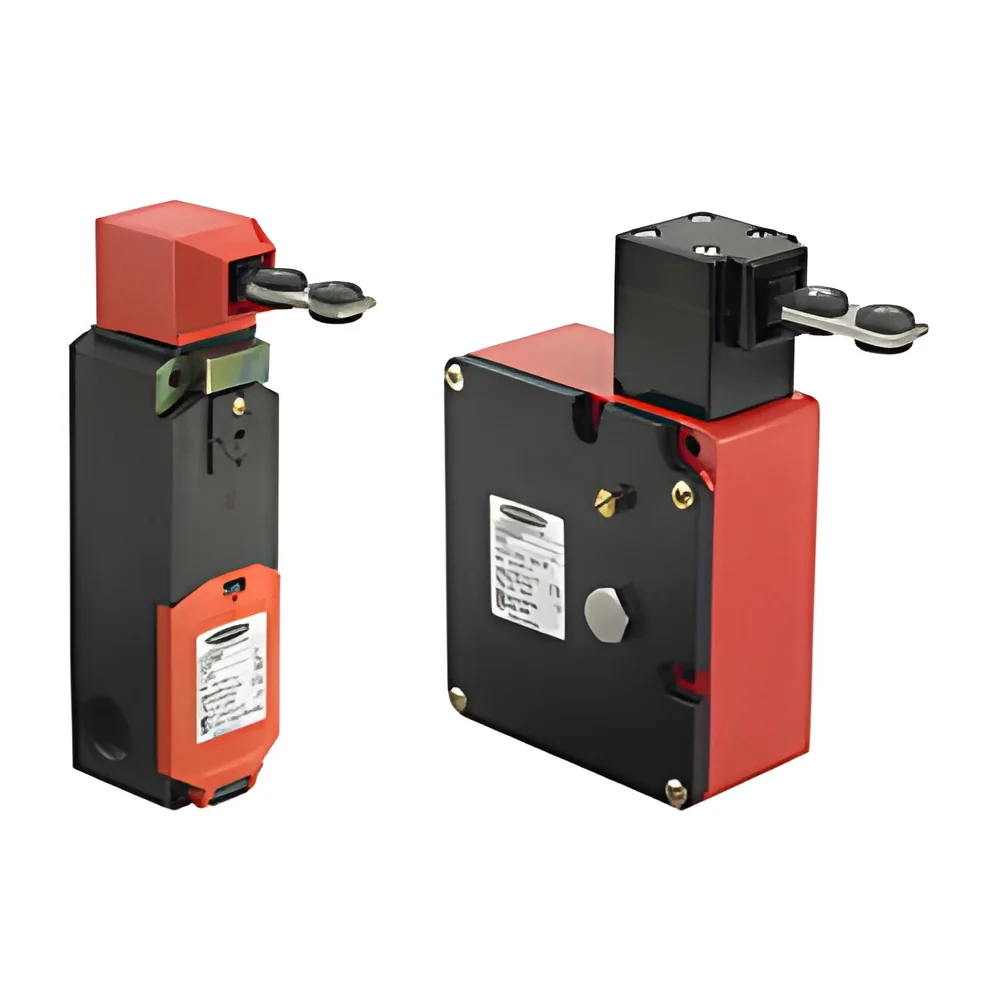
Emergency Stop Buttons
Available in different activation styles, these buttons allow for quick machinery shutdown. They can be installed in various locations for easy access.
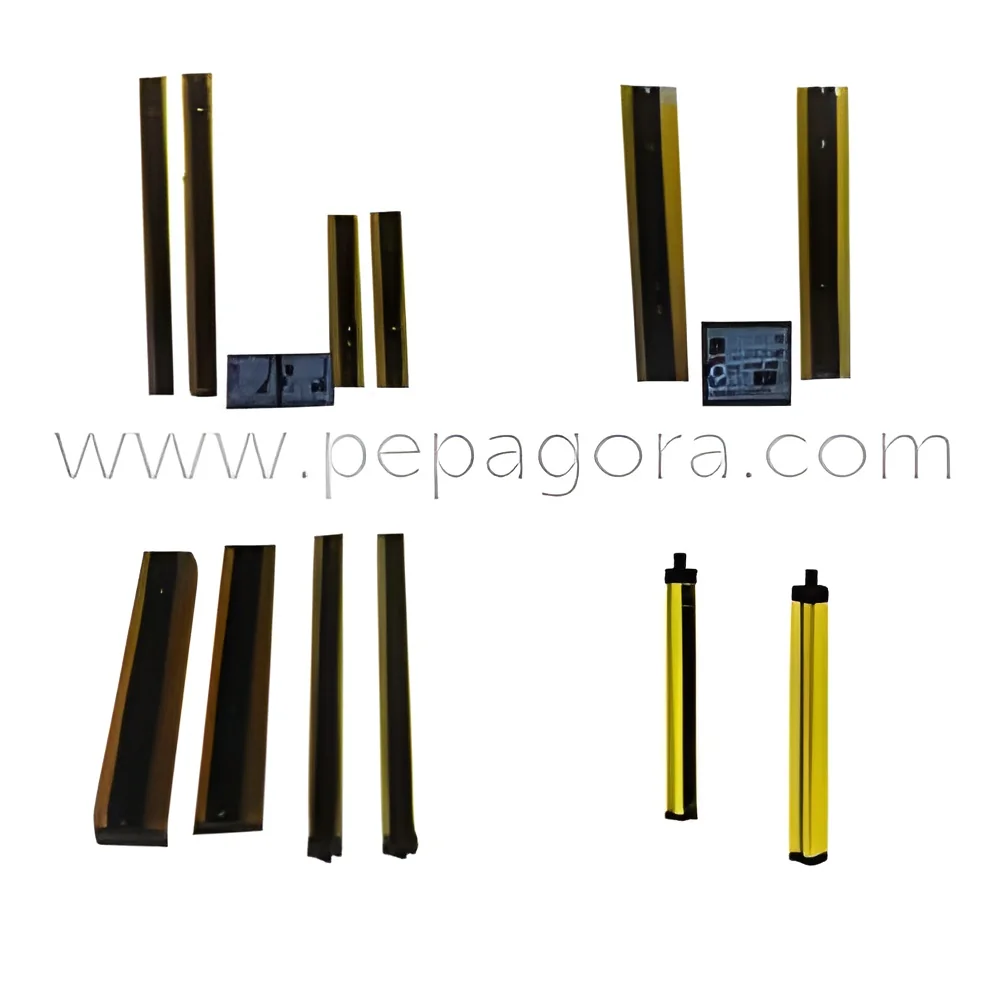
Light Curtains
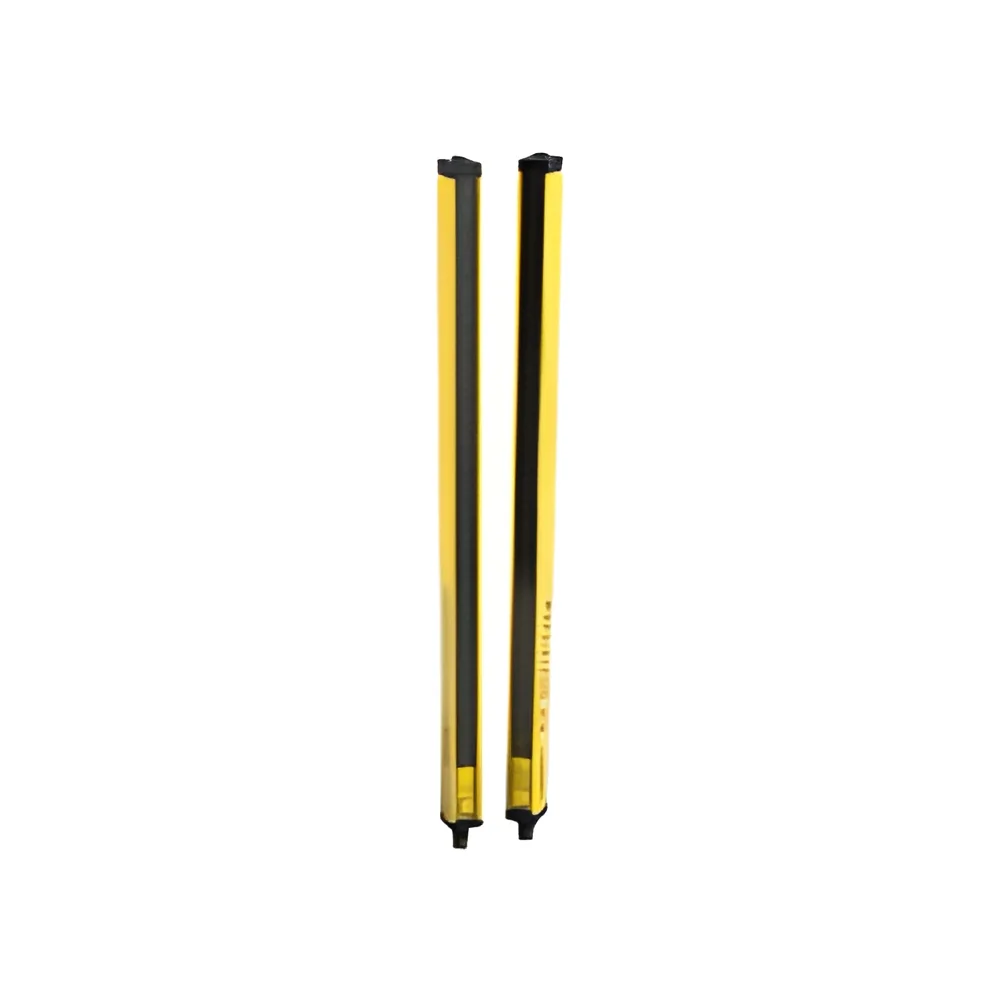
Light curtains use an array of sensors to create an invisible barrier that stops machinery when breached. Ideal for high-speed applications, they enhance safety without physical barriers.
Safety Mats
Safety mats provide a pressure-sensitive surface that can stop machinery when stepped on. They are useful in areas where workers frequently interact with moving equipment.
Benefits and Advantages
Investing in safety guards and emergency stops offers numerous advantages for businesses looking to enhance workplace safety.
1. Enhanced Worker Safety: Safety guards significantly reduce the risk of injuries by providing physical barriers around hazardous machinery.
2. Compliance with Regulations: These safety measures help companies adhere to workplace safety standards and regulations, avoiding potential fines.
3. Increased Productivity: By preventing accidents, safety guards and emergency stops minimize downtime, allowing operations to run smoothly.
4. Cost Savings: Reducing workplace injuries leads to lower insurance premiums and fewer legal liabilities, resulting in significant cost savings.
5. Improved Employee Morale: A safer work environment fosters employee confidence and satisfaction, which can lead to higher retention rates.
Buying Guide for B2B Buyers
When sourcing safety guards and emergency stops, it is essential for buyers to consider several critical factors to ensure they make informed decisions.
1. Quality Assessment: Evaluate the durability and material quality of safety guards and emergency stops. Look for products that meet industry standards and have undergone rigorous testing.
2. Supplier Verification: Vet suppliers by checking their credentials, certifications, and customer reviews. A reliable supplier should have a proven track record in delivering high-quality safety equipment.
3. Pricing and MOQ: Consider the pricing structure and minimum order quantities. Ensure that the costs align with your budget while also taking into account the quality of the products.
4. Delivery and Lead Times: Assess the logistics of delivery and lead times. Timely delivery is essential to avoid project delays and ensure operational continuity.
5. Compliance Requirements: Confirm that the safety guards and emergency stops meet necessary compliance standards. Understanding regional regulations is crucial for maintaining safety and legal adherence.
Compliance and Certifications
Compliance and certifications are vital aspects of safety guards and emergency stops. These products must adhere to specific quality standards and testing requirements to ensure their reliability and effectiveness.
Relevant quality standards include ISO 9001, which pertains to quality management systems. Compliance with this standard demonstrates a commitment to consistent quality and continuous improvement.
Industry certifications such as CE mark indicate that products meet EU safety, health, and environmental protection standards. This certification is crucial for products sold in European markets.
In addition to these certifications, safety and testing requirements must be met to ensure that the safety guards and emergency stops function as intended. This includes rigorous testing under various conditions to validate their performance and reliability.
Regional compliance considerations may vary, so it is essential for businesses to be aware of local regulations that govern safety equipment. This ensures that the products used meet all necessary legal and safety standards.
Why Source Safety Guards & Emergency Stops from Pepagora?
Pepagora provides a trusted platform for sourcing safety guards and emergency stops, offering several key advantages for B2B buyers.
Verified Supplier Network: Pepagora connects buyers with a network of verified suppliers, ensuring that all listed products meet safety and quality standards. This verification process helps buyers make informed decisions.
Streamlined RFQ Process: The platform features a streamlined request for quotation (RFQ) process that allows buyers to easily request pricing and product details from multiple suppliers. This efficiency saves time and enhances the purchasing experience.
Trade Assurance and Support: Pepagora offers trade assurance and support to protect buyers throughout the sourcing process. This includes assistance with negotiations and ensuring that suppliers fulfill their commitments.
Regional Coverage: With a strong presence in India, the GCC, and Southeast Asia, Pepagora provides extensive regional coverage. This geographic reach allows businesses to find local suppliers that understand their specific market needs.

 IN
IN