What are Scissor Lifts?
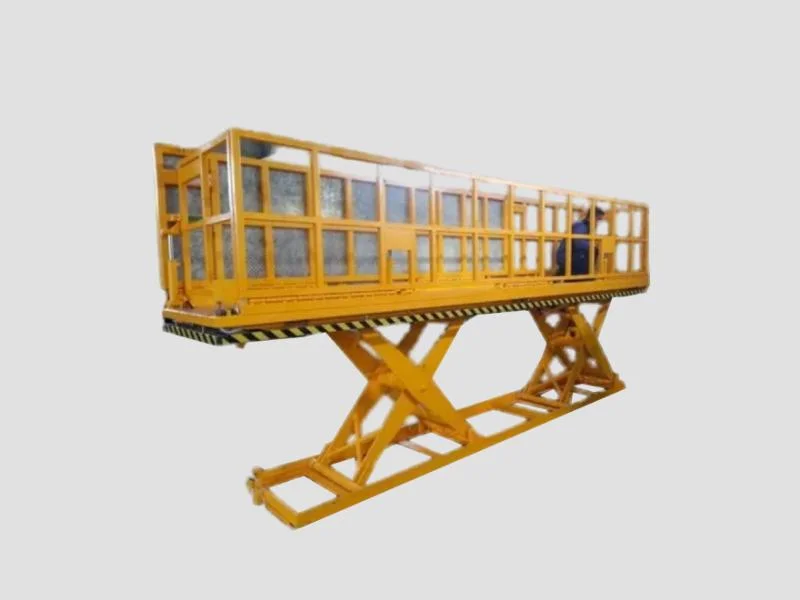
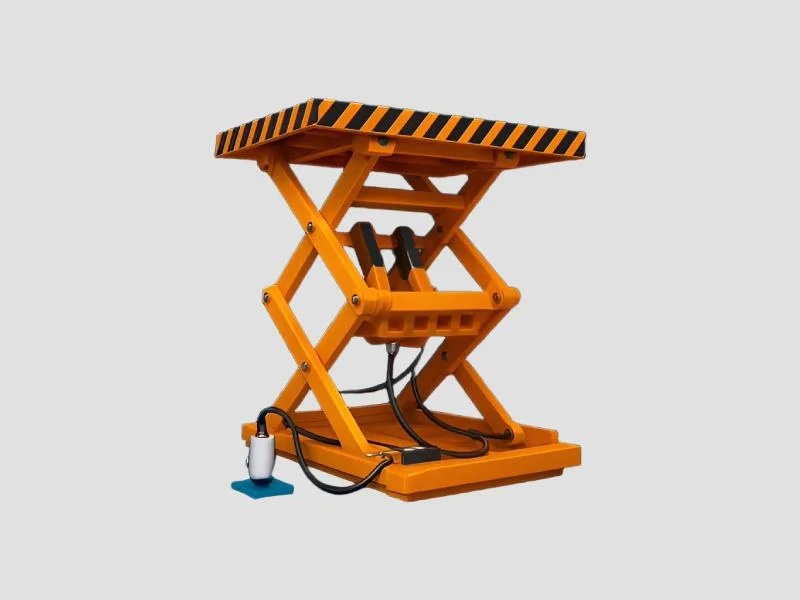
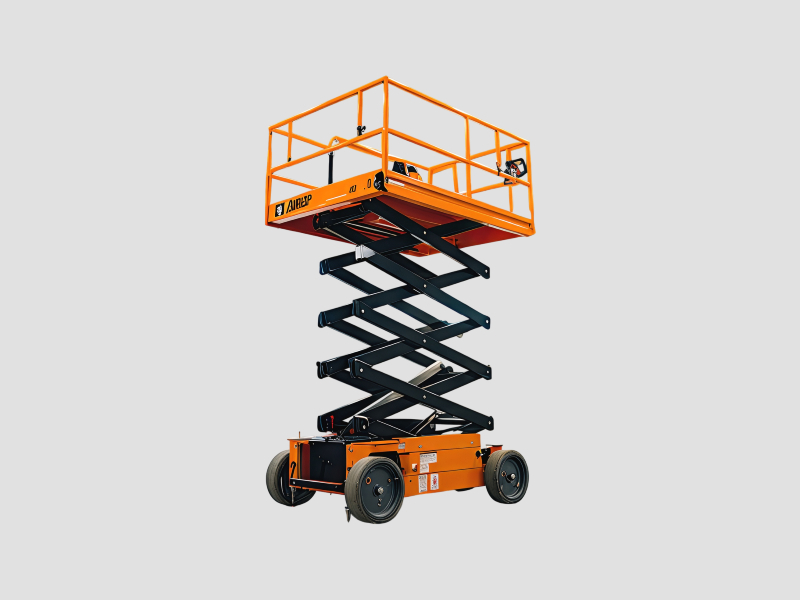
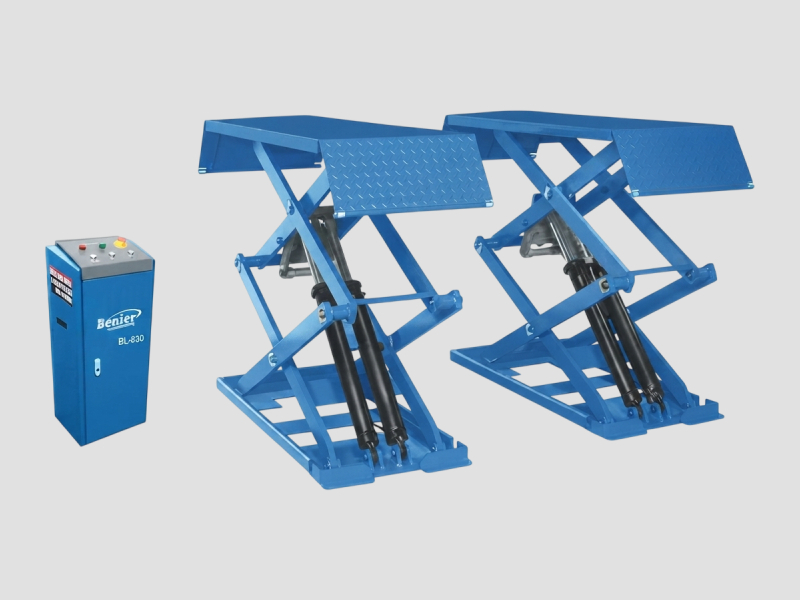
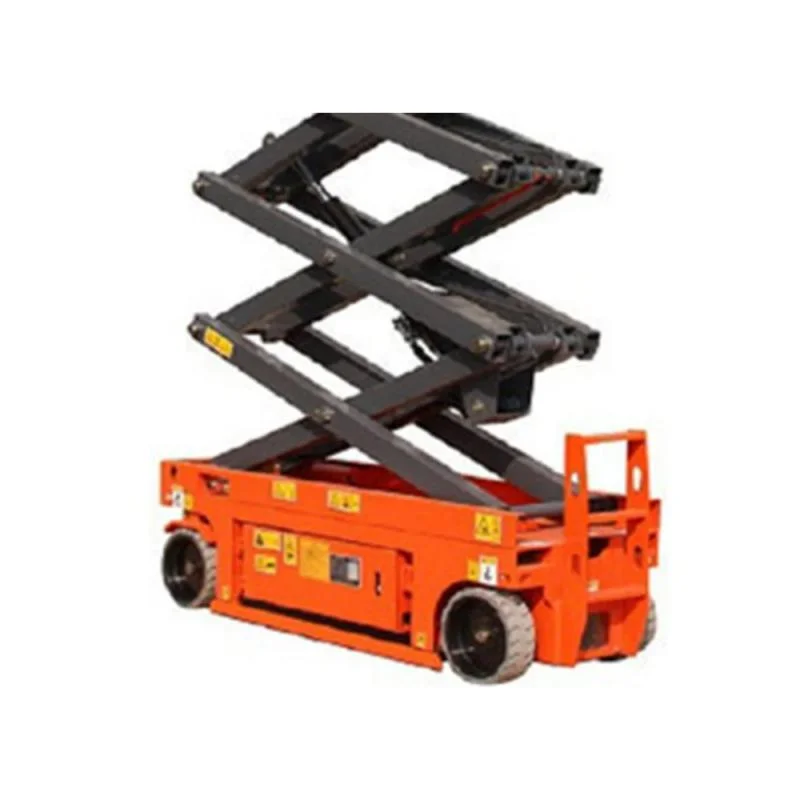
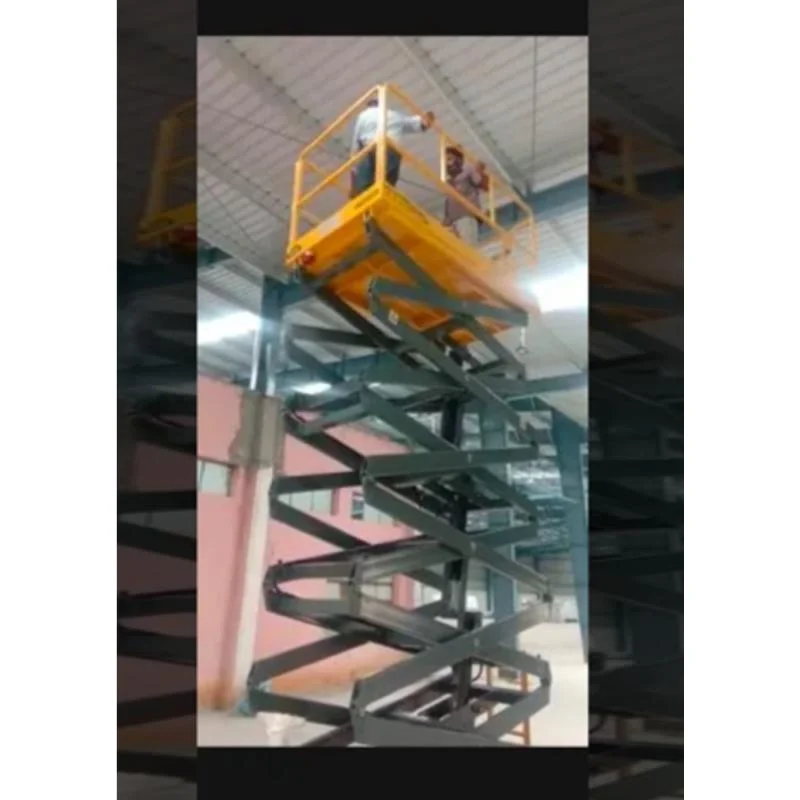
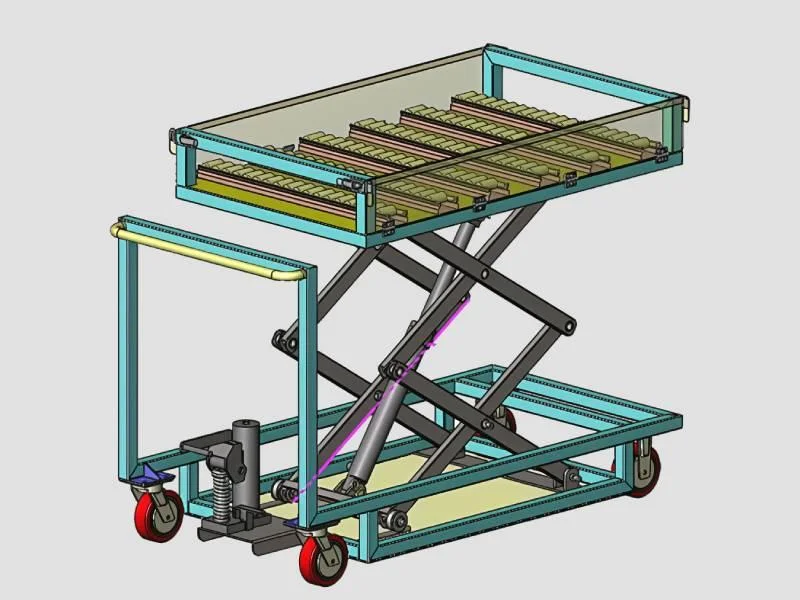
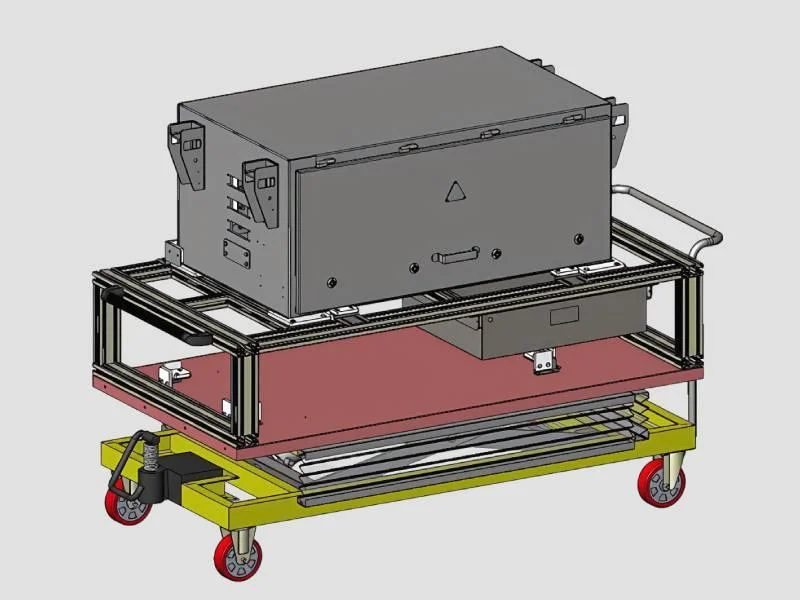
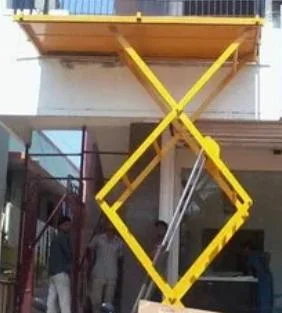
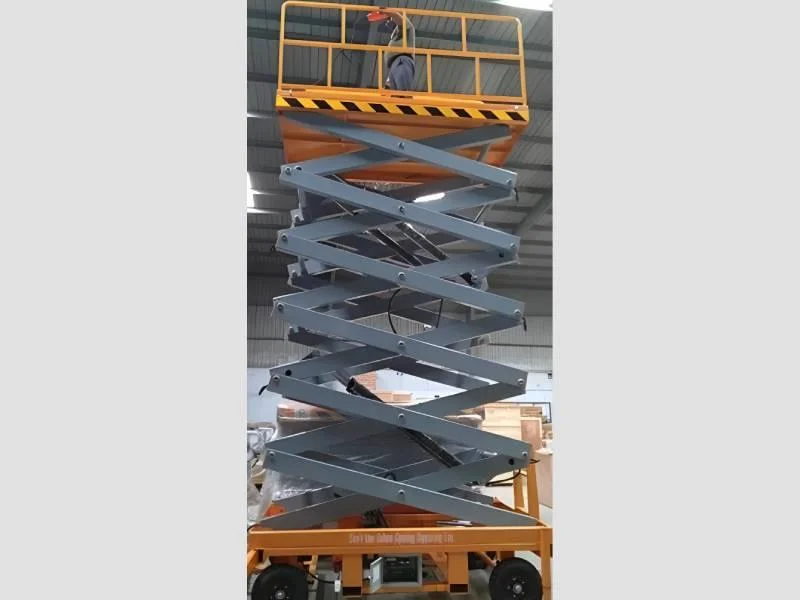
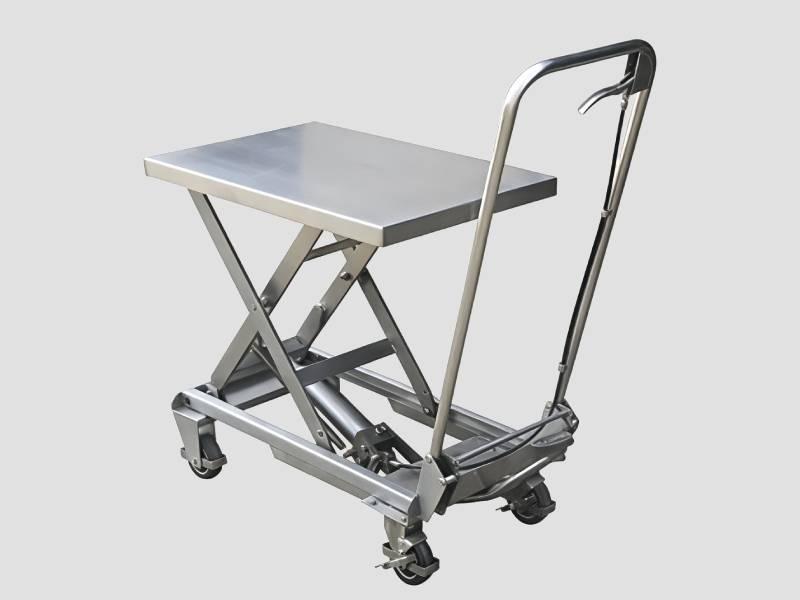
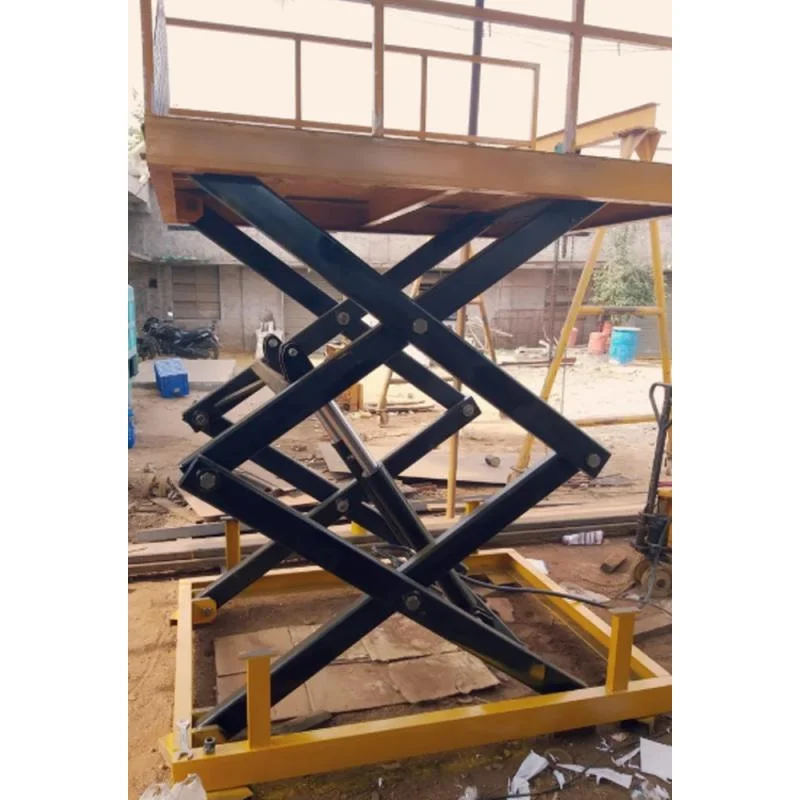
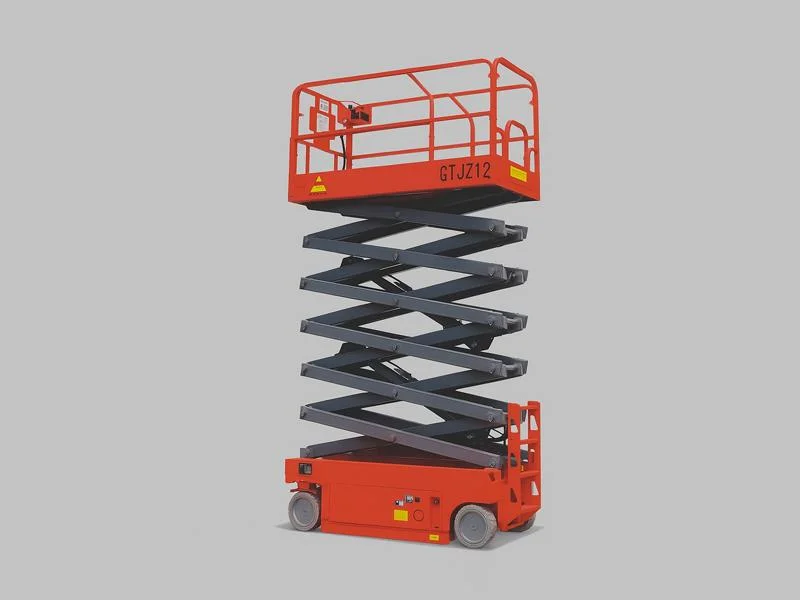
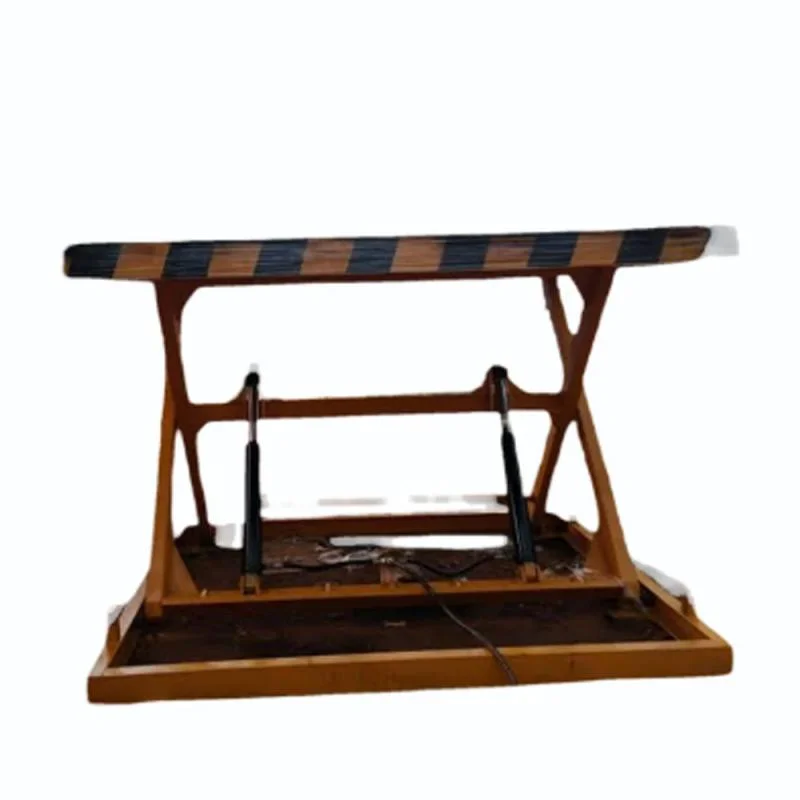
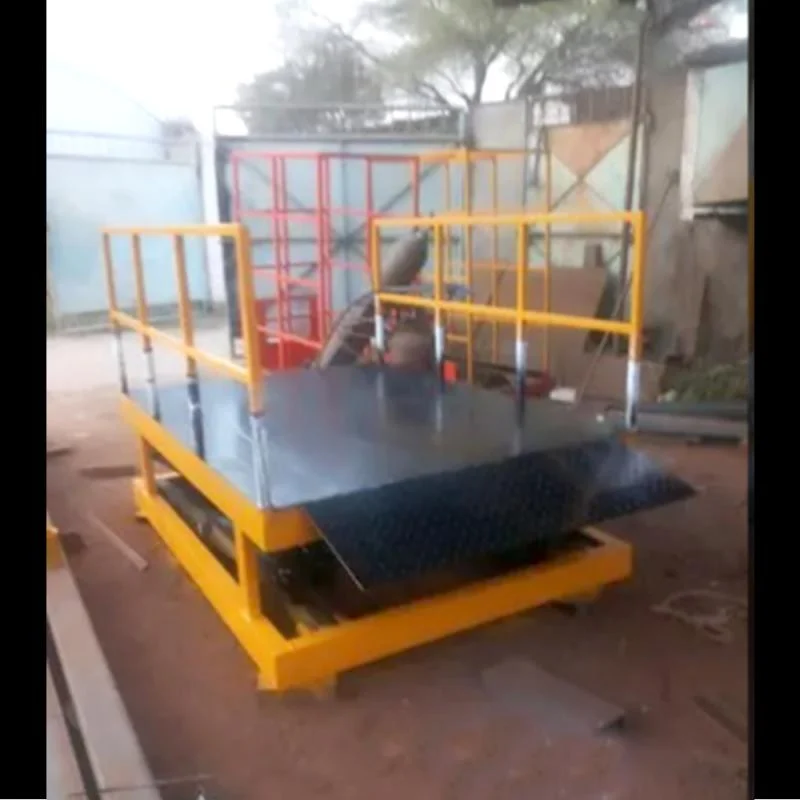
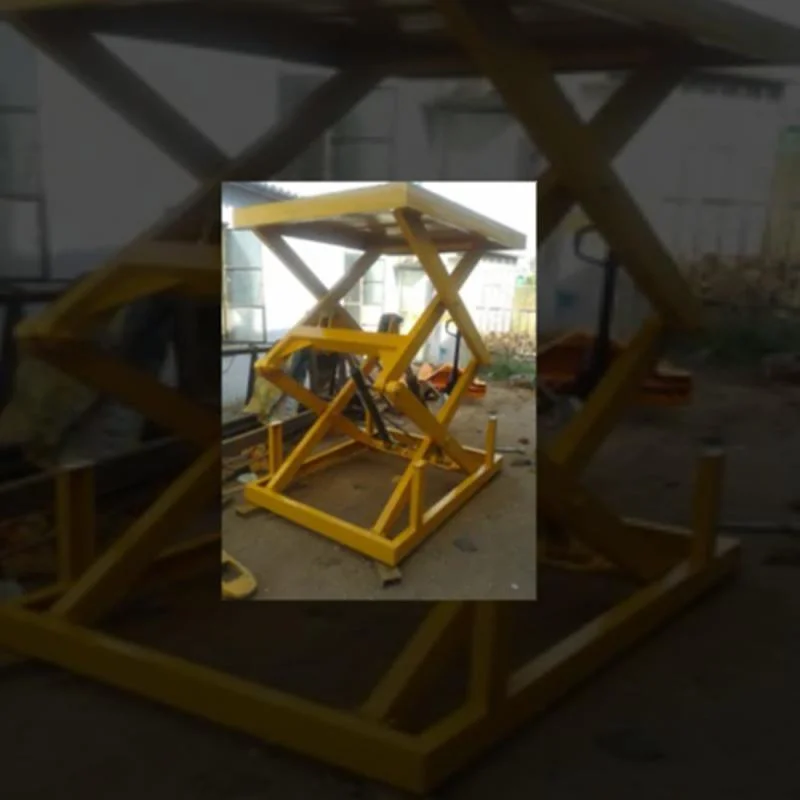
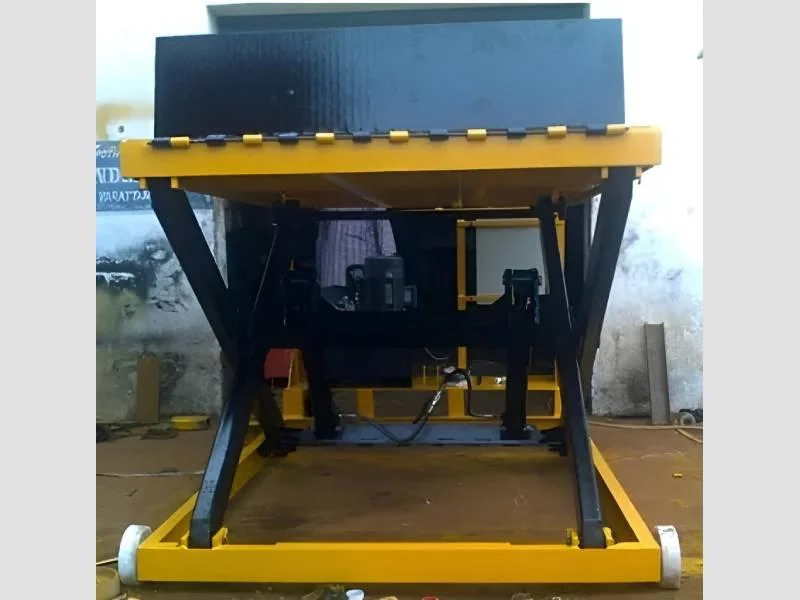
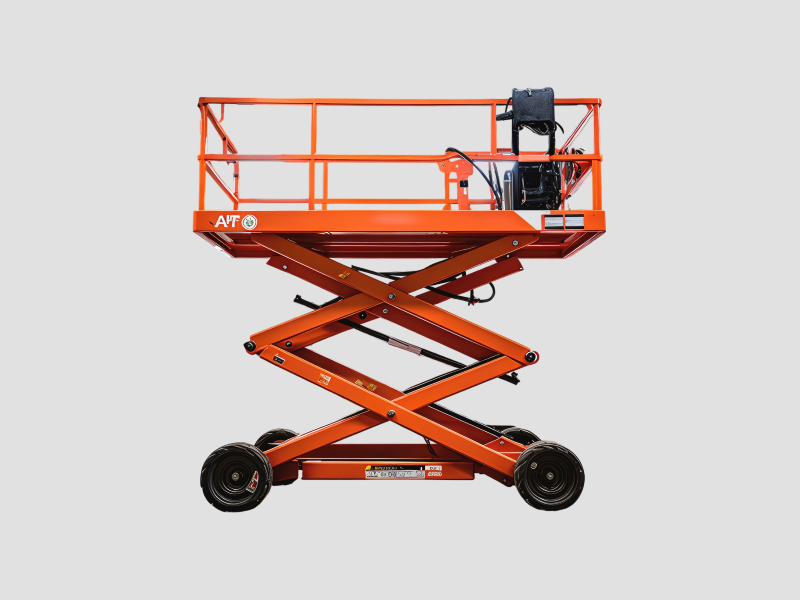
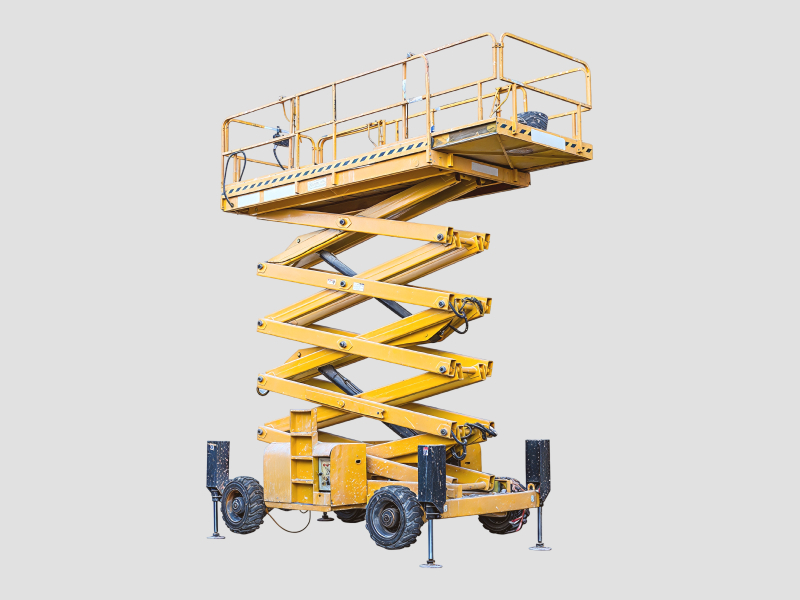
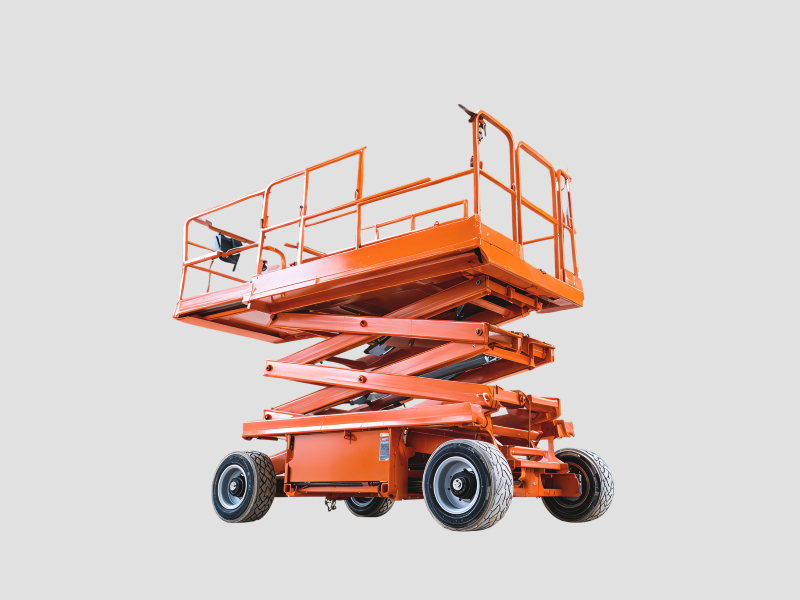
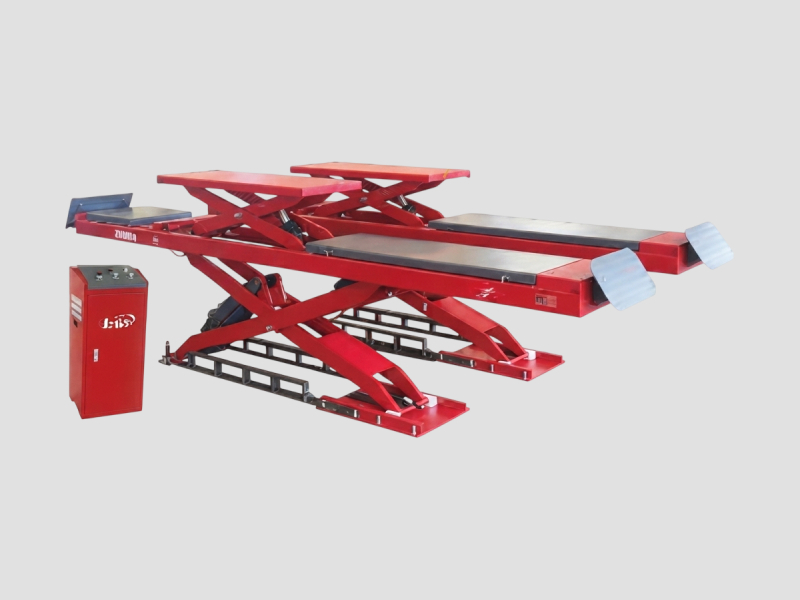
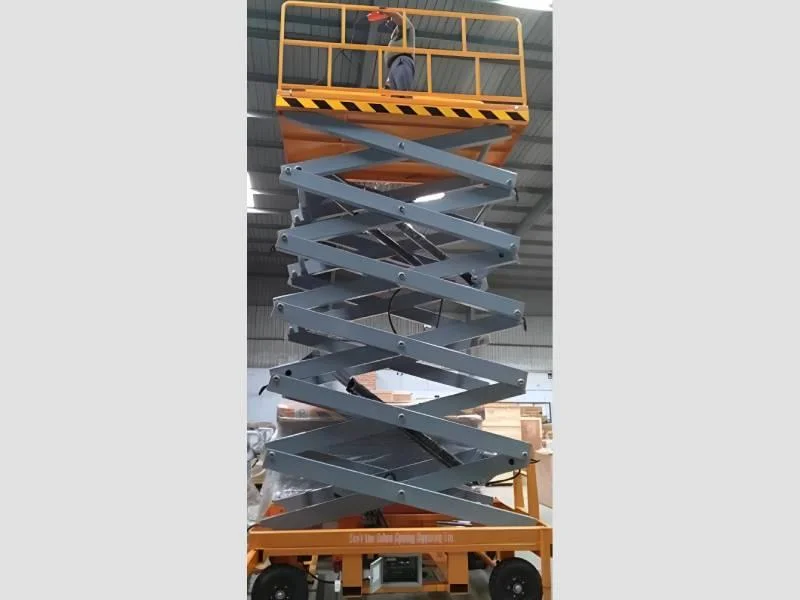
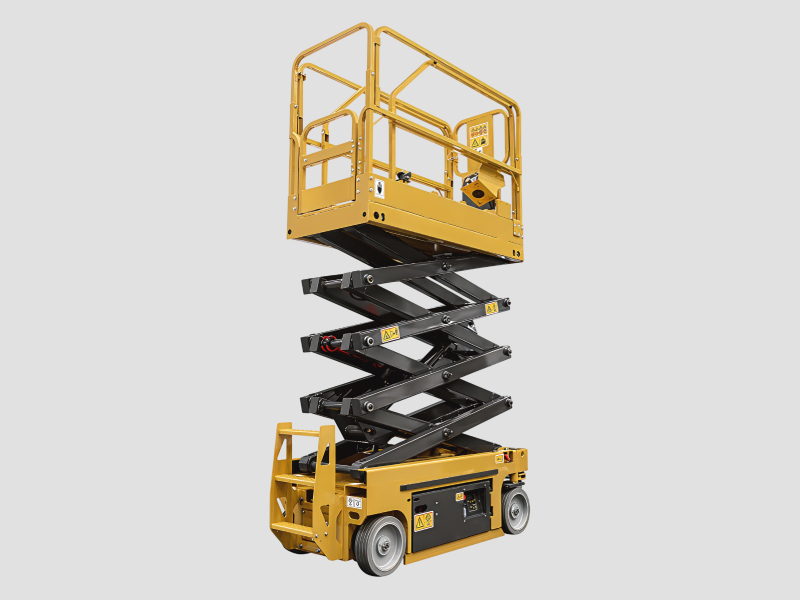
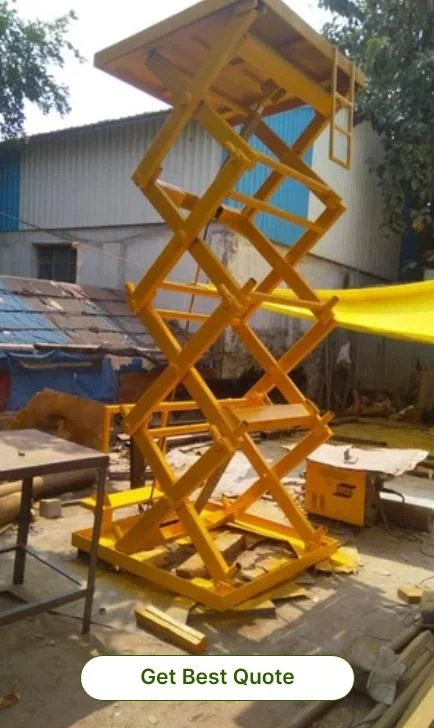
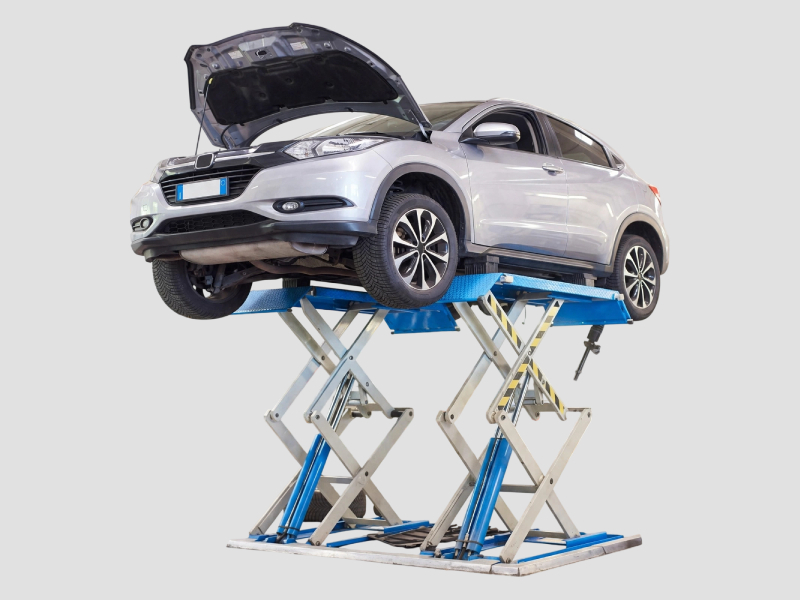
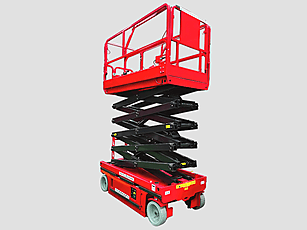
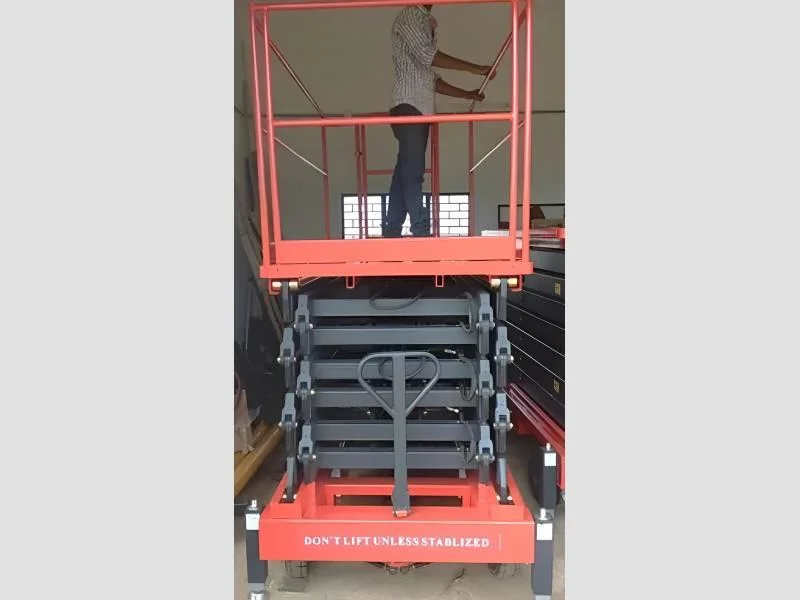
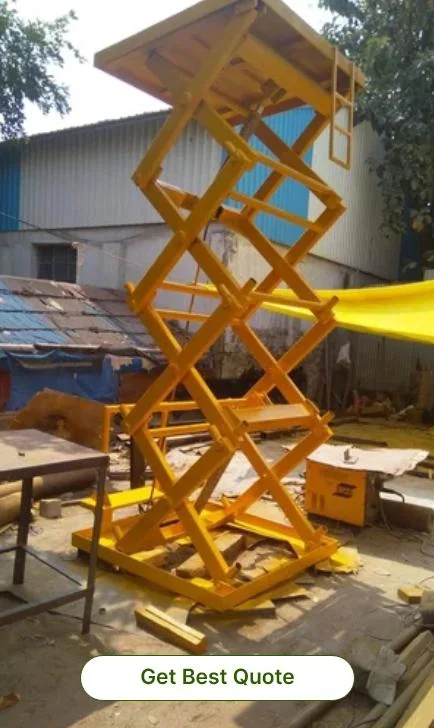
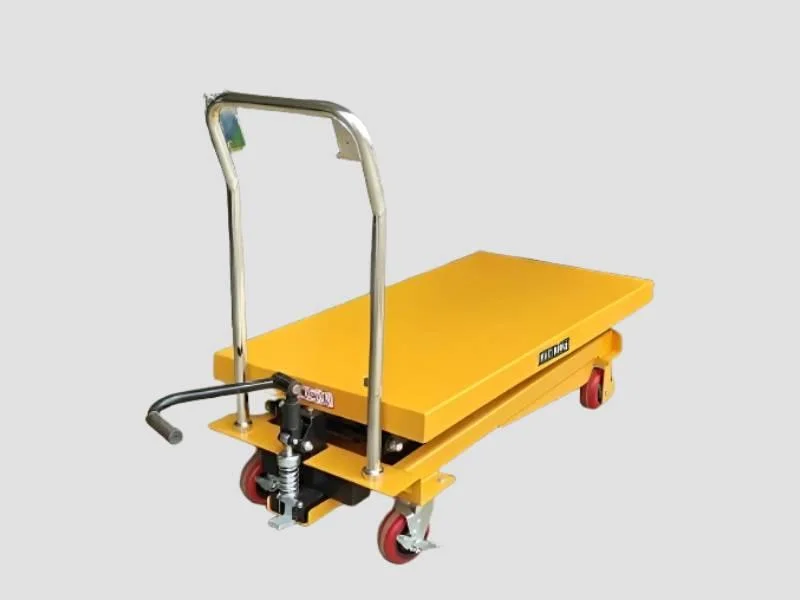
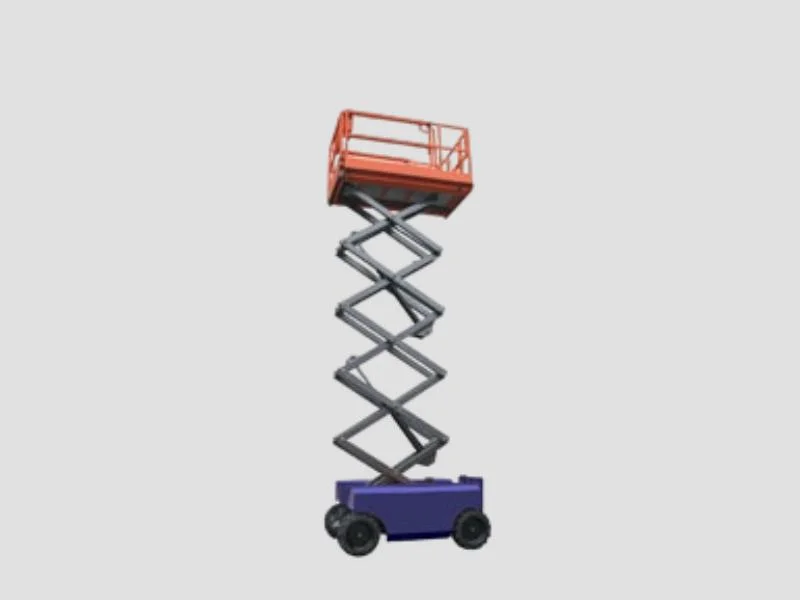
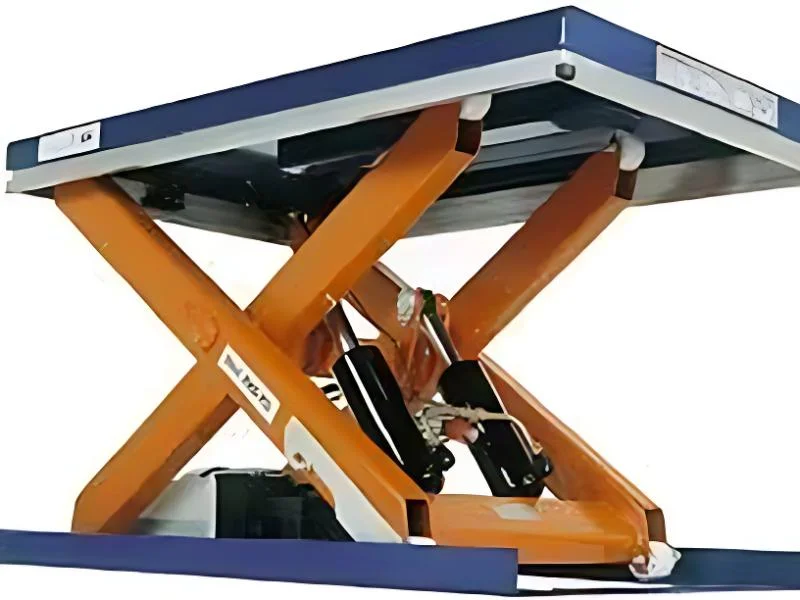
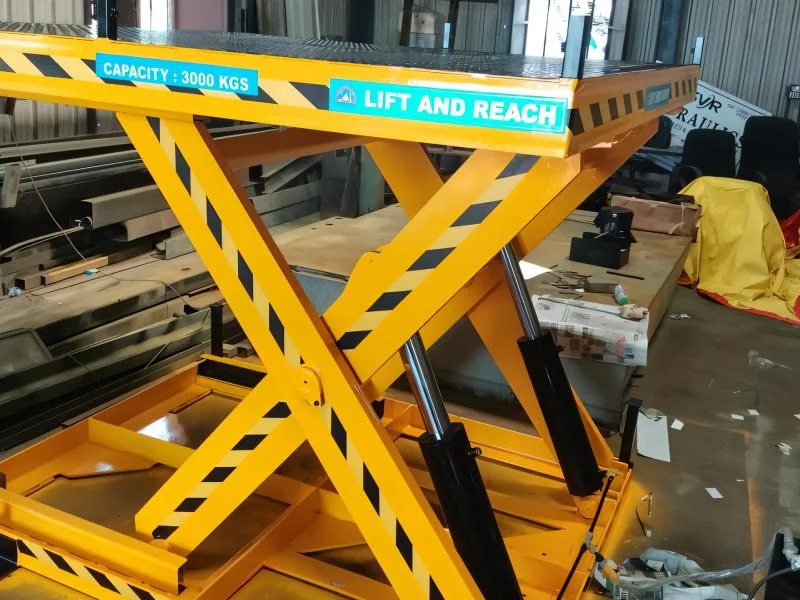
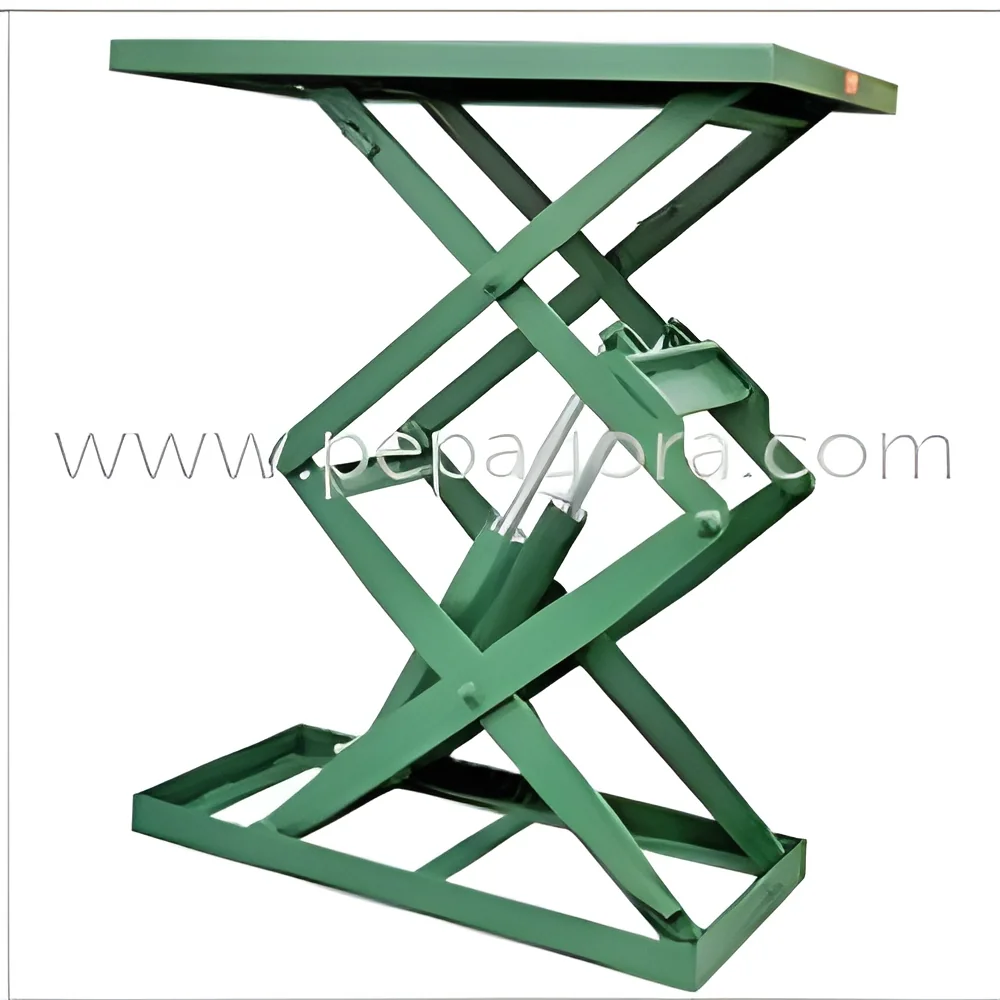
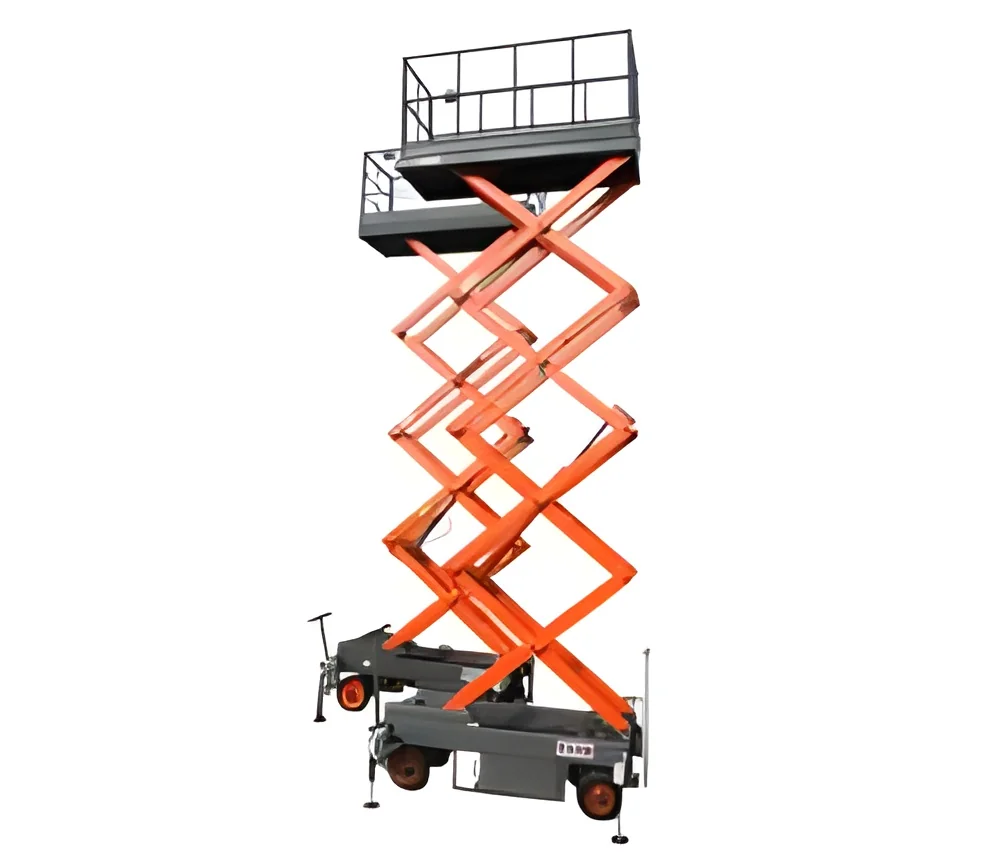
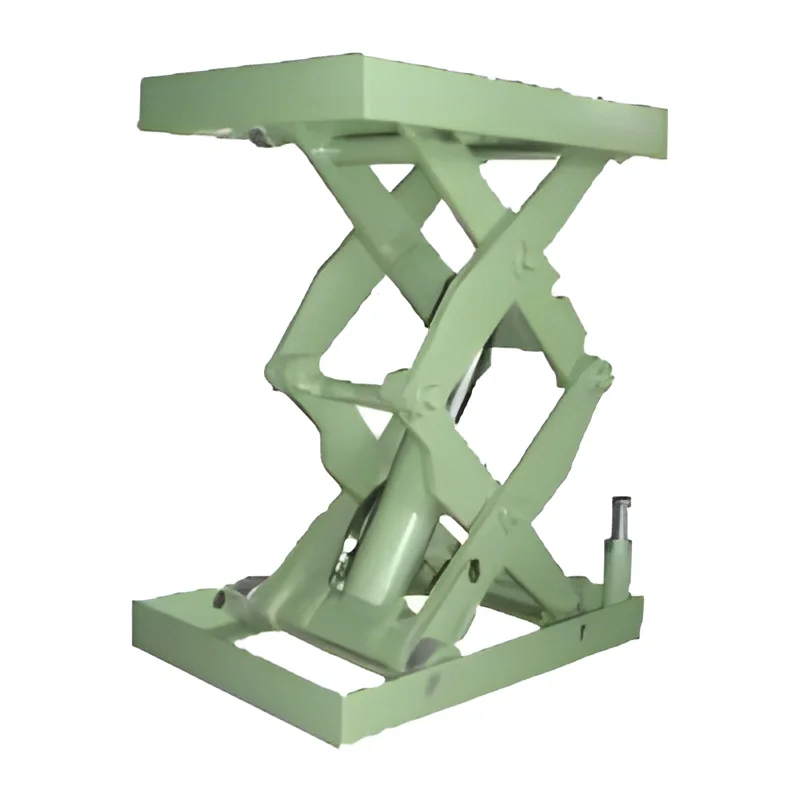
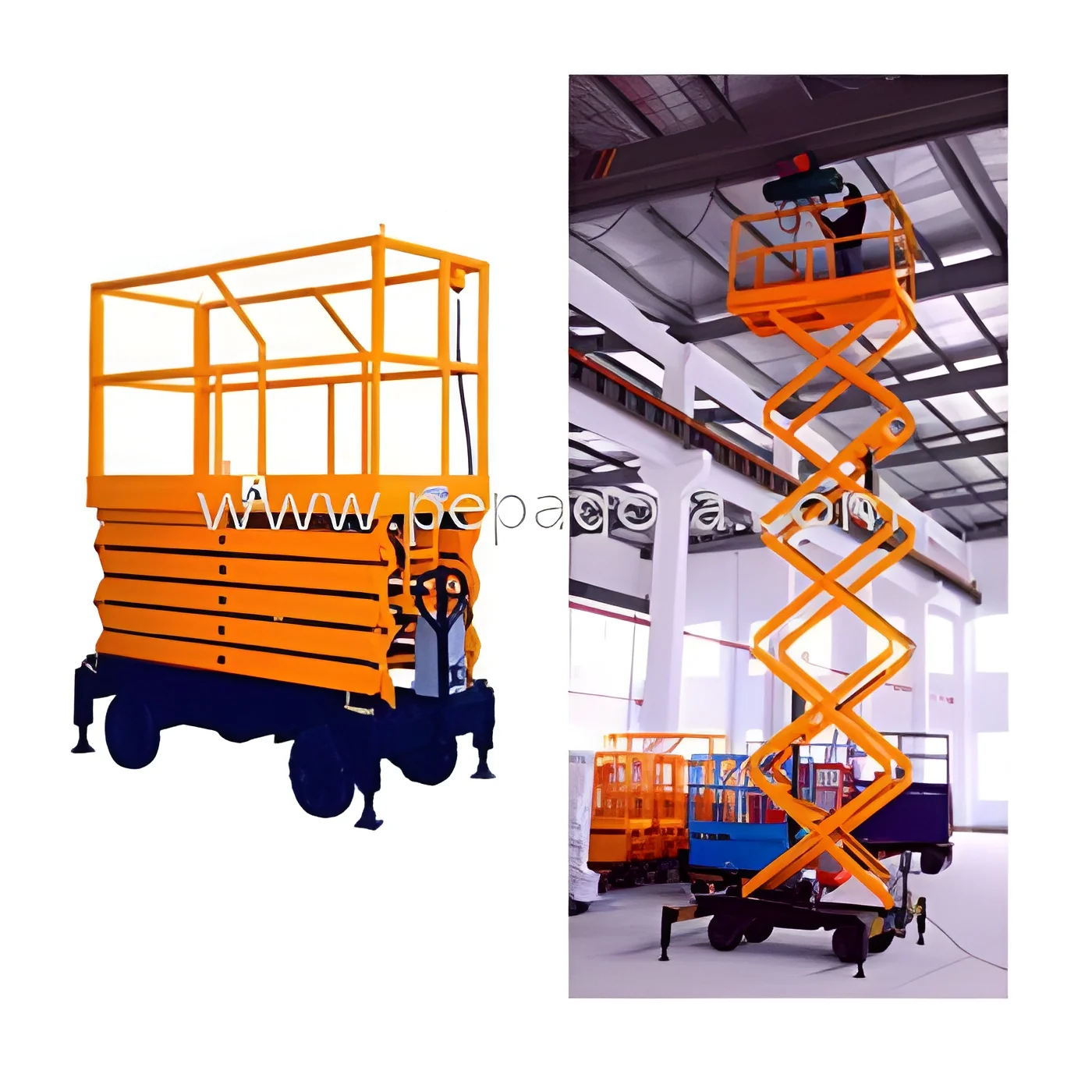
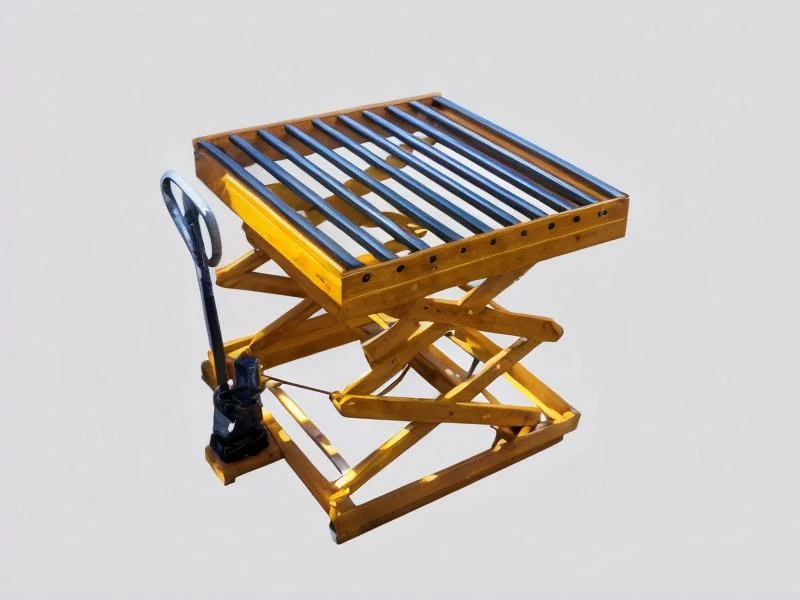
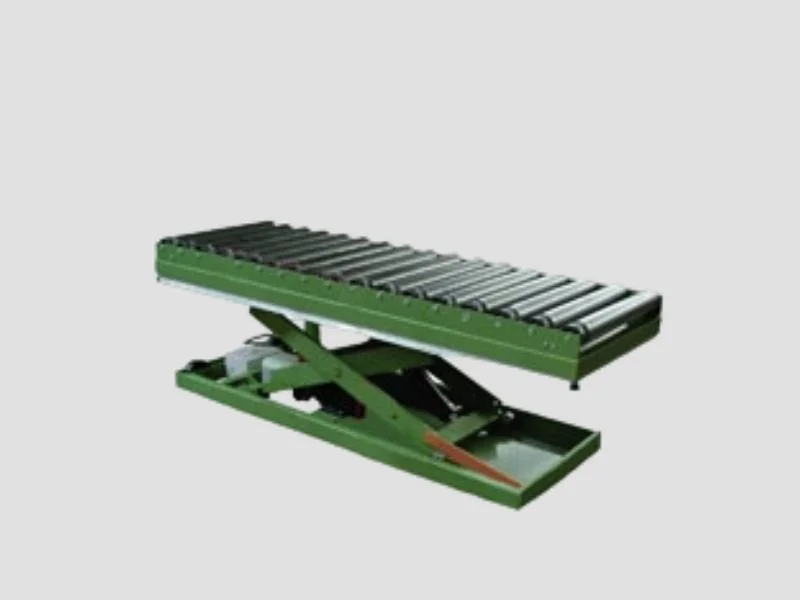
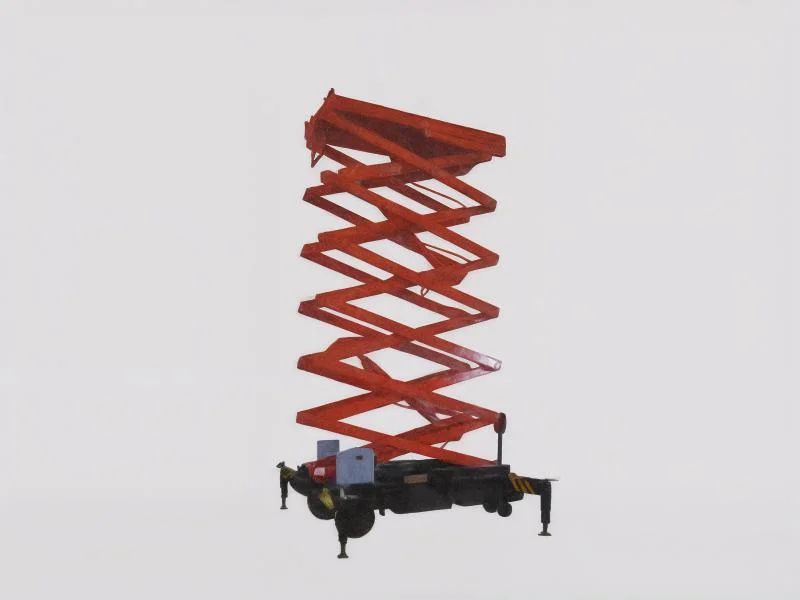
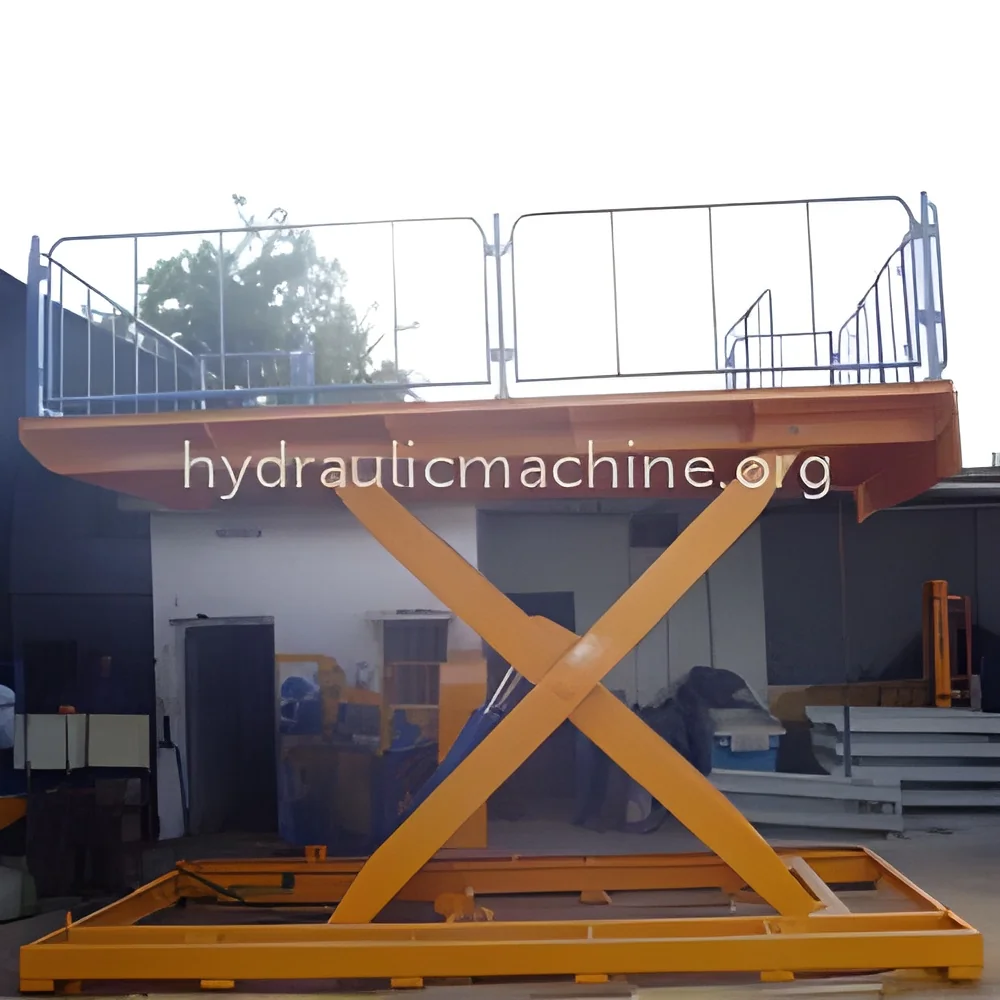
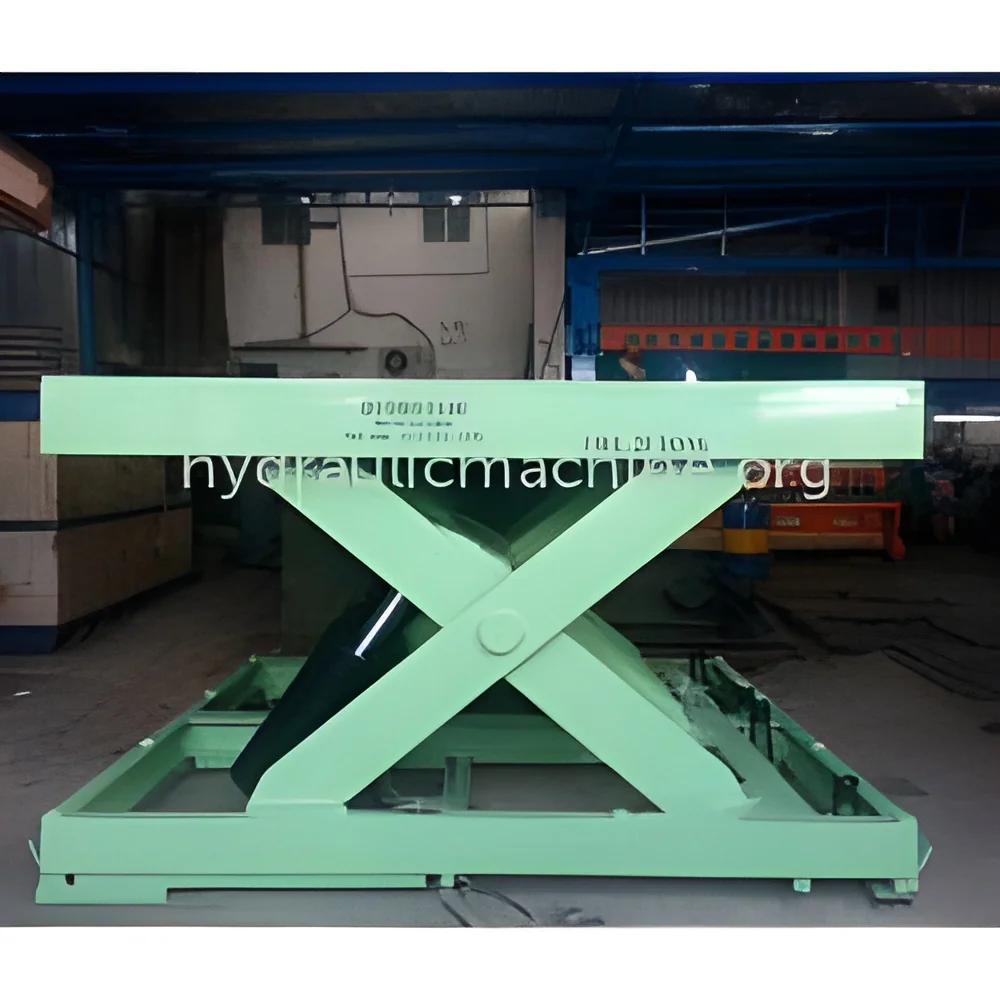
Scissor lifts are a type of aerial lift that provides a platform for workers to access elevated areas. They are characterized by their crisscrossing (or scissor-like) support arms, which allow the platform to rise and lower vertically. This design enables efficient vertical lifting while maintaining a stable work surface, making scissor lifts ideal for various applications in industrial and commercial settings.
These lifts are primarily used in construction, maintenance, and warehousing environments. They are suitable for tasks such as installing lighting, painting, and performing repairs at height. Scissor lifts can also be utilized in manufacturing facilities for assembling components or accessing overhead storage. Their versatility and ease of use make them a preferred choice in numerous business applications across various industries.
The market for scissor lifts is growing, driven by increased construction activities and the need for safe work environments. With advancements in technology, modern scissor lifts come equipped with features that enhance safety and functionality. As businesses seek efficient solutions for high-reach tasks, scissor lifts have become an essential equipment choice in the industrial sector.
Key Features and Specifications
Scissor lifts come with a range of features and specifications that cater to different lifting needs. Understanding these specifications is crucial for businesses when choosing the right model.
Key specifications include:
1. Maximum Working Height
- This specification refers to the highest point the platform can reach.
- Typical ranges vary from 20 feet to over 50 feet, depending on the model.
2. Platform Capacity
- This indicates the maximum weight the platform can safely support.
- Capacities usually range from 500 pounds to 3,000 pounds.
3. Platform Size
- The dimensions of the work platform, impacting workspace availability.
- Standard sizes range from 4 feet by 2 feet to 10 feet by 5 feet.
4. Power Source
- Scissor lifts can be powered by electric, gasoline, or diesel engines.
- Electric models are common in indoor settings, while gas and diesel are used outdoors.
5. Drive Type
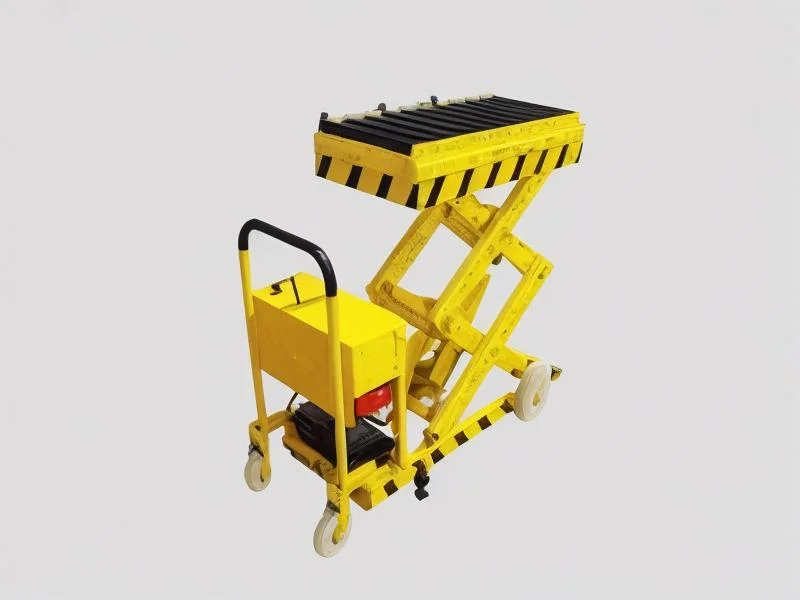
- Options include manual and self-propelled varieties.
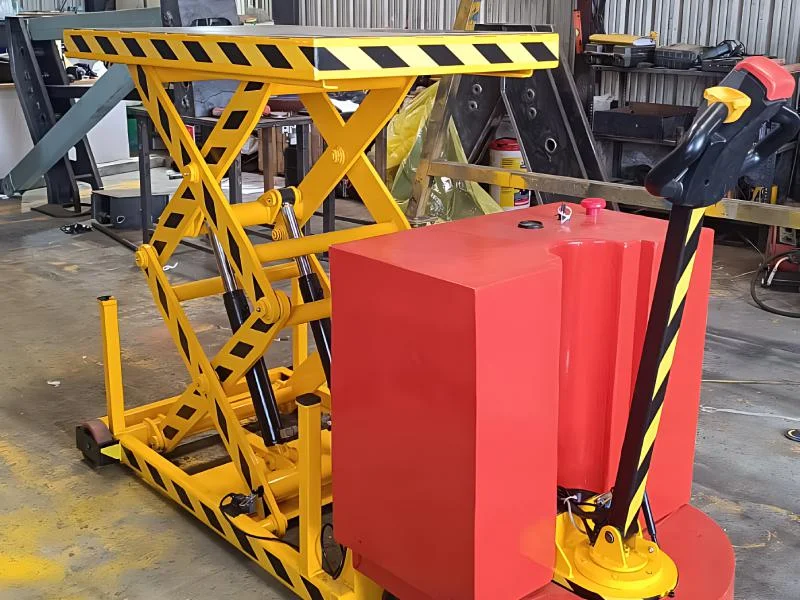
- Self-propelled models allow for easier maneuverability on the job site.
6. Safety Features
- Includes guardrails, emergency stop buttons, and overload protection.
- These features are designed to enhance operator safety during use.
7. Weight
- The overall weight of the lift can affect portability and transport.
- Weights typically range from 1,500 pounds to over 5,000 pounds.
8. Dimensions When Stowed
- The size of the lift when not in use is important for storage and transport.
- Dimensions vary widely based on model and design.
In summary, selecting a scissor lift involves understanding these key specifications to ensure it meets the specific requirements of the intended application.
Common Applications and Use Cases
Scissor lifts are widely applicable across multiple industries due to their versatility and efficiency.
1. Construction: In construction sites, scissor lifts are used for tasks such as installing ceilings, electrical systems, and conducting inspections at height.
2. Warehousing: They facilitate inventory management by allowing workers to reach high shelves for storage and retrieval of goods.
3. Manufacturing: In manufacturing facilities, scissor lifts assist in assembly lines and maintenance tasks, enabling workers to access elevated equipment easily.
4. Maintenance: For facility maintenance, scissor lifts provide the access needed for tasks such as cleaning, painting, and repairing structures.
5. Events: In the event industry, scissor lifts are employed to set up stages, lighting, and sound equipment at elevated positions.
6. Retail: Retail environments use scissor lifts for merchandising tasks, such as hanging displays and lighting fixtures.
7. Telecommunications: Scissor lifts enable technicians to maintain and install equipment on high towers and rooftops.
Product Variants and Subcategories
Scissor lifts are available in various configurations to suit different operational needs.
Electric Scissor Lifts
Electric scissor lifts are designed for indoor use, offering quiet operation and zero emissions. They are ideal for tasks in warehouses and factories where space is limited.
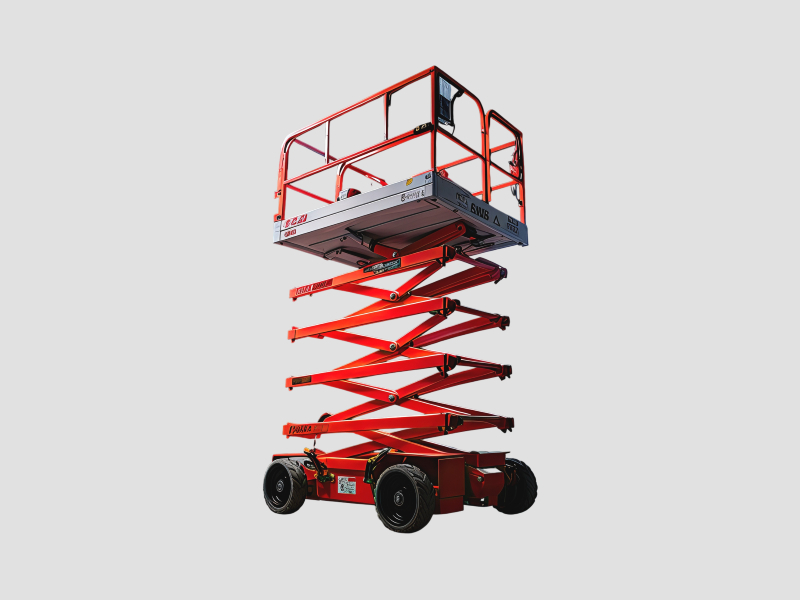
Rough Terrain Scissor Lifts
These models are equipped with larger tires and enhanced stability features, making them suitable for outdoor environments and uneven surfaces, such as construction sites.
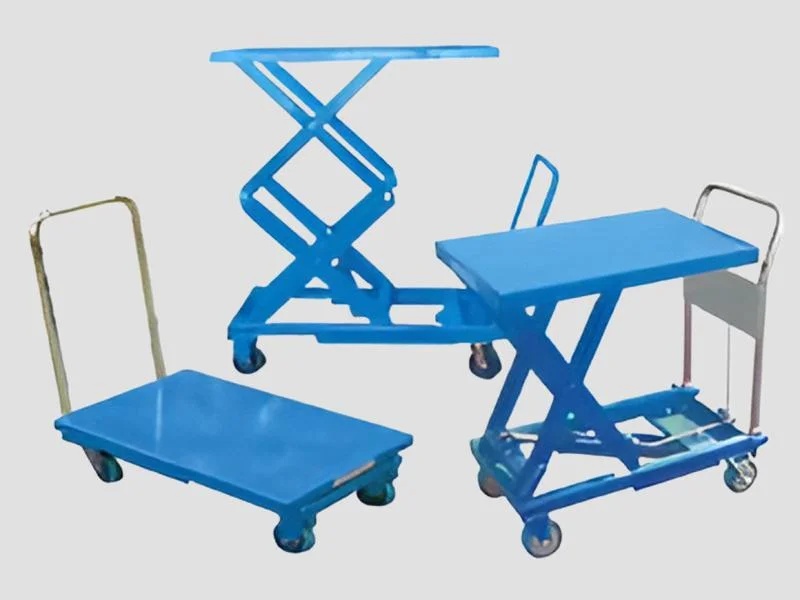
Compact Scissor Lifts
Compact models are designed for tight spaces, allowing for easy maneuverability in confined areas. They are commonly used in urban settings and small facilities.
Diesel Scissor Lifts
These lifts provide higher power and greater lifting capacity, making them suitable for outdoor applications where electricity is unavailable.
Benefits and Advantages
Scissor lifts offer numerous advantages for businesses looking for efficient access solutions.
1. Enhanced Safety: Equipped with safety features like guardrails and emergency stops, scissor lifts help to minimize workplace accidents.
2. Increased Productivity: By providing quick access to elevated areas, scissor lifts allow workers to complete tasks more efficiently, reducing downtime.
3. Versatility: They can be used in various applications, making them a multi-functional tool for different industries.
4. Easy Operation: Scissor lifts are user-friendly, allowing operators to quickly learn how to use them with minimal training.
5. Cost-Effectiveness: The ability to reach high places without scaffolding reduces labor costs and time, offering a return on investment.
6. Space Efficiency: Their vertical lifting capability maximizes floor space, making them ideal for environments with limited room.
Buying Guide for B2B Buyers
When sourcing scissor lifts, buyers should consider several critical factors to ensure they select the right equipment.
1. Quality Assessment: Evaluate the quality of the lift through reviews, warranties, and manufacturer reputation. High-quality lifts often have better safety features and durability.
2. Supplier Verification: Vet suppliers by checking their certifications, customer feedback, and track record in the industry to ensure reliability and support.
3. Pricing and MOQ: Understand the pricing structure and minimum order quantities as this will impact budget planning and procurement processes.
4. Delivery and Lead Times: Consider the logistics involved in acquiring the lift. Confirm delivery times and ensure they align with project schedules.
5. Compliance Requirements: Be aware of regulatory standards applicable to scissor lifts, including safety and operational compliance, to avoid legal issues.
Compliance and Certifications
Compliance with industry standards and certifications is crucial for scissor lifts to ensure safety and reliability.
Scissor lifts must adhere to quality standards such as ISO 9001, which defines a framework for quality management systems. This certification demonstrates a commitment to consistent quality and customer satisfaction.
The CE marking indicates compliance with European safety standards, ensuring that the equipment meets essential health and safety requirements.
Safety and testing requirements are paramount, with lifts undergoing rigorous testing to ensure they can withstand operational stresses and provide safe working conditions.
Regional compliance considerations may vary, necessitating an understanding of local regulations and standards applicable to lifting equipment.
Why Source Scissor Lifts from Pepagora?
Pepagora stands out as a trusted platform for sourcing scissor lifts, offering several key advantages to B2B buyers.
Verified Supplier Network: Pepagora connects businesses with a network of verified suppliers, ensuring that buyers can trust the quality and reliability of the products they purchase.
Streamlined RFQ Process: The request for quotation (RFQ) system simplifies procurement, allowing buyers to receive competitive pricing and tailored options from multiple suppliers quickly.
Trade Assurance and Support: Pepagora provides buyer protection through trade assurance, giving businesses peace of mind in their purchasing decisions and support throughout the transaction process.
Regional Coverage: With a focus on India, the GCC, and Southeast Asia, Pepagora offers extensive regional coverage, ensuring that buyers can access the scissor lifts they need, regardless of location.

 IN
IN