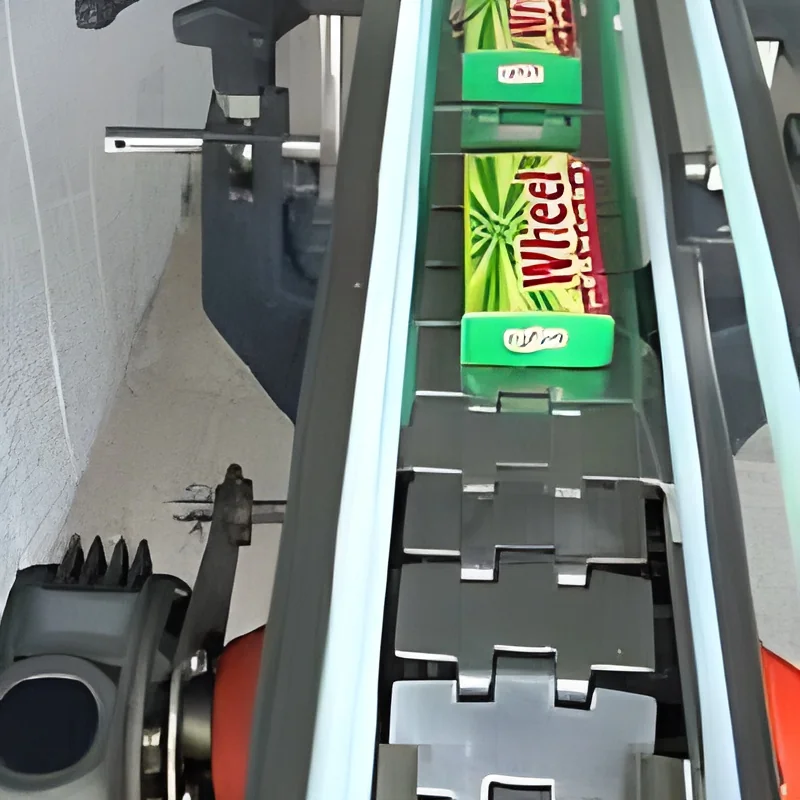
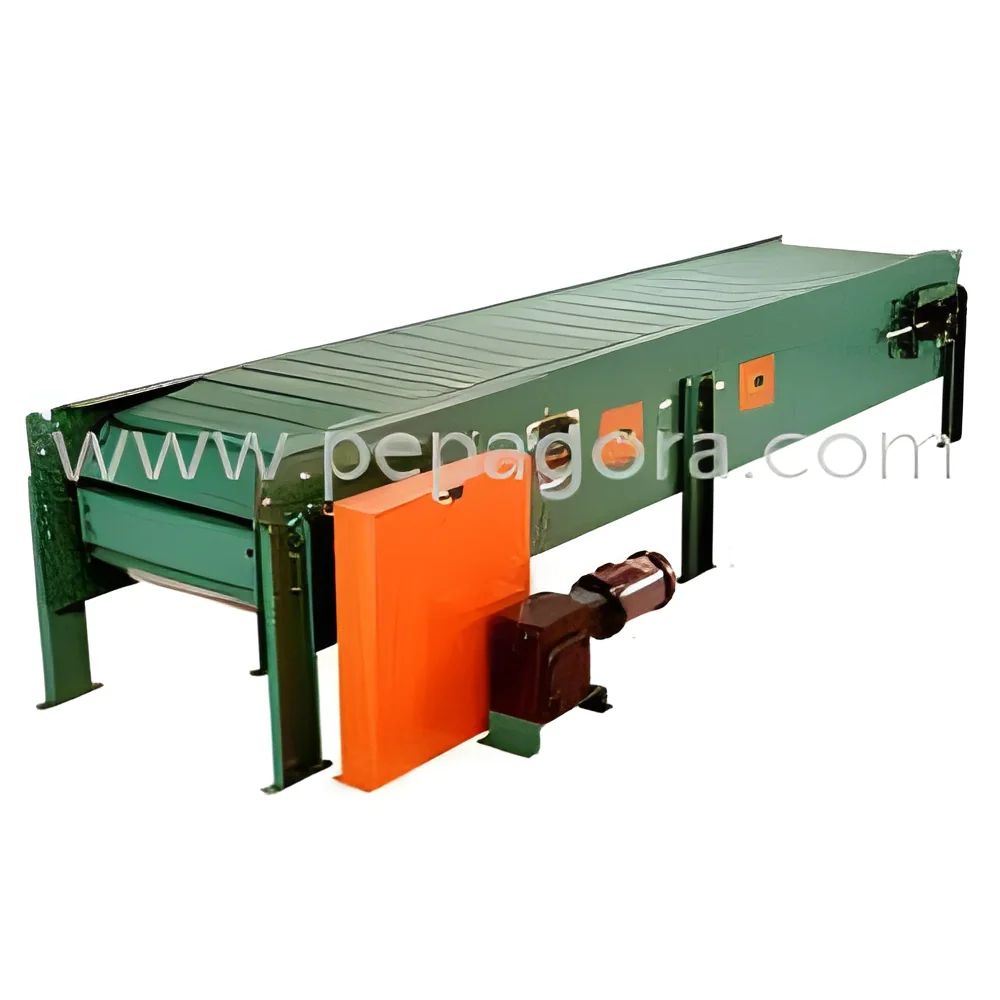
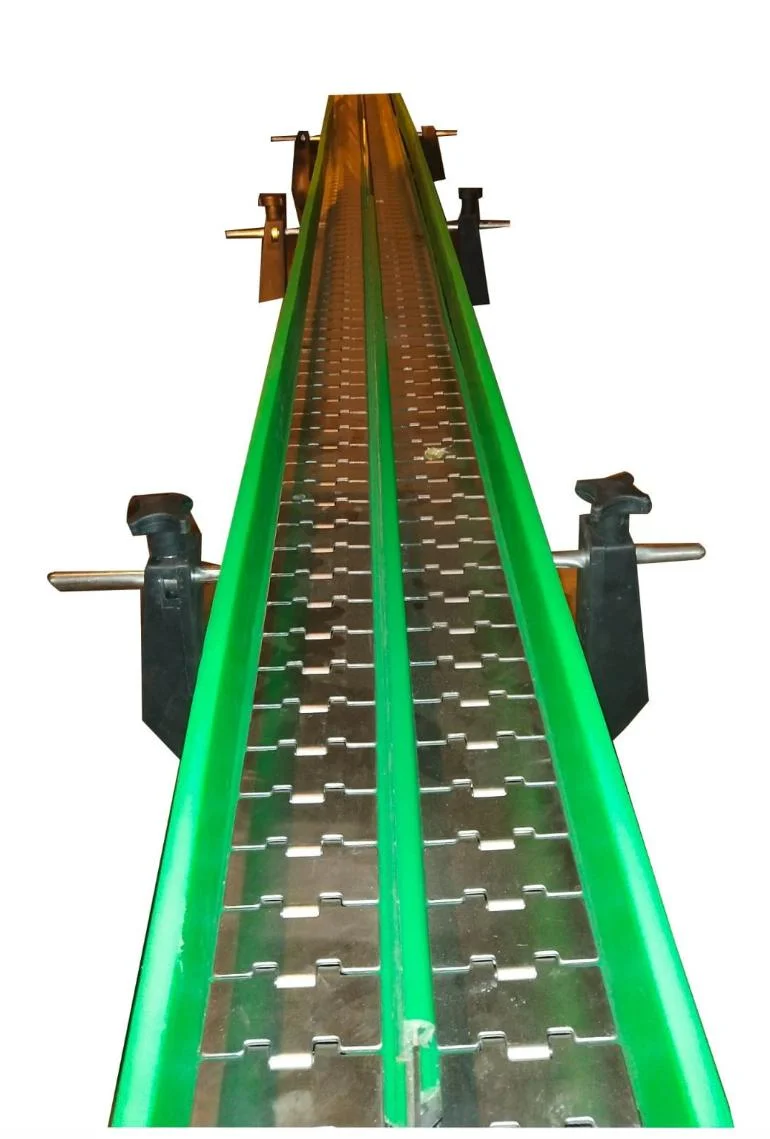
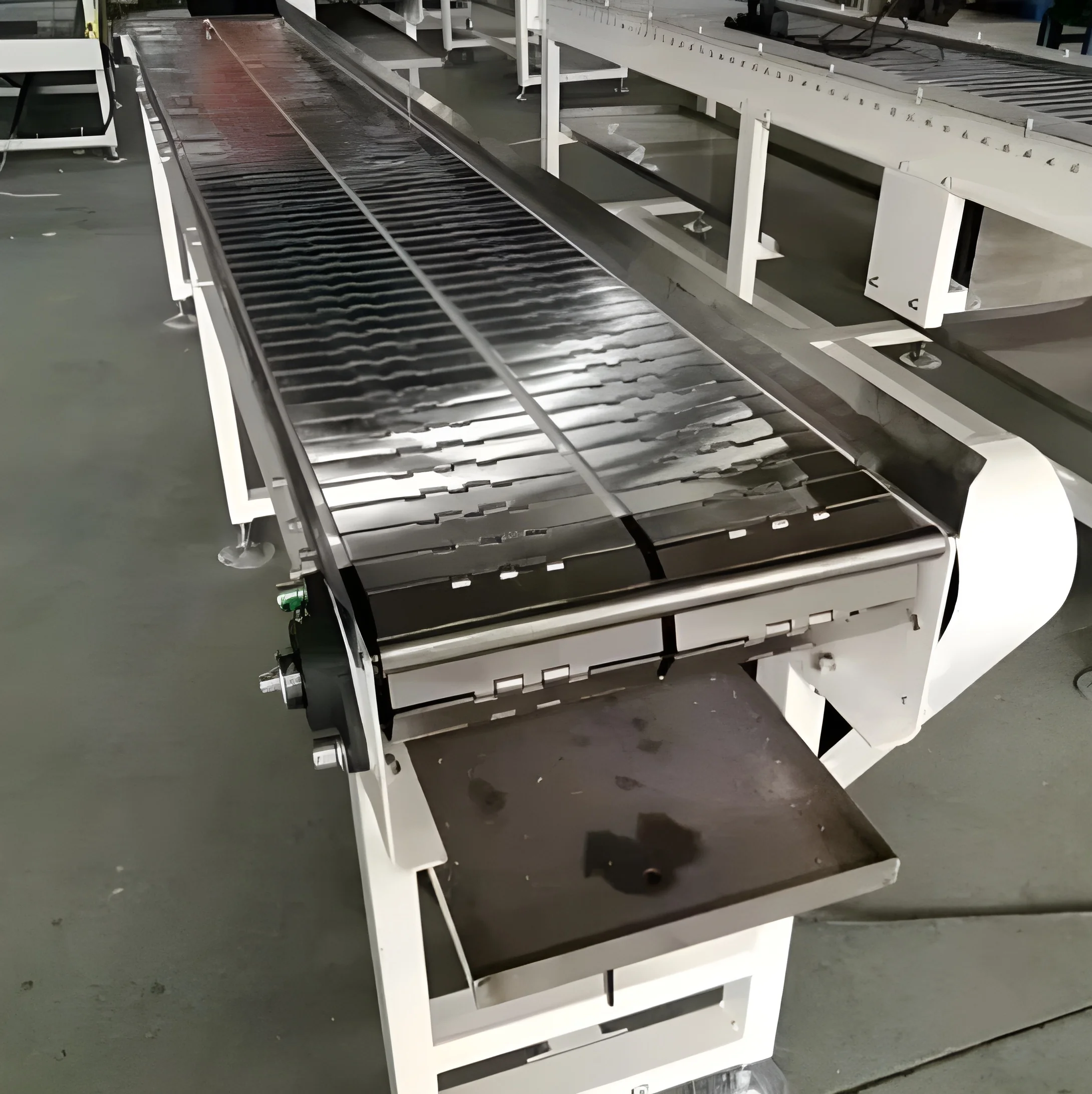
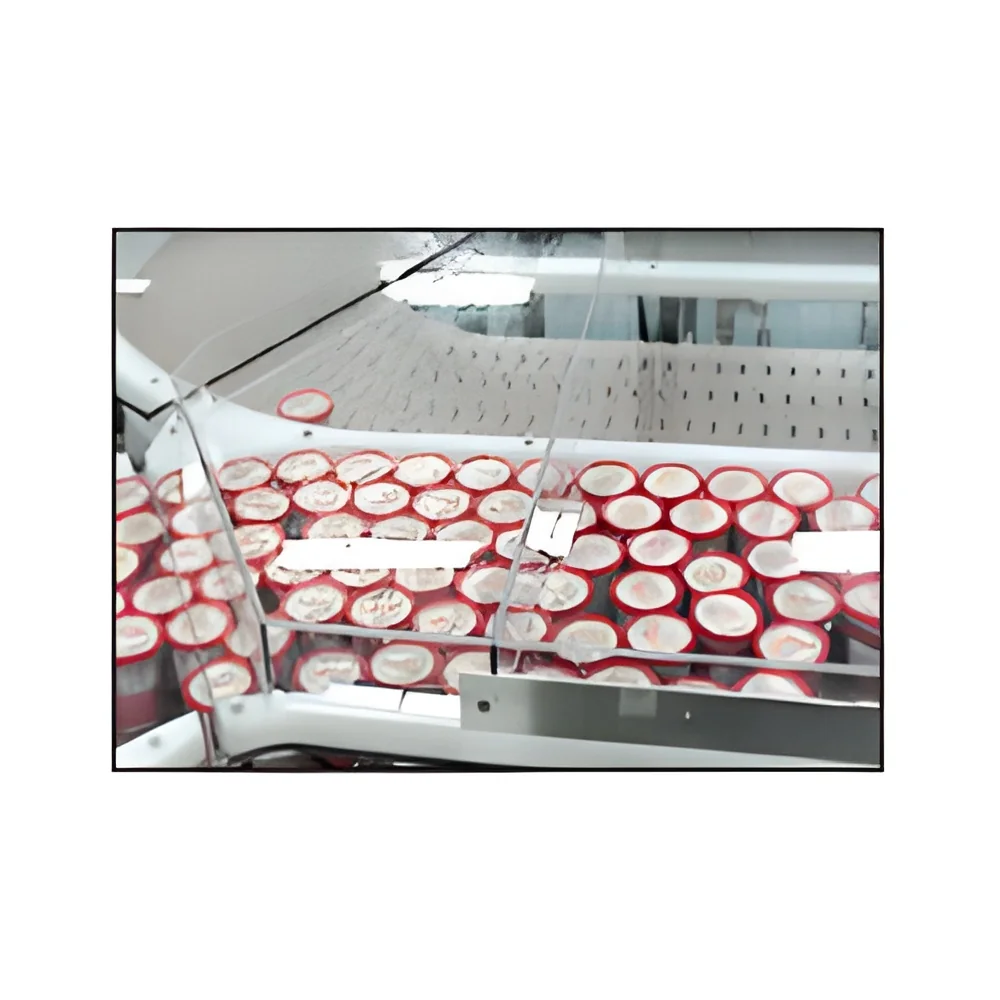
What are Slat Conveyors?
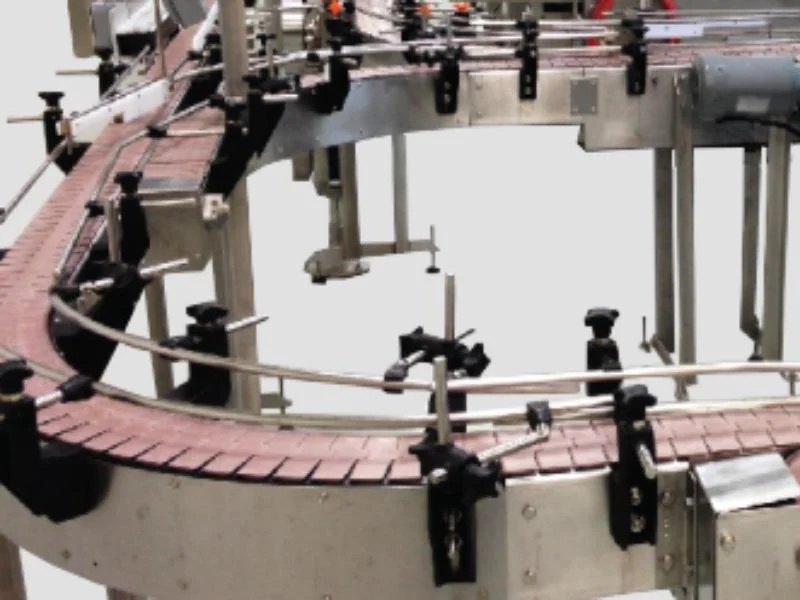
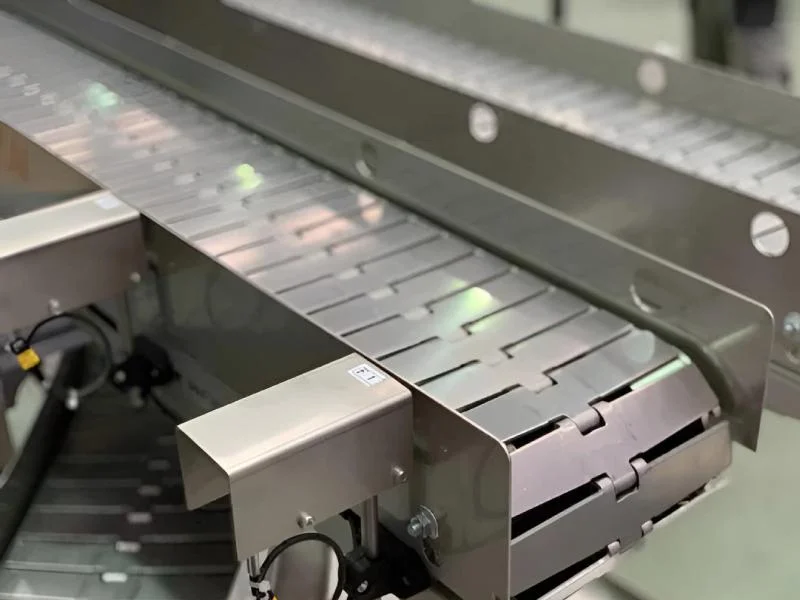
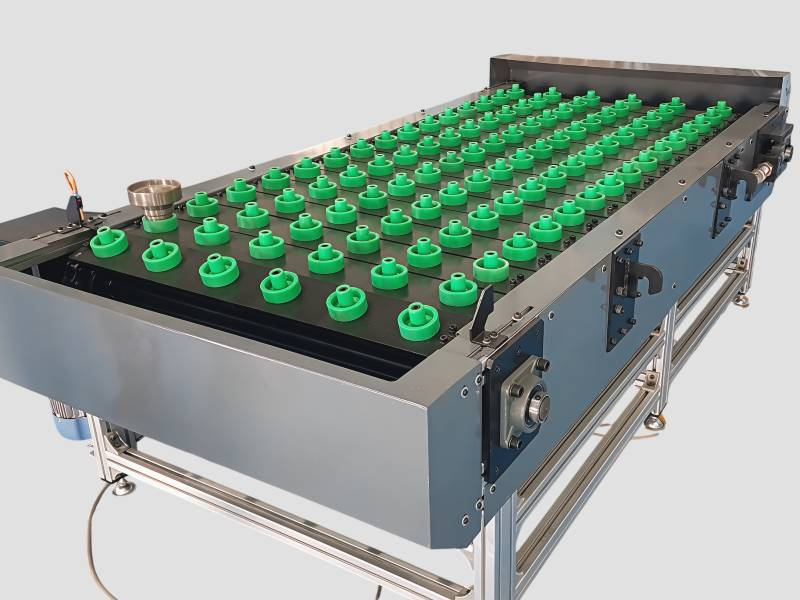
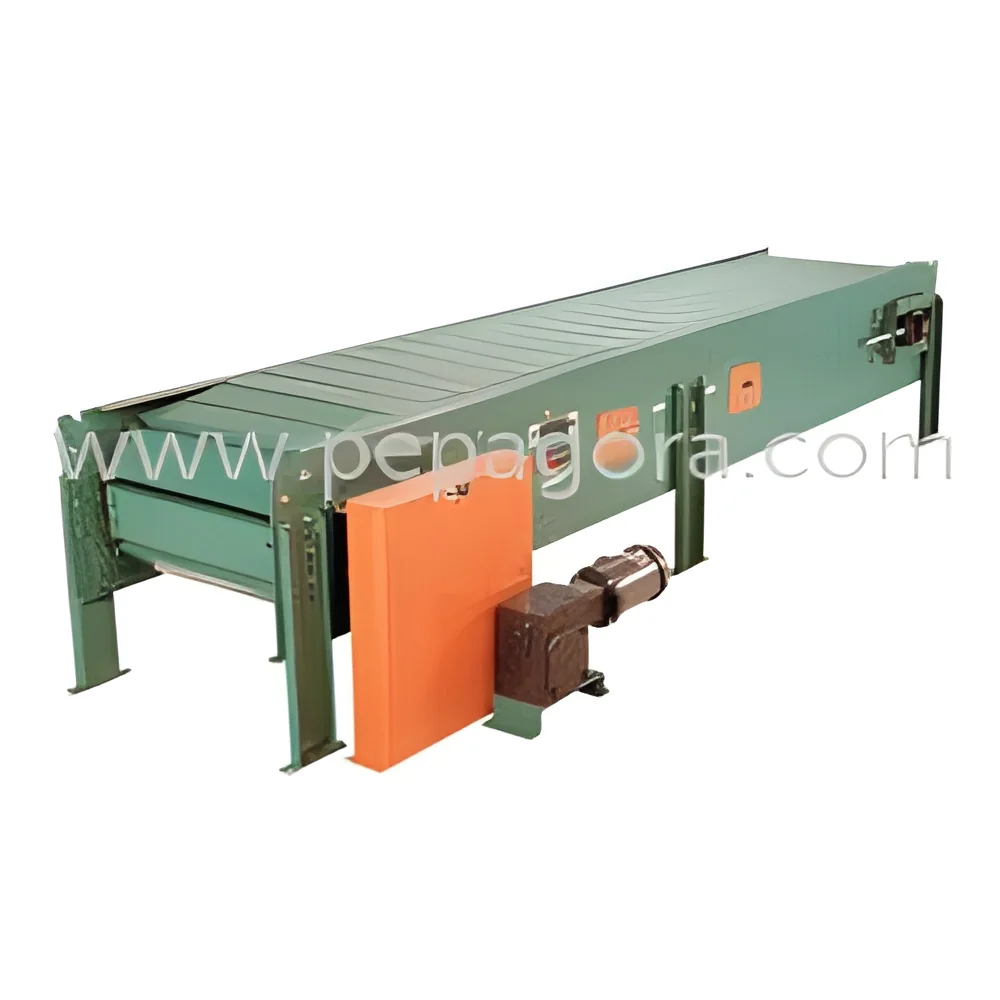
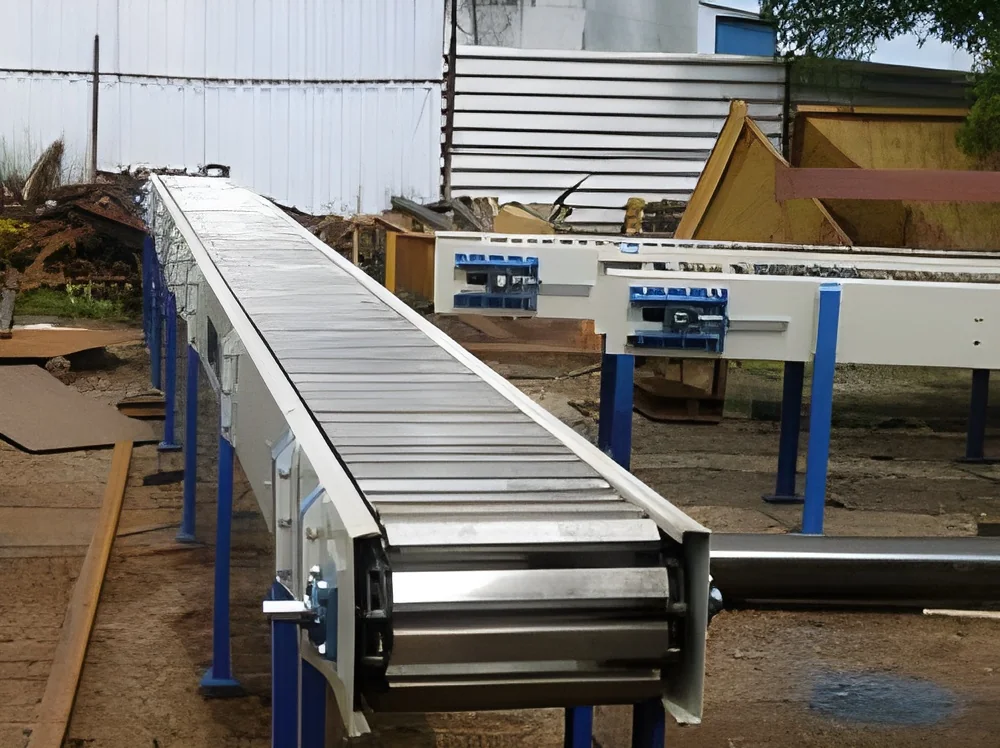
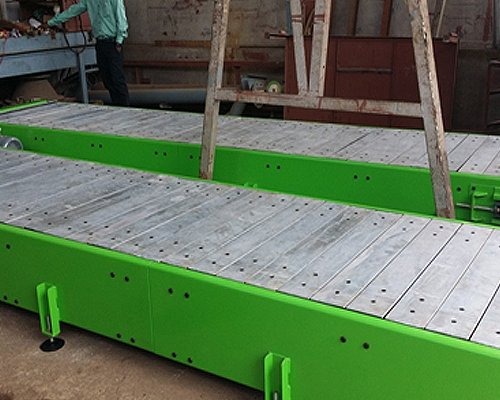
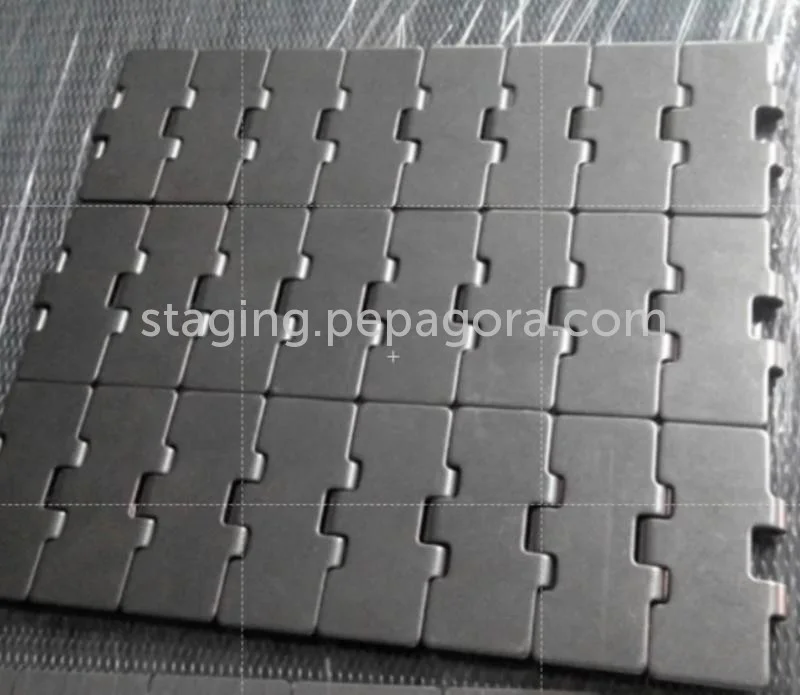
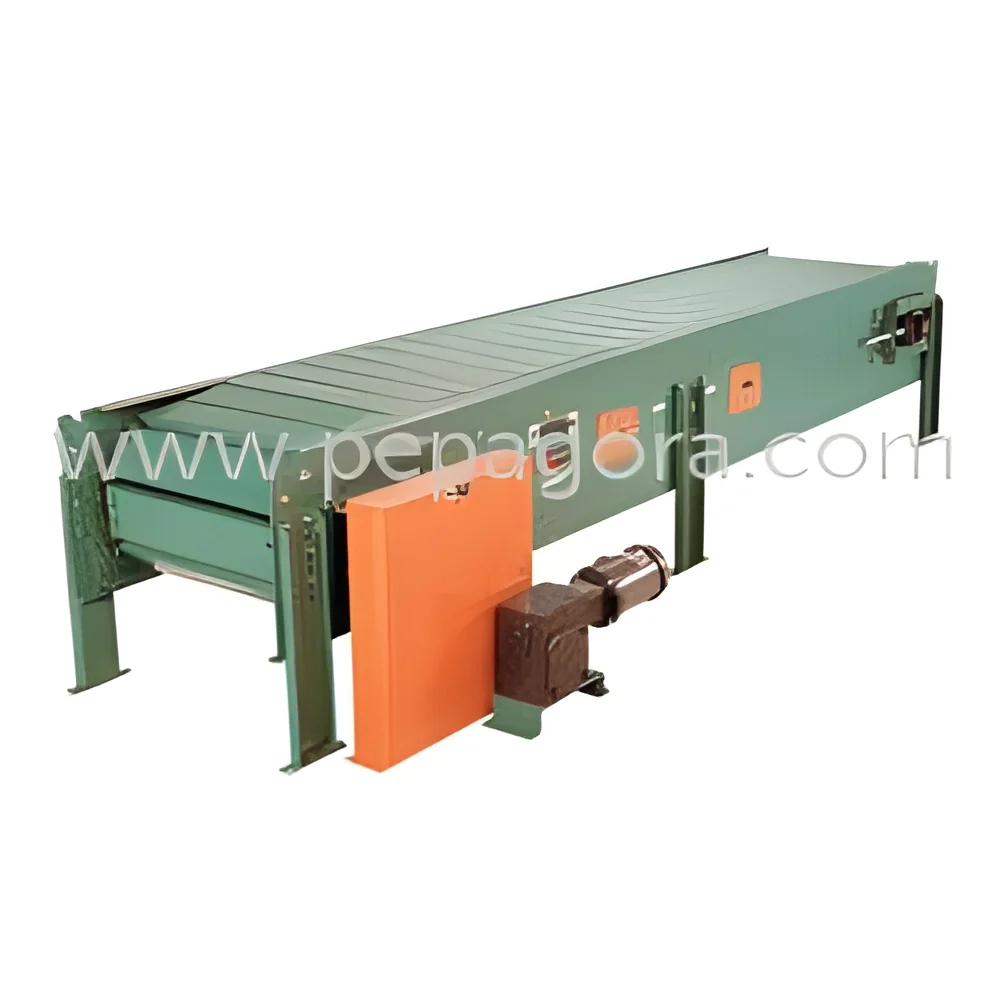
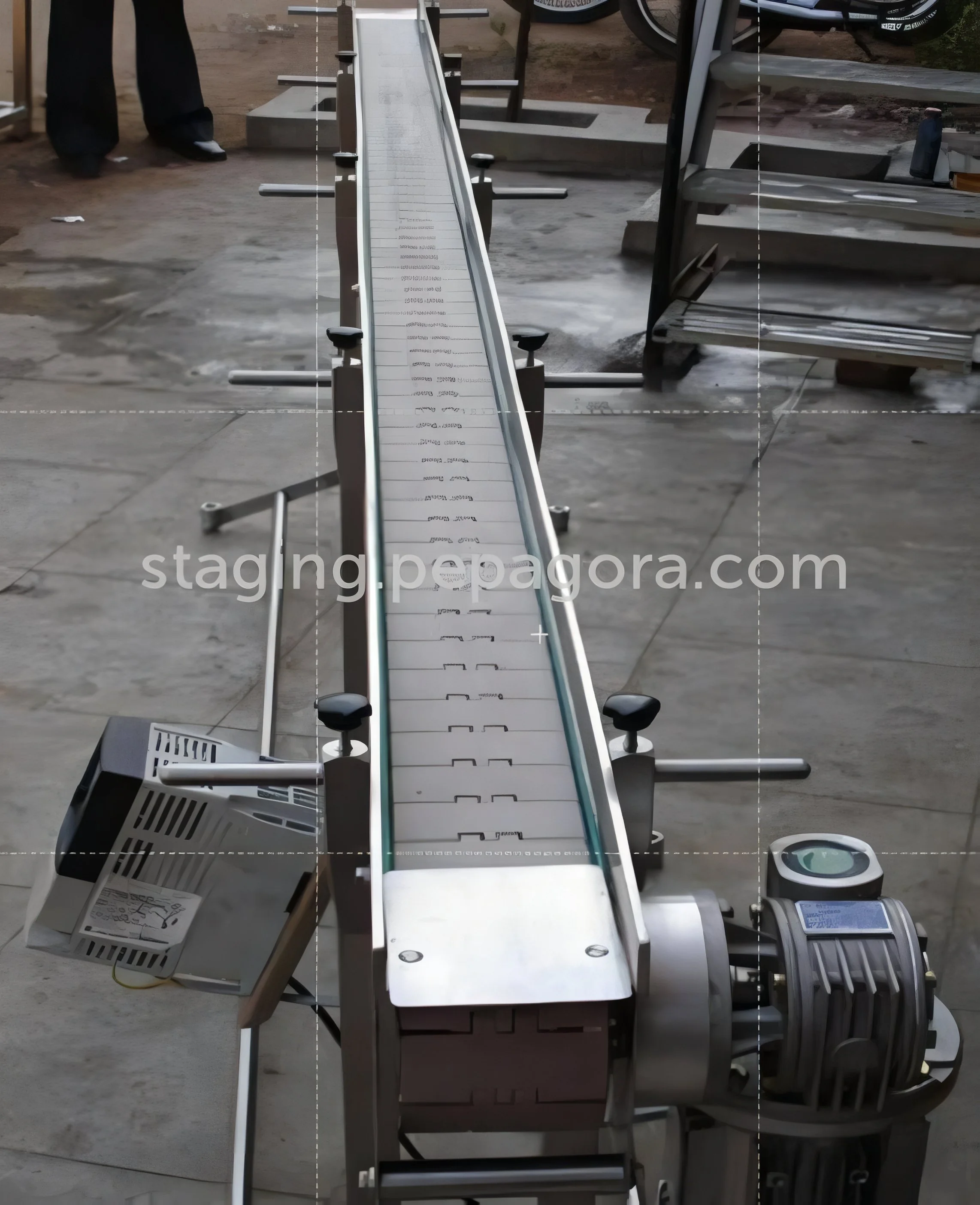
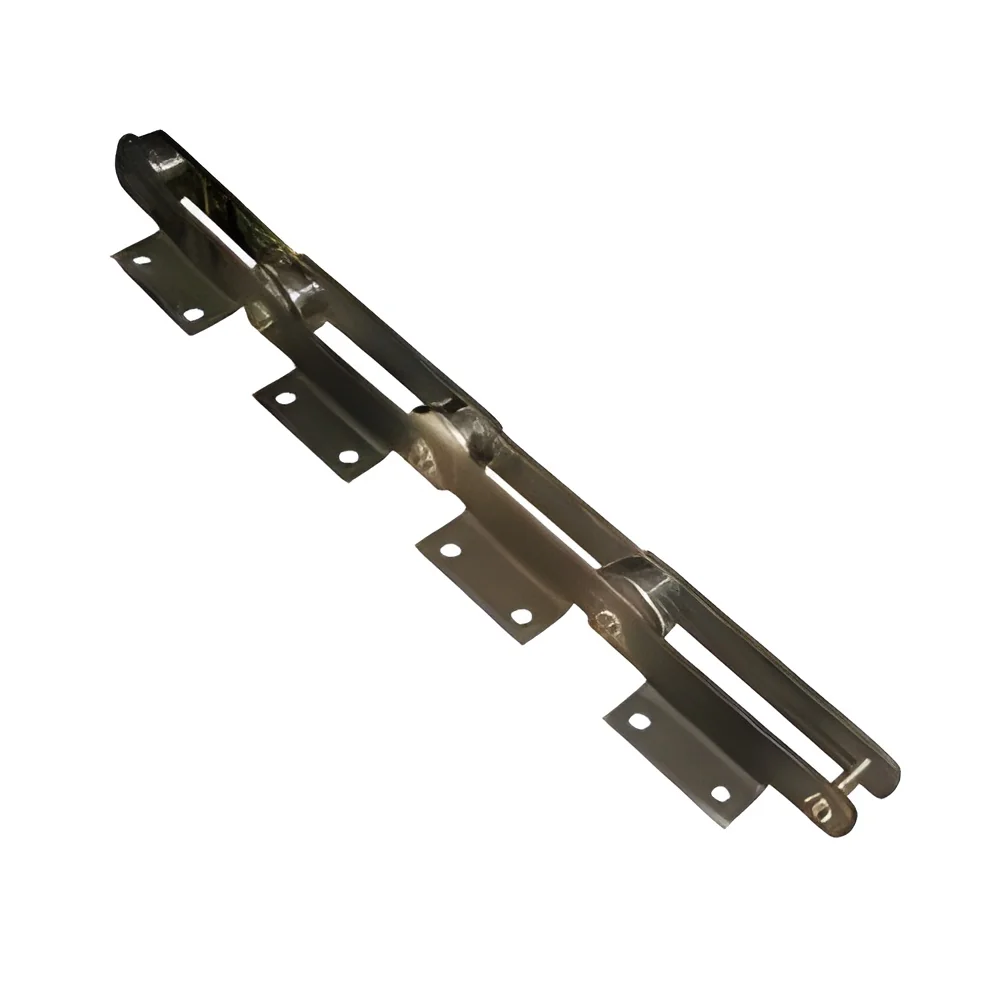
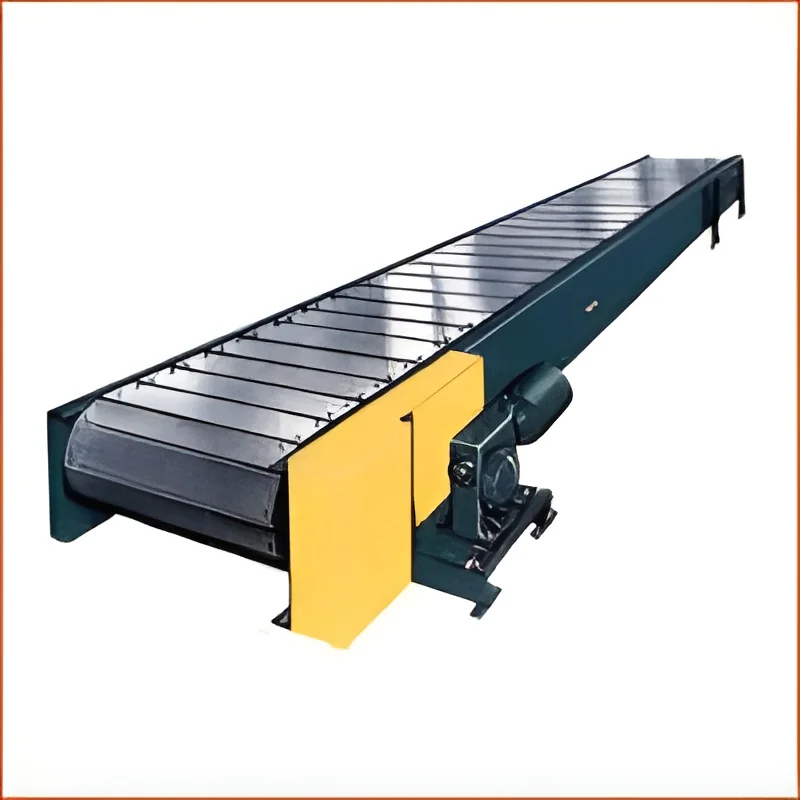
Slat conveyors are a type of mechanical conveying system designed to move products and materials along a production line. They utilize a series of slats, or plates, that are connected to a chain, allowing for a continuous flow of items. This configuration supports various types of loads and is particularly effective for transporting heavy or bulky products. Slat conveyors are versatile, offering the ability to handle goods in a horizontal or inclined position, making them suitable for a wide range of manufacturing and logistics applications.
These conveyors are commonly used in industries such as automotive, food and beverage, packaging, and material handling. They are particularly useful for operations that require precise positioning, heavy-duty transport, and integration with other machinery. Slat conveyors can manage products of varying shapes and sizes, making them ideal for assembly lines, packaging stations, and warehouses. Their ability to facilitate smooth transitions between different stages of production enhances operational efficiency and workflow.
In the current market, the demand for slat conveyors is on the rise, driven by the need for automation and increased productivity across manufacturing sectors. As businesses seek to optimize their operations, slat conveyors present an effective solution for streamlining processes and improving material handling capabilities.
Key Features and Specifications
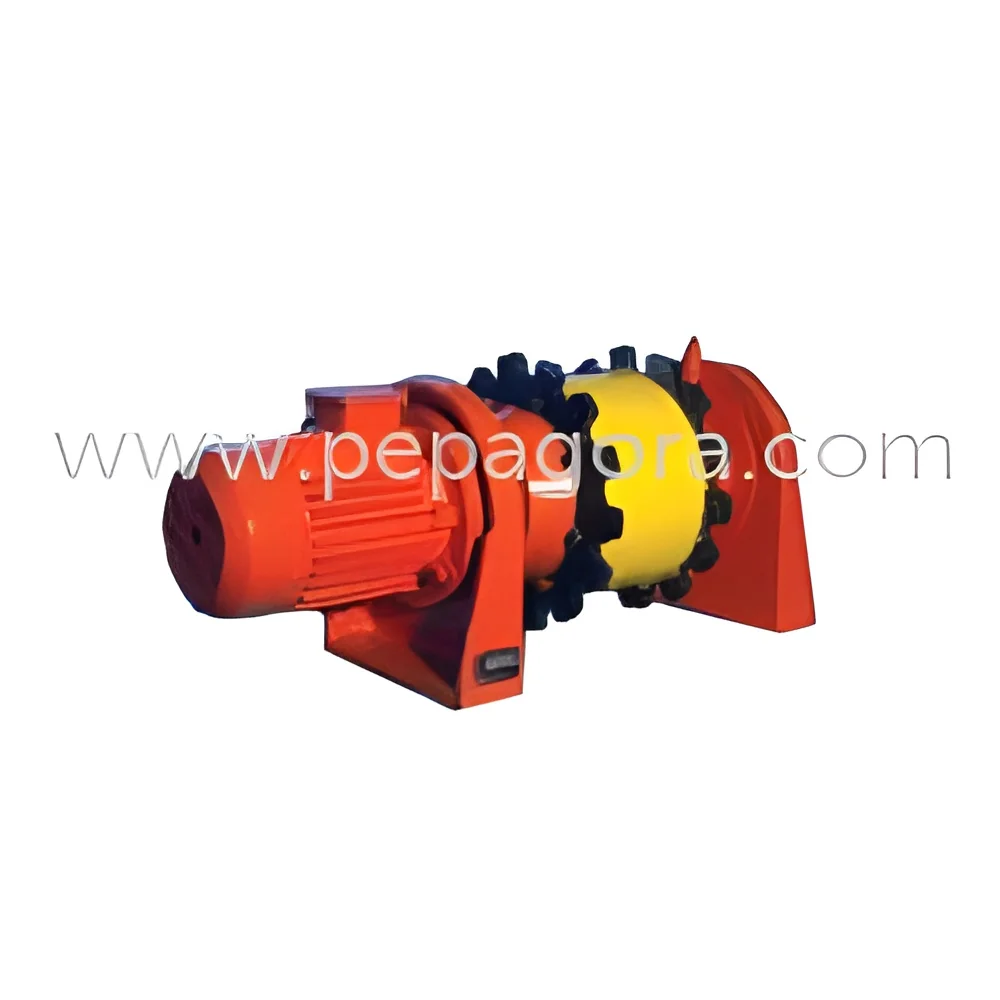
Slat conveyors are built with specific features that enhance their performance and adaptability in various industrial settings. Their design incorporates durable materials and advanced technology to ensure reliability and efficiency.
Key specifications include:
1. Load Capacity
- Able to handle heavy loads ranging from 500 to 1,500 kilograms, depending on design.
- Suitable for transporting bulky items without compromising structural integrity.
2. Speed
- Conveying speeds can be adjusted typically between 5 to 30 meters per minute.
- Variable speed options facilitate integration with other production processes.
3. Slat Material
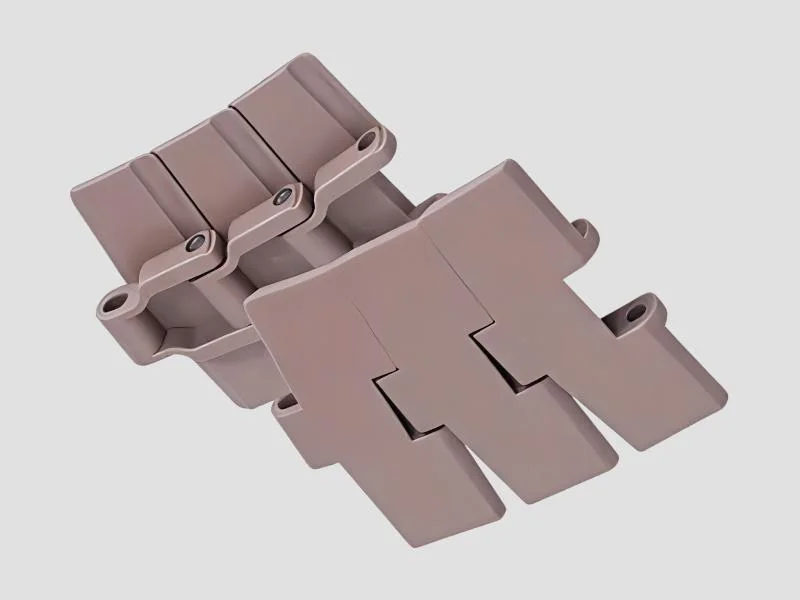
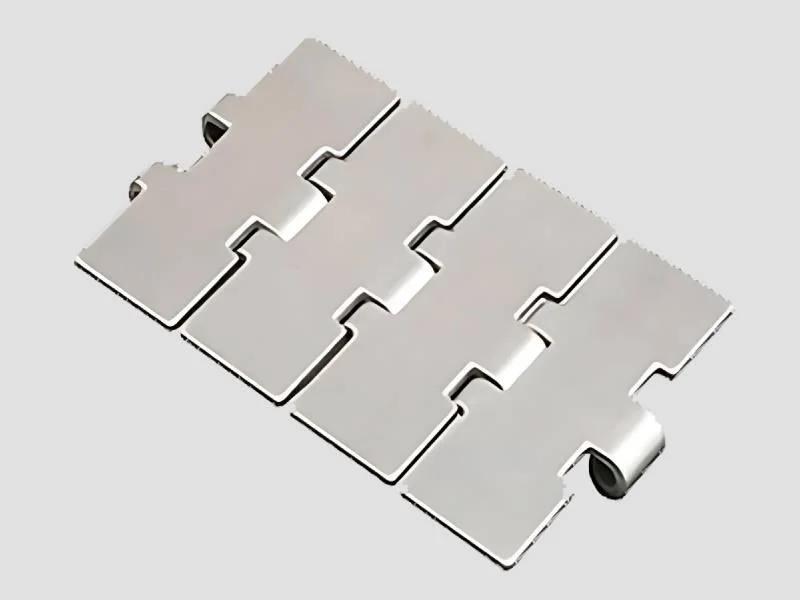
- Constructed from materials such as steel, plastic, or aluminum.
- Material choice impacts durability, weight, and corrosion resistance.
4. Width and Length
- Customizable widths from 300 mm to over 1 meter to accommodate different product sizes.
- Length can be tailored to fit specific layout requirements.
5. Drive Type
- Options include motorized or manual drive systems.
- Motorized drives provide automated operation for efficiency.
6. Configuration
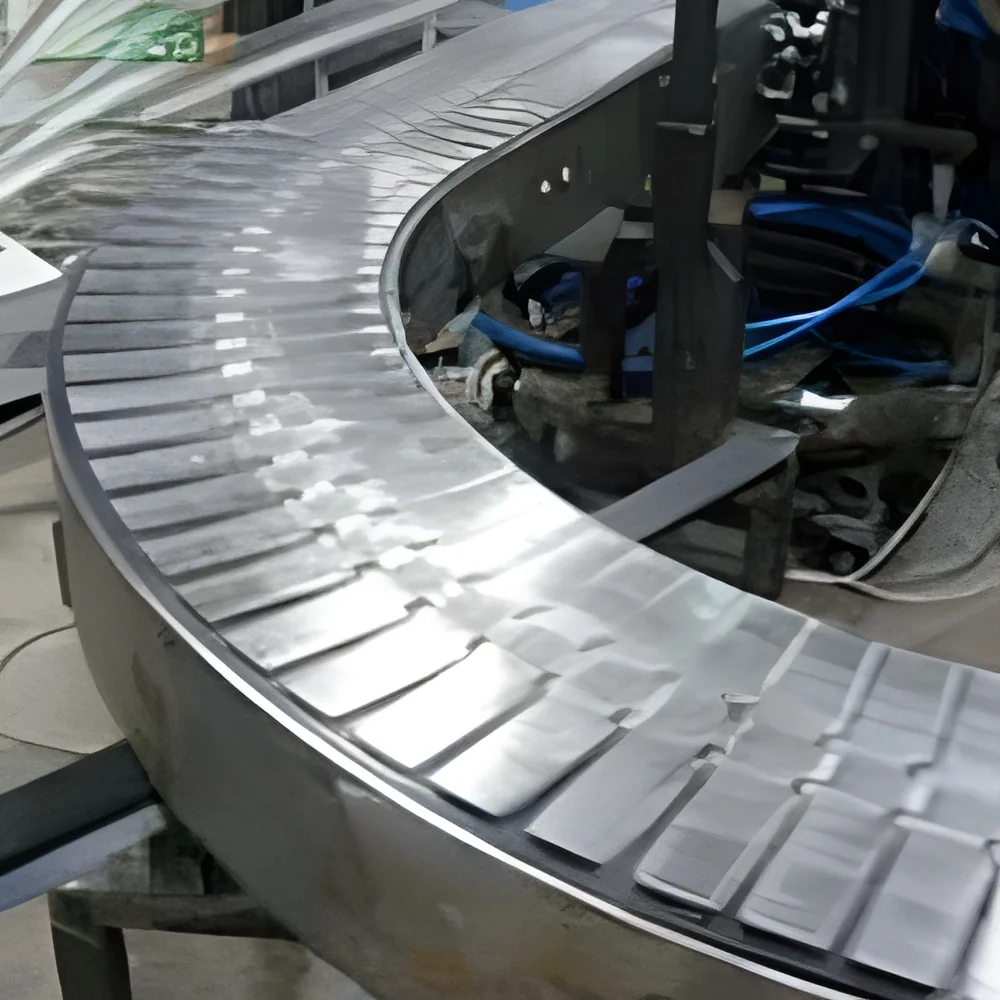
- Can be designed in straight, curved, or inclined layouts.
- Flexibility in configuration allows for effective use of available space.
7. Safety Features
- Equipped with safety guards and emergency stop functions.
- Compliance with industry safety standards to protect operators.
8. Maintenance Requirements
- Generally low maintenance with easy access for cleaning and repairs.
- Routine inspections recommended to ensure optimal performance.
In summary, slat conveyors offer a range of features and specifications that can be tailored to meet the needs of various industries, enhancing overall productivity and efficiency.
Common Applications and Use Cases
Slat conveyors are utilized across multiple sectors, each benefiting from their unique capabilities.
1. Automotive Industry: Slat conveyors are integral in automotive assembly lines, facilitating the movement of components and finished vehicles between stations, ensuring a steady workflow.
2. Food and Beverage Sector: They are used for transporting packaged goods, such as bottles and canned products, through processing and packaging lines, adhering to hygiene standards.
3. Manufacturing: Slat conveyors support heavy machinery and parts transport, enabling efficient movement in assembly and machining operations.
4. Warehousing: In distribution centers, slat conveyors streamline the handling of pallets and bulk items, enhancing order fulfillment efficiency.
5. Electronics: They assist in the precise movement of delicate electronic components, reducing handling time and minimizing the risk of damage.
6. Pharmaceuticals: Slat conveyors are employed for transporting products through various stages of packaging, ensuring compliance with strict regulatory requirements.
7. Textile Industry: Used for moving fabrics and finished garments, these conveyors help maintain workflow in production lines.
Product Variants and Subcategories
Slat conveyors come in various configurations to meet diverse industrial needs.
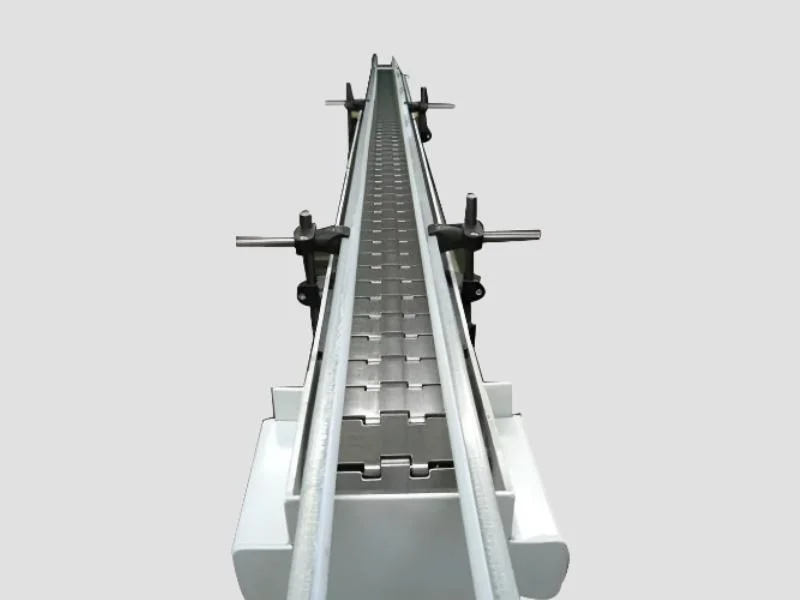
Standard Slat Conveyor
This is the most common variant, designed for general material handling. It features a robust design and can be customized in terms of slat material and size for different applications.
Inclined Slat Conveyor
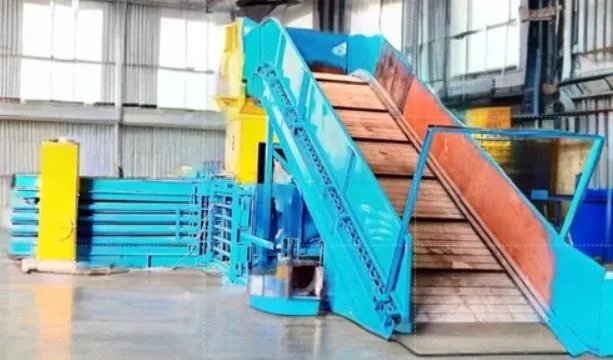
Ideal for transporting materials between different elevation levels. This variant is engineered to handle heavy loads while maintaining stability and efficiency.
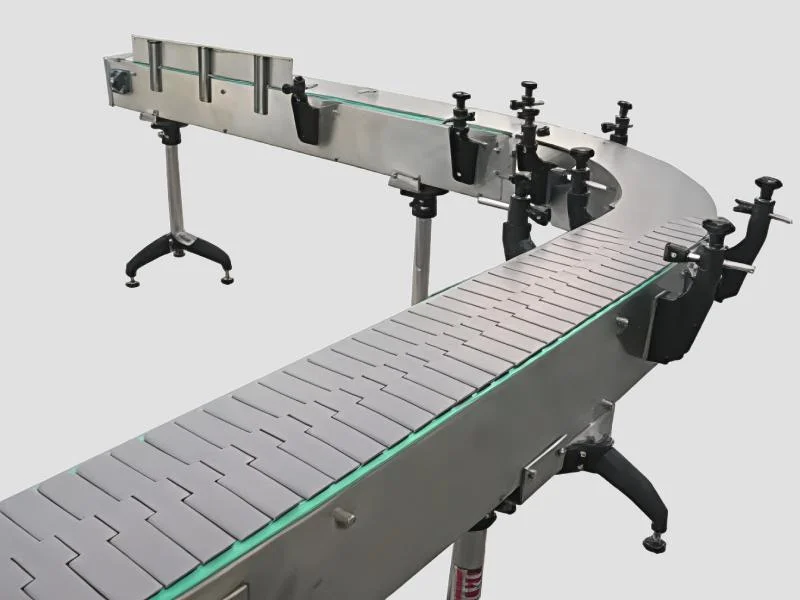
Curved Slat Conveyor
Designed for applications requiring directional changes, this variant allows for seamless transitions in processing lines, optimizing space utilization.
Modular Slat Conveyor
A flexible variant that allows for easy reconfiguration and expansion. It is ideal for companies looking to adapt their layout as production needs change.
Benefits and Advantages
Investing in slat conveyors provides several advantages that contribute to operational efficiency.
1. Durability: Slat conveyors are constructed from high-quality materials, ensuring long-lasting performance even in demanding environments.
2. Flexibility: Their customizable design allows businesses to adapt conveyor systems to specific production needs, enhancing workflow.
3. Efficiency: These conveyors facilitate faster material handling, reducing downtime and increasing productivity on the production line.
4. Low Maintenance: With simple designs and accessible components, slat conveyors require minimal maintenance, saving time and reducing costs.
5. Safety: Equipped with essential safety features, slat conveyors help create a safer working environment, minimizing the risk of accidents.
6. Cost-Effectiveness: Their ability to streamline operations leads to lower operational costs over time, making them a worthwhile investment.
Buying Guide for B2B Buyers
When considering slat conveyors, it is essential to evaluate various factors that will impact your purchasing decision.
1. Quality Assessment: Focus on the materials used in construction and overall build quality. Look for suppliers that meet industry standards for durability and reliability.
2. Supplier Verification: Vet potential suppliers for their reputation and track record in the industry. Check for certifications and customer testimonials to ensure reliability.
3. Pricing and MOQ: Understand the pricing structure and minimum order quantities (MOQ) set by suppliers. This will help you budget effectively and assess overall project costs.
4. Delivery and Lead Times: Inquire about the estimated lead times for delivery. Timely delivery is crucial to maintaining production schedules and minimizing disruptions.
5. Compliance Requirements: Ensure that the slat conveyors meet necessary regulatory standards and certifications relevant to your industry, such as CE certification.
Compliance and Certifications
Compliance with industry standards is vital for ensuring quality and safety in slat conveyor systems. Many manufacturers adhere to ISO 9001, which outlines quality management systems and ensures consistent product quality. Additionally, specific sectors may require adherence to HACCP guidelines for food safety, particularly in food and beverage applications.
CE certification indicates compliance with European Union regulations, ensuring that the products meet safety, health, and environmental protection standards. It is important to verify that the slat conveyors you are considering have the appropriate certifications for your market.
Safety standards dictate that slat conveyors must undergo rigorous testing to ensure they can operate safely under expected conditions. Regional compliance considerations may vary, so it is essential for buyers to be aware of local regulations affecting the installation and use of conveyor systems.
Why Source Slat Conveyors from Pepagora?
Pepagora offers a reliable platform for sourcing slat conveyors, providing several key advantages to B2B buyers.
Verified Supplier Network: The platform connects buyers with a network of verified suppliers, ensuring that you can find reputable manufacturers committed to quality and service.
Streamlined RFQ Process: Pepagora simplifies the request for quotation (RFQ) process, allowing buyers to receive competitive quotes efficiently, saving time and resources.
Trade Assurance and Support: Buyers benefit from trade assurance features that protect their investments and ensure that transactions are secure, providing peace of mind throughout the purchasing process.
Regional Coverage: With a presence in India, the Gulf Cooperation Council (GCC), and Southeast Asia, Pepagora offers extensive geographic reach, facilitating access to a wide range of suppliers and products tailored to regional needs.

 IN
IN