IN
IN₹
Description
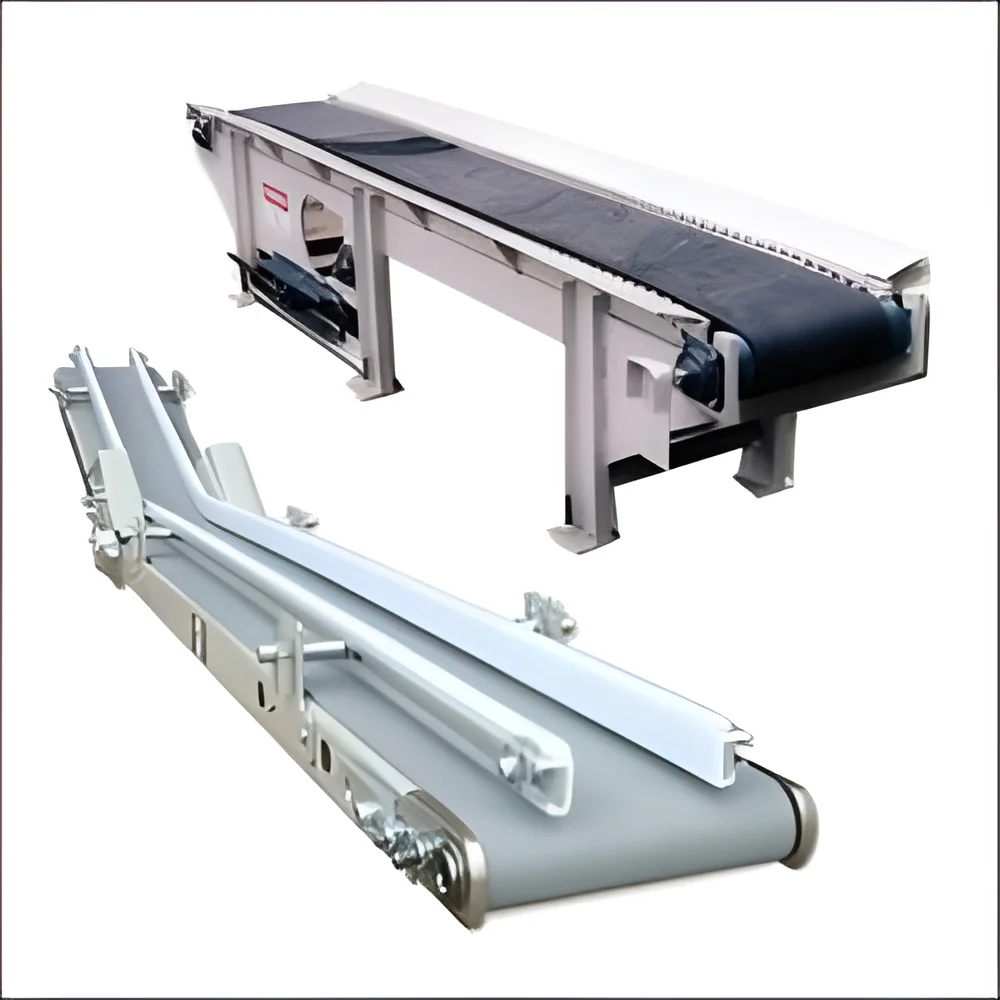
Industrial conveyor systems are the backbone of efficient material handling, designed to transport items reliably through manufacturing plants, warehouses, and distribution centers. These systems move everything from small parts and packages to heavy pallets and raw materials, creating a continuous flow that minimizes delays and manual intervention. Built with durability as a core principle, they are constructed from high-grade materials to withstand constant use in demanding industrial environments. Their primary purpose is to streamline operations, reduce physical strain on workers, and create a predictable, efficient workflow that directly translates to higher productivity and lower operational costs for your business. These conveyors are indispensable across a wide spectrum of industries. In manufacturing, they form the arteries of production lines, seamlessly moving components between assembly, welding, and finishing stations. Warehousing and logistics operations deploy them for s...
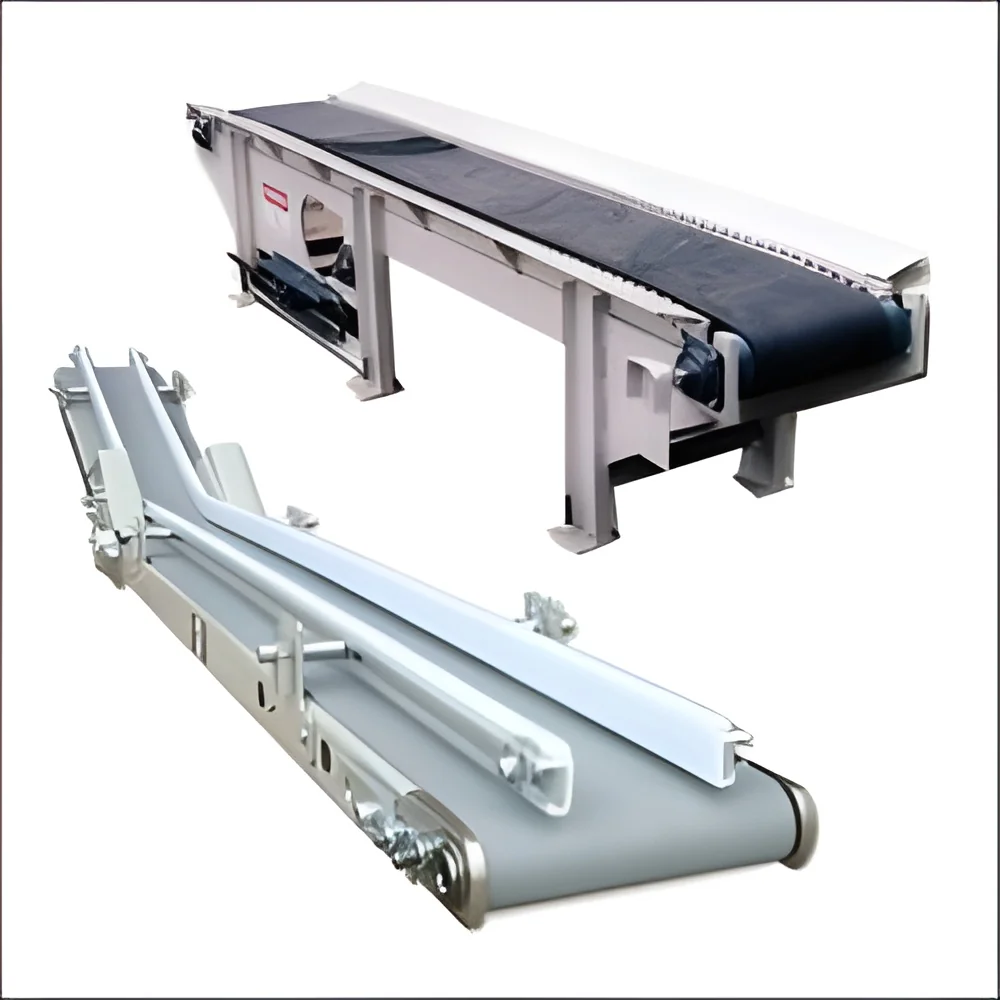
Industrial conveyor systems are the backbone of efficient material handling, designed to transport items reliably through manufacturing plants, warehouses, and distribution centers. These systems move everything from small parts and packages to heavy pallets and raw materials, creating a continuous flow that minimizes delays and manual intervention. Built with durability as a core principle, they are constructed from high-grade materials to withstand constant use in demanding industrial environments. Their primary purpose is to streamline operations, reduce physical strain on workers, and create a predictable, efficient workflow that directly translates to higher productivity and lower operational costs for your business.

These conveyors are indispensable across a wide spectrum of industries. In manufacturing, they form the arteries of production lines, seamlessly moving components between assembly, welding, and finishing stations. Warehousing and logistics operations deploy them for sorting, loading docks, and order picking systems to accelerate fulfillment. The food processing industry utilizes conveyors with easy-clean surfaces and sanitary designs to maintain strict hygiene standards while moving products. Automotive factories rely on them for precise positioning of heavy parts, and the mining sector uses heavy-duty versions for bulk material transport. This universal applicability underscores their role as a fundamental tool for modern industrial efficiency and scalability.

Investing in a quality industrial conveyor system delivers tangible business value through enhanced operational reliability and cost control. Their robust design ensures minimal unplanned downtime, protecting your production schedule and delivery commitments. By automating material movement, they significantly reduce labor costs associated with manual carrying and cart use while improving workplace safety by minimizing heavy lifting and repetitive strain injuries. The efficiency gains lead to faster order processing, increased throughput, and better space utilization within your facility. This combination of reliability, safety, and productivity improvement offers a strong return on investment, making these systems a strategic asset for businesses focused on sustainable growth and competitive advantage.

Key Features:
- Robust construction using industrial-grade materials for long-term durability and heavy-load capacity.
- Engineered for reliable, continuous operation with minimal downtime in demanding environments.
- Configurable layouts and belt types to suit specific facility spaces and material handling needs.
- Seamless integration potential with existing machinery, robotics, and warehouse management systems.
- Designed for straightforward maintenance with accessible components to simplify servicing.

Benefits:
- Increases operational throughput and efficiency by automating material flow and reducing bottlenecks.
- Lowers long-term operational costs by minimizing manual labor requirements and associated injuries.
- Enhances workplace safety by reducing employee exposure to heavy lifting and repetitive transport tasks.
- Provides reliable, consistent performance that supports just-in-time production and on-time order fulfillment.
- Offers a scalable solution that can adapt to changing production volumes and process requirements.
Specifications
| Additional Information | |
|---|---|
| Country of Origin | India |
| Customisable | No |
Application
Industrial conveyor systems automate the movement of materials, components, and finished goods across production and storage facilities. They eliminate manual handling bottlenecks, ensuring a consistent and reliable flow that increases throughput and operational safety. These robust systems are engineered to handle diverse loads, from lightweight packages to heavy pallets, adapting to the rigorous demands of continuous operation.
From automotive assembly to food processing, these conveyors integrate seamlessly into existing workflows. They support critical tasks like sorting, assembly, inspection, and packaging, enhancing precision and consistency. Their durable construction withstands demanding environments, providing a scalable solution that grows with your business needs and supports long-term operational goals without frequent overhauls.
- Automating assembly lines in automotive plants for precise part movement between workstations.
- Sorting and transporting packaged goods in distribution centers for faster order fulfillment.
- Moving raw materials and ingredients through food & beverage processing facilities with hygienic designs.
- Streamlining packaging and palletizing operations in consumer goods manufacturing.
- Facilitating precise handling and inspection processes in electronics and appliance production lines.
Trade Details
| Available Stock | In Stock |
| Sample Availability | No |
Payment Terms
| Payment Terms |
|
Company Profile
Anmol Pharma Equipments, Maharashtra
 Maharashtra, India
Maharashtra, IndiaIndustrial Equipment & Machinery•Manufacturer•Distributor / Wholesaler•Importer / Exporter
Factory Details
Factory SizeBelow 1000 sqm
Annual Production Capacity0
Industrial Conveyors For Material Handling In Manufacturing And Warehousing
Industrial conveyors for material handling in manufacturing and warehousing. Durable, reliable systems that boost operational efficiency and reduce labor costs for serious business buyers.
Min. Order Quantity: 1 unit
Shipping
Shipping fee and delivery date to be negotiated. Contact supplier now for more details.
Anmol Pharma Equipments
 Maharashtra, India
Maharashtra, IndiaIndustrial Equipment & MachineryManufacturerDistributor / WholesalerImporter / Exporter