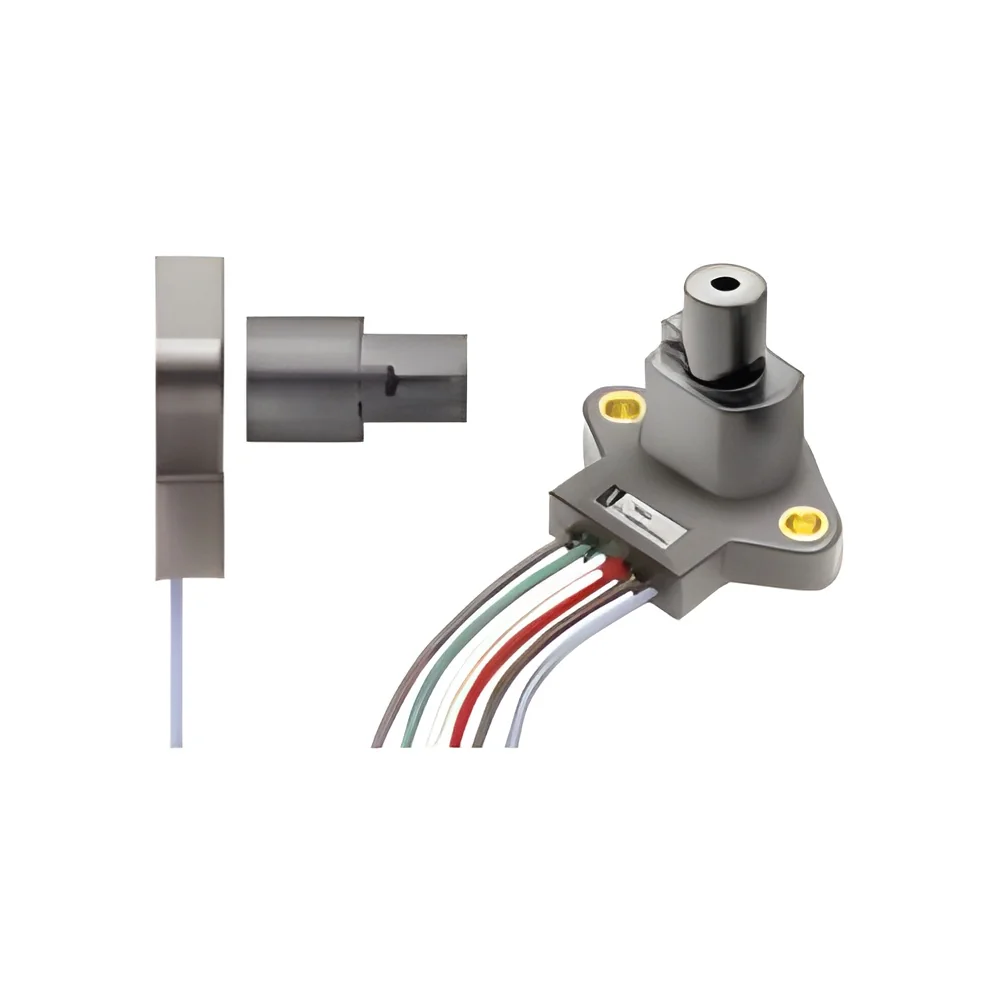
What are Sensors for Flow & Positioning?
Sensors for Flow and Positioning are essential industrial devices used to measure and monitor the flow of liquids or gases, as well as the positioning of various components within manufacturing processes. These sensors convert physical quantities into measurable signals, allowing for real-time monitoring and control. They play a crucial role in ensuring efficiency, safety, and reliability in various industrial applications.
These sensors are widely utilized in diverse sectors, including manufacturing, oil and gas, water treatment, and food processing. In manufacturing, they help streamline operations by providing accurate flow measurements and precise positioning of machinery. In the oil and gas industry, they monitor fluid dynamics to ensure safe extraction and transportation. The relevance of these sensors continues to grow as industries increasingly focus on automation and data-driven decision-making.
The market for flow and positioning sensors is expanding, driven by technological advancements and the demand for improved operational efficiency. As industries adopt smart technologies and IoT integration, the need for reliable sensors that provide accurate data becomes even more critical, positioning these products at the forefront of industrial innovation.
Key Features and Specifications
Sensors for Flow and Positioning are characterized by several key features that enhance their functionality and reliability. Understanding these specifications is essential for selecting the right sensor for specific applications.
Key specifications include:
1. Measurement Range
- This specification indicates the minimum and maximum flow or position measurements the sensor can accurately detect.
- Typical ranges vary based on application, often from 0.5 to 1000 liters per minute for flow sensors.
2. Accuracy
- Accuracy defines how close the sensor's readings are to the actual values.
- Common accuracy ratings are within 1-5% of the full scale.
3. Operating Temperature
- This specification denotes the temperature range within which the sensor can operate effectively.
- Data not available on specific temperature ranges.
4. Pressure Rating
- Pressure rating specifies the maximum pressure the sensor can withstand without failure.
- Ratings can range from standard atmospheric pressure to several hundred bar.
5. Communication Protocols
- Many sensors offer digital communication options, such as Modbus or CAN bus, for easy integration into automation systems.
- This feature enhances data transfer efficiency and system compatibility.
6. Power Supply
- Indicates the voltage and current requirements for the sensor to operate.
- Common power supply options include 24 VDC or battery-operated designs.
7. Material Construction
- The materials used in sensor construction determine durability and suitability for various environments.
- Common materials include stainless steel for corrosion resistance.
8. Calibration
- Calibration details how often the sensor needs adjustments to maintain accuracy.
- Regular calibration may be required based on operational conditions.
In summary, selecting sensors for flow and positioning requires an understanding of these specifications to ensure optimal performance in specific industrial applications.
Common Applications and Use Cases
Sensors for Flow and Positioning have a wide range of applications across various industries. Their ability to provide precise measurements and control makes them invaluable in numerous scenarios.
1. Manufacturing: In manufacturing processes, flow sensors ensure that materials are delivered at the right rates, while positioning sensors help in accurately placing components during assembly.
2. Oil and Gas: These sensors monitor the flow of crude oil and natural gas, ensuring safe and efficient transport through pipelines. They also help in managing wellhead operations.
3. Water Treatment: In water treatment facilities, flow sensors regulate the flow of water through treatment stages, and positioning sensors help control the movement of valves and gates.
4. Food Processing: Sensors are used to monitor ingredient flow in food production lines, ensuring consistency and quality in products while maintaining hygiene standards.
5. Pharmaceuticals: In the pharmaceutical industry, flow and positioning sensors ensure accurate dosing of medications during production processes.
6. HVAC Systems: These sensors help regulate airflow and maintain optimal environmental conditions in heating, ventilation, and air conditioning systems.
7. Chemical Processing: Flow sensors monitor chemical mixtures and reactions, ensuring compliance with safety protocols and quality control.
Product Variants and Subcategories
The diversity of Sensors for Flow and Positioning allows for tailored solutions to meet specific operational needs. Different variants offer unique features suited for various applications.
Electromagnetic Flow Sensors
These sensors measure flow rates of conductive fluids using electromagnetic fields. They are ideal for water treatment and chemical applications due to their accuracy and reliability.
Ultrasonic Flow Sensors
Ultrasonic sensors utilize sound waves to determine fluid flow rates. They are particularly useful for non-invasive measurements and can be used in various applications, including HVAC systems.
Pressure Sensors
These sensors monitor fluid pressure in pipes and tanks, ensuring safe operation within specified limits. They are critical in industries such as oil and gas and manufacturing.
Level Sensors
Level sensors detect the level of liquids in tanks and reservoirs. They are essential for maintaining optimal levels in water treatment and chemical processing.
Benefits and Advantages
Investing in Sensors for Flow and Positioning provides numerous benefits that enhance operational efficiency and safety.
1. Enhanced Accuracy: These sensors deliver precise measurements, reducing errors and improving overall process quality.
2. Improved Efficiency: Real-time monitoring enables optimal control of processes, leading to better resource management and reduced operational costs.
3. Increased Safety: By providing accurate flow and positioning data, these sensors help prevent accidents and ensure compliance with safety regulations.
4. Data Integration: Many modern sensors support digital communication, allowing seamless integration into existing automation systems for enhanced data management.
5. Durability: High-quality materials and construction ensure longevity and reliability, reducing maintenance needs and downtime.
6. Versatility: These sensors can be adapted for various applications across multiple industries, making them suitable for diverse operational contexts.
Buying Guide for B2B Buyers
When sourcing Sensors for Flow and Positioning, several crucial factors should be considered to ensure the right purchase.
1. Quality Assessment: Look for sensors that adhere to industry standards and have undergone rigorous testing. Evaluate their performance in real-world applications.
2. Supplier Verification: Vet suppliers to confirm their reliability and reputation. Check for customer reviews and their history in the industry.
3. Pricing and MOQ: Understand the pricing structure and minimum order quantities. Compare quotes from different suppliers to find the best value.
4. Delivery and Lead Times: Consider the logistics involved in delivery. Ensure that suppliers can meet your timelines and provide consistent supply.
5. Compliance Requirements: Verify that the sensors meet relevant regulatory standards and certifications, such as CE marking, to ensure safety and effectiveness.
Compliance and Certifications
Compliance and certifications are critical aspects of Sensors for Flow and Positioning. These components must adhere to various industry standards to ensure quality and safety.
ISO 9001 is a widely recognized quality management standard that ensures systematic processes are in place for manufacturing high-quality sensors. This certification indicates a commitment to continuous improvement and customer satisfaction.
HACCP (Hazard Analysis and Critical Control Points) is essential in industries like food processing and pharmaceuticals, where safety and hygiene are paramount. Sensors that comply with HACCP guidelines help guarantee the safety of products.
CE certification is crucial for products sold in European markets. It indicates that the sensors meet EU safety, health, and environmental protection standards.
Safety and testing requirements vary by industry but often include rigorous evaluations to confirm that sensors can operate effectively in extreme conditions.
Additionally, regional compliance considerations may influence the selection of sensors, as different regions may have specific regulations governing their use.
Why Source Sensors for Flow & Positioning from Pepagora?
Pepagora offers a trusted platform for sourcing Sensors for Flow and Positioning, providing several key advantages to B2B buyers.
Verified Supplier Network: Pepagora ensures that all suppliers are thoroughly vetted, which enhances buyer confidence in product quality and service reliability. The platform connects buyers with reputable manufacturers and distributors.
Streamlined RFQ Process: The Request for Quotation system simplifies the procurement process, allowing buyers to easily request pricing and product details from multiple suppliers. This efficiency saves time and enhances decision-making.
Trade Assurance and Support: Pepagora provides buyer protection through trade assurance programs, ensuring that transactions are secure and that buyers receive the products they expect.
Regional Coverage: With a strong presence in India, the GCC, and Southeast Asia, Pepagora facilitates connections with local suppliers, making it easier for businesses to source sensors that meet their specific regional needs.
By choosing Pepagora for sourcing Sensors for Flow and Positioning, businesses can ensure they receive high-quality products backed by a reliable support system.

 IN
IN