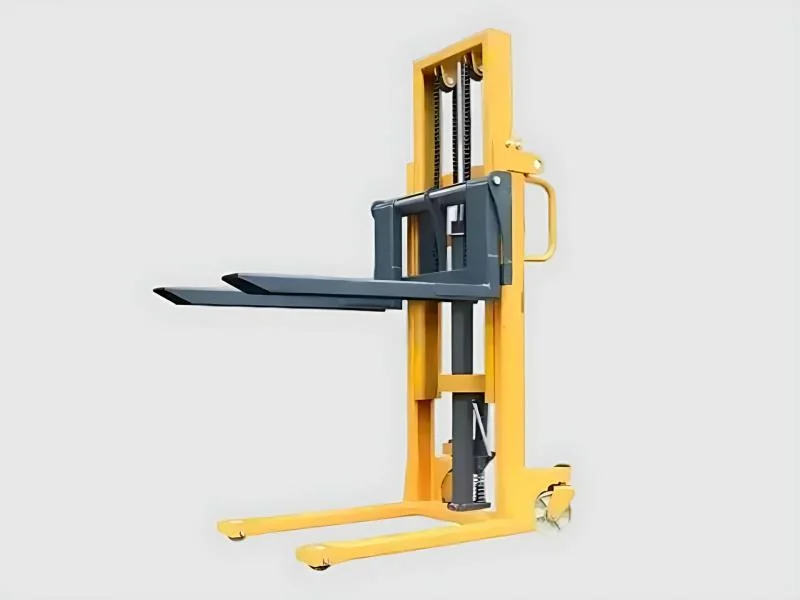
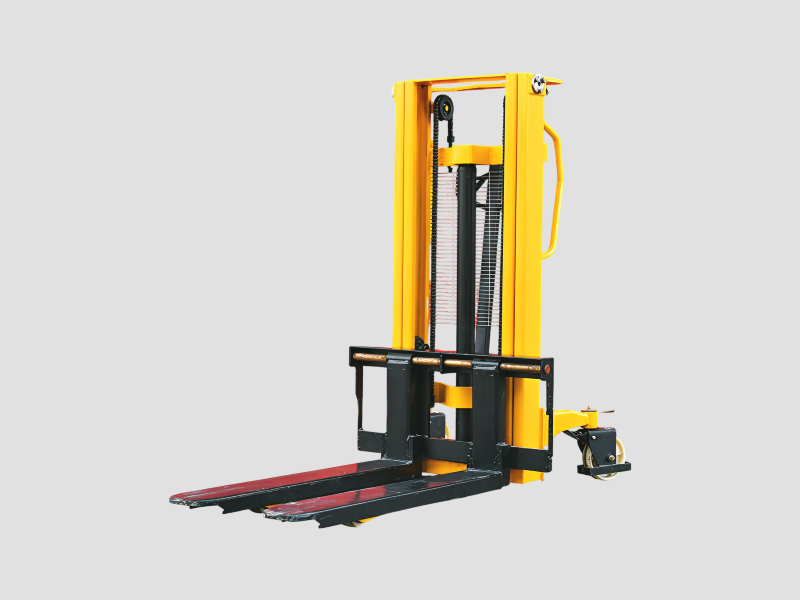
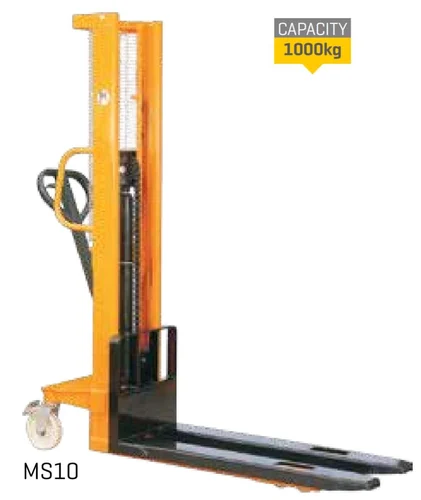
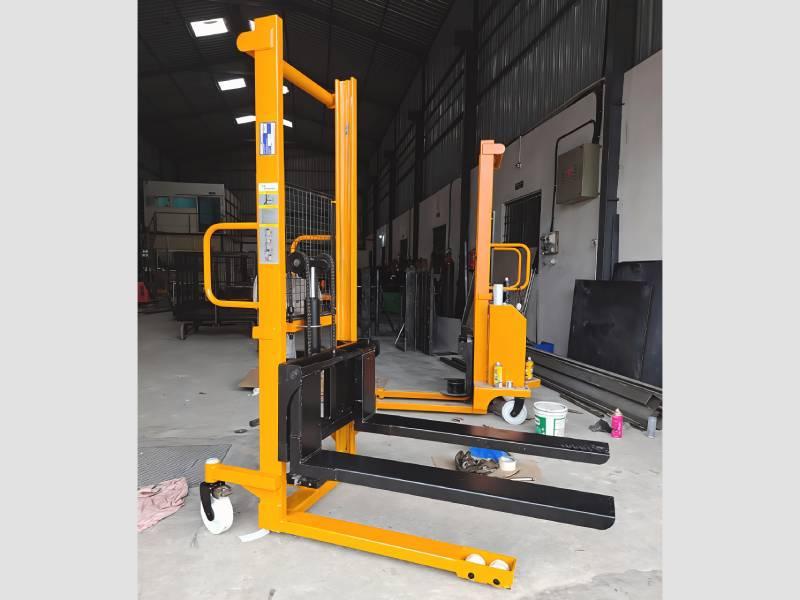
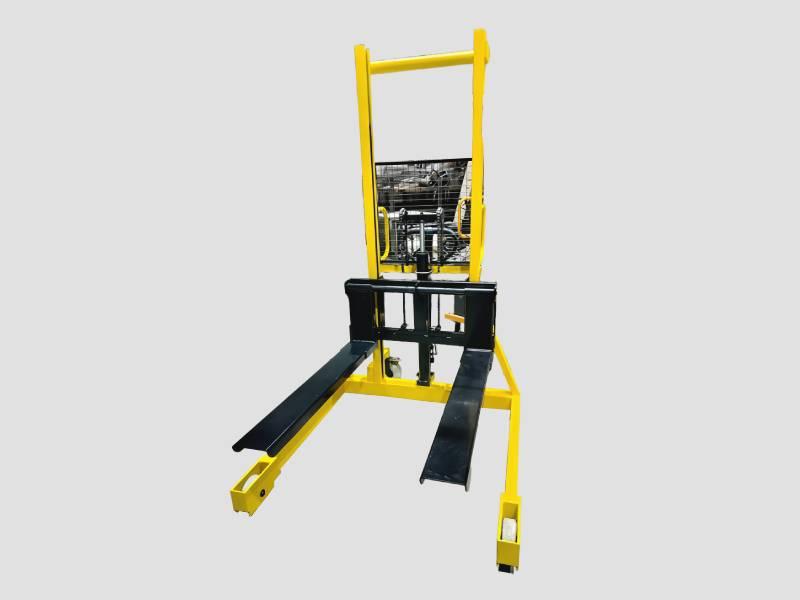
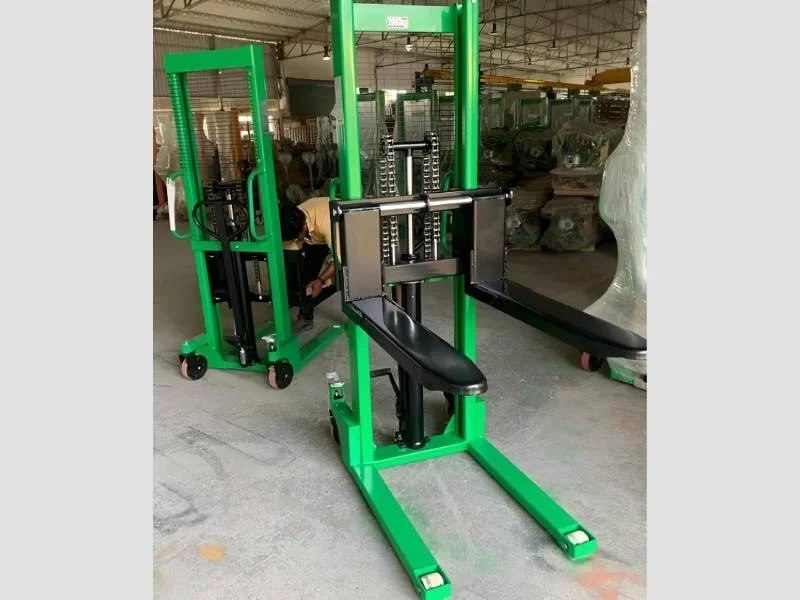
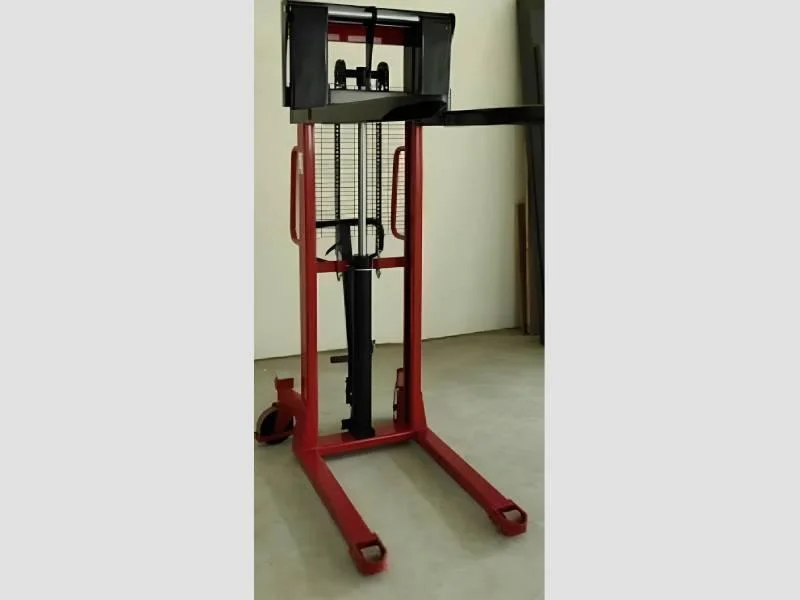
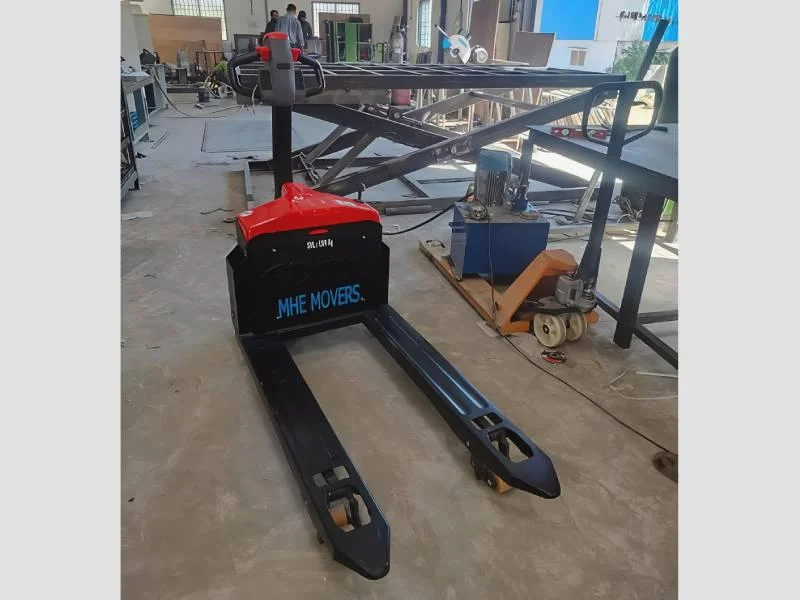
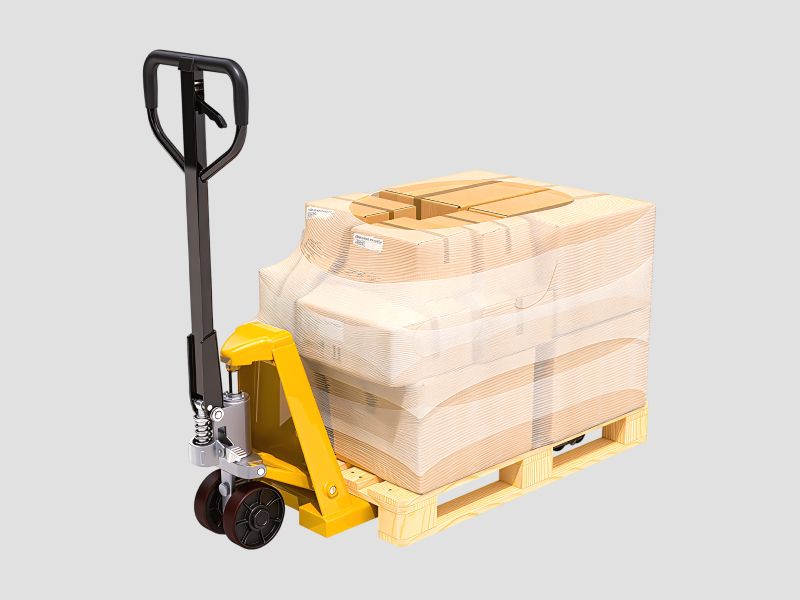
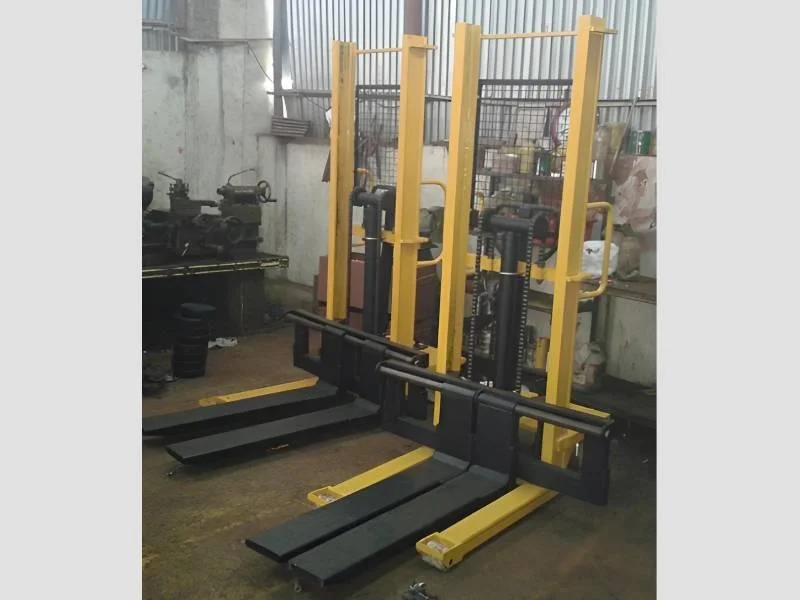
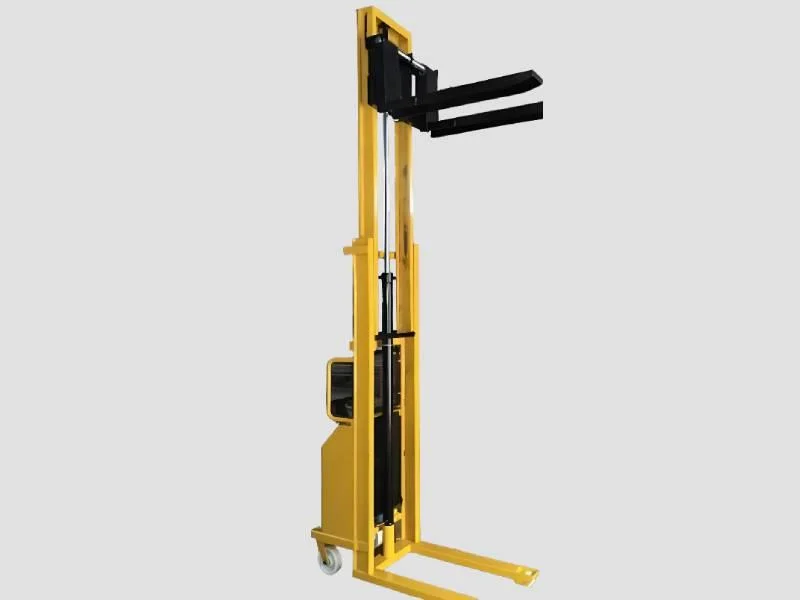
What are Manual Stackers?
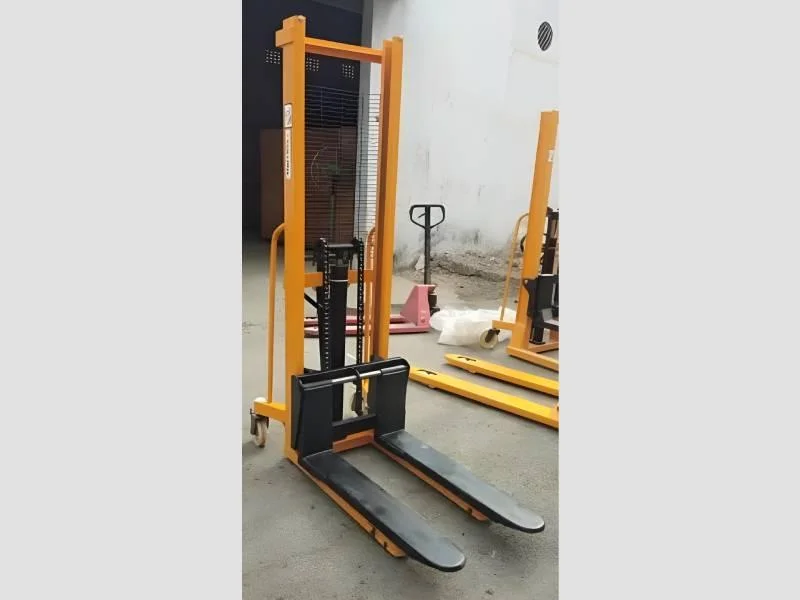
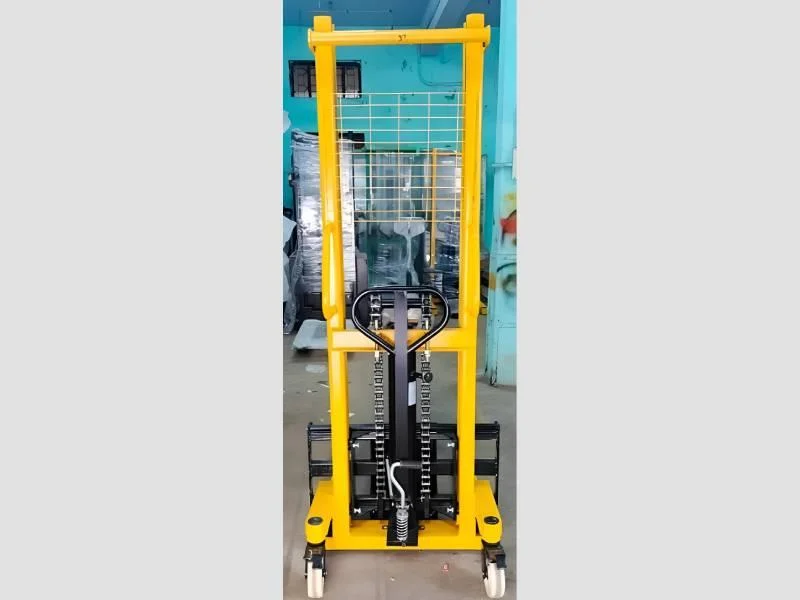
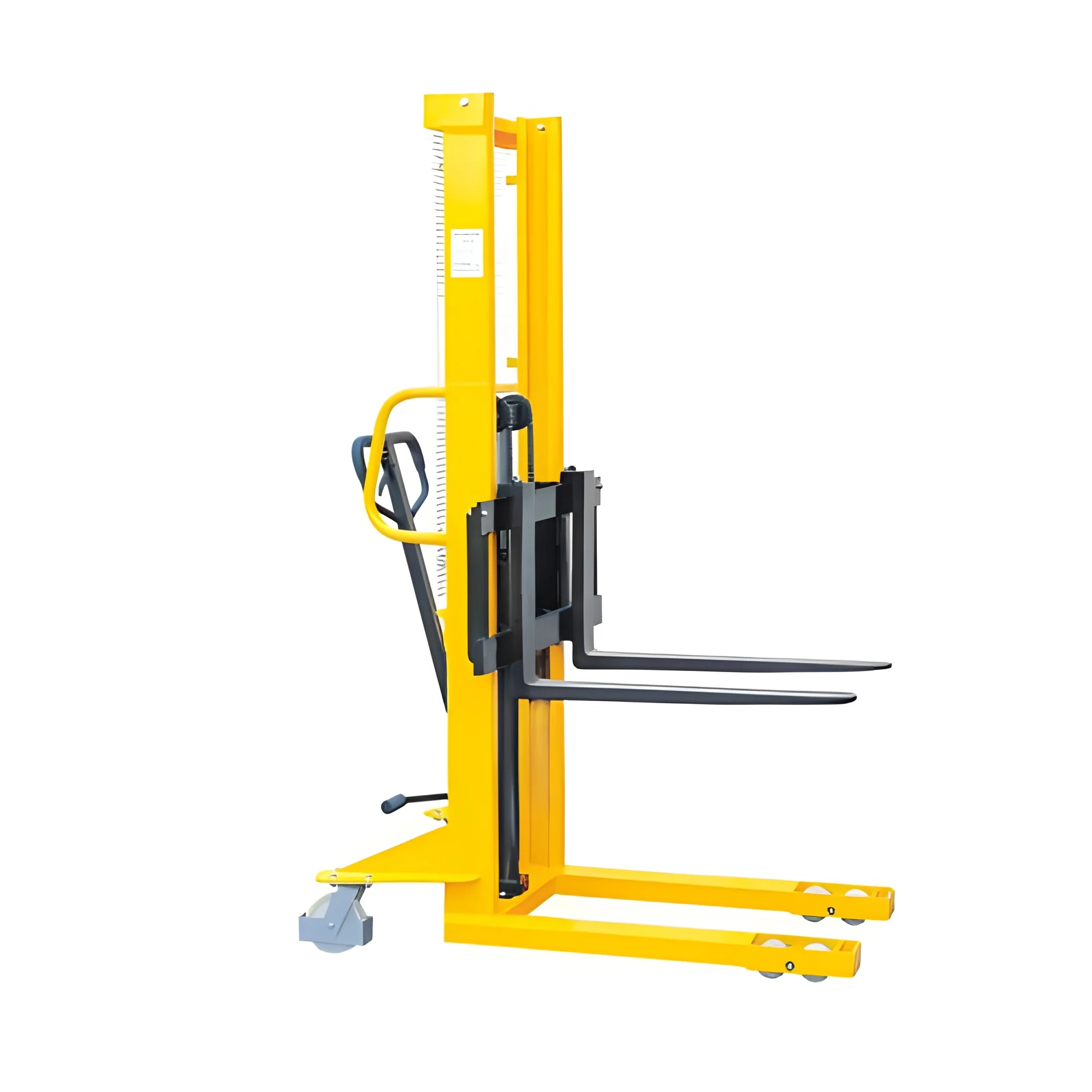
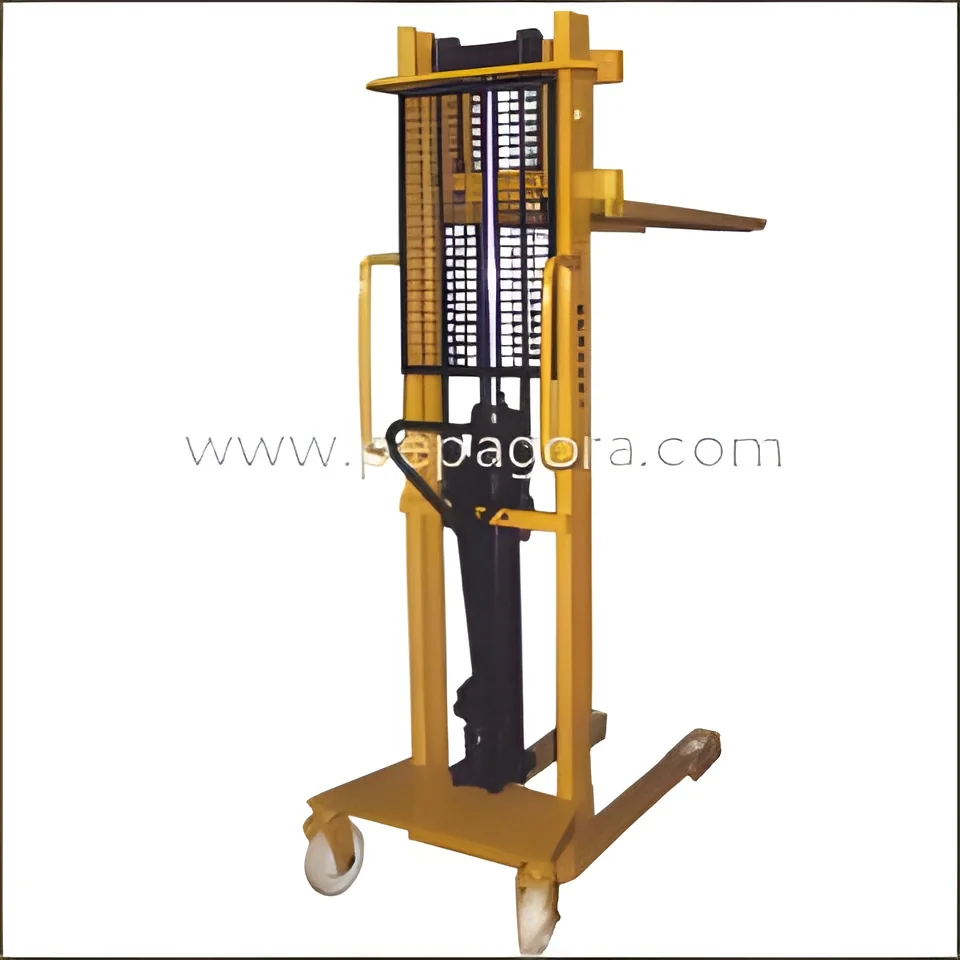
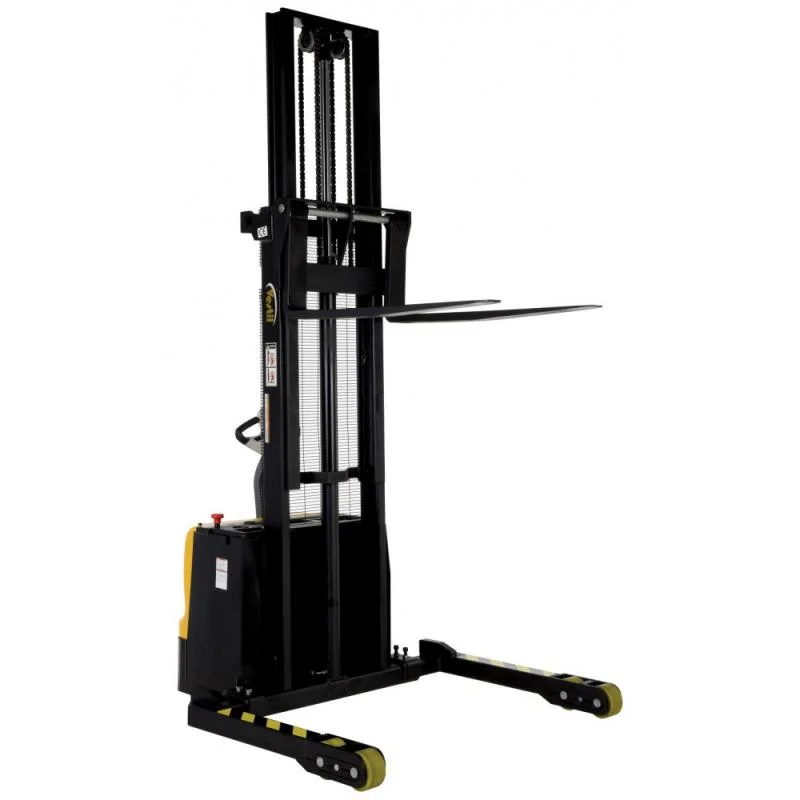
Manual stackers are essential material handling equipment designed to lift and move goods within industrial and commercial environments. They are typically operated by hand, allowing workers to stack pallets or other loads to various heights with minimal effort. These stackers often feature a hydraulic lifting mechanism that enables precise load positioning, making them versatile tools in various settings.
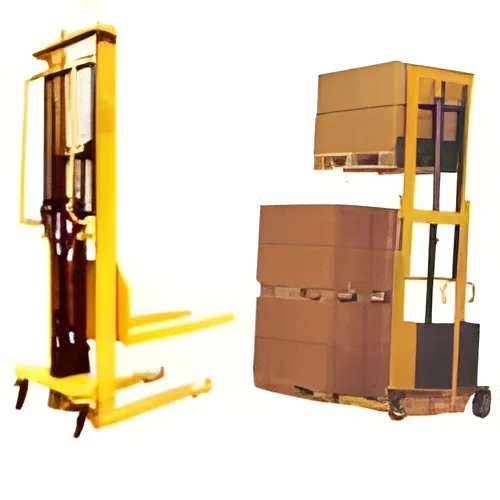
The primary applications of manual stackers include warehousing, distribution centers, and manufacturing facilities. They are ideal for environments where space is limited and powered equipment may not be practical. Manual stackers can be used for loading and unloading goods, organizing inventory, or facilitating the movement of products within a facility. Their ease of use makes them accessible for staff who may not have extensive training in operating heavy machinery.
In the broader market context, manual stackers play a significant role in improving operational efficiency and safety across industries. With increasing demand for logistics and supply chain solutions, businesses are turning to manual stackers to optimize their workflows and reduce labor costs. This trend highlights the importance of reliable and efficient material handling solutions in today’s competitive industrial landscape.
Key Features and Specifications
Manual stackers come equipped with various features designed to enhance performance and usability. Understanding these specifications is crucial for selecting the right model for your business needs.
Key specifications include:
1. Lifting Capacity
- Usually ranges from 500 kg to 1500 kg depending on the model.
- Suitable for handling different sizes and types of loads.
2. Fork Length
- Standard fork lengths typically range from 800 mm to 1200 mm.
- Allows for compatibility with standard pallets.
3. Lifting Height
- Common lifting heights range from 1600 mm to 3000 mm.
- Enables stacking loads at different heights.
4. Weight of the Stacker
- Models generally weigh between 150 kg and 400 kg.
- Heavier models provide increased stability during operation.
5. Wheel Type
- Available with options such as polyurethane or rubber wheels.
- The choice of wheels affects maneuverability and floor protection.
6. Overall Dimensions
- Varies by model; compact designs are available for tight spaces.
- Dimensions impact storage and transport capabilities.
7. Hydraulic System
- Features a manual pump for lifting and lowering loads.
- Ensures smooth operation with minimal maintenance.
8. Safety Features
- Includes safety brakes and stability measures.
- Designed to prevent accidents during operation.
In summary, selecting a manual stacker involves careful consideration of the specifications that align with your operational requirements. Understanding these features can lead to better efficiency and safety in material handling tasks.
Common Applications and Use Cases
Manual stackers are utilized across various industries to enhance productivity and efficiency.
1. Warehousing: In warehouses, manual stackers are used for loading and unloading pallets, organizing inventory, and facilitating product movement between storage areas.
2. Retail: Retail environments often use manual stackers for restocking shelves and managing inventory in backrooms, allowing staff to efficiently handle merchandise.
3. Manufacturing: In manufacturing settings, manual stackers assist in transporting raw materials and finished goods, contributing to a streamlined production process.
4. Food and Beverage: Manual stackers are employed to move bulk materials and finished products, ensuring safe handling in compliance with hygiene standards.
5. Pharmaceuticals: In pharmaceutical facilities, stackers help manage sensitive materials while maintaining strict adherence to safety and regulatory requirements.
6. Construction: Manual stackers are useful on construction sites for transporting materials and equipment, especially in areas with limited access for larger machinery.
7. Logistics: Logistics companies utilize manual stackers to facilitate the movement of goods within distribution centers, improving overall operational efficiency.
Product Variants and Subcategories
Manual stackers come in various configurations to meet specific handling needs. While subcategories are not detailed, the diversity in manual stackers allows businesses to find models that suit their unique requirements.
Standard Manual Stacker
This variant is designed for general use, featuring basic lifting capabilities and a straightforward operation. It is suitable for diverse applications in warehouses and retail environments.
Heavy-Duty Manual Stacker
This variant offers greater lifting capacity and durability, making it ideal for industrial environments. It can handle heavier loads and is built to withstand rigorous usage.
Compact Manual Stacker
Designed for tight spaces, this variant features a smaller footprint and is perfect for use in smaller warehouses or retail backrooms where maneuverability is essential.
Benefits and Advantages
Investing in manual stackers provides numerous benefits for businesses seeking efficient material handling solutions.
1. Cost-Effective: Manual stackers offer a budget-friendly alternative to powered equipment, reducing upfront costs and maintenance expenses.
2. Increased Efficiency: These stackers streamline the process of loading and unloading goods, allowing staff to work more efficiently.
3. Enhanced Safety: Manual stackers are equipped with safety features that minimize the risk of accidents, promoting a safer work environment.
4. Versatile Applications: Their design allows for use in various industries, making them a versatile addition to any material handling operation.
5. Easy Operation: Manual stackers require minimal training for staff, allowing for quick deployment and operation.
6. Space-Saving Design: Many models are compact, which helps optimize space in warehouses and storage areas.
Buying Guide for B2B Buyers
When sourcing manual stackers, several factors should be considered to ensure a successful purchase.
1. Quality Assessment: Evaluate the build quality and materials used in the stacker to ensure it can withstand regular use. Look for reliability in performance and durability.
2. Supplier Verification: Vet suppliers based on their reputation, customer reviews, and experience in the industry. A reliable supplier can provide better support and service.
3. Pricing and MOQ: Compare pricing among different suppliers while considering minimum order quantities. Ensure the pricing aligns with your budget and volume needs.
4. Delivery and Lead Times: Confirm the delivery schedules and lead times to ensure timely receipt of your equipment. Factor in any potential delays.
5. Compliance Requirements: Be aware of regulatory compliance and safety standards relevant to your industry. Ensure that the stackers meet these necessary certifications.
Compliance and Certifications
In the manufacturing and distribution of manual stackers, compliance with industry standards is crucial. Many manual stackers adhere to quality standards such as ISO 9001, which ensures consistent quality management practices.
Additionally, manual stackers often carry the CE certification, indicating conformity with European health, safety, and environmental protection standards. This certification is essential for products sold within the European Union.
Safety and testing requirements must be met to ensure the equipment operates safely under various conditions. Regional compliance considerations may vary, and businesses should ensure their stackers meet local regulations to avoid legal complications.
Why Source Manual Stackers from Pepagora?
Pepagora offers a reliable platform for sourcing manual stackers, providing significant advantages to B2B buyers.
Verified Supplier Network: Pepagora ensures that all suppliers are thoroughly vetted, offering peace of mind regarding the quality and reliability of products. Buyers can trust that they are connecting with reputable vendors.
Streamlined RFQ Process: The request for quotation (RFQ) process on Pepagora is designed to be user-friendly. Buyers can easily compare quotes from multiple suppliers, facilitating informed decision-making.
Trade Assurance and Support: Pepagora provides trade assurance, ensuring that buyers are protected in their transactions. Comprehensive support helps navigate any challenges that may arise during sourcing.
Regional Coverage: With a strong presence in India, the GCC, and Southeast Asia, Pepagora enables buyers to connect with suppliers across these regions. This broad geographic reach enhances sourcing options and availability.

 IN
IN