What are Mezzanine Floor Systems?
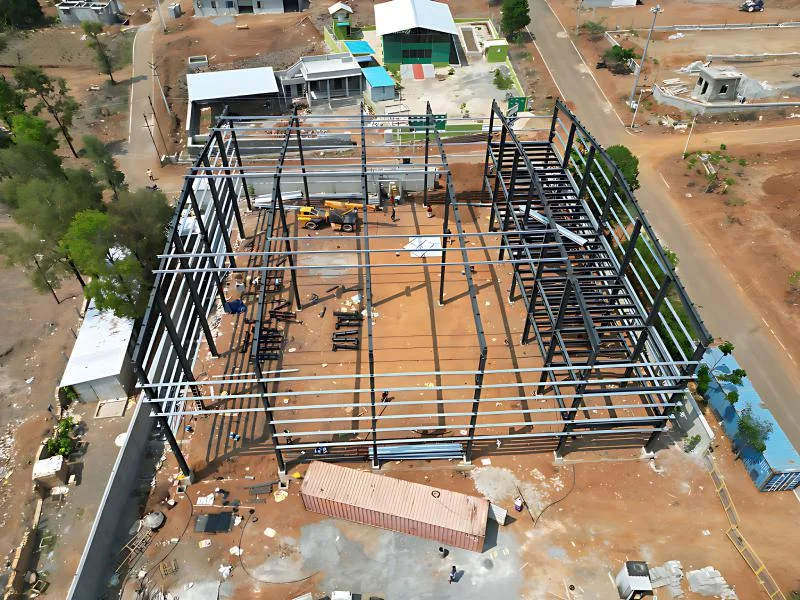
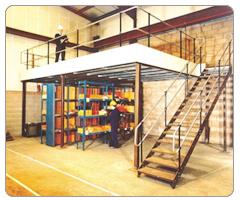
Mezzanine floor systems are elevated platforms that create additional storage or operational space within a building without the need for extensive construction. These systems are often installed in warehouses, manufacturing facilities, and retail environments to maximize vertical space. By adding a mezzanine, businesses can effectively increase their usable area, improving workflow and efficiency.
The primary applications of mezzanine floor systems include creating extra storage, office space, or work areas. They are particularly useful in environments where floor space is limited, allowing companies to optimize their existing footprint. Industries such as logistics, manufacturing, and retail benefit from these systems by enhancing their operational capabilities without the high costs associated with relocating or expanding.
In the current market, the relevance of mezzanine floor systems is significant due to the growing need for efficient space management. As businesses continue to expand and adapt to changing consumer demands, the ability to leverage vertical space becomes increasingly important. This trend underscores the value of mezzanine systems in facilitating operational agility and improving overall productivity.
Key Features and Specifications
Mezzanine floor systems come with various features and specifications that cater to different business needs. These systems are designed for durability, safety, and customization, making them suitable for a range of applications.
Key specifications include:
1. Load Capacity
- Typically ranges from 1,000 to 5,000 pounds per square foot
- Allows for heavy equipment or storage requirements
2. Height Options
- Customizable heights to fit specific building requirements
- Standard heights usually range from 8 to 20 feet
3. Materials
- Constructed from steel, aluminum, or composite materials
- Offers strength and longevity while maintaining a lightweight profile
4. Safety Features
- Equipped with guardrails, staircases, and safety gates
- Ensures compliance with safety regulations
5. Modular Design
- Allows for easy installation and reconfiguration
- Adaptable to changing business needs
6. Surface Finishes
- Options include painted, galvanized, or powder-coated finishes
- Enhances durability and aesthetic appeal
7. Customization Options
- Can be tailored to specific dimensions and layouts
- Accommodates unique operational requirements
8. Compliance Standards
- Meets industry safety and quality certifications
- Ensures reliability and adherence to regulations
In summary, mezzanine floor systems are designed with a range of features and specifications that enhance their functionality and adaptability in various industrial settings.
Common Applications and Use Cases
Mezzanine floor systems are employed across several industries to enhance space utilization and improve operational efficiency.
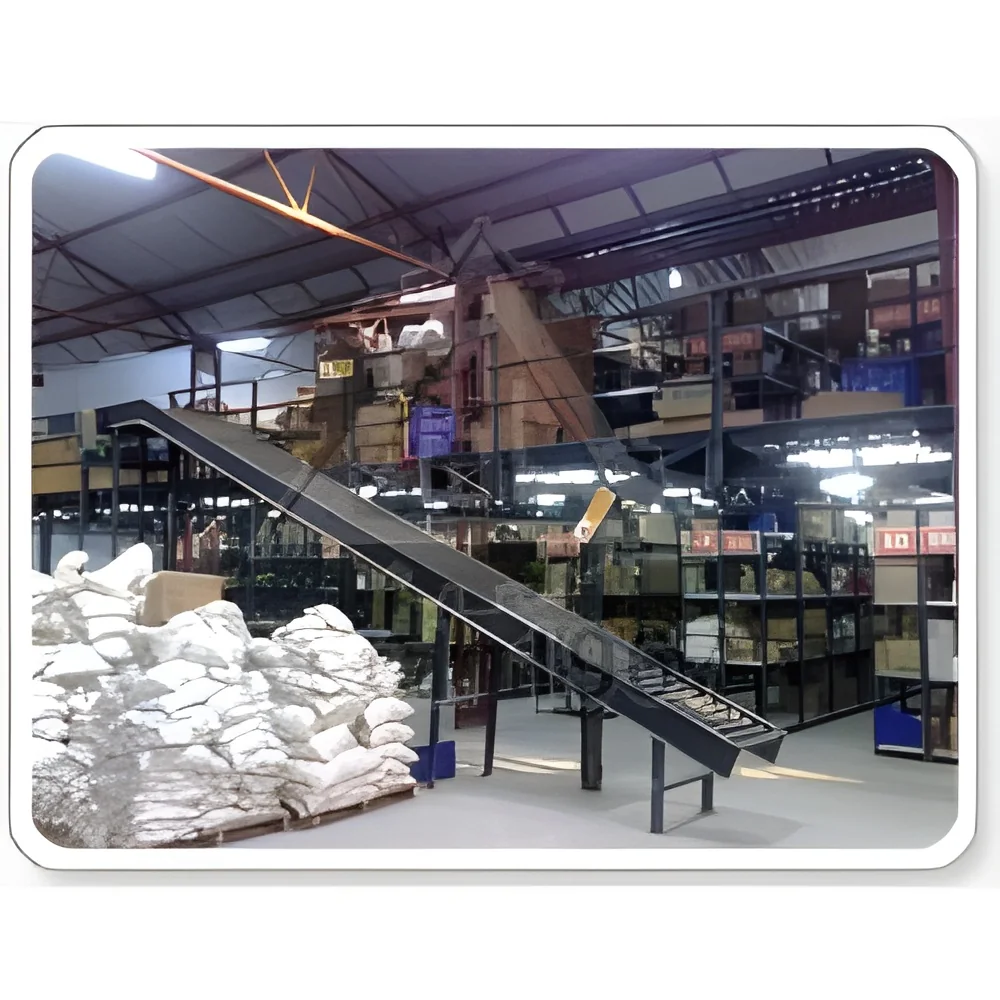
1. Warehousing: These systems are commonly used to create additional storage space for pallets, containers, and equipment, allowing for better inventory management.
2. Manufacturing: In manufacturing facilities, mezzanines provide extra floor space for production lines, assembly areas, or equipment storage, improving workflow and productivity.
3. Retail: Retail environments utilize mezzanine floors for additional display areas or stock rooms, enabling better organization and customer engagement.
4. Distribution Centers: These systems facilitate the efficient organization of goods, allowing for optimized picking and packing processes.
5. Logistics: Mezzanines are used to create workstations or offices within logistics hubs, improving operational oversight and management.
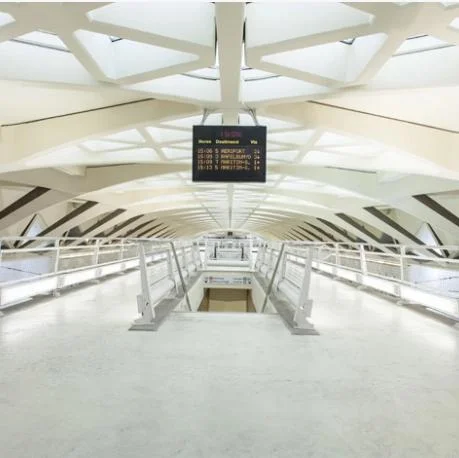
6. Commercial Spaces: In offices or showrooms, mezzanine floors can create unique architectural features while providing additional space for meetings or product displays.
7. Cold Storage: In refrigerated environments, mezzanine systems help maximize vertical space while ensuring compliance with temperature control requirements.
Product Variants and Subcategories
Mezzanine floor systems offer a variety of configurations and designs to suit different applications and operational needs.
Standard Mezzanine Systems
These are the most common type, providing a straightforward solution for creating extra storage or workspace. They are typically modular, allowing for easy installation and adaptation to changing requirements.
Heavy-Duty Mezzanine Systems
Designed for high-load applications, these systems are constructed from robust materials to support heavier weights. They are ideal for manufacturing and warehouse environments where durability is crucial.
Custom Mezzanine Solutions
For businesses with specific space requirements, custom mezzanine solutions offer tailored designs to fit unique dimensions and layouts. These systems can incorporate specialized features such as integrated shelving or office space.
Benefits and Advantages
Mezzanine floor systems provide numerous benefits to businesses looking to optimize their space and improve efficiency.
Key benefits include:
1. Space Optimization: Mezzanines allow businesses to make the most of vertical space, increasing usable area without the need for expansion.
2. Cost-Effective: Installing a mezzanine is often more affordable than relocating or constructing new facilities, providing a quick return on investment.
3. Flexibility: These systems can be designed and modified to adapt to changing operational needs, ensuring long-term usability.
4. Improved Workflow: By creating designated work areas or storage solutions, mezzanines enhance workflow efficiency and productivity.
5. Safety Compliance: Equipped with safety features, mezzanines adhere to industry regulations, providing a safe working environment.
6. Enhanced Organization: Mezzanines help businesses better manage inventory and equipment, contributing to a more organized operational setup.
Buying Guide for B2B Buyers
When sourcing mezzanine floor systems, several factors should be considered to ensure the best fit for your business needs.
1. Quality Assessment: Evaluate the quality of materials and construction methods to ensure durability and compliance with safety standards. Look for systems that meet recognized industry certifications.
2. Supplier Verification: Vet potential suppliers by checking their reputation, customer reviews, and experience in the market. A reliable supplier can provide assurance regarding product quality and service.
3. Pricing and MOQ: Understand the pricing structure and any minimum order quantities (MOQ) that may apply. This will help in budgeting and ensuring that the investment aligns with your financial plans.
4. Delivery and Lead Times: Inquire about the typical delivery times and logistics to ensure that the mezzanine system can be installed within your desired timeframe.
5. Compliance Requirements: Be aware of any regulatory requirements specific to your industry or location. Ensuring that the mezzanine system meets these standards is crucial for operational continuity.
Compliance and Certifications
Mezzanine floor systems are subject to various quality standards and certifications that ensure their safety and reliability.
One of the most recognized quality standards is ISO 9001, which emphasizes effective quality management systems. Adhering to this standard ensures that the manufacturing processes of mezzanine systems are consistently monitored and improved.
In addition, industry certifications like CE mark indicate that the mezzanine systems meet European safety and environmental protection standards. This certification is crucial for businesses operating in regions where compliance with such regulations is mandatory.
Safety and testing requirements are also essential, as mezzanines must be designed to withstand specified loads and conditions. Regular inspections and adherence to safety guidelines help maintain a secure working environment.
Lastly, regional compliance considerations may vary, so it is important for businesses to understand the specific regulations that apply in their location to ensure full compliance and operational safety.
Why Source Mezzanine Floor Systems from Pepagora?
Pepagora is a trusted platform for sourcing mezzanine floor systems, offering several key advantages to B2B buyers.
Verified Supplier Network: Pepagora has a comprehensive network of verified suppliers who meet stringent quality and compliance standards. This ensures that buyers have access to reliable products from reputable manufacturers.
Streamlined RFQ Process: The platform simplifies the request for quotation (RFQ) process, allowing buyers to easily compare prices and specifications from multiple suppliers. This efficiency saves time and aids decision-making.
Trade Assurance and Support: Pepagora provides trade assurance, protecting buyer investments with guarantees on product quality and timely delivery. Their dedicated support team is available to assist buyers throughout the sourcing process.
Regional Coverage: With a strong presence in India, the GCC, and Southeast Asia, Pepagora offers extensive regional coverage. This allows businesses to source mezzanine floor systems tailored to their specific local requirements and operational contexts.

 IN
IN