
 IN
Reel Lifters
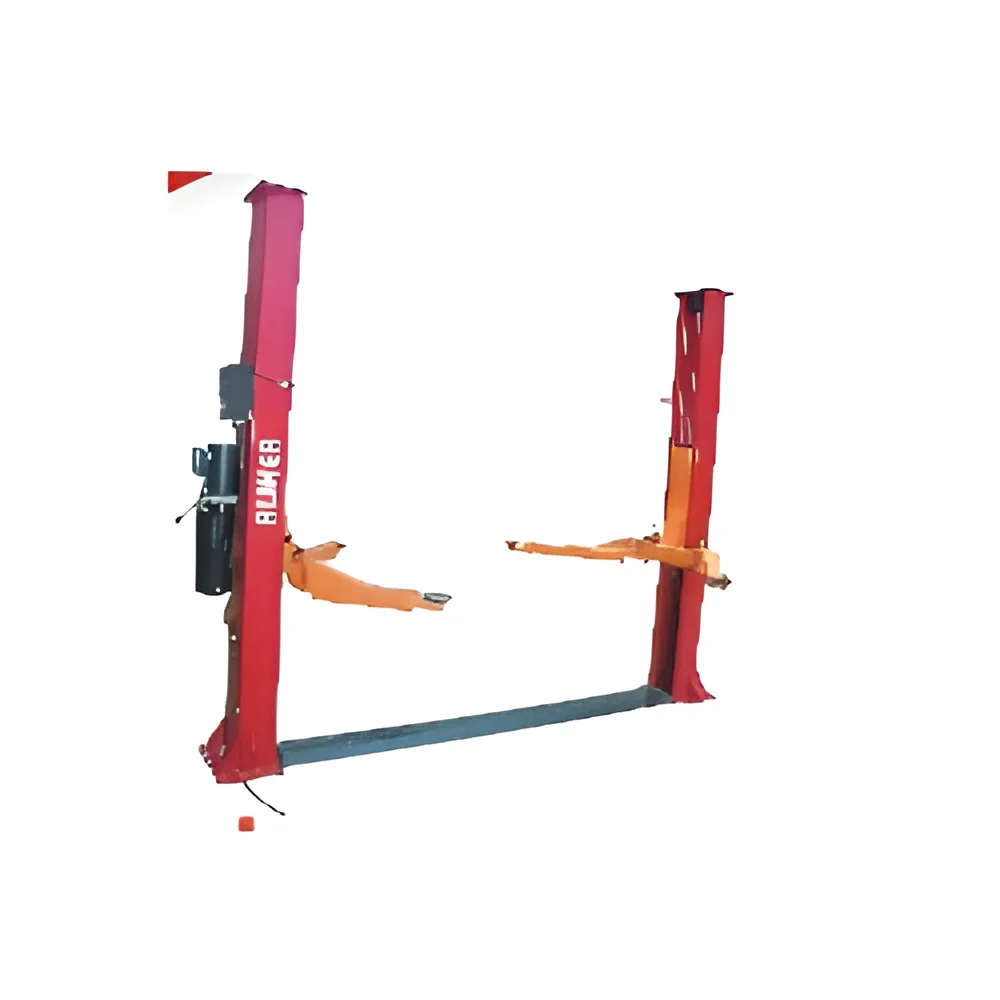
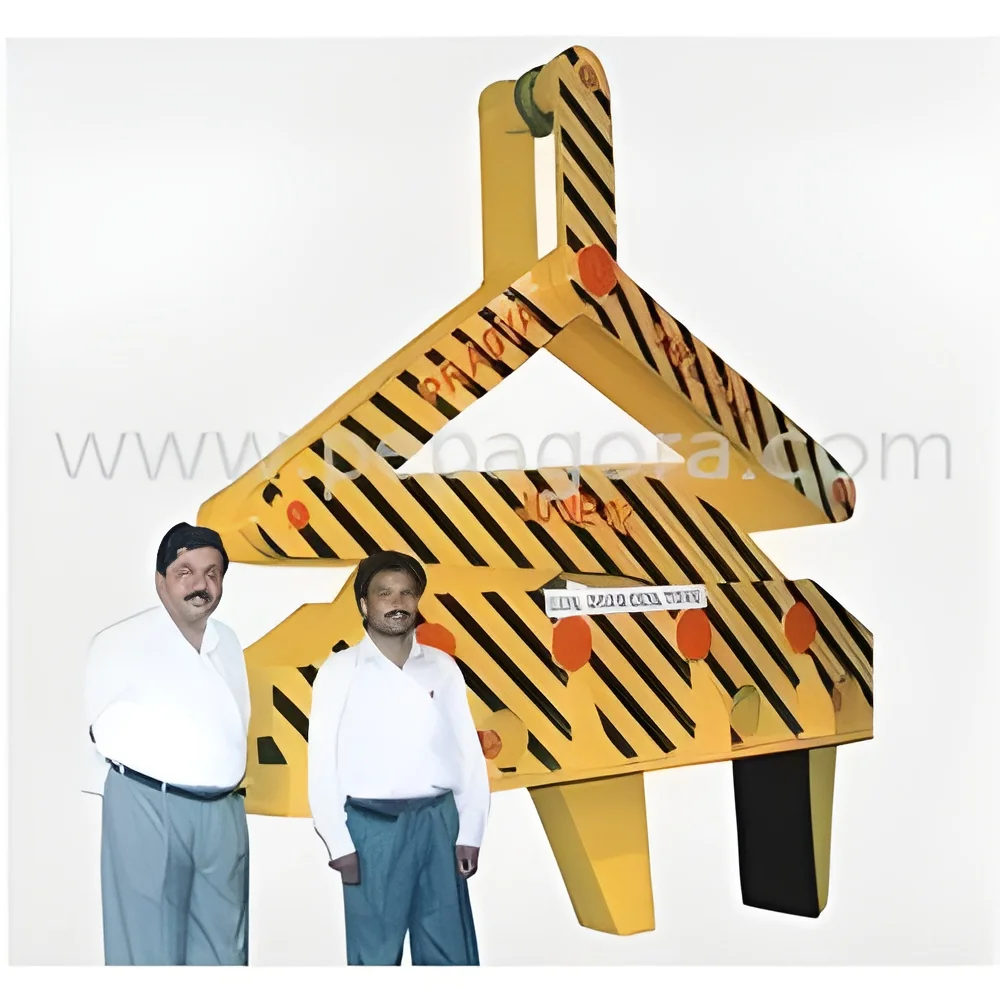
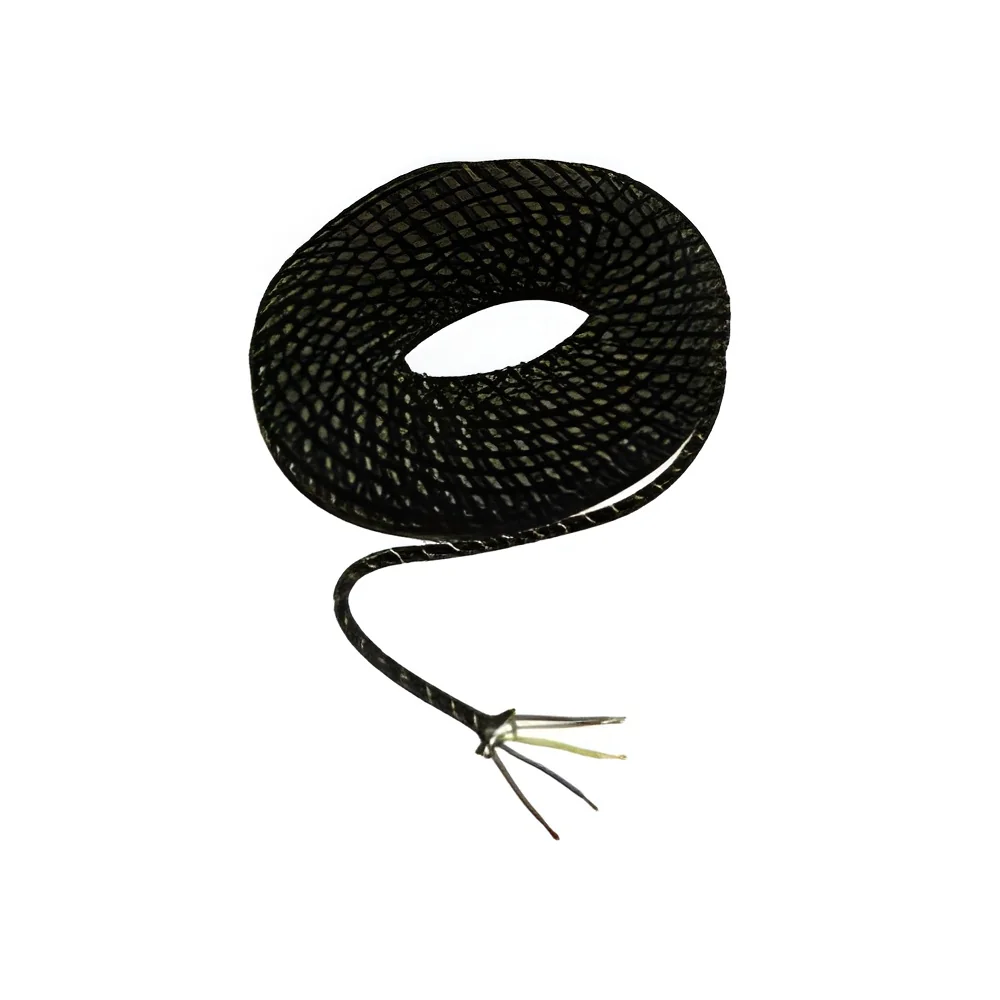
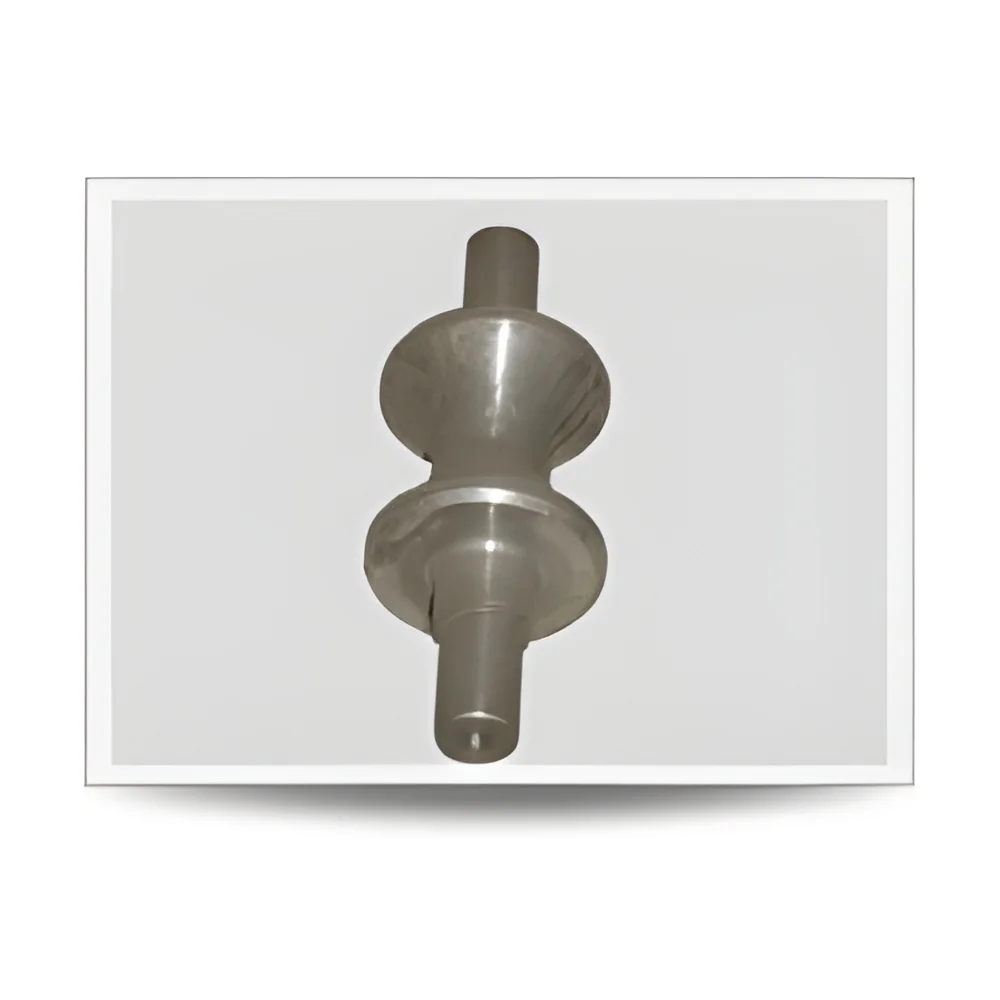
4 products available
What are Reel Lifters?
Reel Lifters are specialized lifting devices designed for handling cylindrical rolls or reels of various materials, such as wire, cable, and fabric. These devices provide efficient and safe means of lifting, transporting, and positioning heavy reels in industrial environments. They are typically used in manufacturing, construction, and logistics sectors, where the movement of heavy materials is a regular requirement.
The primary use of Reel Lifters is to streamline the workflow in production lines and warehouses by enabling the quick and safe transfer of heavy reels. Businesses utilize these lifting devices to reduce manual labor, minimize the risk of injury, and enhance productivity. In industries such as electrical and textiles, Reel Lifters play a critical role in managing the heavy loads associated with their operations. As demand for efficient material handling solutions grows, the market for Reel Lifters continues to expand, with innovations focused on improving safety and usability.
Key Features and Specifications
Reel Lifters come equipped with various features that enhance their functionality and safety. Understanding these key specifications is essential for selecting the right equipment for specific industrial needs.
Key specifications include:
1. Load Capacity
- The maximum weight the lifter can safely handle.
- Typical ranges vary from 500 kg to 3000 kg.
2. Lifting Height
- The vertical distance the lifter can elevate the reel.
- Standard lifting heights range from 1.5 meters to 3 meters.
3. Material Construction
- The type of materials used in manufacturing the lifter.
- Common materials include steel and aluminum for durability.
4. Mobility Features
- The design elements that facilitate easy movement.
- Options include fixed wheels, swivel casters, or fork attachments.
5. Control System
- The mechanism used to operate the lifter.
- Available options include manual, electric, or pneumatic controls.
6. Safety Features
- Integrated elements to ensure safe operation.
- Examples include overload protection and emergency stop switches.
7. Dimensions
- The overall size of the lifter, including height, width, and base dimensions.
- Dimensions vary based on model and application.
8. Compliance Standards
- The quality and safety certifications met by the lifter.
- Many models comply with CE standards for safety.
Reel Lifters are designed to provide reliable performance while adhering to industry standards, ensuring safety and efficiency in operations.
Common Applications and Use Cases
Reel Lifters are versatile tools that find applications across multiple industries.
1. Electrical Industry: In this sector, Reel Lifters are used to handle heavy coils of wire and cable, facilitating easy movement during installation and storage.
2. Textile Industry: Reel Lifters assist in transporting large rolls of fabric, ensuring that they are moved safely without damage, thus streamlining production processes.
3. Construction Industry: These devices are crucial for lifting and positioning heavy reels of materials such as insulation and wiring, significantly enhancing workflow efficiency on job sites.
4. Manufacturing: Reel Lifters are used to manage heavy rolls of raw materials, allowing for improved production line efficiency and reduced labor costs.
5. Logistics and Warehousing: In these environments, Reel Lifters help in managing inventory by facilitating the quick movement of reels in storage areas.
6. Automotive Industry: Reel Lifters are employed to handle rolls of wiring and other materials, optimizing the assembly line processes.
7. Aerospace Industry: These devices are used for managing heavy components and materials, ensuring safety and efficiency in assembly and maintenance operations.
Product Variants and Subcategories
Reel Lifters offer various models tailored to different industrial needs. Each variant is designed to cater to specific applications, providing users with options that best fit their requirements.
Standard Reel Lifter
This variant is designed for general use across multiple industries. It typically features a robust frame, adjustable lifting height, and a reliable control system for easy operation.
Heavy-Duty Reel Lifter
Ideal for industries that require handling very heavy reels, this variant offers enhanced load capacity and stability features. It is often constructed from high-strength materials to withstand rigorous use.
Portable Reel Lifter
This model is lightweight and features a compact design, making it easy to transport. It is perfect for smaller operations or facilities with limited space.
Electric Reel Lifter
This variant incorporates electric lifting mechanisms, allowing for effortless operation. It is designed for environments where manual lifting is impractical.
Benefits and Advantages
Reel Lifters offer numerous advantages that make them essential for industrial operations.
1. Increased Safety: By minimizing manual handling, Reel Lifters significantly reduce the risk of workplace injuries.
2. Enhanced Efficiency: These devices streamline operations, allowing for quicker movement of reels, which boosts overall productivity.
3. Versatility: Reel Lifters can be used in various industries, making them a flexible solution for different material handling needs.
4. Cost Savings: By reducing labor costs and increasing efficiency, Reel Lifters contribute to overall cost savings for businesses.
5. Improved Ergonomics: The use of Reel Lifters promotes better ergonomics in the workplace, enhancing employee comfort and reducing fatigue.
6. Customization Options: Many Reel Lifters can be tailored to meet specific operational requirements, ensuring they fit seamlessly into workflows.
Buying Guide for B2B Buyers
When sourcing Reel Lifters, there are several critical factors to consider to ensure the right purchase for your business needs.
1. Quality Assessment: Evaluate the materials, construction, and design of the Reel Lifters. Look for products that meet industry standards and provide warranties for added assurance.
2. Supplier Verification: Research potential suppliers to confirm their credibility and reliability. Check for customer reviews, industry certifications, and years of experience in the market.
3. Pricing and MOQ: Understand the pricing structure and minimum order quantities required by suppliers. This will help in budgeting and ensuring that you get the best value for money.
4. Delivery and Lead Times: Discuss logistics with suppliers to determine delivery schedules and lead times. Ensure that they can meet your project timelines without delays.
5. Compliance Requirements: Verify that the Reel Lifters meet relevant compliance and safety regulations in your industry. This may include certifications such as CE or adherence to ISO standards.
Compliance and Certifications
Reel Lifters must comply with various quality and safety standards to ensure they are safe for industrial use. ISO 9001 is a widely recognized standard that focuses on quality management systems, ensuring that products meet customer and regulatory requirements.
In addition, many Reel Lifters carry CE certification, indicating that they conform to health, safety, and environmental protection standards set by the European Union. This certification is crucial for businesses looking to operate in or export to EU markets.
Safety and testing requirements are also paramount for Reel Lifters. They should undergo rigorous testing to verify their load capacity, stability, and operational safety. Additionally, businesses must consider regional compliance factors, as regulations may vary depending on the location of operation.
Why Source Reel Lifters from Pepagora?
Pepagora offers a robust platform for sourcing Reel Lifters, providing buyers with several distinct advantages.
Verified Supplier Network: Pepagora connects buyers with a network of verified suppliers, ensuring that all listed products meet high standards of quality and reliability. This verification process helps mitigate risks associated with purchasing.
Streamlined RFQ Process: The quotation system on Pepagora simplifies the procurement process. Buyers can easily request quotes from multiple suppliers, allowing for competitive pricing and options tailored to their needs.
Trade Assurance and Support: Pepagora provides trade assurance, protecting buyers throughout the transaction process. This includes support in case of disputes and guarantees regarding product quality.
Regional Coverage: With a strong presence in India, the GCC, and Southeast Asia, Pepagora offers extensive regional coverage, making it easier for businesses to find Reel Lifters that suit their operational requirements. This geographic reach ensures that buyers can access products and suppliers that meet their specific needs.

Frequently Asked Questions
What are Reel Lifters?
Reel Lifters are specialized lifting devices designed to handle and transport reels of various materials, such as wire, cable, or film. They are commonly used in manufacturing and construction environments to improve efficiency and safety during the handling of heavy reels.
What are the different types of Reel Lifters?
There are several types of Reel Lifters, including manual, electric, and pneumatic models. Each type is designed for specific lifting capacities and operational environments, allowing users to choose the most suitable option based on their needs.
How do I choose the right Reel Lifters?
Choosing the right Reel Lifters involves considering factors such as the weight and size of the reels, the lifting height required, and the environment in which they will be used. It's also important to evaluate the lifting mechanism, ease of operation, and safety features.
What are the standard specifications for Reel Lifters?
Standard specifications for Reel Lifters typically include load capacity, lifting height, and dimensions of the lifting platform. Additionally, specifications may cover the type of drive mechanism, weight, and material construction used in the lifter.
What is the price range for Reel Lifters?
The price range for Reel Lifters can vary significantly based on factors such as type, capacity, and manufacturer. Generally, you can expect prices to range from a few thousand to several lakhs of Indian Rupees.
What quality standards apply to Reel Lifters?
Reel Lifters are subject to various quality standards, including ISO certifications and safety regulations applicable in the manufacturing and construction industries. These standards ensure that the lifters are safe to use and meet performance criteria.
Where can I find Reel Lifters suppliers in India?
You can find Reel Lifters suppliers in India through online B2B marketplaces like Pepagora.com, trade directories, and industrial trade shows. It is advisable to research suppliers to ensure they meet your specific requirements.
Can Reel Lifters be customized?
Yes, many manufacturers offer customization options for Reel Lifters to meet specific operational needs. Customizations may include variations in size, weight capacity, and additional features tailored to your application.
What is the typical minimum order quantity for Reel Lifters?
The typical minimum order quantity (MOQ) for Reel Lifters can vary by supplier, but it is generally between one to ten units. It's best to check with the supplier for their specific MOQ requirements.
What is the typical lead time for Reel Lifters?
The typical lead time for Reel Lifters can range from a few days to several weeks, depending on the supplier, customization options, and stock availability. It's advisable to confirm lead times with the supplier when placing an order.
Why Businesses Trust Pepagora
Thousands of companies trust Pepagora to source smarter and sell faster
Expand Your Sales Globally

Source Smarter,Grow Faster
