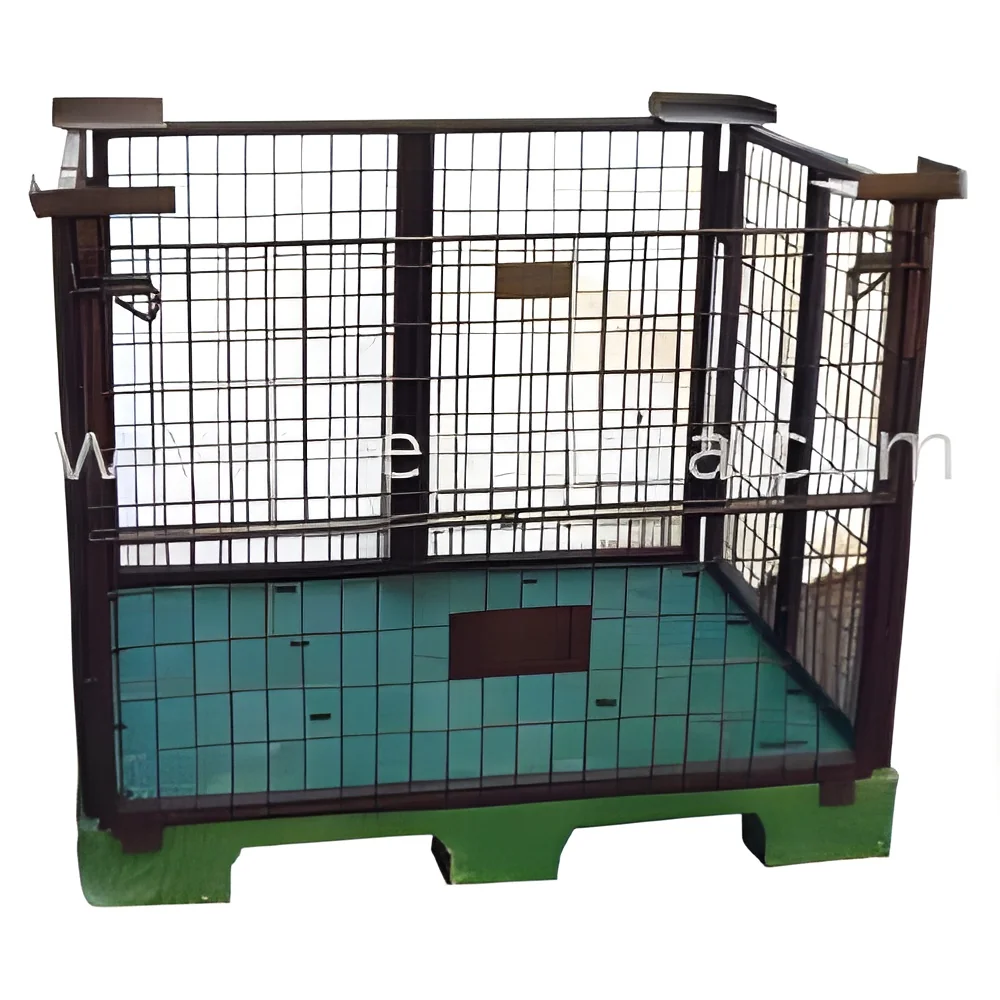
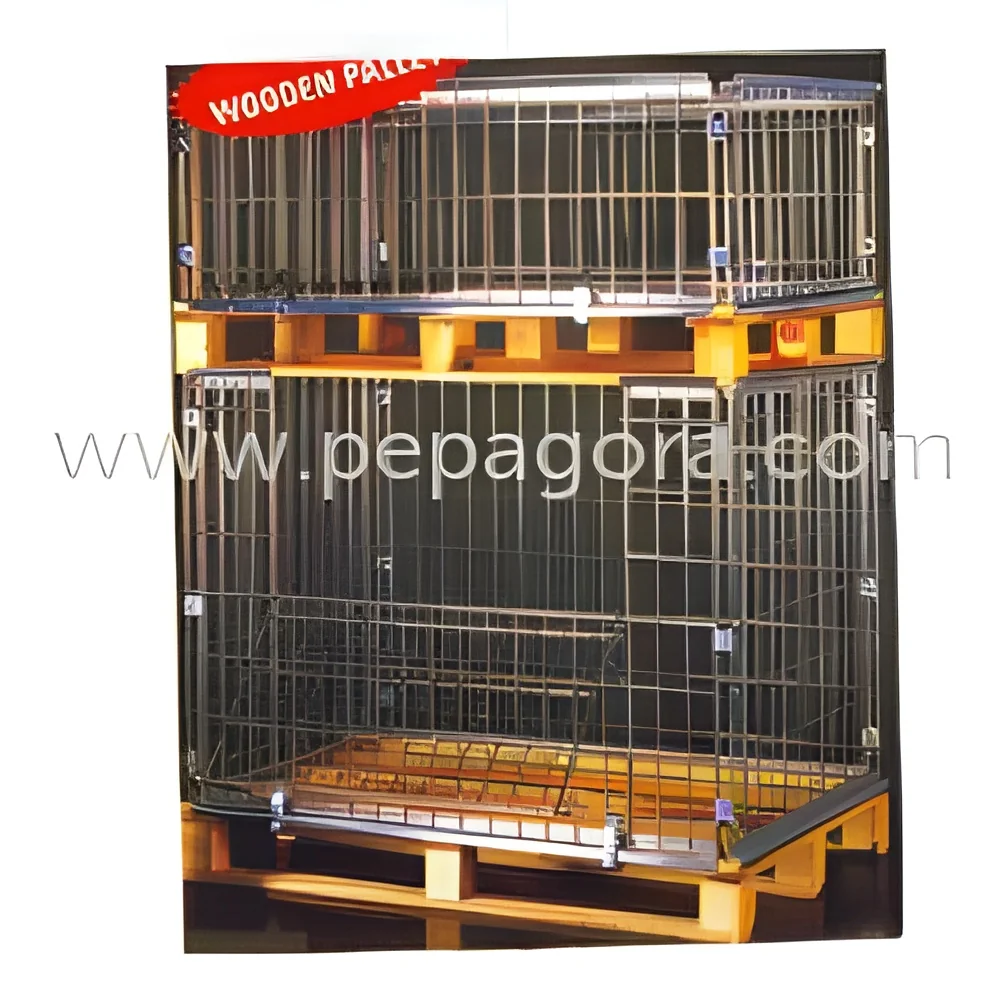
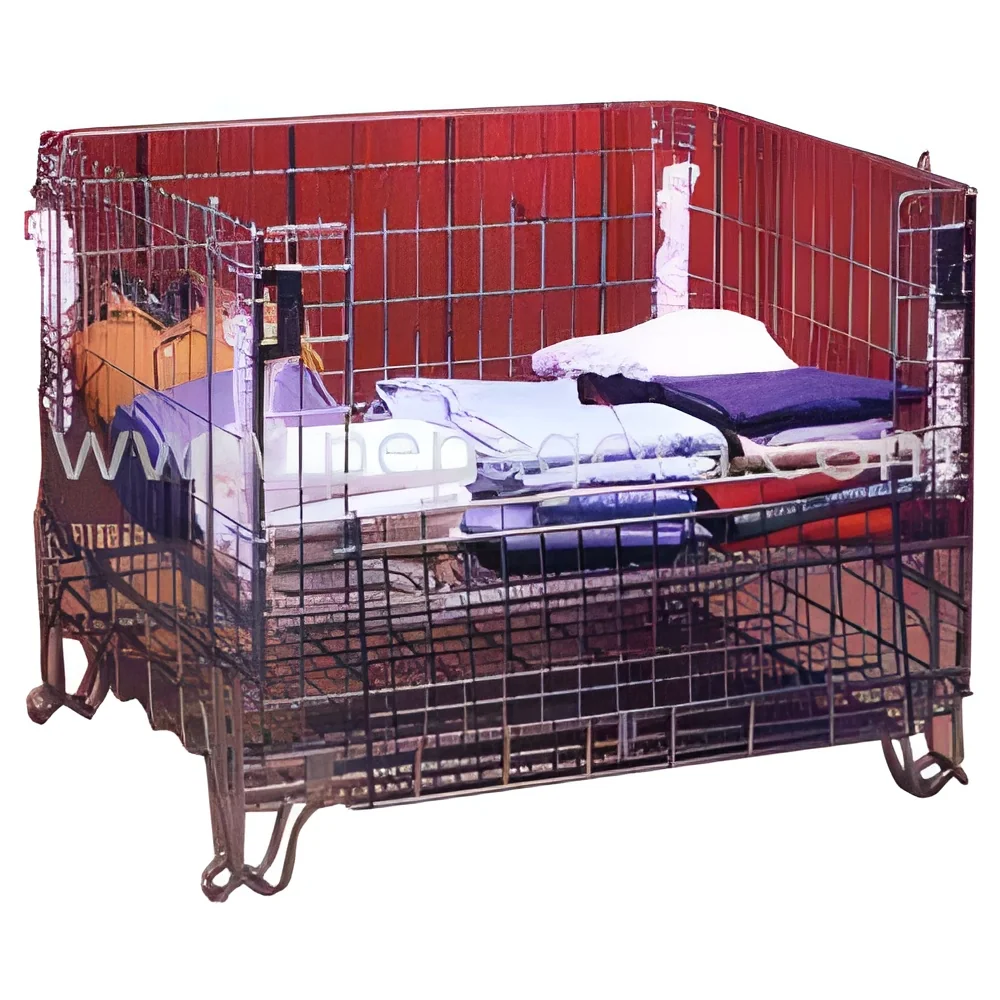
What are Pallet Racking Systems?
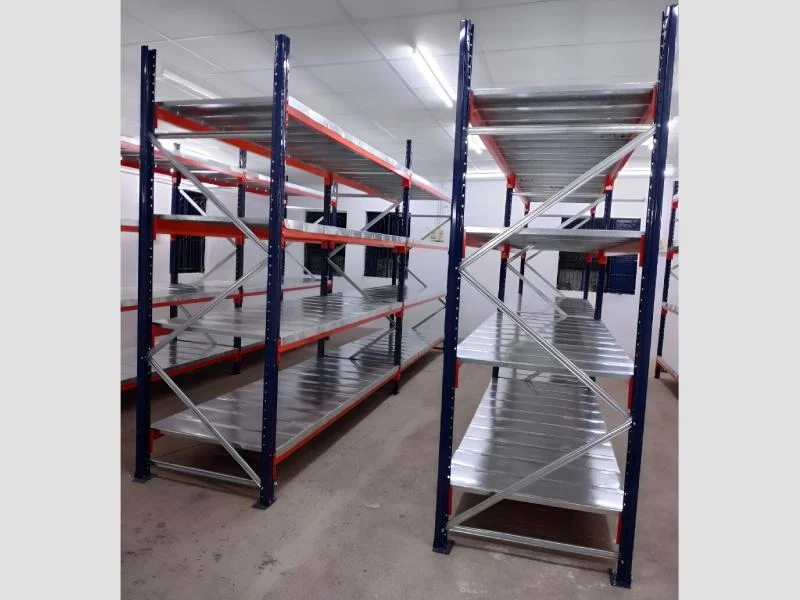
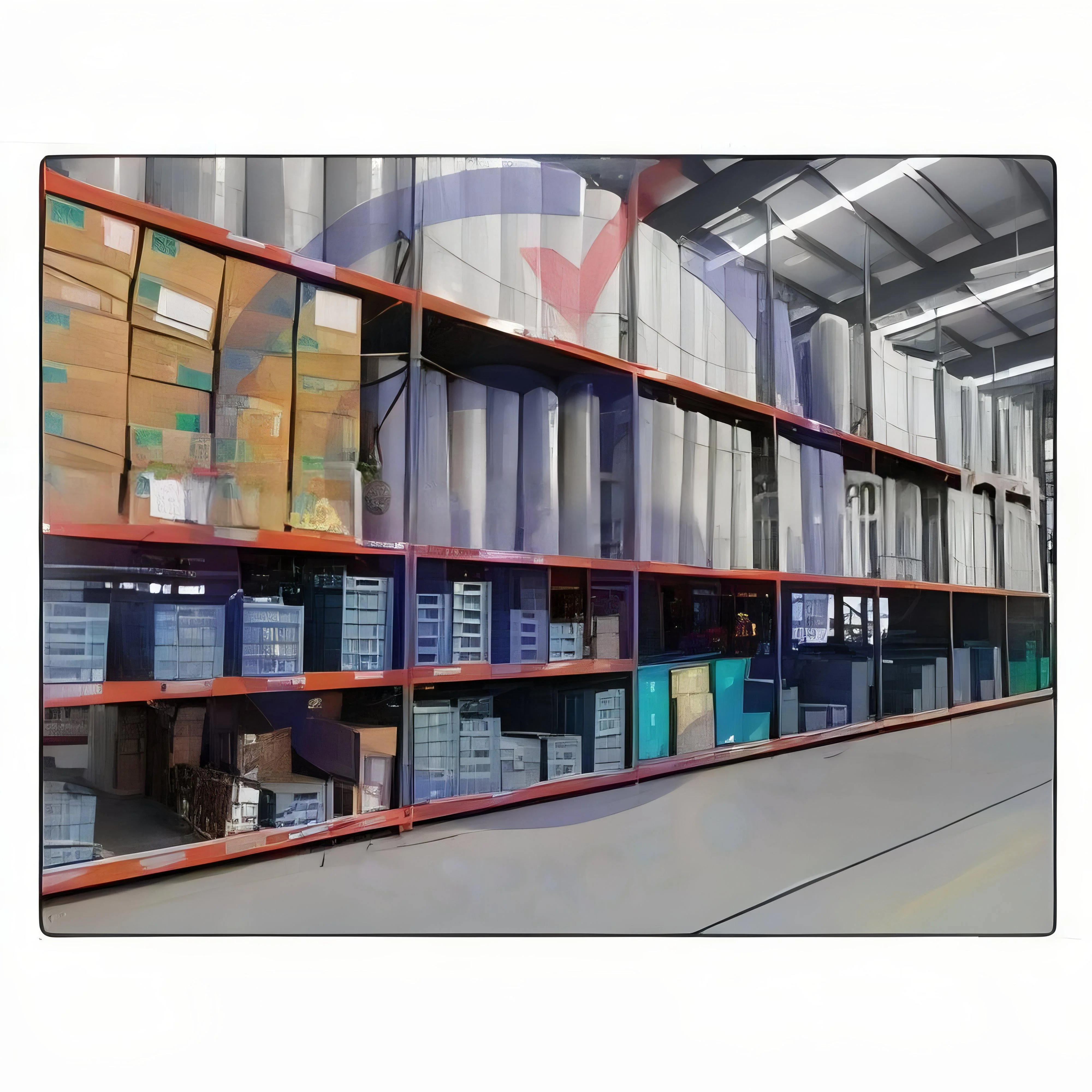
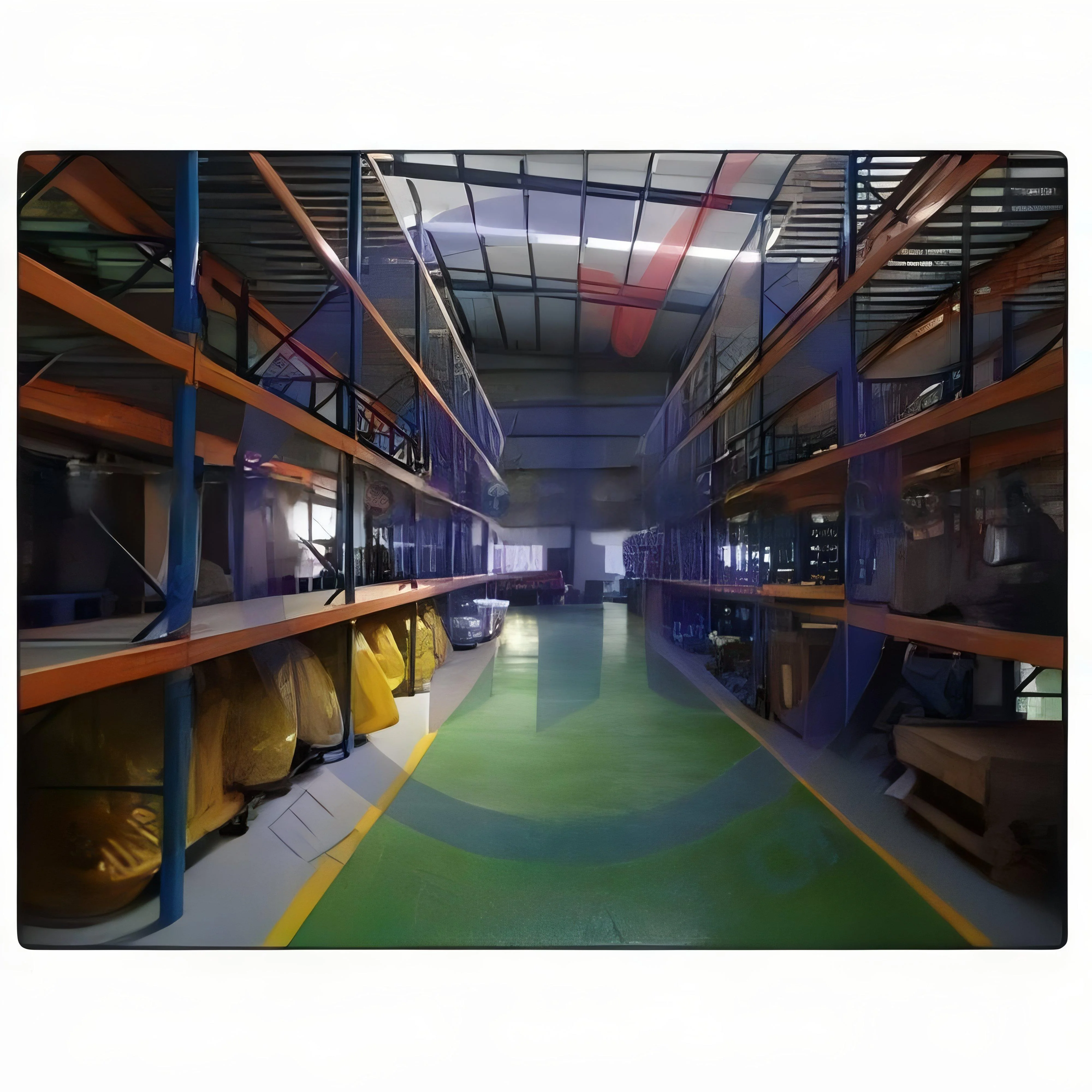
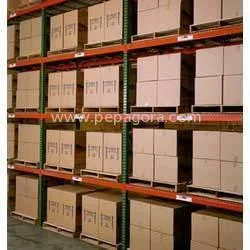
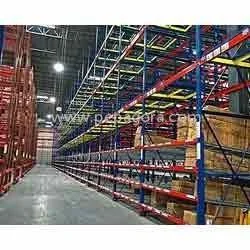
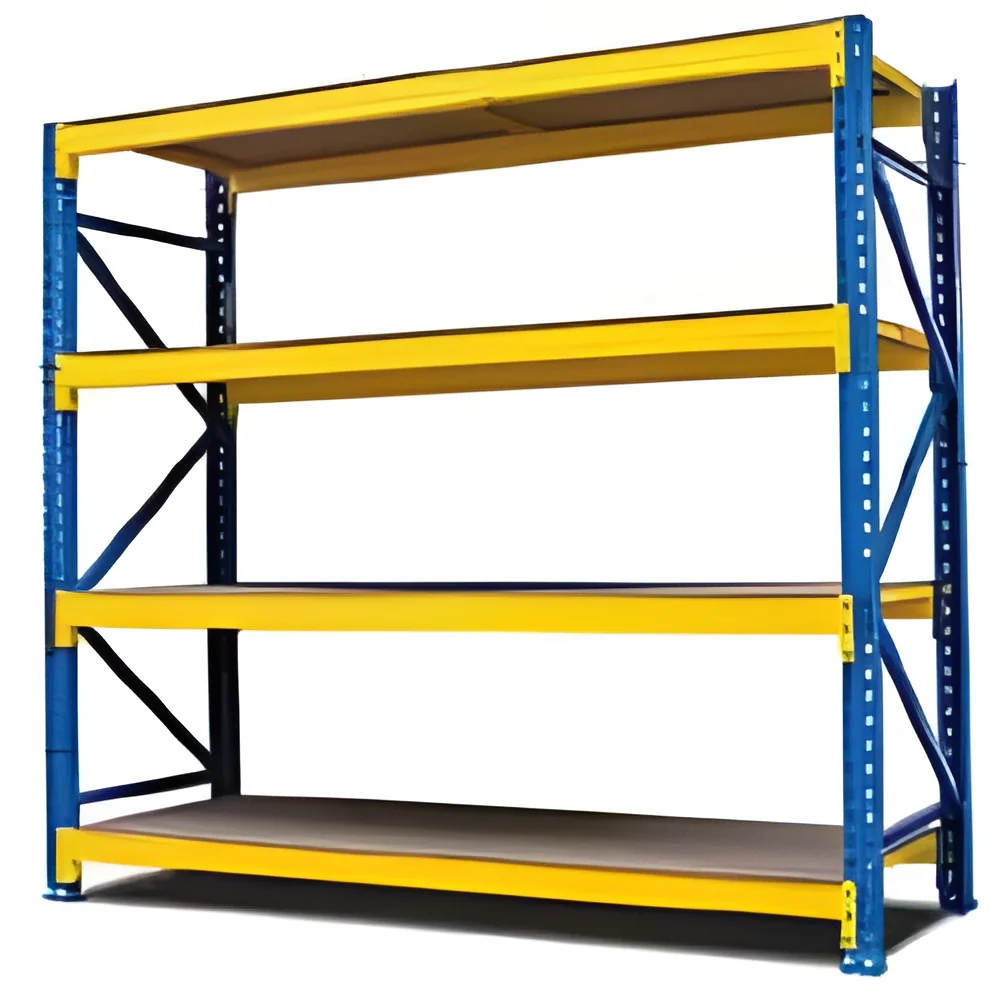
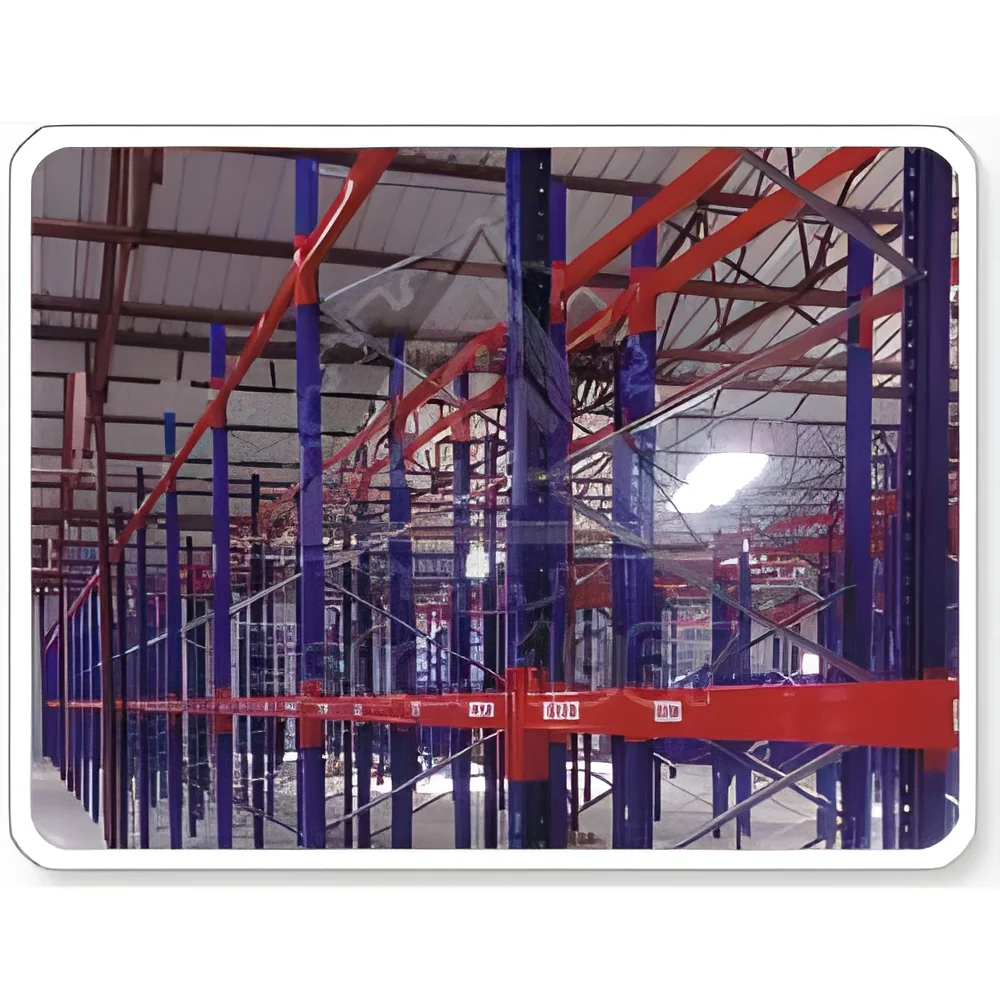
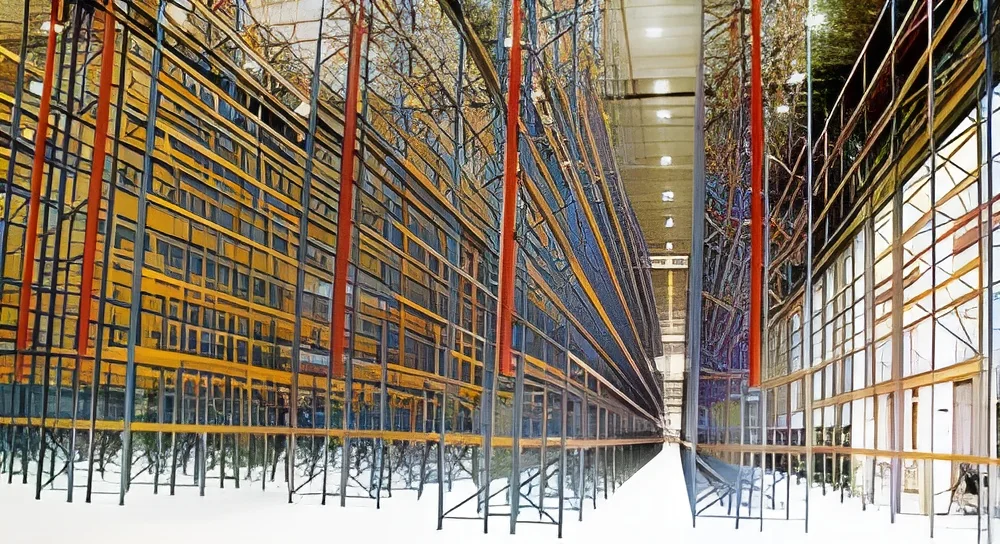
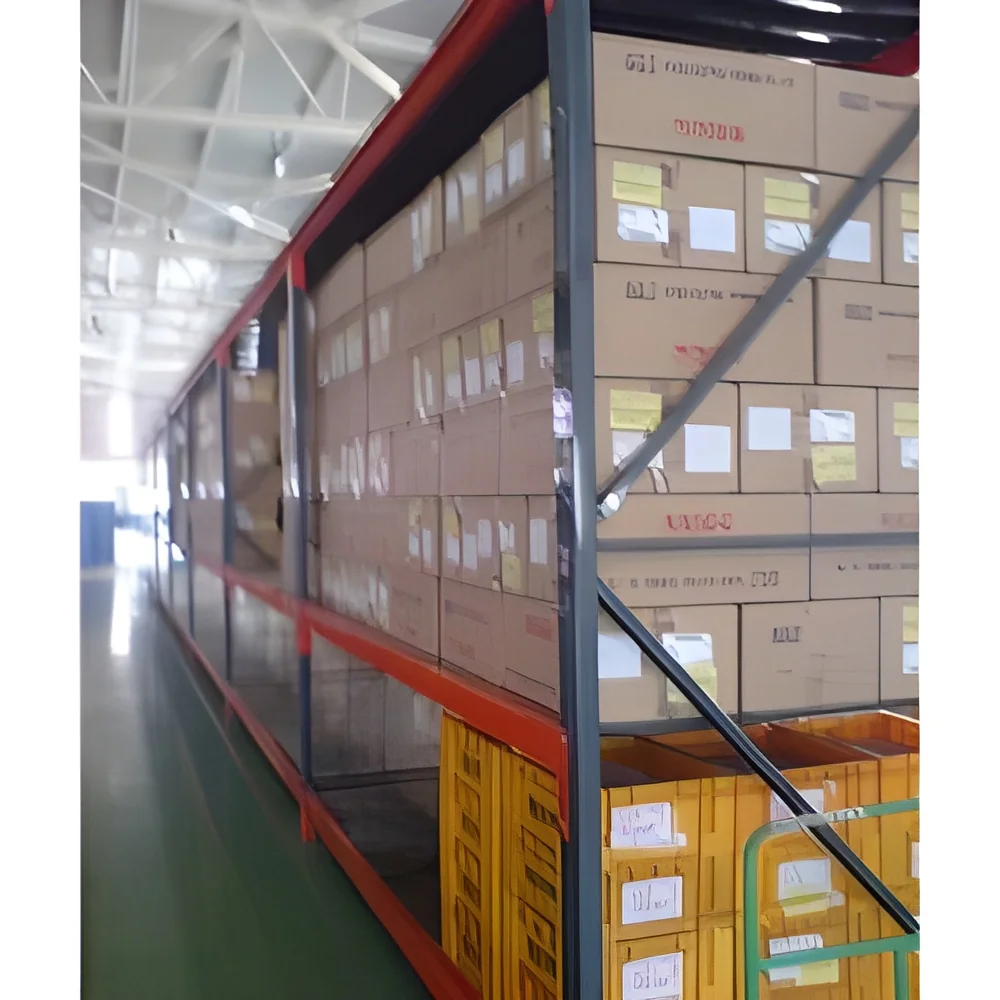
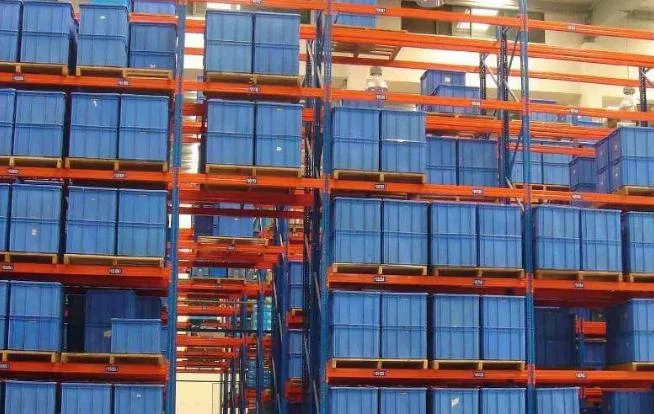
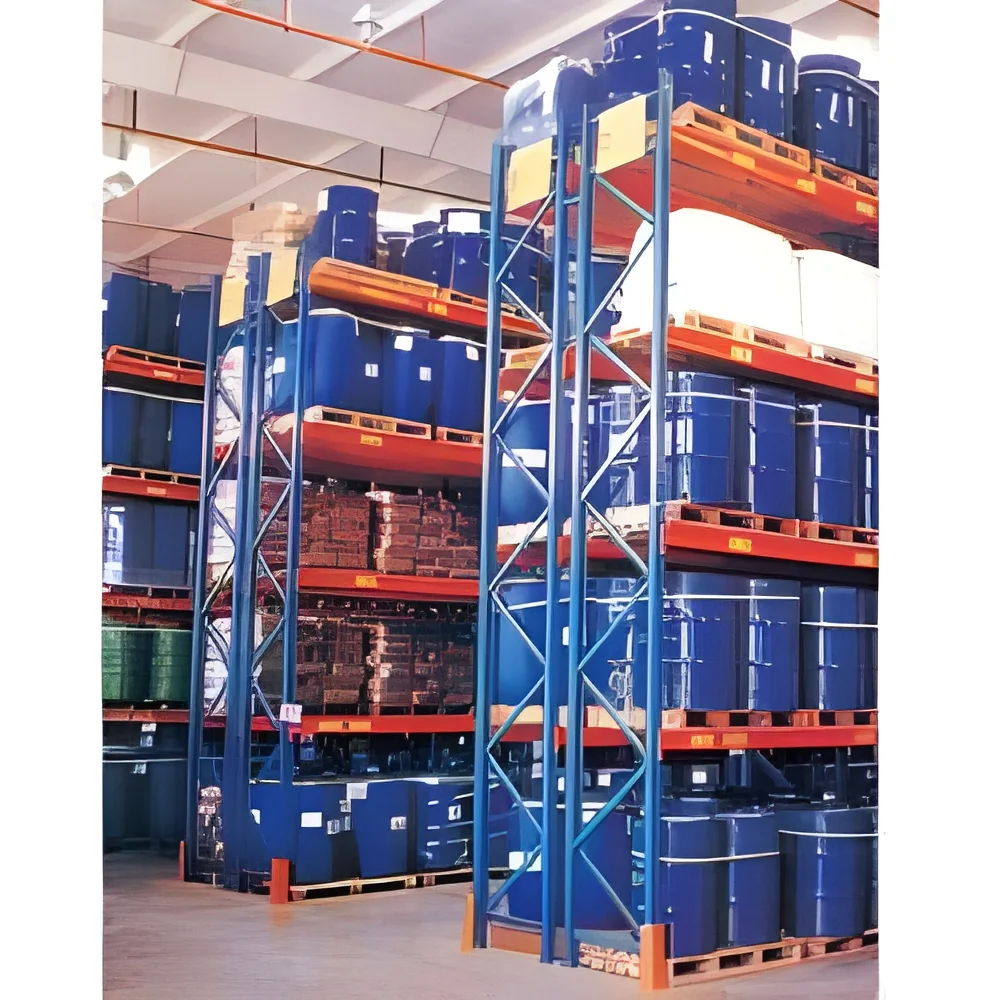
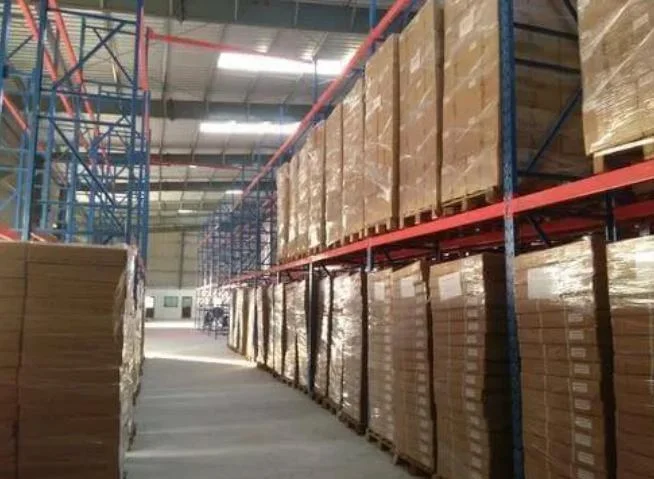
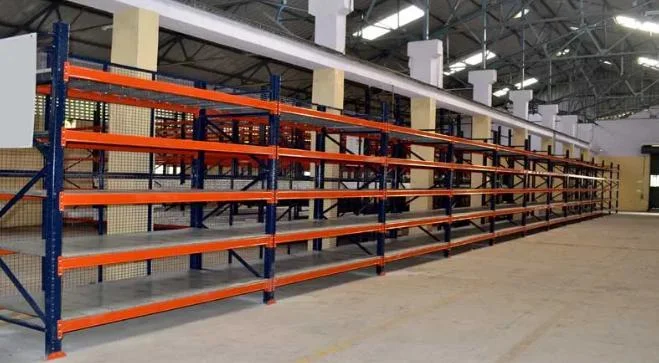
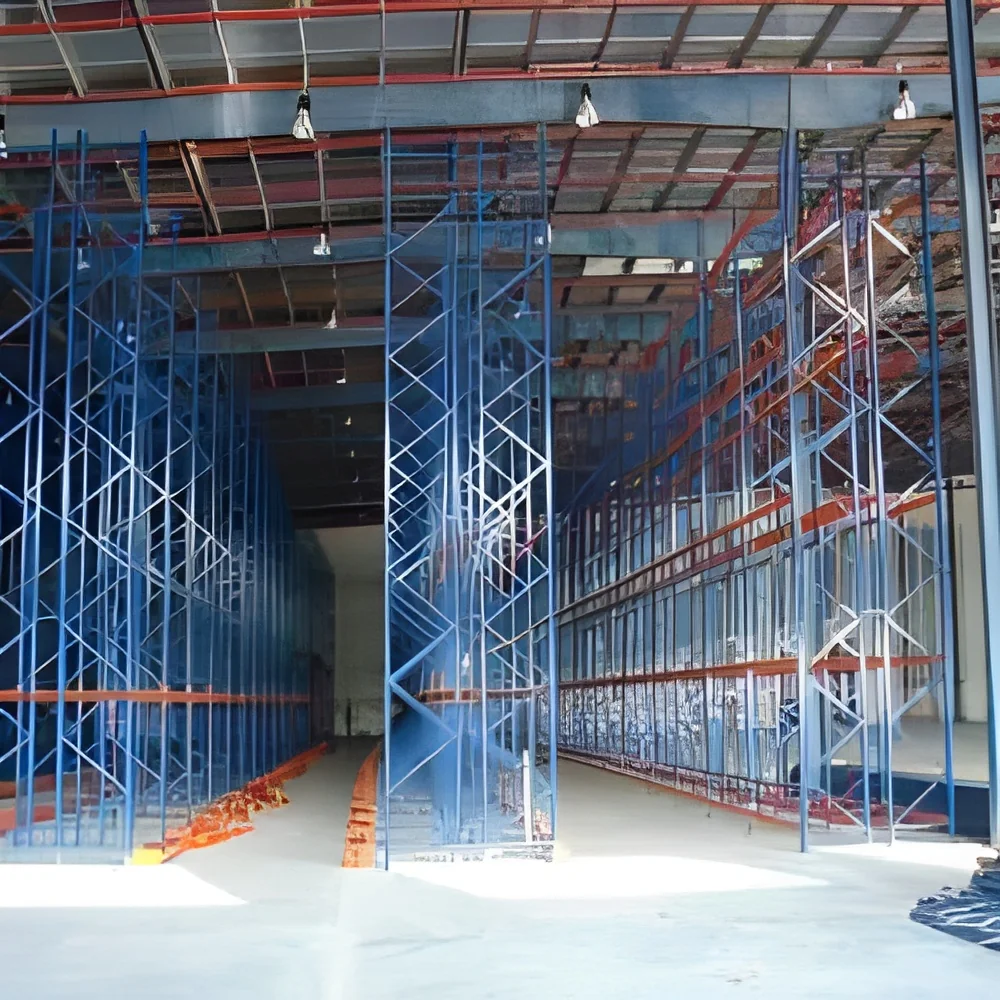
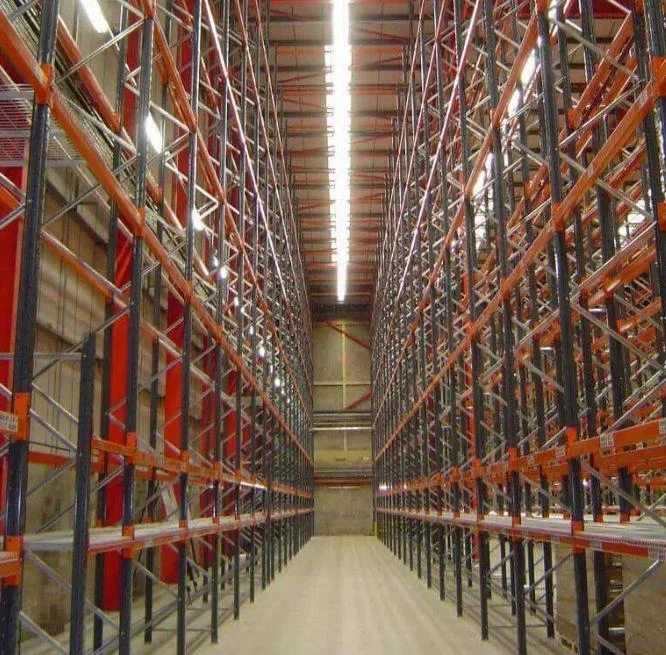
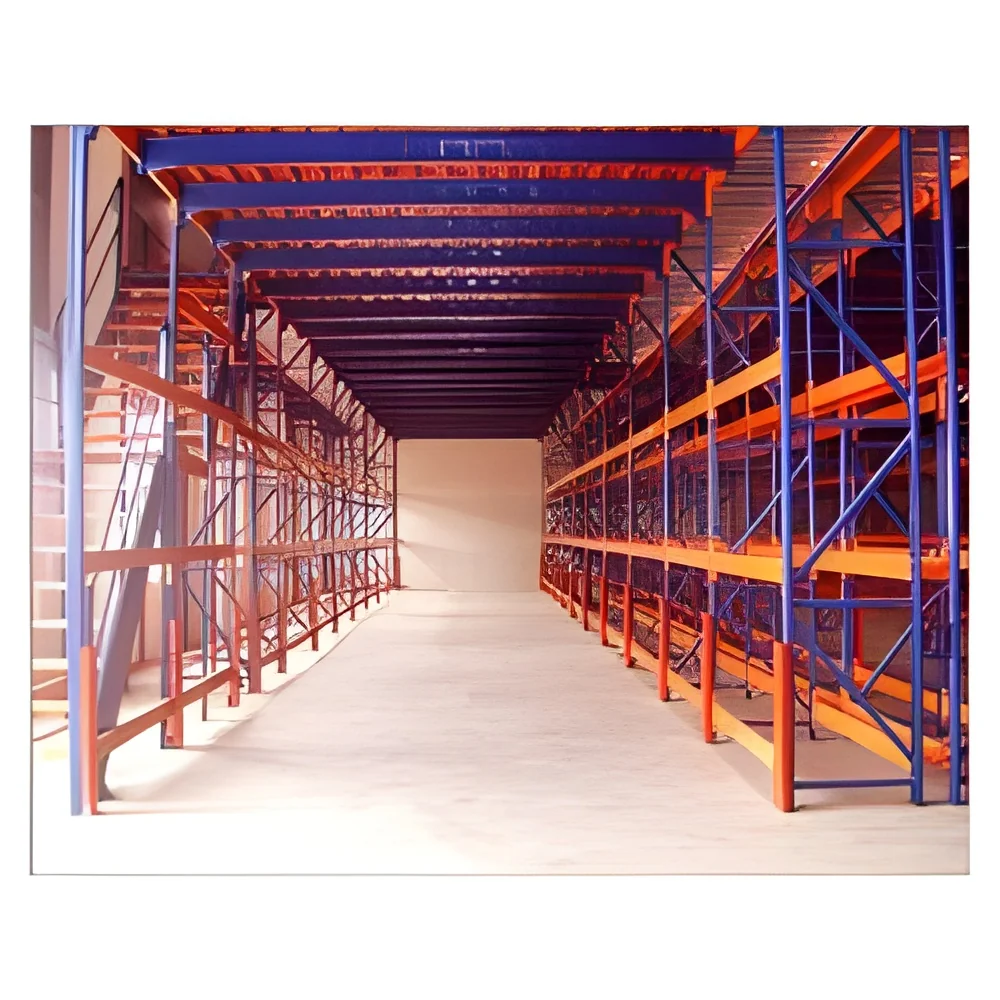
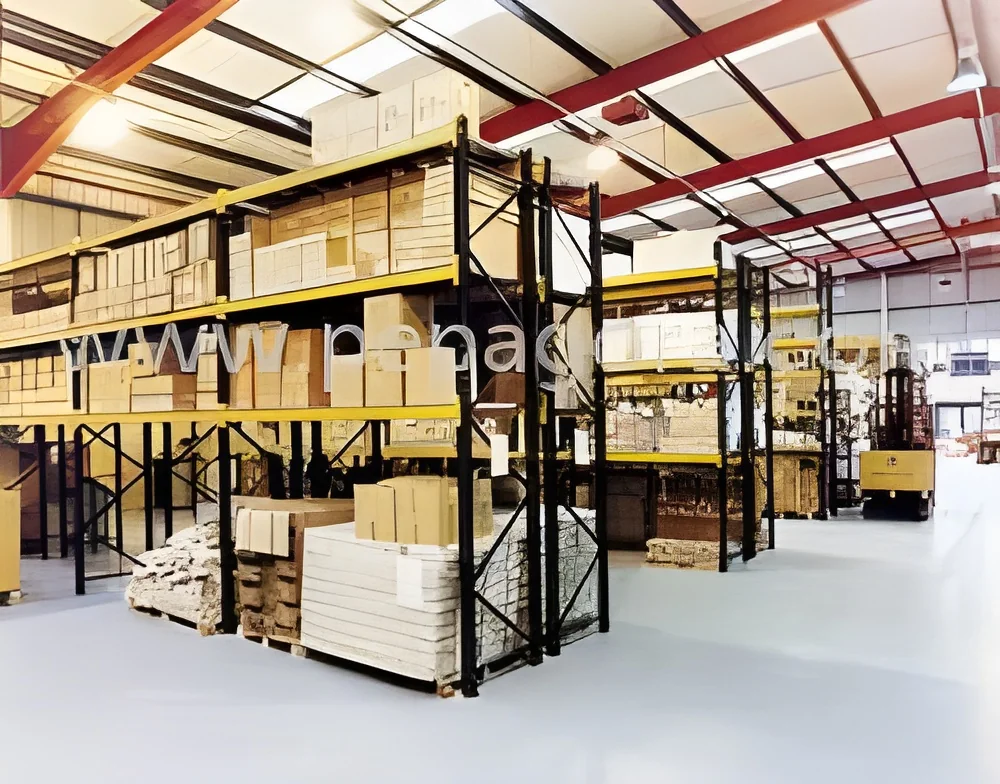
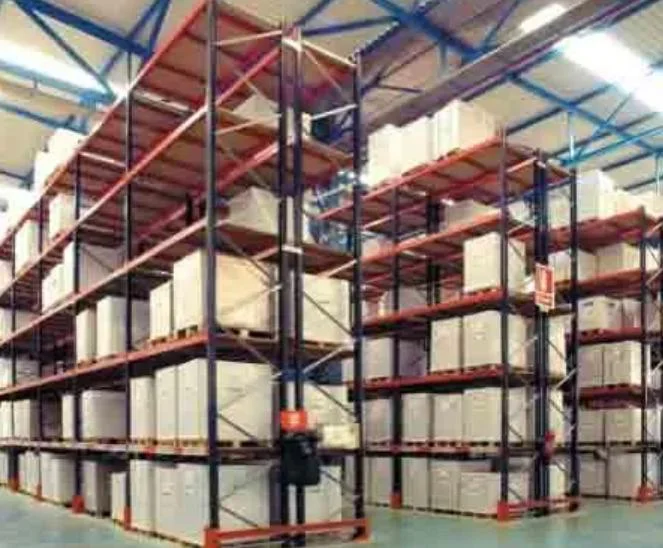
Pallet racking systems are structured storage solutions designed to maximize warehouse space while providing efficient access to inventory. These systems consist of vertical racks that hold pallets stacked horizontally, allowing for organized storage of goods. They are essential for optimizing the storage capacity of warehouses, distribution centers, and retail environments, enabling businesses to store a larger quantity of products in a smaller footprint.
The primary use of pallet racking systems is in industries where bulk storage of goods is necessary. Common applications include warehouses, manufacturing facilities, and retail operations, where quick retrieval of products is crucial. Businesses benefit from the ability to store various types of products, from raw materials to finished goods, in a systematic manner. With the growing demand for efficient inventory management, pallet racking systems have become increasingly relevant across multiple sectors, supporting logistics and supply chain operations.
Key Features and Specifications
Pallet racking systems come with various features designed to enhance storage efficiency and safety. These features cater to different operational needs, making it important for businesses to understand the specifics of each system.
Key specifications include:
1. Load Capacity
- The maximum weight that each rack can support, which typically ranges from 1,000 to 6,000 pounds per level depending on the design.
2. Rack Height
- The vertical distance from the floor to the top of the rack, which can vary from 8 feet to over 30 feet, accommodating different warehouse ceiling heights.
3. Frame Design
- Racks are available in different configurations such as selective, drive-in, or push-back, tailored for various storage requirements.
4. Beam Levels
- The number of horizontal beams on a rack, which can range from 2 to 6 or more, allowing flexibility in pallet storage.
5. Material
- Most pallet racks are constructed from steel, ensuring durability and strength for heavy-duty applications.
6. Safety Features
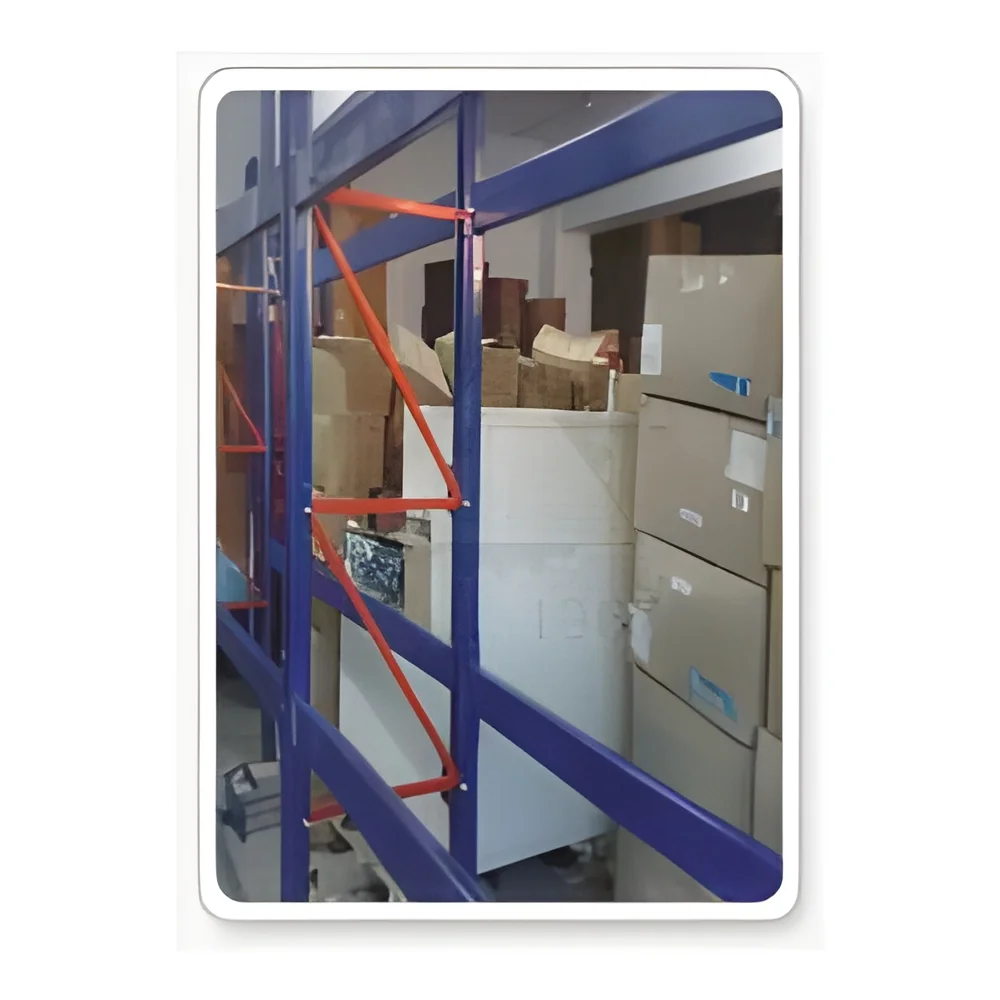
- Many systems incorporate safety pins, locking mechanisms, and safety netting to prevent accidents and ensure secure storage.
7. Compatibility
- Systems are designed to be compatible with standard pallet sizes, typically 48 inches by 40 inches, making accessibility easier.
8. Customization Options
- Some manufacturers offer customization in terms of dimensions, coatings, and additional features based on specific business needs.
In summary, understanding these key features and specifications helps businesses choose the right pallet racking system that aligns with their storage requirements and operational goals.
Common Applications and Use Cases
Pallet racking systems are utilized across a multitude of industries due to their versatility and efficiency.
1. Warehousing: In warehouse environments, pallet racking systems facilitate organized storage of products, enabling quick access and optimized space utilization.
2. Manufacturing: Manufacturers utilize these systems to store raw materials and finished goods, streamlining the production process and improving workflow.
3. Retail: Retail operations often use pallet racks for backroom storage, allowing for easy inventory management and quick replenishment of sales floors.
4. Food and Beverage: Cold storage facilities employ specialized pallet racking systems to maintain organized storage of perishable goods while adhering to safety standards.
5. Pharmaceutical: In the pharmaceutical industry, pallet racks help store medicinal products securely and accessibly, ensuring compliance with regulatory requirements.
6. Automotive: Automotive parts suppliers use pallet racking systems to manage the storage of heavy components efficiently, reducing retrieval times.
7. E-commerce: E-commerce warehouses rely on pallet racking for effective inventory management, allowing for rapid order fulfillment and efficient use of space.
Product Variants and Subcategories
Pallet racking systems come in various designs to meet different storage needs. Each variant offers unique features suited for specific applications.
Selective Racking
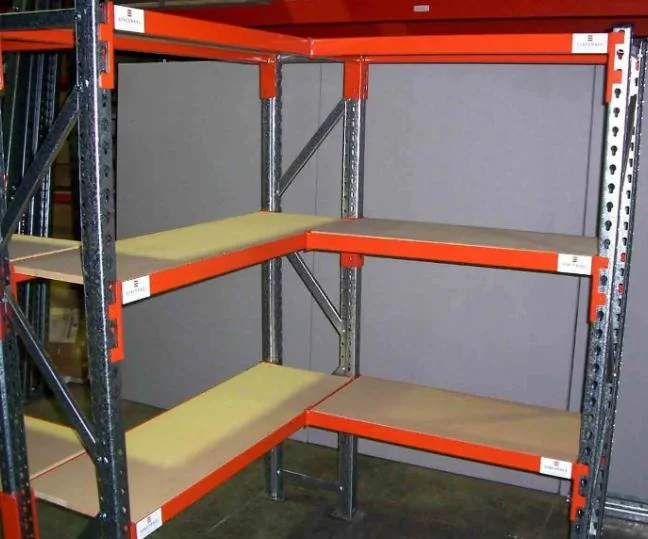
This is the most common type of pallet racking, allowing direct access to each pallet. It maximizes storage density while maintaining easy access, ideal for diverse inventories.
Drive-In Racking
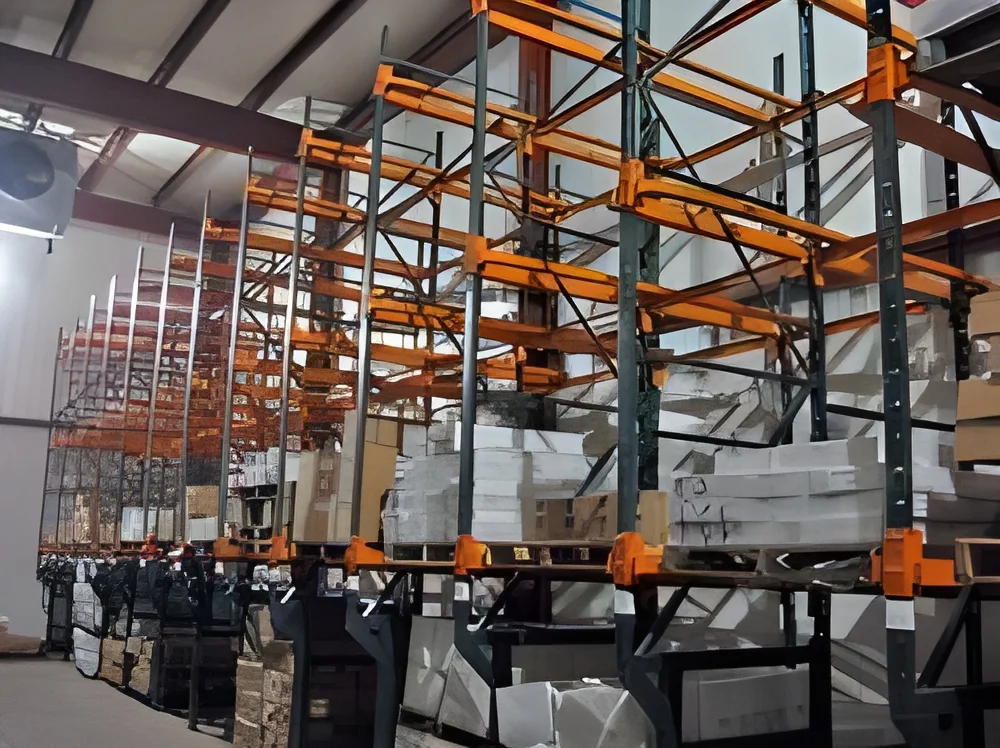
Designed for high-density storage, drive-in racking allows forklifts to enter the racks directly, making it suitable for bulk storage of similar products.
Push-Back Racking
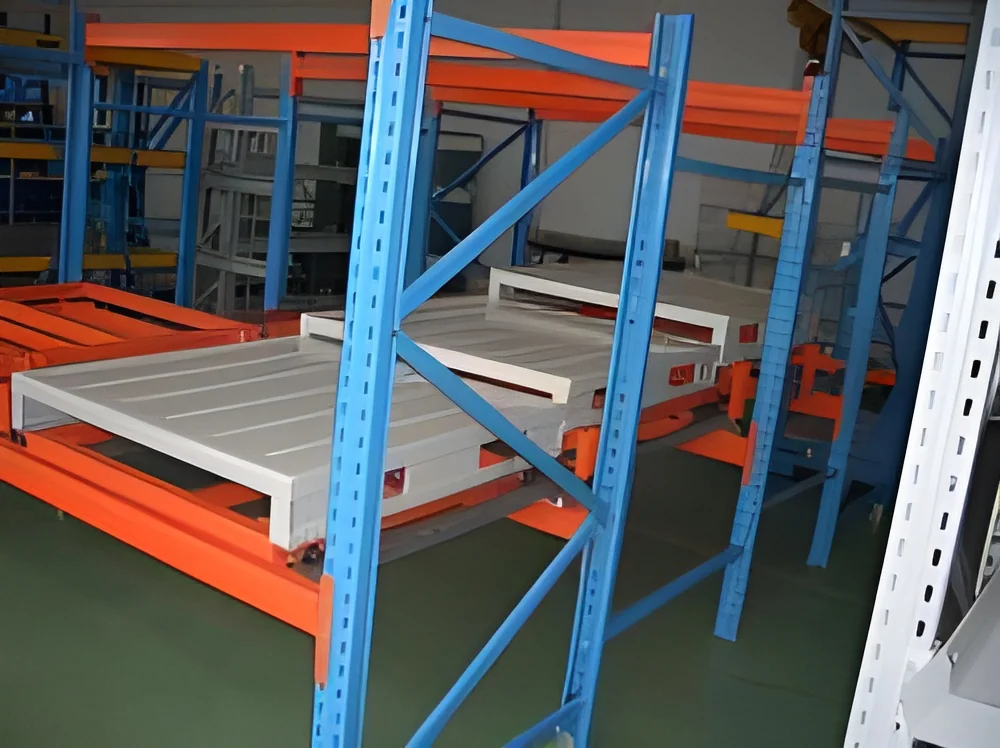
This variant uses a system of carts that allows pallets to be pushed back on inclined tracks. It enables first-in, last-out (FILO) inventory management, making it efficient for perishable goods.
Mobile Racking
Mobile racking systems are mounted on tracks, allowing entire aisles to move, thereby maximizing space utilization. They are ideal for facilities with limited floor space.
Cantilever Racking
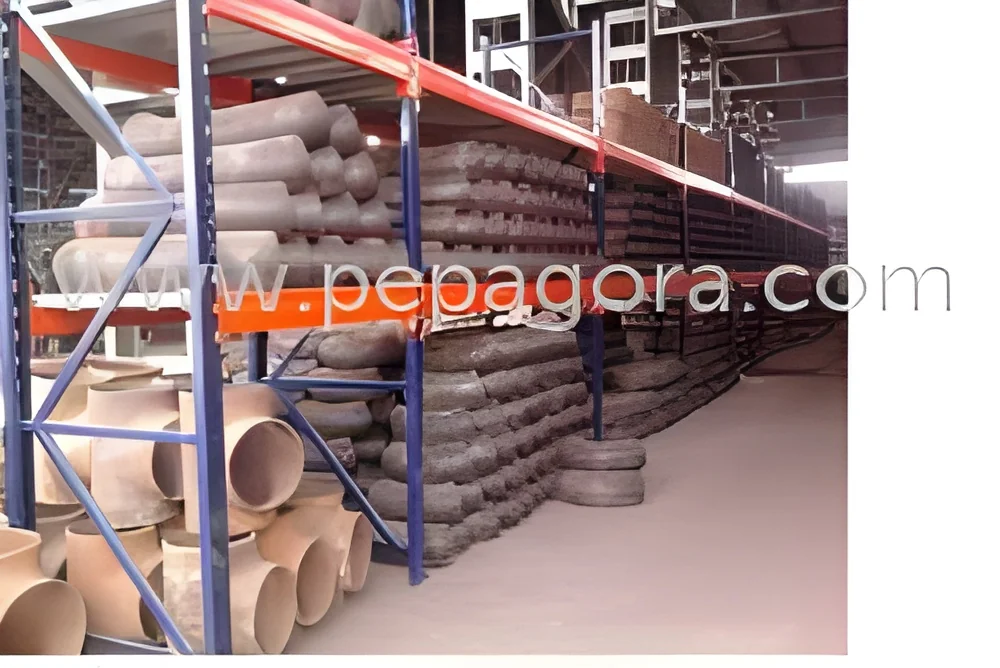
Cantilever racks are designed for storing long and bulky items like lumber or pipes. Their open design allows for easy loading and retrieval of large items.
Benefits and Advantages
Pallet racking systems offer numerous benefits that enhance warehouse operations.
1. Space Optimization: These systems maximize vertical and horizontal space, allowing for increased storage capacity within a limited footprint.
2. Improved Inventory Management: With organized storage, businesses can easily track inventory, reducing the risk of stockouts and overstock situations.
3. Streamlined Accessibility: Pallet racking systems provide quick access to stored products, improving order fulfillment times and overall efficiency.
4. Enhanced Safety: Designed with safety features, these systems help prevent accidents and injuries in the workplace.
5. Customization: Businesses can choose from a variety of configurations and specifications to suit their specific storage needs.
6. Cost-Effectiveness: By optimizing storage space and improving inventory management, pallet racking systems contribute to significant cost savings over time.
Buying Guide for B2B Buyers
When sourcing pallet racking systems, several factors should be considered to ensure the best fit for your business.
1. Quality Assessment: Evaluate the materials and construction quality to ensure durability and safety. Look for systems that meet industry standards.
2. Supplier Verification: Research potential suppliers to verify their credentials and reputation. Consider reviews and testimonials from other businesses.
3. Pricing and MOQ: Assess pricing structures and minimum order quantities to align with your budget and storage requirements.
4. Delivery and Lead Times: Understand the logistics of delivery, including lead times, to plan for installation without disrupting operations.
5. Compliance Requirements: Ensure that the pallet racking system complies with relevant safety regulations and industry standards, such as CE certification.
Compliance and Certifications
Pallet racking systems must adhere to various quality standards and certifications to ensure safety and reliability. Key standards include ISO 9001, which focuses on quality management systems, and HACCP for food safety. Compliance with Good Distribution Practice (GDP) is also crucial in industries like pharmaceuticals.
Industry certifications, such as CE marking, indicate that the racking systems meet European safety, health, and environmental protection standards. Additionally, safety and testing requirements often involve load testing to validate the structural integrity of the racks.
Regional compliance considerations may vary, so it is essential for businesses to be aware of local regulations that govern the use of pallet racking systems in their area.
Why Source Pallet Racking Systems from Pepagora?
Pepagora provides a trusted platform for sourcing pallet racking systems, offering several key advantages for B2B buyers.
Verified Supplier Network: Pepagora features a network of vetted suppliers, ensuring that buyers have access to reputable manufacturers who meet industry standards.
Streamlined RFQ Process: The request for quotation (RFQ) process is simple and efficient, allowing buyers to compare offers quickly and make informed purchasing decisions.
Trade Assurance and Support: Pepagora offers buyer protection through trade assurance, providing peace of mind and support throughout the purchasing journey.
Regional Coverage: With a strong presence in India, the GCC, and Southeast Asia, Pepagora connects buyers with suppliers across these regions, facilitating easy access to quality pallet racking systems.

 IN
IN