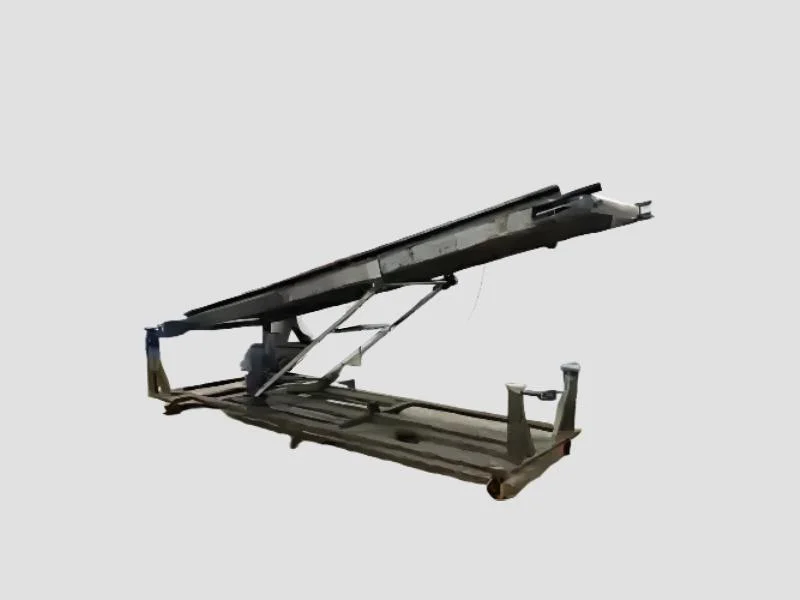
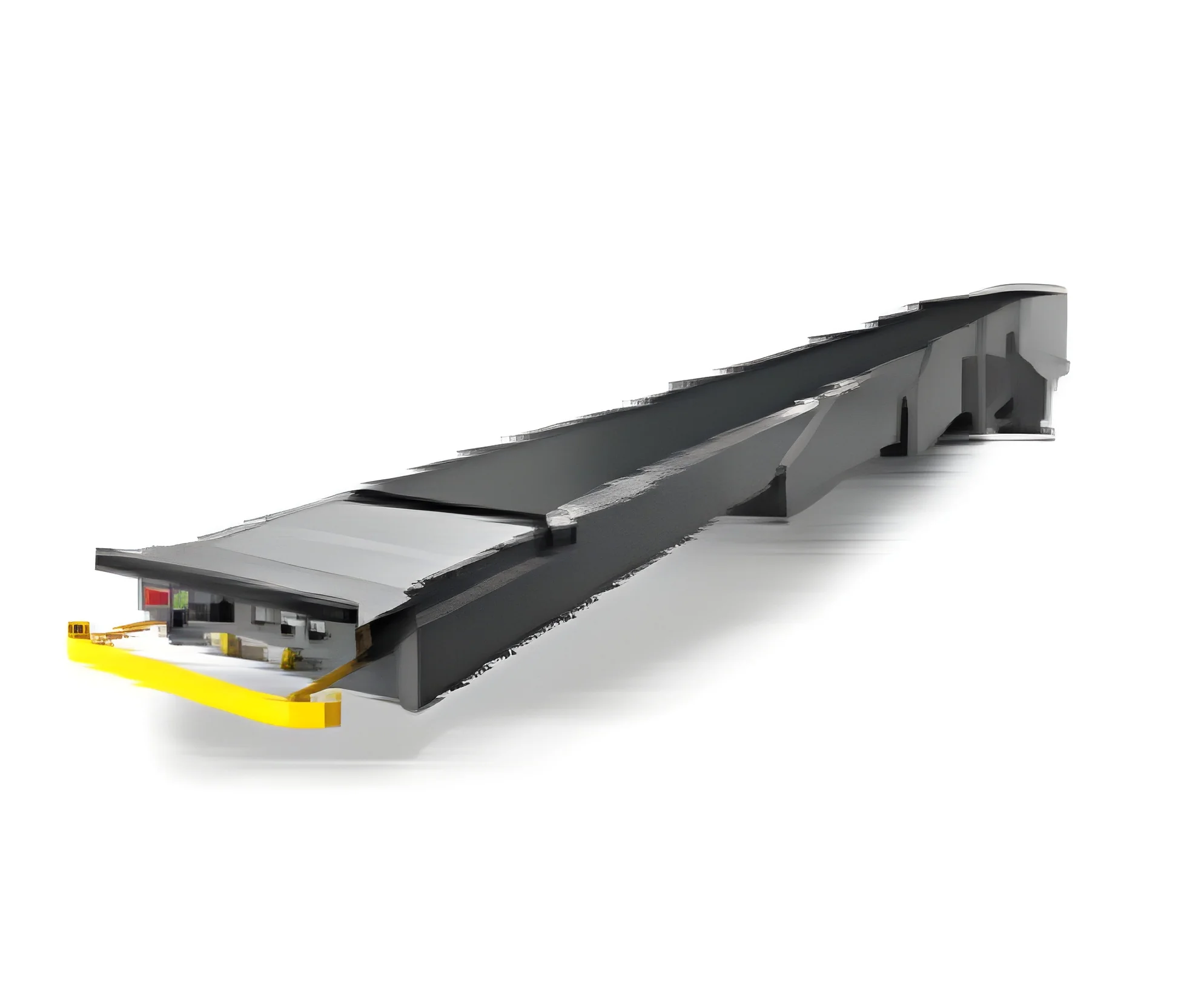
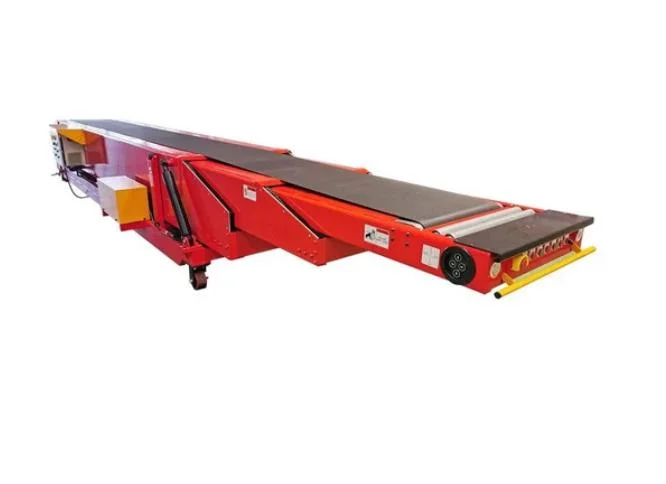
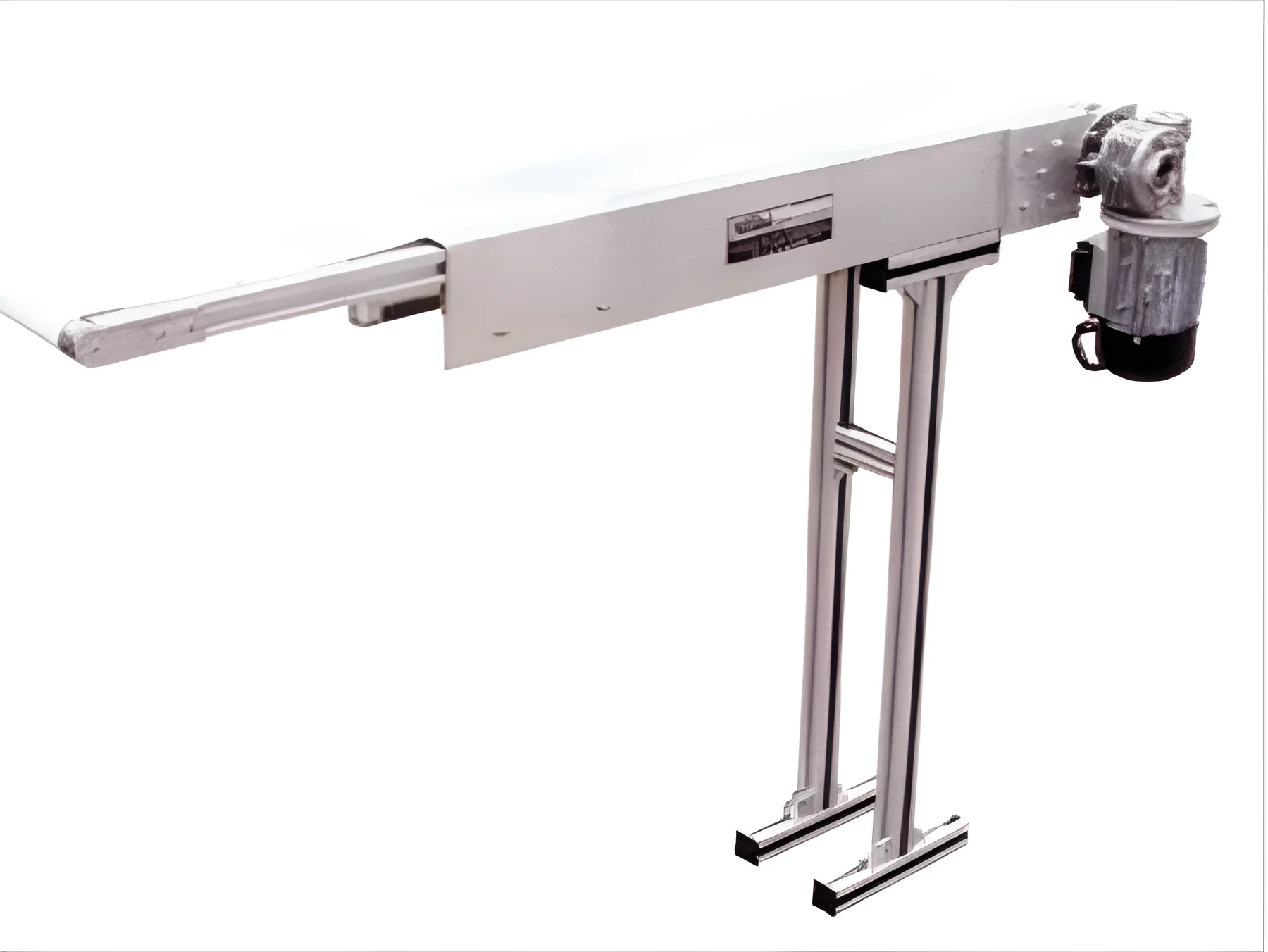
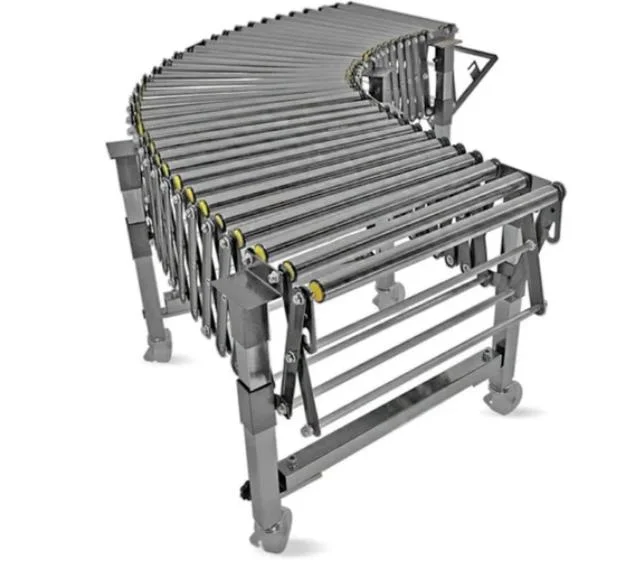
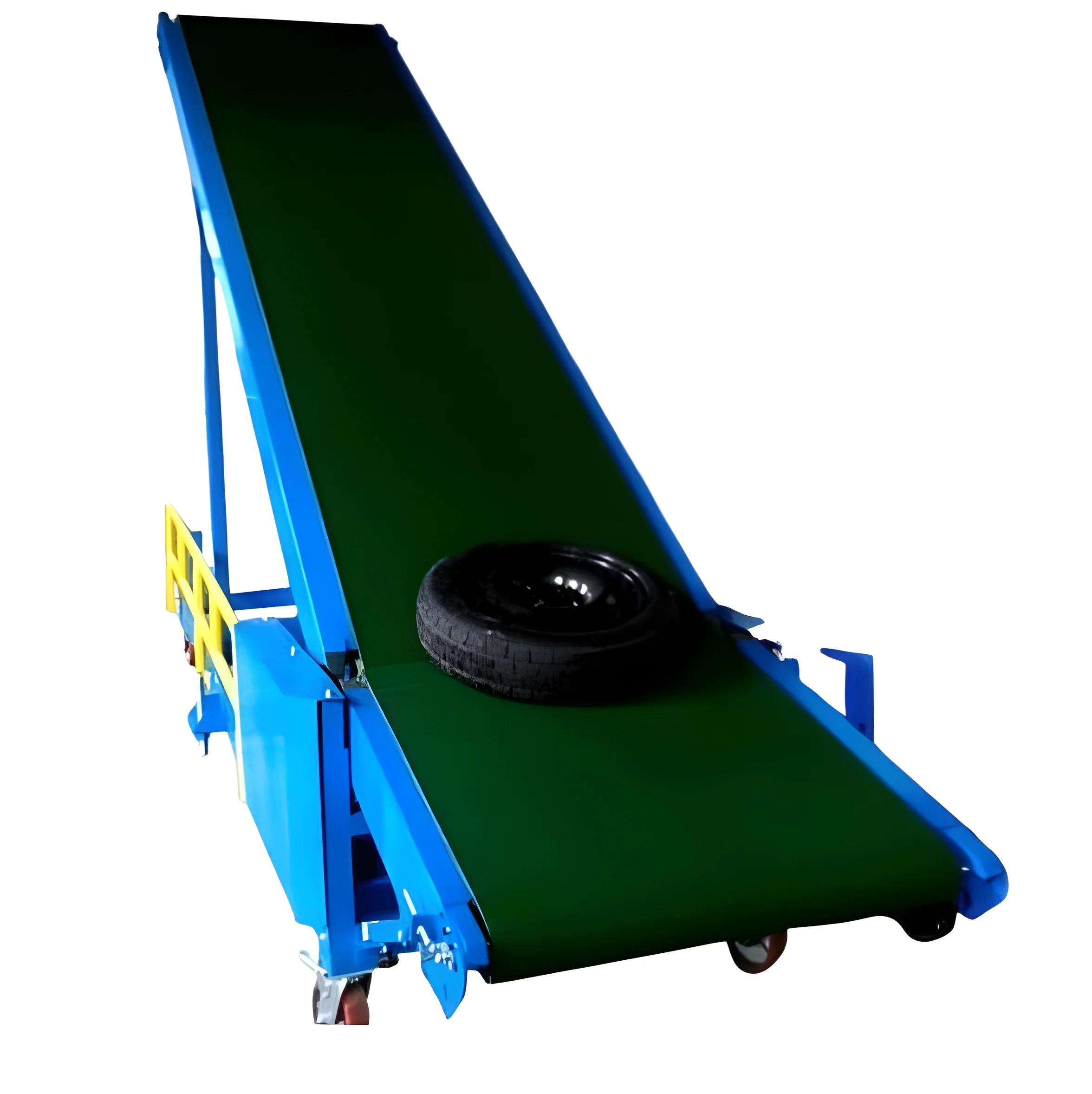
What are Telescopic Conveyors?
Telescopic conveyors are specialized material handling systems designed to efficiently move products and materials over varying distances and heights. These conveyors feature extendable sections that can be adjusted according to the specific loading and unloading requirements of a facility. This flexibility allows them to adapt to different operational setups, making them a vital tool in logistics and material handling environments.
These conveyors are primarily used in sectors such as warehousing, distribution centers, and shipping operations. They facilitate the movement of goods to and from vehicles, loading docks, and other conveyor systems. With the ability to extend and retract, telescopic conveyors improve productivity by reducing manual handling and streamlining the loading and unloading processes. Their relevance in the market is underscored by the increasing demand for automation and efficiency in material handling operations across various industries.
Key Features and Specifications
Telescopic conveyors come equipped with a range of features that enhance their functionality and efficiency. Understanding these specifications is crucial for businesses seeking to implement this technology in their operations.
Key specifications include:
1. Length Adjustment
- Can extend up to specific lengths based on model
- Typically ranges from 10 to 40 feet or more
2. Load Capacity
- Designed to handle various weights
- Common load capacities range from 100 to 1,000 pounds
3. Conveyor Width
- Available in multiple widths to accommodate different product sizes
- Standard widths range from 18 to 30 inches
4. Power Source
- Can operate on electric or hydraulic systems
- Electric models are more common for flexibility and ease of use
5. Mobility Features
- Equipped with wheels or casters for easy movement
- Some models offer a fixed installation option
6. Control Systems
- Features manual or automated controls for operation
- Advanced models include remote control capabilities
7. Safety Features
- Includes emergency stop buttons and safety guards
- Designed to comply with industry safety standards
8. Durability
- Constructed from robust materials for long-term use
- Weather-resistant options are available for outdoor use
In summary, telescopic conveyors are versatile systems that offer a range of customizable features tailored to meet the demands of various industries.
Common Applications and Use Cases
Telescopic conveyors serve a multitude of industries, enhancing material handling efficiency across operations.
1. Logistics and Warehousing: These conveyors are used to streamline the loading and unloading of goods from trucks, improving turnaround times and reducing labor costs.
2. Manufacturing: In manufacturing facilities, telescopic conveyors assist in moving components between assembly lines, optimizing workflow and productivity.
3. E-commerce: With the rise of online shopping, these conveyors help manage high volumes of packages efficiently, allowing for faster processing and shipping.
4. Food and Beverage: Telescopic conveyors are utilized in food processing plants to transport ingredients and finished products while adhering to sanitation standards.
5. Retail: In retail environments, they facilitate the movement of merchandise from storage to sales floors, enhancing inventory management.
6. Airport Operations: Used to load and unload luggage from aircraft, these conveyors ensure efficient handling of passenger baggage.
7. Construction: In construction sites, telescopic conveyors support the transportation of materials to various heights, aiding in project efficiency.
Product Variants and Subcategories
Telescopic conveyors come in various configurations to meet specific operational needs.
Electric Telescopic Conveyors
These conveyors are powered by electric motors, making them suitable for indoor use. They often feature user-friendly controls and are ideal for environments that require frequent adjustments.
Hydraulic Telescopic Conveyors
Hydraulic models offer powerful lifting capabilities, ideal for handling heavier loads. They are commonly used in industrial applications where robust material handling is necessary.
Articulating Telescopic Conveyors
These conveyors feature joints that allow for flexible movement, capable of reaching difficult angles. They are useful in environments where space is limited.
Customizable Telescopic Conveyors
Some manufacturers offer customizable options tailored to specific operational requirements, allowing businesses to adapt the conveyors to their unique workflows.
Benefits and Advantages
Telescopic conveyors provide numerous benefits that enhance operational efficiency in various settings.
1. Increased Efficiency: By automating the loading and unloading process, these conveyors significantly reduce manual labor, accelerating workflow.
2. Space Optimization: The extendable design allows for better use of space, enabling operations to adapt to different loading dock configurations.
3. Enhanced Safety: With built-in safety features, telescopic conveyors minimize the risk of injury associated with manual handling.
4. Versatility: These conveyors can handle a range of products, making them suitable for diverse applications across different industries.
5. Reduced Downtime: Quick adjustments and easy mobility ensure minimal downtime during loading and unloading operations.
6. Cost Savings: By improving efficiency and reducing labor costs, telescopic conveyors can lead to significant long-term savings for businesses.
Buying Guide for B2B Buyers
When sourcing telescopic conveyors, it is essential for B2B buyers to consider several factors to ensure they make informed purchasing decisions.
1. Quality Assessment: Evaluate the materials and construction quality of the conveyors. Look for reputable manufacturers that adhere to industry standards for durability and performance.
2. Supplier Verification: Vet potential suppliers by checking their credentials, customer reviews, and compliance with relevant industry certifications. This helps ensure a reliable partnership.
3. Pricing and MOQ: Understand the pricing structure and minimum order quantities (MOQ) offered by suppliers. This will help in budgeting and planning for inventory needs.
4. Delivery and Lead Times: Inquire about delivery times and logistics to ensure the conveyors can be received in a timely manner to match operational requirements.
5. Compliance Requirements: Ensure that the chosen conveyors meet any industry-specific regulations and standards, such as safety and quality certifications.
Compliance and Certifications
Compliance with industry standards and certifications is vital for telescopic conveyors to ensure safety, reliability, and performance.
Many telescopic conveyors adhere to ISO 9001 standards, which ensure that manufacturing processes meet quality management principles. This certification signifies a commitment to consistent quality and continuous improvement.
In addition, CE certification is often required for equipment sold in European markets. This certification indicates that the product meets EU safety, health, and environmental protection standards.
Safety and testing requirements are crucial for telescopic conveyors, as they must be designed to minimize risks during operation. Regular testing and maintenance are essential to ensure compliance and safety for operators.
Regional compliance considerations are also important, as regulations may vary by country or region. Buyers should be aware of local standards to ensure that their equipment is compliant.
Why Source Telescopic Conveyors from Pepagora?
Pepagora offers a trusted platform for sourcing telescopic conveyors, providing a range of advantages for B2B buyers.
Verified Supplier Network: Pepagora connects buyers with a network of verified suppliers, ensuring that only reputable manufacturers are featured. This reduces the risk associated with sourcing equipment.
Streamlined RFQ Process: The request for quotation (RFQ) process is designed to be user-friendly, allowing buyers to quickly gather multiple quotes for comparison. This simplifies the decision-making process.
Trade Assurance and Support: Pepagora provides trade assurance measures that protect buyers from potential issues with suppliers. Buyer support is available to address any concerns throughout the sourcing process.
Regional Coverage: With a strong presence in India, the GCC, and Southeast Asia, Pepagora offers extensive regional coverage, making it easier for businesses to find local suppliers that meet their needs.

 IN
IN