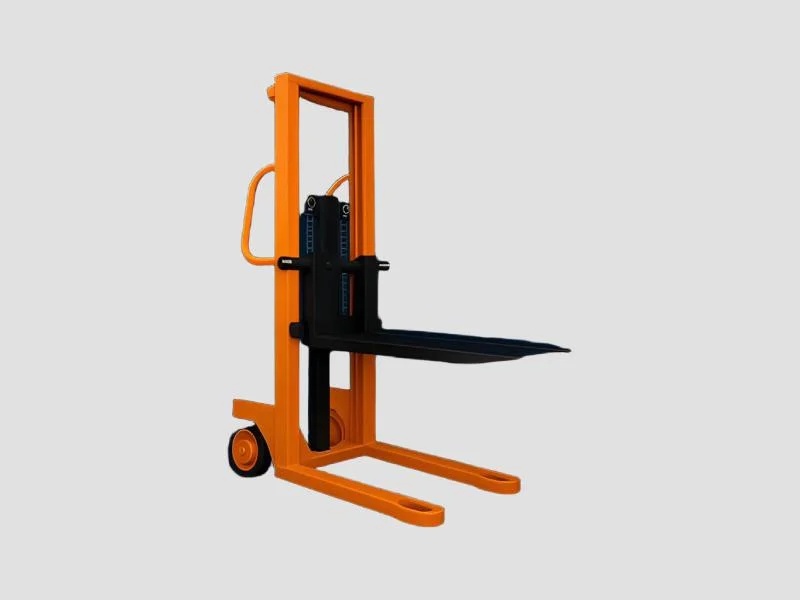
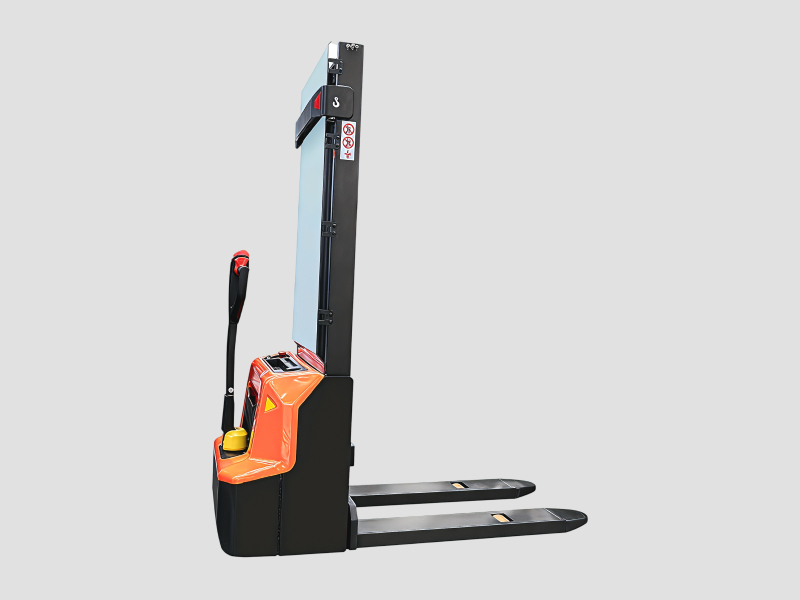
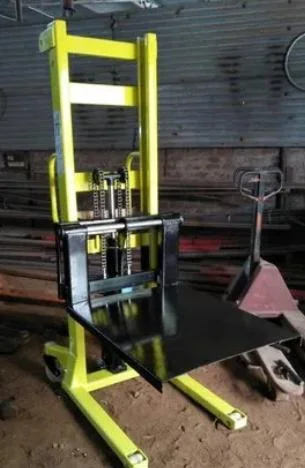
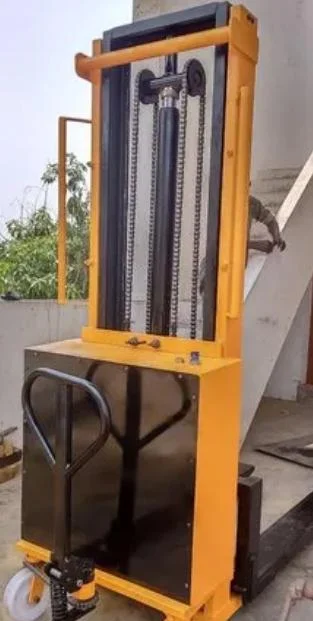
𝗪𝗵𝗮𝘁 𝗮𝗿𝗲 𝗦𝘁𝗮𝗰𝗸𝗲𝗿𝘀 & 𝗗𝗲-𝘀𝘁𝗮𝗰𝗸𝗲𝗿𝘀?
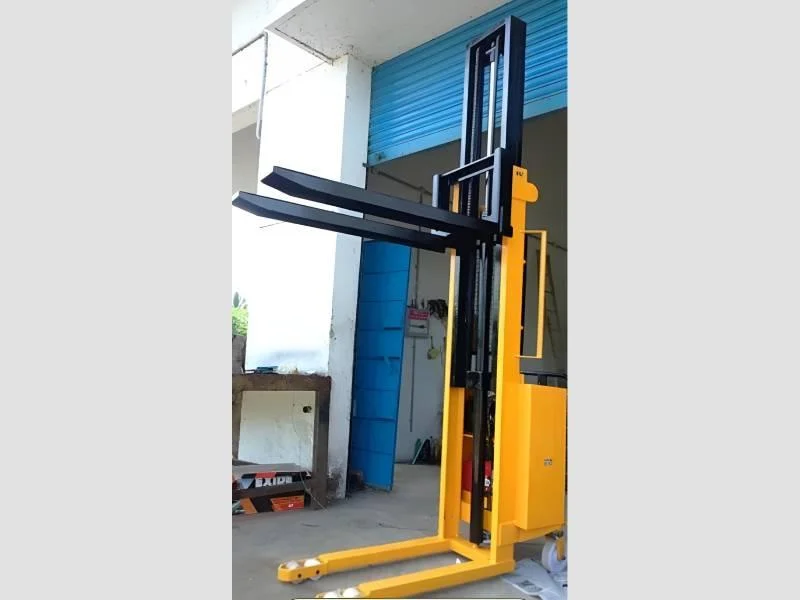
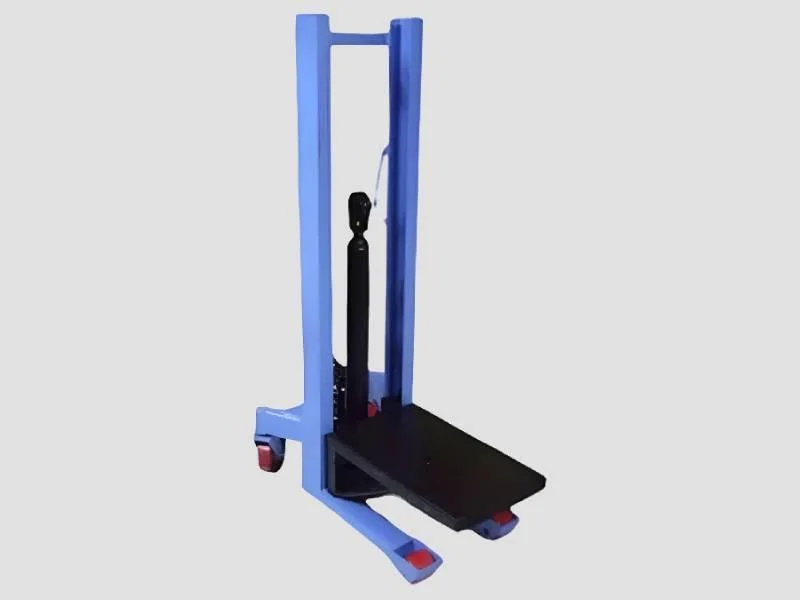
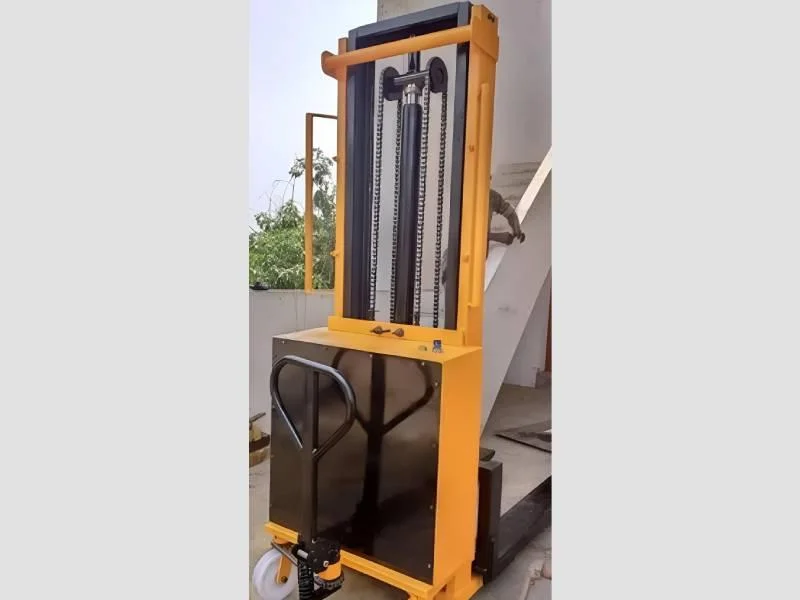
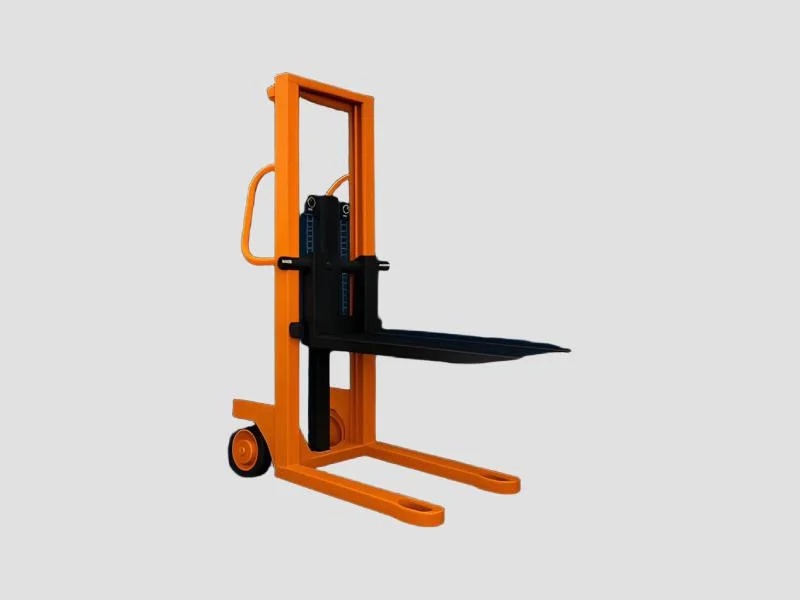
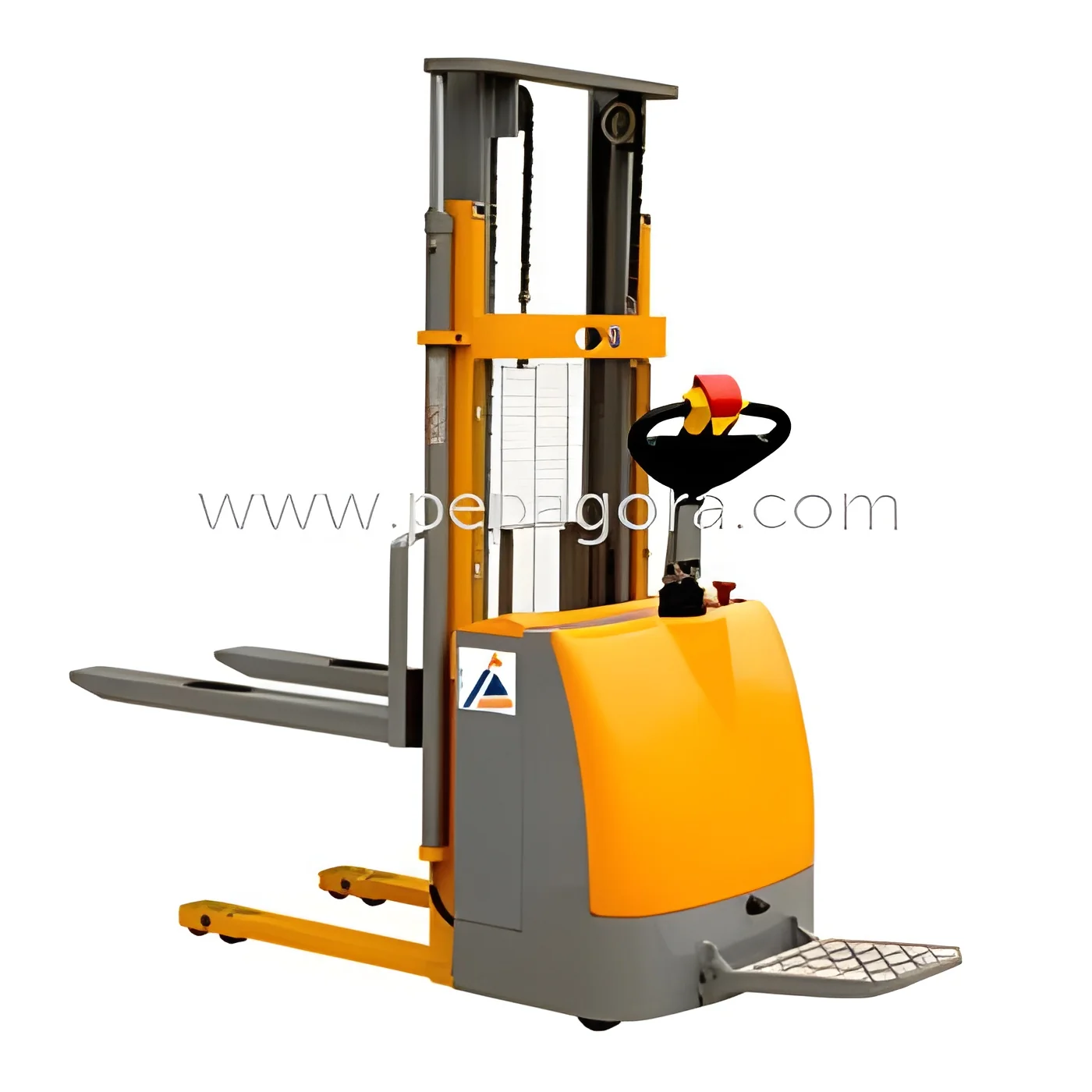
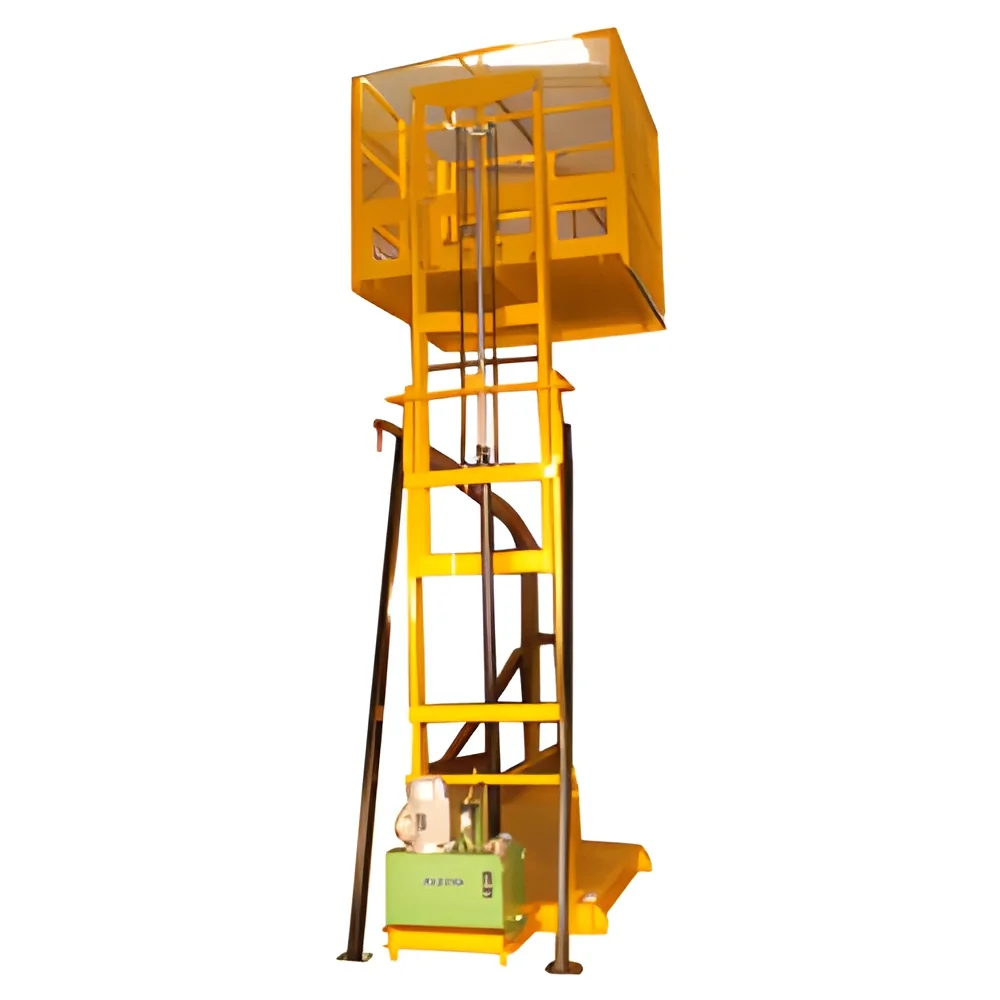
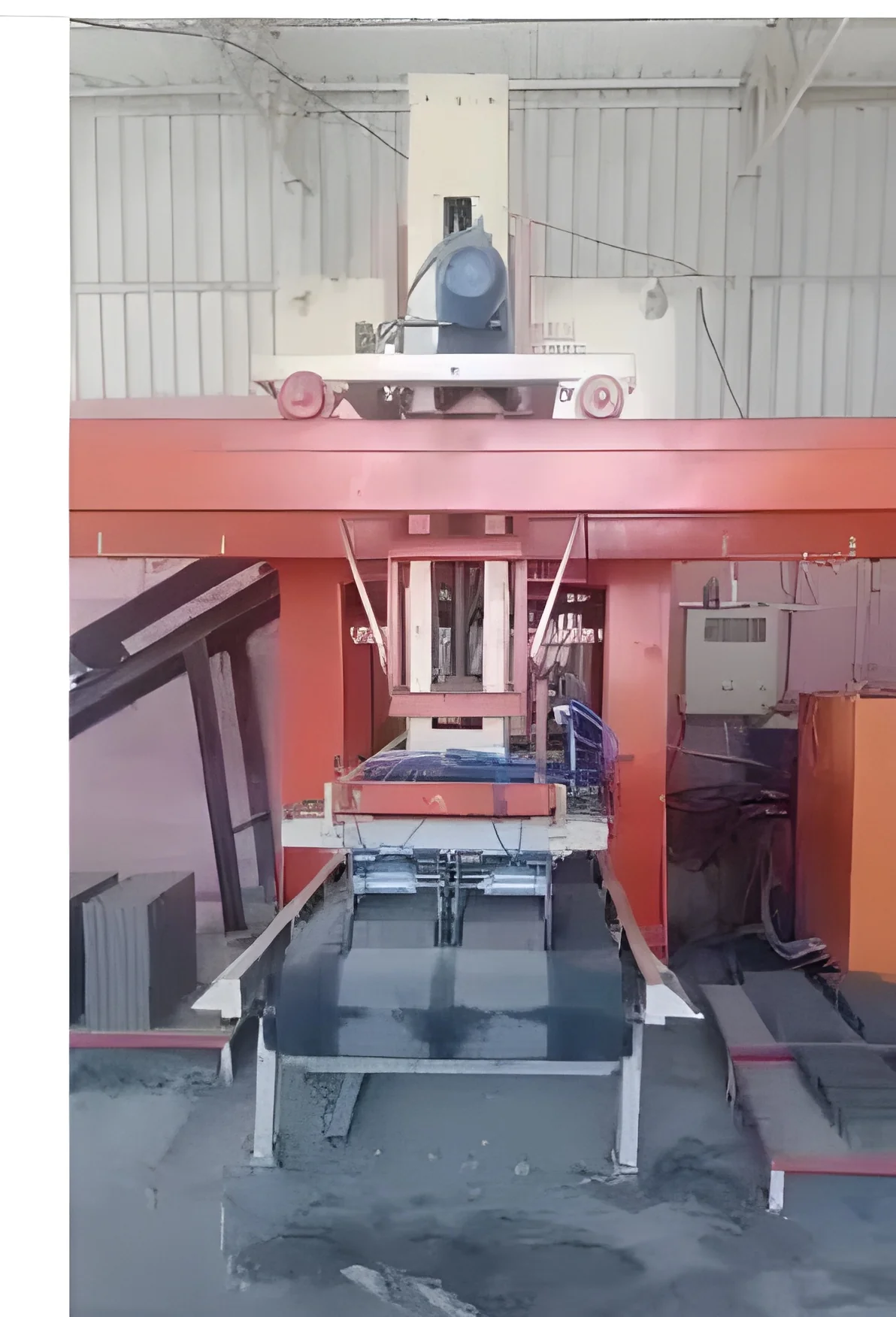
Stackers and de-stackers are essential material handling equipment used primarily in warehouses and manufacturing facilities. Stackers are designed to lift and stack goods, while de-stackers are used to unload and separate items from a stack. These machines enhance efficiency by automating the process of moving and organizing materials, which would otherwise require significant manual labor. They are available in various designs and configurations to cater to different types of loads and operational needs.
The primary applications of stackers and de-stackers include handling pallets, containers, and other bulk items. They are commonly used in industries such as logistics, food and beverage, pharmaceuticals, and automotive, where efficient material handling is critical. Businesses utilize these machines to streamline operations, reduce labor costs, and improve safety by minimizing the risk of manual handling injuries. With the growing demand for automation in warehouses, stackers and de-stackers have become increasingly relevant in the current market.
𝗞𝗲𝘆 𝗙𝗲𝗮𝘁𝘂𝗿𝗲𝘀 𝗮𝗻𝗱 𝗦𝗽𝗲𝗰𝗶𝗳𝗶𝗰𝗮𝘁𝗶𝗼𝗻𝘀
Stackers and de-stackers come equipped with various features that enhance their functionality and usability. Understanding these specifications is crucial for businesses looking to invest in this equipment.
Key specifications include:
1. Load Capacity
- This refers to the maximum weight the stacker or de-stacker can handle.
- Typical ranges are between 500 kg to 2000 kg, depending on the model.
2. Lift Height
- The maximum height to which the equipment can raise materials.
- Common lift heights range from 1.5 meters to 6 meters.
3. Power Source
- Stackers can be manually operated, electric, or powered by diesel.
- Electric stackers are more common in indoor settings.
4. Mast Type
- The design of the mast affects stability and lift height.
- Options include single-stage, double-stage, and triple-stage masts.
5. Footprint
- The overall dimensions of the stacker or de-stacker, which impact maneuverability.
- Compact models are available for tight spaces.
6. Control Type
- Equipment can have manual or electronic controls.
- Electronic controls offer more precision and ease of use.
7. Safety Features
- Includes emergency stop buttons, safety guards, and stability systems.
- Ensures safe operation in busy environments.
8. Maintenance Requirements
- Information on how often equipment needs servicing.
- Regular maintenance is essential for longevity and performance.
In summary, understanding the key features and specifications of stackers and de-stackers can help businesses select the right equipment for their operational needs.
𝗖𝗼𝗺𝗺𝗼𝗻 𝗔𝗽𝗽𝗹𝗶𝗰𝗮𝘁𝗶𝗼𝗻𝘀 𝗮𝗻𝗱 𝗨𝘀𝗲 𝗖𝗮𝘀𝗲𝘀
Stackers and de-stackers serve a wide range of industries, providing critical support in material handling operations.
1. Warehousing: These machines are extensively used to organize and store products efficiently, allowing for better space utilization and faster retrieval times.
2. Food and Beverage: Stackers help in handling bulk materials such as pallets of cans or boxes, promoting hygiene and efficiency in storage areas.
3. Pharmaceuticals: In this sector, stackers and de-stackers ensure that sensitive products are stored safely and handled with care to avoid contamination.
4. Automotive: These machines are utilized for transporting heavy parts and components, streamlining assembly lines and reducing manual labor.
5. Retail: Stackers assist in managing inventory in stockrooms, enabling quick restocking of shelves and maintaining order.
6. Construction: Used for moving and organizing building materials, stackers enhance safety and efficiency on job sites.
7. E-commerce: In fast-paced fulfillment centers, these machines facilitate quick sorting and shipping of goods, improving overall productivity.
𝗣𝗿𝗼𝗱𝘂𝗰𝘁 𝗩𝗮𝗿𝗶𝗮𝗻𝘁𝘀 𝗮𝗻𝗱 𝗦𝘂𝗯𝗰𝗮𝘁𝗲𝗴𝗼𝗿𝗶𝗲𝘀
Stackers and de-stackers are available in various configurations to meet different needs. The diversity in product offerings allows businesses to choose equipment that best fits their operational requirements.
Manual Stackers: These are operated by hand and are ideal for low-volume operations. They are cost-effective and easy to use, making them suitable for smaller businesses.
Electric Stackers: These are powered by batteries and offer greater lift capacities and heights. They are designed for high-volume operations, reducing manual labor and increasing efficiency.
Pallet Stackers: Specifically designed for handling pallets, these stackers enable quick and safe stacking and unstacking of palletized goods.
Reach Stackers: These are advanced machines with extended reach capabilities, allowing users to access high storage areas while maintaining stability.
𝗕𝗲𝗻𝗲𝗳𝗶𝘁𝘀 𝗮𝗻𝗱 𝗔𝗱𝘃𝗮𝗻𝘁𝗮𝗴𝗲𝘀
Investing in stackers and de-stackers offers numerous advantages for businesses seeking to enhance their operational efficiency.
1. Increased Efficiency: Automating material handling significantly speeds up operations, allowing businesses to process more goods in less time.
2. Reduced Labor Costs: By minimizing the need for manual handling, these machines help lower labor costs and reduce the risk of workplace injuries.
3. Enhanced Safety: Stackers and de-stackers are designed with safety features that protect operators and reduce the likelihood of accidents during material handling.
4. Improved Space Utilization: These machines allow for vertical stacking of goods, maximizing storage space and optimizing warehouse layouts.
5. Versatility: Stackers and de-stackers can be used across various industries, making them a versatile addition to any material handling operation.
6. Reliability: Modern stackers and de-stackers are built for durability and performance, offering long-term reliability and low maintenance needs.
𝗕𝘂𝘆𝗶𝗻𝗴 𝗚𝘂𝗶𝗱𝗲 𝗳𝗼𝗿 𝗕𝟮𝗕 𝗕𝘂𝘆𝗲𝗿𝘀
When sourcing stackers and de-stackers, it is essential for B2B buyers to consider several factors to ensure they make informed purchasing decisions.
1. Quality Assessment: Buyers should evaluate the build quality and materials used in the construction of stackers and de-stackers. Look for equipment that meets industry standards for durability and performance.
2. Supplier Verification: It is crucial to vet suppliers to ensure they have a proven track record of delivering reliable products. Check for reviews and ratings from previous customers.
3. Pricing and MOQ: Understand the pricing structure and minimum order quantities required by suppliers. This will help in budgeting and planning for equipment purchases.
4. Delivery and Lead Times: Confirm the estimated delivery times to avoid disruptions in operations. Reliable suppliers should provide clear timelines for order fulfillment.
5. Compliance Requirements: Ensure that the stackers and de-stackers meet relevant compliance and safety standards. This includes checking for certifications such as CE to guarantee quality and safety.
𝗖𝗼𝗺𝗽𝗹𝗶𝗮𝗻𝗰𝗲 𝗮𝗻𝗱 𝗖𝗲𝗿𝘁𝗶𝗳𝗶𝗰𝗮𝘁𝗶𝗼𝗻𝘀
Compliance with industry standards and certifications is vital for stackers and de-stackers to ensure safety and reliability. Key quality standards include ISO 9001, which focuses on quality management systems, ensuring that suppliers maintain high manufacturing standards.
Additionally, HACCP (Hazard Analysis Critical Control Point) is relevant in industries like food and beverage, where safety and hygiene are critical. GDP (Good Distribution Practice) standards ensure that products are stored and transported safely.
CE certification indicates conformity with health, safety, and environmental protection standards for products sold within the European Economic Area. Compliance with safety and testing requirements is crucial to minimize risks associated with equipment operation.
Regional compliance considerations may vary, so it is essential to understand local regulations that may impact the use of stackers and de-stackers in different markets.
𝗪𝗵𝘆 𝗦𝗼𝘂𝗿𝗰𝗲 𝗦𝘁𝗮𝗰𝗸𝗲𝗿𝘀 & 𝗗𝗲-𝘀𝘁𝗮𝗰𝗸𝗲𝗿𝘀 𝗳𝗿𝗼𝗺 𝗣𝗲𝗽𝗮𝗴𝗼𝗿𝗮?
Pepagora offers a trusted platform for sourcing stackers and de-stackers, providing numerous advantages for businesses looking to enhance their material handling operations.
Verified Supplier Network: Pepagora has a robust network of verified suppliers, ensuring that buyers have access to reliable and high-quality equipment. Each supplier undergoes a thorough vetting process, giving buyers peace of mind in their purchasing decisions.
Streamlined RFQ Process: The platform features an efficient Request for Quotation (RFQ) system, allowing buyers to easily compare quotes from multiple suppliers. This simplifies the procurement process and helps businesses secure the best deals available.
Trade Assurance and Support: Pepagora provides trade assurance, protecting buyers against potential disputes. The platform also offers customer support to assist with any inquiries or issues that may arise during the purchasing process.
Regional Coverage: With a focus on markets in India, the GCC, and Southeast Asia, Pepagora ensures that buyers can find stackers and de-stackers that meet their specific regional needs and compliance requirements. This wide geographical reach enhances accessibility for businesses in various industries.

 IN
IN