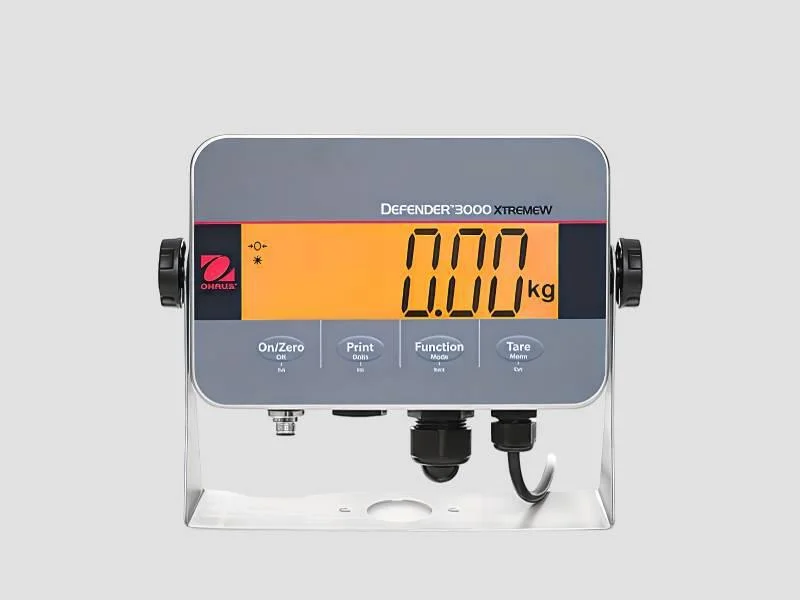
𝗪𝗵𝗮𝘁 𝗮𝗿𝗲 𝗟𝗼𝗮𝗱 𝗠𝗼𝗻𝗶𝘁𝗼𝗿𝗶𝗻𝗴 𝗦𝘆𝘀𝘁𝗲𝗺𝘀?
Load Monitoring Systems are sophisticated tools designed to measure, monitor, and analyze the load or weight of various objects in industrial settings. These systems utilize advanced sensors and technologies to provide real-time data on the weight being handled, allowing for greater accuracy in operations. They are integral in ensuring that machinery operates within safe limits, preventing overload situations that could lead to equipment failure or safety hazards.
These systems find primary use in industries such as manufacturing, logistics, and construction, where accurate load measurement is essential. Businesses deploy Load Monitoring Systems to enhance operational efficiency, ensure compliance with safety regulations, and reduce the risk of accidents. By providing precise data on load weights, these systems aid in optimizing resource utilization and inventory management, which is crucial for maintaining competitiveness in today's market.
The relevance of Load Monitoring Systems spans across various sectors, as they support the increasing demand for safety and efficiency in industrial processes. As businesses continue to focus on automation and smart technologies, the market for Load Monitoring Systems is expected to grow, driven by the need for precision and reliability in load management.
𝗞𝗲𝘆 𝗙𝗲𝗮𝘁𝘂𝗿𝗲𝘀 𝗮𝗻𝗱 𝗦𝗽𝗲𝗰𝗶𝗳𝗶𝗰𝗮𝘁𝗶𝗼𝗻𝘀
Load Monitoring Systems come packed with features that cater to the diverse needs of industrial applications. These features enhance user experience and ensure accurate load monitoring across various environments.
Key specifications include:
1. Monitoring Features
- Real-time load measurement and alert systems
- Data logging and reporting capabilities
2. Load Capacity
- Varied load ranges to suit different applications
- Options typically ranging from a few kilograms to several tons
3. Sensor Type
- Utilizes strain gauge, load cell, or hydraulic sensors
- Ensures accurate and consistent weight measurements
4. Connectivity Options
- Wireless and wired communication options available
- Integration with existing industrial control systems
5. Power Supply
- Battery-operated or mains-powered models
- Flexibility in installation based on site requirements
6. Environmental Ratings
- Designed for use in various environments
- Protection ratings against dust and moisture
7. Calibration
- Easy calibration procedures for accuracy
- Options for factory calibration or user-friendly adjustments
In summary, the diverse features and specifications of Load Monitoring Systems make them adaptable to a wide range of industrial applications, enhancing operational safety and efficiency.
𝗖𝗼𝗺𝗺𝗼𝗻 𝗔𝗽𝗽𝗹𝗶𝗰𝗮𝘁𝗶𝗼𝗻𝘀 𝗮𝗻𝗱 𝗨𝘀𝗲 𝗖𝗮𝘀𝗲𝘀
Load Monitoring Systems are versatile tools applicable across multiple industries, each benefiting from precise load measurement.
1. Manufacturing: These systems are used to monitor the weight of materials during production processes, ensuring machinery operates within safe limits and optimizing material usage.
2. Logistics: In warehousing and transportation, Load Monitoring Systems help track the weight of shipments, ensuring compliance with weight regulations and improving load distribution.
3. Construction: They are critical in construction sites for monitoring the weight of heavy equipment and materials, preventing overload situations that could lead to accidents.
4. Agriculture: Load Monitoring Systems assist in measuring the weight of harvested crops or livestock, aiding in inventory management and sales processes.
5. Mining: In mining operations, these systems are essential for monitoring the weight of extracted materials, ensuring efficient freight management.
6. Food and Beverage: Load Monitoring Systems are used in the food industry to ensure that products meet weight specifications for packaging and distribution.
7. Aviation: In the aviation sector, these systems monitor the weight of cargo and luggage, ensuring compliance with safety regulations.
𝗣𝗿𝗼𝗱𝘂𝗰𝘁 𝗩𝗮𝗿𝗶𝗮𝗻𝘁𝘀 𝗮𝗻𝗱 𝗦𝘂𝗯𝗰𝗮𝘁𝗲𝗴𝗼𝗿𝗶𝗲𝘀
Load Monitoring Systems come in various forms to meet specific industry needs. Each variant offers unique features tailored for different applications.
Load Cell Systems
These systems utilize load cells for accurate weight measurement. They are ideal for installation in scales and weight bridges, offering high precision and durability for heavy loads.
Wireless Load Monitoring Systems
Wireless variants enable remote monitoring and data transmission. They are perfect for applications where mobility and flexibility are crucial, eliminating the need for extensive wiring.
Portable Load Monitoring Systems
Designed for ease of transport, these systems provide quick and reliable load measurement on-site. They are particularly useful for temporary installations or fieldwork.
𝗕𝗲𝗻𝗲𝗳𝗶𝘁𝘀 𝗮𝗻𝗱 𝗔𝗱𝘃𝗮𝗻𝘁𝗮𝗴𝗲𝘀
Load Monitoring Systems provide numerous benefits that enhance operational performance and safety.
Key benefits include:
1. Improved Safety: By monitoring load weights, these systems help prevent overload situations, reducing the risk of accidents and equipment damage.
2. Enhanced Efficiency: Real-time data allows for better resource management and optimization of processes, leading to increased productivity.
3. Cost Savings: Accurate load management minimizes material waste and reduces the likelihood of costly accidents, contributing to overall cost efficiency.
4. Compliance Assurance: Load Monitoring Systems help businesses adhere to industry regulations regarding weight limits and safety standards.
5. Data-Driven Decisions: The analytical capabilities of these systems provide valuable insights, enabling informed decision-making and strategic planning.
6. Customization Options: Many systems can be tailored to specific operational needs, ensuring compatibility with existing processes and equipment.
𝗕𝘂𝘆𝗶𝗻𝗴 𝗚𝘂𝗶𝗱𝗲 𝗳𝗼𝗿 𝗕𝟮𝗕 𝗕𝘂𝘆𝗲𝗿𝘀
When sourcing Load Monitoring Systems, several factors should be considered to ensure the right fit for your business needs.
1. Quality Assessment: Look for systems that meet industry standards and have a reputation for reliability. Check for certifications and customer reviews to gauge quality.
2. Supplier Verification: Vet suppliers by checking their credentials, customer feedback, and past performance. Ensure they have a proven track record in providing Load Monitoring Systems.
3. Pricing and MOQ: Understand the pricing structure and minimum order quantities. Compare quotes from multiple suppliers to ensure competitive pricing while considering quality.
4. Delivery and Lead Times: Discuss logistics and delivery timelines with suppliers. Ensure they can meet your project deadlines and have a plan for timely delivery.
5. Compliance Requirements: Verify that the systems meet relevant compliance and regulatory requirements for your industry to avoid potential legal issues.
𝗖𝗼𝗺𝗽𝗹𝗶𝗮𝗻𝗰𝗲 𝗮𝗻𝗱 𝗖𝗲𝗿𝘁𝗶𝗳𝗶𝗰𝗮𝘁𝗶𝗼𝗻𝘀
Compliance and certification are crucial aspects of Load Monitoring Systems that ensure safety and quality standards are met.
Many Load Monitoring Systems comply with relevant quality standards such as ISO 9001, which outlines requirements for a quality management system. This ensures that products consistently meet customer and regulatory requirements.
Additionally, certifications such as CE mark indicate conformity with health, safety, and environmental protection standards for products sold within the European Economic Area. This certification provides assurance that the systems have been thoroughly tested for safety.
Load Monitoring Systems may also undergo specific safety and testing requirements to ensure they function correctly under various conditions. This includes assessments for durability and performance under load.
Regional compliance considerations should also be taken into account, as different regions may have varying regulations affecting the design and operation of Load Monitoring Systems.
𝗪𝗵𝘆 𝗦𝗼𝘂𝗿𝗰𝗲 𝗟𝗼𝗮𝗱 𝗠𝗼𝗻𝗶𝘁𝗼𝗿𝗶𝗻𝗴 𝗦𝘆𝘀𝘁𝗲𝗺𝘀 𝗳𝗿𝗼𝗺 𝗣𝗲𝗽𝗮𝗴𝗼𝗿𝗮?
Pepagora offers a reliable platform for sourcing Load Monitoring Systems, providing several key advantages for B2B buyers.
Verified Supplier Network: Pepagora features a network of verified suppliers who have undergone rigorous vetting processes. This ensures that buyers can trust the quality and reliability of the products sourced through the platform.
Streamlined RFQ Process: The Request for Quotation (RFQ) process on Pepagora is designed for efficiency. Buyers can easily communicate their needs and receive competitive quotations, simplifying the sourcing process.
Trade Assurance and Support: Pepagora offers trade assurance to protect buyers, ensuring that they receive the products as promised. Customer support is also available to assist with any inquiries or issues that may arise.
Regional Coverage: With a strong presence in India, the GCC, and Southeast Asia, Pepagora provides extensive regional coverage, making it easier for businesses to find the right Load Monitoring Systems tailored to their specific market needs.

 IN
IN