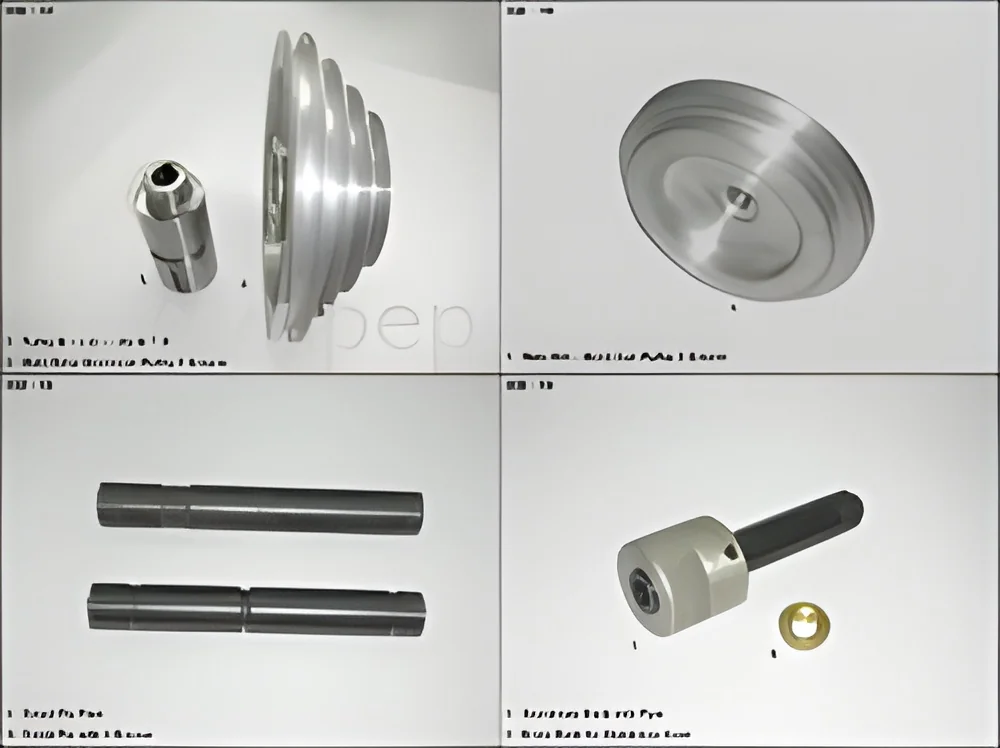
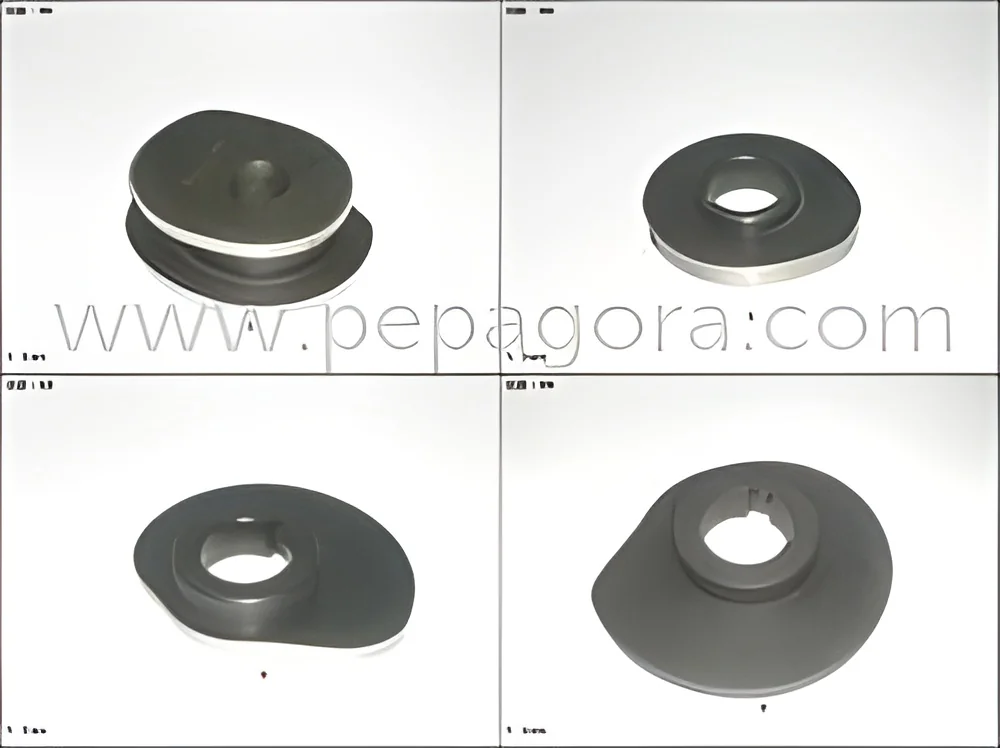
What are Other Material Handling Systems Parts?
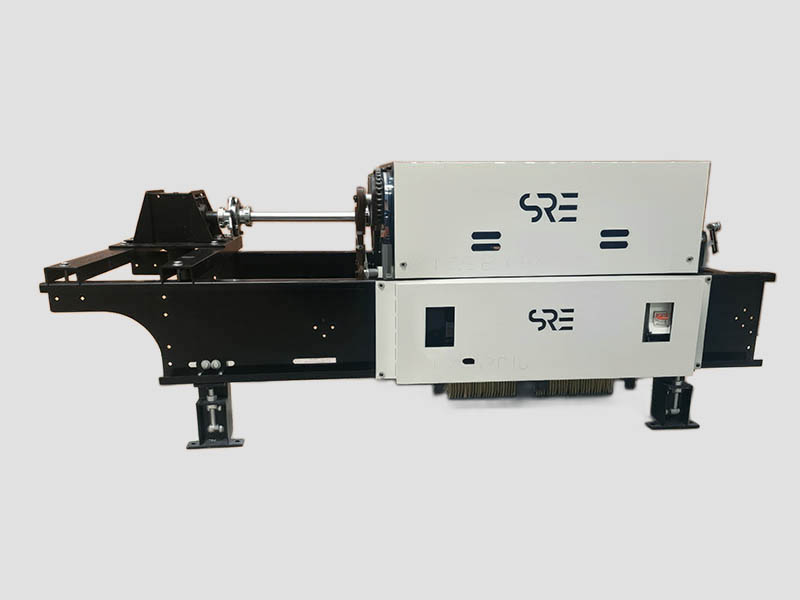
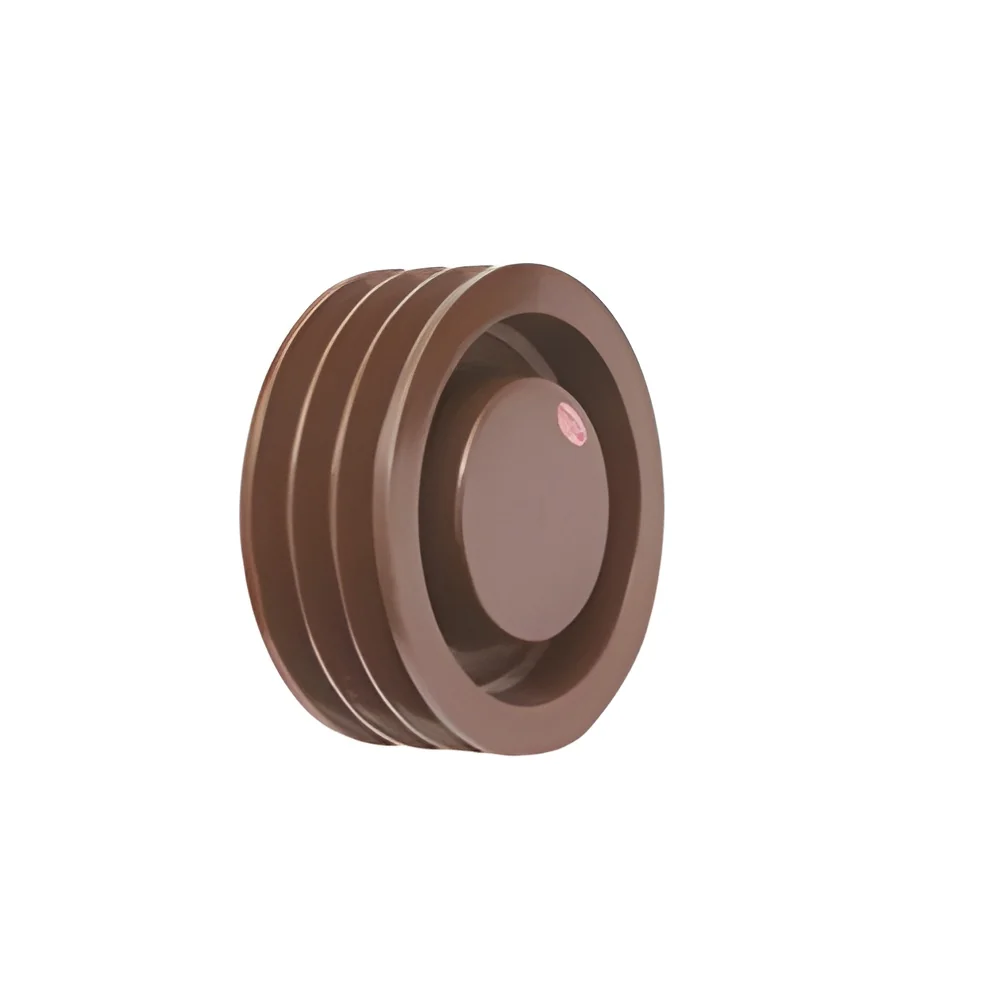
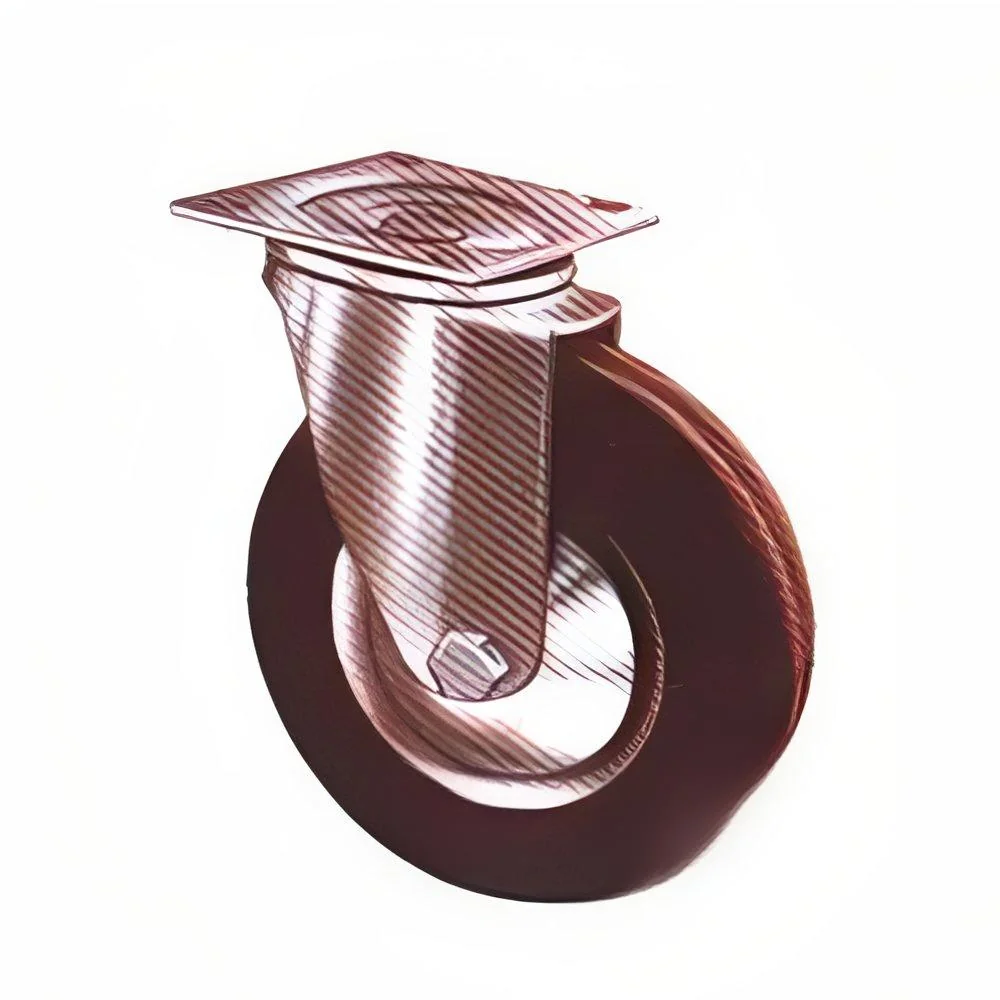
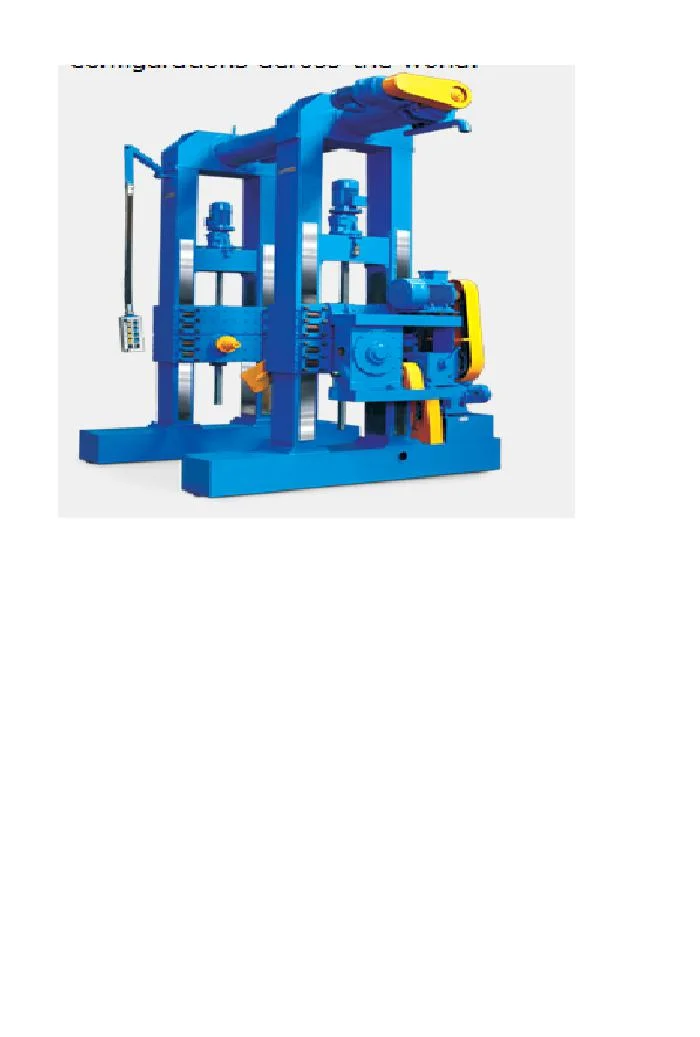
Other Material Handling Systems Parts encompass a diverse range of components designed to facilitate the efficient movement, storage, and control of materials within industrial environments. These parts are integral to systems that manage the flow of goods, ensuring that materials are transported safely and efficiently between various points in a facility. They include items such as conveyors, hoists, pallets, and other specialized equipment that support logistical operations.
These components are widely used across several industries, including manufacturing, warehousing, and distribution. Businesses rely on these parts to streamline operations, improve productivity, and minimize downtime. They play a critical role in automating processes, reducing manual labor, and enhancing overall operational efficiency. The market for these parts continues to grow as industries seek innovative solutions to meet increasing demand and improve supply chain management.
With the rise of e-commerce and global trade, the relevance of Other Material Handling Systems Parts has become even more pronounced. Companies are investing in advanced systems and components to optimize their material handling capabilities. This has led to a competitive market where high-quality, reliable parts are in demand to support complex logistics and supply chain operations.
Key Features and Specifications
Other Material Handling Systems Parts are characterized by several key features that enhance their functionality and reliability. These specifications are crucial for ensuring compatibility and performance in various industrial applications.
Key specifications include:
1. Material Composition
- Typically made from durable materials such as steel, aluminum, or high-strength plastics.
- Designed to withstand heavy loads and resist wear and tear.
2. Load Capacity
- Varies significantly depending on the specific part and application.
- Common ranges may include capacities from a few hundred pounds to several tons.
3. Dimensions
- Standard sizes available to fit most industry applications.
- Custom sizing options may be available to meet specific requirements.
4. Operating Temperature Range
- Specifications often include maximum and minimum temperature tolerances.
- Important for applications in extreme environments.
5. Compliance Standards
- Many parts adhere to industry standards such as CE certifications.
- Ensures that products meet safety and quality regulations.
6. Warranty Coverage
- Typically includes varying warranty periods based on manufacturer policies.
- Coverage can include defects in materials and workmanship.
7. Maintenance Requirements
- Low maintenance designs are preferred for continuous operation.
- Some parts may require regular inspections or servicing.
8. Customization Options
- Many suppliers offer customization to meet specific operational needs.
- Options may include modifications in size, material, or design.
In summary, understanding the features and specifications of Other Material Handling Systems Parts is essential for businesses to select the right components for their needs, ensuring operational efficiency and compliance with industry standards.
Common Applications and Use Cases
Other Material Handling Systems Parts find applications across a range of industries, adapting to various operational needs.
1. Manufacturing: In manufacturing settings, these parts are crucial for assembly lines, facilitating the transport of raw materials and finished goods, thereby enhancing production efficiency.
2. Warehousing: Warehouses utilize these systems to optimize storage and retrieval processes, improving inventory management and reducing order fulfillment times.
3. Retail: In retail environments, material handling components assist in managing stock levels, aiding in the movement of goods from storage to sales floors.
4. Food Processing: These parts are used in food handling to ensure sanitary and efficient movement of products, adhering to strict regulatory standards.
5. Logistics: In logistics operations, material handling systems streamline the movement of goods through distribution centers, significantly improving supply chain efficiency.
6. Pharmaceuticals: In the pharmaceutical industry, these parts help in the precise handling of sensitive products, ensuring compliance with safety regulations.
7. Automotive: The automotive industry relies on these systems for the efficient transport of parts during assembly processes, ensuring timely production.
Product Variants and Subcategories
The diversity of Other Material Handling Systems Parts allows businesses to choose from various options tailored to their specific needs.
Conveyors
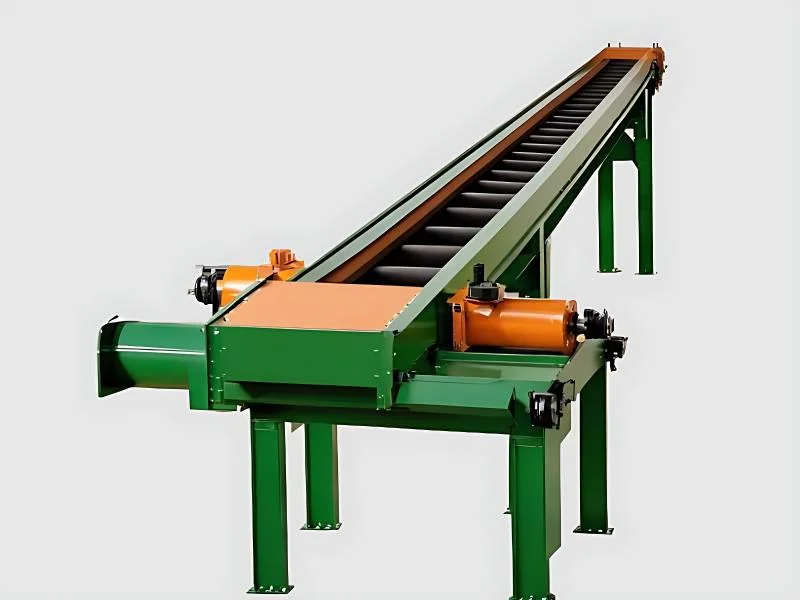
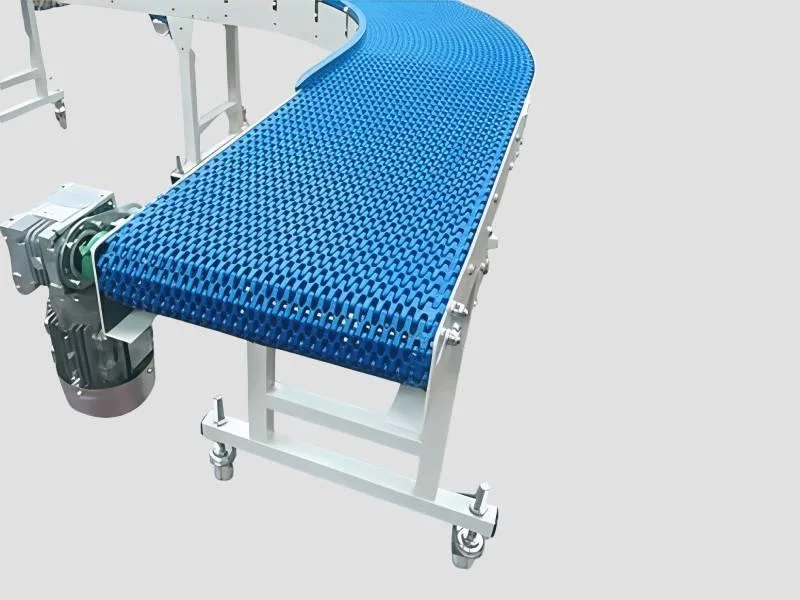
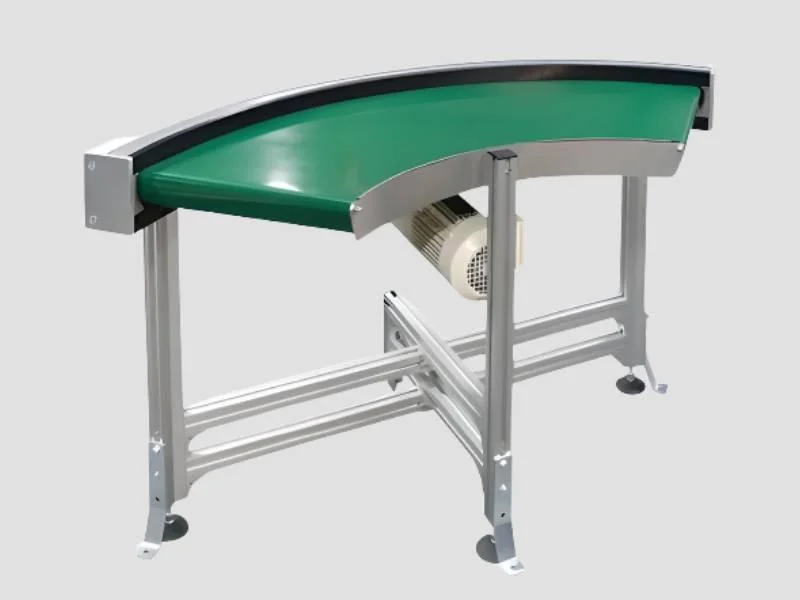
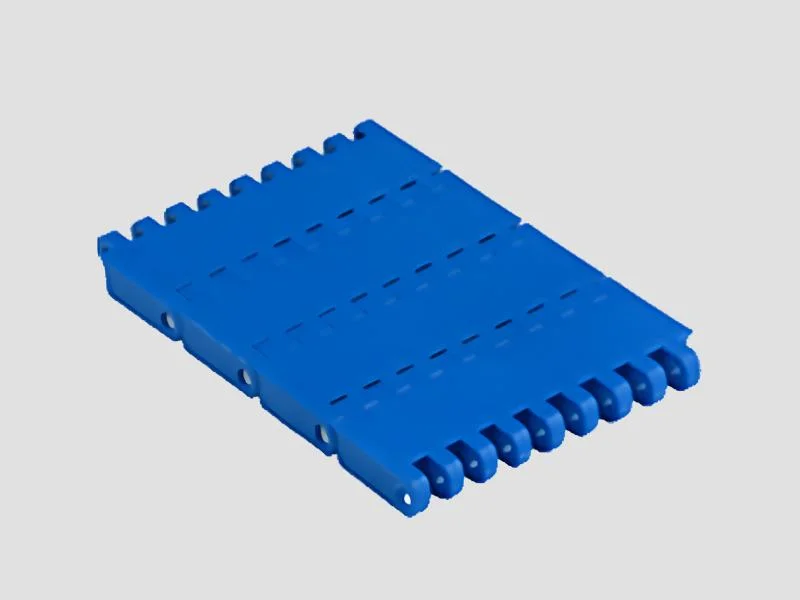
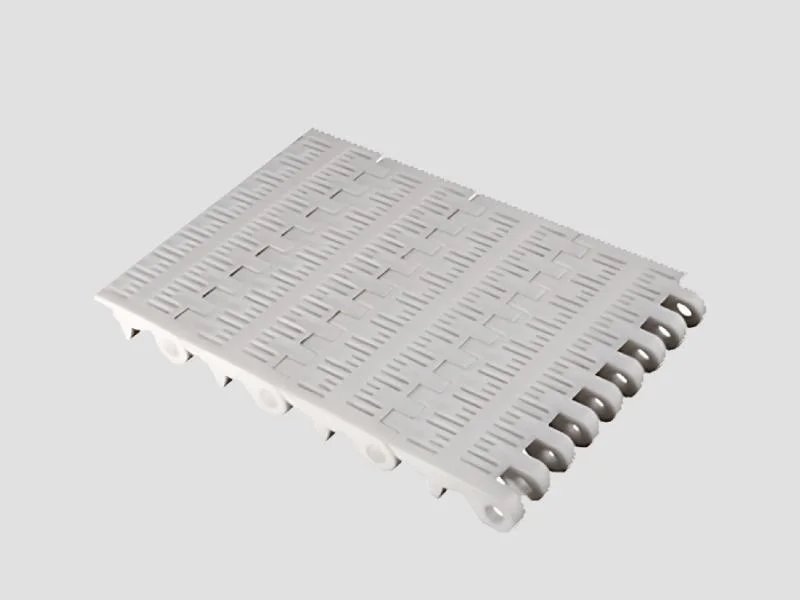
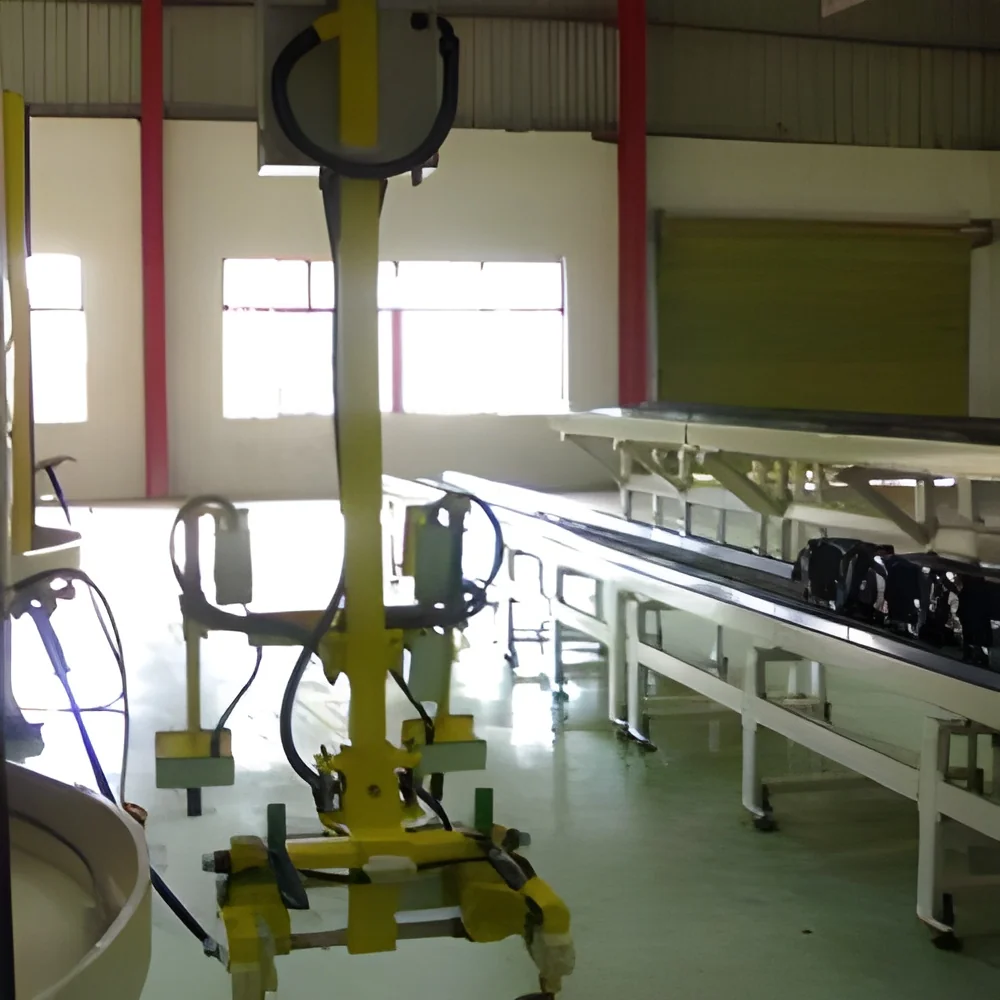
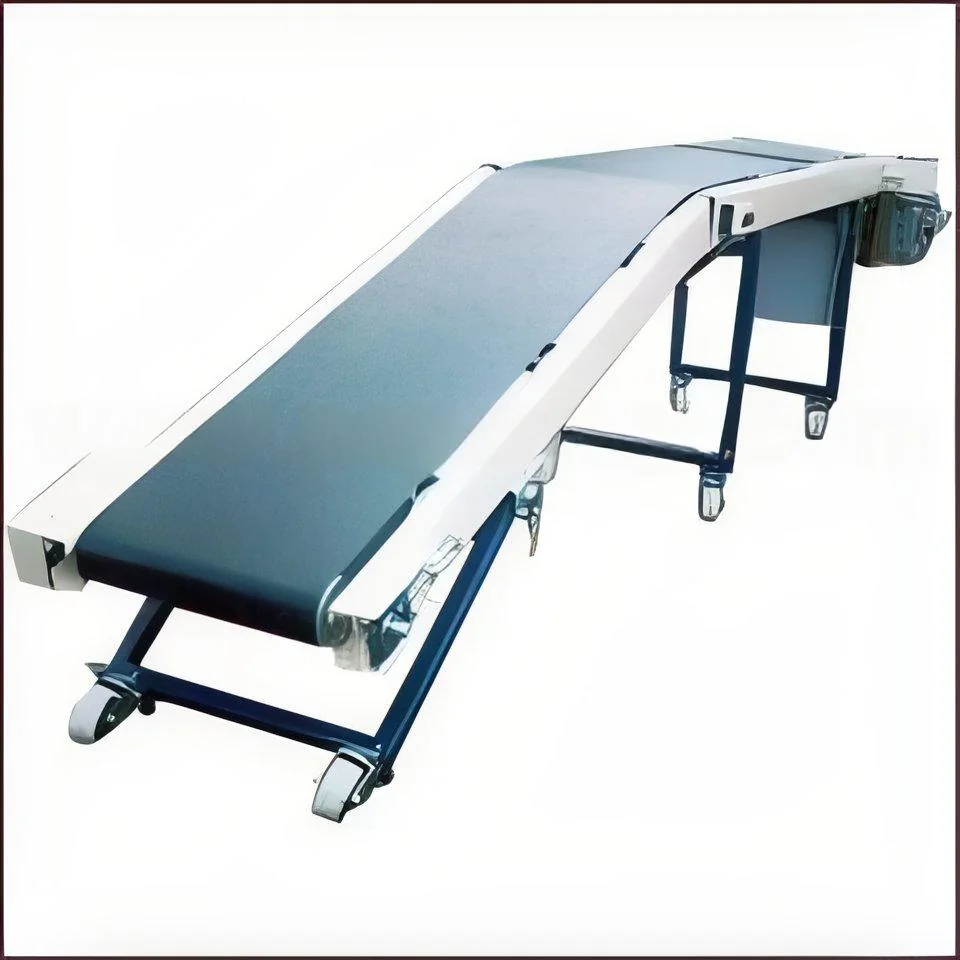
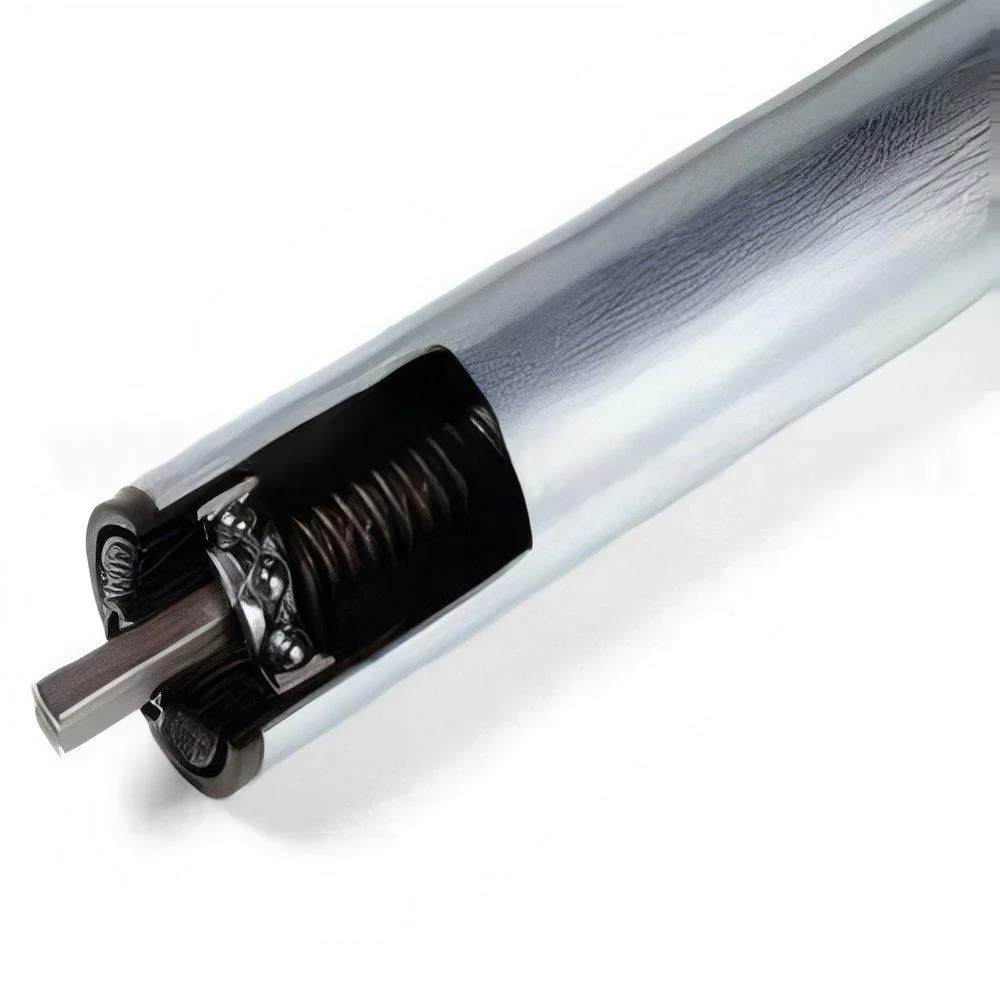
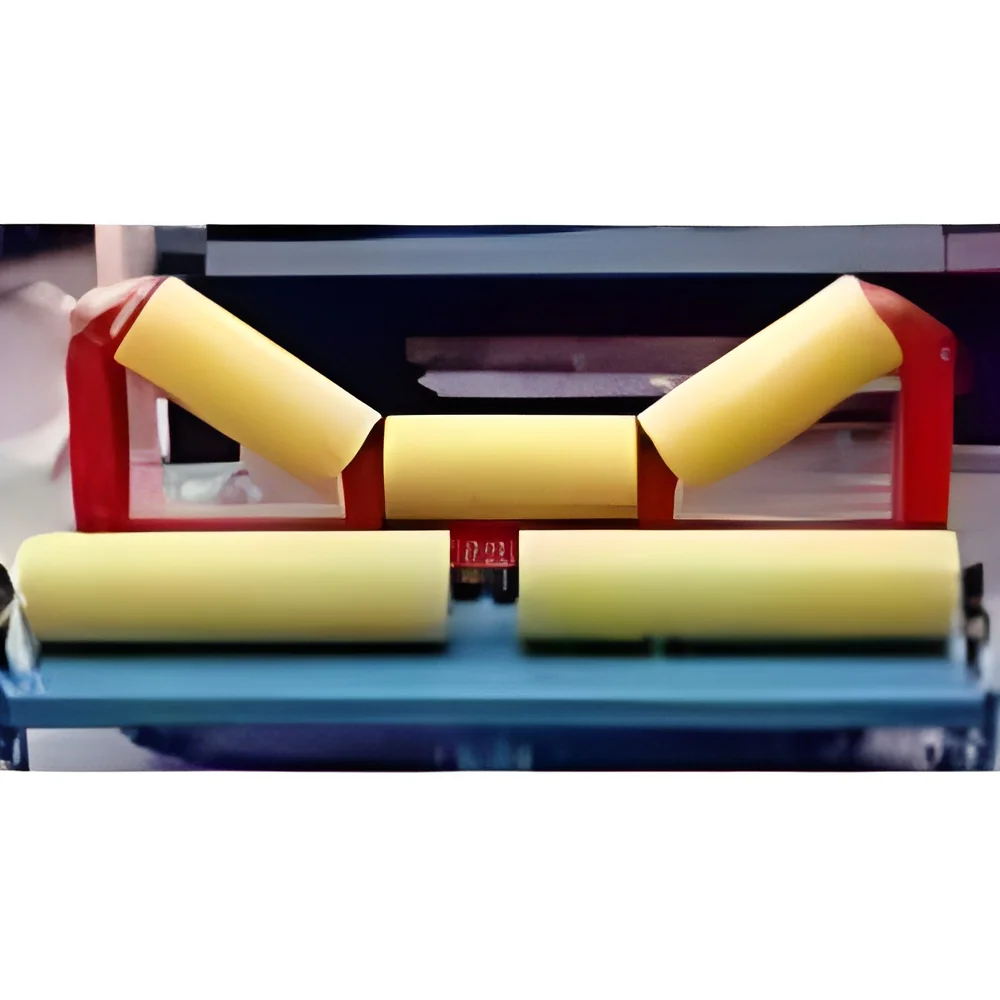
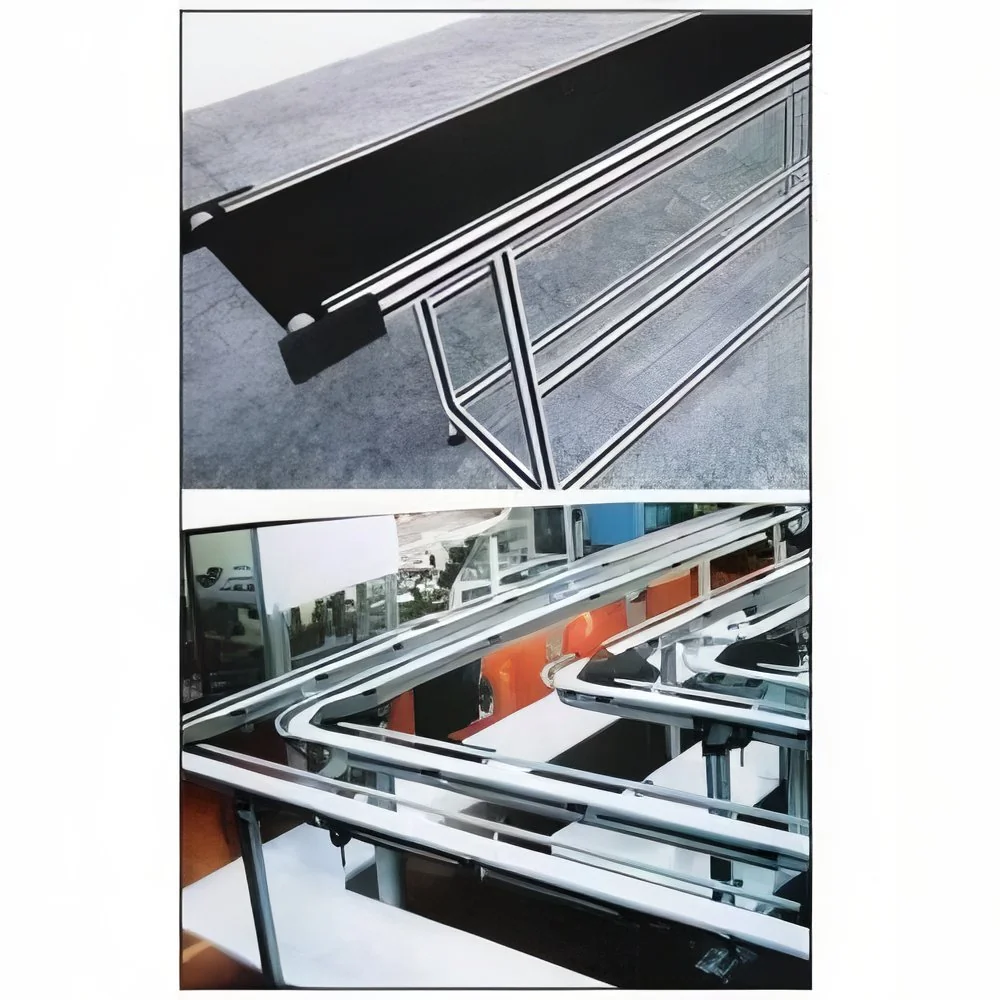
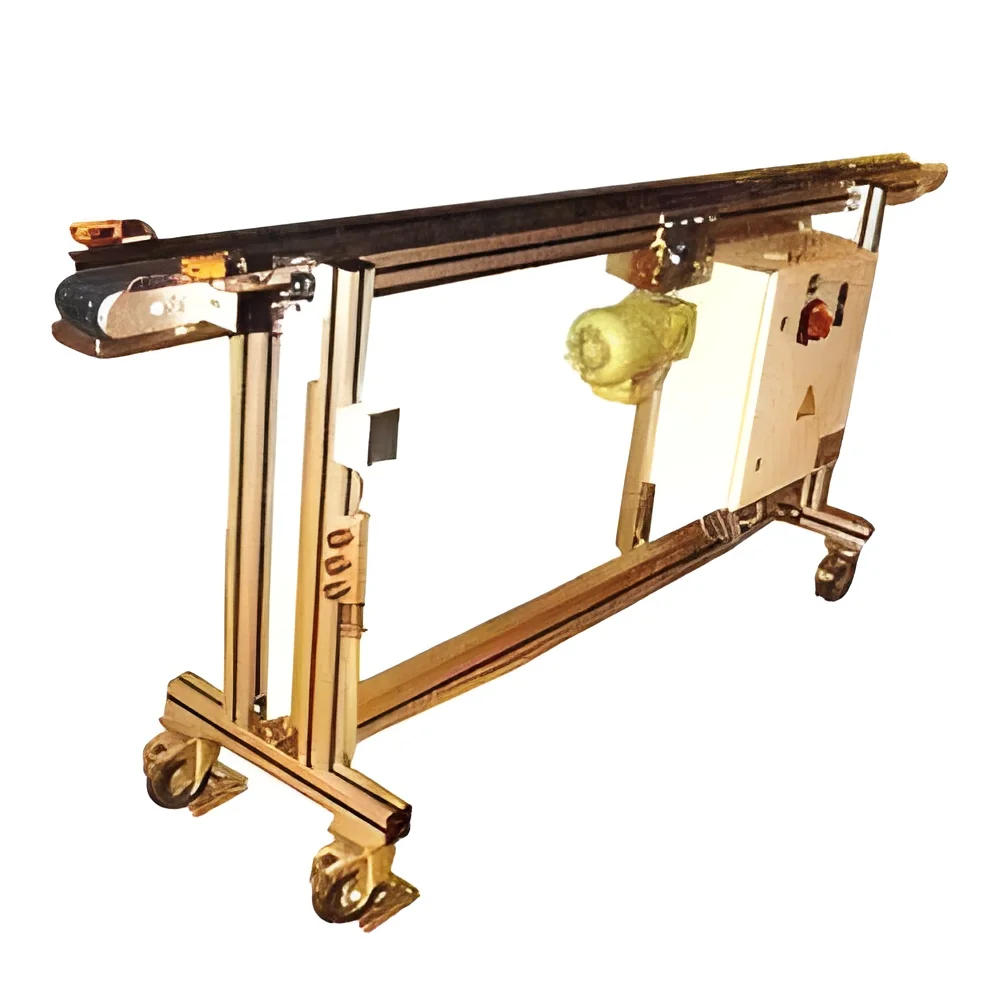
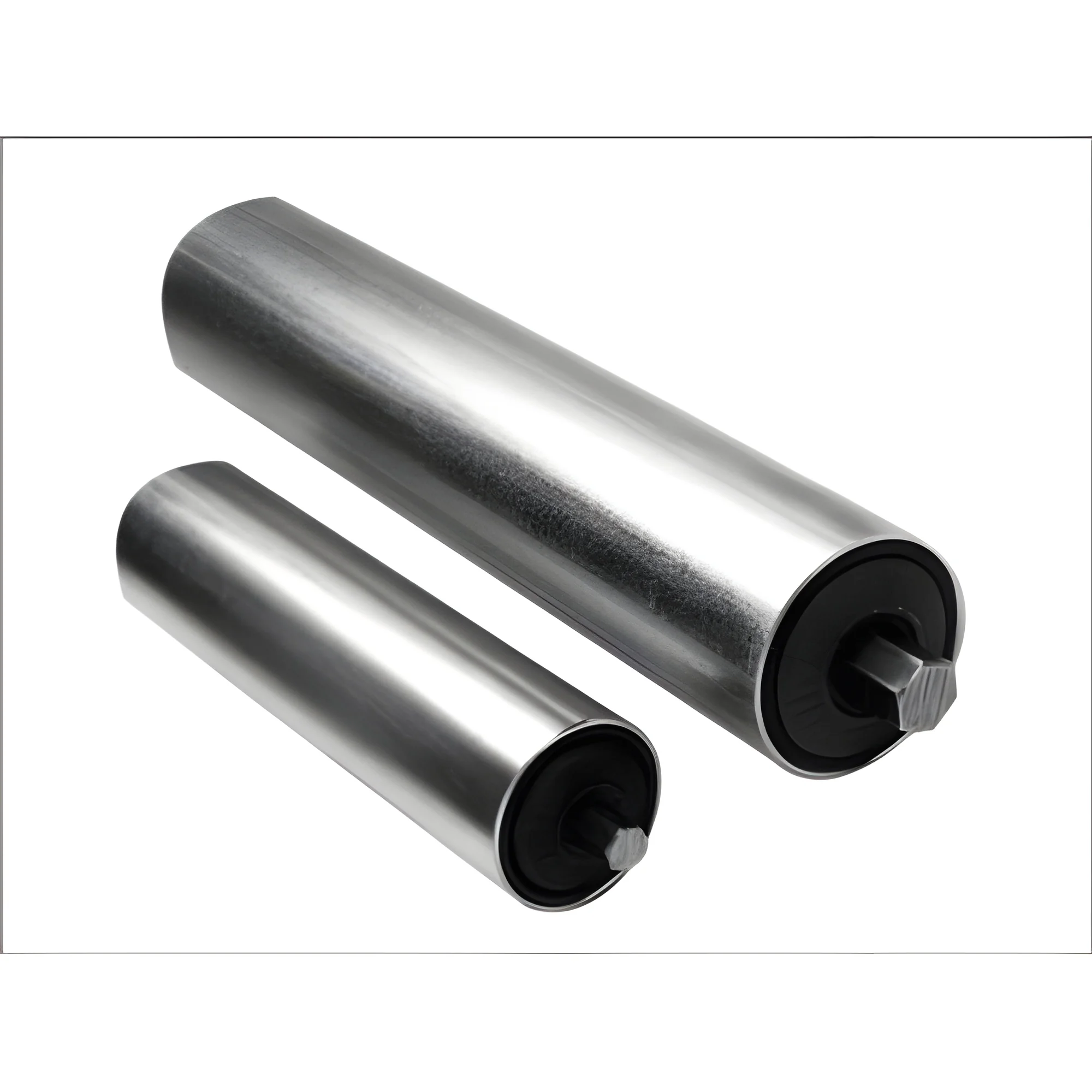
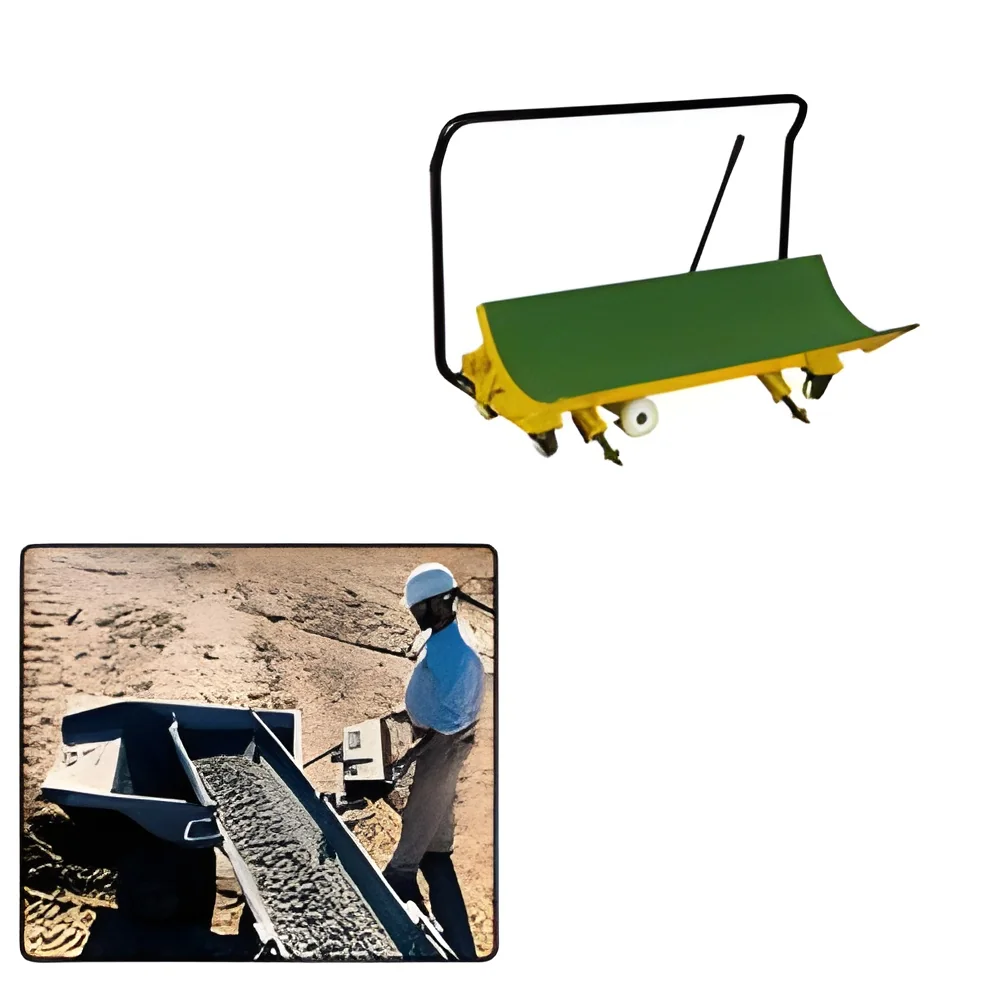
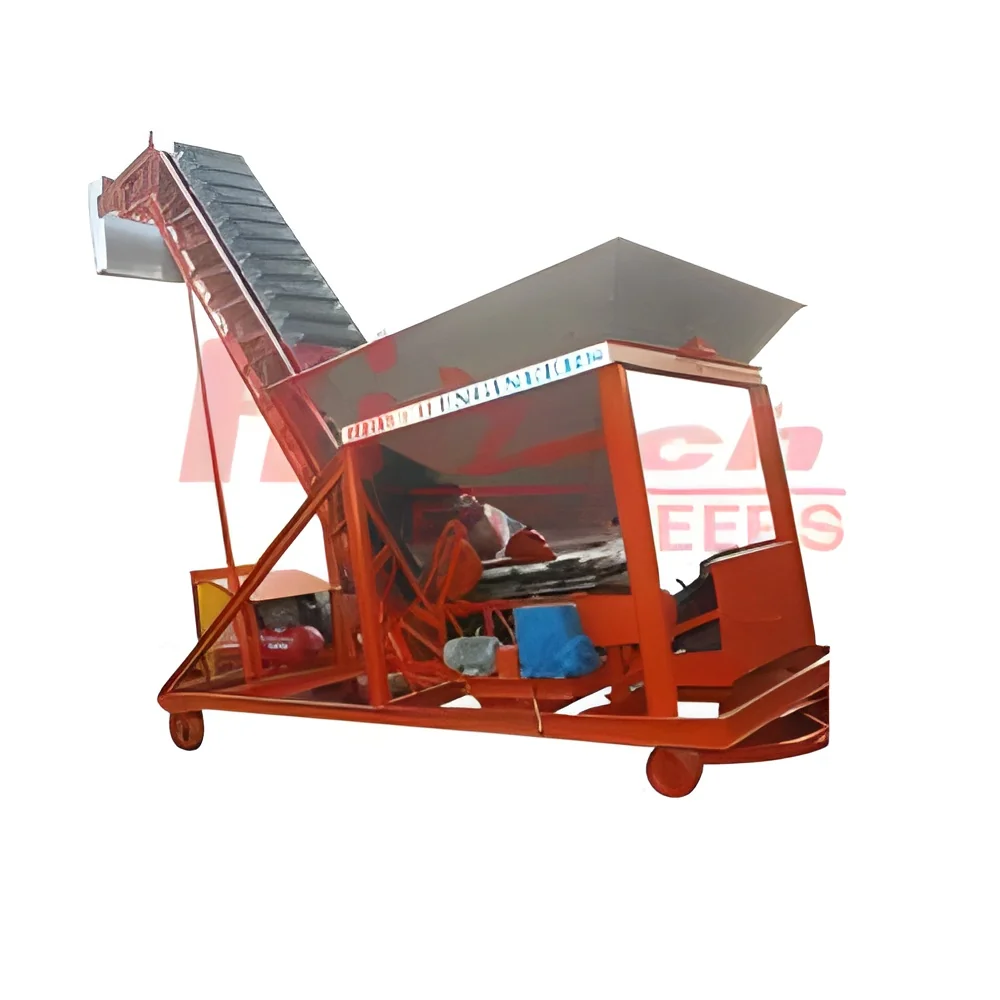
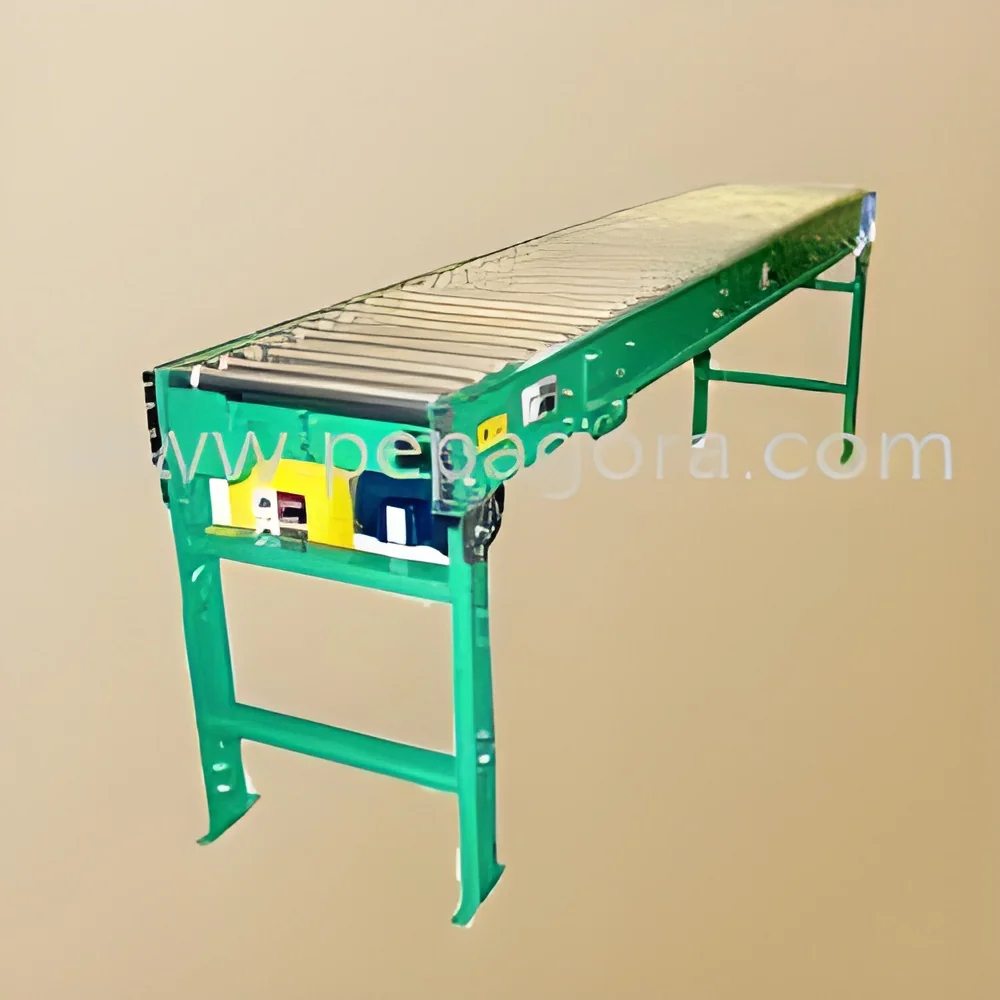
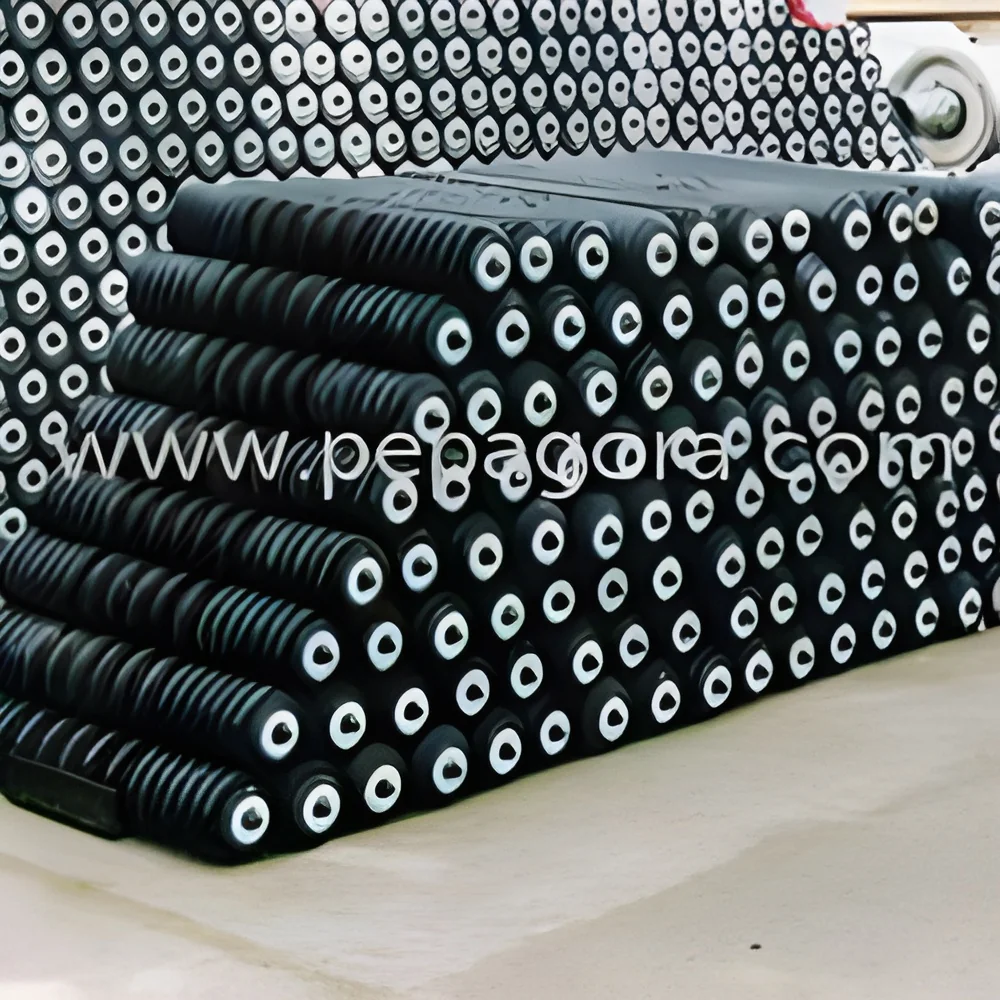
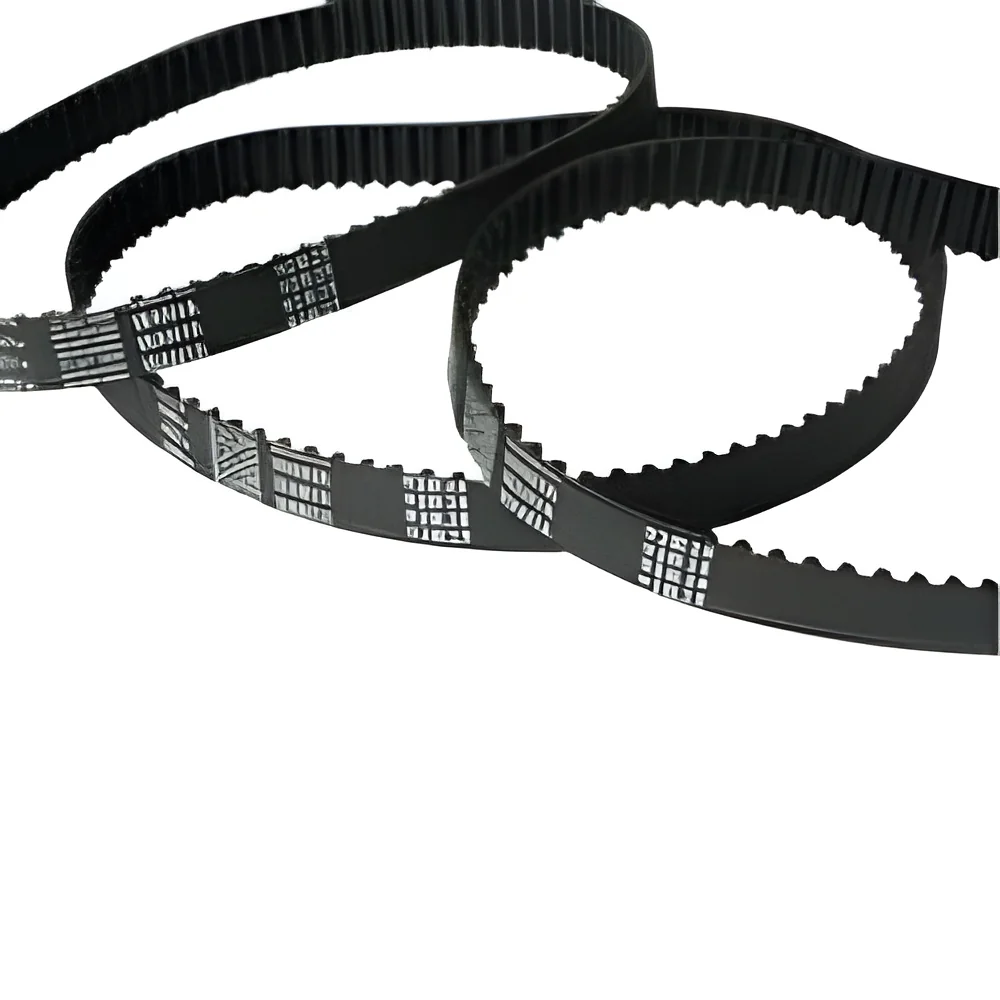
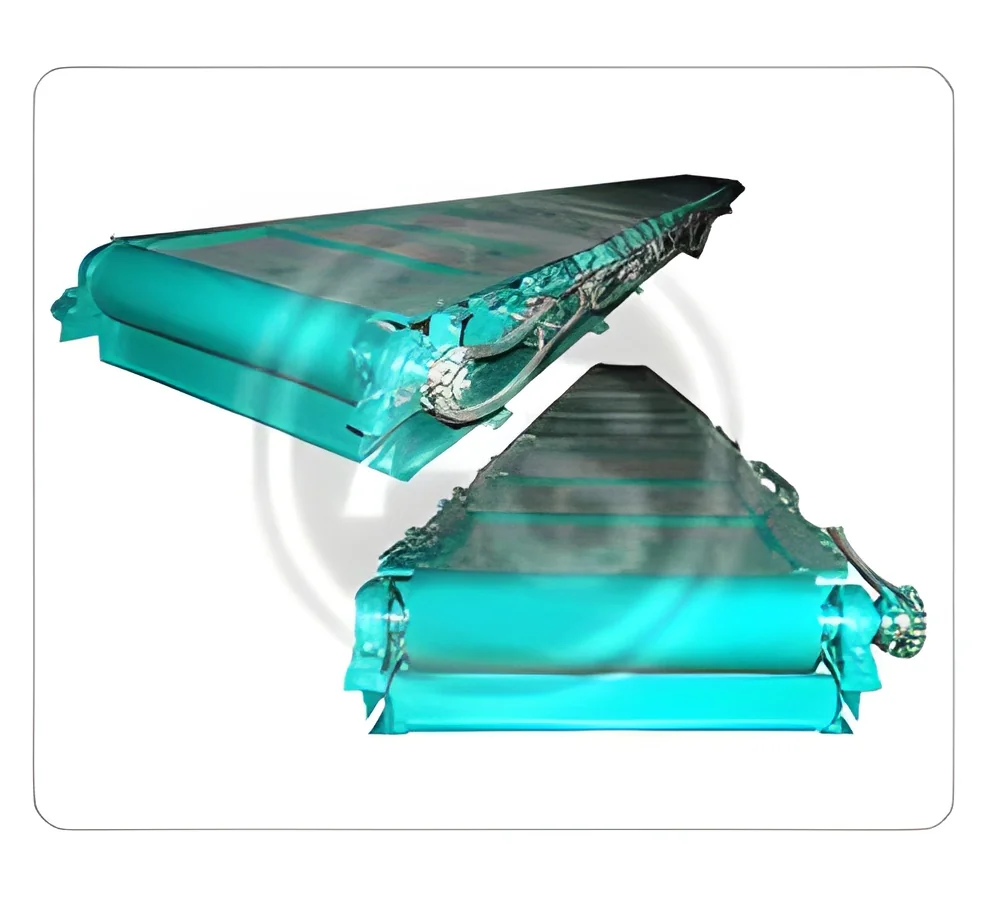
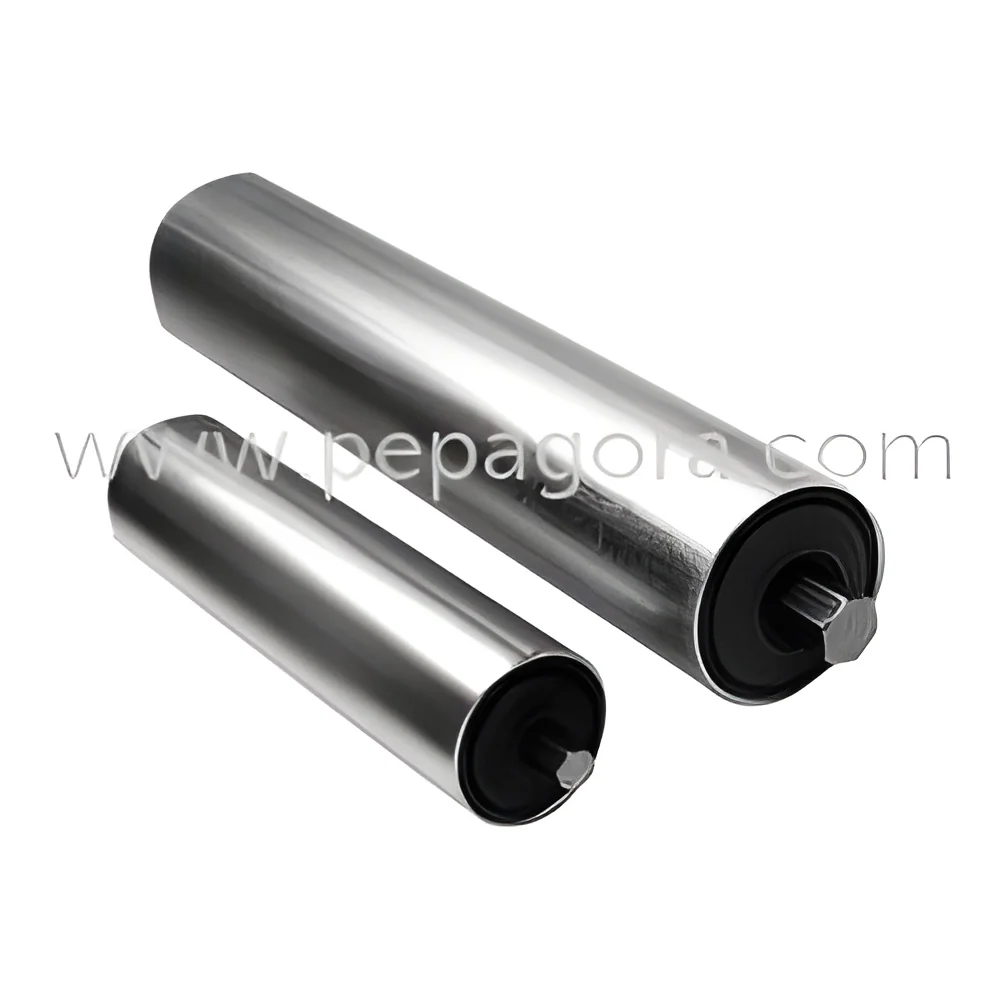
Conveyors are widely used in many industries to move materials over a fixed path. They come in various types such as belt, roller, and chain conveyors, each designed for specific applications, including bulk material handling and package movement.
Pallets
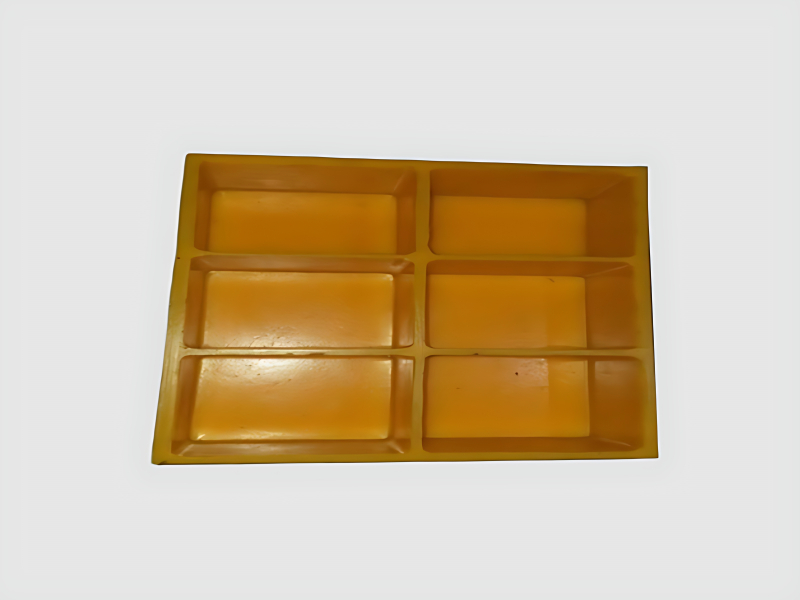
Pallets serve as a base for storing and transporting goods. They come in different materials such as wood, plastic, or metal, catering to diverse industry requirements, including warehouse storage and shipping.
Hoists and Lifts
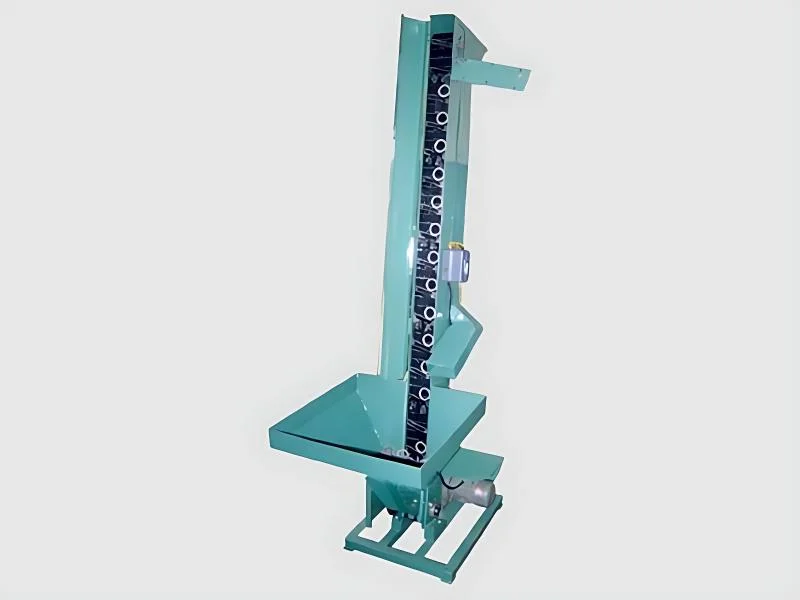
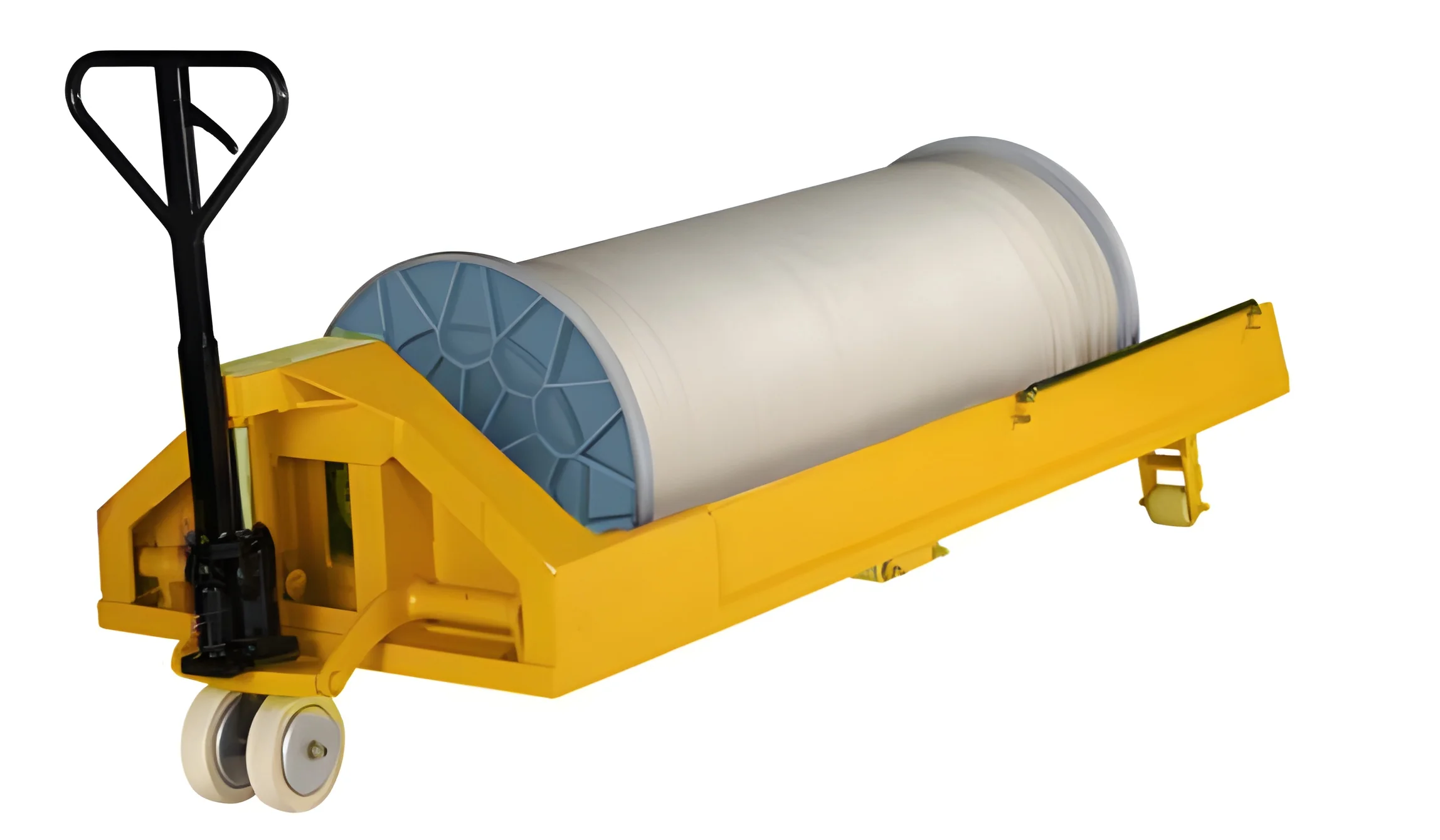
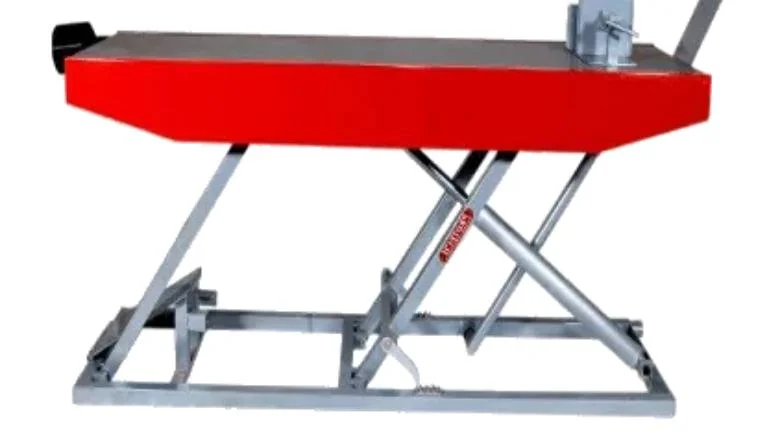
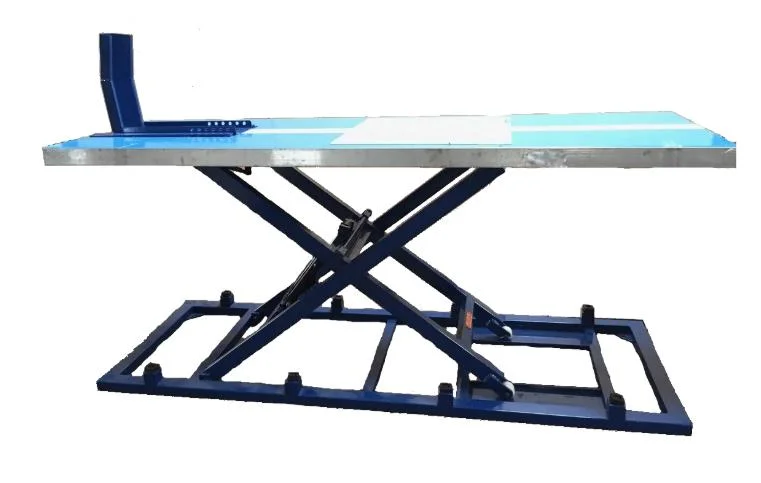
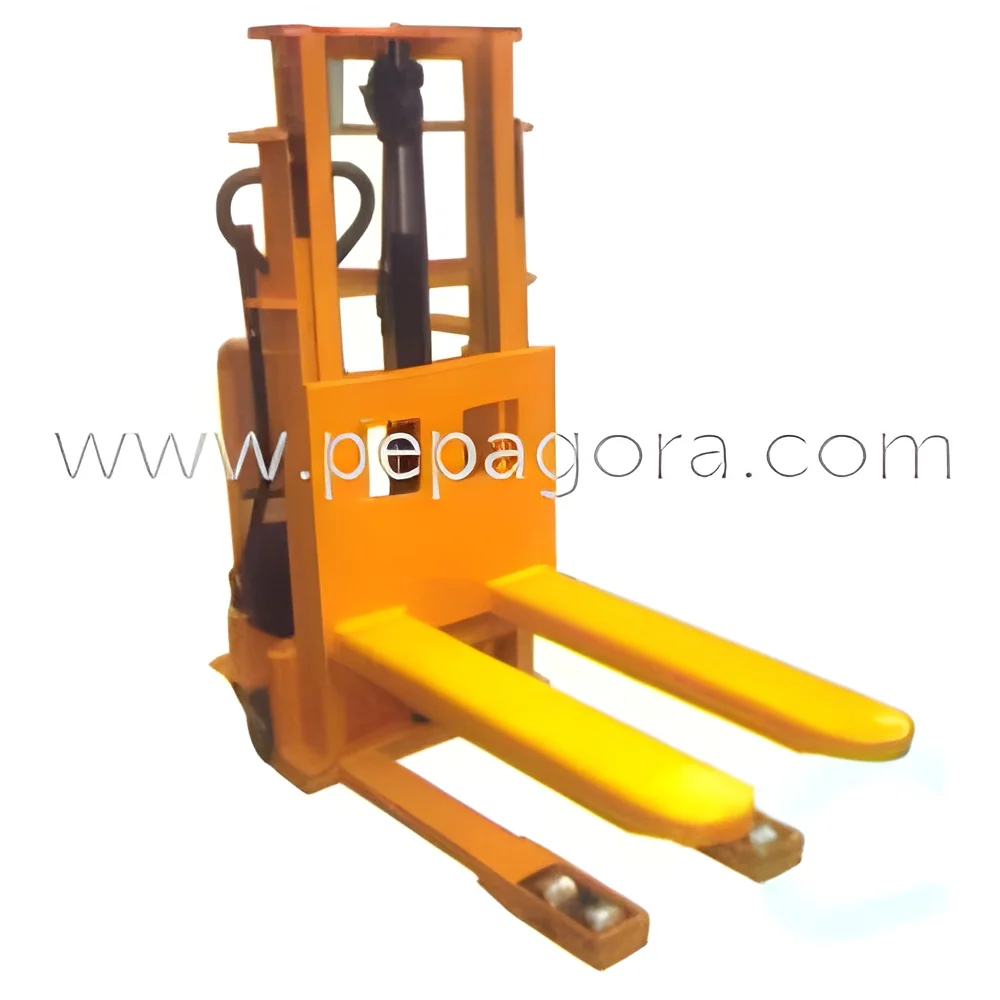
These components are essential for elevating heavy loads safely. They are widely used in manufacturing and warehousing to facilitate the movement of products to different heights, enhancing operational efficiency.
Benefits and Advantages
Sourcing Other Material Handling Systems Parts provides numerous advantages that enhance operational capabilities.
1. Increased Efficiency: These parts streamline processes, reducing the time and labor required for material handling.
2. Enhanced Safety: Properly designed systems minimize the risk of accidents and injuries in the workplace.
3. Cost Savings: Automating material handling can lead to significant reductions in operational costs over time.
4. Improved Inventory Management: Efficient systems enable better tracking and management of inventory levels.
5. Customization: Many parts can be tailored to fit specific operational needs, ensuring optimal performance.
6. Reliability: High-quality components ensure consistent performance and reduce the likelihood of breakdowns.
Buying Guide for B2B Buyers
When sourcing Other Material Handling Systems Parts, it is crucial for B2B buyers to consider several key factors to ensure they make informed purchasing decisions.
1. Quality Assessment: Always evaluate the quality of parts based on material composition and durability. Look for products that meet industry standards to ensure reliability.
2. Supplier Verification: Conduct thorough research on suppliers. Verify their credibility and track record in delivering high-quality products.
3. Pricing and MOQ: Consider the cost of parts and the minimum order quantity (MOQ). Understanding these factors helps in budgeting and planning purchases effectively.
4. Delivery and Lead Times: Assess logistics capabilities of suppliers, including their delivery schedules and lead times to ensure timely receipt of parts.
5. Compliance Requirements: Familiarize yourself with relevant regulatory standards and compliance needs specific to your industry. Ensure that the parts sourced meet these requirements.
Compliance and Certifications
Compliance and certifications are essential aspects of Other Material Handling Systems Parts, ensuring that products meet industry standards for quality and safety.
Many parts adhere to quality standards such as ISO 9001, which emphasizes consistent quality management practices. This certification assures buyers that the products they procure are manufactured under stringent quality control measures.
Additional certifications such as CE indicate compliance with European safety, health, and environmental protection standards. This is particularly important for businesses operating in multiple regions or countries.
Moreover, safety and testing requirements are crucial in industries such as food processing and pharmaceuticals, where material handling components must comply with stringent regulations to ensure product integrity and safety.
Regional compliance considerations may also come into play, depending on where the products will be used. Buyers should ensure that the parts sourced meet local regulations to avoid potential legal issues.
Why Source Other Material Handling Systems Parts from Pepagora?
Pepagora provides a trusted platform for sourcing Other Material Handling Systems Parts, offering several advantages to B2B buyers.
Verified Supplier Network: Pepagora connects buyers with a network of verified suppliers, ensuring that all partners meet stringent quality and reliability standards. This verification process builds trust and confidence in procurement.
Streamlined RFQ Process: The request for quotation (RFQ) system simplifies the procurement process. Buyers can easily submit their requirements and receive competitive quotations from multiple suppliers, facilitating informed decision-making.
Trade Assurance and Support: Pepagora offers trade assurance, providing buyers with protection during transactions. This support ensures that buyers can confidently source parts without the risk of financial loss.
Regional Coverage: With a broad geographic reach across India, GCC, and Southeast Asia, Pepagora caters to diverse market needs. This regional coverage allows businesses to access a wide range of parts and suppliers, enhancing sourcing opportunities.

 IN
IN