
 IN
Mining & Metallurgy Machinery
1127 products available
𝗪𝗵𝗮𝘁 𝗮𝗿𝗲 𝗠𝗶𝗻𝗶𝗻𝗴 & 𝗠𝗲𝘁𝗮𝗹𝗹𝘂𝗿𝗴𝘆 𝗠𝗮𝗰𝗵𝗶𝗻𝗲𝗿𝘆?
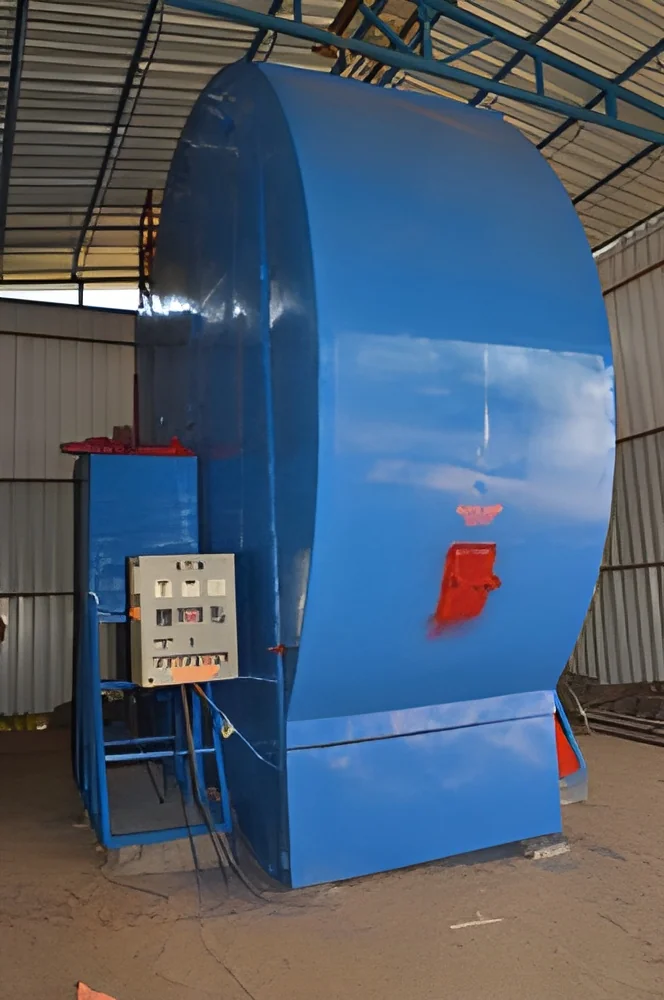
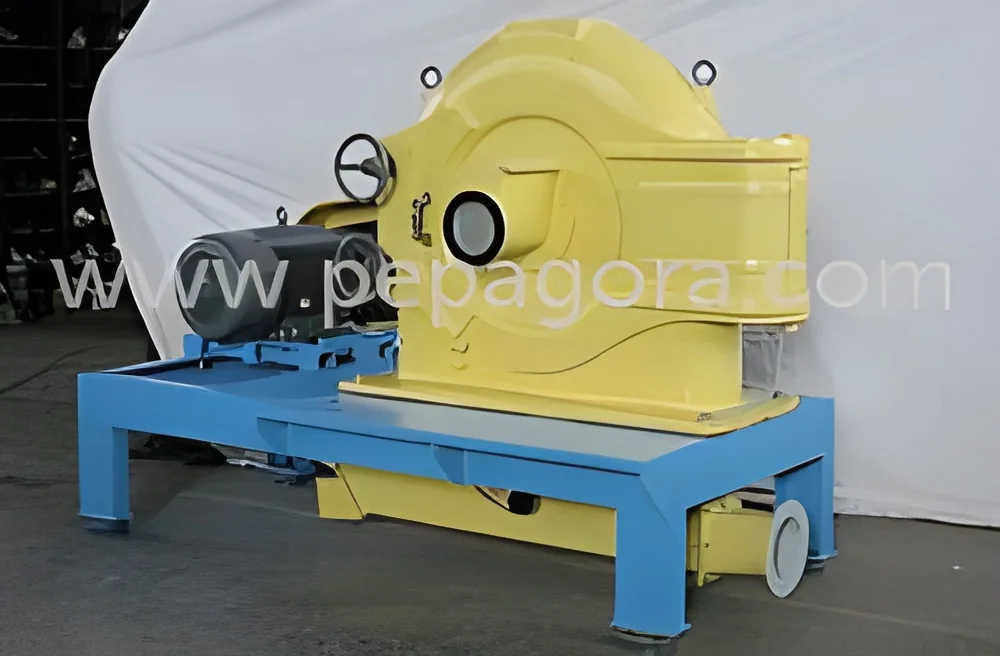
Mining and metallurgy machinery refers to a range of equipment used in the extraction and processing of minerals and metals from the earth. This category includes a variety of machines such as crushers, grinders, separators, and conveyors. These machines are designed to perform specific tasks in the mining processes, which may involve breaking down rock, separating valuable minerals, and transporting materials.
The primary uses of mining and metallurgy machinery are found in industries such as mining, construction, and recycling. These machines play a vital role in ensuring efficient operations and high productivity in mineral extraction, ore processing, and metal recovery. The demand for these machines is closely linked to the global economy, as the need for raw materials continues to grow in sectors like manufacturing and energy production.
In today's market, mining and metallurgy machinery is crucial for meeting the increasing demands of resource extraction while maintaining environmental standards. The industry is evolving with advancements in technology, leading to more efficient and sustainable practices. As companies seek to optimize their operations, the relevance of high-quality machinery remains paramount in achieving competitive advantages.
𝗞𝗲𝘆 𝗙𝗲𝗮𝘁𝘂𝗿𝗲𝘀 𝗮𝗻𝗱 𝗦𝗽𝗲𝗰𝗶𝗳𝗶𝗰𝗮𝘁𝗶𝗼𝗻𝘀
Mining and metallurgy machinery offers a variety of features that enhance performance and efficiency. These machines are built to withstand harsh conditions and provide reliable operation over extended periods.
Key specifications include:
1. Durability
- Designed to handle heavy loads and extreme environments
- Materials used often include high-strength steel and reinforced components
2. Energy Efficiency
- Advanced motor technologies to reduce power consumption
- Options for hybrid or electric power sources
3. Processing Capacity
- Varies based on the type of machinery, typically measured in tons per hour
- Suitable for large-scale operations as well as smaller projects
4. Automation Features
- Integration of smart technology for monitoring and control
- Remote operation capabilities for enhanced safety
5. Safety Standards
- Compliance with international safety regulations
- Features such as emergency shut-off systems and protective barriers
6. Maintenance Requirements
- Designed for ease of access to components for servicing
- Predictive maintenance technologies to minimize downtime
7. Customization Options
- Ability to tailor machinery to specific operational needs
- Modular designs for adapting to different applications
8. Environmental Compliance
- Equipment designed to minimize emissions and waste
- Adherence to local and international environmental standards
These specifications highlight the importance of selecting machinery that meets operational needs while ensuring sustainability and efficiency.
𝗖𝗼𝗺𝗺𝗼𝗻 𝗔𝗽𝗽𝗹𝗶𝗰𝗮𝘁𝗶𝗼𝗻𝘀 𝗮𝗻𝗱 𝗨𝘀𝗲 𝗖𝗮𝘀𝗲𝘀
Mining and metallurgy machinery serves a wide range of industries, each with specific applications.
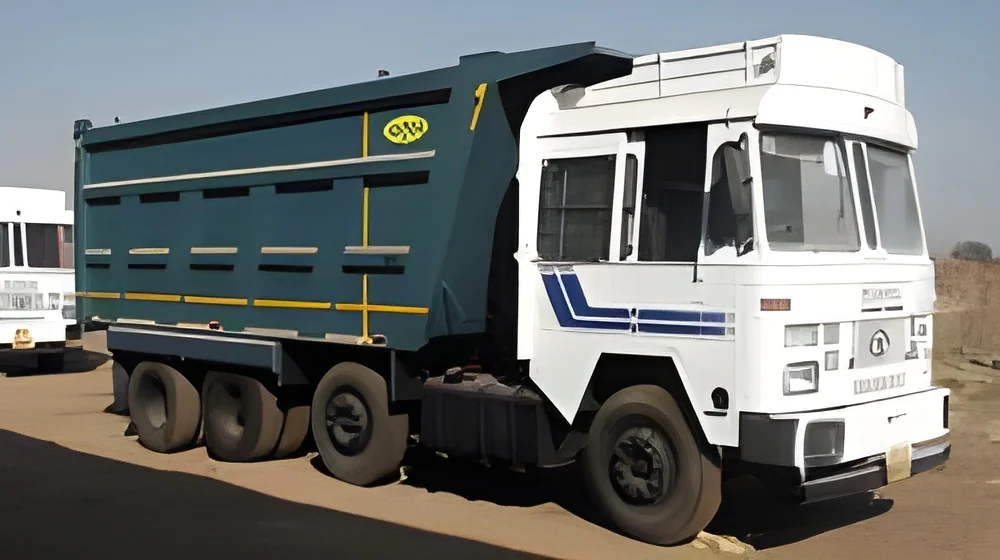
1. Mining Industry: Machinery such as excavators and haul trucks are essential for extracting minerals like coal, gold, and precious metals from the earth.
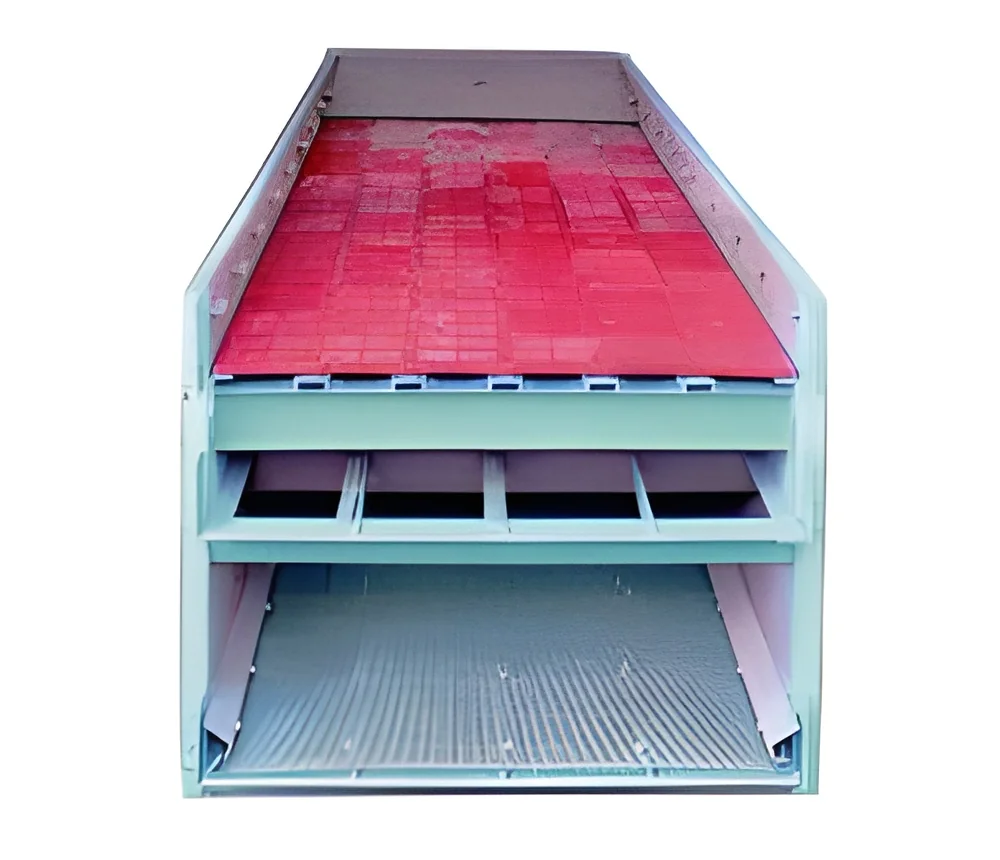
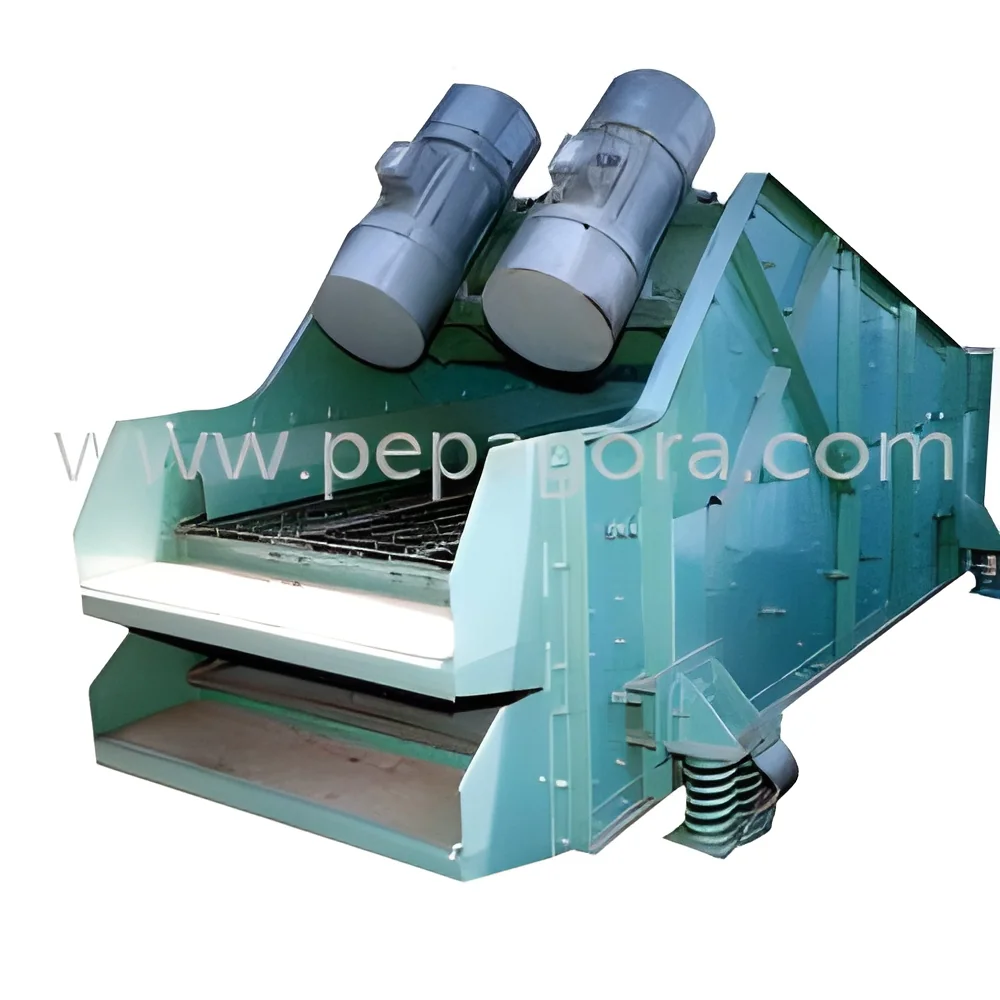
2. Construction Industry: Crushers and screening equipment are used to process aggregate materials for building infrastructure.
3. Recycling Industry: Equipment designed for sorting and processing scrap metals plays a crucial role in recovering valuable materials from waste.
4. Oil and Gas Industry: Specialized machinery is employed in drilling and extraction processes for hydrocarbons.
5. Chemical Industry: Equipment is used for the extraction of metals from ores and the processing of chemical compounds.
6. Pharmaceutical Industry: Certain machinery is utilized to refine metals and minerals used in drug manufacturing.
7. Energy Sector: Machinery plays a role in the extraction of minerals and metals used in renewable energy technologies, such as lithium for batteries.
𝗣𝗿𝗼𝗱𝘂𝗰𝘁 𝗩𝗮𝗿𝗶𝗮𝗻𝘁𝘀 𝗮𝗻𝗱 𝗦𝘂𝗯𝗰𝗮𝘁𝗲𝗴𝗼𝗿𝗶𝗲𝘀
Mining and metallurgy machinery is diverse, catering to various operational needs and applications.
Excavators: These heavy-duty machines are used for digging and moving large amounts of earth and minerals. They are essential for surface mining and construction projects.
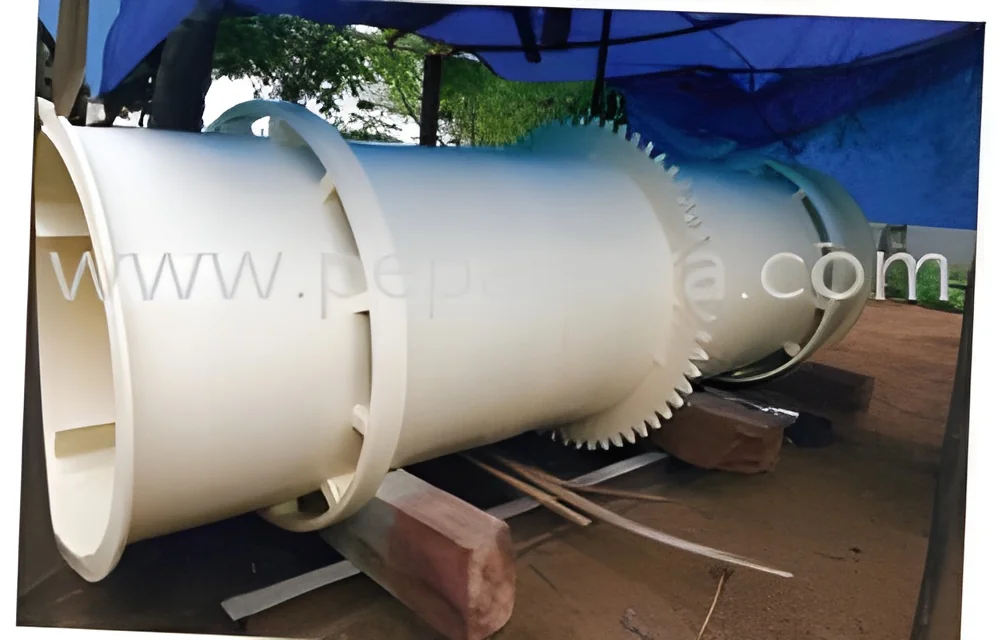
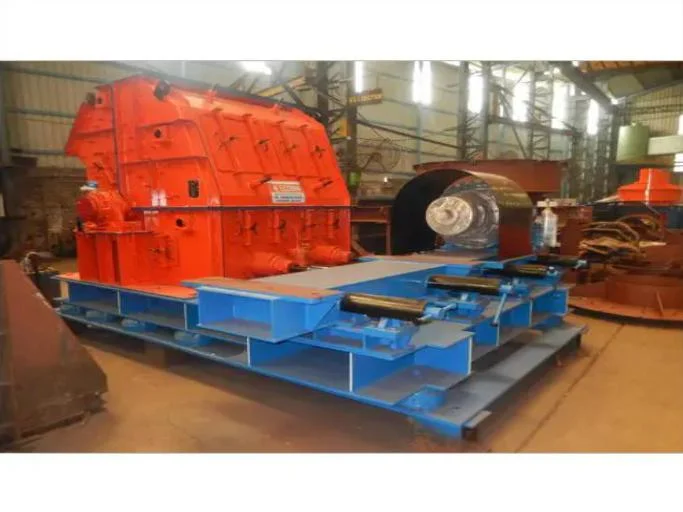
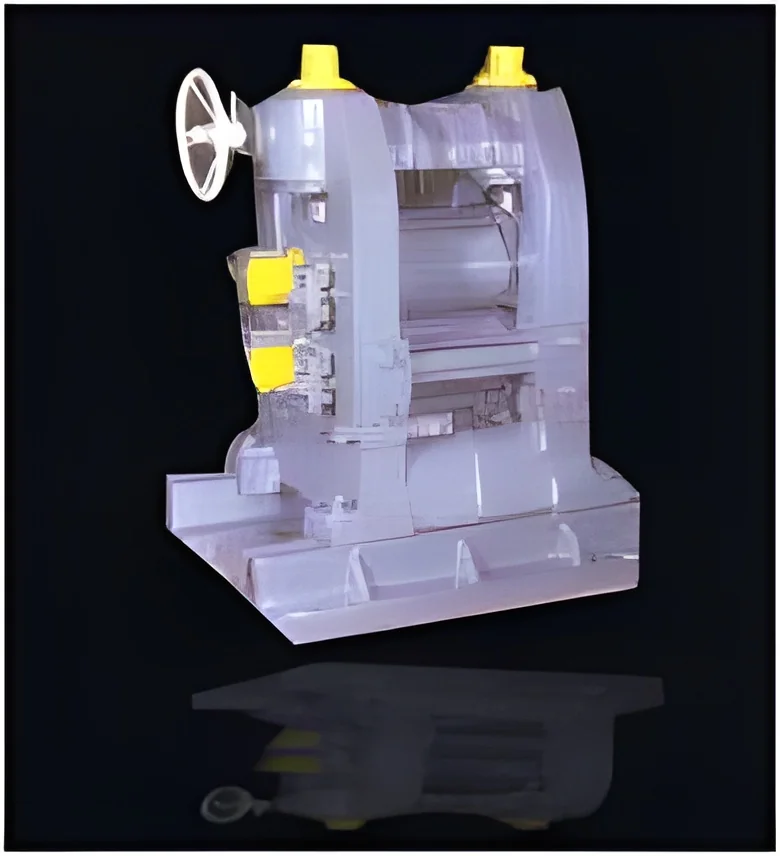
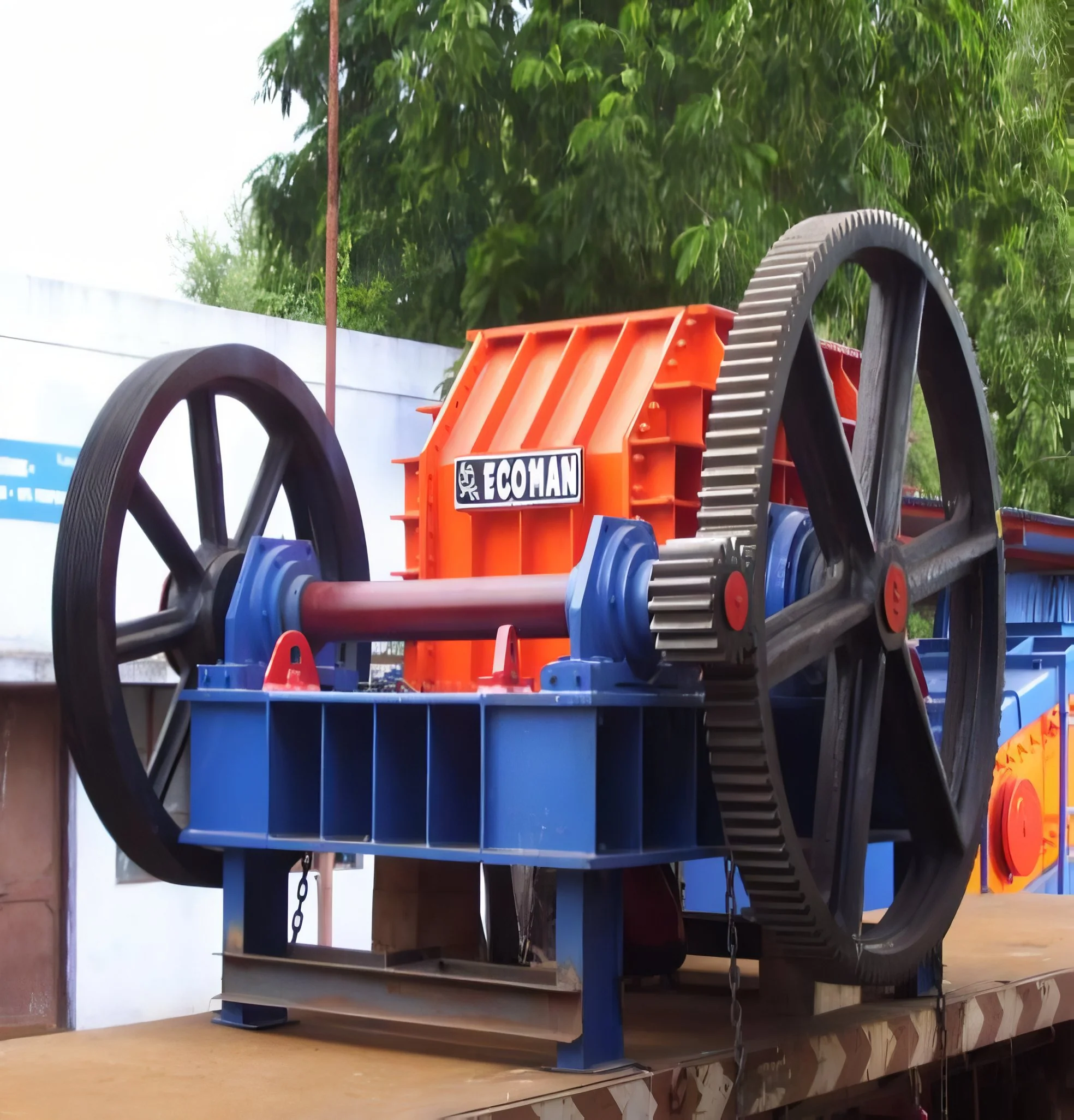
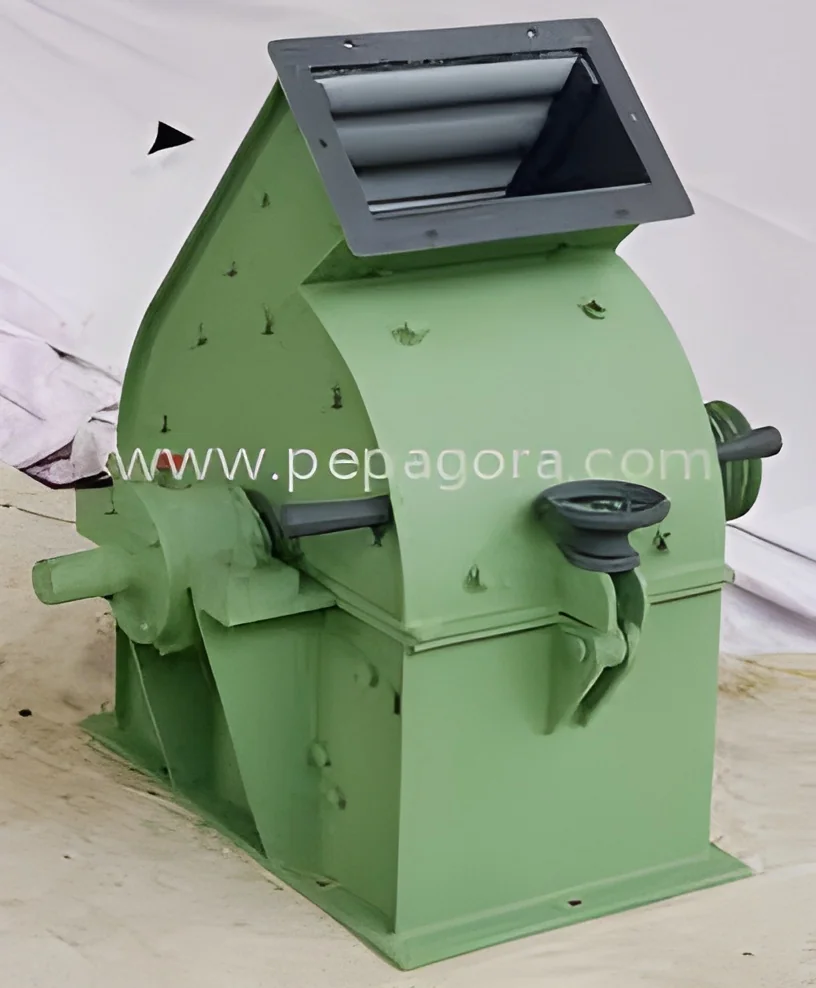
Crushers: Designed to break down large rocks into smaller, manageable pieces, crushers are vital in both mining and construction sectors for material processing.
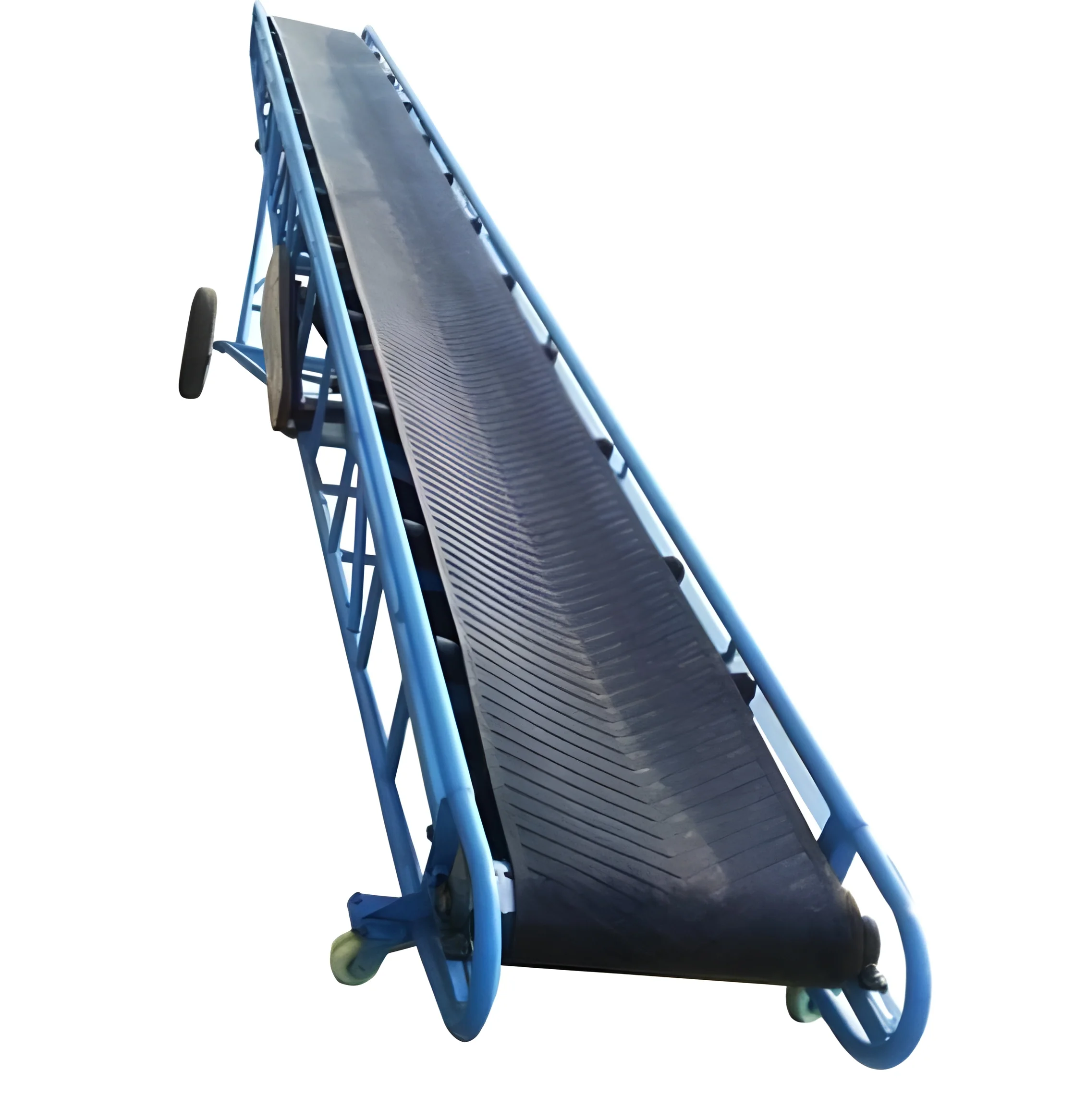
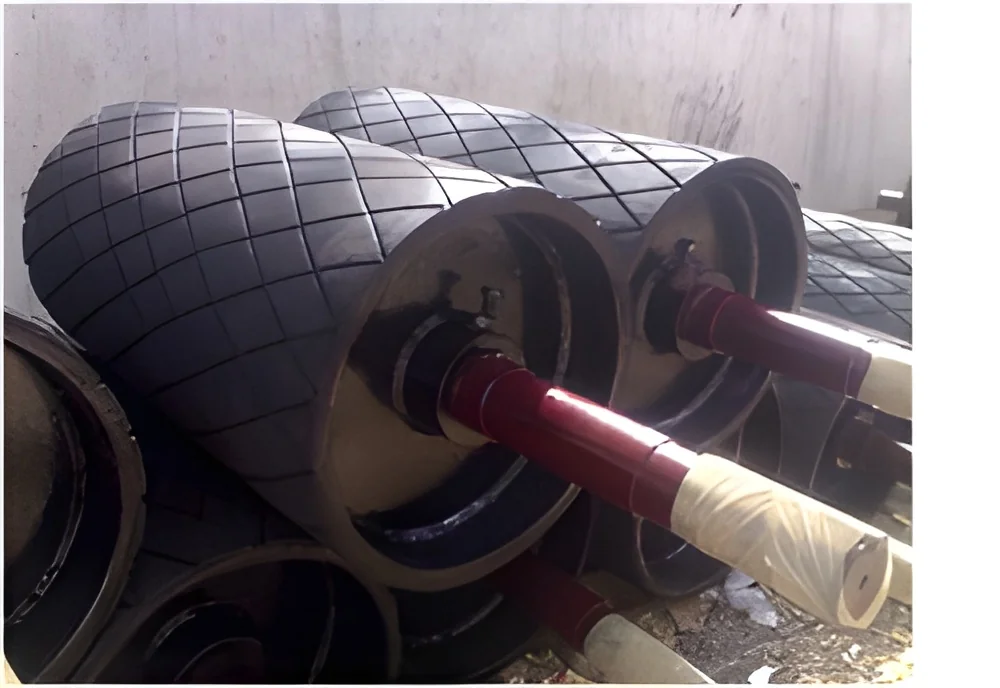
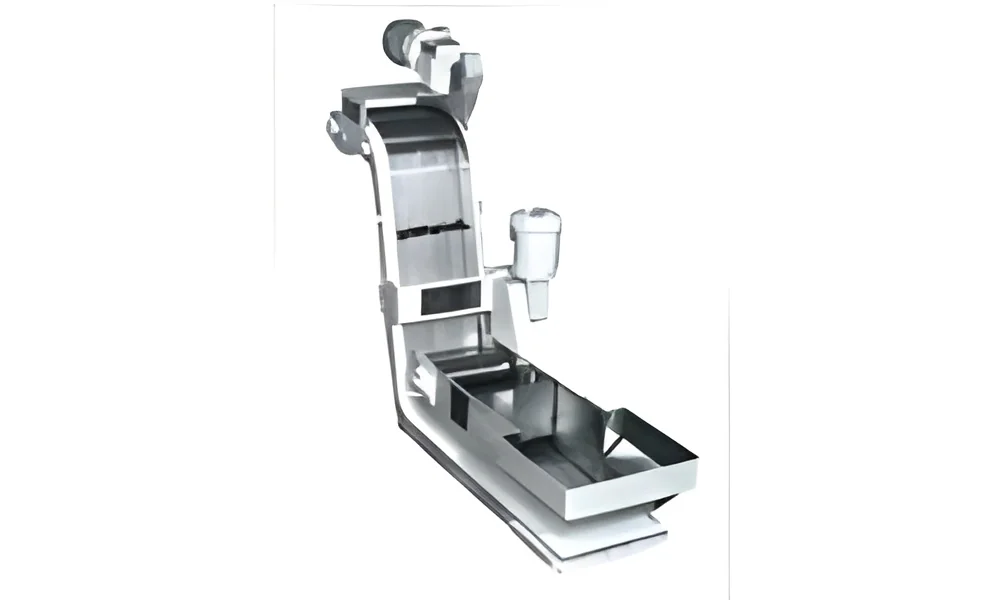
Conveyors: These systems are used to transport materials efficiently within mining sites and processing plants. They can handle various materials and are integral to productivity.
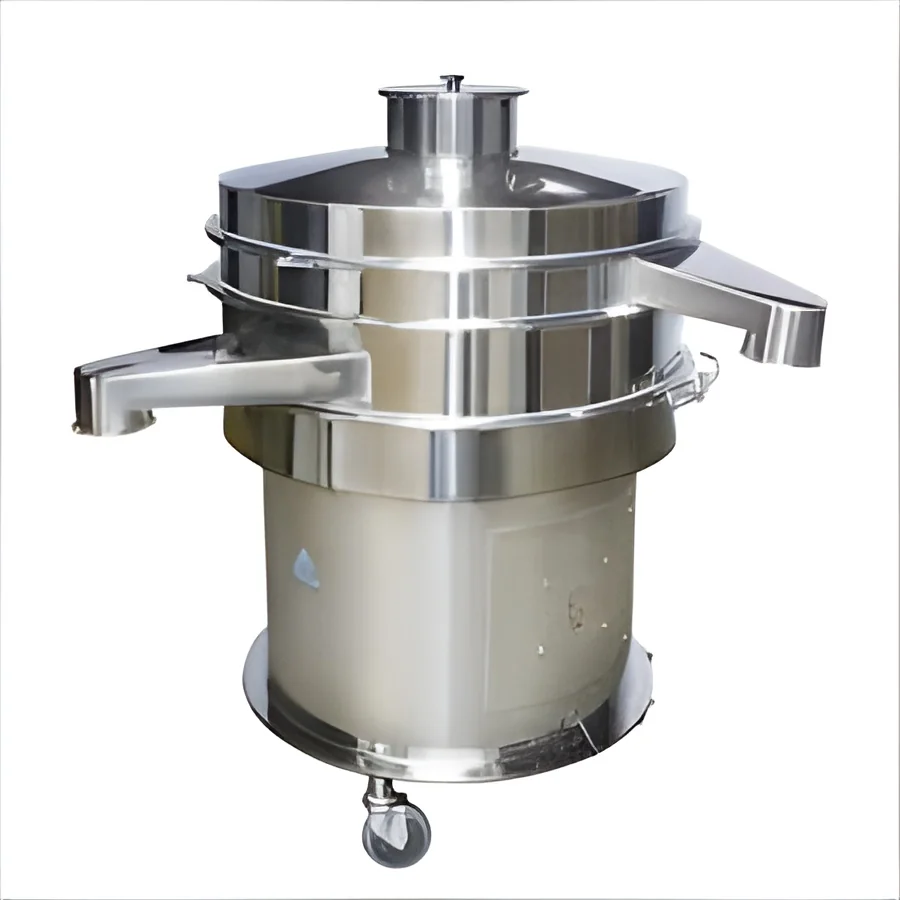
Separators: Used for separating valuable minerals from waste materials, separators enhance the efficiency of the processing operations.
𝗕𝗲𝗻𝗲𝗳𝗶𝘁𝘀 𝗮𝗻𝗱 𝗔𝗱𝘃𝗮𝗻𝘁𝗮𝗴𝗲𝘀
Investing in mining and metallurgy machinery offers a range of benefits for businesses.
1. Increased Efficiency: High-quality machinery enhances productivity by reducing processing time and increasing output.
2. Cost Savings: Energy-efficient machines can lead to lower operational costs, improving profitability.
3. Enhanced Safety: Advanced safety features help protect workers and reduce the risk of accidents on-site.
4. Customization: The ability to tailor machinery to specific needs allows businesses to optimize processes for their unique requirements.
5. Environmental Responsibility: Modern machinery is designed to comply with environmental regulations, minimizing the ecological impact.
6. Reliability: Durable construction and robust design ensure long-term performance, reducing downtime and maintenance costs.
𝗕𝘂𝘆𝗶𝗻𝗴 𝗚𝘂𝗶𝗱𝗲 𝗳𝗼𝗿 𝗕𝟮𝗕 𝗕𝘂𝘆𝗲𝗿𝘀
When sourcing mining and metallurgy machinery, several key factors should be considered to ensure informed purchasing decisions.
1. Quality Assessment: Evaluate the quality of machinery by reviewing manufacturer standards, material certifications, and performance records to ensure reliability and efficiency.
2. Supplier Verification: Vet suppliers by checking their credentials, customer reviews, and track records to ensure they meet industry standards and can provide support.
3. Pricing and MOQ: Understand the pricing structure and minimum order quantities (MOQ) to align purchases with budget constraints and project needs.
4. Delivery and Lead Times: Consider logistics, delivery schedules, and lead times to ensure timely procurement that aligns with project timelines.
5. Compliance Requirements: Ensure that the machinery meets all relevant regulatory and safety standards to avoid legal issues and ensure operational safety.
𝗖𝗼𝗺𝗽𝗹𝗶𝗮𝗻𝗰𝗲 𝗮𝗻𝗱 𝗖𝗲𝗿𝘁𝗶𝗳𝗶𝗰𝗮𝘁𝗶𝗼𝗻𝘀
Compliance and certification are critical in the mining and metallurgy machinery sector. Adhering to relevant quality standards such as ISO 9001 ensures that equipment meets international benchmarks for quality management.
Industry certifications like CE signify that products comply with European safety, health, and environmental protection standards. These certifications are crucial for global trade and market acceptance.
Additionally, safety and testing requirements must be followed to guarantee that machinery operates safely under various conditions. Manufacturers should also consider regional compliance issues, as regulations can vary significantly between different markets and regions.
𝗪𝗵𝘆 𝗦𝗼𝘂𝗿𝗰𝗲 𝗠𝗶𝗻𝗶𝗻𝗴 & 𝗠𝗲𝘁𝗮𝗹𝗹𝘂𝗿𝗴𝘆 𝗠𝗮𝗰𝗵𝗶𝗻𝗲𝗿𝘆 𝗳𝗿𝗼𝗺 𝗣𝗲𝗽𝗮𝗴𝗼𝗿𝗮?
Pepagora provides a trusted platform for sourcing mining and metallurgy machinery, offering numerous advantages for businesses.
Verified Supplier Network: Pepagora collaborates with established suppliers who are thoroughly vetted for quality and reliability. This network ensures that buyers can access high-quality machinery without the stress of extensive supplier research.
Streamlined RFQ Process: The Request for Quotation (RFQ) process on Pepagora is designed to be efficient, allowing buyers to quickly receive competitive quotes from multiple suppliers, saving time and effort in procurement.
Trade Assurance and Support: Buyers benefit from trade assurance measures that protect their interests throughout the purchasing process. Support services are available to address any concerns and facilitate smooth transactions.
Regional Coverage: With a strong presence in India, the GCC, and Southeast Asia, Pepagora offers extensive geographic coverage, enabling businesses to source machinery tailored to local market needs while ensuring compliance with regional standards.





Frequently Asked Questions
What are Mining & Metallurgy Machinery?
Mining & Metallurgy Machinery refers to a range of equipment used in the extraction, processing, and refinement of minerals and metals. This category includes machines such as crushers, grinders, and separators, which are essential for operations in mining and metallurgy industries.
What are the different types of Mining & Metallurgy Machinery?
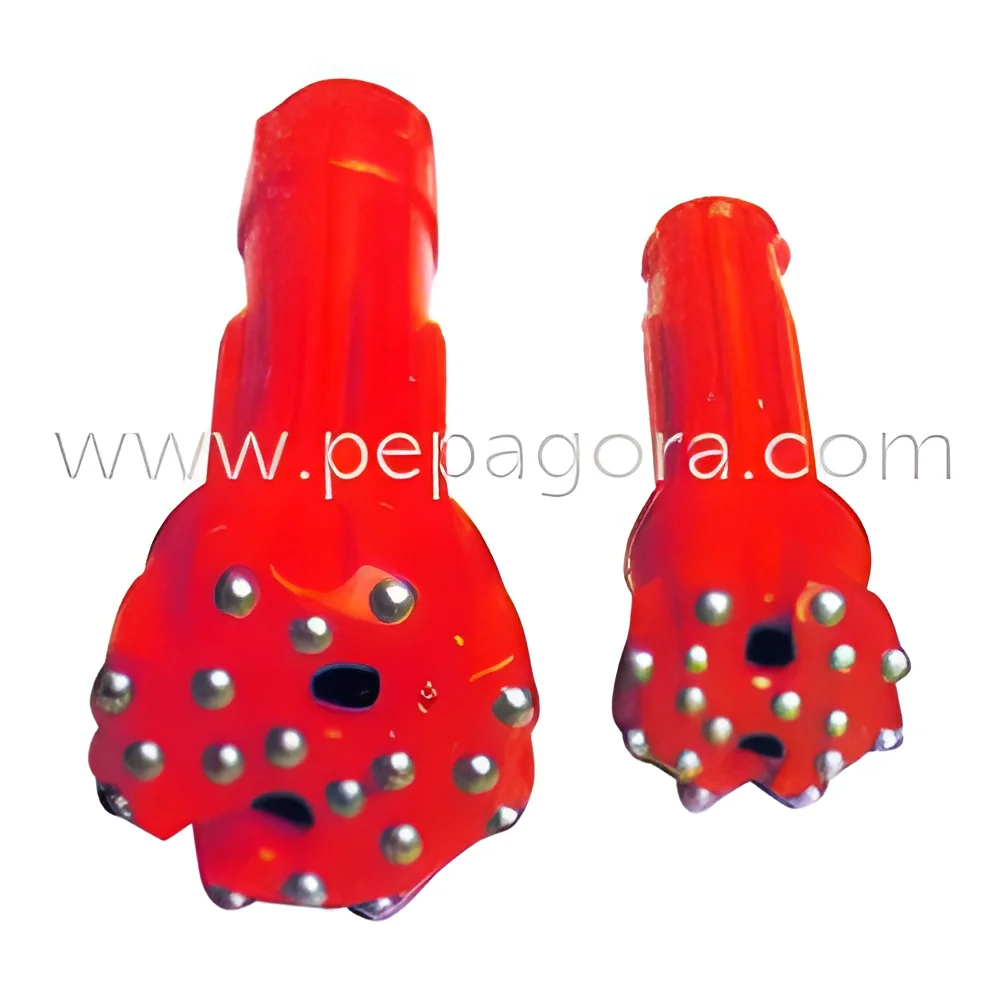
The different types of Mining & Metallurgy Machinery include drilling equipment, crushing machines, grinding mills, screening machines, and separation equipment. Each type serves a specific function in the mining process, from extraction to processing and refining of materials.
How do I choose the right Mining & Metallurgy Machinery?
Choosing the right Mining & Metallurgy Machinery depends on factors such as the type of material being processed, the scale of operations, and specific processing requirements. It is advisable to consult with manufacturers or industry experts to ensure the selected machinery meets operational needs.
What are the standard specifications for Mining & Metallurgy Machinery?
Standard specifications for Mining & Metallurgy Machinery typically include power requirements, capacity, size, weight, and material compatibility. Each machine may also have specific technological features such as automation levels and safety standards that must be considered.
What is the price range for Mining & Metallurgy Machinery?
The price range for Mining & Metallurgy Machinery varies widely based on the type, specifications, and manufacturer. Generally, prices can range from a few thousand to several hundred thousand dollars, depending on the complexity and capabilities of the machinery.
What quality standards apply to Mining & Metallurgy Machinery?
Quality standards for Mining & Metallurgy Machinery typically include compliance with ISO certifications, safety regulations, and industry-specific standards. It is important for manufacturers to adhere to these standards to ensure reliability and safety in operation.
Where can I find Mining & Metallurgy Machinery suppliers in India?
Mining & Metallurgy Machinery suppliers in India can be found through various online B2B marketplaces, trade shows, and industry directories. Platforms like Pepagora.com offer a comprehensive list of manufacturers and suppliers in the mining and metallurgy sector.
Can Mining & Metallurgy Machinery be customized?
Yes, Mining & Metallurgy Machinery can often be customized to meet specific operational requirements. Many manufacturers offer customization options to adapt machinery for unique processing needs or to accommodate particular materials.
What is the typical minimum order quantity for Mining & Metallurgy Machinery?
The typical minimum order quantity (MOQ) for Mining & Metallurgy Machinery can vary significantly based on the supplier and the type of machinery. Generally, MOQs may range from one unit for specialized equipment to larger quantities for standard machinery.
What is the typical lead time for Mining & Metallurgy Machinery?
The typical lead time for Mining & Metallurgy Machinery can vary based on the type of equipment ordered and the manufacturer's production schedule. Generally, lead times can range from a few weeks to several months, depending on customization and production capacity.
Why Businesses Trust Pepagora
Thousands of companies trust Pepagora to source smarter and sell faster
Expand Your Sales Globally

Source Smarter,Grow Faster
