What are Crushing & Screening Plants?
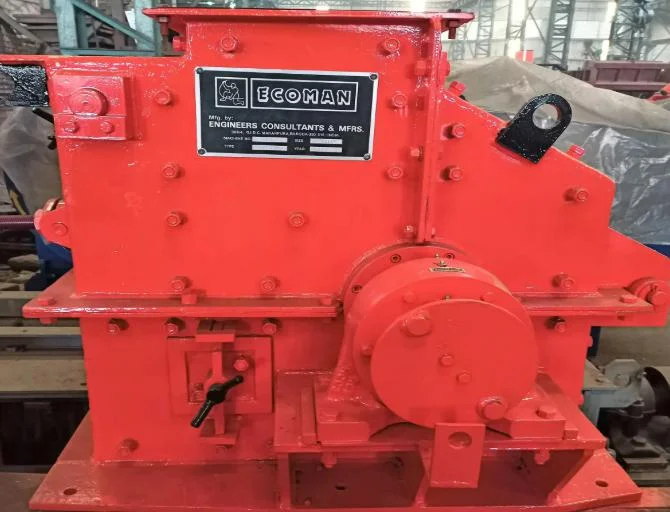
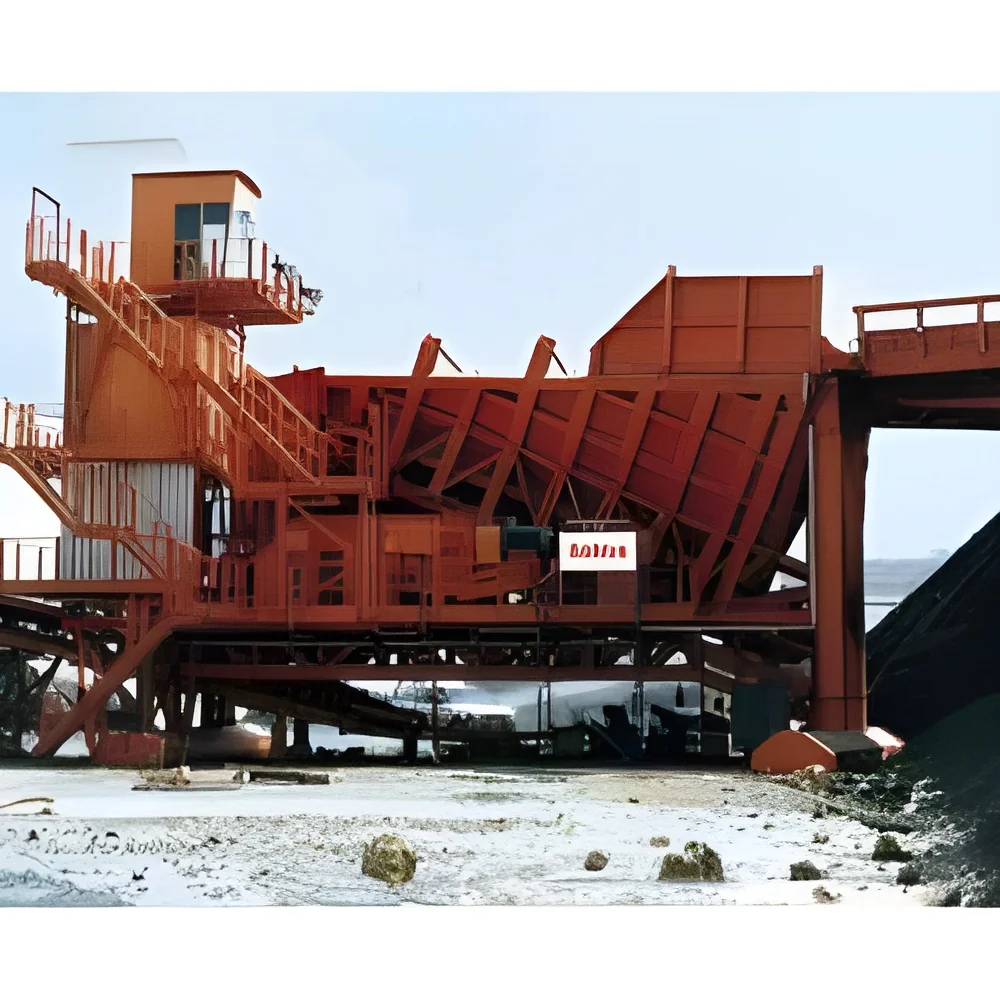
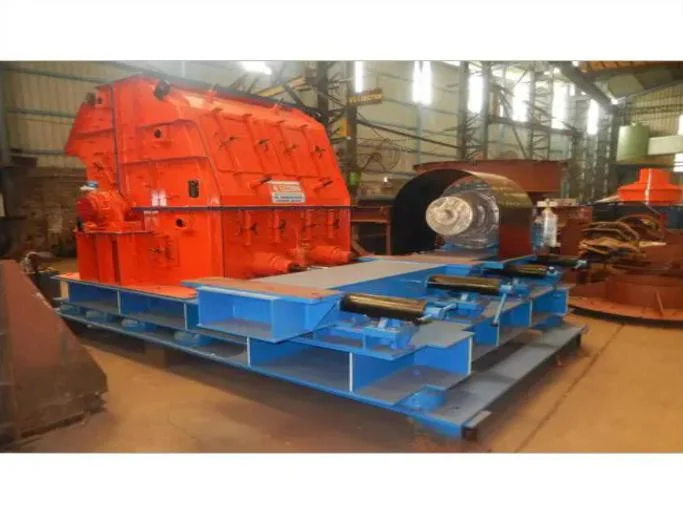
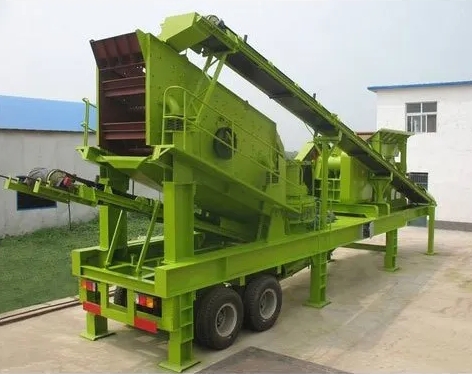
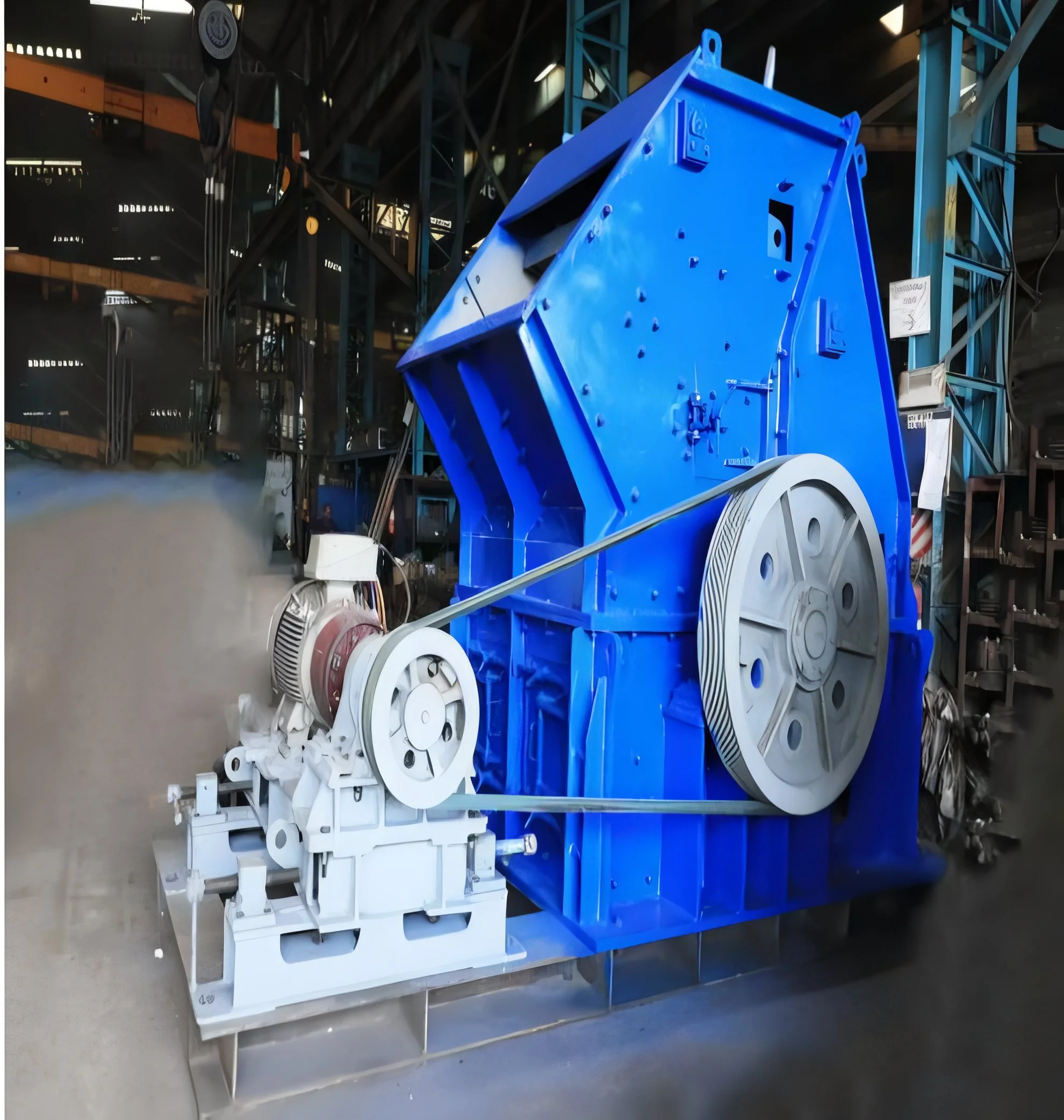
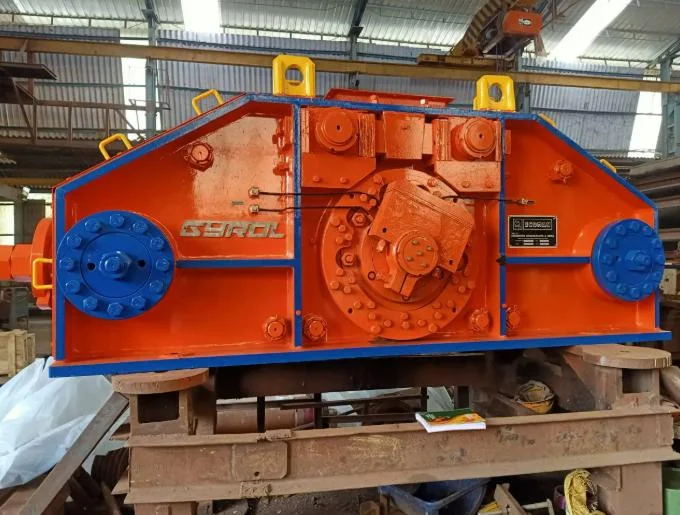
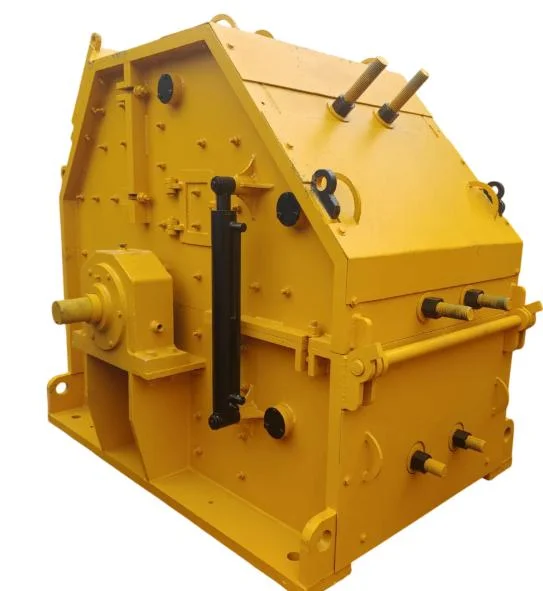
Crushing and screening plants are essential machinery used in the mining, construction, and recycling industries to process raw materials. These plants are designed to break down large rocks or ores into smaller, manageable pieces and then separate them based on size and quality. The main components include crushers, screens, and conveyors, which work in unison to prepare aggregates for various applications.
These plants are primarily used for producing aggregates for construction and infrastructure projects, including roads, bridges, and buildings. They play a crucial role in recycling materials, helping to reduce waste and promote sustainable practices. By converting waste materials into reusable products, crushing and screening plants contribute significantly to environmental conservation and resource management.
In the current market context, the demand for crushing and screening plants is growing due to increasing construction activities globally. As urbanization accelerates, the need for efficient and effective processing of raw materials is more critical than ever. Industries are looking for reliable solutions that can enhance productivity while adhering to environmental regulations, making these plants vital in today's industrial landscape.
Key Features and Specifications
Crushing and screening plants come with various features and specifications that cater to different applications and industries. These specifications ensure that the machinery operates efficiently and meets the demands of specific projects.
Key specifications include:
1. Crushing Capacity
- The amount of material that can be processed in a given time, typically measured in tons per hour.
2. Screen Size
- The dimensions of the screening surface that determine the particle sizes that can be separated.
3. Power Requirements
- The energy needed to operate the plant, often specified in kilowatts or horsepower.
4. Mobility
- Whether the plant is portable or stationary, impacting its deployment in various locations.
5. Feed Size
- The maximum size of the material that can enter the crushing process.
6. Operating Weight
- The total weight of the equipment, which can affect transportation and setup.
7. Maintenance Accessibility
- Features that facilitate easy access for servicing and repairs.
8. Control Systems
- Automation and monitoring systems that enhance operational efficiency and safety.
In summary, understanding these key specifications helps buyers select the right crushing and screening plant for their specific needs.
Common Applications and Use Cases
Crushing and screening plants serve a wide range of industries and applications, making them versatile tools in material processing.
1. Construction: These plants are essential for producing aggregates used in concrete, asphalt, and other construction materials.
2. Mining: They are used to crush and screen ores and minerals, facilitating the extraction process.
3. Recycling: Crushing and screening plants play a vital role in processing recycled materials, such as concrete and asphalt, making them reusable.
4. Quarrying: They help in extracting stone and gravel from quarries for various construction applications.
5. Demolition: These plants are used to process debris from demolished structures, enabling the recovery of valuable materials.
6. Road Building: Crushing and screening plants provide the necessary aggregates for constructing and maintaining roads.
7. Landscaping: They assist in producing decorative stone and gravel used in landscaping projects.
Product Variants and Subcategories
Crushing and screening plants come in various configurations to suit diverse operational needs. Each variant is designed with specific features that enhance performance in different environments.
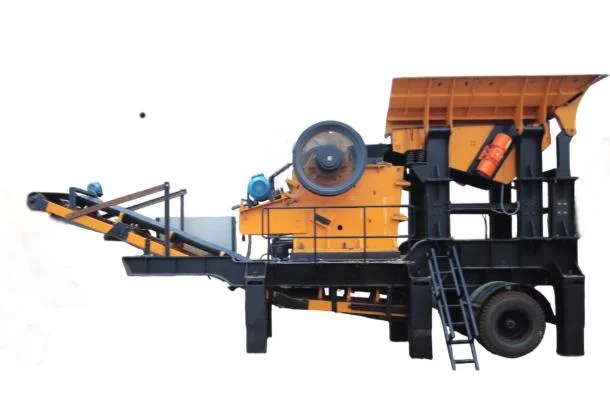
Mobile Crushing Plant
This variant is designed for portability, allowing for easy transport between job sites. It is equipped with track or wheel systems, making it suitable for projects where mobility is crucial.
Stationary Crushing Plant
Ideal for long-term projects, this variant offers robust performance with higher production capacities. Stationary plants are typically set up in fixed locations for continuous operation.
Compact Crushing Plant
Designed for smaller sites, compact crushing plants provide flexibility and efficiency in processing materials. They are often used in urban environments where space is limited.
Benefits and Advantages
Investing in crushing and screening plants provides several key benefits that can enhance operational efficiency and profitability.
1. Increased Efficiency: These plants streamline the material processing workflow, reducing production time and labor costs.
2. Versatility: They can handle various materials and adapt to different processing needs, making them suitable for multiple industries.
3. Cost-Effectiveness: By producing high-quality aggregates on-site, companies can save on transportation costs and reduce material waste.
4. Enhanced Productivity: Advanced technology in these plants allows for higher throughput and improved product quality.
5. Environmental Benefits: Recycling capabilities contribute to sustainability efforts by reducing landfill waste and promoting resource conservation.
6. Safety Features: Modern crushing and screening plants come equipped with safety mechanisms that protect operators and reduce accident risks.
Buying Guide for B2B Buyers
When sourcing crushing and screening plants, buyers should consider several critical factors to make informed decisions.
1. Quality Assessment: Evaluate the materials and construction quality of the equipment to ensure durability and reliability in operations.
2. Supplier Verification: Research suppliers to confirm their reputation and reliability in delivering quality products and support.
3. Pricing and MOQ: Understand the pricing structure and minimum order quantities to align with budget constraints and project requirements.
4. Delivery and Lead Times: Inquire about logistics and expected delivery times to ensure timely availability for project schedules.
5. Compliance Requirements: Check for necessary certifications and compliance with industry standards to avoid regulatory issues.
Compliance and Certifications
Compliance and certifications are vital aspects of crushing and screening plants, ensuring safety and quality standards are met.
Relevant standards such as ISO 9001 highlight the importance of quality management systems in manufacturing processes. Achieving this certification indicates that a supplier adheres to stringent quality control practices.
Additionally, industry certifications like CE mark demonstrate compliance with European safety standards, ensuring that equipment meets essential health and safety requirements.
Safety and testing requirements are crucial for operational integrity. Regular inspections and adherence to safety protocols protect operators and enhance machinery longevity.
Regional compliance considerations vary by location, making it essential for buyers to understand local regulations to ensure their equipment meets all necessary legal standards.
Why Source Crushing & Screening Plants from Pepagora?
Pepagora offers a trusted platform for sourcing crushing and screening plants, providing several key advantages to B2B buyers.
Verified Supplier Network: Pepagora maintains a robust network of verified suppliers, ensuring that buyers can access high-quality products from reputable manufacturers. This network fosters trust and reliability in transactions.
Streamlined RFQ Process: The platform simplifies the request for quotation process, allowing buyers to compare options efficiently and receive timely responses from multiple suppliers. This helps buyers make informed decisions quickly.
Trade Assurance and Support: Pepagora provides trade assurance, ensuring that buyers are protected throughout the procurement process. Support is available to address any concerns or challenges that may arise.
Regional Coverage: With a focus on markets in India, the GCC, and Southeast Asia, Pepagora connects buyers with local suppliers, enhancing logistics and reducing shipping costs. This geographic reach facilitates smoother operations and timely access to equipment.
By choosing Pepagora, buyers can confidently source crushing and screening plants that meet their specific needs while benefiting from a supportive and efficient procurement process.

 IN
IN