IN
IN₹
Apparel & Fashion
Loading subcategories...
View More
Description
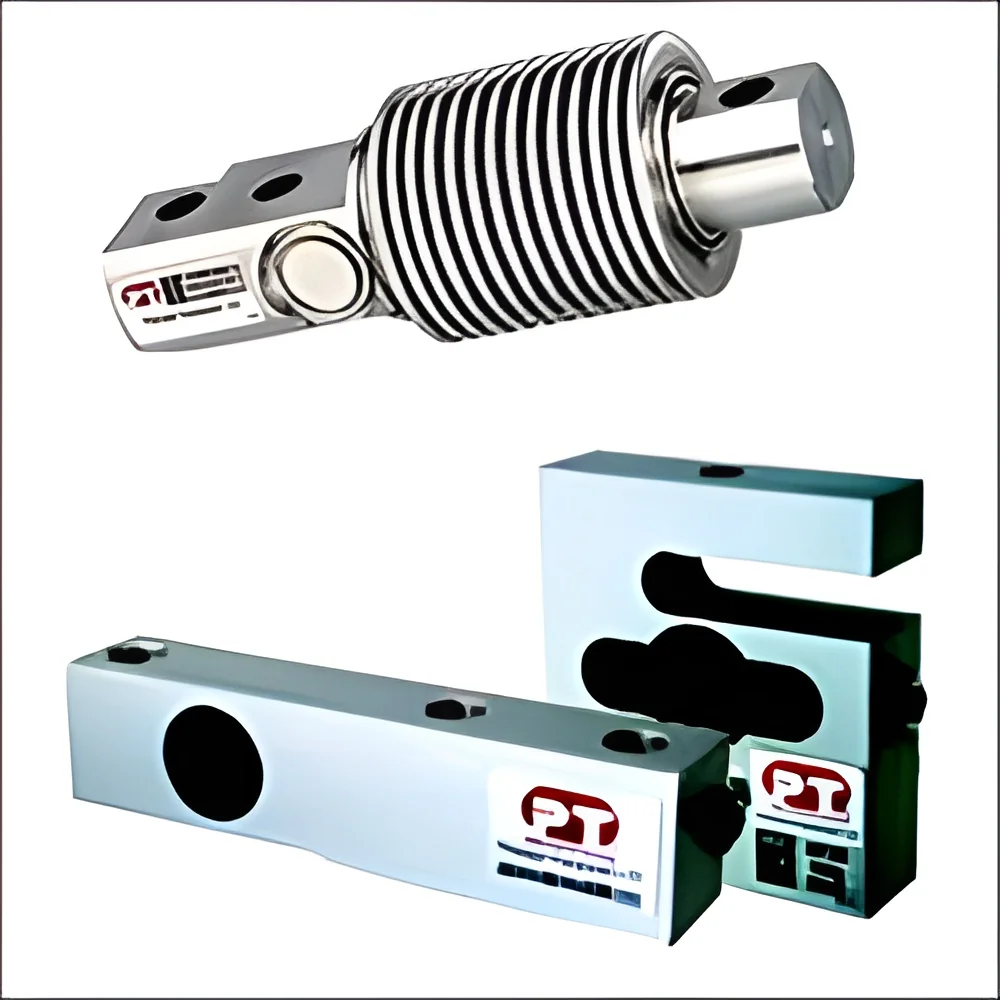
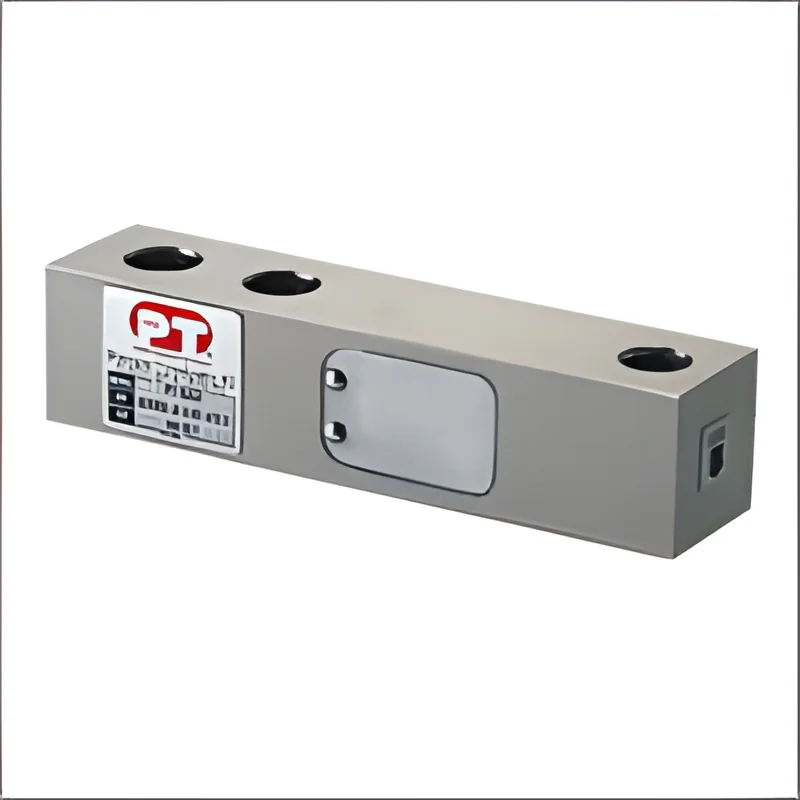
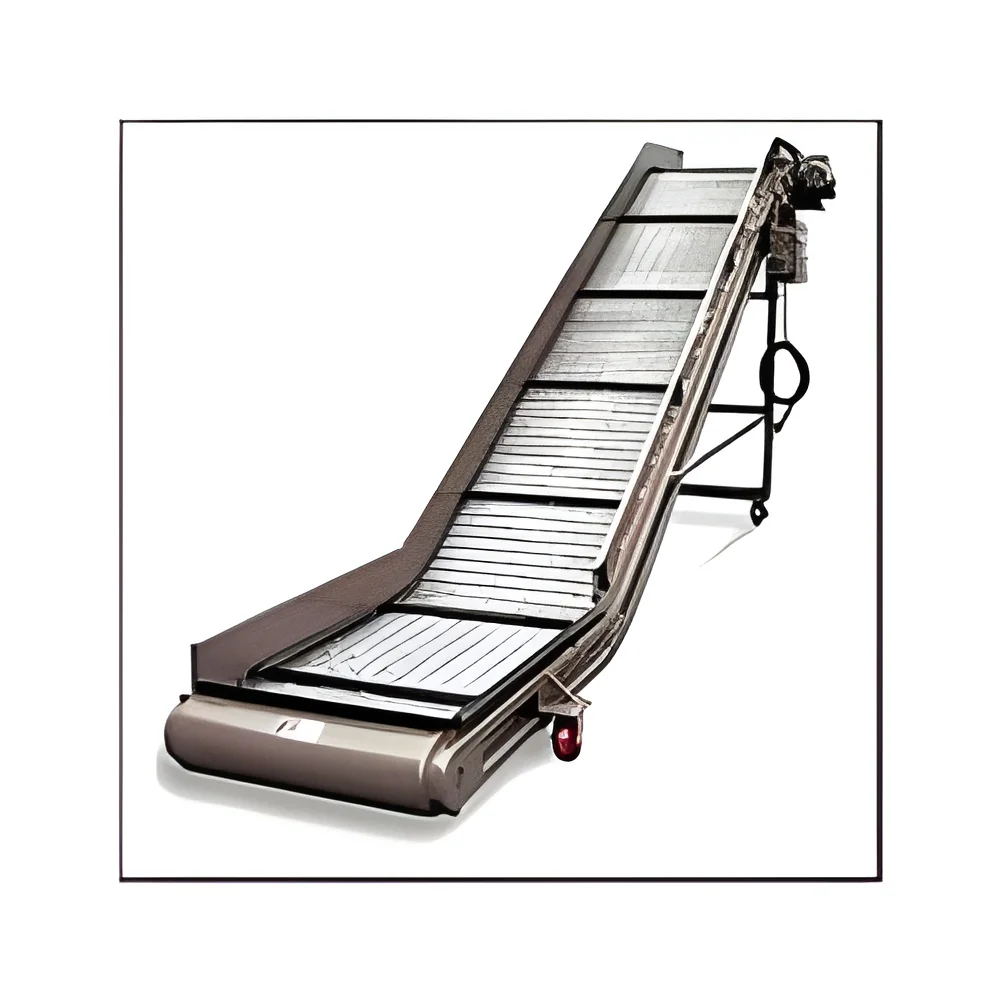
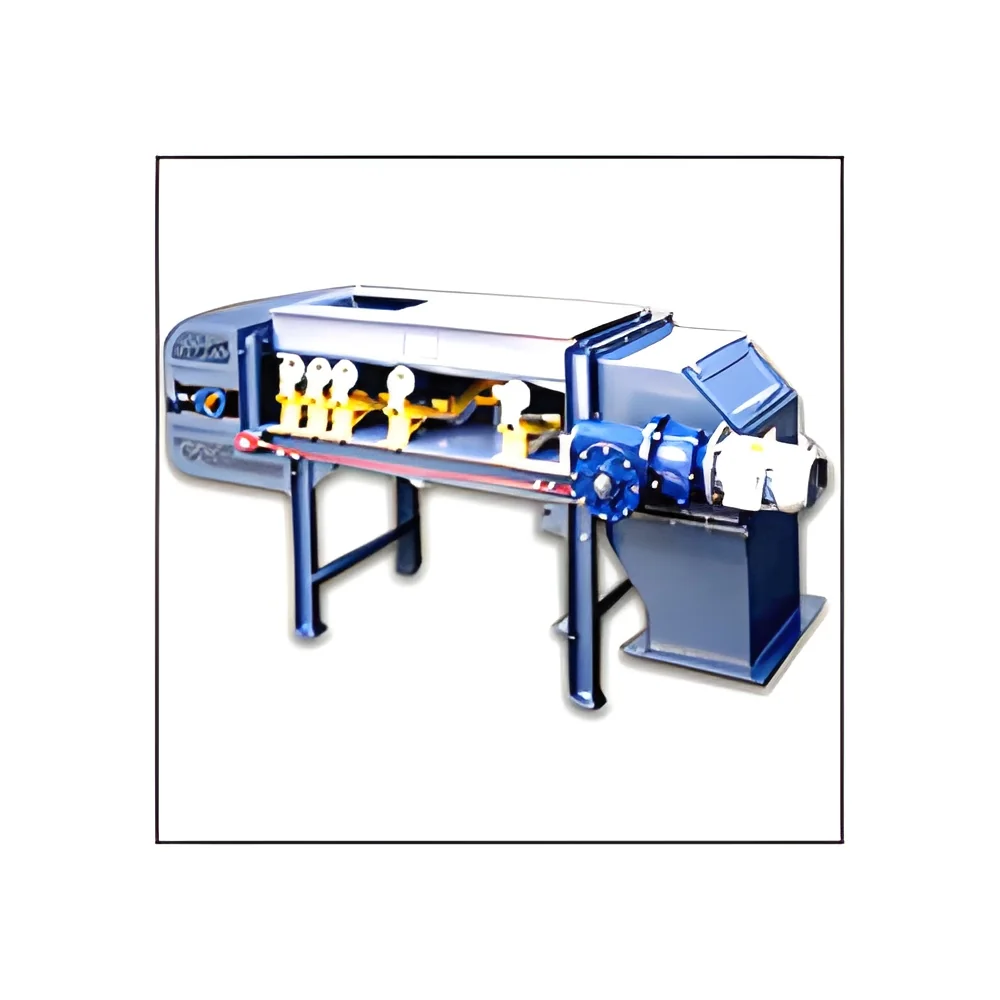
Belt weighers and weigh feeders are precision-engineered systems designed for the continuous weighing and controlled feeding of bulk solid materials in industrial operations. These advanced systems accurately measure the mass flow rates of materials on conveyor belts while providing reliable totalization over time. Built to handle demanding applications with materials such as iron ore, coal, limestone, dolomite, coke, wood chips, and sinter, they incorporate sophisticated load cells and speed sensors to ensure high accuracy in feed rate calculation and material measurement. Their robust construction and engineering allow for efficient performance even in harsh operating conditions, delivering long-term reliability with minimal maintenance requirements for continuous industrial operations.

These weighing solutions serve critical functions across multiple heavy industries including mining, cement production, steel manufacturing, power generation, and aggregate processing. In mining oper...
Belt weighers and weigh feeders are precision-engineered systems designed for the continuous weighing and controlled feeding of bulk solid materials in industrial operations. These advanced systems accurately measure the mass flow rates of materials on conveyor belts while providing reliable totalization over time. Built to handle demanding applications with materials such as iron ore, coal, limestone, dolomite, coke, wood chips, and sinter, they incorporate sophisticated load cells and speed sensors to ensure high accuracy in feed rate calculation and material measurement. Their robust construction and engineering allow for efficient performance even in harsh operating conditions, delivering long-term reliability with minimal maintenance requirements for continuous industrial operations.

These weighing solutions serve critical functions across multiple heavy industries including mining, cement production, steel manufacturing, power generation, and aggregate processing. In mining operations, they facilitate the accurate measurement of extracted minerals and ores, while cement plants rely on them for the precise proportioning of raw materials like limestone and coal. Steel manufacturing facilities depend on these systems for handling sinter and coke in blast furnace operations, and power generation plants utilize them for controlled coal feeding into boilers. Their versatility extends to biomass and wood processing industries where they manage the flow of wood chips and briquettes. Each industry benefits from their seamless integration with automation systems for real-time monitoring and control, enhancing overall operational efficiency and production quality.

The business value of belt weighers and weigh feeders lies in their ability to optimize material usage, reduce operational waste, and improve process consistency throughout production cycles. By delivering accurate, real-time data on material flow, these systems help maintain stringent quality standards, comply with regulatory requirements, and minimize operational costs through precise material control. Their proven reliability ensures uninterrupted production flows, significantly reducing downtime and maintenance expenses. The engineering allows adaptation to specific material characteristics and site conditions, providing optimal performance for diverse operational requirements. These systems represent a strategic investment for enhancing efficiency, accuracy, and long-term profitability in material handling processes.

Key Features:
- High-precision load cells and speed sensors for accurate mass flow measurement.
- Robust construction engineered for heavy-duty and abrasive materials.
- Customizable configurations to match specific material handling requirements.
- Seamless integration with existing conveyor systems and process automation.
- Durable components designed for harsh industrial environments with minimal maintenance.

Benefits:
- Optimized material usage and reduced operational waste through precise control.
- Enhanced process consistency and quality standards maintenance.
- Reduced operational costs through accurate real-time material tracking.
- Uninterrupted production flows with reliable performance and minimal downtime.
- Improved profitability through efficient material handling and process optimization.
Specifications
| Additional Information | |
|---|---|
| Country of Origin | India |
| Customisable | No |
Application
Belt weighers and weigh feeders are engineered for continuous weighing and controlled feeding of bulk materials in demanding industrial settings. They handle abrasive and heavy-duty materials including iron ore, coal, limestone, and sinter, ensuring accurate mass flow measurement and consistent feed rates. These systems integrate seamlessly with existing conveyor and process control setups, delivering real-time data to enhance operational efficiency and inventory management.
Industries such as mining, cement production, steel manufacturing, and power generation rely on these robust weighing solutions for their durability and precision. Built to operate under high loads and variable conditions, they maintain production continuity while minimizing material waste. Their reliable performance in challenging environments makes them essential for maintaining consistent material flow and optimizing processes across numerous industrial applications.
- Continuous weighing and proportioning of raw materials like iron ore and limestone in cement manufacturing.
- Controlled feeding of coal into boilers and furnaces in thermal power generation facilities.
- Accurate batch weighing and totalization of sinter and coke in steel production blast furnaces.
- Handling and measuring wood chips and biomass materials in renewable energy production.
- Monitoring and controlling material flow in aggregate processing and mining operations for inventory management.
Trade Details
| Available Stock | In Stock |
| Sample Availability | No |
Payment Terms
| Payment Terms |
|
Company Profile
Best Systems And Services, Tamil Nadu
 Tamil Nadu, India
Tamil Nadu, IndiaIndustrial Equipment & Machinery•Manufacturer•Distributor / Wholesaler
Factory Details
Factory SizeBelow 1000 sqm
Annual Production Capacity0
Belt Weighers And Weigh Feeders For Bulk Material Handling
Belt weighers and weigh feeders provide continuous, accurate bulk material handling for mining, cement, and steel industries, precisely controlling feed rates for materials like iron ore, coal, and limestone.
Min. Order Quantity: 1 unit
Shipping
Shipping fee and delivery date to be negotiated. Contact supplier now for more details.
Best Systems And Services
 Tamil Nadu, India
Tamil Nadu, IndiaIndustrial Equipment & MachineryManufacturer