
 IN
INElectric Arc Furnaces (EAF)
5 products available
Key Features and Specifications
Common Applications and Use Cases
Product Variants and Subcategories
Benefits and Advantages
Buying Guide for B2B Buyers
Compliance and Certifications

Frequently Asked Questions
What are Electric Arc Furnaces (EAF)?
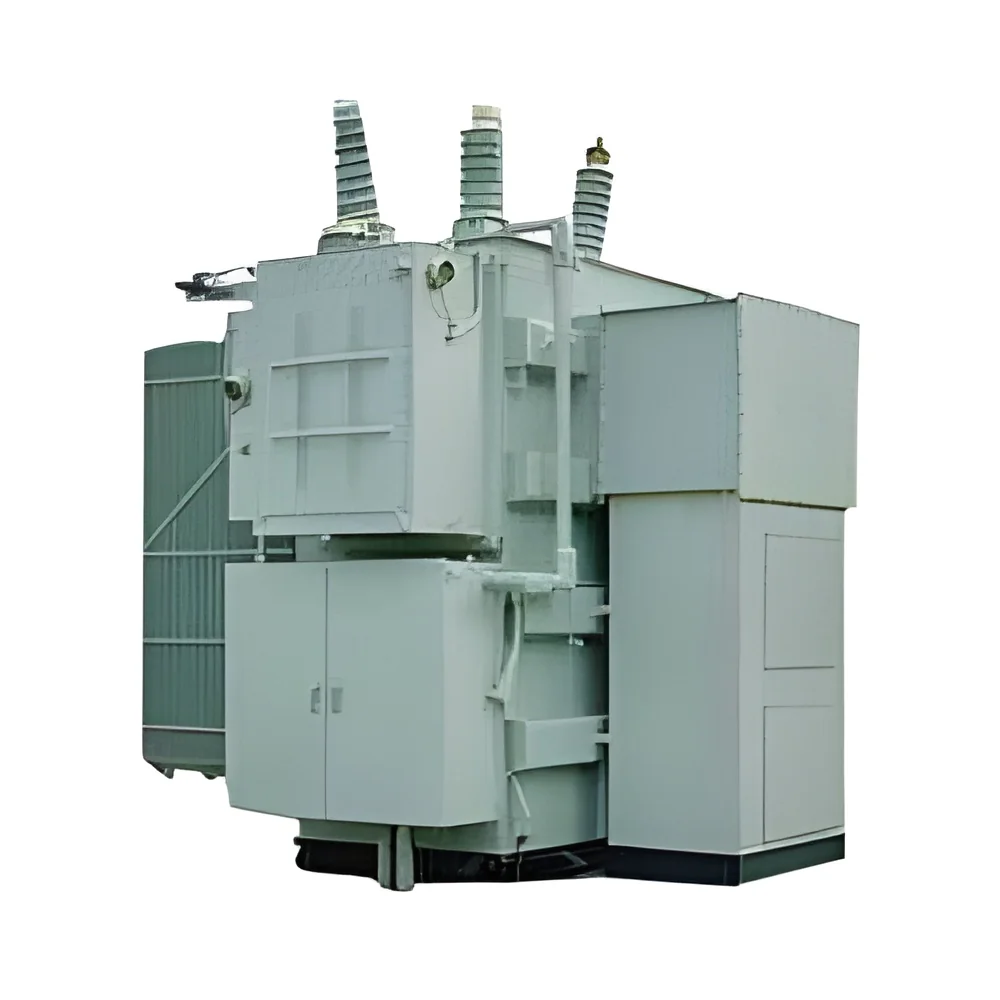
Electric Arc Furnaces (EAF) are industrial machines used for melting and refining metal, primarily steel and iron. They utilize electrical energy to create an arc between electrodes, generating heat to melt the metal. EAFs are known for their efficiency and flexibility in handling various types of scrap metal.
What are the different types of Electric Arc Furnaces (EAF)?
There are mainly two types of Electric Arc Furnaces (EAF): the conventional EAF and the bottom electrode EAF. Conventional EAFs have electrodes located at the top, while bottom electrode EAFs feature electrodes positioned at the bottom of the furnace. Each type serves different applications and has unique operational characteristics.
How do I choose the right Electric Arc Furnaces (EAF)?
Choosing the right Electric Arc Furnace (EAF) involves assessing your specific production needs, including capacity, type of material to be melted, and energy efficiency. It's also important to consider the furnace design, operational costs, and the level of automation desired. Consulting with manufacturers or industry experts can also provide valuable insights.
What are the standard specifications for Electric Arc Furnaces (EAF)?
Standard specifications for Electric Arc Furnaces (EAF) typically include parameters such as furnace capacity (measured in tons), power consumption (in megawatts), and the size of the electrodes. Additionally, specifications may cover the type of cooling systems used and the materials acceptable for melting. These details vary based on the application's requirements.
What is the price range for Electric Arc Furnaces (EAF)?
The price range for Electric Arc Furnaces (EAF) can vary widely based on factors such as capacity, features, and manufacturer. Generally, prices can start from a few lakhs to several crores, depending on the complexity and technology of the furnace. It's advisable to request quotes from multiple suppliers to compare pricing.
What quality standards apply to Electric Arc Furnaces (EAF)?
Electric Arc Furnaces (EAF) must comply with various quality standards, including ISO certifications and industry-specific regulatory requirements. These standards often cover aspects like safety, environmental impact, and operational efficiency. Manufacturers should provide documentation proving compliance with these quality standards.
Where can I find Electric Arc Furnaces (EAF) suppliers in India?
You can find Electric Arc Furnaces (EAF) suppliers in India through various channels including online B2B marketplaces like Pepagora, industry trade shows, and local manufacturing directories. Additionally, networking with industry professionals can help identify reputable suppliers. It is advisable to conduct thorough research to ensure reliability.
Can Electric Arc Furnaces (EAF) be customized?
Yes, Electric Arc Furnaces (EAF) can often be customized to meet specific operational requirements. Customization options may include changes in size, power configuration, and additional features such as automation systems. It's essential to discuss your needs with manufacturers to explore available customization options.
What is the typical minimum order quantity for Electric Arc Furnaces (EAF)?
The typical minimum order quantity (MOQ) for Electric Arc Furnaces (EAF) can vary by manufacturer but is often set at one unit, given the nature of these large industrial machines. However, for smaller components or auxiliary equipment, MOQs may differ. Always check with the supplier for their specific MOQ policies.
What is the typical lead time for Electric Arc Furnaces (EAF)?
The typical lead time for Electric Arc Furnaces (EAF) can range from several weeks to several months depending on the complexity of the order and the manufacturer's production schedule. Custom orders may take longer, so it's advisable to discuss lead times upfront with the supplier to ensure timely delivery.
Why Businesses Trust Pepagora
Thousands of companies trust Pepagora to source smarter and sell faster
Expand Your Sales Globally

Source Smarter,Grow Faster
