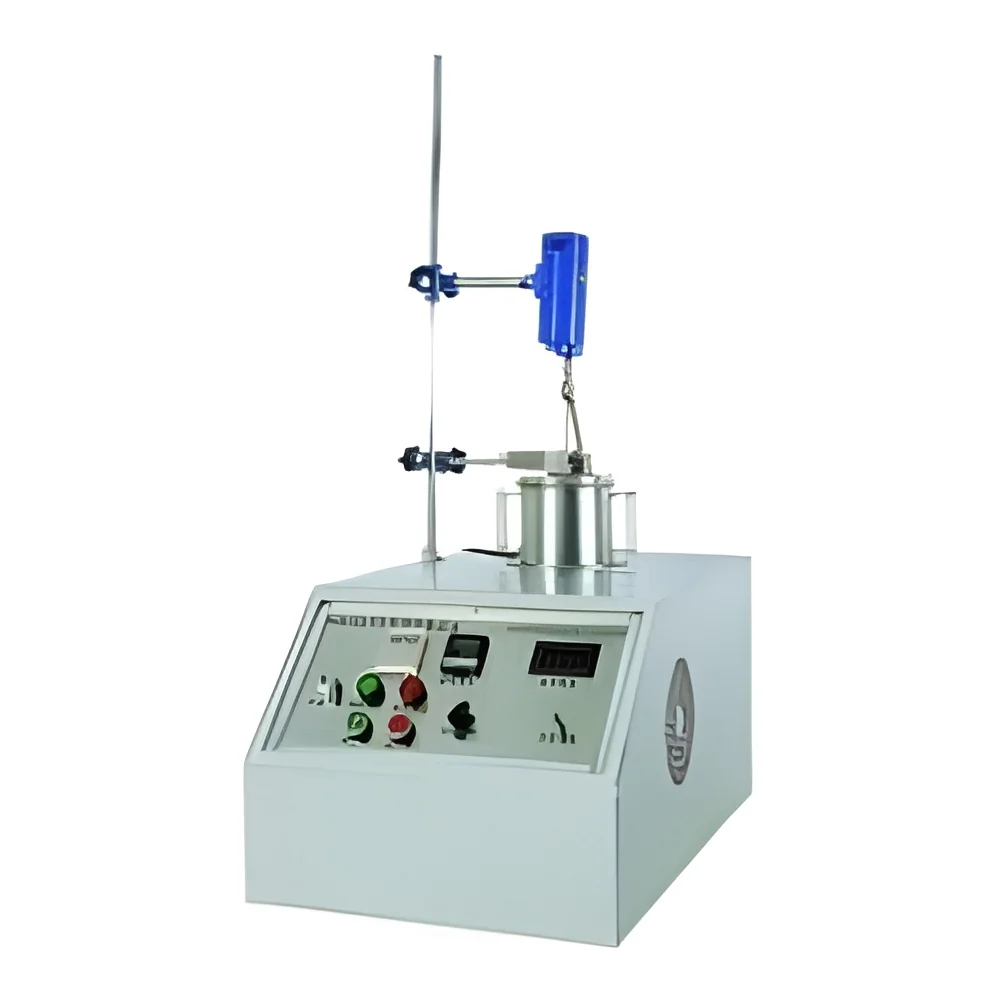
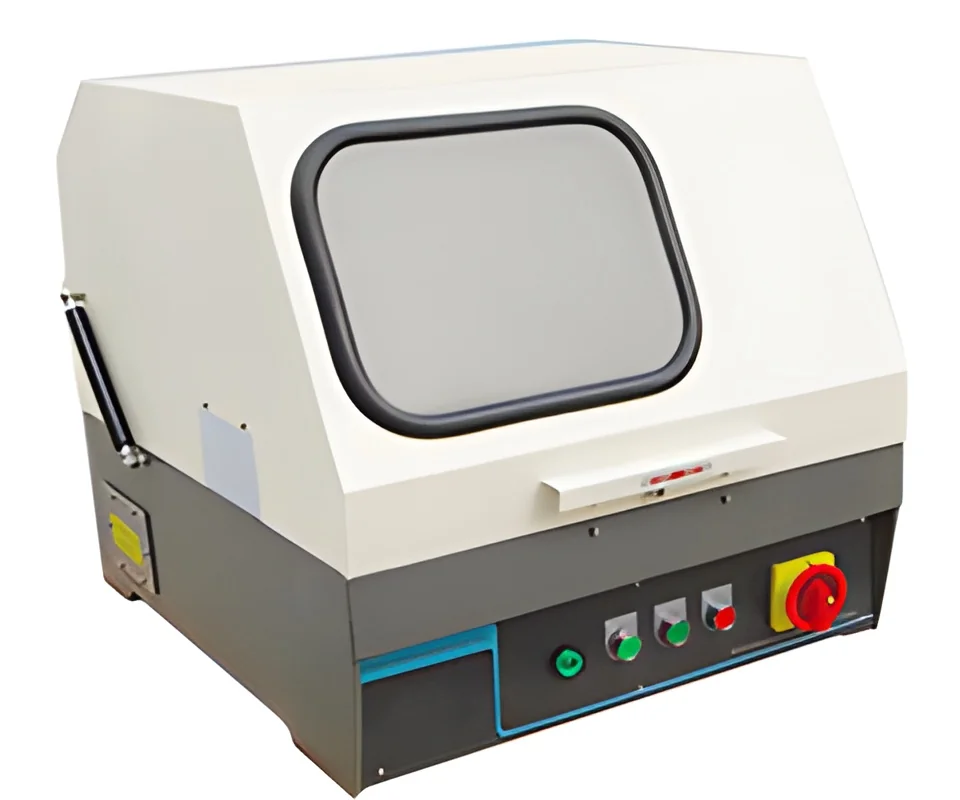
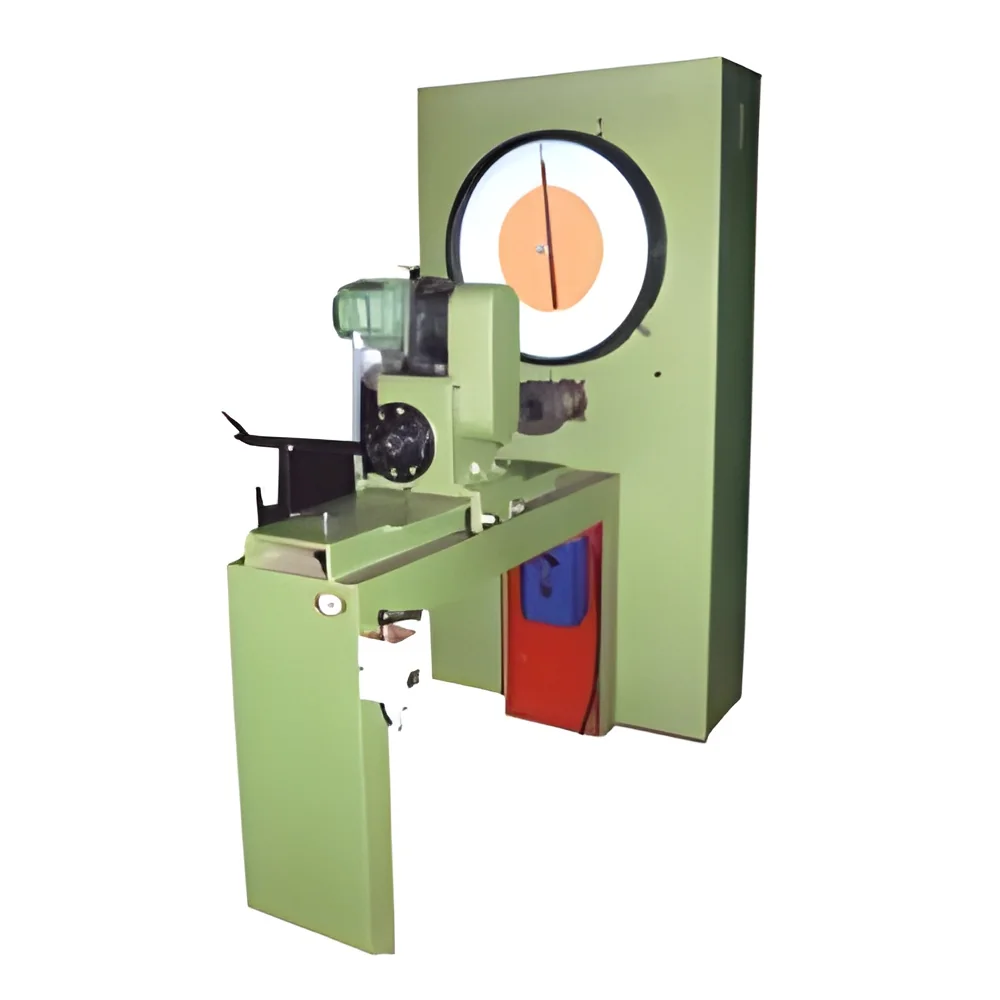
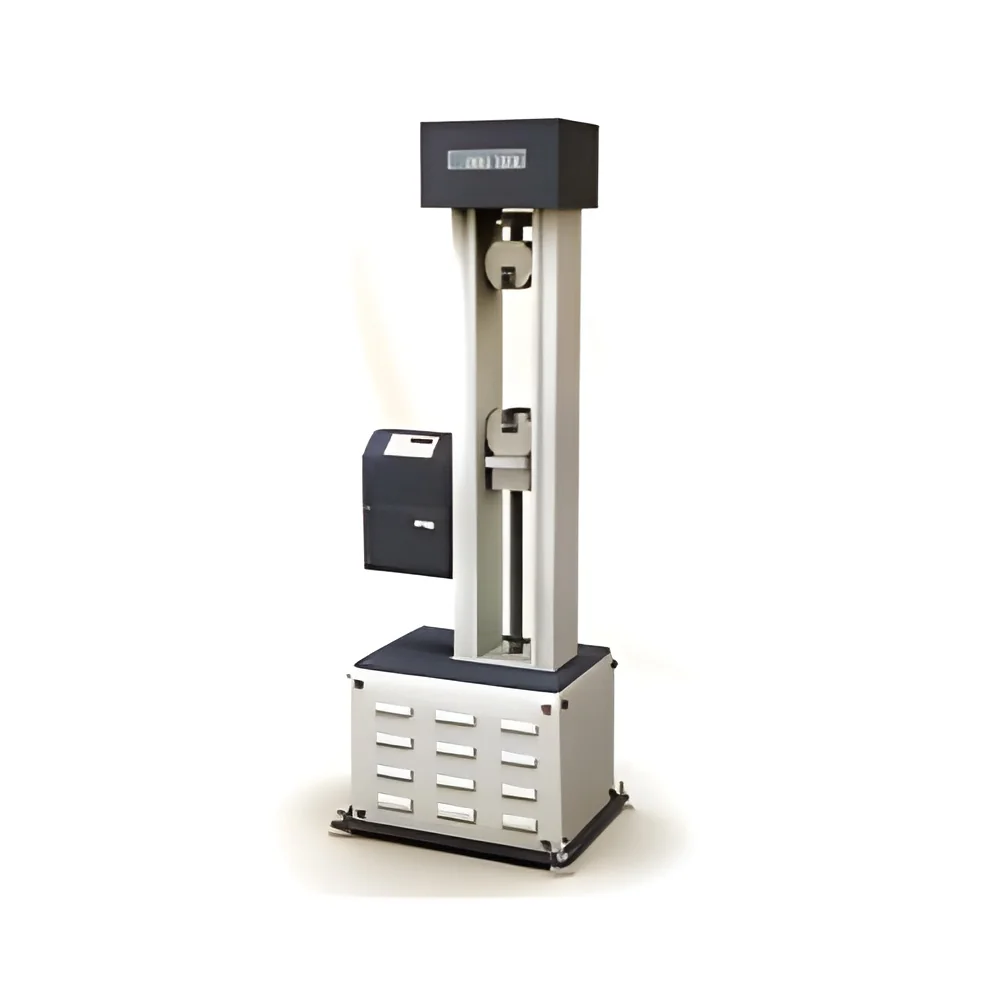
What are Tensile Testing Machines for Metals?
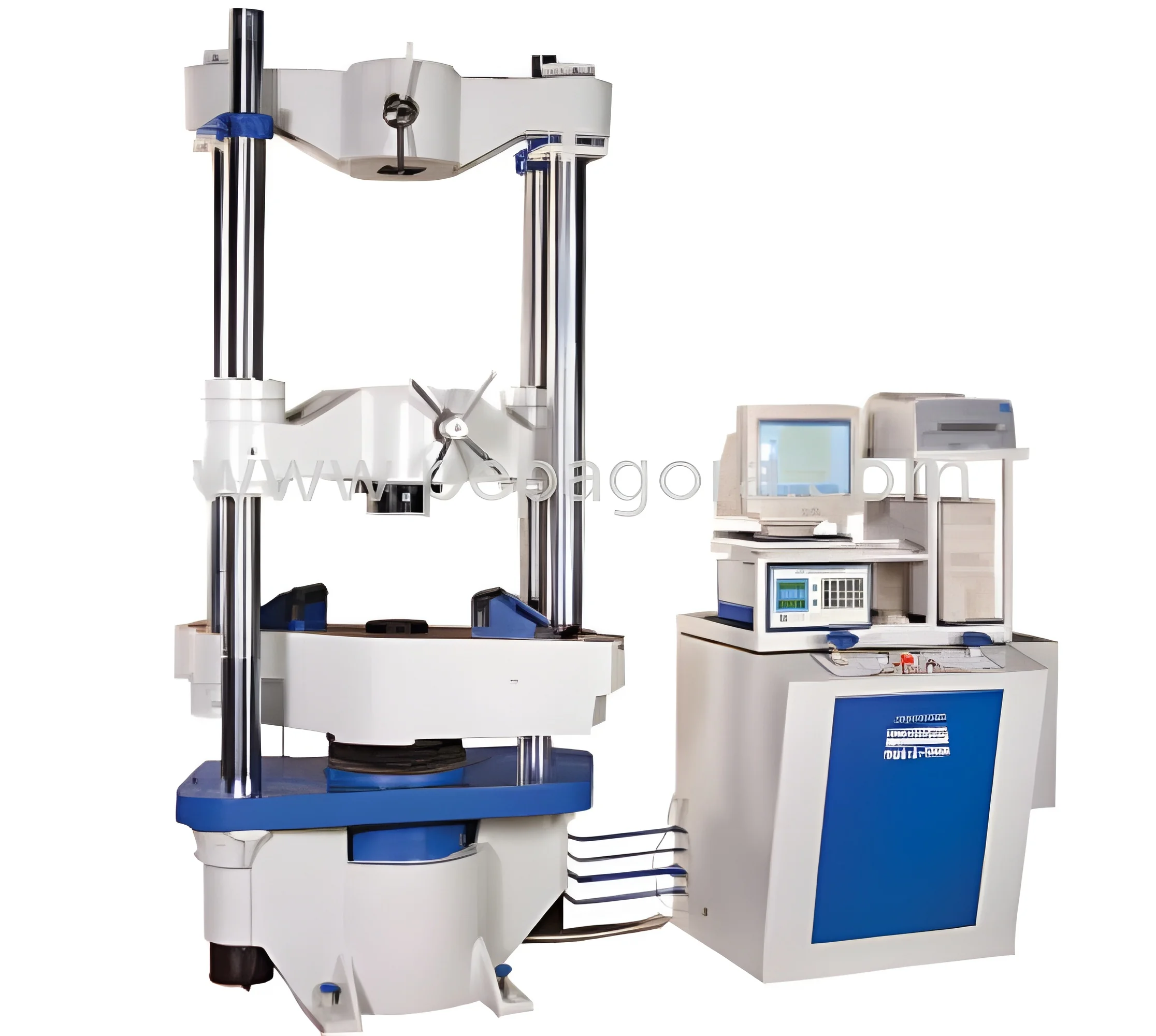
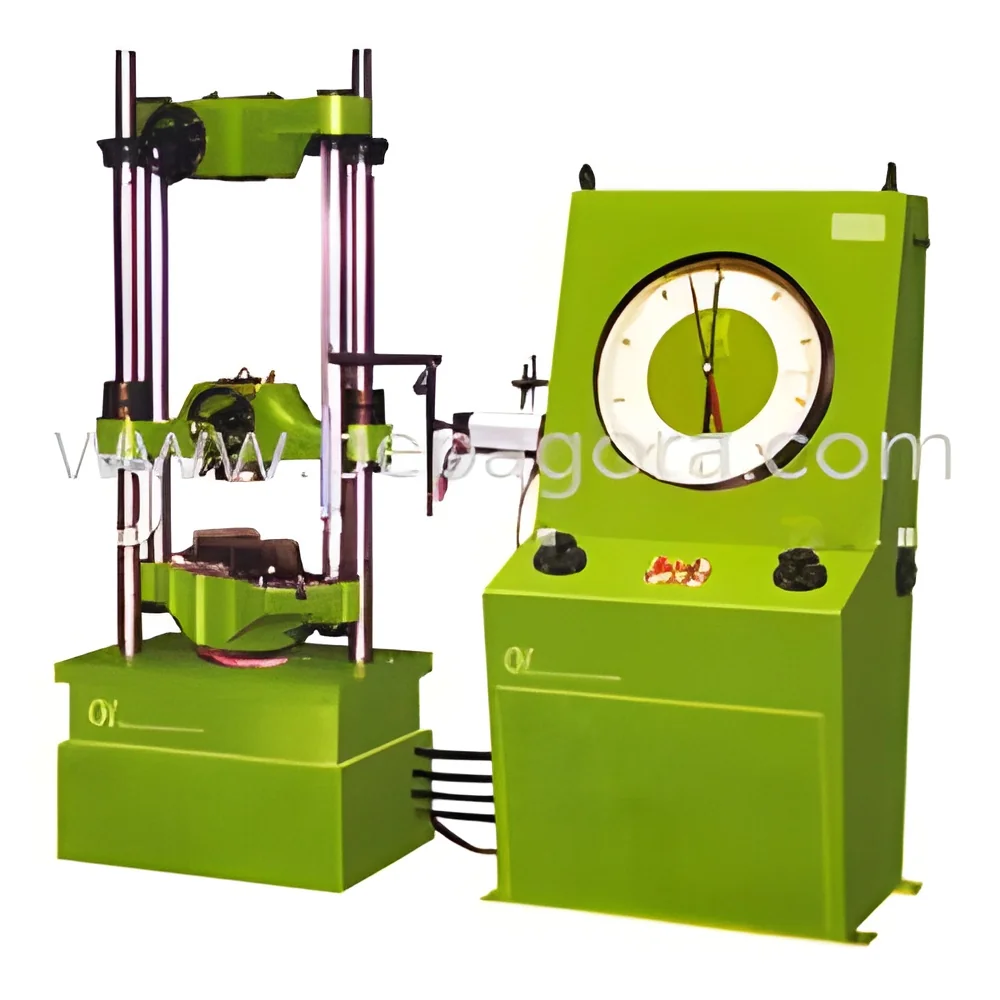
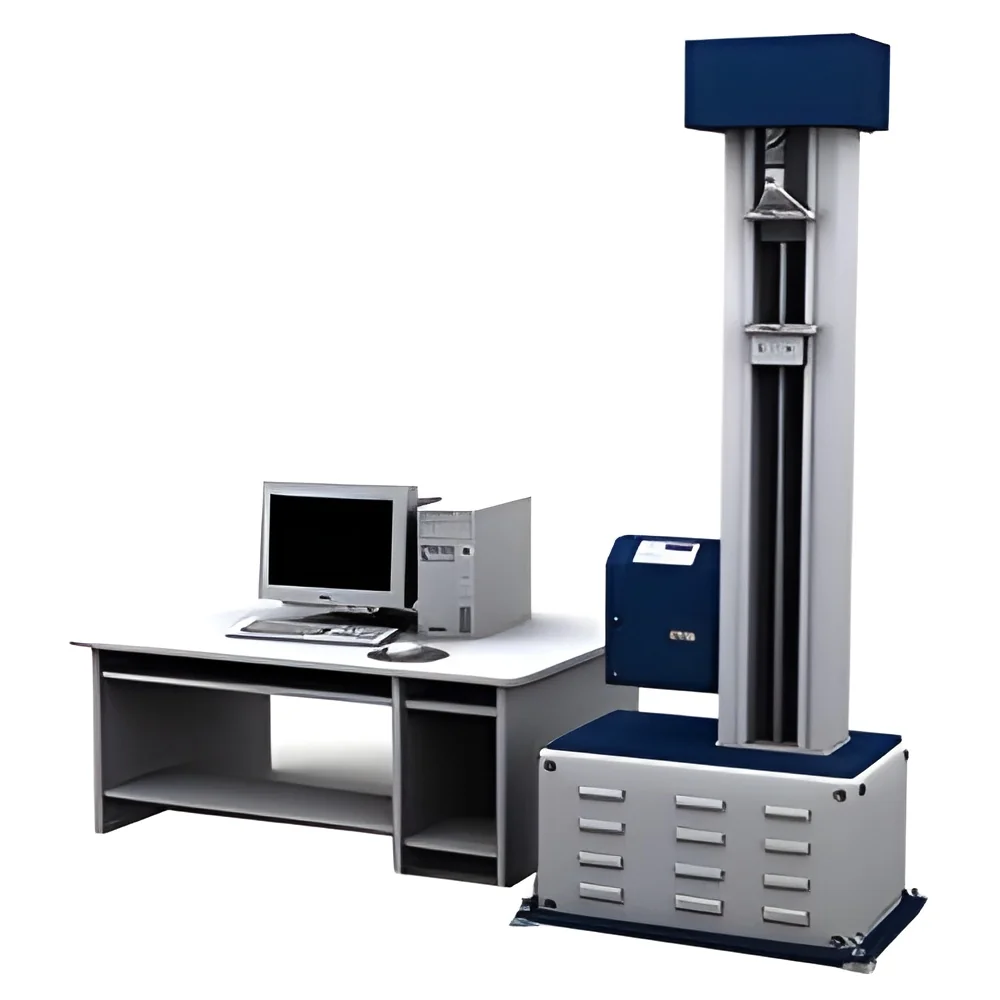
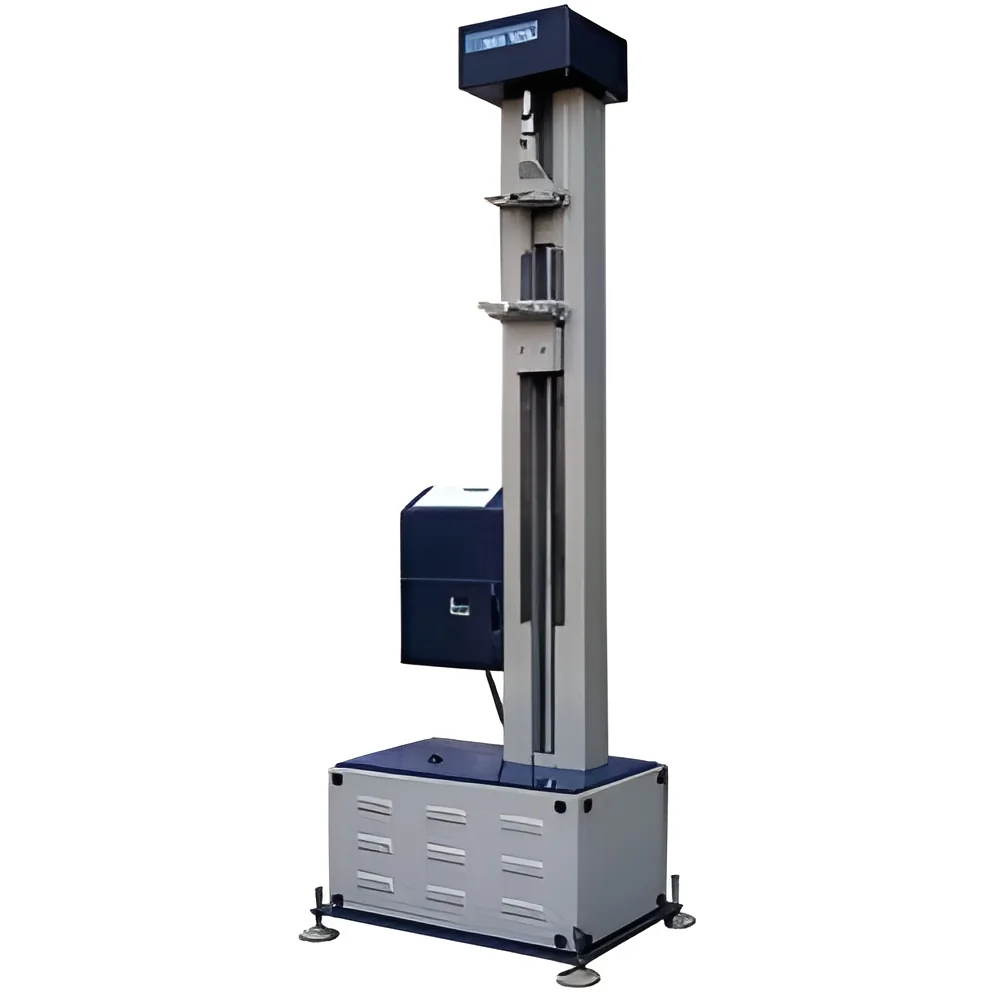
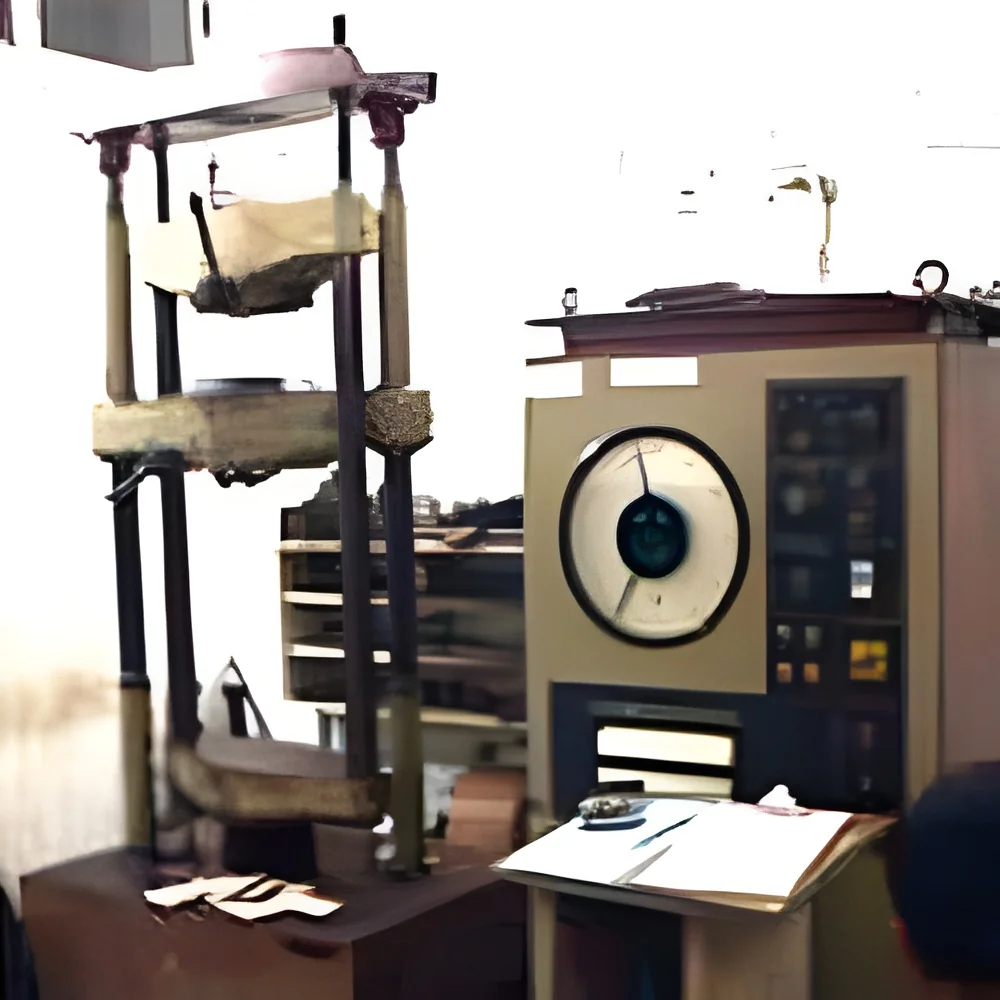
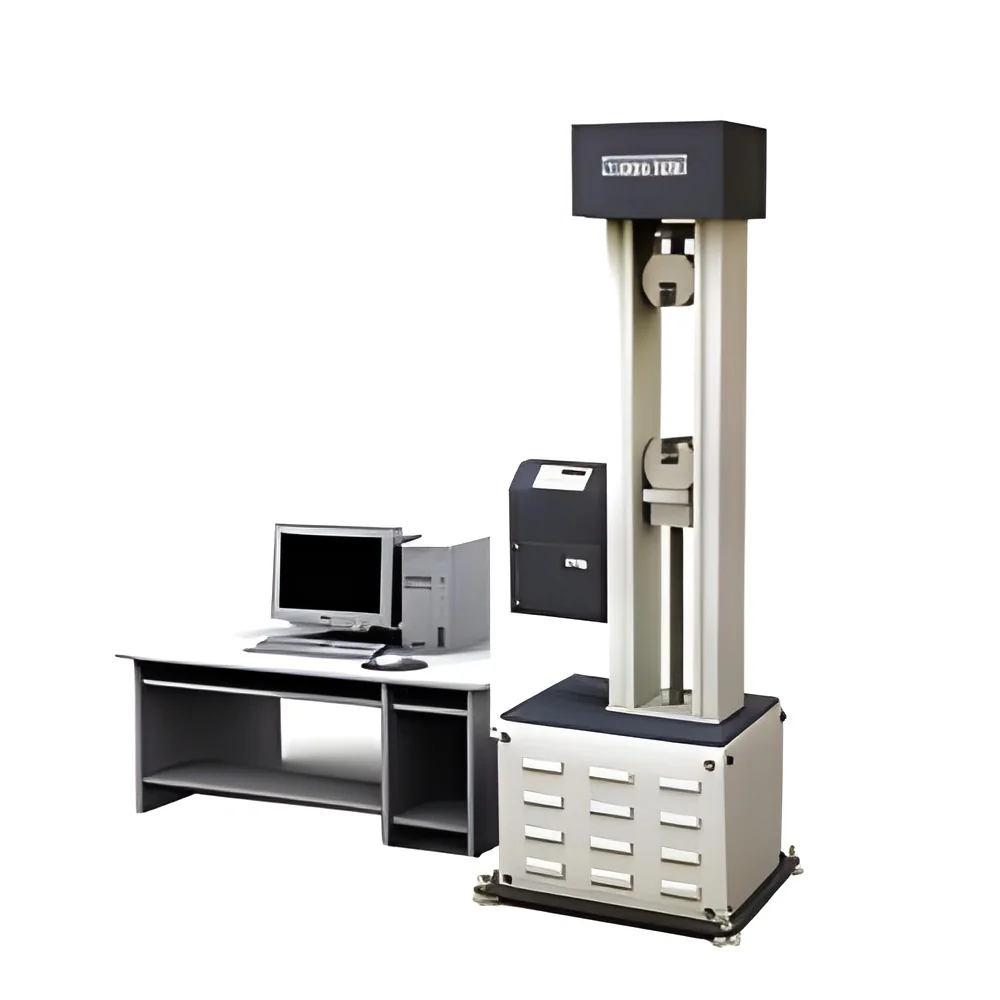
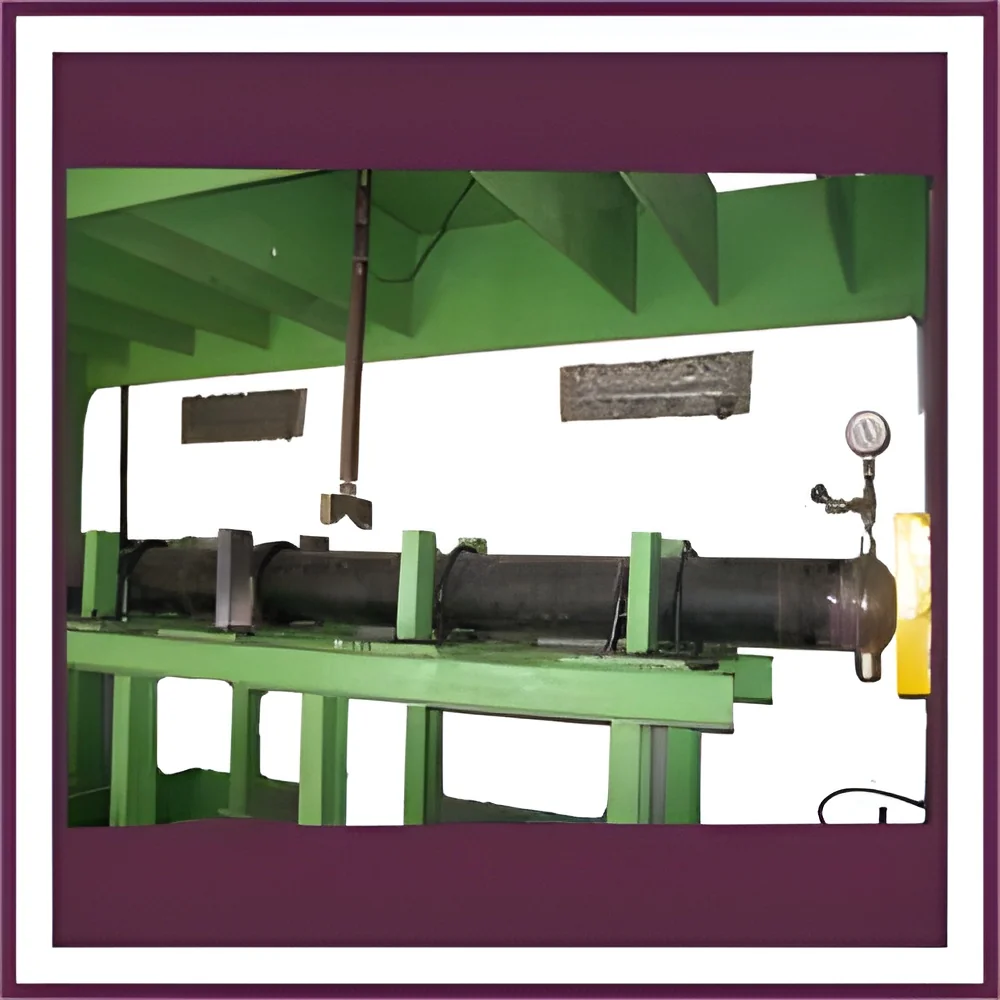
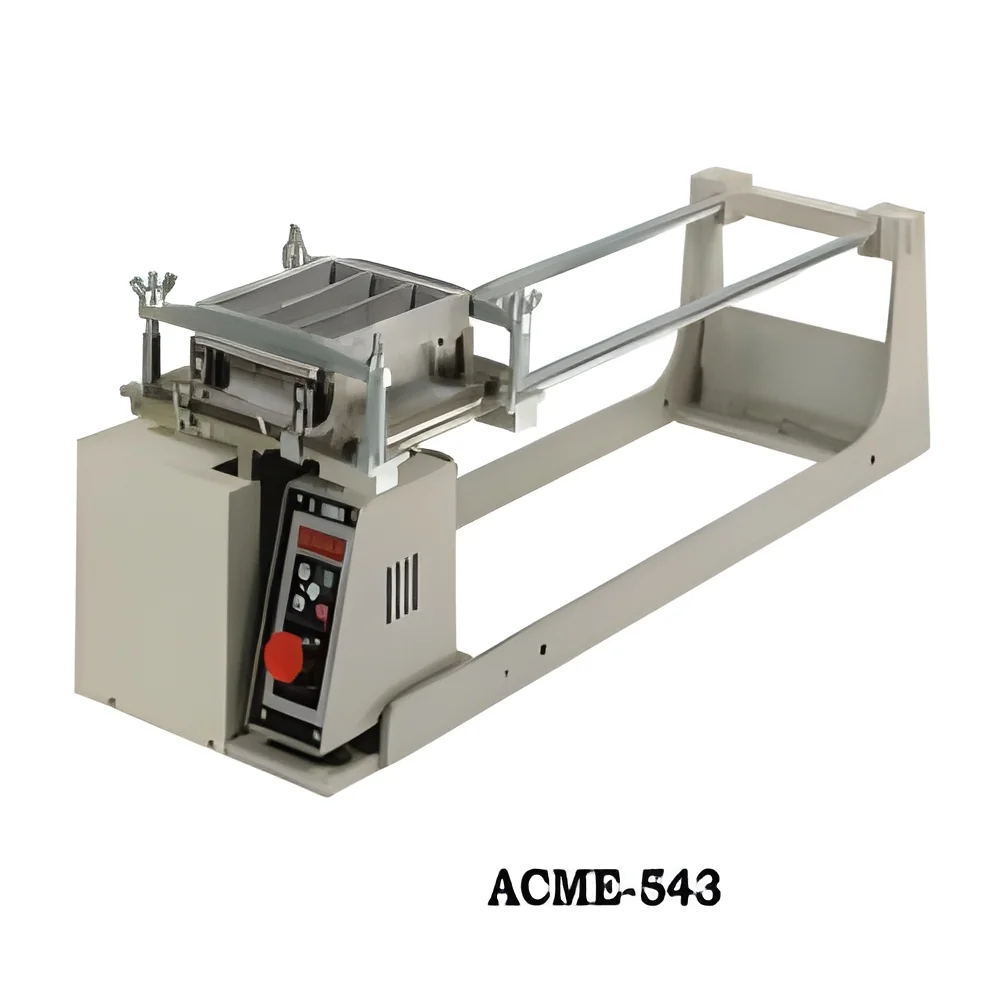
Tensile testing machines for metals are specialized equipment designed to measure the mechanical properties of metallic materials under tensile stress. These machines apply a controlled load to a specimen, stretching it until failure occurs. During this process, they record key data such as elongation, yield strength, and tensile strength, which are essential for understanding material behavior in various applications.
These machines are widely used in industries such as manufacturing, construction, and metallurgy. They help businesses ensure that materials meet required standards and specifications, providing vital information for product development and quality assurance. Tensile testing is essential for compliance with industry regulations and for ensuring safety and reliability in engineering applications. The market for tensile testing machines continues to grow as industries increasingly focus on material performance and durability.
Key Features and Specifications
Tensile testing machines for metals come with a variety of features and specifications that enhance their functionality and accuracy. These machines are engineered to provide precise measurements and can handle a range of metallic materials.
Key specifications include:
1. Maximum Load Capacity
- This specification refers to the maximum force the machine can apply to a specimen.
- Typical ranges vary from a few kilonewtons to several hundred kilonewtons.
2. Testing Speed Range
- This refers to the rate at which the load is applied during testing.
- Common speeds can range from low to high, depending on the material and testing requirements.
3. Strain Measurement System
- A vital component for accurately measuring elongation during tensile tests.
- Options include extensometers and digital strain gauges.
4. Control System
- Modern tensile testing machines are equipped with advanced software for controlling tests and analyzing data.
- Features may include user-friendly interfaces and automated reporting.
5. Frame Type
- Machines may be categorized as hydraulic, electromechanical, or servo-hydraulic, each offering different advantages based on application needs.
6. Data Acquisition System
- This system captures and records data during testing for analysis.
- High-speed data acquisition is essential for precise results.
7. Compliance Standards
- Many machines are designed to meet industry standards, such as ASTM and ISO.
- Compliance ensures reliability and accuracy in testing procedures.
8. Customization Options
- Many manufacturers offer customization to meet specific testing needs.
- Custom features may include additional grips, environmental chambers, and software upgrades.
In summary, tensile testing machines are equipped with various features that cater to the diverse needs of industries requiring precise measurements of metallic materials.
Common Applications and Use Cases
Tensile testing machines are integral to numerous industries, providing critical data on material performance.
1. Aerospace: In the aerospace industry, tensile testing is crucial for ensuring that materials used in aircraft components can withstand high-stress conditions.
2. Automotive: Automotive manufacturers use these machines to test metals used in vehicle parts, ensuring safety and durability.
3. Construction: In the construction sector, tensile testing helps verify the strength of materials such as steel and aluminum used in structural applications.
4. Manufacturing: Manufacturers utilize tensile testing to evaluate raw materials and finished products, ensuring they meet specific standards.
5. Research and Development: R&D departments in various industries use these machines to develop and test new materials, aiding innovation.
6. Metal Fabrication: Companies involved in metal fabrication rely on tensile testing to ensure the materials they use will perform as expected in their applications.
7. Oil and Gas: The oil and gas industry employs tensile testing to assess materials used in pipelines and drilling equipment to ensure they can withstand harsh environments.
Product Variants and Subcategories
Tensile testing machines come in various configurations to meet specific needs across different industries.
Electromechanical Tensile Testing Machine: This type uses an electric motor to control the testing process. It offers high precision and is suitable for a wide range of materials.
Hydraulic Tensile Testing Machine: Known for their robustness, hydraulic machines can handle larger specimens and are often used in heavy-duty applications.
Servo-Hydraulic Tensile Testing Machine: Combining hydraulic power with advanced servo controls, these machines provide high-speed testing and are ideal for dynamic material testing.
Benefits and Advantages
Investing in tensile testing machines offers numerous advantages for businesses.
1. Improved Quality Control: These machines enable consistent and accurate testing, ensuring materials meet required specifications.
2. Enhanced Product Development: By providing detailed material properties, they assist engineers in developing better products.
3. Compliance with Standards: Tensile testing ensures that materials comply with industry regulations, reducing the risk of product failures.
4. Increased Safety: Testing materials for their tensile strength helps prevent failures in critical applications, ensuring safety for end-users.
5. Cost Efficiency: By identifying material flaws early, companies can save on costly recalls and rework.
6. Data-Driven Decision Making: The data obtained from tests supports informed decisions about material selection and manufacturing processes.
Buying Guide for B2B Buyers
When sourcing tensile testing machines for metals, several factors should be considered to ensure the right purchase.
1. Quality Assessment: Evaluate the machine's build quality and the reputation of the manufacturer. Look for machines that comply with relevant industry standards.
2. Supplier Verification: Conduct thorough research to verify suppliers. Check for certifications and customer reviews to ensure reliability.
3. Pricing and MOQ: Understand the pricing structure and minimum order quantities. Compare quotes from different suppliers to find competitive pricing.
4. Delivery and Lead Times: Inquire about delivery schedules and lead times to avoid project delays. Ensure that the supplier can meet your timeline requirements.
5. Compliance Requirements: Check the regulatory compliance of the machine with local and international standards. Ensure that it meets any industry-specific requirements.
Compliance and Certifications
Tensile testing machines for metals must adhere to various quality standards and certifications to ensure their reliability and accuracy.
ISO 9001 is a widely recognized standard that outlines criteria for quality management systems. Compliance with this standard indicates a commitment to consistent product quality and customer satisfaction.
CE certification is another important requirement, particularly in Europe. It ensures that the equipment meets safety and health standards set by the European Union.
Safety and testing requirements are crucial, as they ensure that machines operate safely and provide accurate results. Manufacturers must conduct thorough testing and adhere to safety guidelines during the design and manufacturing processes.
Regional compliance considerations may vary, and buyers should be aware of local regulations that could impact the use of tensile testing machines.
Why Source Tensile Testing Machines for Metals from Pepagora?
Pepagora offers a trusted platform for sourcing tensile testing machines for metals, providing several key advantages for businesses.
Verified Supplier Network: Pepagora connects buyers with a network of verified suppliers, ensuring that all listed products meet high-quality standards. This helps buyers make informed decisions based on supplier reliability.
Streamlined RFQ Process: The platform features an efficient request for quotation (RFQ) system that simplifies the procurement process. Buyers can easily compare quotes from multiple suppliers, facilitating better purchasing decisions.
Trade Assurance and Support: Pepagora provides trade assurance to protect buyers during transactions. The platform offers support throughout the buying process, addressing any concerns or questions.
Regional Coverage: With a broad geographic reach that includes India, the GCC, and Southeast Asia, Pepagora connects buyers with local suppliers, enhancing accessibility and convenience in sourcing tensile testing machines.

 IN
IN