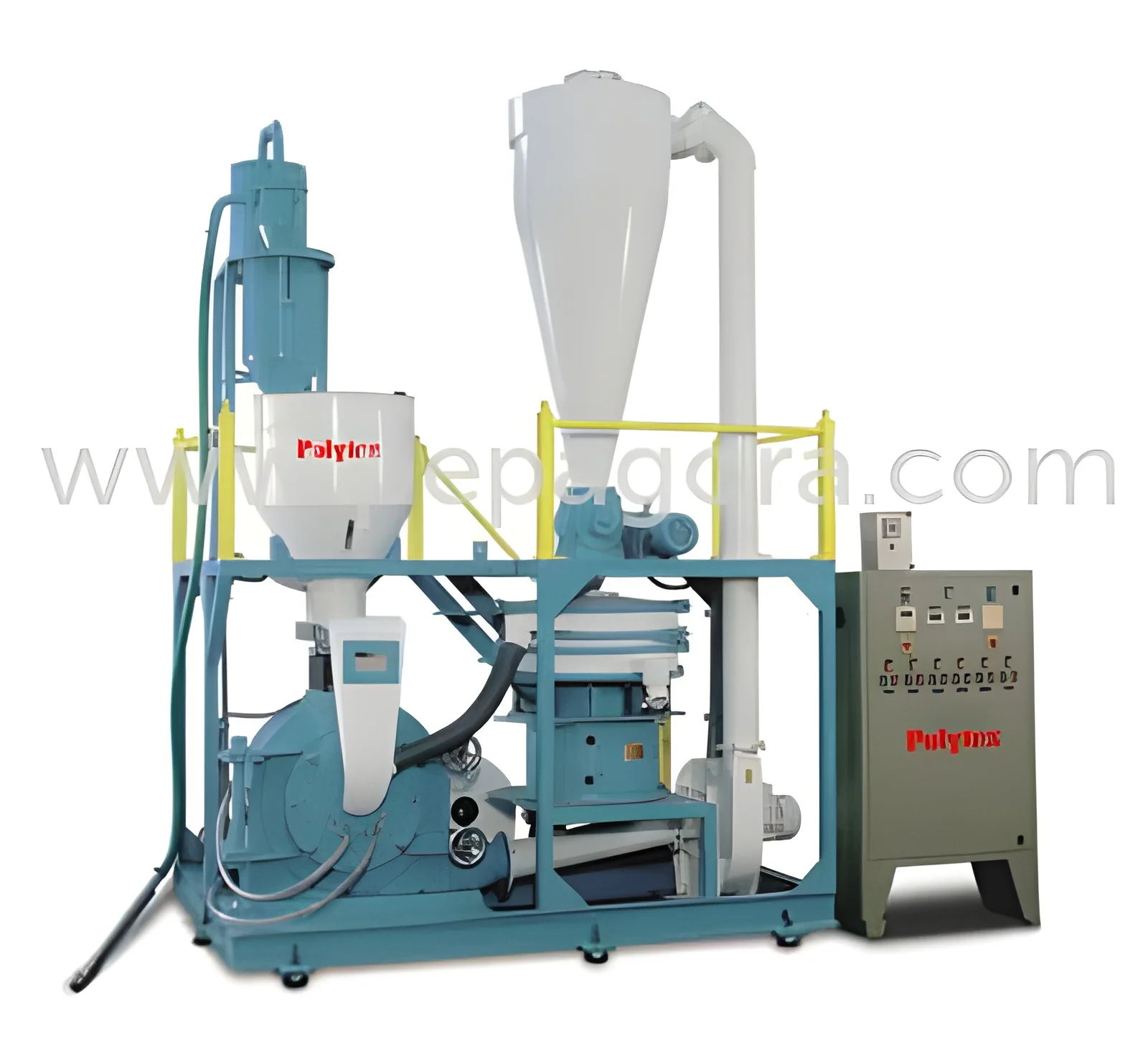
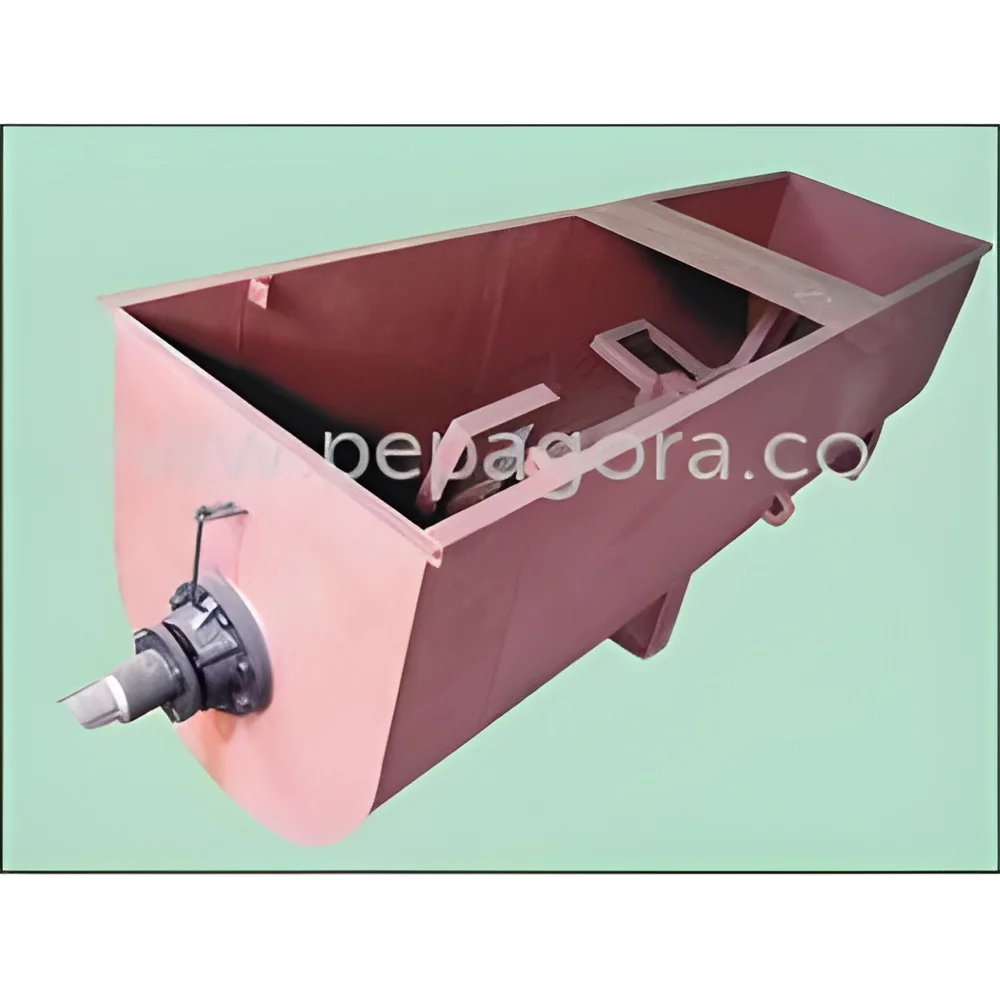
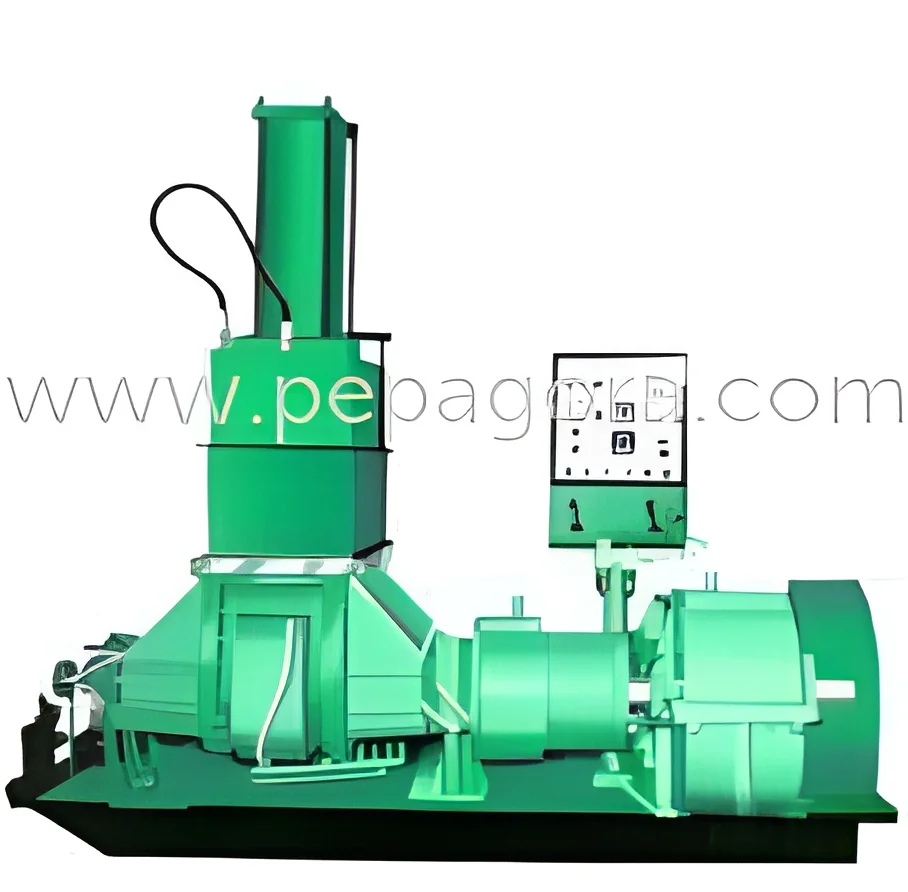
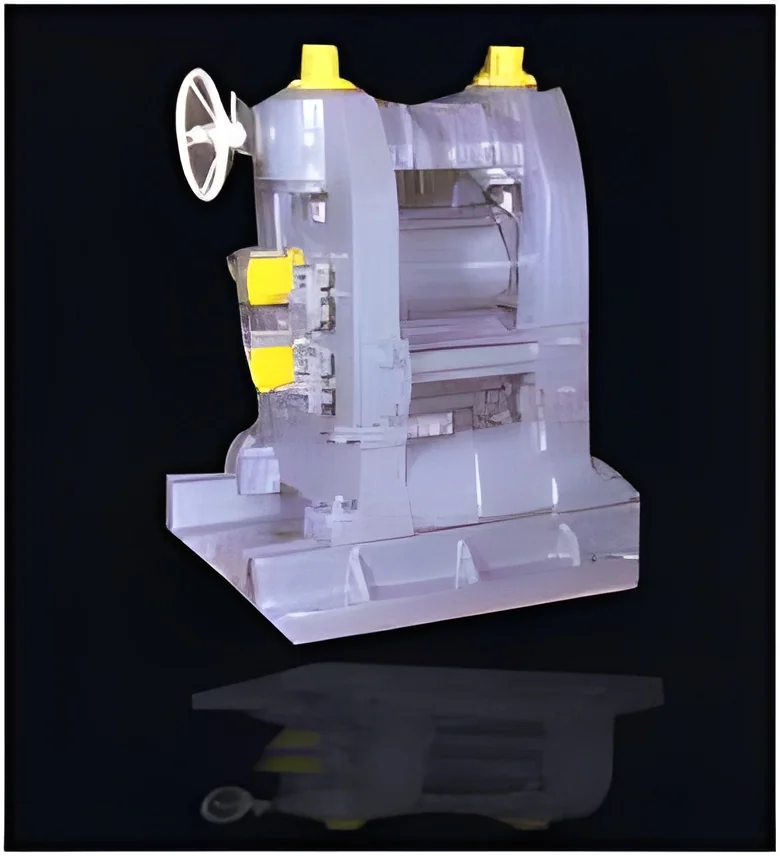
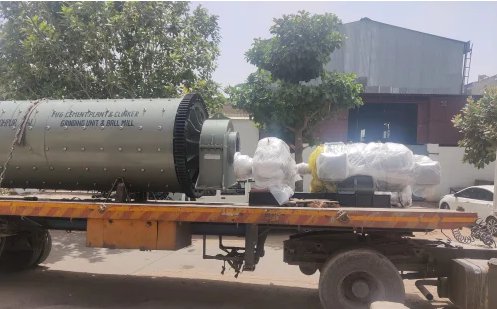
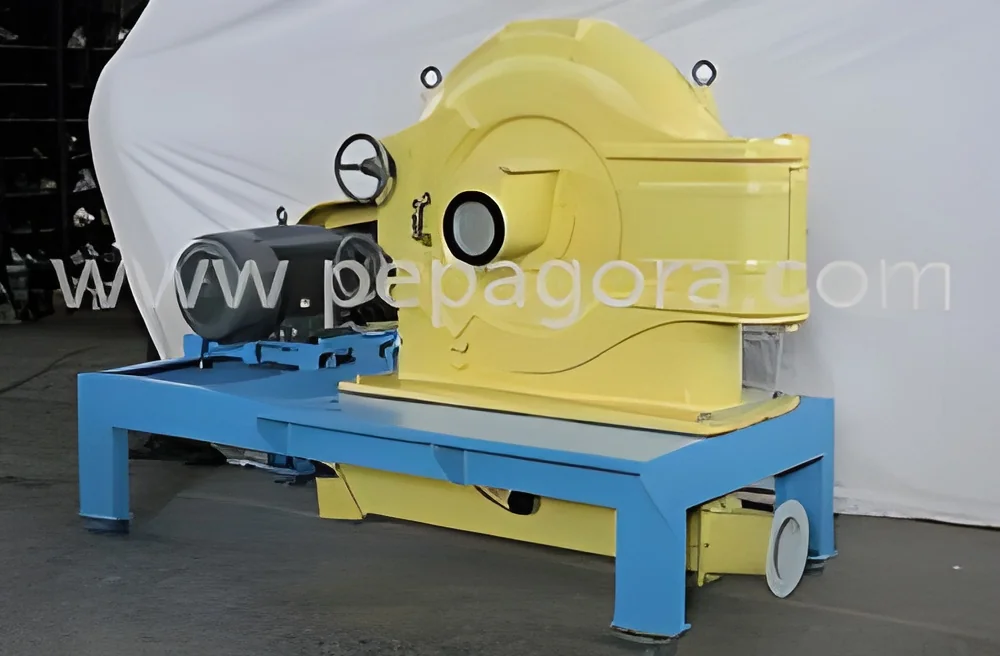
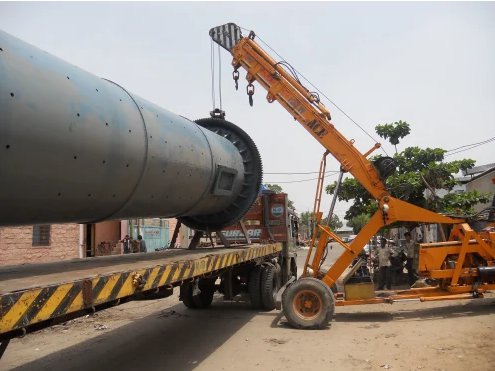
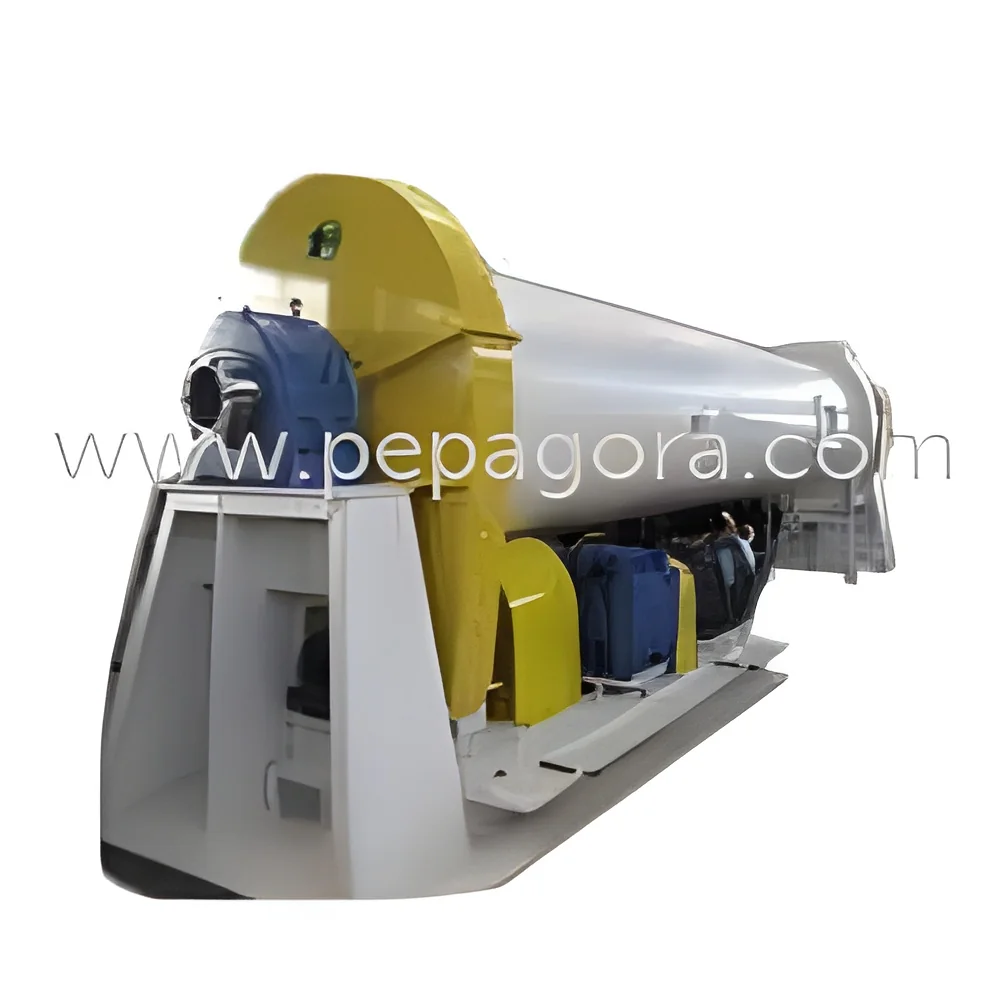
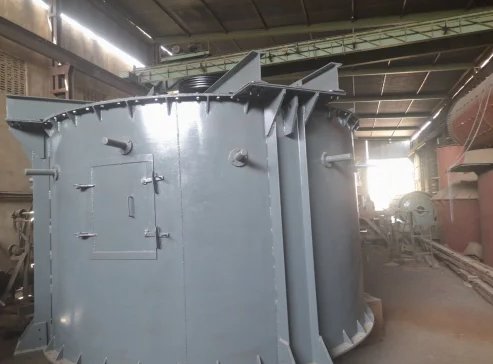
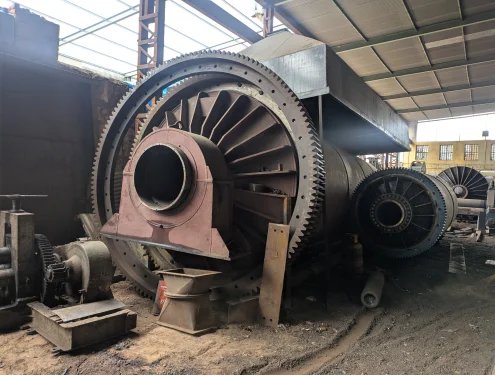
What are Ball Mills & Rod Mills?
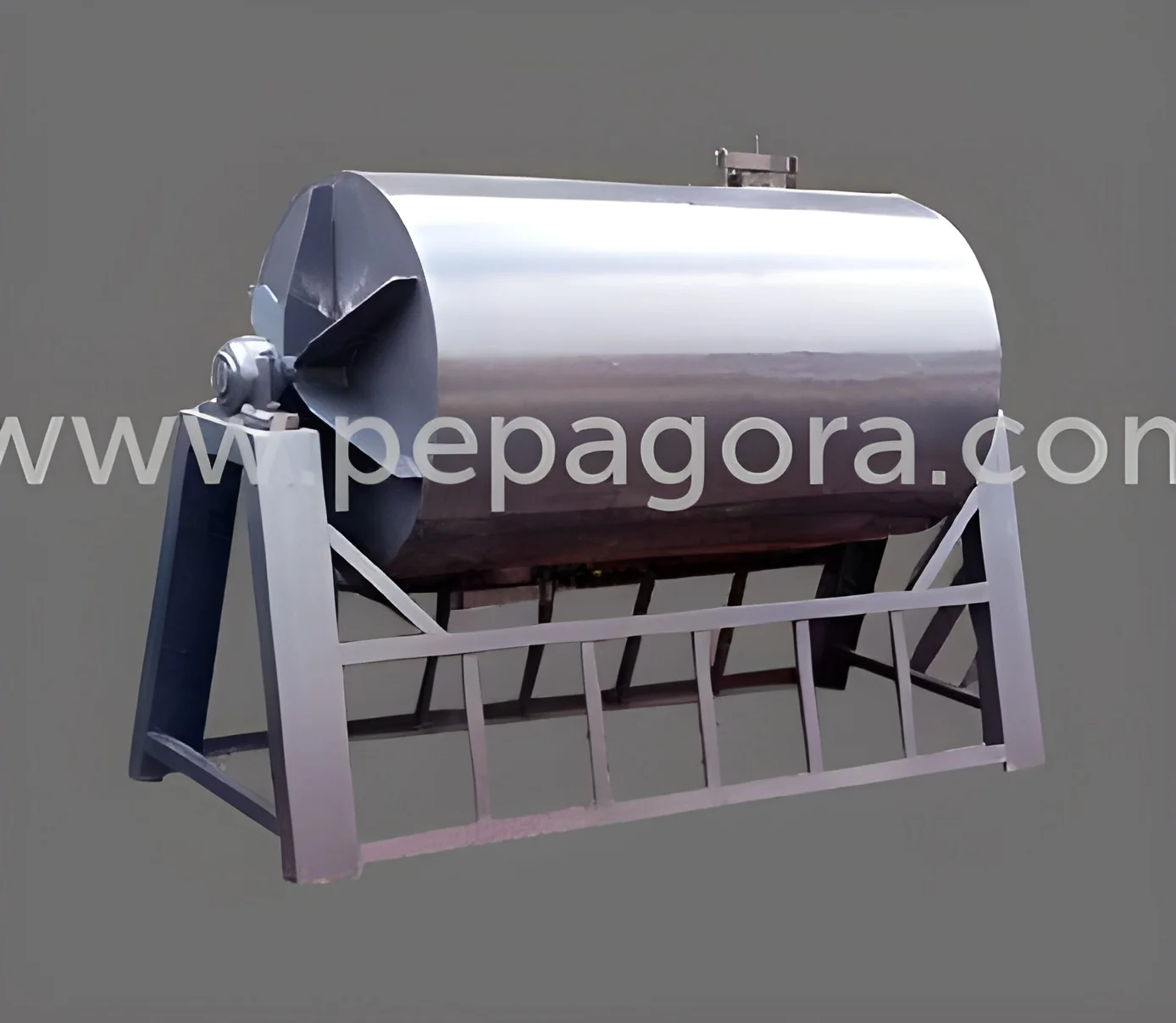
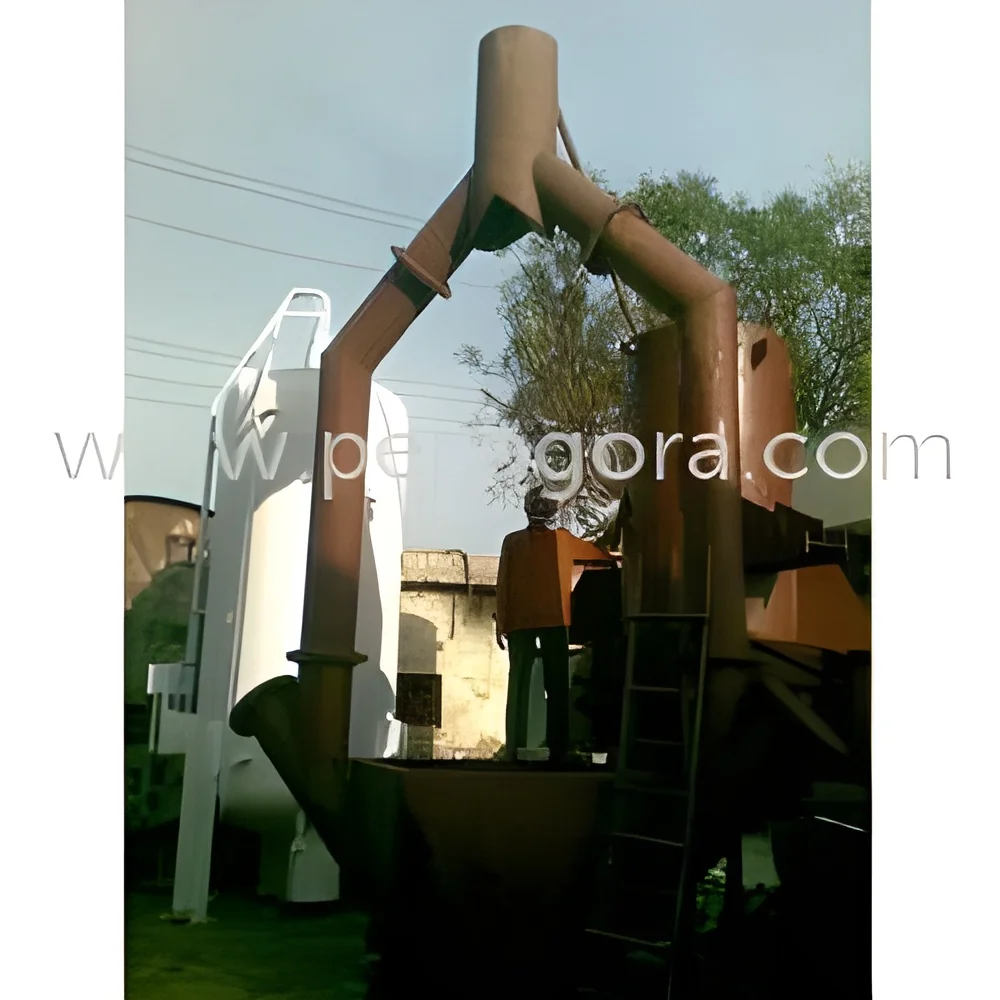
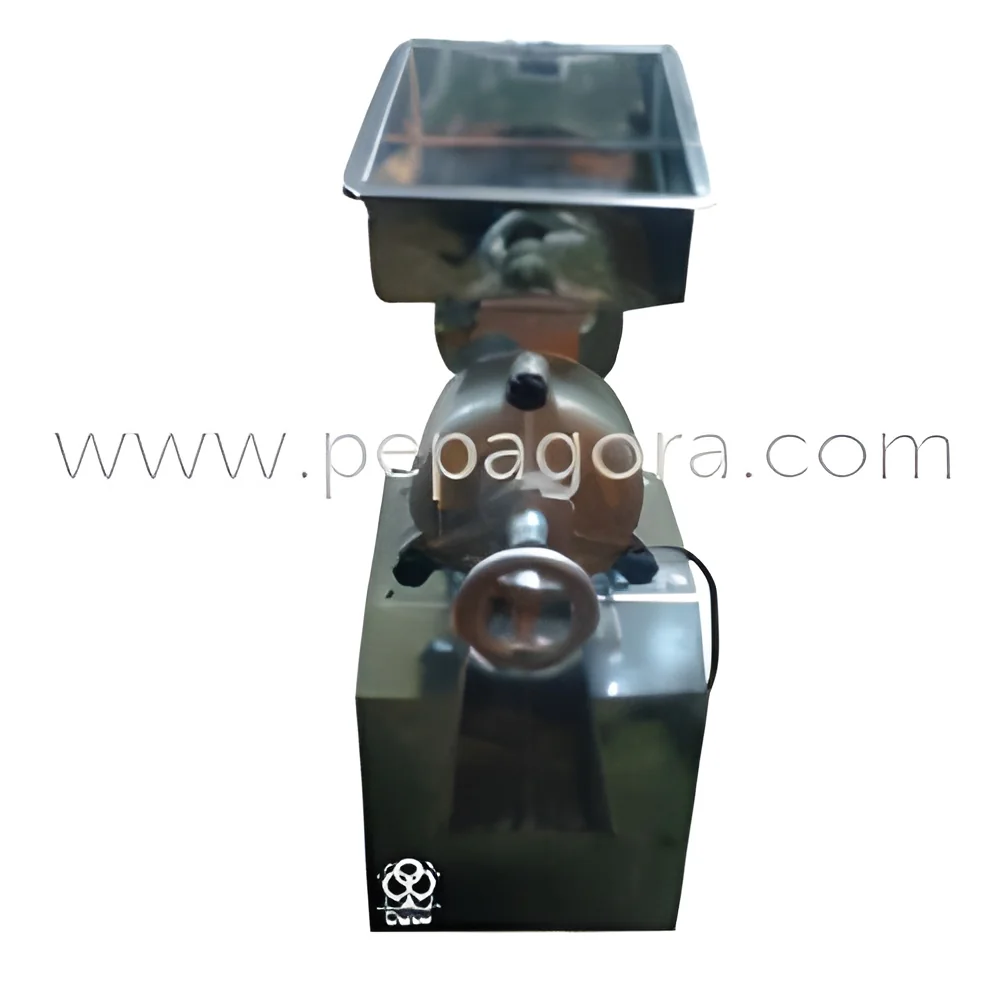
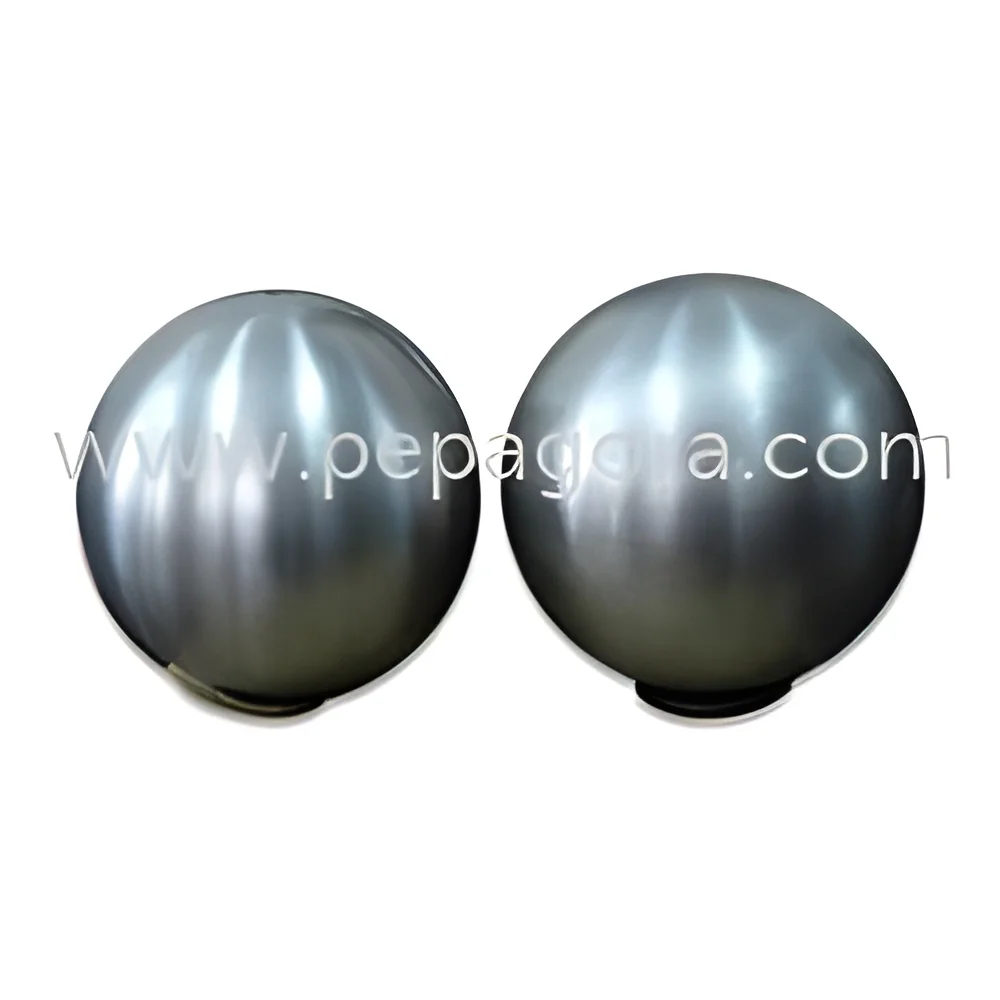
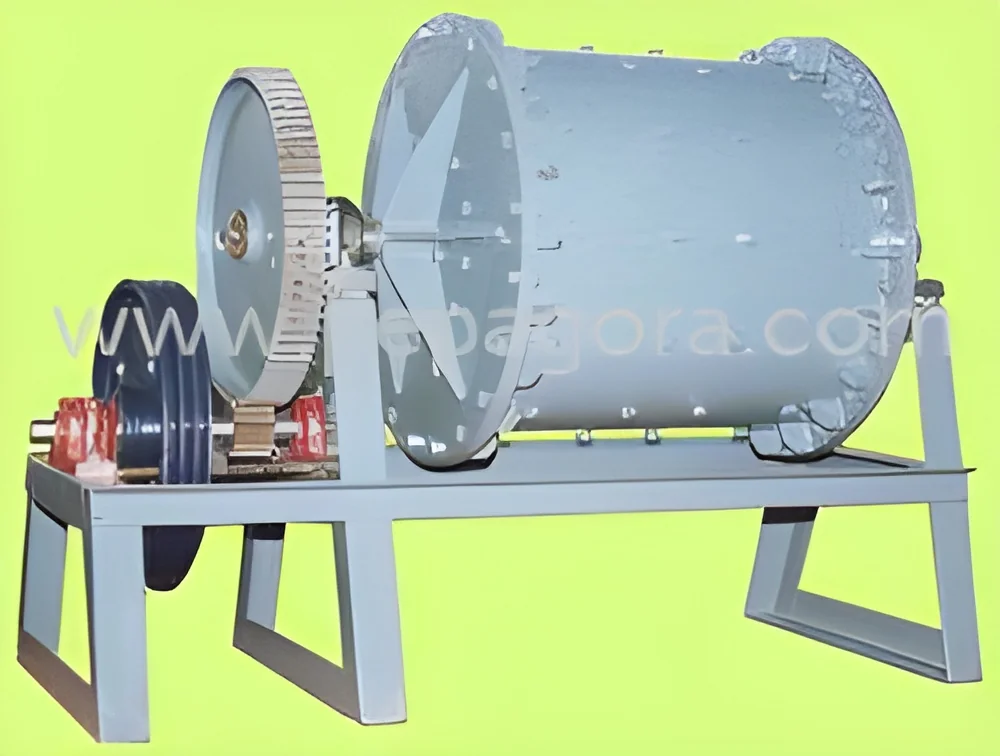
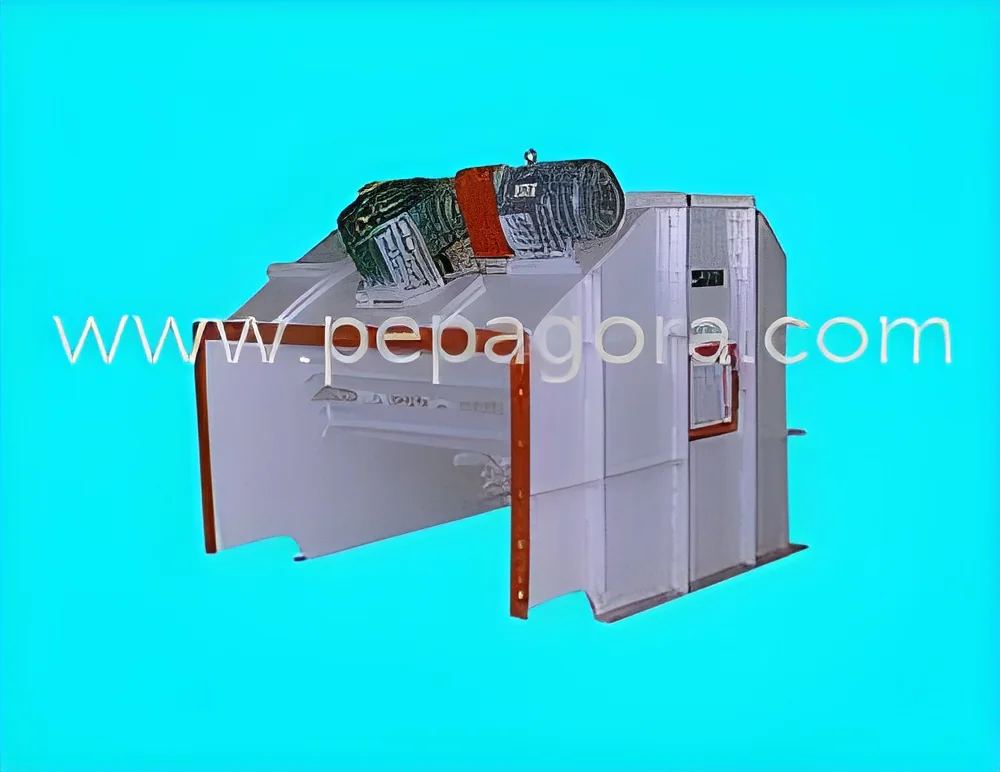
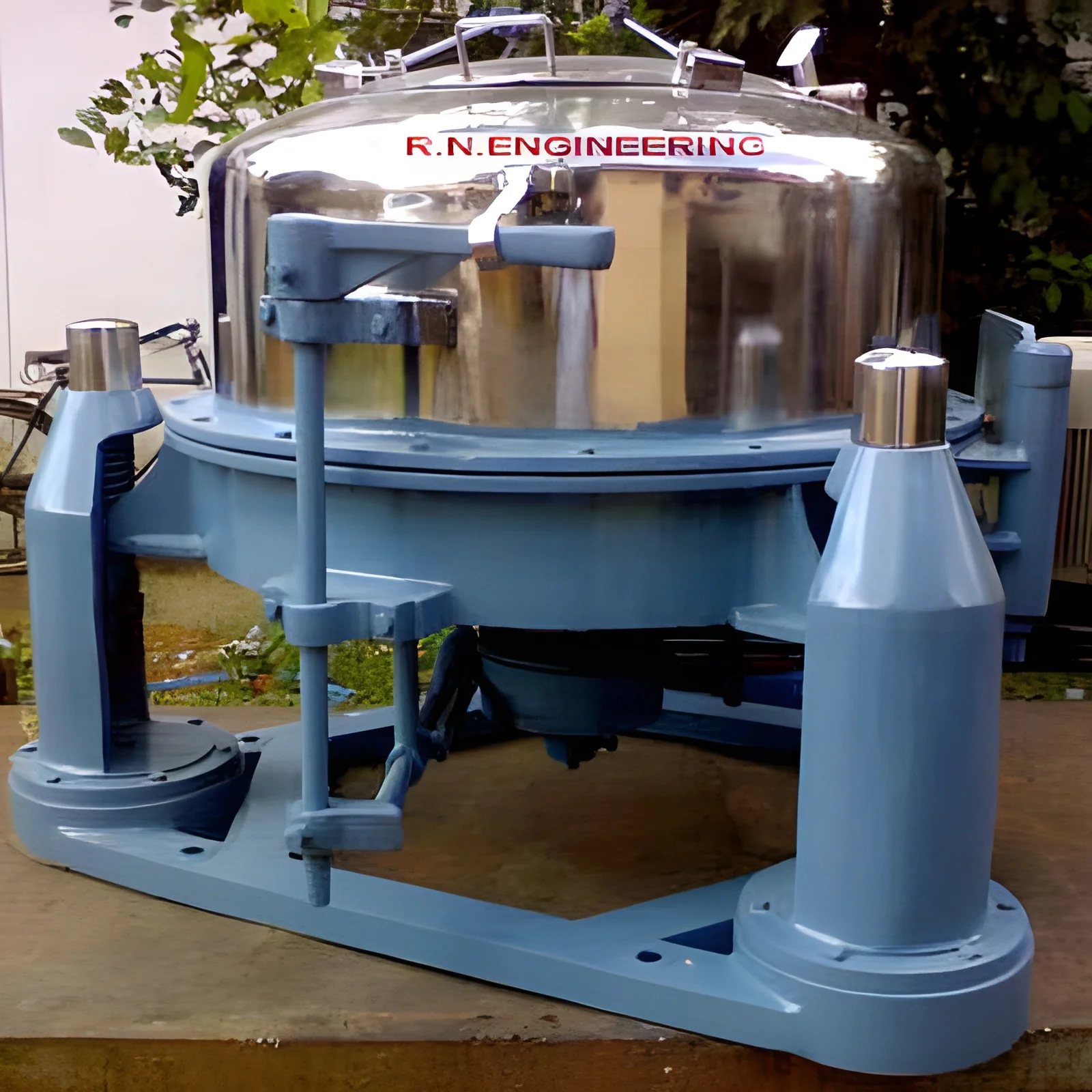
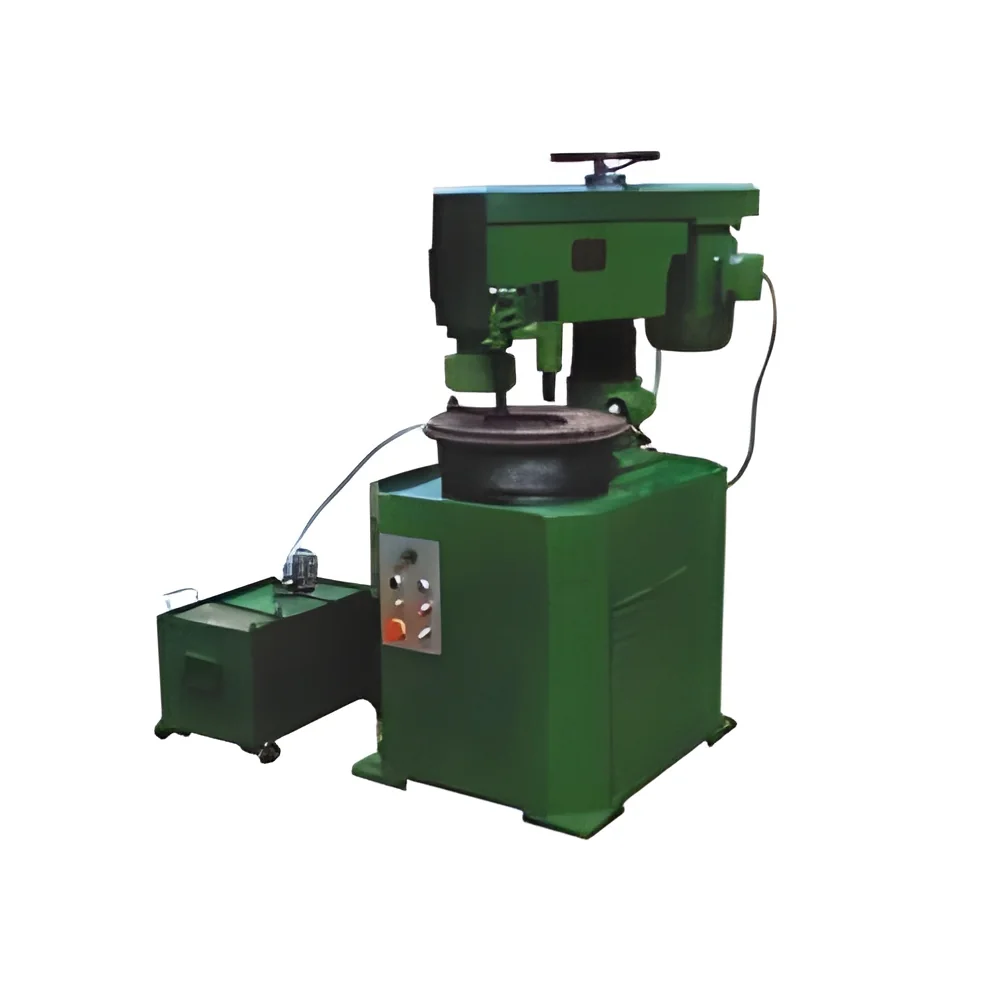
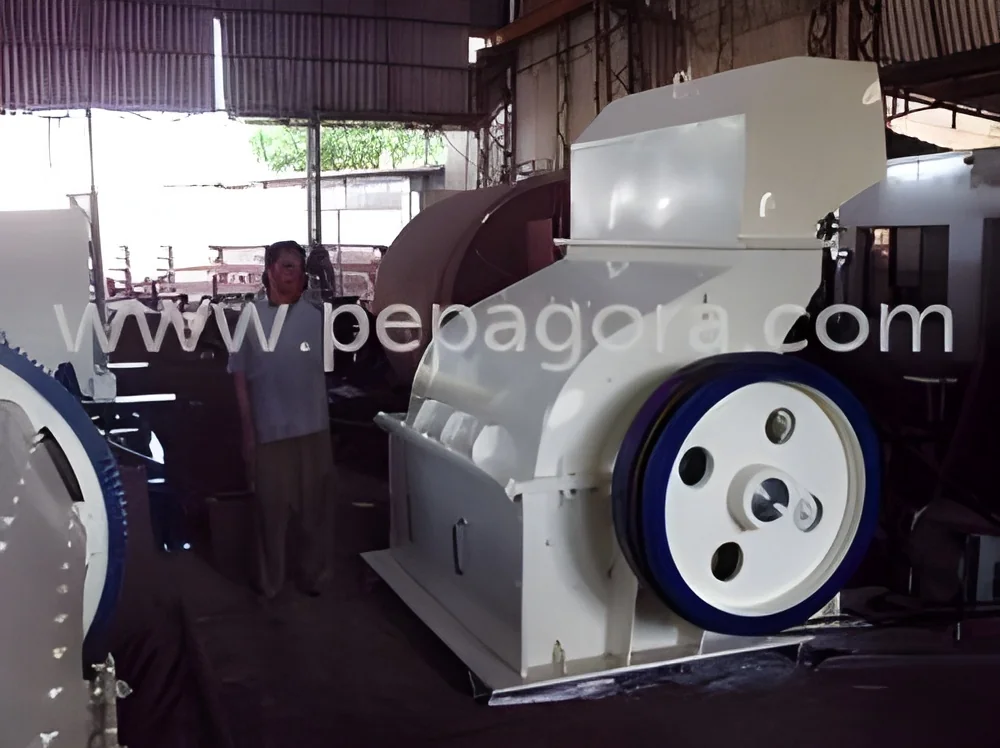
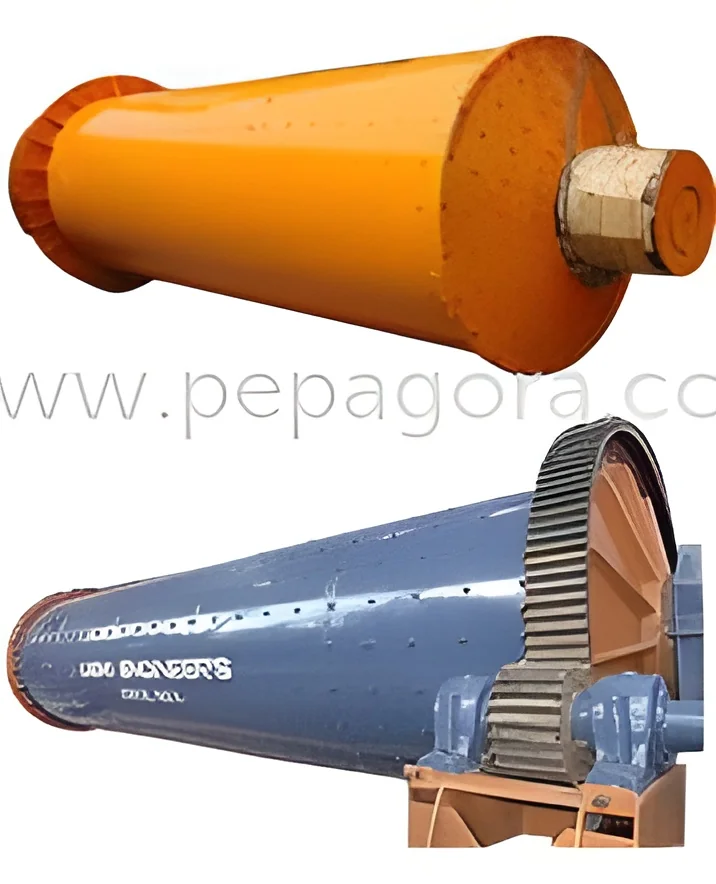
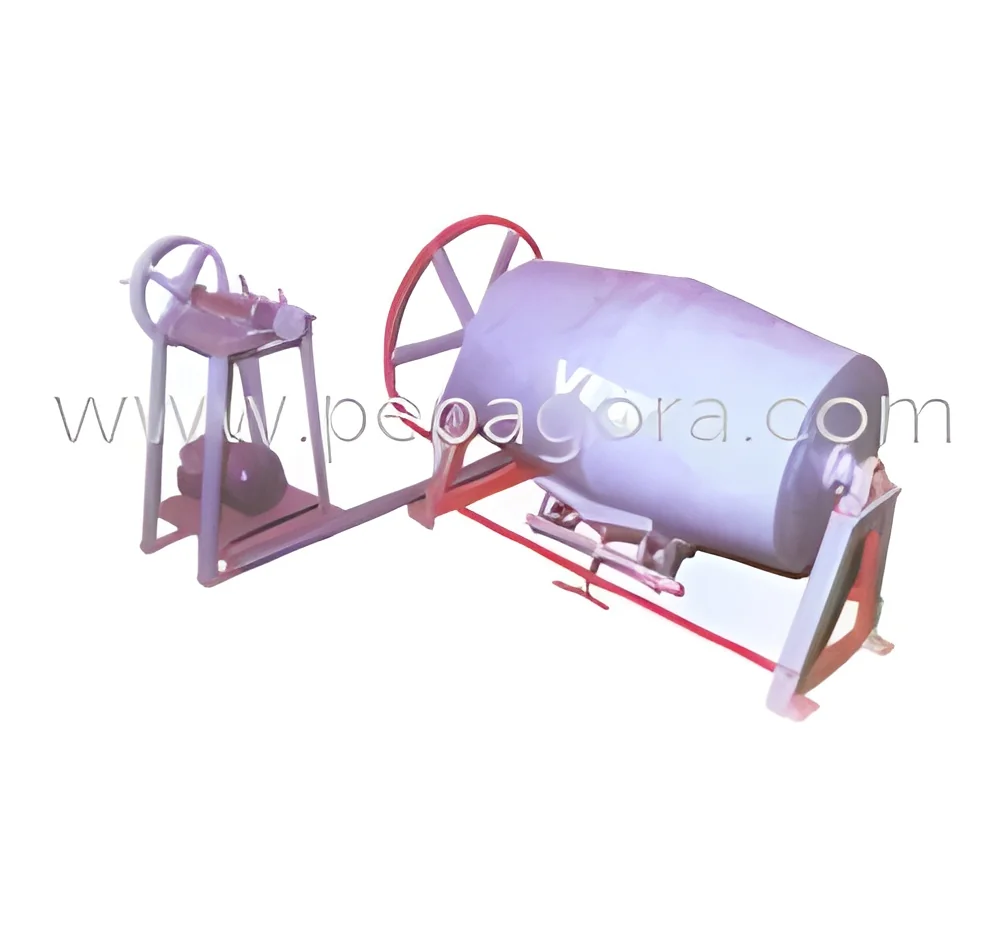
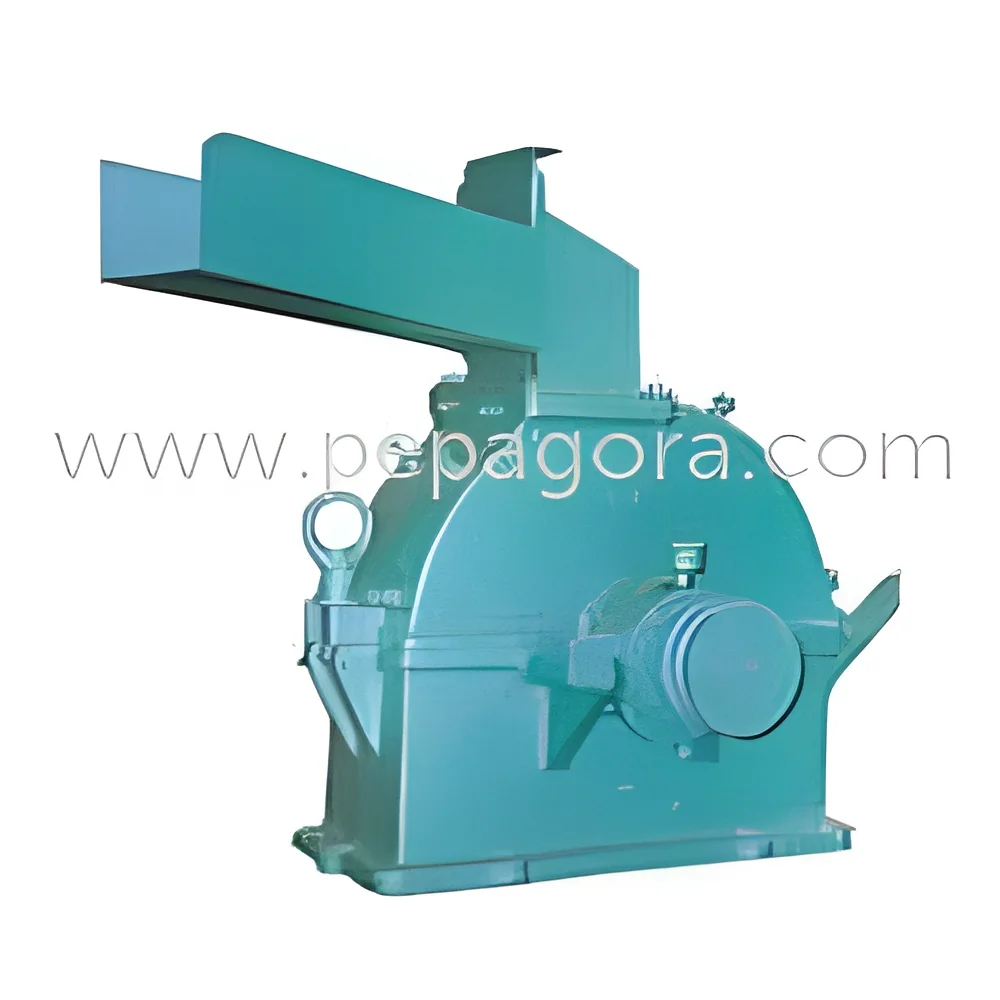
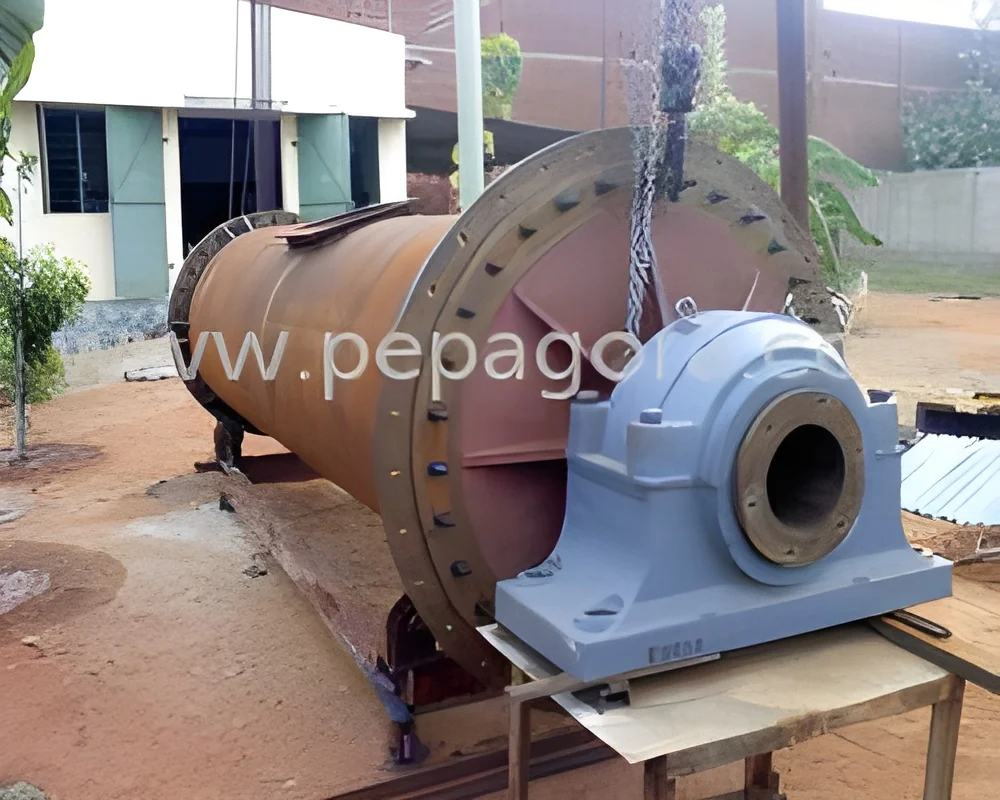
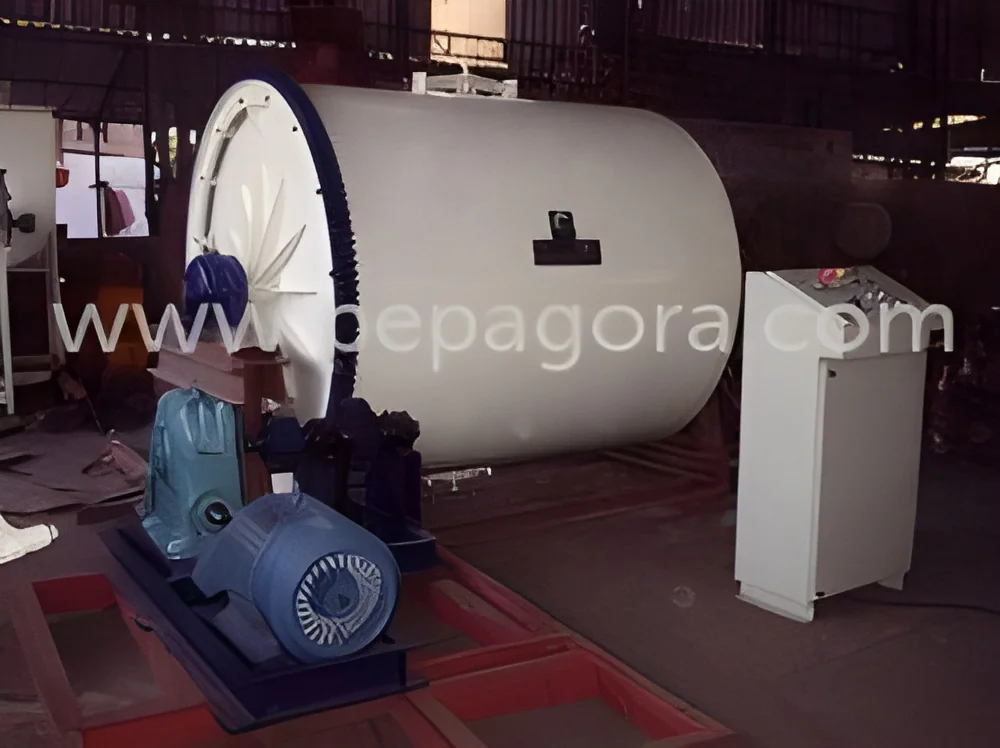
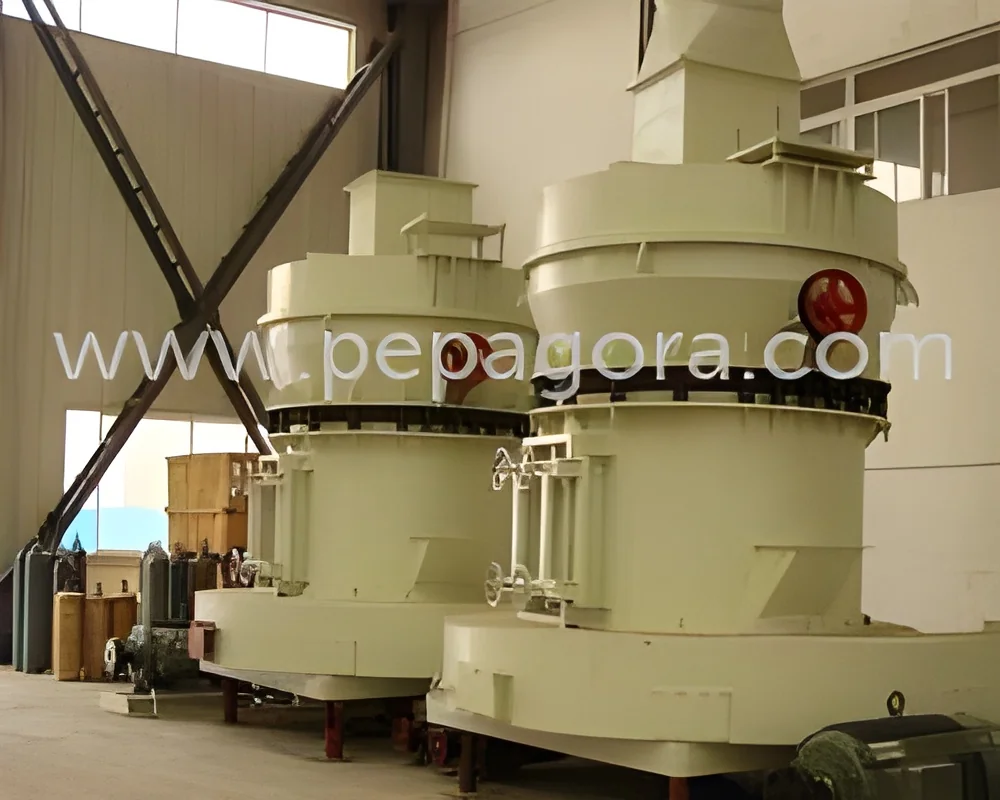
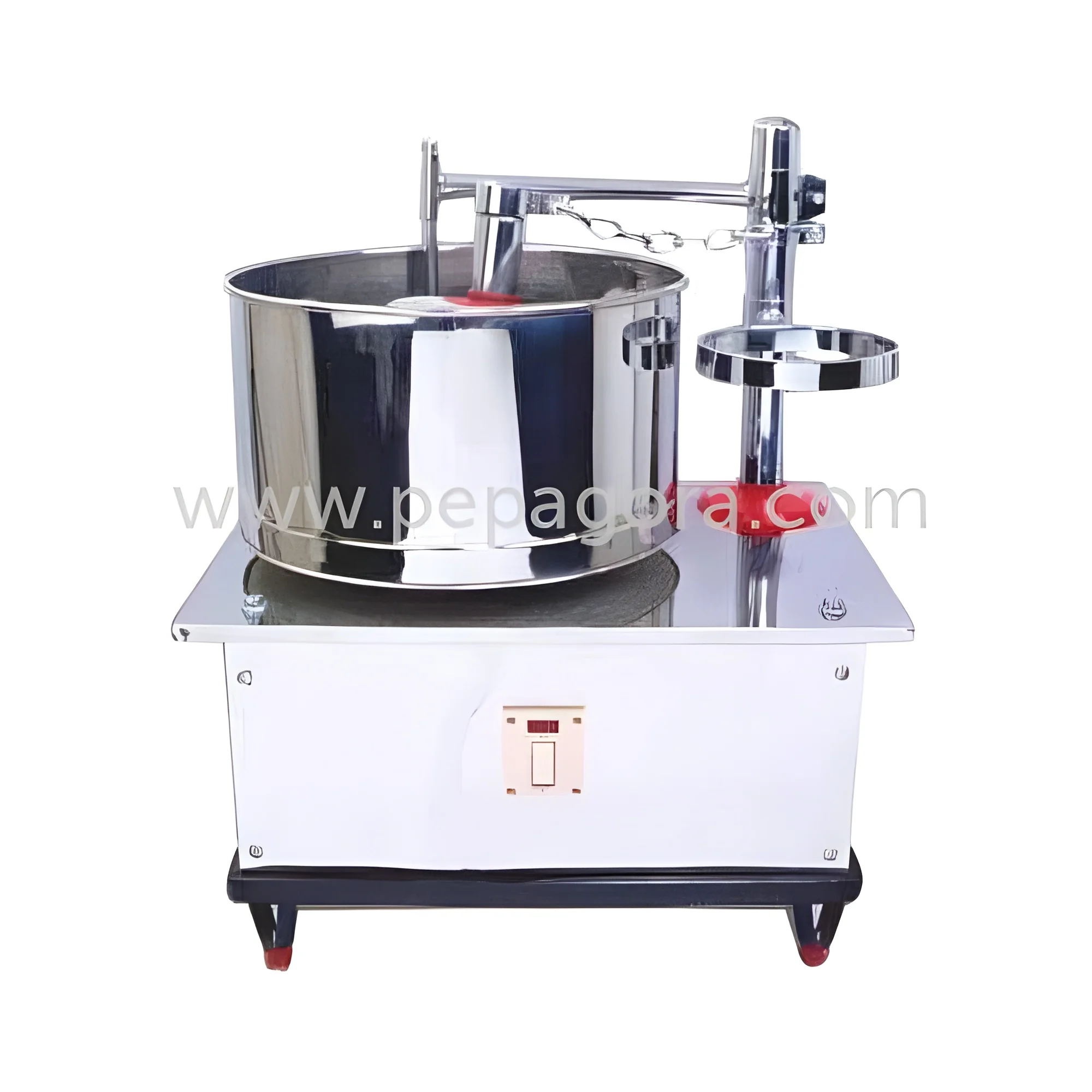
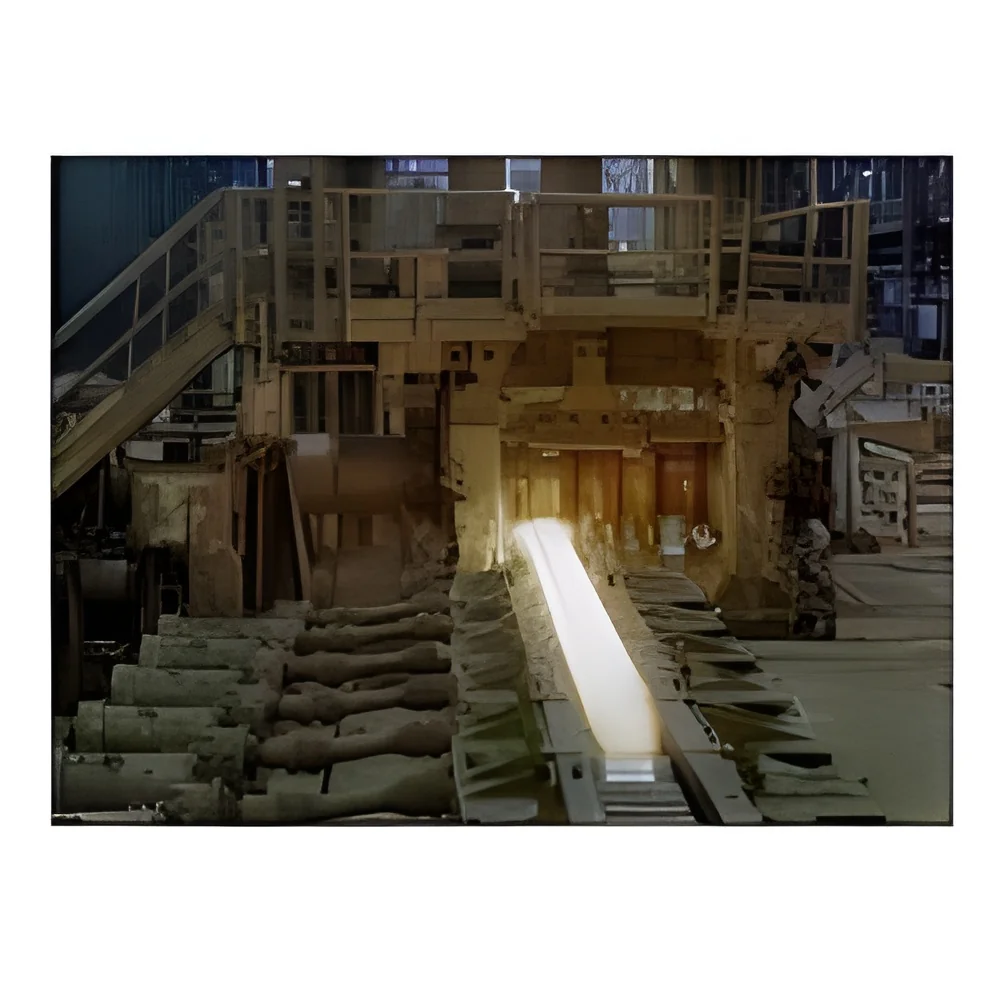
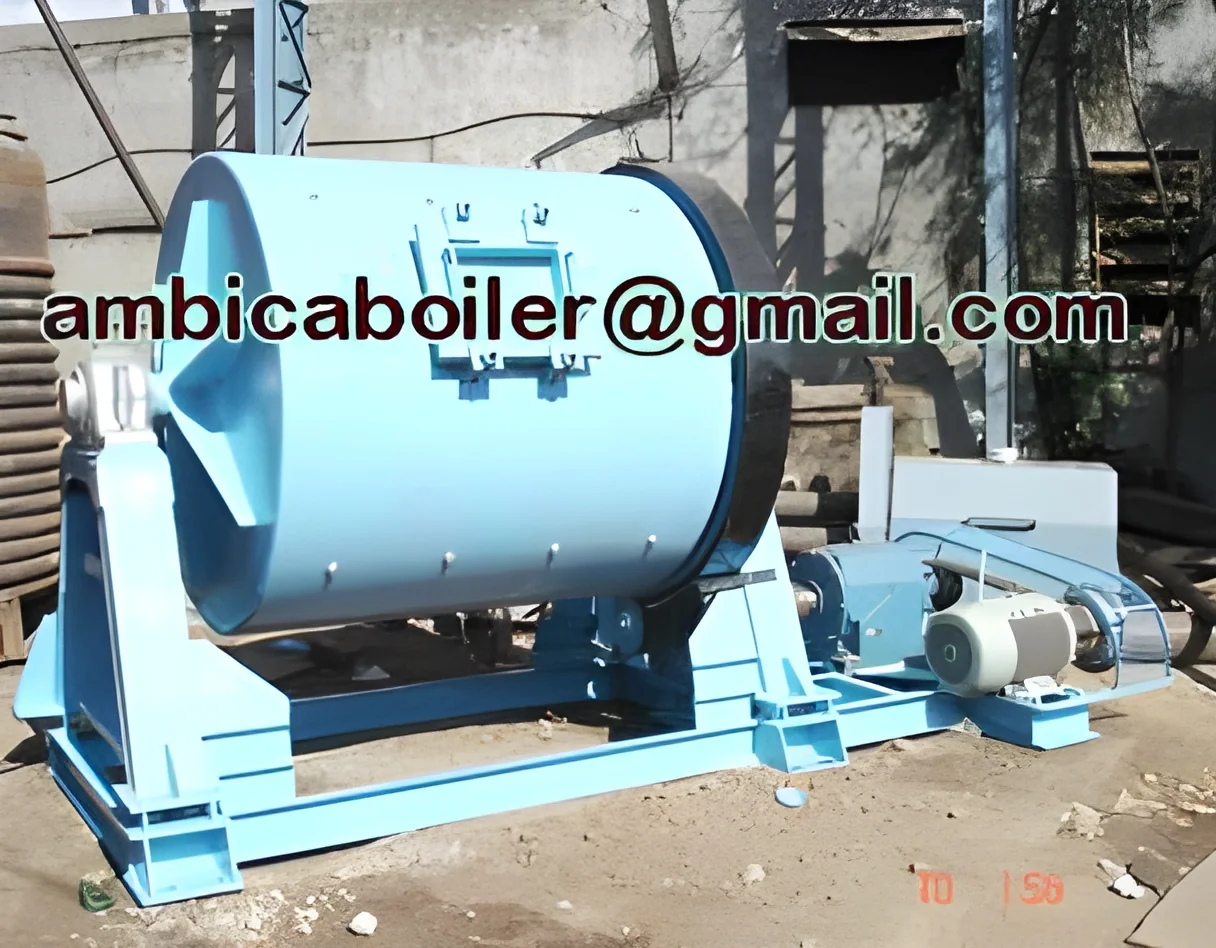
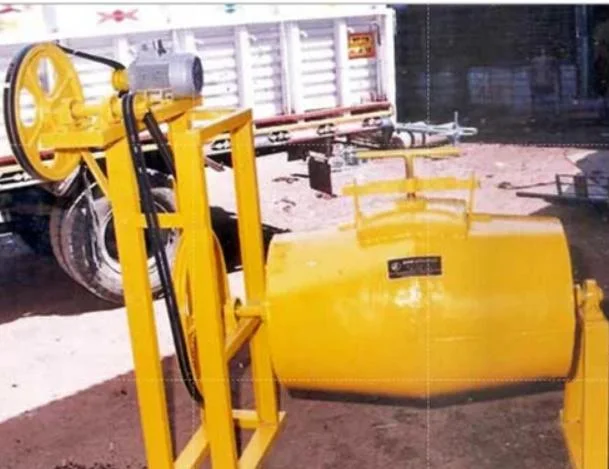
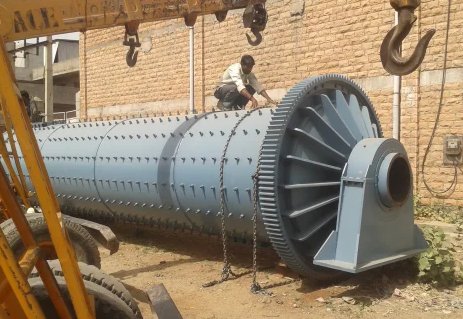
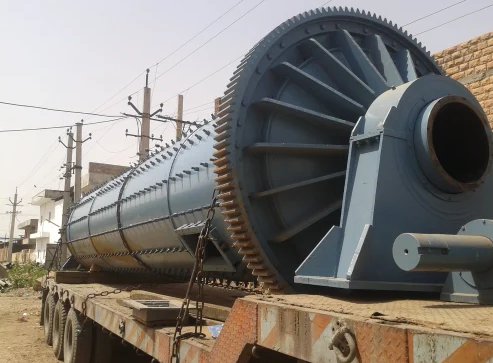
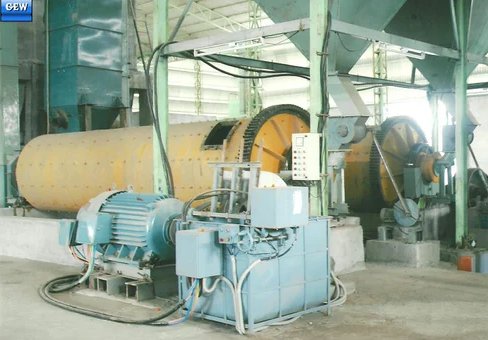
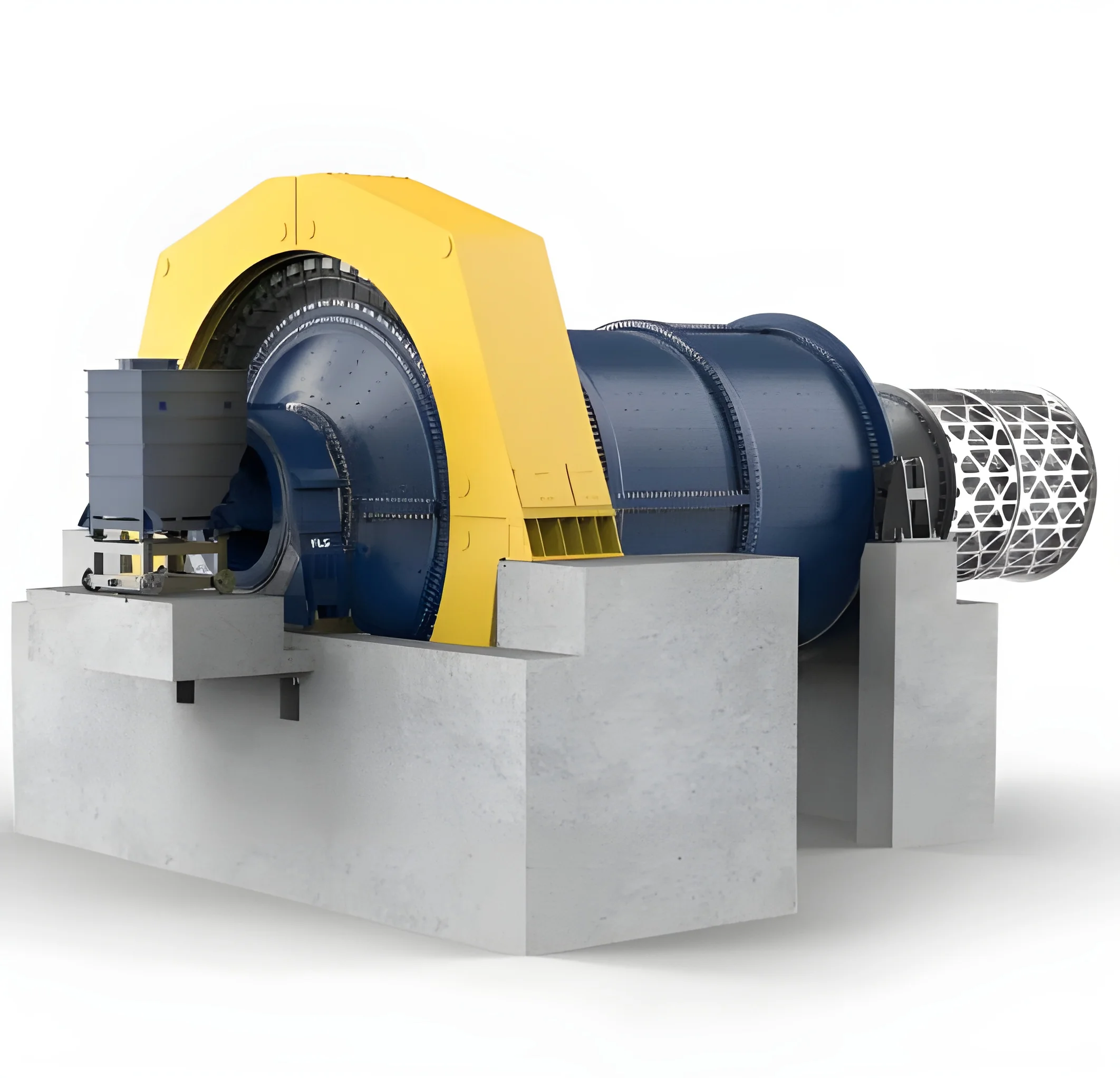
Ball mills and rod mills are essential equipment used in the grinding process of various materials in industrial applications. A ball mill is a cylindrical device that rotates around a horizontal axis, filled with grinding media like balls. These balls grind the material as the cylinder rotates. Rod mills, on the other hand, utilize long steel rods instead of balls to crush and grind materials. Both types of mills are critical for achieving the desired particle size and ensuring efficient material processing.
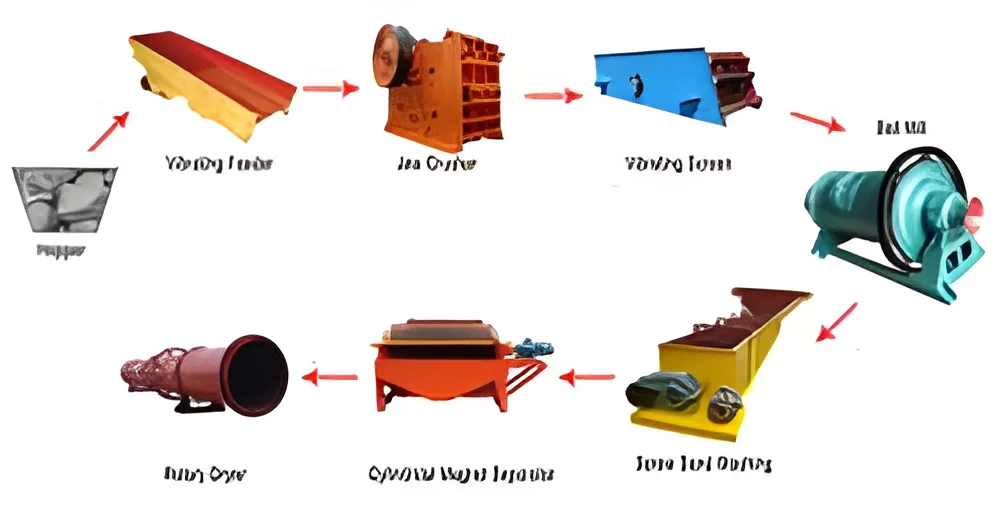
These mills find primary uses in industries such as mining, construction, and chemical manufacturing. They are commonly employed for grinding ores, minerals, and various industrial materials. The choice between a ball mill and a rod mill typically depends on the specific applications, desired outcomes, and material characteristics. In the current market, both types of mills are integral to the production chain, facilitating processes that require fine grinding and particle size reduction.
Key Features and Specifications
Ball mills and rod mills come with various features that make them suitable for diverse applications. Understanding these specifications is crucial for selecting the right mill for your needs.
Key specifications include:
1. Capacity
- Refers to the volume of material the mill can process.
- Ranges vary widely from small laboratory mills to large industrial units.
2. Power Consumption
- Indicates the energy required to operate the mill.
- Typically measured in kilowatts (kW) and can vary based on the mill size.
3. Grinding Media Size
- Relates to the diameter of the balls or rods used for grinding.
- Common sizes range from 10 mm to 100 mm for balls, while rods vary in diameter.
4. Mill Diameter
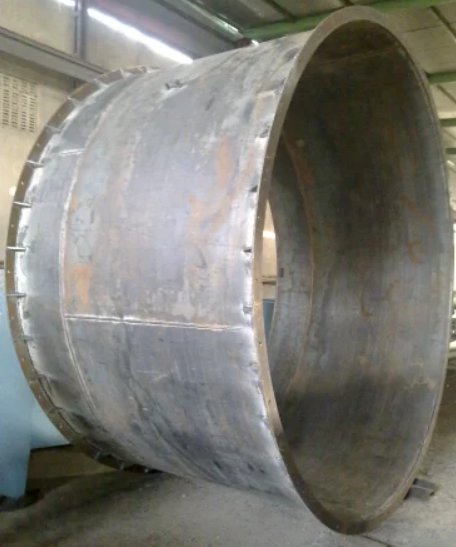
- Refers to the external diameter of the mill cylinder.
- Ranges from small laboratory sizes to large industrial mills.
5. Length of Mill
- Indicates how long the cylinder of the mill is.
- Length can affect the retention time of the material inside the mill.
6. Material of Construction
- Common materials include stainless steel, carbon steel, and rubber.
- Choice depends on the application and material being processed.
7. Operating Speed
- The speed at which the mill operates.
- Typically expressed as a percentage of the critical speed of the mill.
8. Discharge Type
- Refers to how the ground material is removed from the mill.
- Options include overflow, grate, and peripheral discharge.
These specifications play a crucial role in determining the efficiency and effectiveness of ball mills and rod mills.
Common Applications and Use Cases
Ball mills and rod mills find application across multiple industries, serving various purposes.
1. Mining: These mills are primarily used for grinding ores and minerals. They facilitate the extraction of valuable metals by reducing the size of the ore.
2. Construction: In the construction industry, ball mills are used to grind raw materials such as cement and gypsum. This process is vital for producing quality construction materials.
3. Chemical Manufacturing: Rod mills are utilized for grinding chemicals and pigments. The fine particle size achieved is essential for product uniformity.
4. Food Processing: Ball mills are sometimes used to grind grains and spices, ensuring a consistent texture and flavor.
5. Recycling: In the recycling industry, these mills help in the size reduction of materials like glass, metals, and plastics, enabling the reprocessing of these materials.
6. Paint and Coatings: Both types of mills are used to achieve fine grinding of pigments and additives in paints and coatings, enhancing the quality and performance of the final product.
7. Pharmaceutical: Ball mills are employed to grind active pharmaceutical ingredients (APIs) for improved bioavailability in drug formulations.
Product Variants and Subcategories
Ball mills and rod mills come in various configurations to cater to different industrial needs.
Laboratory Ball Mills
These small-scale mills are designed for testing and research purposes. They provide precise control over the grinding process, making them ideal for R&D.
Industrial Ball Mills
These larger units are used for bulk processing in mining and construction. They are designed for high-capacity and continuous operation.
Overflow Rod Mills
Designed with a discharge that allows material to flow freely, these mills are ideal for finer grinding applications.
Grate Rod Mills
These mills feature a grate at the discharge end, offering a controlled flow of material and increasing grinding efficiency.
Benefits and Advantages
Ball mills and rod mills offer several advantages that enhance their utility in industrial settings.
1. Versatility: These mills can process a wide range of materials, making them adaptable to various applications.
2. Efficiency: Both types of mills provide effective grinding, ensuring that materials reach the desired particle size quickly.
3. Customization: Many mills can be tailored to meet specific operational needs, including size, capacity, and material of construction.
4. Durability: Constructed from robust materials, these mills are designed to withstand harsh operating conditions.
5. Low Operating Costs: The efficient design minimizes energy consumption and reduces overall operational costs.
6. Ease of Maintenance: Simple construction allows for easier maintenance and servicing, minimizing downtime.
Buying Guide for B2B Buyers
When sourcing ball mills and rod mills, consider several critical factors to ensure you make an informed decision.
1. Quality Assessment: Evaluate the quality of materials used in the construction of the mills. Look for mills that meet industry standards and are built for durability.
2. Supplier Verification: Conduct thorough checks on potential suppliers. Look for certifications and customer reviews to ensure reliability and quality.
3. Pricing and MOQ: Understand the pricing structures of different suppliers. Consider the minimum order quantities (MOQ) and negotiate favorable terms.
4. Delivery and Lead Times: Review the logistics involved in the delivery process. Ensure that the supplier can meet your lead time requirements.
5. Compliance Requirements: Be aware of any relevant compliance and regulatory standards your equipment must meet. This may include safety certifications and environmental regulations.
Compliance and Certifications
Compliance with quality standards is critical when considering ball mills and rod mills. Many manufacturers adhere to ISO 9001 standards, ensuring their products meet rigorous quality management criteria. Additionally, the CE certification is a common requirement in various regions, demonstrating conformity with health, safety, and environmental protection standards.
Safety and testing requirements are also paramount. Manufacturers must conduct thorough testing to ensure the mills operate safely and efficiently. Regional compliance considerations may vary, so it is essential to verify local regulations when sourcing equipment.
Why Source Ball Mills & Rod Mills from Pepagora?
Pepagora offers a reliable platform for sourcing ball mills and rod mills, providing several key advantages for B2B buyers.
Verified Supplier Network: Pepagora has established a network of verified suppliers, ensuring that buyers can trust the quality and reliability of the products they purchase.
Streamlined RFQ Process: The request for quotation (RFQ) system simplifies the procurement process. Buyers can easily compare quotes from multiple suppliers to find the best deal.
Trade Assurance and Support: Pepagora offers trade assurance to protect buyers, ensuring that they receive the products as specified and on time.
Regional Coverage: With a presence in India, the Gulf Cooperation Council (GCC) countries, and Southeast Asia, Pepagora provides extensive regional coverage, making it easier for buyers to source quality mills tailored to their local markets.

 IN
IN