
 IN
IN₹
Apparel & Fashion
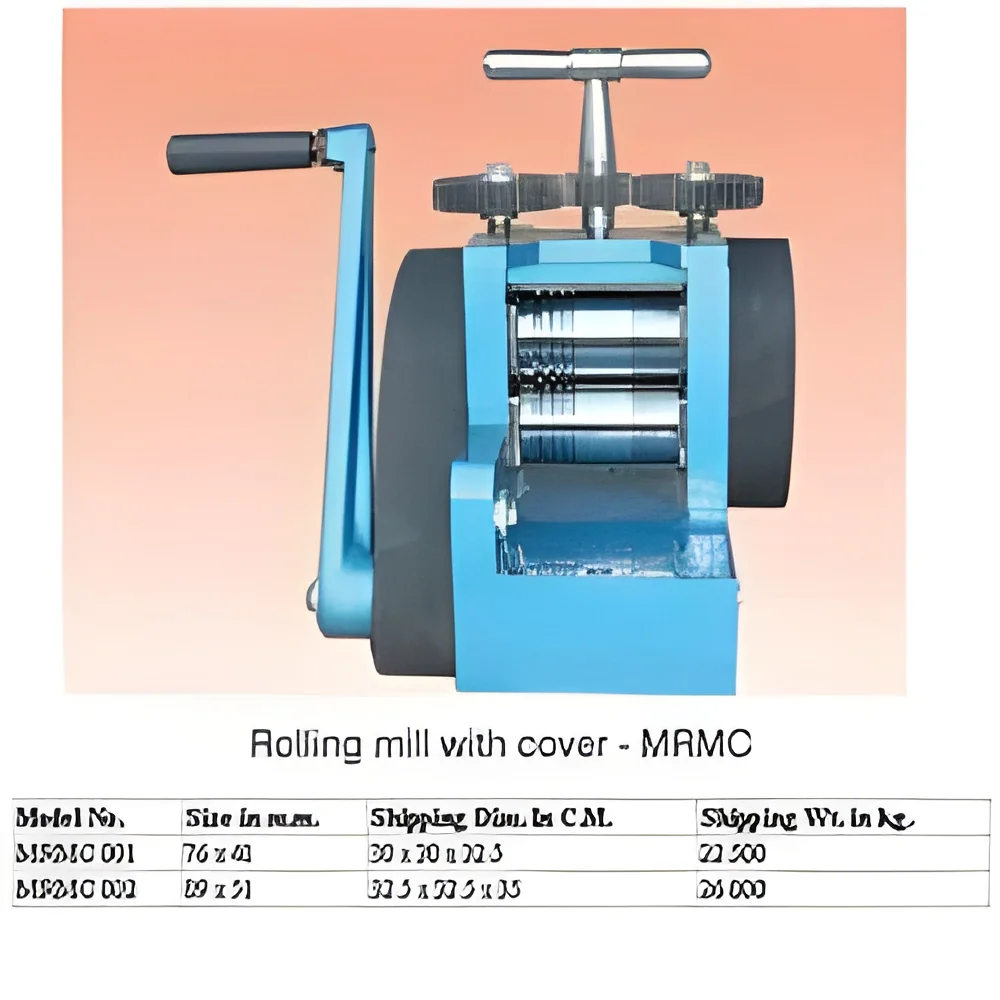
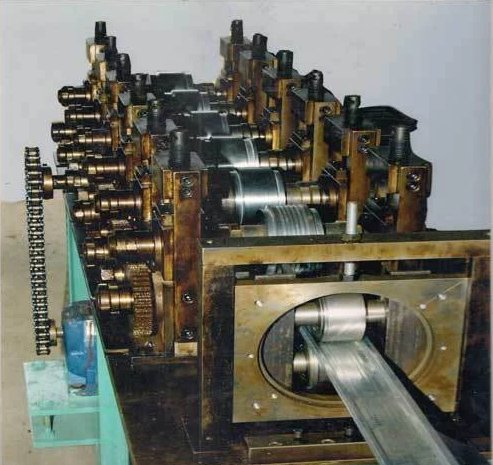
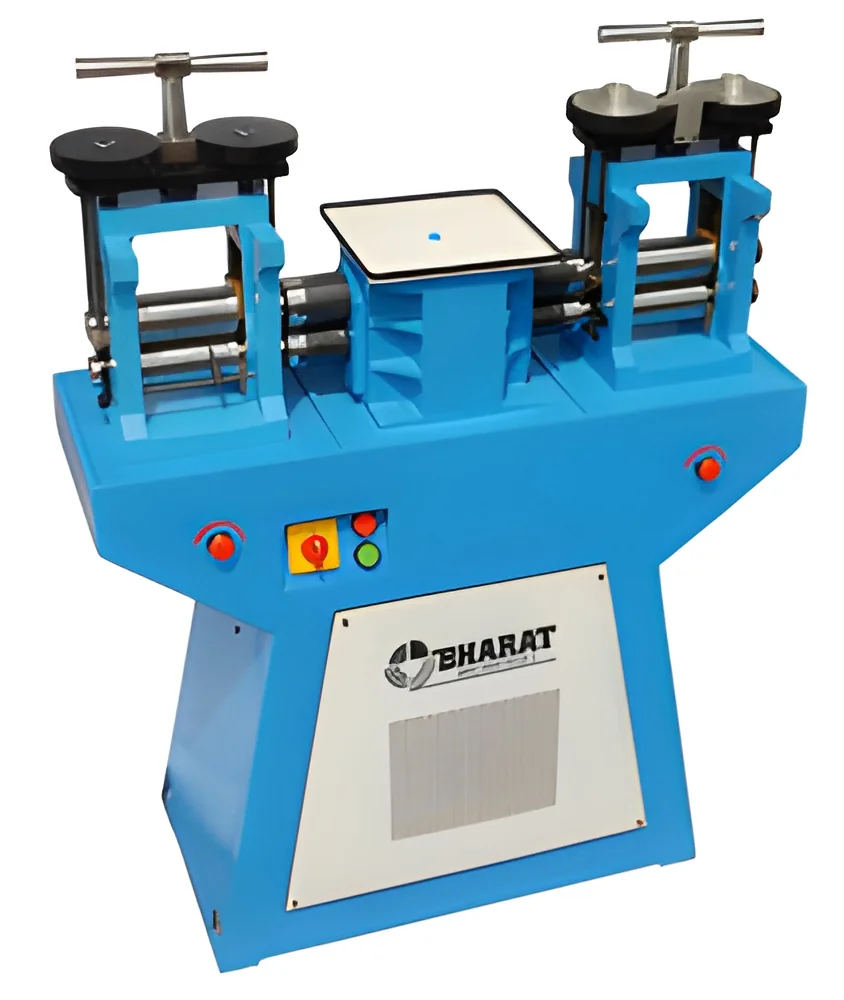
Cold Rolling Mills
26 products available
What are Cold Rolling Mills?
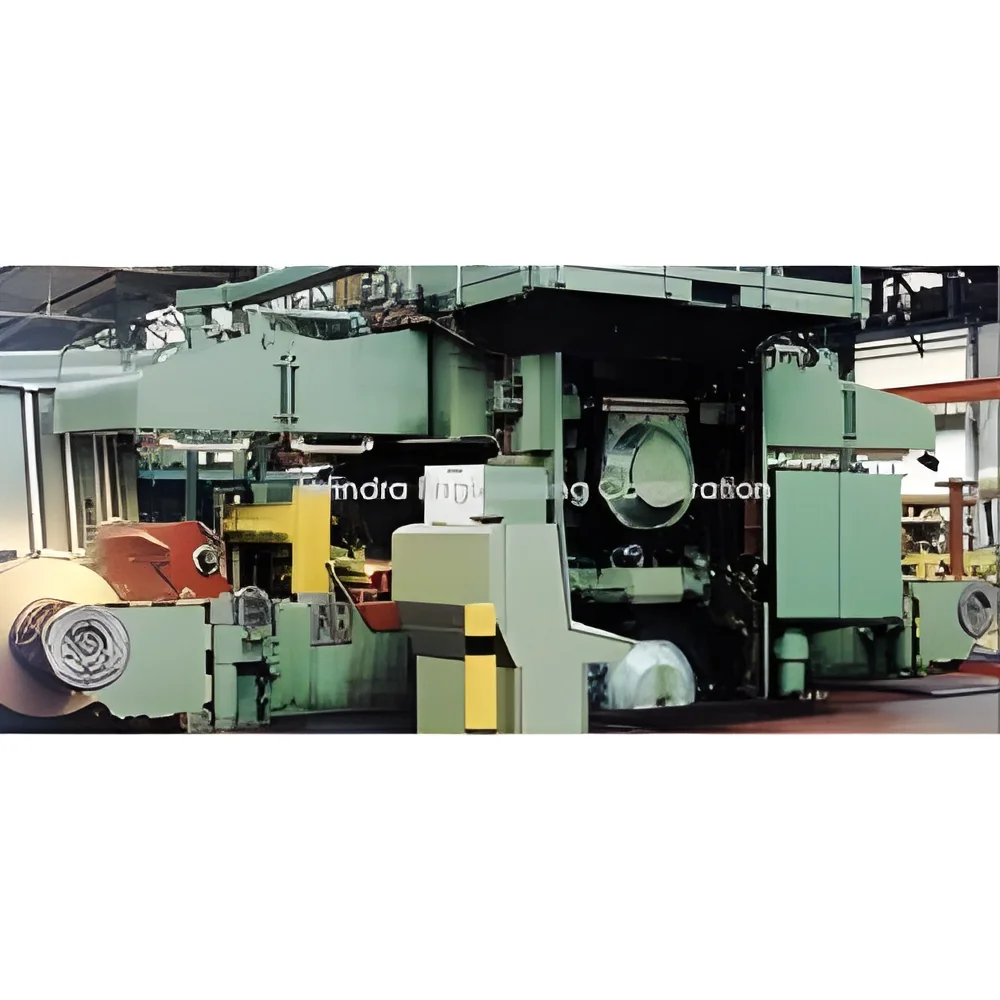
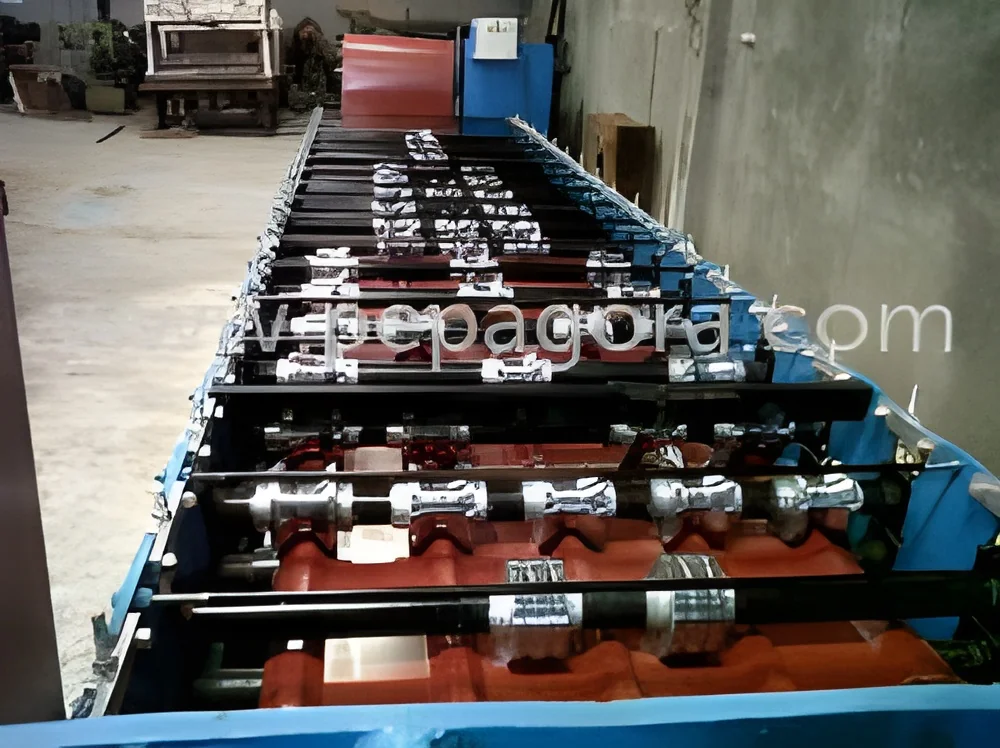
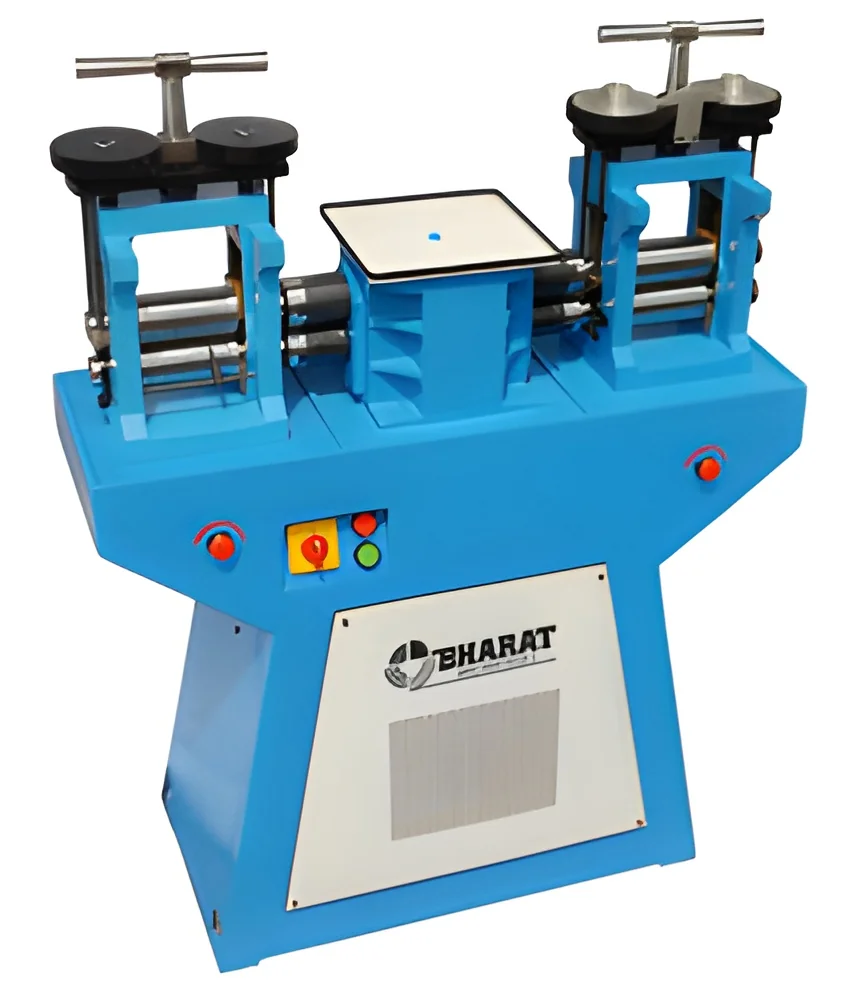
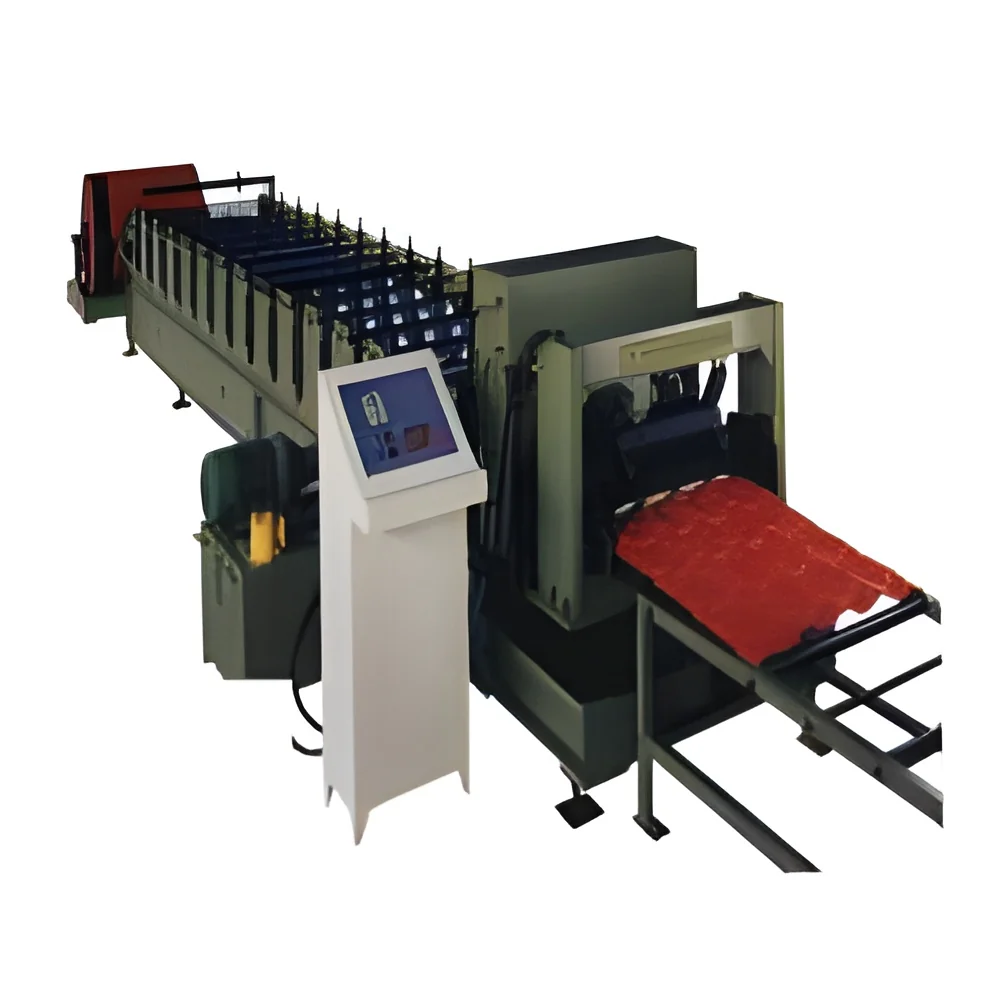
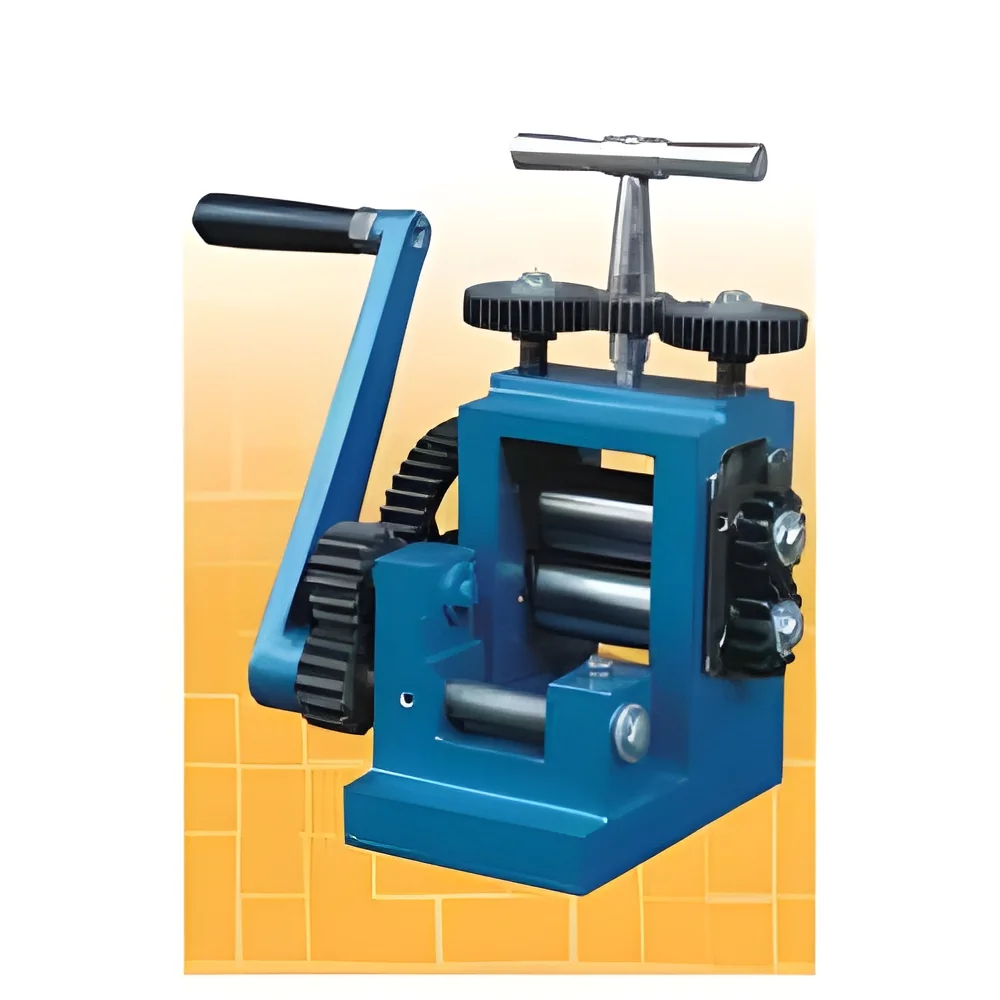
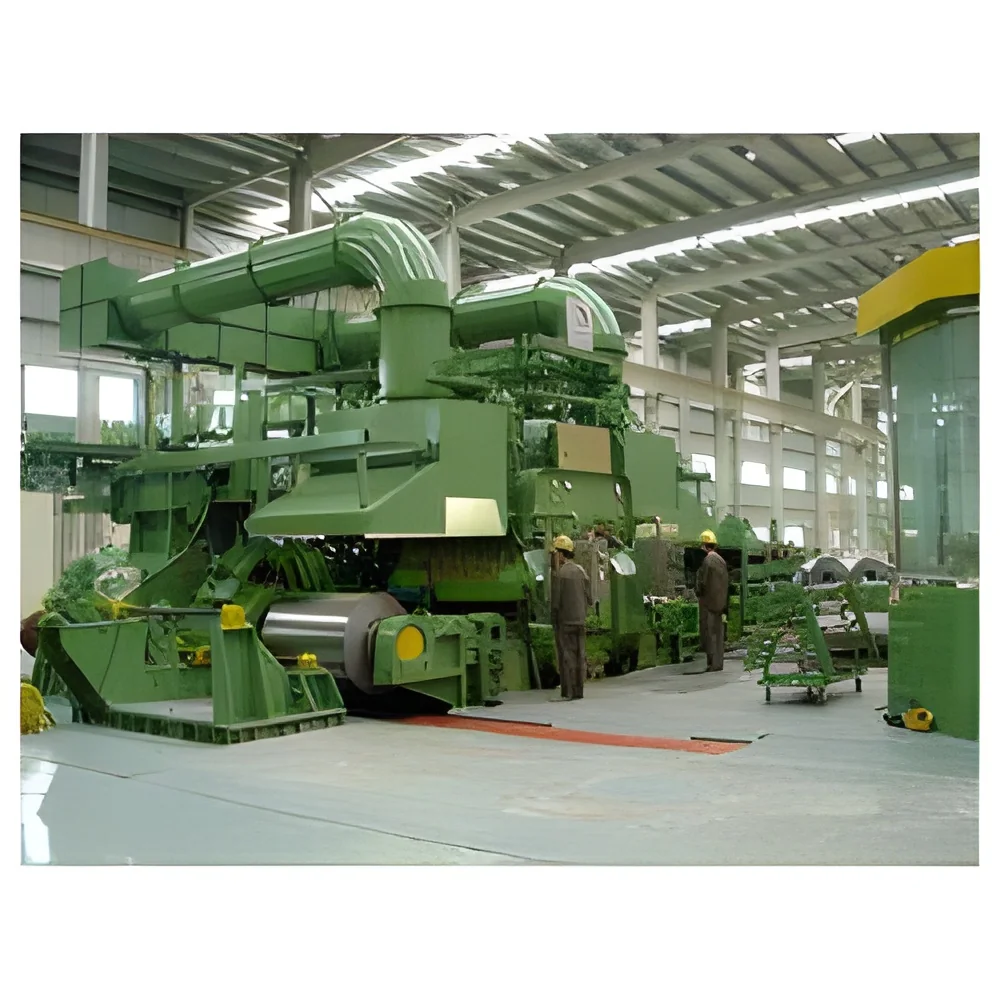
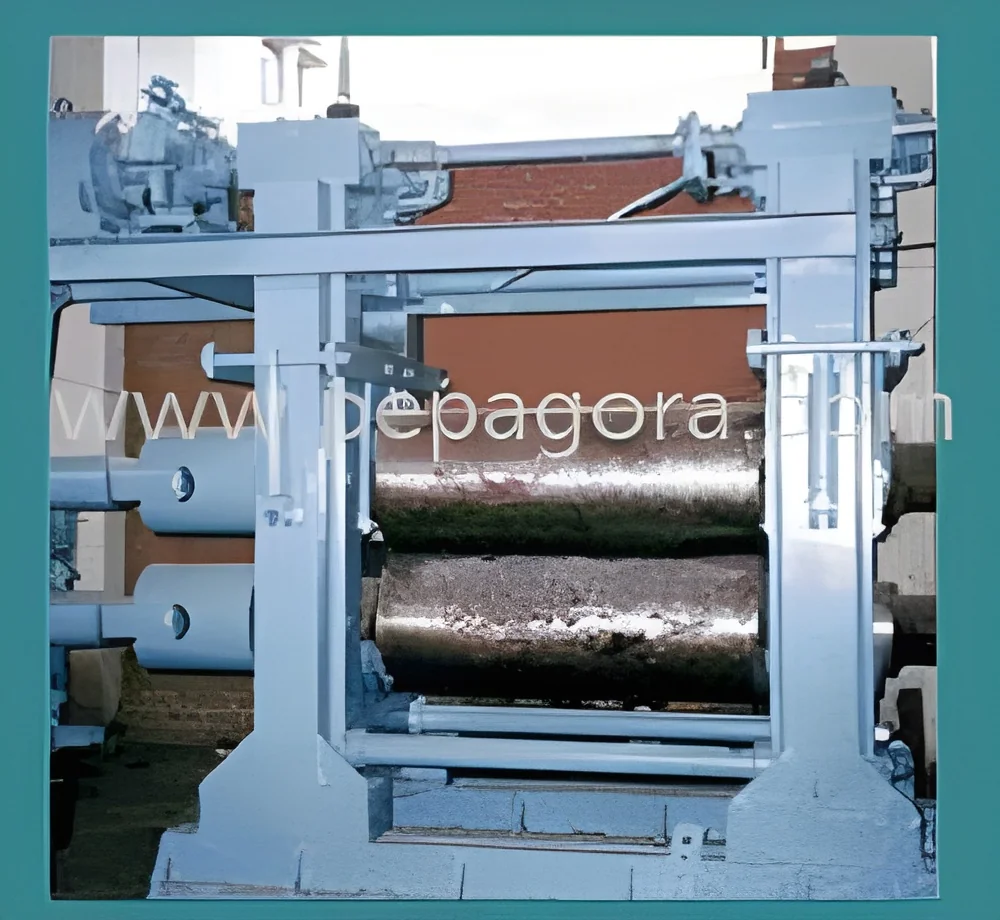
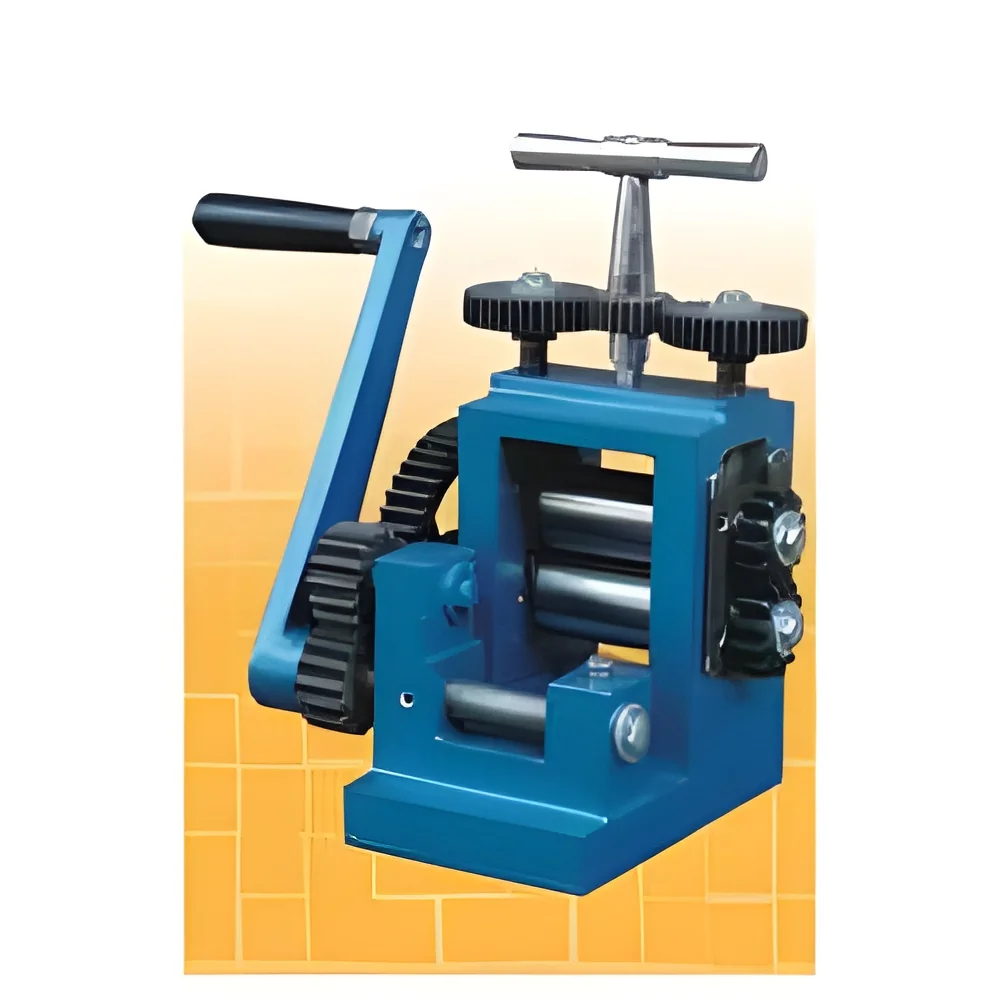
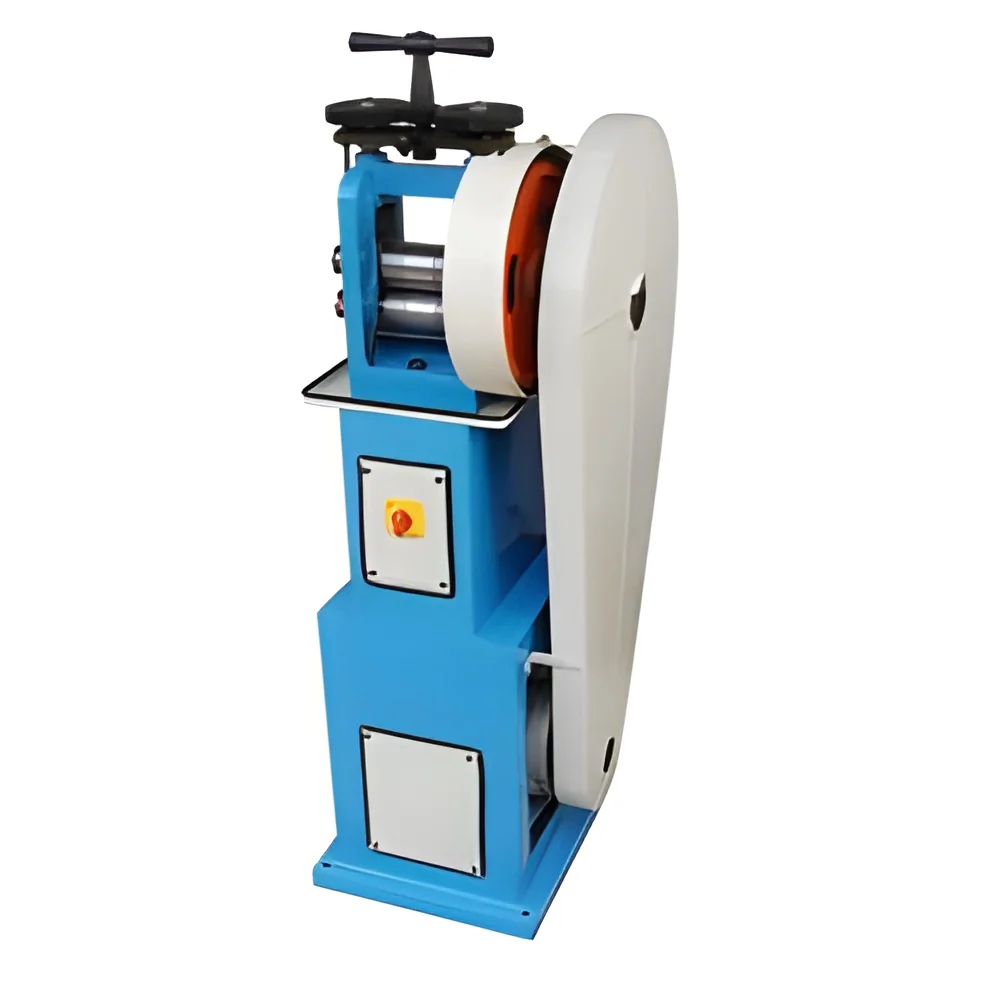
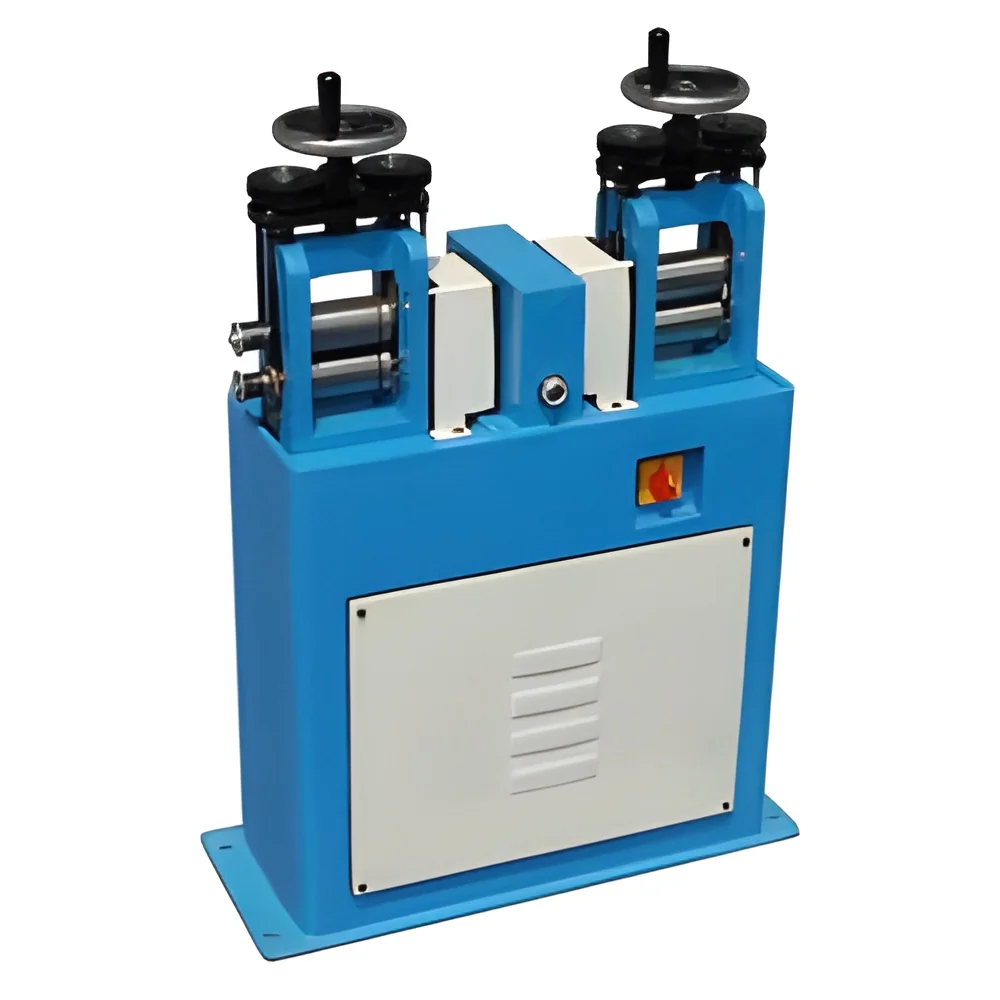
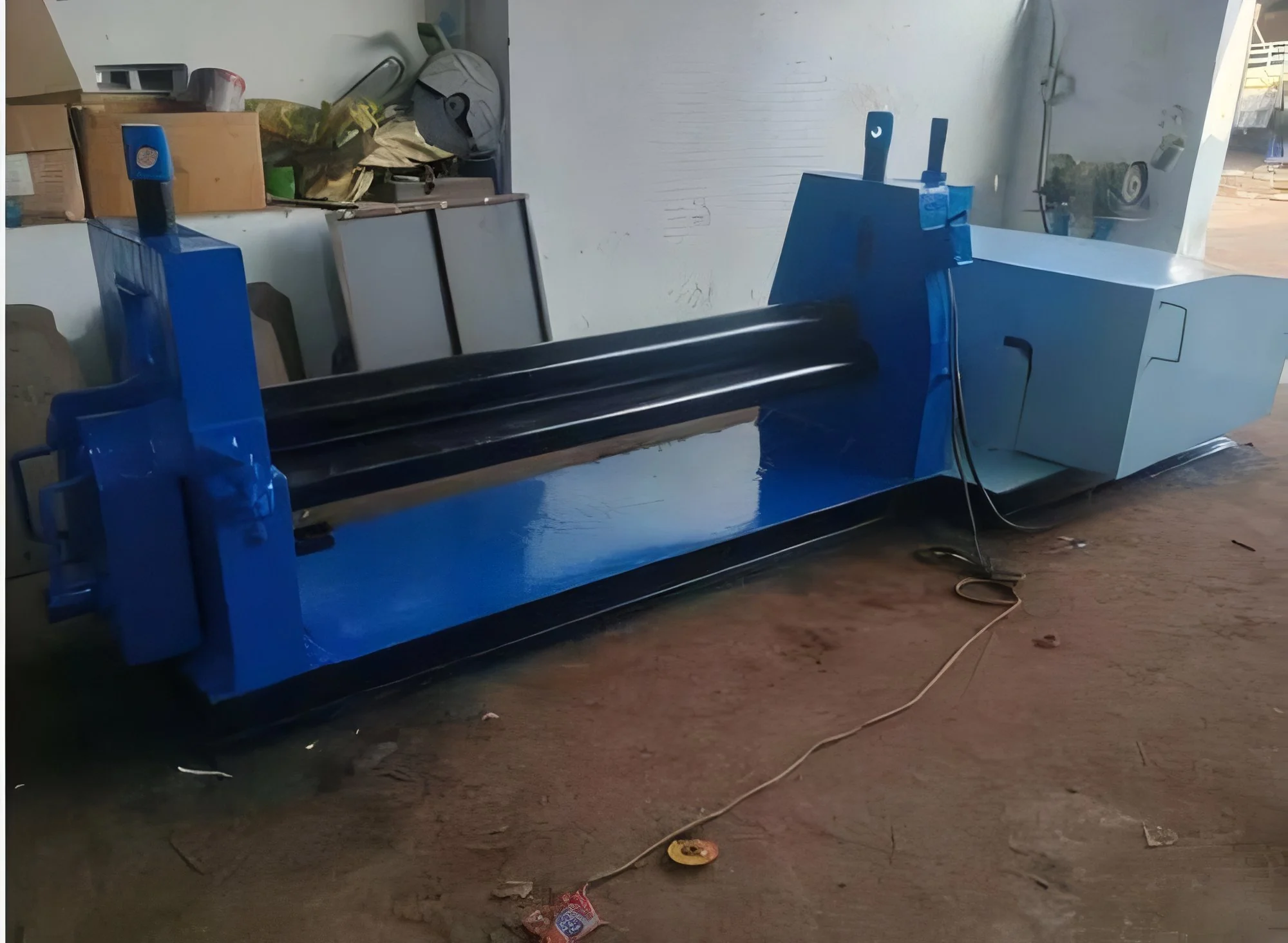
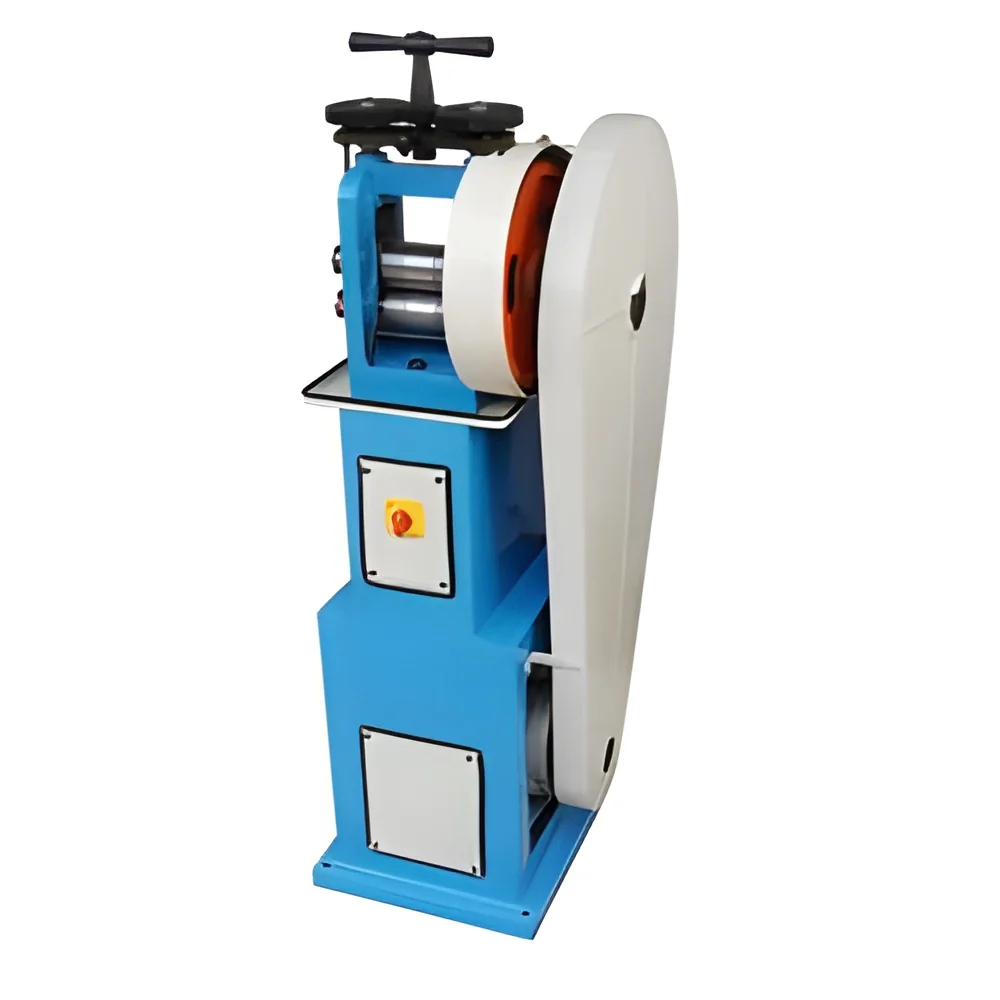
Cold rolling mills are industrial machinery used to process metal sheets and strips at ambient temperatures. These mills reduce the thickness of metal by passing it through rollers, which can be adjusted to achieve the desired thickness and surface finish. Unlike hot rolling, cold rolling enhances the mechanical properties of the metal, resulting in improved strength and surface quality. This process is critical in manufacturing products that require precise dimensions and superior finish.
These mills are widely used in various industries such as automotive, construction, and manufacturing. They play a vital role in producing components like metal sheets, coils, and strips that are integral to the production of machinery, vehicles, and infrastructure. The ability to produce high-quality materials with tight tolerances makes cold rolling mills indispensable in today’s competitive market. The growing demand for lightweight and durable materials has further propelled the relevance of cold rolling technology across multiple sectors.
Key Features and Specifications
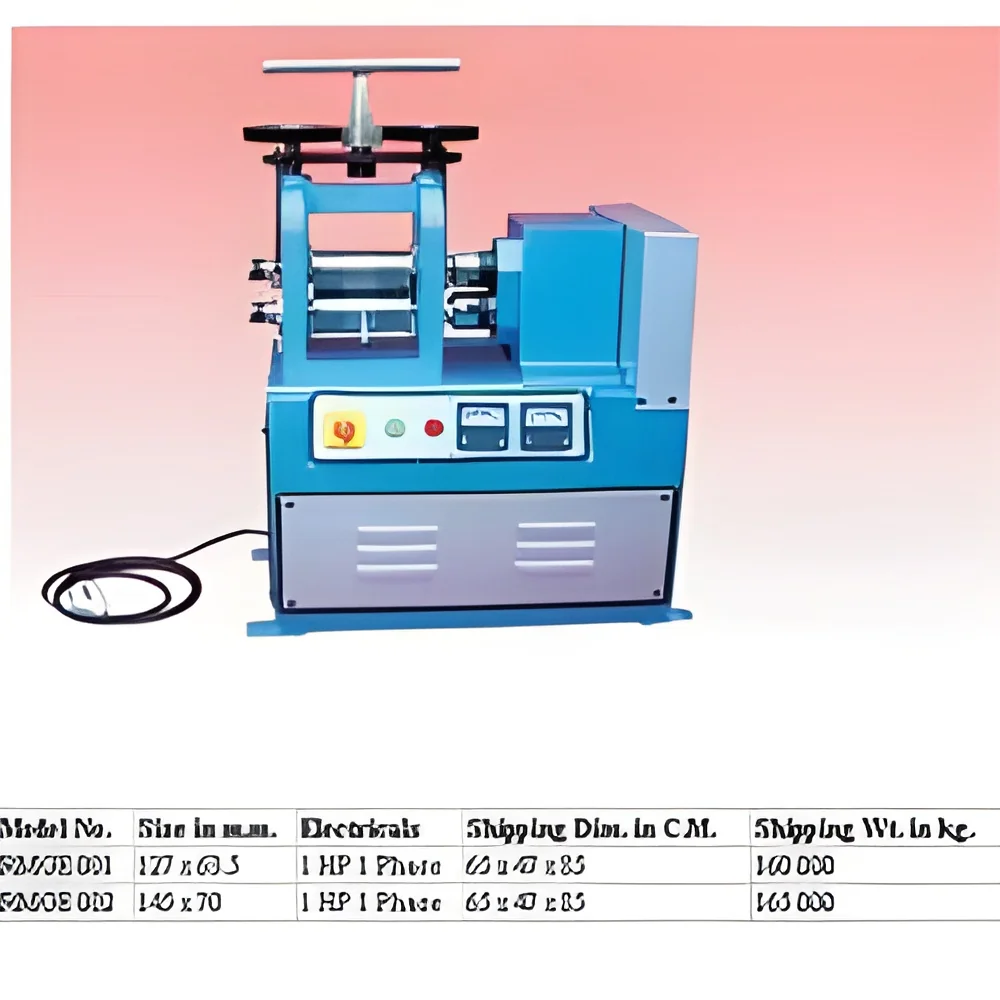
Cold rolling mills come equipped with several key features that enhance their efficiency and effectiveness. Understanding these specifications is essential for buyers looking to invest in this technology.
Key specifications include:
1. Roll Diameter
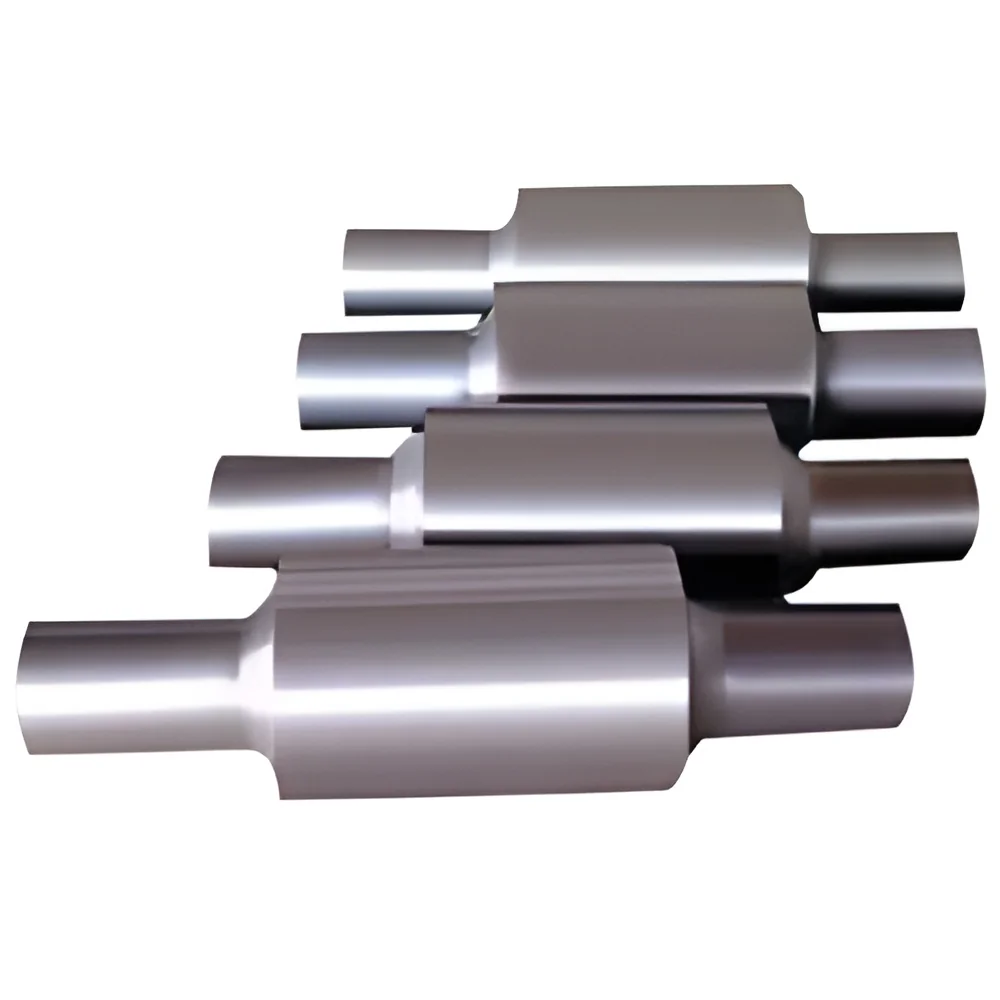
- Typically ranges from 200 mm to 800 mm.
- Affects the load-bearing capacity and the thickness reduction ratio.
2. Maximum Width
- Commonly available in widths from 600 mm to 2000 mm.
- Determines the size of sheets and strips that can be processed.
3. Speed Range
- Operating speeds can range from 50 m/min to 800 m/min.
- Impacts production efficiency.
4. Number of Passes
- Mills can have 2 to 6 passes based on design.
- Allows for gradual thickness reduction.
5. Material Types
- Capable of processing various metals including carbon steel, stainless steel, and aluminum.
- Flexibility in material handling enhances application range.
6. Control Systems
- Equipped with PLC (Programmable Logic Controller) for automation.
- Enhances precision and reduces manual intervention.
7. Cooling Systems
- Includes options for water or oil cooling.
- Helps maintain operational temperatures and improves tool life.
8. Safety Features
- Compliance with CE safety standards.
- Incorporates emergency stop buttons and safety guards.
In summary, the specifications of cold rolling mills are designed to enhance their operational efficiency, safety, and versatility in processing various metal types.
Common Applications and Use Cases
Cold rolling mills serve diverse industries by producing high-quality metal products.
1. Automotive: Used to manufacture body panels, frames, and components that require precise thickness and surface finish.
2. Construction: Supplies steel sheets and strips for structural applications, ensuring strength and durability.
3. Appliance Manufacturing: Produces components for household appliances, where aesthetics and functionality are critical.
4. Electrical: Supplies thin sheets for electrical applications, including transformers and motor components.
5. Aerospace: Provides specialized materials for aircraft manufacturing, focusing on weight reduction and structural integrity.
6. Shipbuilding: Delivers metal products that meet stringent safety and performance requirements in marine applications.
7. HVAC: Supplies materials for heating, ventilation, and air conditioning systems, ensuring efficiency and reliability.
Product Variants and Subcategories
Cold rolling mills exhibit diversity in design and functionality to meet various industrial requirements.
Single-Stand Mills
These mills are designed for lower production volumes and simpler operations. They are ideal for processing smaller batches of metal and offer flexibility in production.
Multi-Stand Mills
These configurations allow for higher production rates by processing materials through multiple stands in a single pass. They are best suited for large-scale manufacturing where efficiency is key.
Inline Mills
These mills are integrated with other processes, allowing for continuous production. They are commonly used in high-volume applications, optimizing workflow and reducing handling times.
Benefits and Advantages
Investing in cold rolling mills offers several key benefits to businesses.
1. Enhanced Material Properties: Cold rolling improves the strength and durability of metals, making them suitable for demanding applications.
2. Cost Efficiency: By producing high-quality products with minimal waste, businesses can significantly lower manufacturing costs.
3. Precision Engineering: The technology allows for tight tolerances, ensuring that products meet exact specifications.
4. Versatile Applications: Capable of processing various metals, cold rolling mills can serve multiple industries, enhancing business opportunities.
5. Improved Surface Finish: Cold rolling provides a superior surface quality, which is essential for aesthetic and functional applications.
6. Reduced Production Time: Advanced automation and efficient design lead to faster turnaround times, improving overall productivity.
Buying Guide for B2B Buyers
When sourcing cold rolling mills, it is crucial for B2B buyers to consider several factors to ensure they make informed decisions.
1. Quality Assessment: Evaluate the quality of materials and manufacturing processes. Look for certifications such as CE to ensure compliance with quality standards.
2. Supplier Verification: Research potential suppliers thoroughly. Check references and past performance to ensure reliability and capability.
3. Pricing and MOQ: Understand the pricing structure and minimum order quantities. This helps in budgeting and planning for future production needs.
4. Delivery and Lead Times: Discuss logistics and delivery schedules with suppliers. Ensure they can meet your project timelines and production demands.
5. Compliance Requirements: Be aware of any regulatory compliance needed for your industry. Ensure that suppliers can meet these requirements to avoid delays and fines.
Compliance and Certifications
Cold rolling mills must adhere to several relevant quality standards and certifications to ensure safety and reliability in their operation.
ISO 9001 is a fundamental standard that outlines quality management systems. This certification demonstrates a commitment to consistent quality and continuous improvement in manufacturing processes.
CE certification is essential for manufacturers targeting the European market. It indicates that the equipment meets health, safety, and environmental protection standards.
Safety and testing requirements must also be met to ensure operational safety. This includes regular inspections and adherence to safety protocols during operation.
Regional compliance considerations may vary. Buyers should ensure that their suppliers are aware of and compliant with local regulations and standards specific to their operational regions.
Why Source Cold Rolling Mills from Pepagora?
Pepagora offers a trusted platform for sourcing cold rolling mills, providing several key advantages to buyers.
Verified Supplier Network: Pepagora connects buyers with a network of verified suppliers. This ensures that businesses can find reliable partners who meet their quality and service expectations.
Streamlined RFQ Process: The platform features an efficient request for quotation (RFQ) system, allowing buyers to easily obtain quotes from multiple suppliers. This simplifies the sourcing process and enhances decision-making.
Trade Assurance and Support: Buyers benefit from trade assurance programs that offer protection throughout the purchasing process. This includes support for resolving disputes and ensuring satisfaction with the purchased equipment.
Regional Coverage: Pepagora's extensive geographic reach spans India, GCC, and Southeast Asia. This broad coverage allows businesses to tap into diverse markets while ensuring they have access to quality products and services.
Newly Added

Frequently Asked Questions
1
What is Cold Rolling Mills?
Cold Rolling Mills is a product offered by global suppliers on Pepagora.
2
How do I find suppliers for Cold Rolling Mills?
Use Pepagora's search and filter options to find verified suppliers.
3
Can I request a quote for Cold Rolling Mills?
Yes, use the RFQ feature to request quotes from multiple suppliers.
4
Is Cold Rolling Mills available in multiple languages?
Pepagora supports multilingual catalogs for global buyers.
5
What trust signals are available for Cold Rolling Mills?
Look for TruBadge, RFQ, and multilingual support on supplier profiles.
Why Businesses Trust Pepagora
Thousands of companies trust Pepagora to source smarter and sell faster
Expand Your Sales Globally
25000+Products listed.Get discovered by global buyers
Tools to boost visibility
Build your own catalog

Source Smarter,Grow Faster
4000+Active RFQs
100+ Countries served
Easy Sourcing Tools
