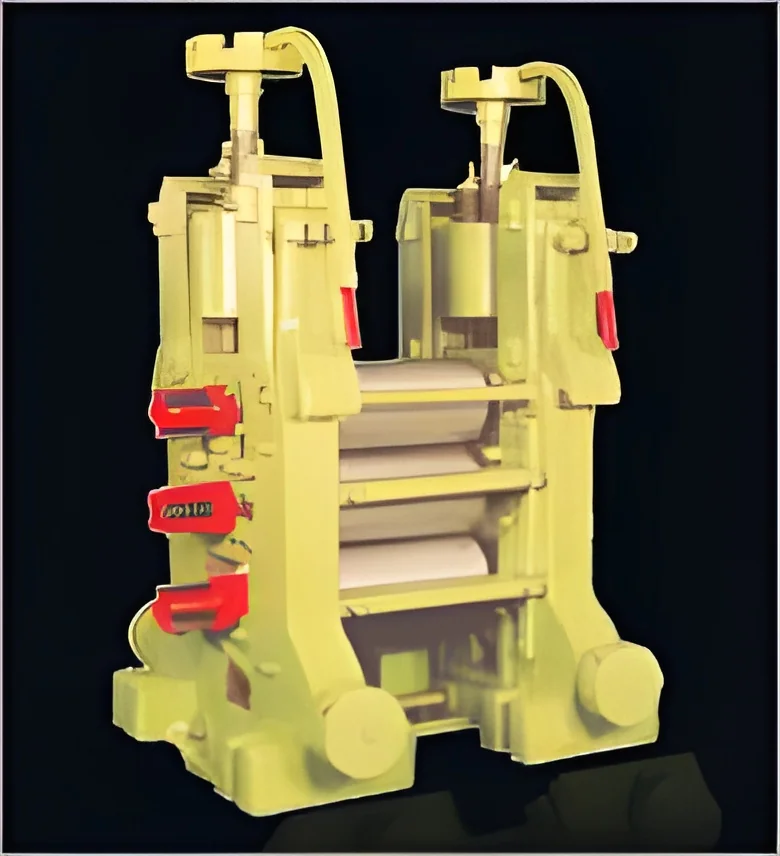
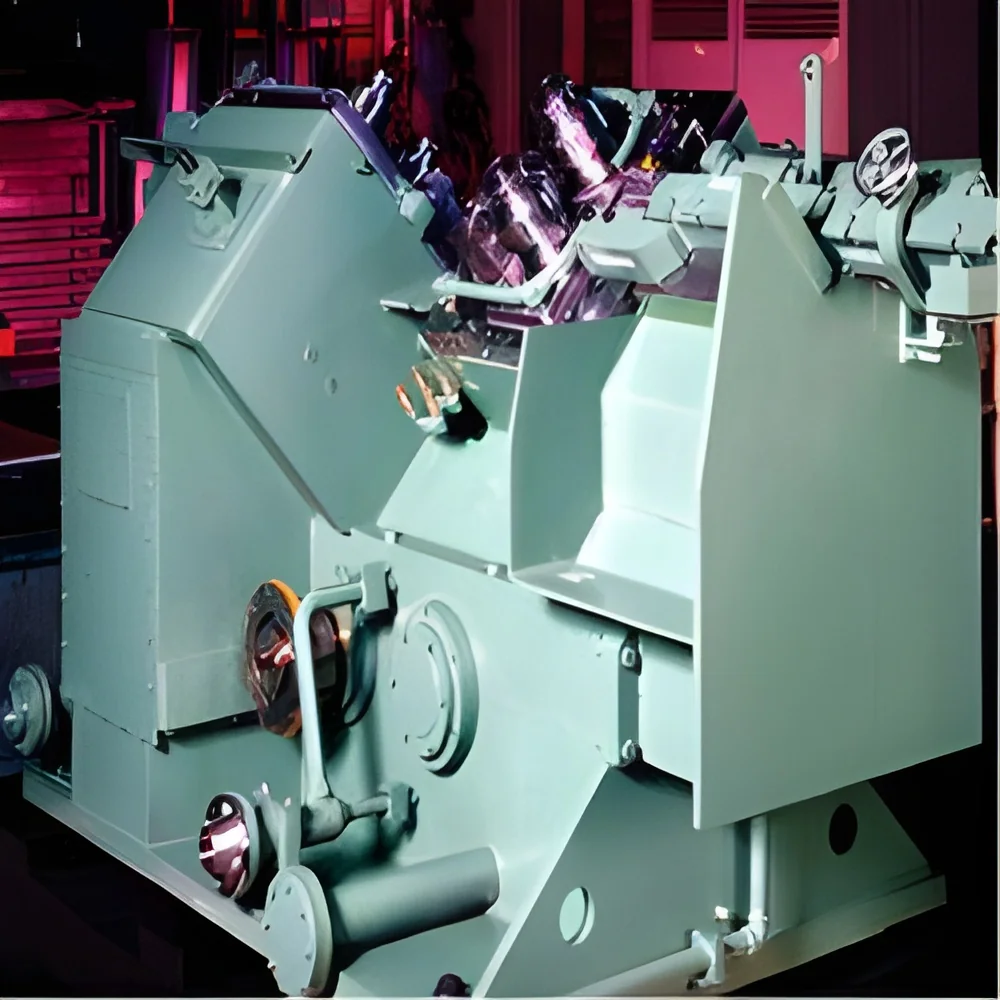
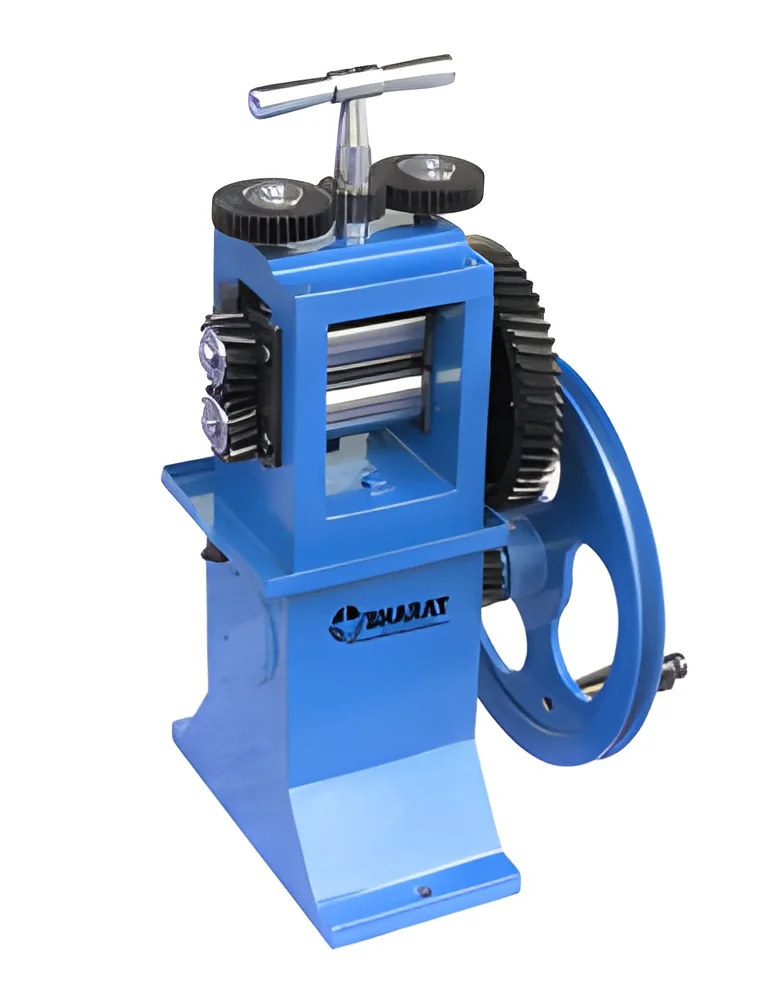
What are Wire Rod Rolling Mills?
Wire Rod Rolling Mills are specialized industrial machines used for the production of wire rods from steel billets. These mills operate by heating the steel billets and then passing them through a series of rollers to reduce their diameter and shape them into wire rods. The process typically involves multiple rolling stages and may include cooling and finishing processes to achieve the desired mechanical properties and surface quality.
Wire rods produced by these mills are essential in various applications, including construction, automotive manufacturing, and wire production. They are used to make wires, cables, and other products that require high tensile strength and durability. Given the demand for high-quality wire rods, Wire Rod Rolling Mills play a crucial role in the manufacturing sector, contributing to the supply chain of essential industrial components.
In the current market context, the demand for wire rods is driven by the growing construction and automotive industries. As infrastructure projects expand and vehicle production increases, the need for reliable and efficient Wire Rod Rolling Mills becomes even more significant. Manufacturers must invest in high-performance mills to ensure consistent quality and meet the rising demands of various sectors.
Key Features and Specifications
Wire Rod Rolling Mills come equipped with several key features that enhance their performance and efficiency. Understanding these specifications is essential for B2B buyers looking to invest in this machinery.
Key specifications include:
1. Rolling Capacity
- The capacity of a mill to produce wire rods, often measured in tons per hour.
- Typical ranges can vary from 5 to 50 tons per hour, depending on the mill size and design.
2. Roller Material
- The type of material used for rollers, which impacts durability and performance.
- Common materials include high-carbon steel and alloy steel.
3. Control System
- The technology used to manage the rolling process, often incorporating automation.
- Advanced systems include PLC (Programmable Logic Controller) for precise control.
4. Cooling System
- Mechanisms that cool the wire rods after rolling, ensuring they maintain desired properties.
- May include air or water cooling techniques.
5. Dimensions of Wire Rods
- The range of diameters that can be produced, typically between 5 mm to 16 mm.
- Customization options may be available for specific applications.
6. Energy Efficiency
- Features that reduce energy consumption during operation.
- Key indicators include motor power ratings and operational efficiency metrics.
7. Safety Features
- Built-in safety mechanisms to protect operators and equipment.
- Includes emergency stop systems and safety guards.
8. Maintenance Requirements
- Guidelines on routine maintenance and upkeep to ensure longevity.
- Regular checks on parts such as bearings and rollers are essential.
In summary, understanding the key features and specifications of Wire Rod Rolling Mills can help businesses make informed purchasing decisions, ensuring they choose the right equipment for their production needs.
Common Applications and Use Cases
Wire Rod Rolling Mills serve various industries, reflecting their versatility and importance in manufacturing processes.
1. Construction: Wire rods are used to produce reinforcing bars (rebars) that provide structural support in buildings and infrastructure projects.
2. Automotive: The automotive industry utilizes wire rods for manufacturing components, such as springs, cables, and various fasteners, which require high strength and flexibility.
3. Electrical: Wire rods are fundamental in producing electrical wires and cables, ensuring efficient power transmission and connectivity.
4. Manufacturing: Many manufacturing sectors rely on wire rods for creating products like fencing, mesh, and other wire-based items.
5. Aerospace: In the aerospace industry, wire rods are used to create lightweight yet strong components that meet stringent safety and performance standards.
6. Agriculture: Wire rods are utilized in agricultural equipment for fencing and supports, enhancing durability in outdoor environments.
7. Marine: Wire rods are essential for producing components used in marine applications, such as rigging and mooring.
Product Variants and Subcategories
Wire Rod Rolling Mills come in various configurations to meet specific production requirements. Each variant offers unique features tailored to different applications.
Standard Wire Rod Rolling Mills
These mills are designed for general wire rod production, capable of producing a variety of diameters and lengths. They are widely used across different industries for their versatility.
High-Performance Wire Rod Rolling Mills
Engineered for higher capacities and efficiency, these mills incorporate advanced technology for faster production rates. Ideal for large-scale operations, they ensure consistent quality and reduced downtime.
Compact Wire Rod Rolling Mills
These mills are designed for smaller operations or facilities with limited space. They offer flexibility and are suitable for producing smaller batches of wire rods without compromising quality.
Benefits and Advantages
Investing in Wire Rod Rolling Mills provides numerous advantages for manufacturers and businesses.
Key benefits include:
1. Increased Production Efficiency: High-capacity mills allow for faster production rates, reducing lead times and increasing output.
2. Improved Product Quality: Advanced rolling technologies ensure consistent dimensions and mechanical properties in the wire rods produced.
3. Versatile Applications: The ability to produce various wire rod sizes makes these mills suitable for multiple industries, enhancing market reach.
4. Cost-Effective Operations: Efficient energy use and reduced waste contribute to lower operational costs over time.
5. Enhanced Safety Features: Modern mills come equipped with safety mechanisms that protect operators and minimize accidents.
6. Customization Options: Many manufacturers offer tailored solutions to meet specific production needs, allowing businesses to optimize their operations.
Buying Guide for B2B Buyers
When sourcing Wire Rod Rolling Mills, several factors should be considered to ensure a successful investment.
1. Quality Assessment: It is essential to evaluate the quality of the mills based on their specifications and manufacturer reputation. Look for mills that meet industry standards and have a proven track record.
2. Supplier Verification: Vetting suppliers is crucial. Check for certifications and reviews from previous clients to ensure reliability and trustworthiness.
3. Pricing and MOQ: Understand the pricing structure and any minimum order quantities (MOQ) that may apply. Comparing quotes from multiple suppliers can help you find the best deal.
4. Delivery and Lead Times: Inquire about delivery schedules and lead times to ensure that the mills can meet your production timelines.
5. Compliance Requirements: Ensure that the mills comply with relevant industry regulations and standards. This may include safety certifications and environmental compliance.
Compliance and Certifications
Wire Rod Rolling Mills are subject to various compliance and certification standards to ensure quality and safety.
Relevant quality standards include ISO 9001, which focuses on quality management systems, ensuring products meet customer and regulatory requirements. Compliance with this standard indicates a commitment to continuous improvement.
Additionally, CE certification is important in many markets, indicating that the mills meet European health, safety, and environmental protection standards. This certification is essential for manufacturers looking to export their products to Europe.
Safety and testing requirements also play a significant role in the manufacturing process. Regular assessments ensure that the mills operate safely and efficiently, reducing the risk of accidents.
Regional compliance considerations may vary, so it is crucial for manufacturers to be aware of local regulations that govern industrial machinery.
Why Source Wire Rod Rolling Mills from Pepagora?
Pepagora provides a trusted platform for sourcing Wire Rod Rolling Mills, offering several key advantages.
Verified Supplier Network: Pepagora ensures that all suppliers are thoroughly vetted, providing buyers with peace of mind when selecting manufacturers. This network includes reputable companies known for their quality products and reliability.
Streamlined RFQ Process: The request for quotation (RFQ) system is designed to make the sourcing process efficient. Buyers can easily submit their requirements and receive competitive quotes from multiple suppliers.
Trade Assurance and Support: Pepagora offers trade assurance to protect buyers throughout the purchasing process. This support includes assistance with negotiations and resolving any disputes that may arise.
Regional Coverage: With a strong presence in India, the Gulf Cooperation Council (GCC), and Southeast Asia, Pepagora connects buyers with local suppliers, providing convenience and reducing shipping times.
By choosing Pepagora, businesses can streamline their sourcing process for Wire Rod Rolling Mills while ensuring quality and compliance.

 IN
IN