What are Rotary Kilns for Metallurgy?
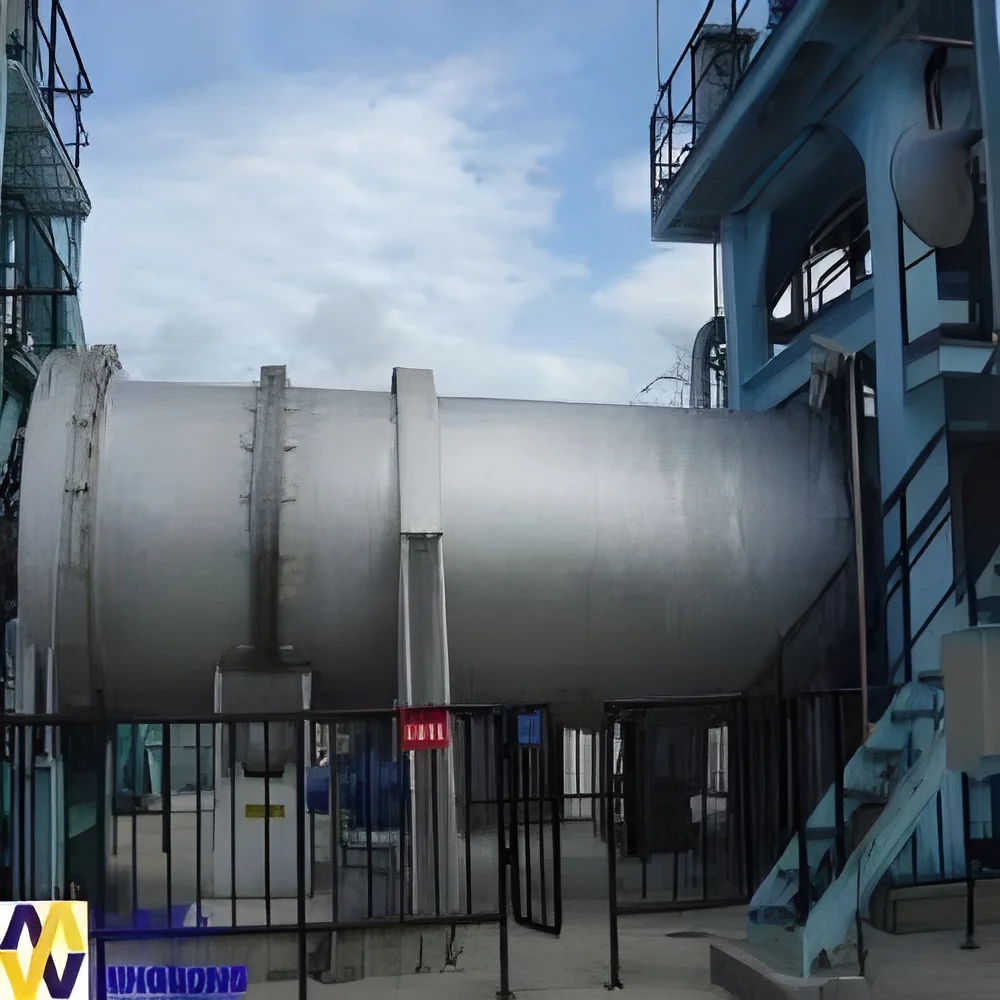
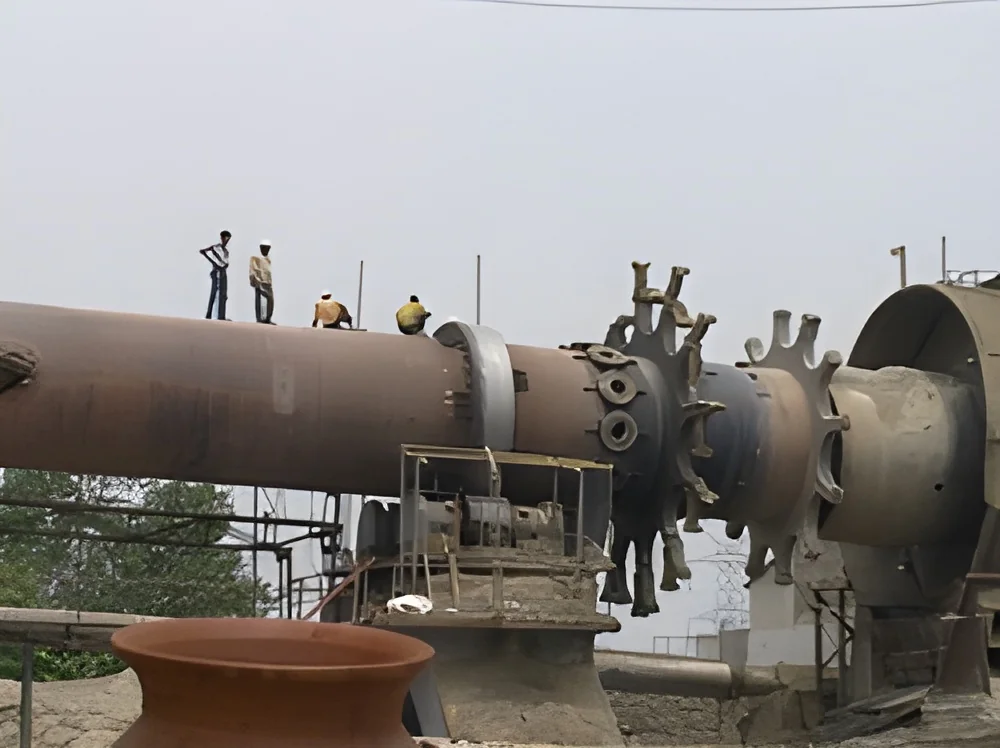
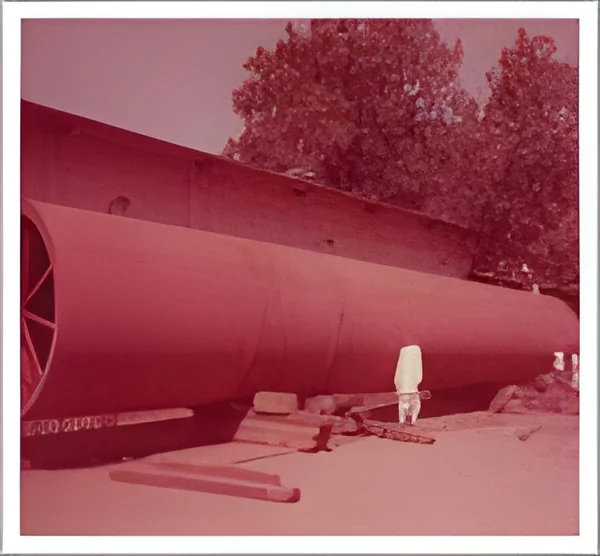
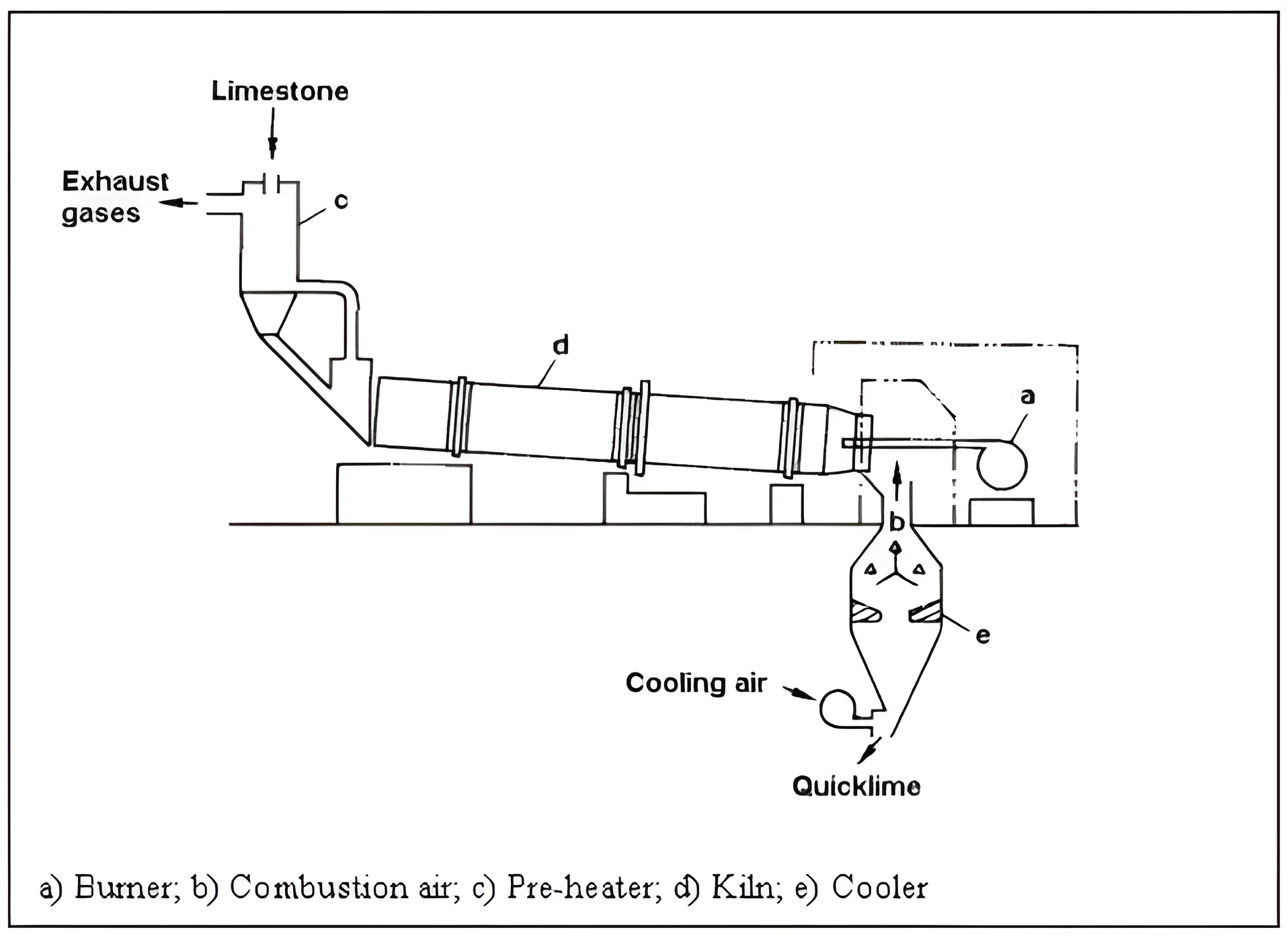
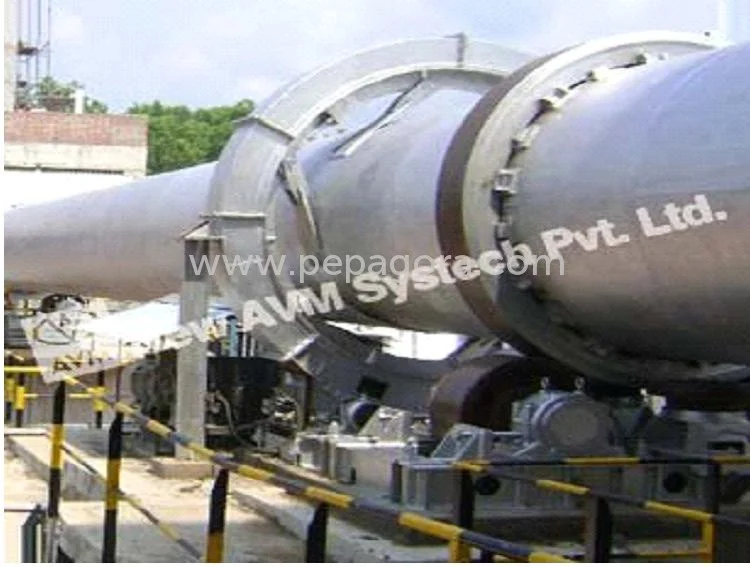
Rotary kilns for metallurgy are specialized industrial equipment used for high-temperature processing of materials in various metallurgical applications. These kilns operate by rotating a cylindrical vessel, which allows for uniform heating and mixing of the materials inside. The design facilitates the continuous movement of materials, enabling efficient production processes in operations such as sintering, calcination, and reduction.
Primarily, rotary kilns are utilized in the production of metals and alloys, as well as in the treatment of ores and other raw materials. Industries such as steel, aluminum, and copper rely on these kilns to enhance the quality and properties of their products. The versatility of rotary kilns makes them suitable for various applications, including the production of cement and lime, in addition to their prominent role in metallurgy.
In the current market context, the demand for rotary kilns is driven by the growing need for efficient and sustainable manufacturing processes. As industries seek to optimize production and reduce emissions, rotary kilns offer solutions that meet these challenges. Their ability to handle diverse materials and adapt to different processing requirements further solidifies their relevance in modern metallurgy.
Key Features and Specifications
Rotary kilns for metallurgy come equipped with features designed to enhance their performance and efficiency in industrial applications. Understanding these specifications is crucial for businesses looking to invest in this technology.
Key specifications include:
1. Capacity
- Ranges from small kilns of a few tons per day to large units with capacities exceeding 1,000 tons per day.
2. Temperature Range
- Capable of reaching temperatures necessary for various metallurgical processes, typically between 800°C to 1,600°C.
3. Material of Construction
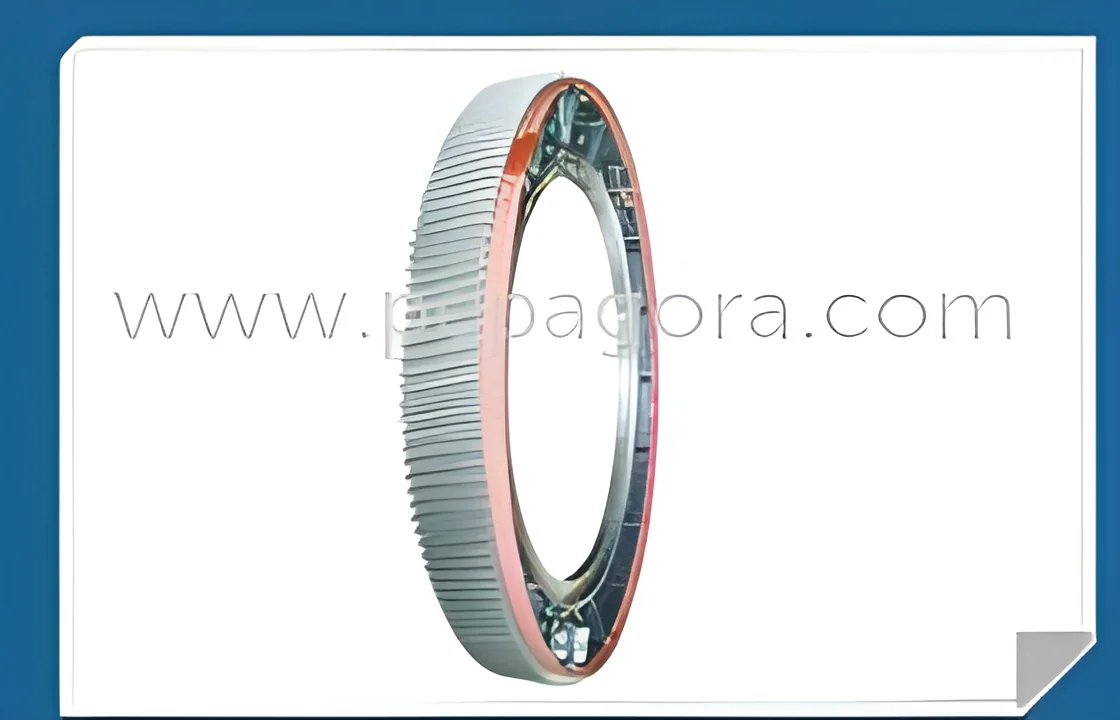
- Generally made from high-grade steel and lined with refractory materials to withstand high temperatures and corrosive environments.
4. Drive Mechanism
- Features a robust drive system that ensures consistent rotation and stability during operation.
5. Control System
- Advanced control systems for monitoring temperature, feed rate, and other parameters, ensuring optimal performance.
6. Fuel Type
- Can operate using various fuels, including natural gas, coal, or electricity, depending on operational requirements.
7. Environmental Features
- Designed to minimize emissions and comply with environmental regulations, often incorporating dust collection and gas cleaning systems.
8. Maintenance Requirements
- Built for easy access to reduce downtime during maintenance and repair activities.
In summary, understanding the key features and specifications of rotary kilns is essential for businesses to select the right equipment for their metallurgical processes.
Common Applications and Use Cases
Rotary kilns for metallurgy serve a variety of industries, each with unique applications.
1. Steel Industry: Used for sintering iron ore pellets, which enhances their quality for steel production.
2. Aluminum Production: Employed in the alumina calcination process, transforming bauxite ore into aluminum oxide.
3. Copper Industry: Utilized in the roasting of copper concentrates to remove sulfur and produce metallic copper.
4. Cement Manufacturing: Integral in the production of clinker, where limestone and clay are heated to form the base material for cement.
5. Lime Production: Applied in the calcination of limestone to produce quicklime for various industrial applications.
6. Nickel Processing: Involved in the thermal treatment of nickel ores to extract the metal efficiently.
7. Zinc Production: Used in the roasting of zinc concentrates to prepare them for further processing into metallic zinc.
Product Variants and Subcategories
Rotary kilns for metallurgy come in various designs to cater to specific applications in the industry. Each variant is tailored to meet unique processing needs.
Direct-Fired Rotary Kiln
This variant is designed to directly introduce fuel into the kiln, allowing for high-temperature processing. It is commonly used in applications requiring intense heat, such as the production of metals from ores.
Indirect-Fired Rotary Kiln
In this design, the material being processed does not come into direct contact with the flame. This variant is ideal for sensitive materials that may be affected by direct heat, such as certain chemicals or minerals.
Hybrid Rotary Kiln
Combining features of both direct and indirect kilns, the hybrid rotary kiln provides flexibility in processing a wide range of materials. It can switch between heating methods based on specific operational requirements.
Benefits and Advantages
Investing in rotary kilns for metallurgy offers several key advantages.
1. High Efficiency: Rotary kilns provide continuous processing capabilities, allowing for higher throughput and reduced operational costs.
2. Versatility: They can handle a wide variety of materials and adapt to different processing requirements, making them suitable for multiple applications.
3. Improved Quality: The uniform heating and mixing capabilities help achieve consistent product quality, essential in metallurgical processes.
4. Environmental Compliance: Many rotary kilns are designed with environmental controls that help minimize emissions and meet regulatory standards.
5. Durability: Constructed from robust materials, these kilns are built to withstand harsh operating conditions, leading to lower maintenance costs.
6. Enhanced Control: Advanced monitoring and control systems allow for precise adjustments during operation, optimizing performance and efficiency.
Buying Guide for B2B Buyers
When sourcing rotary kilns for metallurgy, several factors should be considered to ensure the best investment.
1. Quality Assessment: Evaluate the kiln’s construction materials, design, and manufacturing standards to ensure durability and reliability.
2. Supplier Verification: Research potential suppliers to confirm their credibility, industry experience, and customer reviews. It is essential to choose a reputable manufacturer.
3. Pricing and MOQ: Understand the pricing structure of the kilns and inquire about minimum order quantities to align with your production needs.
4. Delivery and Lead Times: Discuss logistics with suppliers to establish realistic delivery timelines and ensure timely availability of equipment.
5. Compliance Requirements: Familiarize yourself with relevant regulatory standards and certifications that the kilns must meet for safe and efficient operation.
Compliance and Certifications
Compliance with industry standards and regulations is critical in the production and operation of rotary kilns for metallurgy.
Many rotary kilns adhere to quality standards such as ISO 9001, which ensures consistent quality management in manufacturing processes. Compliance with HACCP and GDP may also be relevant, particularly in applications where product safety is paramount.
Industry certifications, such as CE marking, indicate that the kilns meet European safety and environmental protection requirements. This certification is vital for gaining market access in certain regions.
Safety and testing requirements are also essential, ensuring that kilns operate safely under high temperatures and pressures. Regular maintenance and inspections are necessary to uphold these safety standards.
Regional compliance considerations must be taken into account as regulations may vary by country or region. Ensuring that your rotary kiln complies with local laws is crucial for operational success.
Why Source Rotary Kilns for Metallurgy from Pepagora?
Pepagora provides a trusted platform for sourcing rotary kilns for metallurgy, offering several key advantages to B2B buyers.
Verified Supplier Network: Pepagora connects buyers with a network of verified suppliers, ensuring that all manufacturers meet stringent quality and reliability standards. This verification process helps mitigate risks associated with sourcing equipment.
Streamlined RFQ Process: The Request for Quotation (RFQ) system is designed to simplify the procurement process, allowing buyers to quickly gather multiple quotes and compare options. This efficiency aids in making informed purchasing decisions.
Trade Assurance and Support: Pepagora offers trade assurance measures that protect buyers during transactions, providing peace of mind throughout the sourcing process. Dedicated support teams are available to assist with any inquiries or issues.
Regional Coverage: With a strong presence in regions such as India, the Gulf Cooperation Council (GCC), and Southeast Asia, Pepagora ensures that buyers have access to local and regional suppliers, enhancing logistics and reducing lead times.
By choosing Pepagora, businesses can confidently source rotary kilns for metallurgy, benefiting from a comprehensive and reliable procurement experience.

 IN
IN