What are Dust Collection Systems?
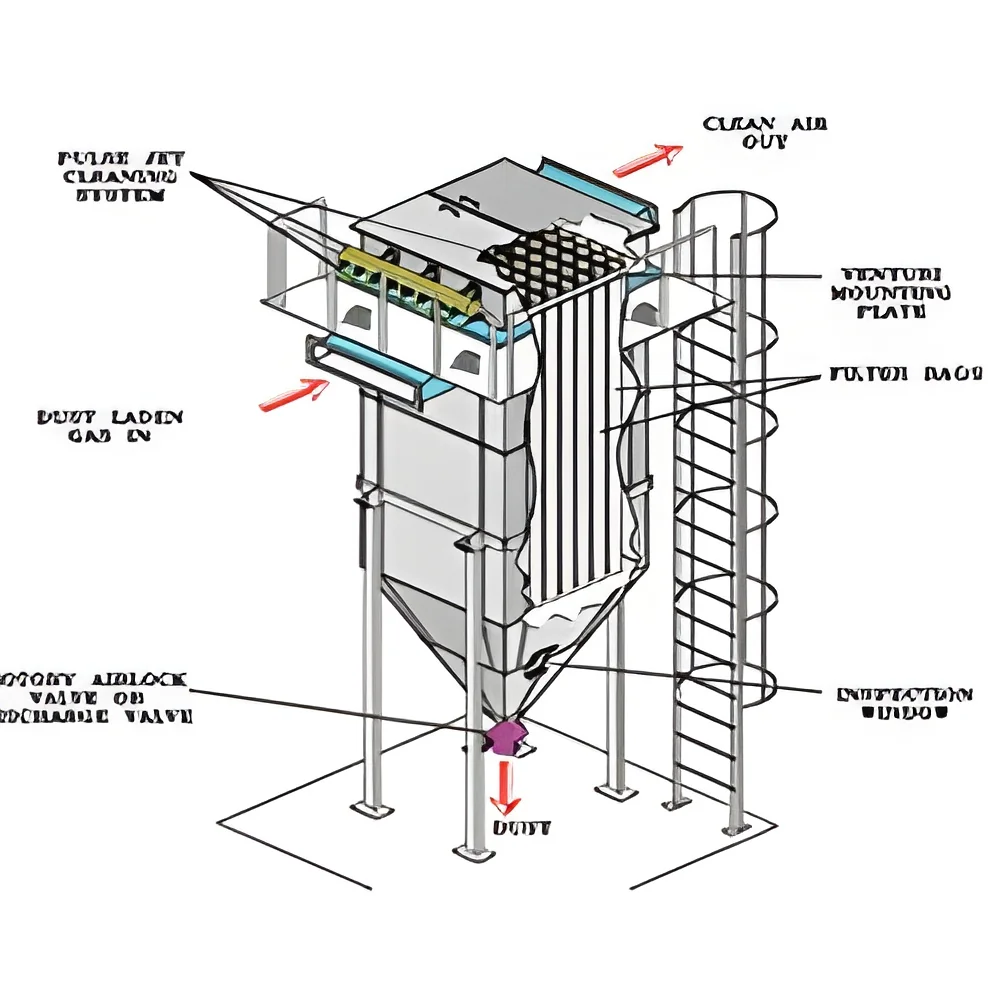
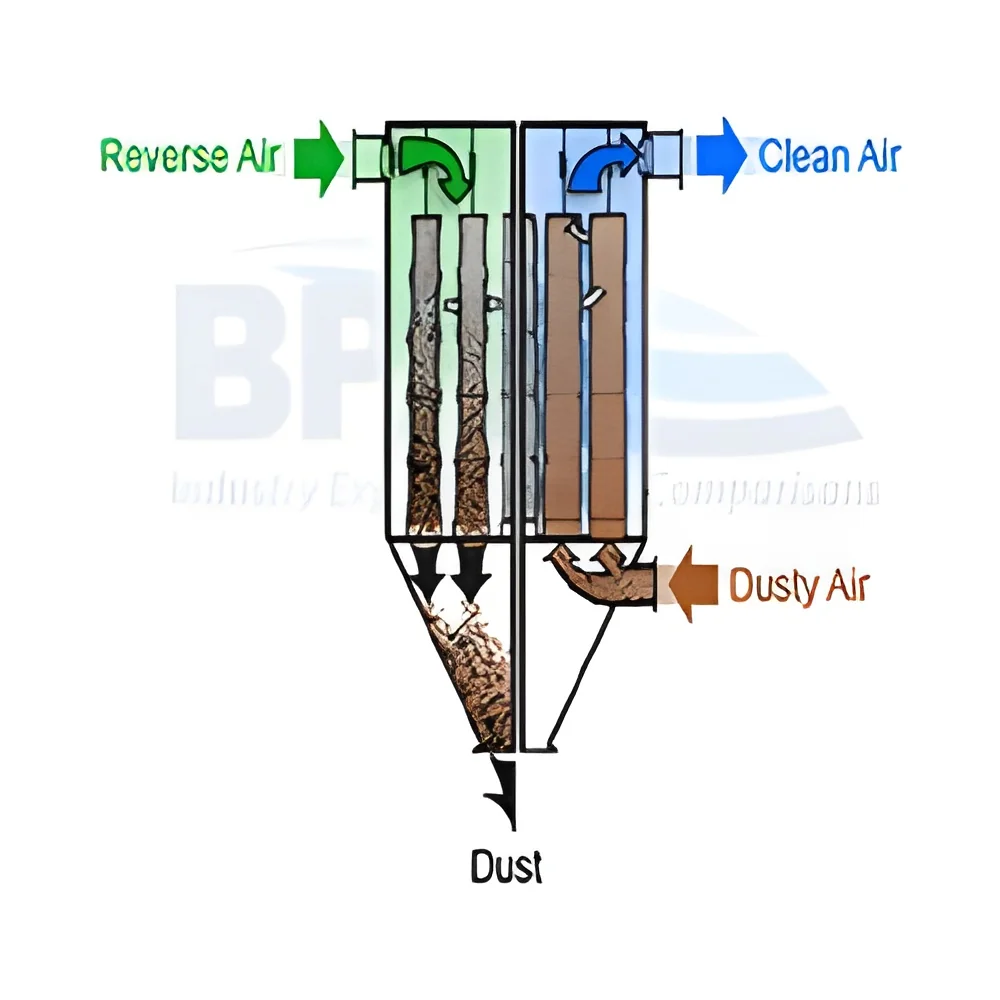
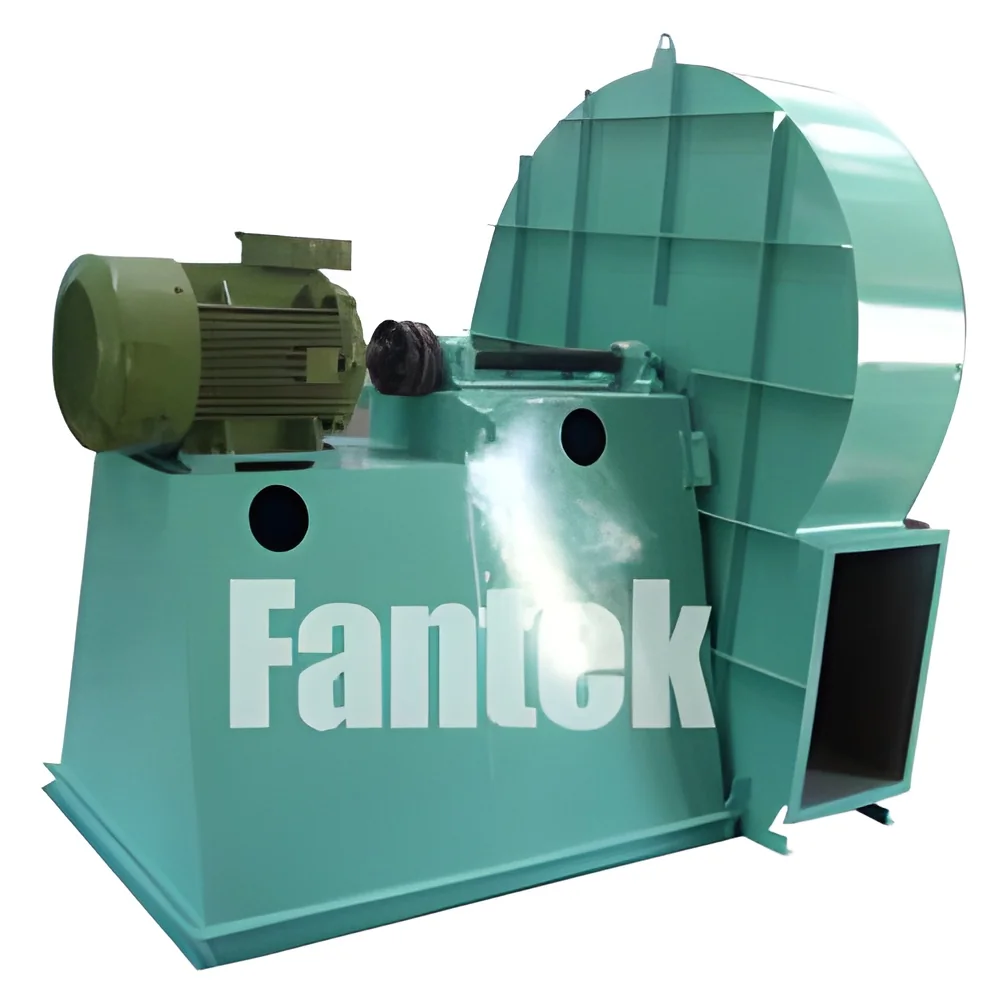
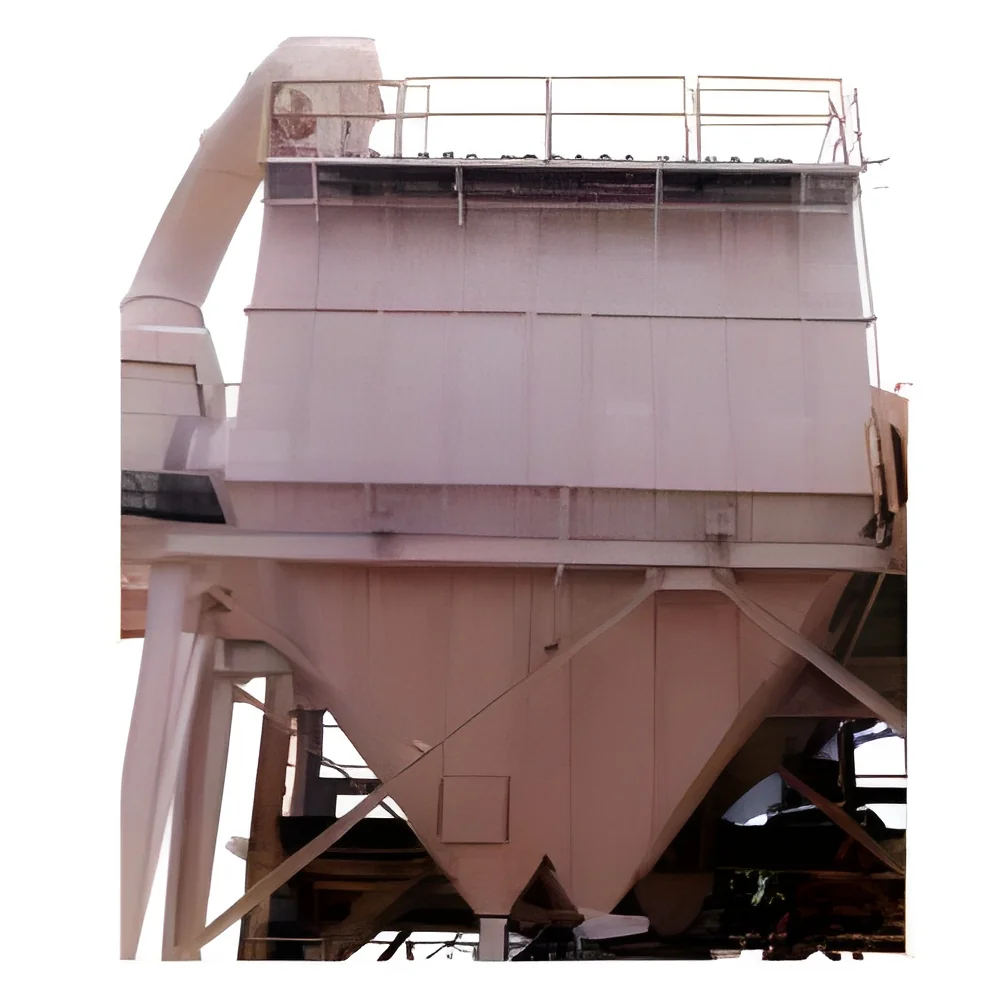
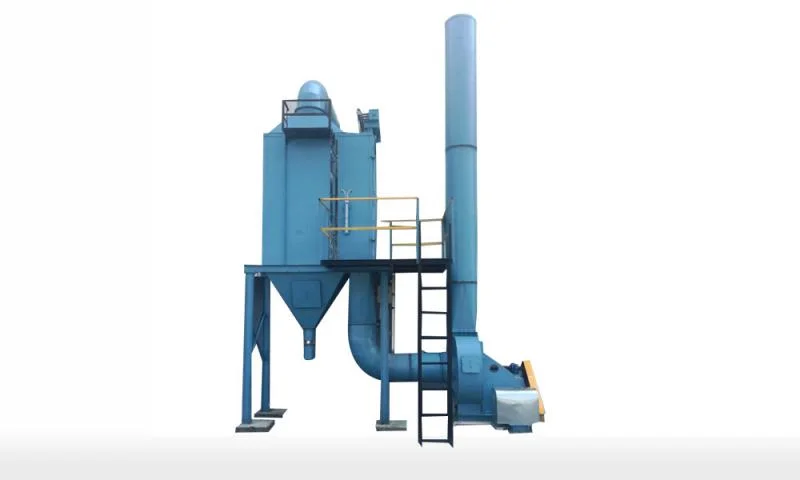
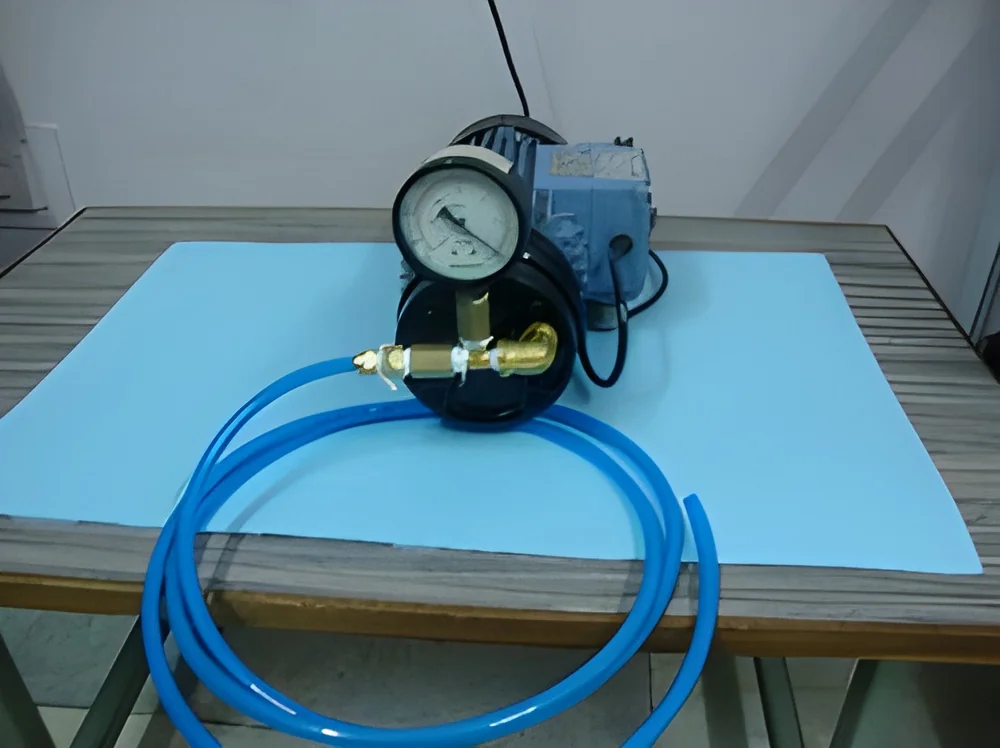
Dust Collection Systems are essential equipment designed to manage and filter airborne dust and particulates generated during industrial processes. These systems capture dust and other contaminants at their source, preventing them from entering the workspace and ensuring a cleaner, safer working environment. By utilizing various technologies such as filters, cyclones, and fans, dust collection systems effectively reduce airborne pollutants.
In a variety of industries, such as manufacturing, woodworking, and metalworking, dust collection systems play a critical role in maintaining compliance with health and safety regulations. They help improve air quality, protect the health of workers, and enhance operational efficiency. Many businesses implement these systems to not only safeguard their workforce but also to protect machinery and equipment from dust damage. With increasing awareness of workplace safety, the demand for reliable dust collection solutions continues to grow in the market.
Key Features and Specifications
Dust Collection Systems come equipped with several features and specifications that enhance their effectiveness and reliability. Understanding these specifications helps businesses select the right system to meet their operational needs.
Key specifications include:
1. Airflow Capacity
- This specification indicates the volume of air that can be processed by the system, typically measured in cubic feet per minute (CFM).
- A higher CFM rating allows for efficient dust removal in larger areas.
2. Filtration Efficiency
- This refers to the ability of the system to capture particles of various sizes, often expressed as a percentage.
- High-efficiency filters can capture up to 99.9% of dust particles.
3. Noise Level
- Measured in decibels (dB), this specification reflects the operational noise produced by the system.
- Lower noise levels are essential for maintaining a comfortable work environment.
4. Power Requirements
- Dust Collection Systems require specific electrical power inputs, typically expressed in volts and amps.
- Ensure compatibility with existing electrical systems to avoid operational issues.
5. Maintenance Needs
- Regular maintenance requirements can vary, affecting the total cost of ownership.
- Systems with easy access to filters and components facilitate quicker maintenance.
6. Size and Footprint
- The physical dimensions of the system are critical for space planning in a facility.
- Compact designs are ideal for smaller workshops, while larger systems are necessary for bigger operations.
7. Material Construction
- Systems can be made from various materials like steel or plastic, impacting durability and lifespan.
- Choose materials that withstand the specific working environment.
8. Control Systems
- Advanced models may include monitoring features for real-time performance tracking.
- Automated controls can enhance user convenience and efficiency.
In summary, choosing a dust collection system involves understanding these key specifications to ensure efficient operation and compliance with industry standards.
Common Applications and Use Cases
Dust Collection Systems serve multiple industries by addressing specific dust management challenges. Their versatility makes them invaluable across various applications.
1. Manufacturing: In manufacturing facilities, dust collection systems help manage dust from processes like machining and assembly, safeguarding worker health and improving product quality.
2. Woodworking: Wood shops utilize these systems to capture wood dust produced during cutting, sanding, and shaping operations, thus ensuring a safer work environment and cleaner air.
3. Metalworking: In metalworking applications, these systems effectively control metal shavings and particles generated during machining and fabrication processes, preventing equipment damage and ensuring safety.
4. Pharmaceuticals: Dust collection systems in pharmaceutical manufacturing help maintain strict hygiene standards by controlling dust from raw materials and finished products, ensuring compliance with health regulations.
5. Food Processing: In food production, these systems help minimize contamination risks by capturing dust from ingredient handling and processing, contributing to overall food safety.
6. Construction: Dust collection systems are essential on construction sites to reduce particulate matter from activities like cutting and grinding, helping to protect both workers and nearby communities.
7. Chemical Processing: These systems manage hazardous dust generated during chemical production, ensuring worker safety and compliance with environmental regulations.
Product Variants and Subcategories
Dust Collection Systems are available in various configurations to meet different operational needs. This diversity allows businesses to select systems tailored to their specific requirements.
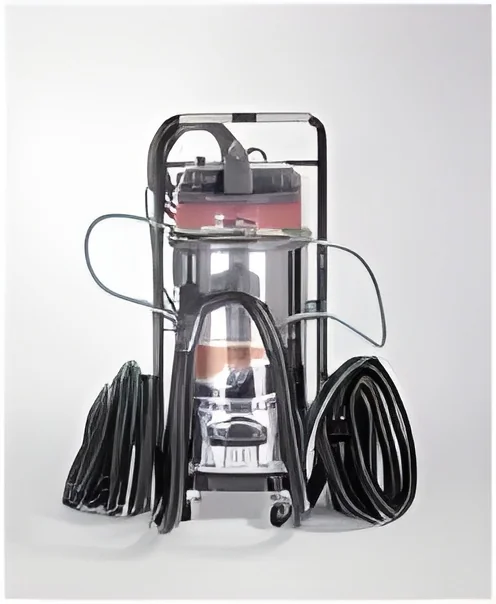
Portable Dust Collectors: These systems are designed for mobility, making them ideal for small workshops or job sites. They offer flexibility and convenience for tasks that require dust management on the go.
Centralized Dust Collection Systems: Suitable for larger facilities, these systems are fixed installations that serve multiple workstations. They are efficient for managing dust across expansive areas.
Cyclone Dust Collectors: These systems use centrifugal force to separate larger particles from the air stream, making them effective for heavy-duty applications. They are often used in woodworking and metalworking industries.
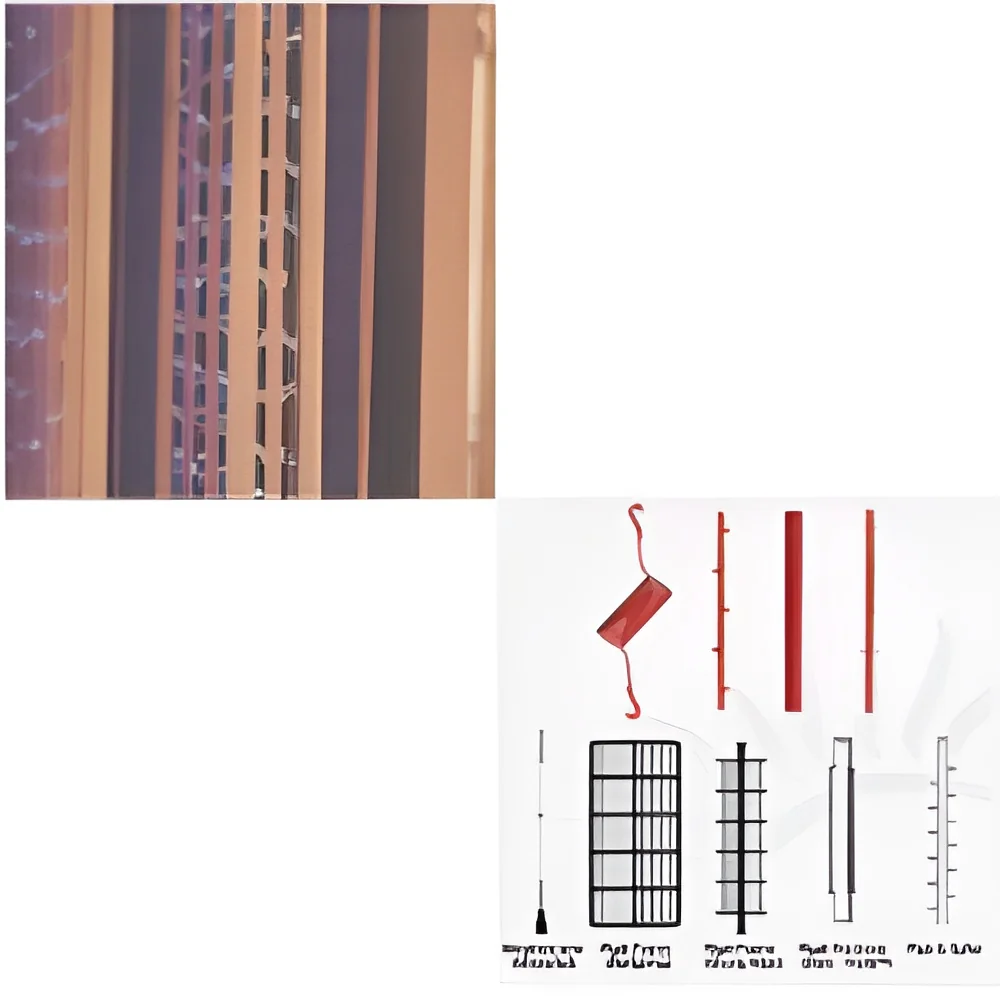
Baghouse Collectors: These systems utilize fabric filter bags to capture particulates. They are highly efficient and suitable for a range of industries, including textiles and food processing.
Benefits and Advantages
Investing in Dust Collection Systems offers numerous advantages for businesses looking to enhance safety and operational efficiency.
Key benefits include:
1. Improved Air Quality: Effective dust collection significantly reduces airborne contaminants, leading to a healthier work environment for employees.
2. Enhanced Safety: By minimizing dust accumulation, these systems reduce the risk of fire and explosion hazards associated with combustible dust.
3. Compliance with Regulations: Dust collection systems help businesses meet health and safety regulations, avoiding potential fines and legal issues.
4. Protection of Equipment: By capturing dust before it can settle, these systems help prolong the lifespan of machinery and reduce maintenance costs.
5. Increased Productivity: Cleaner workspaces contribute to higher employee morale and productivity, as workers can focus on their tasks without distraction from dust-related issues.
6. Cost Savings: Implementing an effective dust collection system can lead to long-term savings by reducing downtime and maintenance expenses.
Buying Guide for B2B Buyers
When sourcing Dust Collection Systems, it is essential for businesses to consider several factors to ensure they make informed purchasing decisions.
1. Quality Assessment: Evaluate systems based on materials, design, and performance reliability. Look for products that meet recognized industry standards to ensure long-term durability.
2. Supplier Verification: Research potential suppliers to ensure they have a proven track record of delivering quality products. Check references and read reviews to gauge their reliability.
3. Pricing and MOQ: Understand the pricing structures and minimum order quantities (MOQ) set by suppliers. Compare quotes to find the best value while ensuring quality is not compromised.
4. Delivery and Lead Times: Consider the logistics of delivery, including lead times. Ensure that the supplier can meet your timeline to avoid disruptions in operations.
5. Compliance Requirements: Be aware of any regulatory compliance necessary for your industry. Ensure that the dust collection systems meet these requirements to avoid potential legal issues.
Compliance and Certifications
Dust Collection Systems must adhere to various industry standards and certifications to ensure quality and safety. Compliance with quality standards such as ISO 9001 is crucial for maintaining manufacturing excellence. This standard ensures that organizations consistently provide products that meet customer and regulatory requirements.
Additionally, certifications like CE indicate that the product meets European safety, health, and environmental protection standards. This is vital for businesses operating in or exporting to European markets.
Safety requirements such as those set by OSHA (Occupational Safety and Health Administration) in the United States are also essential. These regulations ensure that dust collection systems are safe for use in workplaces, reducing risks associated with airborne contaminants.
Regional compliance considerations can vary significantly, so it is important for businesses to remain informed about local regulations that may apply to their specific industry and location.
Why Source Dust Collection Systems from Pepagora?
Pepagora serves as a trusted platform for sourcing Dust Collection Systems, offering several key advantages for businesses.
Verified Supplier Network: Pepagora connects buyers with a network of verified suppliers, ensuring that businesses can source high-quality dust collection systems with confidence. This verification process helps mitigate risks associated with supplier reliability.
Streamlined RFQ Process: The platform features a streamlined request for quotation (RFQ) process that simplifies the sourcing experience. Buyers can easily compare multiple quotes and specifications from different suppliers, enabling informed decision-making.
Trade Assurance and Support: Pepagora provides trade assurance, offering buyers protection throughout the purchasing process. This support enhances buyer confidence and ensures that any issues are addressed promptly.
Regional Coverage: With extensive coverage across India, the GCC, and Southeast Asia, Pepagora helps businesses access a wide range of dust collection systems tailored to regional needs. This geographic reach supports both local and international sourcing efforts.

 IN
IN