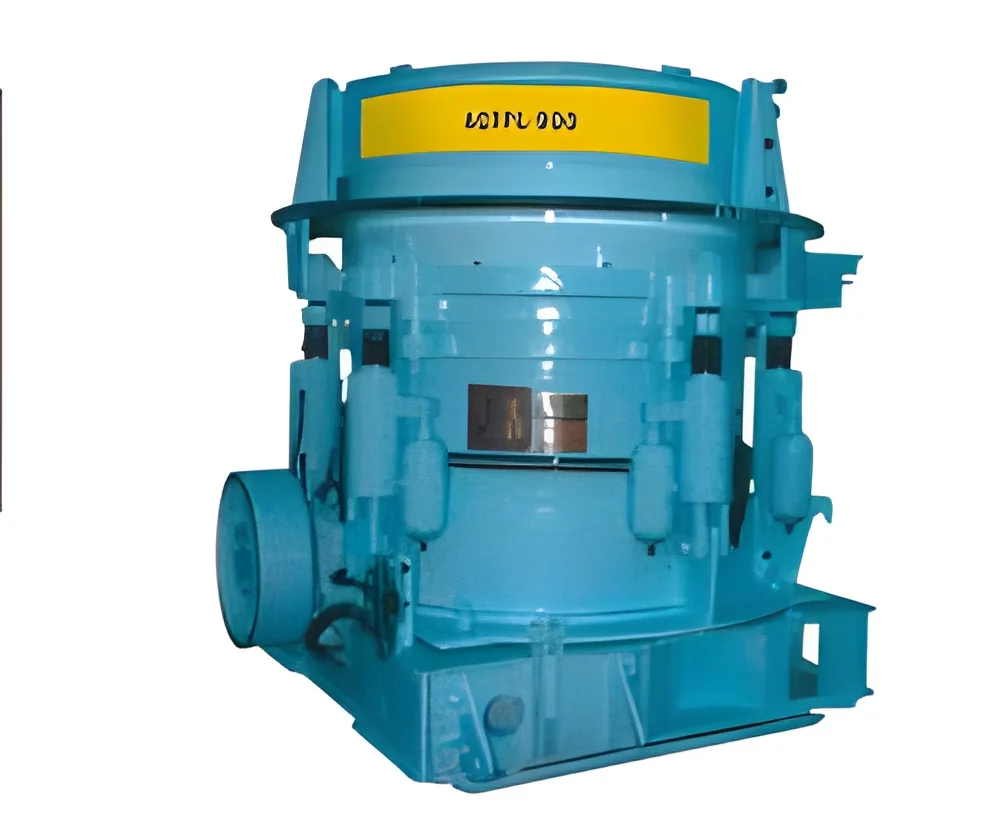
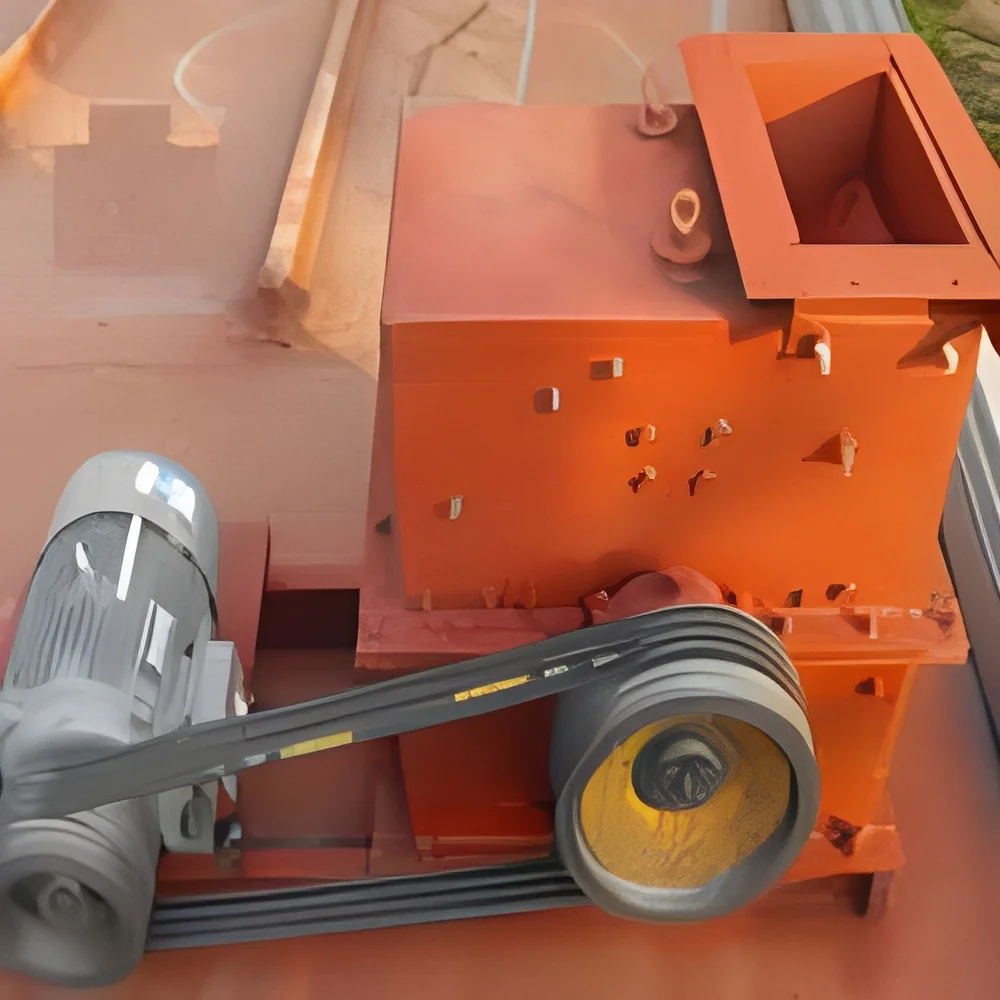
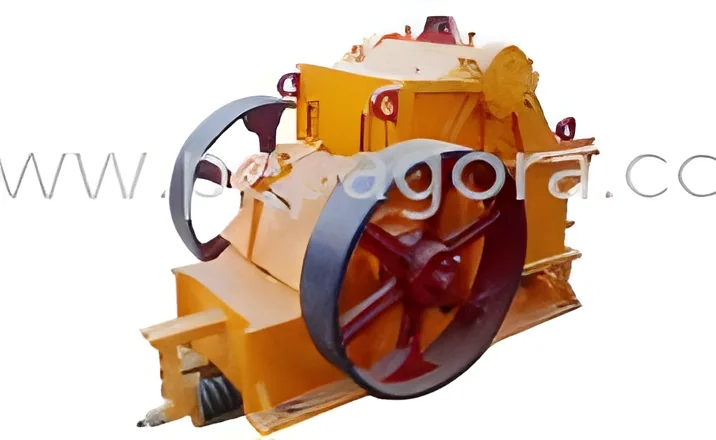
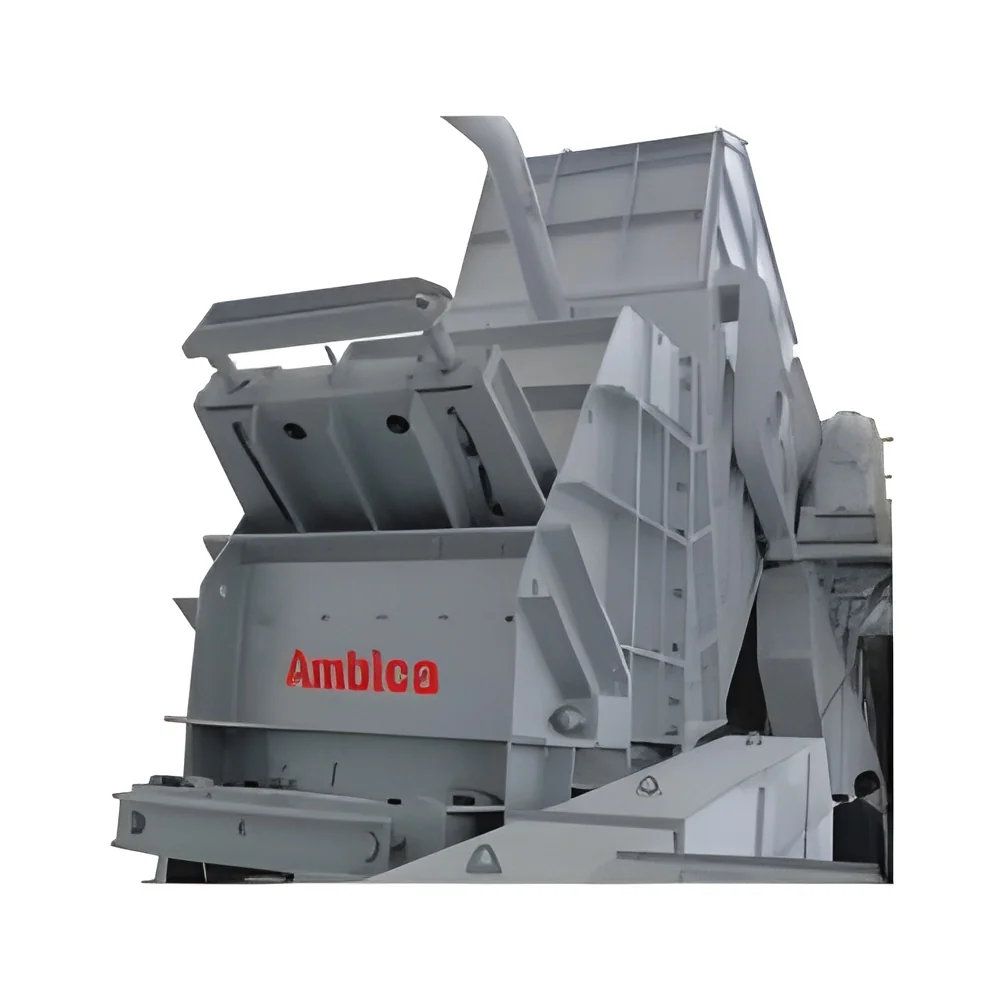
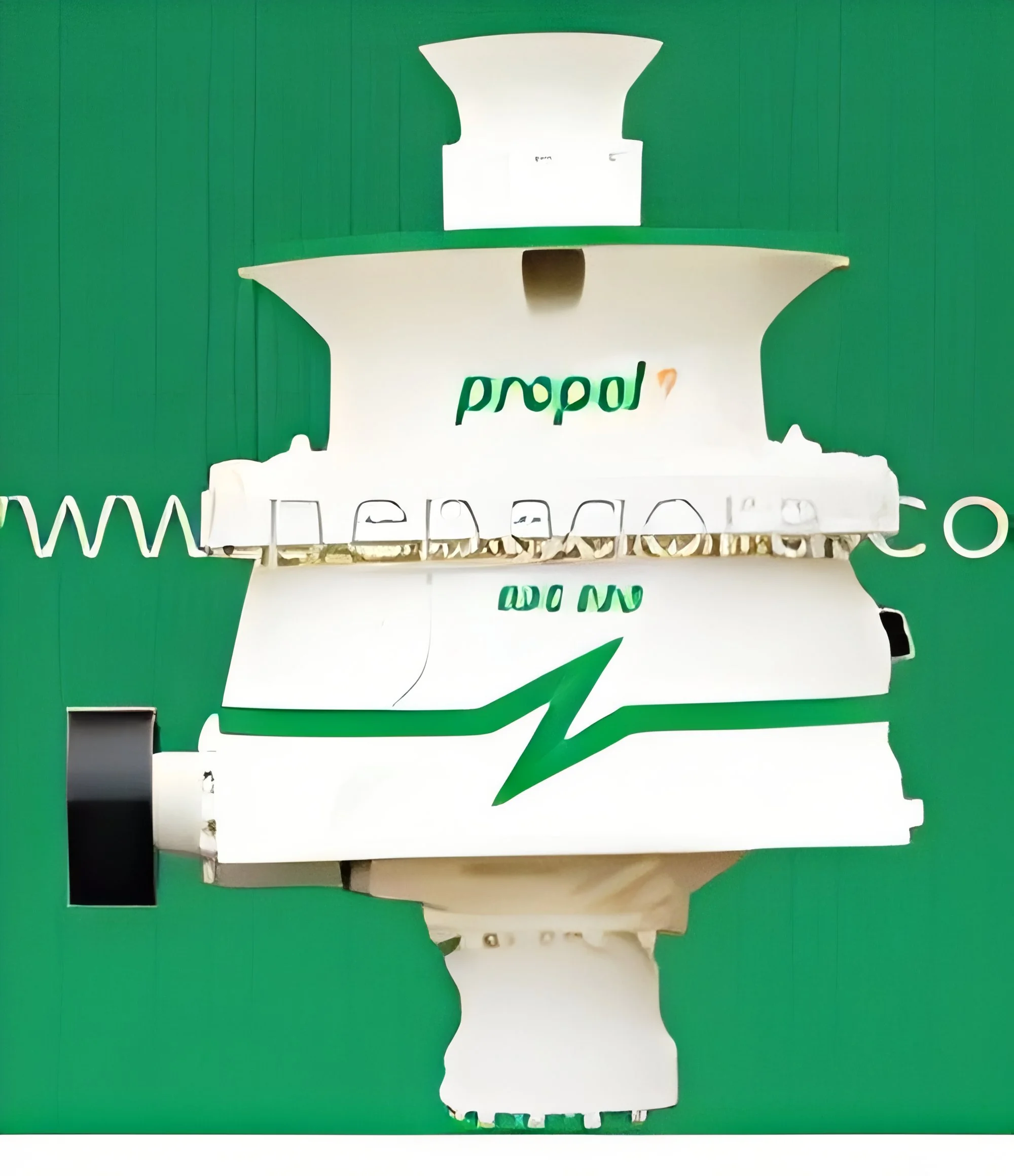
What are Jaw Crushers & Cone Crushers?
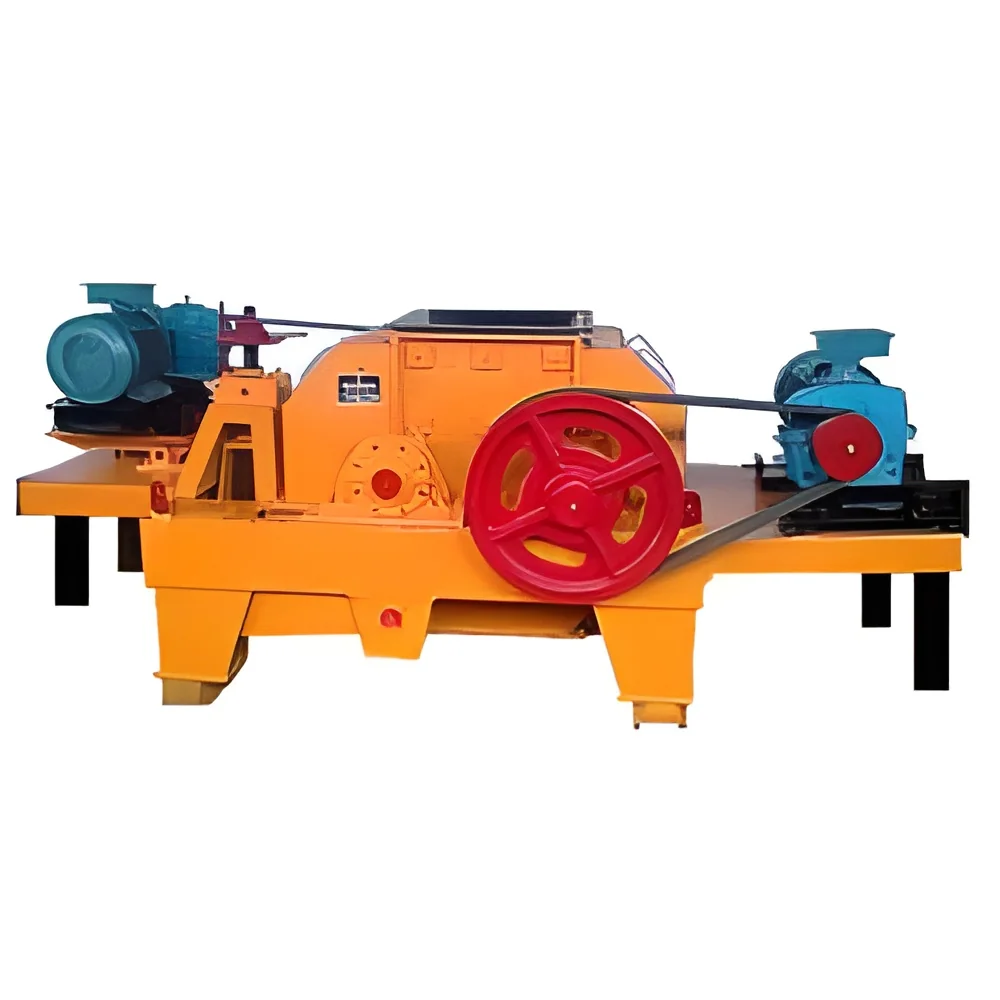
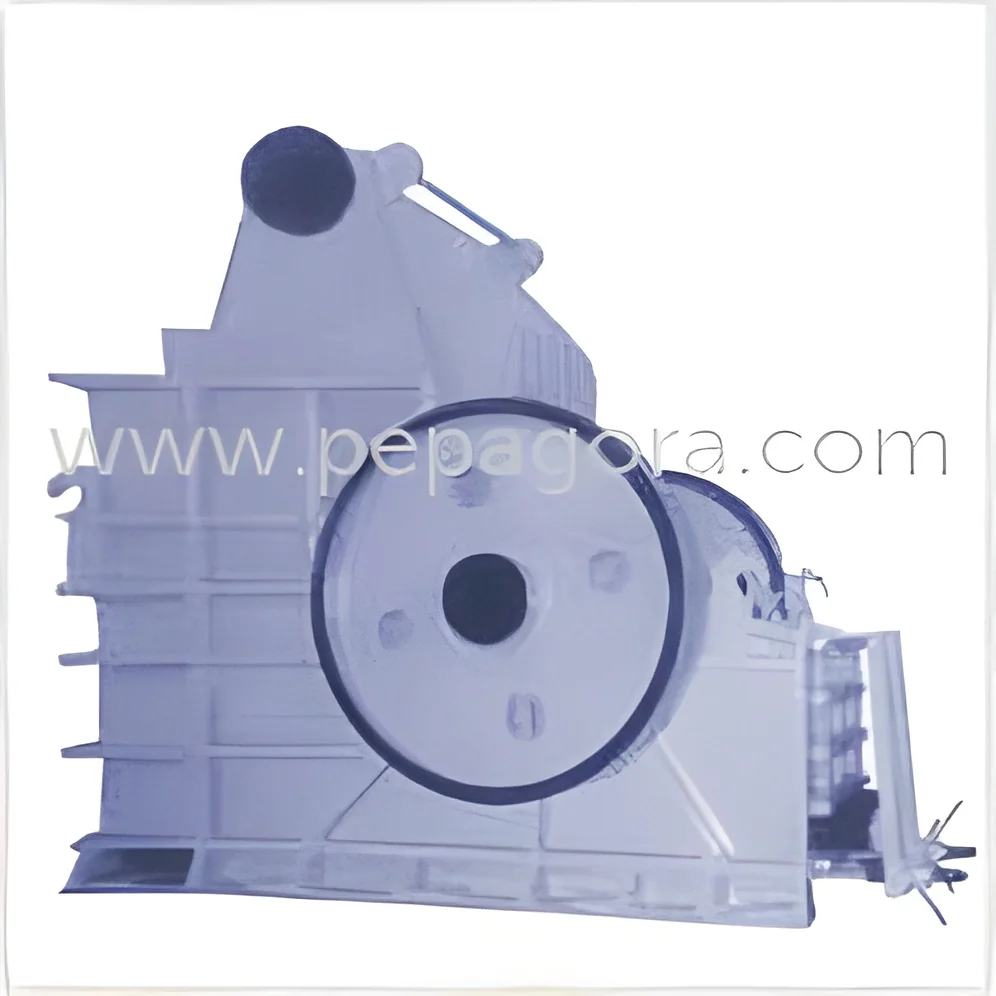
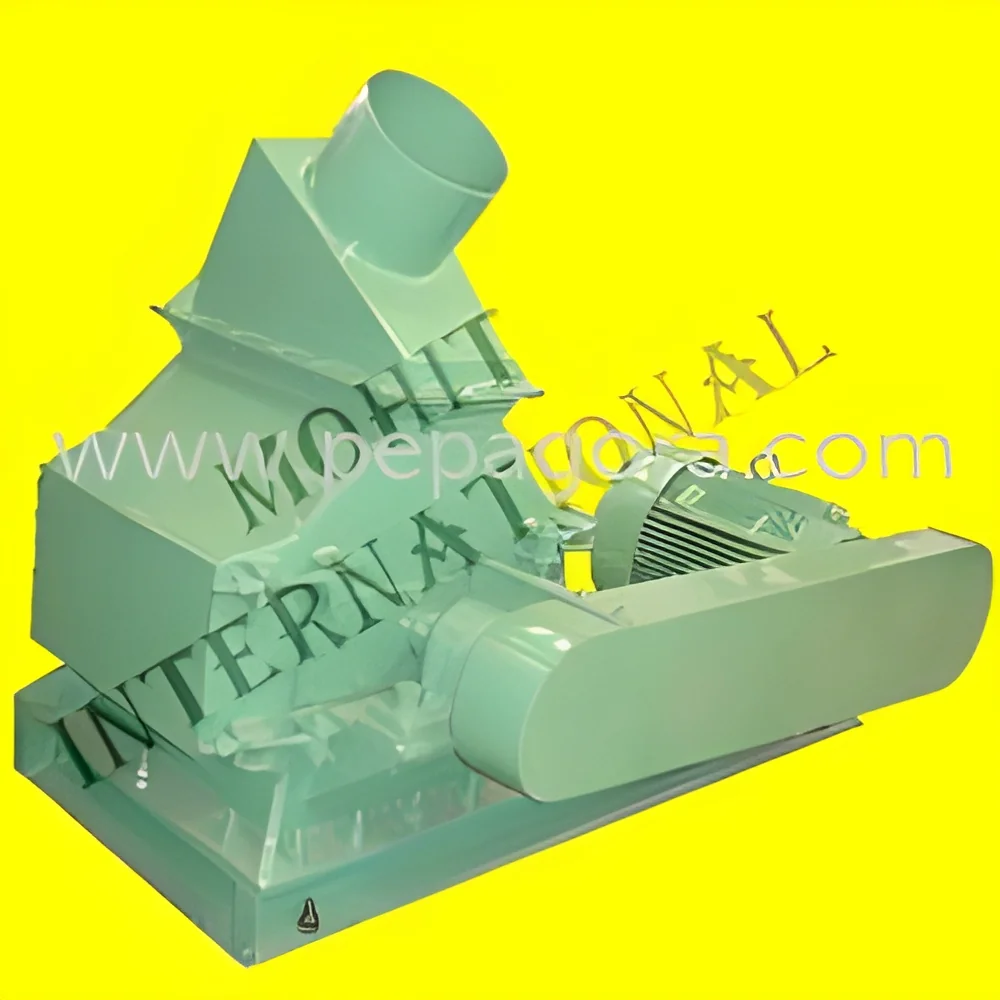
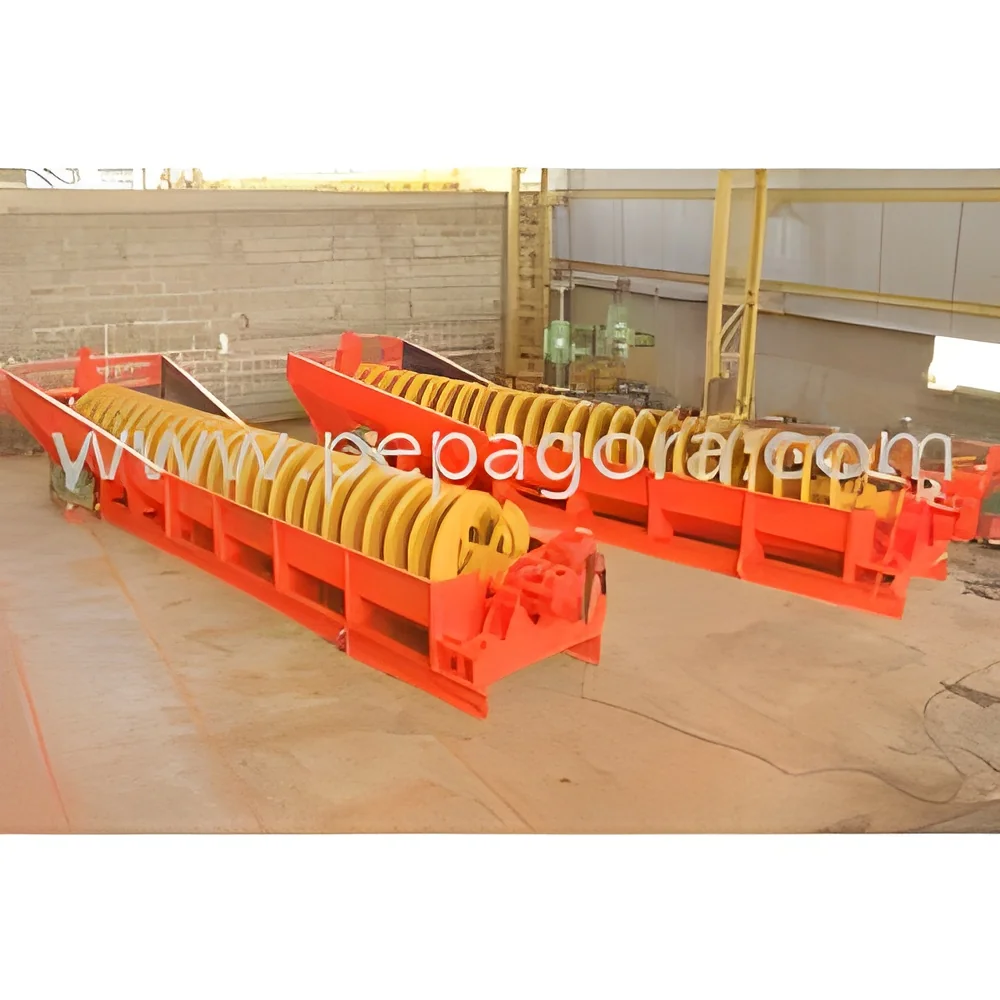
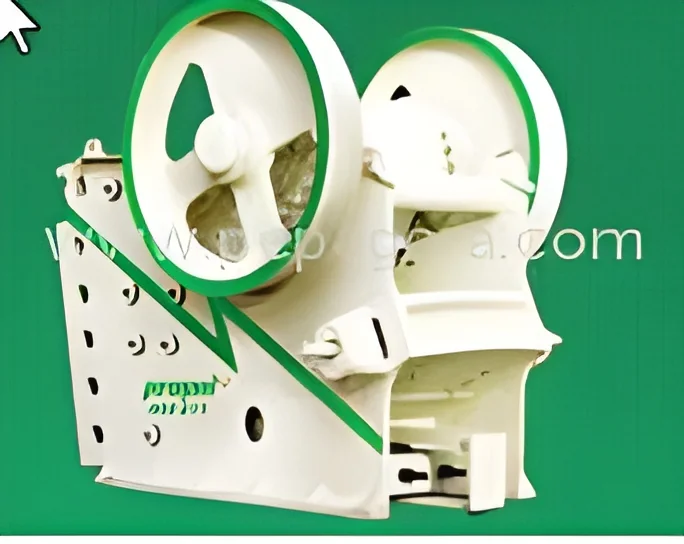
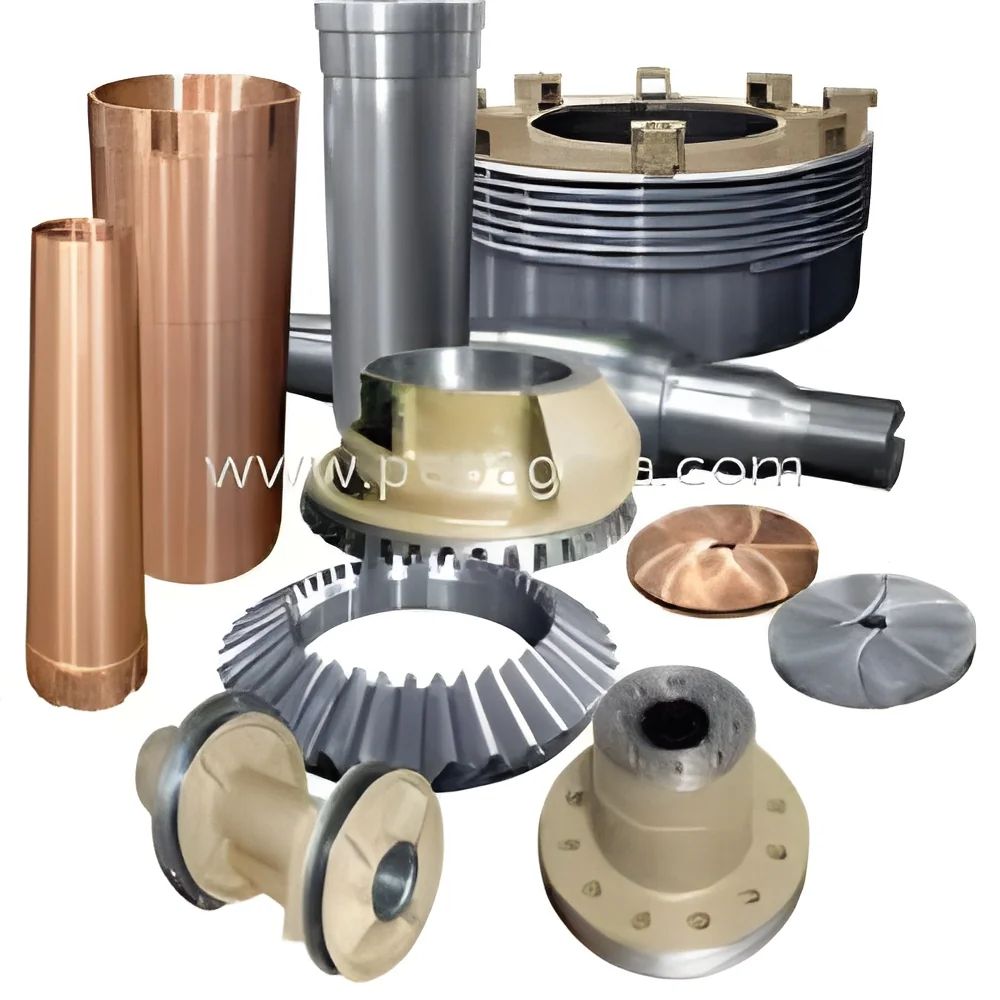
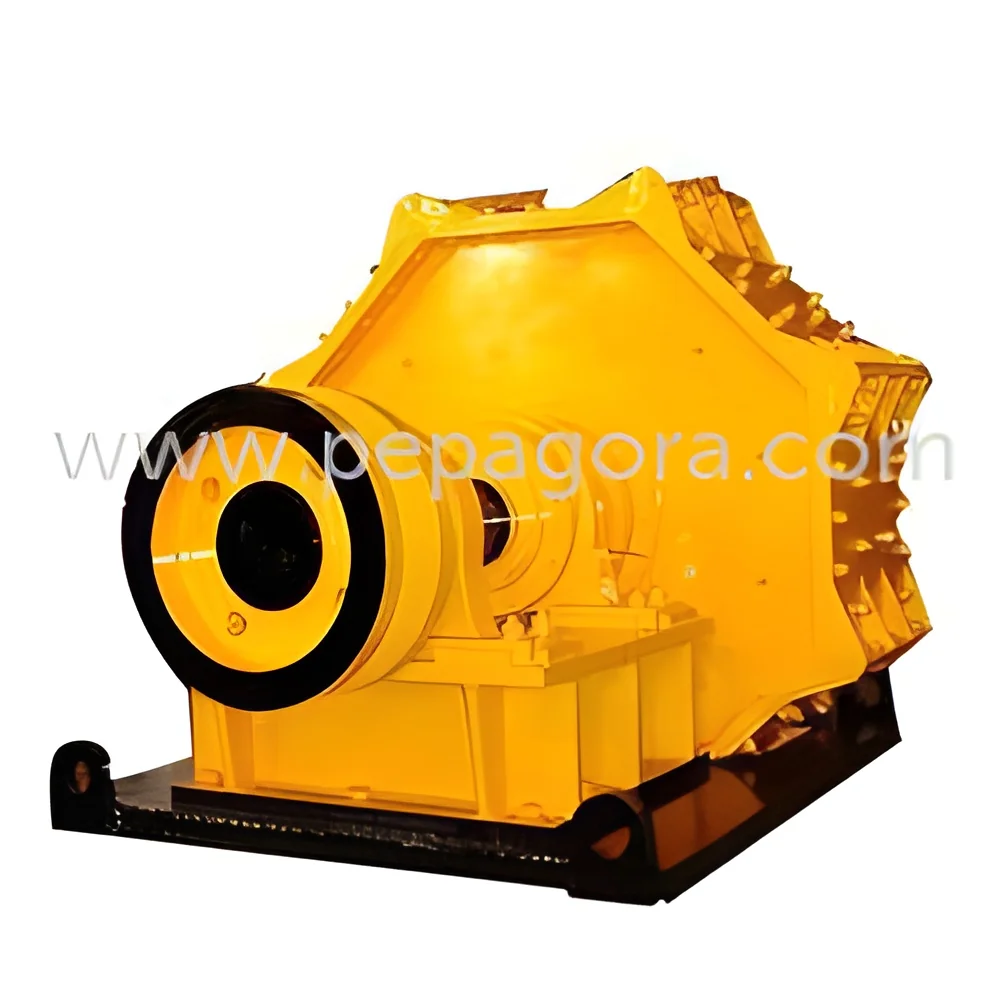
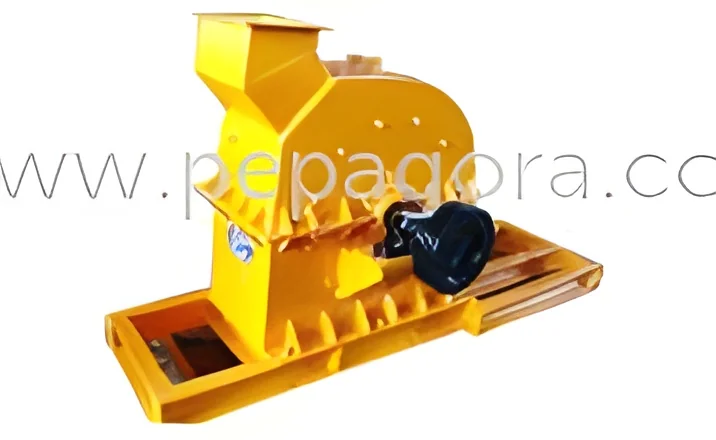
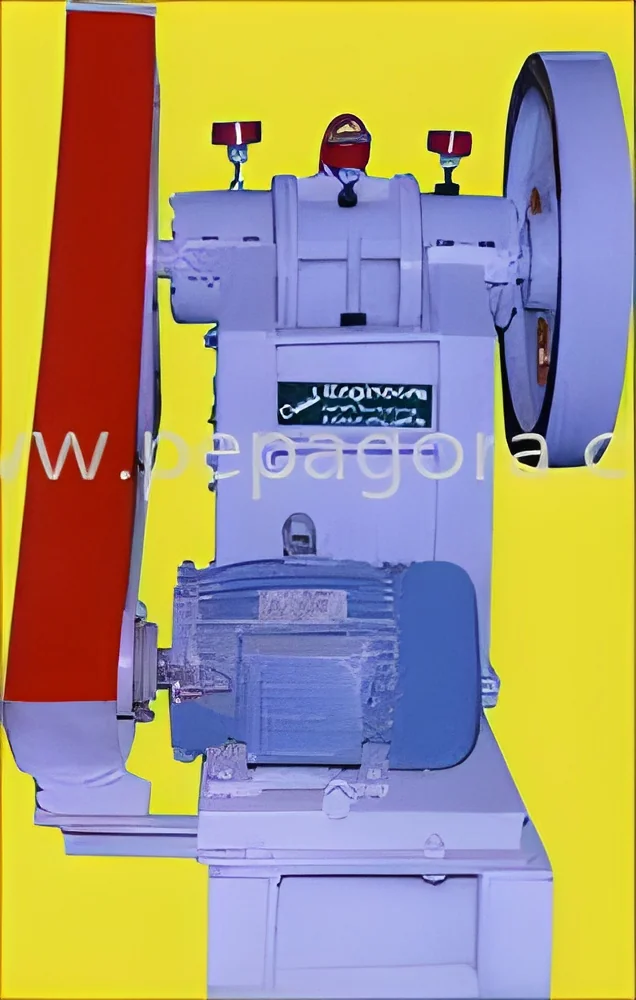
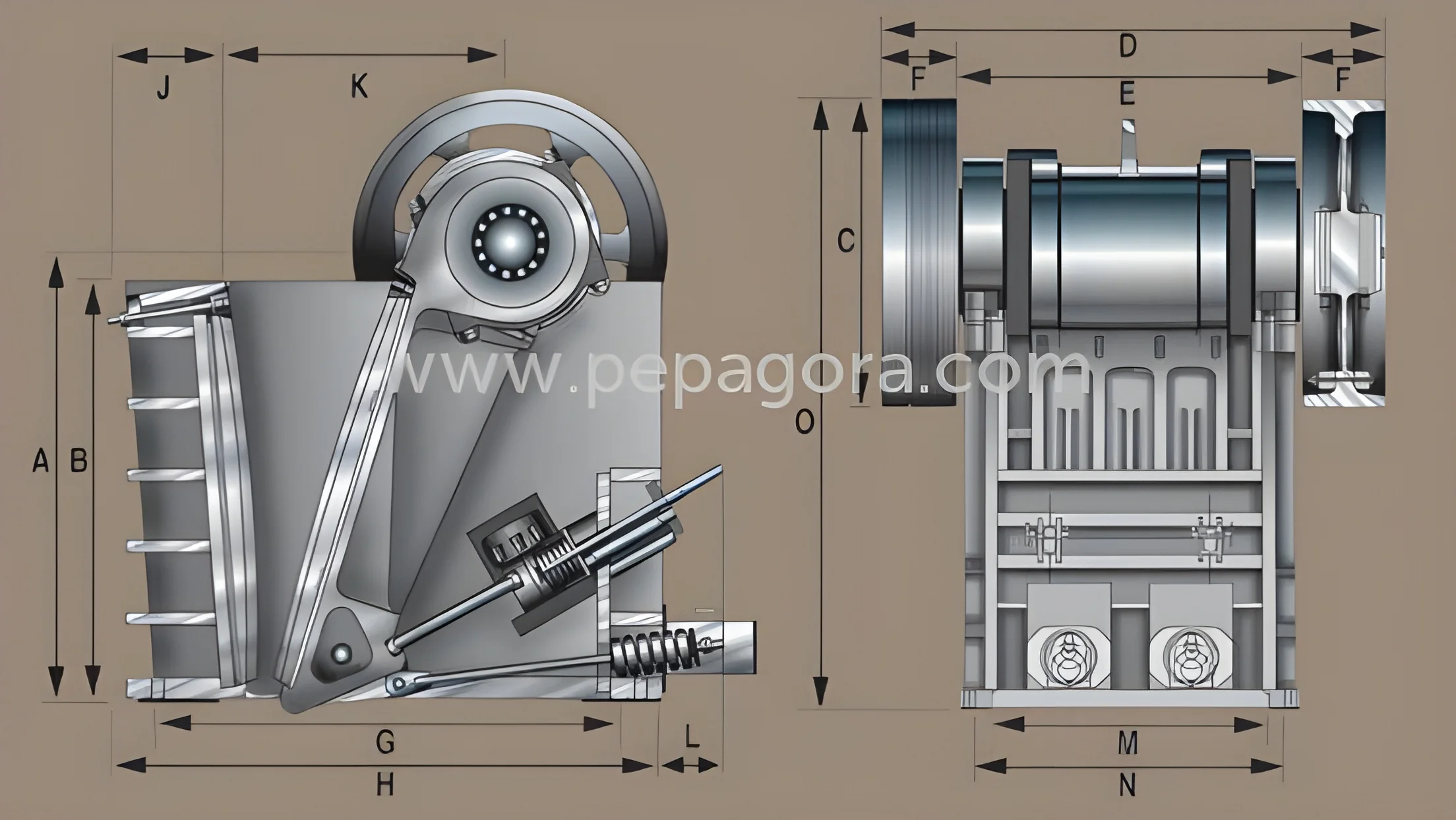
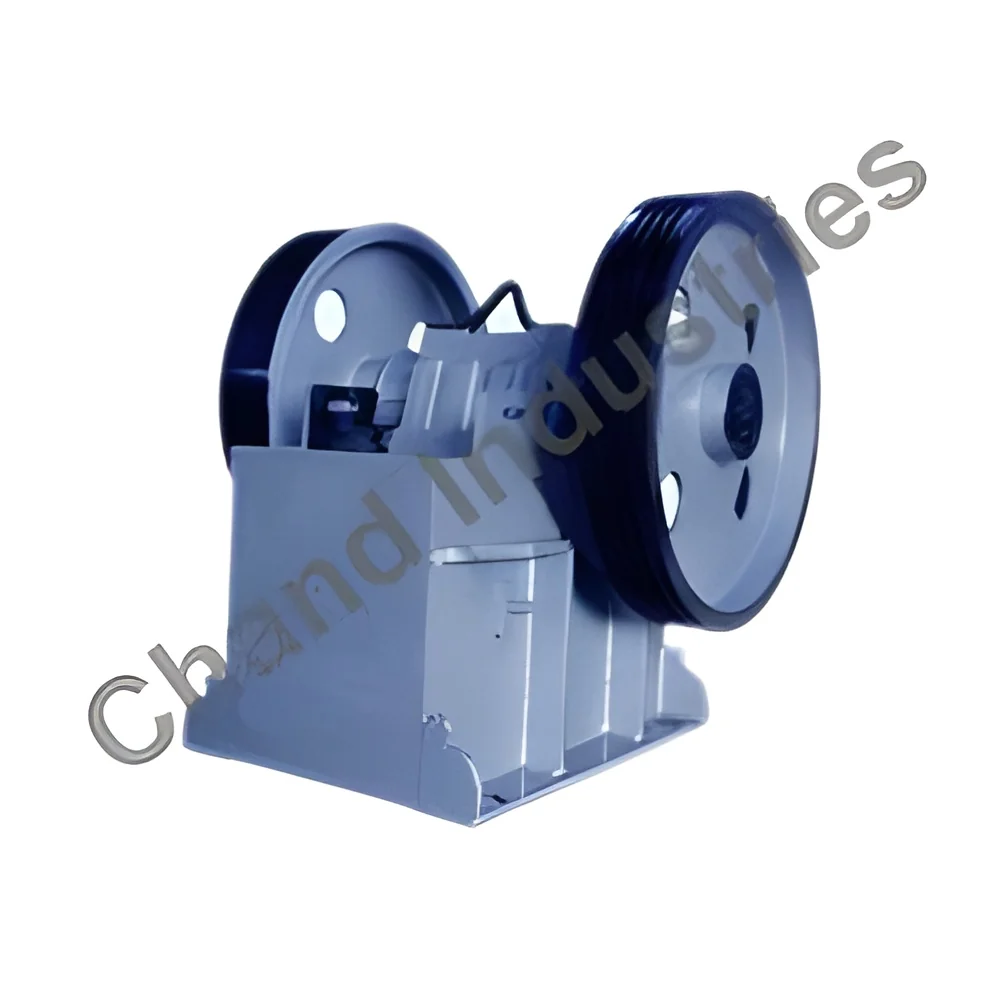
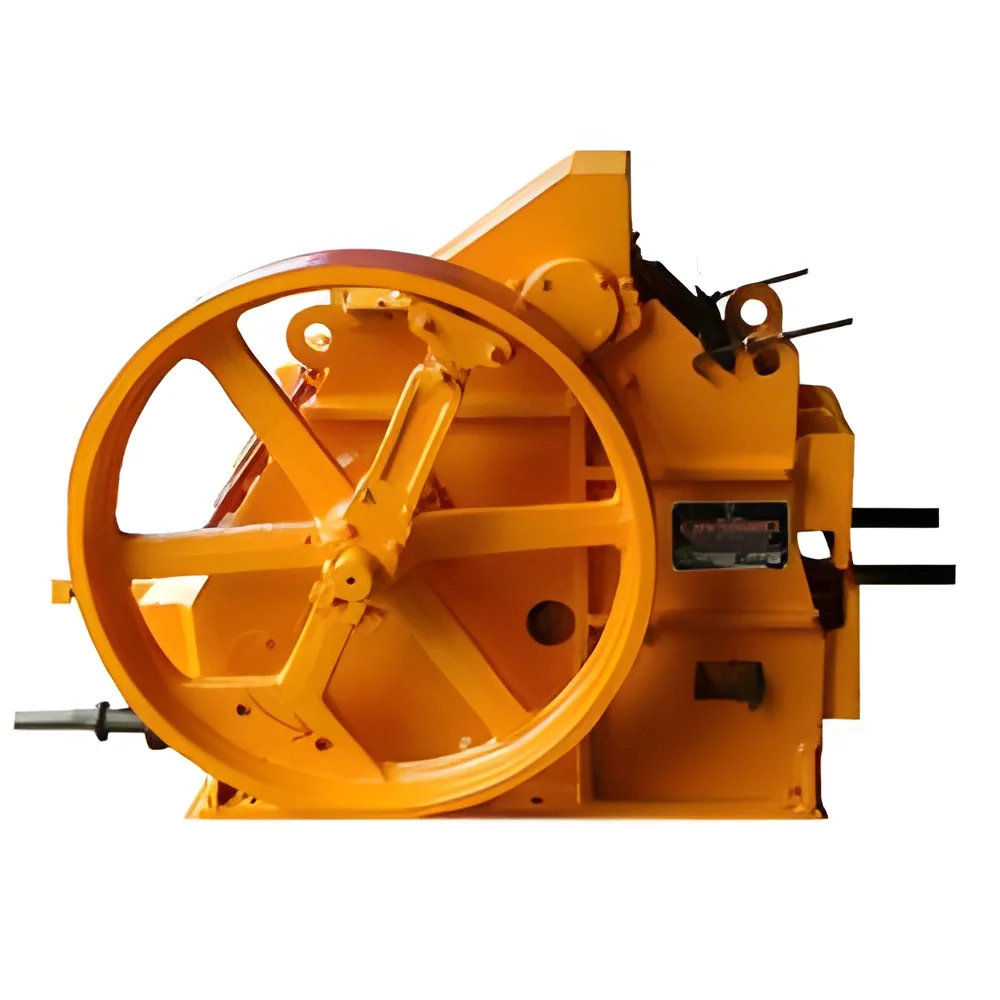
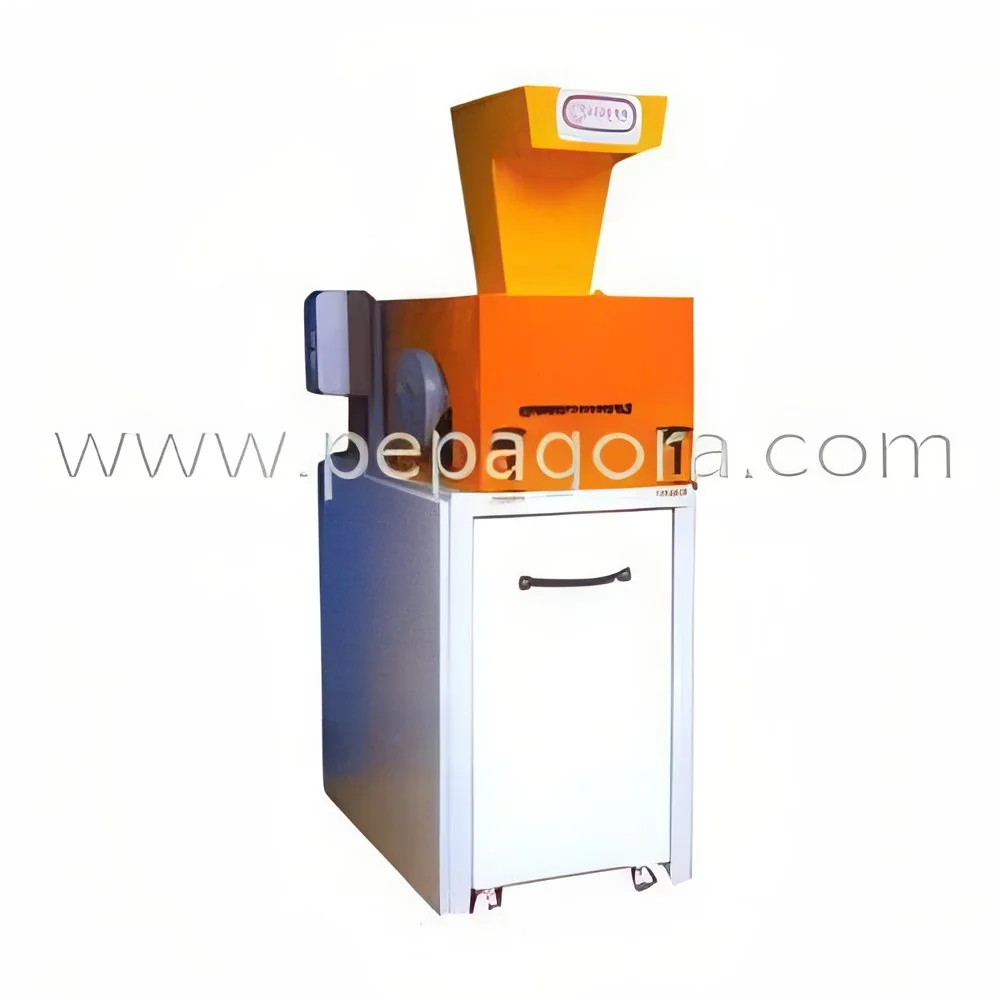
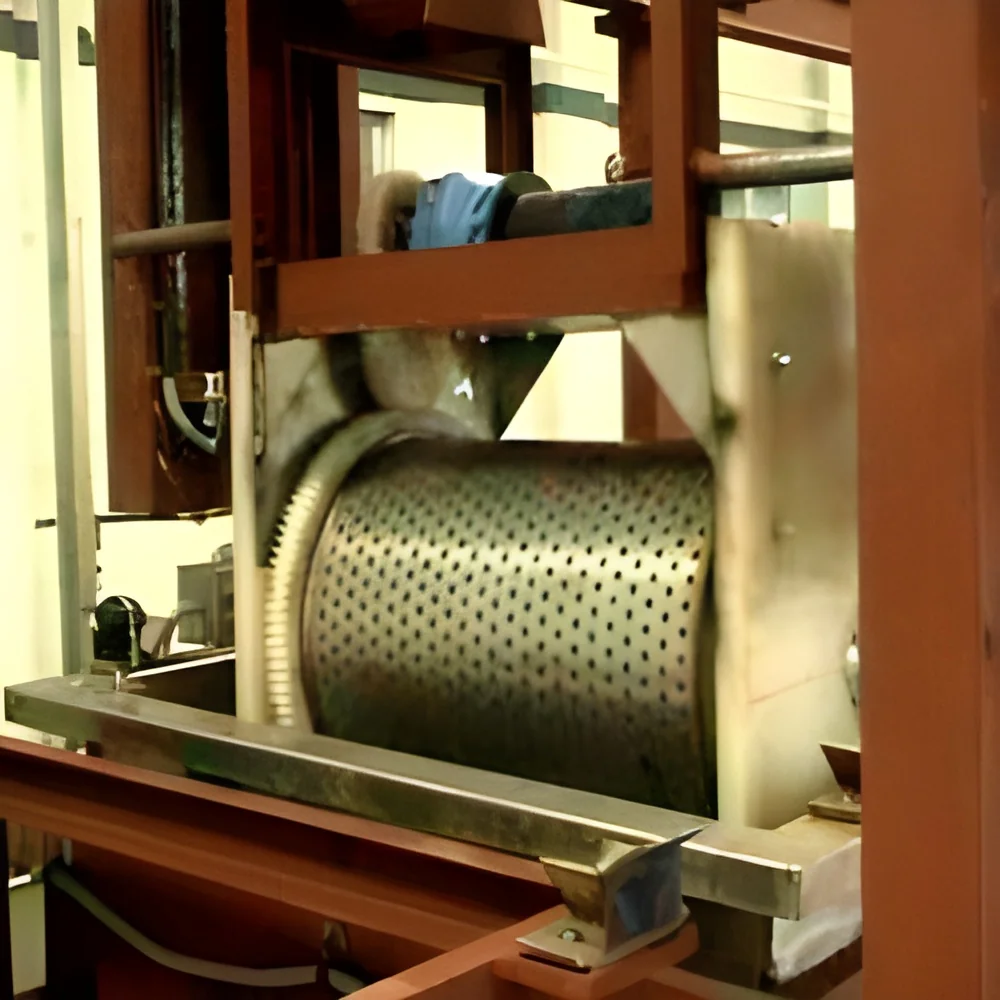
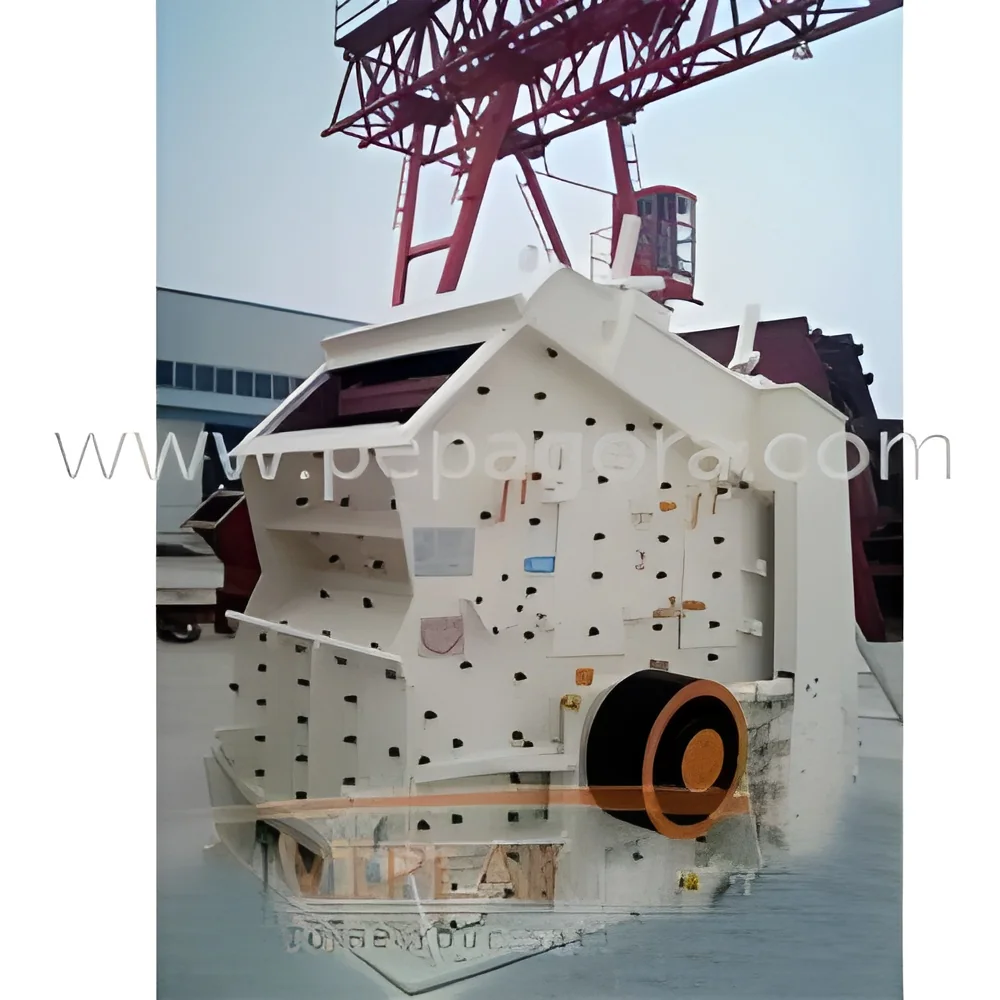
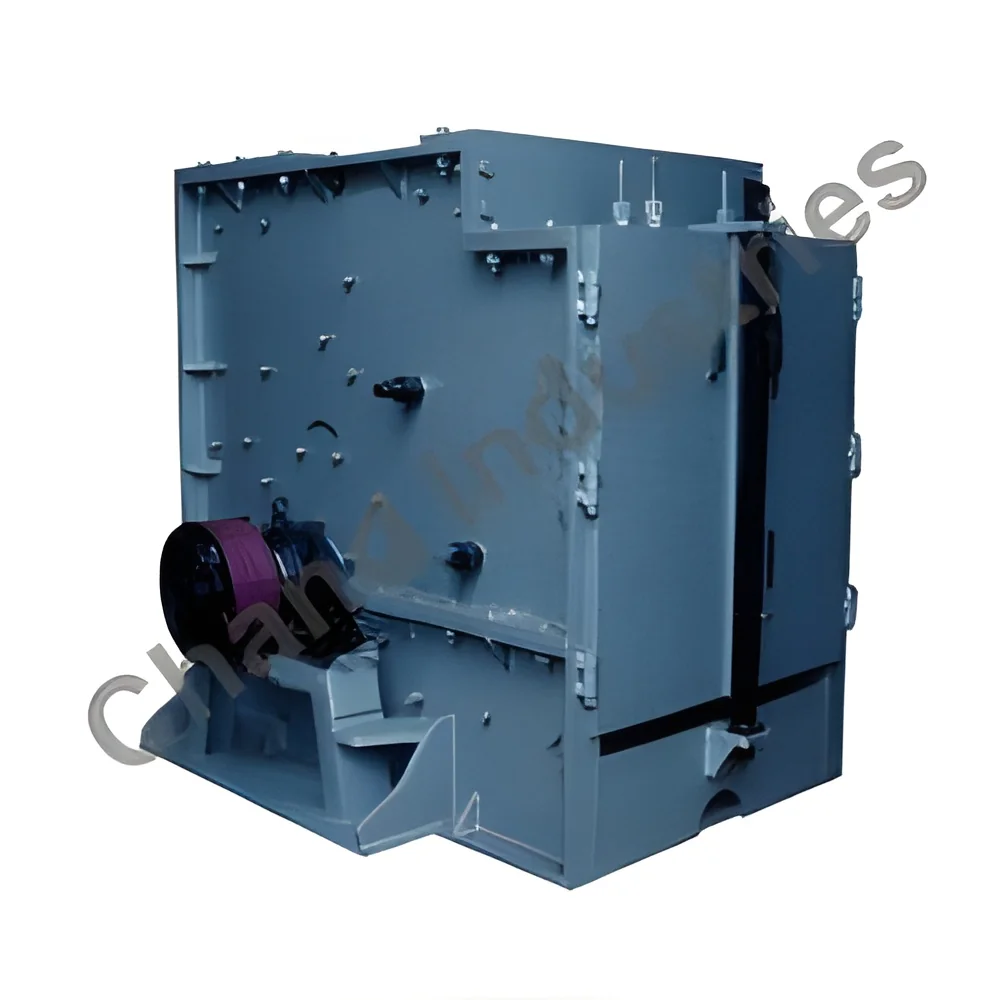
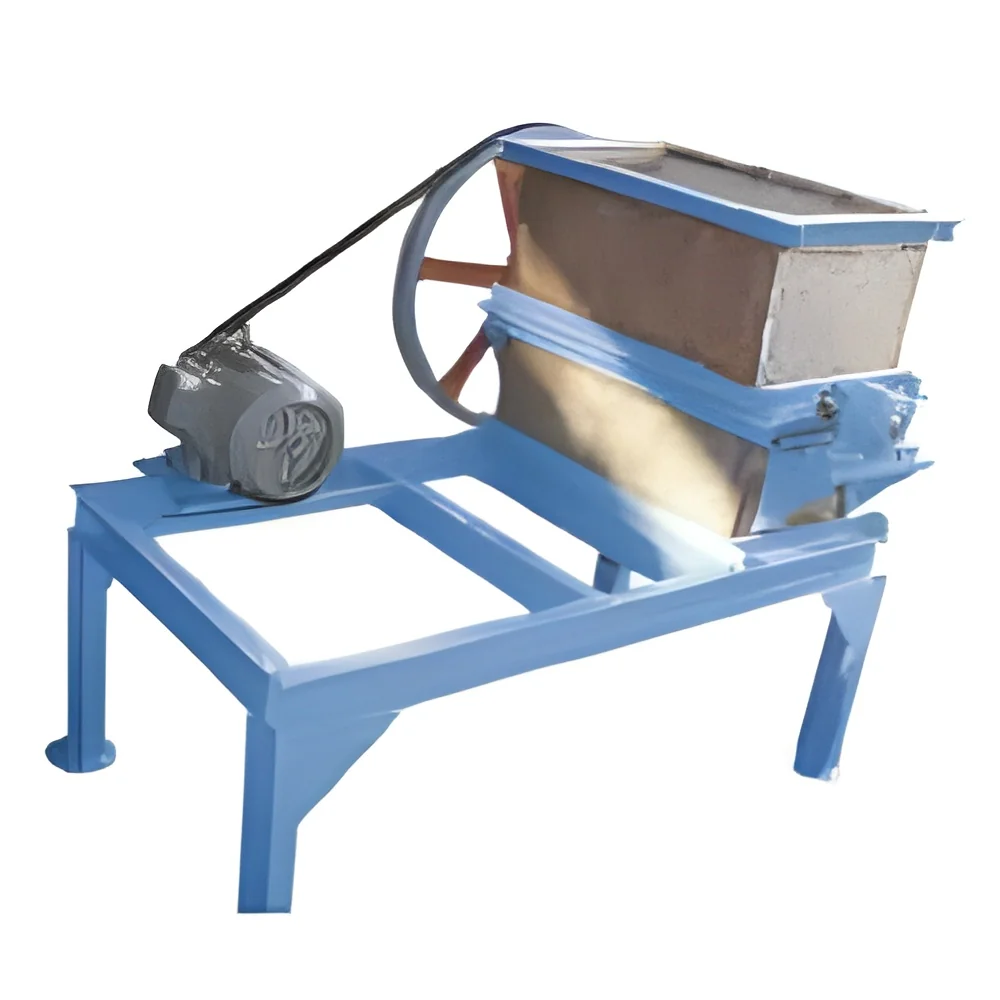
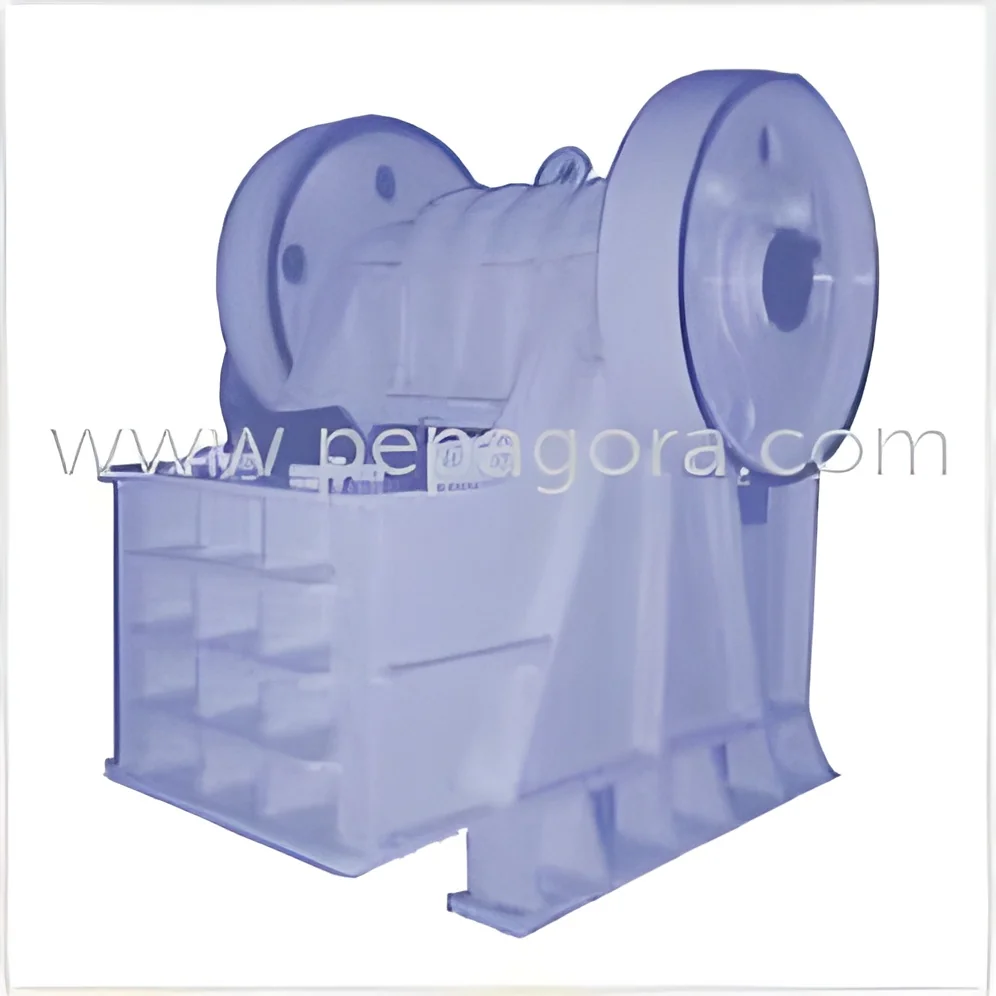
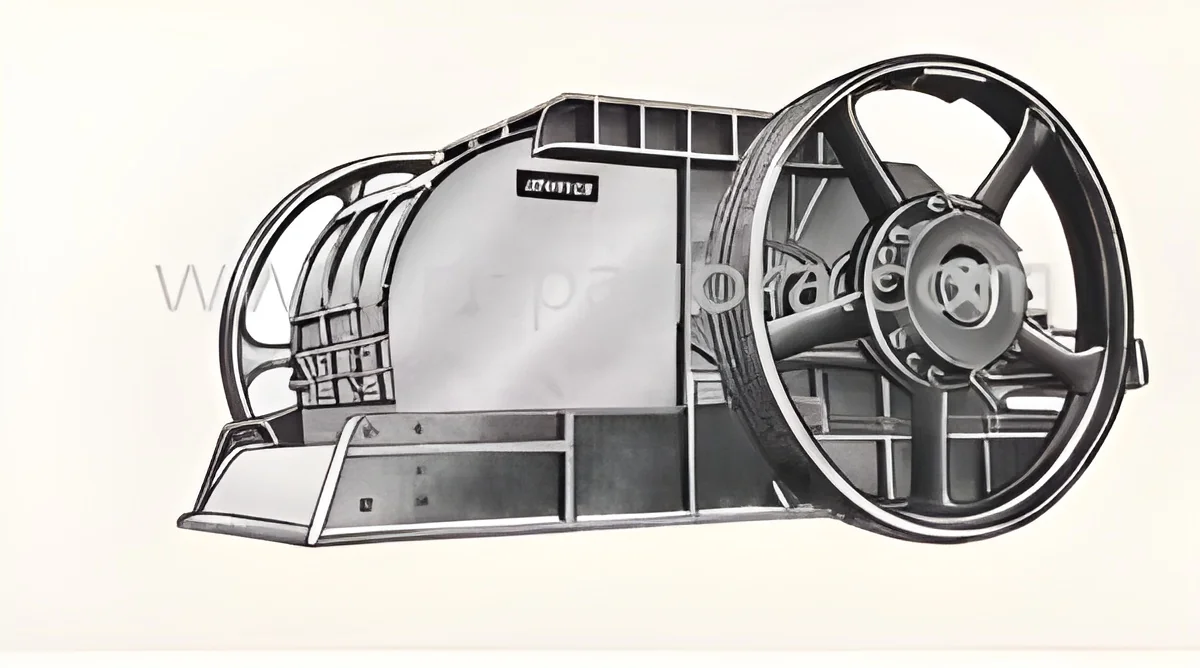
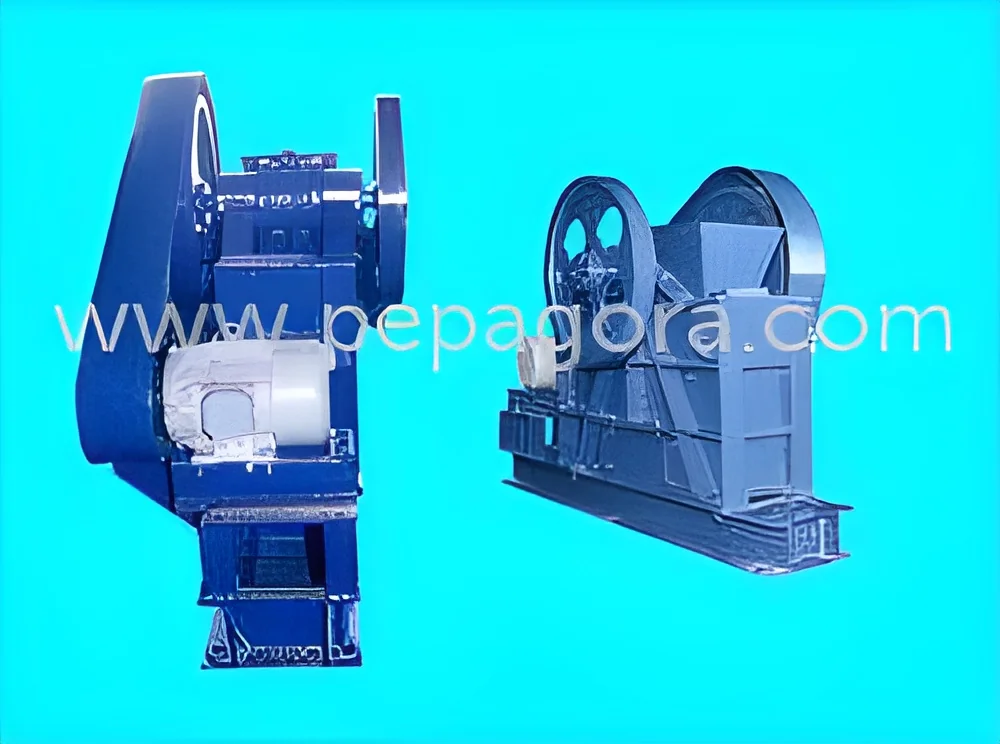
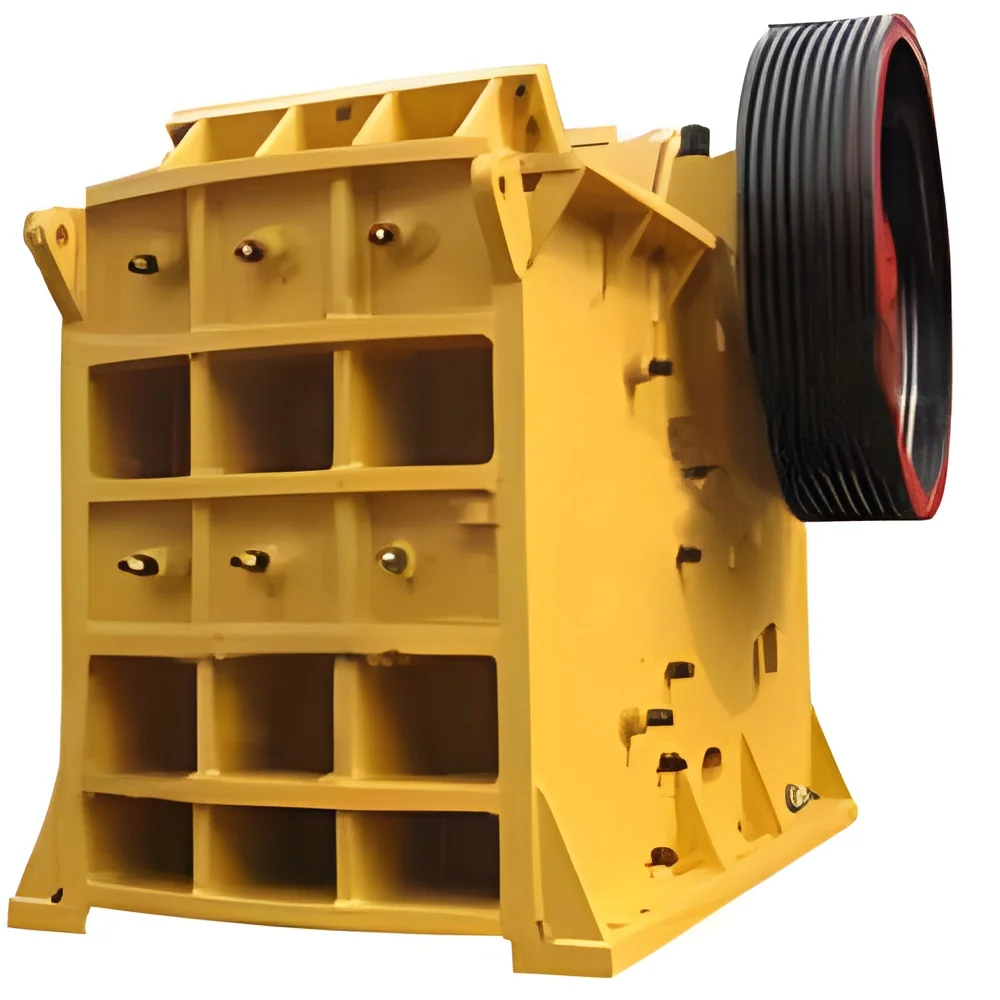
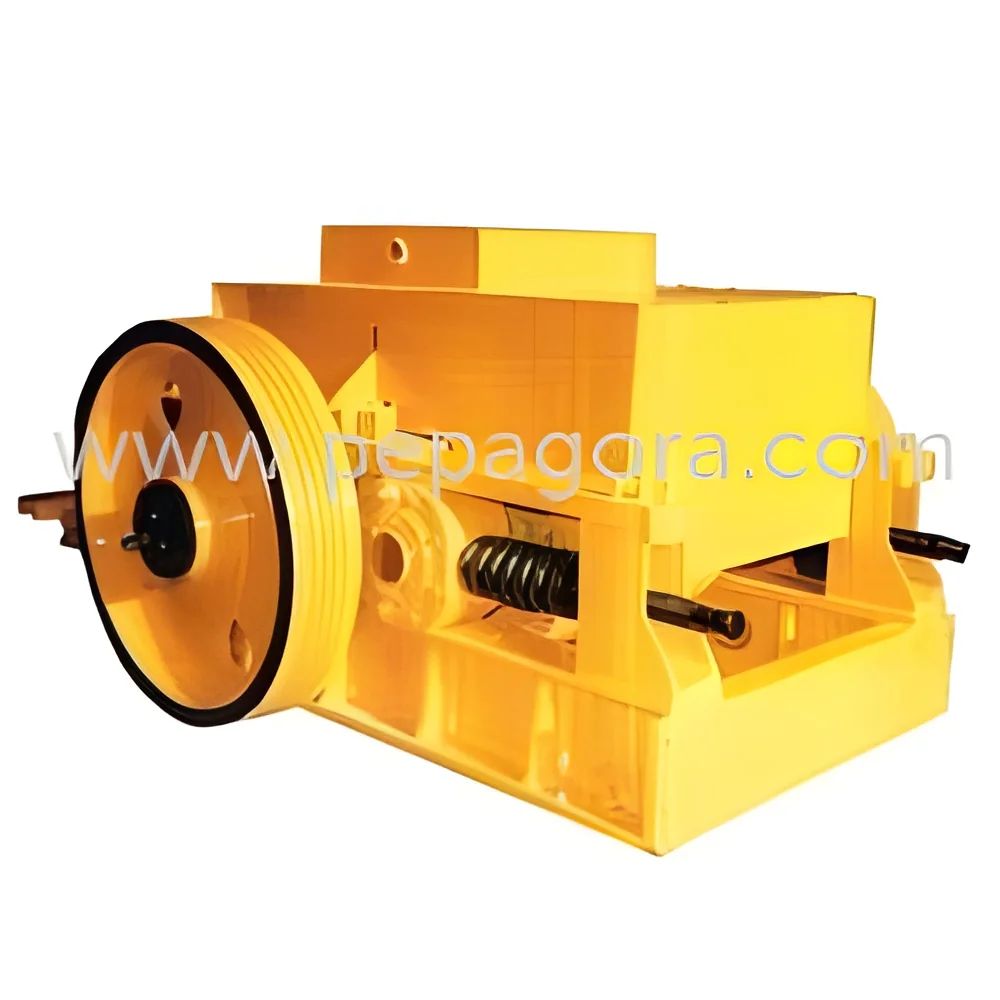
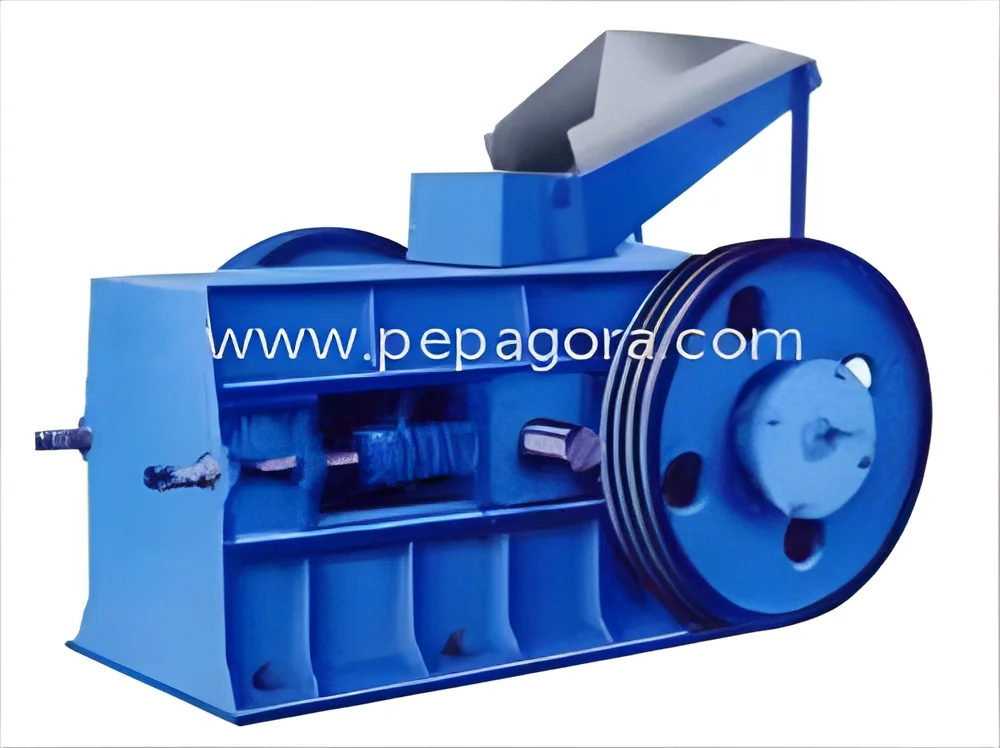
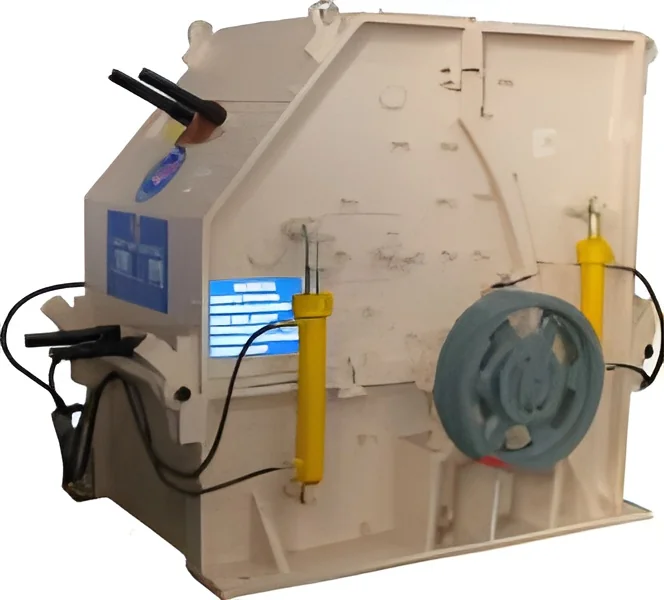
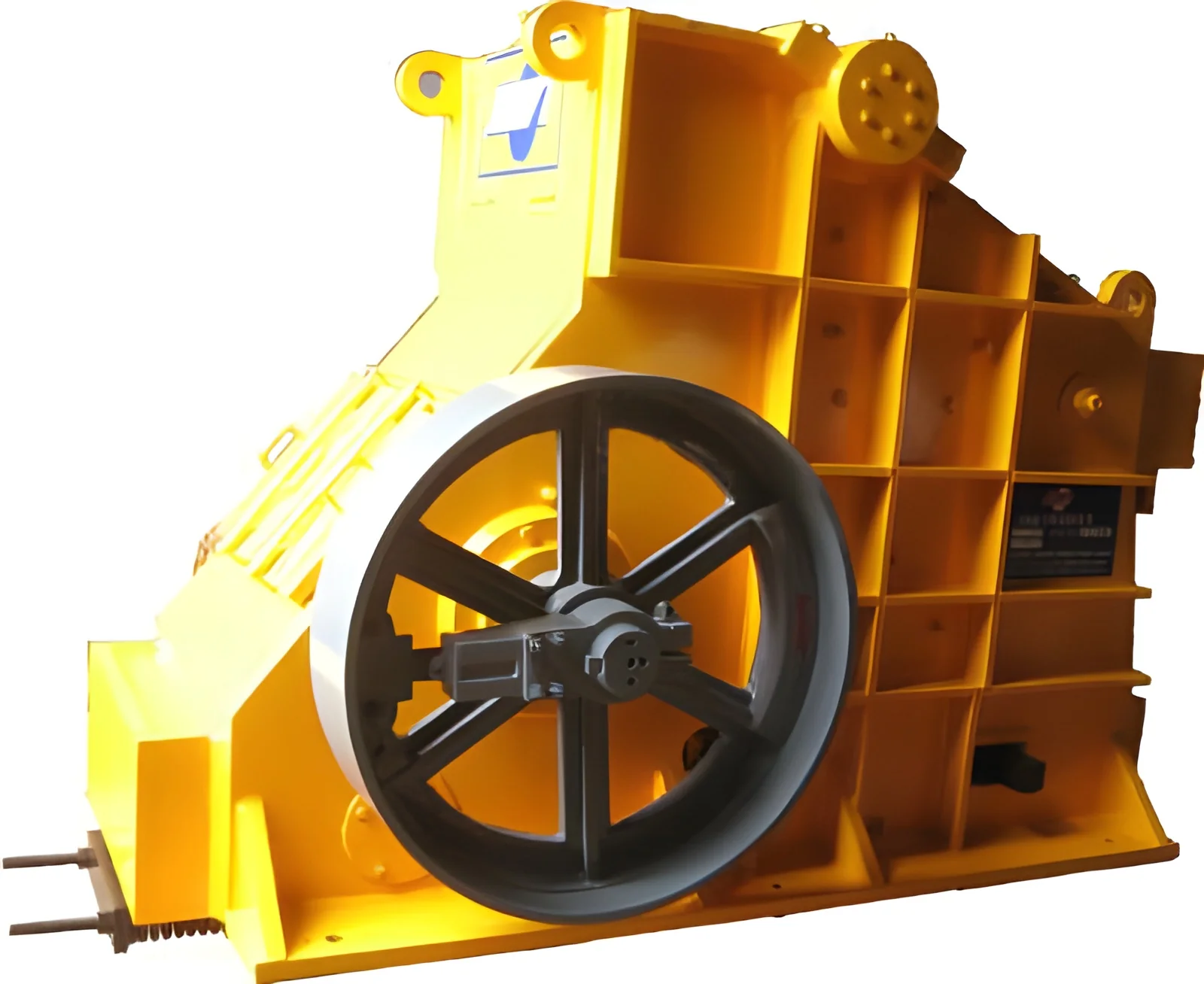
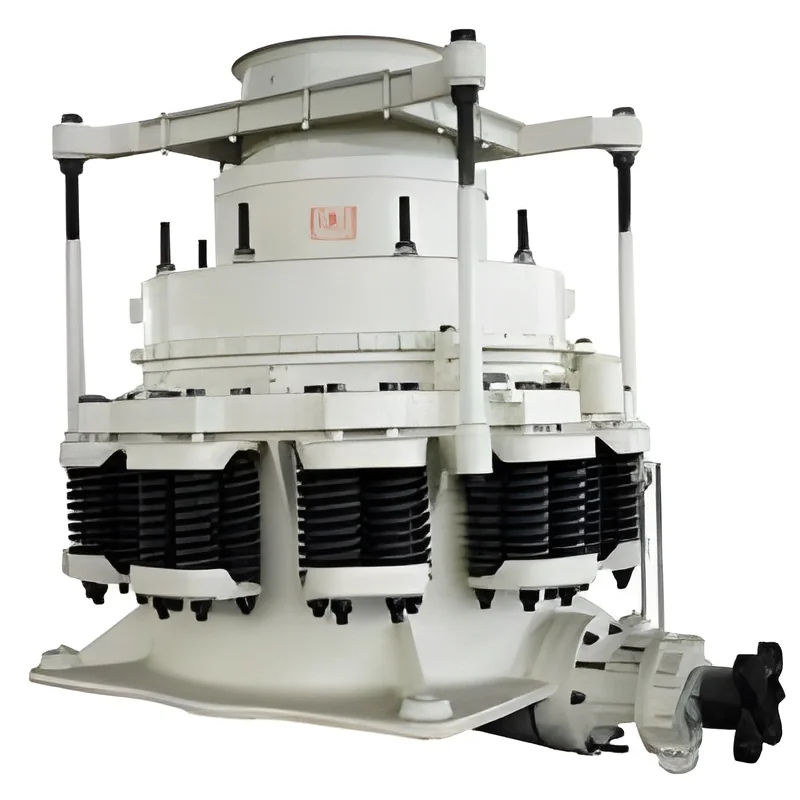
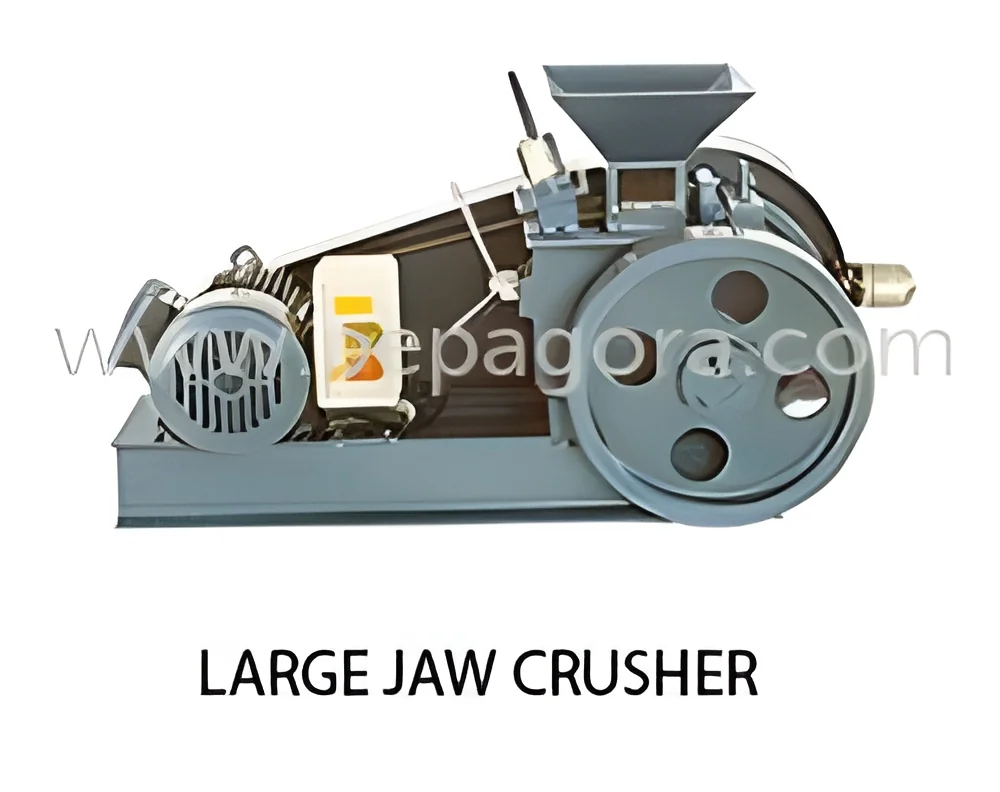
Jaw crushers and cone crushers are essential machinery used in the mining, construction, and recycling industries. Jaw crushers are primary crushers that use compressive force to break down large materials into smaller, manageable pieces. They operate with a fixed and a movable jaw, which creates a crushing action that reduces the size of the material. Cone crushers, on the other hand, are secondary crushers that use a rotating cone to crush materials further. They are effective for producing finely crushed aggregate and are typically used for more granulated material.
These crushers are primarily used to process hard and abrasive materials, such as rock and ore. In construction, they serve vital functions in aggregate production for concrete and asphalt, while in mining, they are crucial for ore extraction and processing. Industries rely on these machines for their efficiency and durability, making them indispensable in various operations. The global market for jaw and cone crushers continues to grow as infrastructure development and mining activities increase worldwide.
Key Features and Specifications
Jaw crushers and cone crushers come with several key features that enhance their performance and reliability. Understanding these specifications is crucial for selecting the right equipment for specific applications.
Key specifications include:
1. Crushing Capacity
- Refers to the amount of material that can be processed per hour.
- Varies typically from 15 to 1,500 tons per hour depending on the model.
2. Feed Size
- Indicates the maximum size of the material that can be fed into the crusher.
- Common ranges are between 100 mm to 1,000 mm.
3. Output Size
- Specifies the size of the material after crushing.
- Typically adjustable, ranging from 5 mm to 200 mm.
4. Power Requirements
- Denotes the power needed to operate the machinery.
- Usually ranges from 50 kW to 1,000 kW.
5. Weight
- Important for transportation and installation considerations.
- Weights can vary significantly, often between 1,000 kg and 20,000 kg.
6. Operational Frequency
- Frequency of the machine's operation, often measured in revolutions per minute (RPM).
- Generally ranges from 200 RPM to 1,200 RPM.
7. Maintenance Needs
- Outlines the frequency and type of maintenance required for optimal performance.
- Regular checks are recommended every 500 to 1,000 hours of operation.
8. Safety Features
- Includes built-in systems to protect operators and the machine.
- Common features include overload protection and emergency stop systems.
Jaw and cone crushers are engineered for high efficiency and robust construction, ensuring they meet the demands of heavy-duty applications.
Common Applications and Use Cases
Jaw crushers and cone crushers serve various industries effectively.
1. Mining: These crushers are used to break down ore into smaller pieces for extraction and processing.
2. Construction: They are essential for producing aggregates for concrete and asphalt, ensuring the quality and consistency of materials.
3. Recycling: These machines help process construction waste, allowing for the recovery and reuse of valuable materials.
4. Quarrying: They are employed for crushing stone and gravel, essential for building roads and other infrastructure.
5. Metallurgy: Used to process metal ores, facilitating the extraction of metals through crushing and grinding.
6. Chemical Industry: They help in the production of chemical compounds by crushing raw materials.
7. Aggregates Production: Essential for producing various types of aggregates needed in construction projects.
These applications highlight the versatility and efficiency of jaw and cone crushers across different industries.
Product Variants and Subcategories
Jaw crushers and cone crushers come in various models to suit different operational needs. Each variant is designed to address specific requirements in terms of size, capacity, and application.
Standard Jaw Crusher: This model is designed for high throughput and is ideal for primary crushing applications. It features a simple design that maximizes durability and ease of maintenance.
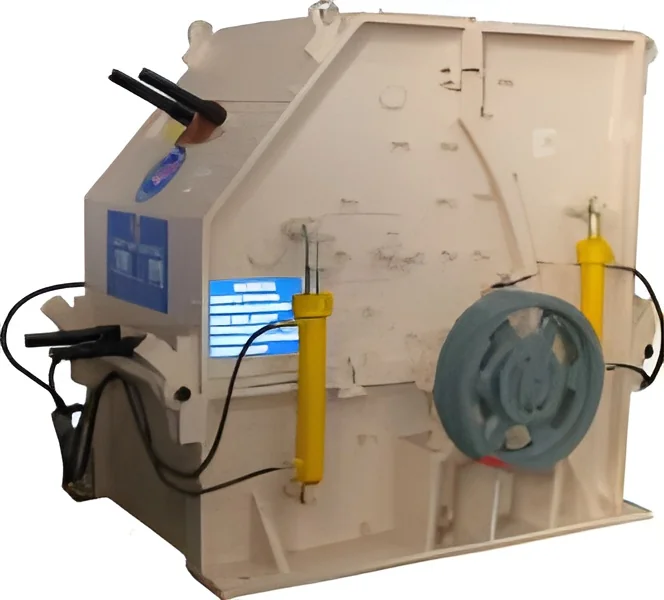
Hydraulic Cone Crusher: This variant employs hydraulic technology for adjusting the size of the output. It is efficient in producing finely crushed materials and is suitable for secondary and tertiary crushing.
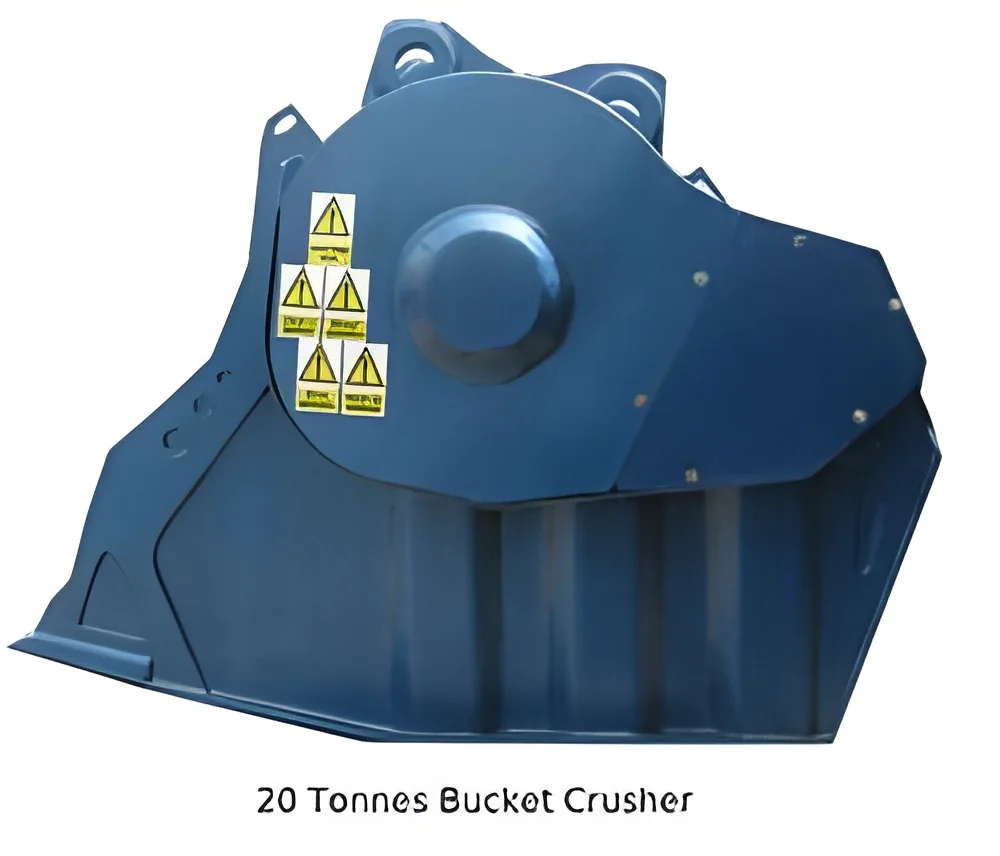
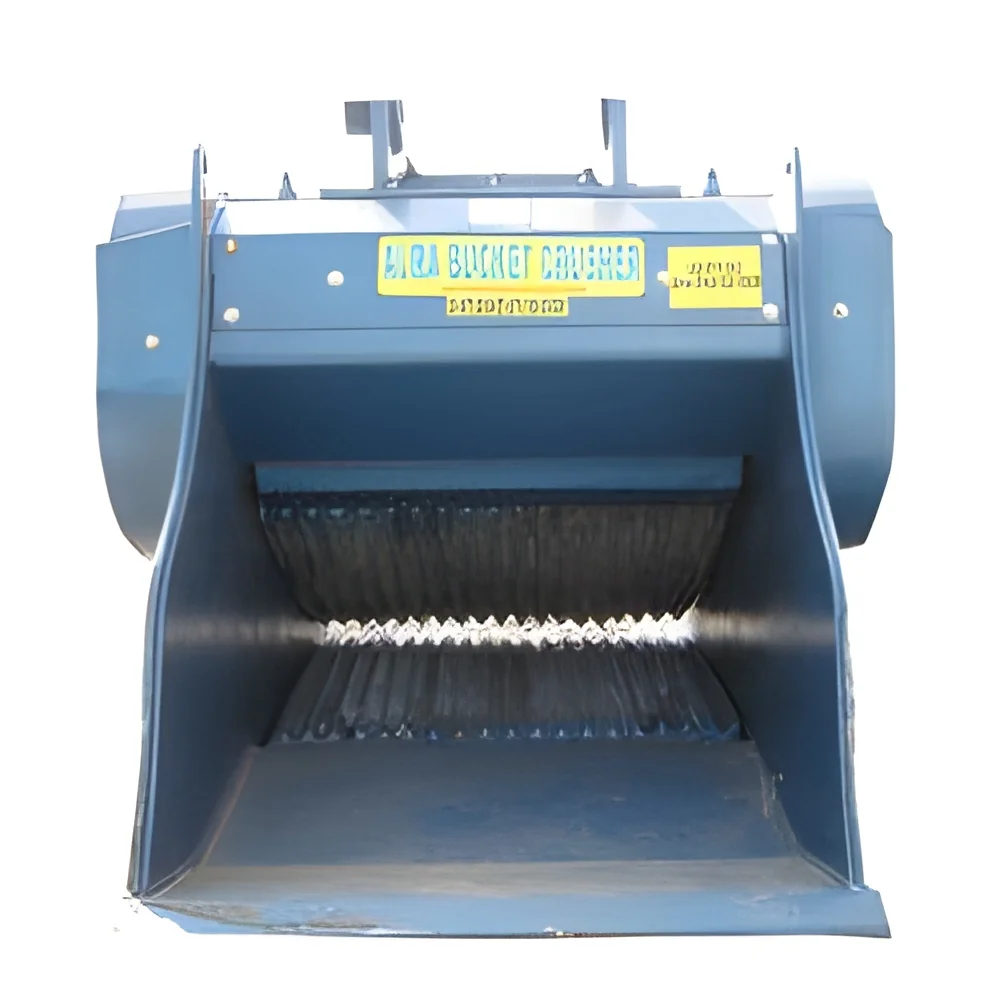
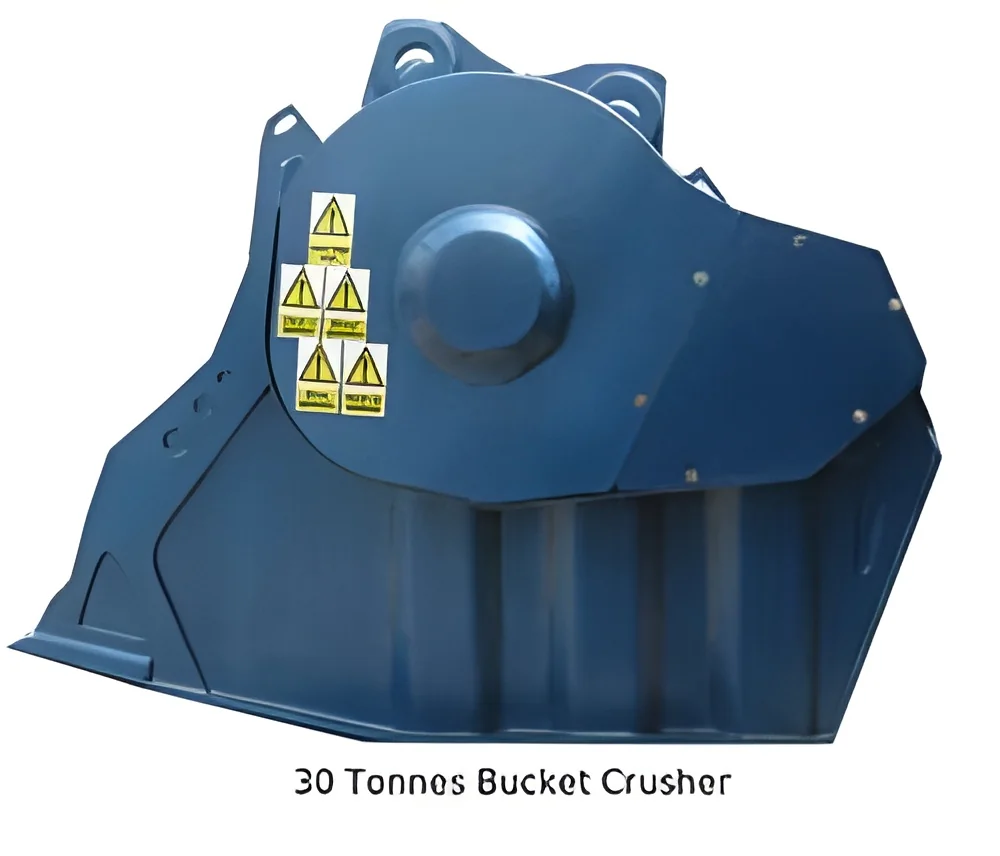
Mobile Jaw Crusher: A portable option, this type of jaw crusher is mounted on wheels or tracks. It provides flexibility in operations and is ideal for construction sites where mobility is crucial.
Tracked Cone Crusher: Designed for high productivity, this model combines mobility with powerful crushing capabilities, making it suitable for various terrains.
Each variant offers unique features that cater to specific needs, ensuring that businesses can find the right equipment for their operations.
Benefits and Advantages
Investing in jaw crushers and cone crushers brings numerous advantages to businesses.
1. High Efficiency: These crushers are designed to provide maximum throughput, reducing processing time and increasing productivity.
2. Versatile Applications: They can handle a wide variety of materials, making them suitable for multiple industries.
3. Durable Construction: Built with robust materials, these machines are designed for longevity and can withstand harsh operating conditions.
4. Reduced Operating Costs: Efficient performance leads to lower energy consumption and maintenance costs over time.
5. Easy Maintenance: Many models are designed with accessibility in mind, allowing for quick servicing and reduced downtime.
6. Enhanced Safety: Modern crushers come equipped with safety features that protect operators and minimize risk during operation.
These benefits make jaw and cone crushers a valuable investment for companies looking to improve their operational efficiency and output.
Buying Guide for B2B Buyers
When sourcing jaw crushers and cone crushers, B2B buyers should consider several critical factors to make informed decisions.
1. Quality Assessment: Buyers should evaluate the quality of the machinery, checking for certifications and adherence to industry standards to ensure reliability.
2. Supplier Verification: It is essential to vet suppliers for their reputation, experience, and customer feedback to ensure they can deliver quality products consistently.
3. Pricing and MOQ: Understanding the pricing structure and minimum order quantities can help buyers negotiate better deals and manage budgets effectively.
4. Delivery and Lead Times: Buyers should inquire about logistics and delivery timelines to ensure that machines arrive when needed to avoid project delays.
5. Compliance Requirements: Familiarity with regulatory standards applicable to the machinery is crucial to ensure legal compliance and safety.
By considering these factors, buyers can make informed decisions that align with their operational needs and business goals.
Compliance and Certifications
Compliance with industry standards and certifications is vital for jaw crushers and cone crushers. These machines must meet certain quality benchmarks to ensure safety and reliability.
Relevant quality standards include ISO 9001, which focuses on quality management systems and helps organizations ensure they meet customer and regulatory requirements. This certification demonstrates a commitment to continuous improvement and quality assurance.
Industry certifications such as CE mark indicate that the machinery meets European safety, health, and environmental protection standards. It is essential for manufacturers and suppliers to provide documentation proving compliance with these standards.
Additionally, safety and testing requirements are critical in ensuring that machines operate safely and effectively. Regular inspections and adherence to safety protocols are necessary to minimize risks in operation.
Regional compliance considerations may vary, and buyers should be aware of local regulations that may affect the operation of these machines in different markets.
Why Source Jaw Crushers & Cone Crushers from Pepagora?
Pepagora provides a trusted platform for sourcing jaw crushers and cone crushers, offering several key advantages to B2B buyers.
Verified Supplier Network: Pepagora has established a network of verified suppliers, ensuring that buyers can connect with reputable manufacturers. This network provides peace of mind regarding quality and reliability.
Streamlined RFQ Process: The request for quotation process on Pepagora is designed to be straightforward, allowing buyers to receive competitive quotes quickly. This efficiency helps organizations make timely purchasing decisions.
Trade Assurance and Support: Pepagora offers buyer protection through trade assurance, ensuring that transactions are secured and providing support in case of disputes. This feature fosters trust and confidence among buyers.
Regional Coverage: With a strong presence in India, GCC, and Southeast Asia, Pepagora facilitates connections across these regions, making it easier for buyers to find local suppliers and reduce shipping costs.
By choosing Pepagora, businesses can benefit from a well-established platform that prioritizes quality, efficiency, and buyer satisfaction in the sourcing of jaw crushers and cone crushers.

 IN
IN