
 IN
Filter Presses for Slurry Dewatering
3 products available
What are Filter Presses for Slurry Dewatering?
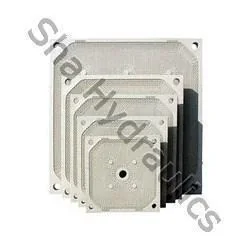
Filter presses for slurry dewatering are specialized equipment designed to separate solid particles from liquids in various industrial processes. These machines use pressure to force a slurry through filter media, effectively removing excess water and producing a dry cake of solid material. The process involves filling the press with slurry, closing the plates, and then applying pressure to achieve optimal filtration. This technology is essential for industries that require efficient dewatering solutions.
The primary uses of filter presses include wastewater treatment, mineral processing, and food and beverage production. Businesses rely on these machines to handle high volumes of slurry effectively, ensuring compliance with environmental regulations and improving resource recovery. By efficiently separating water from solids, filter presses also contribute to reducing disposal costs and enhancing operational efficiency. Given the growing emphasis on sustainability and resource management, filter presses are increasingly relevant in the industrial landscape.
In the current market context, the demand for filter presses is driven by the need for effective dewatering solutions across various sectors. Industries are looking for reliable technologies that not only enhance productivity but also comply with stringent environmental standards. As companies strive to optimize processes and minimize waste, filter presses play a critical role in achieving these goals.
Key Features and Specifications
Filter presses come equipped with several key features designed to enhance performance and efficiency. Understanding these specifications is essential for making informed purchasing decisions.
Key specifications include:
1. Filtration Area
- Determines the volume of slurry that can be processed at once.
- Ranges from small units of 1 square meter to large units exceeding 200 square meters.
2. Cake Thickness
- Refers to the thickness of the solid cake produced after filtration.
- Typically ranges from 20 to 50 millimeters depending on the application.
3. Operating Pressure
- Indicates the pressure applied during the filtration process.
- Commonly operates within a range of 5 to 15 bar.
4. Frame Material
- The construction material of the filter press frame.
- Options include carbon steel, stainless steel, or plastic, depending on the application needs.
5. Plate Type
- Different types of plates can be used, such as chamber plates or membrane plates.
- Each type serves specific purposes, affecting the dewatering efficiency.
6. Automation Features
- Includes options for automated cake discharge and control systems.
- Enhances operational efficiency and reduces labor costs.
7. Dimensions and Weight
- The size and weight of the unit may vary significantly.
- It is essential to consider installation space and handling requirements.
8. Maintenance Requirements
- Regular maintenance is crucial for optimal performance.
- Specifications regarding ease of maintenance should be considered.
In summary, understanding these key specifications will aid potential buyers in selecting the right filter press for their specific needs, ensuring optimal performance and compliance with industry standards.
Common Applications and Use Cases
Filter presses are versatile and serve various industries effectively.
1. Wastewater Treatment: In municipal and industrial wastewater treatment plants, filter presses are utilized for dewatering sludge, improving the quality of treated effluent and reducing disposal costs.
2. Mining and Mineral Processing: These machines are essential in the mining industry for separating water from ore concentrates and tailings, facilitating resource recovery and minimizing environmental impact.
3. Food and Beverage: In this sector, filter presses aid in clarifying juices and wines, as well as extracting solids from liquid by-products, ensuring high product quality and compliance with health standards.
4. Chemical Processing: Filter presses are employed to separate solids from slurries in the production of various chemicals, enhancing process efficiency and product purity.
5. Pharmaceuticals: In pharmaceutical manufacturing, these presses are used for dewatering active pharmaceutical ingredients, ensuring consistent quality and regulatory compliance.
6. Pulp and Paper: The pulp and paper industry uses filter presses to dewater pulp before it undergoes further processing, reducing water content and improving energy efficiency.
7. Agriculture: In agricultural applications, filter presses help in dewatering manure and other organic slurries, promoting effective waste management and nutrient recovery.
Product Variants and Subcategories
Filter presses for slurry dewatering come in diverse configurations to meet specific industrial needs. This variety allows businesses to select a model that best fits their operational requirements.
Automatic Filter Press
This variant features automated operations for cake discharge and process control. It is ideal for large-scale operations where efficiency and reduced labor costs are priorities.
Manual Filter Press
Designed for smaller operations, this model requires manual intervention for cake removal. It is often more cost-effective for businesses with lower throughput.
Membrane Filter Press
This type includes membrane plates that can be inflated to further dewater the cake after initial filtration. It is suitable for applications requiring high solid content and minimal moisture.
Belt Filter Press
While not a traditional filter press, this variant operates on similar principles. It is used in applications where continuous dewatering of slurries is needed, combining filtration and pressing in a single unit.
Benefits and Advantages
Filter presses for slurry dewatering offer numerous advantages that make them essential in various industrial applications.
Key benefits include:
1. High Efficiency: Filter presses effectively remove moisture, resulting in high solid content in the final cake, which enhances disposal options and reduces costs.
2. Versatility: These machines can handle a wide range of slurries, making them suitable for diverse industries from mining to food production.
3. Cost-Effectiveness: By minimizing water content in waste, filter presses significantly lower disposal and transportation costs for solid waste.
4. Environmental Compliance: Using filter presses helps businesses meet environmental regulations by reducing water pollution and promoting sustainable practices.
5. Minimal Maintenance: Designed for durability, modern filter presses require less frequent maintenance, leading to lower operational downtime.
6. Improved Product Quality: In food and beverage applications, filter presses ensure a clearer product by removing solid impurities effectively.
Buying Guide for B2B Buyers
When sourcing filter presses for slurry dewatering, it is vital for B2B buyers to consider several factors to ensure the right fit for their operations.
1. Quality Assessment: Evaluate the quality of materials used in construction, as this affects durability and performance. Look for certifications that indicate compliance with industry standards.
2. Supplier Verification: Vet potential suppliers thoroughly. Check their history, customer reviews, and certifications to ensure reliability and quality in their offerings.
3. Pricing and MOQ: Understand the pricing structure and minimum order quantity (MOQ) requirements. Compare quotes from different suppliers to get the best value.
4. Delivery and Lead Times: Confirm delivery schedules and lead times to ensure timely procurement. Consider suppliers' logistics capabilities and their ability to meet your project timelines.
5. Compliance Requirements: Ensure that the filter press meets all relevant industry regulations and standards. This includes environmental, safety, and operational compliance.
Compliance and Certifications
Compliance and certifications are crucial factors that influence the reliability and acceptance of filter presses in various industries.
Relevant quality standards include ISO 9001, which ensures that manufacturers maintain quality management systems. This standard is essential for providing high-quality products consistently.
Additionally, filter presses may need to comply with HACCP (Hazard Analysis Critical Control Point) standards, especially in food and beverage applications. This compliance ensures that products are safe for consumption and meet public health requirements.
CE certification is another important industry standard. It indicates that the filter press conforms to European health, safety, and environmental protection standards, making it suitable for the European market.
Safety and testing requirements are also critical. Manufacturers must adhere to guidelines that ensure the equipment operates safely and effectively, reducing risks during operation.
Regional compliance considerations may vary. Buyers should be aware of local regulations and industry-specific standards that may apply to filter presses in their respective regions.
Why Source Filter Presses for Slurry Dewatering from Pepagora?
Pepagora provides a trusted platform for sourcing filter presses for slurry dewatering with several key advantages.
Verified Supplier Network: Pepagora connects buyers with a network of verified suppliers, ensuring that you engage with trustworthy manufacturers who meet quality standards.
Streamlined RFQ Process: The platform offers an efficient request for quotation (RFQ) process, allowing buyers to receive multiple quotes quickly and compare options easily.
Trade Assurance and Support: Pepagora offers trade assurance, protecting buyers through secure transactions and providing support to resolve any issues that may arise during procurement.
Regional Coverage: With a geographic reach that includes India, the GCC, and Southeast Asia, Pepagora caters to diverse markets, providing localized support and solutions to meet specific regional needs.


Frequently Asked Questions
What are Filter Presses for Slurry Dewatering?
Filter presses for slurry dewatering are mechanical devices used to separate solids from liquids in a slurry. They operate by forcing the slurry through filter media under pressure, resulting in the formation of a cake of solid material while the liquid is collected as filtrate.
What are the different types of Filter Presses for Slurry Dewatering?
There are several types of filter presses for slurry dewatering, including chamber filter presses, membrane filter presses, and automatic filter presses. Each type varies in design and operation, suited for different applications and levels of automation.
How do I choose the right Filter Presses for Slurry Dewatering?
Selecting the right filter press involves considering factors such as the type of slurry, required filtration efficiency, and production capacity. It is also important to assess the physical space available and the automation level desired.
What are the standard specifications for Filter Presses for Slurry Dewatering?
Standard specifications for filter presses typically include plate size, filtration area, pressure rating, and frame material. These specifications can vary based on the manufacturer and specific application requirements.
What is the price range for Filter Presses for Slurry Dewatering?
The price range for filter presses for slurry dewatering can vary widely depending on the type, capacity, and features. Generally, prices can start from a few thousand to several lakhs of Indian Rupees.
What quality standards apply to Filter Presses for Slurry Dewatering?
Quality standards for filter presses may include ISO certifications, compliance with environmental regulations, and specific industry standards based on application. It is essential to consult manufacturers to ensure that products meet necessary quality criteria.
Where can I find Filter Presses for Slurry Dewatering suppliers in India?
You can find filter presses for slurry dewatering suppliers in India through online B2B marketplaces, industry trade shows, and manufacturer directories. Websites like Pepagora.com provide listings of various suppliers and manufacturers.
Can Filter Presses for Slurry Dewatering be customized?
Yes, many manufacturers offer customization options for filter presses to meet specific operational needs. Customizations may include adjustments in size, materials, or additional features based on client requirements.
What is the typical minimum order quantity for Filter Presses for Slurry Dewatering?
The typical minimum order quantity (MOQ) for filter presses can vary by supplier, but it often starts from one unit for standard models. For bulk orders, suppliers may offer better pricing or discounts.
What is the typical lead time for Filter Presses for Slurry Dewatering?
The typical lead time for filter presses can range from a few weeks to several months, depending on the complexity of the order and the manufacturer's production capacity. It's advisable to check with suppliers for precise timelines.
Why Businesses Trust Pepagora
Thousands of companies trust Pepagora to source smarter and sell faster
Expand Your Sales Globally

Source Smarter,Grow Faster
