
 IN
INContinuous Casting Machines (CCM)
4 products available
Key Features and Specifications
Common Applications and Use Cases
Product Variants and Subcategories
Benefits and Advantages
Buying Guide for B2B Buyers
Compliance and Certifications

Frequently Asked Questions
What are Continuous Casting Machines (CCM)?
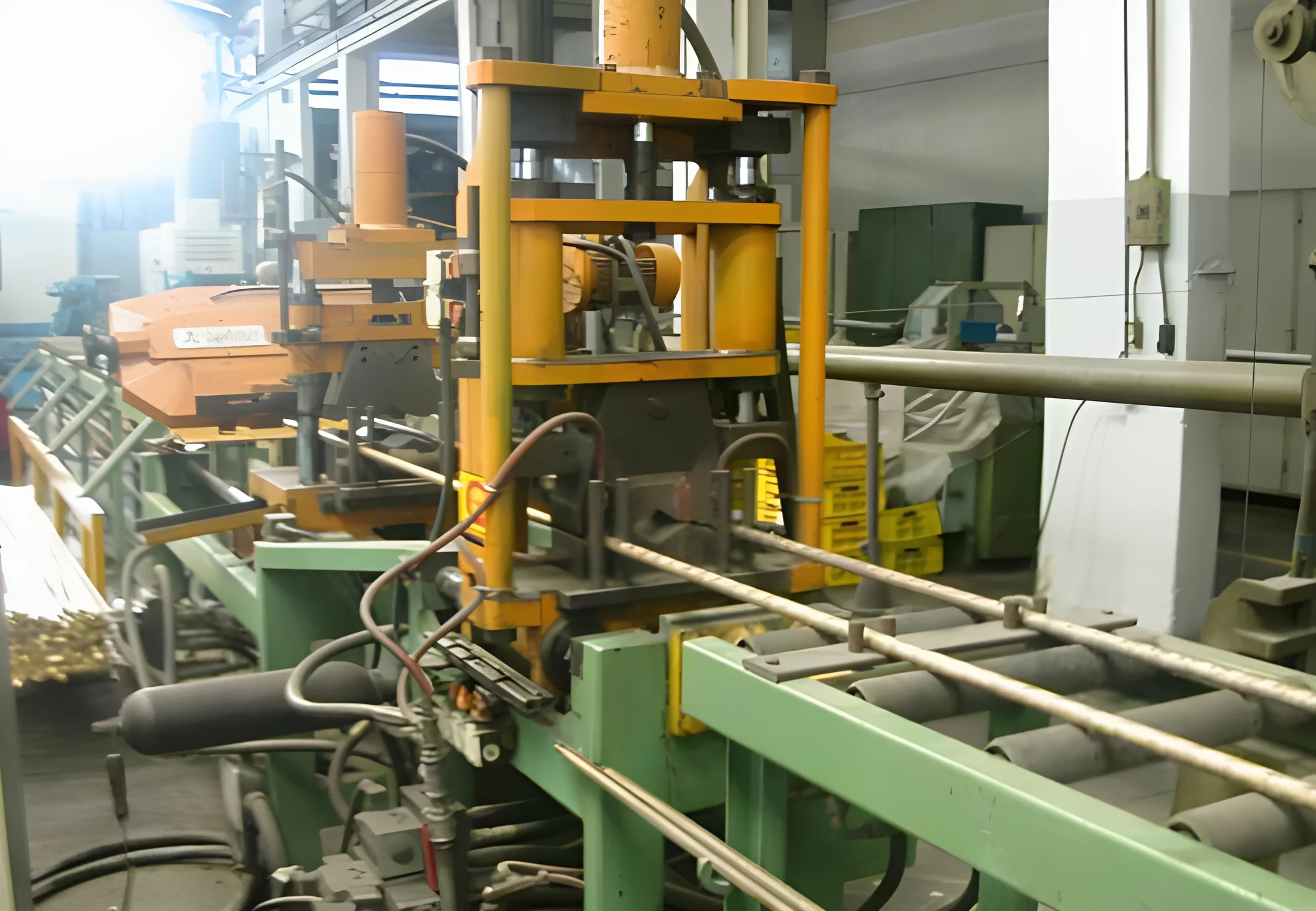
Continuous Casting Machines (CCM) are industrial equipment used to produce metal ingots or billets by continuously pouring molten metal into a mold. The process allows for the solidification of the metal as it is drawn out, resulting in a more efficient production method compared to traditional casting techniques.
What are the different types of Continuous Casting Machines (CCM)?
There are several types of Continuous Casting Machines (CCM), including vertical, horizontal, and curved casting machines. Each type is designed to cater to specific metal forms and production requirements, allowing manufacturers to choose the best fit for their operational needs.
How do I choose the right Continuous Casting Machines (CCM)?
Choosing the right Continuous Casting Machine (CCM) involves evaluating your production capacity, the type of metal being cast, and the desired output quality. Additionally, consider the machine's efficiency, technological features, and compatibility with your existing production line.
What are the standard specifications for Continuous Casting Machines (CCM)?
Standard specifications for Continuous Casting Machines (CCM) typically include parameters such as casting speed, mold dimensions, and cooling systems. Specific requirements may vary based on the type of metal being processed and the production goals of the facility.
What is the price range for Continuous Casting Machines (CCM)?
The price range for Continuous Casting Machines (CCM) can vary significantly based on the machine's capacity, features, and manufacturer. Generally, prices can start from a few lakhs and extend into several crores, depending on the specifications and technology involved.
What quality standards apply to Continuous Casting Machines (CCM)?
Continuous Casting Machines (CCM) must adhere to various quality standards, including ISO certifications and industry-specific regulations. These standards ensure that the machines operate efficiently and produce high-quality metal products, reducing defects and waste.
Where can I find Continuous Casting Machines (CCM) suppliers in India?
You can find Continuous Casting Machines (CCM) suppliers in India through B2B marketplaces, industry trade shows, and business directories. Websites like Pepagora.com provide a platform to connect with reputable manufacturers and suppliers.
Can Continuous Casting Machines (CCM) be customized?
Yes, Continuous Casting Machines (CCM) can often be customized to meet specific production requirements. Manufacturers may offer modifications in terms of size, capacity, and additional features to suit unique operational needs.
What is the typical minimum order quantity for Continuous Casting Machines (CCM)?
The typical minimum order quantity (MOQ) for Continuous Casting Machines (CCM) can vary by supplier and machine type. It is common for manufacturers to set MOQs based on production costs and machine specifications, so it is advisable to inquire directly with suppliers.
What is the typical lead time for Continuous Casting Machines (CCM)?
The typical lead time for Continuous Casting Machines (CCM) can range from a few weeks to several months, depending on the complexity of the machine and the manufacturer's production schedule. Factors like customization and order volume can also affect the delivery timeline.
Why Businesses Trust Pepagora
Thousands of companies trust Pepagora to source smarter and sell faster
Expand Your Sales Globally

Source Smarter,Grow Faster
