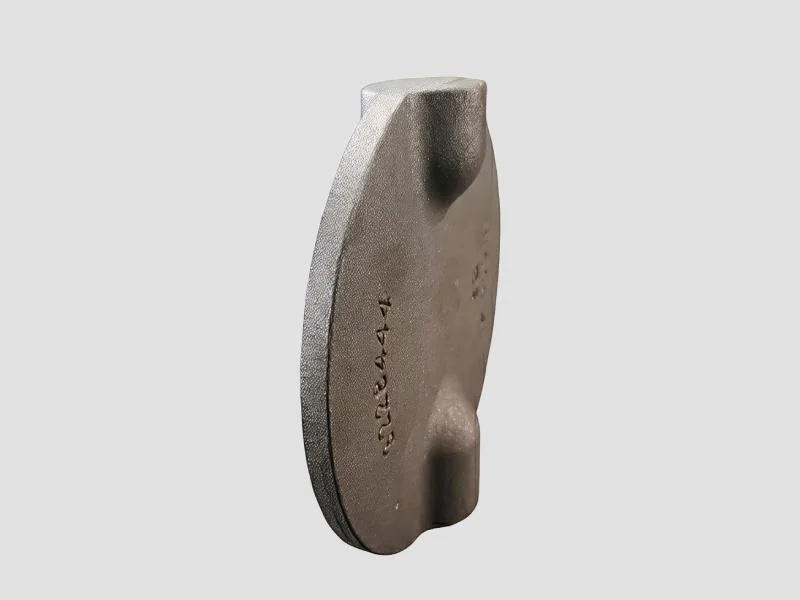
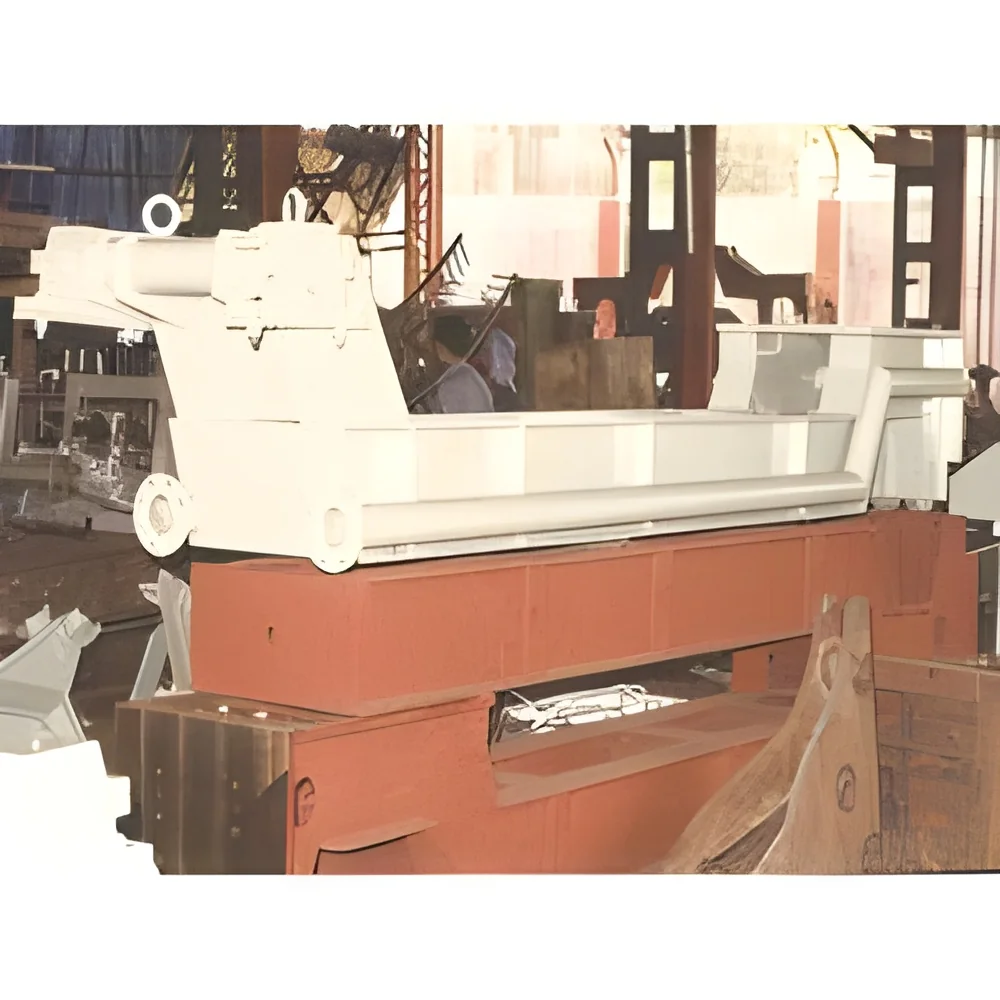
What are Billet & Slab Casting Equipment?
Billet and slab casting equipment is essential for producing semi-finished steel products. This equipment facilitates the transformation of molten metal into solid forms, specifically billets and slabs, which are intermediate products used in various manufacturing processes. The casting process involves pouring molten steel into molds, where it cools and solidifies into the desired shapes. These shapes are then further processed into final products such as beams, sheets, and plates.
The primary applications of billet and slab casting equipment are found in the steel and metalworking industries. Manufacturers utilize these products for a wide range of applications, including construction, automotive, and machinery production. The equipment is crucial for ensuring the efficiency and quality of the casting process, which directly impacts the performance of the final products. In today's competitive market, having reliable and high-quality casting equipment is vital for businesses aiming to maintain operational efficiency and meet customer demands.
As the demand for steel products continues to rise globally, the relevance of billet and slab casting equipment remains significant. Manufacturers are increasingly investing in advanced casting technologies to enhance production capabilities and improve product quality. This equipment plays a key role in the overall industrial landscape, contributing to the growth of various sectors that rely on steel and metal components.
Key Features and Specifications
Billet and slab casting equipment is designed with several key features that enhance performance and efficiency. Understanding these specifications is crucial for businesses looking to invest in this equipment.
Key specifications include:
1. Molding Capacity
- Determines the volume of molten steel that can be cast in one cycle.
- Typically ranges from several tons to hundreds of tons, depending on equipment size.
2. Cooling System Efficiency
- Essential for controlling the temperature of the molten metal during casting.
- Utilizes water or air cooling systems with specific flow rates.
3. Automation Level
- Indicates the degree of automation in the casting process.
- Can range from manual operation to fully automated systems with advanced monitoring features.
4. Material Compatibility
- Refers to the types of metals that can be processed.
- Most equipment is compatible with various grades of steel and alloys.
5. Dimensional Accuracy
- Ensures that the final product meets specified tolerances.
- Usually measured in millimeters, depending on the application.
6. Energy Consumption
- Represents the efficiency of the equipment in terms of energy use.
- Important for operational cost considerations.
7. Safety Features
- Includes emergency shut-off systems and protective barriers.
- Complies with industry safety standards to protect operators.
8. Maintenance Requirements
- Describes the frequency and type of maintenance needed to ensure optimal operation.
- Varies based on the technology used and the manufacturer's guidelines.
These specifications are critical in selecting the right casting equipment for your business needs, ensuring high productivity and quality output.
Common Applications and Use Cases
Billet and slab casting equipment serves a variety of industries, each with unique applications.
1. Construction: This industry utilizes cast billets and slabs for structural components like beams and columns. The strength and durability of steel products are crucial for building infrastructure.
2. Automotive: Manufacturers use steel billets and slabs to produce parts such as frames and engine components. High-quality steel is essential for vehicle safety and performance.
3. Machinery: The machinery industry relies on these products for manufacturing equipment and tools. The versatility of steel allows for a wide range of applications.
4. Shipbuilding: Billets and slabs are used in constructing ship hulls and other structural elements, requiring high-strength materials to withstand harsh marine environments.
5. Energy: In the energy sector, particularly in oil and gas, steel products are essential for pipelines and drilling equipment, emphasizing the need for reliable casting processes.
6. Railways: The transportation industry uses steel slabs for rail tracks and components, where strength and resilience are non-negotiable.
7. Appliances: Domestic and industrial appliances rely on steel parts for durability and efficiency, showcasing the necessity of quality casting processes.
Product Variants and Subcategories
Billet and slab casting equipment includes a range of variants designed to meet different production needs. Each variant comes with unique features tailored for specific applications.
Continuous Casting Machine: This variant is designed for high-volume production, allowing for a continuous flow of molten metal into molds. It is ideal for large-scale manufacturing operations requiring efficiency.
Ingot Casting Machine: This type of equipment is used for producing ingots, which are larger blocks of metal. It is suitable for industries that require significant quantities of metal for further processing.
Electric Arc Furnace: Although primarily a melting unit, it often comes integrated with casting capabilities. It is used in steel production and recycling processes.
Benefits and Advantages
Investing in billet and slab casting equipment offers numerous advantages for manufacturers.
Key benefits include:
1. Enhanced Production Efficiency: This equipment optimizes the casting process, reducing cycle times and increasing throughput.
2. Improved Product Quality: Advanced technology ensures higher dimensional accuracy and surface finish, leading to better end products.
3. Cost Savings: Efficient operation reduces energy consumption and material waste, resulting in lower overall manufacturing costs.
4. Flexibility in Production: The ability to cast various shapes and sizes allows manufacturers to meet diverse customer demands.
5. Increased Safety: Modern casting equipment incorporates safety features that protect operators and reduce the risk of accidents.
6. Advanced Monitoring and Control: Many systems come with integrated monitoring features that help detect issues early, ensuring smooth operation.
Buying Guide for B2B Buyers
When sourcing billet and slab casting equipment, businesses should consider several critical factors to ensure they make informed decisions.
1. Quality Assessment: It is essential to evaluate the quality of the equipment based on industry standards and specifications. Look for certifications that indicate reliability and performance.
2. Supplier Verification: Vetting suppliers is crucial in ensuring you partner with reputable manufacturers. Check their history, customer reviews, and compliance with industry regulations.
3. Pricing and MOQ: Understand the pricing structure and minimum order quantities (MOQ) required by suppliers. This will help you budget effectively and assess the feasibility of orders.
4. Delivery and Lead Times: Assess the logistics involved in equipment delivery. Timely delivery is vital for maintaining production schedules.
5. Compliance Requirements: Ensure that the equipment meets all regulatory compliance standards relevant to your industry. This may include safety standards and environmental regulations.
Compliance and Certifications
Billet and slab casting equipment is subject to various quality standards and certifications, ensuring safety and performance in operations.
Relevant quality standards include ISO 9001, which focuses on quality management systems. This standard helps organizations ensure they consistently meet customer and regulatory requirements.
Additionally, the CE certification indicates compliance with European health, safety, and environmental protection standards. This certification is essential for manufacturers looking to operate in European markets.
Safety and testing requirements are also crucial, as they ensure that the equipment operates under safe conditions for workers. Regular inspection and testing of equipment can help identify potential hazards and mitigate risks.
Regional compliance considerations vary by location, and manufacturers must be aware of local regulations that may affect their operations.
Why Source Billet & Slab Casting Equipment from Pepagora?
Pepagora provides a trusted platform for sourcing billet and slab casting equipment, offering several key advantages to buyers.
Verified Supplier Network: Pepagora connects businesses with a network of verified suppliers, ensuring that buyers can trust the quality and reliability of the equipment they source.
Streamlined RFQ Process: The platform simplifies the request for quotation (RFQ) process, making it easier for buyers to receive competitive pricing and options from multiple suppliers.
Trade Assurance and Support: Pepagora offers buyer protection through trade assurance programs, giving businesses confidence in their purchases and support throughout the buying process.
Regional Coverage: With a strong presence in India, the GCC, and Southeast Asia, Pepagora provides access to a diverse range of suppliers, catering to the specific needs of buyers in these regions.
By choosing Pepagora, businesses can benefit from a comprehensive sourcing solution that enhances their procurement process for billet and slab casting equipment.

 IN
IN