What are Gravity Separators (Jigs, Shaking Tables)?
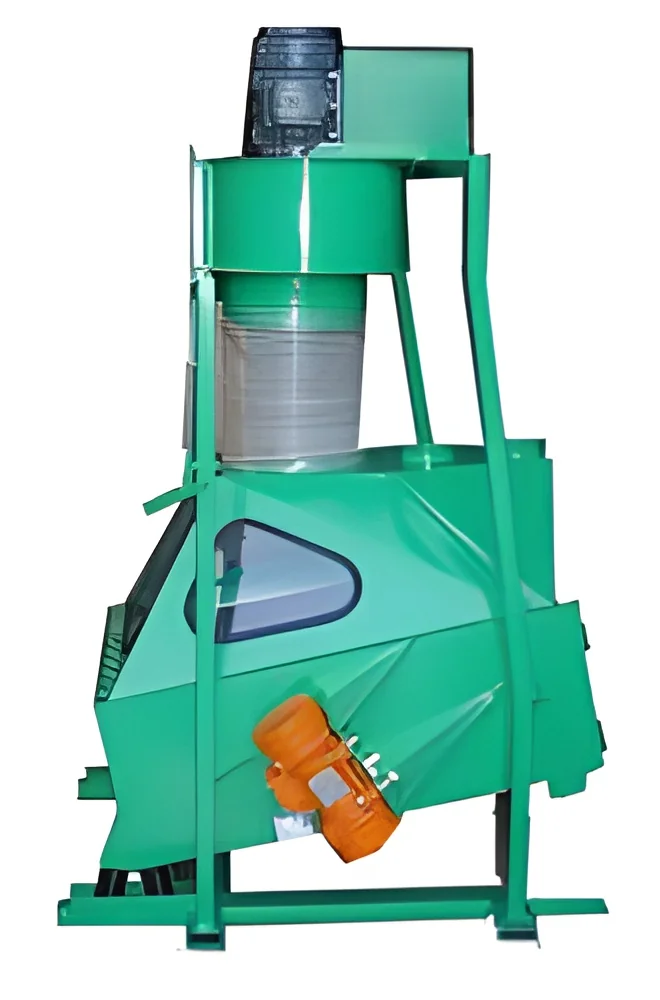
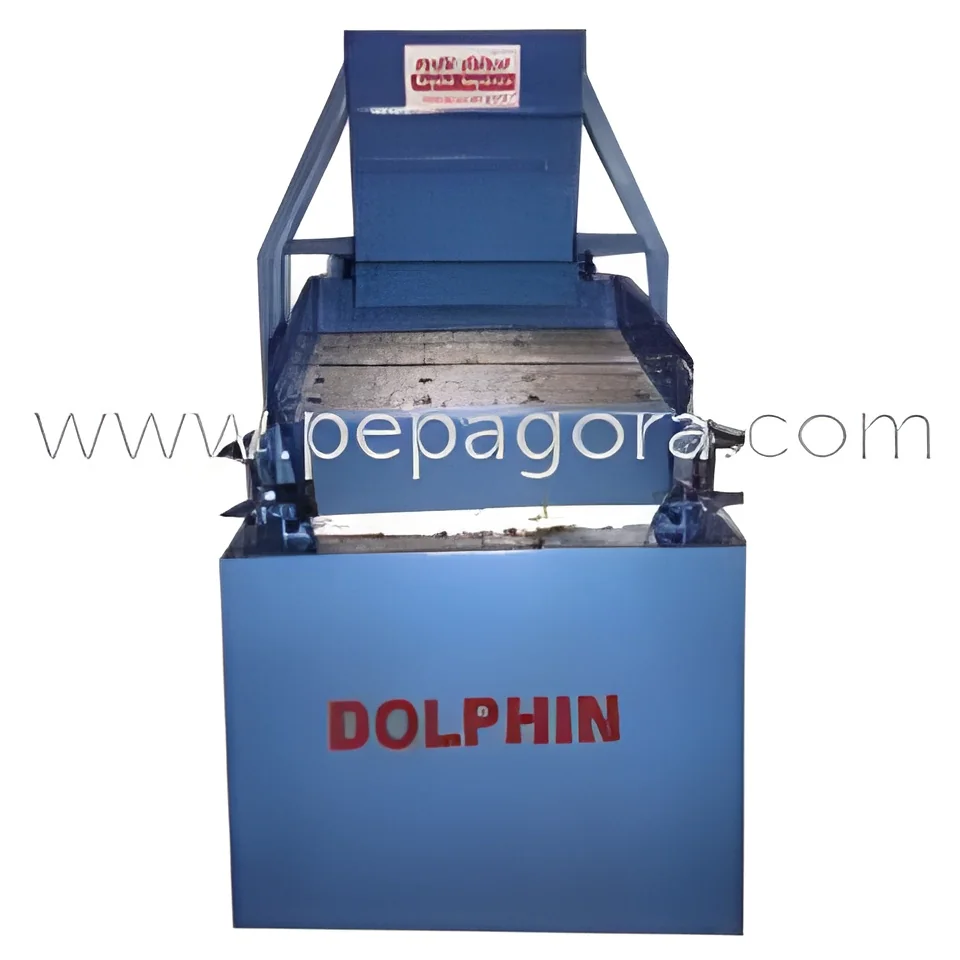
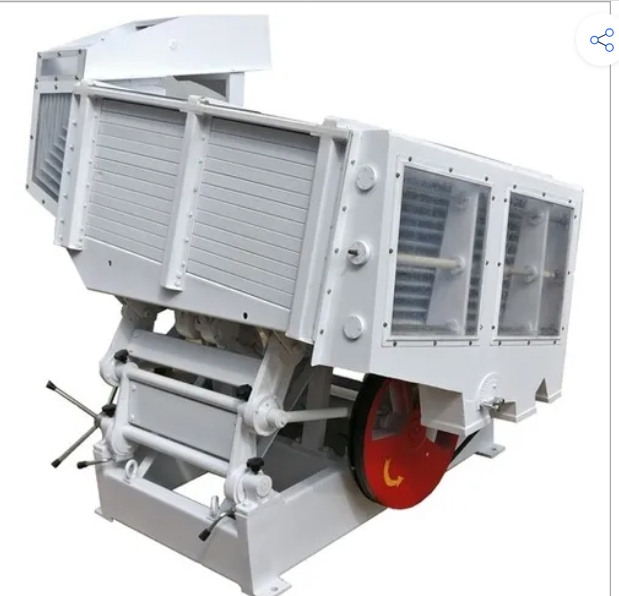
Gravity separators, including jigs and shaking tables, are essential industrial equipment utilized for the separation of materials based on their density and specific gravity. These machines exploit the differences in density between particles to achieve efficient separation. Jigs operate by creating pulsating water flow, allowing heavier materials to settle while lighter materials are carried away. Shaking tables utilize a similar principle, with a horizontal surface that vibrates to separate materials as water flows over them.
These gravity separators find application across various industries, including mining, recycling, and agriculture. They are particularly effective in processing ores and minerals, where they contribute to higher recovery rates of valuable materials. In recycling, these separators help in sorting metals from waste, thereby promoting resource recovery and sustainability. The relevance of gravity separators in the industrial market is underscored by their ability to enhance operational efficiency and cost-effectiveness in separation processes.
๐๐ฒ๐ ๐๐ฒ๐ฎ๐๐๐ฟ๐ฒ๐ ๐ฎ๐ป๐ฑ ๐ฆ๐ฝ๐ฒ๐ฐ๐ถ๐ณ๐ถ๐ฐ๐ฎ๐๐ถ๐ผ๐ป๐
Gravity separators come equipped with several features that enhance their performance and adaptability across industries. They are designed to handle various material types and provide robust separation capabilities.
Key specifications include:
1. Material Handling Capacity
- This specification indicates the throughput of the separator.
- Typical ranges are determined by the model and design, often measured in tons per hour.
2. Recovery Rate
- This refers to the efficiency of material separation and recovery.
- Effective recovery rates can range from 90% to 98% depending on the material type.
3. Table Size
- The surface area of shaking tables varies.
- Common sizes range from 1.2m to 2.4m in width.
4. Adjustable Stroke Length
- This feature allows for customization based on material characteristics.
- Stroke lengths typically range from 20mm to 50mm.
5. Water Consumption
- This indicates the amount of water required for optimal operation.
- Average usage can vary from 5 to 15 liters per minute.
6. Power Requirements
- Power consumption depends on the model and operational demands.
- Common power ratings range from 1.5kW to 5.5kW.
7. Weight
- The weight of the equipment affects mobility and installation.
- Units typically weigh between 500 kg and 2000 kg.
8. Construction Material
- Most separators are made from stainless steel for durability.
- Corrosion-resistant materials enhance longevity and performance.
In summary, gravity separators are engineered to provide reliable performance with specific features tailored to meet industry needs.
๐๐ผ๐บ๐บ๐ผ๐ป ๐๐ฝ๐ฝ๐น๐ถ๐ฐ๐ฎ๐๐ถ๐ผ๐ป๐ ๐ฎ๐ป๐ฑ ๐จ๐๐ฒ ๐๐ฎ๐๐ฒ๐
Gravity separators are versatile machines that serve various industries effectively.
1. Mining: In the mining sector, jigs and shaking tables are widely used for separating valuable minerals from ore. They efficiently recover metals like gold, tin, and tungsten.
2. Recycling: These separators play a vital role in the recycling industry by sorting metals and plastics from waste materials, promoting sustainability and resource efficiency.
3. Agriculture: In agriculture, gravity separators are used for seed cleaning and grading, ensuring high-quality seeds for planting.
4. Food Processing: They are employed in food processing for separating grains and nuts based on size and density, enhancing product quality.
5. Construction: In the construction industry, they assist in the separation of aggregates from mixed materials, contributing to efficient recycling.
6. Environmental Management: Gravity separators help in waste management by sorting out recyclable materials from landfill waste, improving overall recycling rates.
7. Chemical Processing: In chemical manufacturing, they can separate different compounds based on density, aiding in product refinement.
๐ฃ๐ฟ๐ผ๐ฑ๐๐ฐ๐ ๐ฉ๐ฎ๐ฟ๐ถ๐ฎ๐ป๐๐ ๐ฎ๐ป๐ฑ ๐ฆ๐๐ฏ๐ฐ๐ฎ๐๐ฒ๐ด๐ผ๐ฟ๐ถ๐ฒ๐
Gravity separators come in various designs to cater to specific operational needs.
Jig Separators: These machines utilize a pulsating water flow to separate materials based on density. They are particularly effective for coarse material separation and are widely used in mineral processing.
Shaking Tables: Shaking tables provide a smooth, vibrating surface that enhances the separation process. They are ideal for fine material separation and are commonly used in both mining and recycling applications.
Other Variants: While specific variants are not mentioned, gravity separators can often be customized based on client specifications, including size, capacity, and material handling features.
๐๐ฒ๐ป๐ฒ๐ณ๐ถ๐๐ ๐ฎ๐ป๐ฑ ๐๐ฑ๐๐ฎ๐ป๐๐ฎ๐ด๐ฒ๐
Gravity separators offer numerous advantages to businesses looking to enhance their separation processes.
1. High Efficiency: These machines provide high recovery rates, ensuring maximum yield from raw materials.
2. Cost-Effective: By reducing waste and improving resource recovery, gravity separators contribute to lower operational costs.
3. Versatility: They can handle a wide range of materials, making them suitable for various industries.
4. Low Maintenance: Gravity separators typically require less maintenance compared to other separation technologies, reducing downtime.
5. Environmentally Friendly: Their use in recycling and waste management promotes sustainability by facilitating resource recovery.
6. Simple Operation: Most gravity separators are easy to operate, reducing the need for extensive training for personnel.
๐๐๐๐ถ๐ป๐ด ๐๐๐ถ๐ฑ๐ฒ ๐ณ๐ผ๐ฟ ๐๐ฎ๐ ๐๐๐๐ฒ๐ฟ๐
When sourcing gravity separators, it is essential for B2B buyers to consider several factors to ensure a successful purchase.
1. Quality Assessment: Look for equipment that meets established quality standards. Verify the materials used and inquire about performance metrics to ensure reliability.
2. Supplier Verification: Vet suppliers by checking their certifications, customer reviews, and industry reputation. A reliable supplier can provide ongoing support and service.
3. Pricing and MOQ: Understand the pricing structure and minimum order quantities. Compare multiple suppliers to find the best value while ensuring quality.
4. Delivery and Lead Times: Consider logistics and lead times for delivery. Timely delivery is crucial for maintaining production schedules.
5. Compliance Requirements: Ensure that the equipment meets regulatory standards relevant to your industry, including safety and environmental compliance.
๐๐ผ๐บ๐ฝ๐น๐ถ๐ฎ๐ป๐ฐ๐ฒ ๐ฎ๐ป๐ฑ ๐๐ฒ๐ฟ๐๐ถ๐ณ๐ถ๐ฐ๐ฎ๐๐ถ๐ผ๐ป๐
Gravity separators must adhere to several quality standards and certifications to ensure safety and performance.
ISO 9001: This standard outlines the requirements for a quality management system, ensuring that products meet customer and regulatory requirements.
HACCP: Hazard Analysis Critical Control Point is essential in food processing applications to ensure food safety and quality throughout the production process.
CE Certification: This certification indicates compliance with European safety standards, ensuring that the equipment is safe to use in the European market.
Safety and testing requirements are critical for these machines, as they must operate reliably under various conditions. Regional compliance considerations may also vary, necessitating awareness of local regulations and standards.
Why Source Gravity Separators (Jigs, Shaking Tables) from Pepagora?
Pepagora offers a trusted platform for sourcing gravity separators, providing several key advantages that benefit B2B buyers.
Verified Supplier Network: Pepagora has a robust verification process for suppliers, ensuring that buyers can connect with credible and reputable manufacturers. This reduces the risk associated with sourcing equipment.
Streamlined RFQ Process: The platform facilitates a straightforward request for quotation process, allowing buyers to receive quotes from multiple suppliers efficiently. This helps in making informed purchasing decisions.
Trade Assurance and Support: Pepagora offers trade assurance, providing buyers with protection throughout the purchasing process. This support ensures that buyers can trust their transactions and focus on their operations.
Regional Coverage: With a strong presence in India, GCC, and Southeast Asia, Pepagora connects buyers with local suppliers, enhancing accessibility and reducing lead times for equipment procurement.
In conclusion, sourcing gravity separators from Pepagora is a strategic choice for companies aiming to enhance their separation processes while ensuring quality and reliability.