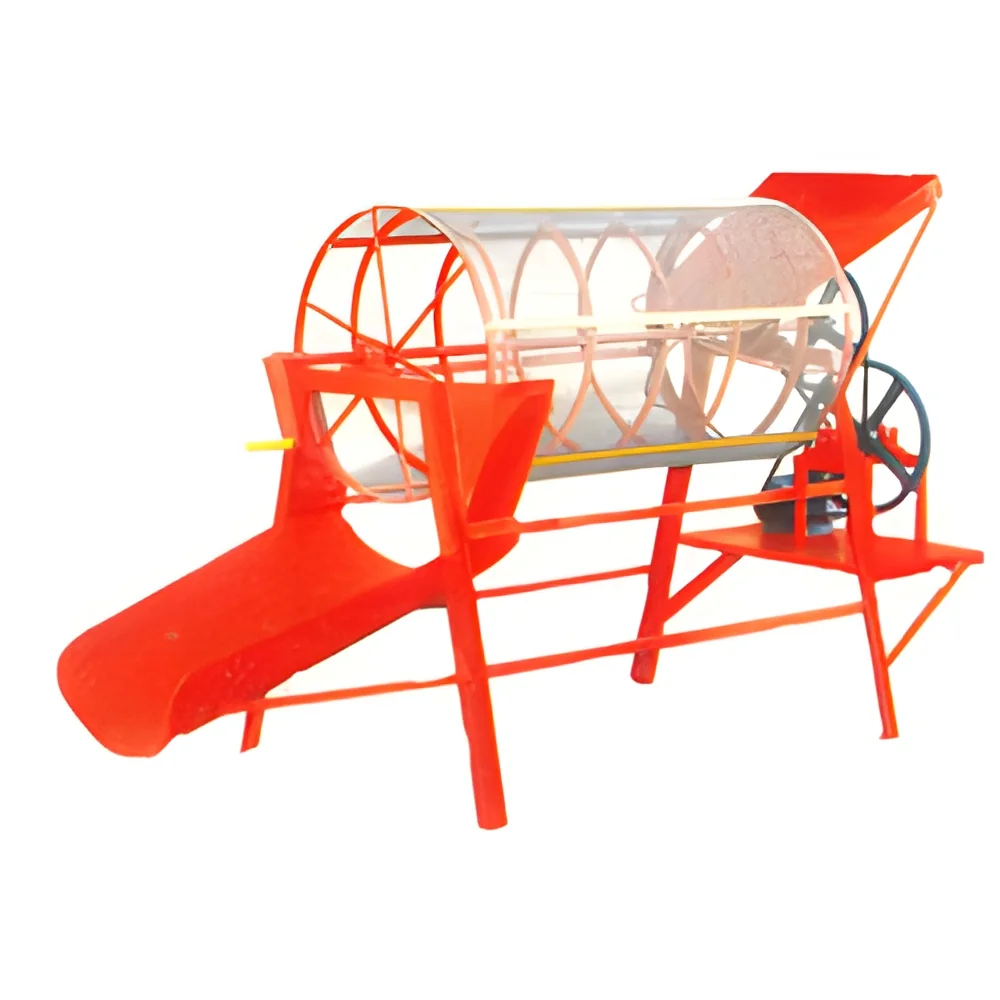
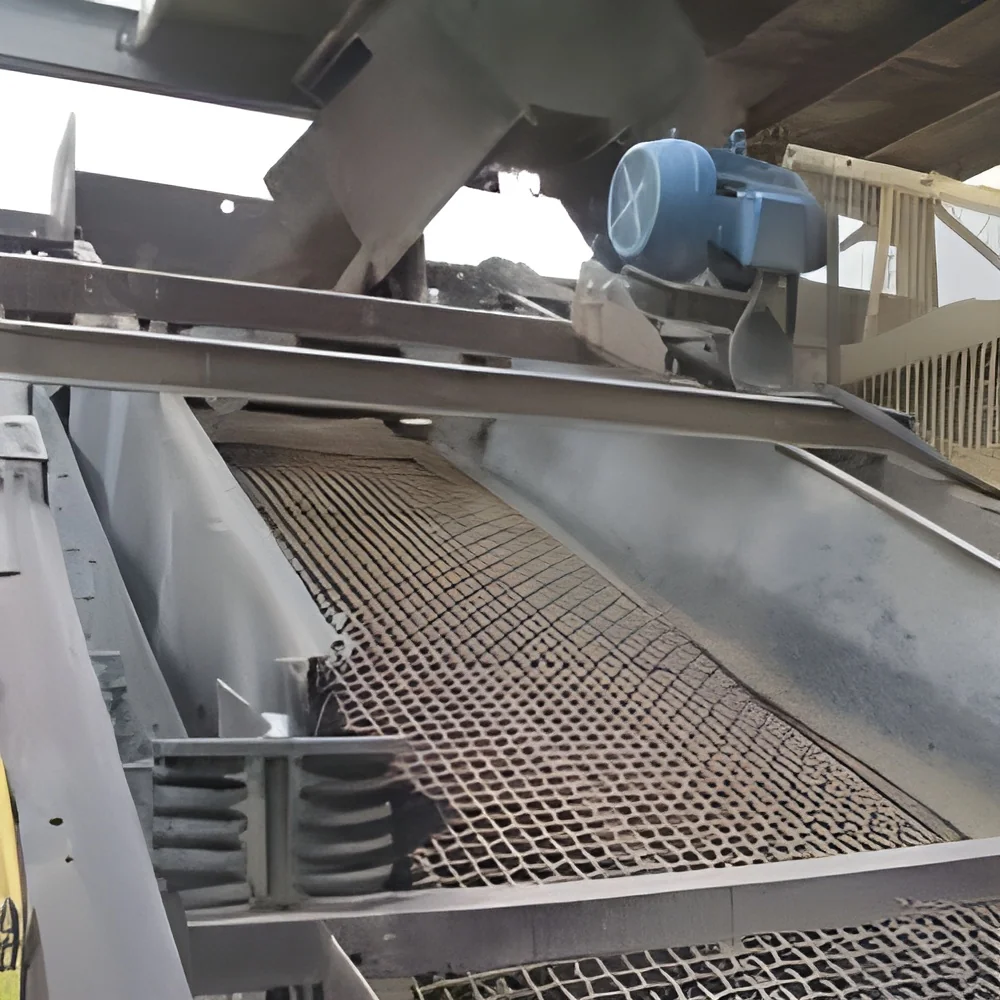
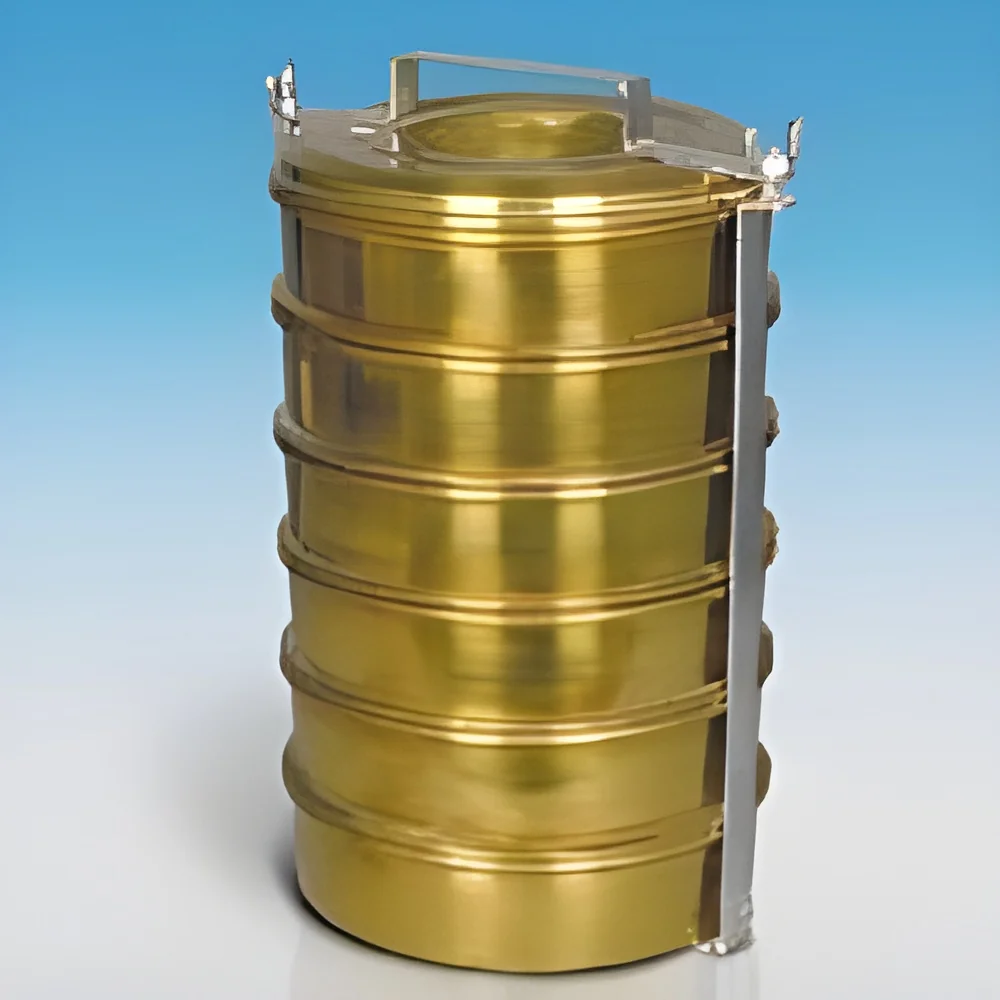
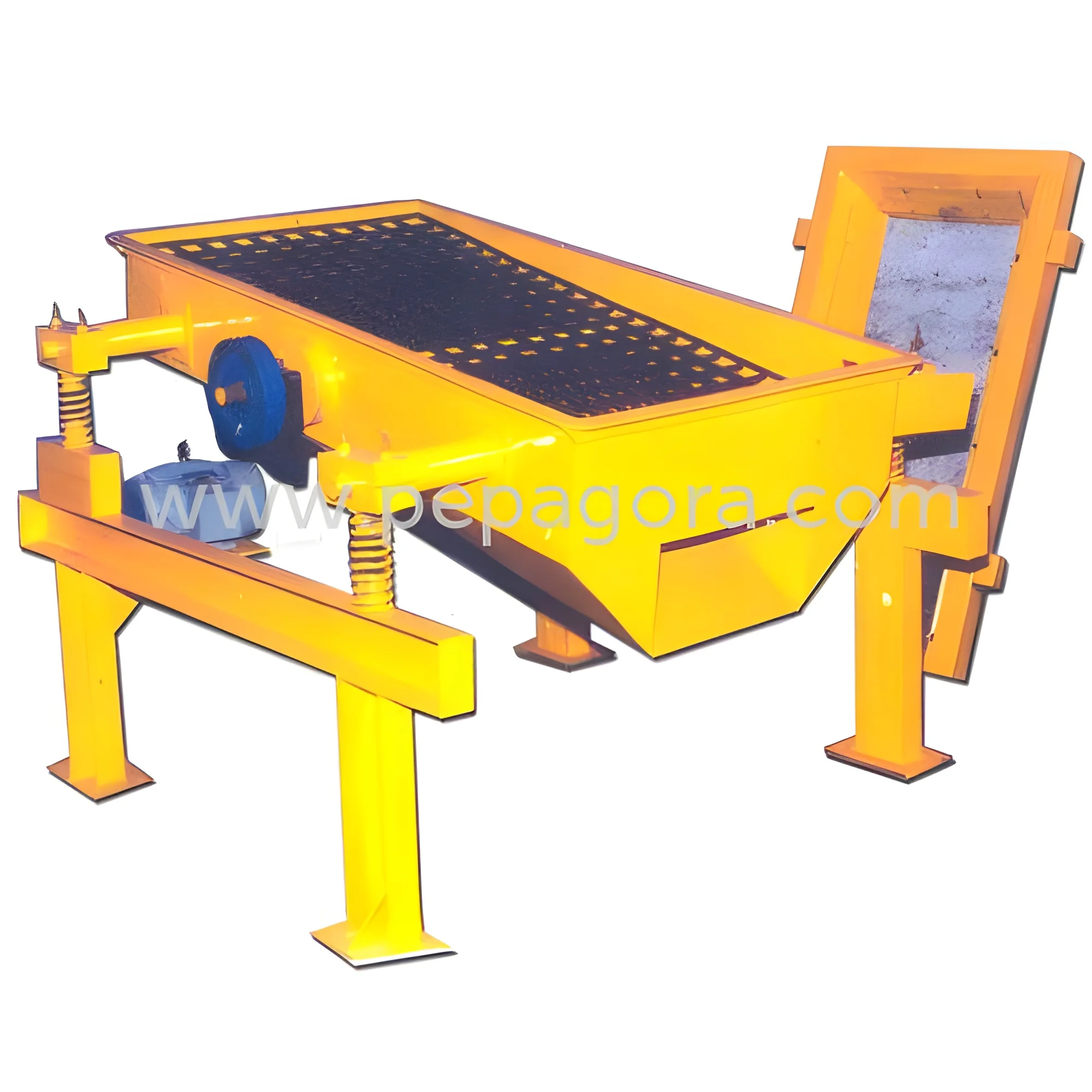
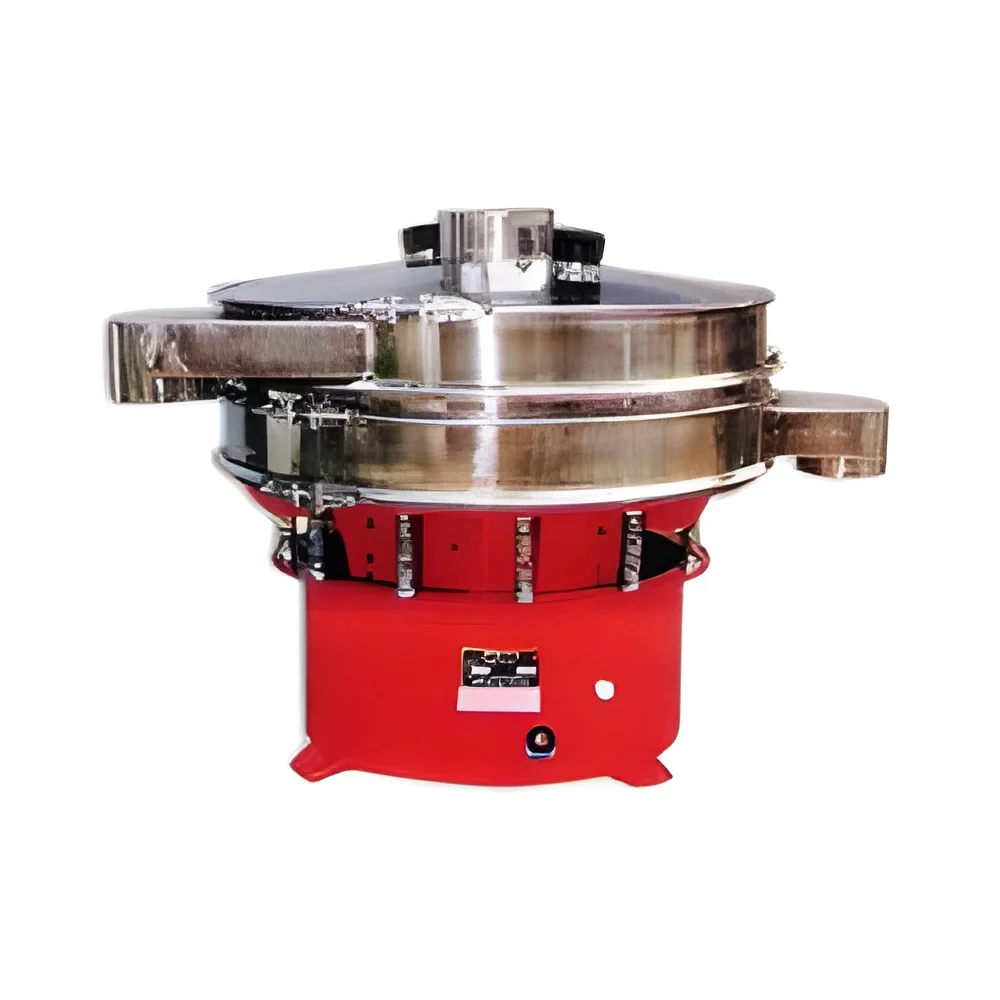
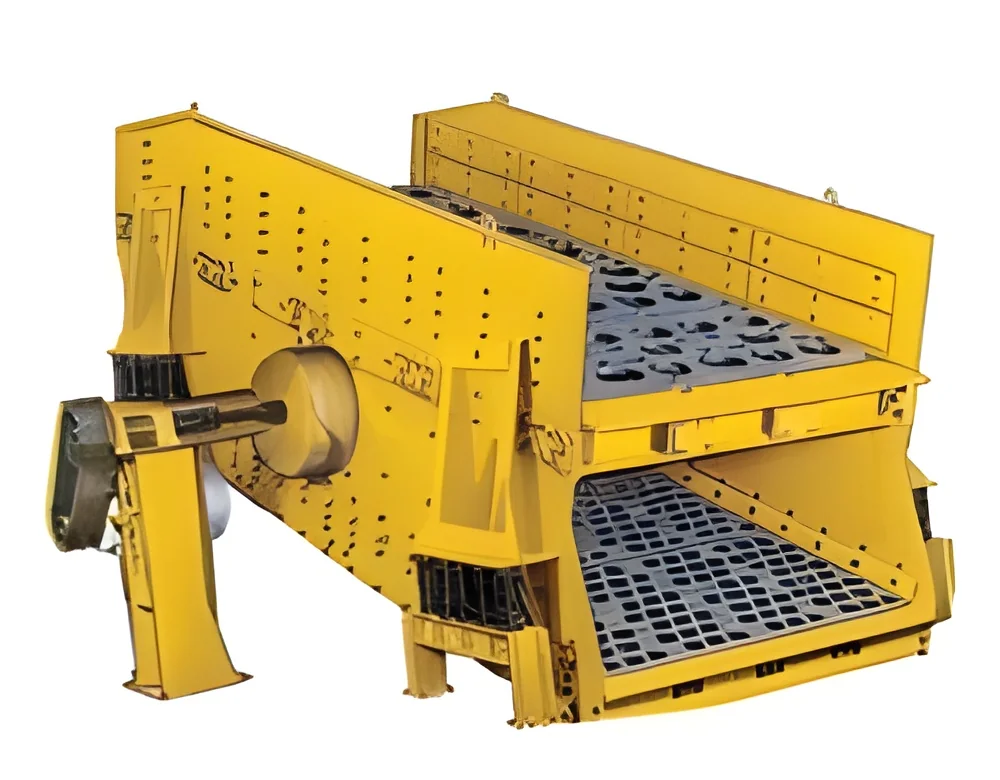
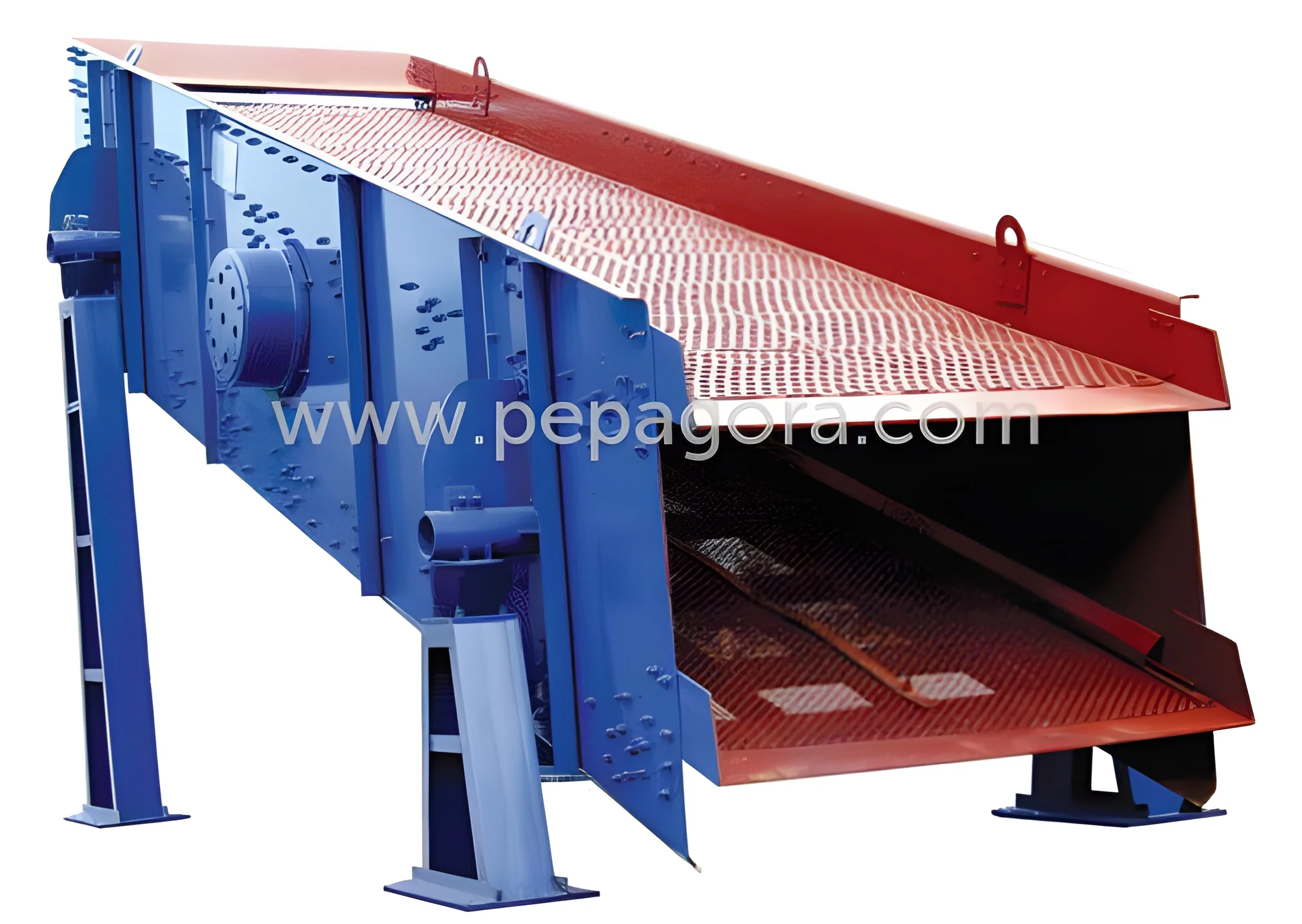
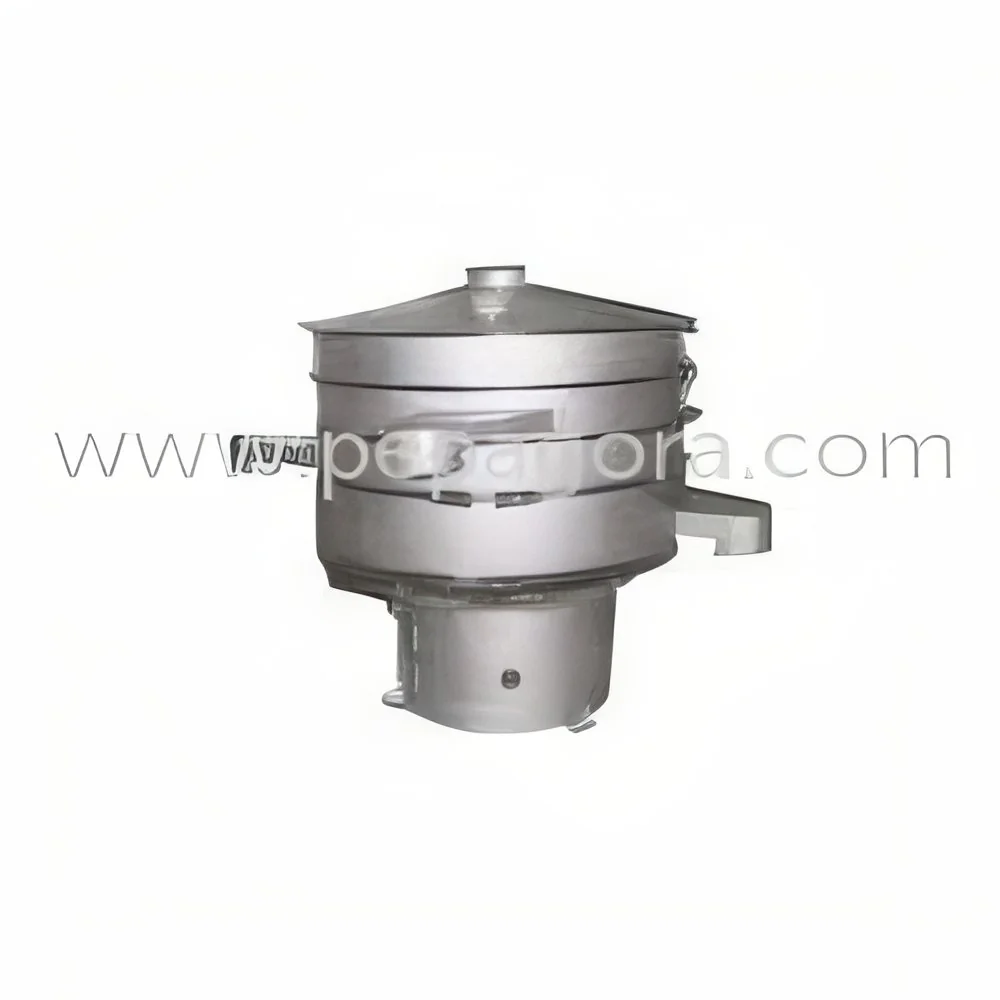
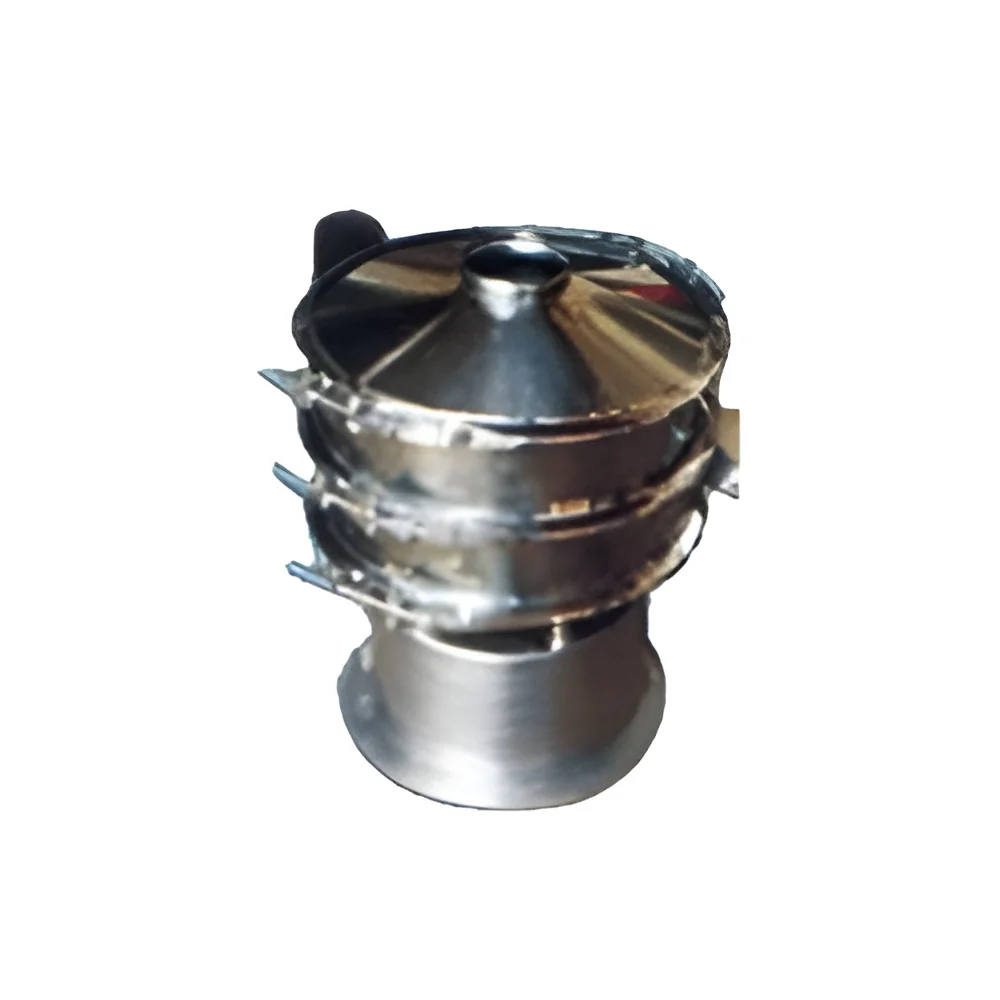
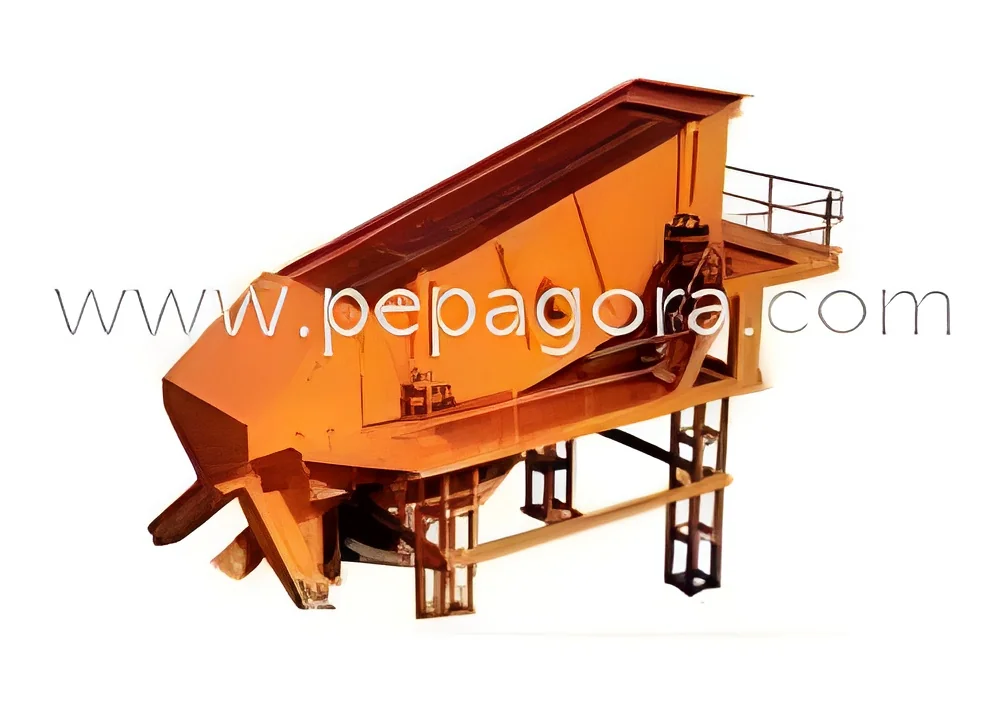
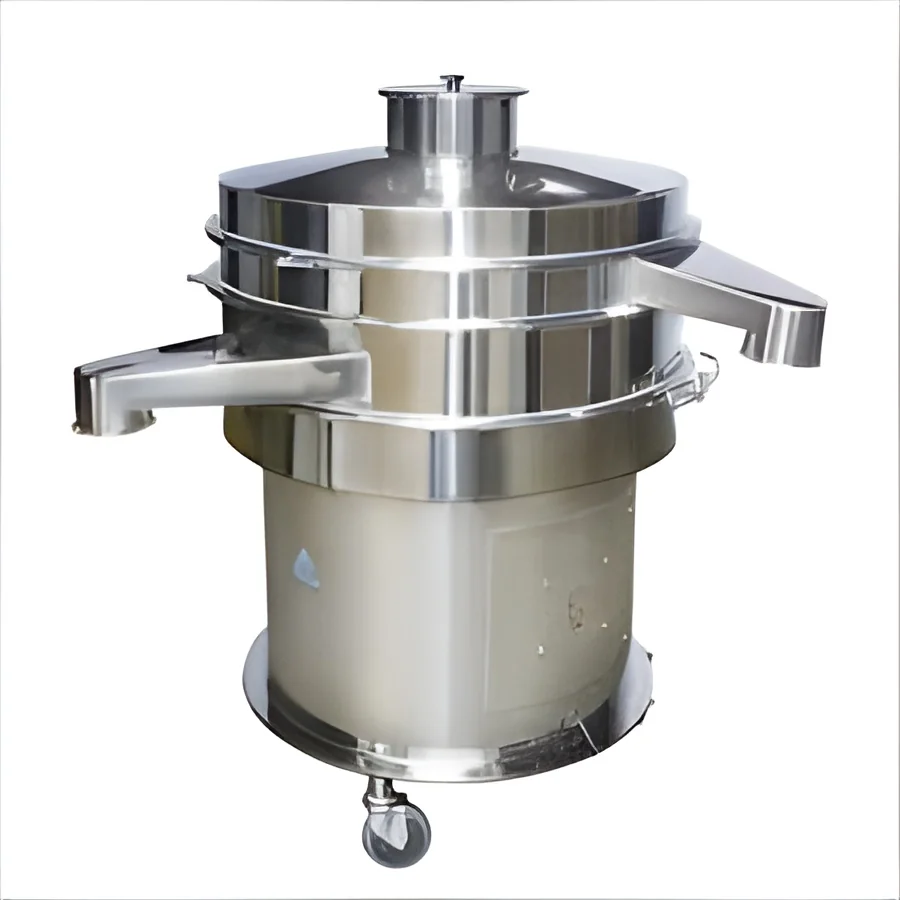
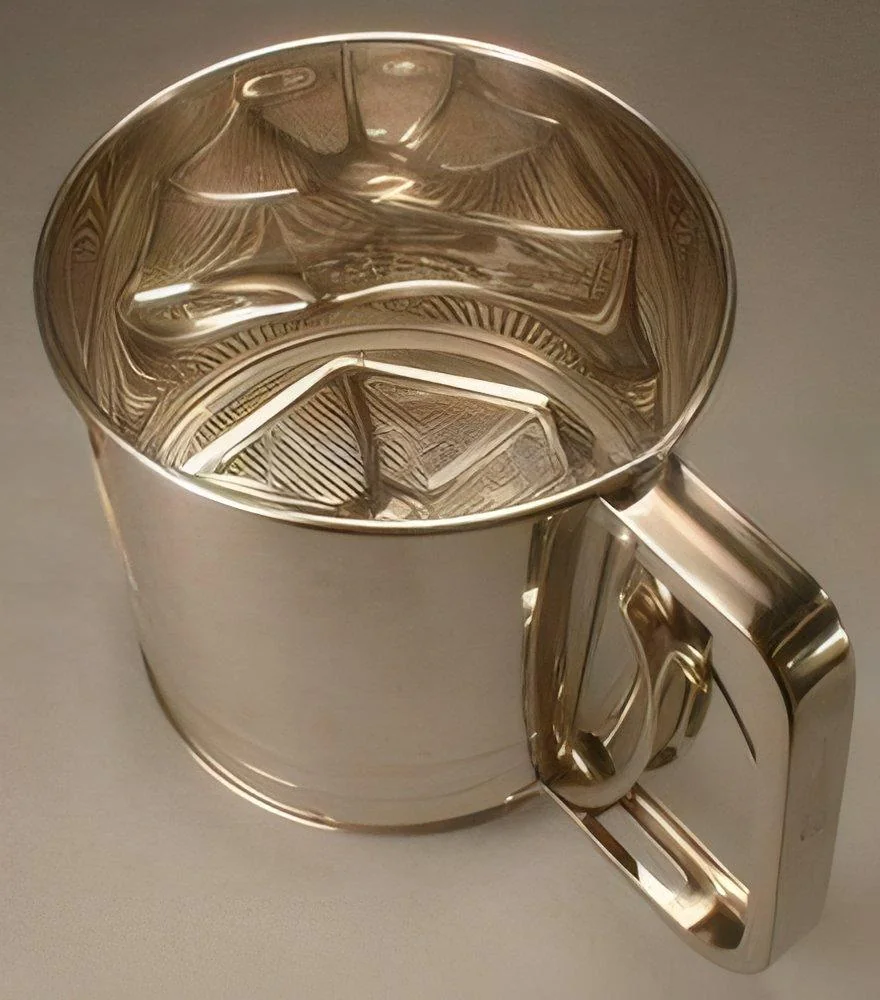
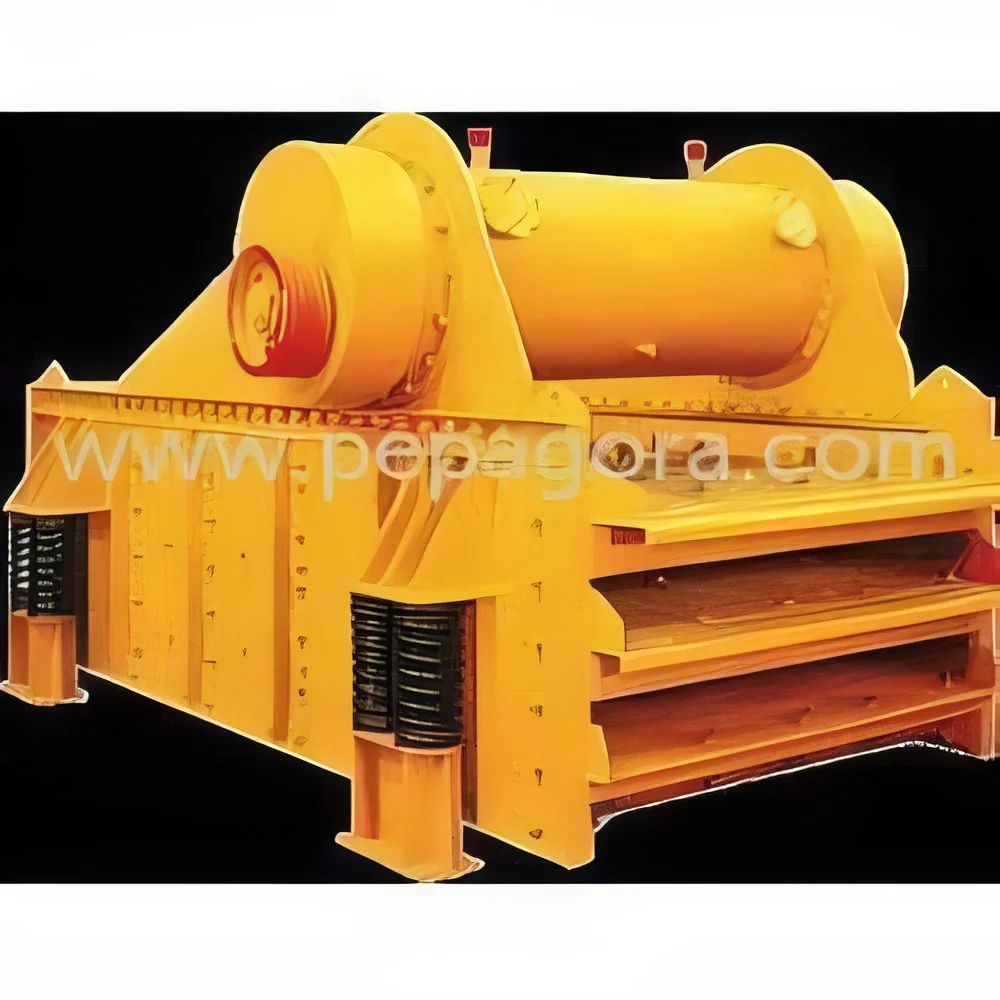
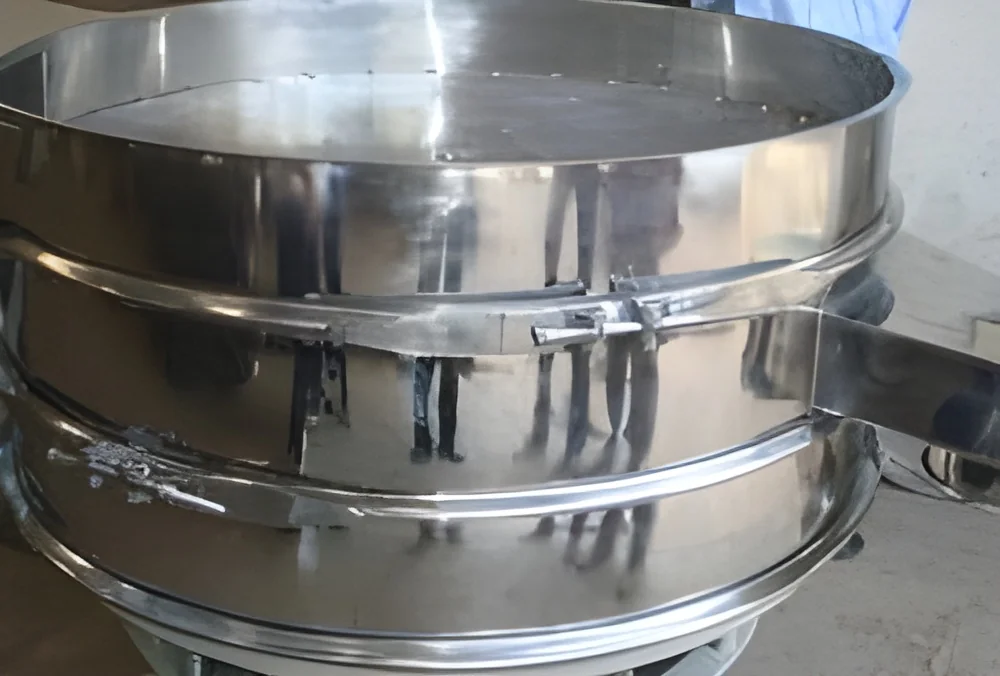
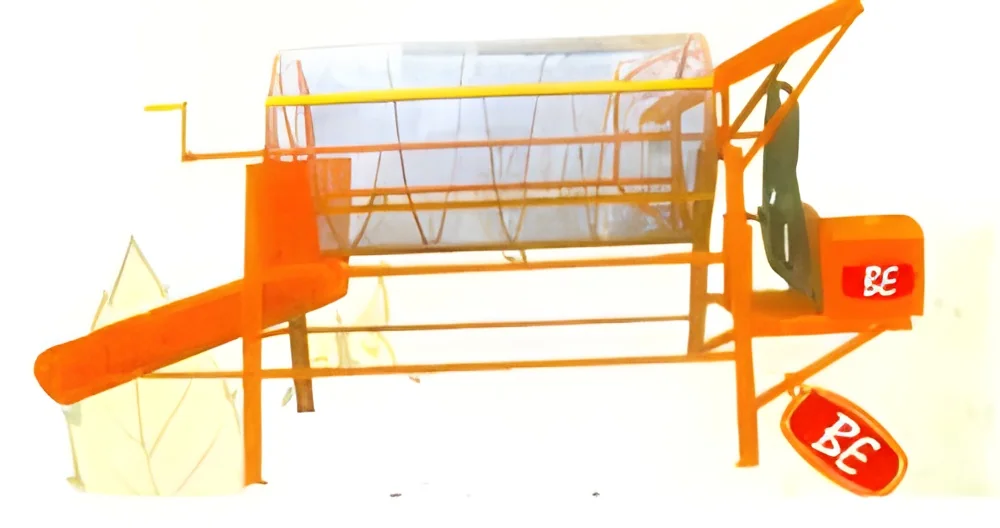
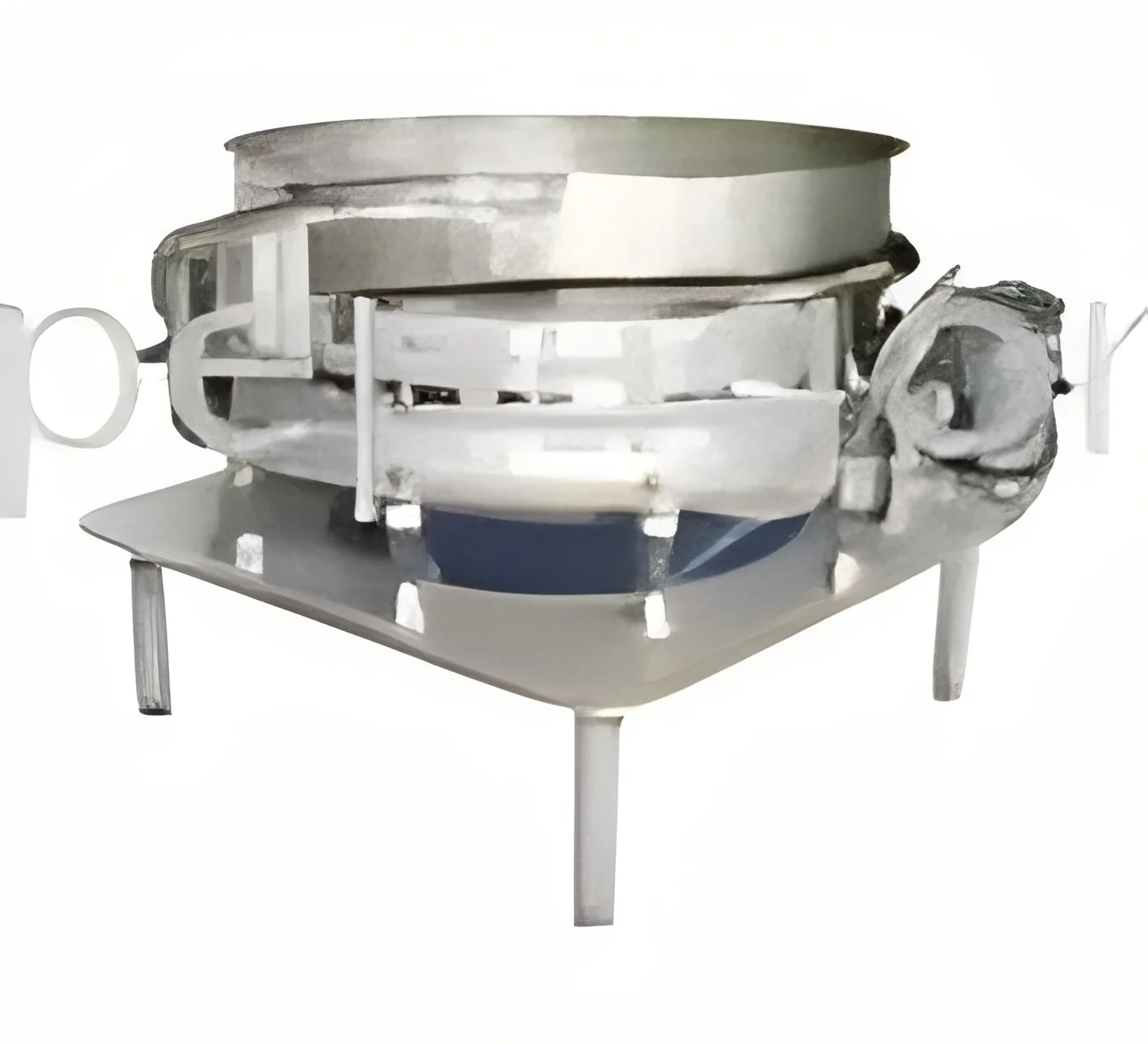
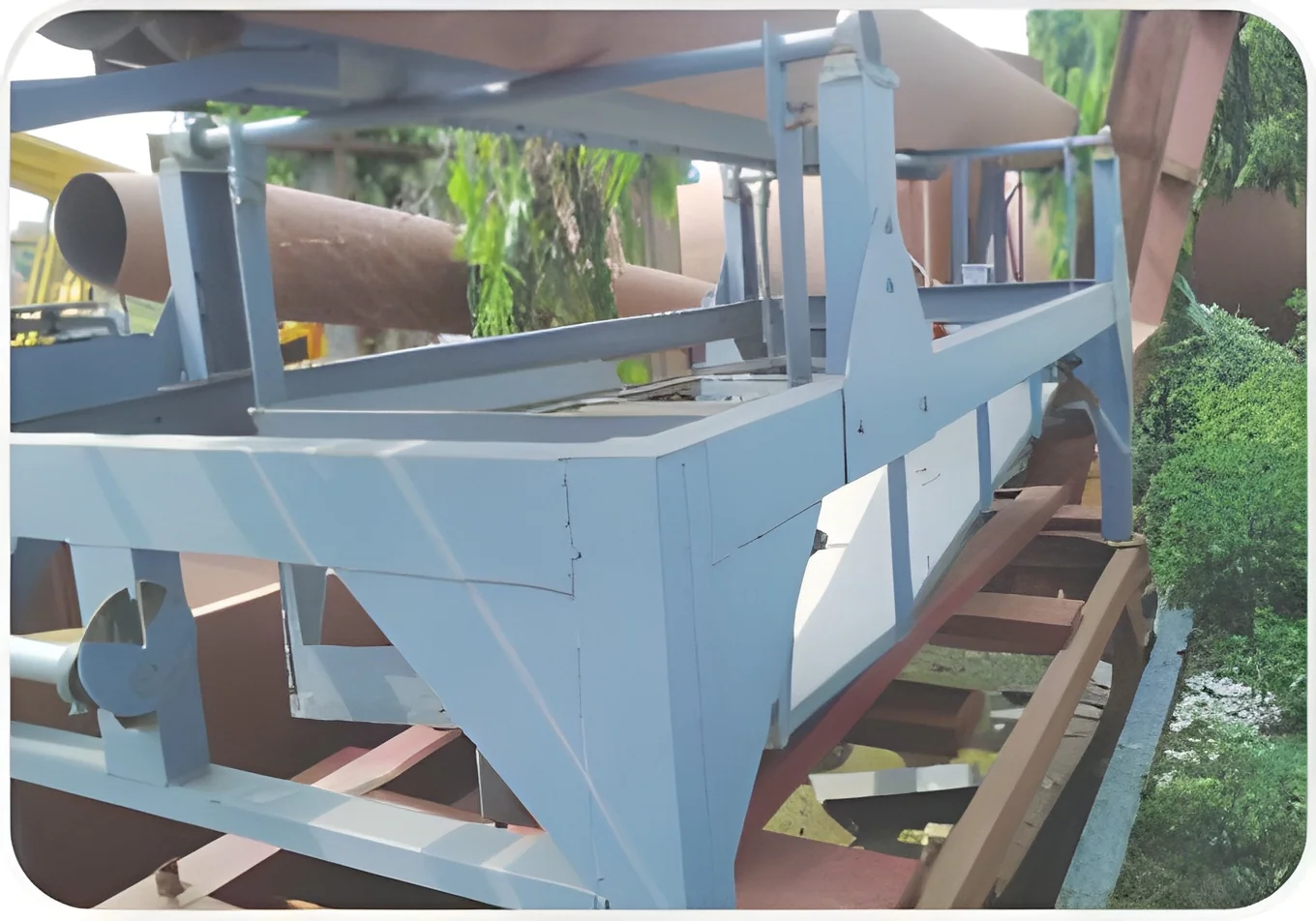
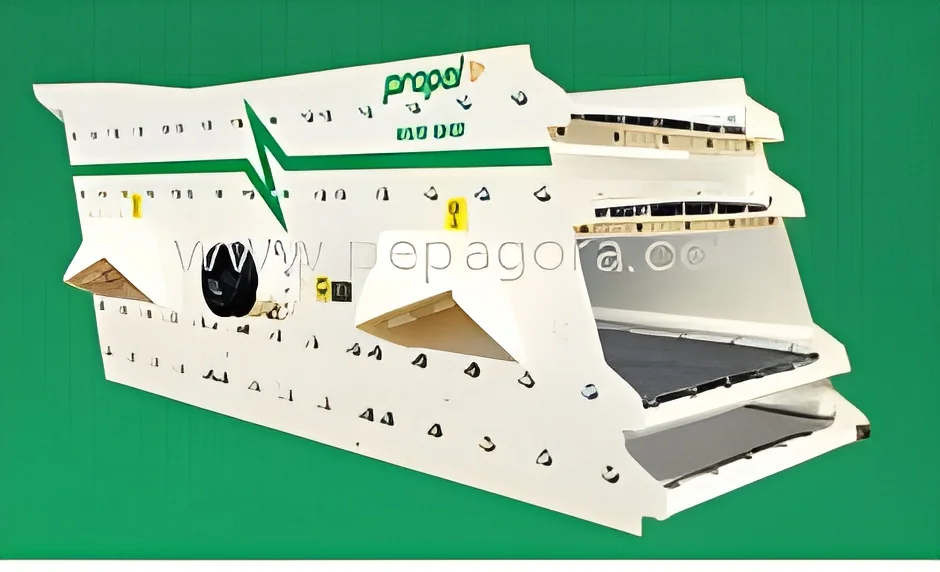
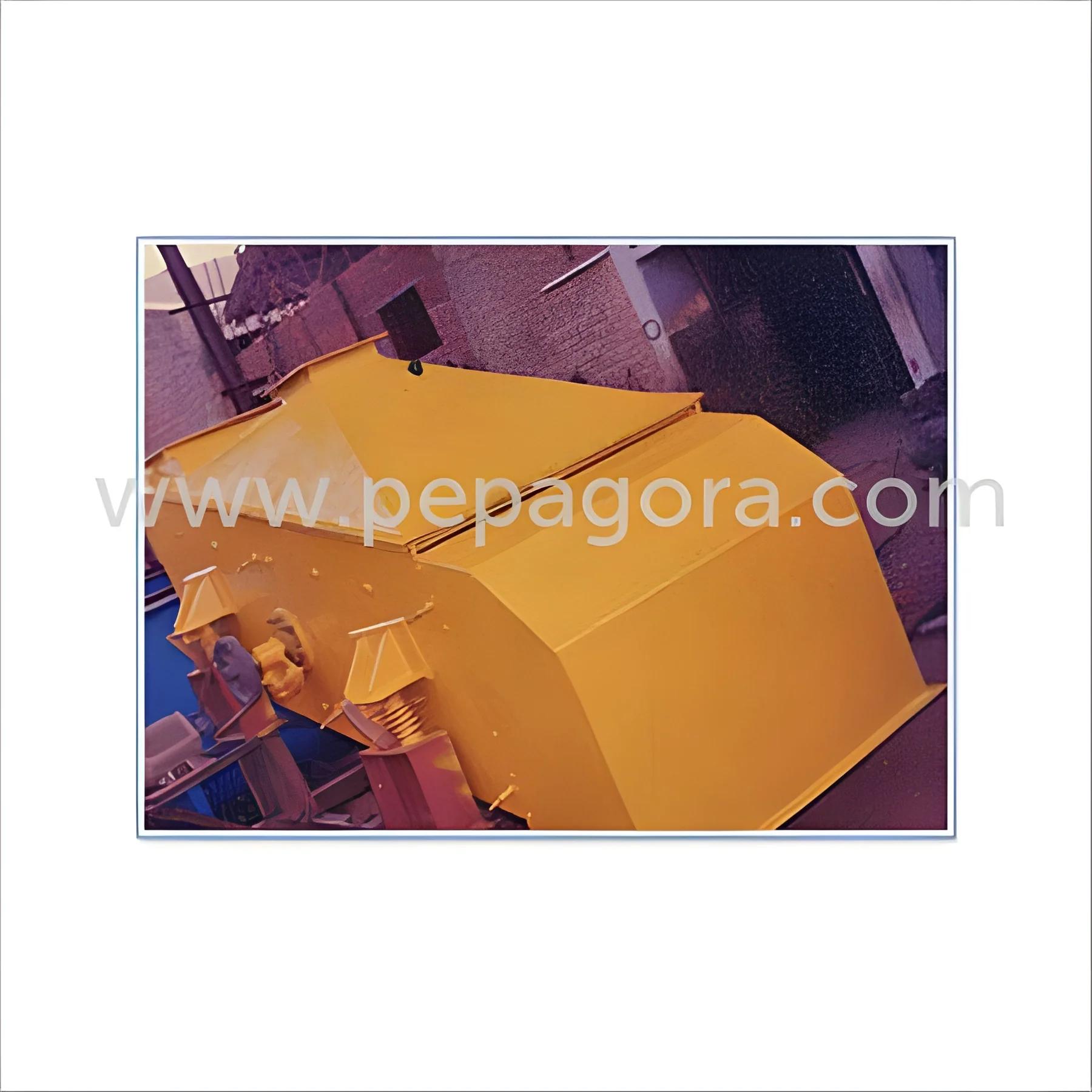
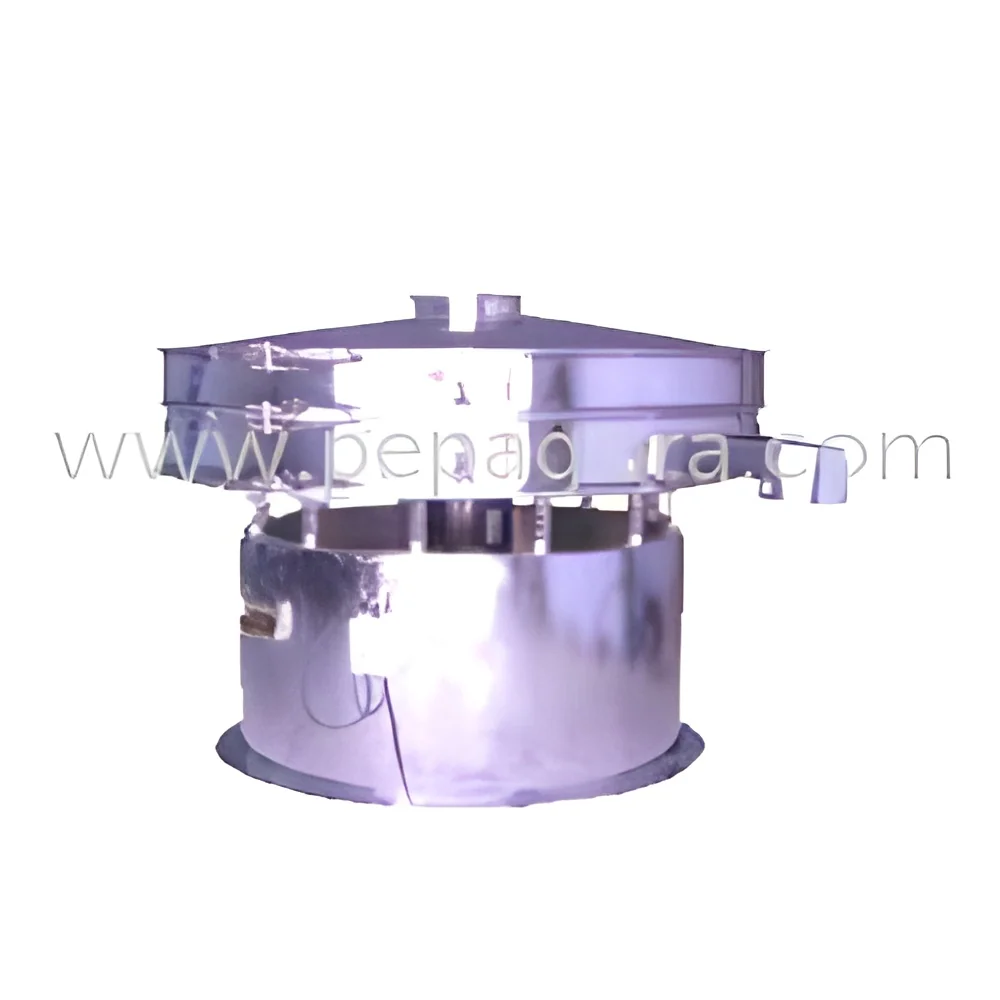
What are Vibrating Screens?
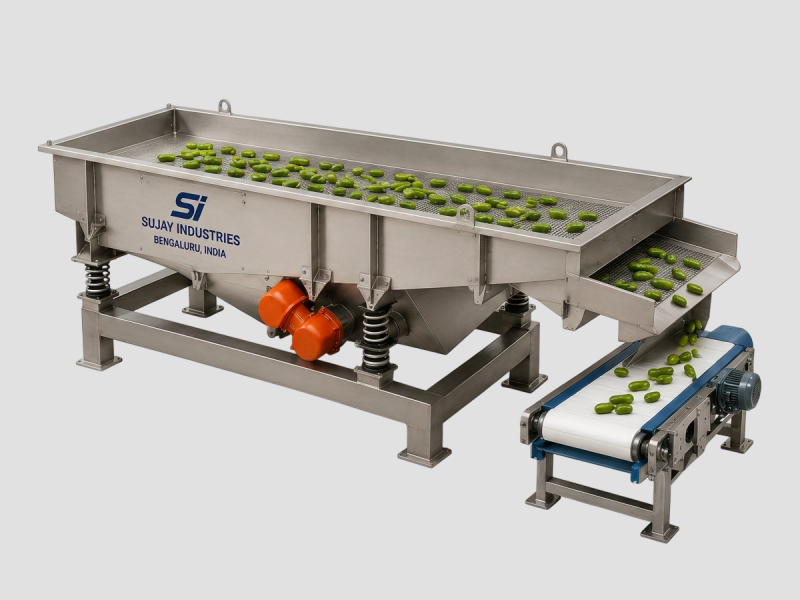
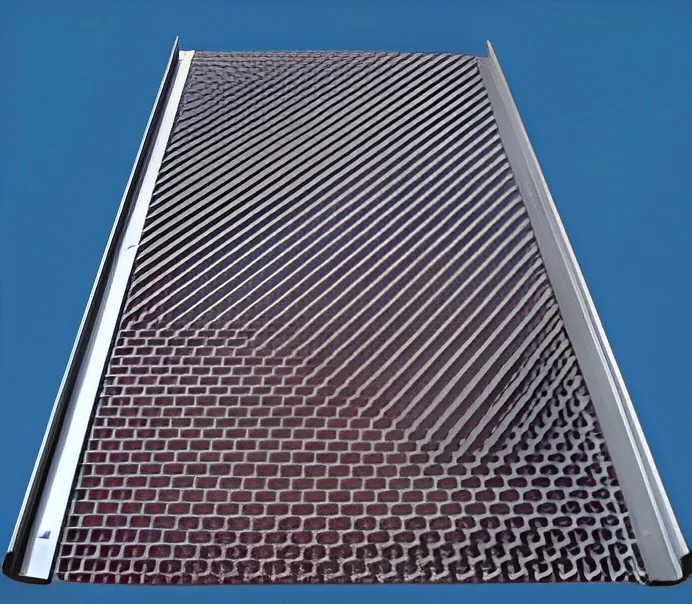
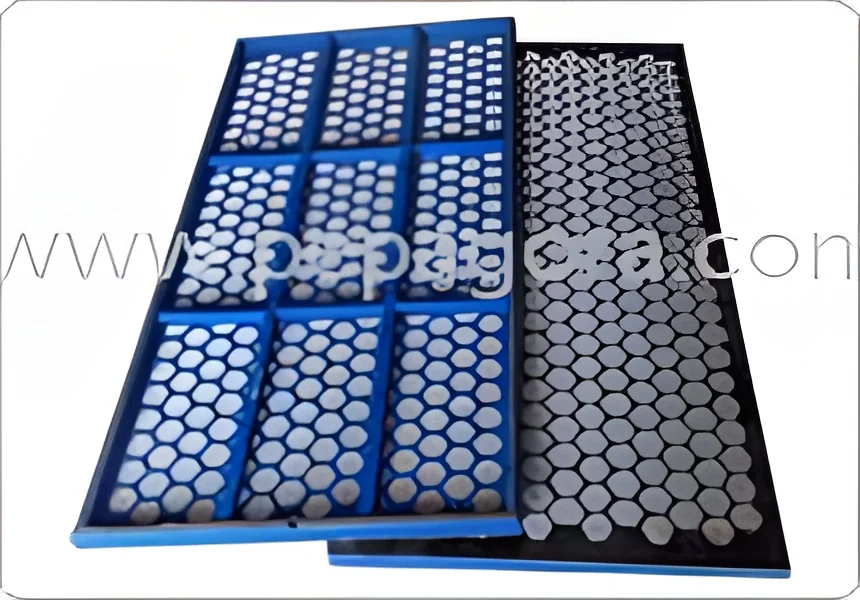
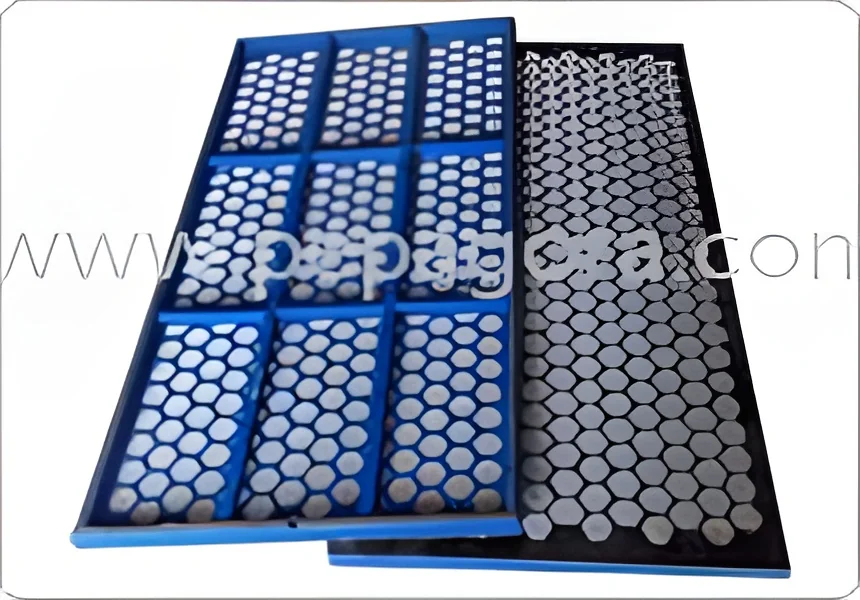
Vibrating screens are essential equipment in the separation and classification of materials across various industries. They work by utilizing vibration mechanisms to segregate different sizes of particles in bulk materials. The vibration action is typically generated by electric motors or exciters, which create a movement that facilitates the screening process. This equipment can handle a wide range of materials, making it a versatile solution for many industrial applications.
In terms of business applications, vibrating screens are commonly used in mining, construction, recycling, and food processing industries. They help in sorting, sifting, and filtering materials, ensuring that only the desired size and quality of product moves forward in the production process. The importance of vibrating screens extends to their ability to enhance operational efficiency, reduce waste, and improve product quality, making them a critical component in many production lines.
The relevance of vibrating screens in today's market is underscored by the growing demand for efficient material handling solutions. As industries continue to focus on optimizing processes and maximizing productivity, the role of vibrating screens is becoming increasingly vital. They are recognized not only for their functionality but also for their ability to adapt to the evolving needs of different sectors.
Key Features and Specifications
Vibrating screens come equipped with various features that enhance their performance and reliability. These features are crucial for ensuring efficient operation and longevity in demanding environments. The specifications of vibrating screens can vary based on the model and intended application, but some key specifications include:
1. Screen Size
- Available in multiple dimensions
- Typical sizes range from 1 meter to 3 meters in width
2. Frequency Range
- Determines the speed of vibration
- Standard frequencies range from 800 to 3000 vibrations per minute
3. Amplitude
- Refers to the extent of vibration
- Common amplitude values are between 2 mm and 10 mm
4. Material Construction
- Made from various materials such as stainless steel or carbon steel
- Corrosion-resistant options available for harsh environments
5. Deck Configuration
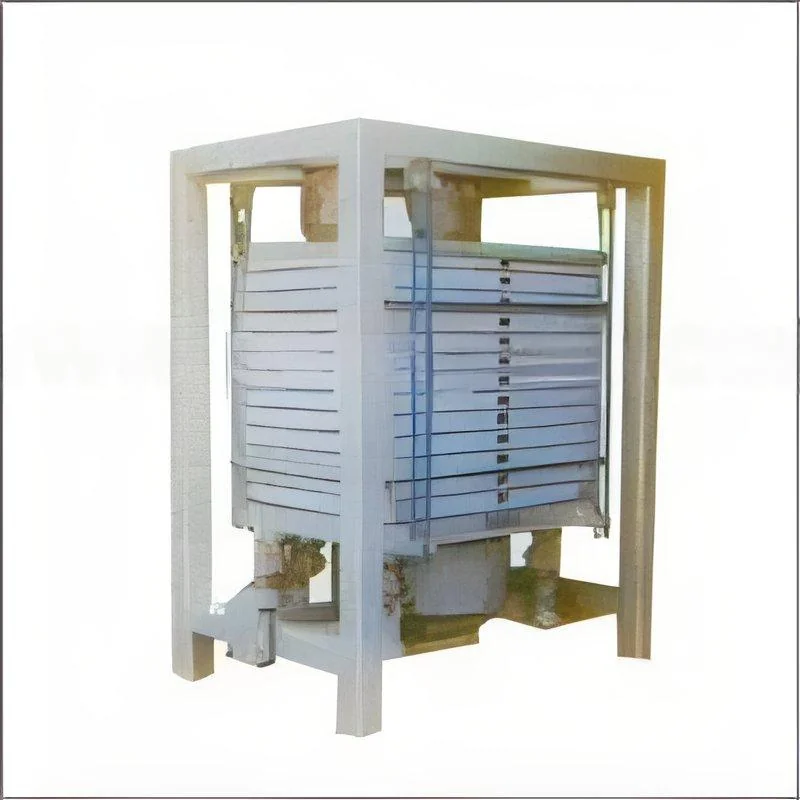
- Can be single or multi-deck designs
- Multi-deck configurations allow for multiple separations in one pass
6. Feed Capacity
- Indicates the amount of material the screen can process
- Capacities typically range from 20 tons to 100 tons per hour
7. Drive Mechanism
- Uses electric motors or hydraulic systems
- Choice of mechanism affects maintenance and operational efficiency
8. Compliance Standards
- Many vibrating screens meet international standards for safety and performance
- Certifications such as CE are commonly obtained
Vibrating screens are engineered to meet various operational needs while ensuring high standards of performance and safety.
Common Applications and Use Cases
Vibrating screens are utilized across diverse industries due to their versatility and effectiveness in material processing.
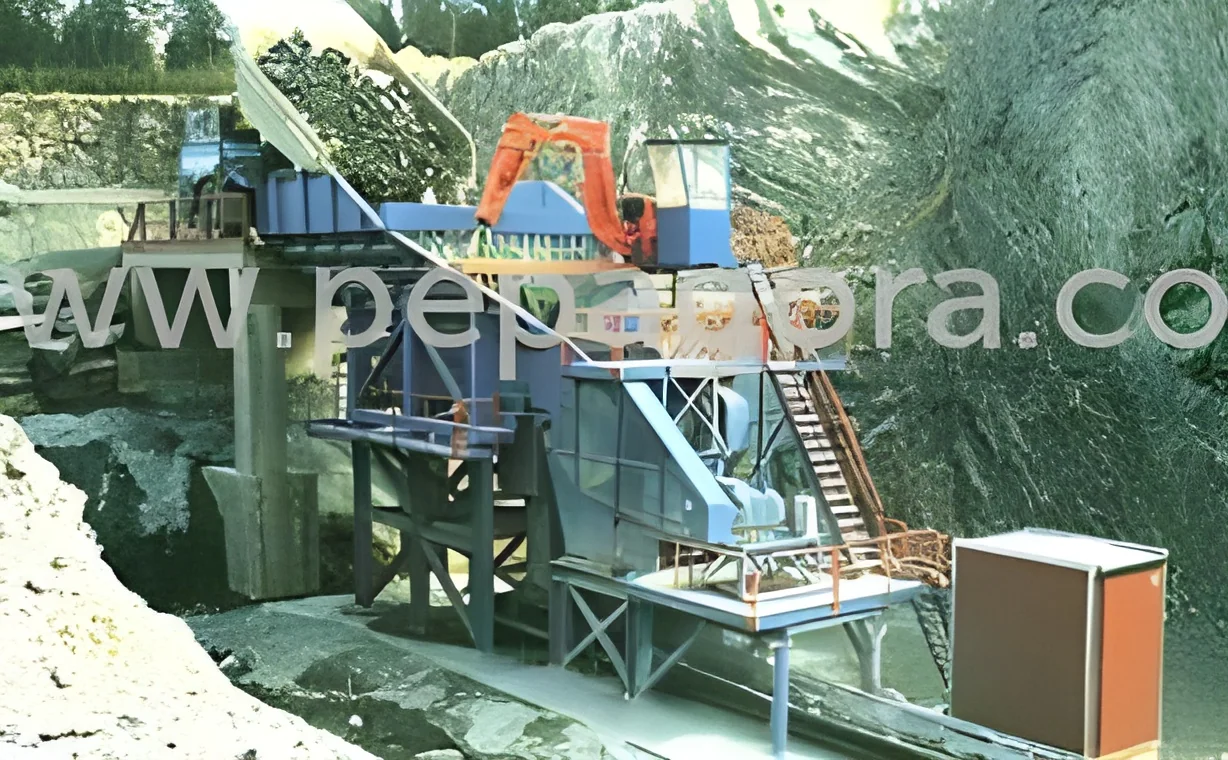
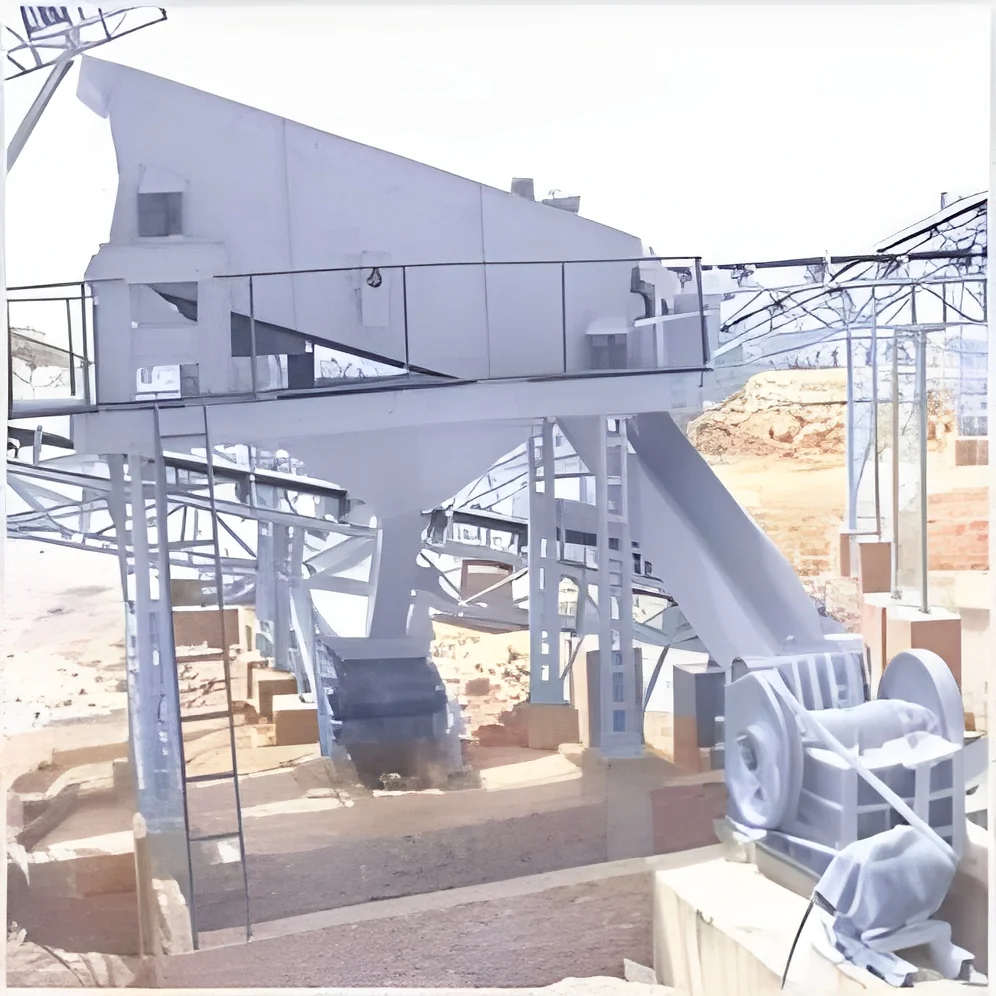
1. Mining: In the mining sector, vibrating screens are used for separating ores, minerals, and other materials. They enable the efficient sorting of materials based on size, ensuring optimal recovery rates.
2. Construction: In construction, vibrating screens are employed to sift through sand, gravel, and other aggregates. This helps in producing high-quality concrete and asphalt mixtures.
3. Recycling: The recycling industry uses vibrating screens for sorting mixed recyclables. They assist in separating valuable materials from waste, enhancing recycling efforts and efficiency.
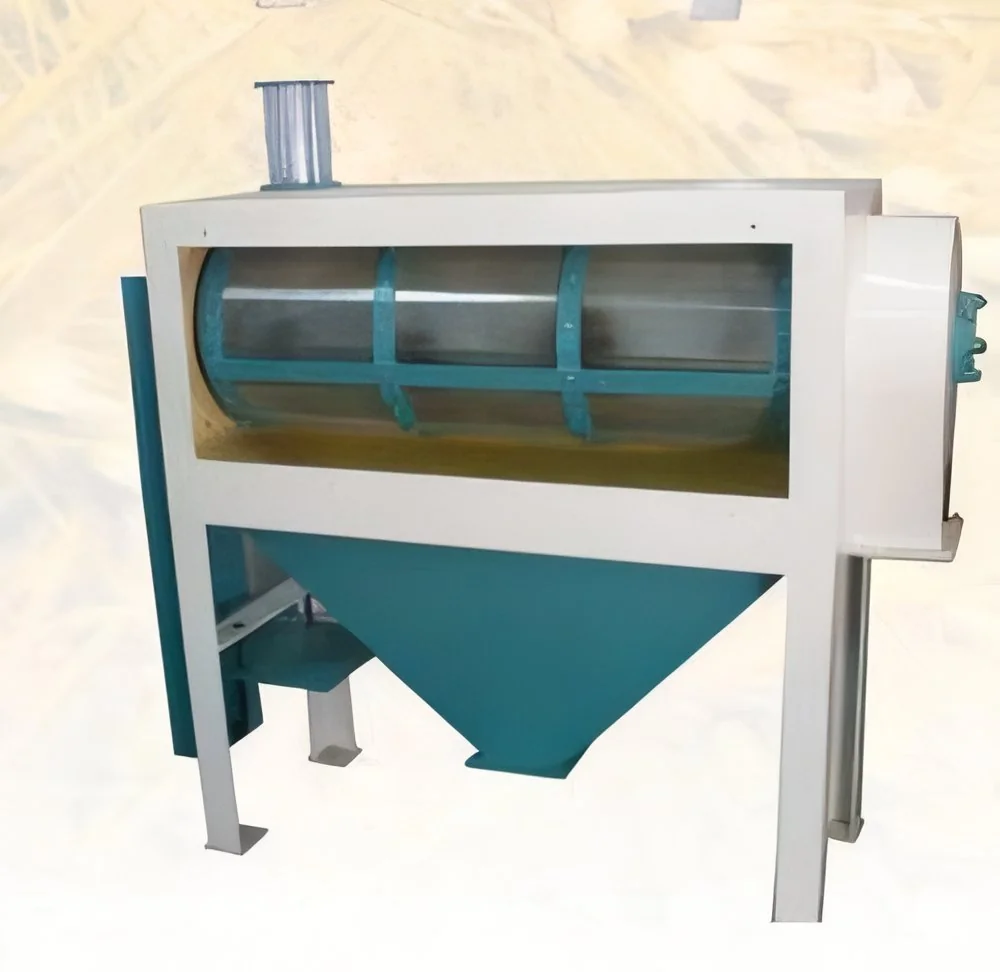
4. Food Processing: In the food industry, vibrating screens are vital for sorting grains, powders, and other food ingredients. They ensure that only the best quality materials are processed.
5. Chemical Processing: Vibrating screens are used in chemical plants to separate different chemical compounds. This ensures the purity and quality of the final products.
6. Pharmaceuticals: In pharmaceutical manufacturing, these screens help in the classification of powders and granules, ensuring accurate dosing and consistency in production.
7. Agriculture: Vibrating screens are utilized in agriculture for seed cleaning and sorting. This process helps in improving crop quality and yield.
Product Variants and Subcategories
Vibrating screens are available in various designs tailored to meet specific industry requirements.
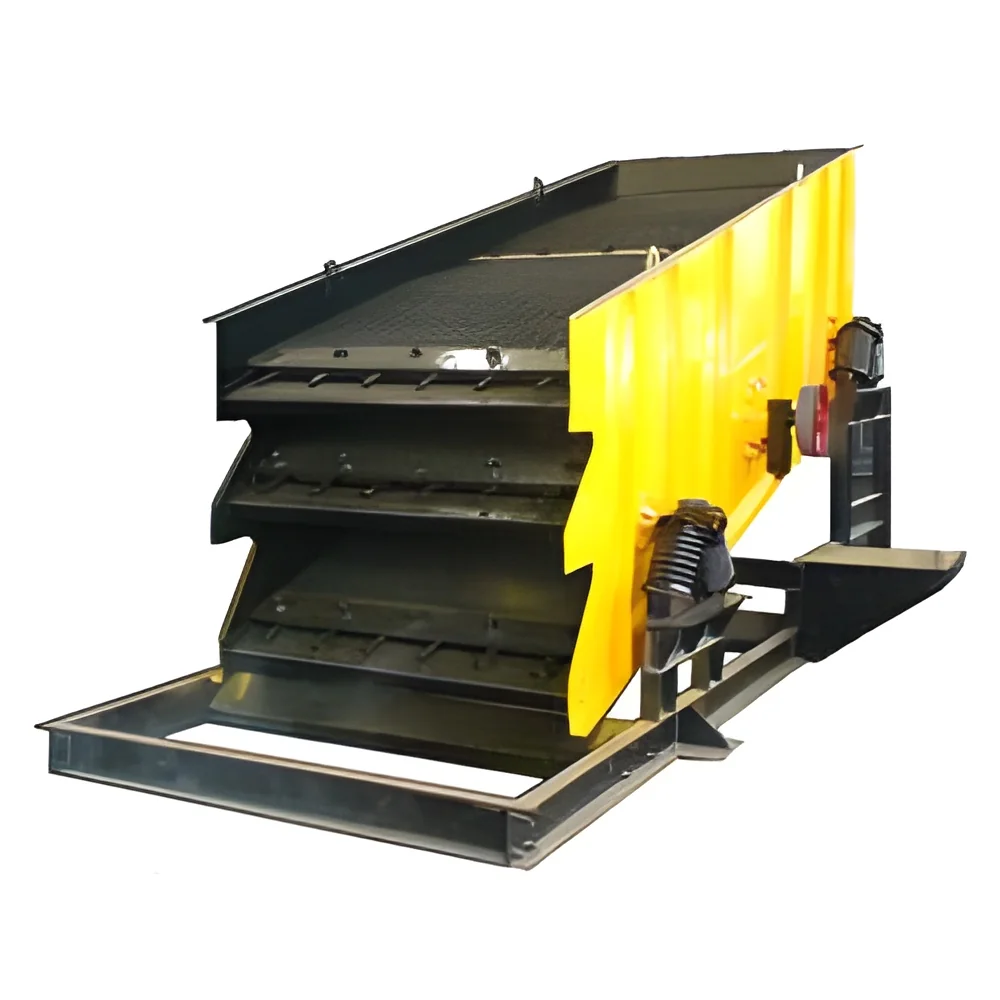
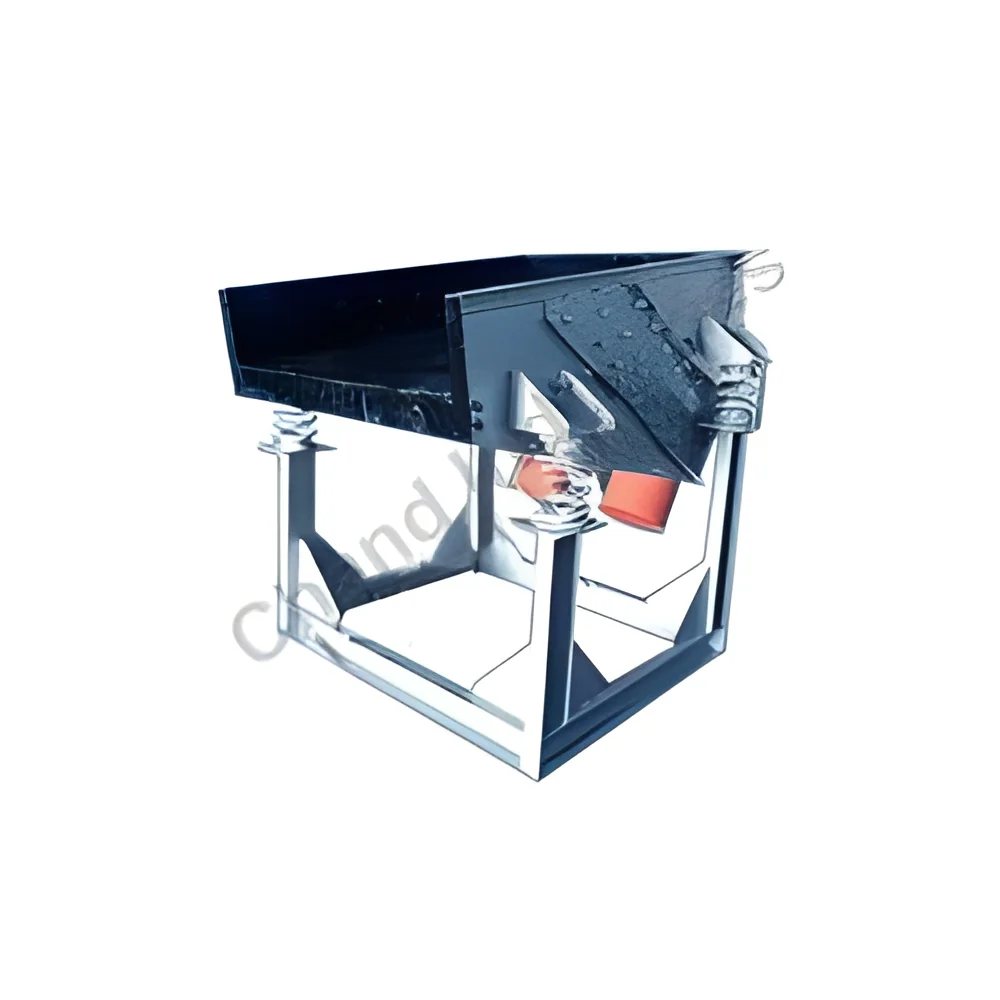
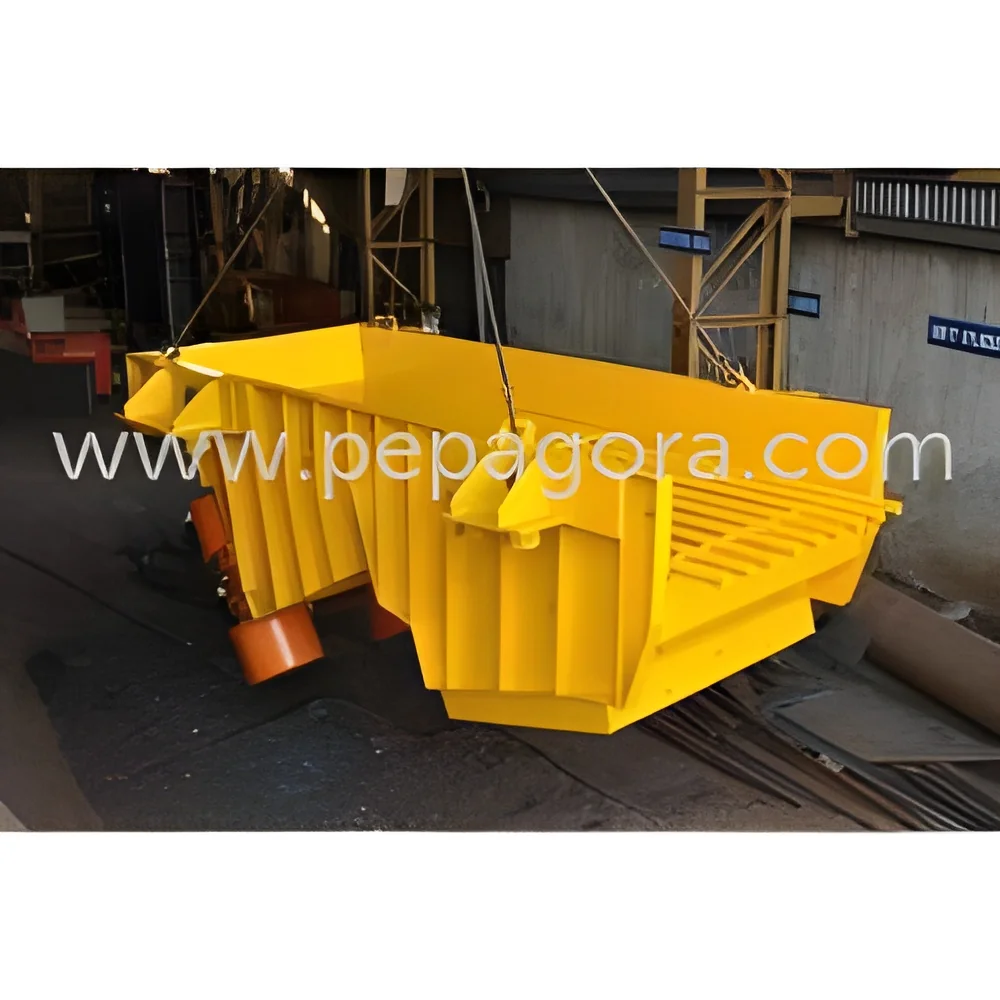
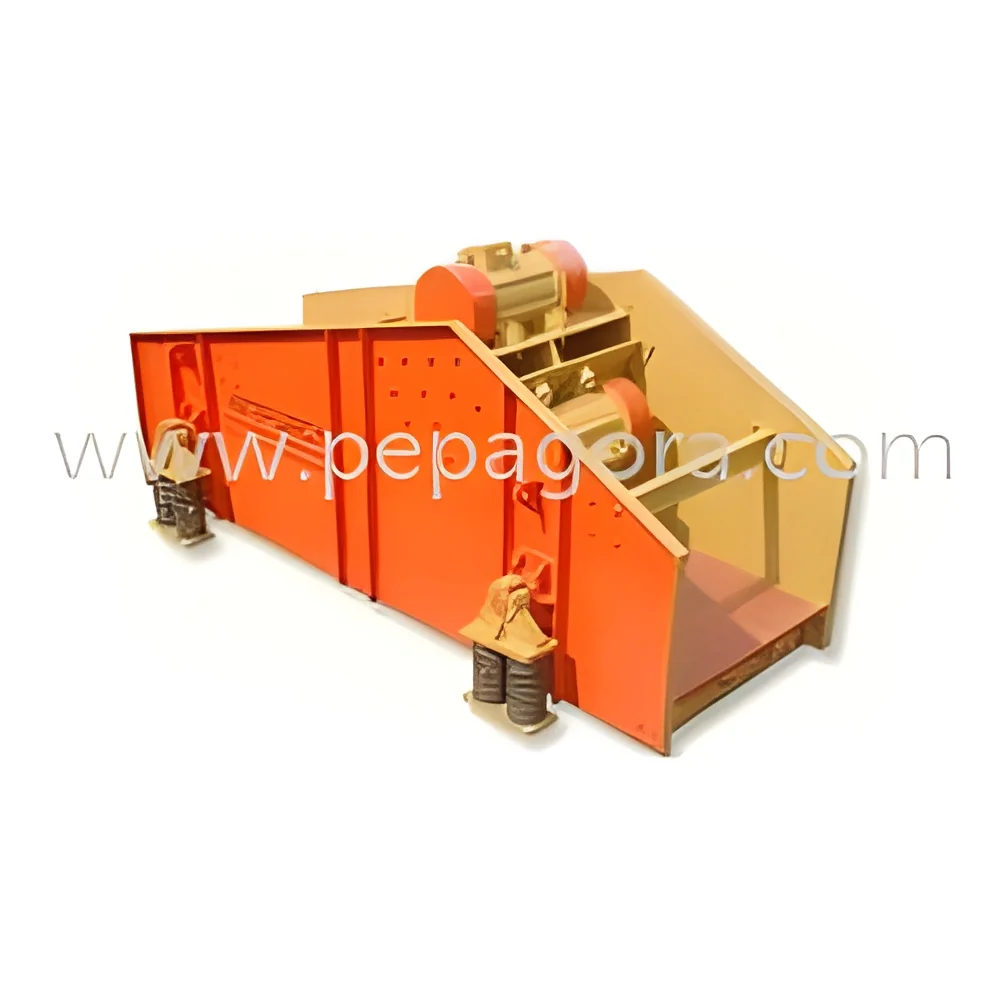
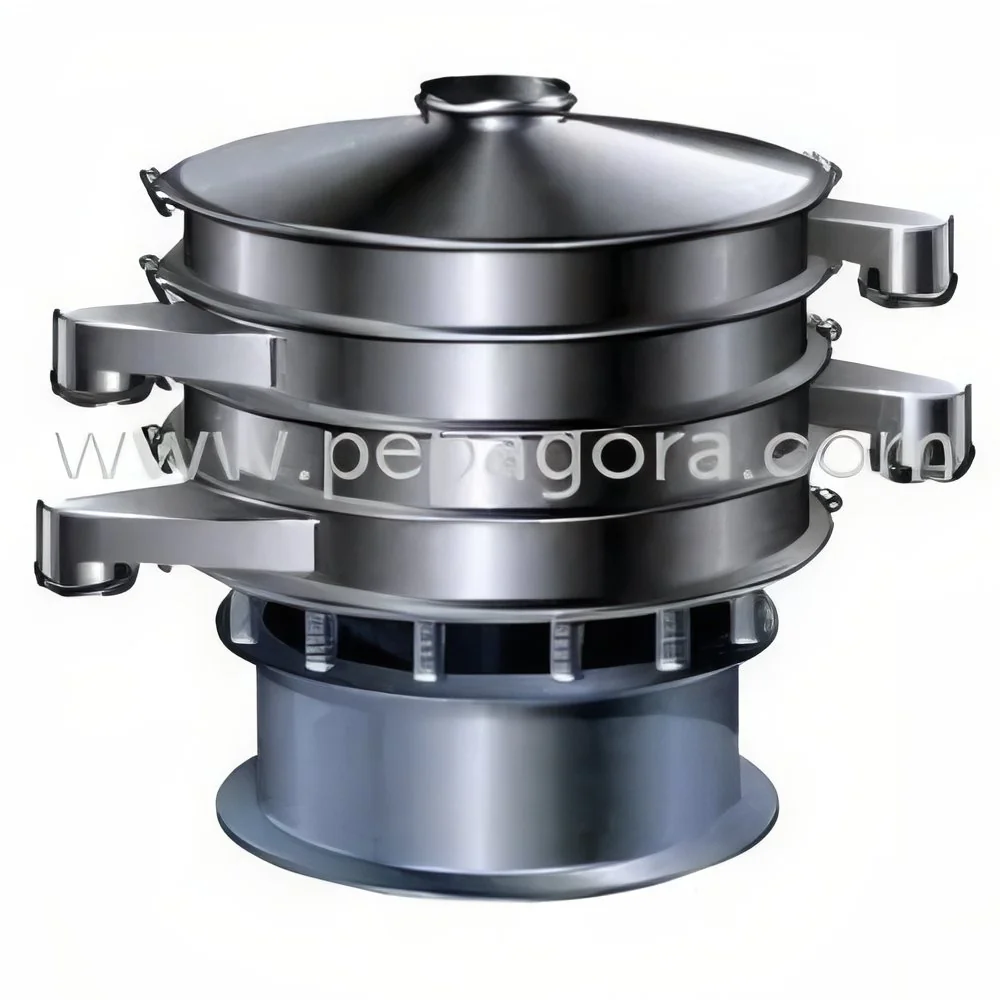
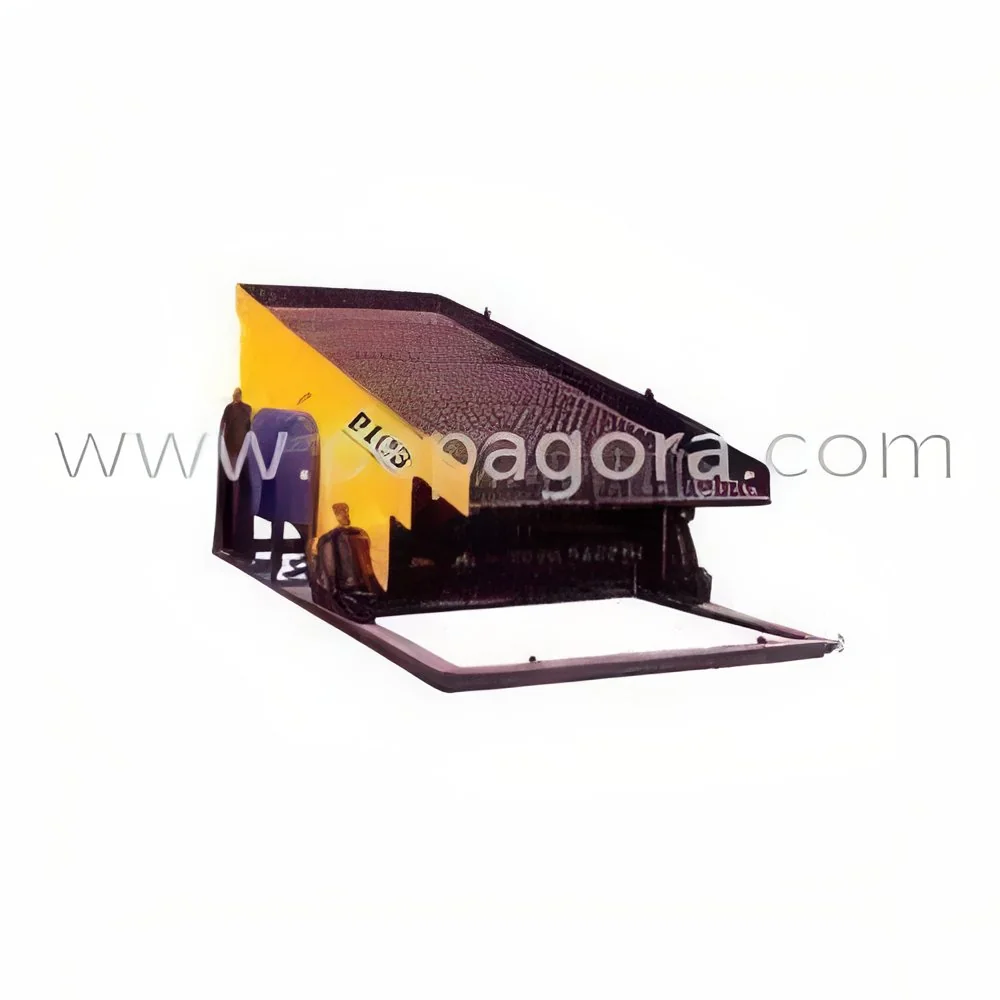
Linear Vibrating Screens
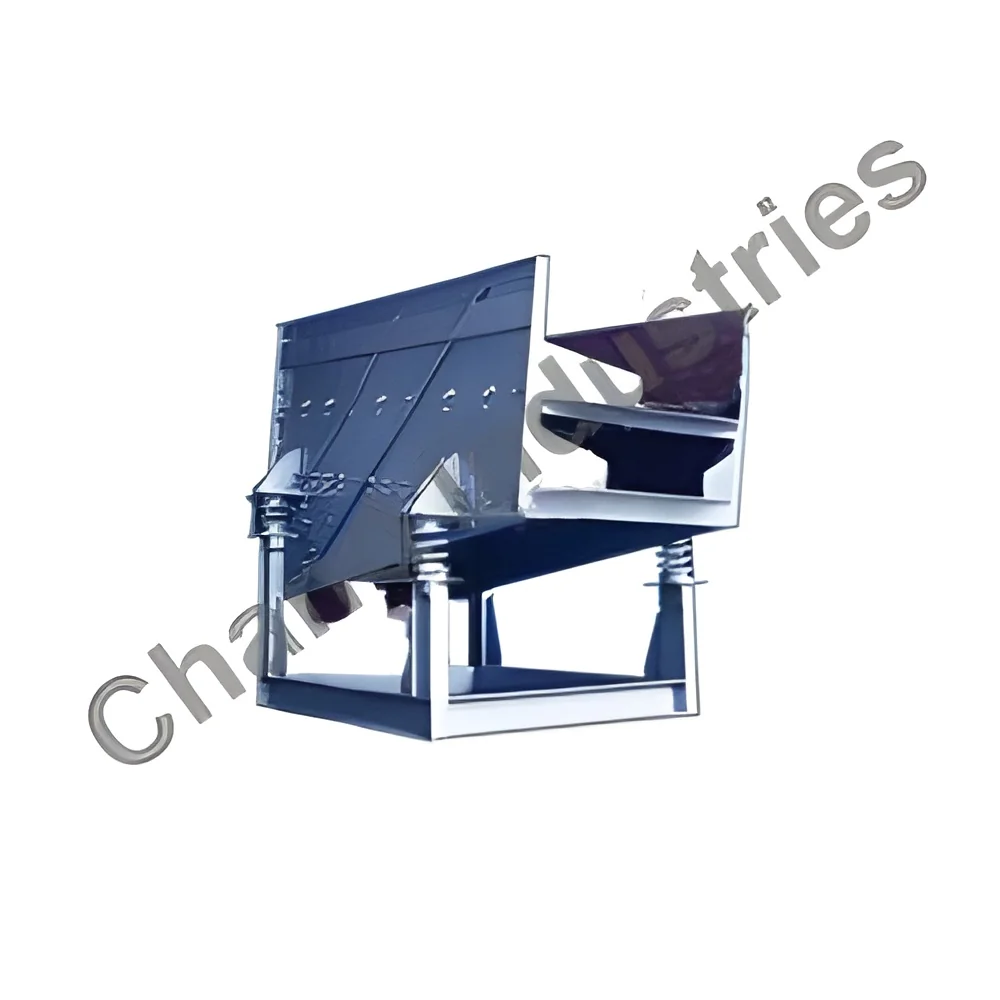
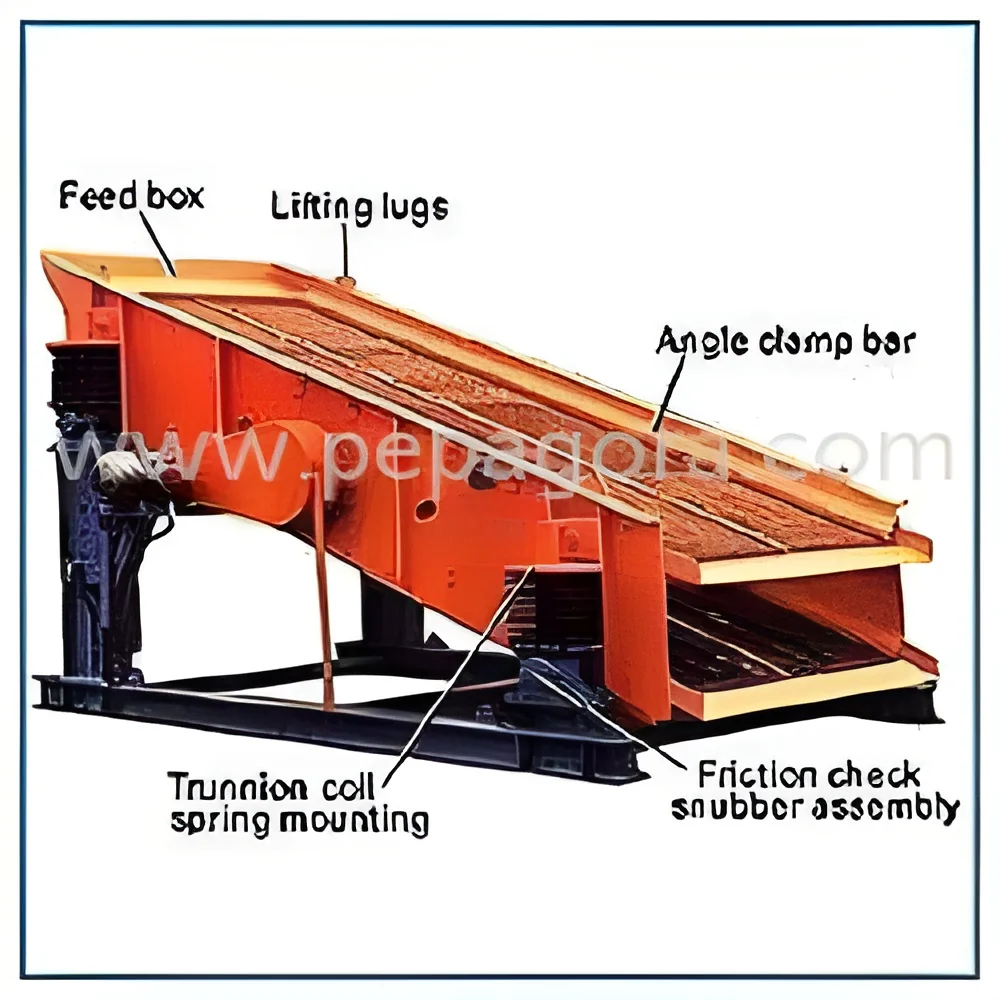
These screens use linear motion to separate materials. They are ideal for handling dry, granular, and powdered materials, providing precise separation and high efficiency.
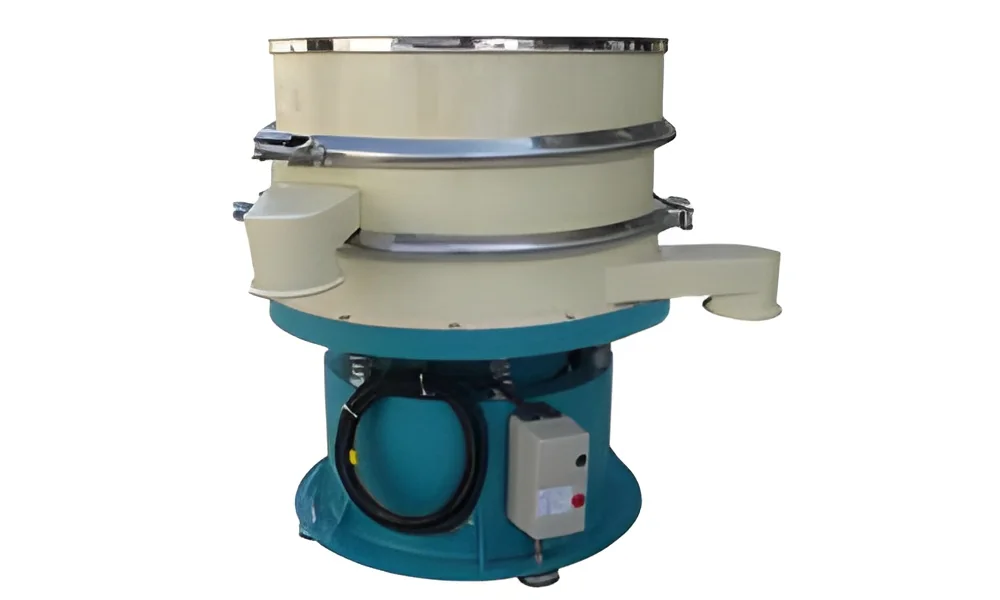
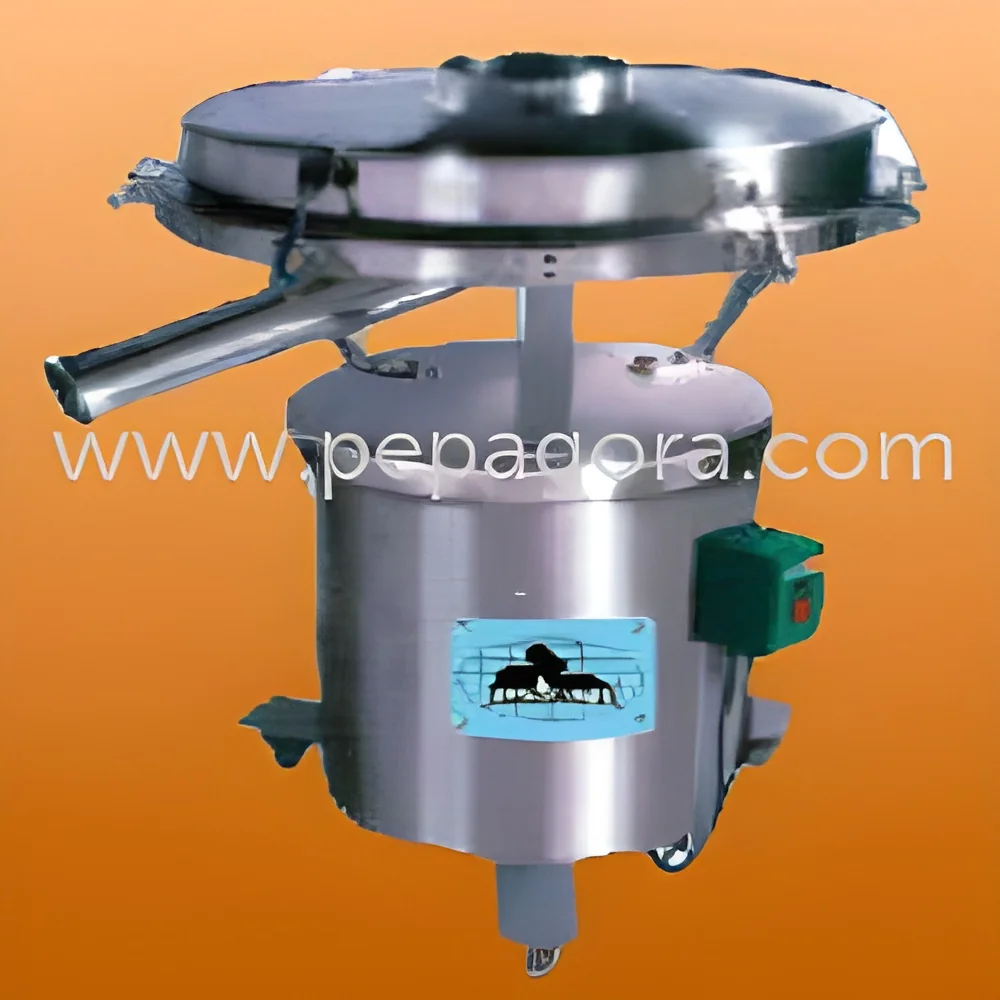
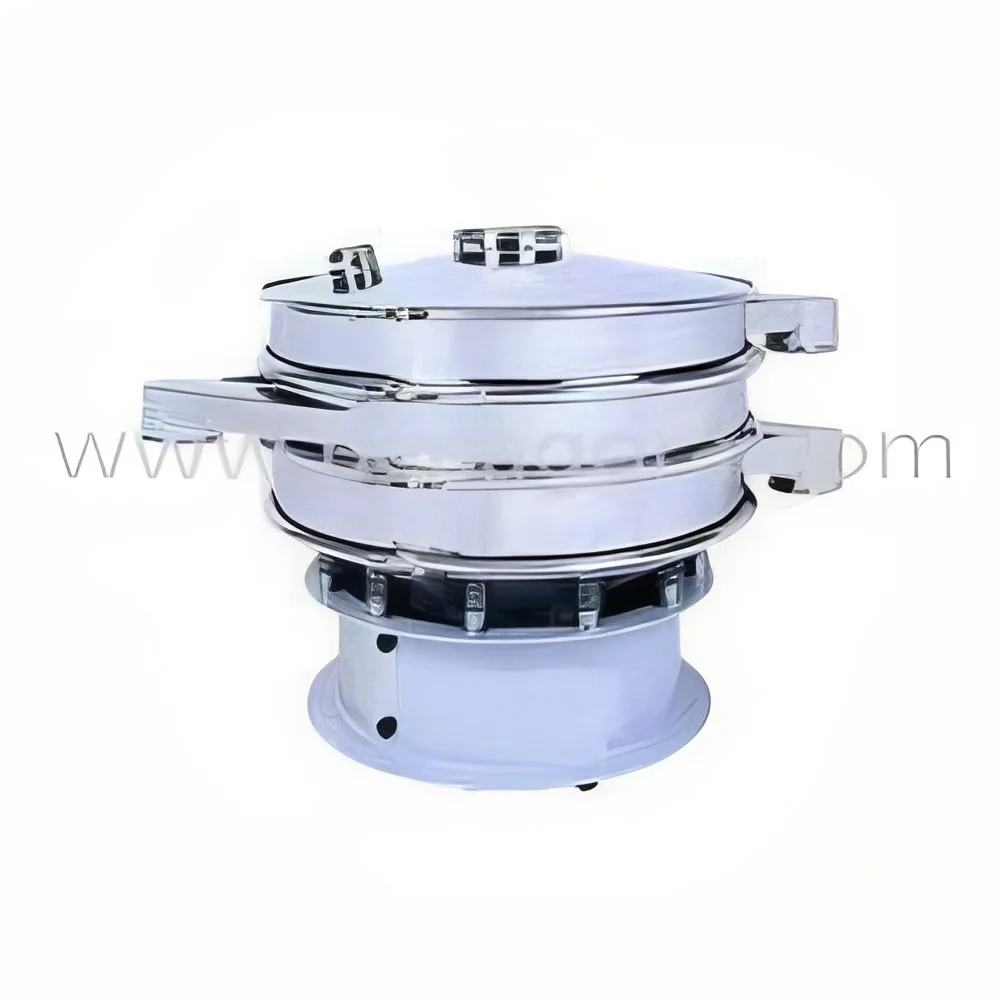
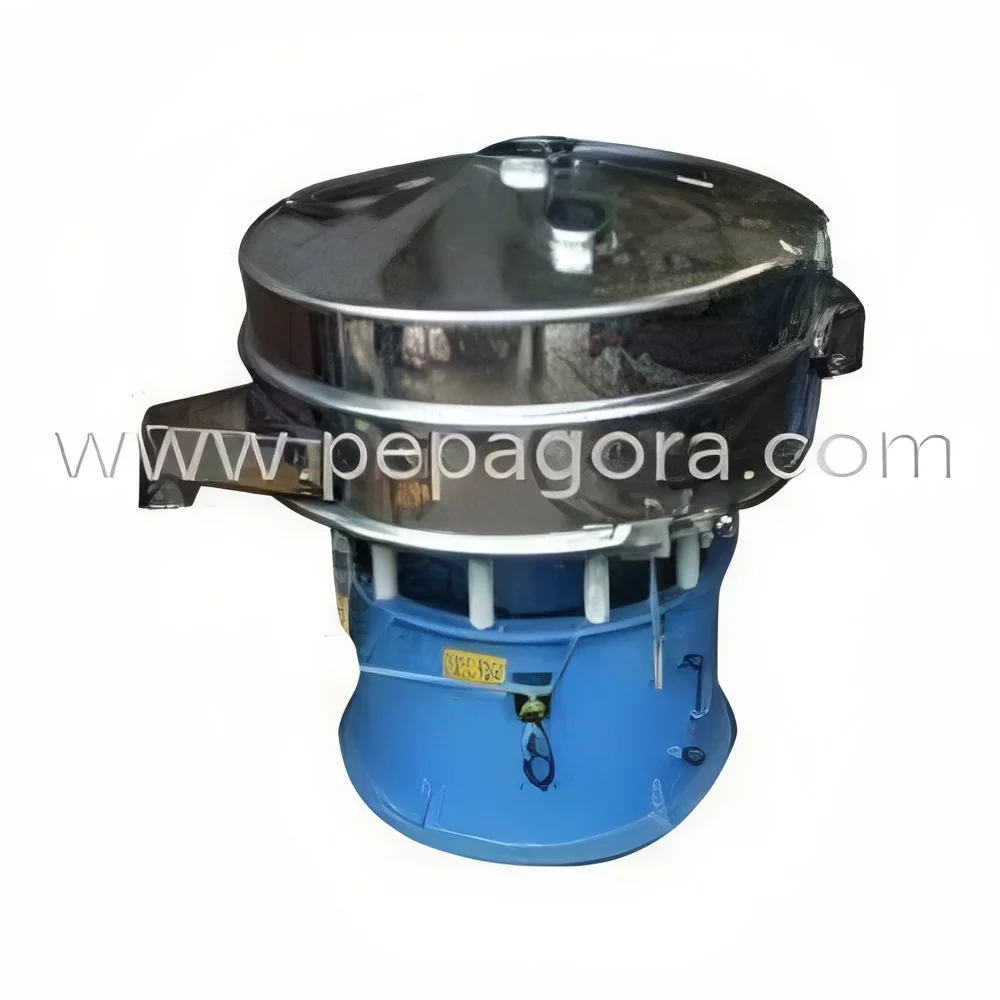
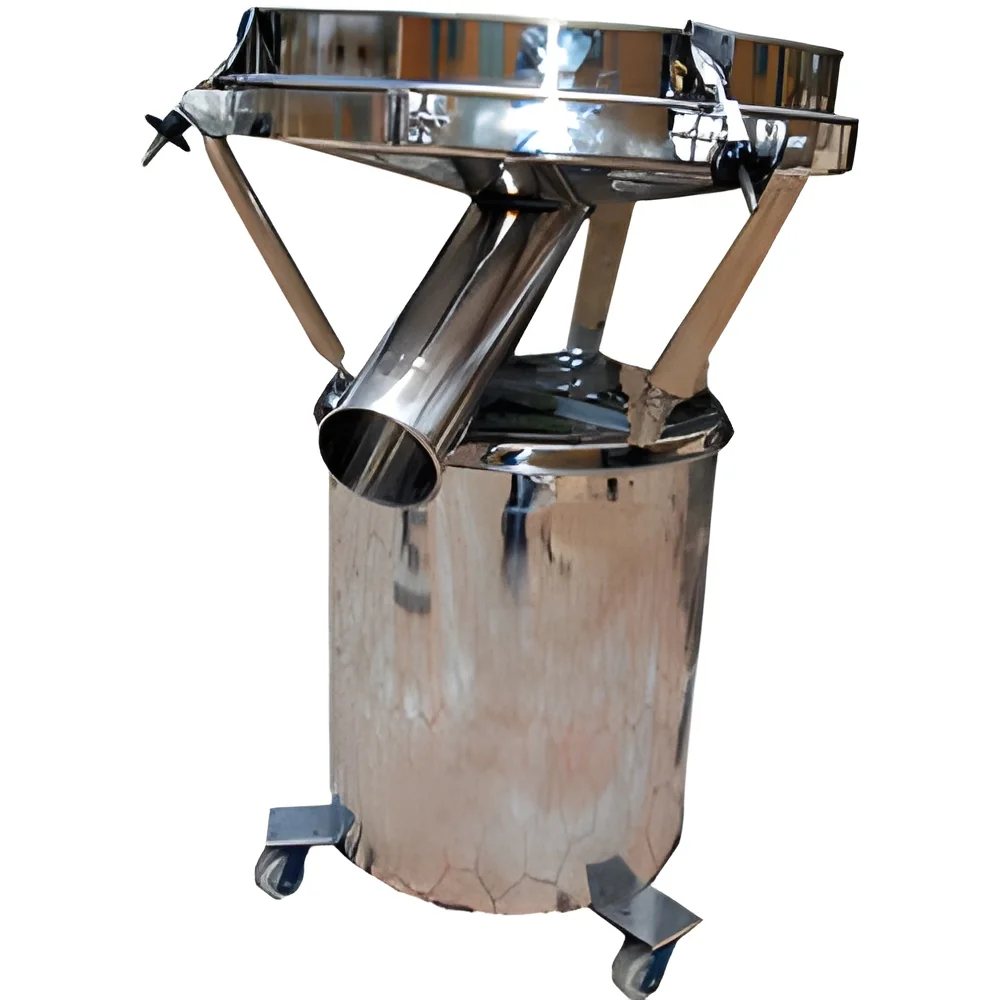
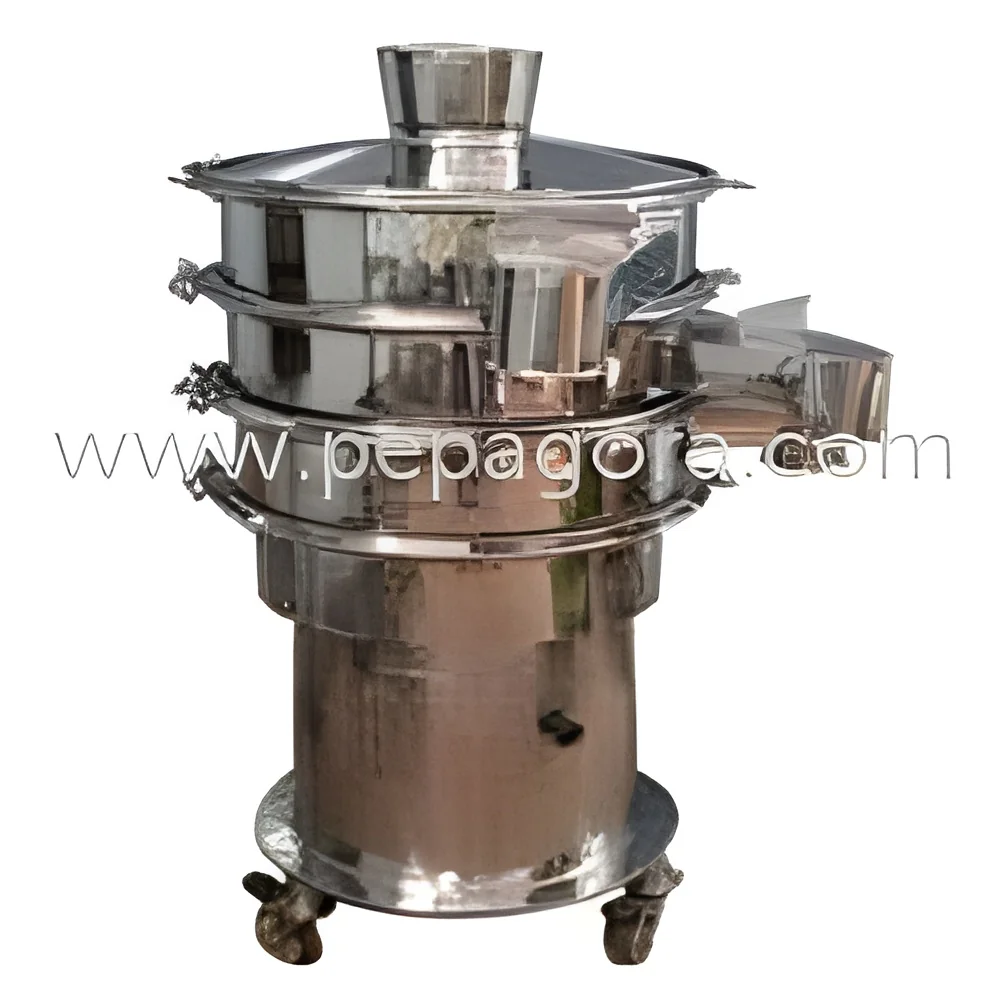
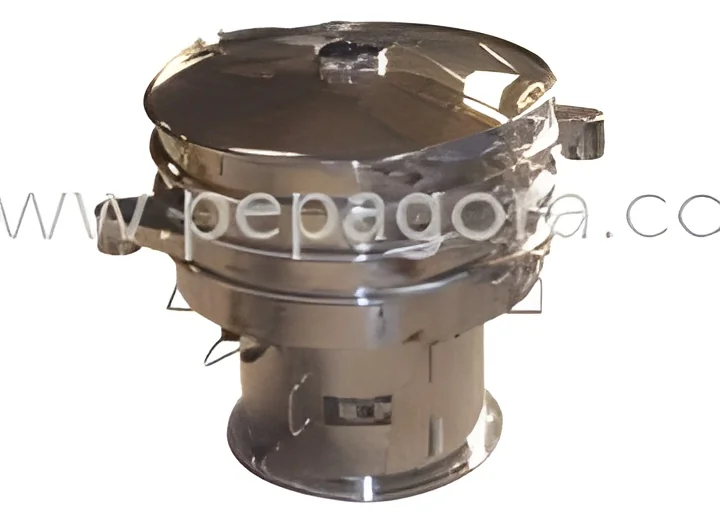
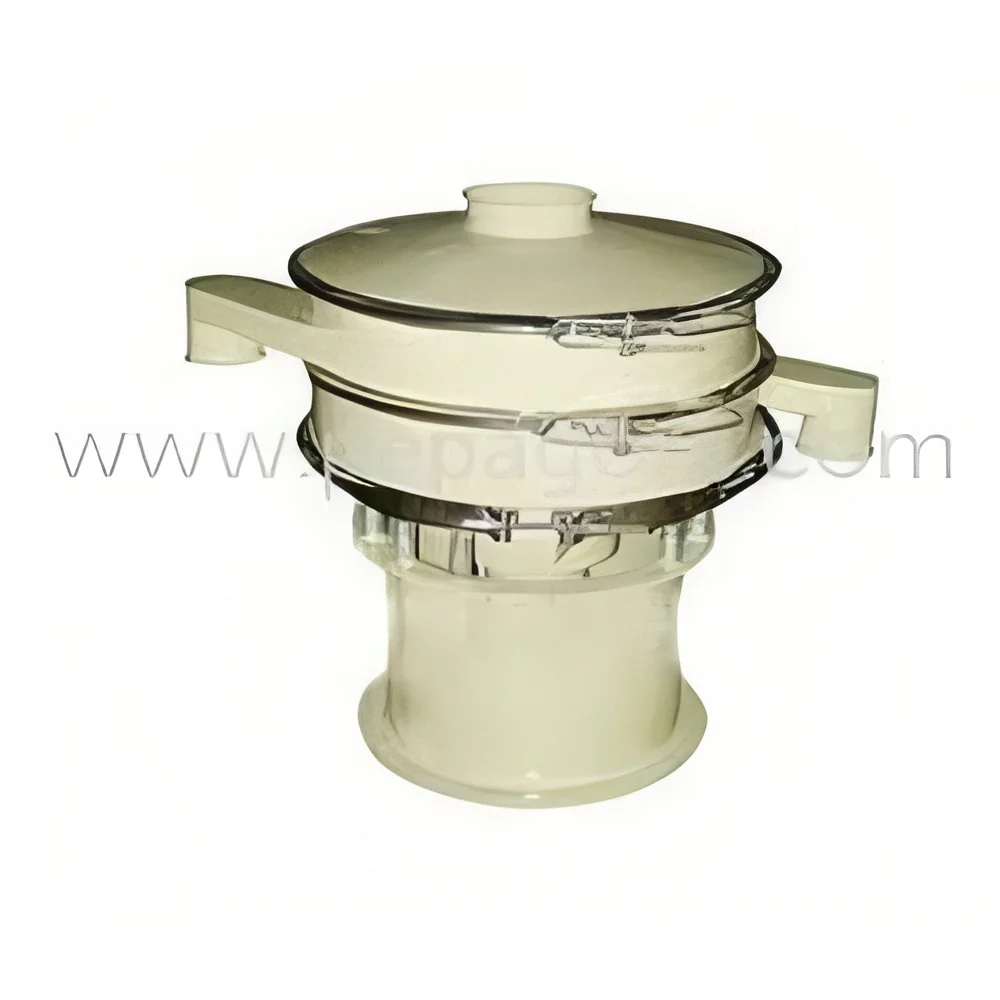
Circular Vibrating Screens
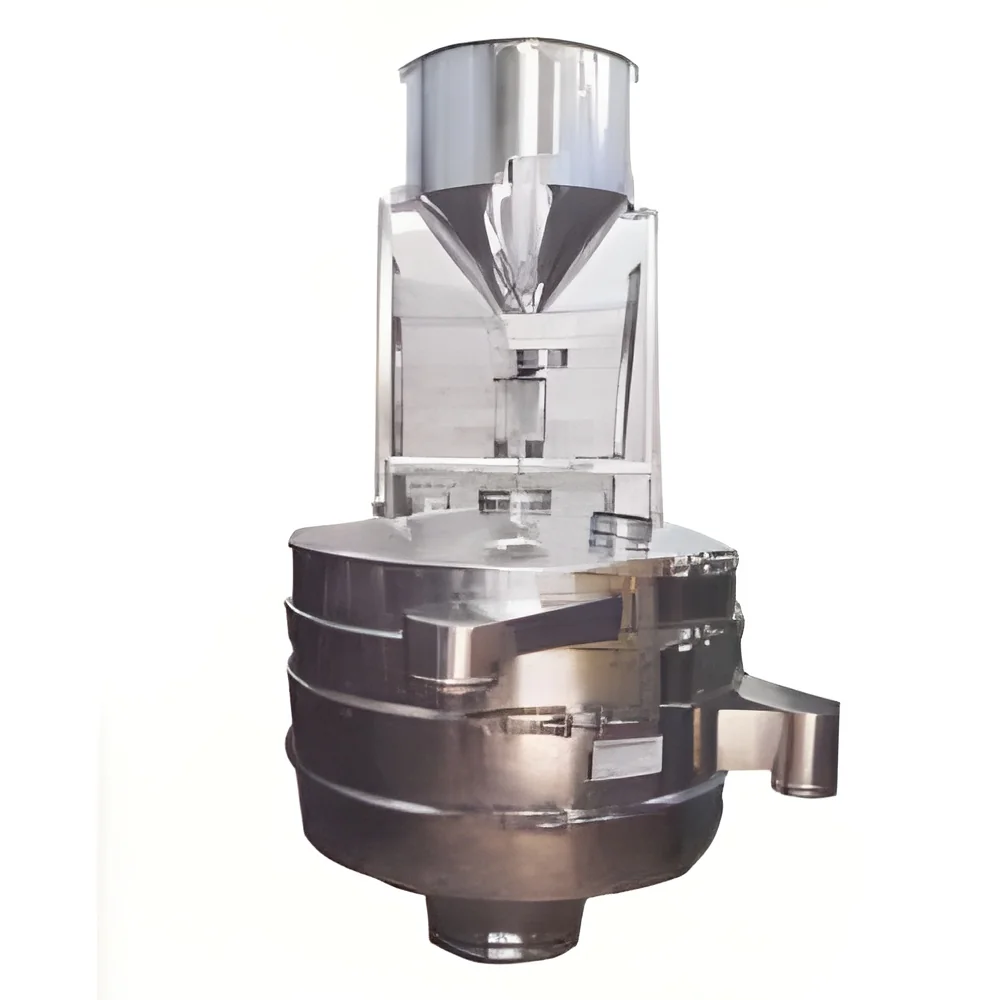
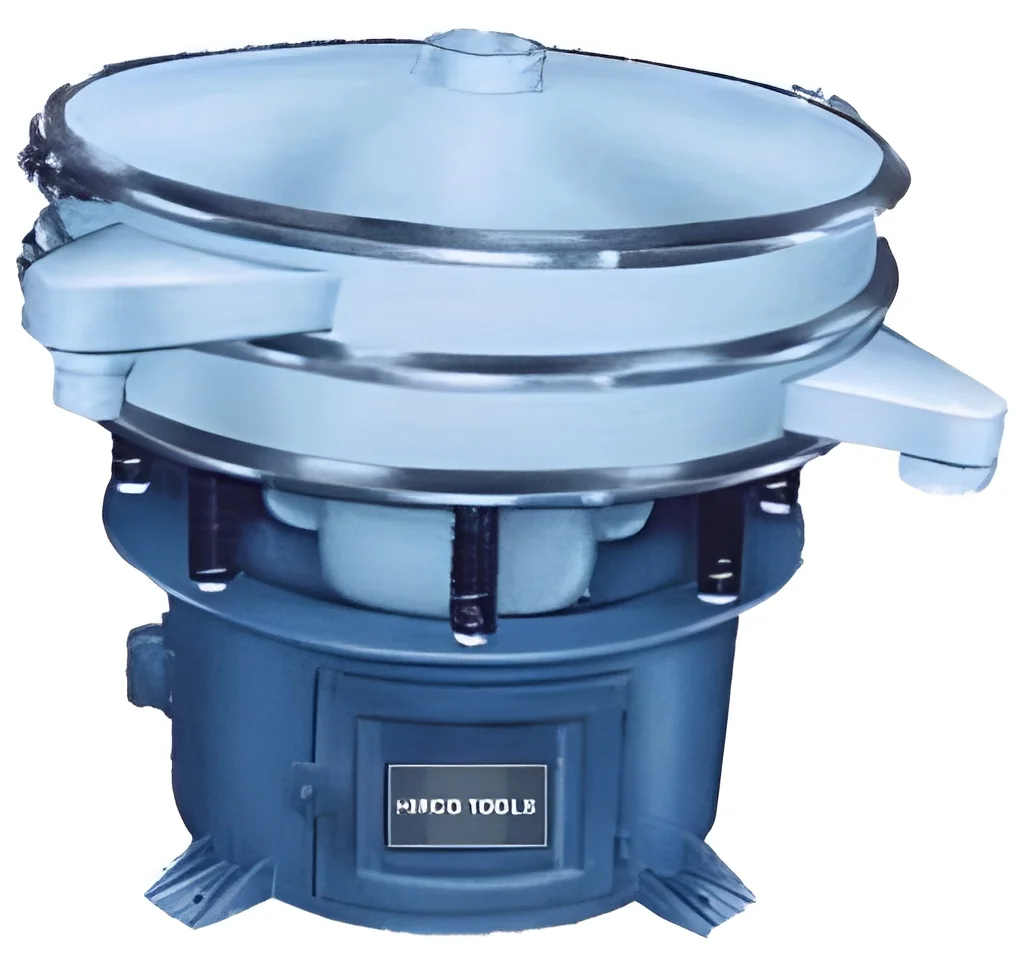
These models utilize circular motion to effectively separate materials. They are widely used in mining and quarrying applications requiring high capacity and durability.
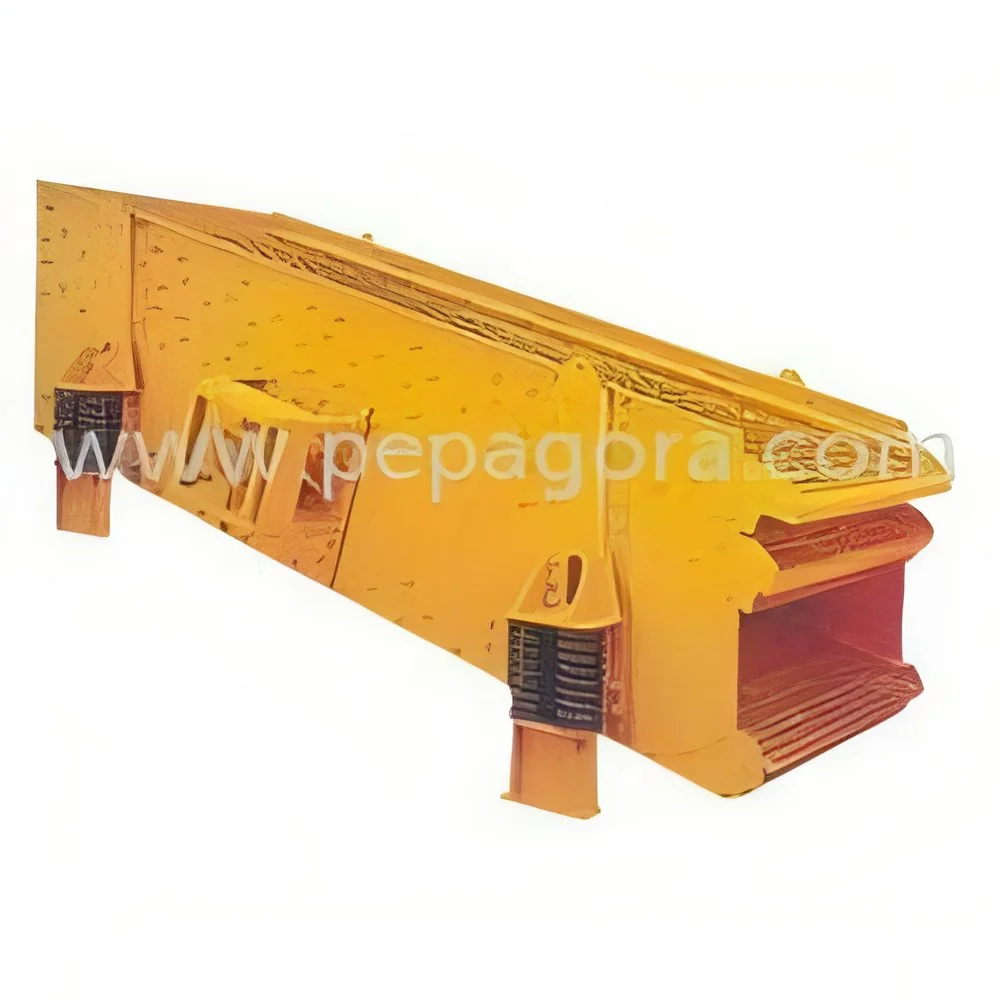
High-Frequency Vibrating Screens
Designed for fine materials, high-frequency vibrating screens operate at higher frequencies to achieve superior separation. They are commonly used in the mineral processing industry.
Benefits and Advantages
Vibrating screens offer numerous advantages that enhance operational efficiency and product quality.
1. Increased Efficiency: Vibrating screens optimize the material separation process, leading to higher throughput and reduced waste.
2. Versatility: With different designs available, vibrating screens can handle a wide range of materials and applications across various industries.
3. Low Maintenance: Robust designs and quality materials lead to lower maintenance requirements, minimizing downtime.
4. Improved Product Quality: By effectively separating materials, vibrating screens ensure that only the desired product is processed, enhancing overall quality.
5. Customizable Solutions: Many manufacturers offer customizable options to meet specific operational needs, ensuring optimal performance.
6. Cost-Effectiveness: Investing in high-quality vibrating screens can lead to long-term savings through efficiency gains and reduced operational costs.
Buying Guide for B2B Buyers
When considering the acquisition of vibrating screens, it is essential for B2B buyers to evaluate several key factors.
1. Quality Assessment: Buyers should examine the quality of materials and construction. This includes checking for compliance with industry standards and certifications that ensure reliability.
2. Supplier Verification: It is crucial to vet potential suppliers by assessing their reputation, experience, and customer feedback. This helps ensure a reliable partnership.
3. Pricing and MOQ: Understanding the pricing structure and minimum order quantities (MOQ) is vital for budgeting and planning. Buyers should compare quotes from multiple suppliers.
4. Delivery and Lead Times: Timely delivery is essential for maintaining production schedules. Buyers should inquire about lead times and logistics capabilities of suppliers.
5. Compliance Requirements: Buyers must be aware of any regulatory compliance requirements that may apply to the materials being processed, ensuring that all equipment meets necessary standards.
Compliance and Certifications
Vibrating screens must adhere to various quality and safety standards to ensure their effectiveness and reliability. Key relevant standards include ISO 9001, which focuses on quality management systems, ensuring products meet customer and regulatory requirements.
In addition, many vibrating screens are certified under CE, indicating compliance with European safety and health standards. This certification is essential for manufacturers looking to export their products to European markets.
Safety and testing requirements are also critical in the manufacturing process. Equipment should undergo rigorous testing to ensure it meets operational specifications and safety standards.
Furthermore, buyers should consider regional compliance requirements that may differ by country or industry. Understanding these local regulations is important to ensure that the equipment is compliant and operational in specific markets.
Why Source Vibrating Screens from Pepagora?
Pepagora offers a reliable platform for sourcing vibrating screens, providing several key advantages for businesses.
Verified Supplier Network: Pepagora connects buyers with a network of verified suppliers. This ensures that businesses can find reputable manufacturers with a track record of quality and service.
Streamlined RFQ Process: The platform simplifies the request for quotation (RFQ) process, allowing buyers to easily solicit and compare bids from multiple suppliers. This leads to better pricing and terms.
Trade Assurance and Support: Pepagora offers trade assurance to protect buyers during transactions. This includes support throughout the purchasing process, ensuring a smooth experience.
Regional Coverage: With a strong presence in India, the GCC, and Southeast Asia, Pepagora provides extensive regional coverage. This allows buyers to access suppliers that are strategically located for their operations.

 IN
IN