What are Magnetic Separators?
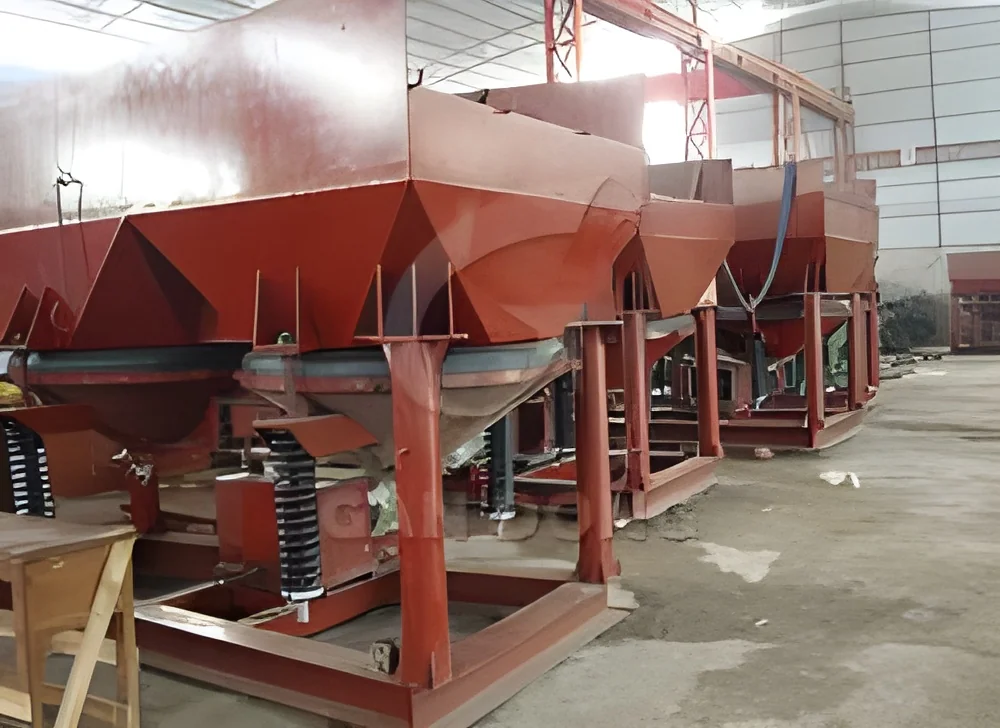
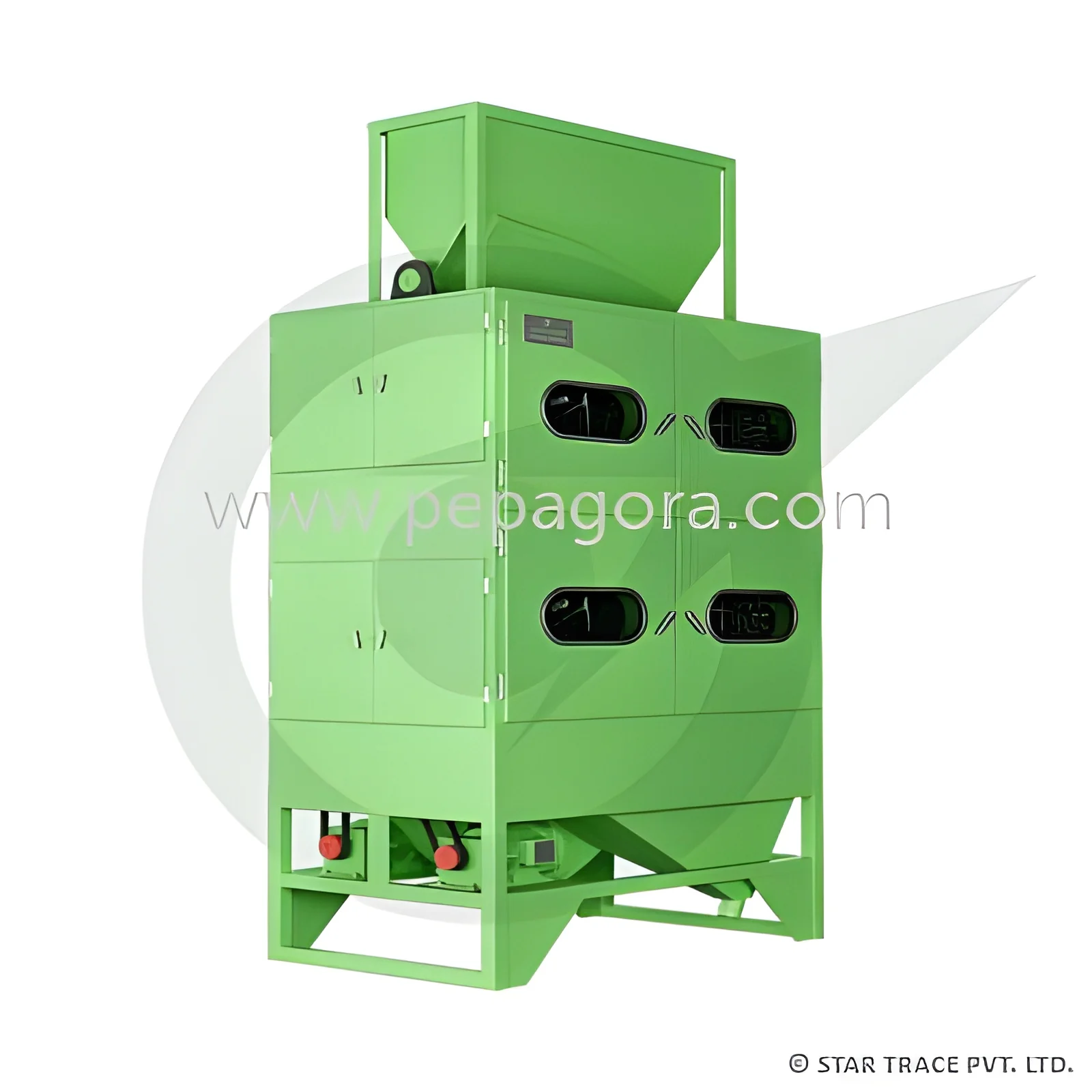
Magnetic separators are devices used to remove magnetic materials from a mixture. They operate by employing a magnetic field to attract and separate ferrous materials from non-ferrous materials in various applications. These devices can vary in design and functionality, including permanent magnetic separators and electromagnets, each tailored to specific industrial processes.
The primary uses of magnetic separators span multiple industries, including mining, recycling, and food processing. They are essential in ensuring product purity and safety by removing contaminants from raw materials or finished products. In an increasingly competitive market, businesses leverage magnetic separators to enhance operational efficiency and reduce contamination risks, making them a crucial part of many production lines.
As industries evolve, the demand for effective magnetic separation technologies continues to grow. The market for these separators is expanding, driven by rising awareness of quality control and safety standards. In addition, industries are increasingly adopting advanced magnetic separation techniques to meet stringent regulations and maintain product integrity.
Key Features and Specifications
Magnetic separators come equipped with various features designed to enhance their efficiency and effectiveness in different applications. Understanding the key specifications of these devices helps buyers select the right model for their needs.
Key specifications include:
1. Type of Magnet
- Permanent magnets or electromagnets
- Each type offers distinct advantages based on application requirements
2. Magnetic Field Strength
- Measured in Gauss or Tesla
- Varies depending on the separator's design and intended use
3. Separation Efficiency
- Percentage of ferrous material removed from the mixture
- Higher efficiency ratings indicate better performance
4. Capacity
- Amount of material the separator can process per hour
- Important for scaling operations
5. Material Construction
- Common materials include stainless steel and carbon steel
- Affects durability and maintenance needs
6. Size and Dimensions
- Varies based on application and installation space
- Critical for integration into existing systems
7. Operating Temperature Range
- May vary between models
- Essential for applications involving heat-sensitive materials
8. Compliance with Industry Standards
- Certifications such as CE indicate adherence to safety and quality standards
- Important for regulatory compliance and assurance of product quality
In summary, selecting the right magnetic separator requires an understanding of these key features and specifications. Buyers should assess their specific needs to ensure optimal performance and compliance.
Common Applications and Use Cases
Magnetic separators are used across various industries to enhance product quality and ensure safety. Here are some common applications:
1. Mining: Magnetic separators are used to extract valuable minerals from ore, improving the purity of the extracted materials.
2. Recycling: In waste management, these devices help remove ferrous metals from mixed waste streams, facilitating the recycling process.
3. Food Processing: Magnetic separators ensure that food products are free from metal contaminants, thus maintaining safety and compliance with health regulations.
4. Pharmaceuticals: In the pharmaceutical industry, magnetic separators are used to protect equipment and ensure the purity of medicines by removing metal particles.
5. Plastics: These separators aid in the recycling of plastic materials by removing metal contaminants that can compromise the quality of recycled plastics.
6. Cement: Magnetic separation is employed to remove ferrous metals from raw materials in cement production, thereby enhancing the quality of the final product.
7. Chemical Processing: Magnetic separators help maintain product quality by removing unwanted ferrous materials from chemical mixtures.
Product Variants and Subcategories
Magnetic separators come in various designs to cater to different industrial needs. Each variant offers unique features and applications.
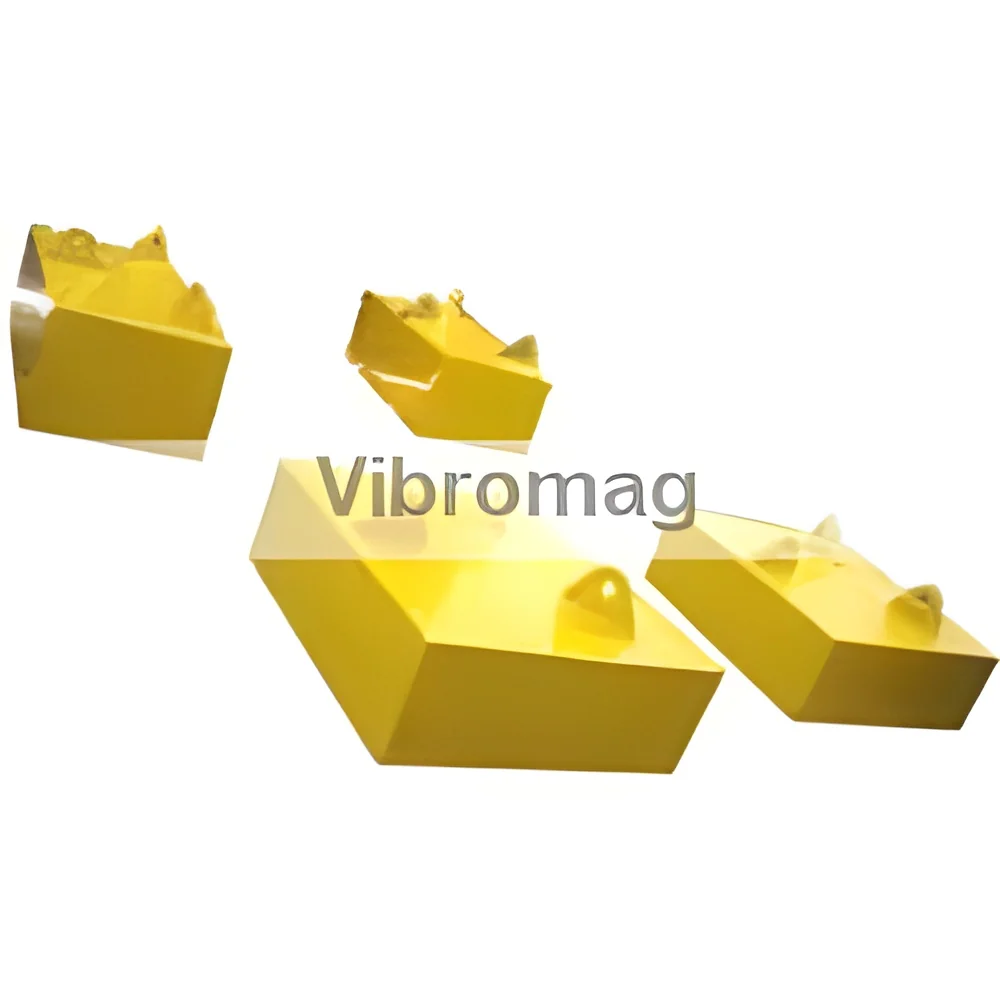
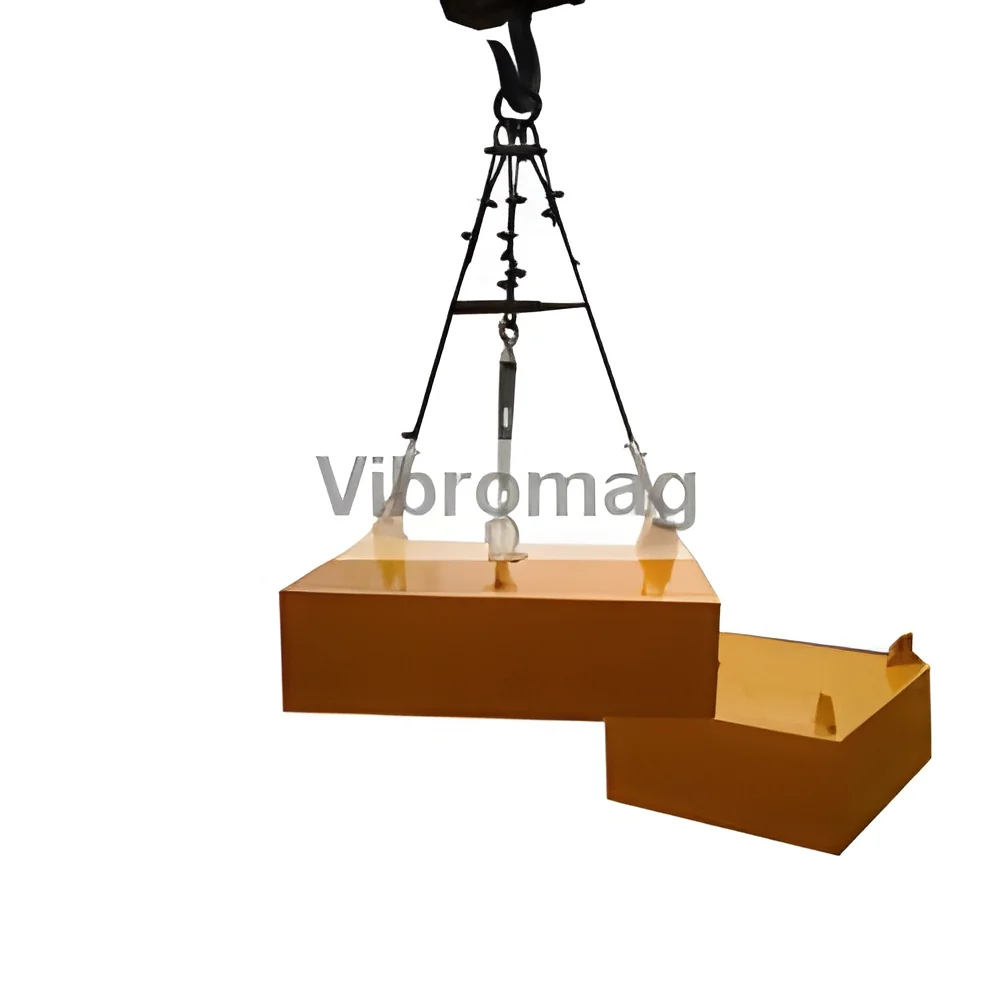
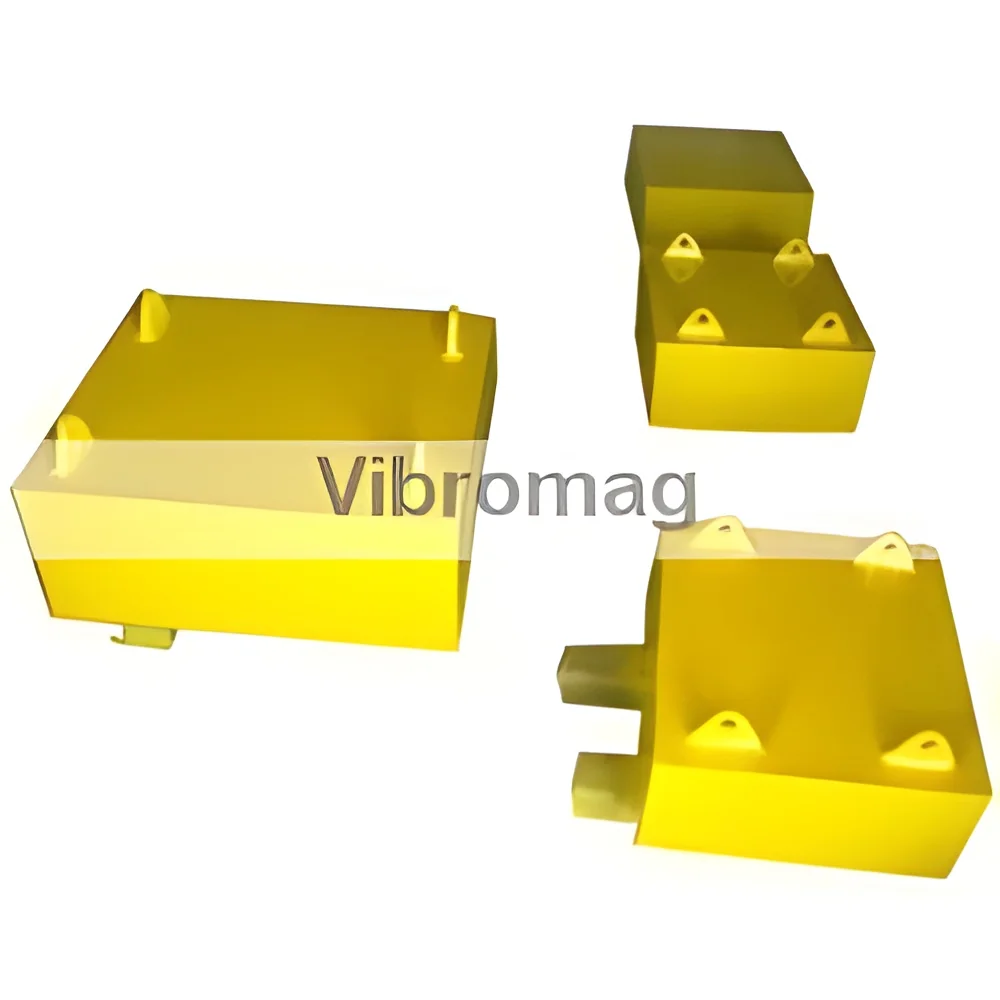
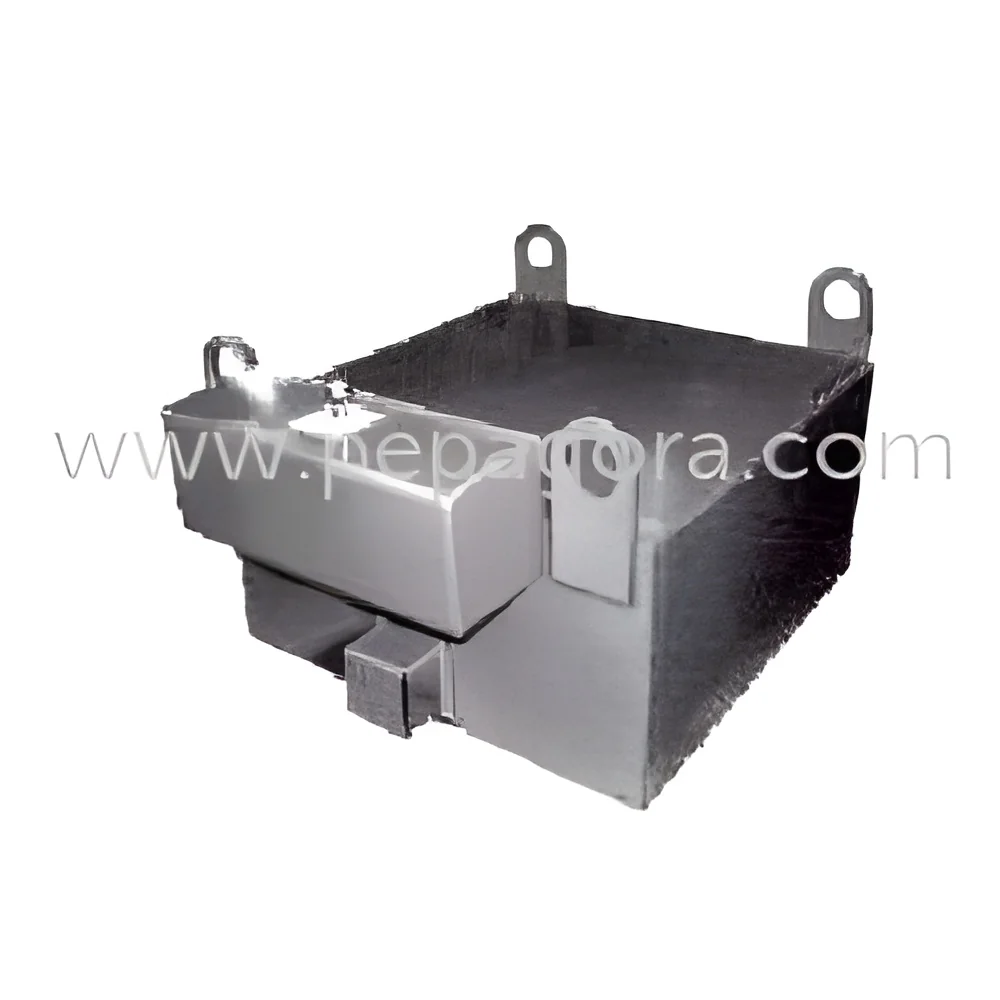
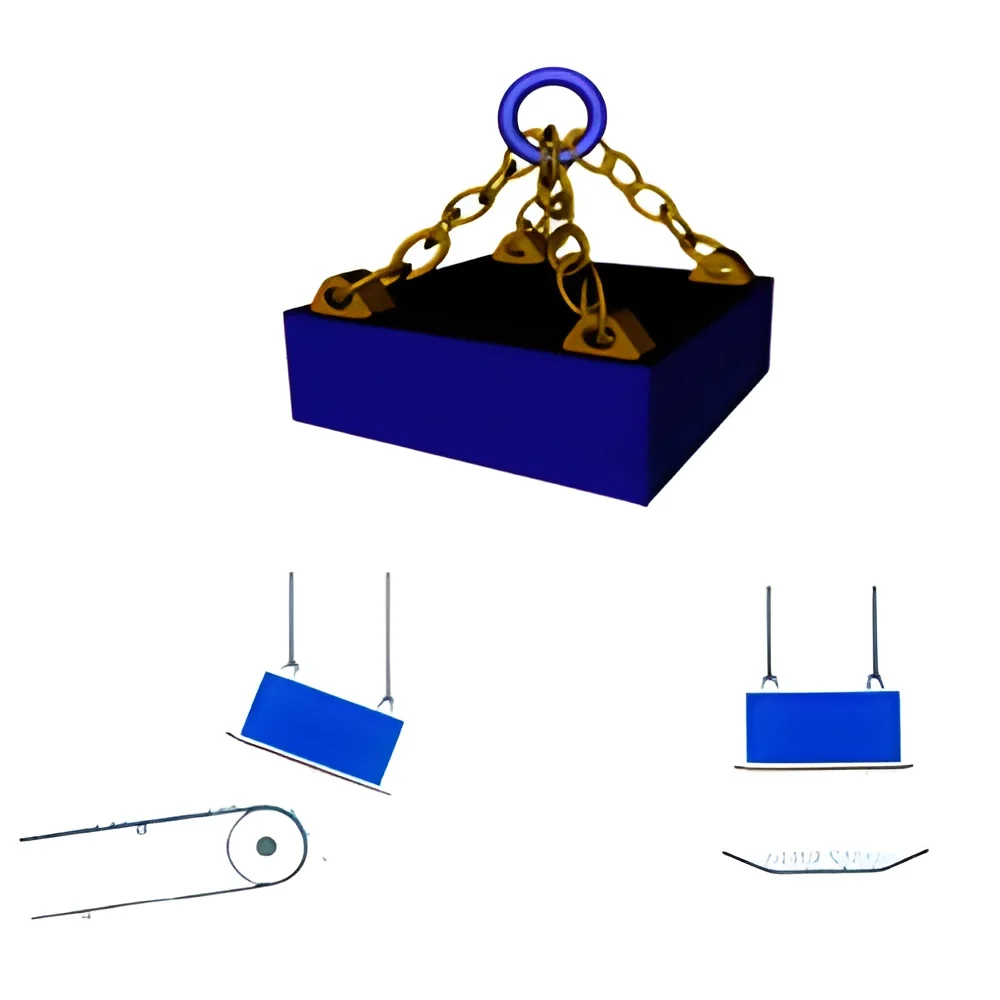
Permanent Magnetic Separator: This variant utilizes permanent magnets to separate magnetic materials without the need for an external power source. It is ideal for continuous operation and low-maintenance applications.
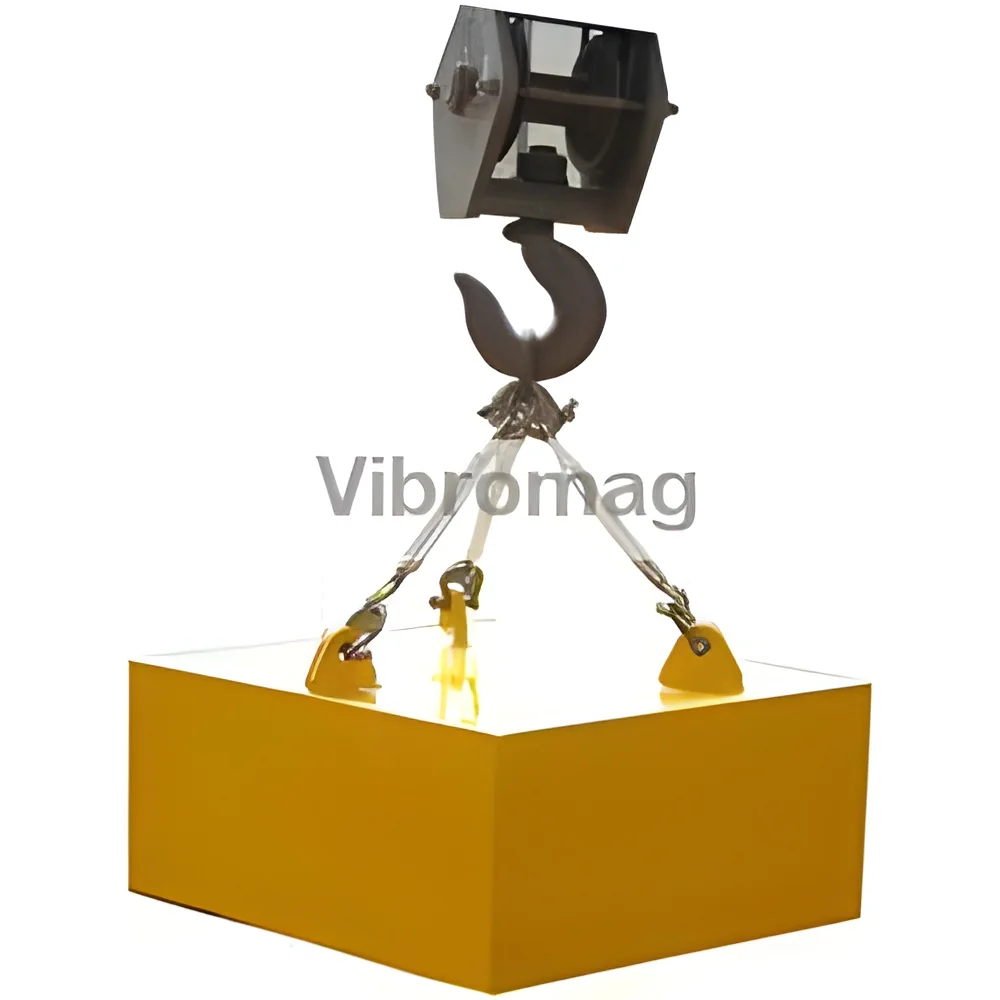
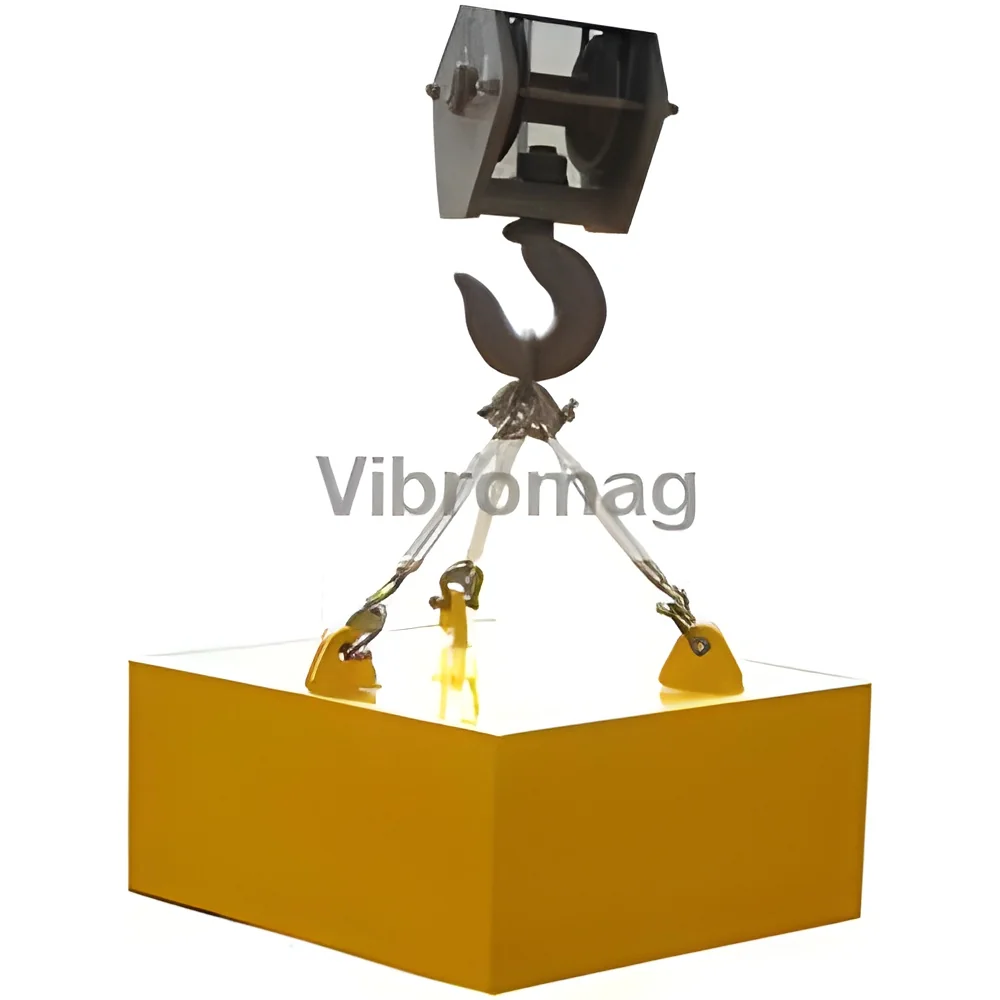
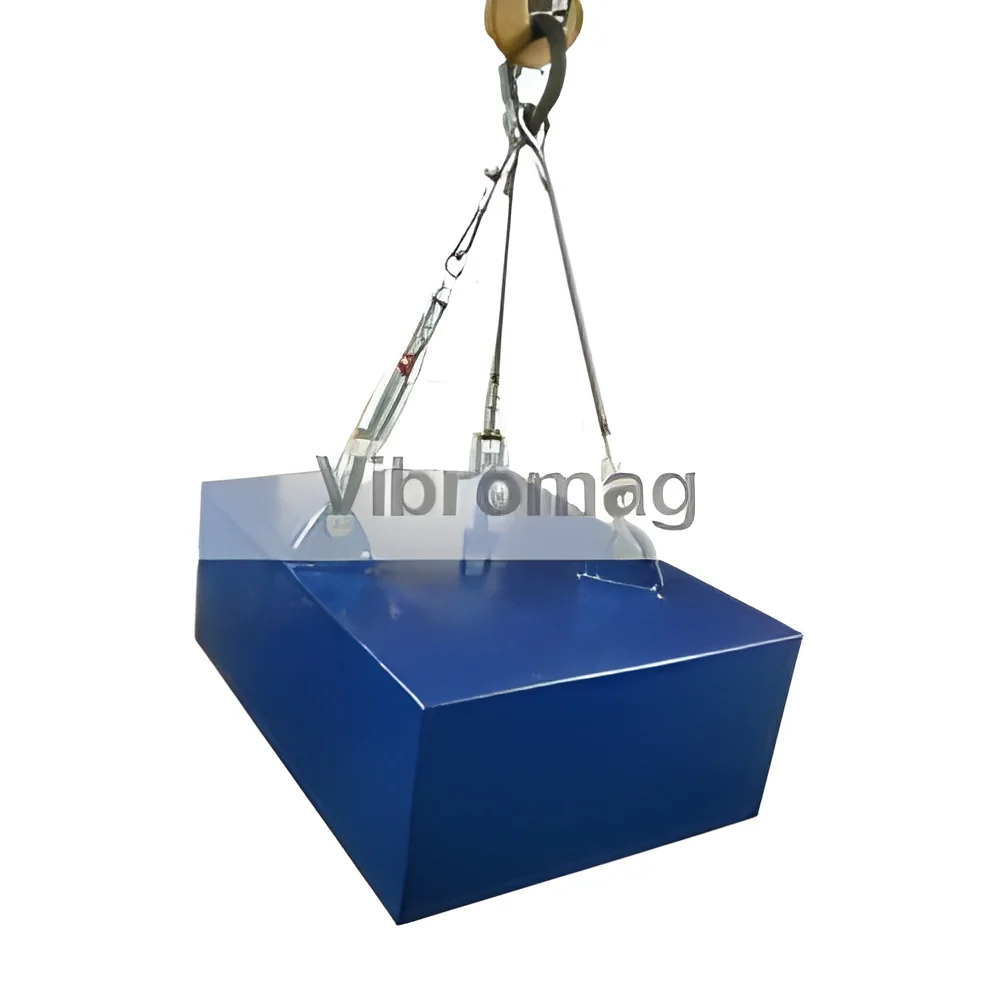
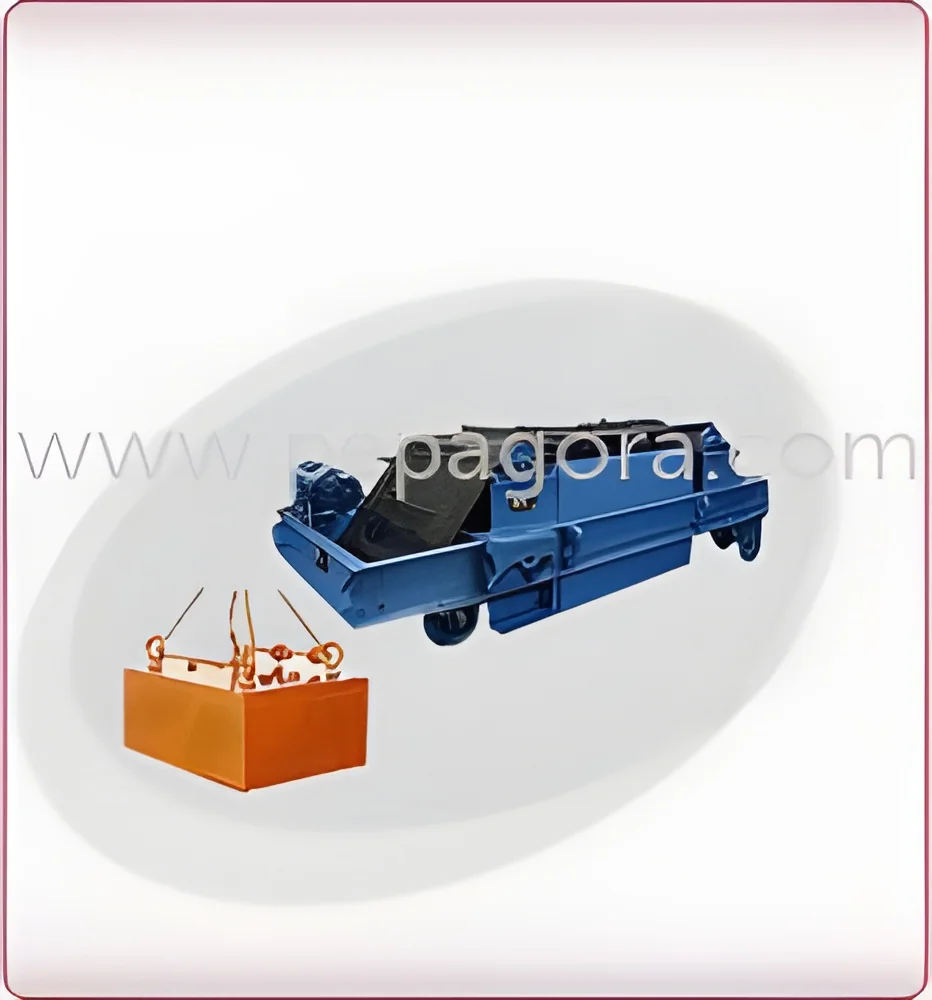
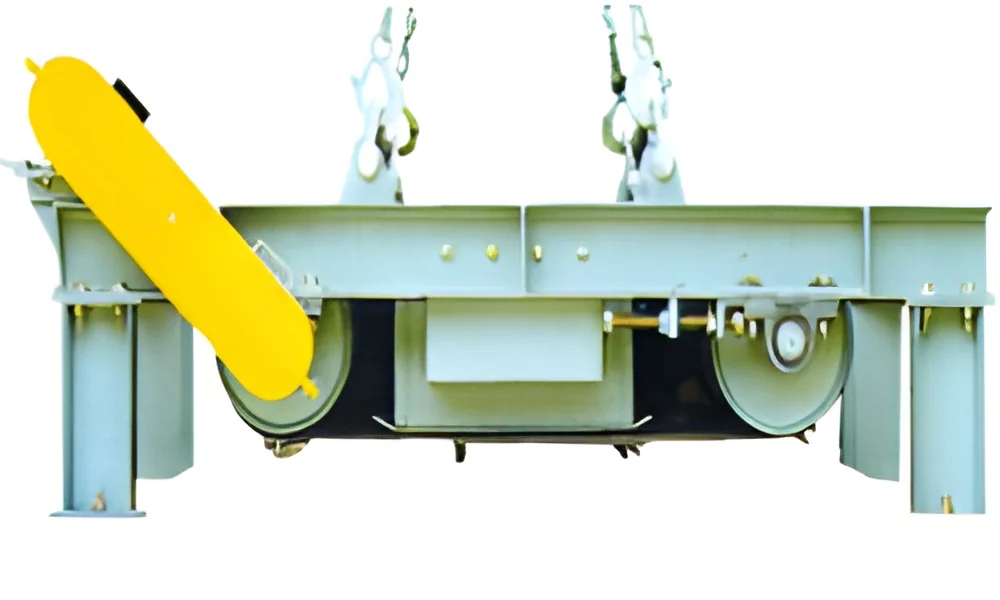
Electromagnetic Separator: This type uses an electric current to generate a magnetic field. It provides adjustable field strength, making it suitable for applications requiring variable separation capabilities.
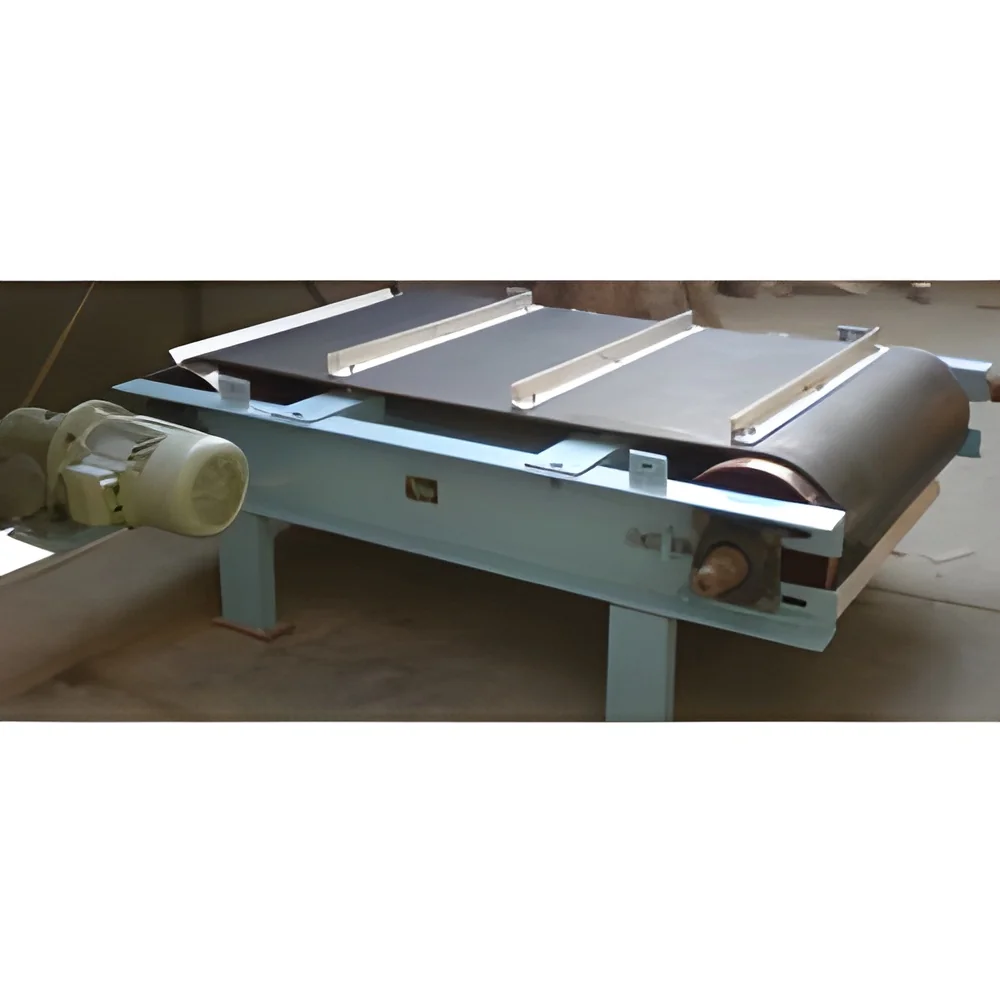
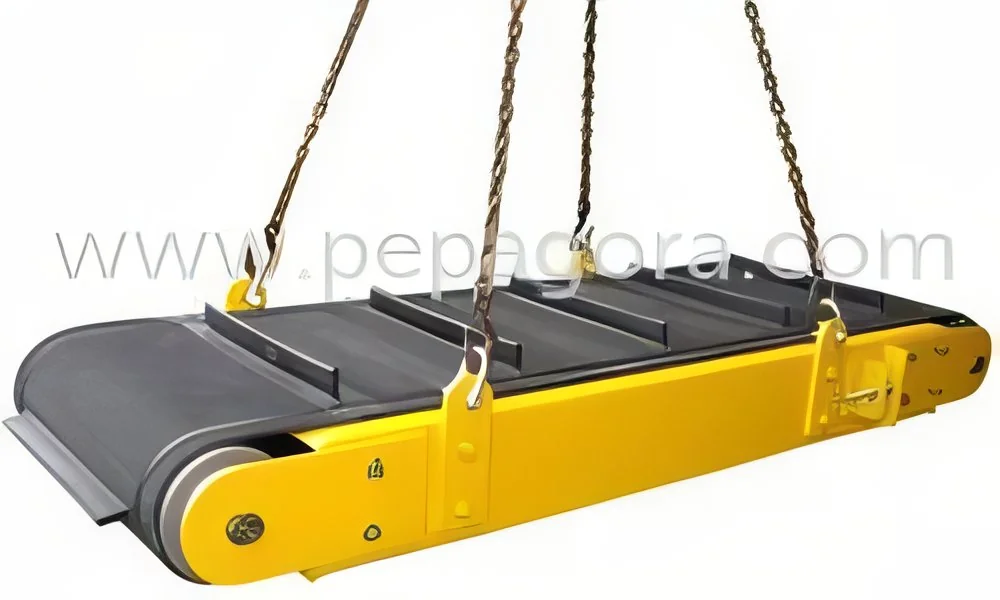
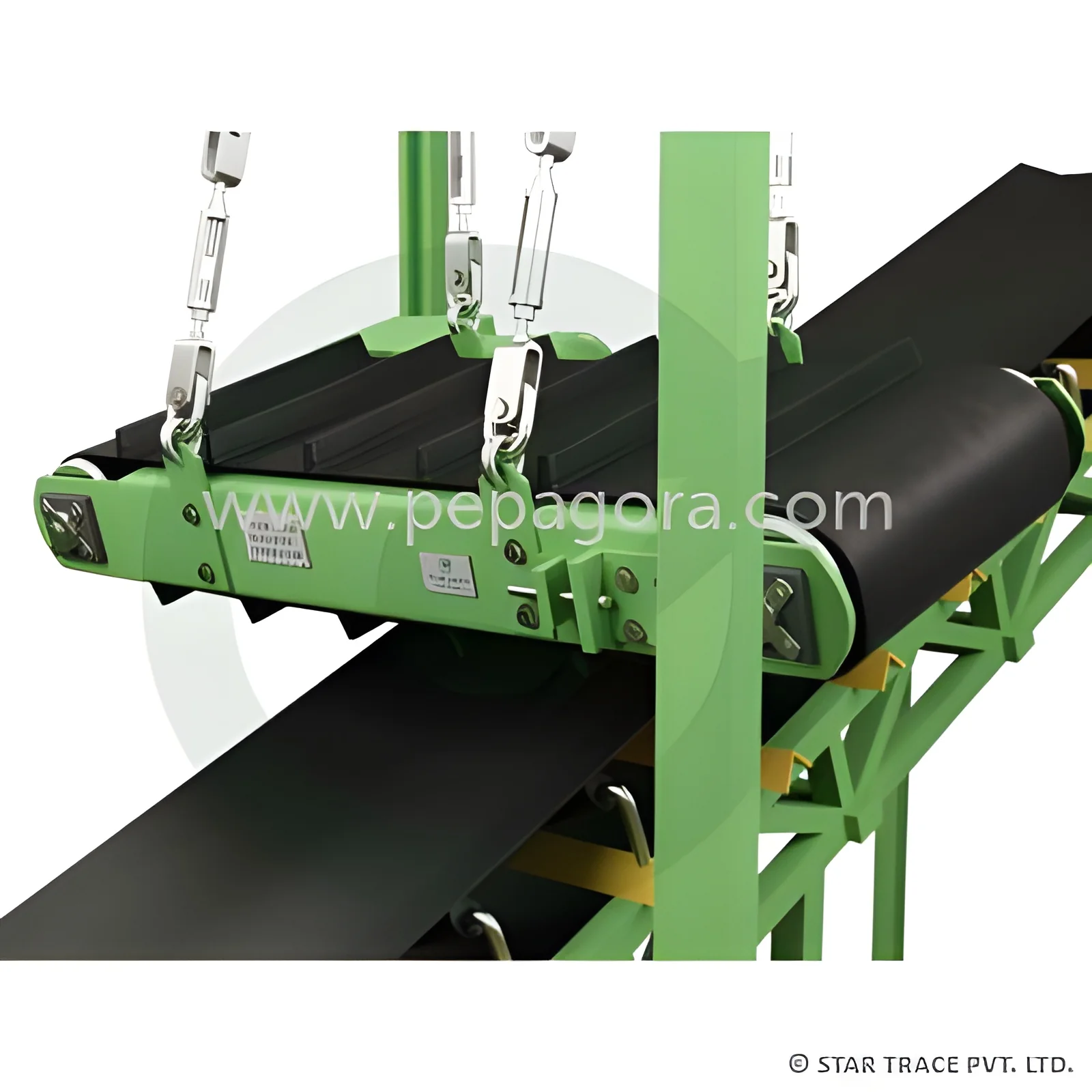
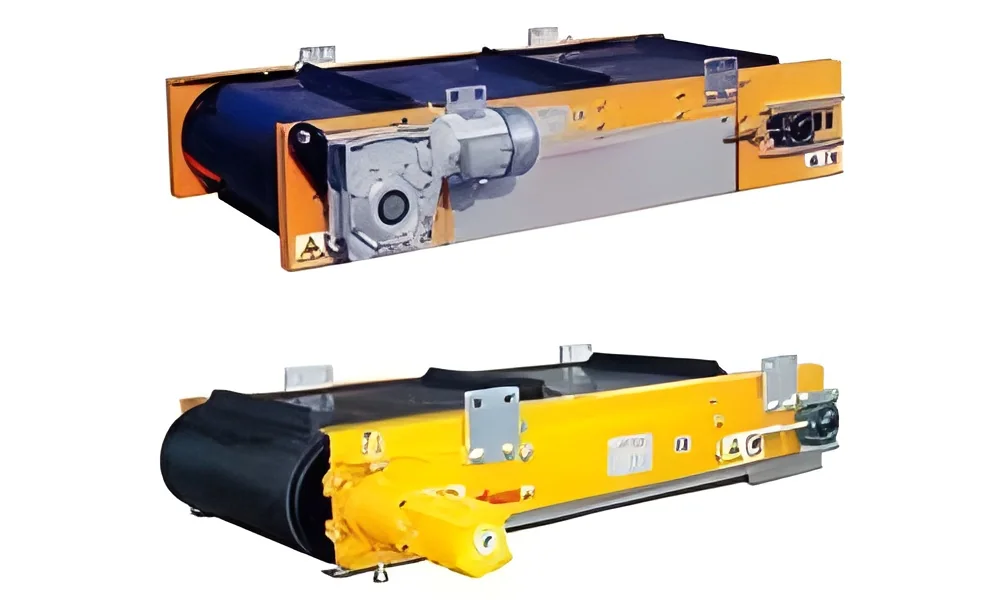
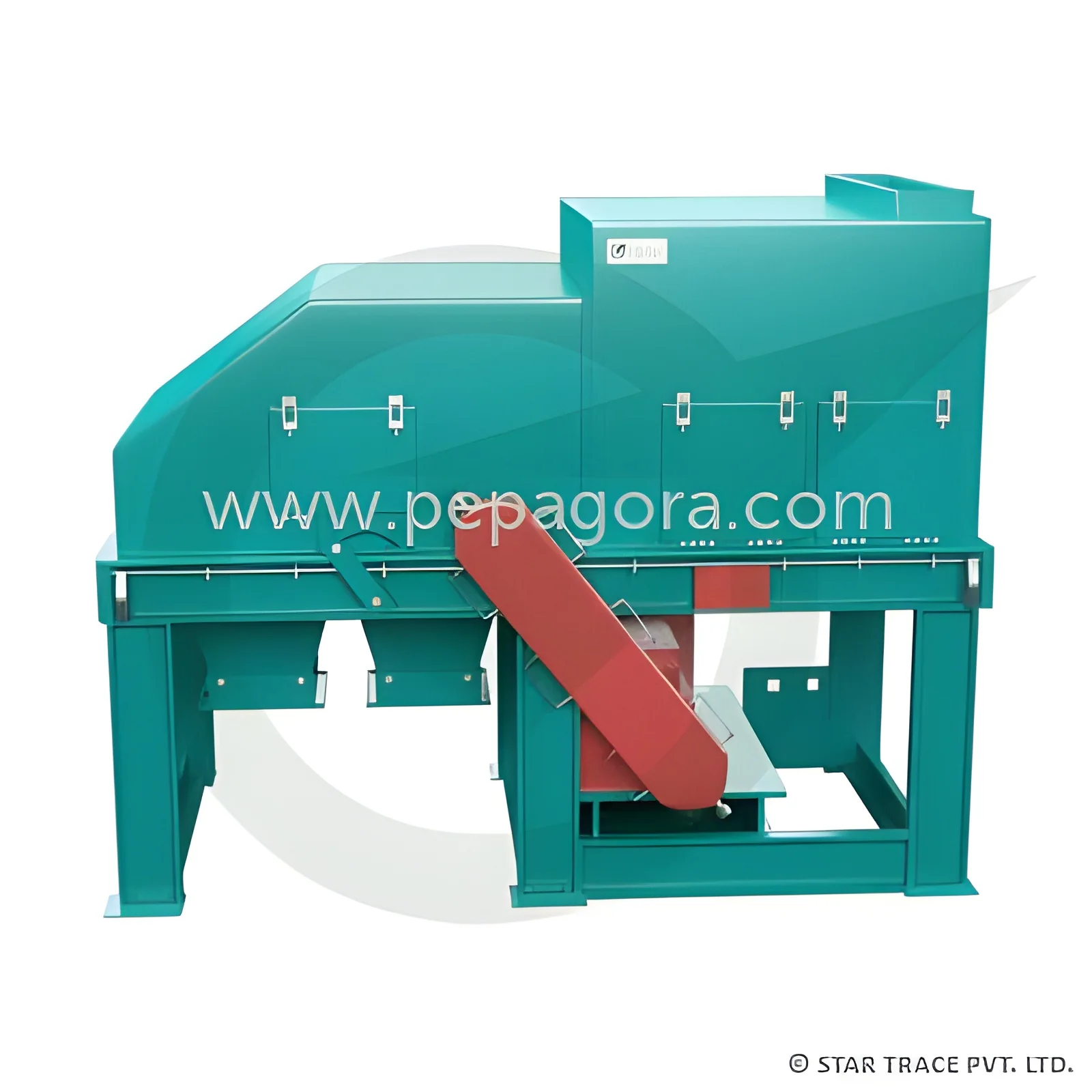
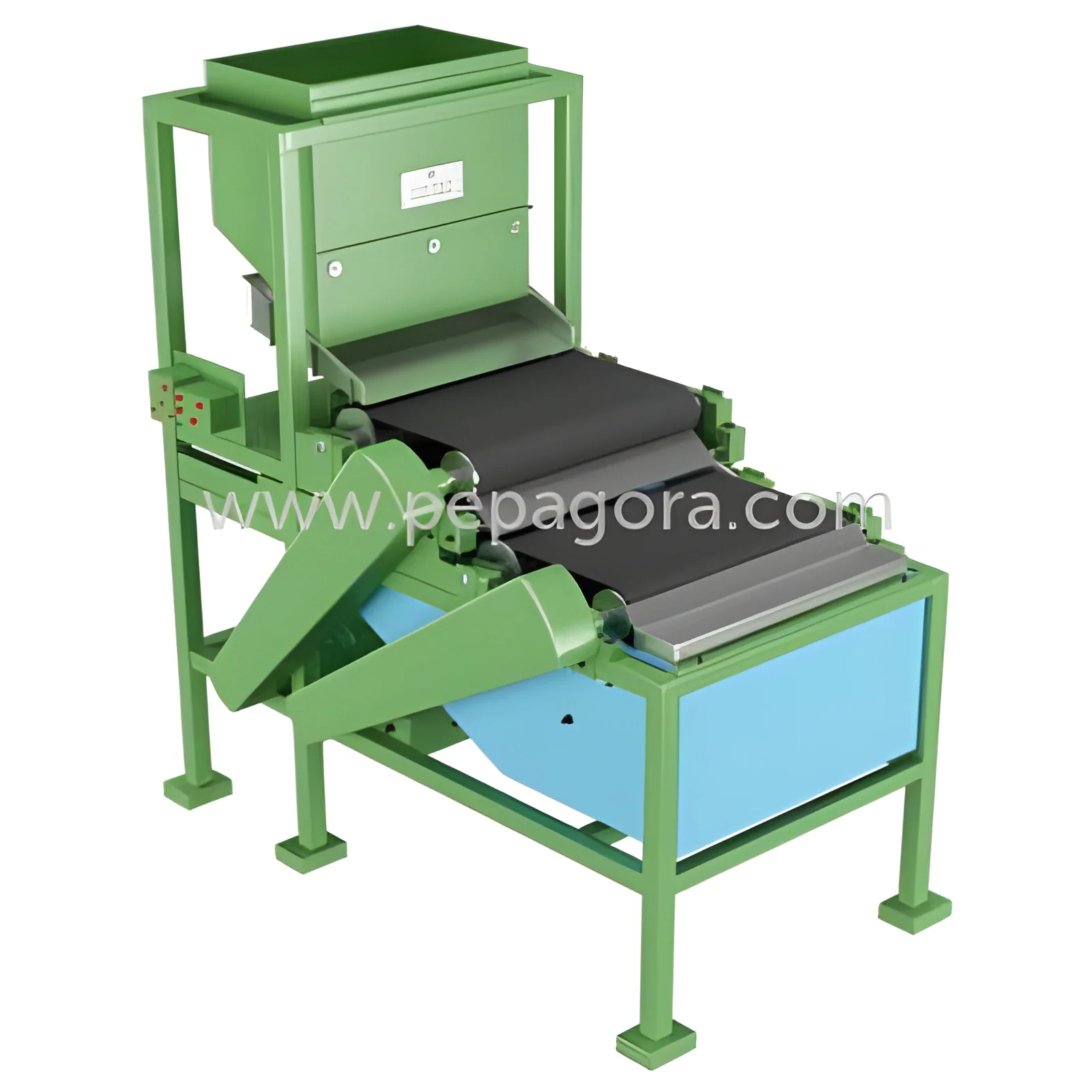
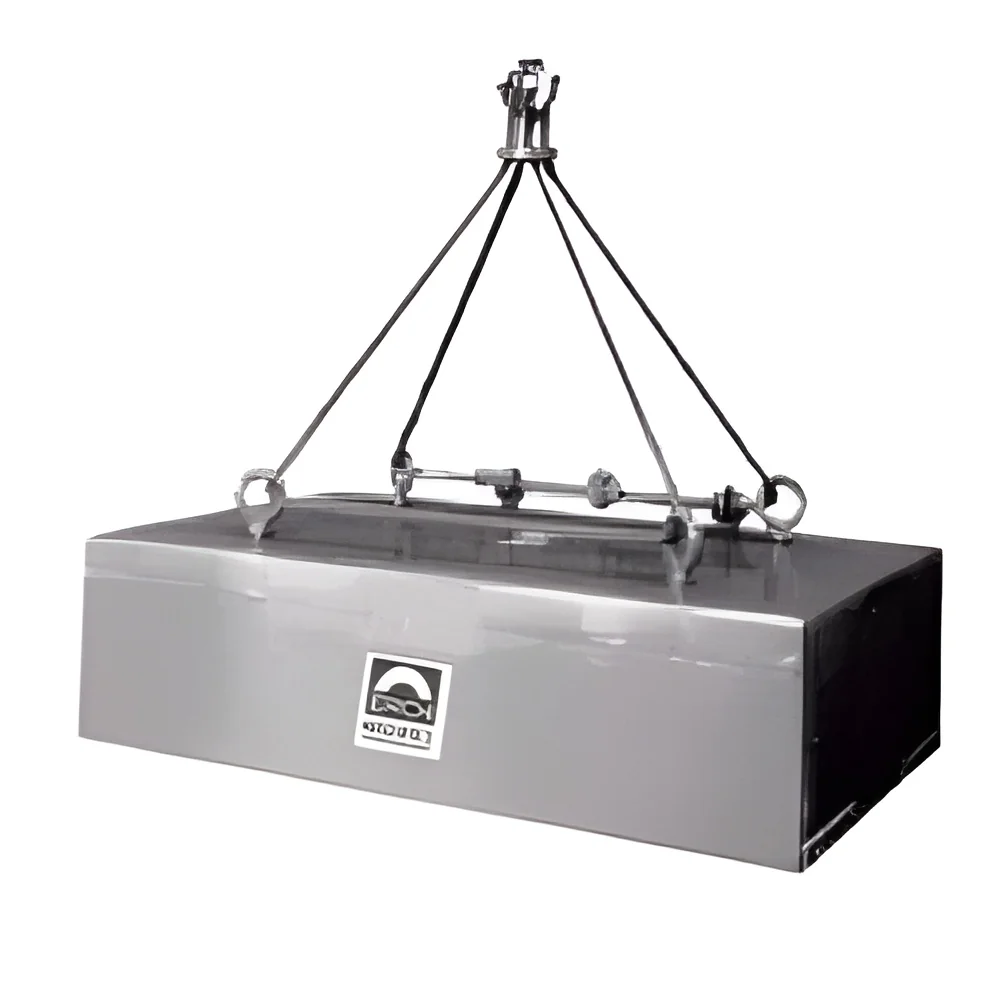
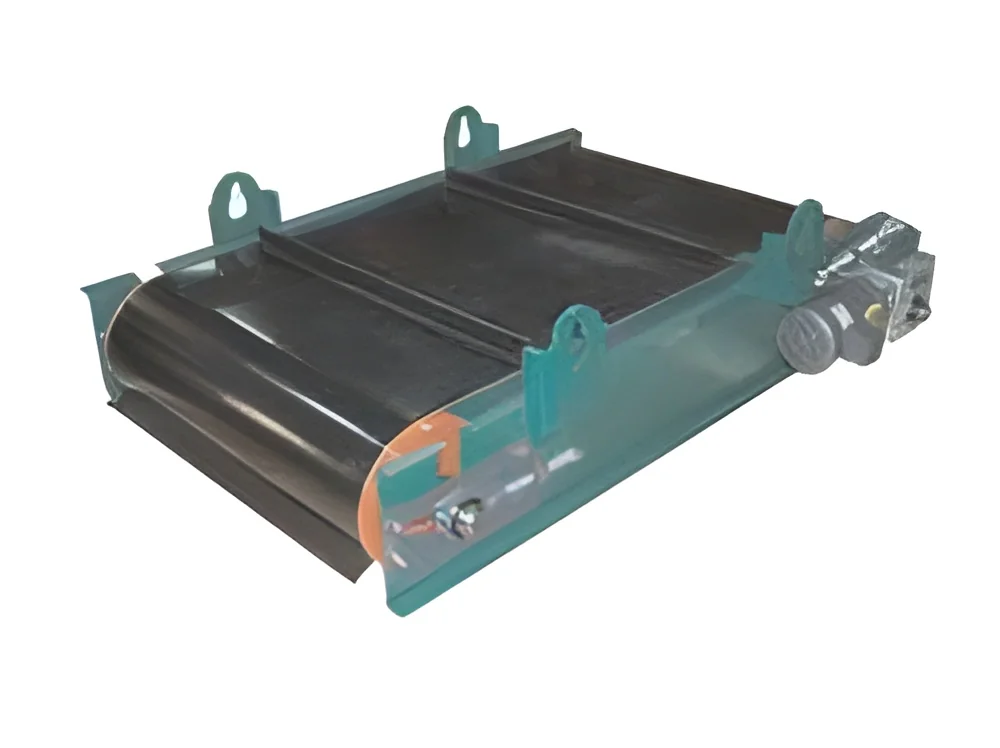
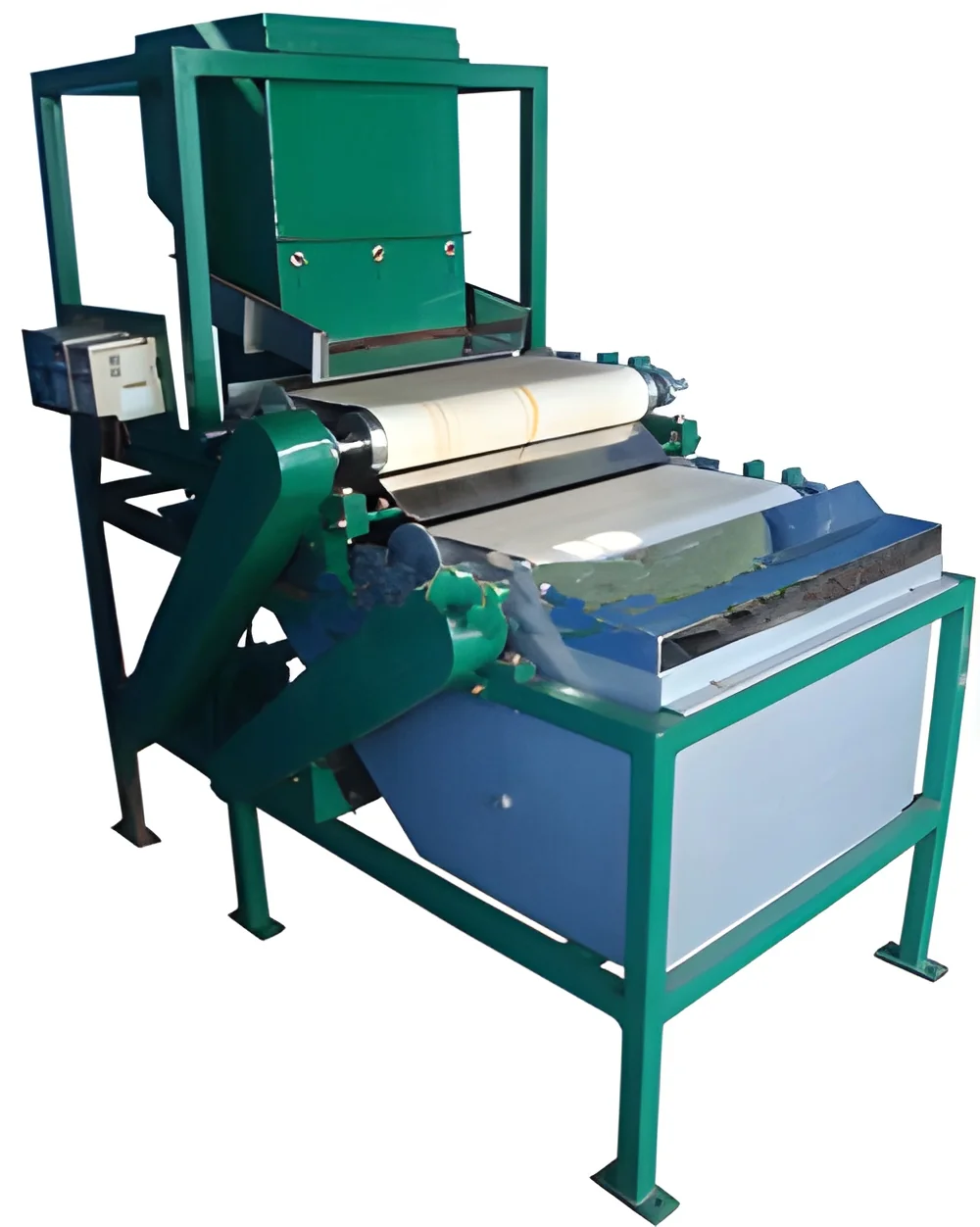
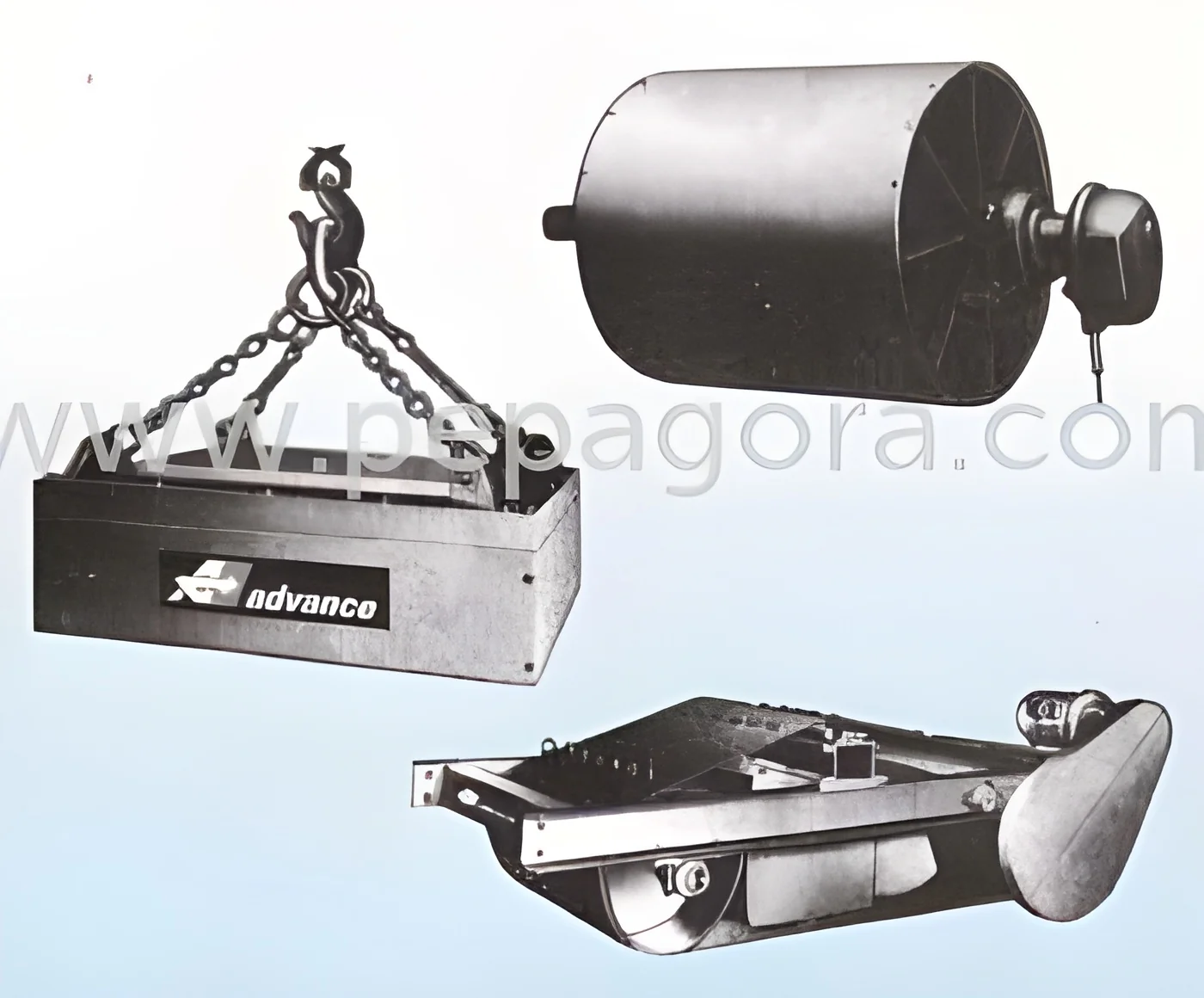
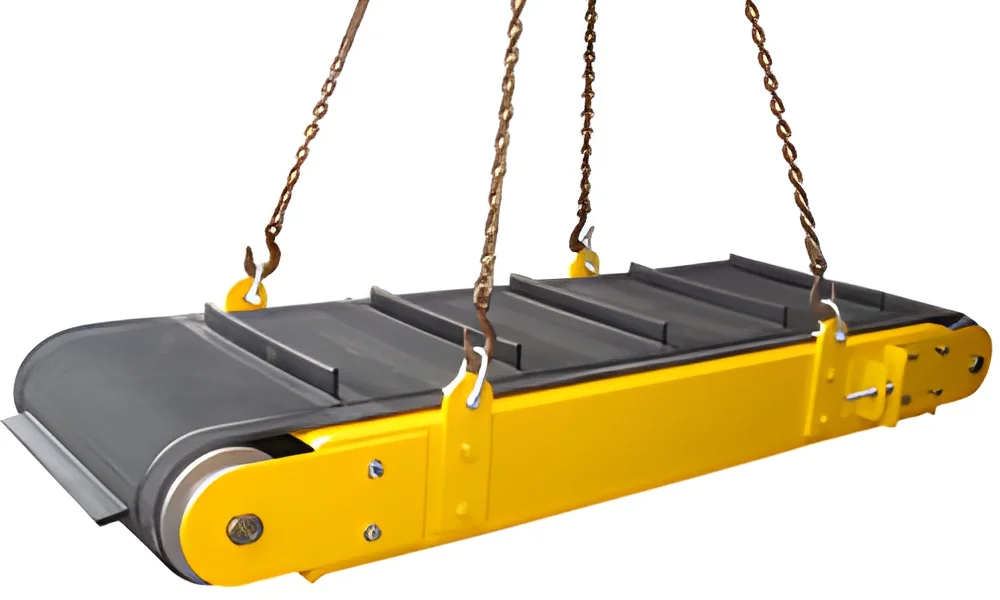
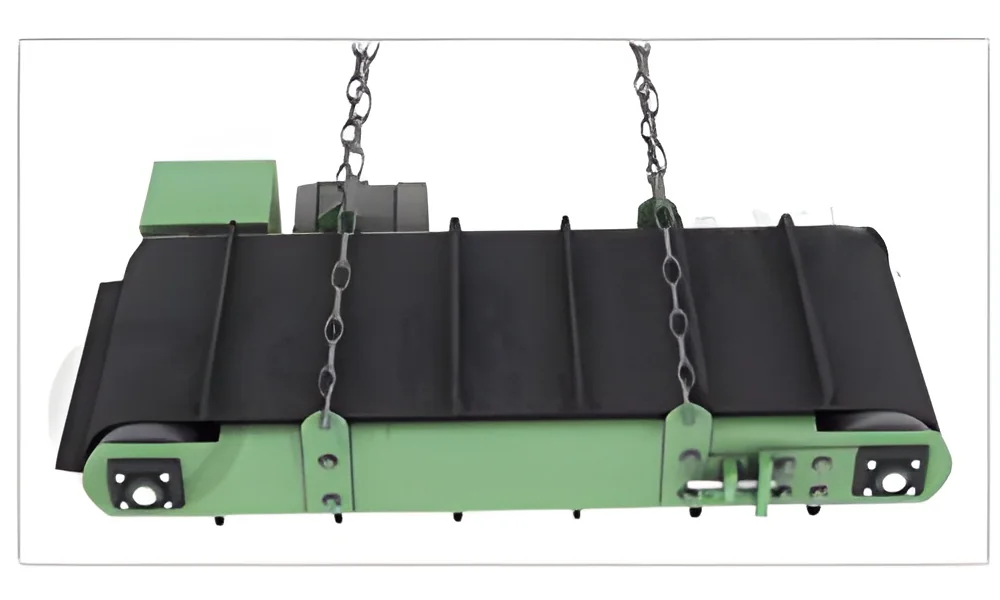
Cross-Belt Magnetic Separator: This design is mounted on a conveyor belt, allowing for the continuous separation of ferrous materials from bulk products. It is commonly used in recycling and mining operations.
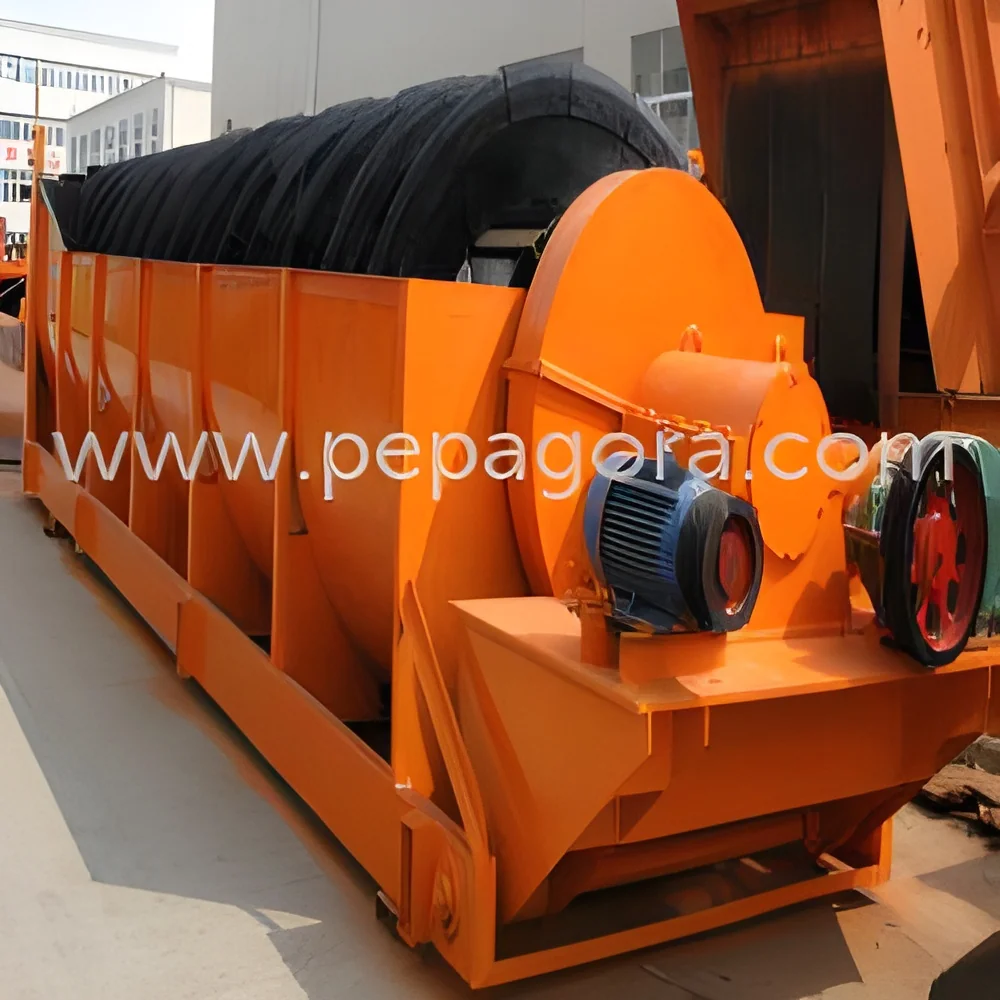
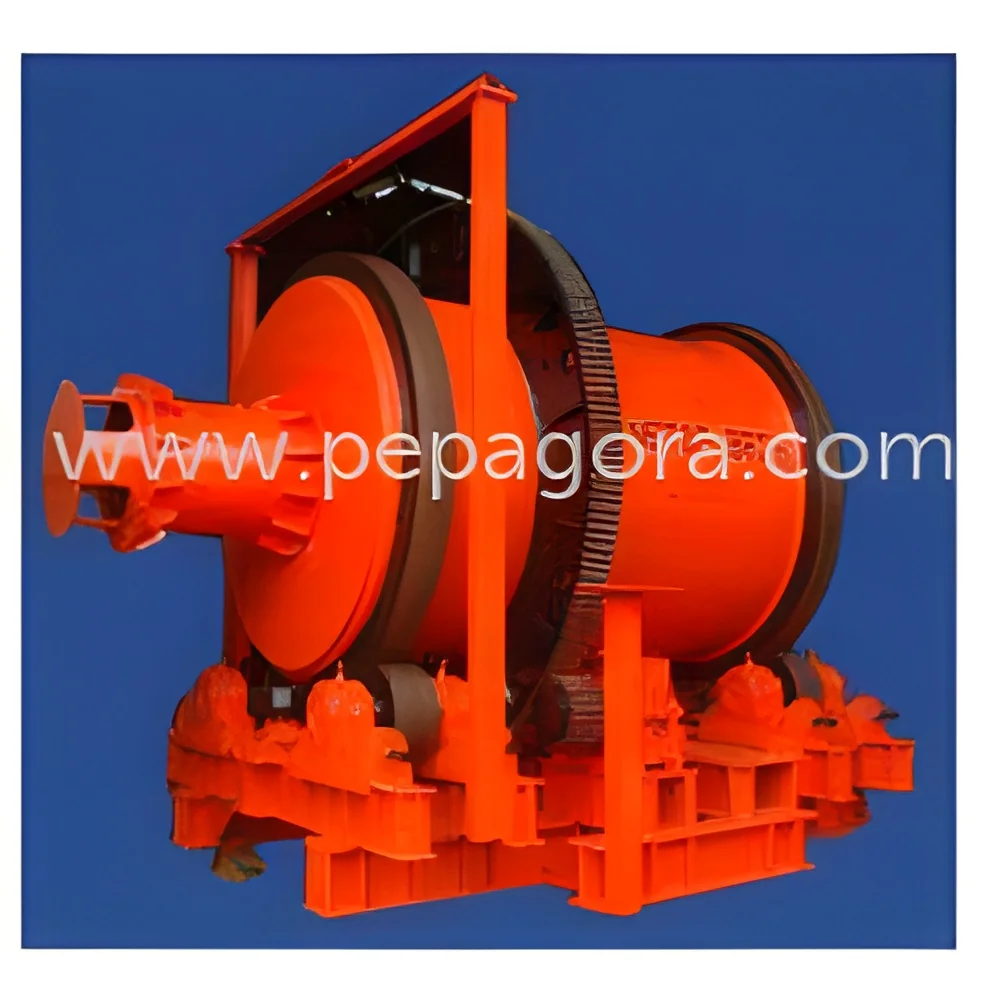
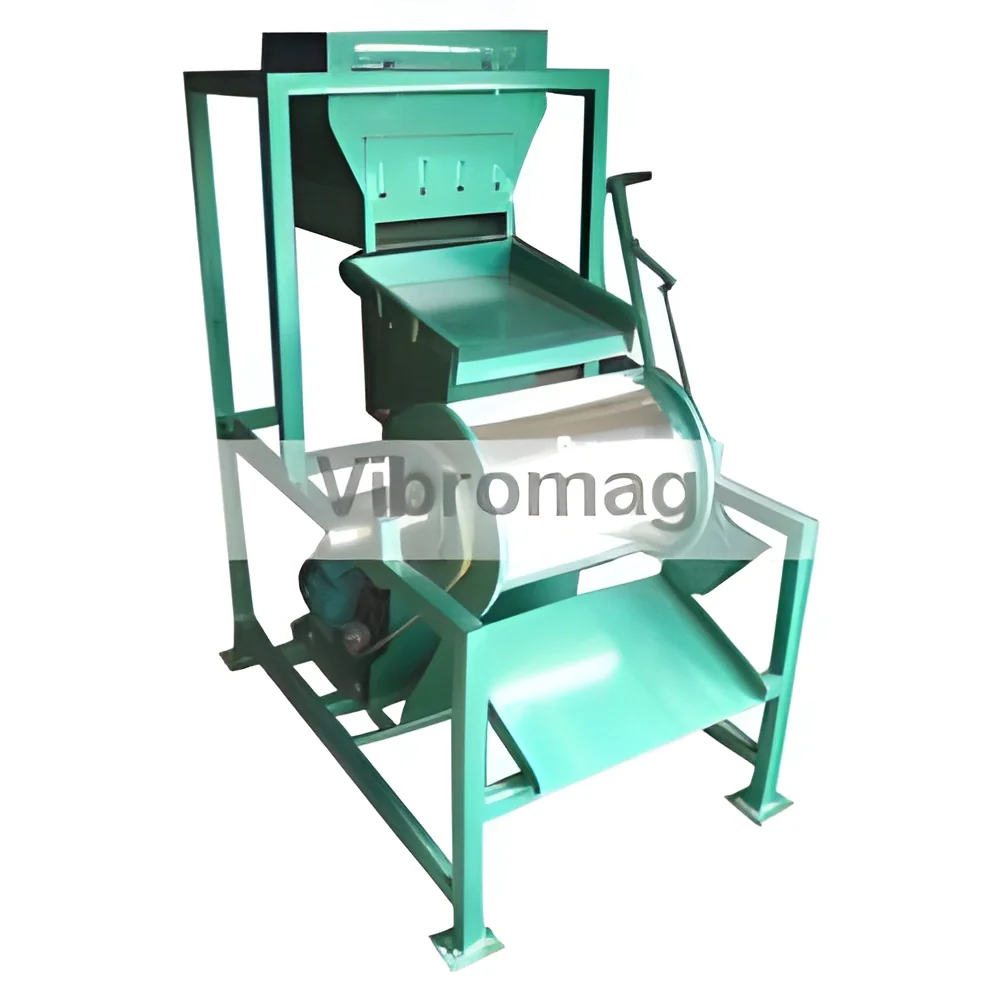
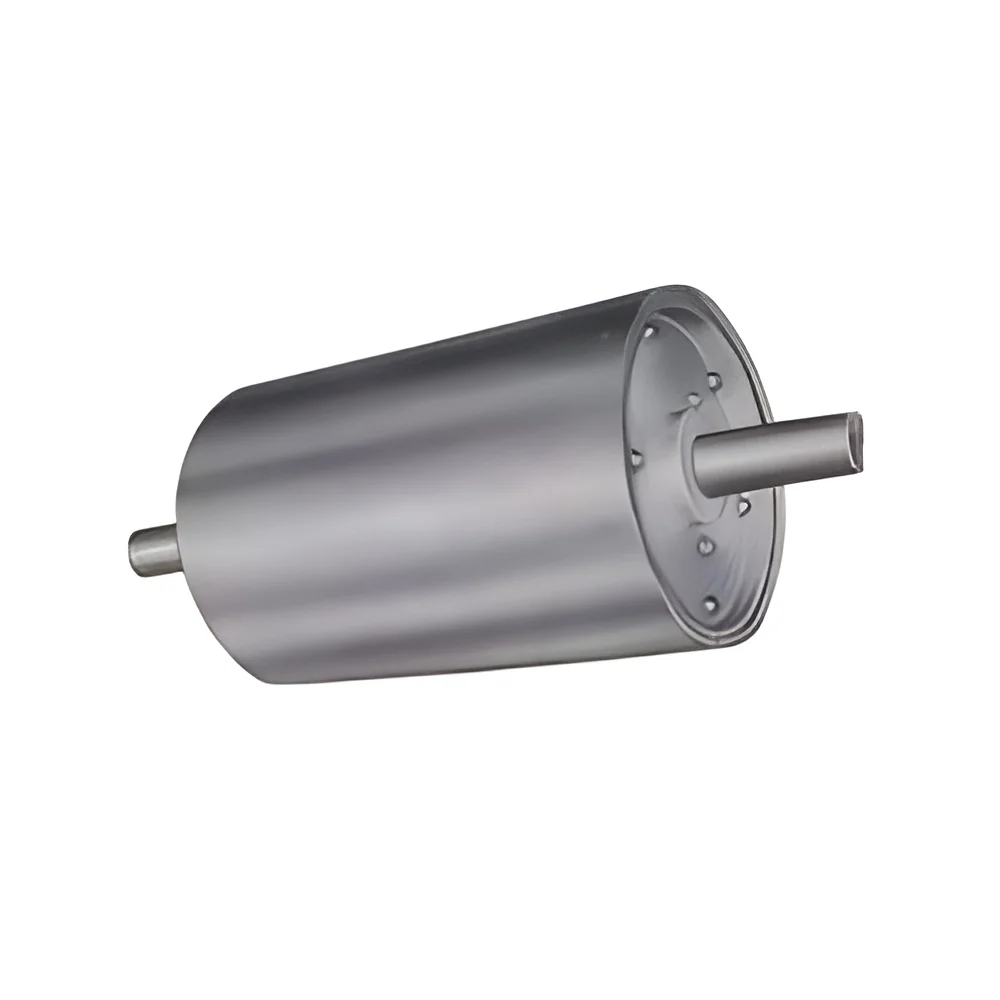
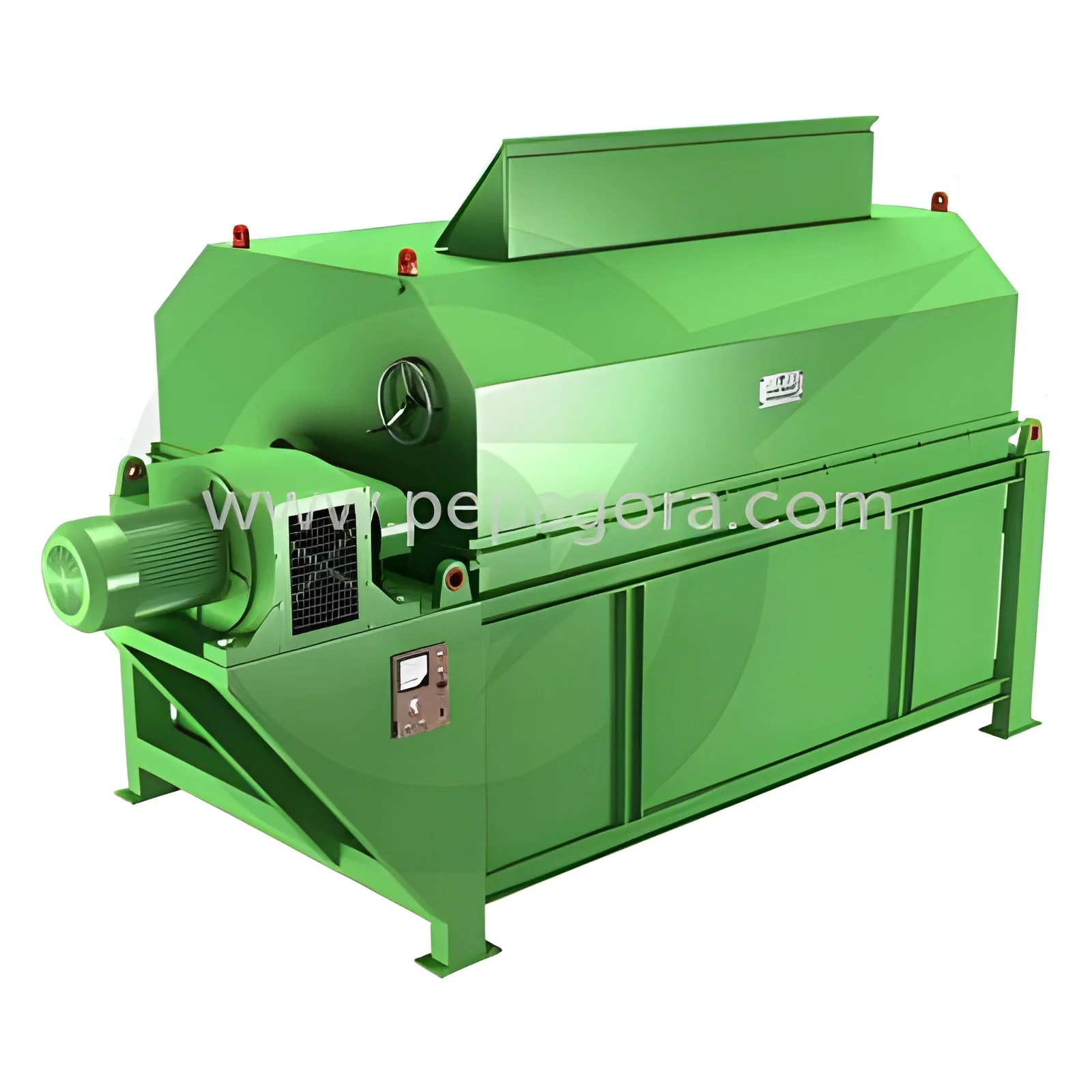
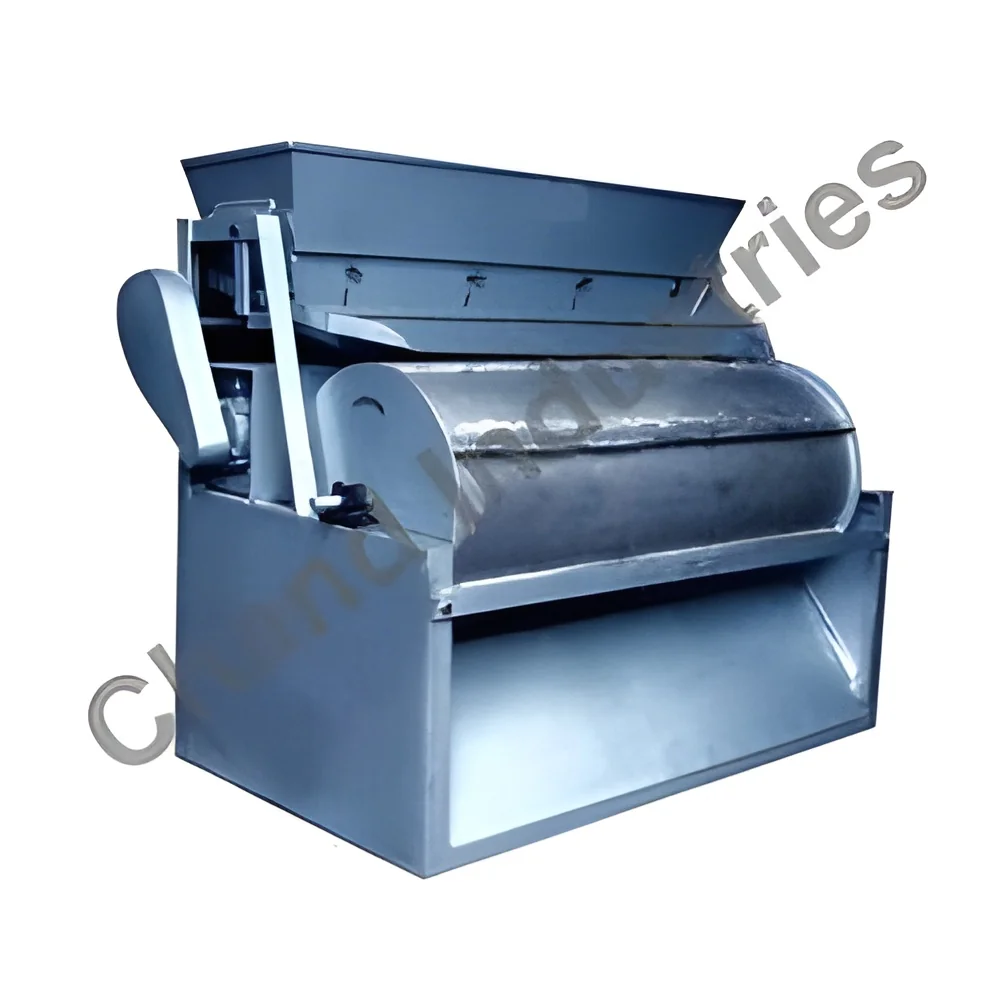
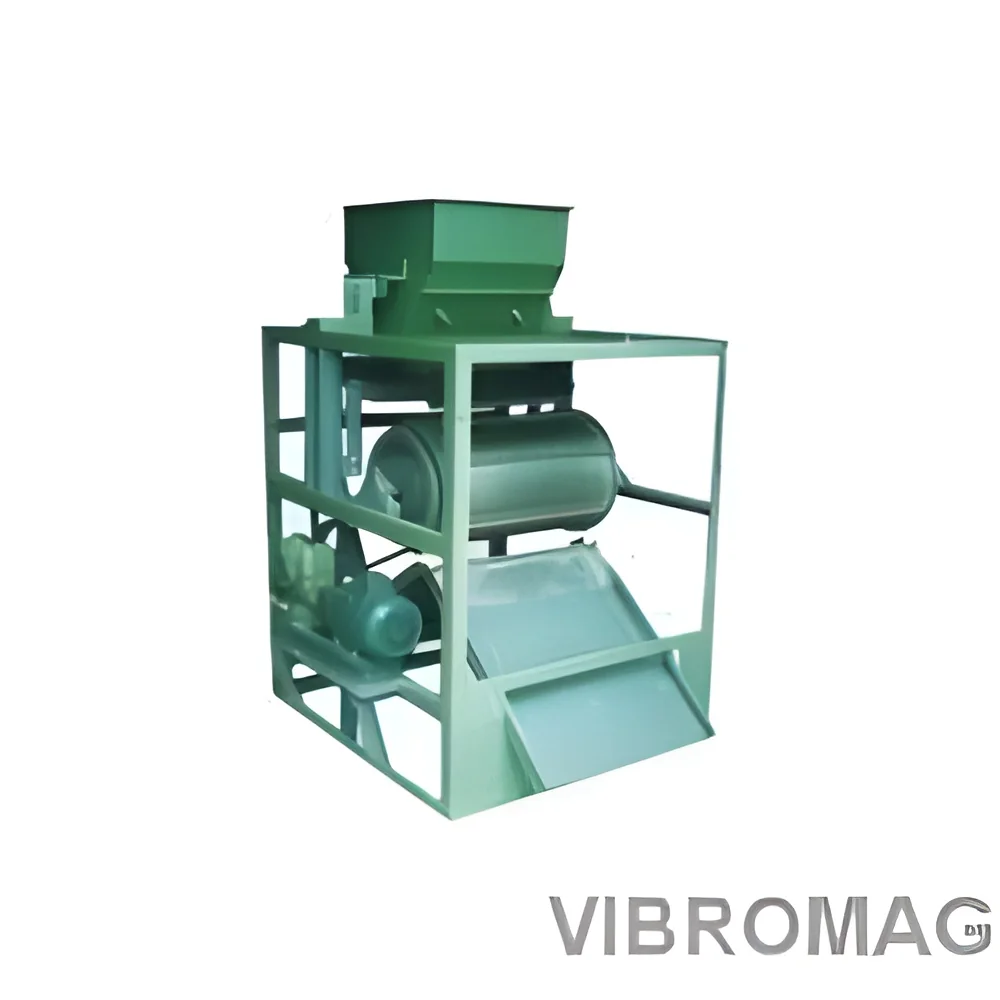
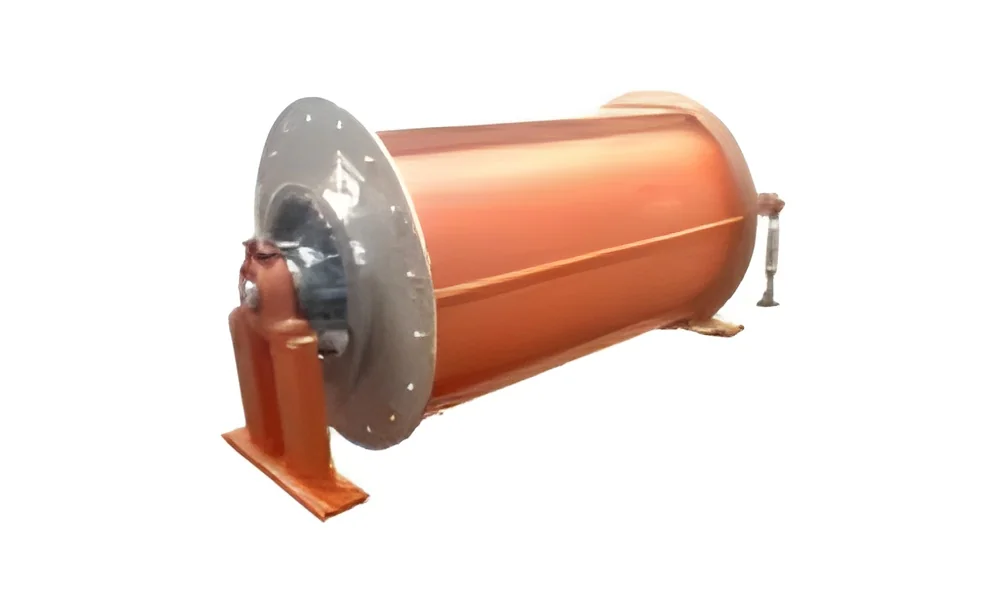
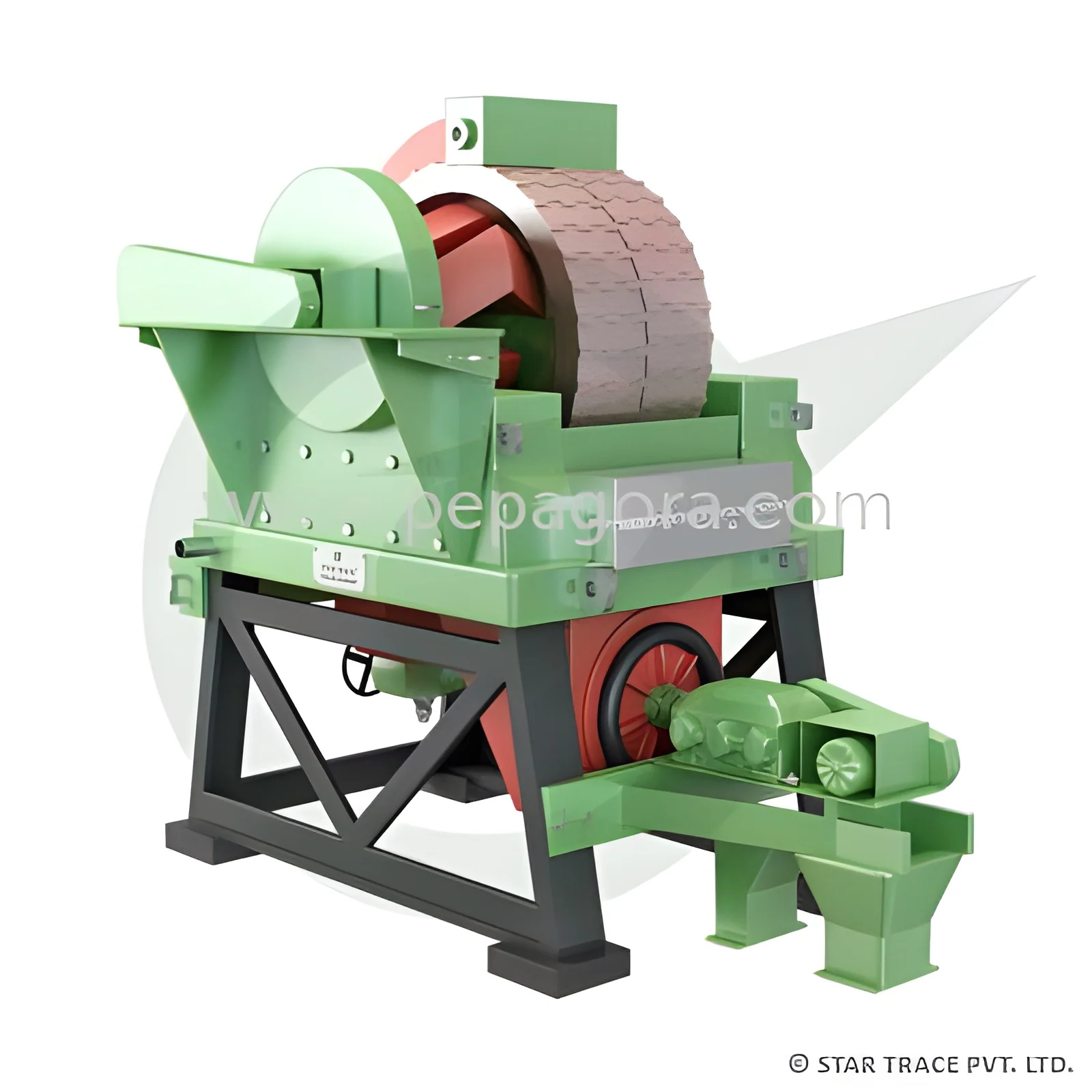
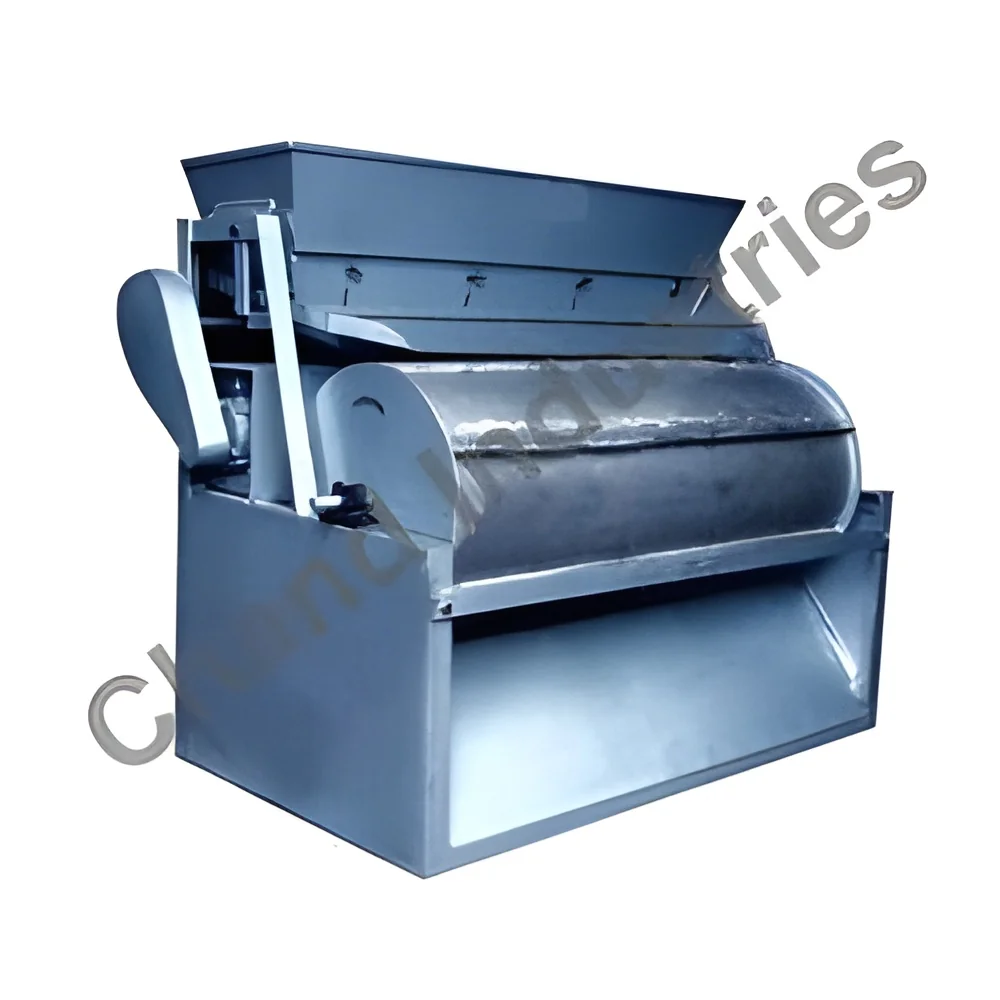
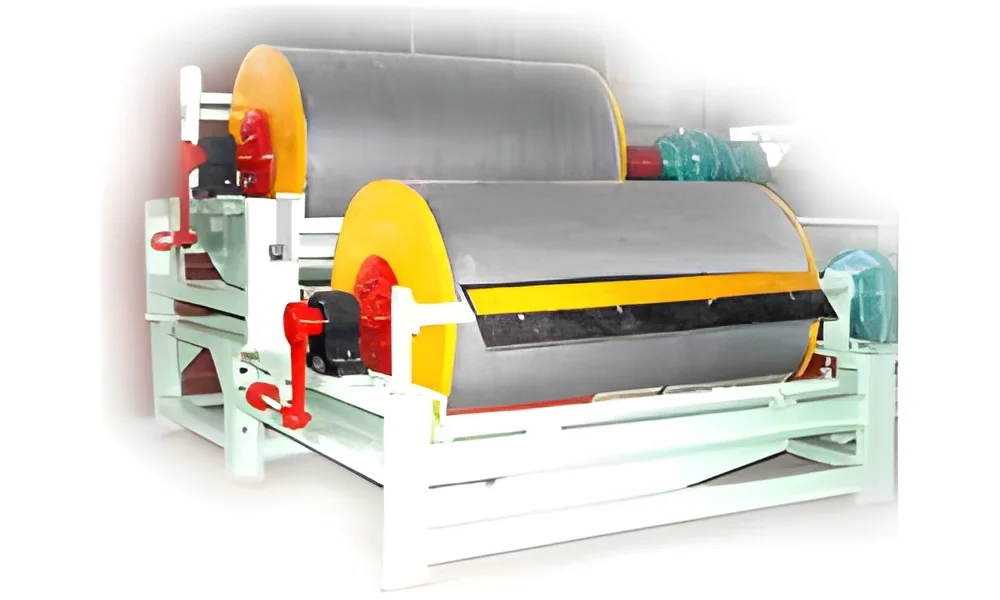
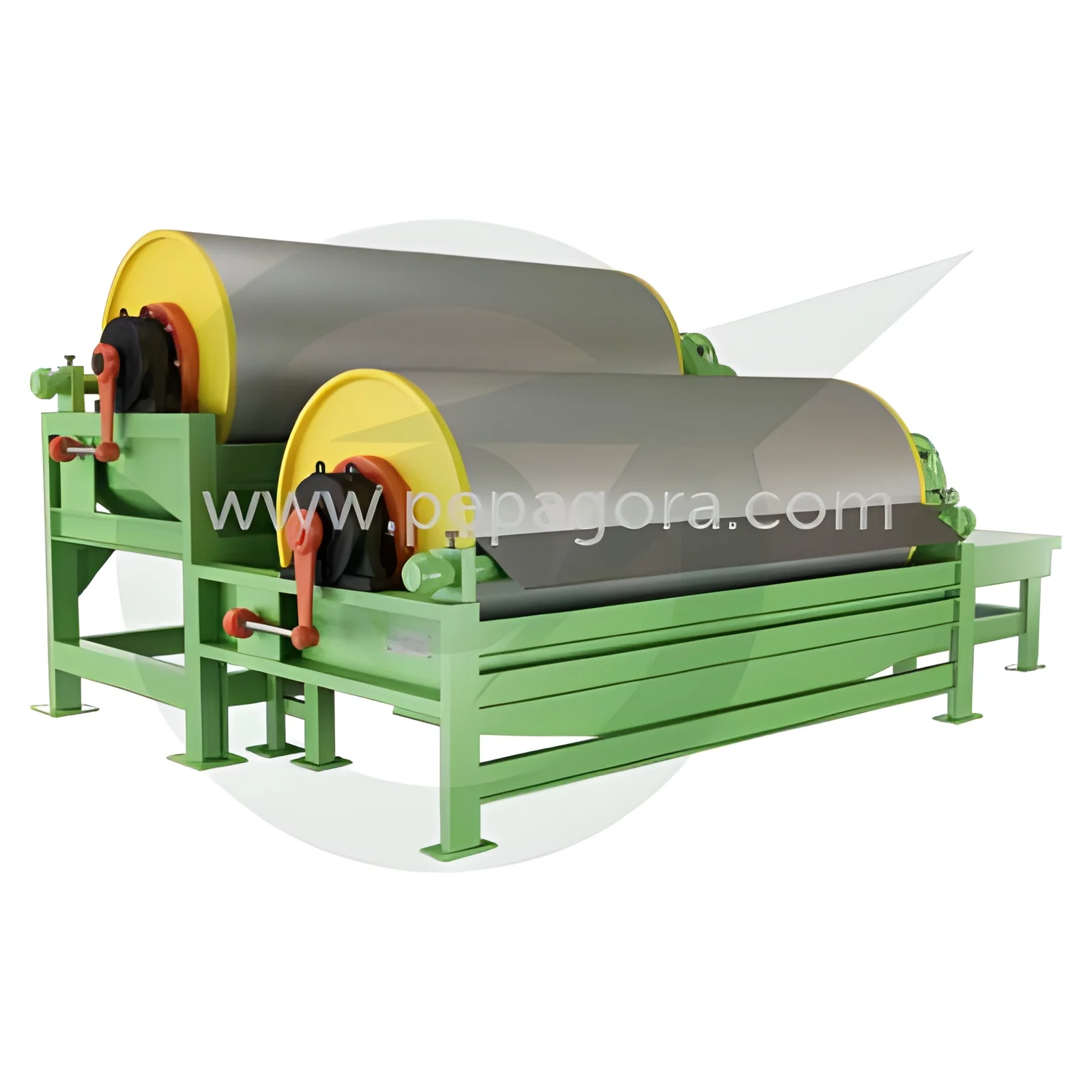
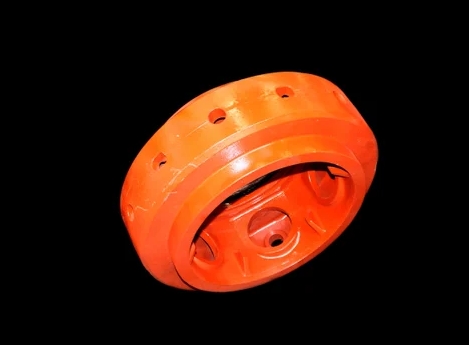
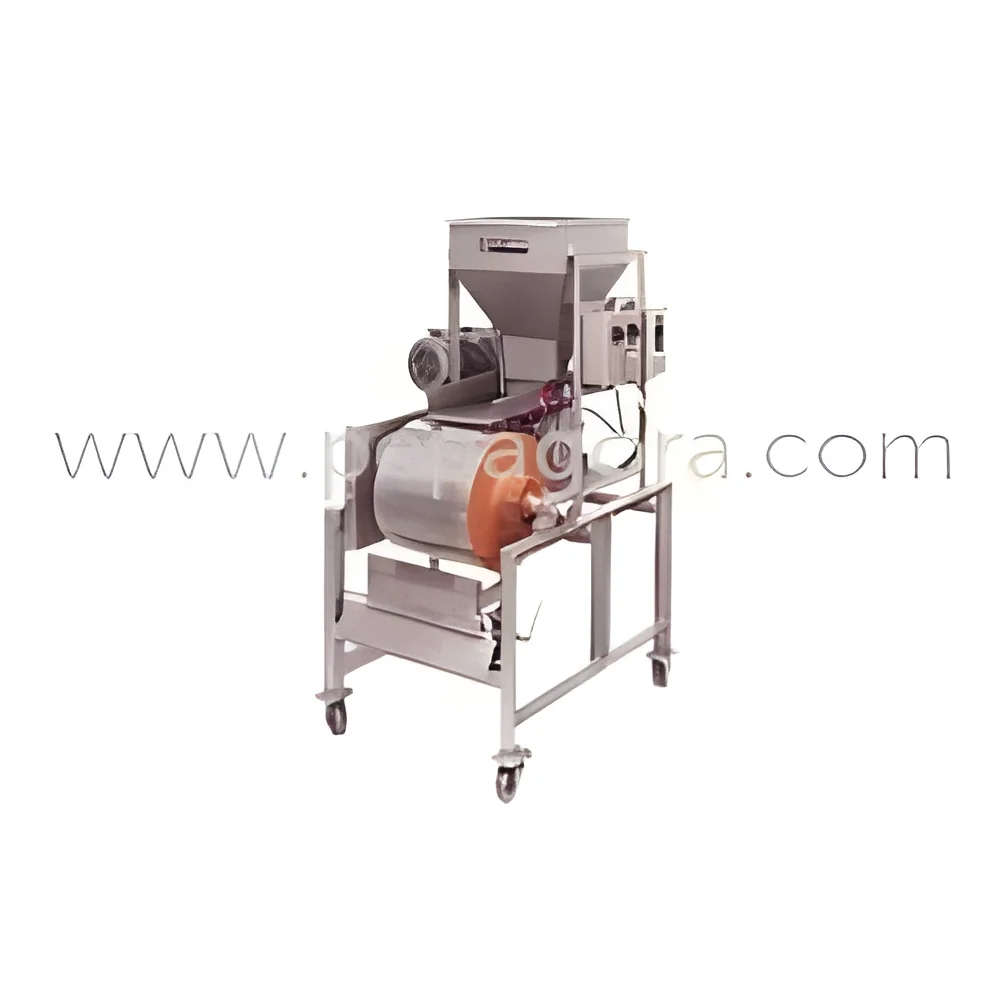
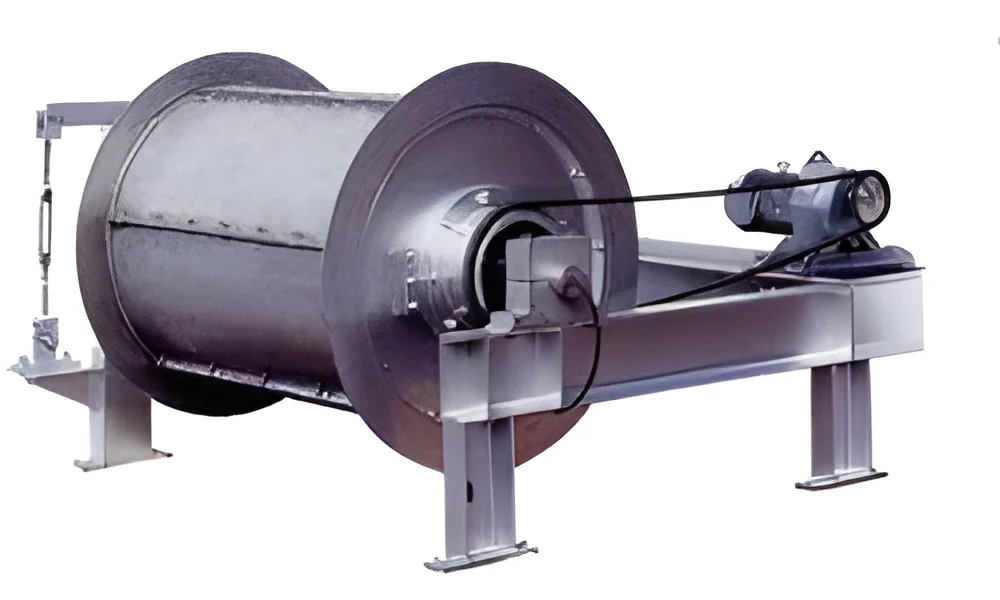
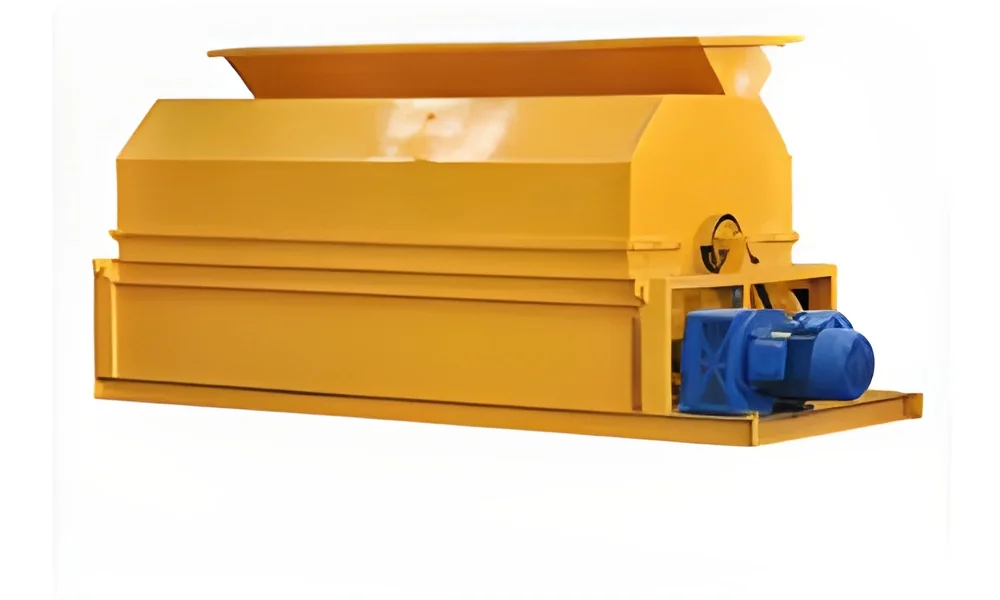
Drum Magnetic Separator: This separator consists of a rotating drum that collects magnetic materials from a mixed product stream. It is effective in separating fine particles from bulk materials.
Benefits and Advantages
Investing in magnetic separators offers several key benefits for businesses looking to improve their operations.
1. Enhanced Product Quality: Magnetic separators ensure that products are free from metal contaminants, leading to higher quality and safety standards.
2. Reduced Maintenance Costs: Many magnetic separators require minimal maintenance, resulting in lower operational costs over time.
3. Increased Efficiency: By automating the separation process, businesses can streamline operations and improve productivity.
4. Versatility: Magnetic separators can be used across different industries and applications, making them adaptable to various production environments.
5. Compliance with Regulations: Using magnetic separators helps businesses meet industry standards and regulations, ensuring product safety.
6. Improved Recovery Rates: In mining and recycling, magnetic separators enhance recovery rates of valuable materials, maximizing resource utilization.
Buying Guide for B2B Buyers
When sourcing magnetic separators, buyers should consider several critical factors to ensure they select the right product for their needs.
1. Quality Assessment: Evaluate the quality of magnetic separators based on materials used and manufacturer reputation. Look for products that meet industry standards.
2. Supplier Verification: Research potential suppliers to ensure they have a track record of reliability and quality. Request references and check certifications.
3. Pricing and MOQ: Understand the pricing structure and minimum order quantities (MOQ) required by suppliers. This will help in budgeting and planning purchases.
4. Delivery and Lead Times: Inquire about delivery schedules and lead times. Timely delivery is crucial for maintaining production schedules.
5. Compliance Requirements: Ensure that the magnetic separators meet all necessary compliance and regulatory standards relevant to your industry.
Compliance and Certifications
Magnetic separators are subject to various quality standards and certifications to ensure they meet industry requirements. Key standards include ISO 9001, which outlines quality management systems, and HACCP, which focuses on food safety.
Certifications such as CE indicate that a product complies with European health, safety, and environmental protection standards. Additionally, manufacturers may need to adhere to safety and testing requirements specific to their industry, ensuring that products are reliable and safe for use.
Regional compliance considerations may vary, so it is essential for businesses to stay informed about the regulations that apply to their operations, particularly when sourcing internationally.
Why Source Magnetic Separators from Pepagora?
Pepagora provides a trusted platform for sourcing magnetic separators, offering numerous advantages for B2B buyers.
Verified Supplier Network: Pepagora ensures that all suppliers are thoroughly vetted for quality and reliability. This gives buyers confidence in their purchasing decisions.
Streamlined RFQ Process: The request for quotation (RFQ) system simplifies the procurement process, allowing buyers to receive competitive quotes from multiple suppliers quickly.
Trade Assurance and Support: Buyers benefit from trade assurance programs that protect their investments and provide support throughout the purchasing process.
Regional Coverage: Pepagora's geographic reach extends across India, the GCC, and Southeast Asia, facilitating connections with suppliers in key markets and ensuring accessibility for businesses in these regions.
By choosing Pepagora, businesses can enhance their sourcing experience for magnetic separators while ensuring quality and compliance.

 IN
IN