What are Sand Casting Equipment?
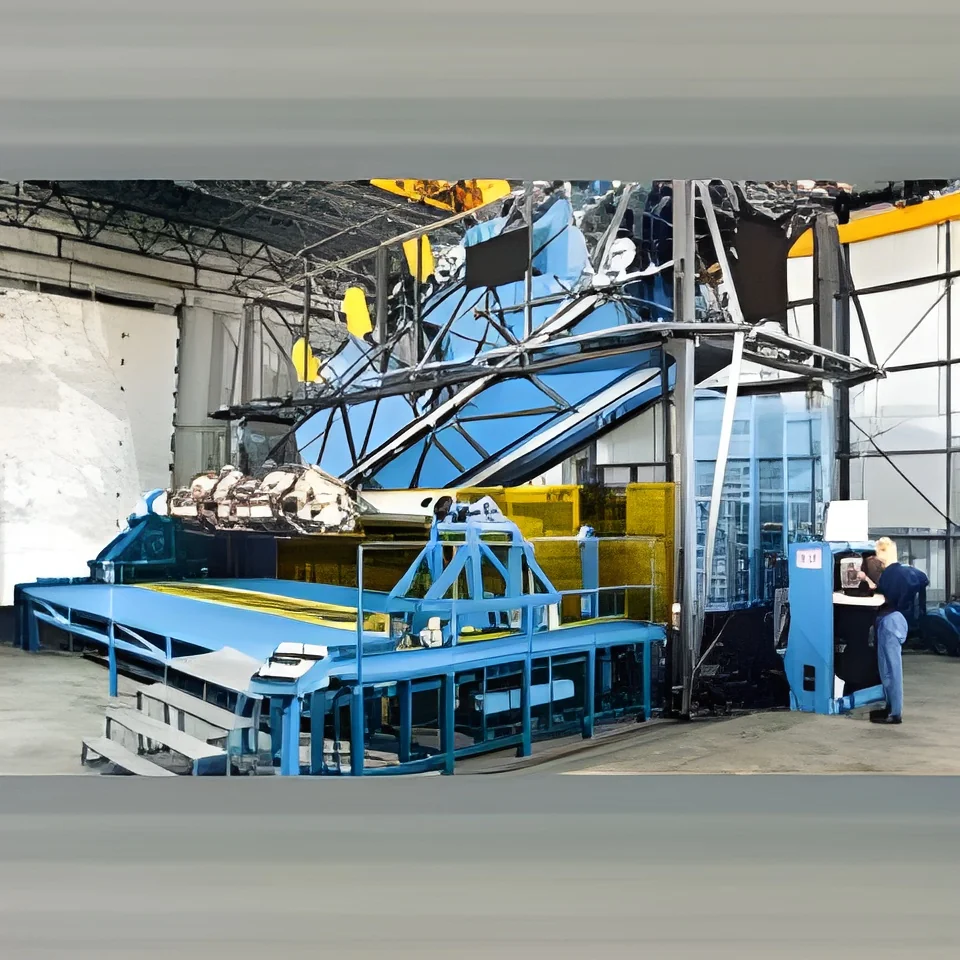
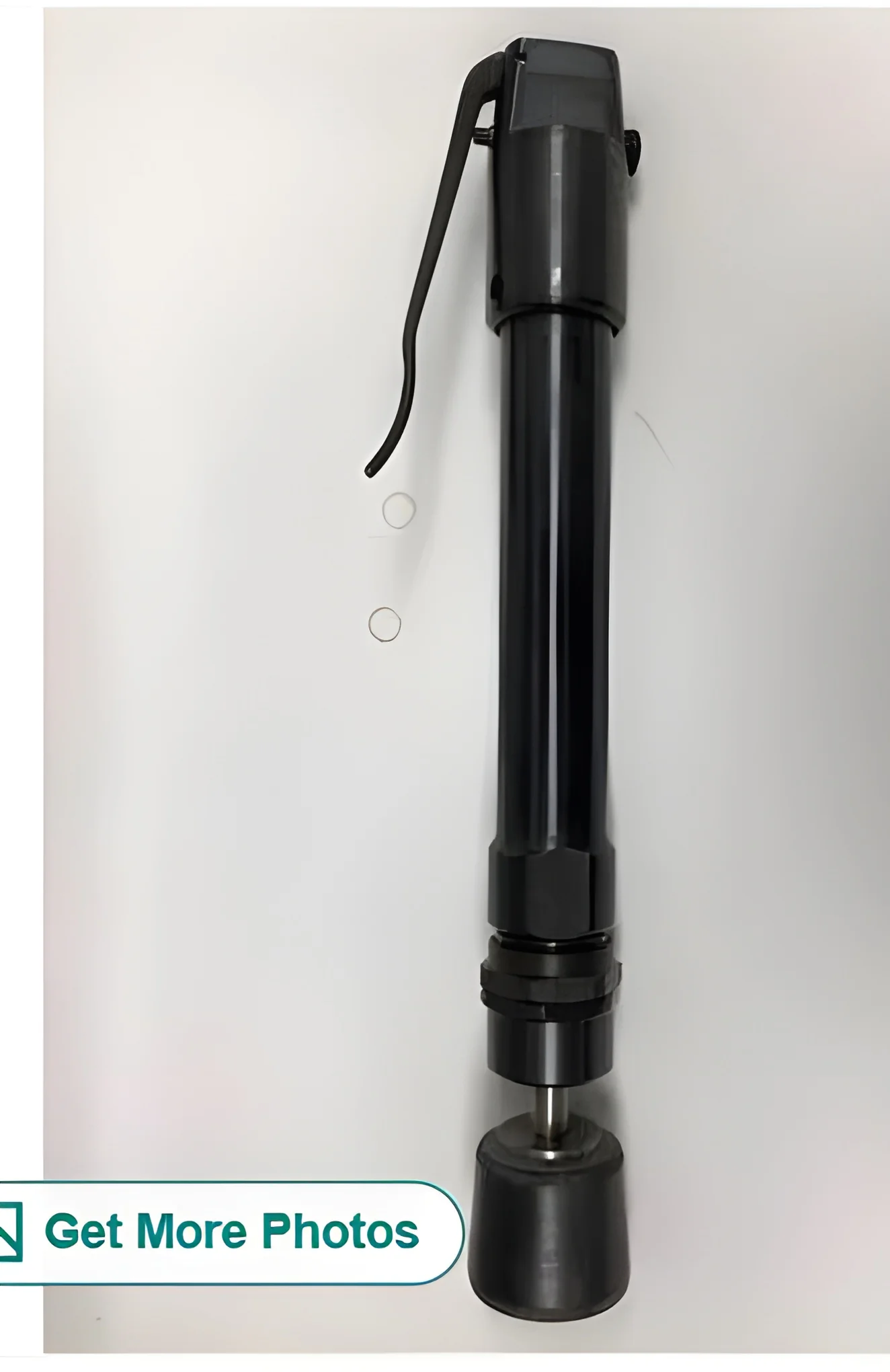
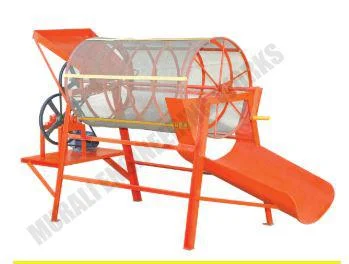
Sand casting equipment refers to the tools and machines used in the sand casting process, a method for creating metal parts by pouring molten metal into a sand mold. The sand used in this process is typically a mixture of silica sand, clay, and water, which allows it to hold its shape when compacted. The equipment includes various components such as mold making machines, melting furnaces, pouring systems, and finishing tools that work together to produce high-quality castings.
This equipment finds extensive applications across multiple industries, including automotive, aerospace, and heavy machinery manufacturing. For example, it is commonly used to produce engine blocks, transmission cases, and other intricate components that require precise dimensions and surface finishes. As industries continue to evolve and demand for customized metal parts increases, sand casting equipment remains a critical component in the manufacturing landscape, driving innovation and efficiency.
The relevance of sand casting equipment in today's market is underscored by its adaptability to a wide range of materials and its ability to produce complex shapes. With advancements in technology, such as computer-aided design (CAD) and automation, the efficiency and accuracy of sand casting processes have improved significantly. This has led to a growing demand for advanced sand casting equipment, as manufacturers seek to enhance productivity while maintaining quality standards.
Key Features and Specifications
Sand casting equipment is characterized by several key features that contribute to its effectiveness and efficiency in metal casting processes. Understanding these specifications is crucial for selecting the right equipment for your business needs.
Key specifications include:
1. Mold Making Capacity
- Determines the size and complexity of molds that can be produced.
- Varies depending on the specific machine design, typically accommodating large to small-scale production.
2. Melting Furnace Type
- Defines the method of melting metal, which can be electric, gas, or induction.
- Each type has different energy efficiency and output capabilities.
3. Pouring System Efficiency
- Refers to the speed and accuracy of metal pouring into molds.
- Critical for reducing waste and ensuring quality of castings.
4. Finishing Equipment Compatibility
- Indicates the types of finishing processes that can be integrated, such as grinding, sanding, or polishing.
- Essential for achieving desired surface quality.
5. Automation Features
- Involves the level of automation available, from manual to fully automated systems.
- Affects production speed and labor requirements.
6. Control Systems
- Relates to the technology used for monitoring and controlling the casting process.
- Advanced systems enable real-time adjustments for consistency.
7. Safety Mechanisms
- Includes features designed to protect operators and maintain safe working conditions.
- Essential for compliance with industry safety standards.
8. Maintenance Requirements
- Refers to the frequency and complexity of maintenance needed to keep the equipment operational.
- Affects overall cost of ownership and downtime.
In summary, understanding the key features and specifications of sand casting equipment is essential for making informed purchasing decisions. These specifications directly impact production efficiency, quality, and safety in the casting process.
Common Applications and Use Cases
Sand casting equipment serves various industries with diverse needs and applications. Its versatility makes it a preferred choice for many manufacturing processes.
1. Automotive Industry: Sand casting is commonly used to produce engine components, gearboxes, and other critical parts that require high durability and precision.
2. Aerospace Sector: Components such as turbine housings and brackets are manufactured using sand casting, which allows for complex geometries and lightweight structures.
3. Heavy Machinery: Equipment parts like frames, housings, and brackets are made using sand casting to ensure strength and reliability under heavy loads.
4. Construction: Sand casting equipment is utilized to create structural elements and fittings, contributing to the durability of construction projects.
5. Marine Applications: Components for boats and marine engines are often cast using sand casting to withstand harsh environmental conditions.
6. Rail Industry: Sand casting is employed to manufacture parts like couplings and brake components, which require precision and resilience.
7. Art and Sculpture: Artists use sand casting for creating unique metal sculptures and art pieces, showcasing the creative aspect of the casting process.
Product Variants and Subcategories
Sand casting equipment comes in a range of variants to meet specific manufacturing needs. Each variant offers unique features tailored to different applications.
Automated Sand Casting Machines
These machines are designed for high-volume production, featuring advanced automation technology for efficient mold making and metal pouring. They significantly reduce labor costs and enhance precision.
Portable Sand Casting Equipment
Ideal for smaller operations or specialized applications, portable equipment provides flexibility and ease of use. These units are typically lightweight and can be easily transported to different job sites.
Custom Sand Molding Systems
Custom systems are designed to meet unique specifications and requirements of specific industries. They offer tailored solutions for complex casting needs with a focus on enhancing production efficiency.
Benefits and Advantages
Choosing sand casting equipment offers numerous benefits that can enhance manufacturing processes and overall business performance.
1. Cost-Effectiveness: Sand casting is generally more economical than other casting methods, especially for large production runs, due to lower material costs and simpler production processes.
2. Flexibility: The equipment can accommodate a wide variety of metal types and casting designs, making it suitable for diverse applications across multiple industries.
3. High Precision: Modern sand casting equipment is capable of producing intricate and detailed castings, ensuring high levels of accuracy and quality.
4. Scalability: Manufacturers can easily scale production volumes up or down based on market demand, allowing for better inventory management.
5. Minimal Waste: The sand used in the process can be reused multiple times, contributing to sustainable practices and reducing material waste.
6. Rapid Turnaround: Sand casting equipment allows for quicker mold production and metal pouring, which can shorten lead times and improve responsiveness to customer needs.
Buying Guide for B2B Buyers
When sourcing sand casting equipment, it is important to consider several key factors to ensure a successful purchase.
1. Quality Assessment: Evaluate the equipment's build quality and reliability. Look for machines that meet industry standards and have a proven track record of performance.
2. Supplier Verification: Vet potential suppliers by checking their reputation, customer reviews, and experience in the industry. Ensure they have a reliable support system in place.
3. Pricing and MOQ: Understand the pricing structure and minimum order quantities. Compare quotes from different suppliers to find the best value while considering long-term costs.
4. Delivery and Lead Times: Inquire about logistics and delivery schedules. Delays can affect production, so choose suppliers with a solid track record of meeting deadlines.
5. Compliance Requirements: Ensure that the equipment meets all relevant regulatory and safety standards. This includes certifications like CE, which indicate compliance with European safety regulations.
Compliance and Certifications
Compliance and certifications play a vital role in the sand casting equipment market, ensuring that products meet quality and safety standards. Key industry standards include ISO 9001, which outlines quality management systems, and CE marking, which indicates compliance with European health, safety, and environmental protection standards.
Manufacturers are also expected to adhere to safety requirements that mitigate risks associated with operating heavy machinery. Regular testing and inspections help ensure that the equipment is safe for use and meets operational requirements.
Regional compliance considerations are important as different regions may have specific regulations that must be followed. Manufacturers should familiarize themselves with local laws to ensure full compliance and avoid penalties.
Why Source Sand Casting Equipment from Pepagora?
Pepagora provides a trusted platform for sourcing sand casting equipment, offering several key advantages for B2B buyers.
Verified Supplier Network: Pepagora has established a robust network of verified suppliers, ensuring that buyers have access to reputable manufacturers who meet quality and safety standards. This reduces the risk of purchasing subpar equipment.
Streamlined RFQ Process: The platform features a streamlined Request for Quotation (RFQ) process that simplifies the procurement journey. Buyers can easily request quotes from multiple suppliers, facilitating informed decision-making.
Trade Assurance and Support: Pepagora offers trade assurance that protects buyers during transactions, providing peace of mind when investing in equipment. Additionally, dedicated support is available to assist with any inquiries or issues.
Regional Coverage: With a wide geographic reach that includes India, the GCC, and Southeast Asia, Pepagora connects buyers with suppliers across key markets. This enables businesses to source equipment that meets their specific regional requirements and preferences.

 IN
IN