What are Flotation Machines?
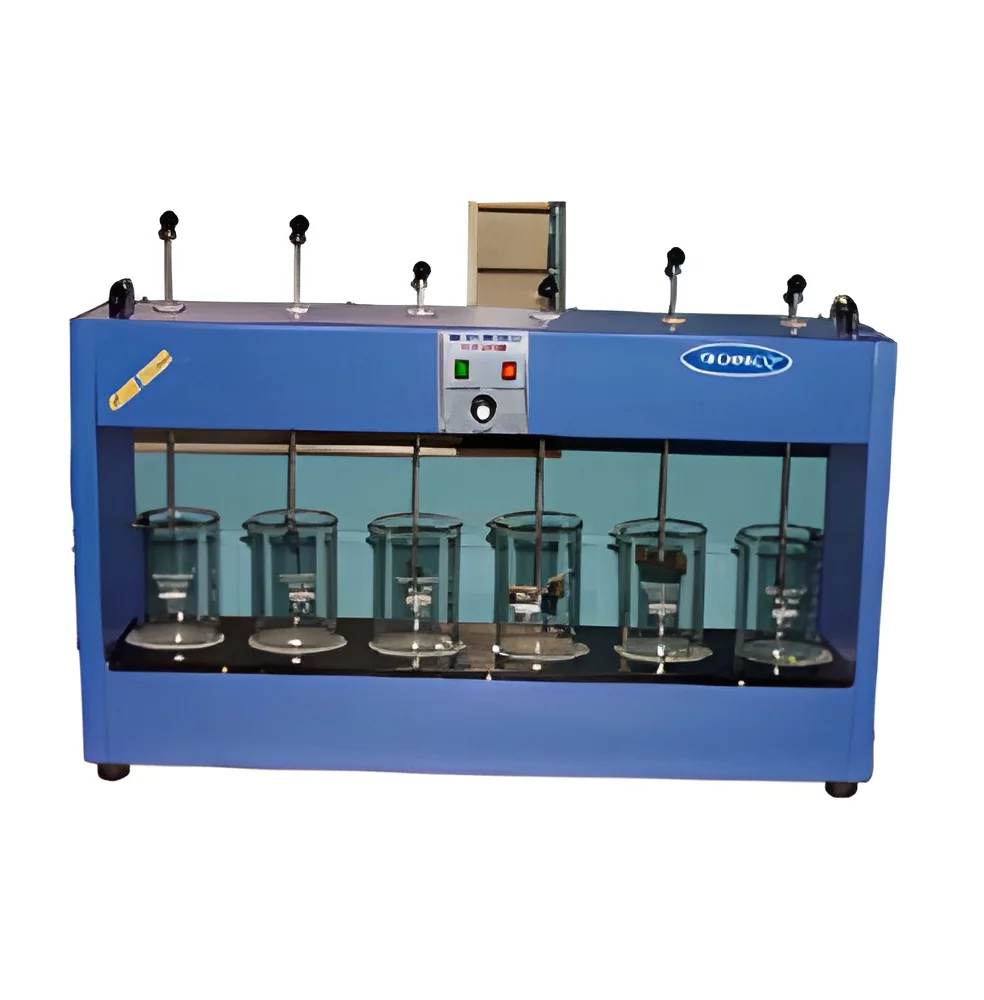
Flotation machines are essential equipment used in various industries for the separation of materials based on differences in their physical and chemical properties. These machines operate on the principle of flotation, where air bubbles are introduced into a liquid to facilitate the separation of solid particles. The process allows for the efficient extraction of valuable minerals from ores, making flotation machines critical in sectors such as mining, mineral processing, and recycling.
The primary applications of flotation machines include the treatment of metallic ores, coal, and industrial minerals. In mining, they are employed for the concentration of copper, lead, zinc, and other metals through selective flotation. Additionally, flotation machines are utilized in wastewater treatment processes to remove contaminants. As industries focus on improving efficiency and recovery rates, the demand for advanced flotation technology continues to grow, indicating their relevance in today’s market.
Key Features and Specifications
Flotation machines come equipped with various features designed to enhance their performance and efficiency. Understanding the specifications is crucial for businesses considering their use.
Key specifications include:
1. Type of Flotation Cell
- Mechanical or pneumatic designs
- Suitability for different applications
2. Capacity
- Varies based on model and manufacturer
- Ranges from small-scale units to large industrial systems
3. Power Consumption
- Typically measured in kilowatts
- Efficiency varies with design and operational parameters
4. Air Flow Rate
- Volume of air introduced into the cell
- Critical for optimizing flotation performance
5. Recovery Rate
- Percentage of target mineral recovered
- Influenced by design and operational conditions
6. Control System
- Manual or automated options available
- Features for monitoring and adjusting flotation parameters
7. Material Construction
- Commonly made from steel or composite materials
- Corrosion resistance and durability are key considerations
8. Size and Footprint
- Dimensions vary based on capacity and application
- Important for installation and space planning
In summary, when selecting flotation machines, it is essential to consider the technical specifications that align with operational needs.
Common Applications and Use Cases
Flotation machines serve various industries, providing effective solutions for specific applications.
1. Mining: In the mining sector, flotation machines are used to separate valuable minerals from ore. This process is vital for extracting metals like copper and gold.
2. Recycling: Flotation technology is applied in recycling processes to recover plastics and other materials from waste streams, enhancing material recovery rates.
3. Water Treatment: In wastewater treatment facilities, flotation machines help remove suspended solids and contaminants, improving effluent quality before discharge.
4. Chemical Processing: Flotation is utilized in the chemical industry for the separation of chemicals and other compounds, enhancing product purity.
5. Paper Industry: In the paper manufacturing process, flotation machines assist in removing ink and other contaminants from recycled paper.
6. Food Industry: These machines can also be employed in food processing for the separation of fats and oils, contributing to product refinement.
7. Environmental Management: Flotation machines play a role in environmental cleanup efforts, assisting in the removal of pollutants from contaminated sites.
Product Variants and Subcategories
Flotation machines come in various configurations to meet diverse operational requirements.
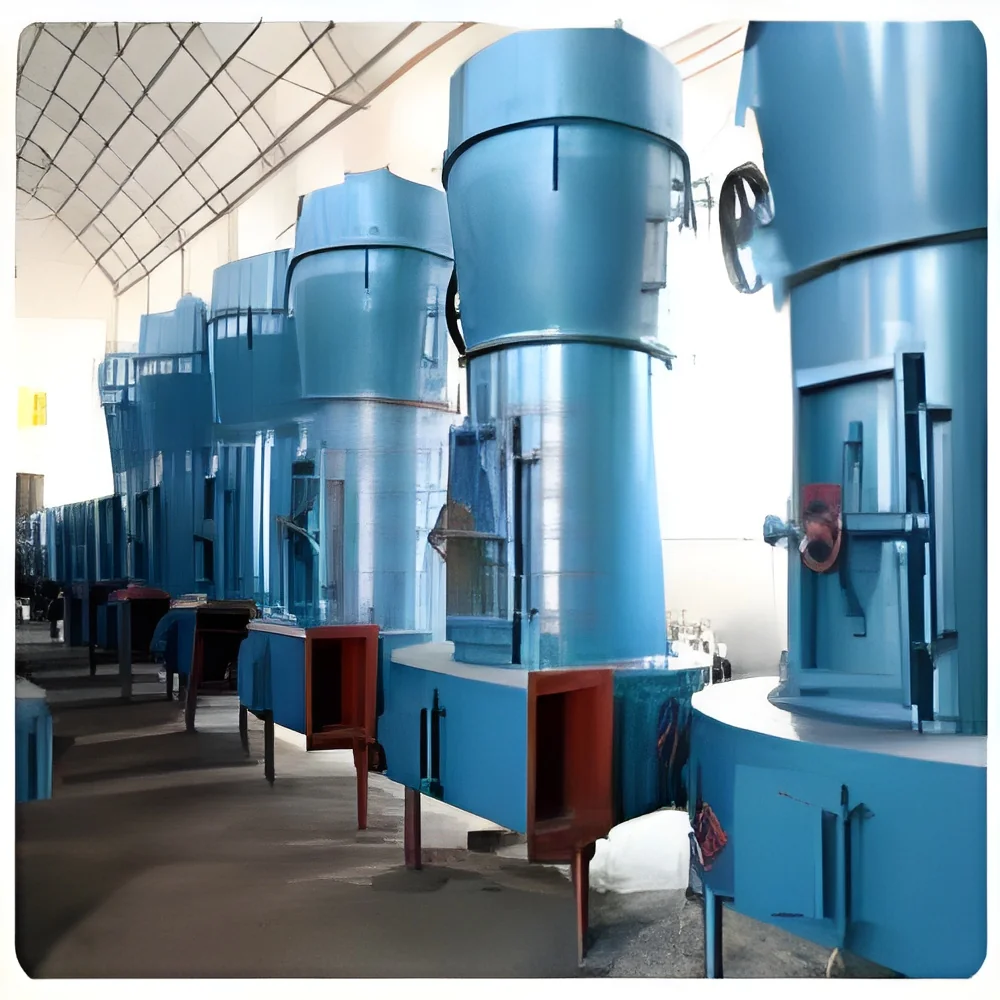
Mechanical Flotation Machines: These machines rely on mechanical agitation to introduce air into the slurry. They are versatile and commonly used in mining applications.
Pneumatic Flotation Machines: Using air injection without mechanical stirring, these machines are suitable for specific separation tasks, often found in fine particle processing.
Column Flotation Machines: These machines utilize a vertical column for flotation, offering advantages for the separation of fine materials, particularly in mineral processing.
Batch Flotation Machines: Designed for smaller operations, these machines process limited quantities of material, ideal for testing and experimentation.
Continuous Flotation Machines: These are designed for ongoing operation and can handle larger volumes, making them suitable for industrial applications.
Benefits and Advantages
Flotation machines provide several key benefits that enhance operational efficiency and product recovery.
1. High Recovery Rates: Flotation machines can achieve significant recovery rates for valuable minerals, maximizing resource utilization.
2. Versatility: They are suitable for a wide range of materials and industries, allowing for diverse applications.
3. Efficient Separation: The flotation process enables effective separation of fine particles, which is often challenging with other methods.
4. Reduced Environmental Impact: By improving recovery rates, flotation machines contribute to sustainable practices in resource extraction and waste management.
5. Customization Options: Many manufacturers offer customizable features, allowing businesses to tailor machines to specific needs.
6. Advanced Control Systems: Modern flotation machines often come equipped with sophisticated monitoring and control systems, enhancing operational efficiency.
Buying Guide for B2B Buyers
When sourcing flotation machines, buyers should consider various factors to ensure they select the right equipment for their needs.
1. Quality Assessment: Evaluate the quality of flotation machines by reviewing manufacturer certifications and user reviews. Ensure that the machines meet industry standards for performance and reliability.
2. Supplier Verification: Vet potential suppliers thoroughly. Look for established companies with a proven track record in the industry to ensure reliability and support.
3. Pricing and MOQ: Consider the overall cost of flotation machines, including installation and maintenance. Additionally, be aware of minimum order quantities to plan purchases effectively.
4. Delivery and Lead Times: Understand the logistics involved in the delivery of flotation machines. Ensure that suppliers can meet your timeline requirements without compromising quality.
5. Compliance Requirements: Verify that the machines comply with relevant regulatory standards and certifications, such as CE marking, to ensure safety and operational efficiency.
Compliance and Certifications
Flotation machines must adhere to relevant quality standards to ensure safety and operational effectiveness. ISO 9001 is a widely recognized standard that outlines quality management systems, promoting consistent performance and customer satisfaction.
Additionally, industry certifications, such as CE, demonstrate compliance with European safety and environmental regulations. This certification assures buyers that the machines meet essential health, safety, and environmental protection requirements.
Manufacturers should also ensure that flotation machines undergo rigorous testing to meet safety standards. Regional compliance may vary, so it is essential to understand local regulations that govern equipment used in specific applications.
Why Source Flotation Machines from Pepagora?
Pepagora offers a trusted platform for sourcing flotation machines, providing several key advantages for B2B buyers.
Verified Supplier Network: Pepagora connects buyers with a verified network of suppliers, ensuring that all listed manufacturers meet stringent quality criteria. This reduces the risk of sourcing unreliable equipment.
Streamlined RFQ Process: The Request for Quotation process on Pepagora is designed to be efficient, allowing buyers to receive competitive quotes from multiple suppliers quickly, facilitating informed purchasing decisions.
Trade Assurance and Support: Pepagora provides trade assurance, ensuring buyer protection throughout the sourcing process. This support helps mitigate risks associated with purchasing industrial equipment.
Regional Coverage: Pepagora's geographic reach extends across India, the GCC, and Southeast Asia, making it a convenient platform for businesses looking to source flotation machines in these regions. This wide coverage allows for flexibility and access to a diverse supplier base.

 IN
IN