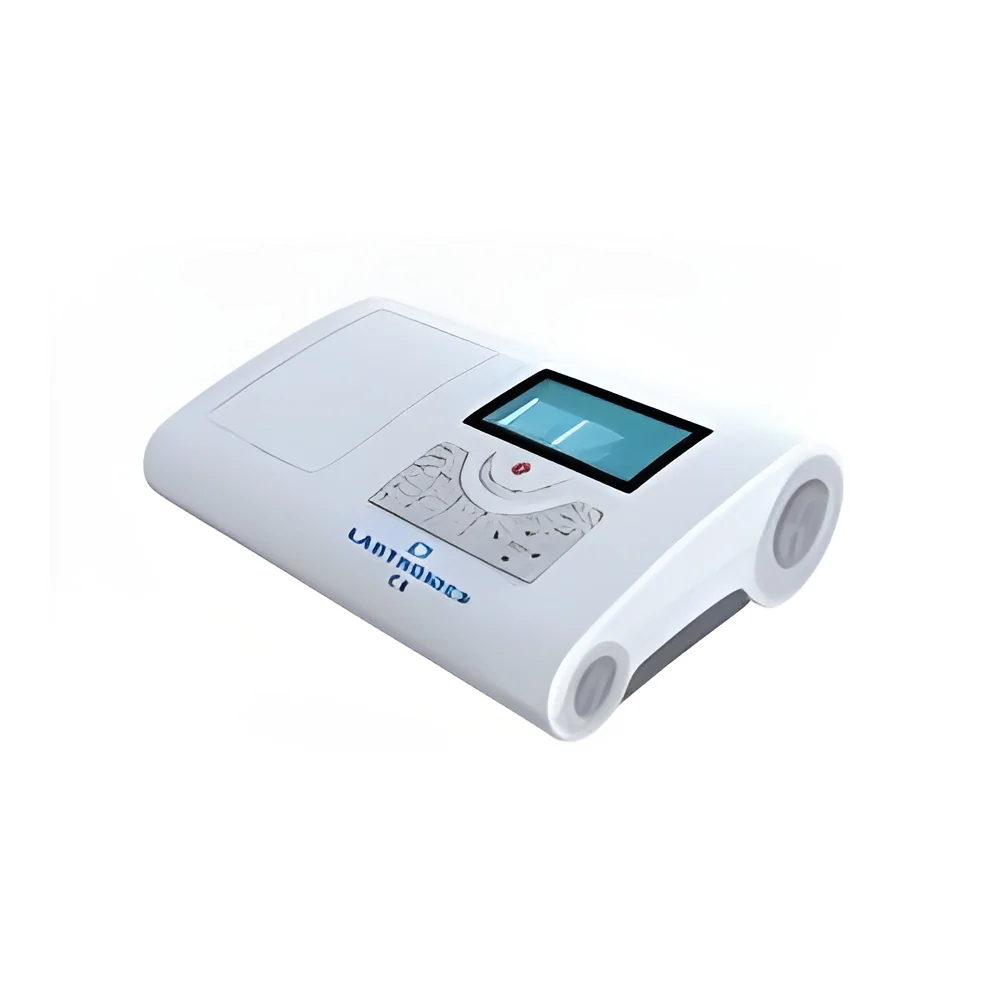
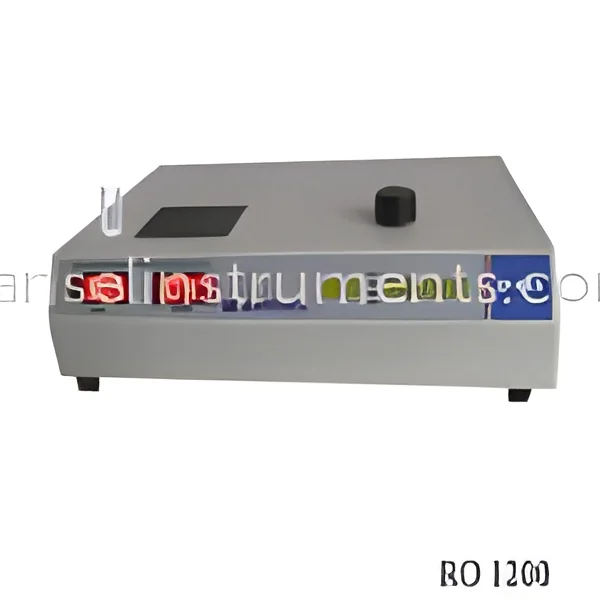
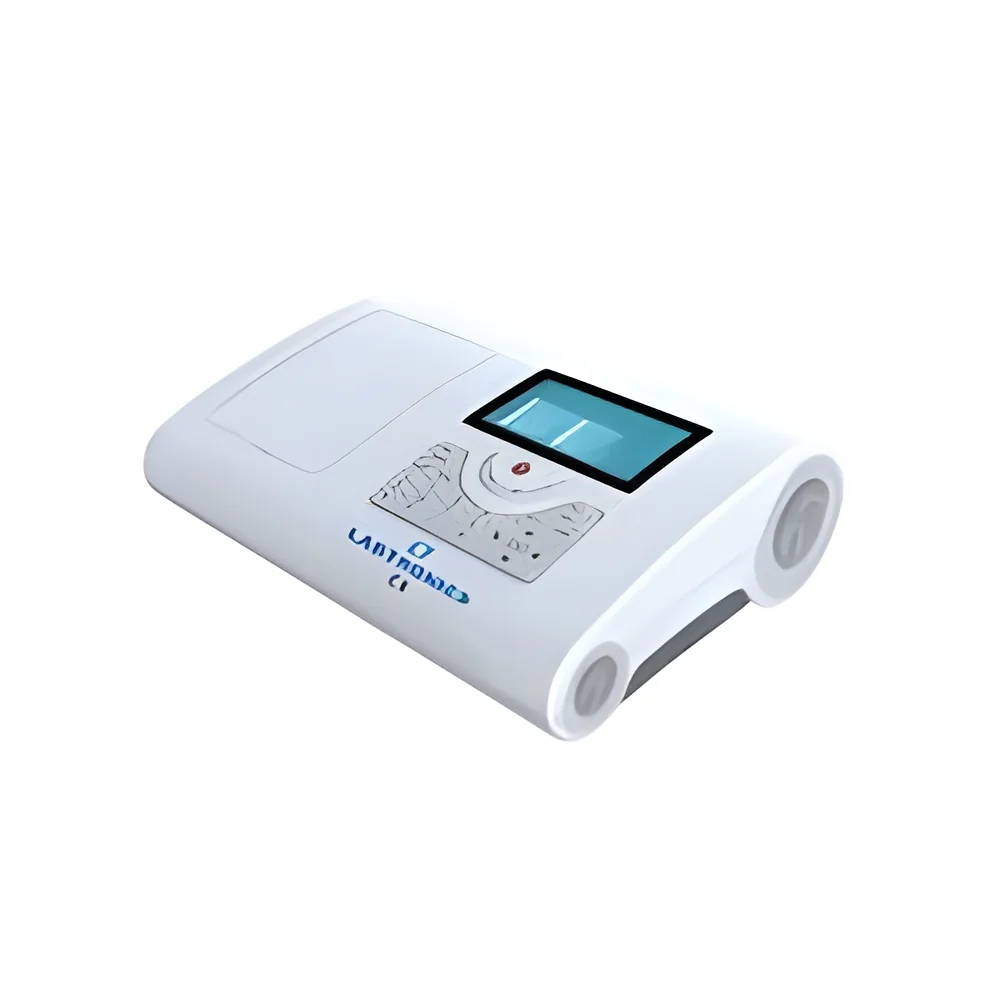
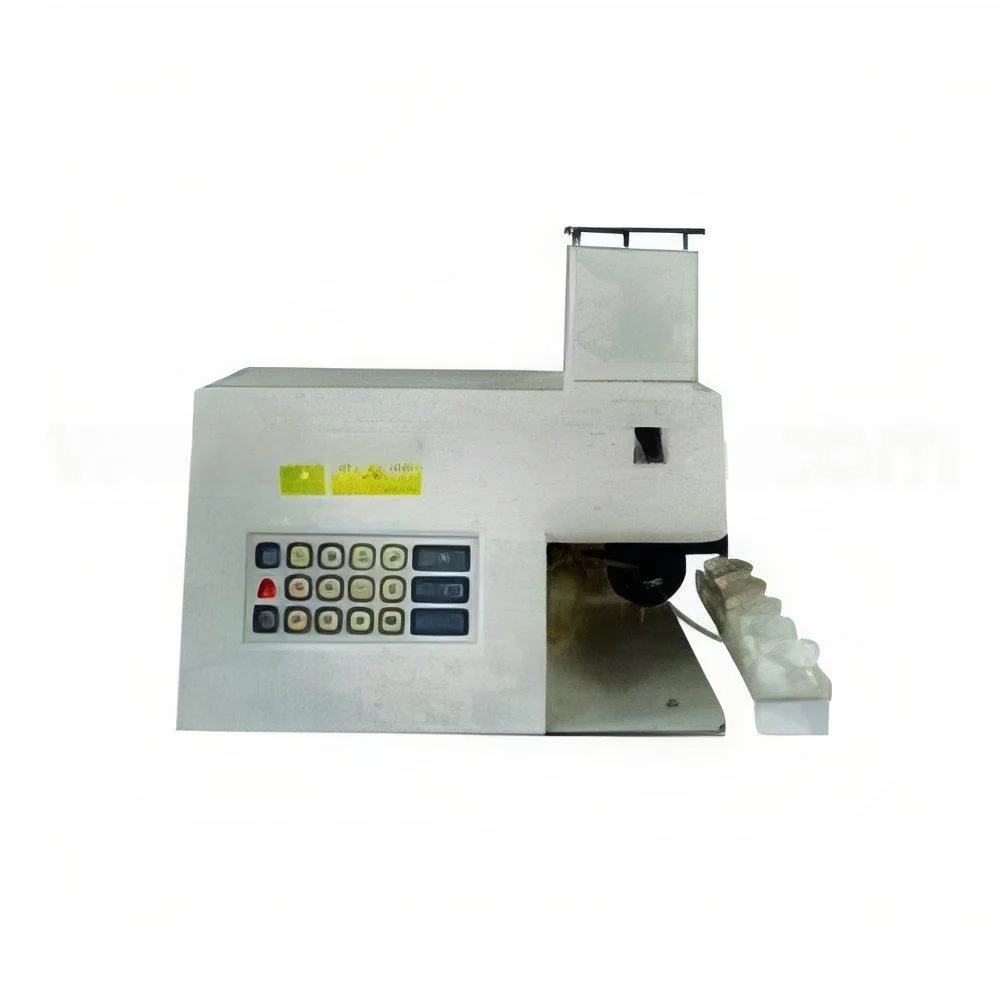
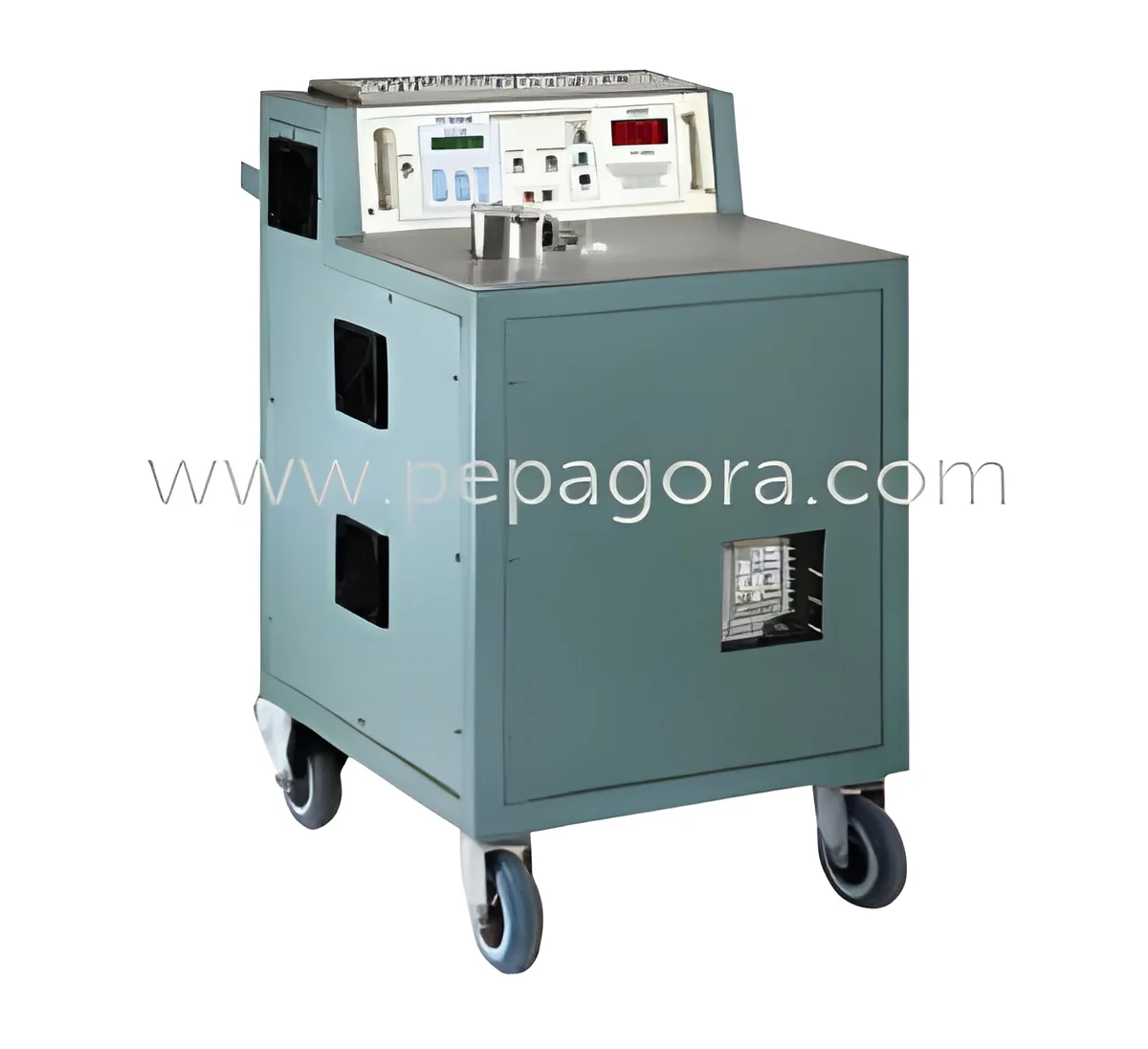
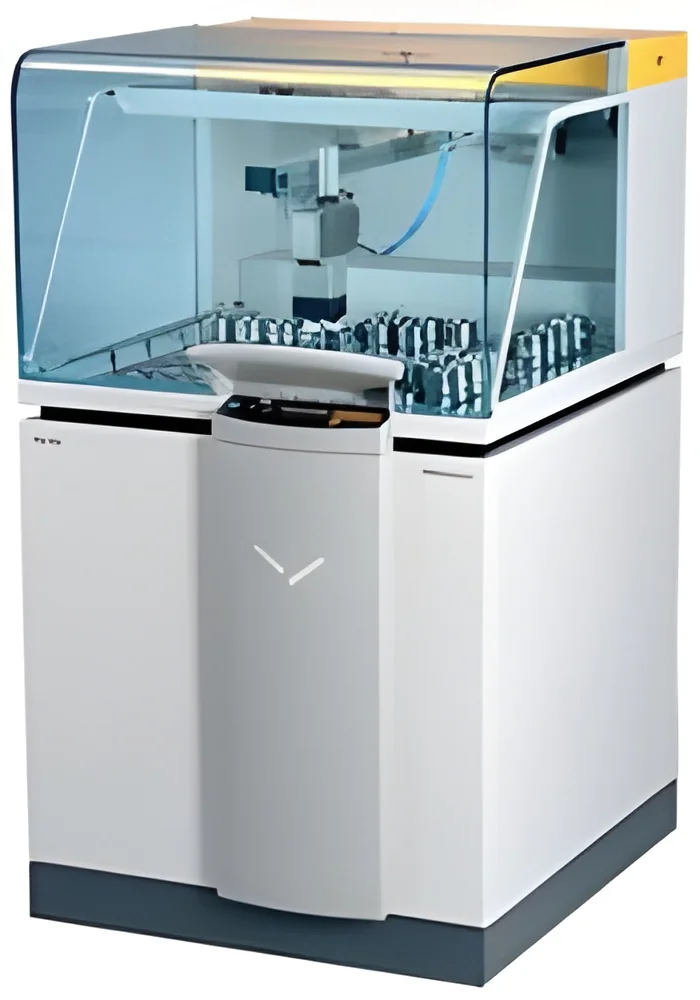
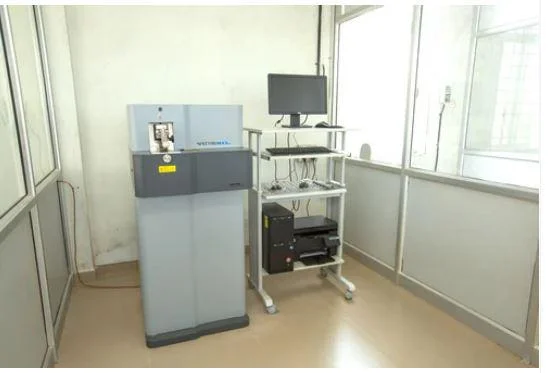
What are Spectrometers for Metallurgy?
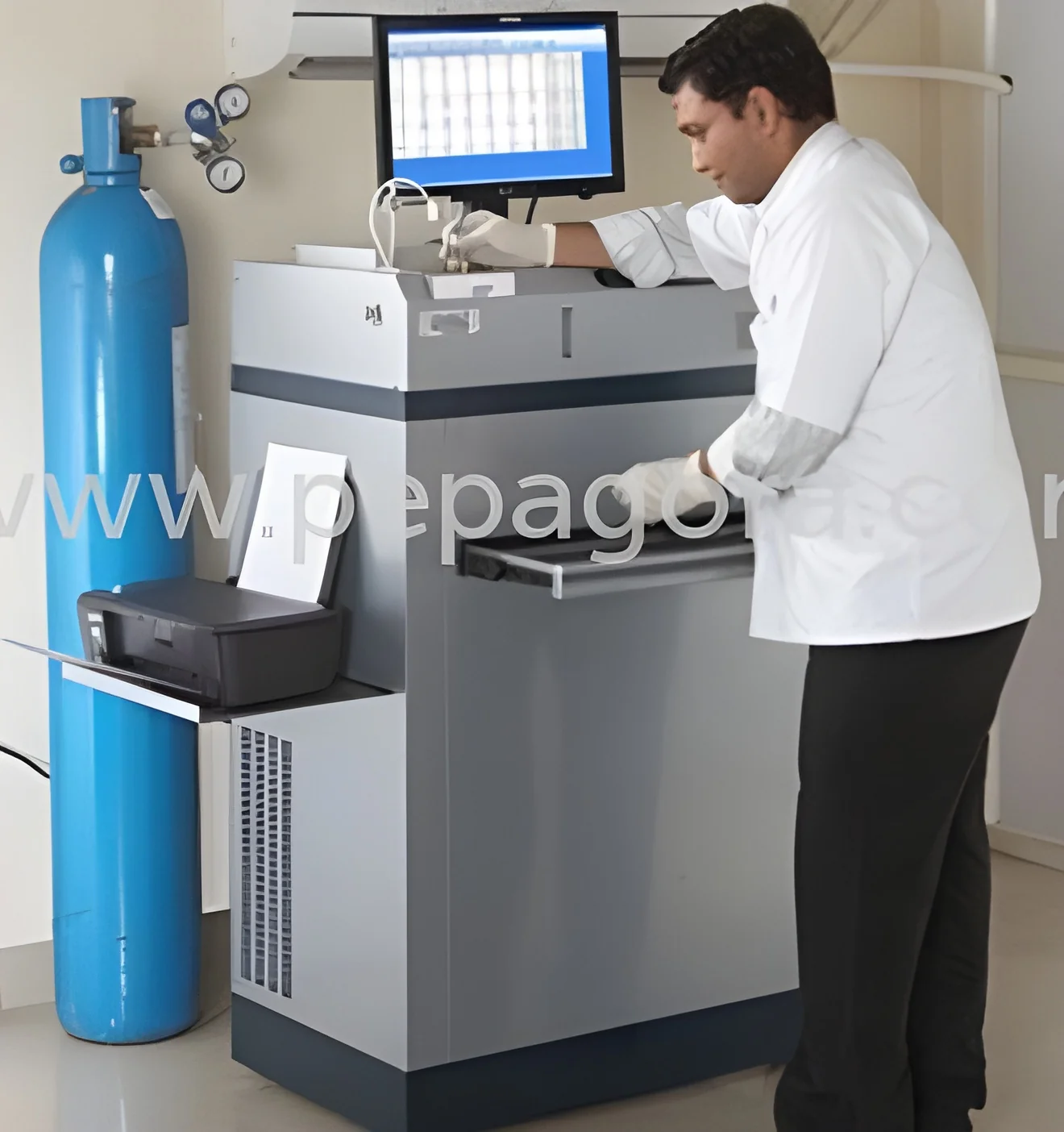
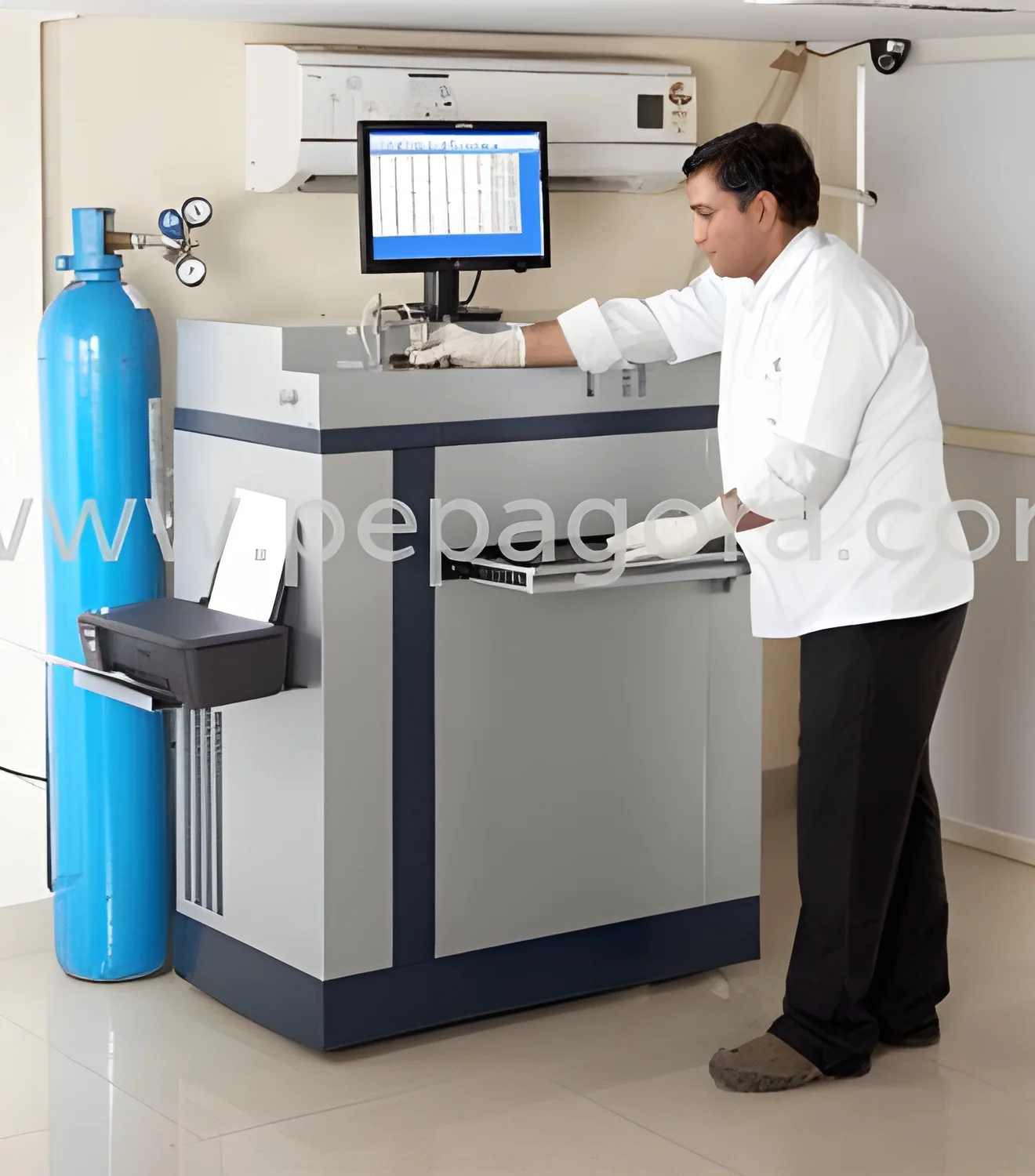
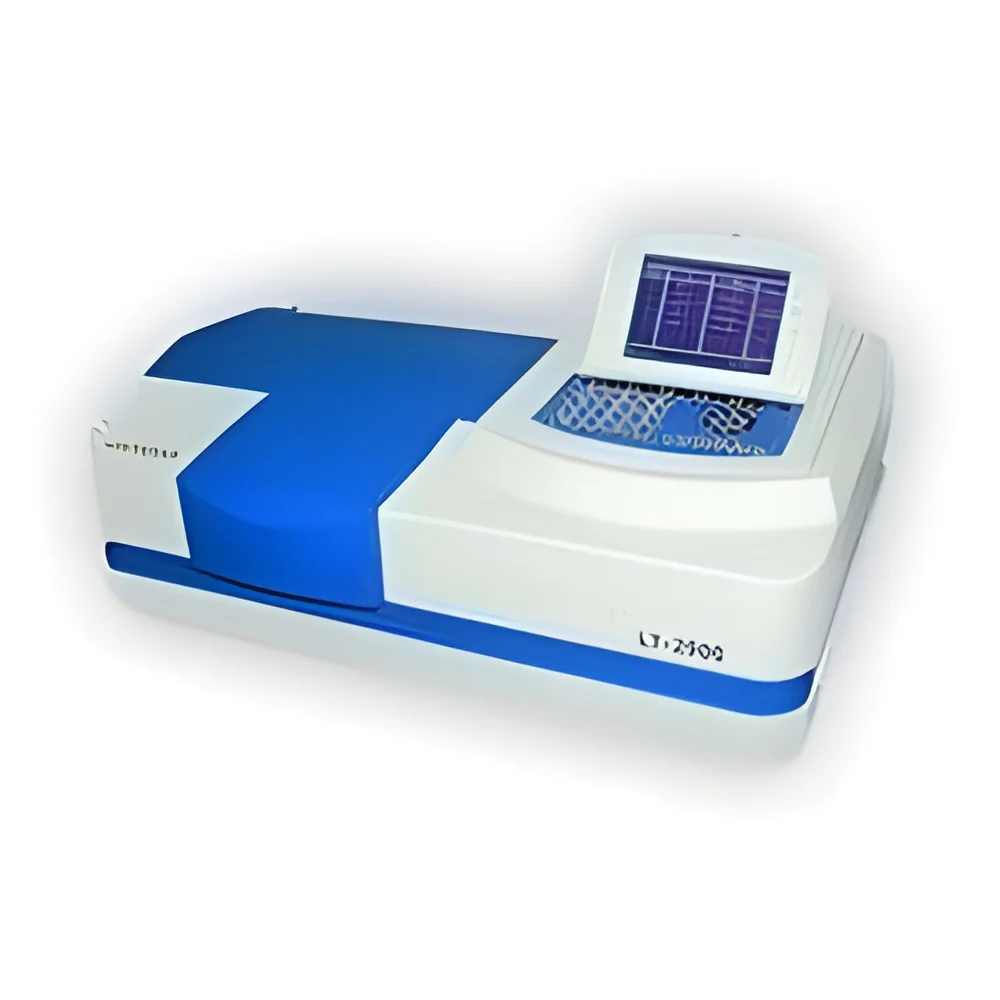
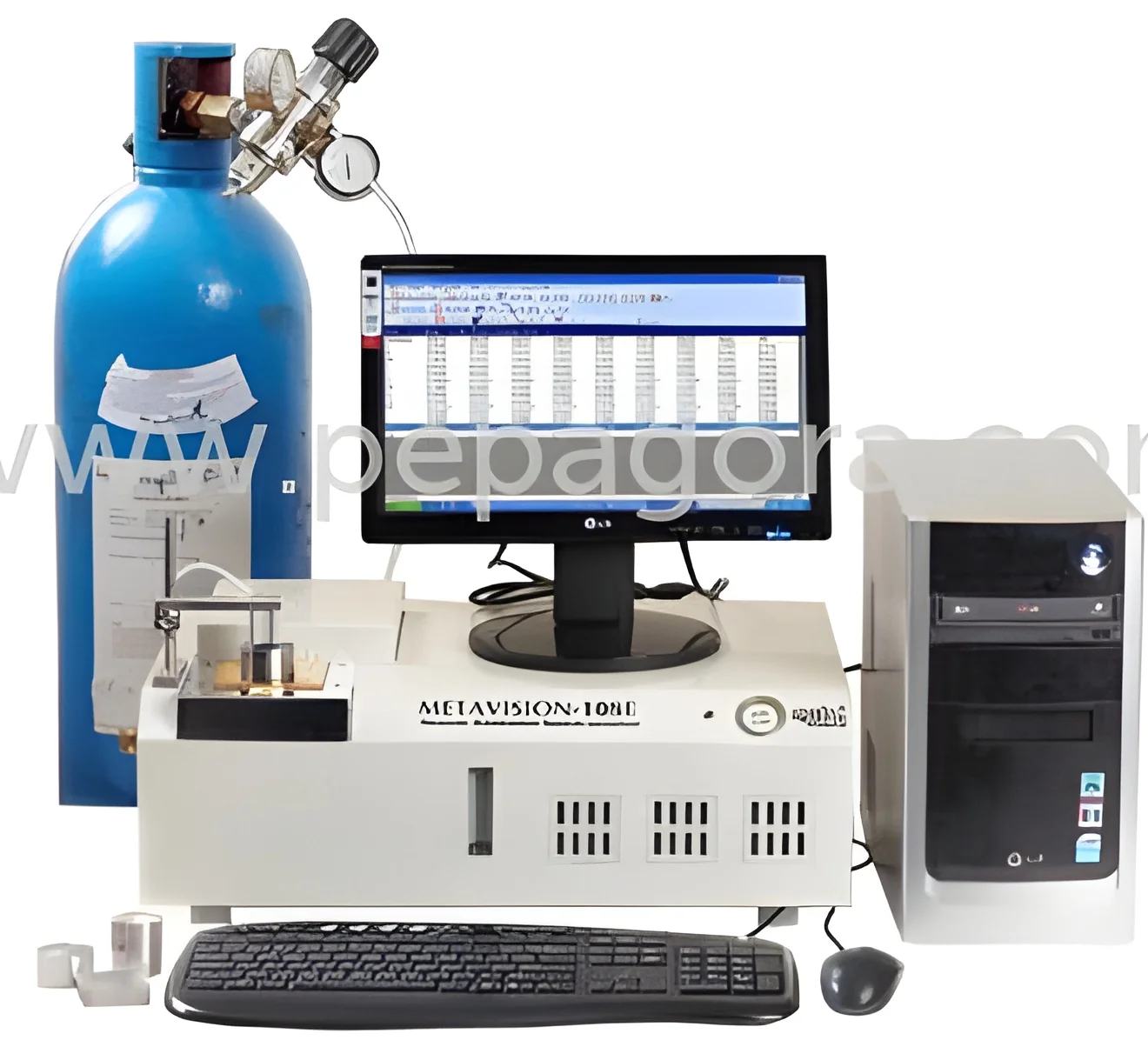
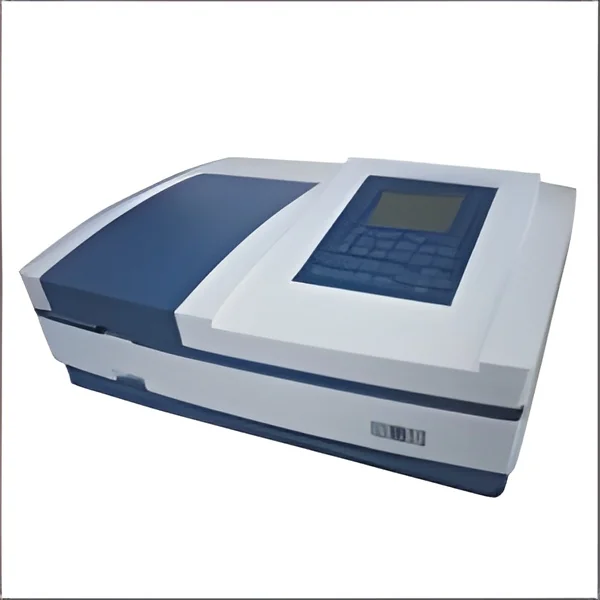
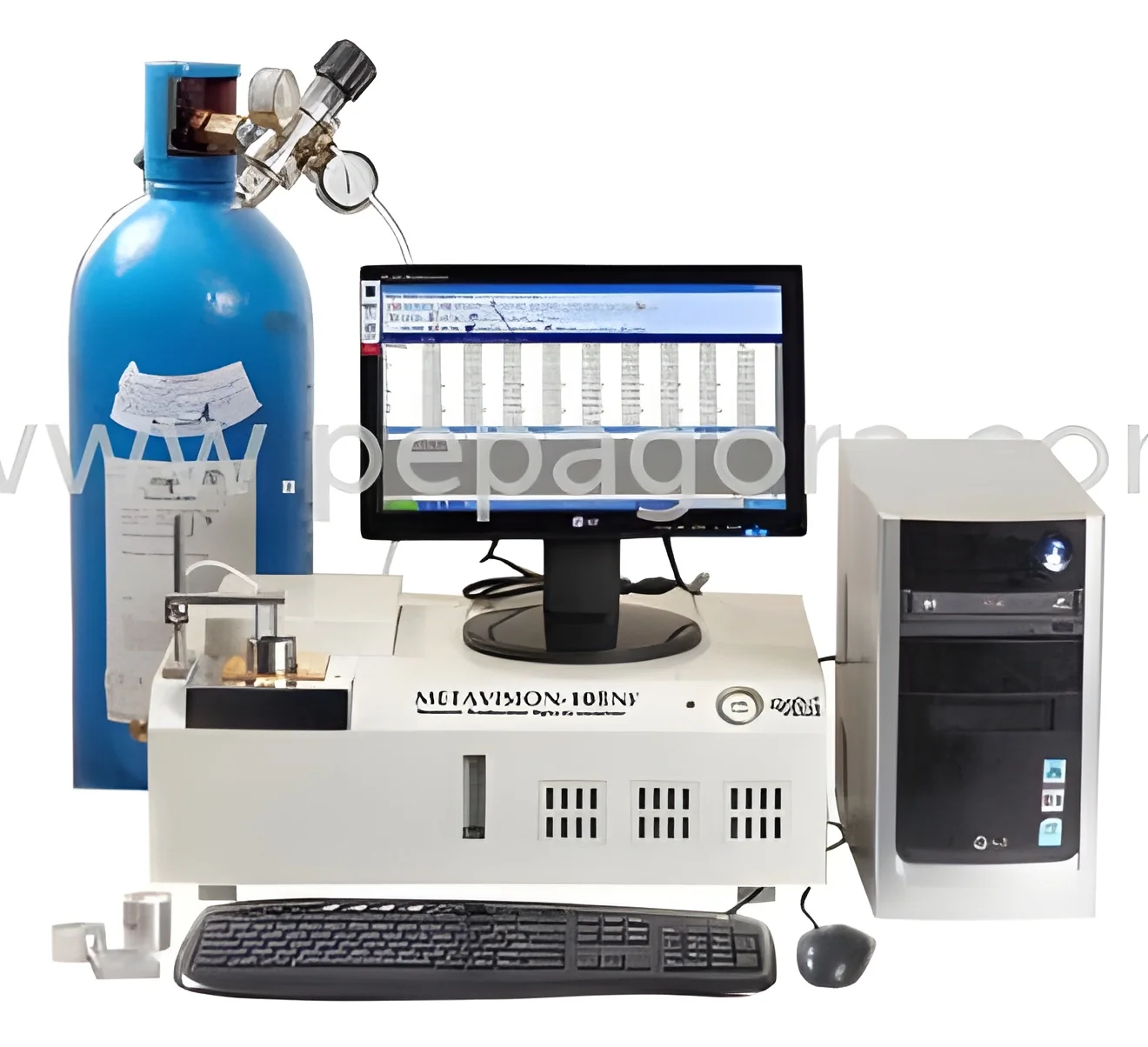
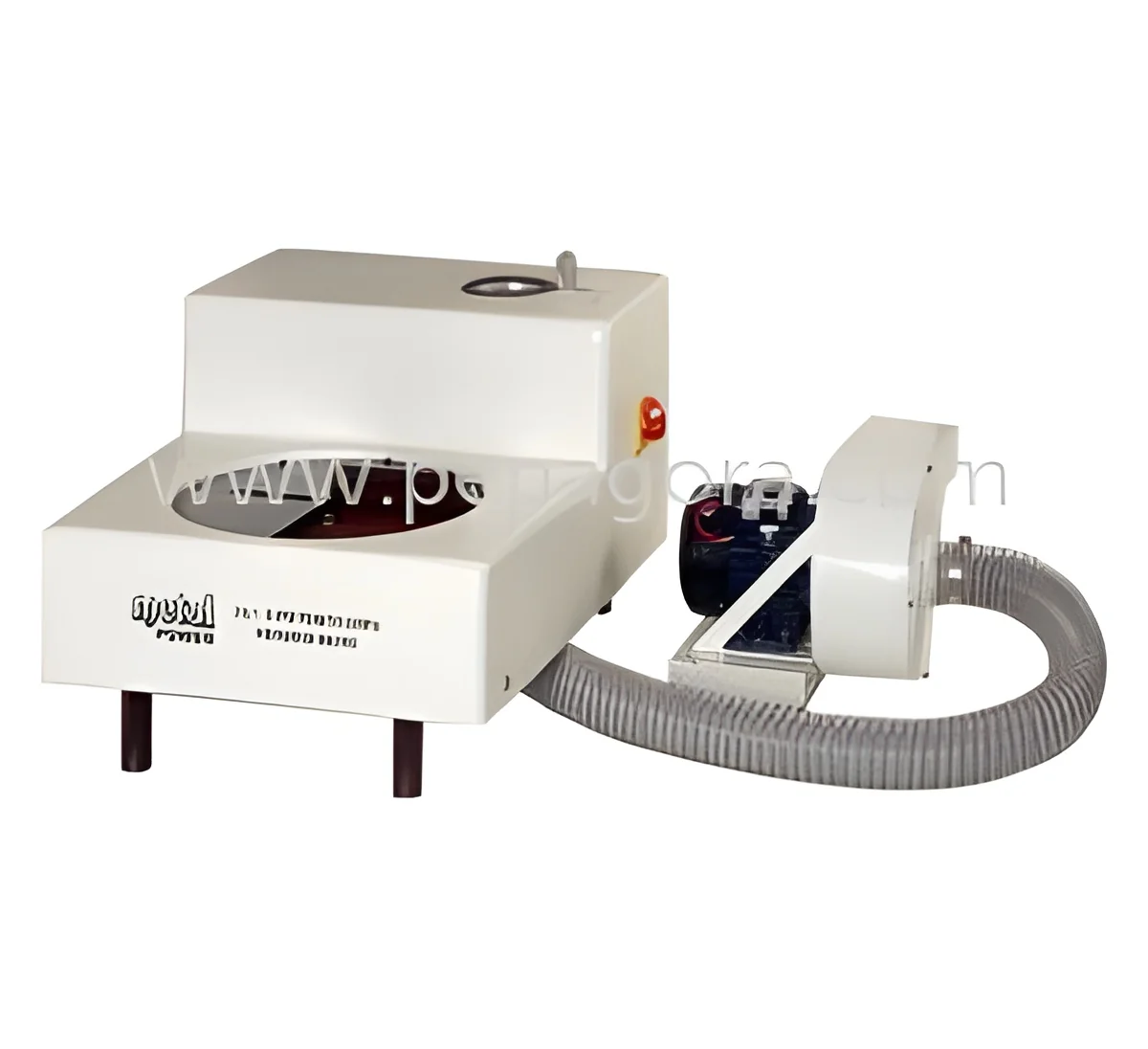
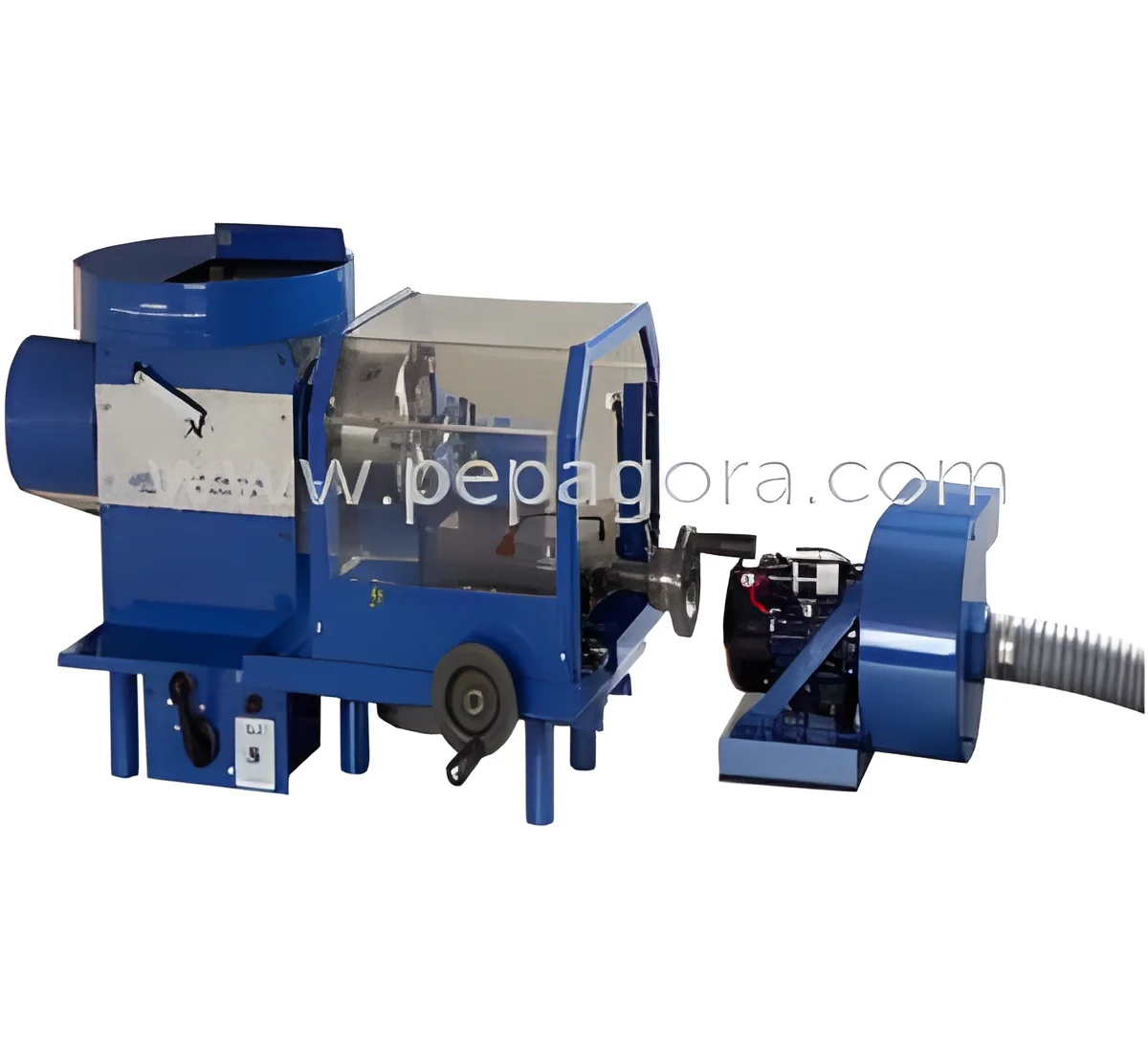
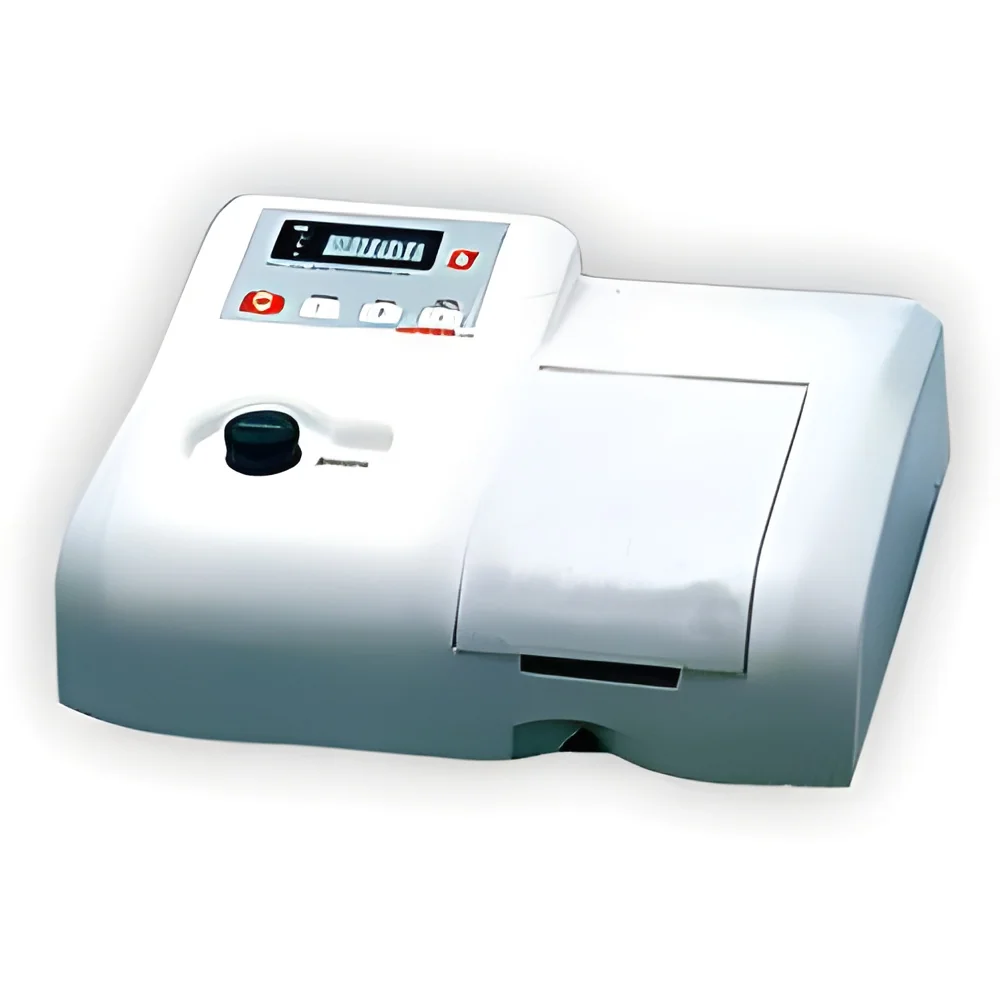
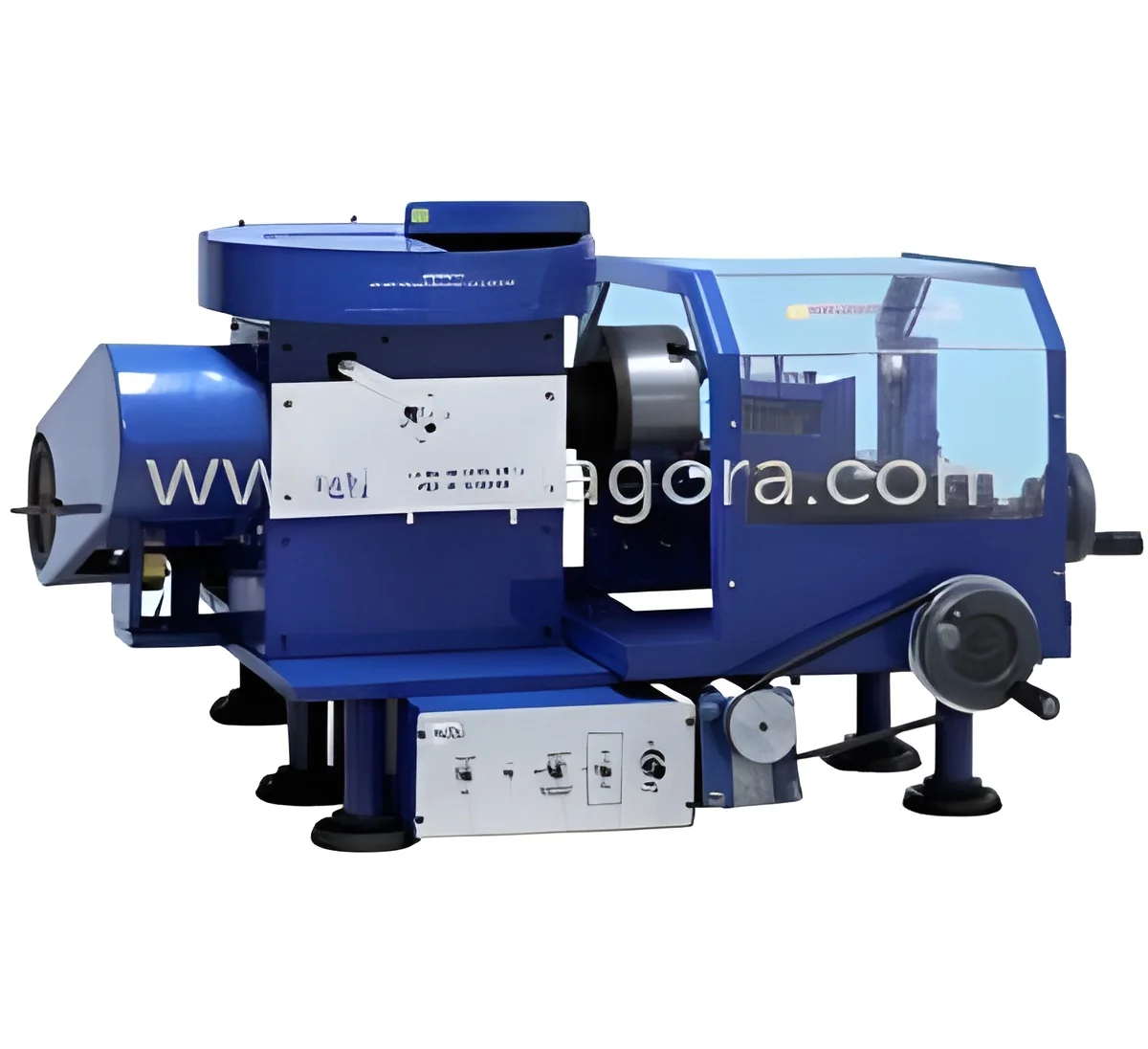
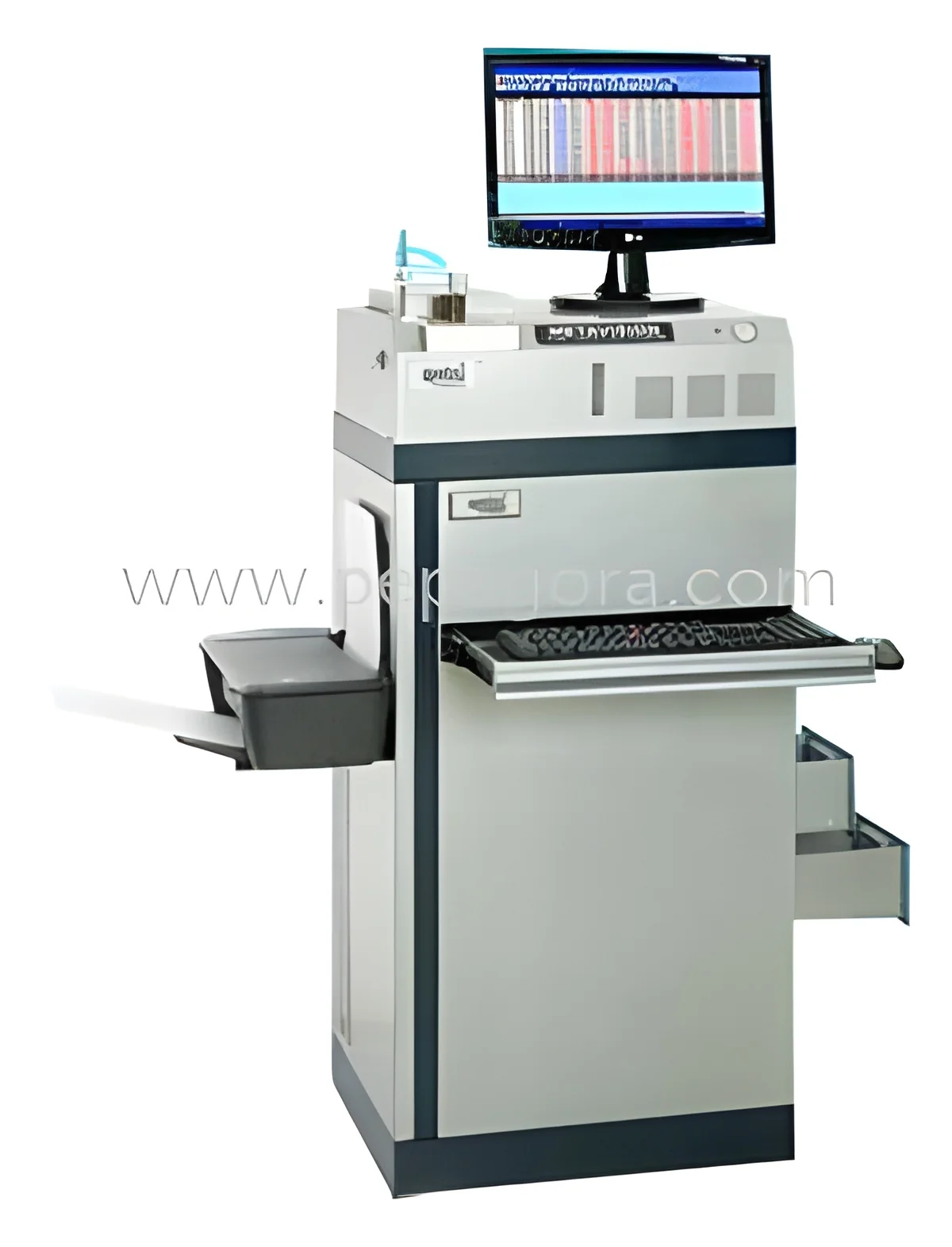
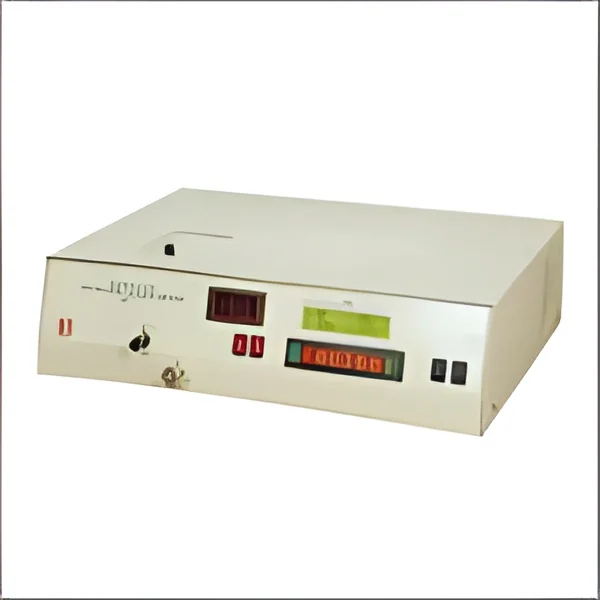
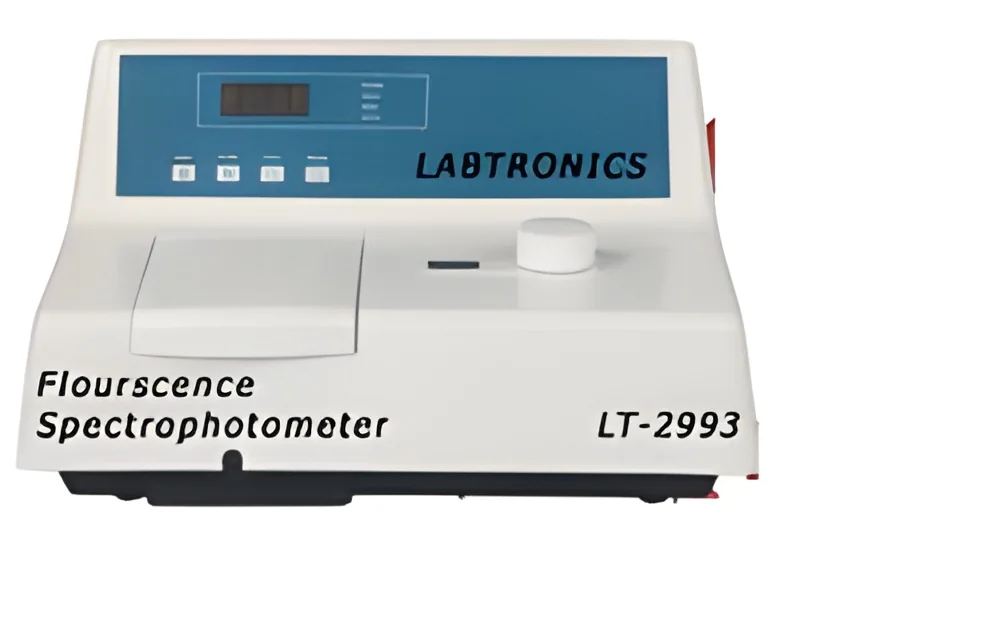
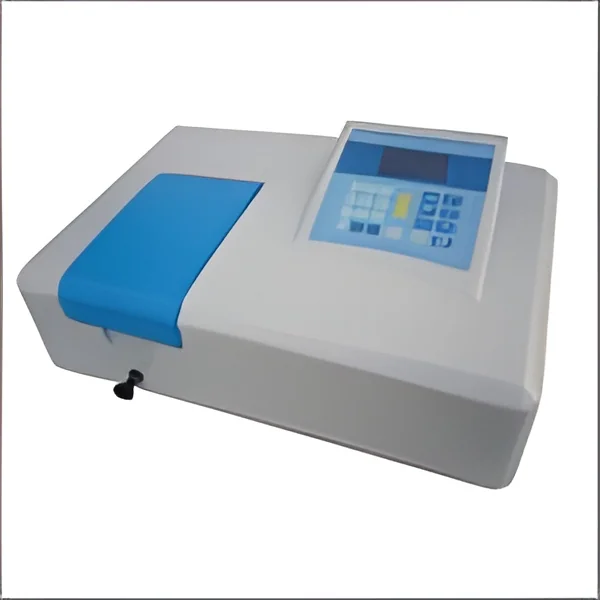
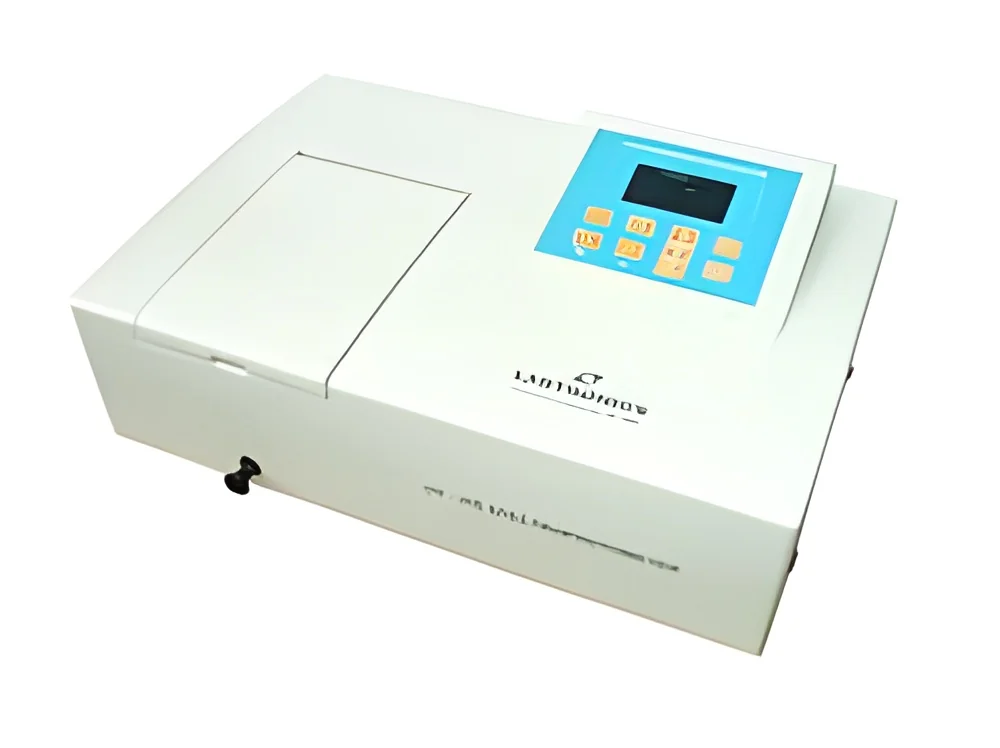
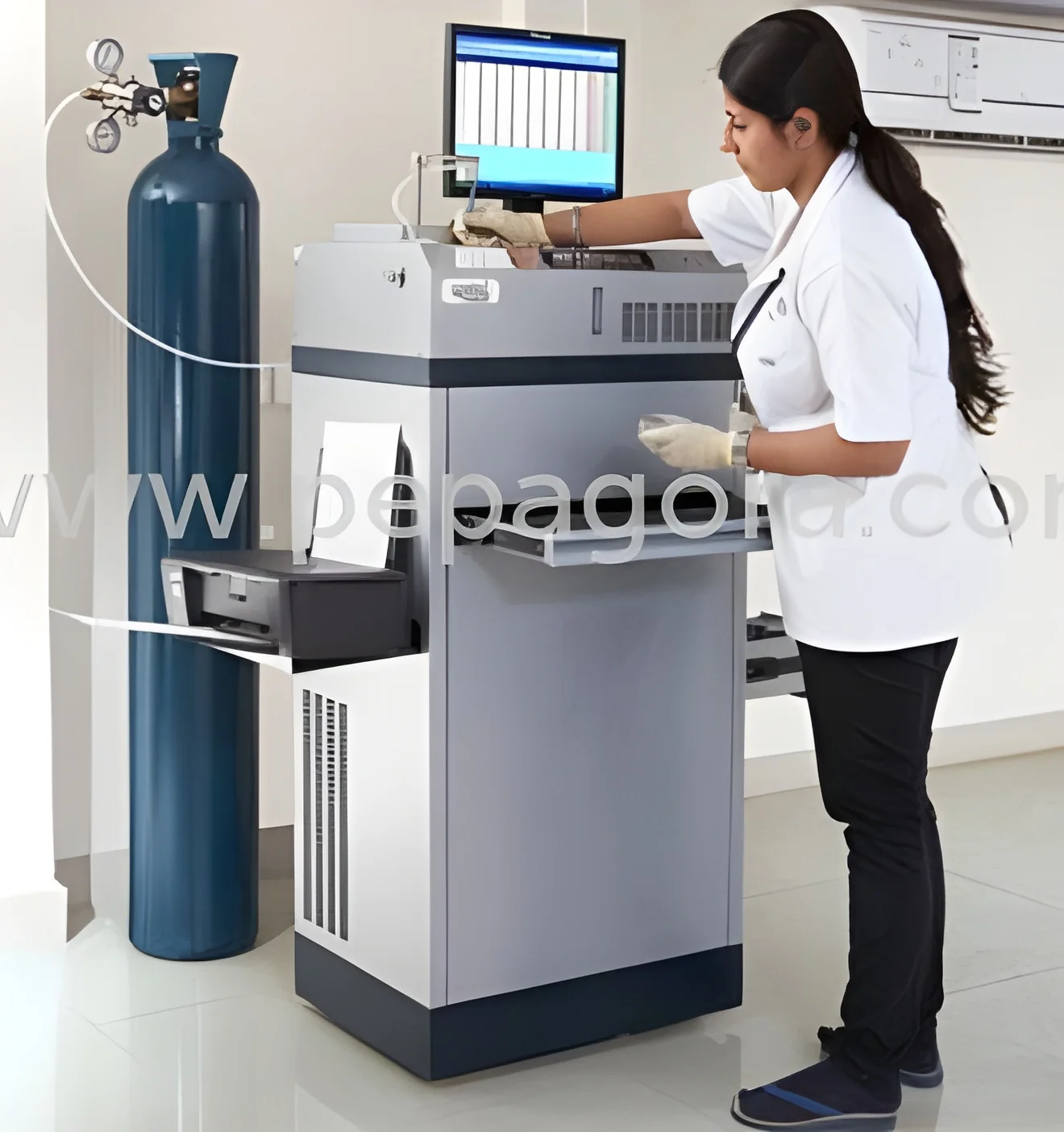
Spectrometers for metallurgy are advanced analytical instruments used to measure the composition of metallic materials. They operate by analyzing the light emitted or absorbed by a sample when it is subjected to specific energy sources. This process allows for the identification and quantification of different elements within the metal. Spectrometers play a crucial role in quality control, material analysis, and research within the metallurgy sector.
These instruments are primarily utilized in various applications such as material testing, alloy verification, and failure analysis. Industries including automotive, aerospace, and manufacturing rely on spectrometers to ensure that their materials meet stringent specifications and standards. By providing precise data on the elemental composition, businesses can enhance product quality, optimize processes, and maintain compliance with regulatory requirements. As the demand for high-quality materials continues to rise, the importance of spectrometers in the metallurgy industry remains pivotal.
Key Features and Specifications
When considering spectrometers for metallurgy, several key features and specifications are critical for ensuring optimal performance and accuracy. These specifications help in understanding the capabilities of the instruments and guide buyers in selecting the right model for their needs.
Key specifications include:
1. Wavelength Range
- Determines the spectrum of light used for analysis.
- Common ranges are from ultraviolet to near-infrared.
2. Detection Limits
- Refers to the smallest quantity of an element that can be detected.
- Typically expressed in parts per million (ppm).
3. Resolution
- Indicates the ability to distinguish between two close wavelengths.
- Higher resolution provides more precise results.
4. Sample Types
- Defines the types of materials that can be analyzed.
- Common sample forms include solids, liquids, and powders.
5. Calibration Methods
- Describes the procedures for ensuring measurement accuracy.
- Can include internal standards or external calibration.
6. Data Output Formats
- Specifies how analysis results are presented.
- Formats may include spreadsheets, graphs, or direct printouts.
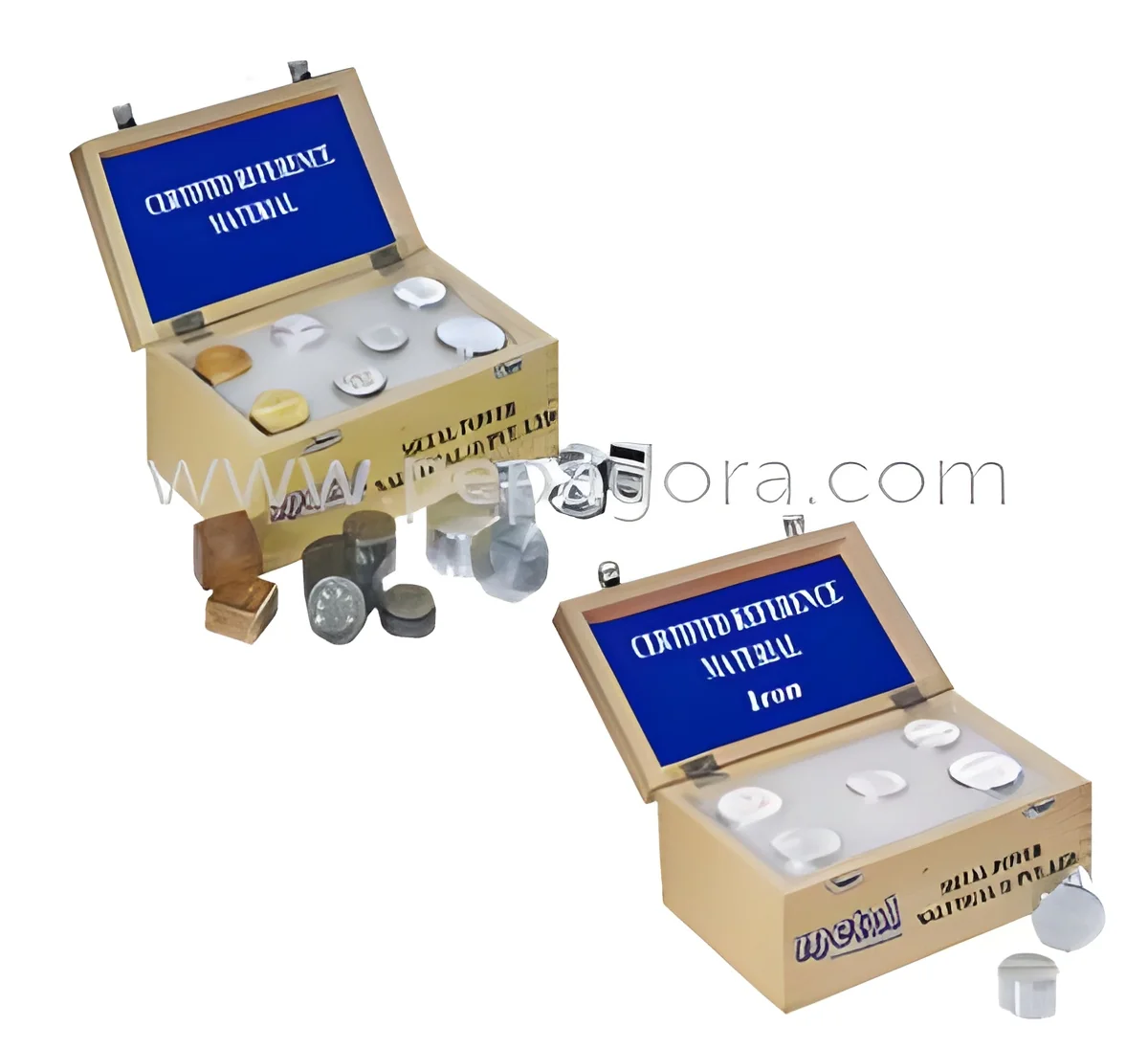
7. Portability
- Indicates whether the device is suitable for field use.
- Portable models offer flexibility for on-site analysis.
In summary, understanding these specifications is essential for selecting the right spectrometer for metallurgy applications, ensuring accurate and reliable results.
Common Applications and Use Cases
Spectrometers for metallurgy serve various industries and applications, providing crucial data for material assessment and quality control.
1. Automotive Industry: In this sector, spectrometers are used for alloy verification and quality testing of components, ensuring they meet safety and performance standards.
2. Aerospace Industry: Here, spectrometers assist in analyzing lightweight alloys and composite materials, critical for reducing weight and enhancing fuel efficiency.
3. Manufacturing: Spectrometers are employed for in-process quality control, monitoring the composition of raw materials and ensuring compliance with specifications.
4. Metal Recycling: These instruments help in verifying the composition of recycled metals, ensuring the quality and suitability of materials for new production.
5. Construction: In construction, spectrometers are used to analyze steel and other metals, ensuring they meet regulatory standards for safety and durability.
Overall, the versatility of spectrometers makes them valuable tools across a range of industrial applications.
Product Variants and Subcategories
Spectrometers for metallurgy come in various models, each designed to meet specific analytical needs. The diversity of these products allows businesses to select instruments that align with their unique requirements.
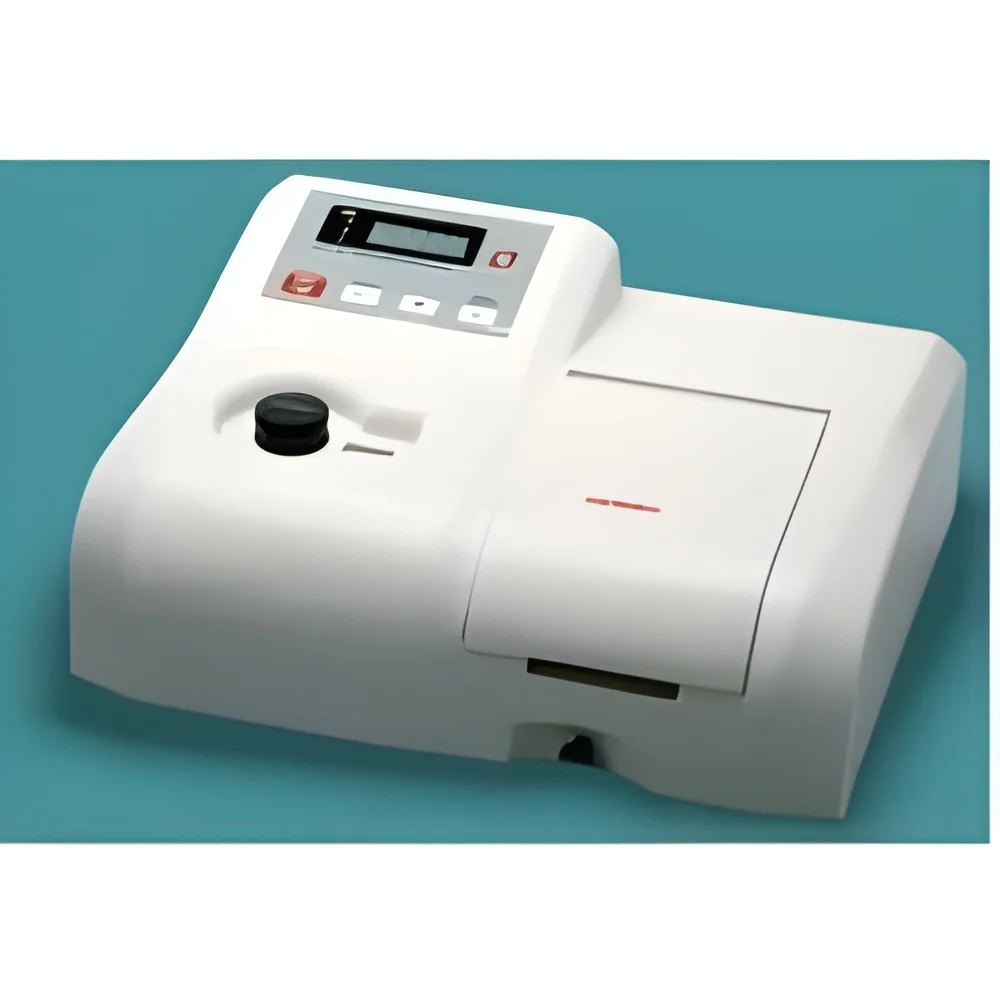
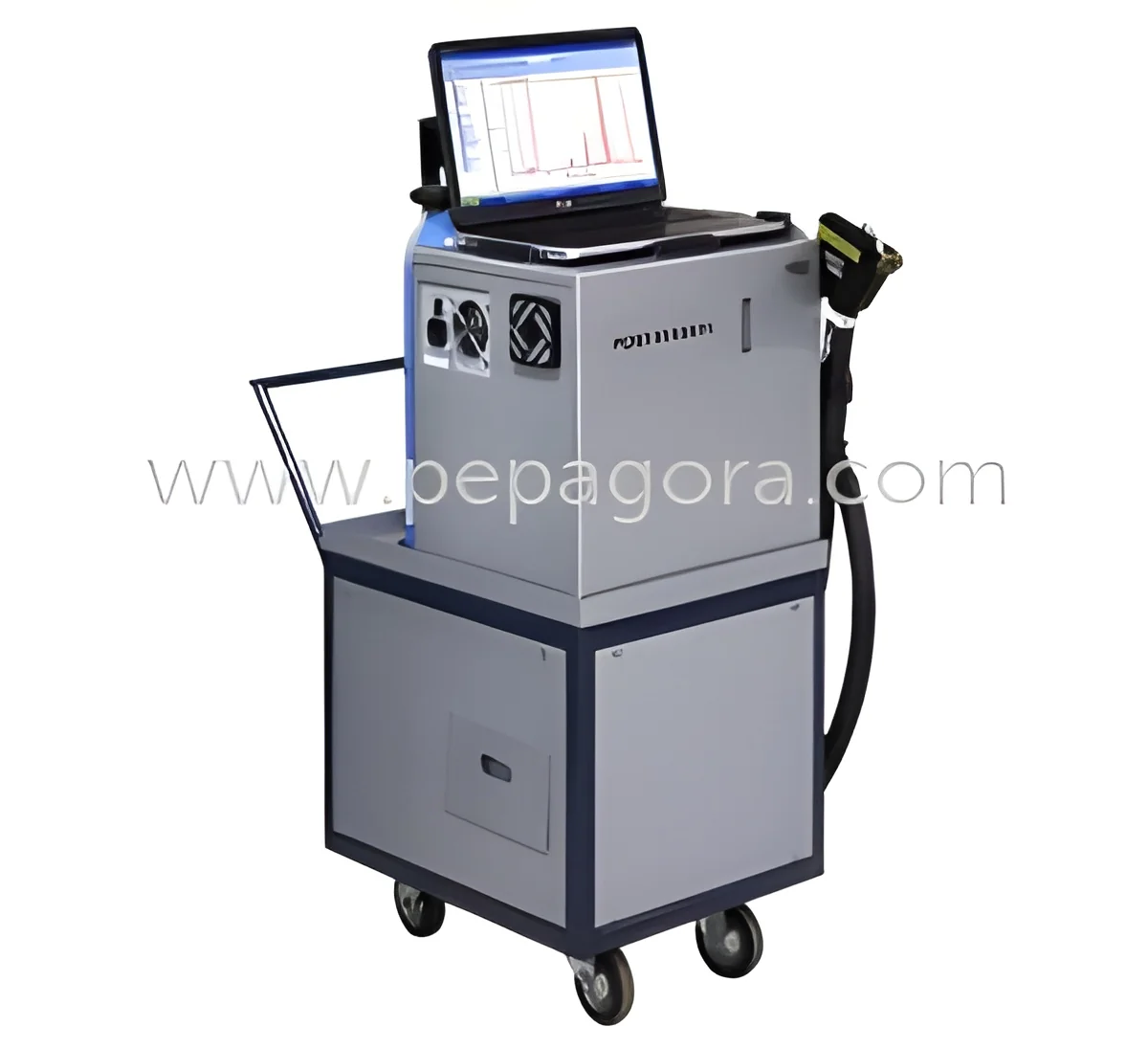
Portable Spectrometers: These models are designed for field use, offering compact designs without compromising performance. They are ideal for on-site inspections and quick assessments.
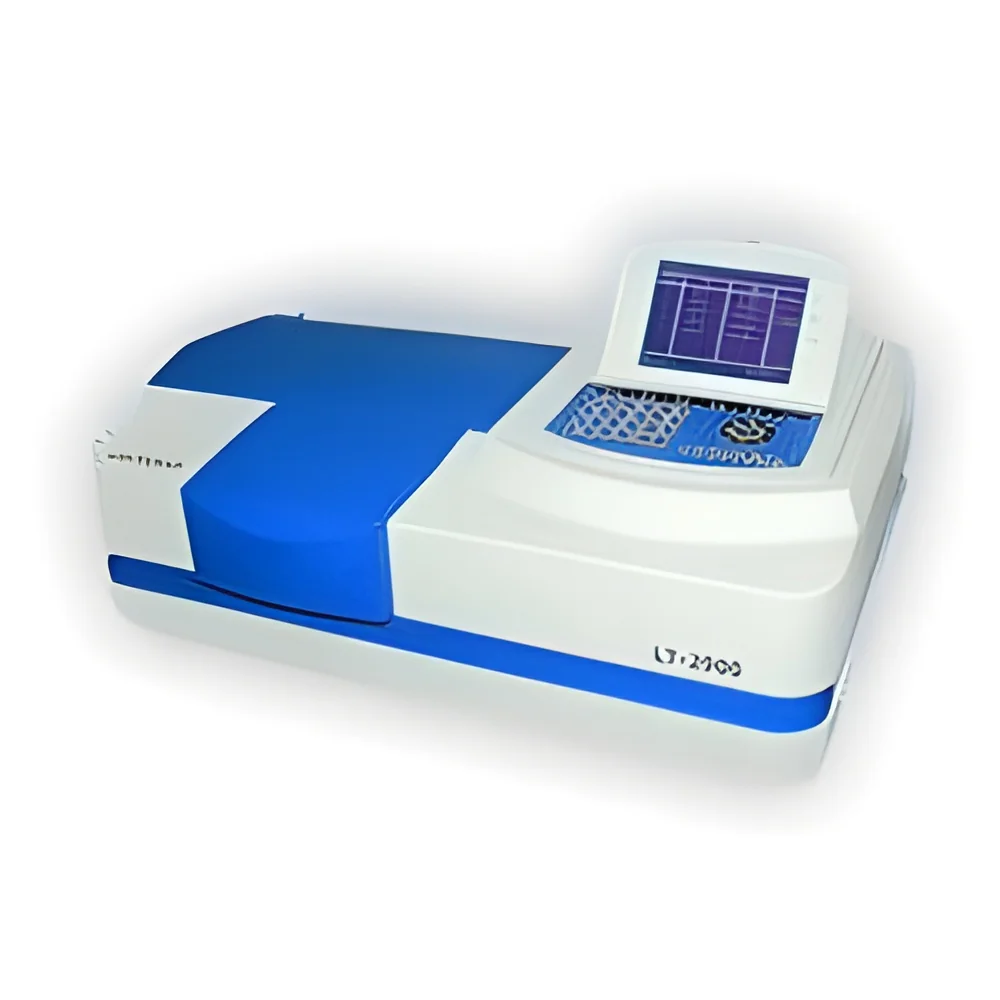
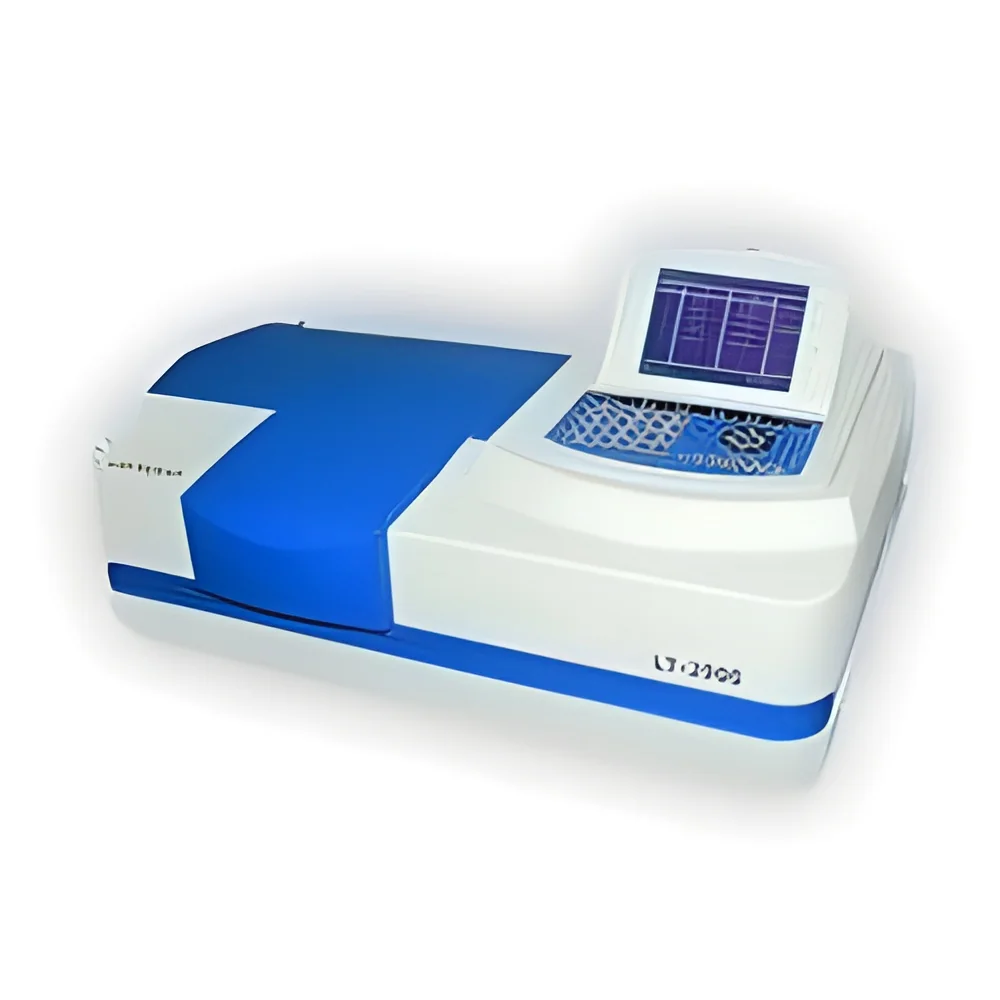
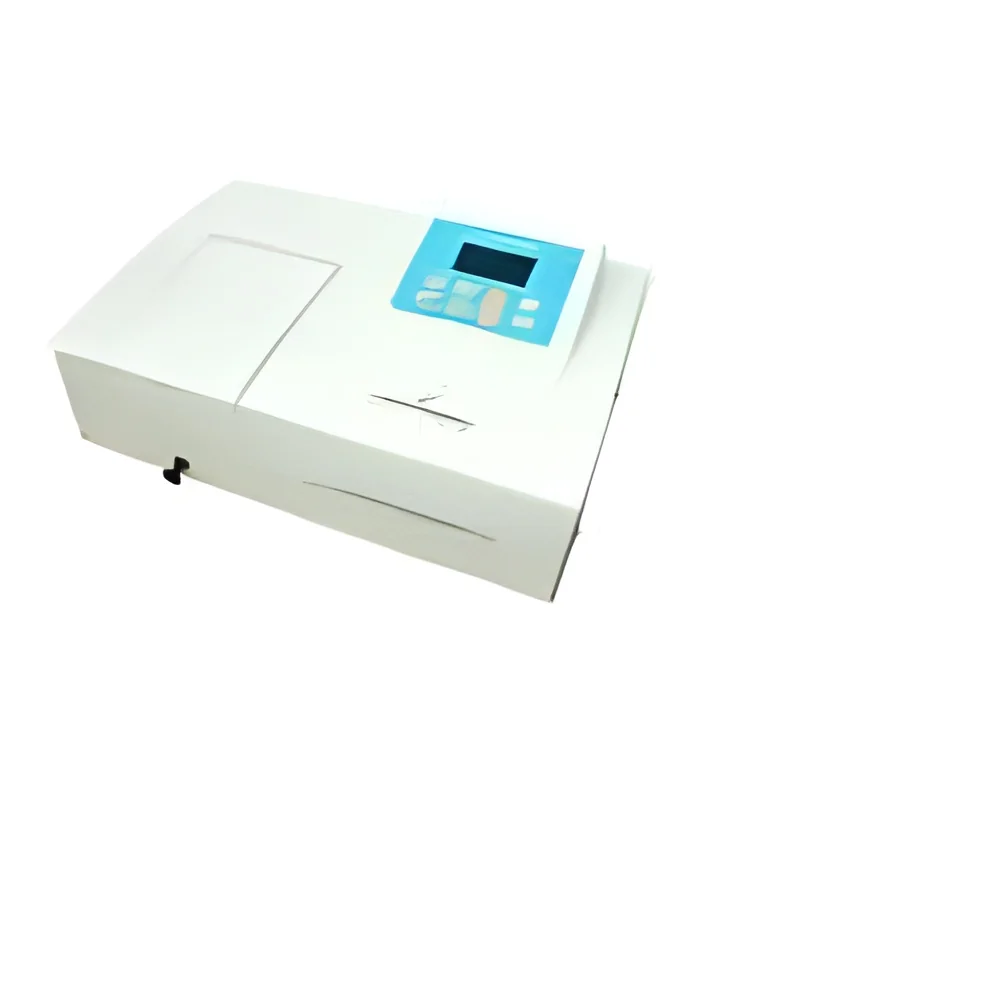
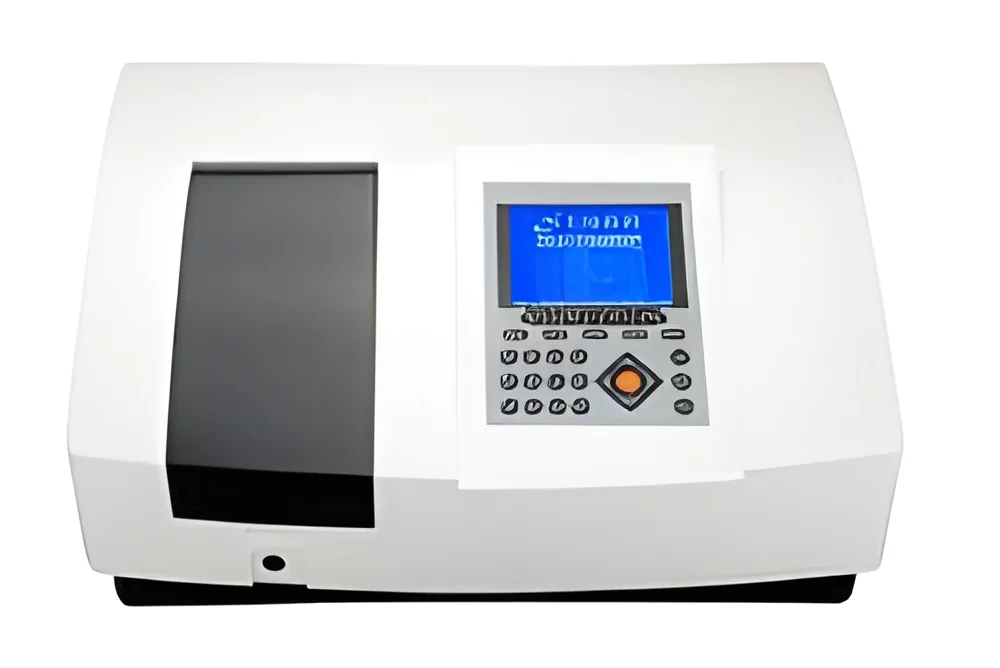
Laboratory Spectrometers: Typically larger and more powerful, these instruments are suited for in-depth analysis in controlled environments. They provide high precision and extensive data output.
Handheld Spectrometers: These devices combine portability with ease of use, enabling quick analysis with minimal setup. They are effective for immediate quality checks in production environments.
In summary, the variety of spectrometer types allows businesses to choose the most effective tool for their specific metallurgy applications.
Benefits and Advantages
Investing in spectrometers for metallurgy offers several significant advantages for businesses seeking to improve their material analysis capabilities.
1. Enhanced Accuracy: Spectrometers provide precise measurements of elemental composition, reducing the likelihood of errors in material identification.
2. Increased Efficiency: By enabling rapid analysis, spectrometers help streamline production processes, minimizing downtime and enhancing productivity.
3. Regulatory Compliance: These instruments assist in meeting industry standards and regulations, ensuring that materials used in production are safe and reliable.
4. Cost Savings: Accurate material analysis can lead to reduced waste and lower production costs, as businesses can optimize their material usage.
5. Versatility: Spectrometers can analyze a wide range of materials, making them applicable in various industries beyond metallurgy.
6. Improved Quality Control: With precise data, businesses can maintain high-quality standards in their products, leading to increased customer satisfaction and loyalty.
In conclusion, the benefits of using spectrometers in metallurgy extend beyond just enhanced measurement capabilities, positively impacting overall business operations.
Buying Guide for B2B Buyers
When sourcing spectrometers for metallurgy, B2B buyers should consider several key factors to ensure they make informed purchasing decisions.
1. Quality Assessment: Buyers should evaluate the quality and performance of spectrometers by reviewing manufacturer specifications, customer reviews, and product certifications.
2. Supplier Verification: It is essential to vet suppliers thoroughly to ensure they have a solid reputation and offer reliable customer support, service, and warranties.
3. Pricing and MOQ: Understanding pricing structures and minimum order quantities (MOQ) can help buyers manage budgets and inventory effectively.
4. Delivery and Lead Times: Buyers must inquire about delivery times and logistics to ensure that the equipment arrives promptly and meets production schedules.
5. Compliance Requirements: Identifying relevant regulatory standards and certifications is vital, as it ensures that the spectrometers meet industry specifications and safety guidelines.
By focusing on these factors, B2B buyers can make more informed decisions when purchasing spectrometers for metallurgy.
Compliance and Certifications
Compliance and certifications play a crucial role in the selection of spectrometers for metallurgy. Instruments must adhere to relevant quality standards to ensure they meet industry expectations. Common standards include ISO 9001, which outlines requirements for a quality management system, and CE certification, indicating compliance with health, safety, and environmental protection standards.
Additionally, safety and testing requirements are critical for ensuring the reliability and accuracy of results. Manufacturers must follow stringent protocols during production and testing to ensure that instruments function correctly and safely.
Regional compliance considerations may vary, with different countries having specific regulatory requirements. Buyers should be aware of these nuances to ensure that their selected spectrometers comply with local laws and industry standards.
Why Source Spectrometers for Metallurgy from Pepagora?
Pepagora provides a trusted platform for sourcing spectrometers for metallurgy, offering several key advantages for B2B buyers.
Verified Supplier Network: Pepagora connects buyers with a network of verified suppliers, ensuring that they can access high-quality products and reputable service providers.
Streamlined RFQ Process: The platform simplifies the request for quotation (RFQ) process, allowing buyers to obtain competitive pricing and detailed product information quickly.
Trade Assurance and Support: Pepagora offers buyer protection through trade assurance, providing peace of mind during the purchasing process and ensuring that transactions are secure.
Regional Coverage: With a strong presence in India, the GCC, and Southeast Asia, Pepagora offers extensive geographic coverage, making it easier for businesses to find suitable suppliers in their region.
In summary, sourcing spectrometers for metallurgy from Pepagora not only connects buyers with reliable suppliers but also enhances the overall purchasing experience through streamlined processes and protective measures.

 IN
IN