What are Die Casting Machines (Cold/Hot Chamber)?
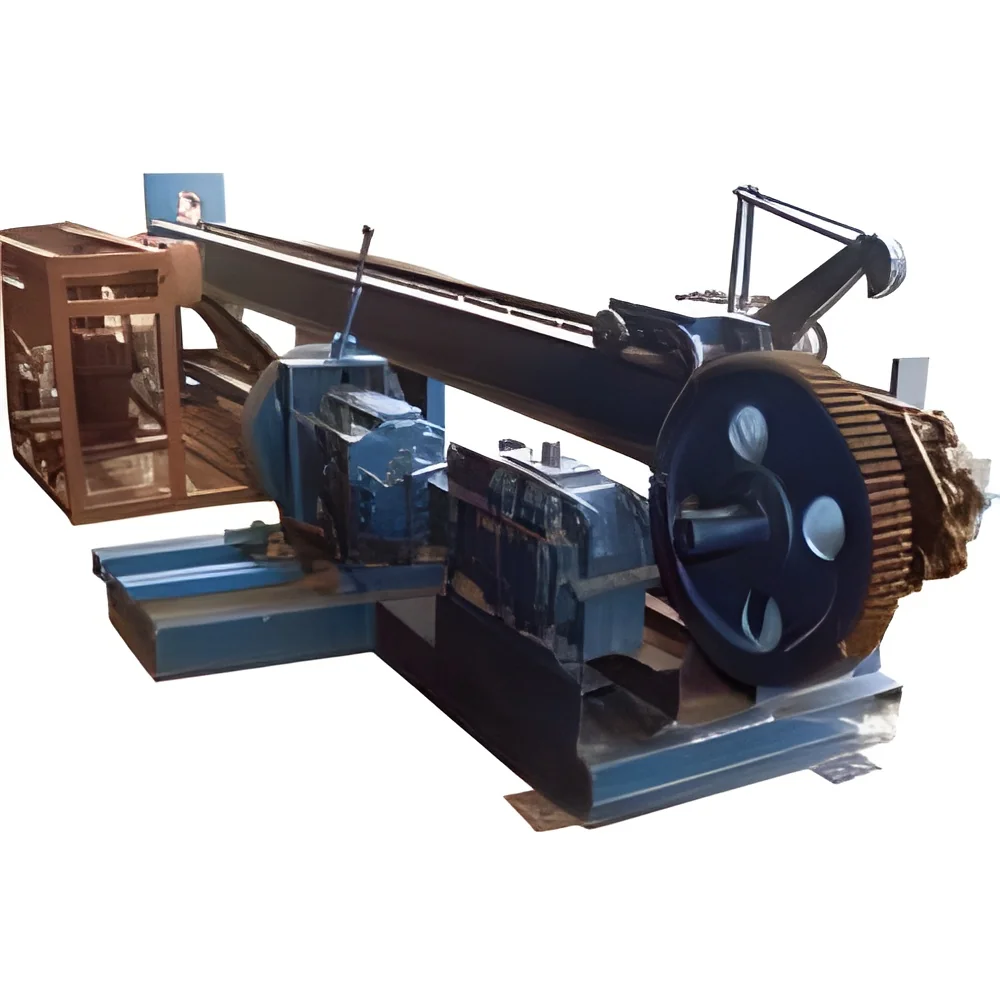
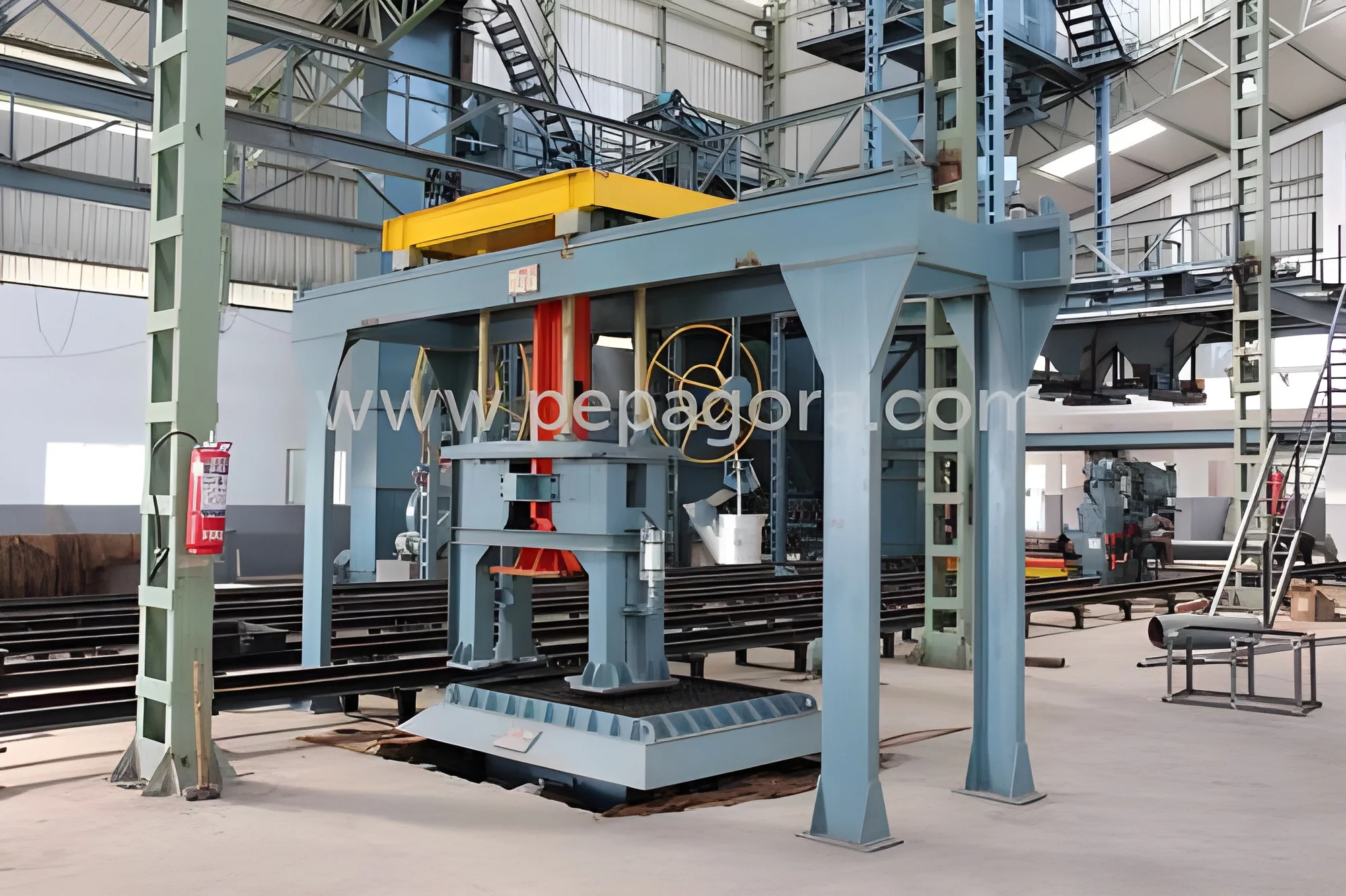
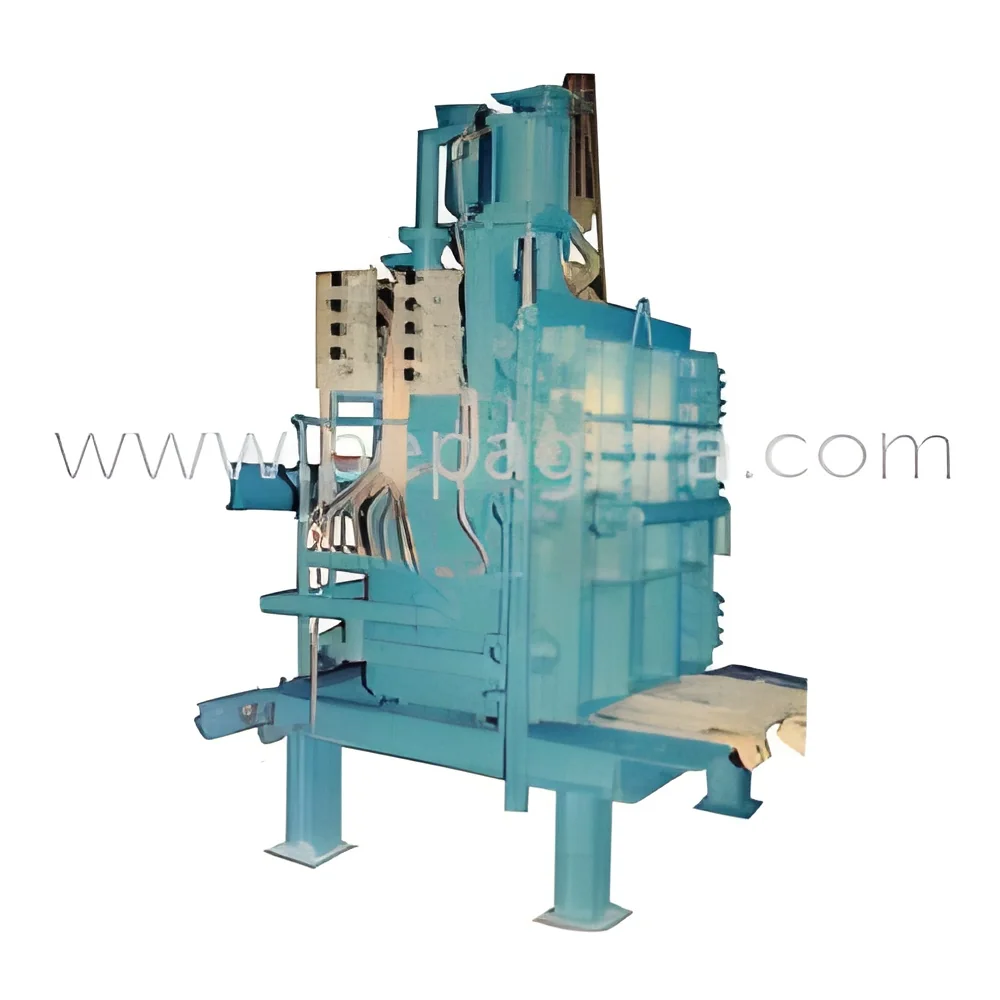
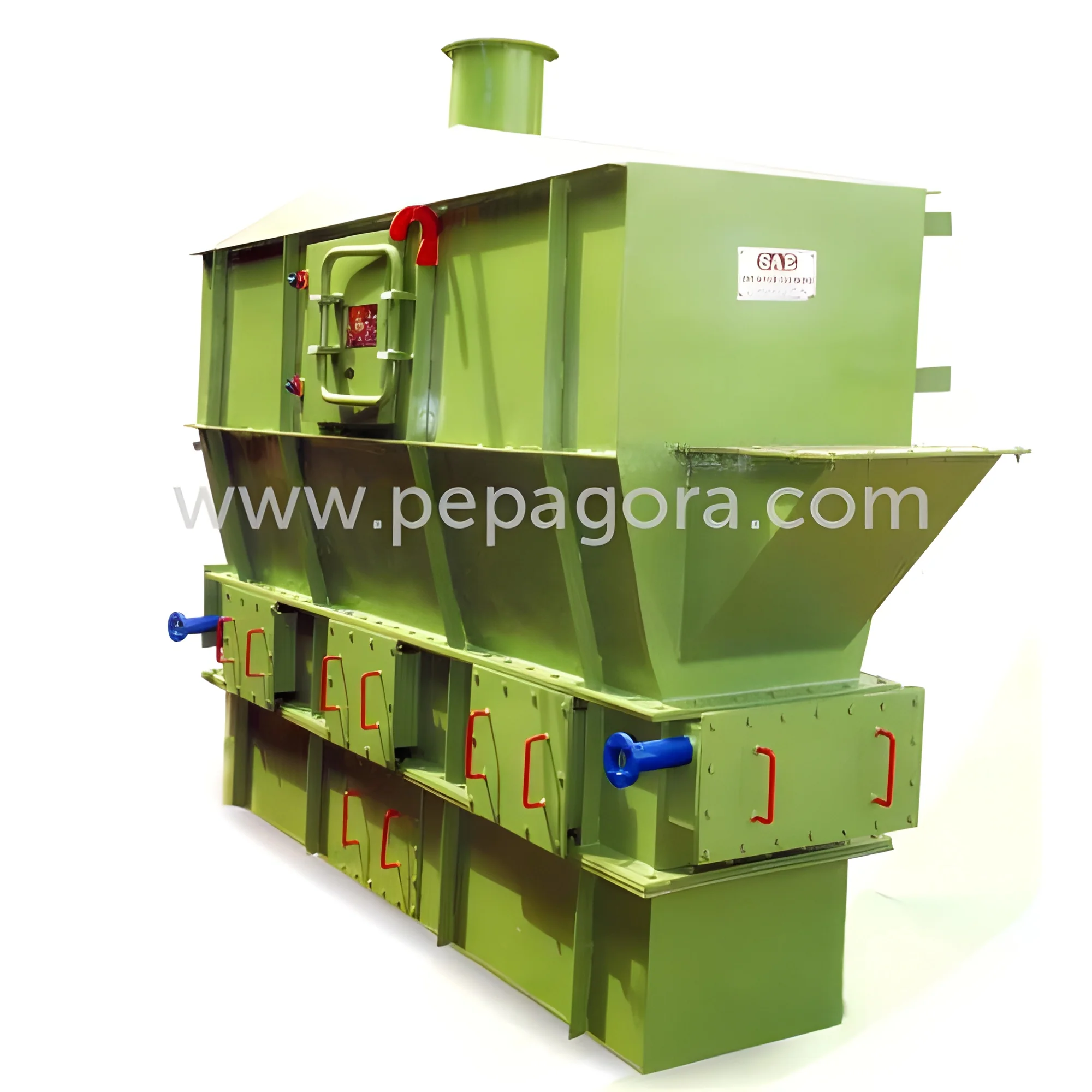
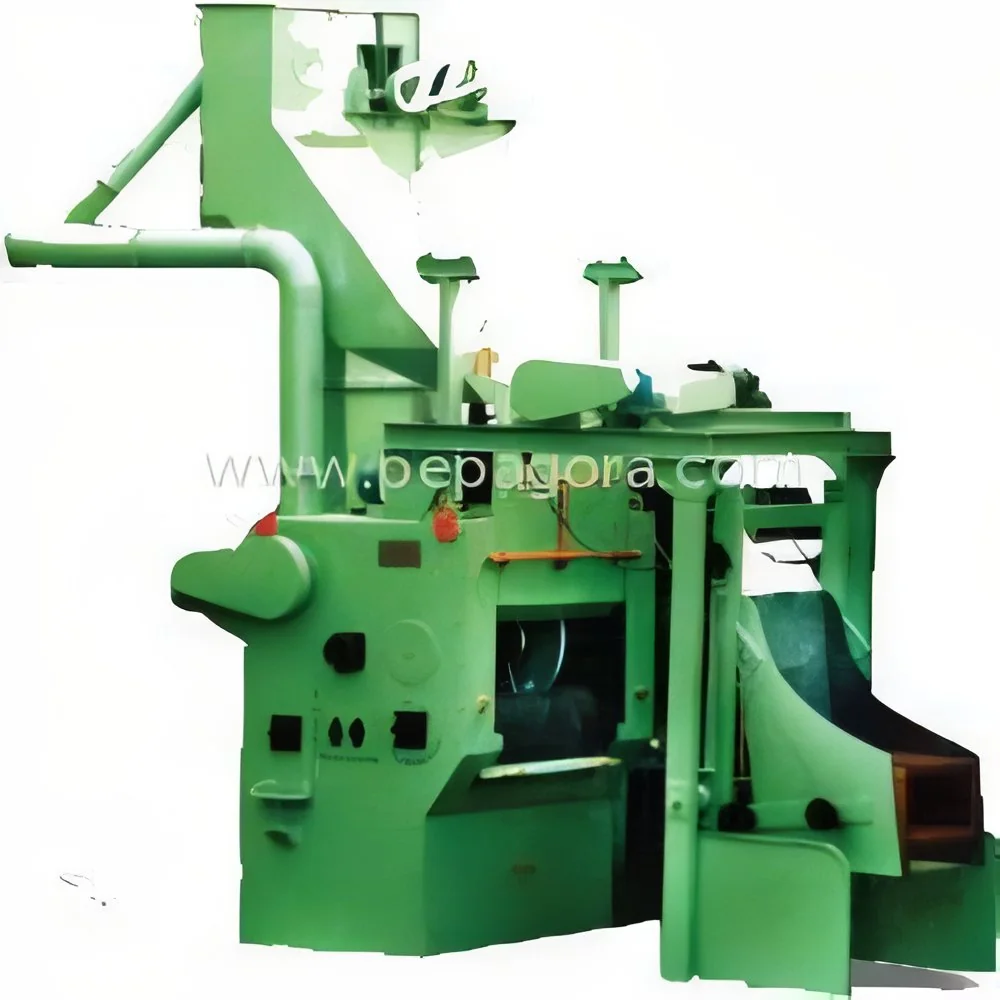
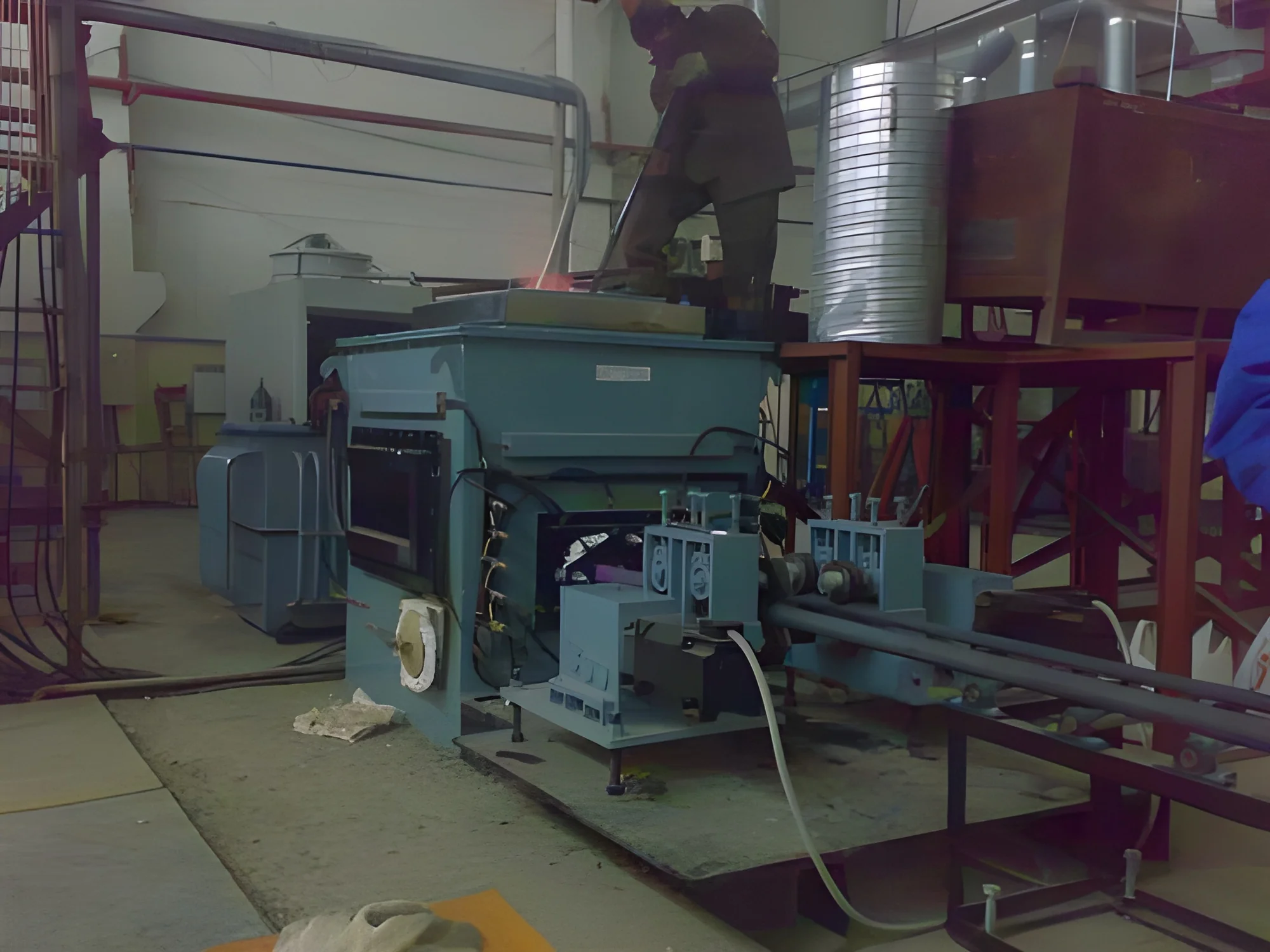
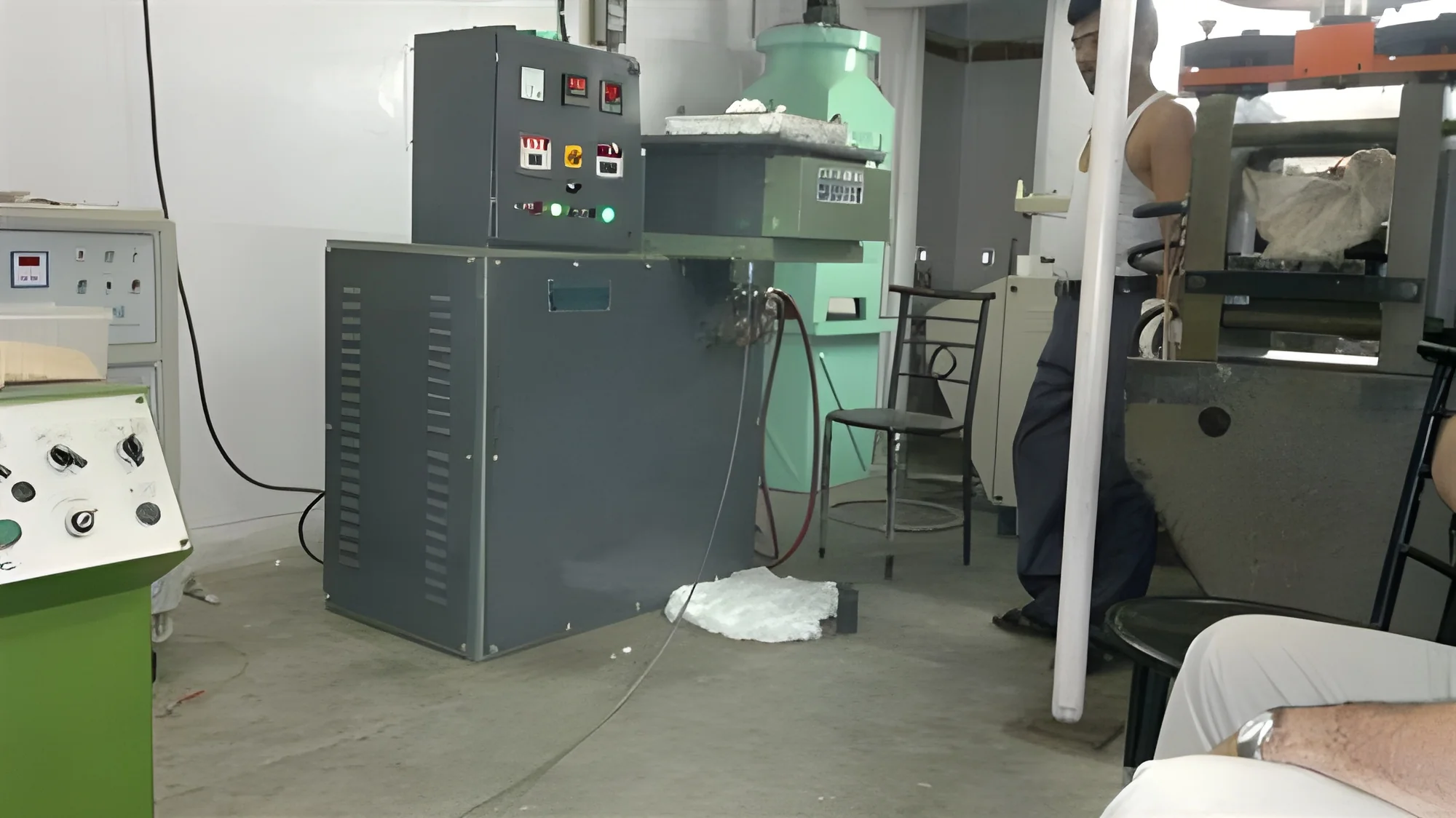
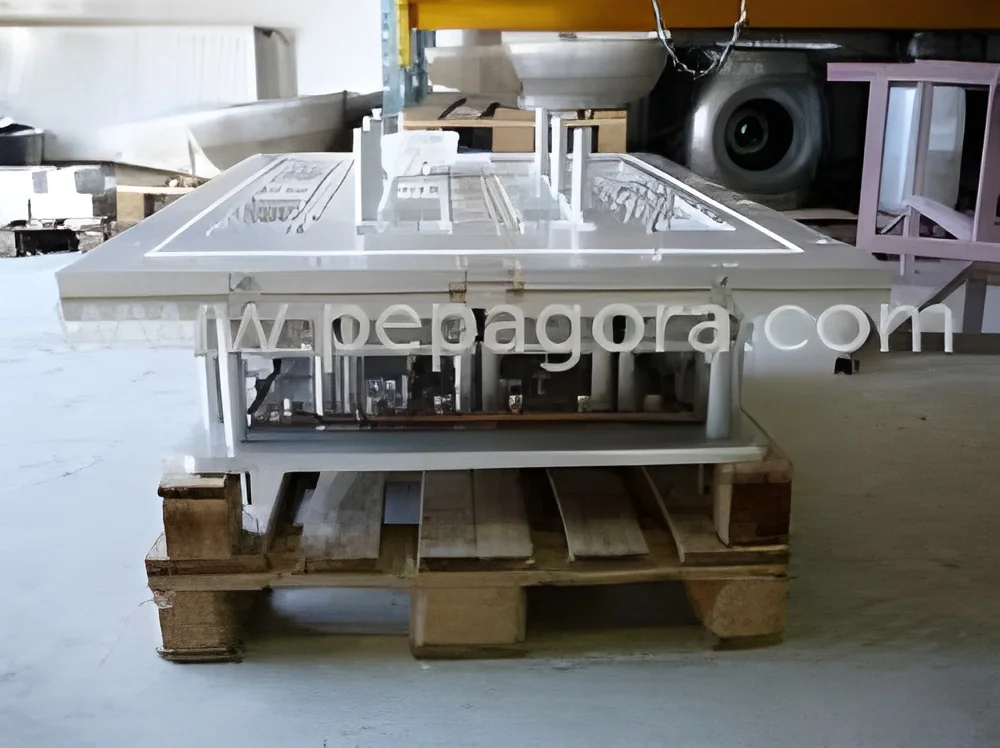
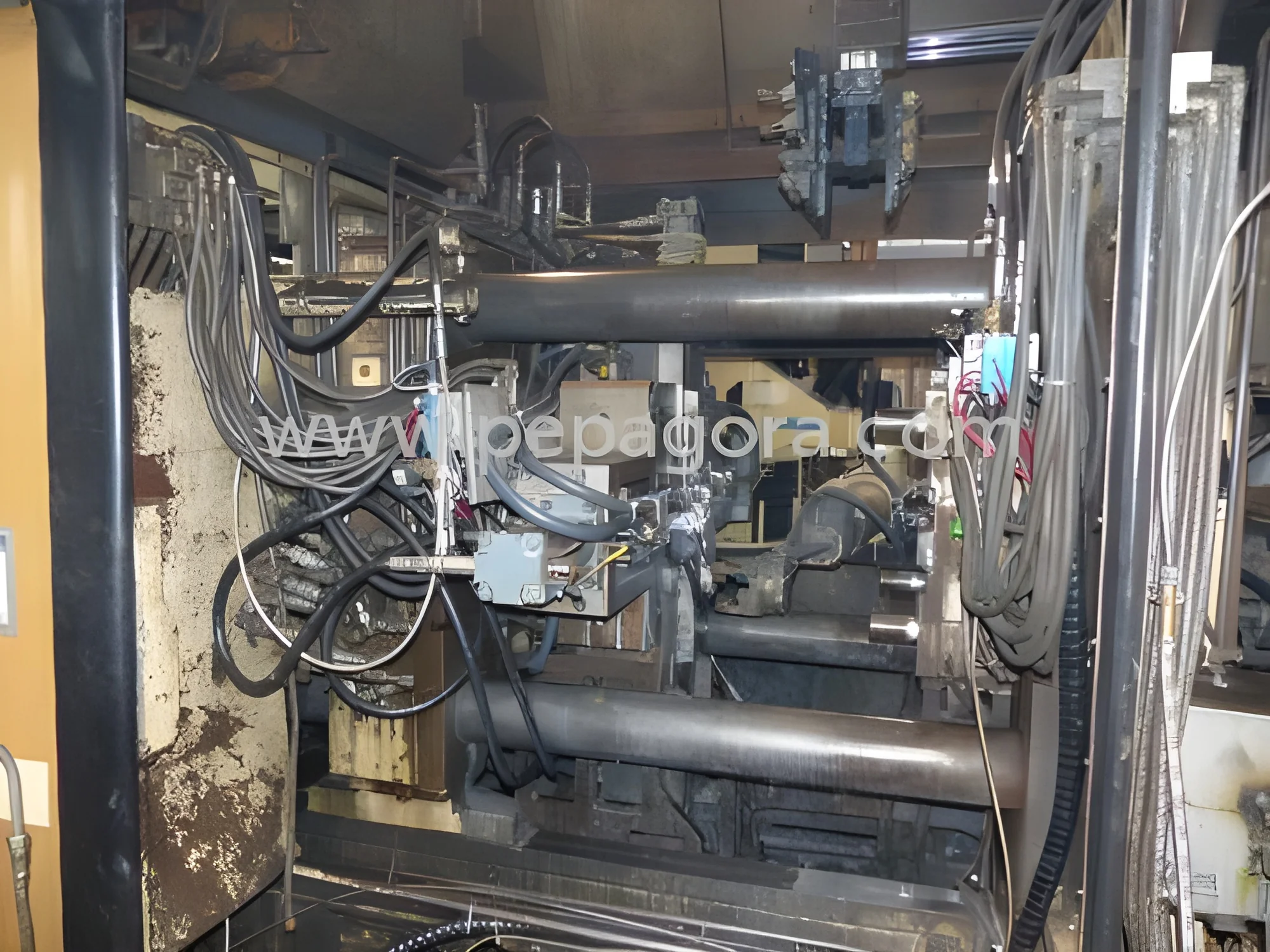
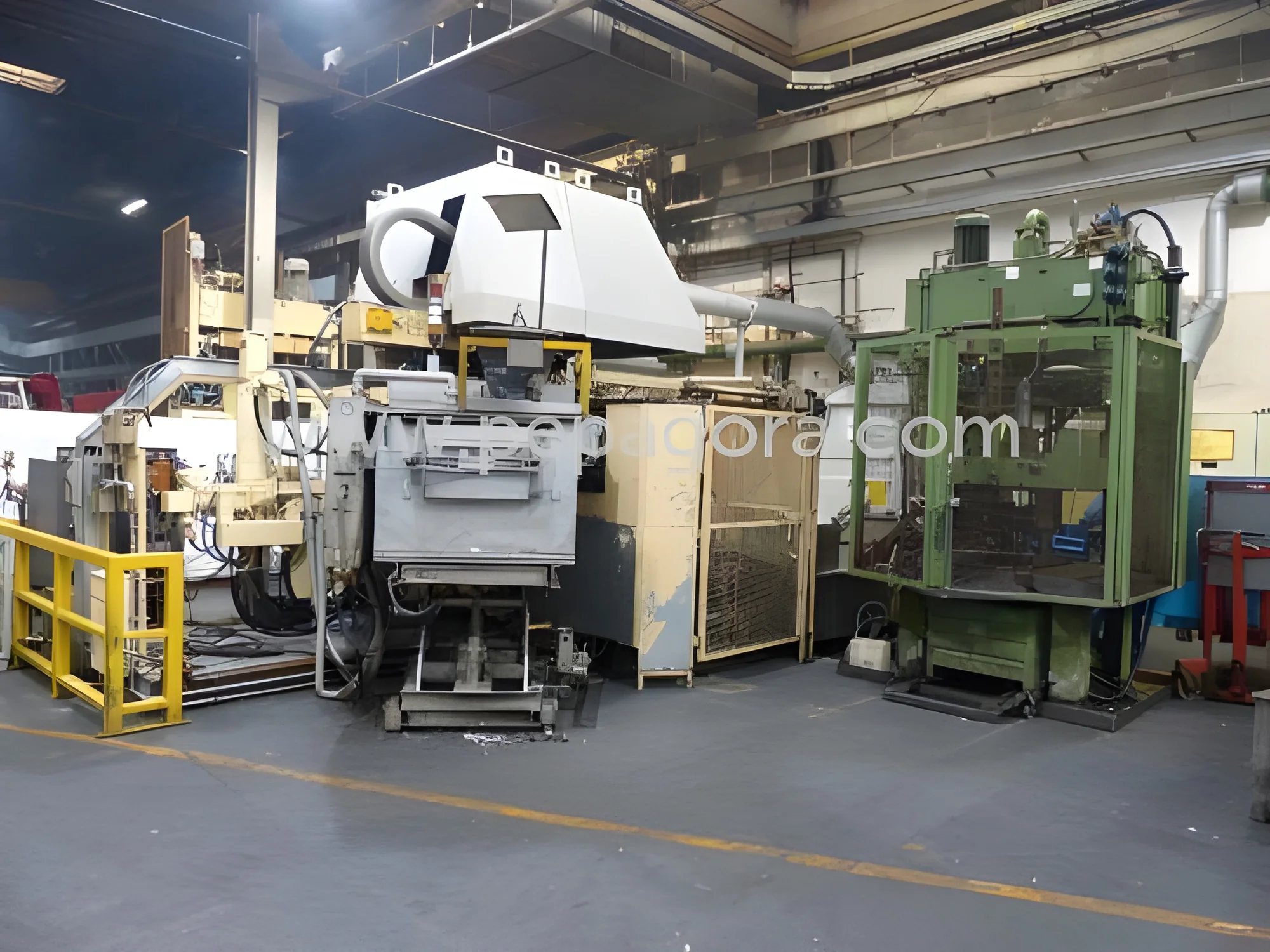
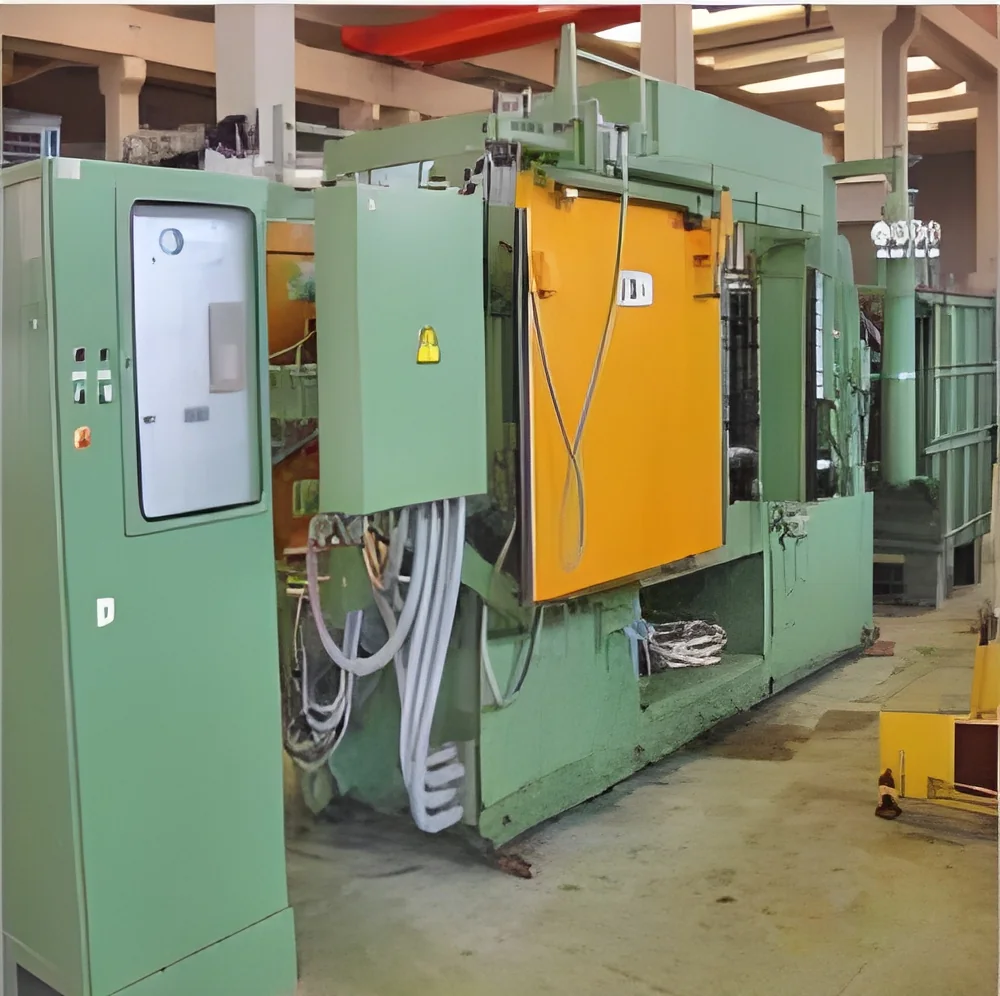
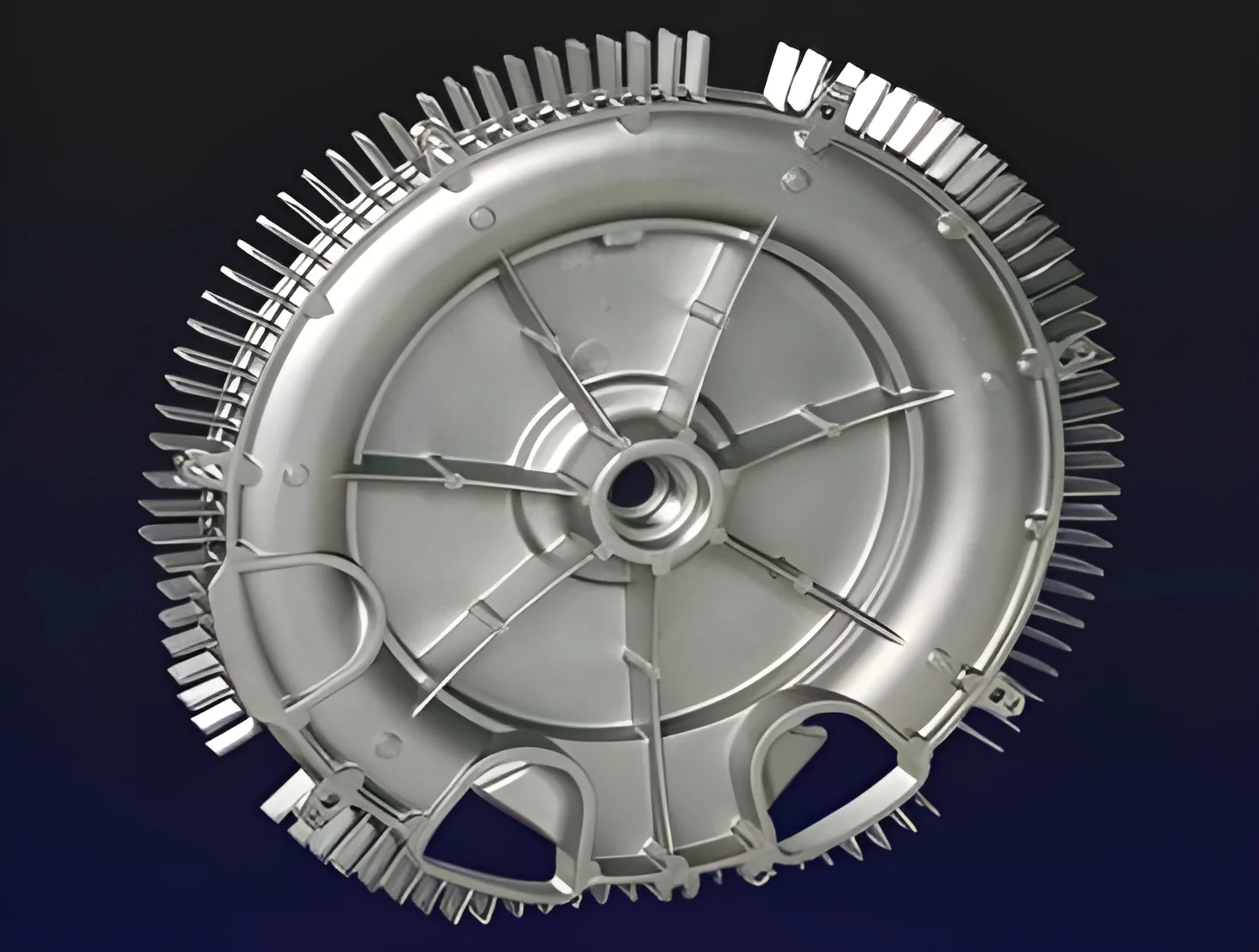
Die casting machines are specialized equipment used in the manufacturing process where molten metal is injected into a mold cavity. This technique allows for the production of complex shapes with high precision and excellent surface finish. Die casting can be categorized into two main types: cold chamber and hot chamber. Cold chamber die casting involves injecting molten metal into a mold from a separate chamber, while hot chamber die casting uses a system where the metal is kept molten in the machine itself.
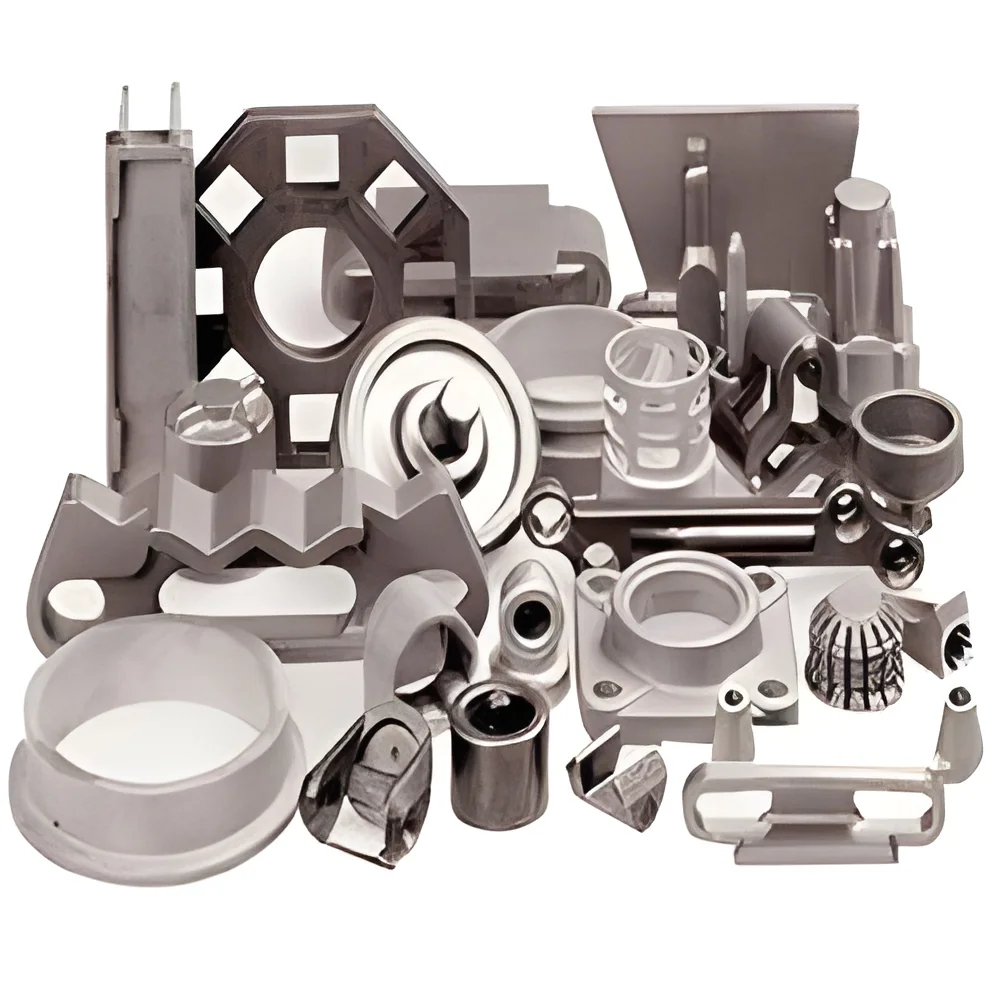
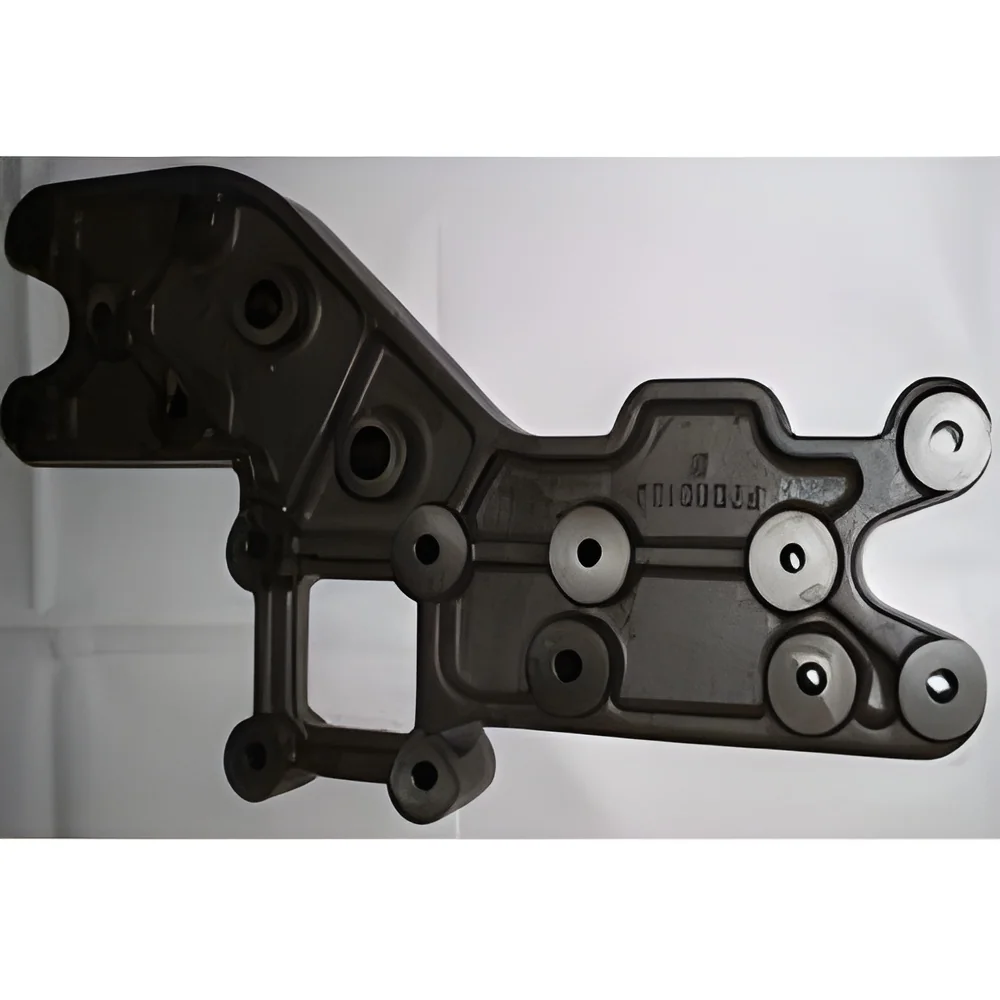
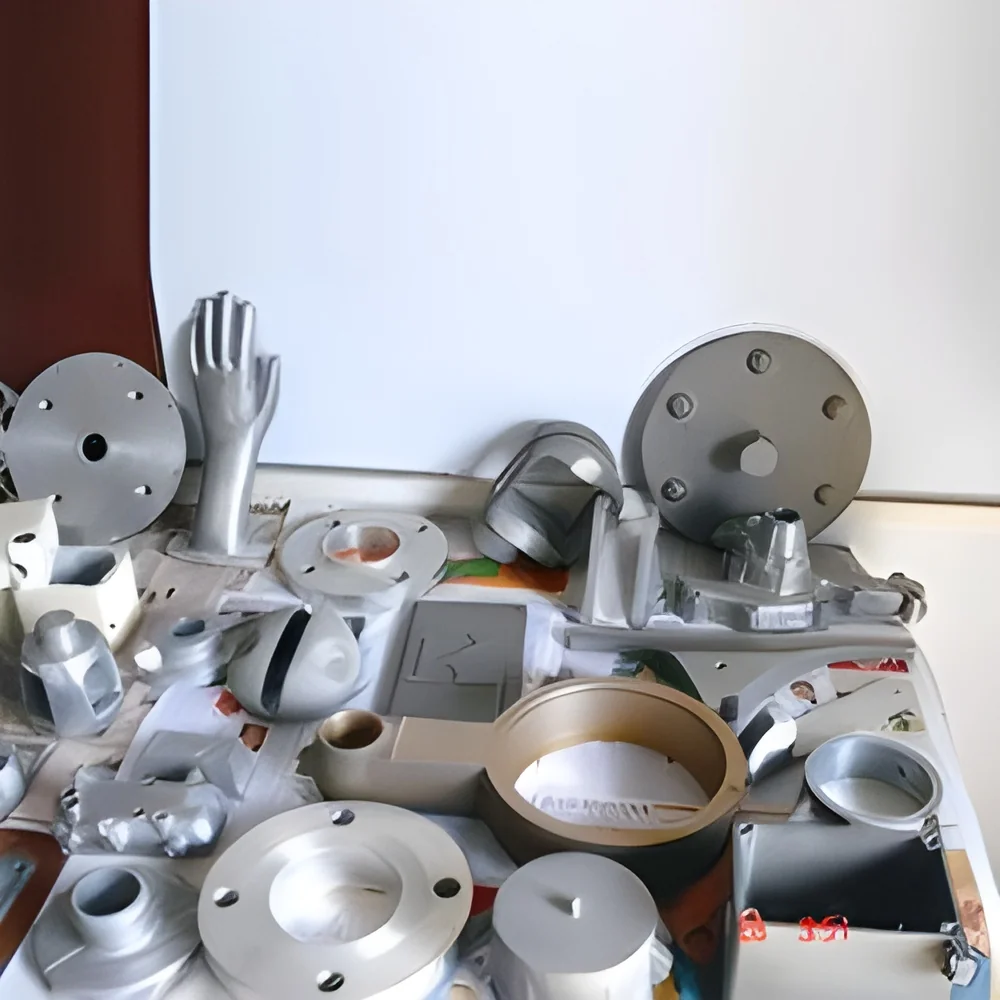
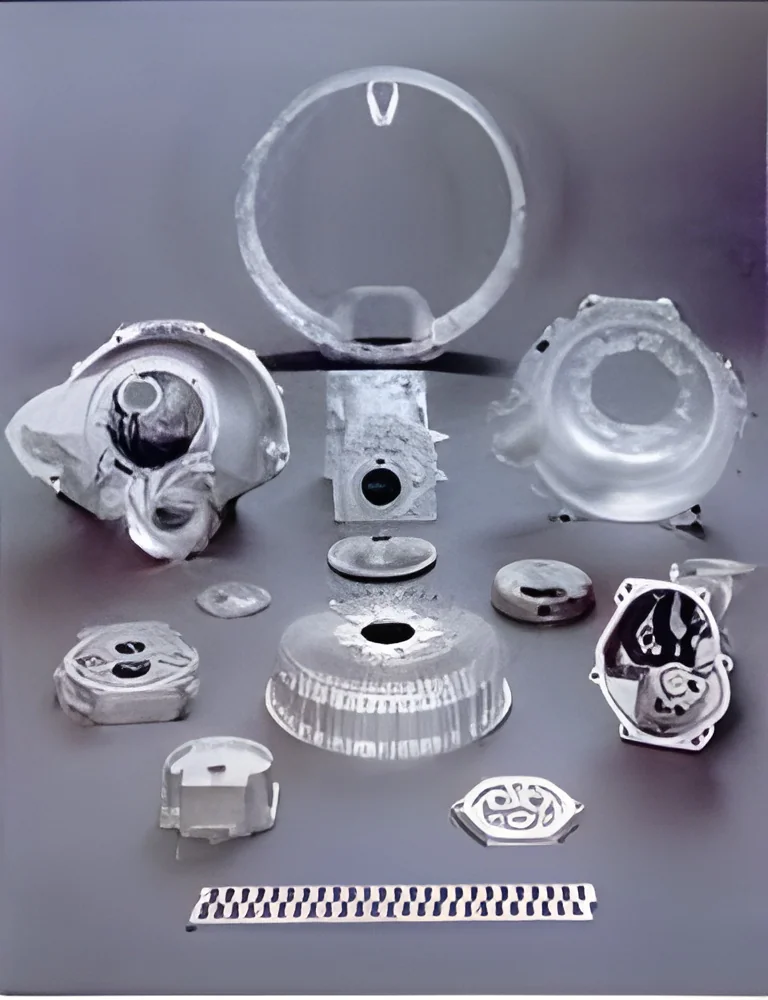
These machines are widely utilized across various industries, including automotive, aerospace, and consumer electronics. They are particularly effective for producing components with intricate designs, such as engine blocks and housings. The process is favored for its efficiency in producing large volumes of parts with minimal waste, contributing to its relevance in todayโs fast-paced manufacturing environment. As industries continue to advance, the demand for die casting machines is expected to grow, driven by the need for lightweight, durable components.
๐๐ฒ๐ ๐๐ฒ๐ฎ๐๐๐ฟ๐ฒ๐ ๐ฎ๐ป๐ฑ ๐ฆ๐ฝ๐ฒ๐ฐ๐ถ๐ณ๐ถ๐ฐ๐ฎ๐๐ถ๐ผ๐ป๐
Die casting machines (cold/hot chamber) come equipped with several features and specifications that make them suitable for industrial applications. Understanding these specifications is crucial for selecting the right machine for your production needs.
Key specifications include:
1. Injection Pressure
- Determines the force with which the molten metal is injected into the mold
- Technical parameters typically range from 500 to 2500 bar
2. Shot Size
- Refers to the maximum weight of metal that can be injected in one cycle
- Technical parameters can range from 250 grams to over 10 kilograms
3. Clamping Force
- The force required to keep the mold closed during injection
- Common ranges from 500 kN to 4000 kN
4. Cycle Time
- The total time taken for a complete injection cycle
- Typically ranges from 15 to 60 seconds depending on the complexity of the part
5. Mold Temperature Control
- Systems to maintain the temperature of the mold to ensure optimal cooling rates
- Can include integrated temperature control units
6. Drive System
- May be hydraulic, electric, or hybrid, impacting efficiency and precision
- Electric systems are known for high energy efficiency
7. Safety Features
- Includes emergency stop buttons and protective covers
- Enhances operator safety during operation
8. Automation Capabilities
- Options for automated loading and unloading systems
- Increases production efficiency and consistency
In summary, these features and specifications are fundamental in determining the performance and suitability of die casting machines for specific applications.
๐๐ผ๐บ๐บ๐ผ๐ป ๐๐ฝ๐ฝ๐น๐ถ๐ฐ๐ฎ๐๐ถ๐ผ๐ป๐ ๐ฎ๐ป๐ฑ ๐จ๐๐ฒ ๐๐ฎ๐๐ฒ๐
Die casting machines are versatile and find applications in various industries.
1. Automotive: Used for producing engine components, transmission housings, and other critical parts that require precision and durability.
2. Aerospace: Ideal for crafting lightweight components like brackets and housings that must withstand high stress and extreme conditions.
3. Consumer Electronics: Employed in the manufacturing of casings and internal components for devices such as smartphones and laptops.
4. Industrial Equipment: Utilized to create complex parts for machinery and tools, ensuring reliable performance in demanding environments.
5. Telecommunications: Used to produce enclosures for communication devices that require robust and lightweight materials.
6. Medical Devices: Important for manufacturing precise components used in medical machinery and equipment.
7. Home Appliances: Applied in the production of various parts for appliances like refrigerators and washing machines.
๐ฃ๐ฟ๐ผ๐ฑ๐๐ฐ๐ ๐ฉ๐ฎ๐ฟ๐ถ๐ฎ๐ป๐๐ ๐ฎ๐ป๐ฑ ๐ฆ๐๐ฏ๐ฐ๐ฎ๐๐ฒ๐ด๐ผ๐ฟ๐ถ๐ฒ๐
Die casting machines have various configurations designed to meet specific production needs.
Cold Chamber Die Casting Machines
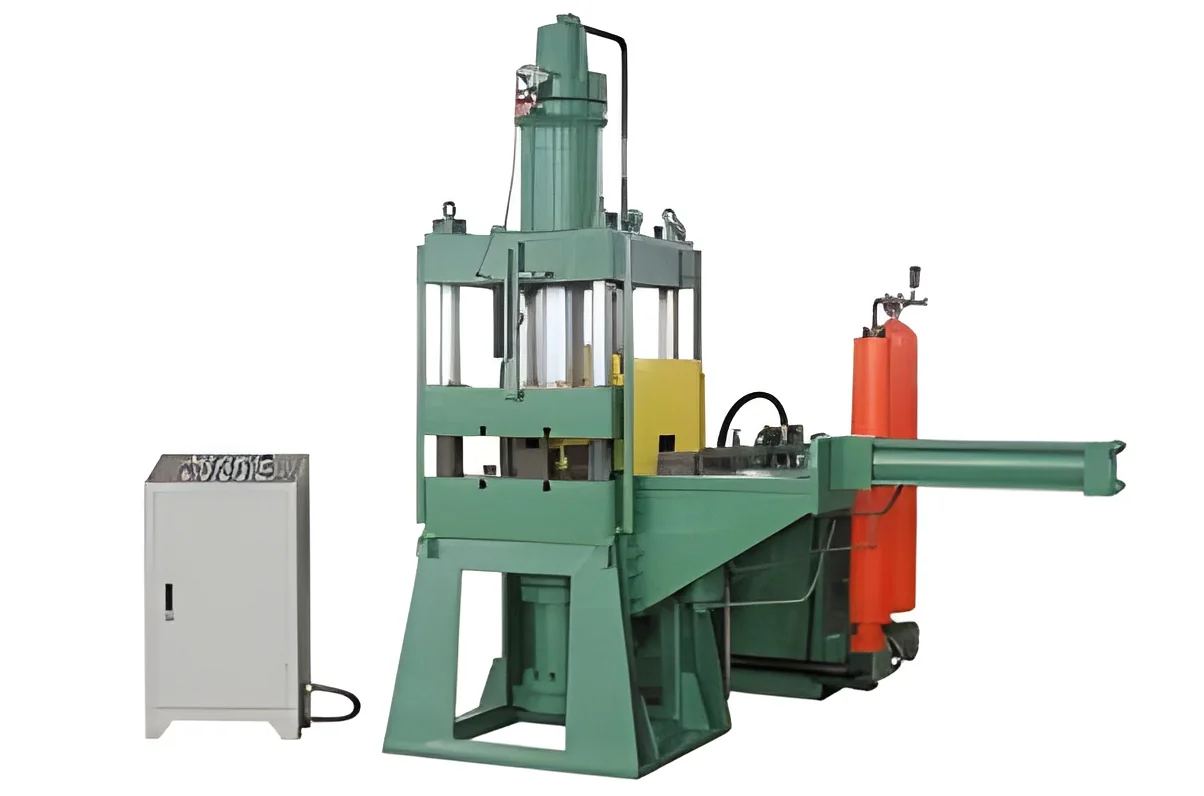
These machines are ideal for metals with high melting points, such as aluminum and magnesium. They offer flexibility in terms of shot size and are suitable for producing larger parts with complex geometries.
Hot Chamber Die Casting Machines
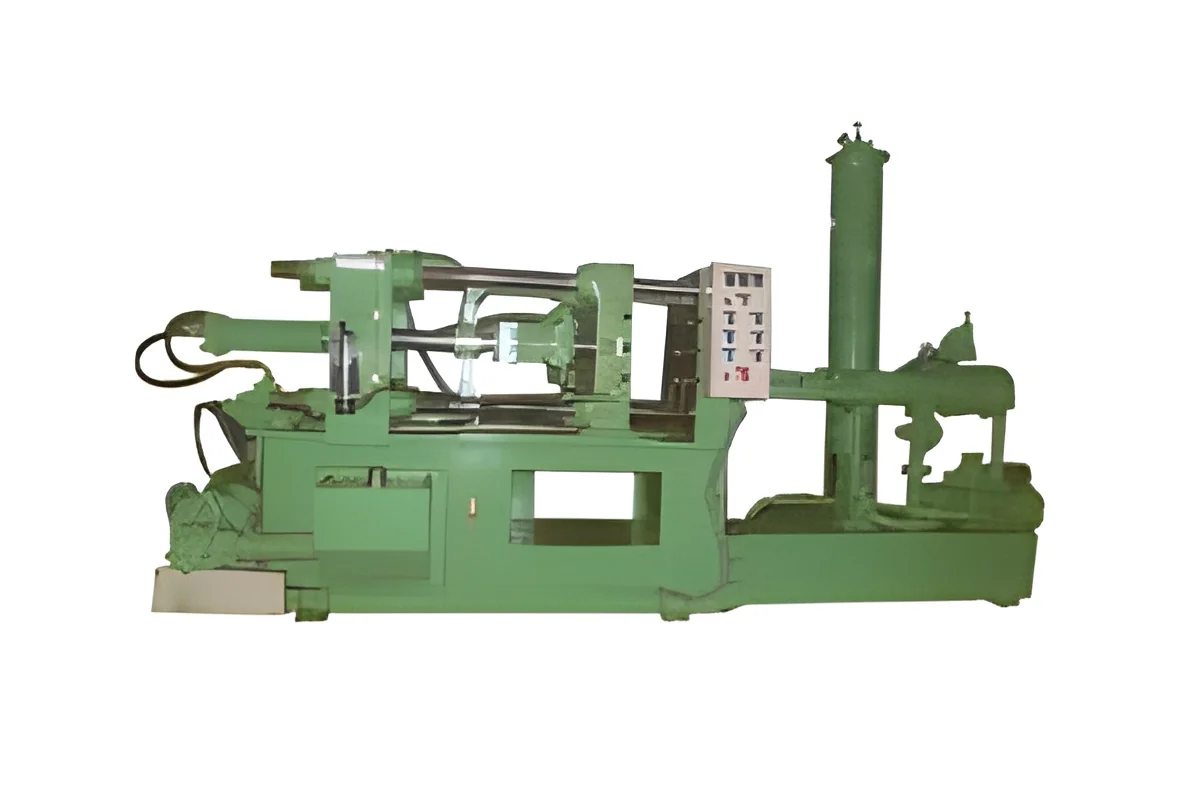
Best suited for low melting point alloys, such as zinc and lead. These machines allow for faster production rates and are efficient for high-volume manufacturing.
๐๐ฒ๐ป๐ฒ๐ณ๐ถ๐๐ ๐ฎ๐ป๐ฑ ๐๐ฑ๐๐ฎ๐ป๐๐ฎ๐ด๐ฒ๐
Die casting machines offer several advantages that enhance manufacturing efficiency and product quality.
1. High Precision: Capable of producing parts with tight tolerances and intricate details, essential for many industries.
2. Reduced Waste: The process minimizes material waste compared to other manufacturing methods, contributing to cost savings.
3. High Production Rates: Enables the rapid production of large quantities of parts, ideal for high-demand applications.
4. Versatility: Suitable for a wide range of metals and applications, allowing manufacturers to adapt to market needs.
5. Improved Surface Finish: Parts produced have a smooth surface, often requiring minimal post-processing.
6. Structural Integrity: Die casting provides strong and durable components, which is critical for performance in demanding applications.
๐๐๐๐ถ๐ป๐ด ๐๐๐ถ๐ฑ๐ฒ ๐ณ๐ผ๐ฟ ๐๐ฎ๐ ๐๐๐๐ฒ๐ฟ๐
When sourcing die casting machines (cold/hot chamber), it is important to consider several factors to ensure the best fit for your business.
1. Quality Assessment: Evaluate the build quality and performance of the machines. Look for machines that adhere to recognized quality standards to ensure reliability.
2. Supplier Verification: Conduct thorough due diligence on potential suppliers. Confirm their reputation, experience, and customer feedback to ensure they can deliver quality equipment.
3. Pricing and MOQ: Understand the pricing structure and minimum order quantities. Compare quotes from multiple suppliers to get the best deal without compromising on quality.
4. Delivery and Lead Times: Assess the supplierโs ability to meet your timelines. Timely delivery is crucial to maintain production schedules.
5. Compliance Requirements: Ensure that the machines comply with relevant industry standards and regulations, as this can affect production and marketability.
๐๐ผ๐บ๐ฝ๐น๐ถ๐ฎ๐ป๐ฐ๐ฒ ๐ฎ๐ป๐ฑ ๐๐ฒ๐ฟ๐๐ถ๐ณ๐ถ๐ฐ๐ฎ๐๐ถ๐ผ๐ป๐
Die casting machines must comply with various quality standards to ensure safe and effective operation. ISO 9001 is a widely recognized standard that outlines quality management principles and is crucial for maintaining consistent quality in manufacturing.
Additionally, industry certifications such as CE signify that the machines meet European safety and environmental standards. Meeting these requirements not only enhances product credibility but also ensures compliance with local regulations in different markets.
Safety and testing requirements are critical, especially in industries like aerospace and automotive, where component failure can have serious consequences. Regional compliance considerations may vary, so it is essential to stay informed about local regulations before purchasing.
Why Source Die Casting Machines (Cold/Hot Chamber) from Pepagora?
Pepagora offers a trusted platform for sourcing die casting machines (cold/hot chamber), providing several key advantages to B2B buyers.
Verified Supplier Network: Pepagora maintains a robust network of verified suppliers. This ensures that buyers can access high-quality machines from reputable manufacturers, reducing the risk associated with sourcing.
Streamlined RFQ Process: The request for quotation (RFQ) process is designed to be efficient. Buyers can easily compare quotes, specifications, and features, helping them make informed decisions.
Trade Assurance and Support: Pepagora offers trade assurance, providing buyers with protection during the purchasing process. This support ensures that transactions are secure and that buyers receive the products they expect.
Regional Coverage: With a strong presence in India, the GCC, and Southeast Asia, Pepagora facilitates easy access to die casting machines across these regions. This geographic reach helps businesses expand their operations and meet local demands effectively.