IN
IN₹
Apparel & Fashion
Description
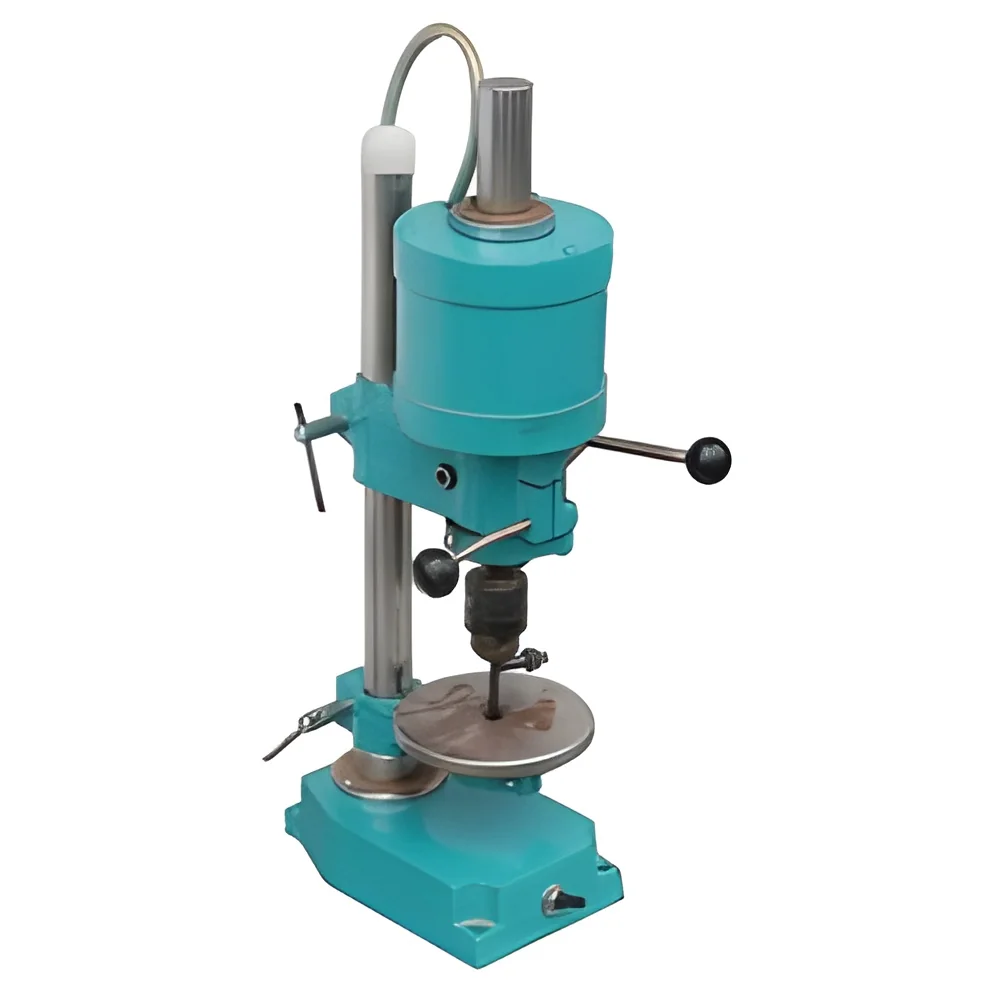
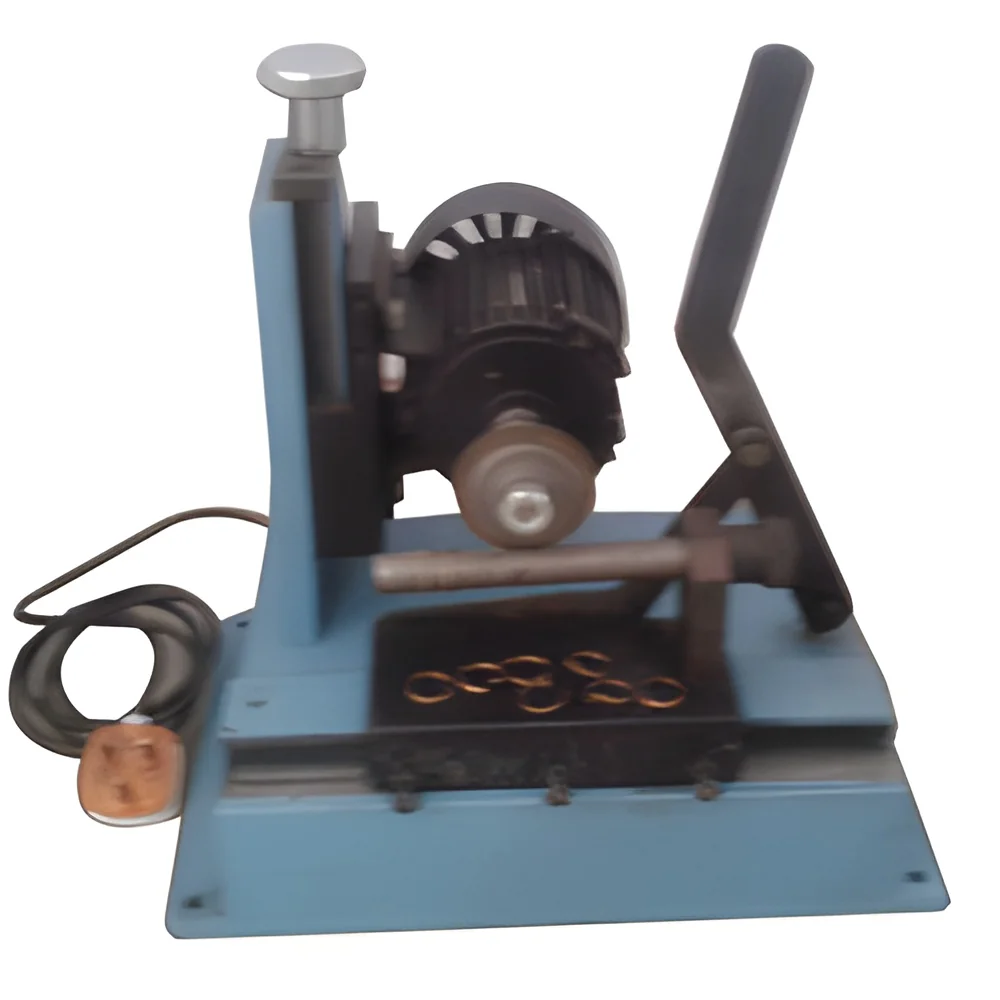
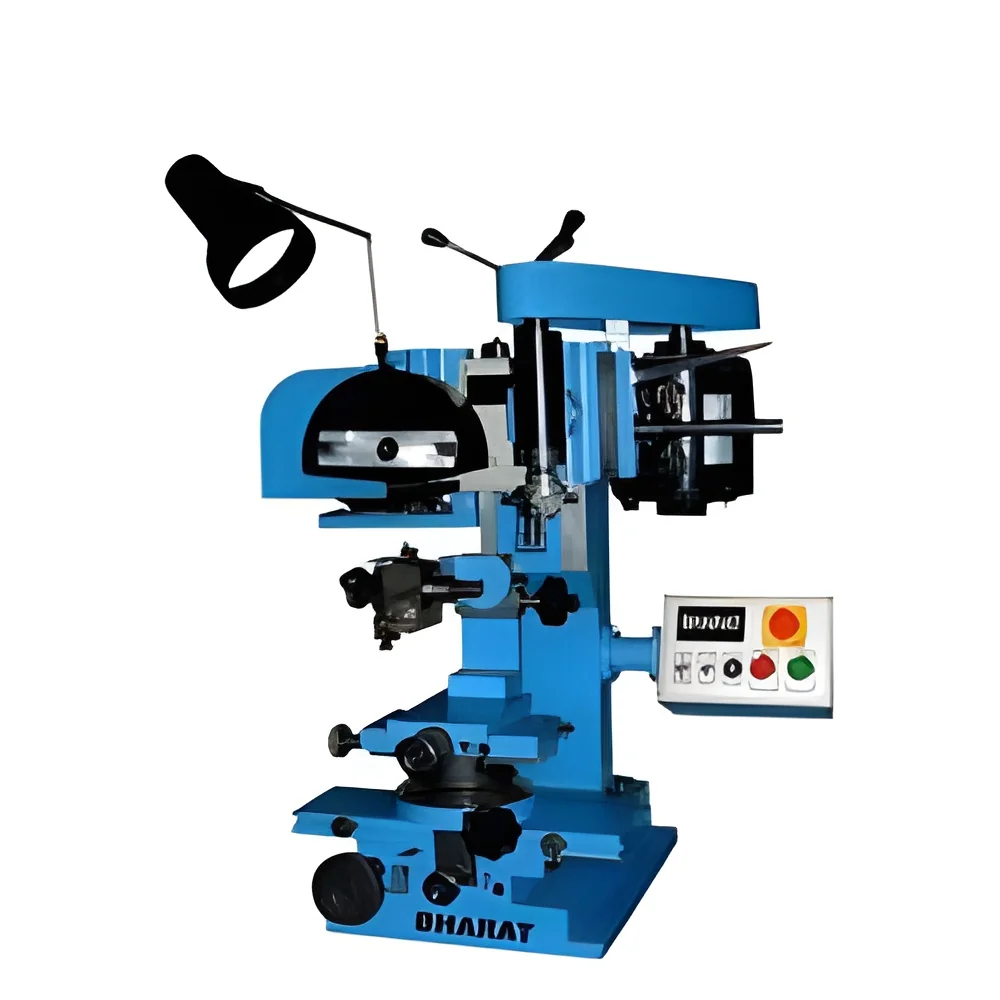
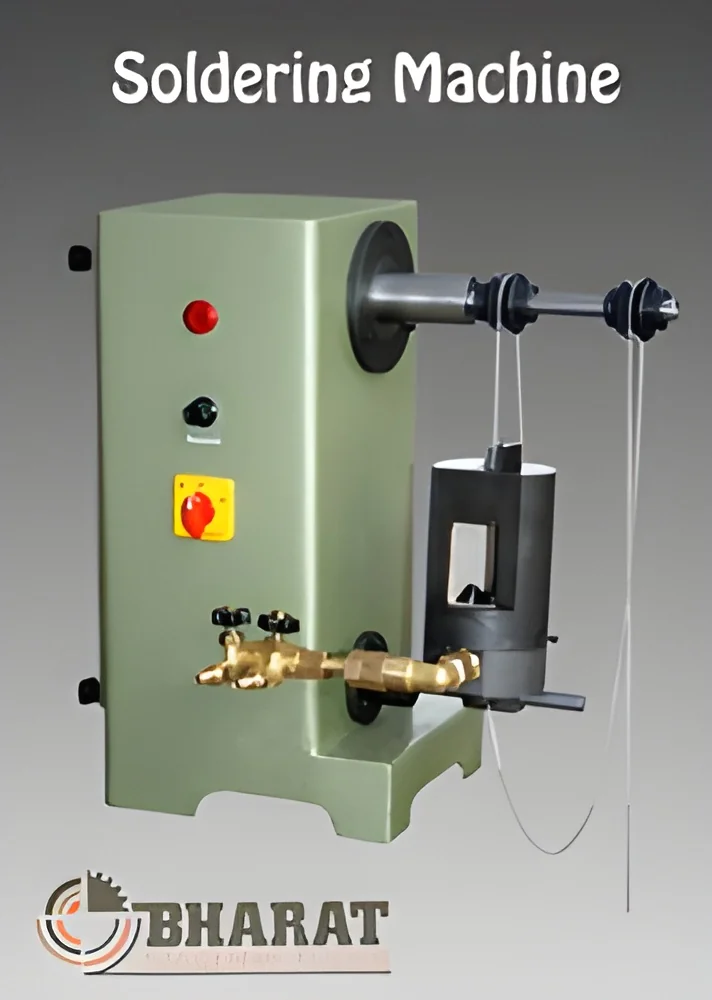
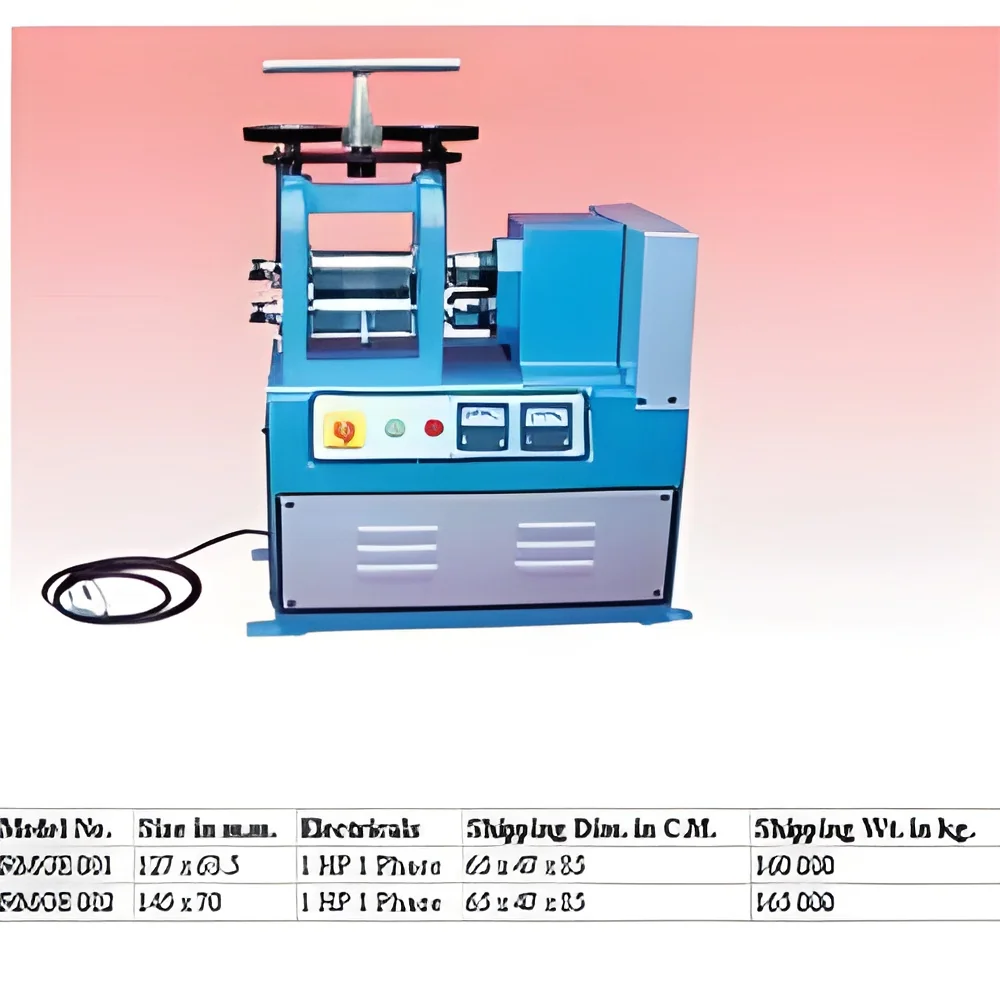
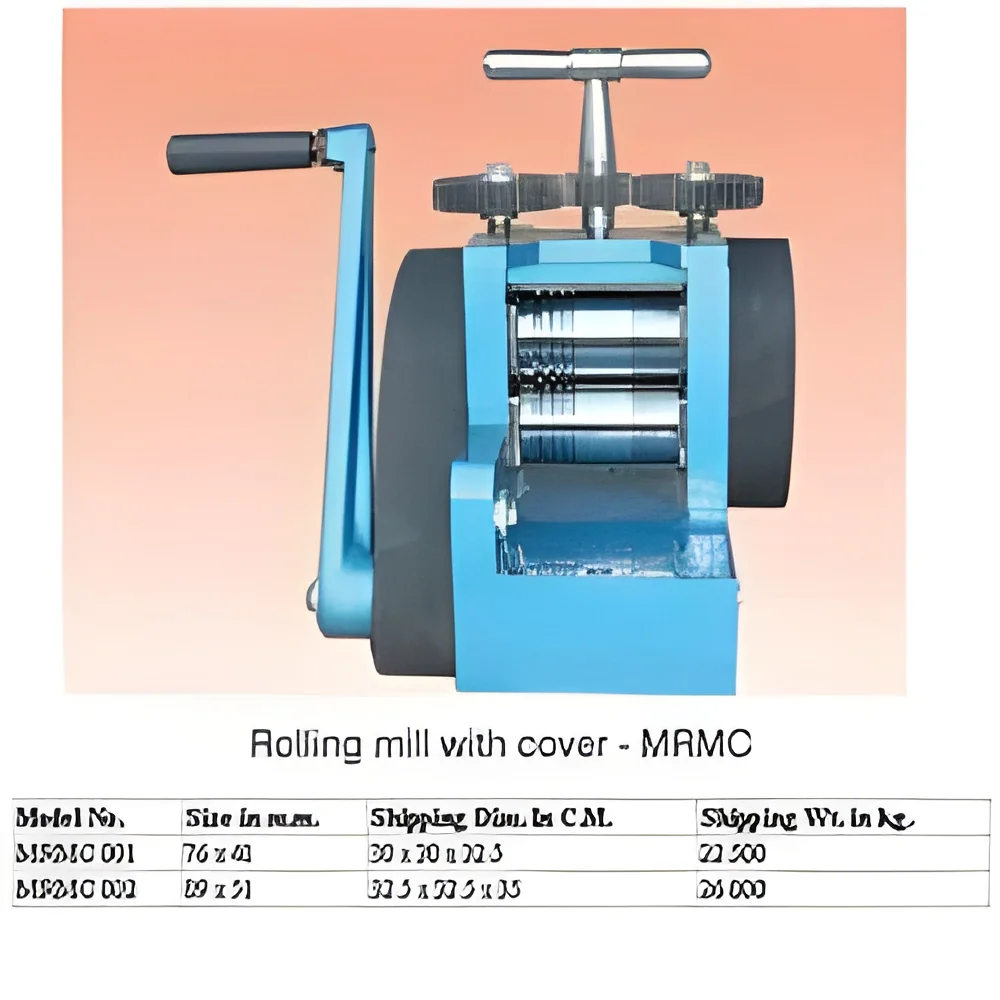
Our industrial rolling mills represent advanced metal forming technology engineered for precision thickness reduction and material processing. These high-performance machines utilize robust roller systems to compress and shape various metals, improving surface finish and enhancing mechanical properties through controlled deformation processes. Designed for both ferrous and non-ferrous materials, they deliver consistent results in producing sheets, plates, bars, and custom profiles with exact dimensional accuracy. The equipment features heavy-duty construction, precise control mechanisms, and reliable operation under continuous manufacturing conditions, making them suitable for diverse production requirements across industrial applications.

These rolling mills serve essential functions across multiple manufacturing sectors where metal forming precision is critical. Automotive manufacturers utilize them for producing body panels, chassis components, and structural parts from various ste...
Our industrial rolling mills represent advanced metal forming technology engineered for precision thickness reduction and material processing. These high-performance machines utilize robust roller systems to compress and shape various metals, improving surface finish and enhancing mechanical properties through controlled deformation processes. Designed for both ferrous and non-ferrous materials, they deliver consistent results in producing sheets, plates, bars, and custom profiles with exact dimensional accuracy. The equipment features heavy-duty construction, precise control mechanisms, and reliable operation under continuous manufacturing conditions, making them suitable for diverse production requirements across industrial applications.

These rolling mills serve essential functions across multiple manufacturing sectors where metal forming precision is critical. Automotive manufacturers utilize them for producing body panels, chassis components, and structural parts from various steel and aluminum alloys. Construction material producers rely on them for manufacturing rebar, structural beams, and architectural elements with consistent quality. Aerospace facilities process high-strength aluminum, titanium, and specialty alloys for aircraft components requiring exact specifications. General metal fabrication shops use these mills for creating precision strips, rods, and custom profiles for diverse industrial applications, while electronics manufacturers process specialized foils and thin materials for component production.

The operational value of these rolling mills lies in their ability to enhance production efficiency, reduce material waste, and maintain consistent product quality. These machines deliver reliable performance through durable construction, precision engineering, and user-friendly controls that minimize operational downtime and maintenance requirements. Manufacturers benefit from increased throughput capacity, improved material utilization rates, and superior finished product quality that meets international standards. The equipment's robust design ensures long-term operational reliability while its processing adaptability allows for handling various materials and product specifications without compromising performance or output consistency.

Key Features:
- Heavy-duty frame construction provides stability under high load conditions during continuous operation
- Precision roller alignment systems ensure consistent product thickness and dimensional accuracy
- Adjustable speed controls accommodate different material grades and processing requirements
- Advanced cooling systems maintain optimal temperature management for extended operation periods
- Reliable drive mechanisms deliver consistent power transmission for smooth material processing

Benefits:
- Enhanced production efficiency through consistent performance and reduced processing time
- Improved material utilization with precise thickness control minimizing waste and scrap
- Superior product quality with consistent dimensional accuracy and surface finish
- Reduced operational downtime due to robust construction and reliable components
- Adaptable processing capabilities for various metals and product specifications
Specifications
| Additional Information | |
|---|---|
| Country of Origin | India |
Application
Industrial rolling mills are precision metal forming machines that reduce material thickness and shape ferrous and non-ferrous metals through controlled compression. They ensure consistent dimensional accuracy and improved mechanical properties for sheets, plates, bars, and structural components across continuous production runs.
These robust machines serve critical functions in automotive, construction, aerospace, and metal fabrication industries. Manufacturers rely on them for high-volume production of components with exact tolerances, adapting to various material grades and processing requirements while maintaining operational efficiency in demanding industrial environments.
- Forming automotive body panels, chassis parts, and engine components from steel and aluminum alloys
- Manufacturing construction rebar, structural beams, and architectural metal products for infrastructure
- Processing aerospace-grade aluminum, titanium, and specialty alloys for aircraft structural parts
- Producing precision metal strips, foils, and rods for electronic components and electrical applications
- Shaping copper, brass, and other non-ferrous metals for plumbing fittings and industrial components
Trade Details
| Available Stock | In Stock |
| Sample Availability | No |
Payment Terms
| Payment Terms |
|
Company Profile

Bharat Machine Tools, Gujarat
 Gujarat, India
Gujarat, IndiaApparel & Fashion•Manufacturer•Distributor / Wholesaler•Importer / Exporter
Factory Details
Factory SizeBelow 1000 sqm
Annual Production Capacity0
Industrial Rolling Mills For Metal Forming And Processing Machinery
Industrial rolling mills for metal forming and processing machinery deliver high-performance thickness reduction and material shaping with reliable operation for manufacturing applications.
Min. Order Quantity: 1 unit
Shipping
Shipping fee and delivery date to be negotiated. Contact supplier now for more details.
Bharat Machine Tools
 Gujarat, India
Gujarat, IndiaApparel & FashionManufacturer