
 IN
Hot Rolling Mills
39 products available
What are Hot Rolling Mills?
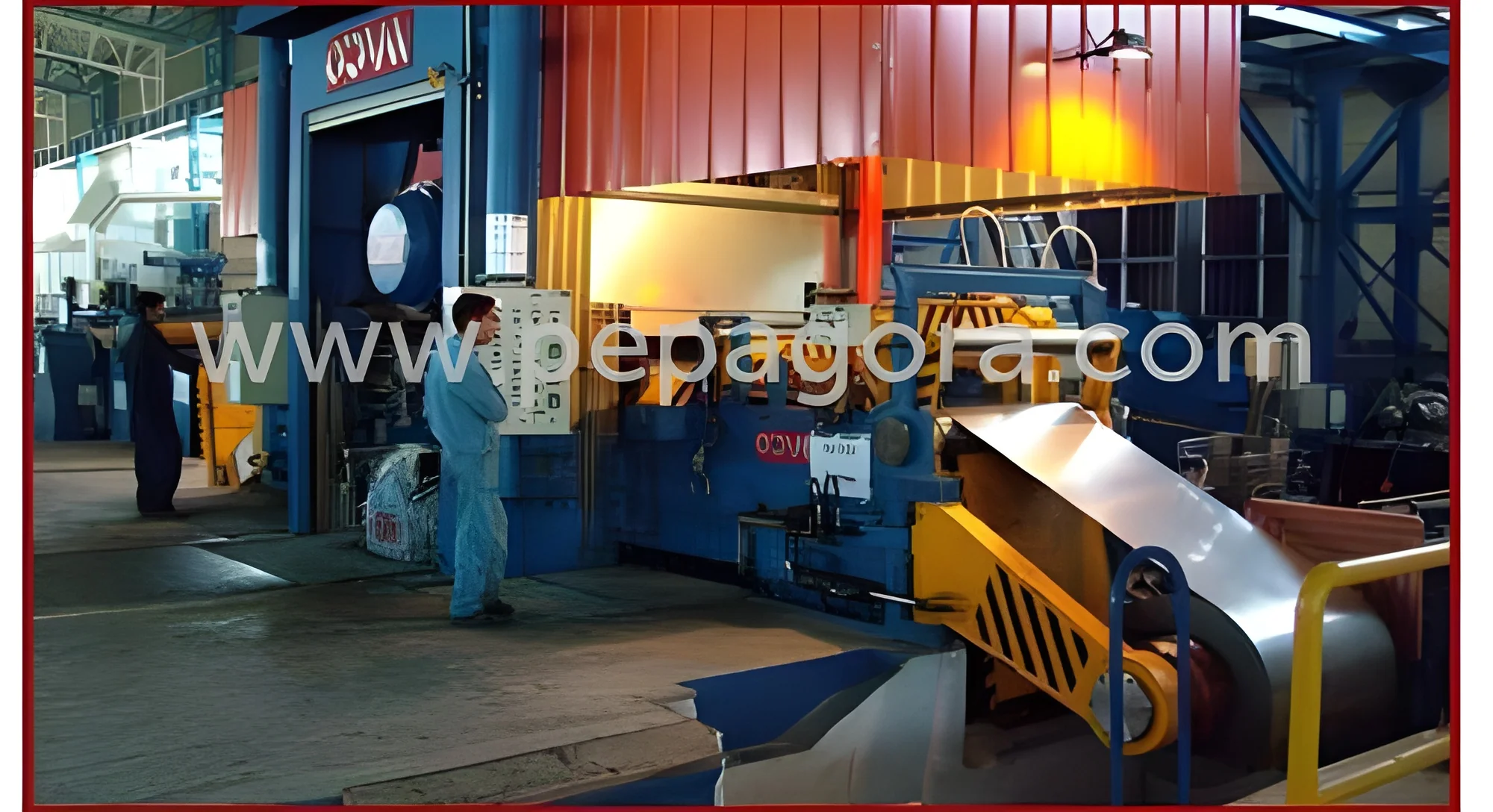
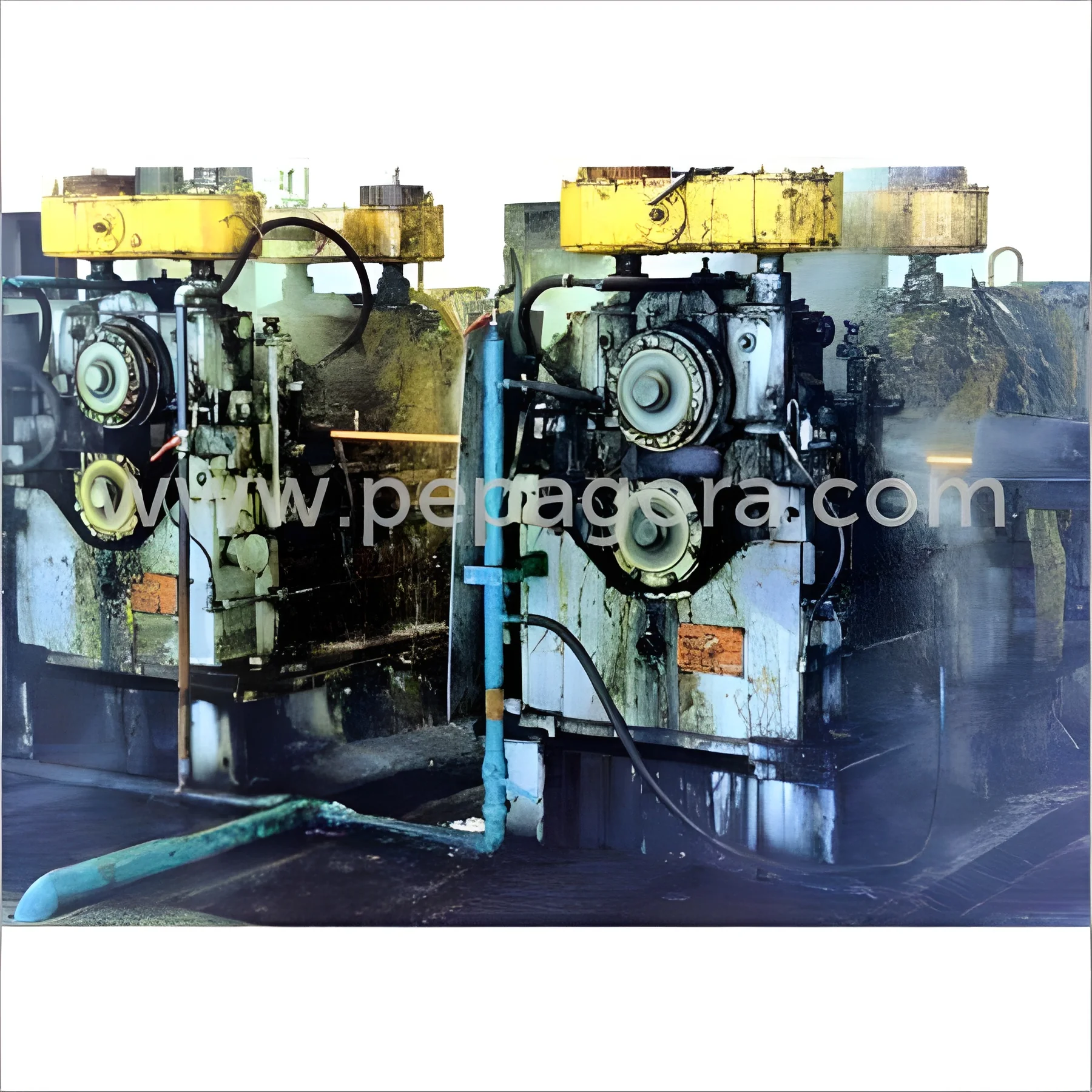
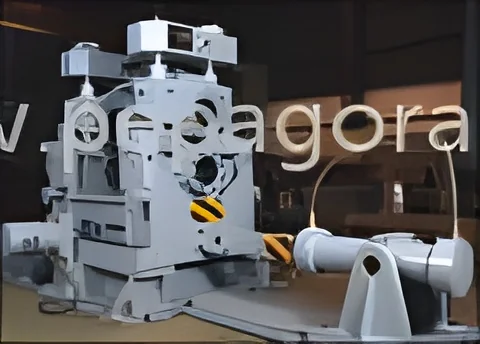
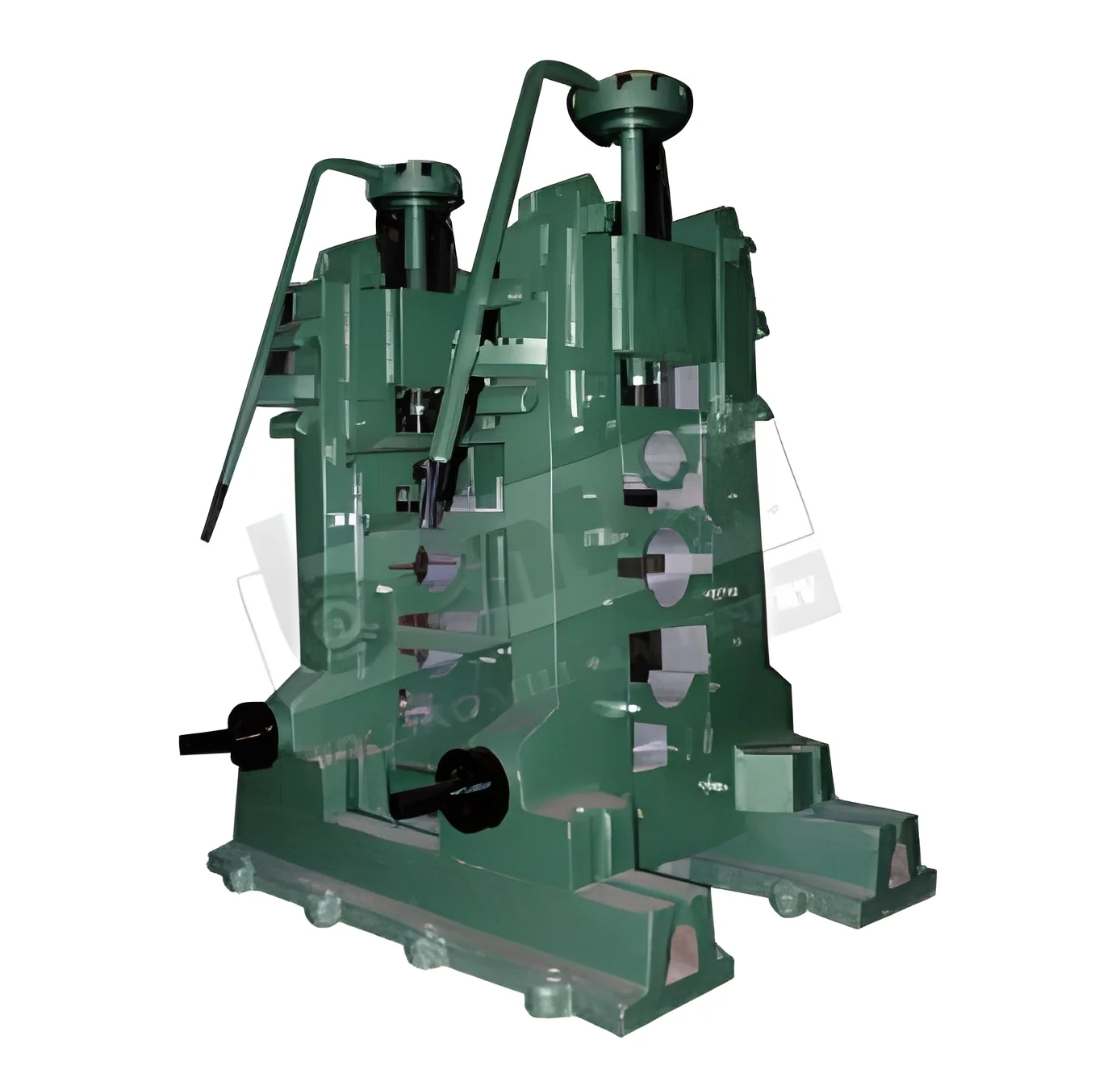
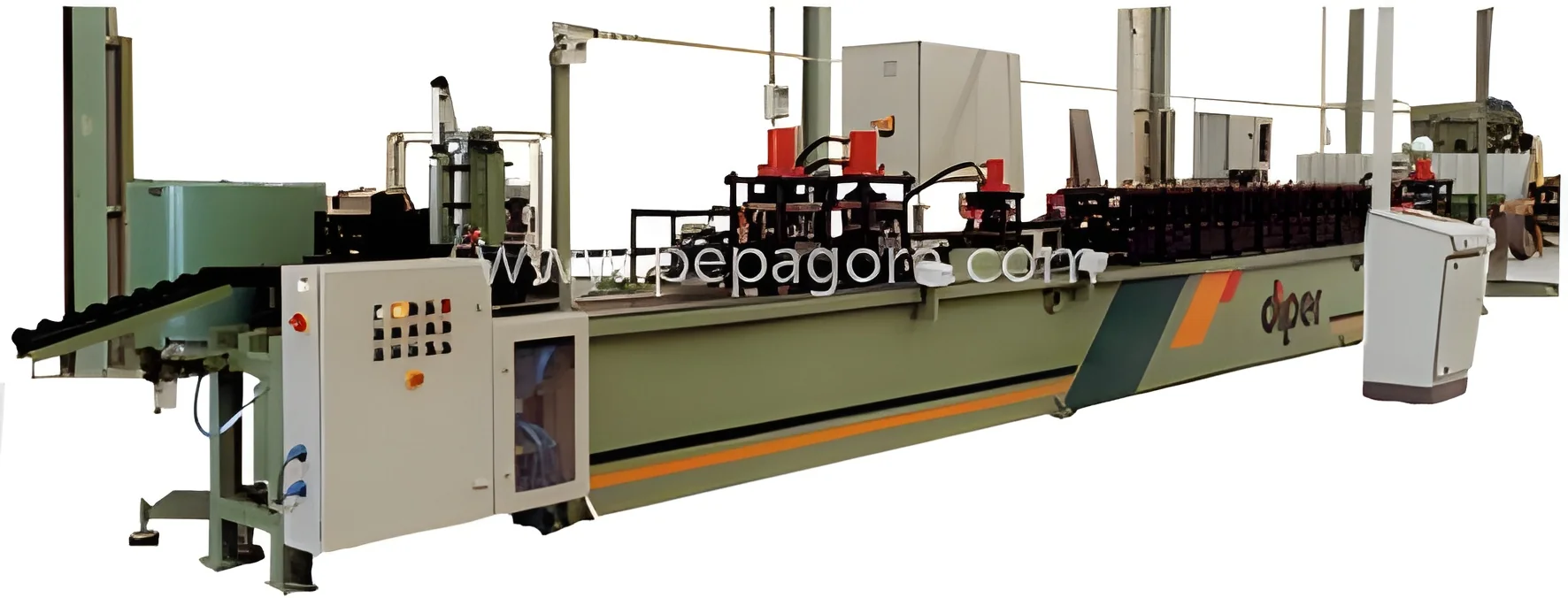
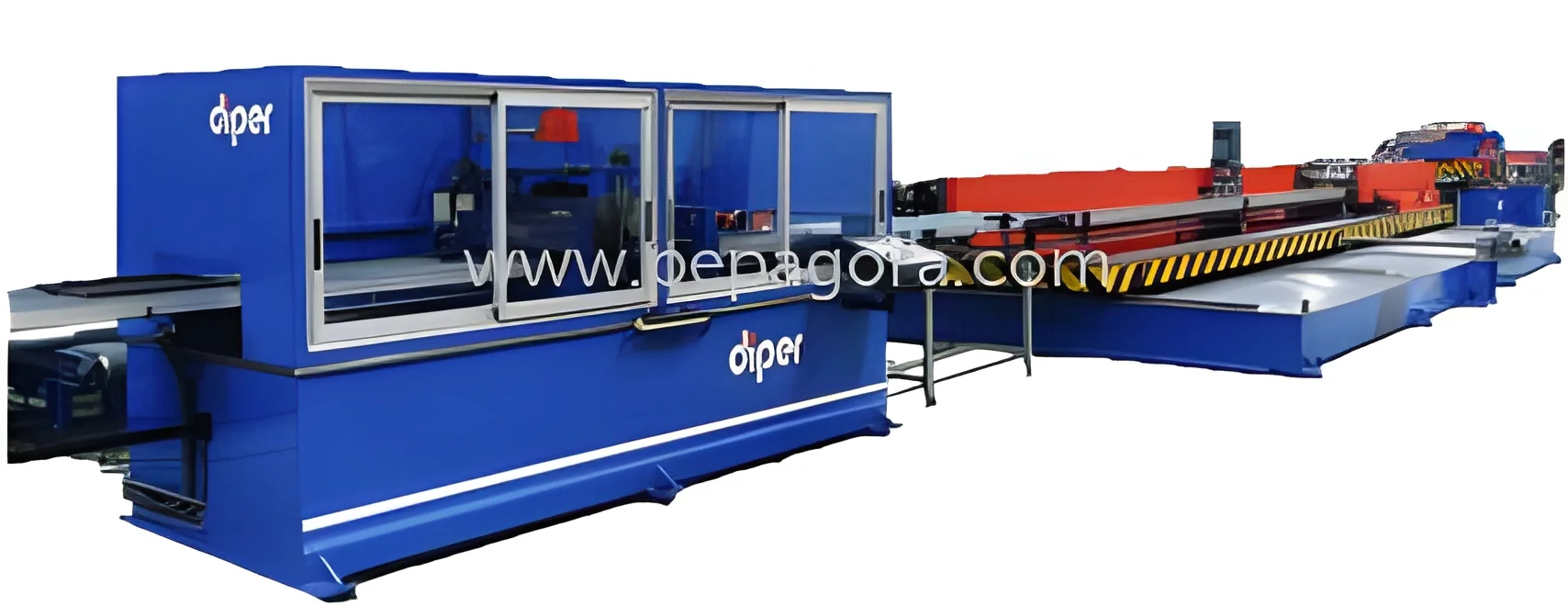
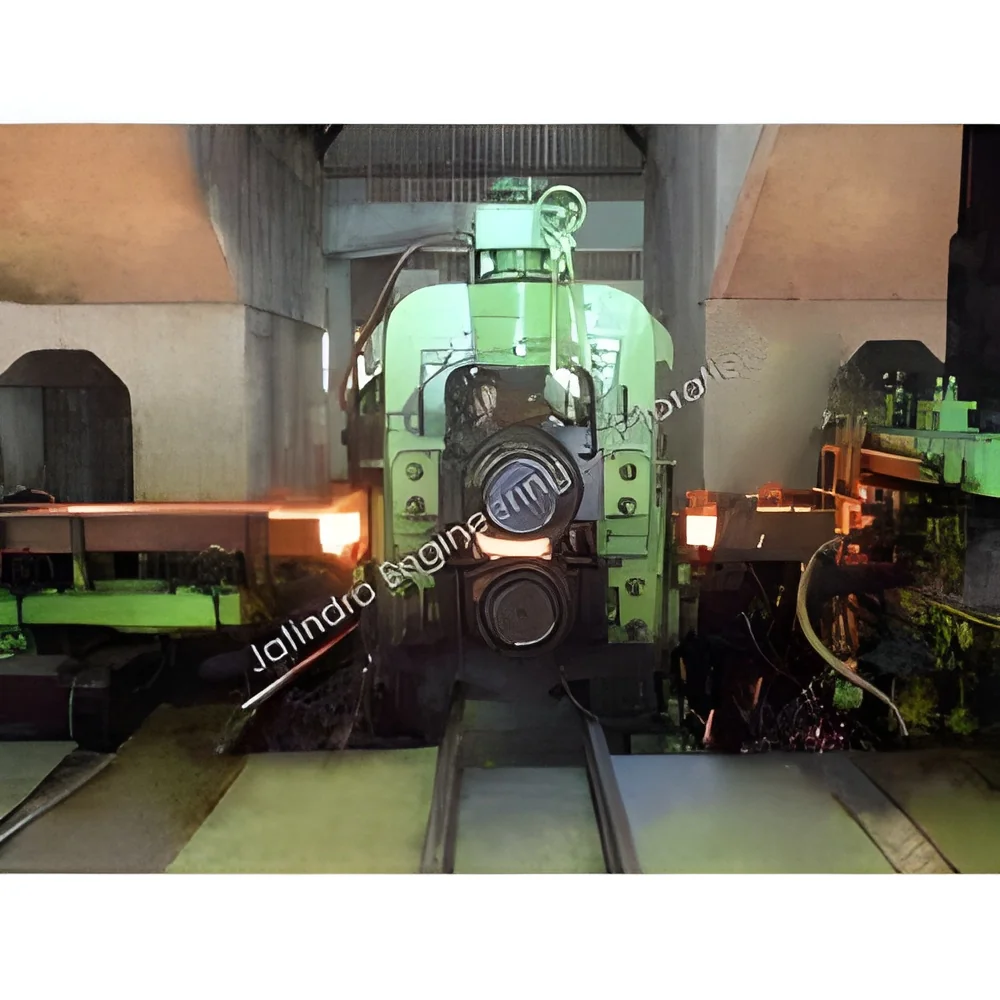
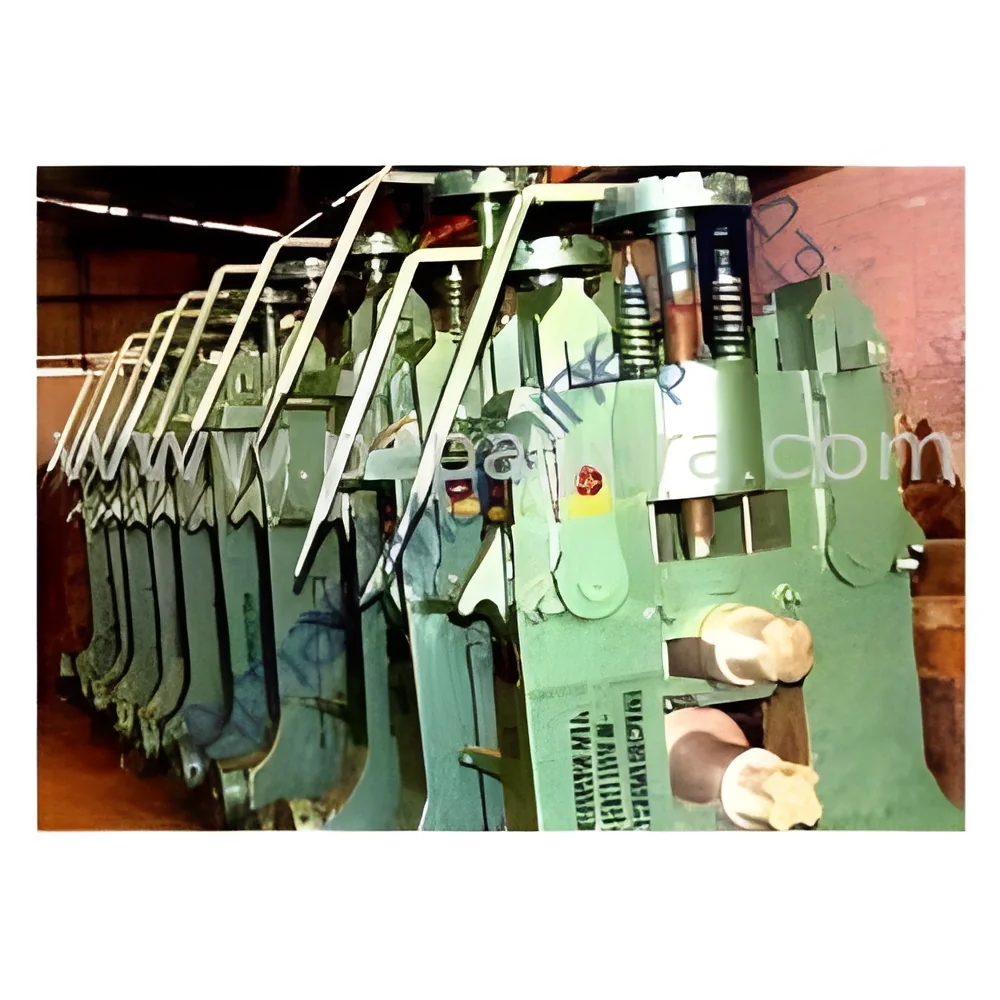
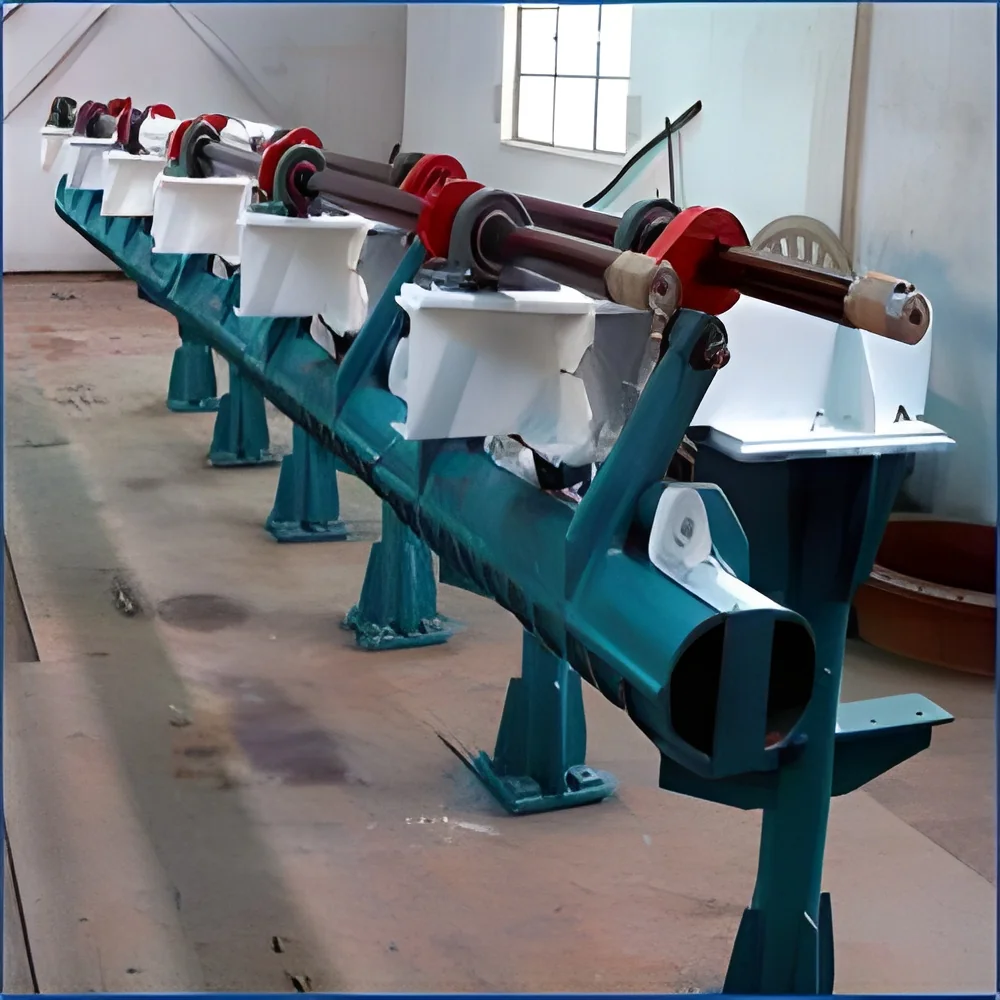
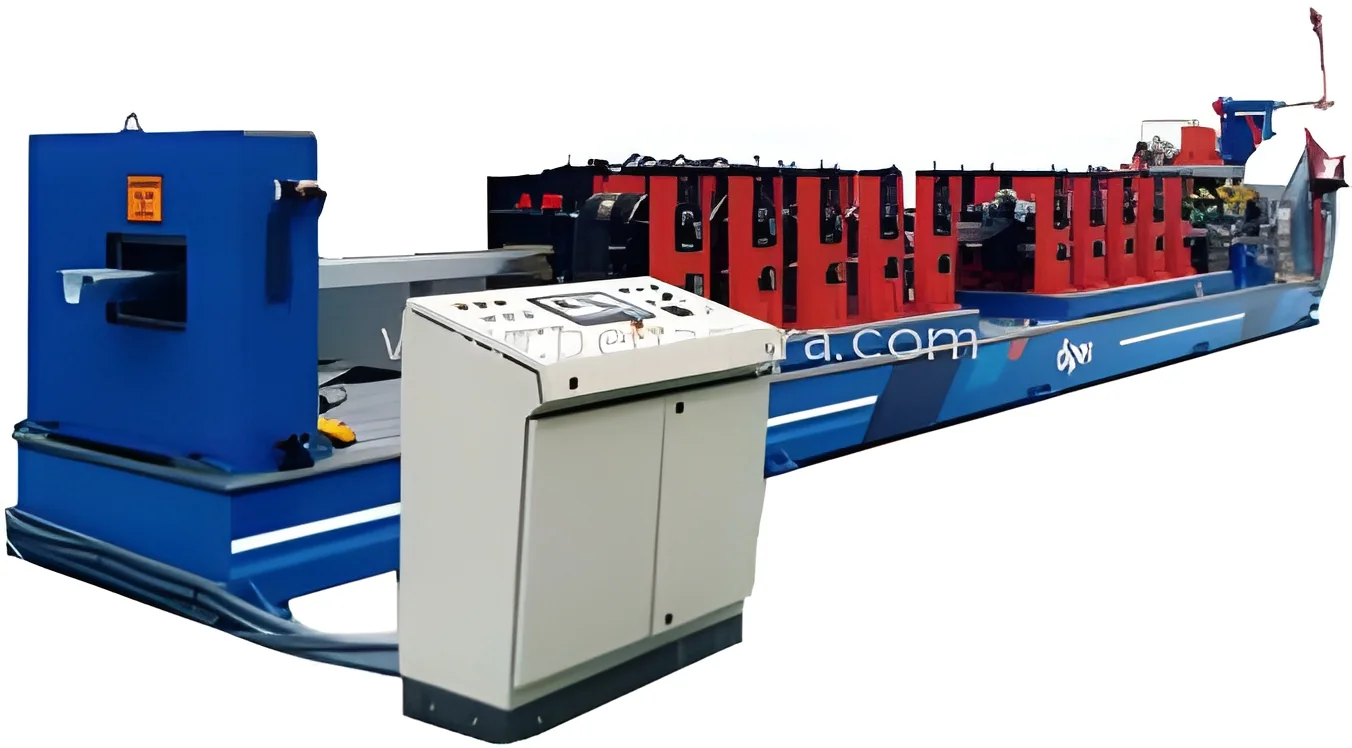
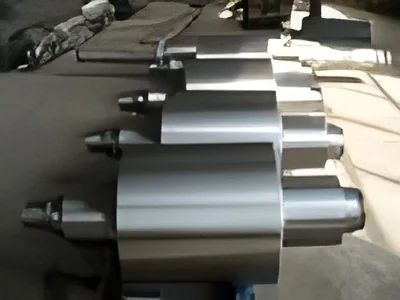
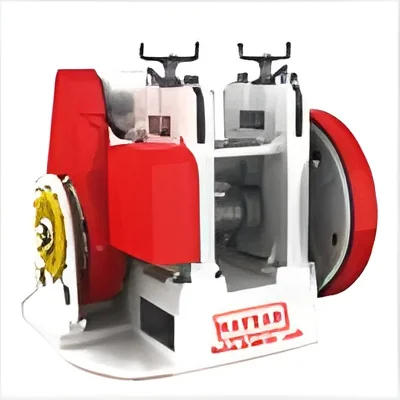
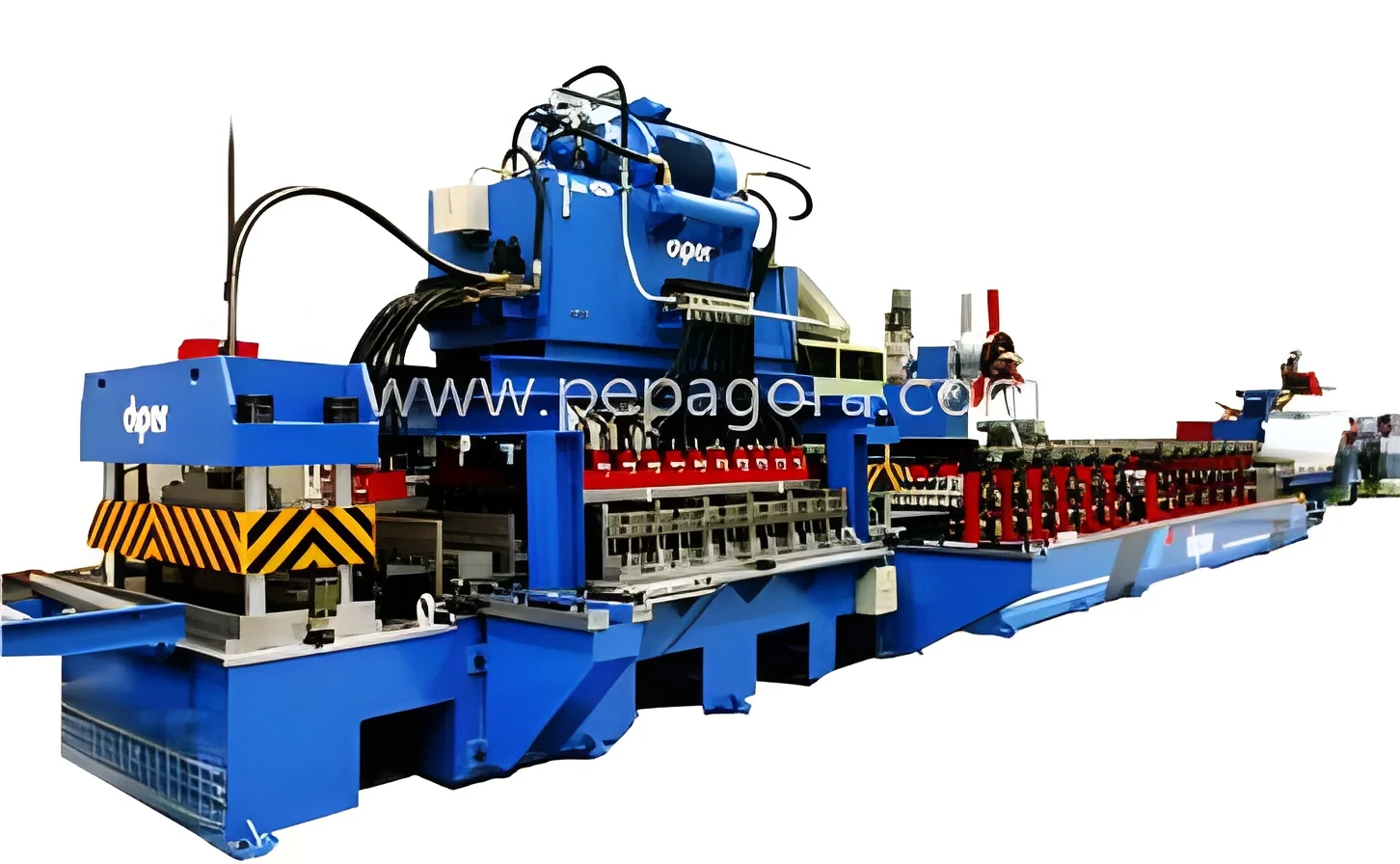
Hot rolling mills are industrial machines used for shaping and processing metal at high temperatures. These mills operate by rolling heated metal billets or slabs through a series of rollers to create desired shapes and sizes. The heat allows the metal to deform more easily, enabling efficient production of various products such as sheets, plates, and sections. Hot rolling is a critical process in the metalworking industry, facilitating the transformation of raw materials into usable forms.
The primary applications of hot rolling mills include the production of structural steel, automotive components, and a range of other metal products. Industries such as construction, manufacturing, and automotive heavily rely on hot-rolled products due to their strength and durability. The relevance of hot rolling mills extends across global markets, as they play a crucial role in meeting the ongoing demand for metals in various sectors.
Key Features and Specifications
Hot rolling mills come with several essential features and specifications that enhance their performance and efficiency. These mills are designed to handle large volumes of metal and can produce a variety of shapes and sizes. Key specifications include:
1. Roll Diameter
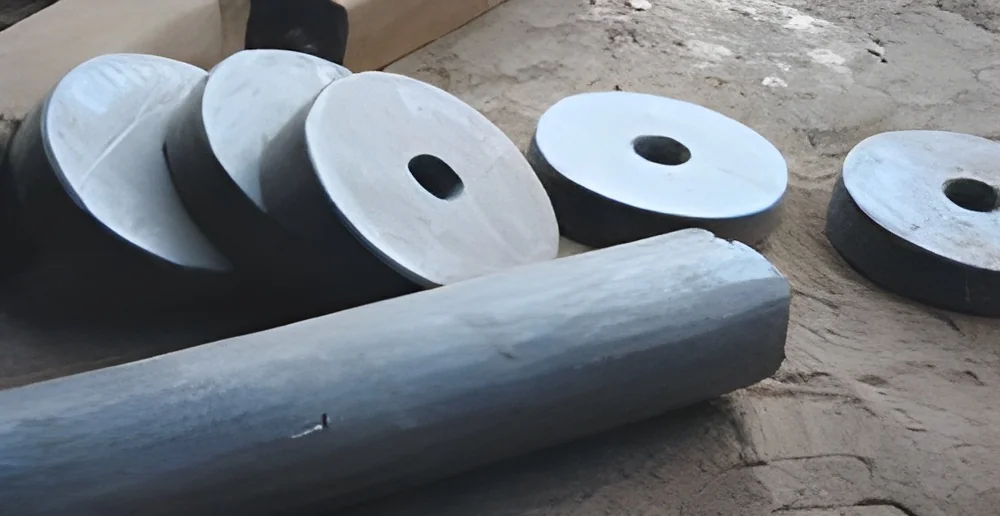
- Typically ranges from 500 mm to 1200 mm
- Influences the thickness and width of the rolled products
2. Maximum Rolling Temperature
- Generally between 1000°C and 1300°C
- Ensures optimal malleability of the metal during processing
3. Mill Speed
- Typical speeds range from 1 to 5 meters per second
- Affects production efficiency and product quality
4. Power Consumption
- Varies based on mill size and production capacity
- Usually between 300 kW and 2000 kW
5. Dimensions and Weight
- Size depends on the mill type and capacity
- Can weigh from several tons to over 100 tons
6. Automation Level
- Can range from manual to fully automated systems
- Affects operational efficiency and labor costs
7. Material Handling System
- Includes conveyors and feeders for efficient material flow
- Designed for ease of operation and minimal downtime
8. Control Systems
- Advanced systems for monitoring temperature, speed, and pressure
- Enhances precision and quality control in production
In summary, the specifications of hot rolling mills are designed to optimize production capabilities, ensuring that they meet the diverse needs of various industries.
Common Applications and Use Cases
Hot rolling mills serve a wide range of industries, each with specific applications that benefit from the properties of hot-rolled products.
1. Construction: Hot rolled steel is commonly used in building structures, bridges, and other infrastructure projects due to its strength and durability.
2. Automotive: The automotive industry utilizes hot-rolled components for manufacturing parts such as chassis, frames, and body panels, ensuring lightweight yet strong materials.
3. Shipbuilding: Hot rolled plates and sections are essential in the construction of ships and marine vessels, providing the necessary structural integrity.
4. Railways: Hot rolling is used to produce rails and other components for railway systems, ensuring high performance and safety standards.
5. Energy: The energy sector requires hot rolled materials to manufacture equipment used in power generation and distribution.
6. Manufacturing: Various manufacturing processes rely on hot-rolled metals for creating machinery, tools, and other industrial components.
7. Aerospace: Hot rolled materials are employed in the production of aircraft components, where strength and weight considerations are critical.
Product Variants and Subcategories
Hot rolling mills come in various configurations to meet specific production needs. Each variant offers unique features and applications.
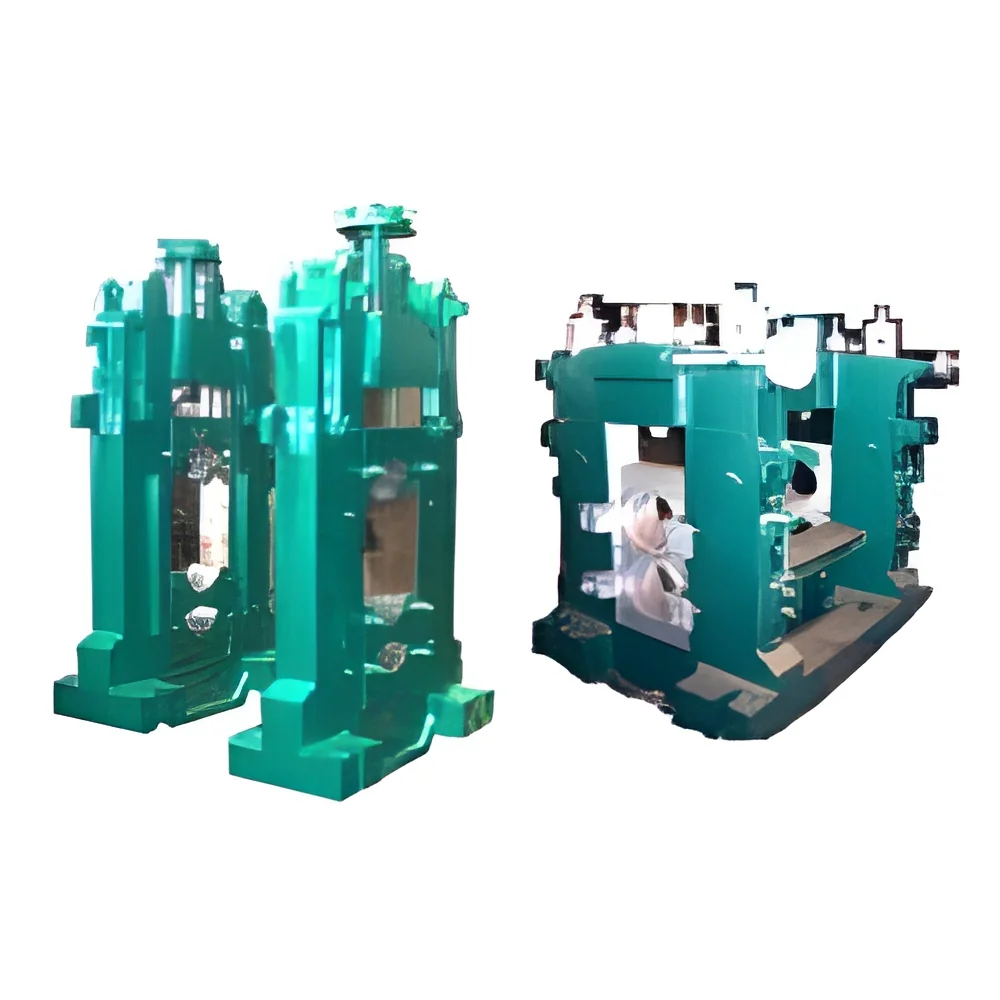
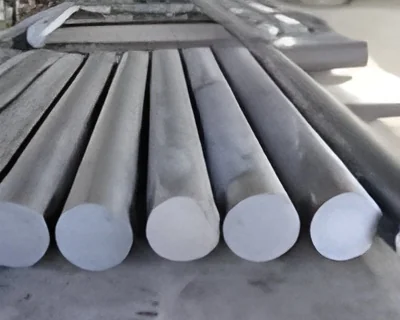
Continuous Rolling Mill: This type of mill allows for uninterrupted production of long products like bars and rods. It is characterized by its ability to maintain a consistent output and reduce processing time.
Reversing Mill: A reversing mill is designed to roll metal in both directions, allowing for the adjustment of thickness and size. This variant is ideal for producing smaller quantities or specialized products.
Benefits and Advantages
The benefits of using hot rolling mills are significant for businesses in metal processing.
1. Increased Efficiency: Hot rolling mills facilitate faster production rates, reducing lead times and increasing throughput.
2. Enhanced Metal Properties: The high temperatures involved in hot rolling improve the mechanical properties of metals, making them more suitable for various applications.
3. Cost-Effectiveness: The ability to process large quantities of metal at once lowers production costs and improves overall profitability.
4. Versatility: Hot rolling mills can produce a wide range of products, allowing manufacturers to diversify their offerings.
5. Improved Surface Finish: Hot rolled products often have better surface finishes compared to cold-rolled alternatives, making them more appealing for certain applications.
6. Customization: Many hot rolling mills can be tailored to meet specific production requirements, ensuring that businesses get the exact specifications they need.
Buying Guide for B2B Buyers
When sourcing hot rolling mills, it is essential for buyers to consider several critical factors to ensure they make informed decisions.
1. Quality Assessment: Evaluate the quality of materials and manufacturing processes used in the mills. Look for certifications such as CE to ensure compliance with industry standards.
2. Supplier Verification: Vet potential suppliers by checking their reputation, experience, and customer feedback. Ensure they have a reliable track record in providing hot rolling mills.
3. Pricing and MOQ: Understand the pricing structure and minimum order quantities. Compare quotes from multiple suppliers to find the best value without compromising quality.
4. Delivery and Lead Times: Discuss logistics and expected delivery times with suppliers. Ensure they can meet your production schedules and timelines.
5. Compliance Requirements: Be aware of any regional compliance and safety standards that the hot rolling mills must meet. This ensures that the equipment is safe and legally compliant for use in your operations.
Compliance and Certifications
Compliance and certifications are vital in the hot rolling mill industry. Manufacturers should adhere to relevant quality standards such as ISO 9001, which ensures consistent quality management practices. Additionally, CE certification is crucial for products sold in European markets, indicating that they meet safety and environmental requirements.
Safety and testing requirements are also essential aspects of compliance. Hot rolling mills must undergo rigorous testing to ensure they operate safely and efficiently under designated conditions.
Regional compliance considerations may vary, so it is essential for manufacturers to stay updated on local regulations and standards that may impact the operation of hot rolling mills in different markets.
Why Source Hot Rolling Mills from Pepagora?
Pepagora offers a trusted platform for sourcing hot rolling mills, providing several key advantages to buyers.
Verified Supplier Network: Pepagora has a robust network of verified suppliers, ensuring that buyers can access reputable manufacturers with a history of quality and reliability.
Streamlined RFQ Process: The platform simplifies the request for quotation process, allowing buyers to receive competitive quotes from multiple suppliers quickly. This efficiency helps in making timely purchasing decisions.
Trade Assurance and Support: Buyers benefit from trade assurance programs that protect their investments. Pepagora offers buyer support to resolve any issues that may arise during the purchasing process.
Regional Coverage: With a presence in India, GCC, and Southeast Asia, Pepagora provides extensive regional coverage, connecting buyers with local suppliers and facilitating easier transactions. This geographic reach enhances accessibility and reduces logistical challenges for B2B buyers.


Frequently Asked Questions
What are Hot Rolling Mills?
Hot Rolling Mills are industrial machines used to process metal at high temperatures, allowing for easier shaping and forming. These mills are typically employed in the production of steel and other alloys, where the metal is heated above its recrystallization temperature, making it malleable.
What are the different types of Hot Rolling Mills?
There are several types of Hot Rolling Mills, including single stand mills, tandem mills, and reversible mills. Each type is designed for specific applications, such as producing sheets, strips, or bars, catering to various industrial needs.
How do I choose the right Hot Rolling Mills?
Selecting the right Hot Rolling Mill depends on factors such as the type of material to be processed, the desired thickness, and production capacity. It is important to assess your requirements and consult with manufacturers to ensure the equipment meets your operational needs.
What are the standard specifications for Hot Rolling Mills?
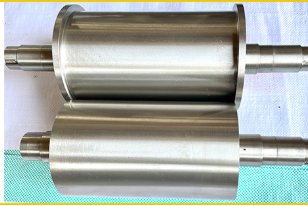
Standard specifications for Hot Rolling Mills include parameters such as the roll size, power requirements, and production speed. Additionally, specifications may vary based on the type of metal being processed and the intended end product.
What is the price range for Hot Rolling Mills?
The price range for Hot Rolling Mills can vary significantly based on factors like size, capacity, and manufacturer. Generally, prices can start from a few lakhs to several crores in Indian Rupees, depending on the specifications and technology involved.
What quality standards apply to Hot Rolling Mills?
Hot Rolling Mills must adhere to quality standards such as ISO 9001, which ensures consistency in manufacturing processes and product quality. Compliance with these standards is crucial for ensuring reliable performance and safety in industrial applications.
Where can I find Hot Rolling Mills suppliers in India?
You can find Hot Rolling Mills suppliers in India through online B2B marketplaces, industry trade shows, and local manufacturing directories. Platforms like Pepagora offer listings for verified suppliers and manufacturers, making it easier to connect with potential partners.
Can Hot Rolling Mills be customized?
Yes, many manufacturers offer customization options for Hot Rolling Mills to meet specific customer requirements. Customizations may include modifications to size, capacity, or additional features to enhance functionality and efficiency.
What is the typical minimum order quantity for Hot Rolling Mills?
The typical minimum order quantity (MOQ) for Hot Rolling Mills can vary based on the manufacturer and the specifications of the mill. Generally, MOQs can range from one unit for standard models to higher quantities for more specialized equipment.
What is the typical lead time for Hot Rolling Mills?
The typical lead time for Hot Rolling Mills can range from a few weeks to several months, depending on the complexity of the order and the manufacturer's production schedule. It is advisable to confirm the lead time with the supplier during the ordering process.
Why Businesses Trust Pepagora
Thousands of companies trust Pepagora to source smarter and sell faster
Expand Your Sales Globally

Source Smarter,Grow Faster
