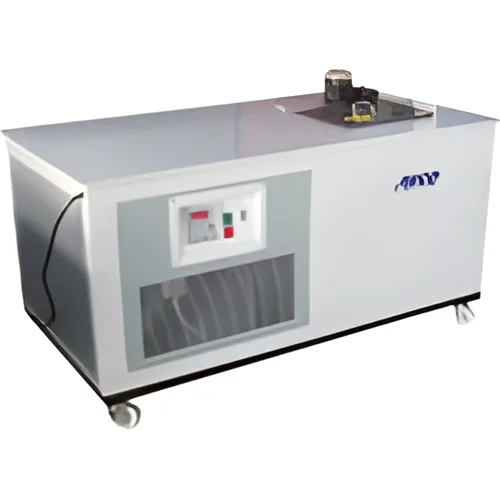
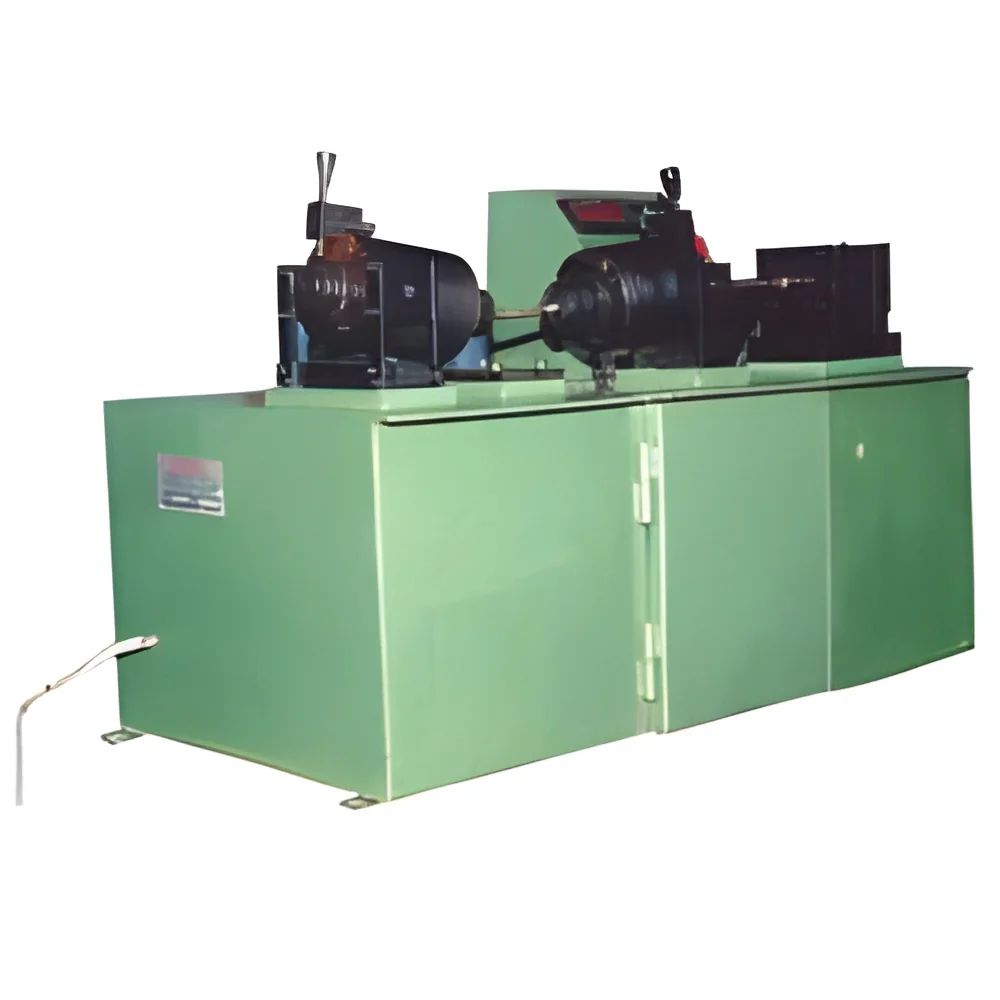
What are Hardness Testers?
Hardness testers are specialized instruments used to measure the hardness of materials, primarily metals and some plastics. Hardness is defined as a material's resistance to deformation, particularly permanent deformation, indentation, or scratching. These testers apply a specific force to a material and then measure the depth or size of the indentation left behind. The results can be expressed in various hardness scales, such as Rockwell, Brinell, and Vickers, depending on the testing method employed.
The primary use of hardness testers is in quality control and material characterization in manufacturing and engineering. They are crucial in determining the suitability of materials for specific applications, ensuring that they meet required standards. Industries such as automotive, aerospace, and metalworking rely heavily on these testers to ensure product durability and performance. As the manufacturing sector continues to advance, the demand for precise hardness testing has grown, highlighting the importance of these instruments in maintaining quality and compliance in production processes.
Key Features and Specifications
Hardness testers come equipped with several features and specifications designed to enhance their functionality and accuracy. These features can vary significantly among different models, catering to various testing needs in industrial applications.
Key specifications include:
1. Testing Methods
- Common methods are Rockwell, Brinell, and Vickers.
- Each method has its own application, depending on the material type.
2. Measurement Range
- Hardness scales range from very soft materials to hard alloys.
- Specific testers may cover a range from 10 to 70 HRC or higher.
3. Readability
- Digital displays provide clear and precise readings.
- Some models offer print functions for reporting results.
4. Portability
- Handheld options available for field testing.
- Lightweight designs enhance usability in various environments.
5. Power Source
- Battery-operated models allow for ease of use in remote locations.
- Some testers may include rechargeable options.
6. Calibration
- Regular calibration ensures accuracy and reliability.
- Some devices feature self-calibrating options.
7. Compliance Standards
- Many hardness testers meet international standards for quality assurance.
- Compliance with CE certification is common.
In summary, hardness testers are characterized by their diverse testing methods and specifications, which are tailored to meet the specific requirements of different industries.
Common Applications and Use Cases
Hardness testers find applications across a variety of industries, each having unique requirements for material testing.
1. Automotive Industry: Hardness testers are used to evaluate the hardness of metals in engine components, ensuring durability and performance under stress.
2. Aerospace Industry: These instruments help in assessing materials used in aircraft, ensuring they can withstand extreme conditions.
3. Metalworking: Hardness testing is vital for quality control in the production of tools and machinery, guaranteeing they meet specified hardness requirements.
4. Construction: Testing concrete and other construction materials ensures they meet safety and performance standards.
5. Electronics: Hardness testers are used to evaluate materials in electronic components, ensuring they can endure environmental stress.
6. Research and Development: Laboratories utilize hardness testers to develop new materials and improve existing ones for various applications.
7. Manufacturing: Quality control processes in manufacturing rely on hardness testing to maintain product standards and performance.
Product Variants and Subcategories
The market for hardness testers includes various models to cater to different testing needs and environments.
Portable Hardness Testers
These handheld devices are designed for field use, allowing for quick and easy testing of materials on-site. They feature a compact design and battery operation, making them ideal for mobile applications.
Benchtop Hardness Testers
These testers are designed for laboratory settings, offering high precision and advanced features. They often include digital interfaces and robust software for data analysis, making them suitable for thorough material testing.
Digital Hardness Testers
Equipped with digital displays, these testers provide accurate readings and often include data logging capabilities. They are user-friendly and ideal for environments requiring quick and reliable results.
Benefits and Advantages
Investing in hardness testers offers several advantages for businesses looking to improve their quality control processes.
1. Enhanced Quality Control: Hardness testers help ensure that materials meet industry standards, reducing the risk of product failure.
2. Improved Material Selection: Accurate hardness measurements assist in selecting the right materials for specific applications, enhancing product performance.
3. Increased Efficiency: Streamlined testing processes save time and resources, allowing for quicker production cycles.
4. Cost Savings: By identifying material deficiencies early, businesses can minimize waste and reduce costs related to rework or product recalls.
5. Compliance Assurance: Regular hardness testing helps companies meet regulatory and industry standards, avoiding penalties and enhancing reputation.
6. Versatile Applications: Hardness testers can be used across various industries, making them a valuable asset for businesses engaged in diverse manufacturing processes.
Buying Guide for B2B Buyers
When sourcing hardness testers, it is essential to consider several factors to ensure you choose the right equipment for your needs.
1. Quality Assessment: Evaluate the quality and durability of the testers. Look for models that have been tested and certified to meet industry standards.
2. Supplier Verification: Vet potential suppliers to ensure they have a reputable history. Check for customer reviews and inquire about their return policies.
3. Pricing and MOQ: Compare prices across suppliers and be aware of minimum order quantities that may apply. Ensure that the pricing aligns with your budget and needs.
4. Delivery and Lead Times: Inquire about delivery schedules and lead times to ensure they align with your project timelines. Understanding logistics is crucial for timely operations.
5. Compliance Requirements: Ensure that the hardness testers meet necessary compliance standards relevant to your industry. This may include certifications such as CE and others.
Compliance and Certifications
Hardness testers must adhere to relevant quality standards and certifications to ensure their reliability and accuracy in testing.
ISO 9001 is a standard that outlines quality management systems, ensuring that manufacturers consistently produce products that meet customer and regulatory requirements.
CE certification is important for hardness testers sold in European markets. It signifies that the product meets health, safety, and environmental protection standards.
In addition to certifications, safety and testing requirements should be considered. Hardness testers must undergo rigorous testing to ensure they operate safely and provide accurate measurements in various conditions.
Regional compliance considerations may also apply, depending on the market. It is essential to be aware of local regulations that govern the use of testing equipment in industrial applications.
Why Source Hardness Testers from Pepagora?
Pepagora provides a trusted platform for sourcing hardness testers, offering several key advantages that benefit B2B buyers.
Verified Supplier Network: Pepagora connects buyers with a network of verified suppliers. This ensures that all listed suppliers have been vetted for reliability and quality, providing peace of mind for buyers.
Streamlined RFQ Process: The request for quotation process on Pepagora is designed to be efficient and user-friendly. Buyers can quickly obtain quotes from multiple suppliers, allowing for informed decision-making.
Trade Assurance and Support: Pepagora offers trade assurance, protecting buyers throughout the purchasing process. This includes support for any issues that may arise, ensuring a smooth transaction.
Regional Coverage: With a presence in India, the GCC, and Southeast Asia, Pepagora provides extensive geographic coverage. This enables buyers to source hardness testers that meet their specific regional requirements, enhancing accessibility and convenience.

 IN
IN