IN
IN₹
Apparel & Fashion
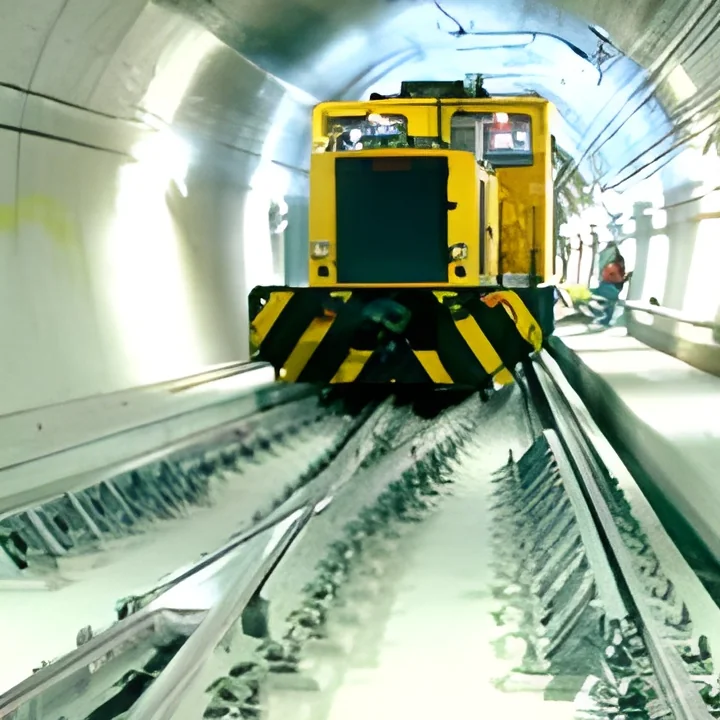
Description
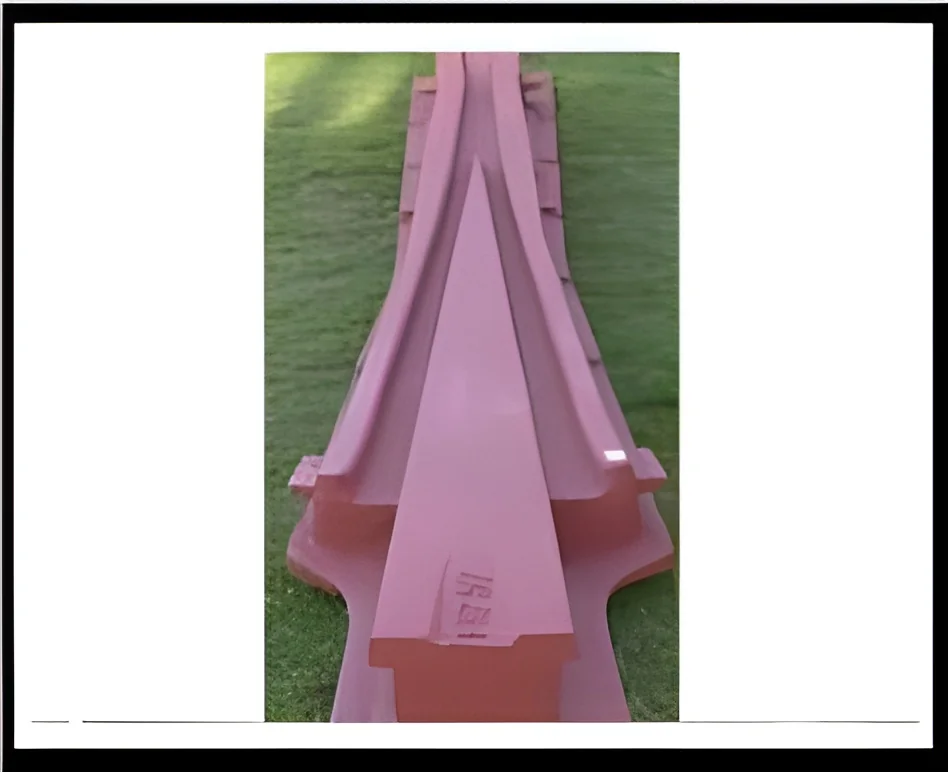
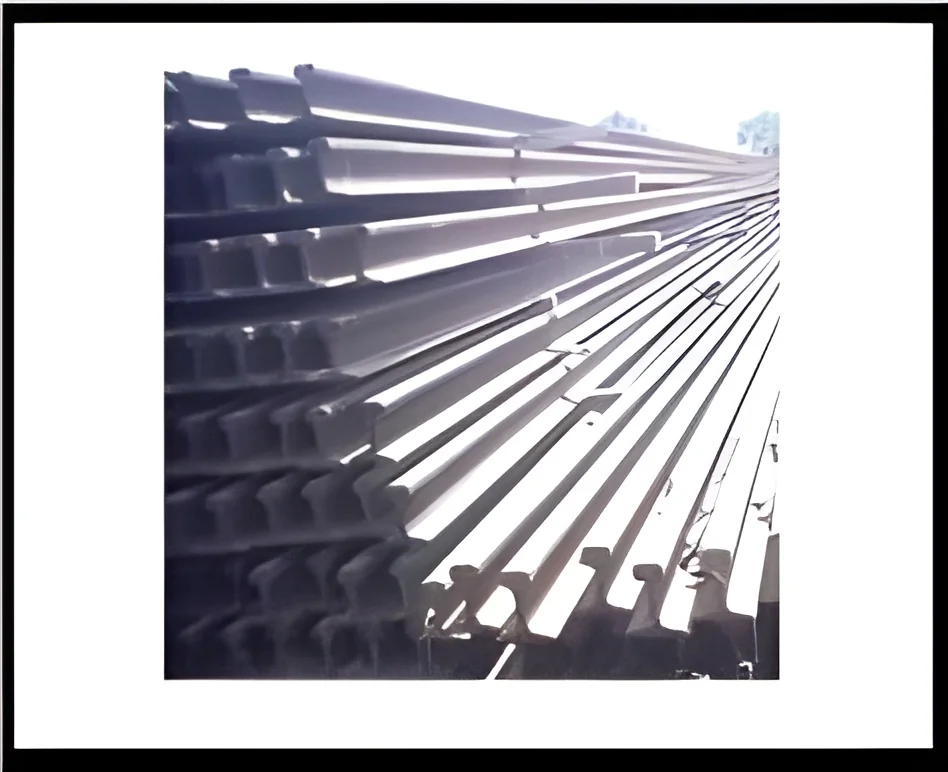
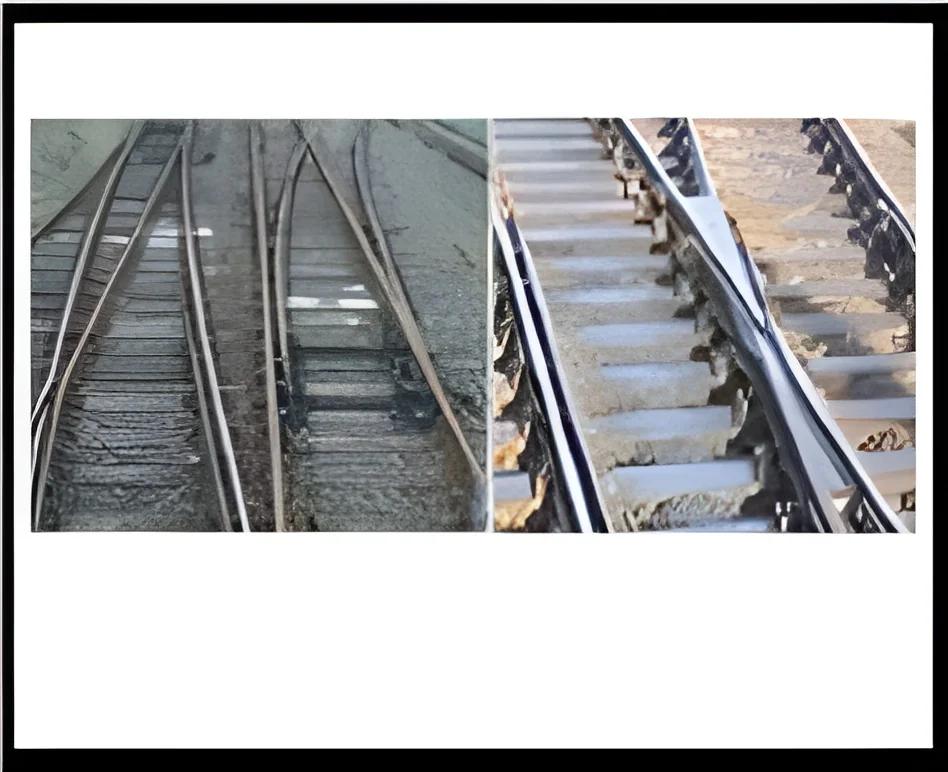
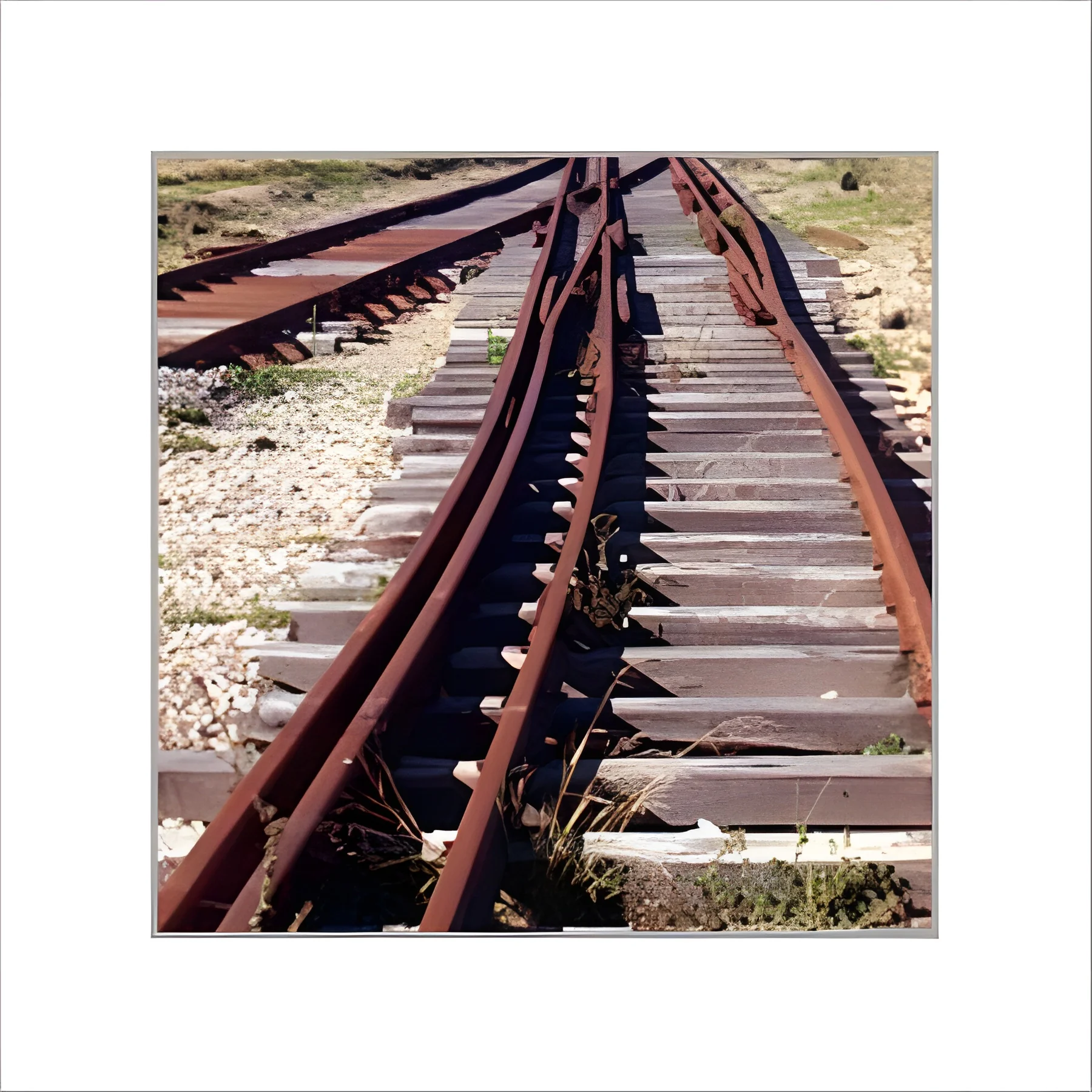
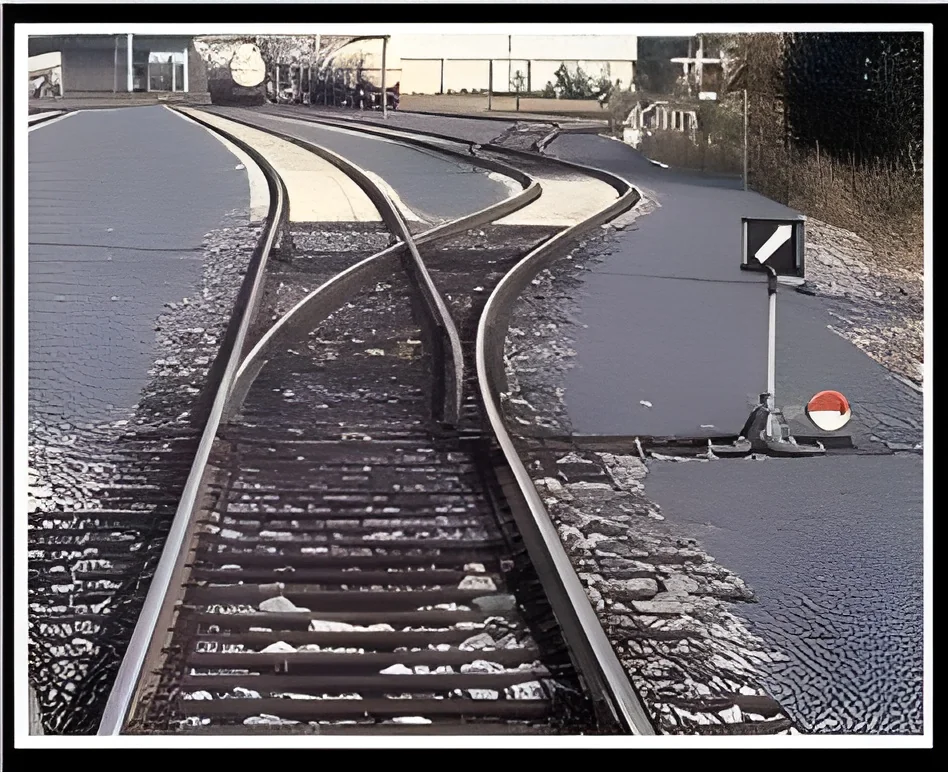
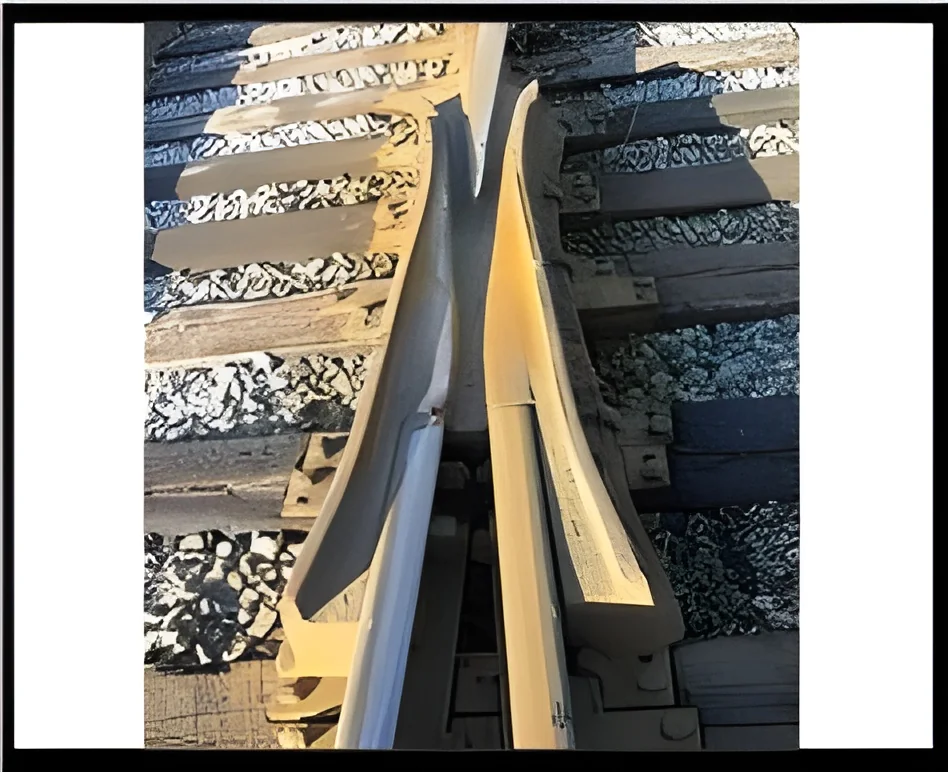
Railway turnouts are critical components designed for precise track switching in rail infrastructure. Available for broad and meter gauge systems, they are engineered to deliver reliability, safety, and smooth transitions under heavy loads and high traffic. These turnouts meet rigorous industry standards, reducing derailment risks and enhancing operational efficiency. Their robust construction ensures dependable performance, making them a trusted choice for railway operators seeking durable and precise switching solutions.

These turnouts are extensively used in mainline railways, freight corridors, metro systems, and industrial rail networks. They facilitate efficient passenger transit, cargo transport, and logistical operations by enabling optimal track utilization and network expansion. Industries such as mining, ports, and manufacturing depend on them for seamless rail movements, which help reduce bottlenecks and improve throughput. Their compatibility with various gauges and globa...
Railway turnouts are critical components designed for precise track switching in rail infrastructure. Available for broad and meter gauge systems, they are engineered to deliver reliability, safety, and smooth transitions under heavy loads and high traffic. These turnouts meet rigorous industry standards, reducing derailment risks and enhancing operational efficiency. Their robust construction ensures dependable performance, making them a trusted choice for railway operators seeking durable and precise switching solutions.

These turnouts are extensively used in mainline railways, freight corridors, metro systems, and industrial rail networks. They facilitate efficient passenger transit, cargo transport, and logistical operations by enabling optimal track utilization and network expansion. Industries such as mining, ports, and manufacturing depend on them for seamless rail movements, which help reduce bottlenecks and improve throughput. Their compatibility with various gauges and global rail standards ensures versatility for both domestic and international projects.

Investing in these high-quality turnouts provides significant business value by minimizing maintenance costs, extending service life, and enhancing safety. Their reliability reduces operational disruptions, ensuring consistent performance and a lower total cost of ownership. With a focus on durability and precision, these turnouts support long-term infrastructure goals, offering a dependable solution for serious buyers aiming to optimize rail operations and achieve sustainable growth.

Key Features:
- Designed for broad and meter gauge track systems
- Heavy-duty construction to withstand extreme loads
- Precision engineering for smooth and reliable switching
- Compatible with global rail standards and specifications
- Engineered for high traffic and harsh environmental conditions

Benefits:
- Enhances operational safety and reduces derailment risks
- Minimizes maintenance needs and extends service life
- Supports efficient traffic management and network flexibility
- Provides reliable performance in demanding applications
- Lowers total cost of ownership through durability and consistency
Specifications
| Additional Information | |
|---|---|
| Country of Origin | India |
Application
Railway turnouts enable seamless track transitions for trains, supporting both broad and meter gauge systems. They are engineered for heavy loads and high-frequency traffic, ensuring operational flexibility in mainline and industrial rail networks. These components reduce derailment risks and enhance traffic management across diverse railway infrastructures.
Built to withstand harsh conditions and extreme loads, these turnouts offer long-term durability and minimal maintenance needs. They provide consistent performance in demanding environments, supporting efficient rail operations and safety. Industries rely on them for reliable switching, reduced downtime, and improved network capacity in various rail projects.
- Mainline railway networks for routing passenger and freight trains
- Industrial sidings and freight yards for logistics and material handling
- Metro and urban transit systems for efficient track switching
- Mining railways for heavy haulage and resource transport
- Port and harbor rail infrastructure for cargo movement and distribution
Trade Details
| Available Stock | In Stock |
| Sample Availability | No |
Payment Terms
| Payment Terms |
|
Company Profile
N Mohan Lal Railtrack Pvt Ltd, Gujarat
 Gujarat, India
Gujarat, IndiaManufacturer•Distributor / Wholesaler•Importer / Exporter
Factory Details
Factory SizeBelow 1000 sqm
Annual Production Capacity0
Main Markets
South Asia
Railway Turnouts Broad Meter Gauge Heavy Duty Track Switching
Heavy-duty railway turnouts for broad and meter gauge tracks ensure reliable track switching and safety. Ideal for mainline railways and industrial applications with precision engineering for smooth operations.
Min. Order Quantity: 1 unit
Shipping
Shipping fee and delivery date to be negotiated. Contact supplier now for more details.
N Mohan Lal Railtrack Pvt Ltd
 Gujarat, India
Gujarat, IndiaManufacturer