What are Billet Shearing Machines?
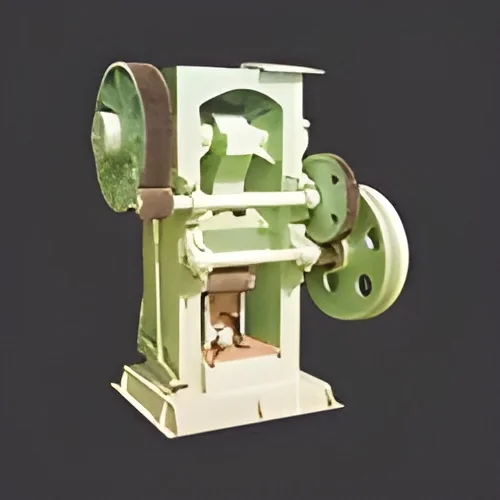
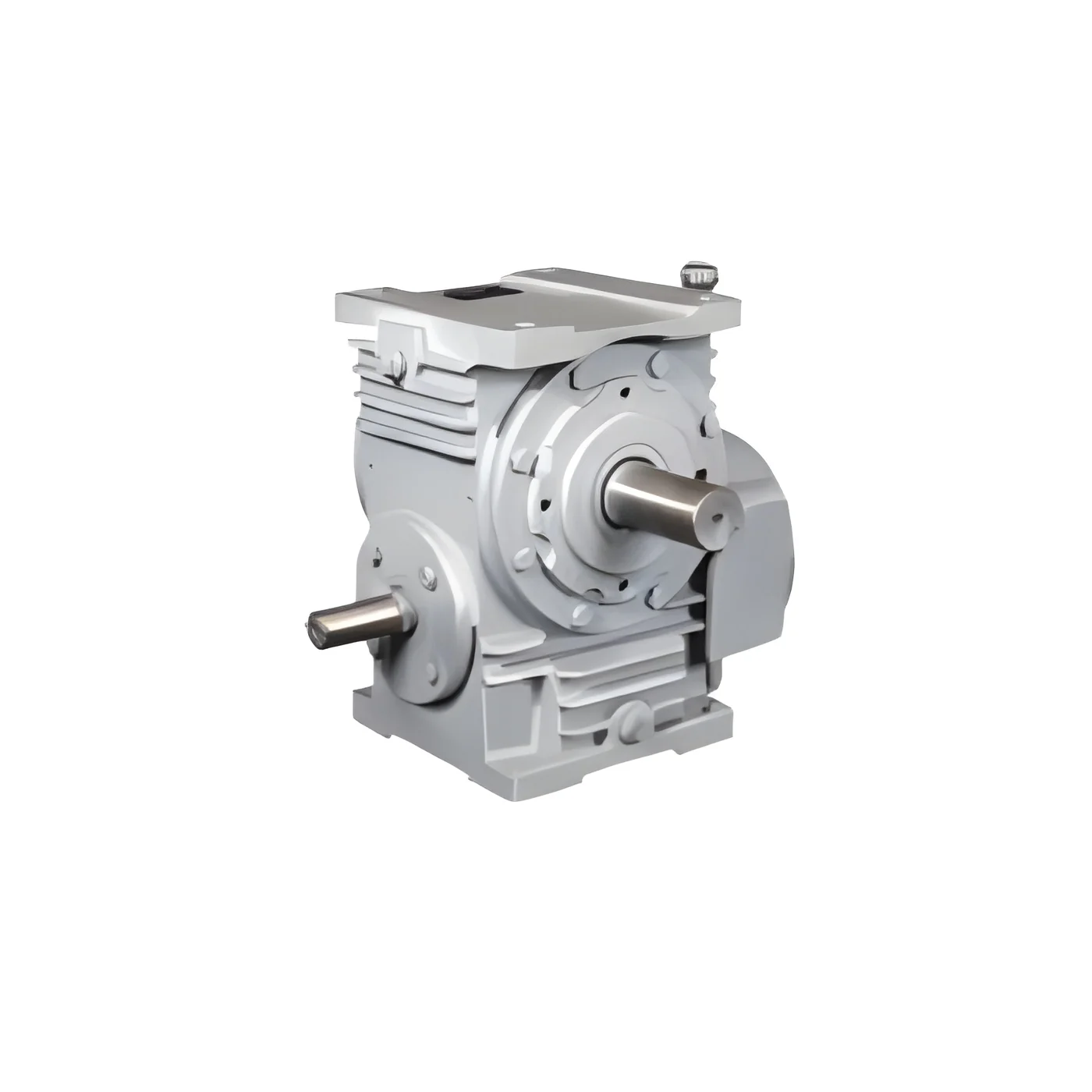
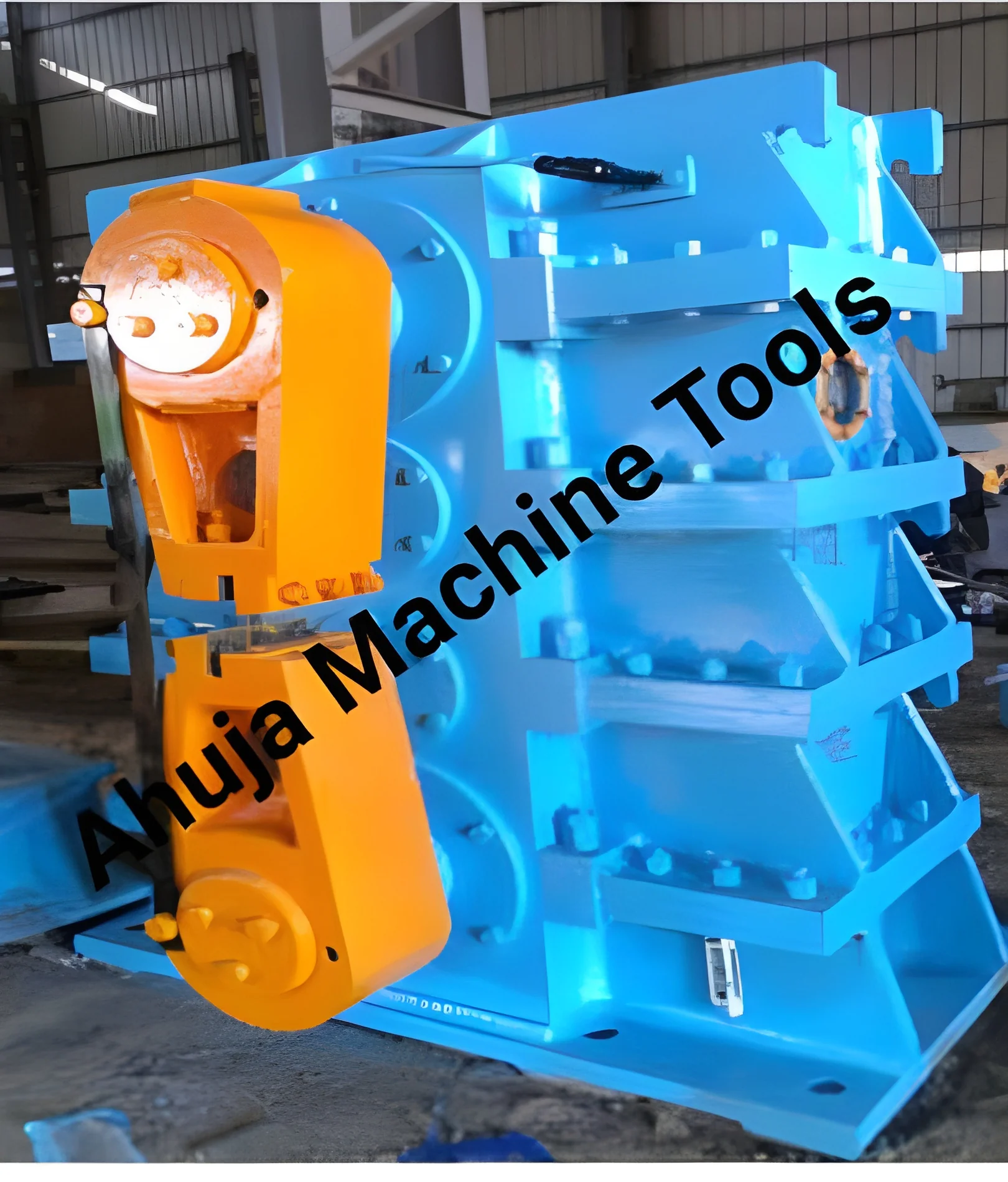
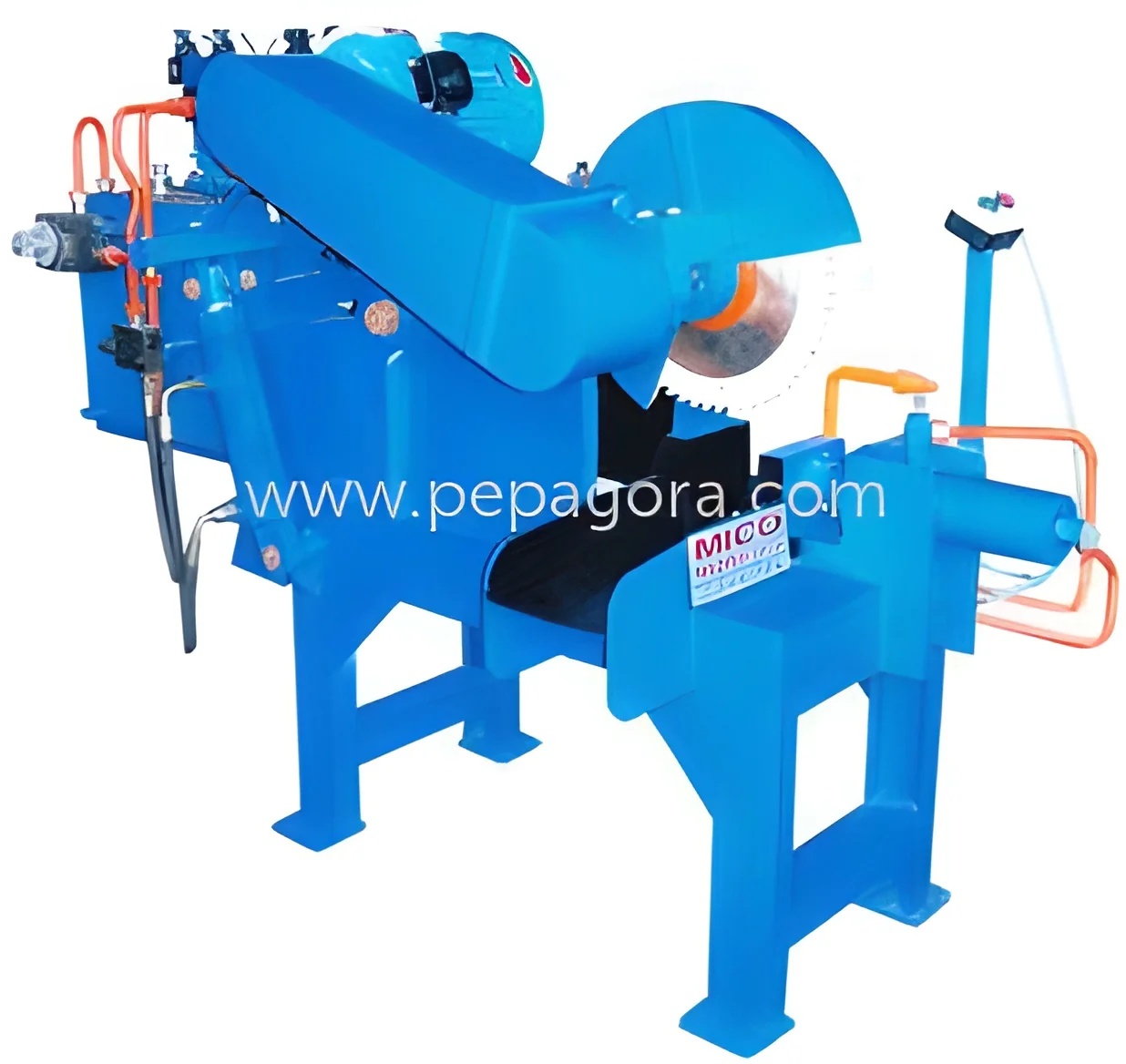
Billet Shearing Machines are specialized industrial equipment designed to cut metal billets into specific lengths and shapes with precision. These machines utilize powerful shear blades to perform high-speed cuts on various types of metals, including steel and aluminum. Their robust construction allows them to handle heavy-duty applications, making them essential in manufacturing and fabrication processes.
The primary uses of Billet Shearing Machines include metal processing, recycling, and production in industries such as automotive, construction, and manufacturing. They are particularly valuable in operations where accurate lengths of metal are required for further processing or assembly. The efficiency and precision of these machines significantly enhance production capabilities and reduce material waste.
In the current market context, Billet Shearing Machines are increasingly relevant as industries strive for higher efficiency and lower operational costs. With the growing demand for custom metal lengths in various sectors, these machines play a crucial role in streamlining production and meeting customer specifications.
Key Features and Specifications
Billet Shearing Machines come equipped with a variety of features that enhance their performance and efficiency. Understanding these specifications is essential for businesses looking to invest in such machinery.
Key specifications include:
1. Cutting Capacity
- The maximum thickness and width of the billets that the machine can shear.
- Typical ranges vary from 10 mm to 100 mm in thickness.
2. Shear Speed
- The speed at which the machine can perform cuts.
- Common speeds range from 15 to 30 cuts per minute.
3. Blade Material
- The type of material used for the shear blades, affecting durability and cutting efficiency.
- High-carbon steel or hardened alloys are commonly used.
4. Motor Power
- The power of the motor driving the machine, influencing cutting performance.
- Generally ranges from 5 HP to 30 HP.
5. Control System
- Type of control system used for operating the machine, such as manual or automatic.
- Advanced models may feature programmable logic controllers (PLC).
6. Dimensions
- Overall size and footprint of the machine, impacting installation and workspace requirements.
- Typical dimensions can range from 2m x 1m to 4m x 2m.
7. Weight
- The total weight of the machine, which can indicate stability and construction quality.
- Ranges from 500 kg to 3000 kg depending on the model.
8. Safety Features
- Built-in safety mechanisms to protect operators during machine operation.
- Includes emergency stop buttons and safety guards.
In summary, understanding these key features and specifications is crucial for businesses to select the right Billet Shearing Machine that meets their operational needs.
Common Applications and Use Cases
Billet Shearing Machines are versatile tools used across various industries. Their ability to cut metal billets efficiently makes them invaluable in many applications.
1. Automotive Industry: These machines are employed to produce metal components for vehicles, ensuring precise lengths for parts such as frames and engine components.
2. Construction Industry: Billet Shearing Machines are used to cut steel billets for structural applications, including beams and reinforcements in building projects.
3. Manufacturing Sector: Many manufacturers utilize these machines for creating custom metal products, facilitating efficient production processes.
4. Metal Recycling: In recycling plants, Billet Shearing Machines play a crucial role in processing scrap metal, cutting it into manageable sizes for recycling.
5. Aerospace Industry: These machines help in fabricating parts for aircraft, where precision and quality are of utmost importance.
6. Rail Industry: Billet Shearing Machines are used to produce rail components, ensuring that the lengths and shapes meet strict industry specifications.
7. Marine Industry: In shipbuilding, these machines cut metal billets for various applications, enhancing production efficiency and material management.
Product Variants and Subcategories
Billet Shearing Machines come in diverse variants to cater to different industrial needs. Each variant offers unique features tailored for specific applications.
Hydraulic Billet Shearing Machines: These machines utilize hydraulic systems to provide powerful cutting force. They are designed for high-volume production and are suitable for cutting thicker billets, making them ideal for heavy-duty applications.
Mechanical Billet Shearing Machines: Featuring a mechanical drive system, these machines are often preferred for their simplicity and lower maintenance requirements. They are well-suited for light to medium-duty operations where precision is essential.
Automatic Billet Shearing Machines: Equipped with advanced control systems, these machines automate the cutting process. They are beneficial for operations requiring high throughput and minimal manual intervention.
Benefits and Advantages
Investing in Billet Shearing Machines offers numerous benefits that can enhance operational efficiency and productivity.
1. Increased Efficiency: These machines streamline the cutting process, significantly reducing production time and increasing output.
2. Precision Cutting: Billet Shearing Machines deliver high accuracy, ensuring that metal pieces meet exact length specifications, which minimizes material waste.
3. Versatility: Their ability to handle various materials and thicknesses makes them adaptable to different industrial applications.
4. Enhanced Safety: Modern machines incorporate various safety features that protect operators during the cutting process, reducing the risk of accidents.
5. Cost Savings: By minimizing waste and improving production efficiency, businesses can achieve significant cost reductions over time.
6. Reliable Performance: High-quality construction ensures that these machines operate consistently, providing reliable performance in demanding environments.
Buying Guide for B2B Buyers
When sourcing Billet Shearing Machines, it is essential to consider several factors to ensure a suitable purchase.
1. Quality Assessment: Evaluate the machine's build quality, materials used, and manufacturer reputation. Look for machines with certifications that indicate adherence to industry standards.
2. Supplier Verification: Conduct thorough research on potential suppliers. Check for reviews, past performance, and customer feedback to ensure reliability.
3. Pricing and MOQ: Understand the pricing structure and minimum order quantities. Compare quotes from multiple suppliers to find a competitive deal that meets your budget.
4. Delivery and Lead Times: Inquire about delivery schedules and lead times. Ensure that the supplier can meet your timelines to avoid disruptions in your production process.
5. Compliance Requirements: Confirm that the machine complies with relevant industry regulations and safety standards. This is crucial for ensuring operational legality and safety.
Compliance and Certifications
Billet Shearing Machines must adhere to various compliance and certification standards to ensure quality and safety. Key standards include ISO 9001, which focuses on quality management systems, ensuring that manufacturers consistently meet customer and regulatory requirements.
Additionally, CE certification is critical for machines sold in European markets, indicating that the product meets EU safety, health, and environmental protection standards.
Safety and testing requirements are paramount, which includes rigorous testing of the machines to ensure they operate safely under various conditions. Regional compliance considerations may also vary, necessitating that buyers understand local regulations in their respective markets.
Why Source Billet Shearing Machines from Pepagora?
Pepagora provides a trusted platform for sourcing Billet Shearing Machines, offering several key advantages for B2B buyers.
Verified Supplier Network: Pepagora connects businesses with a network of verified suppliers, ensuring that customers can find reliable manufacturers with a history of quality products.
Streamlined RFQ Process: The Request for Quotation (RFQ) system allows buyers to easily request quotes from multiple suppliers, facilitating competitive pricing and informed decision-making.
Trade Assurance and Support: Pepagora offers trade assurance, providing protection for buyers throughout the purchasing process. This support helps to build trust and ensure a smooth transaction.
Regional Coverage: With a focus on markets like India, the GCC, and Southeast Asia, Pepagora ensures that businesses can find suppliers that cater to their specific regional needs, enhancing accessibility and convenience.

 IN
IN